

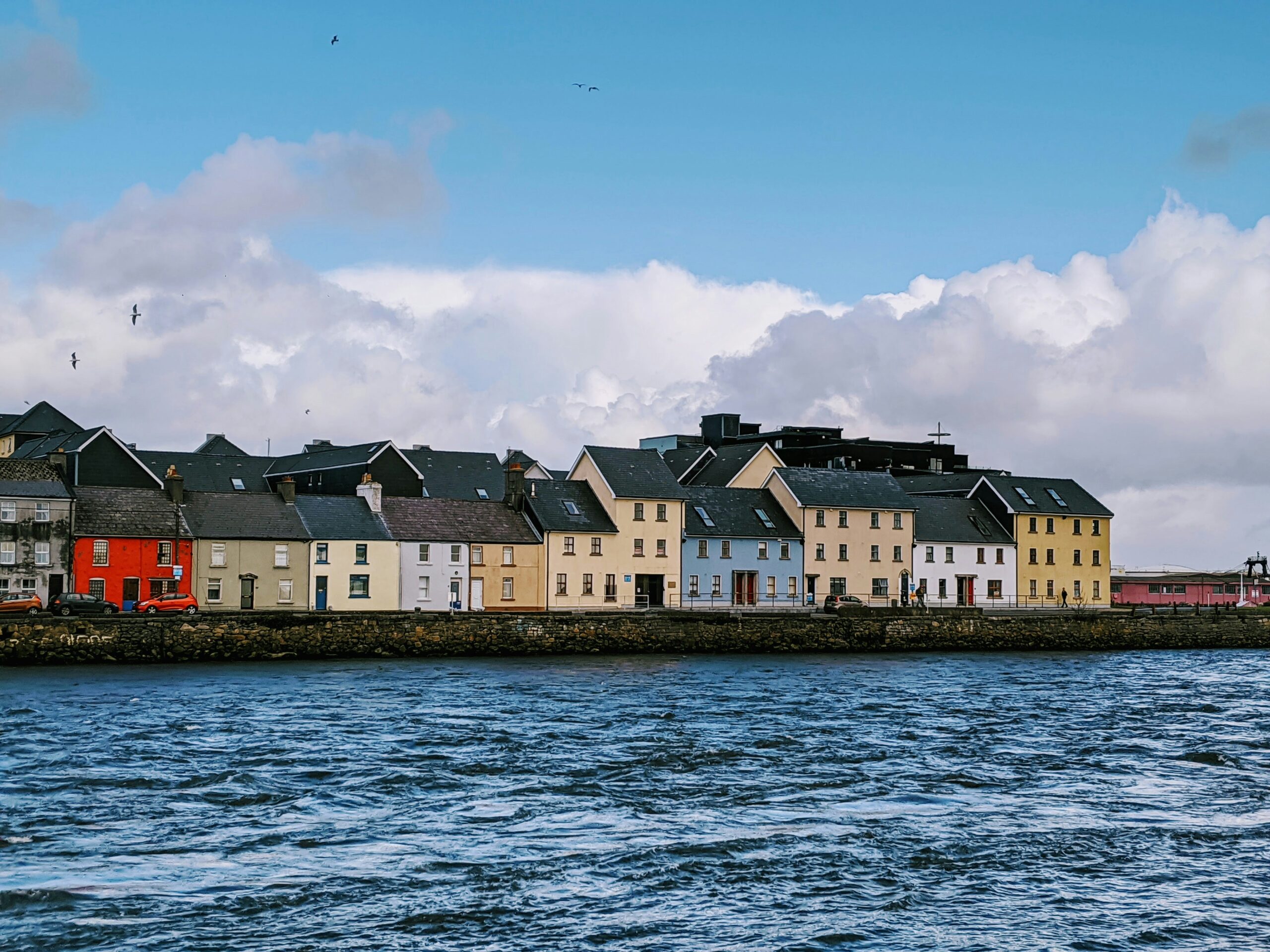
What to do and see in Galway: the ultimate travel guide
This guide to what to do and see in Galway: the ultimate travel guide brings together the city’s main historic streets, waterfront walks, museums, and nearby landscapes. If it is your first time in the city, start with the compact centre, then move towards Salthill and Lough Corrib when you have more time. For orientation on arrival, compare the available free tours in Galway and use this article to decide what to visit before or after the walk.
Last verified: May 2026 — Prices, opening hours, and reservation requirements checked against official sources. GuruWalk’s Galway gurus reviewed the practical recommendations.
Galway Cathedral
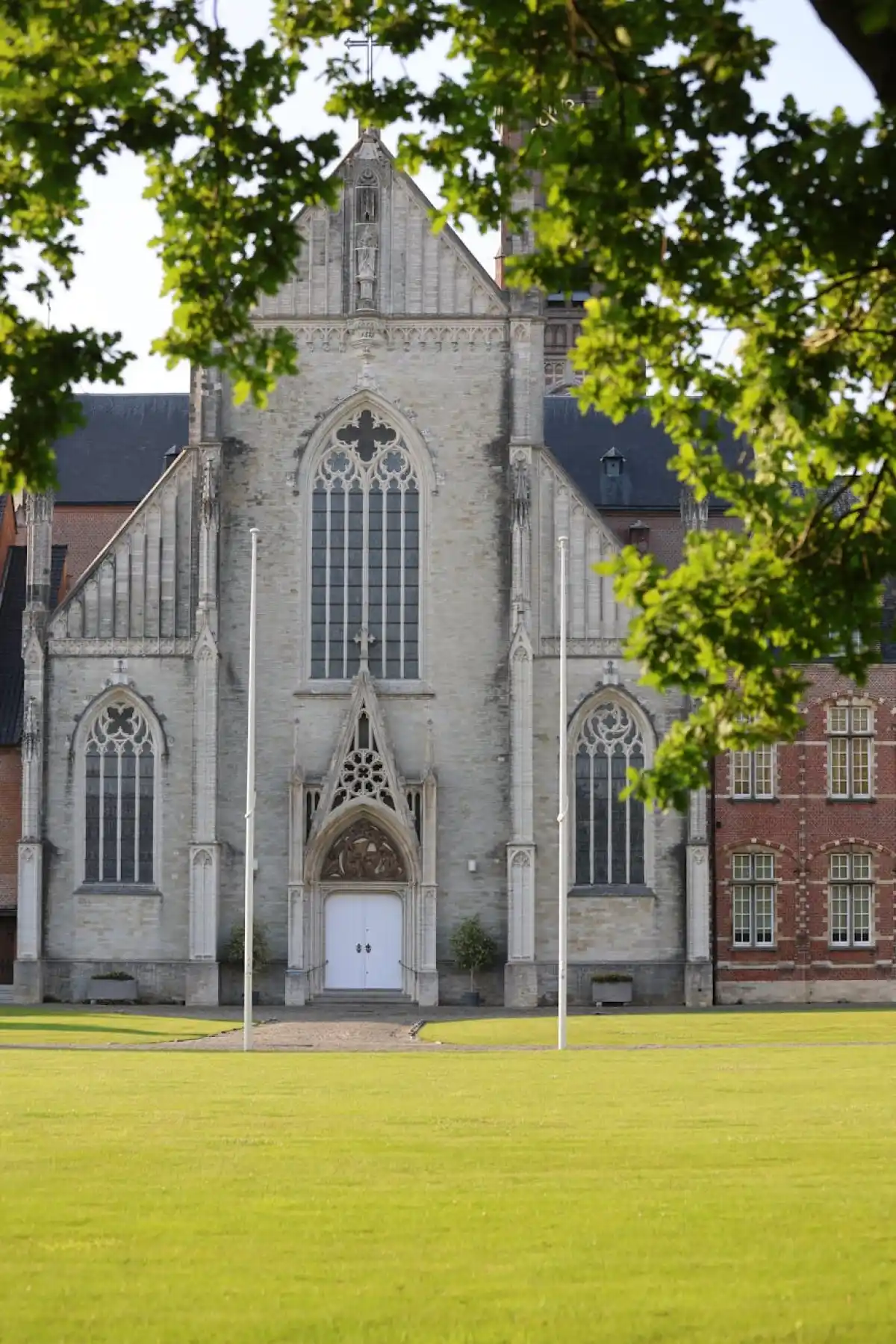
Galway Cathedral, officially the Cathedral of Our Lady Assumed into Heaven and St Nicholas, stands beside the River Corrib and is one of the clearest landmarks for understanding modern Galway. The building was completed in the 1960s on the site of the old city jail, which gives it a different story from Ireland’s medieval cathedrals. Check current visitor information on the official Galway Cathedral website before planning your visit.
The interior mixes stone arches, mosaics, stained glass, and a large central dome. Keep the visit simple: walk the nave slowly, look at the side chapels, and leave time to see how the river frames the building from the outside.
For a first visit, GuruWalk recommends starting the day with a free walking tour in Galway before entering individual monuments. It gives context on the river, the old city walls, and the route between the cathedral, the Latin Quarter, and the Spanish Arch.
Spanish Arch
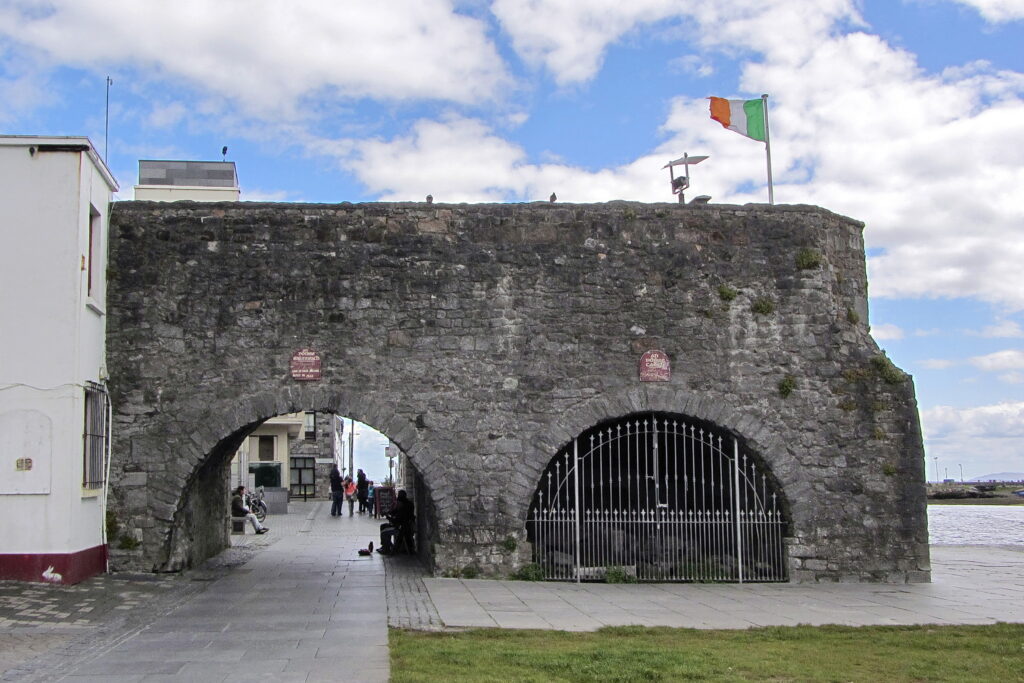
The Spanish Arch is one of the remaining pieces of Galway’s old defensive walls. It sits close to the river and the Long Walk, so it works well as a short stop between the Latin Quarter, the museum, and the waterfront. For background on the site, use the Galway Tourism Spanish Arch page.
The structure is modest rather than monumental, which is part of its value. Stand back from the arch and look at how the stone wall meets the water: this is where Galway’s trading past is easiest to picture.
Latin Quarter
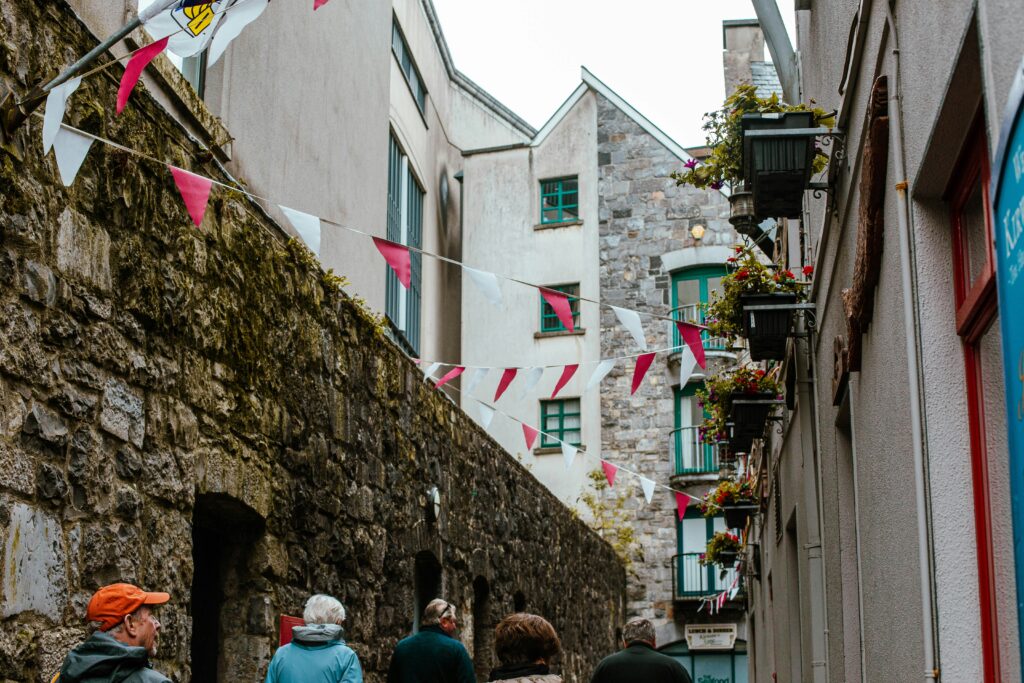
The Latin Quarter is the easiest area to explore on foot. Its narrow streets connect shops, pubs, cafés, buskers, and historic façades in a small area, so it is a good place to understand Galway’s daily rhythm without needing transport.
During the day, focus on the street layout, independent shops, and the route towards the Spanish Arch. In the evening, the same streets become busier with live music and pub activity. If you only have a short stay, this is the part of Galway to keep near the top of your route.
Quay Street
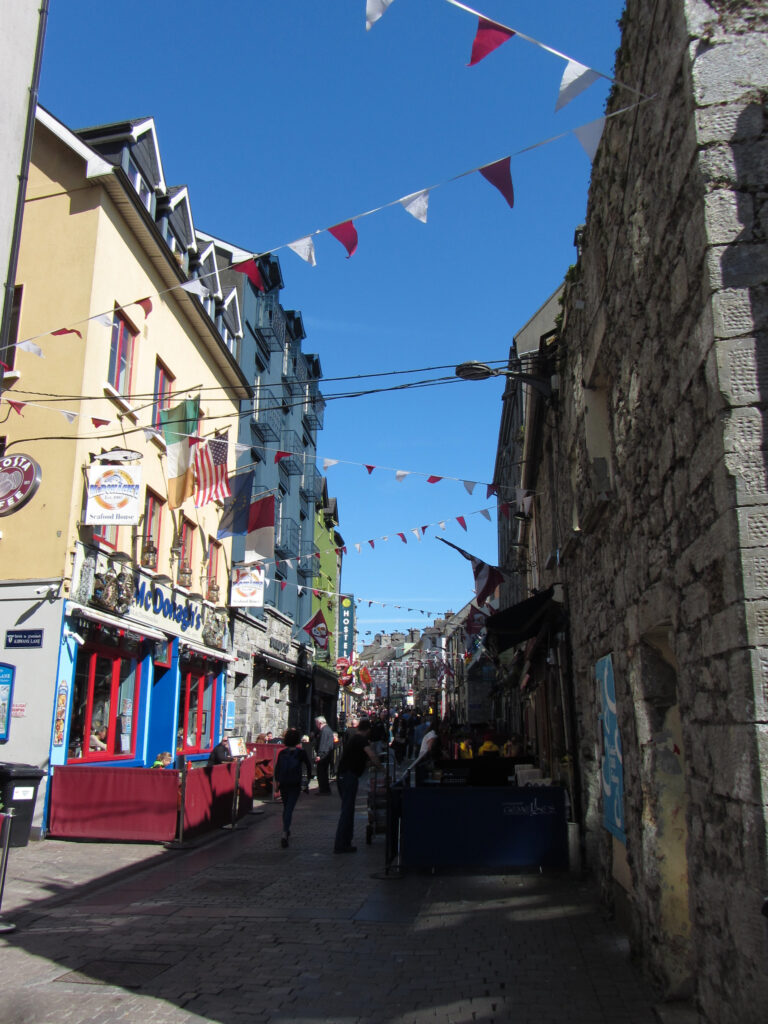
Quay Street is one of the main streets for food, music, and people-watching in Galway. It links naturally with the Latin Quarter and the Spanish Arch, so most city-centre walks pass through it more than once.
Use it as a practical break point. It is close to cafés, pubs, small shops, and the river, which makes it useful between longer sightseeing stops. The best approach is not to rush it: walk the length of the street, then continue towards the waterfront.
Galway City Museum

Galway City Museum is next to the Spanish Arch, so it fits easily into the same part of the day. The museum is useful for understanding the city’s maritime history, archaeology, local communities, and relationship with the Atlantic. Check exhibitions and visitor notices on the official Galway City Museum website.
This is a good stop if the weather changes or if you want more context before continuing through the historic centre. Allow enough time to connect the displays with the places you have just seen outside: the river, the arch, the harbour, and the old city.
Galway Bay and Salthill Promenade
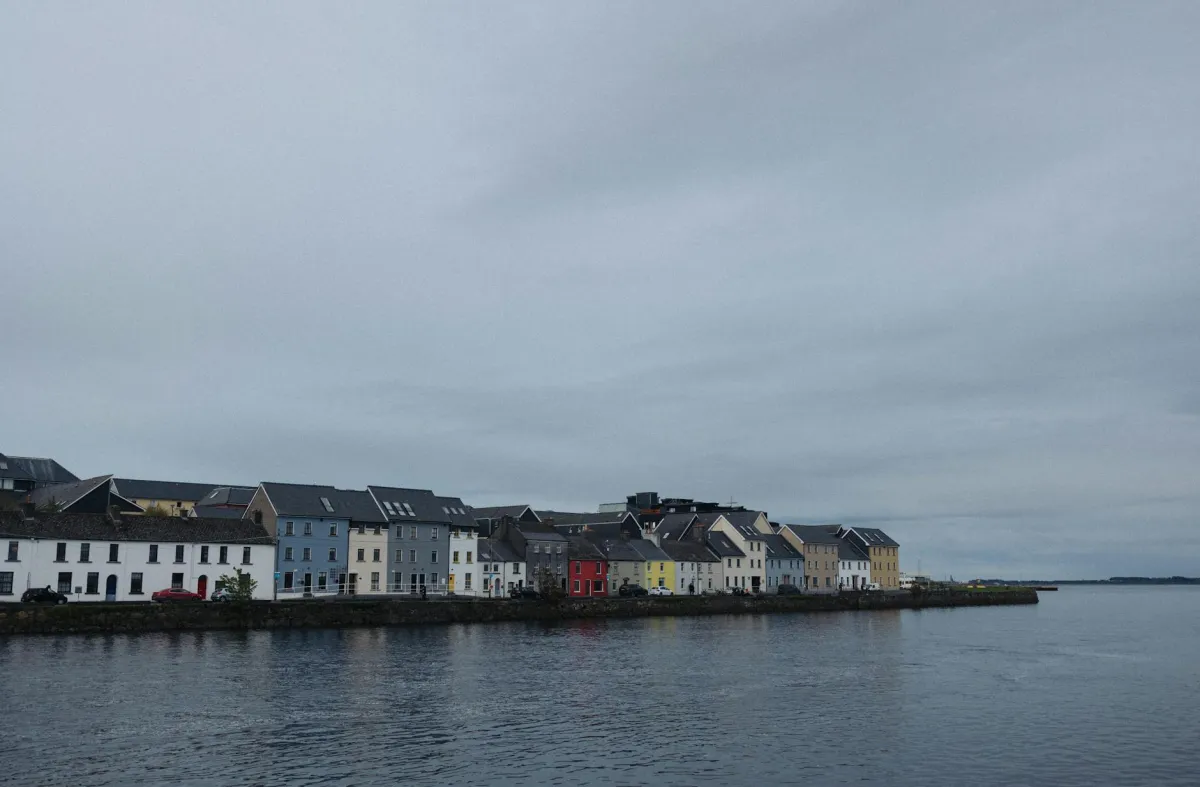
Galway Bay changes the pace of the visit. After the compact centre, the bay gives you open views, sea air, and a clear sense of Galway’s Atlantic setting. Salthill Promenade is the most accessible coastal walk from the city, and Discover Ireland has practical visitor information for Salthill Promenade.
Walk part of the promenade if your schedule is tight, or save a longer stretch for the end of the day. The route works especially well when you want a break from museums and streets without leaving Galway.
Nearby points of interest include the seafront, Blackrock area, and Galway Atlantaquaria. Check opening times directly with each venue before making the trip, especially outside peak season.
Eyre Square
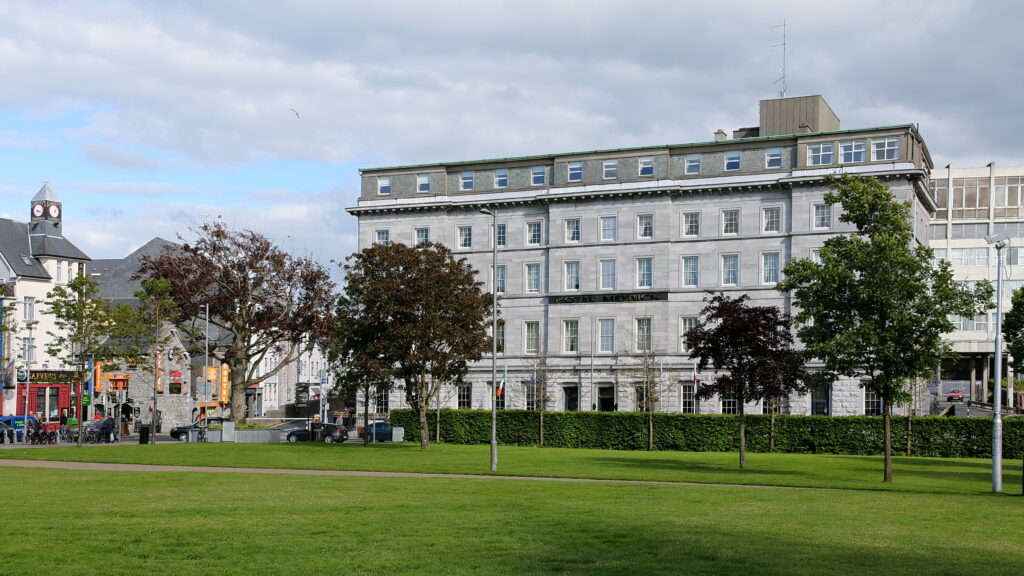
Eyre Square, officially John F. Kennedy Memorial Park, is one of Galway’s main meeting points. It is useful at the start or end of a route because it connects the transport area, shops, and the streets leading towards the Latin Quarter.
Do not treat it as a long visit. It works better as a reference point: pause for a few minutes, look at the monuments and green space, then continue into the centre.
Lough Corrib and surrounding countryside
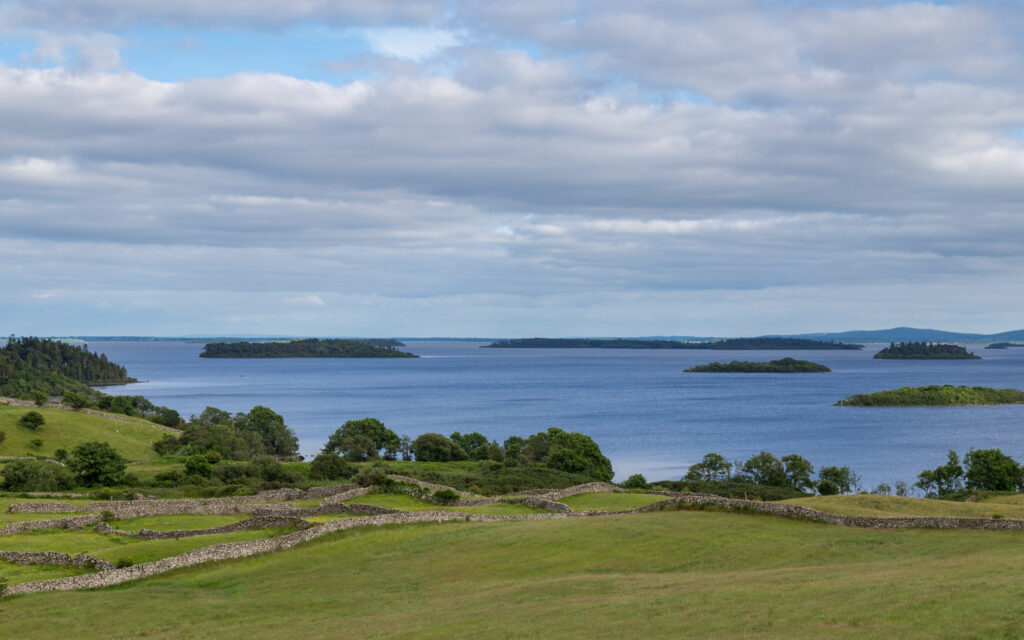
Lough Corrib is the main nature escape near Galway. It suits travellers who have already covered the city centre and want lakeside scenery, villages, boat trips, or a quieter half-day outside the urban route.
The area is associated with fishing, birdlife, islands, and historic ruins. Conditions and access vary by season, so plan this part with flexibility rather than treating it as a quick city-centre stop.
If your time is limited, keep Lough Corrib for a second day. If Galway is part of a longer west-coast trip, it can be paired with countryside villages and viewpoints outside the city.
Plan your Galway visit
For a short stay, focus on Galway Cathedral, the Latin Quarter, Quay Street, the Spanish Arch, and Galway City Museum. Add Salthill Promenade if you want sea views without leaving the city. Save Lough Corrib for a slower itinerary or a second day.
Opening times, tickets, and access rules can change by season. Use official sources for final checks, and use Galway activities on GuruWalk when you want to compare guided options before deciding how to organise the day.
FAQ: what to do and see in Galway travel guide
What is the best way to start visiting Galway?
Start in the city centre with Eyre Square, the Latin Quarter, Quay Street, the Spanish Arch, and Galway Cathedral. A walking tour helps connect these places before you decide which museums, waterfront areas, or day trips deserve more time.
What can you see in Galway in one day?
In one day, prioritise the Latin Quarter, Quay Street, Spanish Arch, Galway City Museum, Galway Cathedral, and a walk towards the bay if the weather is good. Keep Lough Corrib for a second day unless you have a car or a planned excursion.
Is Salthill worth visiting from Galway city centre?
Yes, Salthill is worth visiting if you want a coastal walk and open views of Galway Bay. It is best added after the historic centre, especially when you have enough time for a slower afternoon or sunset walk.
What are the main historic places in Galway?
The main historic places for a first visit are the Spanish Arch, Galway Cathedral, the Latin Quarter, Quay Street, Galway City Museum, and the old streets around the river and harbour.
Best free walking tours in Galway
A free walking tour is a practical way to understand Galway’s compact centre before choosing where to spend more time. It works especially well for the Latin Quarter, the river area, the Spanish Arch, and the stories behind the city’s streets.
Every city tells a story. Galway sings one — layered, weathered, and full of discord. We’re here to tune you…

Visiting Galway is like experiencing the most authentic Ireland: you'll sense it as soon as you step foot on its…

This tour awaits a surprise and a gift at the end. Galway is a city of contrasts, a two-side…

Do you dare to discover the hidden side of Galway? Galway is much more than its colorful streets and …

Tourism and travel expert with a strong background in creating cultural content. Fluent in multiple languages and experienced as a presenter, she connects with diverse audiences to inspire the exploration of unique destinations. Her creative and dynamic approach stands out in every project, conveying the essence of each place she discovers.