

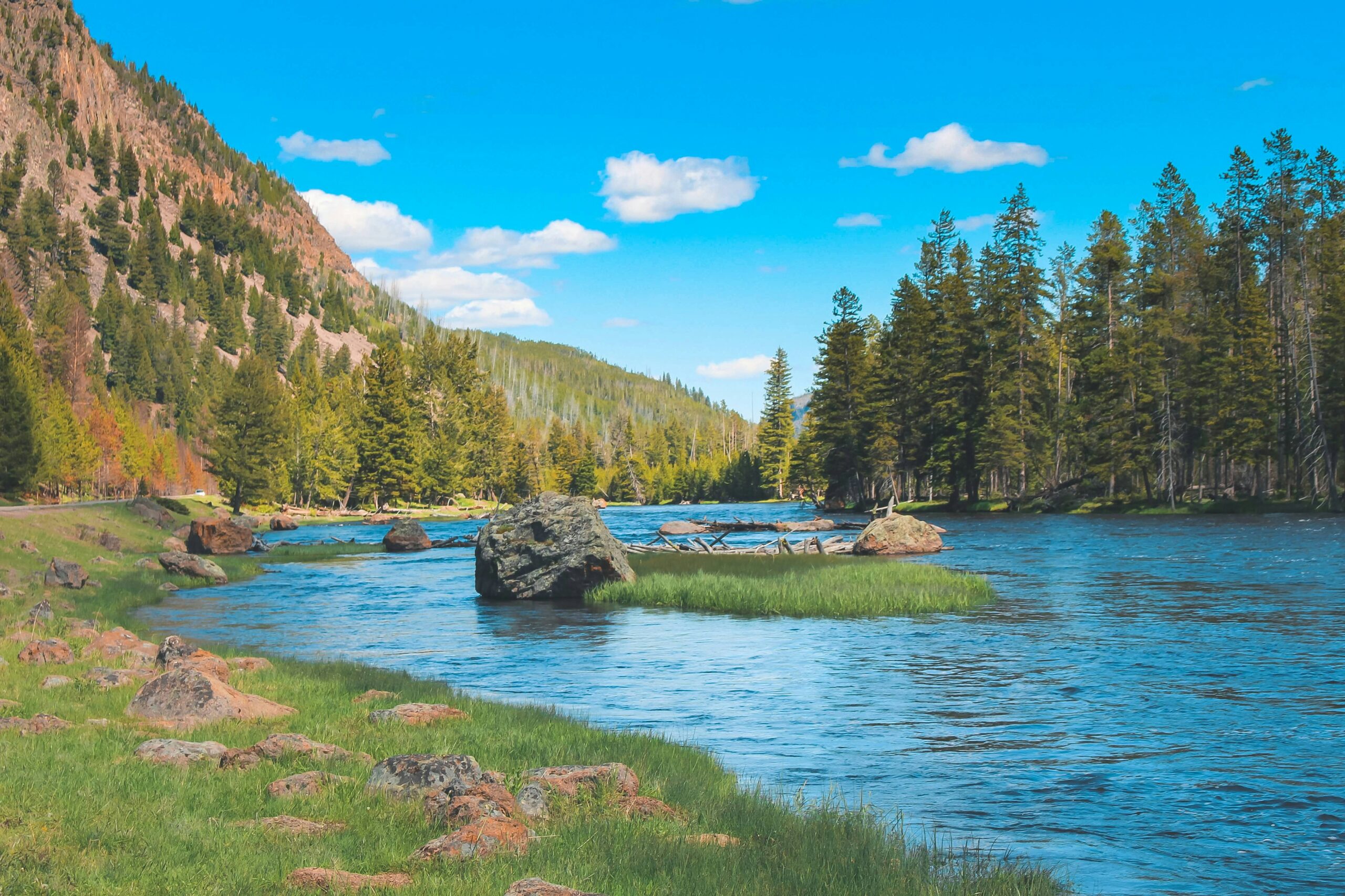
What to see and do in Yellowstone: the ultimate travel guide
This Yellowstone travel guide explains what to see and do in Yellowstone, from Old Faithful and Grand Prismatic Spring to wildlife valleys, waterfalls, lake viewpoints, safety rules, and a realistic one-day route.
Last verified: May 2026 — Access notes, opening information, and safety recommendations checked against official National Park Service sources. GuruWalk’s United States travel team reviewed the practical recommendations.
Yellowstone National Park: what to see and do
Yellowstone National Park is known for its geothermal features, with Old Faithful being one of the most recognized. This geyser erupts roughly every 90 minutes, drawing crowds who want to see its powerful display. Nearby, the Grand Prismatic Spring stands out for its rings of blue, green, and orange, caused by heat-loving bacteria and minerals. These natural features don’t just look different from one another—they also highlight the park’s geothermal landscape.
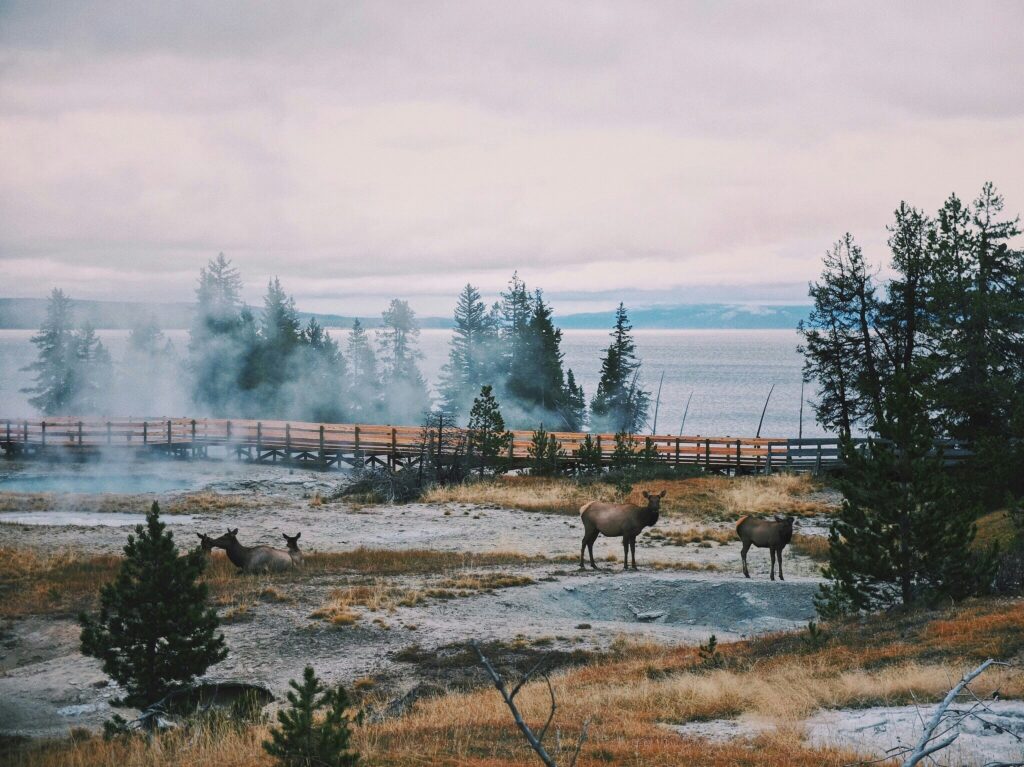
Wildlife is another major attraction. Yellowstone is home to bison, elk, grizzly bears, and wolves, among many other species. The Lamar Valley, often called the “Serengeti of North America,” is one of the best places to spot animals in the wild, especially in the early morning or late afternoon. Visitors are reminded to observe from a safe distance to avoid disturbing the animals and to keep everyone safe.
Exploring the park by car is easy thanks to the Grand Loop Road, which connects many of Yellowstone’s key sights, including forests, lakes, and waterfalls. One popular stop is Artist Point, which offers a clear view of the Grand Canyon of the Yellowstone and its waterfalls. For those who want to get off the road, the park has many hiking trails, from short walks to longer, more strenuous hikes like the one up Mount Washburn, which rewards hikers with wide views from the top.
Yellowstone also holds deep cultural and historical value. Long before it became a national park, the land was home to Native American tribes such as the Shoshone and Crow. Their connection to the area is shared through interpretive exhibits and programs. In 1872, Yellowstone became the first national park in the U.S., setting the stage for future conservation efforts across the country.
Efforts to preserve Yellowstone’s ecosystems are ongoing. The park supports a wide range of plants and animals, and there are programs focused on habitat restoration and wildlife management. Ranger-led talks and activities help visitors understand how everything in the park fits together and why protecting it matters.
At night, the park offers some of the clearest views of the stars in the continental U.S. With little light pollution, it’s easy to see the Milky Way and spot planets and constellations. Occasionally, rangers host stargazing events to help visitors explore the night sky in more detail.
Visitor centers like the Albright Visitor Center provide helpful information and interactive exhibits about the park’s natural features and history. Rangers are available to answer questions and recommend hikes, viewpoints, and educational programs. These resources help visitors make the most of their trip and understand the main areas covered in this travel guide.
Old Faithful
Old Faithful is one of Yellowstone’s most recognized landmarks, drawing thousands of visitors each year. Its eruptions occur roughly every 90 minutes, sending a column of hot water and steam up to 185 feet into the air. Each eruption lasts between two and five minutes, offering a consistent display of geothermal activity.
The geyser’s regular activity is thanks to its underground system of fractures and chambers. Water seeps deep into the ground, where it’s heated by magma before building enough pressure to erupt. This system is part of a larger hydrothermal network that includes hot springs, mud pots, and other geysers spread across the park. Together, they offer insight into the geological forces still shaping Yellowstone today.
Visitors usually gather at the viewing area near Old Faithful, where benches offer a good spot to sit and watch the show. To better understand the science behind it all, the nearby Old Faithful Visitor Education Center provides exhibits and programs that explain how geysers work, the park’s history, and the importance of conservation. Ranger talks here add depth to the visit, especially for those curious about Yellowstone’s ecology and geothermal activity.
The area surrounding Old Faithful offers much more to explore. The Upper Geyser Basin, where it’s located, has the highest concentration of geysers anywhere in the world. Boardwalk trails lead visitors past other notable features like Castle Geyser and Grand Geyser, each with its own eruption style and rhythm. Walking these trails gives a broader view of the geothermal diversity that makes this part of the park so unique.
Wildlife also thrives near the geyser basin. Bison, elk, and sometimes bears can be seen grazing in the nearby meadows. This mix of geothermal features and roaming wildlife adds another reason to slow down and scan the landscape while walking the boardwalks.
To keep places like Old Faithful pristine, it’s important that visitors follow park rules. Staying on marked paths, giving wildlife space, and respecting all guidelines helps preserve this fragile environment. Yellowstone’s ecosystems are sensitive, and small actions by visitors can make a big difference in their long-term health.
Gran Prismatic Spring
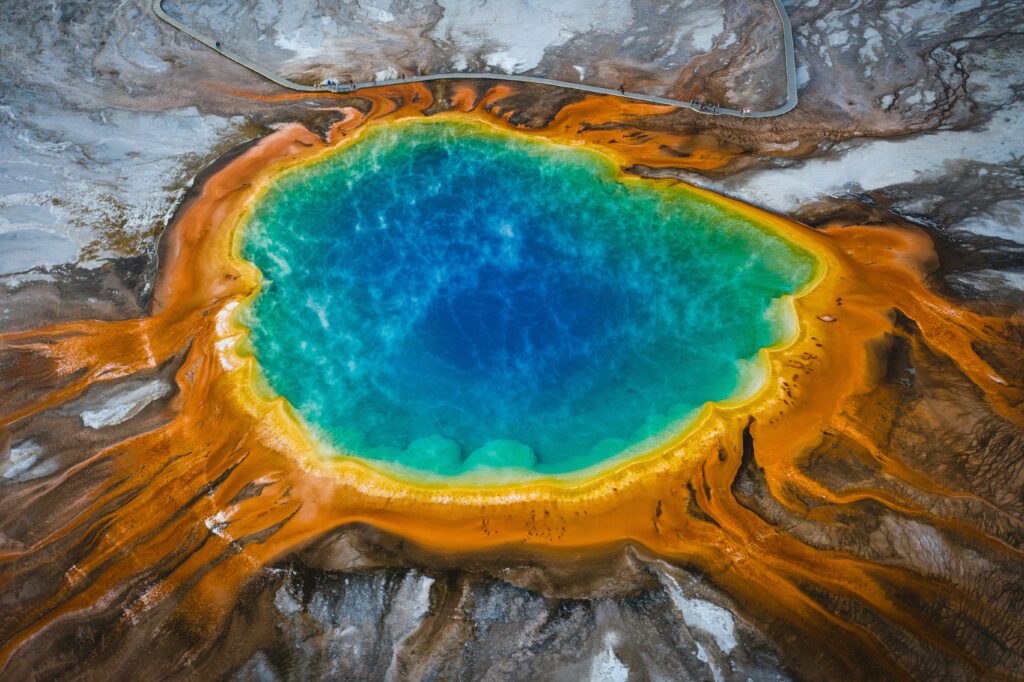
The Grand Prismatic Spring is one of Yellowstone’s most iconic sights. Spanning over 370 feet in diameter, it’s the largest hot spring in the park and one of the largest in the world. Its colors—deep blue at the center, surrounded by rings of green, yellow, and orange—are created by heat-loving microorganisms that live in the mineral-rich water. These colors shift slightly depending on the time of year and the temperature, offering something different with each visit.
This hot spring sits in the Midway Geyser Basin, a place shaped by volcanic forces under the Earth’s surface. Water temperatures near the center can reach nearly 190°F, too hot for most forms of life. But as the water cools toward the edges, conditions become suitable for different microbial communities. Each group contributes to the color spectrum that defines the spring, showing how life can adapt to even harsh conditions.
Visitors can explore the area safely thanks to a series of boardwalks. The elevated viewpoint above the spring offers the most complete view and is especially popular with photographers. From up there, visitors can take in the full scale and shape of the spring, set against a backdrop of forests and rolling hills.
The look of the spring changes with the seasons. In warmer months, the microbial mats are more active, bringing out stronger shades of red, yellow, and green. In colder months, while some colors may fade slightly, rising steam changes visibility and the way the colors read in photos. Whether it’s summer or winter, the area remains compelling in very different ways.
Those hoping to capture good photos should aim for early morning or late afternoon when the light is softer. The steam and reflections can make for dramatic shots, especially with a wide-angle lens. A polarizing filter can also help reduce glare and bring out the depth of the colors on the water’s surface.
Beyond the Grand Prismatic Spring, the area is filled with other geothermal attractions. Nearby sites like Excelsior Geyser Crater and Opal Pool offer more chances to see Yellowstone’s geothermal diversity up close. Well-maintained paths make it easy to explore multiple features in one visit without straying far from the main road.
Maintaining this fragile environment is a priority for the park. The National Park Service works to protect both the geothermal features and the ecosystems that surround them. Staying on marked trails, avoiding contact with the water, and following posted guidelines are simple but important ways for visitors to help protect the area.
Lake Yellowstone
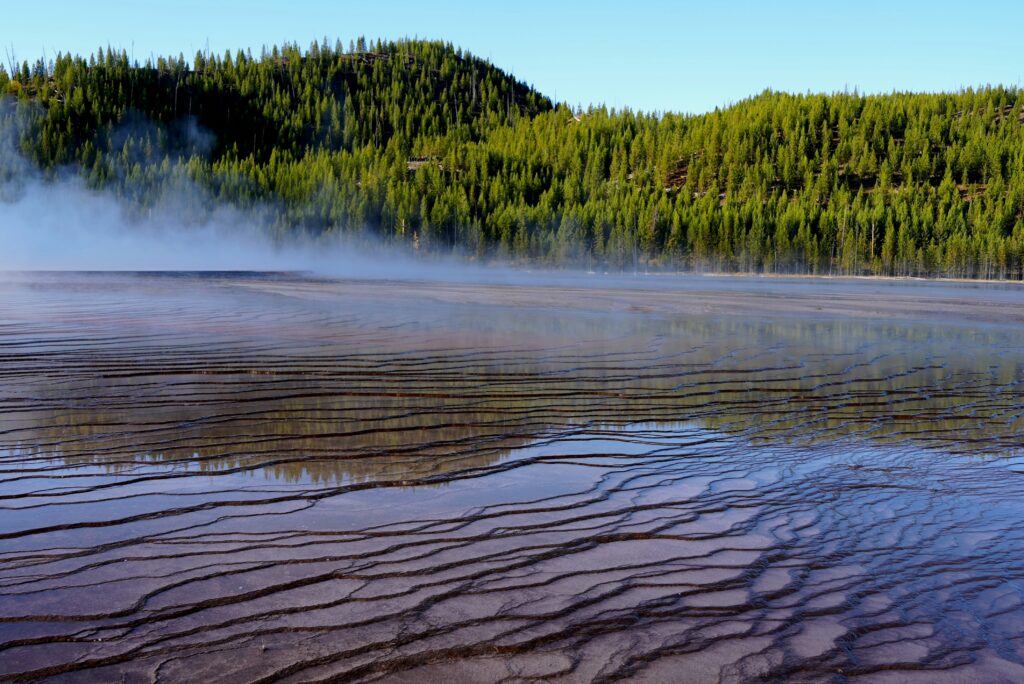
Lake Yellowstone sits high in Yellowstone National Park, covering around 136 square miles and resting at over 7,700 feet above sea level. Surrounded by forests and mountains, the lake’s deep blue waters offer a calm setting for a slower stop on a driving day. This area is one of the key stops in this Yellowstone travel guide, especially for travelers who want viewpoints, short walks, and wildlife watching in one place.
This lake occupies part of the Yellowstone Caldera, a massive volcanic crater formed over 640,000 years ago. Though the eruption that created it is ancient, the area remains geologically active. Around the lake, you’ll find steaming hot springs and bubbling mud pots that reveal the heat still beneath the surface. West Thumb Geyser Basin is one of the best places to see these features up close, where geothermal activity appears just steps from the shoreline.
Lake Yellowstone is also a great spot for outdoor activities. Fishing is especially popular, with anglers hoping to catch native cutthroat trout. Canoes and kayaks glide along the shoreline, offering a quiet way to take in the scenery. Guided boat tours and fishing trips run out of the Lake Yellowstone Hotel, providing a mix of relaxation and learning for those interested in the area’s ecology and history.
Hikers will find plenty of trails nearby, ranging from short, scenic walks to more strenuous climbs. The Lake Outlet Trail offers an easy route for spotting wildlife, including birds and the occasional river otter. For a tougher hike, Mount Washburn gives those who reach the summit wide views of the lake and the surrounding terrain.
The land around the lake supports a range of wildlife. Bison and elk often graze along the shore, and moose sometimes wade through the shallow waters. Grizzly bears and wolves also move through the area, especially during the early and late parts of the day. Visitors hoping to see animals should bring binoculars and keep a respectful distance to avoid disturbing them.
Birdlife is especially abundant here. The lake is a key stopover for migratory birds during spring and fall, and year-round residents like the common loon and red-tailed hawk are often seen gliding above the water or perched in nearby trees. For birdwatchers, Lake Yellowstone offers a chance to spot species in a setting that feels wild and quiet.
This area also holds deep meaning for Native American tribes, including the Shoshone and Crow, who have long considered the lake a sacred place. Interpretive centers within the park offer programs that explore these histories and honor the connections between the land and the people who have lived here for generations.
Efforts to protect Lake Yellowstone are ongoing. Park staff monitor water quality and work to support native species. Visitors can help by sticking to marked trails, packing out trash, and following wildlife safety guidelines. These simple steps play a big part in keeping the area healthy for the future.
Lower Falls of the Yellowstone River
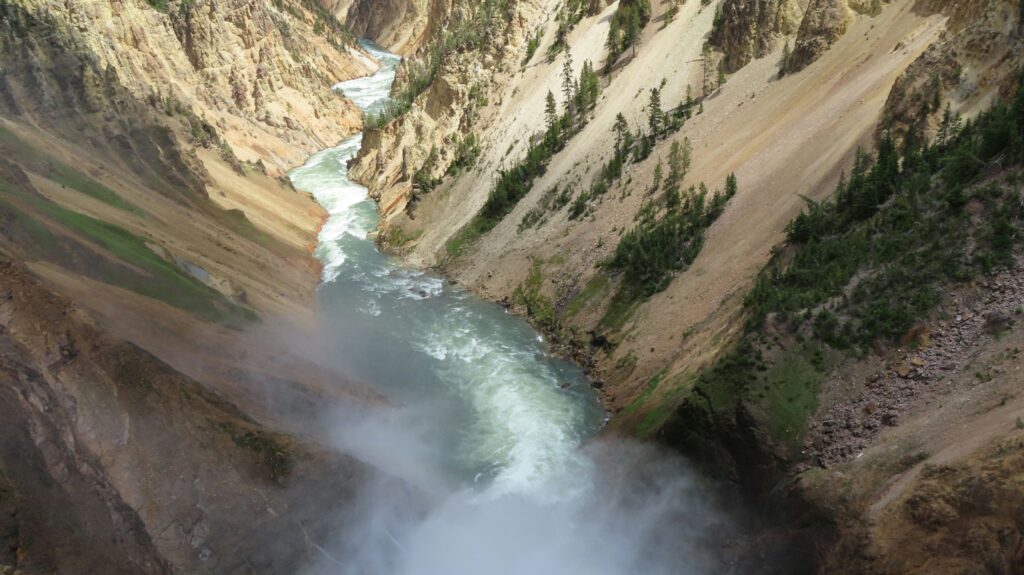
The Lower Falls of the Yellowstone River is one of the most striking features in Yellowstone National Park. Dropping over 300 feet, the waterfall is powerful, especially when sunlight hits the mist and highlights the golden tones of the surrounding rock. The scene from Artist Point is one of the most popular, offering a full view of the falls and the canyon they pour into.
The falls are located in the Grand Canyon of the Yellowstone, a dramatic landscape carved by the river over thousands of years. The canyon stretches about 20 miles, with steep cliffs in shades of yellow, red, and green. Trails along the rim offer several vantage points for taking in the scene. The South Rim Trail and Lookout Point are great options for those who want to explore the area on foot.
This part of the park is also known for its wildlife. Bald eagles often glide above the canyon, while elk may be seen grazing nearby. Early morning and late evening are the best times to spot animals, as they tend to be more active when temperatures are cooler.
Photographers are drawn to the Lower Falls for its ever-changing light and scenery. In the morning, the canyon glows with soft, warm light, while evenings bring out deeper shadows and highlights. A wide-angle lens can capture the full scale of the falls and canyon, while zoom lenses are useful for picking out details in the rock and water. For those interested in long exposure photography, the flowing water can be turned into smooth ribbons that contrast with the jagged cliffs around it.
Beyond its natural appeal, the area holds cultural meaning for the Native American tribes who have long lived in the region. The falls and canyon have been part of stories and traditions passed down through generations. Learning about these cultural ties can bring a deeper understanding of the place and the people connected to it.
Norris Geyser Basin
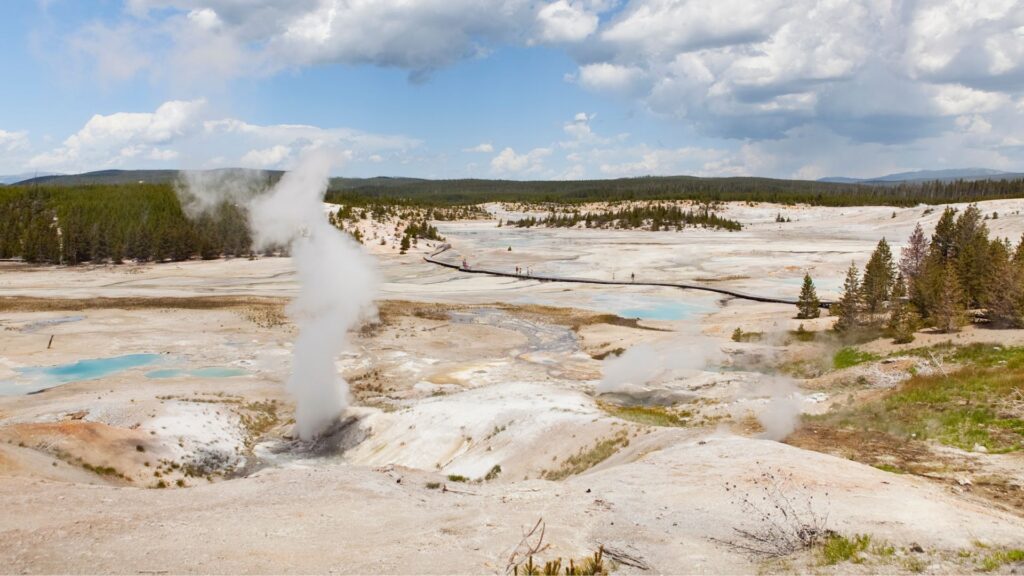
Norris Geyser Basin is one of the most geologically active spots in Yellowstone, known for its extreme heat, strong sulfur smell, and unpredictable geothermal activity. It features Steamboat Geyser—the world’s tallest active geyser—and other sights like bubbling mud pots and steaming fumaroles in areas such as Porcelain Basin.
The basin’s mineral-rich waters support heat-loving microorganisms that create bold colors across the landscape. Wildlife such as bison and elk are often seen nearby, adding to the mix of life and geology.
Visitors can explore safely via boardwalks and trails, with the Norris Museum offering insight into the area’s science and history. Ranger-led walks help explain the dynamic forces at work beneath the surface.
Photographers are drawn to the shifting steam, vivid colors, and rare geyser eruptions, especially at sunrise or sunset. Staying on marked paths is essential to protect the fragile ecosystem. Norris is a place that continually evolves, making each visit different.
Mammoth Hot Springs
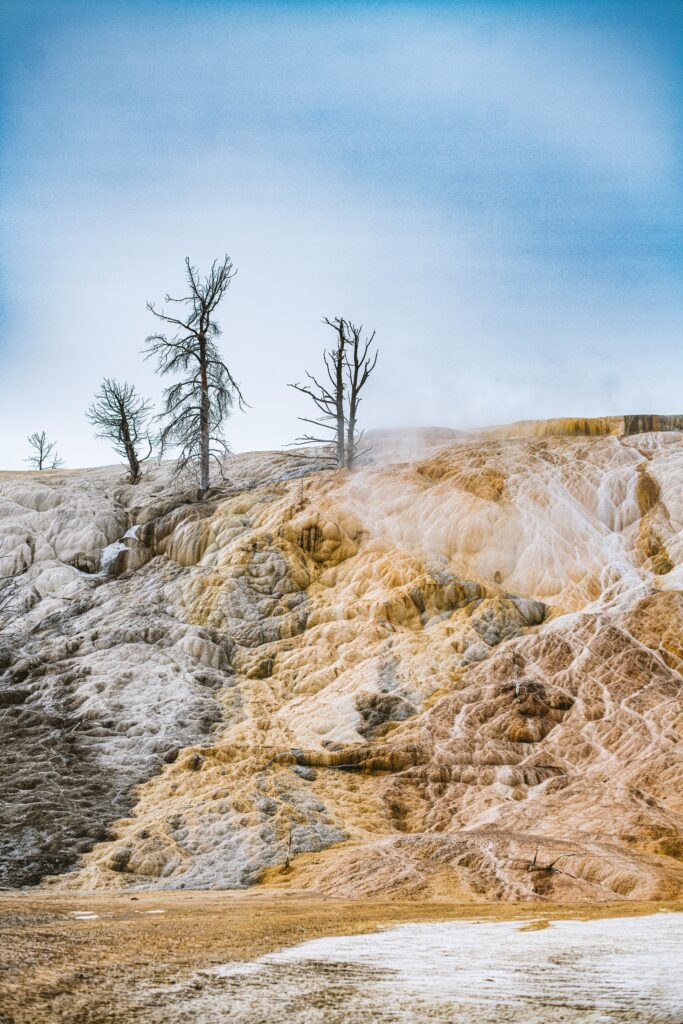
Mammoth Hot Springs is one of Yellowstone’s most distinctive geothermal areas, known for its white and rust-colored terraces formed by calcium carbonate deposits. These step-like structures are shaped by mineral-rich water rising through underground limestone, creating a constantly changing landscape that reflects both geological and biological activity.
Walking along the boardwalks, visitors can see features like Minerva Terrace, where orange and yellow hues are caused by thermophilic bacteria. The terraces grow and shift with changes in water flow and temperature, making each visit slightly different from the last.
Wildlife is also common around Mammoth. Elk often graze near the springs, particularly during spring and fall. Birdwatchers may spot species like the American dipper or hawks circling above. Early morning and dusk are the best times for spotting animals when they’re most active.
The area has deep cultural roots as well. Native American tribes once used the hot springs for healing and ceremony, and later, the U.S. Army established Fort Yellowstone nearby to help protect the new national park. Today, visitors can explore the fort’s remains and learn more about the park’s early history.
Mammoth is easy to reach by car, and its trails and boardwalks are accessible to most visitors. The nearby visitor center offers exhibits and ranger talks that explain the science behind the terraces and the role of conservation in preserving them.
Photographers will find Mammoth rewarding, with steam patterns and terrace textures that change across the day. Morning light can show more detail in the pale terraces, while late-day light often increases contrast on the orange and rust tones.
Hayden Valley
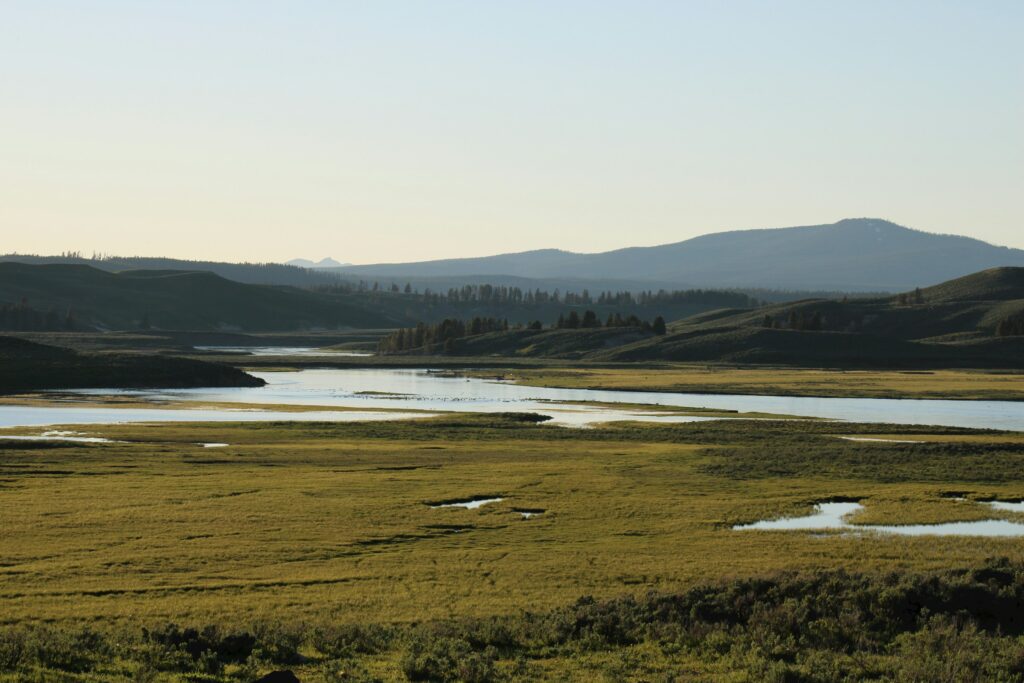
Hayden Valley lies between Yellowstone Lake and the Grand Canyon of the Yellowstone, offering wide views of rolling hills and open meadows. Covering about 30 square miles, it’s especially beautiful in the early morning, when mist rises over the fields and soft light touches the landscape. The valley’s open terrain and quiet atmosphere make it a strong option for travelers who want to experience Yellowstone’s scenery at a slower pace.
Wildlife is one of the biggest reasons to visit. Bison and elk are often seen grazing in the meadows, and birds of prey like bald eagles and hawks soar overhead. Visitors may also spot bears—both black and grizzly—from a safe distance. Early mornings and late afternoons are the best times for viewing animals, as many are more active during the cooler parts of the day. Guided tours can offer helpful context about the valley’s wildlife and ecosystems.
The valley also tells part of Yellowstone’s geological story. Shaped by ancient volcanic activity, its mix of wetlands and grasslands is dotted with thermal features. Nearby spots like Mud Volcano and Dragon’s Mouth Spring show just how active the area still is beneath the surface, with bubbling water and rising steam hinting at the forces below.
For those who want to get out and explore, there are trails for walking and birdwatching, and the Yellowstone River along the eastern edge offers fishing and kayaking. The river’s clear waters and surrounding views make it a peaceful place to spend an afternoon. Whether hiking or paddling, the valley offers a range of ways to enjoy the outdoors.
Photographers will find no shortage of material. The changing light at sunrise and sunset brings out warm tones in the grass and hills, and reflections in the river add to the scene. Each season brings its own color palette—spring wildflowers, summer greens, autumn golds, and winter snow all give Hayden Valley a different feel.
As with all of Yellowstone, it’s important to be prepared. The weather can change quickly, so bring layers, and always follow park rules to protect the environment and wildlife. Keeping a respectful distance from animals and staying on marked trails helps preserve the area for everyone.
Lake Butte Overlook
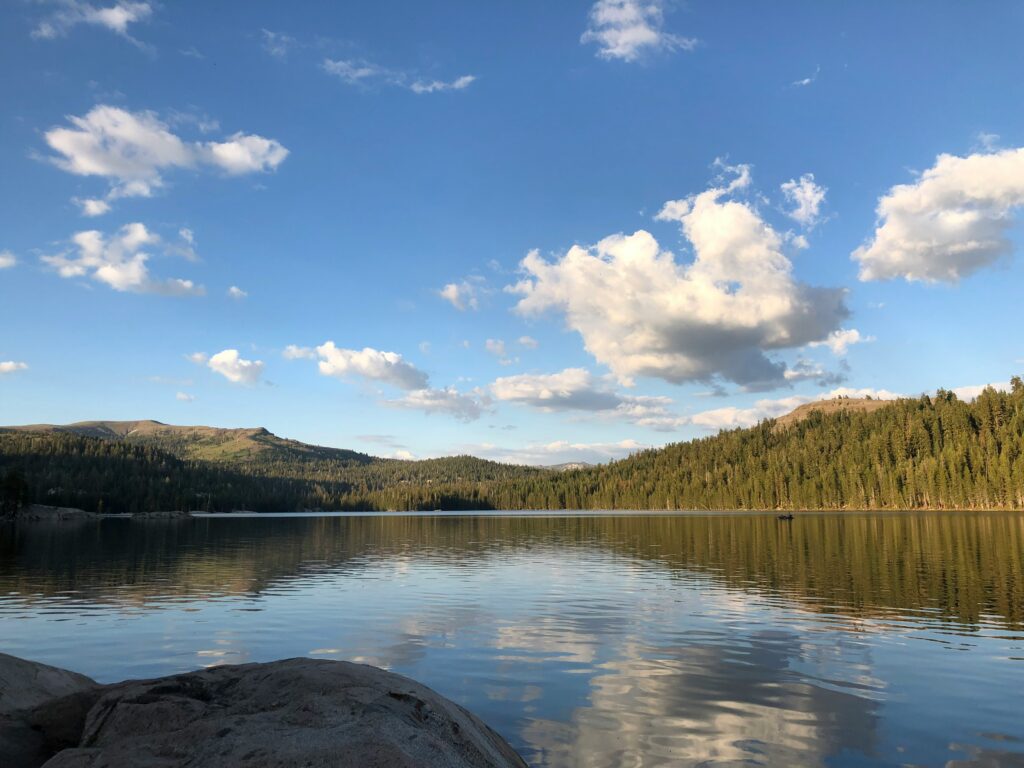
Lake Butte Overlook offers one of the best panoramic views of Yellowstone Lake. Located on the lake’s eastern side, it provides a sweeping vantage point over the water and surrounding forests. Sunrise and sunset are popular times, as lower-angle light changes how the shoreline and distant hills read from the viewpoint.
The overlook sits above North America’s largest high-elevation lake, which was shaped by glacial activity and rests at over 7,700 feet. From this spot, visitors can see the vast blue waters framed by distant peaks and tree-covered hills. It’s also a great place for birdwatching—bald eagles, ospreys, and waterfowl are often seen gliding or perched nearby.
Getting to the overlook is easy via a paved road that winds through meadows and forests. The short walk from the parking area to the viewing platform is accessible for most visitors. Along the way, keep an eye out for wildlife. Bison and elk are common in the area, and there’s always a chance of spotting a black bear, so it helps to have binoculars ready.
Photographers will find plenty to capture. The elevated viewpoint allows for wide, open shots of the lake and surrounding terrain. In spring and summer, the area comes alive with wildflowers, adding more color to the scene. Weather patterns can shift quickly, often creating dramatic skies that add texture to photographs taken throughout the day.
Nearby, places like Mary’s Bay and West Thumb Geyser Basin offer more to explore. Mary’s Bay gives visitors a quiet spot along the lake’s shore, while West Thumb features colorful geothermal pools. These stops are close enough to visit in the same outing, making the overlook part of a larger driving loop.
Lake Butte is also a solid spot for wildlife viewing. The open views make it easier to scan for movement, especially early or late in the day when animals are more active. Sounds carry across the valley, so visitors may hear the calls of birds or elk in the distance.
1 day in Yellowstone – Day trip guide
Morning
Start early when temperatures are lower and wildlife is often more active. Begin your day at Old Faithful geyser, where the eruption schedule is usually posted on site. Arrive early to secure a good spot, and witness the eruptions that occur roughly every 90 minutes. After the show, take time to explore the surrounding Upper Geyser Basin, where boardwalks connect multiple thermal features.
Next, make your way to the Morning Glory Pool, a hot spring known for its colors. The short hike to the pool adds another geothermal stop without adding much driving time. As you walk, watch for wildlife, as bison and elk frequently roam the area.
Afternoon
After the morning stops, head towards the Grand Canyon of the Yellowstone, where multiple viewpoints overlook the canyon and the Lower Falls, which plunges over 300 feet into the gorge below. Vantage points such as Artist Point are popular for wide shots that include both the waterfall and the canyon walls.
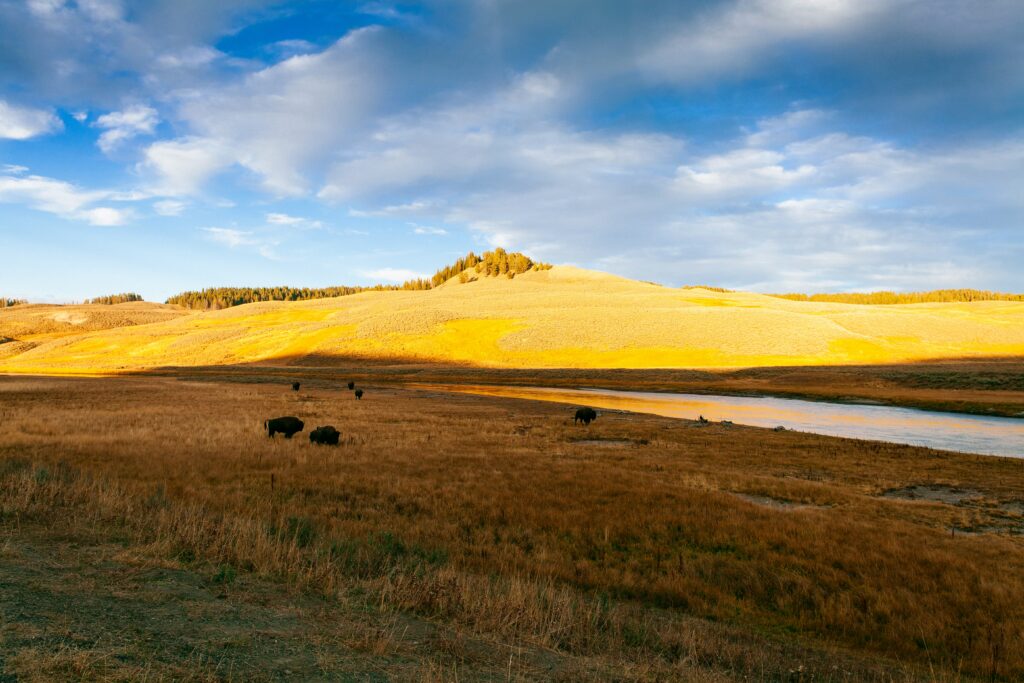
For lunch, plan a picnic at one of the designated areas so the schedule stays flexible. After your meal, set out to explore the Lamar Valley, often referred to as the “Serengeti of North America.” This expansive valley is a prime location for spotting wildlife, including wolves, grizzly bears, and herds of bison. Take your time here, and keep a safe distance while using binoculars or a zoom lens.
Evening
As daylight fades, head to Mammoth Hot Springs. The boardwalks make it easy to plan a final stop without committing to a long hike. Late-day light can increase contrast on the travertine terraces, which helps when photographing the layered shapes.
To finish the day, pick a viewpoint that fits the time available. If Mount Washburn is on the plan, allow enough time to hike down well before dark and check current trail conditions at a visitor center. For a simpler option, stop at a roadside pullout with a wide view and stay for the first stars. With low light pollution inside the park, the Milky Way can be visible on clear nights.
FAQs for planning Yellowstone
How many days do you need for Yellowstone?
A full loop with major stops usually takes more than one day. Use the 1-day itinerary in this article as a minimum plan, and add extra days to include longer hikes, more wildlife time, and slower drives between areas.
What are the must-see geothermal areas in Yellowstone?
Old Faithful and the Upper Geyser Basin, Grand Prismatic Spring in Midway Geyser Basin, Norris Geyser Basin, and Mammoth Hot Springs are among the most commonly prioritized geothermal stops.
Where are the best places to see wildlife in Yellowstone?
Lamar Valley and Hayden Valley are two of the best-known areas for wildlife watching. Early morning and late afternoon tend to be the most productive times.
Is Yellowstone easy to visit by car?
Yes. Most major viewpoints and geothermal areas are accessed from the Grand Loop Road with short walks on boardwalks or paved paths. For current road openings and closures, check official park updates before driving.
What are the main stops for a first visit to Yellowstone?
For a first visit, prioritize Old Faithful, Grand Prismatic Spring, the Grand Canyon of the Yellowstone (Lower Falls viewpoints), Mammoth Hot Springs, and one of the main wildlife valleys (Hayden or Lamar), then add Lake Yellowstone viewpoints if time allows.
Planning notes and more activities in the United States
To plan efficiently, group stops by area: start with a geyser basin (Old Faithful / Upper Geyser Basin), add a hot spring viewpoint (Grand Prismatic), then choose one major scenic section (Lower Falls and the Grand Canyon of the Yellowstone) and one wildlife valley (Hayden or Lamar). Build in driving time because distances inside the park are significant, and keep short boardwalk walks as backup options when weather changes.
Freshness note (Last verified: May 2026): Yellowstone conditions can change quickly due to weather, wildlife management, and seasonal road openings. Confirm current access, safety rules, and any reservation requirements on official channels before traveling.
For city-based walks and other travel ideas across the country, explore free tours and activities in the United States on GuruWalk.

Tourism and travel expert with a strong background in creating cultural content. Fluent in multiple languages and experienced as a presenter, she connects with diverse audiences to inspire the exploration of unique destinations. Her creative and dynamic approach stands out in every project, conveying the essence of each place she discovers.