



Plan seven days in Thailand across Bangkok, Ayutthaya, Chiang Mai, the Andaman Sea, and Khao Yai, balancing temples, islands, and nature.
 Julieta Betancor
GuruWalk
·
Updated 27 Aug 2026
Julieta Betancor
GuruWalk
·
Updated 27 Aug 2026This guide to things to do in Thailand lays out a practical 7-day route covering Bangkok, Ayutthaya, Chiang Mai, island time in the Andaman Sea, and a nature day trip—plus tips on what to prioritize if you have limited time.
Last verified: May 2026 — Prices, opening hours, and reservation requirements checked against official sources. GuruWalk’s Bangkok gurus reviewed the practical recommendations.

Day 1: Start in Bangkok with the Grand Palace & Wat Phra Kaew, then spend the afternoon at the Floating Markets to see how canal-side trading works today.
Day 2: Join the Guruwalk Free Tour Invitation in Bangkok to get oriented: neighborhoods, street food areas, and key temples you’ll want to revisit at your own pace.
Day 3: Take a day trip to Ayutthaya and walk the main ruins of the Ayutthaya Historical Park.
Day 4: Fly or take the night train north to Chiang Mai. Base yourself in the Old City and Doi Suthep area for temples, markets, and easy transport.
Day 5: Plan an Ethical Elephant Encounter near Chiang Mai. Choose a sanctuary-style visit focused on observation and care (no riding).
Day 6: Head to the Andaman Sea for Phi Phi Islands & beaches. Confirm marine park rules and boat schedules in advance, especially in high season.
Day 7: Combine nature and city views. Start with Khao Yai National Park for trails and waterfalls, then finish back in Bangkok with sky bars & observation decks.
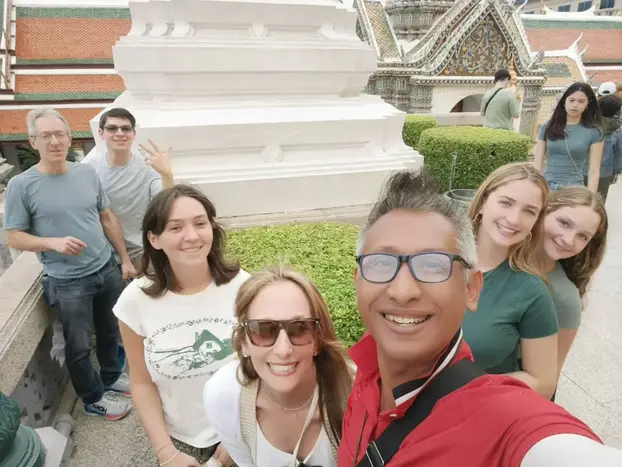
A free walking tour is the fastest way to start exploring Bangkok: it helps map out neighborhoods, understand local etiquette for temples, and decide which sights are worth booking tickets for. To start, browse a free tour in Bangkok on GuruWalk and pick a route that matches your arrival day.
Use the tour as a planning tool: note the closest BTS/MRT stops, save a few food stalls for later, and ask what times are best for the Grand Palace area and the river piers. This makes the rest of the itinerary easier to manage—especially when temperatures and queues peak.
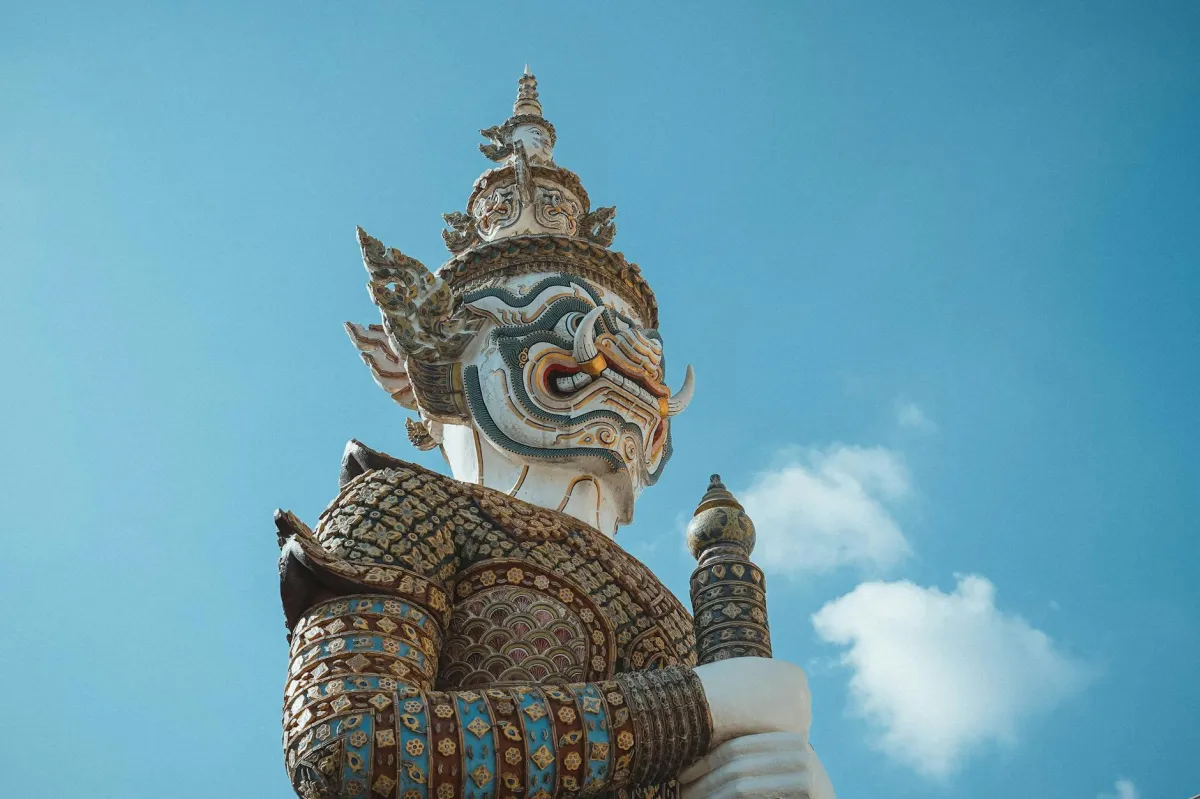
The Grand Palace and Wat Phra Kaew sit in Bangkok’s historic center, close to the Chao Phraya River and several major piers. The complex was the royal residence for more than a century and includes courtyards, halls used for state ceremonies, and the Temple of the Emerald Buddha.
Inside Wat Phra Kaew, the Emerald Buddha is the focal point of the main chapel. Expect tight security, clear dress rules (covered shoulders and legs), and queues that build quickly around mid-morning—arriving early keeps the visit more comfortable.
Plan extra time for the murals and details around the galleries; they’re easy to rush past but they explain key scenes from Thai literature and royal symbolism. After the visit, Wat Pho is within walking distance if you want to add another major temple to the same morning.
Expert Tip: If you want to see the Grand Palace area without the midday heat, go early and keep a lightweight layer for temple dress requirements. After the palace, Wat Pho is close enough to add on foot.

Ayutthaya is Thailand’s former capital, with temple ruins spread across an island formed by rivers. Many travelers visit as a day trip from Bangkok, combining the main temples by bicycle, tuk-tuk, or a driver. For background on the site’s heritage status, see the official UNESCO listing for Historic City of Ayutthaya.
Highlights include Wat Mahathat (known for the Buddha head in tree roots) and Wat Phra Si Sanphet, the former royal temple recognized by its three chedis. Start earlier in the day to reduce sun exposure—many areas have limited shade between structures.
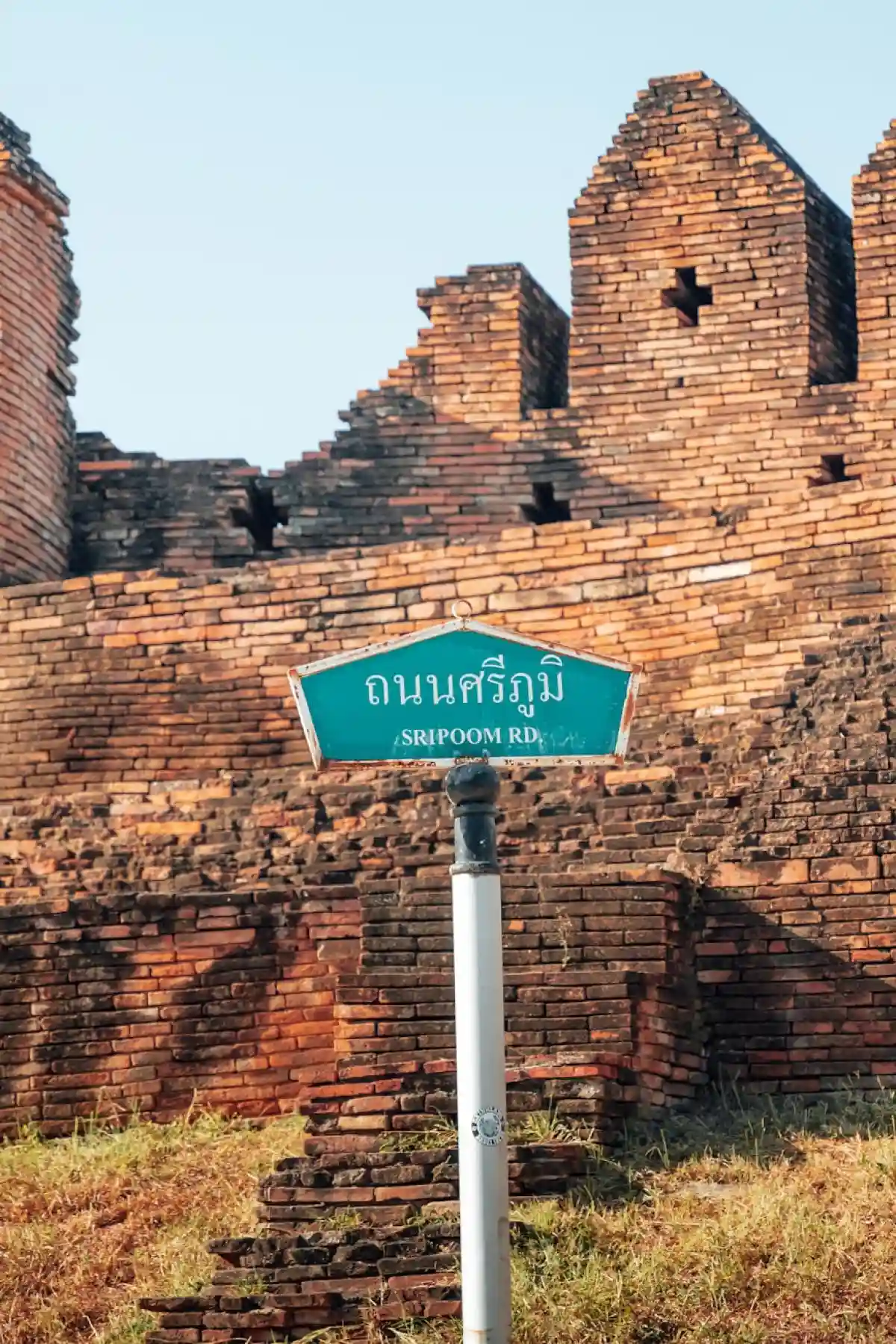
Chiang Mai’s Old City is defined by its square layout, moat, and clusters of temples within short walking distance. Many visitors prioritize Wat Chedi Luang and Wat Phra Singh, then use the late afternoon for markets and street-food areas around the walls.
Doi Suthep sits on a mountain above the city and is usually reached by songthaew or taxi. The staircase lined with naga sculptures leads up to the main terrace; clear days give wide views over Chiang Mai and the surrounding hills.
Expert Tip: Add Wat Pha Lat on the way to Doi Suthep if you want a quieter temple stop on the same route. In the Old City, try Khao Soi at a shop that specializes in it—menus are often short and focused.
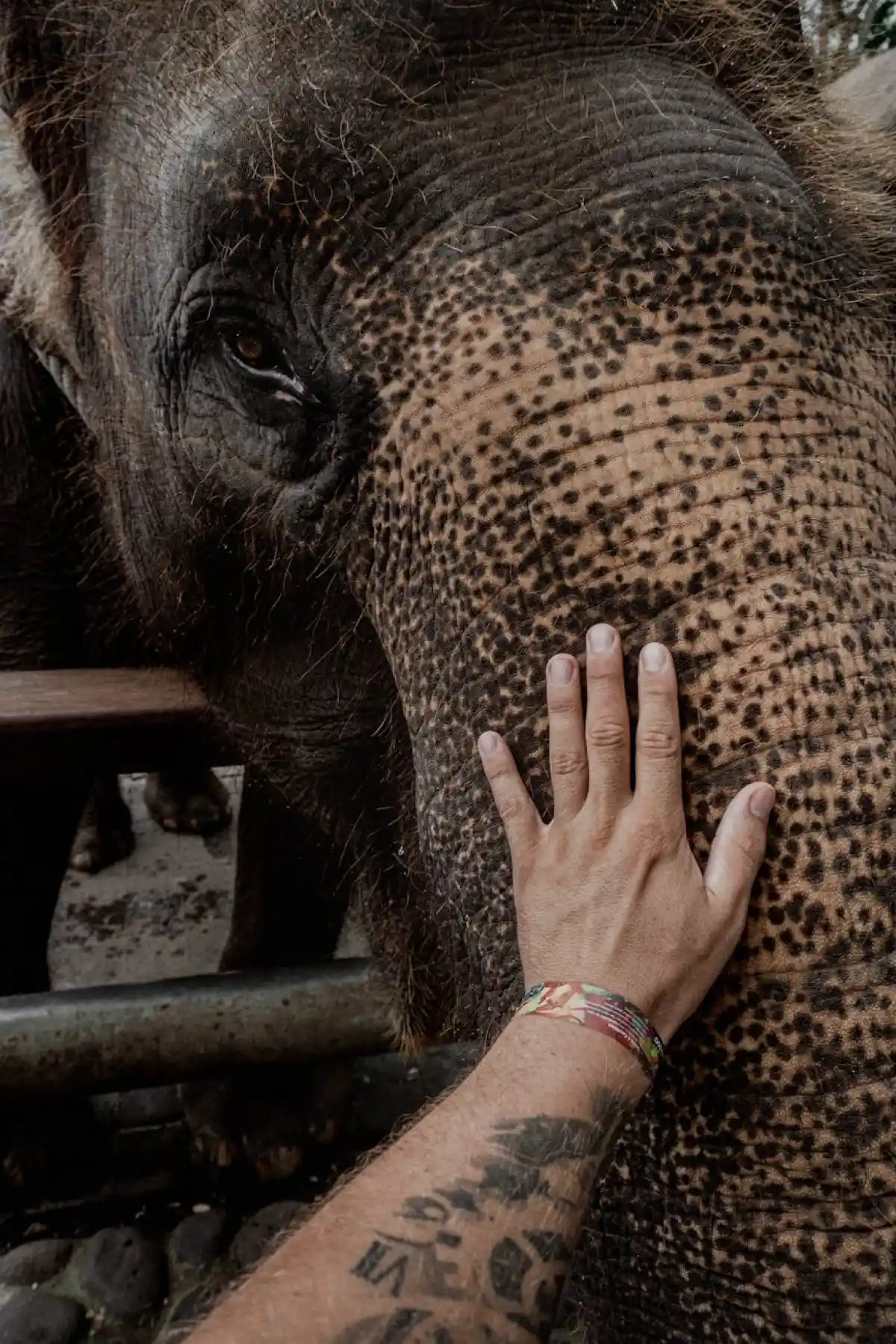
Elephant visits around Chiang Mai vary widely, so choose a program that is based on observation, feeding, and learning about care routines rather than performances. A good baseline is: no riding, no shows, and transparent information about how elephants are housed and treated.
Many sanctuaries focus on elephants rescued from logging or intensive tourism. Guides usually explain daily routines (food, bathing, veterinary care) and the reasons certain activities are restricted to protect the animals.
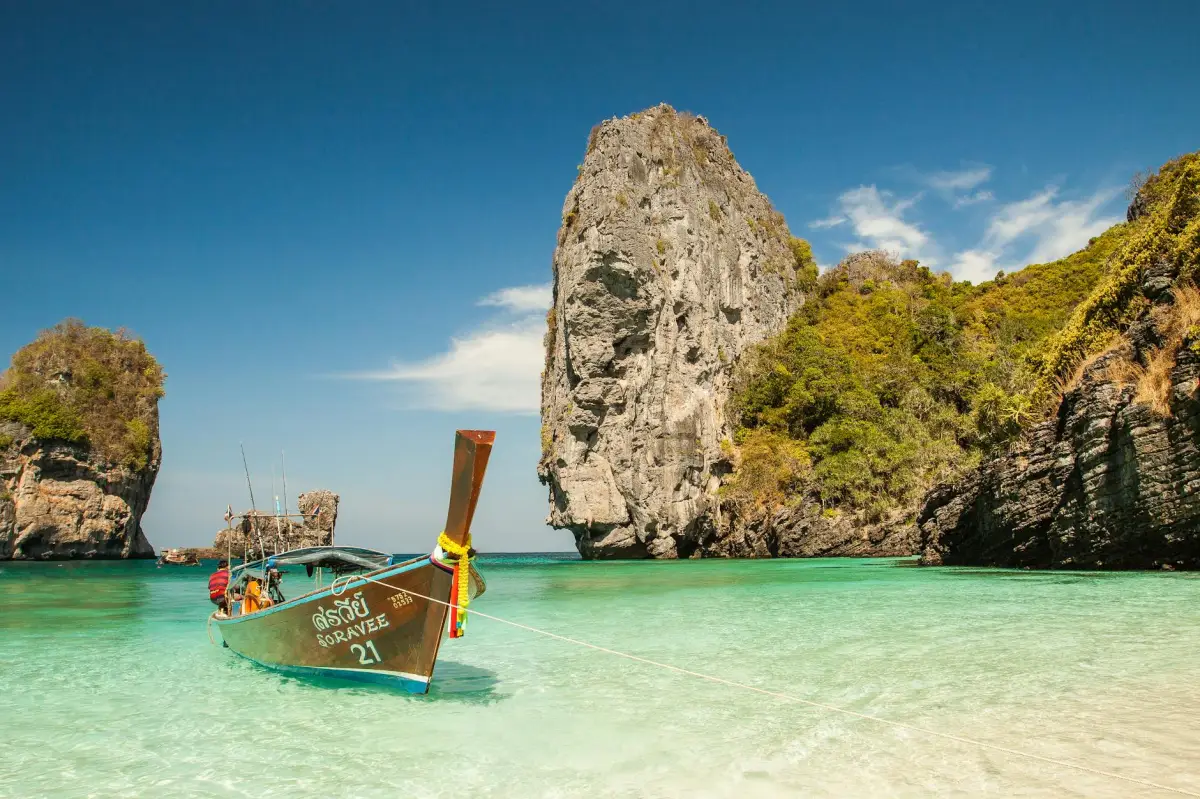
Phi Phi is known for limestone cliffs, sheltered bays, and boat-access snorkeling spots. Day tours typically combine several stops, so confirm what’s included (national park fees, snorkel gear, meal, and transfer) before booking.
Maya Bay is managed under conservation rules that can change seasonally, so it’s smart to check entry conditions close to your travel date. Phi Phi Don is the main inhabited island; expect a compact center with ferry arrivals, accommodation, and long-tail boats offering short trips.
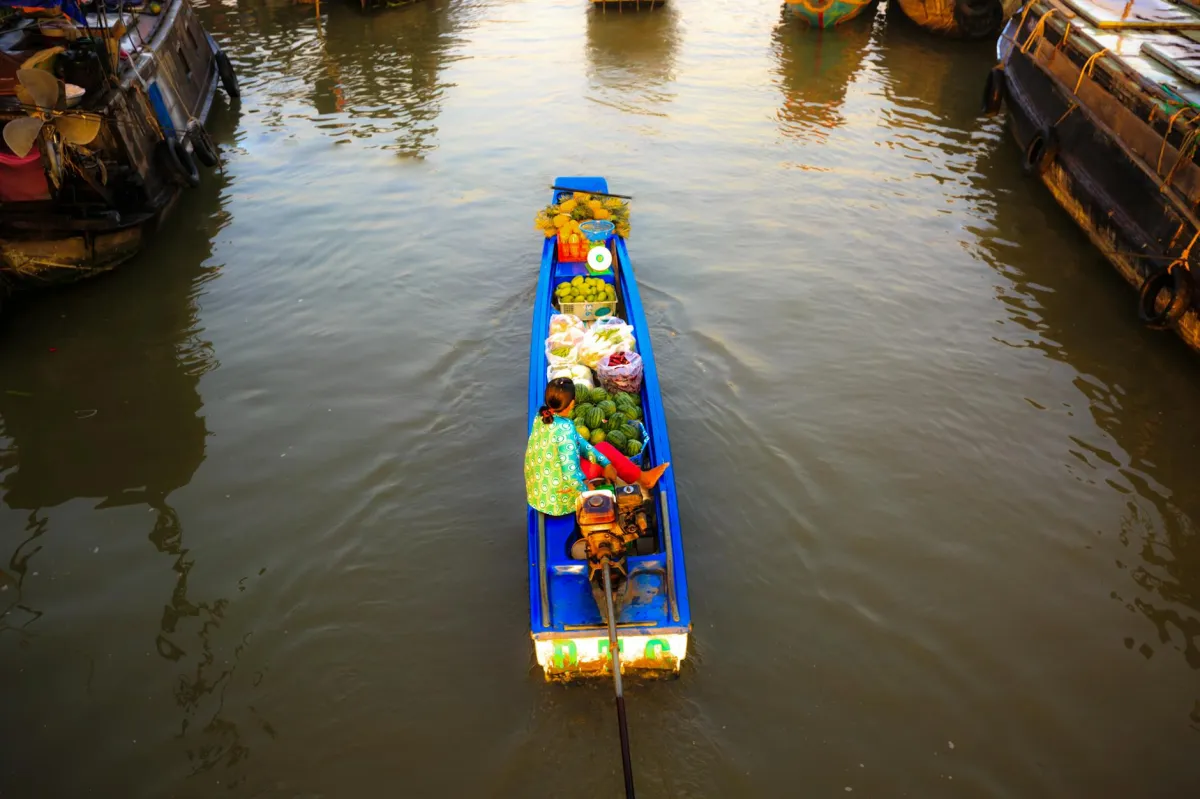
Thailand’s floating markets operate on canals where vendors sell produce, snacks, and cooked dishes from small boats or canal-side stalls. Some markets are set up mainly for visitors, while others still serve local neighborhoods—timing and location make a big difference to what you’ll see.
Damnoen Saduak is one of the best-known names and can be crowded during peak hours. Going early helps with photos and boat traffic; it also makes it easier to combine the market with another half-day plan outside Bangkok.

Khao Yai is a large protected area a few hours from Bangkok, with forest trails, viewpoints, and waterfalls. It forms part of a wider UNESCO World Heritage site (Dong Phayayen–Khao Yai Forest Complex); details are on the official page for Dong Phayayen–Khao Yai Forest Complex.
Wildlife sightings vary by season and time of day, so treat them as a bonus rather than a guarantee. The most consistent wins are the landscapes: forest canopy, open grassland areas, and waterfalls such as Haew Suwat.
Expert Tip: Check trail access and transport options before you go—some areas are easiest with a tour or a driver. Carry water and insect repellent; conditions change quickly after rain.

At night, rooftop bars and observation decks make it easier to understand Bangkok’s scale: the river bends, the main business districts, and the older neighborhoods near the historic center. Many venues have dress codes and minimum spends, so check requirements before heading up.
Two well-known options are the Sky Bar at Lebua State Tower and the King Power Mahanakhon SkyWalk. If you’re short on time, pick one viewpoint and plan it around sunset to avoid repeating the same experience on multiple nights.
If you follow this 7-day outline, lock in intercity transport (Bangkok–Chiang Mai) and any limited-capacity day trips first, then fill the remaining slots with flexible activities like markets and neighborhood walks. For official trip-planning resources, the Tourism Authority of Thailand is a solid starting point: tourismthailand.org.
Freshness note (Last verified: May 2026): opening hours, ticket rules, and conservation restrictions can change seasonally. Check conditions again when you finalize dates—especially for islands and national parks.
To compare routes and availability for guided experiences in the capital, browse Bangkok tours and activities on GuruWalk.
Tourism and travel expert with a strong background in creating cultural content. Fluent in multiple languages and experienced as a presenter, she connects with diverse audiences to inspire the exploration of unique destinations. Her creative and dynamic approach stands out in every project, conveying the essence of each place she discovers.
Local guides, pay-what-you-want and no credit card to book. That is how you understand a city.
Explore free tours on guruwalk.com