

Plan Budapest by area, combining Danube landmarks, Castle Hill, District VII courtyards, thermal baths, market food, museums, and riverbank walks.
 Belén Rivas
GuruWalk
·
Updated 31 Aug 2026
Belén Rivas
GuruWalk
·
Updated 31 Aug 2026Things to do in Budapest range from 19th-century landmarks along the Danube to thermal baths, market food, and the courtyards of District VII. Whether you have one day or a longer stay, this guide groups the city’s main sights by area and explains how to plan them efficiently.
Last verified: August 2026 — Prices, opening hours, and reservation requirements checked against official sources. GuruWalk’s Budapest gurus reviewed the practical recommendations.
The best way to start exploring is to join one of the Budapest free walking tours. Central Pest routes usually introduce the Parliament, St. Stephen’s Basilica, and the Danube, while Castle District routes focus on the Buda side. Most take about two to three hours; bring comfortable shoes, water, and an extra layer for the riverfront. Booked travelers should use the exact meeting location and arrival instructions in their confirmation. Free tours have no fixed ticket price, but a tip of €10–€20 per person is a common baseline when satisfied, with tips of up to €50 for particularly strong or private-feeling experiences.
THE OFFICIAL AND THE BEST TOUR IN BUDA CASTLE FEEL THE CITY Our tour…

If this is your first visit to Budapest, we highly recommend this tour, because this is a perfect introduction to…

Come with me on an extraordinary tour with a local guide around the unique Jewish quarter of…

Join me for a raw, unfiltered two-hour deep dive into the Jewish Quarter(Party District) of Budapest. We won't just look…

Let’s discover BOTH sides of the city — Buda AND Pest — together! 🥳 We’ll s…

The Jewish Quarter of Budapest is a really exciting part of the city. Nowadays, this is the center of nightli…
The tour is a great way to start your stay in Budapest! As a local, it is my privilege to…

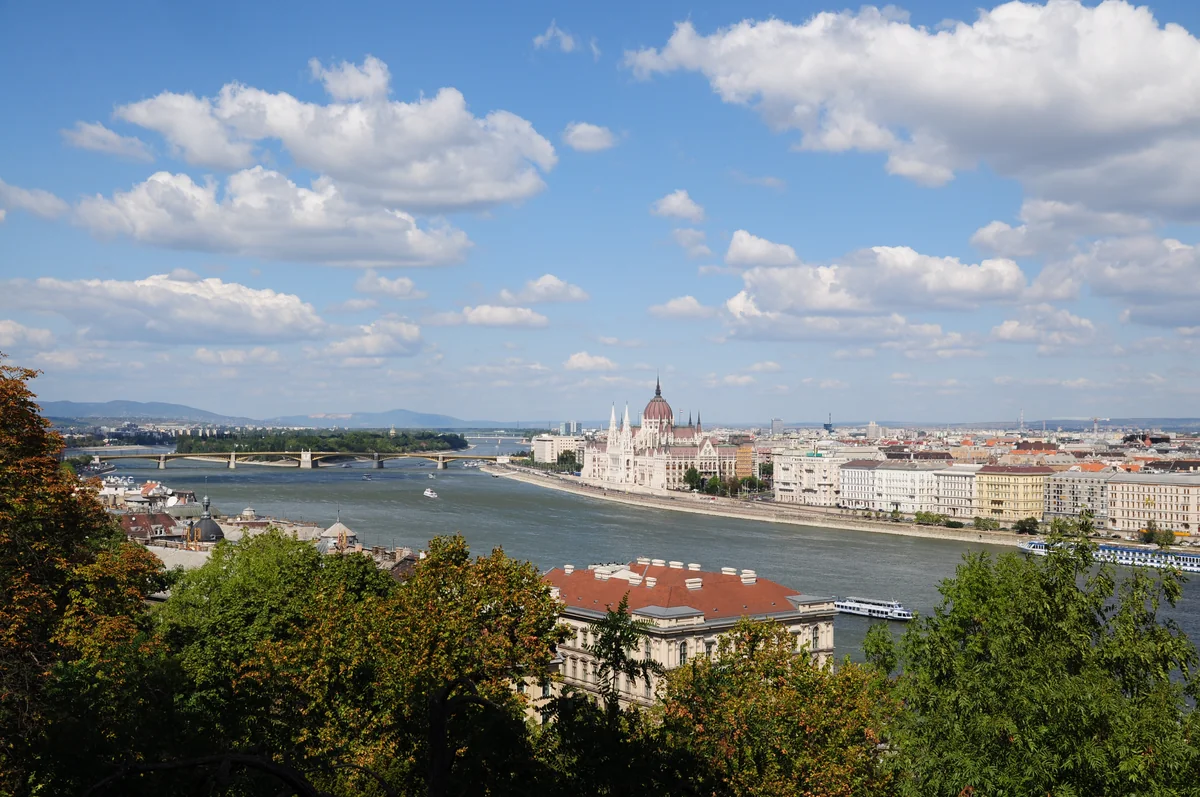
Budapest is easiest to navigate in geographic clusters. Keep Castle Hill together, walk the Parliament and Pest riverbank as one route, and combine the Jewish Quarter with Andrássy Avenue and City Park.
| Stay | Suggested route | Approximate time |
|---|---|---|
| 1 day | Castle District in the morning; cross the Chain Bridge for Parliament, Shoes on the Danube Bank, and the Pest riverfront; finish in the Jewish Quarter. | Castle District: 3 hours. Pest riverbank: 2–3 hours. Jewish Quarter: 1.5–2 hours. |
| 2 days | Follow the one-day route on day one. On day two, start in the Jewish Quarter, continue along Andrássy Avenue, and finish at Heroes’ Square and City Park. | Day one: 7–8 hours. Day two cluster: 5–6 hours. |
| 3 days | Use day one for Castle Hill and the riverbanks, and day two for the Jewish Quarter, Andrássy Avenue, and City Park. Reserve day three for a thermal bath, Central Market Hall, and either Gellért Hill or Margaret Island. | Days one and two: 5–7 hours each. Day three: about 6 hours. |
| Stop | Area | Typical duration | Cost type | Reserve ahead? |
|---|---|---|---|---|
| Buda Castle and Castle District | Buda | 3 hours | Outdoor areas are free; museums and some interiors are paid | Useful for museums and guided visits |
| Parliament | Pest riverbank | 1–1.5 hours | Exterior free; interior tour paid | Yes for interior tours |
| Chain Bridge and Shoes on the Danube Bank | Danube | 1–1.5 hours | Free | No |
| St. Stephen’s Basilica | Central Pest | 1–1.5 hours | Some areas and experiences are paid | Check availability for concerts or dome access |
| Thermal baths | City Park or Buda | 2–4 hours | Paid | Recommended for preferred sessions |
| Great Synagogue | Jewish Quarter | 1.5–2 hours | Paid | Recommended in busy periods |
| Central Market Hall | District IX | 1–1.5 hours | Free to browse | No |
| Andrássy Avenue and House of Terror | Central Pest | 2–3 hours | Avenue free; museum paid | Useful for the museum |
| Heroes’ Square and City Park | District XIV | 2–3 hours | Mixed | Depends on the museums or baths selected |
| Margaret Island | Danube | 2–3 hours | Mostly free | No |
| Gellért Hill | Buda | 1.5–2.5 hours | Free for the walking route | No |
| Jewish Quarter | District VII | 2–3 hours | Mixed | Depends on the venue or activity |
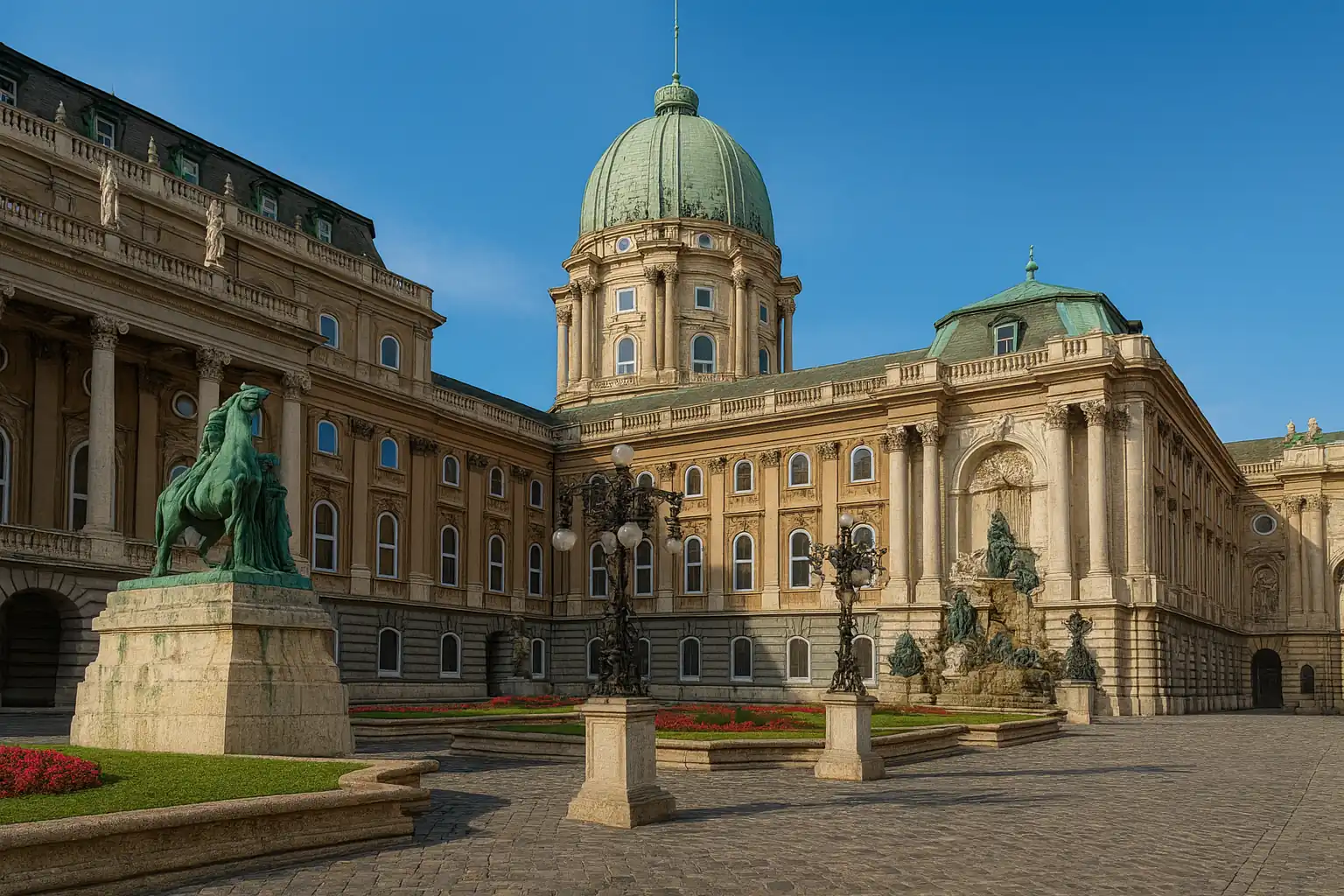
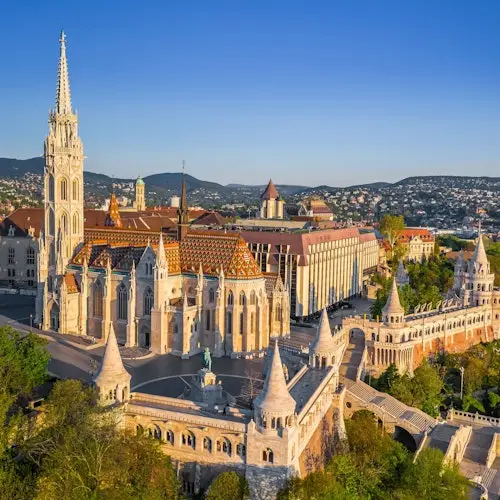
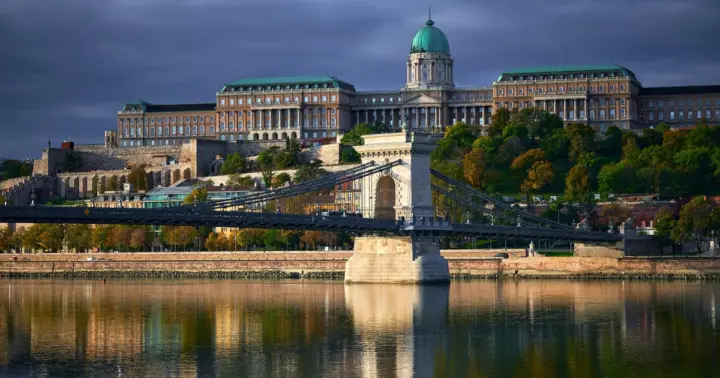
Buda Castle is the natural first stop after an introductory tour. This fortified complex on Castle Hill above the Danube’s west bank was originally constructed in the 13th century and has been destroyed and rebuilt repeatedly, most recently after severe damage in World War II. During the Ottoman occupation it served different functions, while Habsburg rebuilding reshaped it as a Baroque palace. The complex now houses institutions including the official Hungarian National Gallery.
Visitors often underestimate how much time the Castle District requires. Plan at least three hours to cover the main points without rushing. Castle Hill tours in Budapest are a practical way to navigate the complex with historical context.
Buda Castle is an entire citadel that houses several distinct sites:
The Budapest Funicular (Budavári Sikló) connects Clark Ádám Square at the foot of the bridge to the Castle District. The ride takes about two minutes and saves the steep uphill walk; consult current availability and ticket options before choosing it over the walking route.
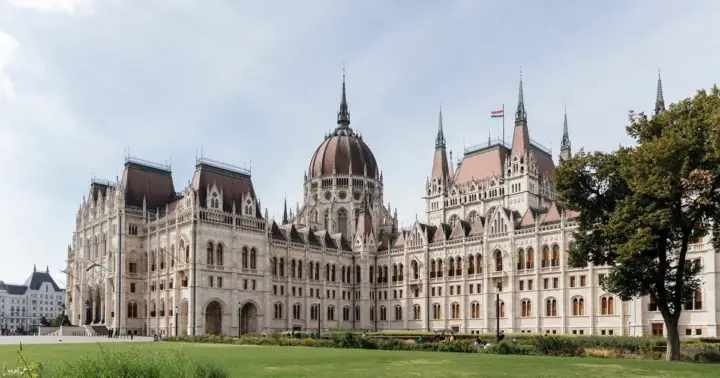
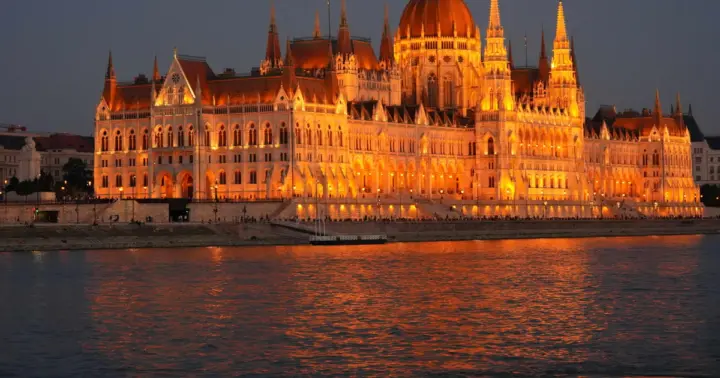
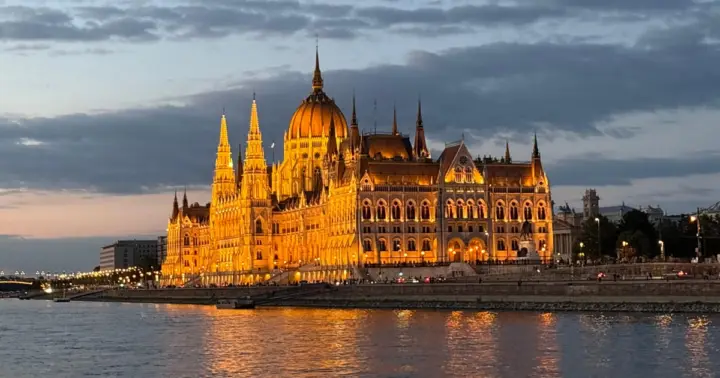
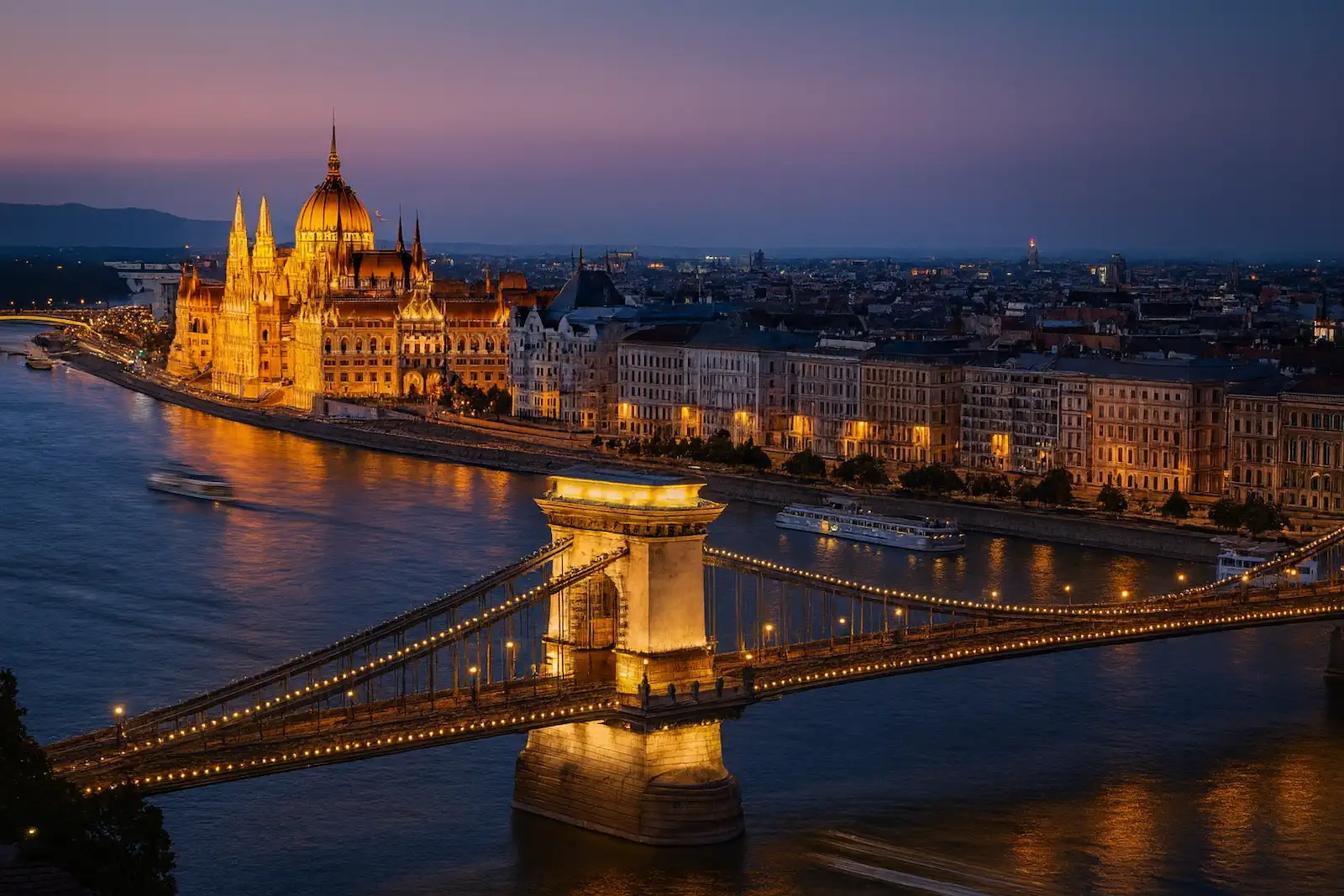
On the Pest bank of the Danube stands the Budapest Parliament, a Neo-Gothic building completed in 1902 that stretches 268 meters along the riverfront and rises 96 meters at its central dome. It is one of the largest legislative buildings in Europe by floor area and houses the Holy Crown of Saint Stephen in the Dome Hall.
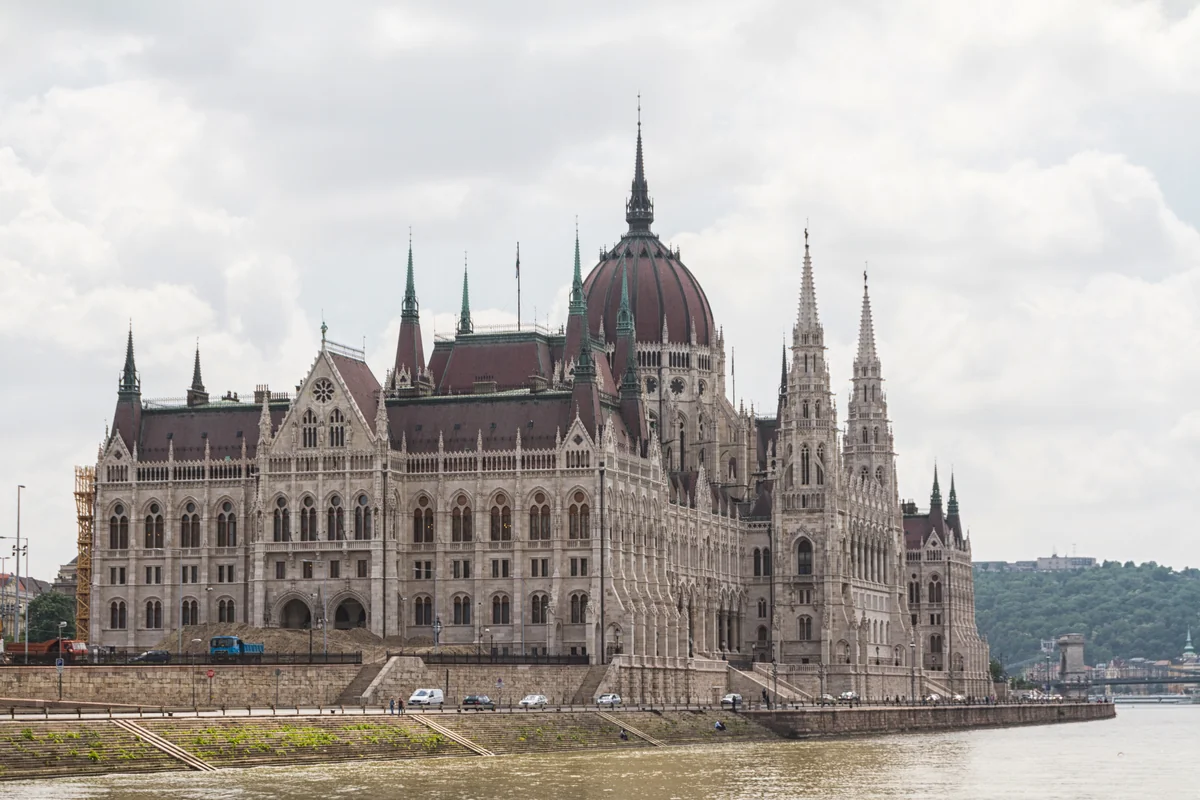
The façade is decorated with 88 statues of Hungarian rulers and military leaders. Guided tours of the interior run on scheduled departures and should be booked through the official Parliament website. Availability varies by language and date. The three principal interior highlights are:
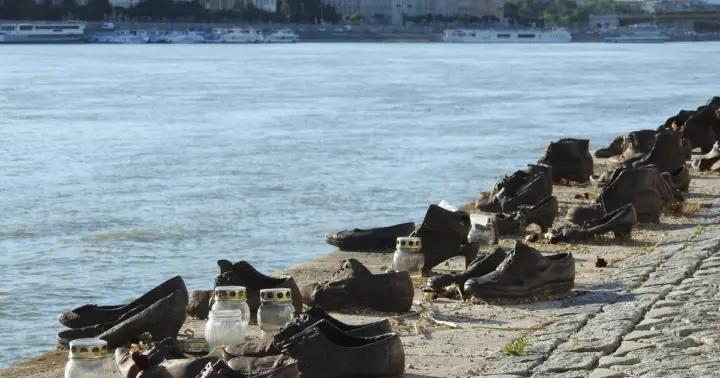
For a practical riverside route, walk south from Parliament to Shoes on the Danube Bank, the memorial formed by cast-iron shoes at the river’s edge. Continue toward the Chain Bridge for open views across to Castle Hill. Allow roughly 60–90 minutes for this section before adding an interior visit or river cruise.
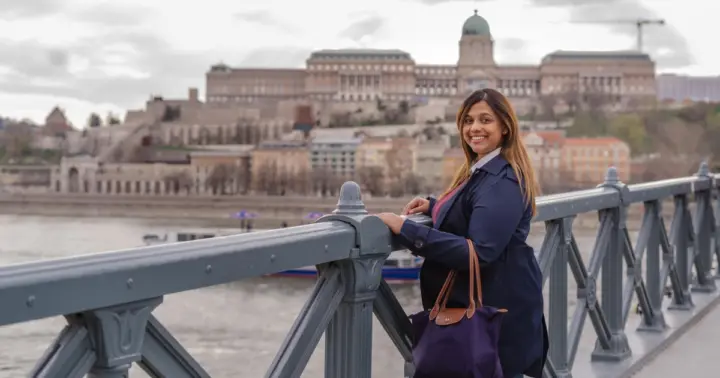
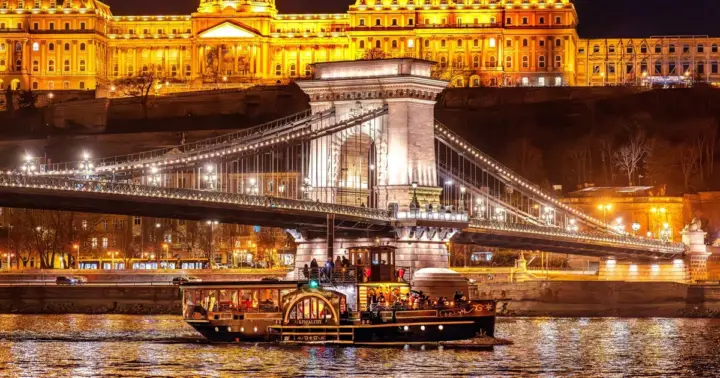
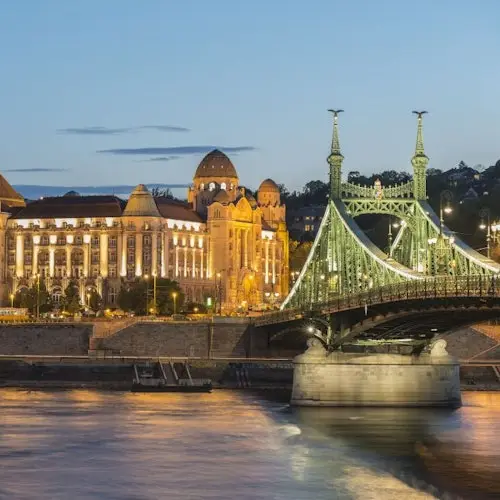
The Chain Bridge (Széchenyi Lánchíd), inaugurated in 1849, was the first permanent crossing between Buda and Pest at a time when the two cities were still separate. Designed by English engineer William Tierney Clark and built by Scottish engineer Adam Clark, the 375-meter suspension bridge played a direct role in the administrative unification of Budapest in 1873.
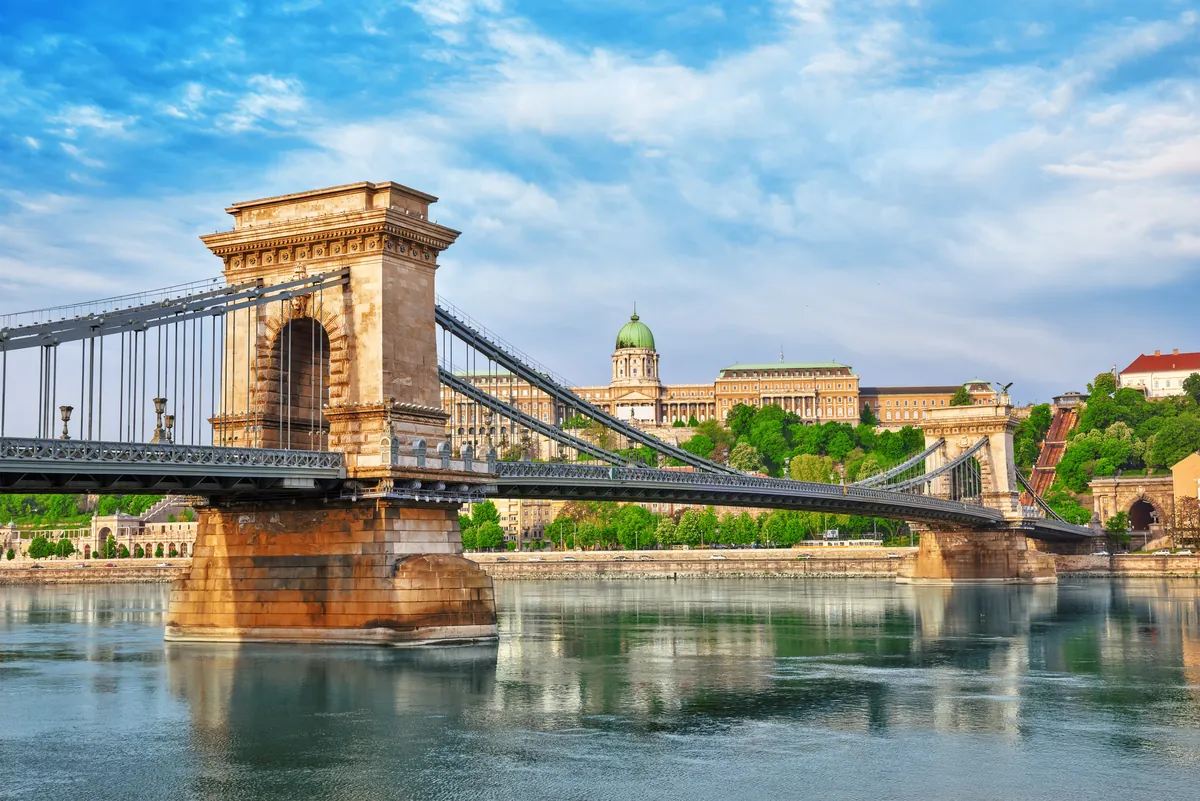
Walking the bridge takes about ten minutes and gives open views of the Parliament to the north and Gellért Hill to the south. Dusk provides a clear transition from daylight views to the illuminated riverbanks. The Danube Banks between Parliament and the bridges form part of a UNESCO World Heritage Site listed in 1987.
| Option | Best for | What to consider |
|---|---|---|
| Daytime cruise | Seeing façade details, bridges, and the relationship between Buda and Pest | Easier to combine with Parliament and the riverside memorial; check route length and whether commentary is included. |
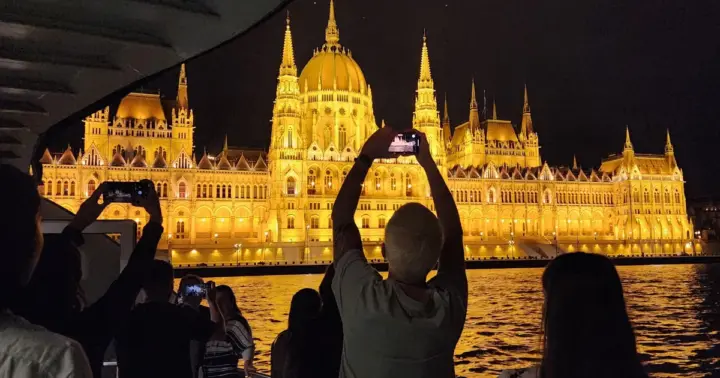
| Evening cruise | Illuminated views of Parliament, Castle Hill, and the bridges | Popular departure times can have limited availability; compare seating, duration, and weather protection before booking. |
Most sightseeing departures take roughly an hour, although formats vary. Consult current availability instead of relying on fixed prices, and choose a departure that fits the same riverbank cluster rather than crossing the city for a separate boarding area.
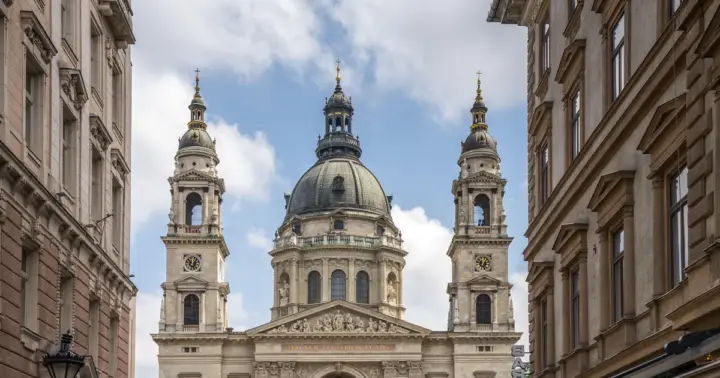
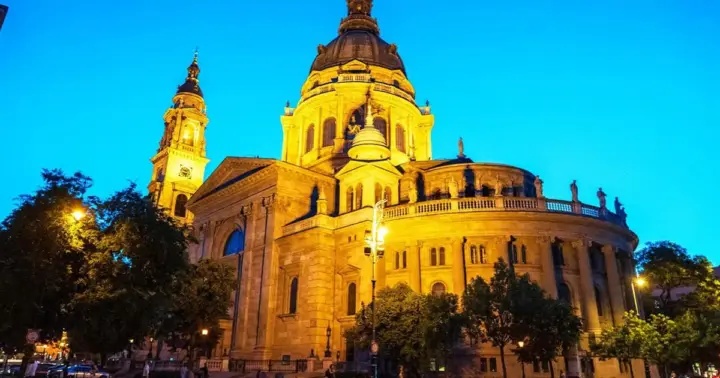
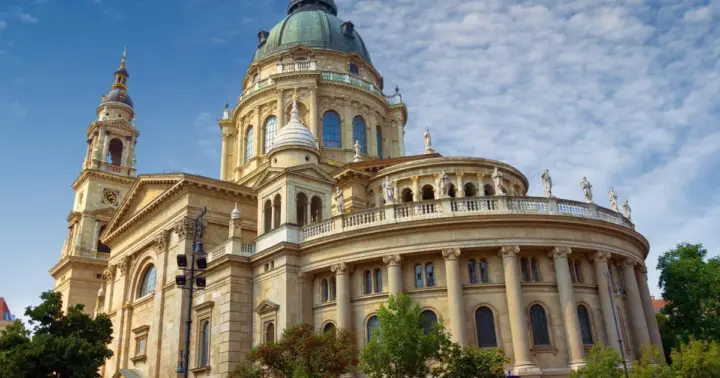
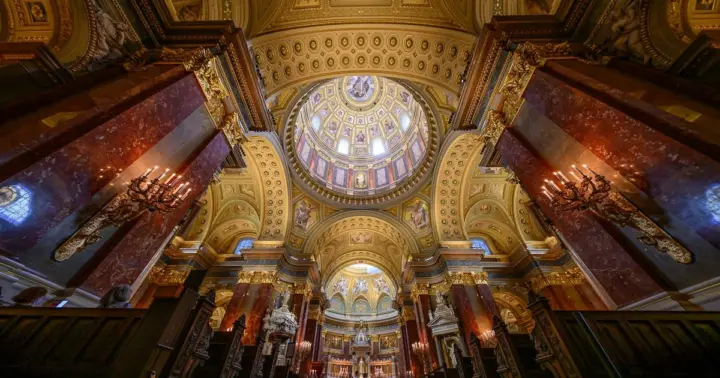
St. Stephen’s Basilica in central Pest is Hungary’s largest Catholic church, completed in 1905 after 54 years of construction, including a pause caused by the collapse of the dome in 1868. Dedicated to King Saint Stephen, Hungary’s first Christian monarch, the Neoclassical building rises 96 meters, the same height as Parliament by deliberate design.
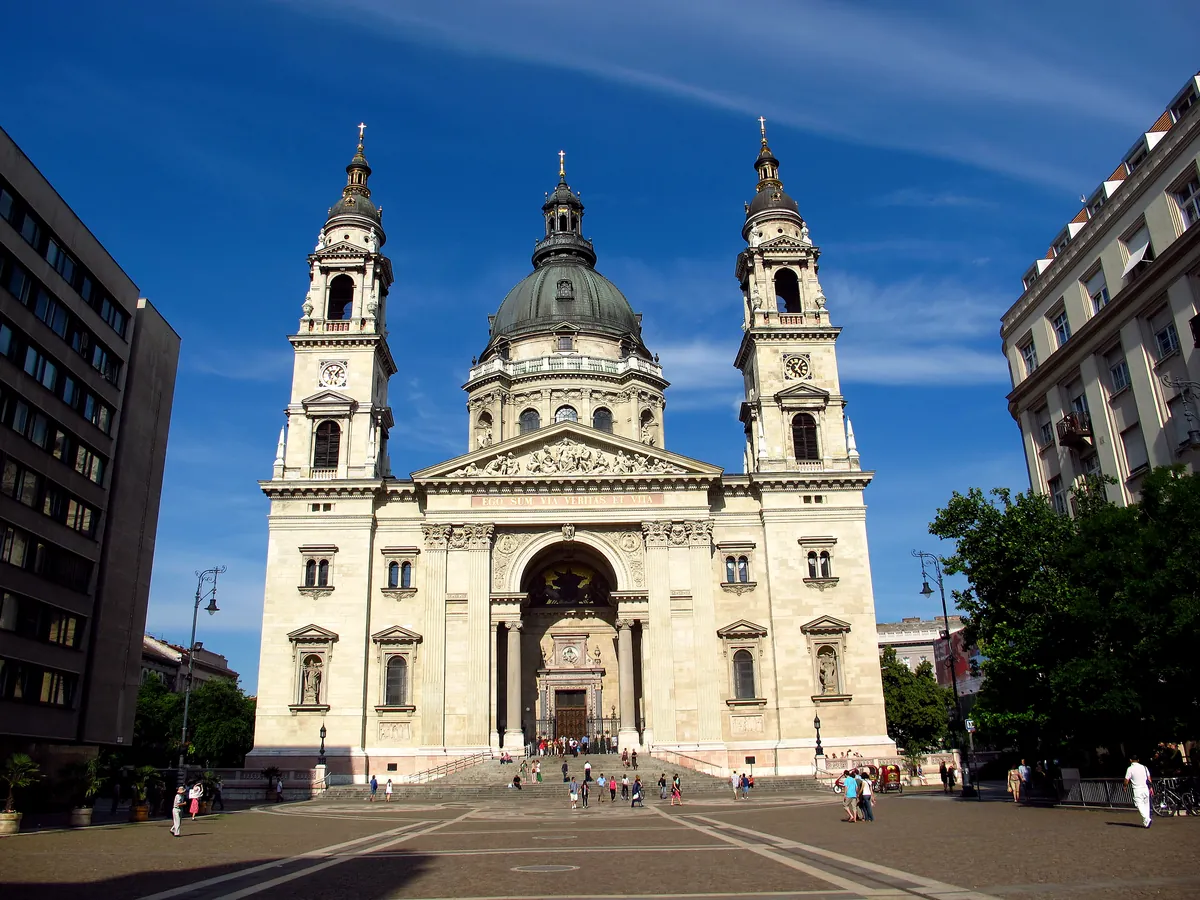
The basilica houses Hungary’s most venerated relic: the Holy Right Hand (Szent Jobb), the mummified right hand of King Saint Stephen, displayed in a side chapel. Every August 20, Hungary’s national day, the relic is carried in procession through the surrounding streets. The building’s organ supports regular concert series; consult the current schedule and availability for performances. The panorama deck on the dome offers a 360-degree city view and is accessible by lift.
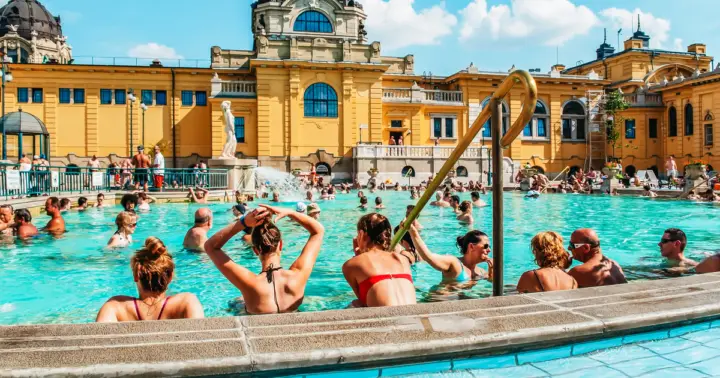
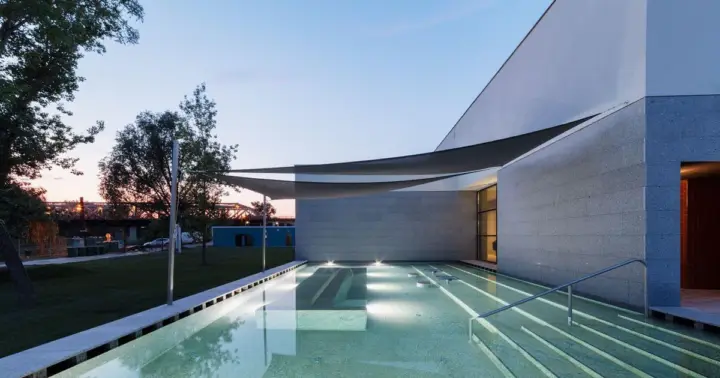
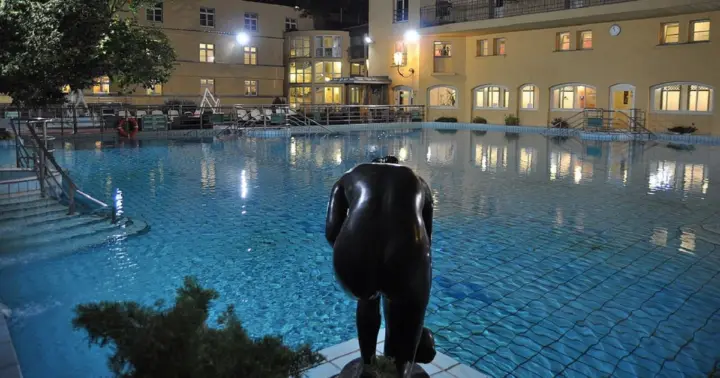
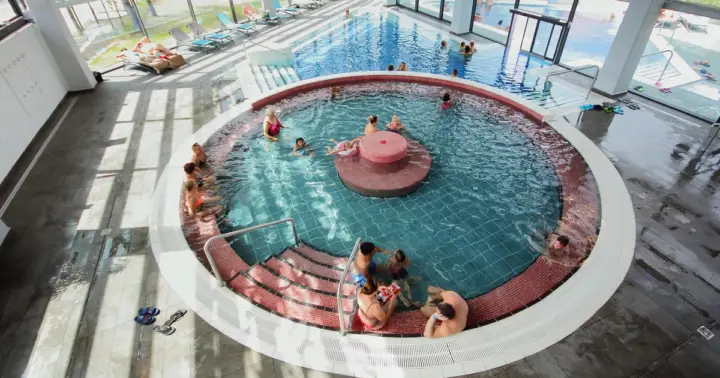
Budapest sits above more than 100 natural thermal springs, a geological feature that shaped the city’s culture across multiple occupations. Roman settlers established baths at Aquincum in the 1st century AD; Ottoman administrators expanded that tradition during the 16th-century occupation, building bathhouses whose architecture still influences the city’s bathing culture.

The Széchenyi Baths in City Park, inaugurated in 1913, are the largest thermal complex in Europe, with 18 pools across three buildings. The spring water is cooled before entering the pools and contains calcium, magnesium, and bicarbonate. Outdoor chess games on floating boards are one of the complex’s established local traditions.
| Bath | Atmosphere and format | Plan for | Reservation guidance | Best suited to |
|---|---|---|---|---|
| Széchenyi | Large historic complex with indoor facilities and extensive outdoor pools | 3–4 hours | Reserve a preferred session when availability is limited | First-time visitors who want the broadest range of pools |
| Rudas | Smaller Ottoman-era setting with indoor thermal spaces and a rooftop pool overlooking the Danube | 2–3 hours | Check current opening arrangements and session rules before booking | Travelers prioritizing historic architecture and river views |
Schedules, access rules, and session formats can change. Check the official Széchenyi Baths website for current information. Weekday sessions often fit more easily into an Andrássy Avenue and City Park route, while Rudas pairs naturally with Gellért Hill and the Buda riverbank.
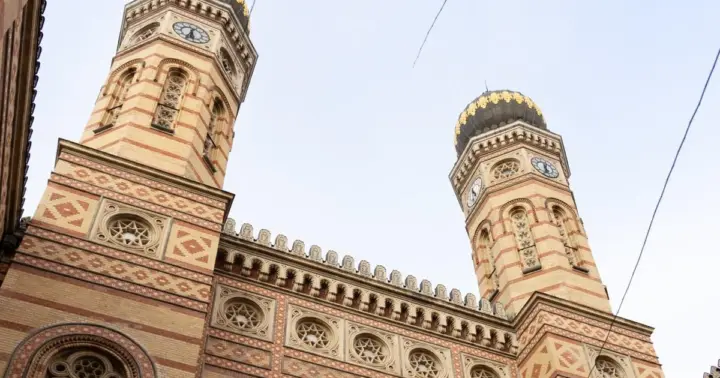
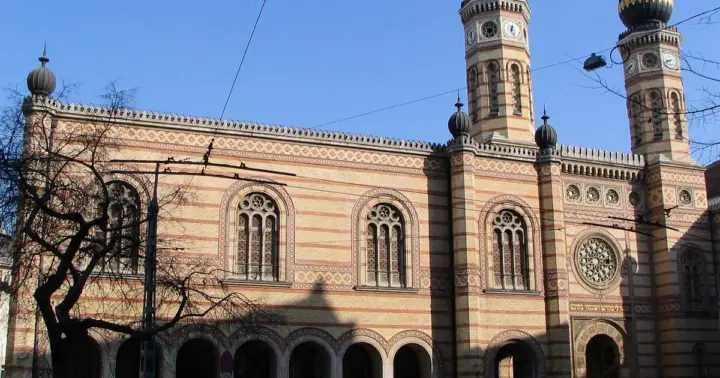
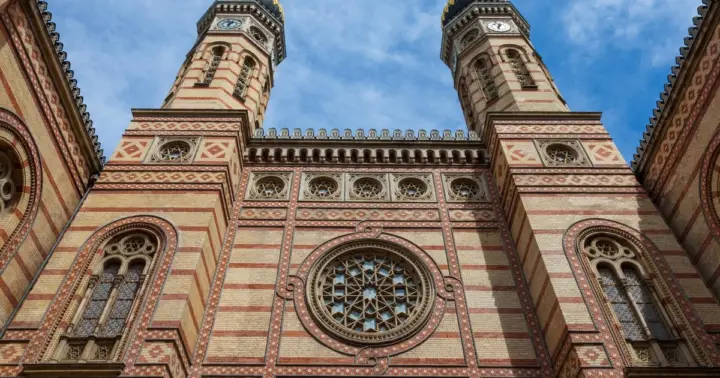
The Dohány Street Synagogue in District VII is the largest synagogue in Europe, with seating for 3,000 worshippers across its two-nave interior. Built in 1859 to a Moorish Revival design by architect Ludwig Förster, its twin onion-shaped towers are visible from several blocks away. The building’s interior layout, with a central nave, side aisles, and a prominent organ, was modeled partly on contemporary Catholic church architecture.
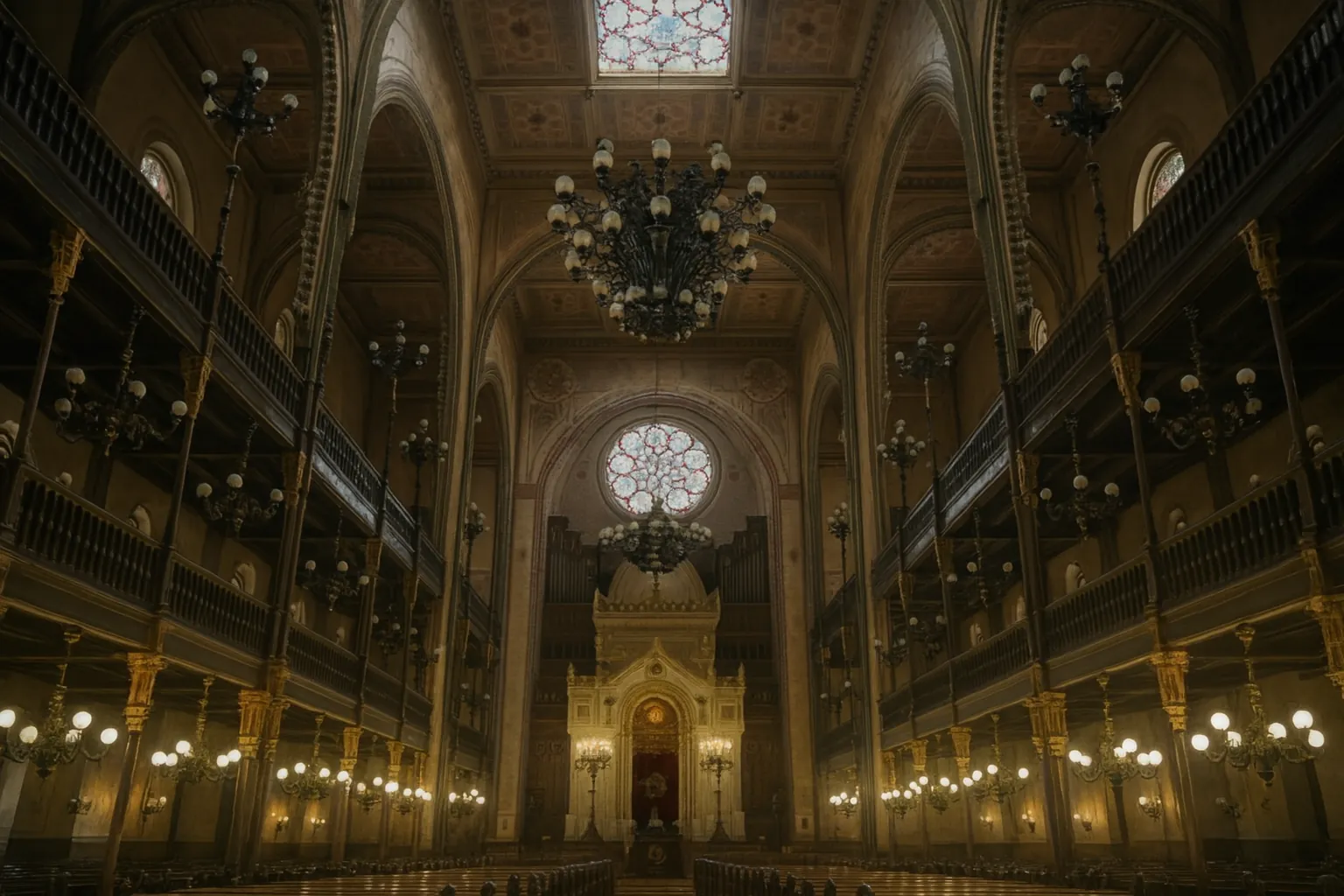
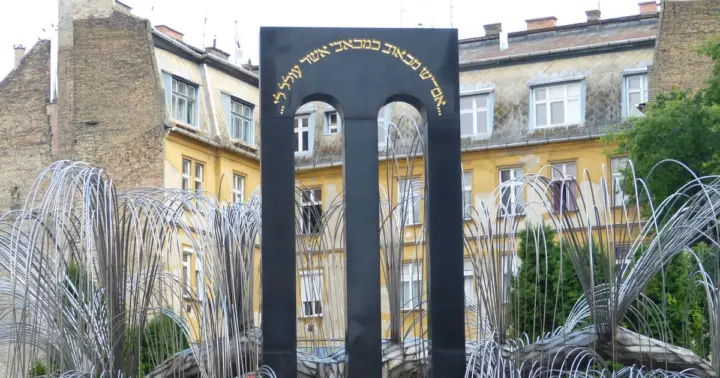
During World War II, the building served as a German radio base and at points as a stable. The adjacent cemetery contains mass graves of Jews who died in the 1944–45 ghetto, with over 2,000 people buried where the synagogue garden now stands. The Tree of Life memorial, a metal weeping willow sculpture by Imre Varga, marks this site; each leaf bears the name of a Holocaust victim. Entrance to the complex includes the Jewish Museum of Budapest; consult the official Great Synagogue website for current ticket availability.
To understand Hungary’s culinary culture, the Central Market Hall (Nagyvásárcsarnok) near Liberty Bridge offers a practical starting point. Opened in 1897 and designed by Samu Pecz in a neo-Gothic style with Zsolnay ceramic roof tiles, this covered market is the largest and oldest in Budapest at 150 meters long.

The ground floor carries fresh produce, meat, dairy, paprika, and other Hungarian ingredients. The upper level concentrates on prepared food, folk crafts, embroidery, and pálinka. For a focused tasting list, look for goulash, fried lángos, chimney cake, and Hungarian pastries rather than attempting every stall in one visit. A tin of sweet Kalocsa paprika is a compact purchase that differs from the Szeged varieties commonly found elsewhere.
The market fits naturally after the Liberty Bridge or before the climb toward Gellért Hill. Traditional cafés work better as a separate pause during the central Pest route around St. Stephen’s Basilica and Andrássy Avenue. Use the market to compare ingredients and informal dishes, then choose a café stop for pastries and coffee; this keeps food experiences integrated with sightseeing without requiring a cross-city detour.
Andrássy Avenue runs 2.5 kilometers from Erzsébet Square in the city center to Heroes’ Square, lined with 19th-century Neo-Renaissance palaces, the Hungarian State Opera House, and international embassies. Built between 1872 and 1885 as part of Budapest’s transformation into a regional capital, the boulevard earned UNESCO World Heritage status as part of the Budapest cityscape designation.
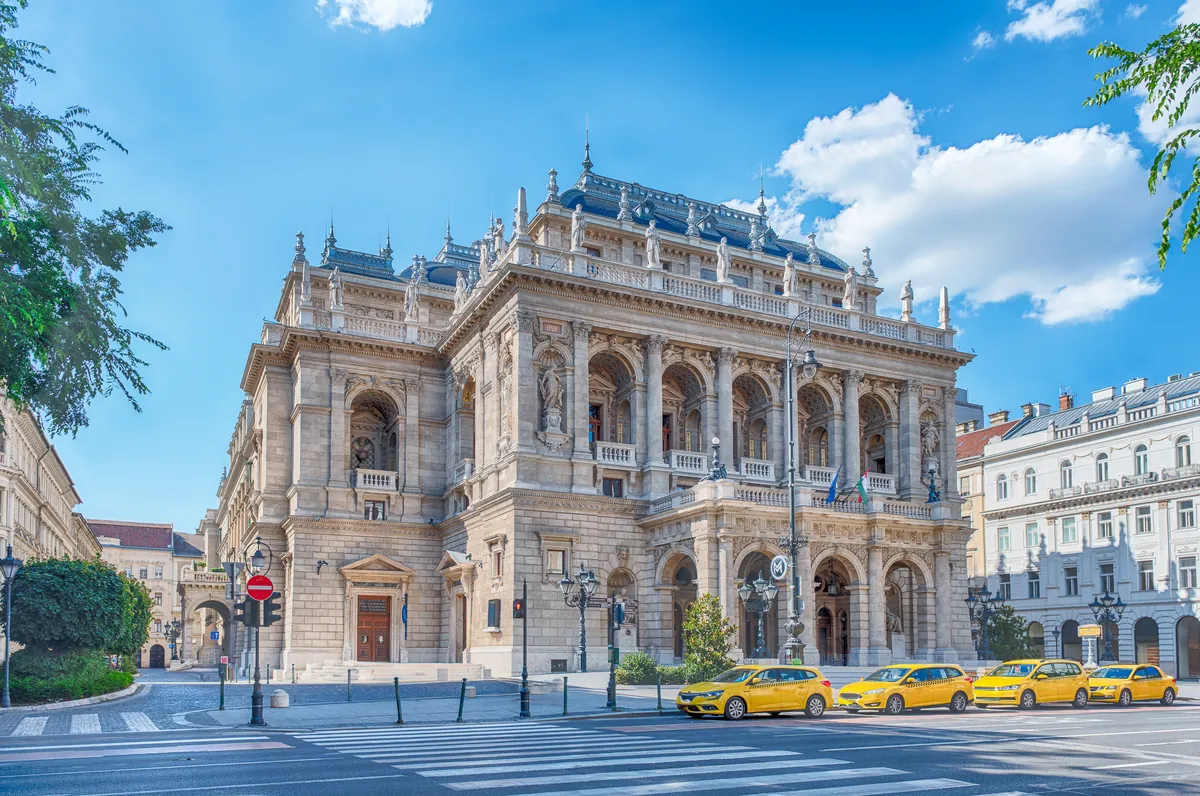
The House of Terror at No. 60 provides the avenue’s clearest twentieth-century-history stop. The building served successively as headquarters for Hungary’s fascist Arrow Cross and then for the communist secret police (ÁVH). Its exhibitions use original artifacts, interrogation rooms, and prisoner testimonies to document both regimes. Allow around two hours if entering the museum; if not, continue along the avenue to compare its monumental façades with the political history attached to this address.
Beneath the avenue runs Metro Line 1, the first metro on the European continent, opened in 1896. Its original stations retain 19th-century tilework and period signage, so taking the metro for one direction and walking the other avoids retracing the full boulevard.
Heroes’ Square (Hősök tere) at the end of Andrássy Avenue was built in 1896 to mark 1,000 years since the Magyar conquest of the Carpathian Basin. The Millennium Monument at its center is a 36-meter column topped by the Archangel Gabriel; at its base stand statues of the seven chieftains who led the Magyar tribes westward in 895 AD, with Prince Árpád at the front.
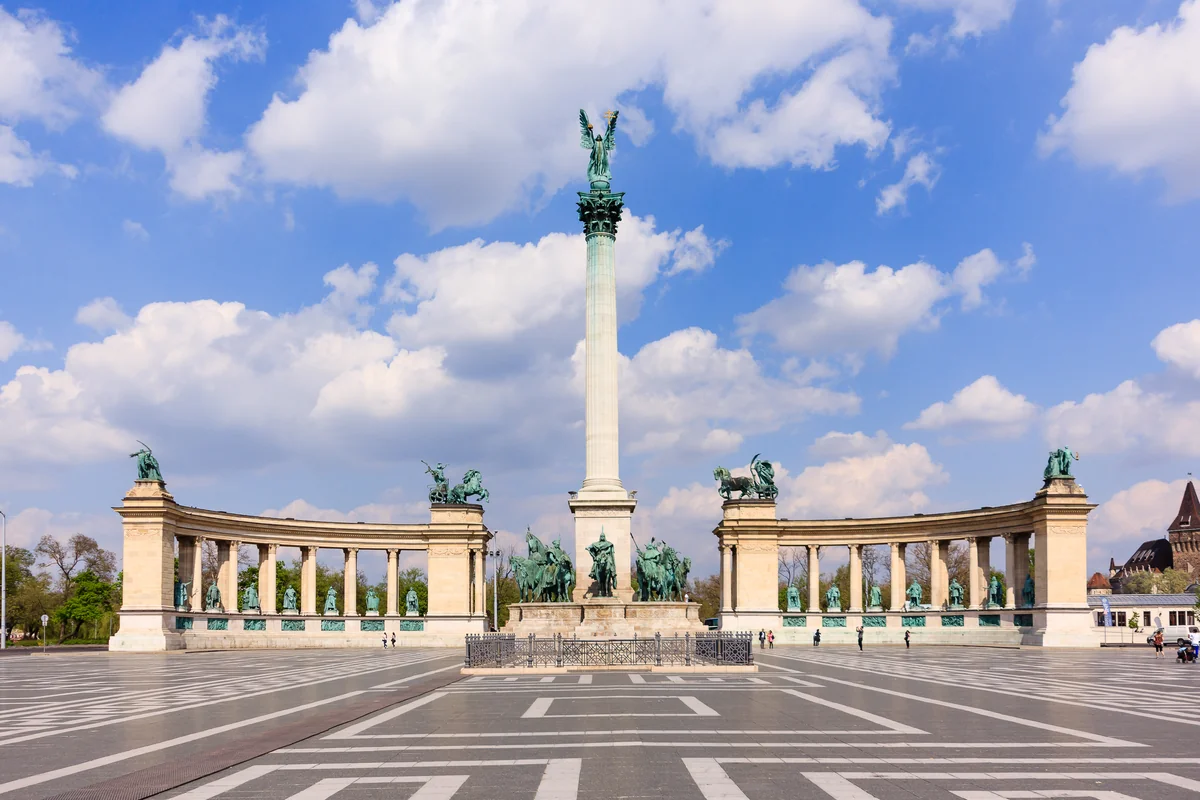
The two curved colonnades flanking the column display 14 statues of Hungarian historical figures. After World War II, three Habsburg rulers, Franz Joseph, Leopold I, and Charles III, were replaced by Hungarian independence leaders. The Museum of Fine Arts and the Hall of Art (Műcsarnok) face each other across the square, making this an efficient cultural cluster to combine in one visit.
City Park (Városliget) extends directly behind Heroes’ Square and covers 120 hectares. It is Budapest’s largest public park and was the site of the 1896 Millennium Exhibition. Vajdahunyad Castle at the park’s center was originally built as a temporary exhibition structure in wood and cardboard; public demand led to its reconstruction in permanent stone and brick between 1904 and 1908, incorporating architectural styles from four periods of Hungarian history in a single building.
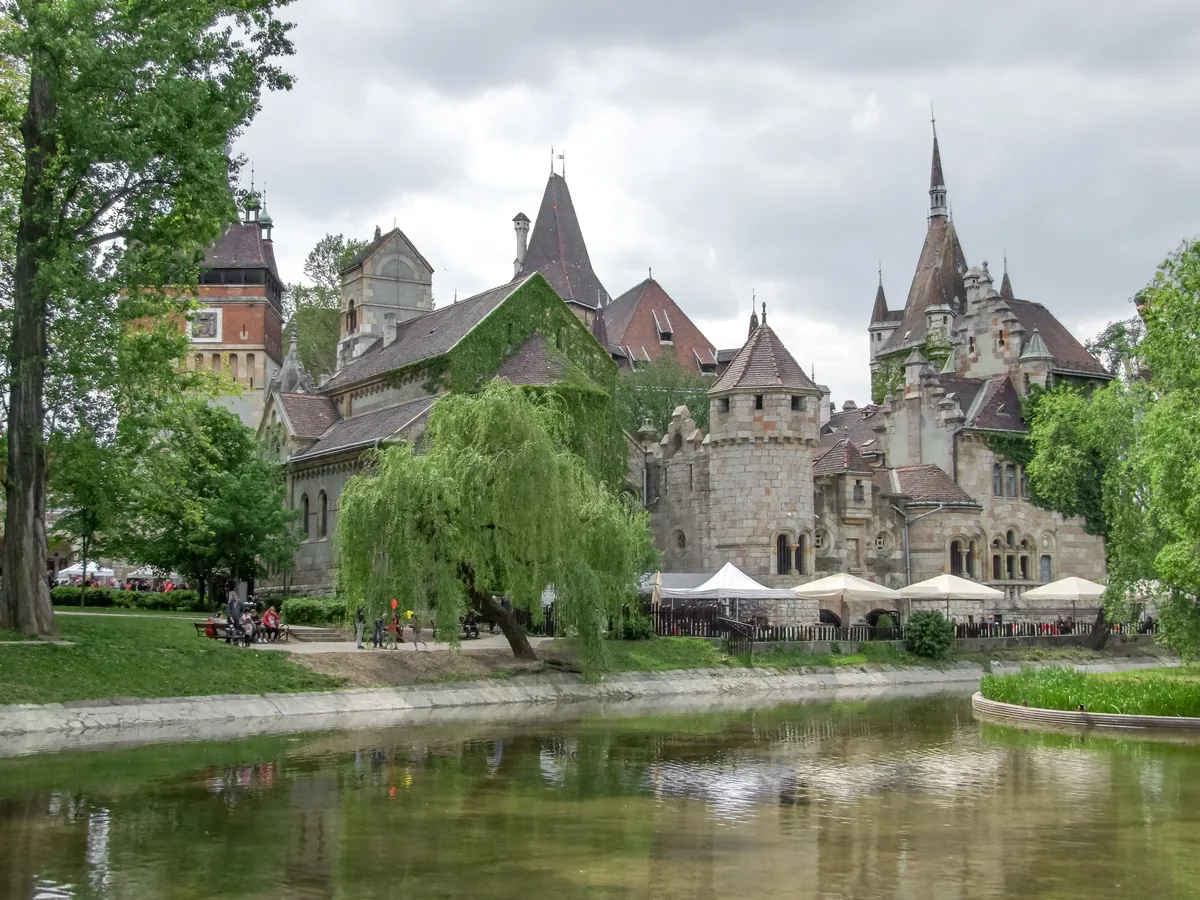
The lake in front of the castle becomes Budapest’s main outdoor ice rink in winter, a tradition that began in 1870. The Széchenyi Baths occupy the northeast corner of the park. The Liget Budapest renewal project continues to reshape parts of the park’s periphery with museum and landscape work, so walking routes around individual buildings can change.
Margaret Island is a 2.5-kilometer-long park island in the middle of the Danube, largely car-free and accessible by tram or on foot from Margaret Bridge. The island takes its name from Princess Margaret, daughter of King Béla IV, who entered a Dominican convent here in the 13th century after her father vowed to dedicate her to religious life if Hungary survived the Mongol invasion of 1241.
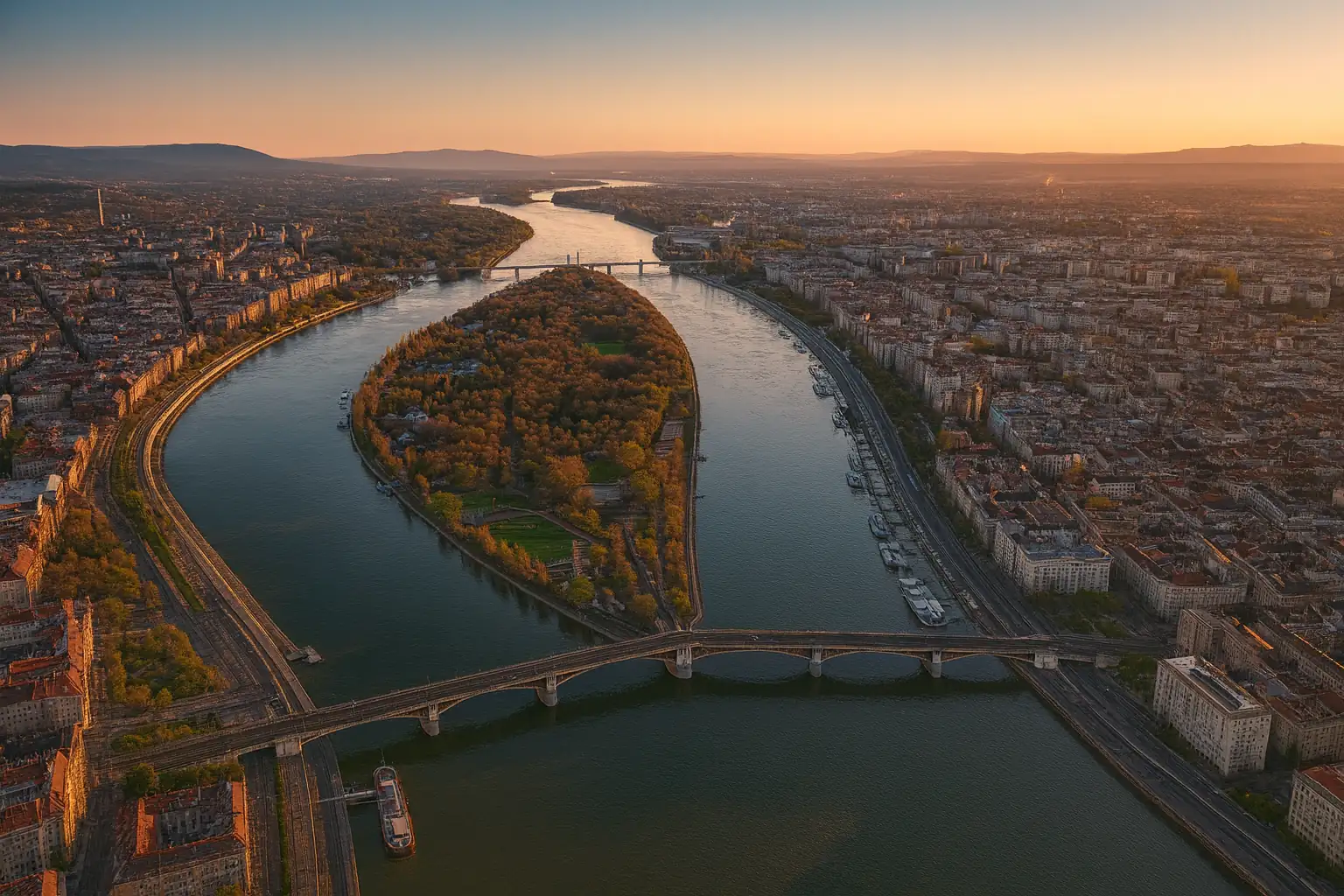
The island’s ruins include a 13th-century Franciscan monastery church tower and the remains of the Dominican convent where Princess Margaret lived. The musical fountain near the southern end performs synchronized water and light displays, with schedules posted at the fountain. Budapest residents also use the island’s running track and outdoor workout facilities.
Gellért Hill rises 235 meters above the Danube on the Buda side, offering one of the widest panoramic views in central Budapest. At the summit, the Citadel, built by the Habsburg military in 1851 after the failed Hungarian Revolution of 1848, commands the full spread of the city on both riverbanks.
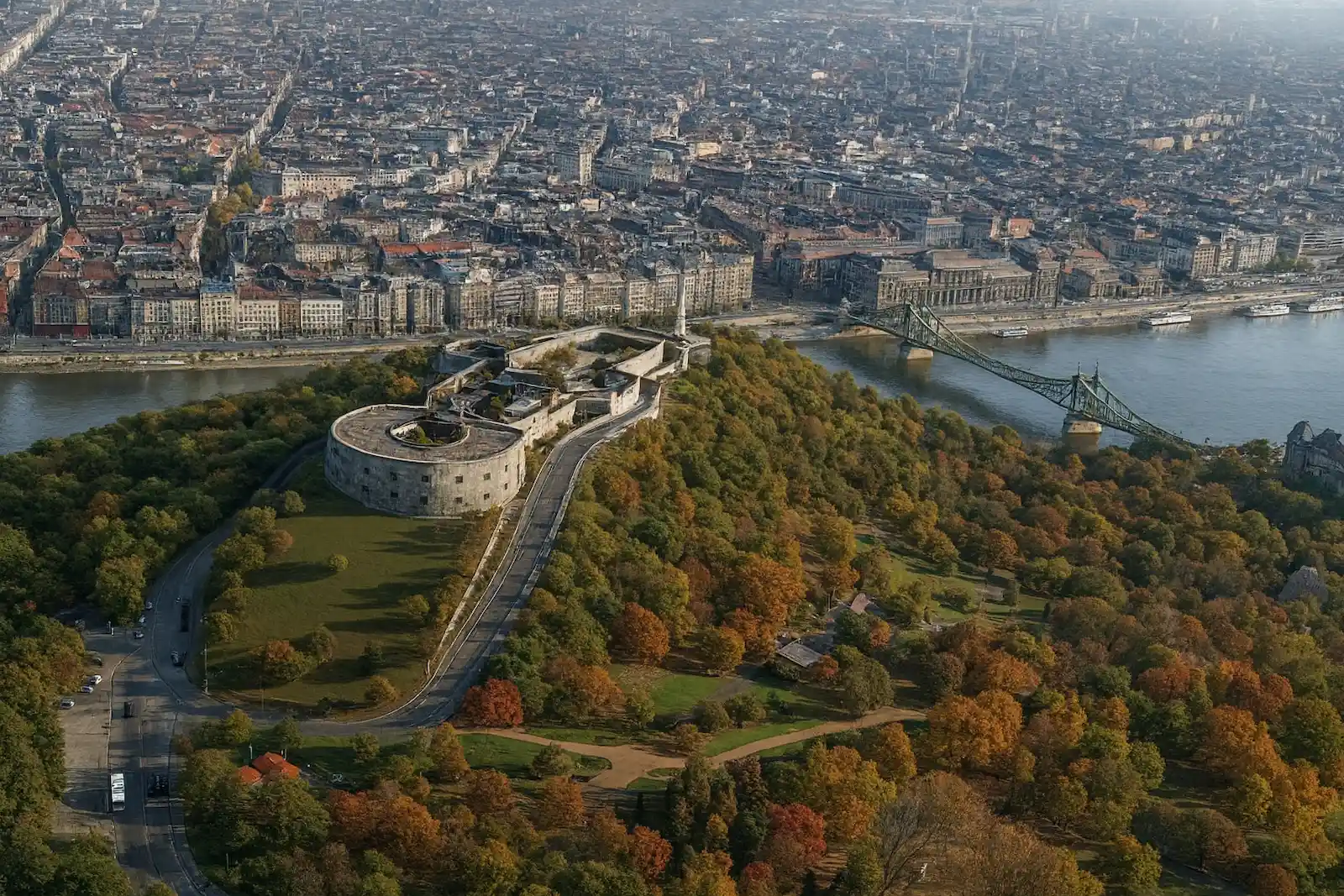
The hill’s name commemorates Saint Gerard (Gellért), an Italian missionary who served as Hungary’s first bishop. According to medieval chronicles, pagan rebels threw him from this hill in a barrel in 1046. Access around the Citadel and its military infrastructure can change during restoration work. The marked climb from the Gellért Baths area takes about 20 minutes for a fit walker, with additional time needed for viewpoints.
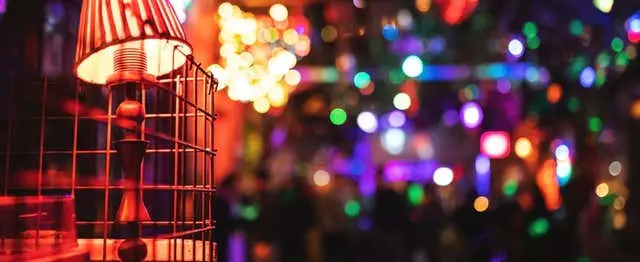
District VII (Erzsébetváros) was the designated Jewish ghetto during the Nazi occupation of 1944–45. Today the same neighborhood hosts bars and cultural spaces in reclaimed buildings. The shift happened through the ruin bar concept, pioneered by Szimpla Kert in 2002: disused courtyards and decaying buildings became low-cost event venues that attracted artists, musicians, and independent businesses before redevelopment could claim them.

The neighborhood’s Wall of the Righteous honors individuals who sheltered Jewish residents during the occupation. Visit in the afternoon for the street art, vintage shops, cafés, and memorial sites, then return in the evening if ruin bars are part of the plan. The core area is walkable within about 20 minutes from the Great Synagogue, although individual venues may require advance booking.
Metro Line 1 (the “Little Metro” or Millenniumi Földalatti) opened in 1896 as the first electric underground railway on the European continent, built in 13 months to meet the Millennium Exhibition deadline. Its stations sit only 3–4 meters below street level, shallow enough to use cut-and-cover construction, which is why the cars are smaller than those on later Budapest metro lines.
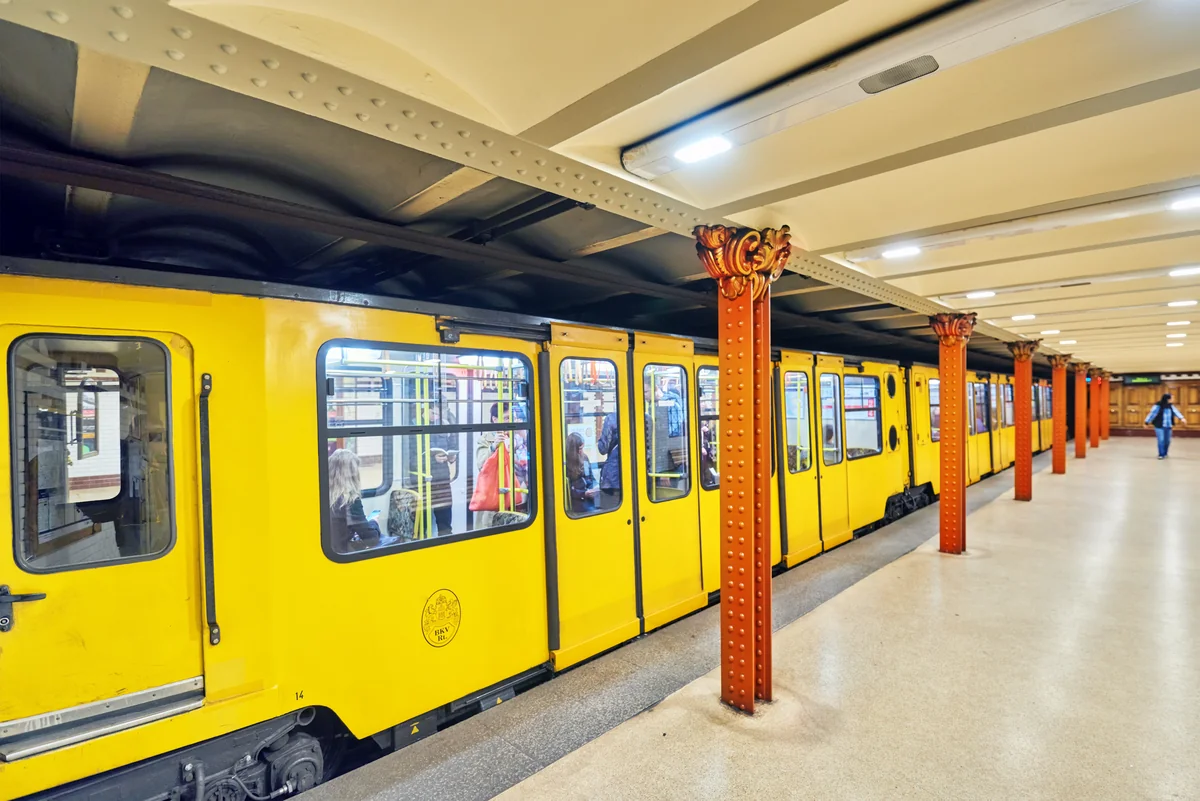
UNESCO included Metro Line 1 in the Budapest World Heritage designation in 2002. The original stations retain period tilework, wooden benches, and cast-iron signage. A standard Budapest transport ticket covers the ride; compare current single-ticket and pass options if you plan to use public transit repeatedly.
Based on feedback from travelers on GuruWalk’s Budapest tours, these are the practical details that make the most difference:
Budapest concentrates Roman, medieval Hungarian, Ottoman, Habsburg, and twentieth-century history within a walkable center. Grouping sights by riverbank and neighborhood makes that history easier to follow and reduces unnecessary travel. For a curated overview of tours and activities in Budapest, GuruWalk’s catalog covers architecture walks, river experiences, thermal baths, museums, and nightlife.
Travel marketing specialist with extensive experience in the travel sector. At companies such as Despegar and GuruWalk, she has led traveler-focused digital acquisition strategies. Now, from the GuruWalk blog, she combines her expertise with her passion for discovering and sharing unique destinations.
Local guides, pay-what-you-want and no credit card to book. That is how you understand a city.
Explore free tours on guruwalk.com