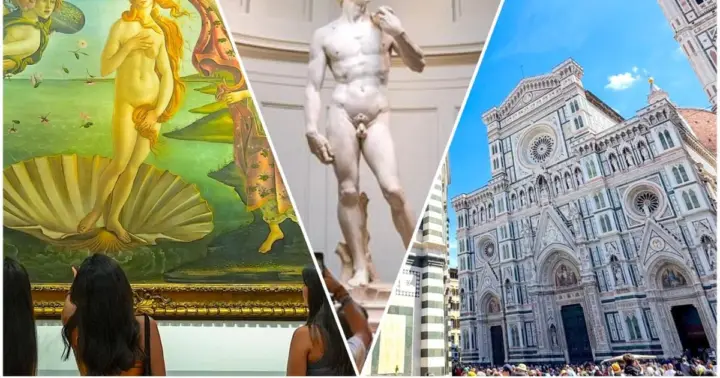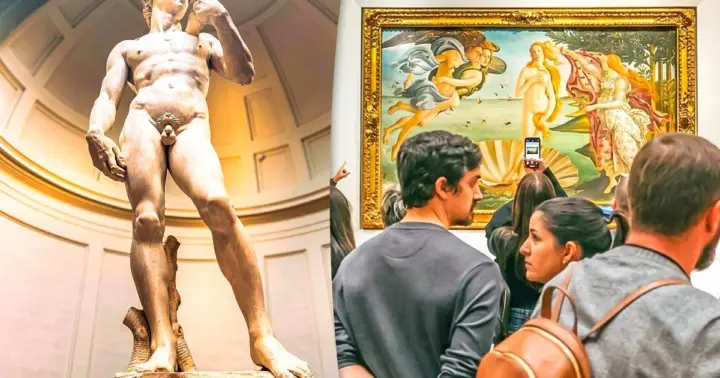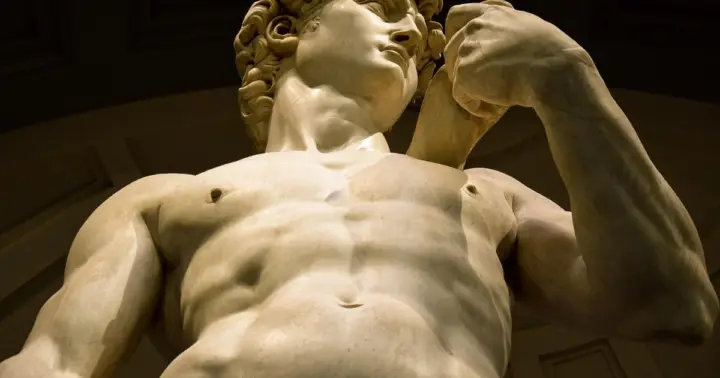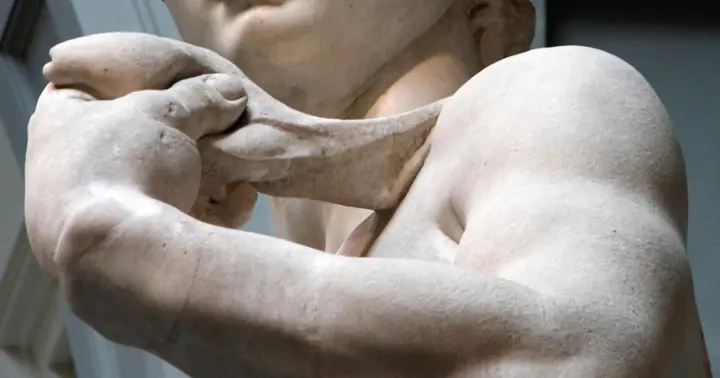





Organize one to three days in Florence around Renaissance landmarks, museums, Oltrarno, viewpoints, local food, transport, parking, and day trips.
 Belén Rivas
GuruWalk
·
Updated 27 Aug 2026
Belén Rivas
GuruWalk
·
Updated 27 Aug 2026This guide brings together the main things to do in Florence, from arrival logistics and parking to Renaissance landmarks, viewpoints, local food, day trips, and free walking tours. Use it to plan the order of your visit, decide what needs advance booking, and keep practical details close while you move around the city.
Last verified: August 2026 — Prices, opening hours, and reservation requirements checked against official sources. GuruWalk’s Florence gurus reviewed the practical recommendations.
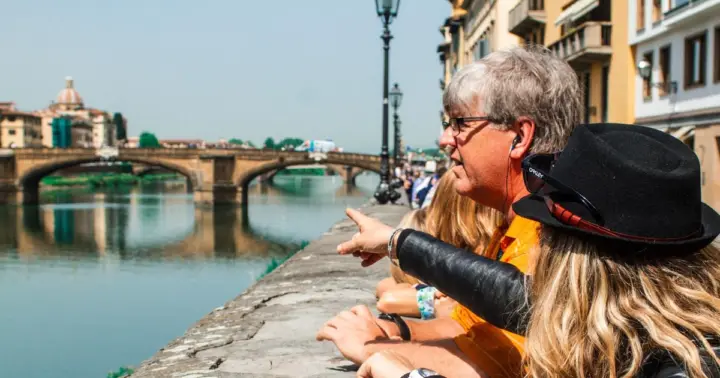
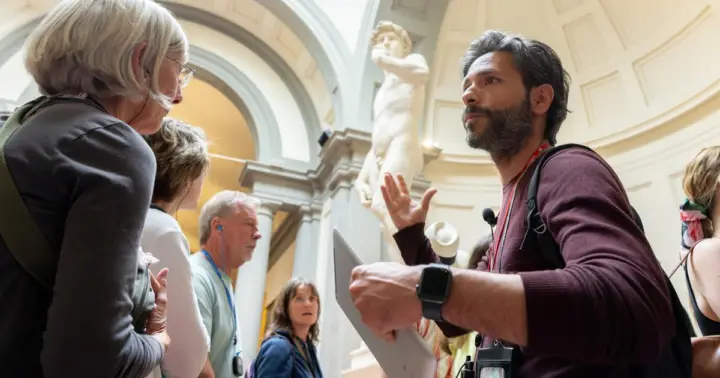
Start with one of the Florence free walking tours to connect the Duomo, Piazza della Signoria, Ponte Vecchio, and the main Renaissance landmarks before deciding where to spend more time. Free tours have no fixed ticket price; a common tipping baseline is €10–€20 per person, with contributions of up to €50 when the experience and group circumstances justify it.
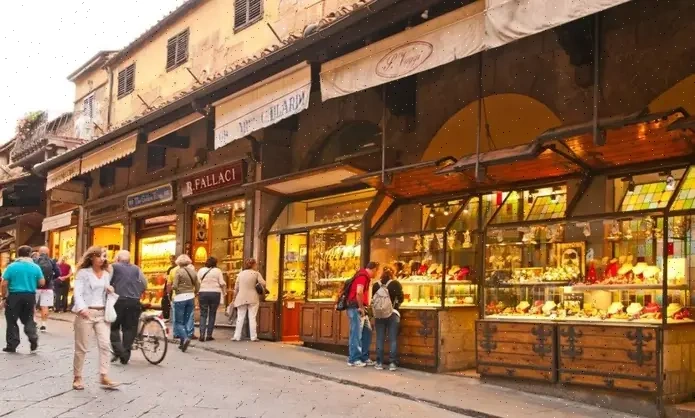
Discover Hidden Treasures and Stories of Florence! Get ready to be fascinated and immersed in an incre…

Hello everyone, welcome to Florence! With this tour, we offer you the opportunity to get to know Florence through the…

*This tour is the complementary sibling of the tour The Dark Side of Florence, Mysteries and Leg…

This tour is the complementary sibling of our main tour
Discover the essence of Florence with a licensed local guide Join a walk full of beauty, histor…

Between the end of the thirteenth century and the beginning of the fourteenth century , a bu…

On the centenary of the Poet's death, we will take you on an extraordinary journey into the bowels and darkness…
For a first visit, organize Florence into four compact areas rather than crossing the historic center repeatedly: the Duomo and San Lorenzo; Piazza della Signoria, the Uffizi, and Santa Croce; Oltrarno with Pitti Palace and the Boboli Gardens; and the climb toward Piazzale Michelangelo and San Miniato al Monte.
Walking times below are approximate and do not include queues. GuruWalk’s Florence gurus recommend limiting each half-day to one major timed-entry attraction; this leaves room for the surrounding squares, churches, and streets without turning the visit into a sequence of reservations.
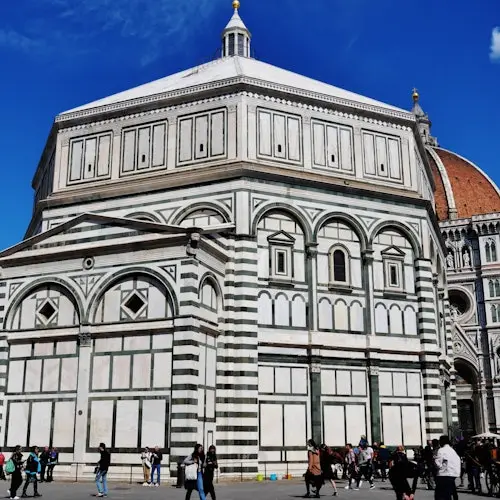
Begin around the Duomo and San Lorenzo, allowing roughly 60–90 minutes for the exterior, surrounding streets, and market area, or longer if you have a reserved Duomo-complex visit. Walk about 10 minutes to Piazza della Signoria and the Uffizi courtyard, then continue to Ponte Vecchio. Cross into Oltrarno and finish at Piazzale Michelangelo; the uphill walk from the river generally requires 25–35 minutes at a steady pace.
Use the first day for the Duomo–San Lorenzo area and one reserved attraction, usually the Accademia or the dome. On day two, follow the Signoria–Uffizi–Santa Croce axis. Allow around two to three hours for the Uffizi if it is your main museum, then about 15 minutes to walk to Santa Croce. End across the Arno in Santo Spirito or climb to Piazzale Michelangelo.
Keep the first two days as above, then dedicate the third to Oltrarno. Pitti Palace and the Boboli Gardens can occupy half a day depending on the galleries selected and your walking pace. From the gardens, continue through the neighborhood before going uphill to Piazzale Michelangelo and San Miniato al Monte. The walk between the two viewpoints takes about 10–15 minutes.
These practical points help with everyday movement around Florence and answer common traveler questions.
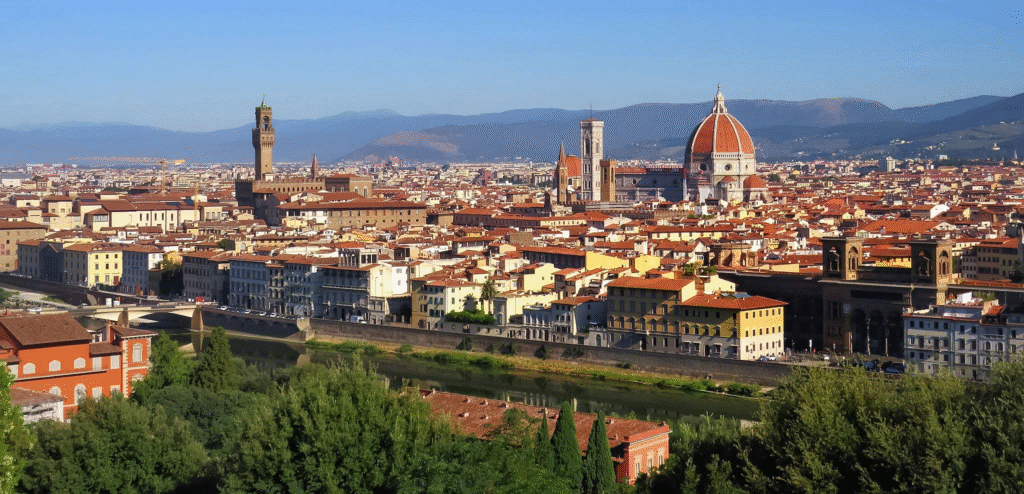
A short visit cannot cover every major church, palace, and collection. Choose according to the art, architecture, or neighborhood you want to understand rather than treating the following places as a checklist.
| Attraction | Choose it for | Typical visit | Reservation priority |
|---|---|---|---|
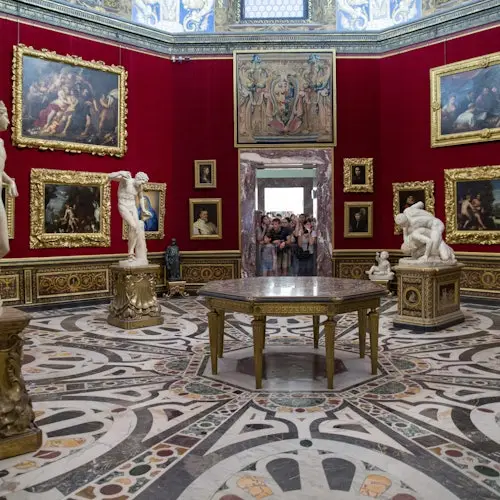
| Uffizi Gallery | Botticelli and a broad survey of Renaissance painting | About 2–3 hours | High when it is central to your trip |
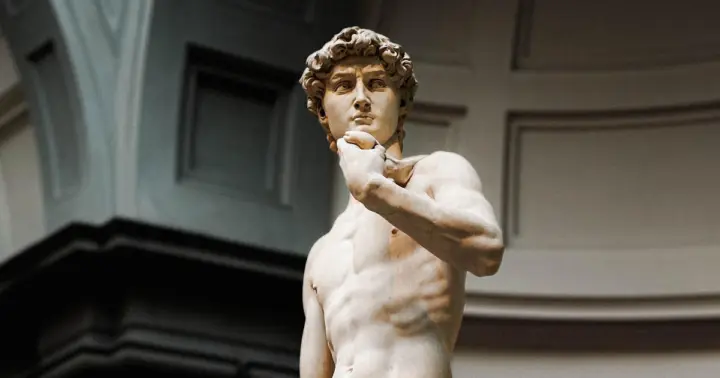
| Accademia Gallery | Michelangelo’s David and a more focused collection | About 60–90 minutes | High in busy periods |
| Brunelleschi’s Dome | The dome structure and elevated city views | About 45–60 minutes for the climb | Very high because entry is timed |
| Bargello National Museum | Renaissance sculpture, including works by Donatello | About 90 minutes | Moderate; check current availability |
| San Marco Museum | Fra Angelico’s frescoes and the former Dominican convent | About 60–90 minutes | Moderate; check current availability |
| Medici Chapels | Medici history and Michelangelo’s New Sacristy | About 60–90 minutes | Moderate to high in busy periods |

Some state museums participate in Italy’s Domenica al Museo program, which provides free admission on designated Sundays. Participation, access arrangements, and reservation rules can change, so consult the current official list rather than assuming every Florence museum is included.
Eligibility for free or reduced admission also varies by institution and visitor category. Check the venue’s official terms before visiting and carry any documentation required to claim an exemption.
Choose the Accademia over the Uffizi when Michelangelo’s David is your main priority or when your itinerary has room for a focused museum rather than a multi-hour collection. Consult availability before fixing the rest of that day’s route.

Florence’s southern hills provide open views of the dome, the Arno, and the historic center. The following two stops are free and can be combined on the same uphill route.
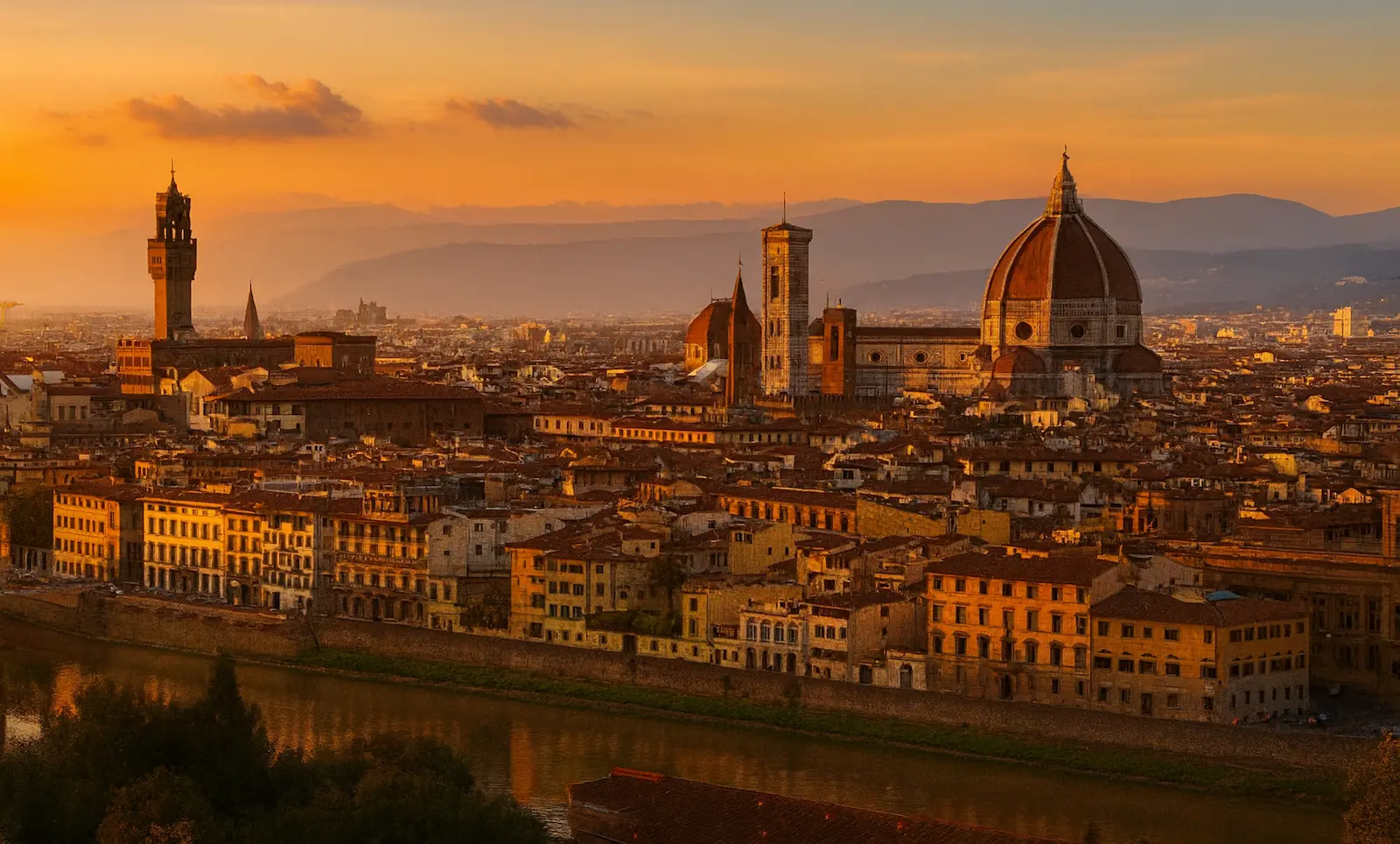
Piazzale Michelangelo provides a broad view of the historic center from the hill south of the Arno. The dome, Palazzo Vecchio, Santa Croce, and the bridges are visible from the terrace. It is an exposed public square rather than a quiet park, so allow time to walk along the balustrade and compare angles.
Continue uphill from Piazzale Michelangelo to San Miniato al Monte for a higher perspective over the red roofs and the Arno. The Romanesque basilica adds architectural context to the stop. Check access notices at the church and keep voices low around religious services.

Florentine cooking is distinct from the pasta-and-pizza shorthand often applied to Italy. Look for Tuscan bread, beans, seasonal vegetables, grilled meat, and simple preparations based on olive oil.
Prices tend to rise around the busiest squares. Compare menus in San Lorenzo, Sant’Ambrogio, Santo Spirito, and the streets just beyond the most visited routes. Check whether cover charges are listed and ask about the portion size of dishes commonly shared.

For a useful comparison, try small portions at shops in different neighborhoods instead of searching for a single definitive winner. Seasonal flavors, clear ingredient labels, and covered storage trays can be more informative than elaborate displays.

Wine bars, pubs, and live-music venues are concentrated around Santa Croce, Santo Spirito, and parts of the historic center. Check the venue’s current program and entry conditions before making a special journey, and keep noise low when returning through residential streets.
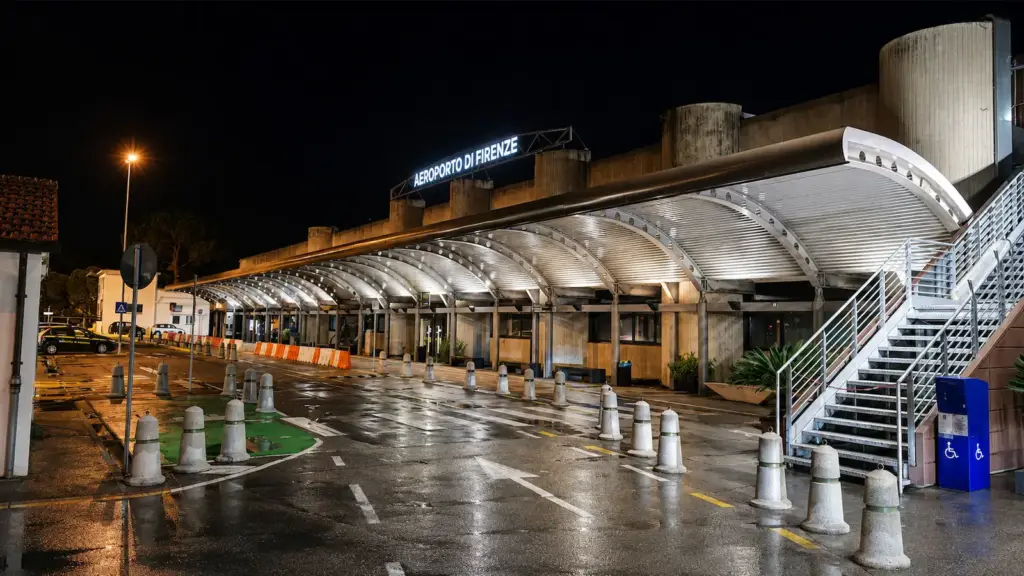
Florence Airport, also called Amerigo Vespucci or Florence–Peretola Airport (FLR), is connected to the city by tram, taxi, and road transport. Check the airport’s current notices before travel because engineering works and service changes can affect the route.
GuruWalk’s Florence gurus recommend using Alamanni–Stazione as the practical tram stop for Santa Maria Novella and confirming the final walk to the accommodation before arrival, particularly with luggage or limited mobility.

Florence’s historic center includes a camera-controlled limited-traffic zone (ZTL). Restrictions and active periods can vary by sector, day, and season. Cameras record unauthorized entry, so do not follow another vehicle through a controlled access point and always check the sign at the entrance.
Do not rely on informal claims that streets around Boboli, San Niccolò, Cascine, or Piazzale Michelangelo provide free parking. Spaces may be regulated, reserved, temporarily restricted, or outside a convenient walking route. Consult the city’s municipal mobility and parking information, then verify the color of the bay, payment instructions, access route, and current street signs when you arrive.
GuruWalk’s Florence gurus recommend selecting parking before departure and saving the approach route, because rerouting near a ZTL camera is harder than walking a few extra minutes from a clearly accessible facility.
Florence’s rail connections make it possible to combine the city with Rome, Pisa, Venice, and other Tuscan destinations. Check current journey times and fares with the relevant transport operator before committing to a same-day return.
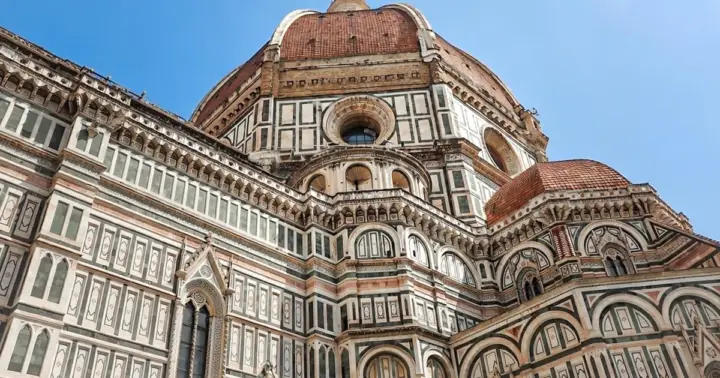
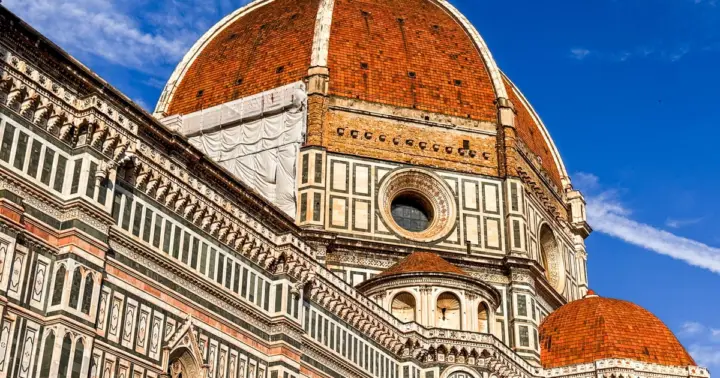
Florence is best known for Renaissance art and architecture, especially the Cathedral of Santa Maria del Fiore, the Uffizi Gallery, the Accademia Gallery, Palazzo Vecchio, Ponte Vecchio, and the historic streets around Piazza della Signoria.
Two full days are enough for the main monuments, viewpoints, and one substantial museum visit. Three or four days provide more time for the Uffizi, Accademia, food stops, Oltrarno, and a day trip to Pisa, Siena, or another Tuscan city.
Free options include walking across Ponte Vecchio, visiting Piazza della Signoria, going up to Piazzale Michelangelo, exploring the surroundings of San Miniato al Monte, and joining a free walking tour to understand the city layout.
Yes. Florence is compact, and most central sights are close enough to visit on foot. Public transport is useful for the airport, outer neighborhoods, and some parking facilities.
Prioritize reservations for high-demand museum and monument visits, especially the Uffizi Gallery, Accademia Gallery, Brunelleschi’s Dome, and any combined Duomo-complex or Pitti–Boboli option you intend to use. Consult current availability rather than building the itinerary around an unconfirmed entry.
For a balanced first visit, start with the historic center and Duomo area, reserve museum time for the Uffizi or Accademia, add a southern-hills viewpoint, and keep food stops close to the neighborhoods already on your route. To compare guided options beyond free walking tours, review the current activities and tours in Florence before fixing your itinerary.
Travel marketing specialist with extensive experience in the travel sector. At companies such as Despegar and GuruWalk, she has led traveler-focused digital acquisition strategies. Now, from the GuruWalk blog, she combines her expertise with her passion for discovering and sharing unique destinations.
Local guides, pay-what-you-want and no credit card to book. That is how you understand a city.
Explore free tours on guruwalk.com