





Spend three days exploring Rabat’s Kasbah of the Udayas, Hassan Tower, Mohammed V Mausoleum, Chellah, medina, modern art museum, and riverfront.
 Julieta Betancor
GuruWalk
·
Updated 31 Aug 2026
Julieta Betancor
GuruWalk
·
Updated 31 Aug 2026Looking for things to do in Rabat and a simple plan that fits a short trip? Start by comparing a free tour in Rabat, then use this practical three-day itinerary to group the city’s fortresses, monuments, medina, museums, and riverfront by area.
Last verified: August 2026 — Prices, opening hours, and reservation requirements checked against official sources. GuruWalk’s Rabat gurus reviewed the practical recommendations.
Georeferenced itinerary maps
The maps identify the daily attractions and the Rabat-Ville and Bab Chellah transport reference points. They provide geographic orientation rather than fixed timetables; check current walking, tram, and petit-taxi routes locally.
Day 1, morning: Kasbah of the Udayas.
Allow about 60–90 minutes for the Kasbah of the Udayas, its blue-and-white lanes, the Andalusian Gardens, and the river overlook. The transfer to Hassan Tower is walkable for travelers comfortable with a longer city walk; otherwise, use a petit taxi and check the current route before leaving.
Day 1, afternoon: Hassan Tower and the mausoleum.
Set aside about 90 minutes for Hassan Tower and the adjacent Mausoleum of Mohammed V. Treat them as one stop because they share the same precinct, avoiding an unnecessary transfer between the monuments.
Day 2, morning: Chellah.
Plan about 60–90 minutes at Chellah for its Roman and Marinid-era remains and walled gardens. A petit taxi is the practical connection to the medina; travel time varies with traffic and the selected drop-off point.
Day 2, afternoon: Medina and modern art.
Give the Medina of Rabat around 90 minutes for Rue des Consuls, workshops, and local shopping, then reserve about 60–90 minutes for the Mohammed VI Museum of Modern and Contemporary Art. The museum transfer may be walked, but a petit taxi is simpler when time is limited; check current tram service before relying on it.
Day 3, morning: Royal Palace exterior.
Allow about 30–45 minutes for the exterior of the Royal Palace of Rabat. Access conditions can change, so treat it as a focused architecture stop and follow the restrictions in place rather than planning for an interior visit.
Day 3, afternoon: Bouregreg riverfront.
A petit taxi is the practical cross-city connection, with timing dependent on traffic. Spend the rest of the afternoon at the Bouregreg Riverfront & Marina for a walk by the water, a short boat crossing when operating, or views across the river mouth.
A free tour is a direct way to get your bearings on day one, especially if you want context for the Kasbah, Hassan Tower, and the medina before exploring independently. Check the Rabat free walking tours and choose the route and schedule that match your dates.
The listed starting area, exact meeting point, route, and typical duration appear in the tour page and booking confirmation because they vary by walk. Treat the confirmation as the operational source of truth, keep it available when meeting the group, wear comfortable shoes, carry water, and bring cash for the guru. €10–€20 per person is the usual tipping baseline, while travelers may give up to €50 when the experience and group circumstances justify it.
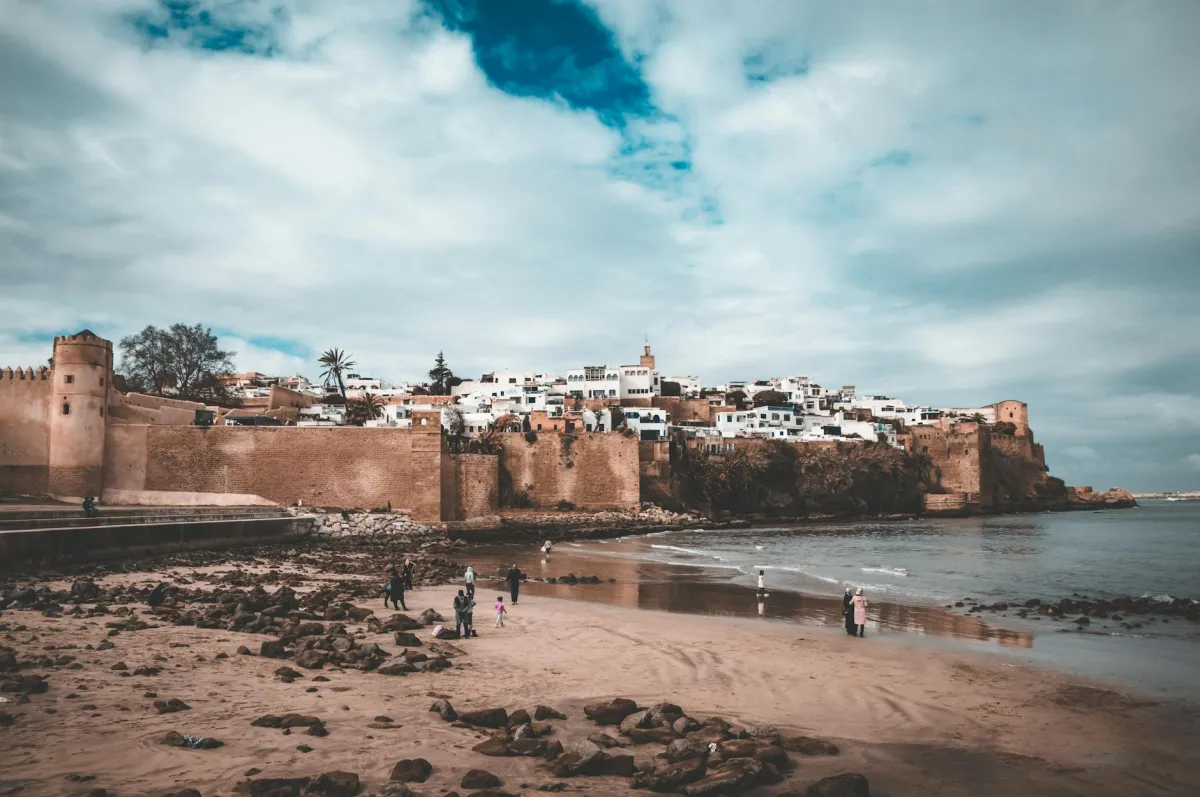
At the mouth of the Bou Regreg River, the Kasbah of the Udayas is a walled neighborhood generally dated to the Almohad period. It began as a military stronghold and later became a residential area, with narrow lanes, white houses with blue trim, and sea-facing ramparts.
As you walk the lanes, you’ll reach the Andalusian Gardens, a small garden area with orange trees and flowerbeds inside the walls. The Kasbah Mosque is also here and remains in use, so respect any access restrictions displayed at the site.
From the ramparts, you can see the Atlantic and the river mouth, plus the opposite bank toward Salé. The official Visit Morocco tourism portal provides broader destination information for checking current visitor guidance while planning the route.
Route Tip: Café Maure fits naturally between the Kasbah lanes and the river overlook. Allow for this stop before leaving the area for Hassan Tower.
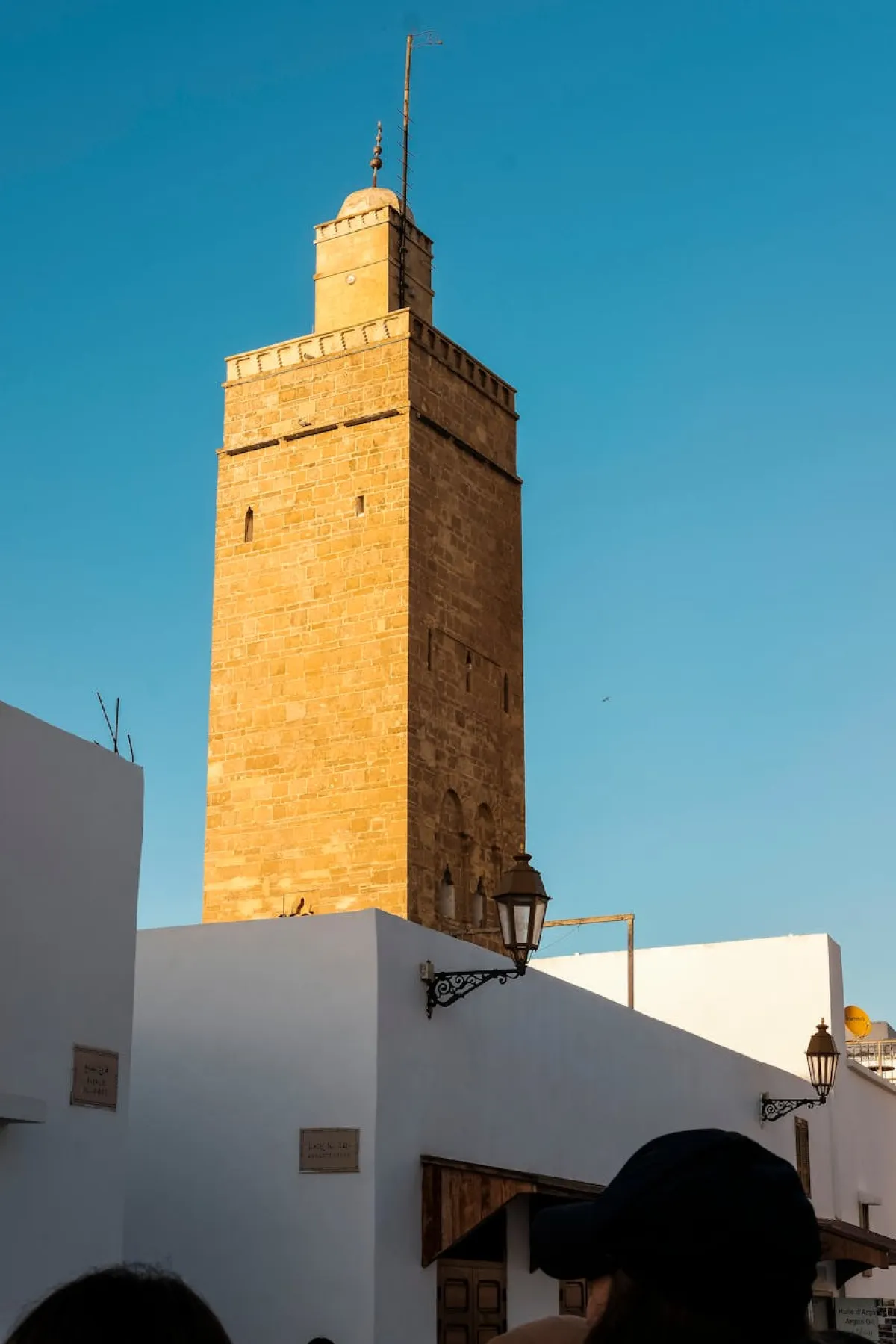
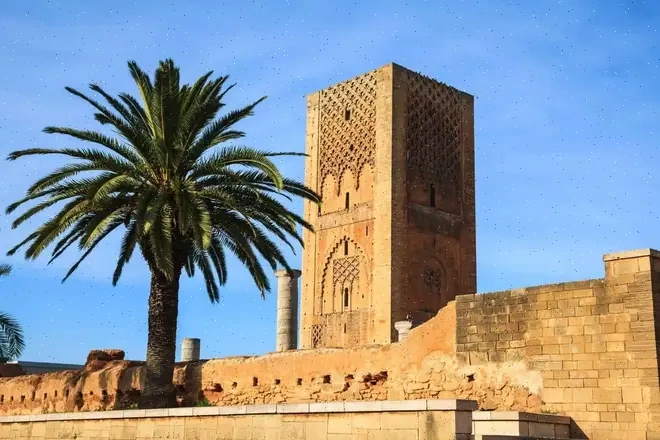
Hassan Tower forms part of Rabat’s UNESCO-listed historic area. The unfinished minaret and rows of columns belong to an Almohad-era mosque project whose construction stopped before completion.
The tower stands on a wide open esplanade, with incomplete columns marking the outline of the planned mosque. The structure includes an internal ramp system. Plan the visit around the esplanade and the adjoining mausoleum rather than assuming tower access, and follow the current restrictions displayed at the precinct.
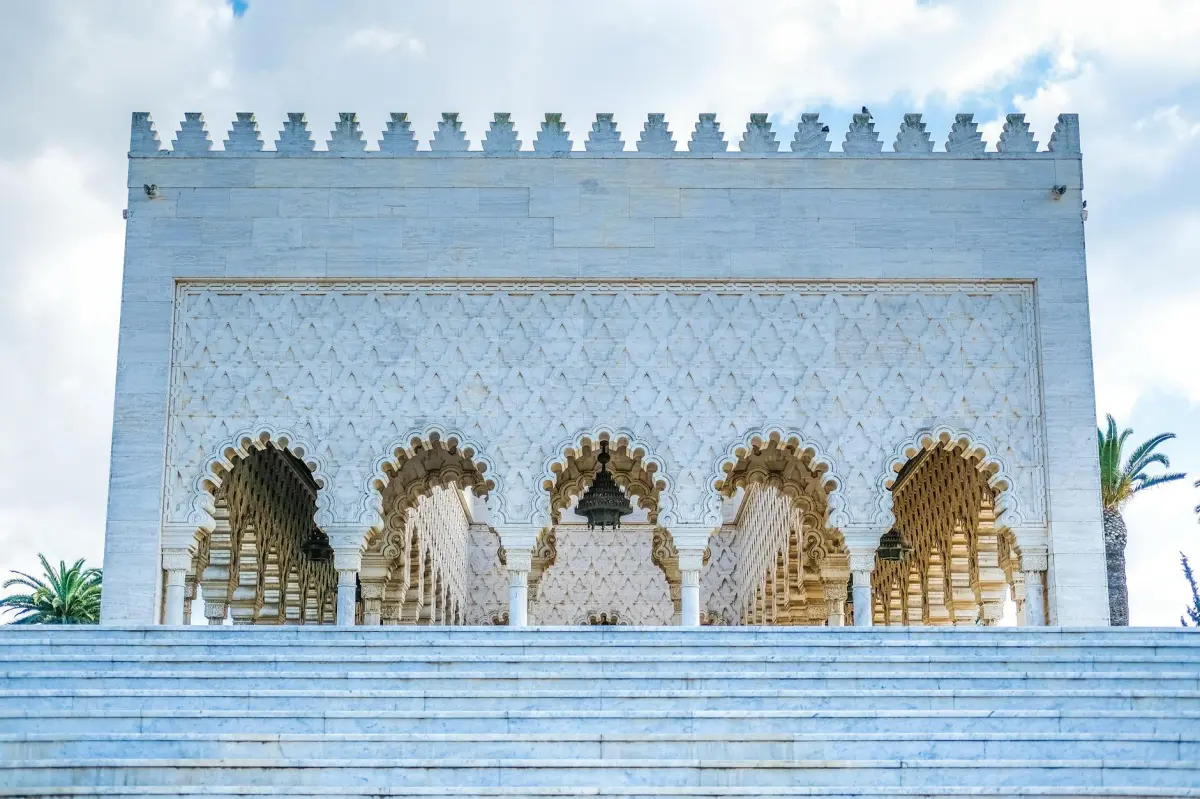
Across from Hassan Tower, the Mausoleum of Mohammed V houses the tombs of King Mohammed V and his two sons. Built during the 20th century, it combines modern construction with traditional Moroccan craft techniques, including mosaic tilework, carved plaster, and marble surfaces.
The monument includes a large courtyard leading to the central tomb area, with ceremonial guards on duty. Light through stained glass and the cedar wood dome draws attention to the detail work overhead and along the walls.
Access Tip: Non-Muslim visitors are generally admitted to the public viewing area, subject to current restrictions. Dress modestly, keep voices low, and follow instructions at this active memorial site.
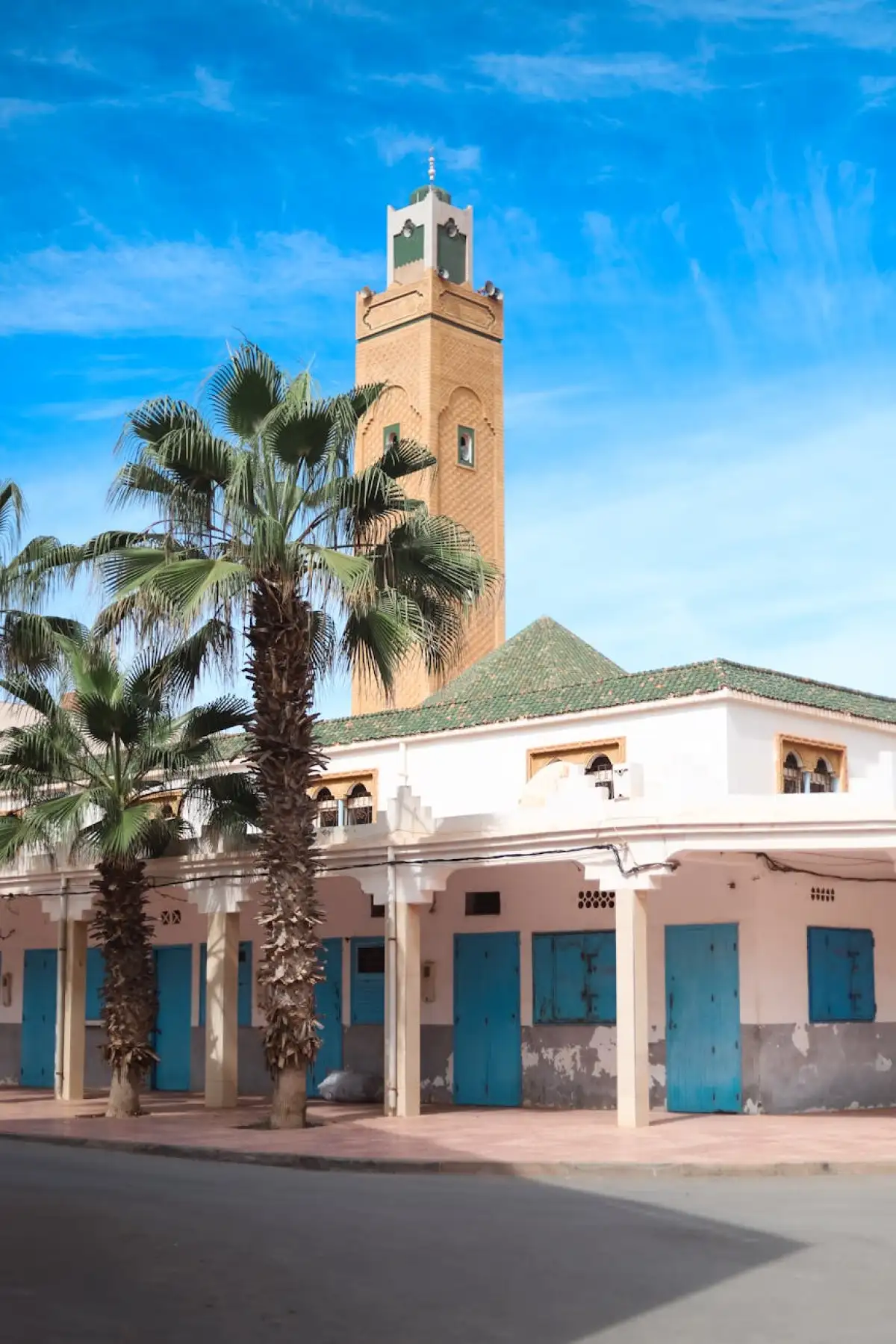
Outside the central neighborhoods, Chellah is a walled complex containing Roman and Marinid-era remains. Today you can walk among ruins, gardens, and stonework from different periods; check current admission conditions before setting out.
Inside the site, you’ll see remains associated with baths, arches, and columns. Chellah is also associated with seasonal stork nesting, although what is visible depends on the time of year. Local stories linked to the site include legends about fertility and the small pools in the complex.
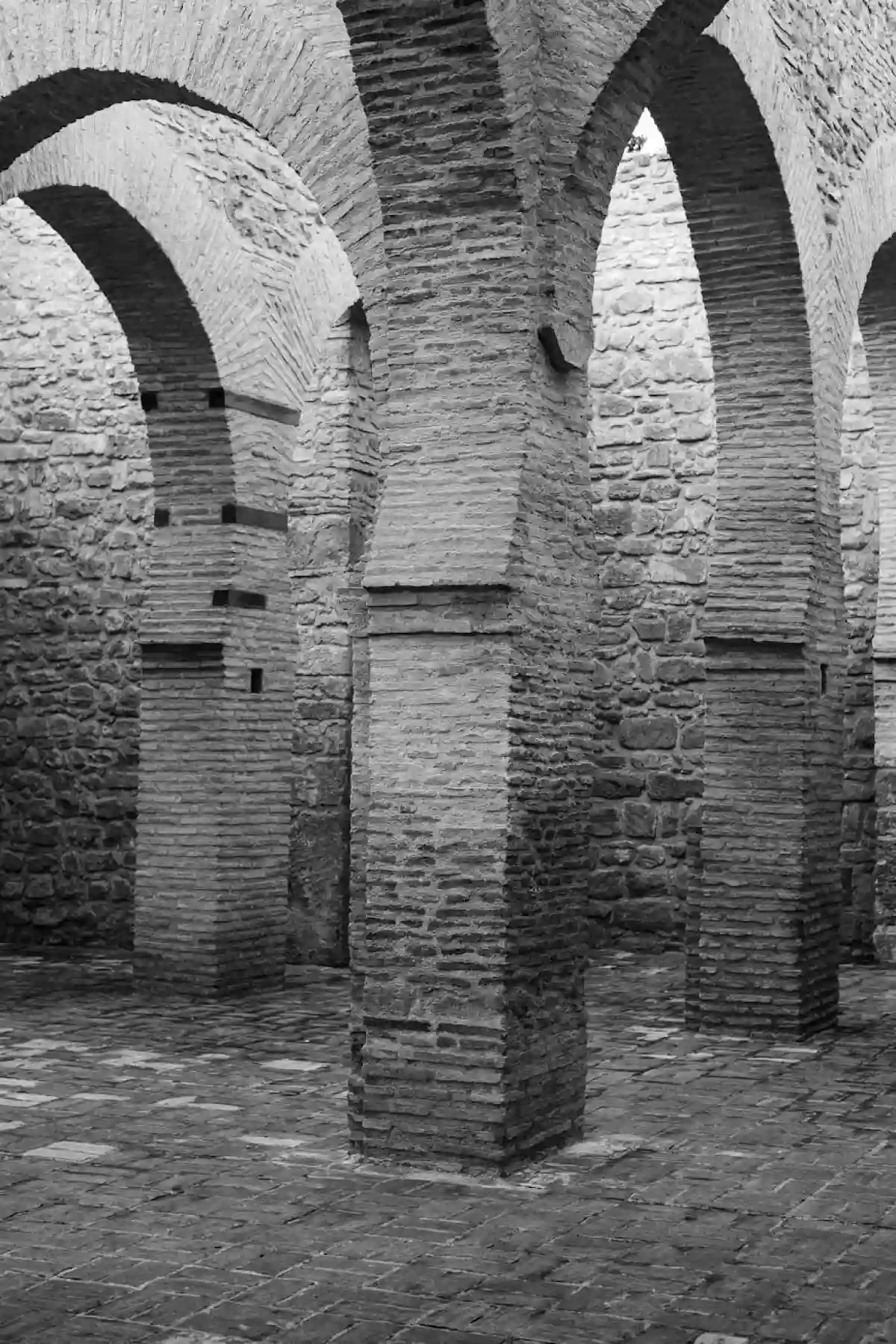
The Medina of Rabat is a good place to see everyday city life. Compared with medinas in Marrakesh or Fes, Rabat’s is often calmer and easier to navigate. Expect narrow lanes, small souks, workshops, and local cafes. Moriscos who fled Spain helped shape parts of the medina’s layout and building style.
Walk along Rue des Consuls to see long-running shops and craft stalls. You can watch artisans work on jewelry, carpets, or wood pieces, and pick up pantry staples like spices and baked bread from small vendors.
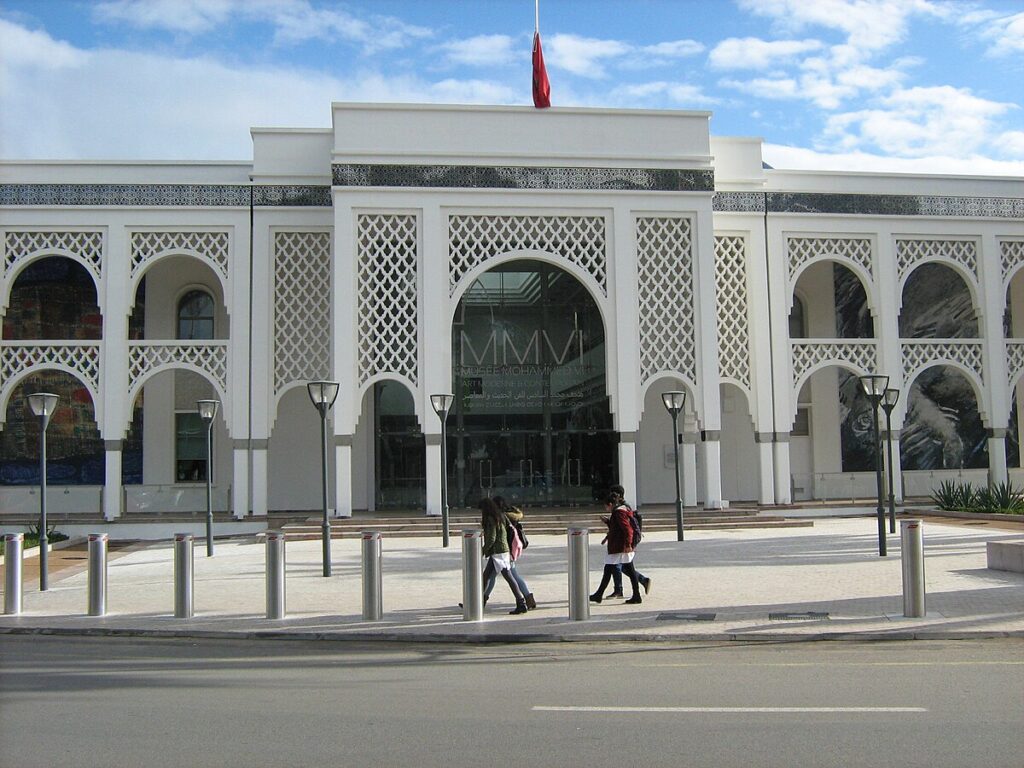
The Mohammed VI Museum of Modern and Contemporary Art is Rabat’s main museum focused on modern Moroccan art. Opened in 2014, it hosts exhibitions that help visitors understand how Moroccan artists approached the post-independence period and today’s art scene.
Inside, you’ll find paintings, sculpture, installations, and temporary exhibitions alongside core collections. Check exhibition dates, availability, and ticket rules in advance because schedules can change during special shows.
The Royal Palace of Rabat, or Dar al-Makhzen, is an active royal residence whose inner spaces are generally not part of a public sightseeing visit. The exterior, main gate, and ceremonial grounds nearby still make a useful stop for travelers interested in modern Moroccan institutions and formal architecture. The palace complex developed across several periods, so avoid treating every visible element as belonging to one construction date.
The entrance gate features zellij tilework and carved details. The open area known as the Mechouar is used for official purposes. Plan this as a short exterior visit and follow any access instructions in place around the ceremonial grounds.
Access Tip: Do not build this stop around an interior visit. Keep the Day 3 schedule flexible around the exterior and follow any instructions in place near the ceremonial grounds.
The Bouregreg riverfront gives Day 3 a slower final stop after the Royal Palace exterior. Follow the waterfront on foot, look across toward Salé, or use one of the local boat crossings when operating.
Keep the timing flexible rather than tying this section to a fixed admission slot. The riverside walk and views over the river mouth work well as the final independent part of the itinerary.
How many days do you need in Rabat?
Two days cover the Kasbah, Hassan Tower, the mausoleum, and time in the medina. Three days lets you add Chellah, a museum visit, and time by the Bouregreg without rushing.
Is Rabat walkable for sightseeing?
Many of the main landmarks sit in areas that work well on foot, especially around Hassan Tower and the Kasbah/medina zone. For places like Chellah, plan on a longer walk or a short ride depending on where you’re staying.
What are the top historic sights in Rabat?
The Kasbah of the Udayas, Hassan Tower, and the Mausoleum of Mohammed V are the most common first stops. Chellah adds an archaeological site with Roman and medieval layers.
What should you book ahead in Rabat?
For fixed-time activities, including guided visits, museum entries on special exhibition days, and day trips, book in advance when availability is limited on your travel dates.
For a short stay, group sights by area: the Kasbah and medina in one block, Hassan Tower and the mausoleum together, then use separate slots for Chellah, the museum, the palace exterior, and the riverfront.
To compare guided visits, day trips, and themed walks in one place, browse tours and activities in Rabat.
Tourism and travel expert with a strong background in creating cultural content. Fluent in multiple languages and experienced as a presenter, she connects with diverse audiences to inspire the exploration of unique destinations. Her creative and dynamic approach stands out in every project, conveying the essence of each place she discovers.
Local guides, pay-what-you-want and no credit card to book. That is how you understand a city.
Explore free tours on guruwalk.com