



A three-day Morocco itinerary links Marrakech, Fez, Chefchaouen, Merzouga, the Atlas Mountains, Essaouira and Casablanca, with tips for guided visits.
 Julieta Betancor
GuruWalk
·
Updated 27 Aug 2026
Julieta Betancor
GuruWalk
·
Updated 27 Aug 2026This guide to things to do in Morocco lays out a practical three-day itinerary that connects major cities (Marrakech, Fez, Casablanca), a coastal stop (Essaouira), mountain scenery (the Atlas), and desert landscapes near Merzouga. Use it to prioritize what to see each day and decide where guided visits make the logistics easier. For general travel planning and current travel information, check the official site of Visit Morocco.
Last verified: May 2026 — Prices, opening hours, and reservation requirements checked against official sources. GuruWalk’s Morocco gurus reviewed the practical recommendations.
Each day is designed to take you through a different facet of Moroccan life, with internal links to detailed guides on the top destinations.
Day 1: Begin your journey in Marrakech (Marrakech). Walk through the medina lanes between souks, pause at the Koutoubia Mosque area from the outside, and plan to reach Jemaa el-Fnaa around sunset when food stalls and street performers start setting up. In the afternoon, kickstart your local discovery by joining a Guruwalk Free Tour (see our Guruwalk Free Tour section) to get oriented quickly and understand how the medina is organized. As evening falls, travel to the fortified village of Aït Benhaddou and plan your arrival for late afternoon light.
Day 2: Travel north to explore the cultural and historical landmarks of Fez, where the old medina’s alleys, workshops, and small squares still structure daily life. Spend your morning focusing on artisan quarters and the tanneries before continuing to Chefchaouen. In Chefchaouen, keep the afternoon simple: a slow walk through the blue-painted streets and a stop in a café near the main squares.
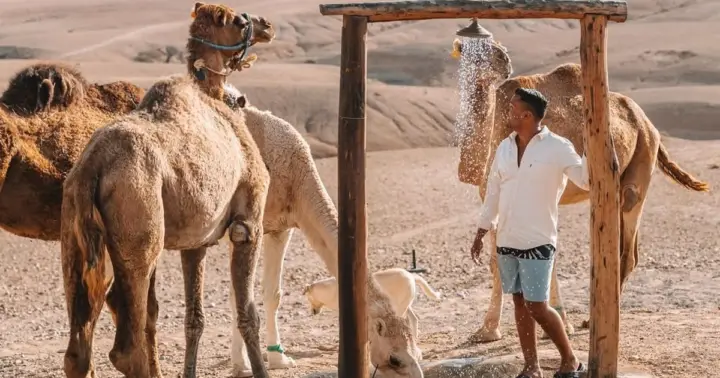
Day 3: Your final day focuses on Morocco’s shifting landscapes. Start early for a camel ride in the Sahara near Merzouga, then continue toward the Atlas Mountains for valley viewpoints and village stops. If the route fits your schedule, finish with Atlantic air in Essaouira, or add time in Casablanca for architecture and the waterfront.
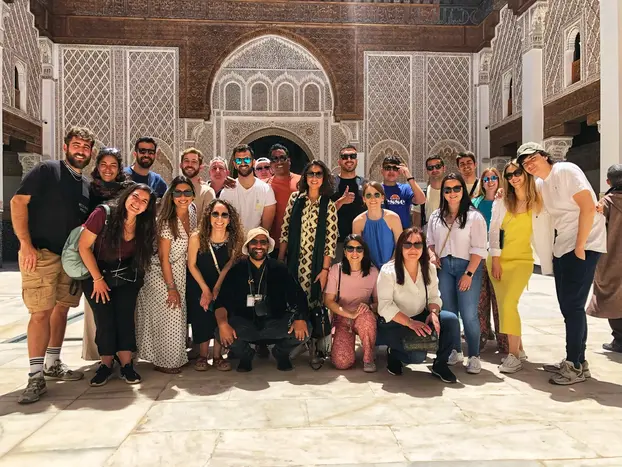
A free tour is one of the fastest ways to understand how a Moroccan medina works on day one: main gates, key squares, and the practical do’s and don’ts for souks. Start with a free tour in Marrakech to get your bearings before planning longer day trips.
Kickstart your Moroccan adventure with a Guruwalk Free Tour. GuruWalk is a marketplace for free walking tours, and it’s designed for travelers who want context: how neighborhoods fit together, what to look for in markets, and the history behind major landmarks.
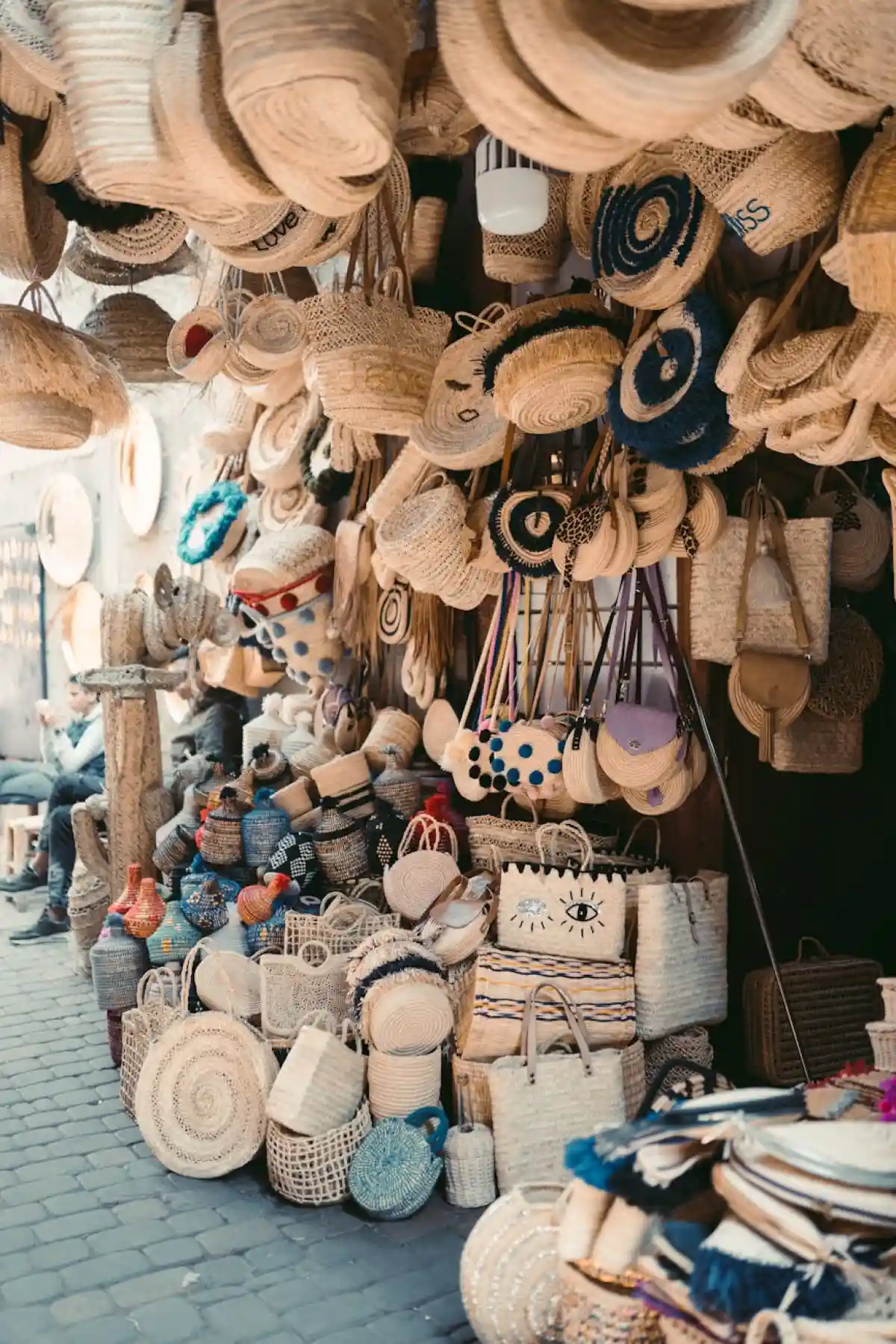
Marrakech is a city built around the medina and its souks. Expect narrow lanes, small courtyards behind plain doors, and a constant mix of scooters, handcarts, and foot traffic. Many first-time visitors use the Koutoubia Mosque’s minaret as a visual reference point, while Jemaa el-Fnaa changes pace through the day: quieter in the morning, busier in late afternoon, and at its most crowded after sunset.
A visit to Marrakech is also a good moment to plan a couple of quieter stops. The Maison de la Photographie focuses on historic images that document Morocco across different decades. Nearby, Le Jardin Secret is an example of a restored riad garden complex where the visit is mostly about architecture, shade, and courtyards rather than shopping.
Expert Tip: For a quiet break in the midst of the medina’s bustle, visit Le Jardin Secret early in the morning. The softer light and smaller crowds make the visit easier—and photos simpler to frame.
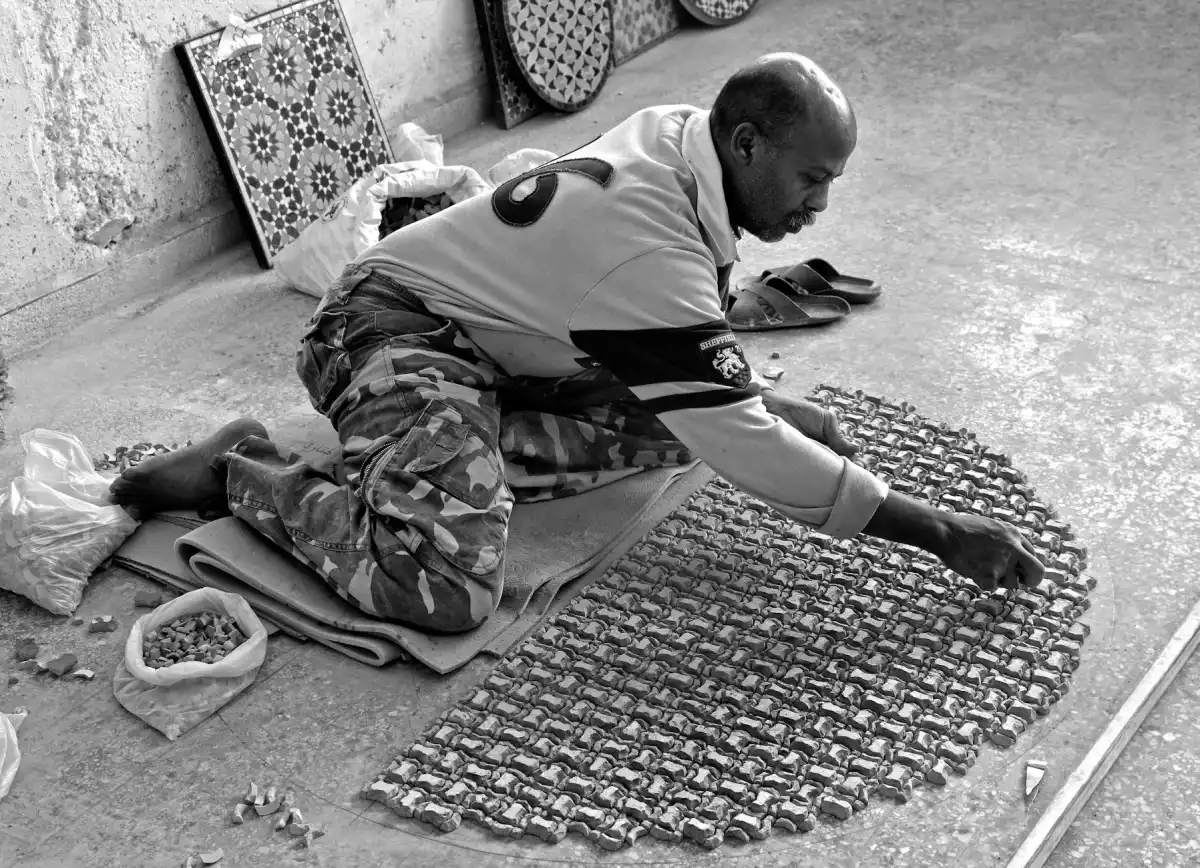
Fez is often described as Morocco’s cultural and spiritual center, and the old medina is the main reason. The medina of Fez el-Bali is a UNESCO World Heritage site, with thousands of alleys where workshops, markets, and residential areas overlap. Among its best-known institutions is the University of al-Qarawiyyin, founded in the 9th century, which remains a reference point in the city’s history.
In the souks, you’ll hear metalwork, carpentry, and leathercraft happening in real time. The Chouara Tannery is the classic viewpoint for the circular dye vats (and it helps to bring a scarf or mint sprig for the smell). When you want a change of pace, madrasas like Bou Inania and Al-Attarine offer enclosed courtyards and carved details that feel worlds away from the market lanes.
Expert Tip: For a wide view of the medina, look for a rooftop terrace near the Chouara Tannery area. The higher angle helps you understand how dense the medina layout is.
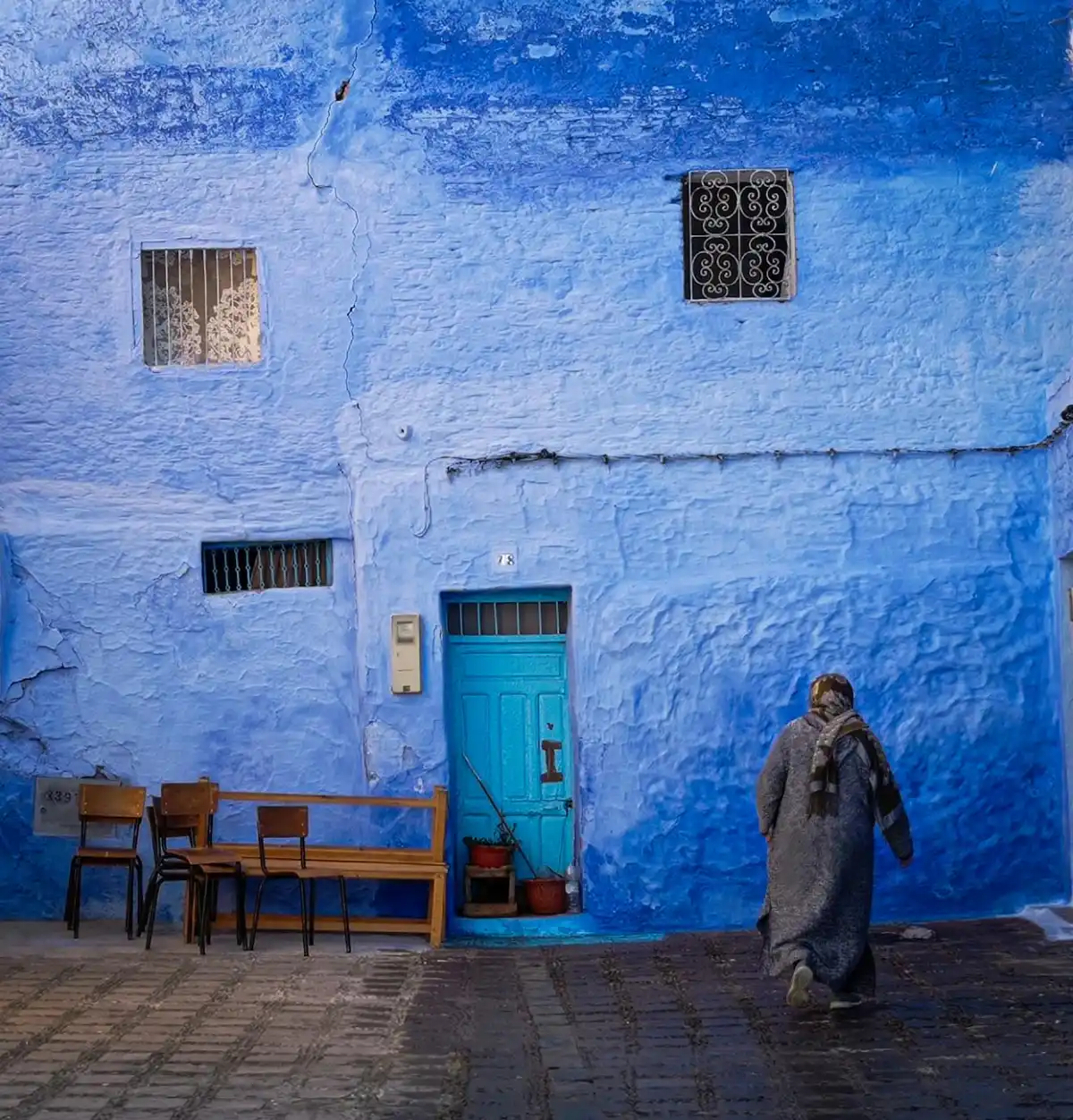
In the Rif Mountains, Chefchaouen is known for blue-painted walls and stairways that turn many short walks into photo stops. Founded in the 15th century, the town is compact enough to explore on foot, with most points of interest clustered around the medina and the main squares. The light changes the blue tones throughout the day, so an early morning or late afternoon walk usually gives the most varied colors.
Beyond photography, Chefchaouen works well as a slower overnight stop between larger cities. The kasbah and small plazas are useful landmarks for meeting points, and cafés around the central areas make it easy to take breaks and watch daily life move by.

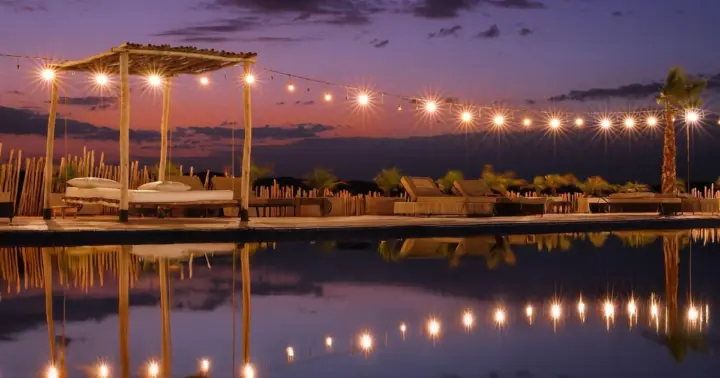
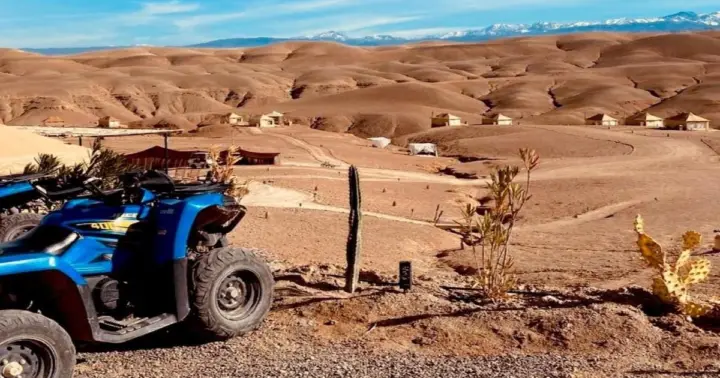
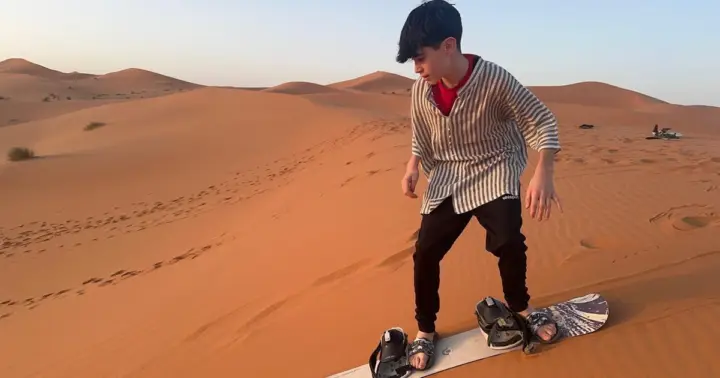
Merzouga is a practical base for reaching the Erg Chebbi dunes. Most desert activities revolve around timing: sunrise and sunset rides, short 4×4 transfers, and overnight stays in desert camps. If your schedule is tight, book in advance so the transport and camp logistics line up with your arrival time.
The Sahara experience is also about conditions: wind can reduce visibility, and nights can feel cold even after warm days. Many travelers choose an overnight camp to see the sky away from city lighting, then return to Merzouga in the morning.
Expert Tip: If you have extra time, add a stop in the nearby village of Khamlia for Gnawa music performances. Confirm timings locally, as schedules can change.
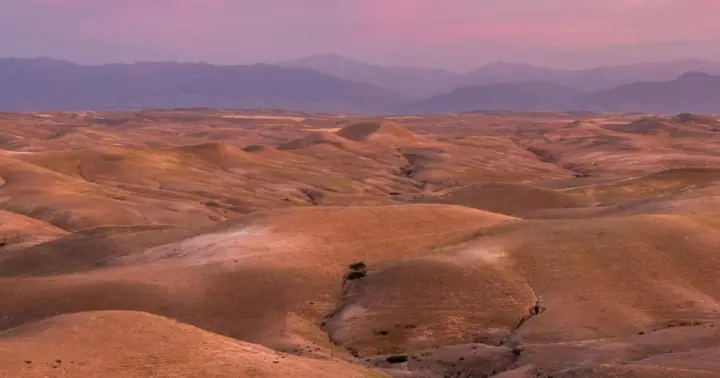






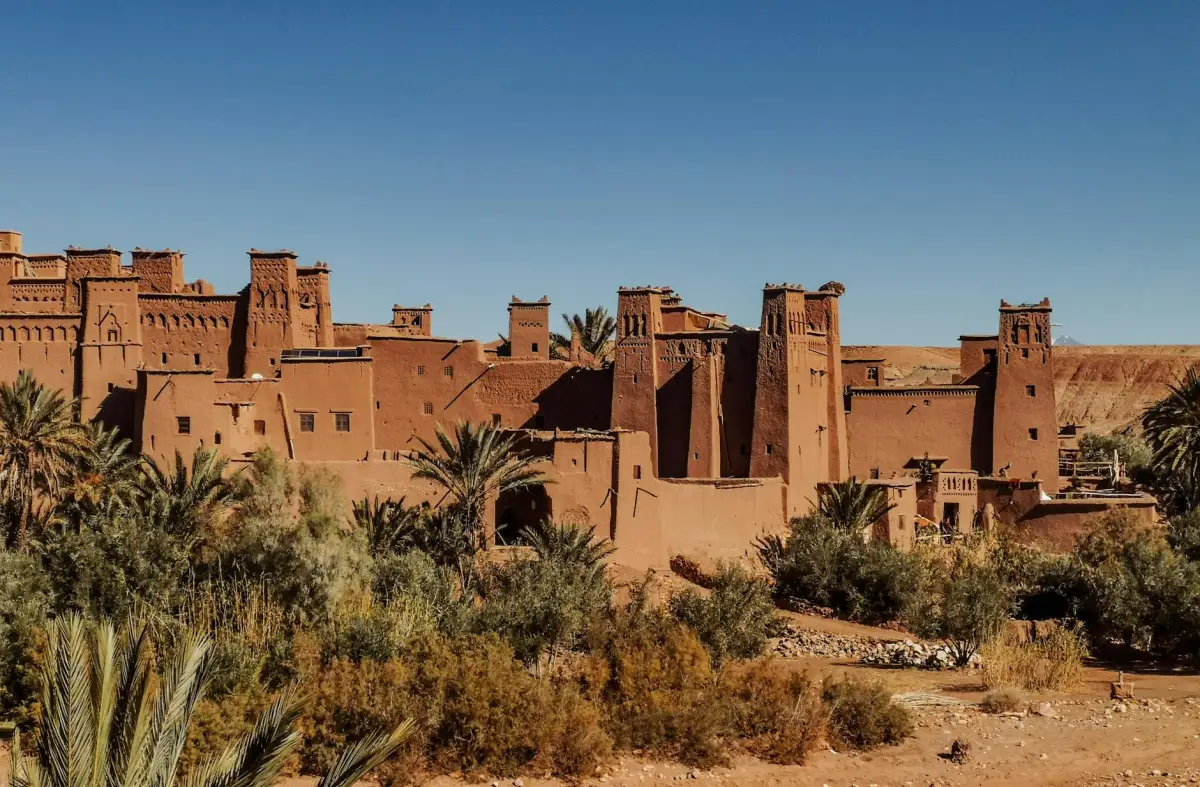
Visit Aït Benhaddou, an ancient fortified village on the historic caravan route between Marrakech and the Sahara. The ksar is a UNESCO World Heritage site known for earthen clay architecture and multi-level kasbahs stacked along the hillside. Many travelers plan the stop around late afternoon for softer light on the mud-brick walls.
Walking through Aït Benhaddou, you’ll see narrow alleys, defensive walls, and elevated viewpoints that explain why it’s used so often as a filming location. If you’re continuing toward the Atlas passes, Kasbah Telouet is a common add-on; it’s less visited and is mainly about architecture and location rather than museum-style displays.

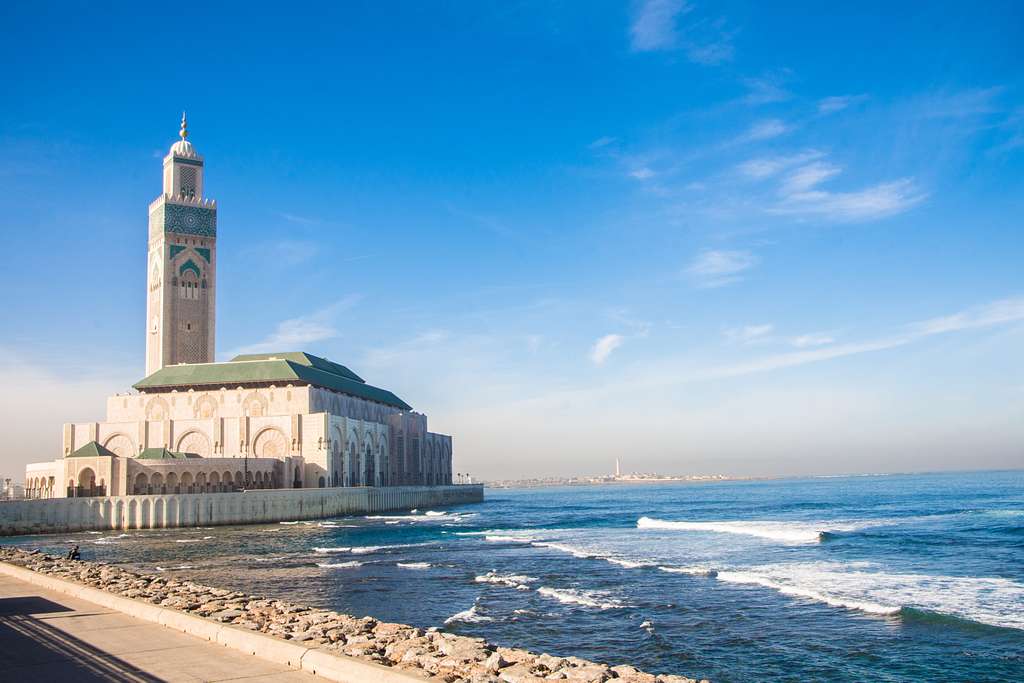
Casablanca is Morocco’s largest city and a major commercial hub. The Hassan II Mosque is the main landmark for most itineraries, set on the Atlantic edge with a minaret visible from multiple viewpoints along the coast. Plan ahead, as access rules and guided visit schedules can vary by day.
Beyond the mosque, Casablanca has an Art Deco downtown and modern districts built around broad boulevards. The Quartier Habous (New Medina) is useful for shopping in a more orderly layout than older medinas, mixing traditional design with early 20th-century planning. Another option is the Museum of Moroccan Judaism, focused on the history of Jewish communities in Morocco.

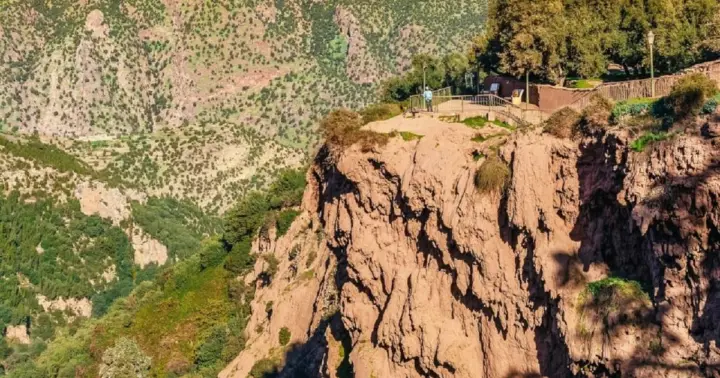
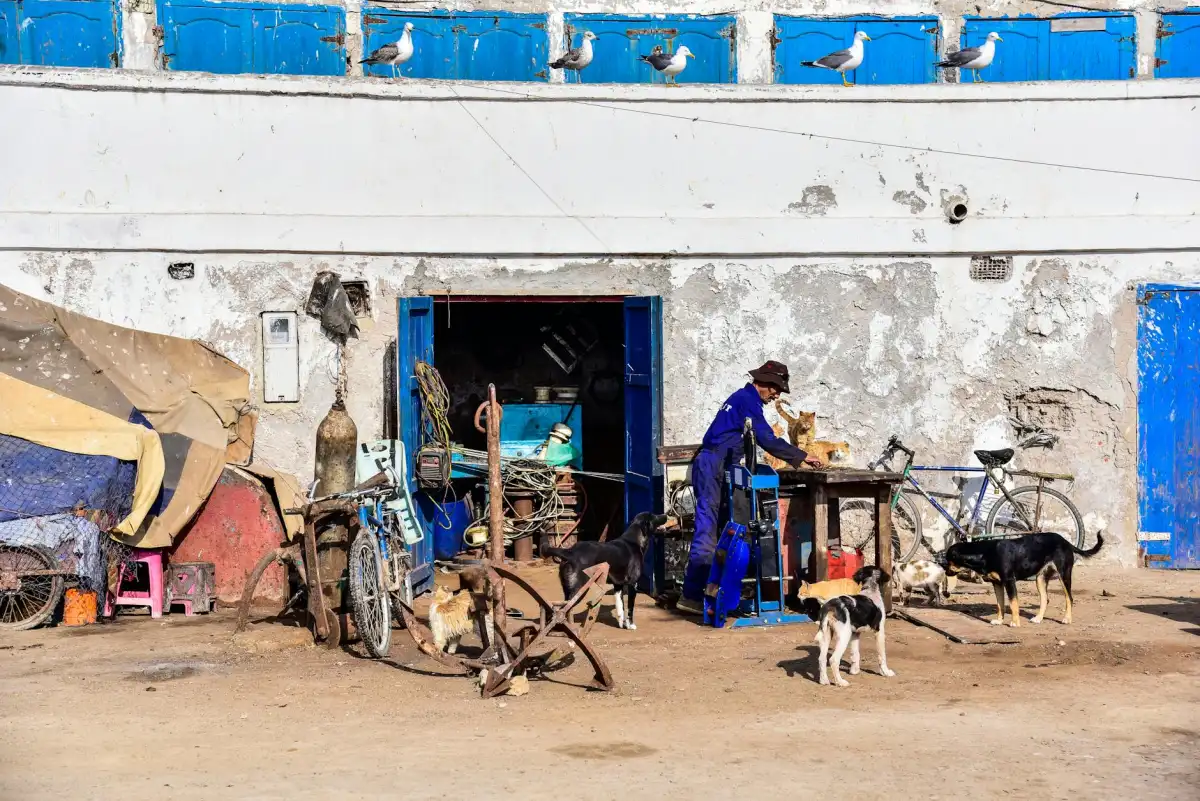
Located along the Atlantic coast, Essaouira is a coastal stop with a walkable medina and long sea walls. Wind shapes the experience here: it keeps afternoons cooler, but it also makes the shoreline a popular spot for water sports.
Walk the Skala de la Ville to see the old cannons and open ocean views. In the medina, markets focus on everyday goods, crafts, and seafood; it’s easy to build a simple plan around a few hours of walking, lunch, and a sunset viewpoint. If you have time for a nearby beach, Sidi Kaouki is one of the common options on the coast.
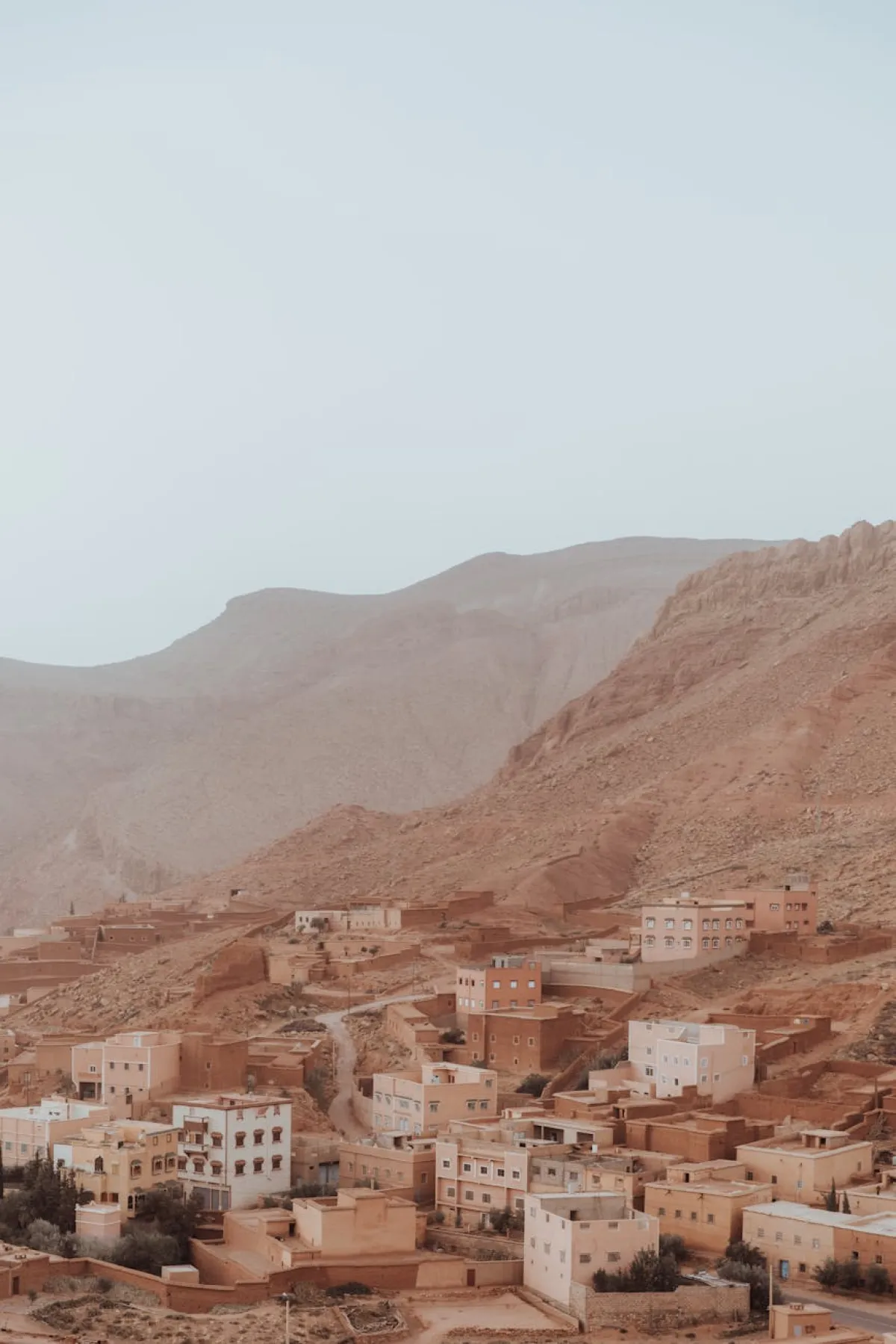
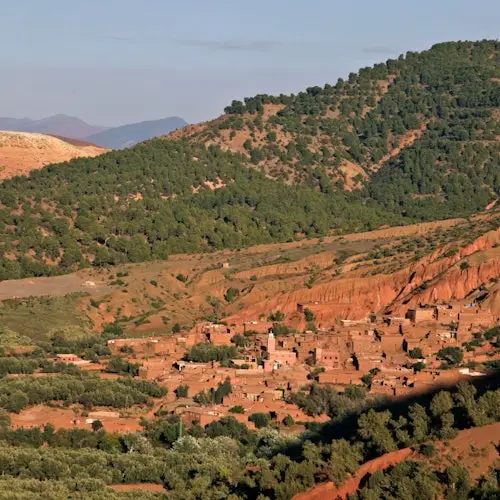
The Atlas Mountains offer a different pace from the cities and the desert. Many routes start from Imlil, a common base for hikes toward Jebel Toubkal (North Africa’s highest peak). Even without a long trek, day trips often include short walks, valley viewpoints, and village stops.
As you move through terraced fields and mountain trails, you’ll pass small communities and agricultural areas that still rely on local paths rather than main roads. For a longer detour, the Aït Bouguemez valley (sometimes called the “Happy Valley”) is known for its wide valley floor and traditional villages—better suited to travelers who can add extra days beyond this three-day outline.
Expert Tip: Use a local guide for mountain routes if you’re leaving main roads. It helps with navigation, changing weather, and choosing a trail that fits your time and fitness.
Three days is enough for a focused route (for example, Marrakech + one day trip + one additional region). Morocco is large, so the itinerary works best when you prioritize a few places and keep transfers realistic.
First-time visitors often start with Marrakech or Fez for medinas and markets, add a desert stop near Merzouga for dunes, and include either Essaouira (coast) or the Atlas Mountains (mountain scenery) depending on pace.
Book in advance when your schedule is tight (same-day arrival and sunset ride, or overnight camps during peak travel periods). This helps align transport, timing, and camp availability.
Choose comfortable walking shoes for medina lanes. For religious sites and conservative areas, clothing that covers shoulders and knees avoids problems at entrances and feels more practical in daily street settings.
Start with a walking route that explains the medina layout and key squares, then return to places you want to spend more time in. A guided walk early in your stay reduces wrong turns and makes it easier to plan day trips.
If you’re fitting Morocco into three days, keep the plan simple: one main base city (often Marrakech), one longer day trip (Atlas Mountains or Aït Benhaddou), and one change of scenery (coast or desert) depending on transport time. Availability for guided visits and day tours can change by season, so confirm reservations close to your travel dates (last verified: May 2026).
For ideas you can book in advance, browse activities and tours in Marrakech and build a schedule around the days you’ll be in the city.
Tourism and travel expert with a strong background in creating cultural content. Fluent in multiple languages and experienced as a presenter, she connects with diverse audiences to inspire the exploration of unique destinations. Her creative and dynamic approach stands out in every project, conveying the essence of each place she discovers.
Local guides, pay-what-you-want and no credit card to book. That is how you understand a city.
Explore free tours on guruwalk.com