


Plan a seven-day India itinerary across Agra, Jaipur, Varanasi, Amritsar, Kerala, Goa, Ladakh and Mumbai, allowing for long journeys.
 Julieta Betancor
GuruWalk
·
Updated 27 Aug 2026
Julieta Betancor
GuruWalk
·
Updated 27 Aug 2026Looking for things to do in India? This guide lays out a practical 7-day route and highlights major stops—from Agra and Jaipur to Varanasi, Amritsar, Kerala, Goa, Ladakh, and Mumbai—so travelers can plan what to see, what to book in advance, and how to pace long travel days.
Last verified: May 2026 — Prices, opening hours, and reservation requirements checked against official sources. GuruWalk’s India gurus reviewed the practical recommendations.
This 7-day itinerary proposes a route through several regions of India, with one main base or headline visit per day. Distances are long and flight/train availability varies, so treat it as a framework and adjust by season, connections, and interests.
Day 1: Start in Agra with a visit to the Taj Mahal. Plan for security lines and timed entry, and leave time to walk through the Mughal garden layout inside the complex.
Day 2: Continue to Jaipur. Use the day for forts and palaces and factor in traffic if pairing Amber Fort with sites in the old city.
Day 3: Travel to Varanasi. Focus on the ghats along the Ganges and attend the evening aarti ceremony from the riverfront.
Day 4: Head to Amritsar for the Golden Temple. Build in time for the temple complex and the langar meal service.
Day 5: Slow down with a houseboat cruise through the Kerala Backwaters. Overnight options depend on route and permits; confirm what is included (meals, stops, crew).
Day 6: Spend the day in Goa combining Old Goa churches with a beach area of choice, depending on transport and the style of stay (quiet, family-focused, or nightlife).
Day 7: Split the final day between Ladakh and Mumbai only if flights align; otherwise, dedicate the day to one place. Ladakh rewards extra time for altitude acclimatization, while Mumbai works well for a fast-paced city day with major landmarks.
Expert Tip: Allow extra time for travel between regions. India’s distances are large, and weather can affect road routes and mountain access—confirm connections and keep some flexibility in the schedule.

For a simple way to get oriented on day one, start with a free tour in Delhi. Walking with a local guide helps travelers understand neighborhoods, daily routines, and how to move around confidently before tackling longer intercity routes.
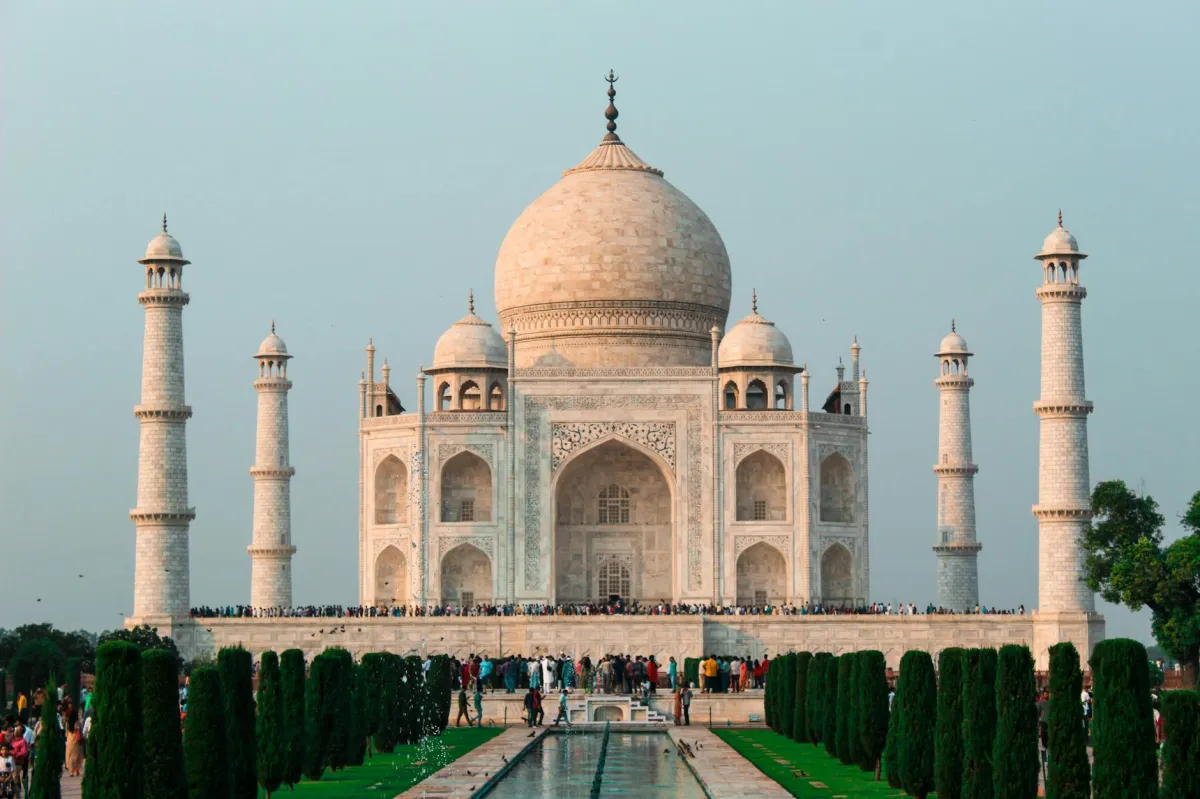
The Taj Mahal in Agra is a 17th-century white-marble mausoleum commissioned by Emperor Shah Jahan in memory of Mumtaz Mahal. For background on its World Heritage status and site details, see UNESCO’s Taj Mahal listing.
Many travelers time their visit for early morning to avoid midday heat and to see how the marble changes under shifting light. Inside the complex, the main tomb, the mosque, and the guesthouse are aligned across a formal garden and long reflecting pools, so expect a lot of walking—comfortable shoes and water make a difference.

Nicknamed the “Pink City” for its historic rose-colored facades, Jaipur is a strong base for forts, palaces, and craft markets. The Hawa Mahal is known for its honeycomb-style façade facing the street, while the City Palace complex groups courtyards and museum areas in the old city.
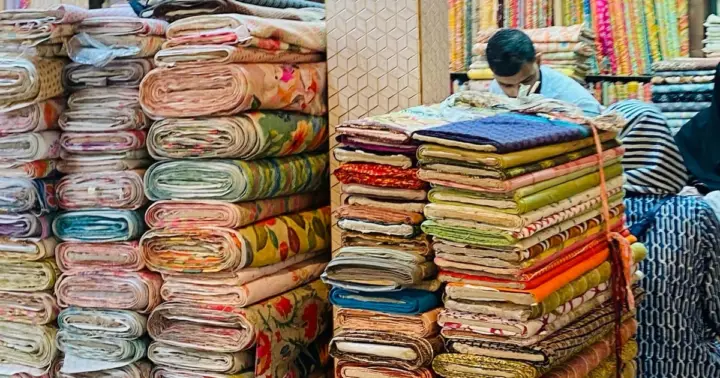
Plan the day by clusters: Amber Fort and nearby sites on one side, then the old-city landmarks and bazaars later. In the markets, the easiest way to compare prices is to check the same item (textiles, block prints, jewelry) at two or three stalls before buying.
Expert Tip: Panna Meena ka Kund near Amber Fort is a stepwell worth a short stop for its geometry. For a clear view over the city, Nahargarh Fort is a practical late-afternoon option—check closing time and traffic back to town.

Varanasi is one of the world’s oldest continuously inhabited cities and a major pilgrimage destination on the River Ganges. Daily life concentrates around the ghats (stone steps to the water), where bathing, prayers, cremation rituals, and evening ceremonies happen on a fixed rhythm.
The alley network behind the riverfront is dense and easy to get turned around in. Keep an offline map and agree on a visible meeting point if traveling as a group. A sunrise boat ride is a straightforward way to see several ghats in one stretch and understand how the riverfront is organized.

The Golden Temple in Amritsar (Sri Harmandir Sahib) is the central place of worship in Sikhism. The temple sits in the middle of a sacred pool and follows clear visitor protocols (head covering, shoe removal, and respectful dress). For practical visitor information and guidance, check the Incredible India page for the Golden Temple.
A key part of the visit is the langar (community kitchen), which serves a simple meal to thousands of people daily. If time allows, volunteering for a short shift (such as helping with serving or cleanup) is a direct way to understand how the system runs.
Expert Tip: Carry a small scarf or bandana for head covering so you don’t need to buy one at the entrance. Visit early or late to avoid the longest queues.

The Kerala Backwaters are a network of lagoons, lakes, and canals in southern India, often visited by houseboat from hubs such as Alleppey (Alappuzha). Typical trips focus on slow cruising, onboard meals, and short stops near villages and small waterways.
Before booking, confirm the route and what is included (meals, air-conditioning hours, and whether the boat anchors overnight). If traveling in peak season, reserve early to get the boat size and cabin setup that matches the group.

Goa combines beach areas with a strong layer of Portuguese-era heritage. In Panaji, Fontainhas is known for its narrow streets and painted houses; in Old Goa, churches and museums concentrate in a compact area that works well for a half-day plan.
For the coast, pick one beach zone and build the day around it rather than trying to cover the whole state. Water sports operators and beach shacks vary by season, so confirm what is running locally when you arrive.

High-altitude Ladakh is known for mountain roads, cold-desert landscapes, and Buddhist monasteries around Leh. Many itineraries add extra days to acclimatize and to account for road closures or weather shifts that affect passes and lake access.
On monastery visits, plan around prayer times and dress codes, and carry small cash for entry fees where applicable. If trekking is on the plan, a conservative approach to altitude (slow ascent and rest days) reduces risk and makes the trip more comfortable.
Expert Tip: Build in at least one easy day on arrival in Leh. Short walks and hydration help with acclimatization before any long drives to high passes or lakes.
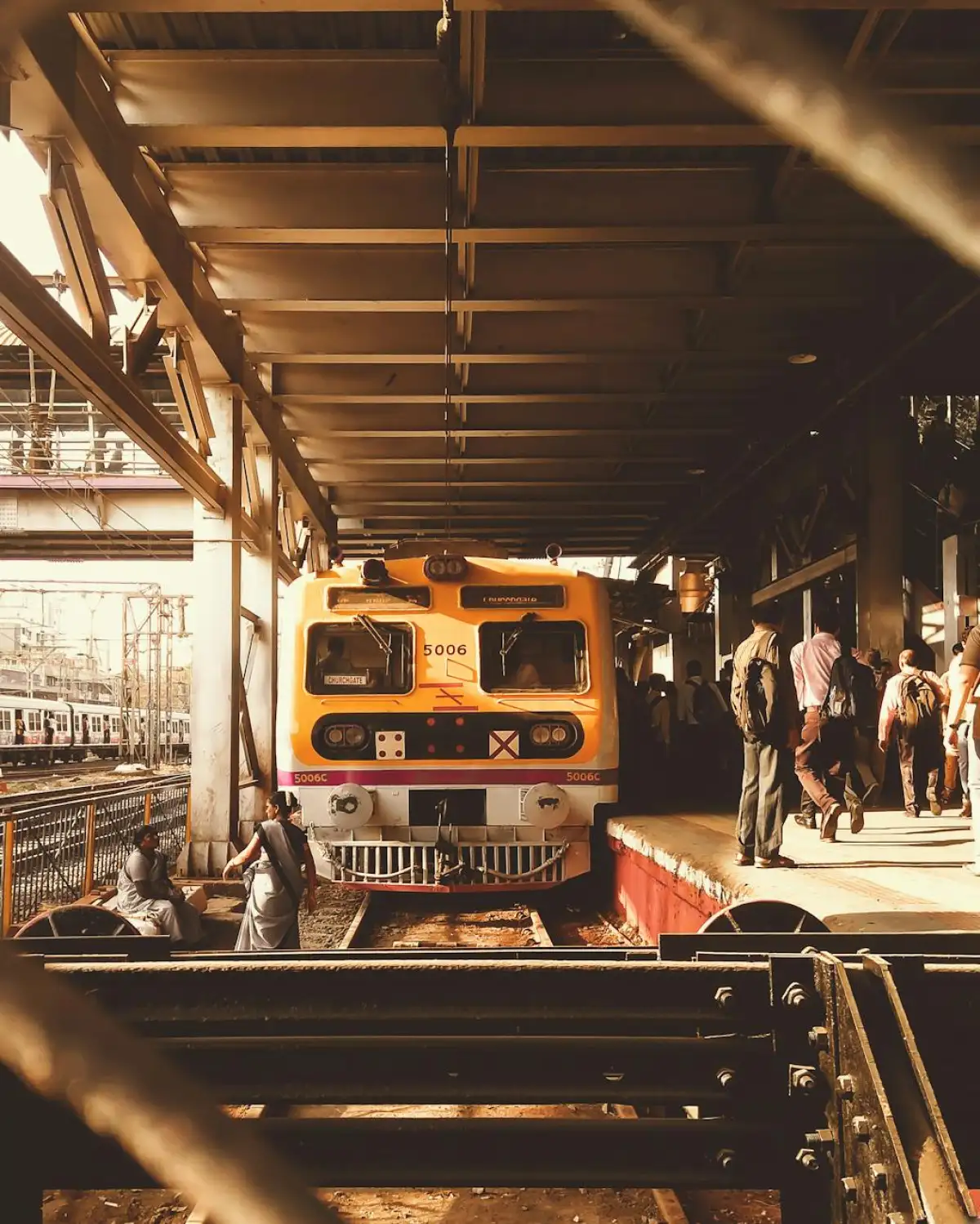
Mumbai is India’s financial center and the home of Bollywood’s film industry, with a mix of colonial-era architecture and dense modern neighborhoods. Traffic shapes the day, so grouping stops by area matters more than distance on a map.
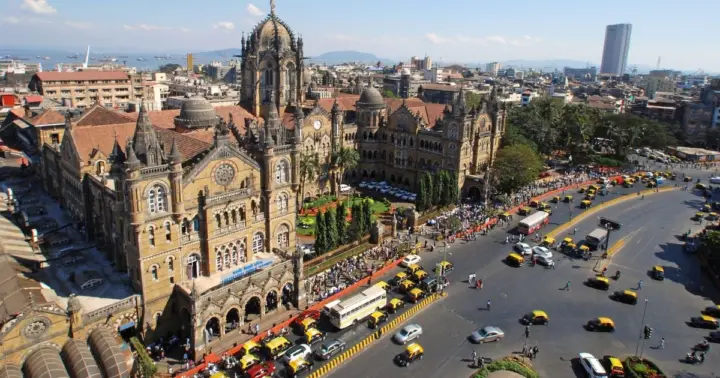
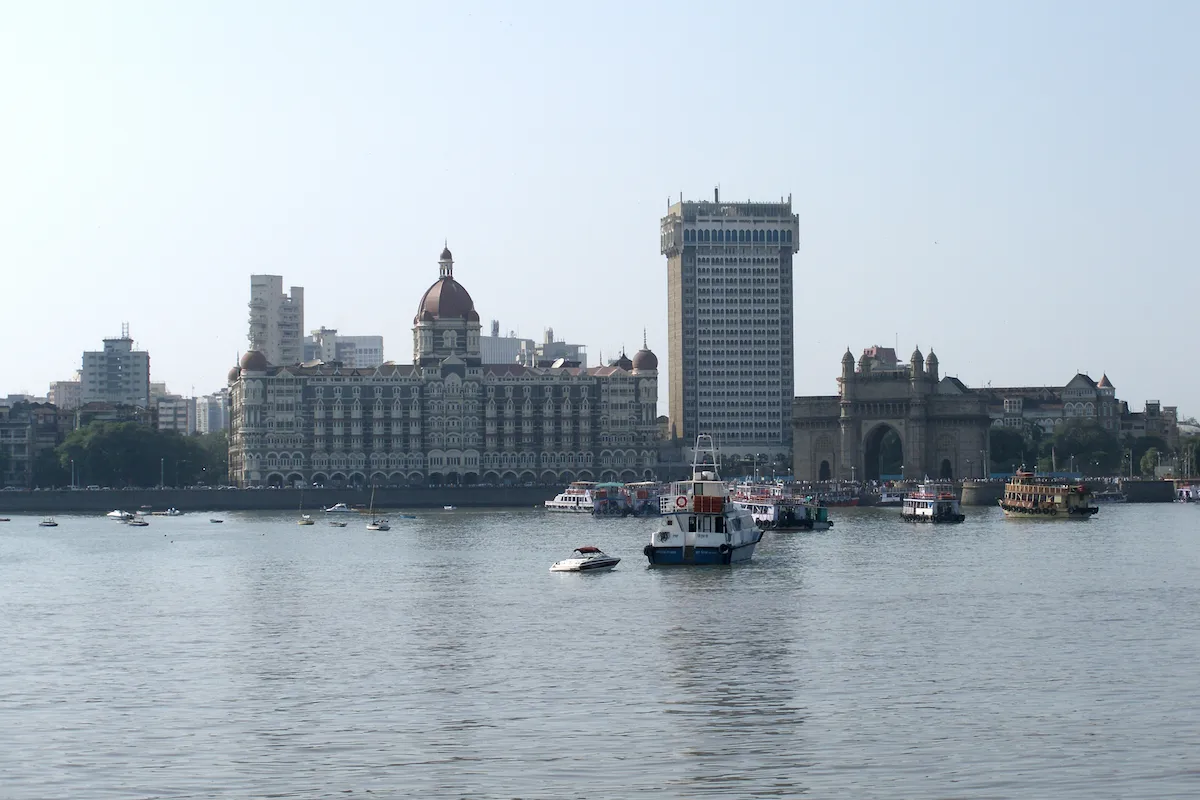
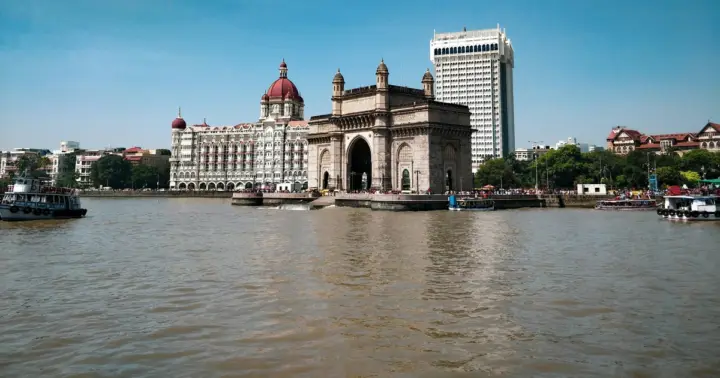
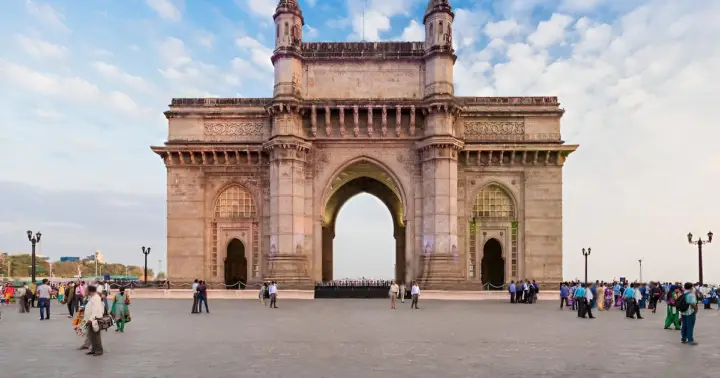
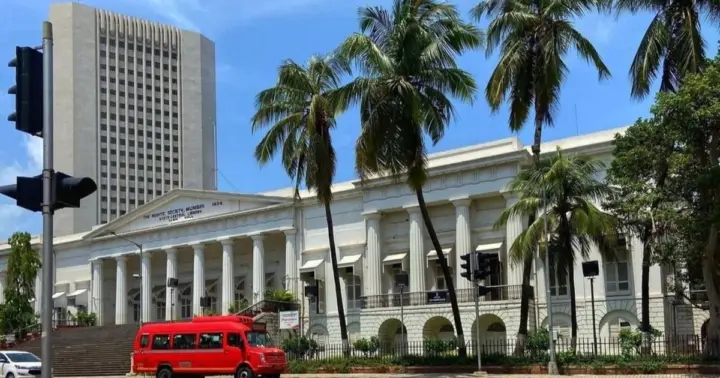
Start at the Gateway of India and then move through South Mumbai sites such as Colaba and the Chhatrapati Shivaji Maharaj Terminus (a UNESCO-listed landmark). Keep valuables secure in crowded areas and use app-based transport to reduce time negotiating routes and fares.
 GU
GU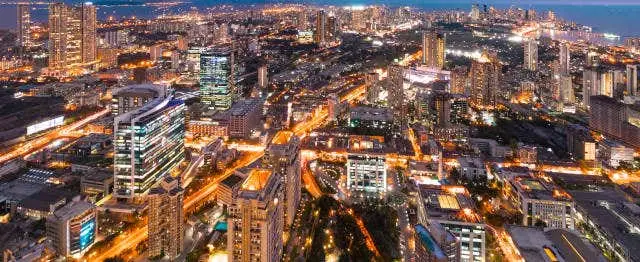
It depends on the region and the plan. Many travelers choose cooler months for city sightseeing in the north, while mountain areas such as Ladakh have a shorter seasonal window for road travel. Check weather patterns for each stop before locking transport.
Seven days works for a first overview if flights and trains are planned efficiently, but it involves long transfers. For a slower pace, keep fewer bases (for example, one northern route or one southern route) and add rest days between major travel legs.
Domestic flights save time on cross-country jumps, while trains work well for some popular corridors when booked in advance. In cities, ride-hailing apps and metro lines (where available) help reduce the time cost of traffic.
For high-demand sites such as the Taj Mahal and for popular guided experiences, booking ahead helps secure preferred times and avoid sold-out days during peak season. Confirm entry rules, security restrictions, and what ID is required before arriving.
Bring lightweight, respectful clothing that covers shoulders and knees for religious sites, plus comfortable walking shoes. A reusable water bottle, sun protection, and a small scarf for head covering (useful at the Golden Temple) make day-to-day logistics easier.
For a first itinerary, keep the number of long transfers realistic: combine nearby cities, confirm transport before moving regions, and leave room for weather and queue time at major landmarks. For guided options that fit different schedules and budgets, browse activities and tours in Delhi and use the city cards/widgets in this article to compare routes by theme (heritage walks, food, neighborhoods).
Freshness note: Last verified: May 2026. Entry rules and opening hours can change—confirm details on official sites before the visit.
Tourism and travel expert with a strong background in creating cultural content. Fluent in multiple languages and experienced as a presenter, she connects with diverse audiences to inspire the exploration of unique destinations. Her creative and dynamic approach stands out in every project, conveying the essence of each place she discovers.
Local guides, pay-what-you-want and no credit card to book. That is how you understand a city.
Explore free tours on guruwalk.com