


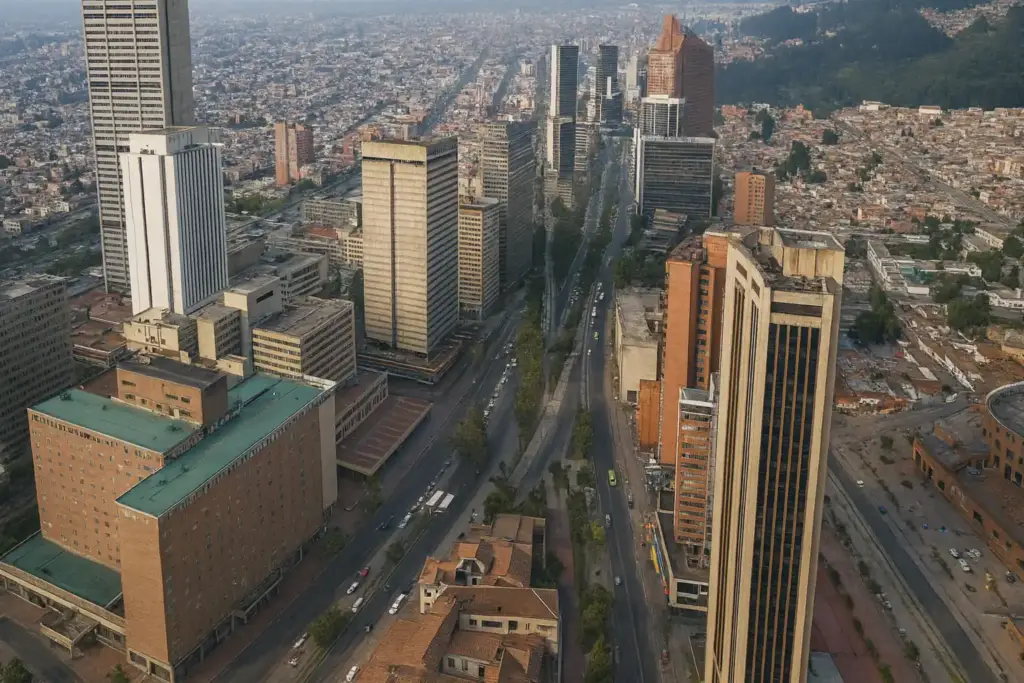
Organize one or three days in Bogotá around Monserrate, La Candelaria, major museums, public squares, parks and northern neighborhoods.
 Belén Rivas
GuruWalk
·
Updated 27 Aug 2026
Belén Rivas
GuruWalk
·
Updated 27 Aug 2026Bogotá brings together high-altitude viewpoints, historic streets, museums, public squares, parks and distinct neighborhoods. This guide to the best things to do in Bogotá helps you organize a one- or three-day visit, starting with Bogotá free walking tours for an introduction to the city.
Last verified: August 2026 — Prices, opening hours, and reservation requirements checked against official sources. GuruWalk’s Bogotá gurus reviewed the practical recommendations.
Starting with one of the Bogotá free walking tours is a practical way to understand La Candelaria, the city center and Bogotá’s historical context before exploring independently. Free tours have no fixed ticket price; budget a tip of €10–€20 per person, or up to €50 for an exceptional experience.
¡Bienvenidos a Colombia y a Bogotá, la capital cultural del país! ¡Esta es la mejor forma de conocer e…

Únase a nosotros en este increíble tour a pie a través del casco histórico de La Candelaria , ubicado en…

¡Hola! Somos Oaca Colombia, y nuestro Free Tour es la manera perfecta de descubrir el corazón y el alma de…

Grandes historias han sucedido en nuestro país Colombia, este es un territorio increíblemente bello e increíblemente mágico. E…

¡Vive Bogotá de Forma Única en Patineta Eléctrica! ¡Prepárate para una aventu…

¿Quieres conocer la fascinante historia del barrio más antiguo e interesante de Bogotá? Acompáñanos en este recorrido por La C…

¡Bogotá es una Capital del Graffiti! ¡Descubra las historias detrás del arte, el pasado complejo del país y sus aspiraciones…

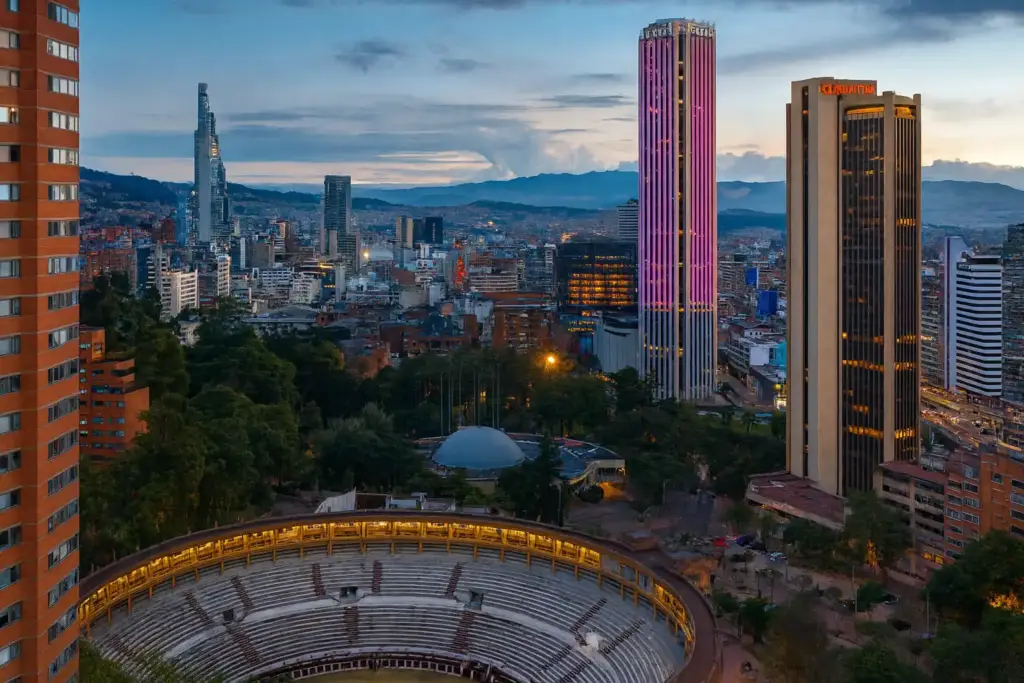
If you only have one day in Bogotá, focus your visit on the historic center: start by going up to Monserrate Hill for a panoramic view of the city, then spend the morning exploring La Candelaria, including Plaza de Bolívar and its principal buildings. In the afternoon, visit the Gold Museum and end the day in Zona T for dinner.
With three days you can explore the city at a more relaxed pace. On the first day, follow the itinerary above. Dedicate the second day to culture: visit the Botero Museum, the Gabriel García Márquez Cultural Center and the National Museum. On the third day, explore the north of the city: start in Simón Bolívar Park, visit the traditional neighborhood of Usaquén (especially on Sundays for its flea market) and finish in the Zona Rosa for Bogotá’s nightlife.
To make the most of a short stay in Bogotá:
Bogotá’s altitude (2,640 meters) can affect some visitors. Plan more demanding activities, such as the climb up to Monserrate, for the second or third day, when you are already acclimatized.

The views from Monserrate Hill offer a wide panorama of Bogotá. This viewpoint is located at about 3,152 meters above sea level, and the funicular or cable car avoids the demanding pedestrian ascent. The journey also provides views across much of the north and center of the city.
There is also the option of hiking up. If you choose the pedestrian trail, do it once you are acclimatized and check current access conditions. If you go by funicular or cable car, Monserrate can be a practical first stop on day 1.
A local superstition says that couples who visit Monserrate together never end up getting married. It is part of the folklore surrounding the hill rather than practical travel advice.
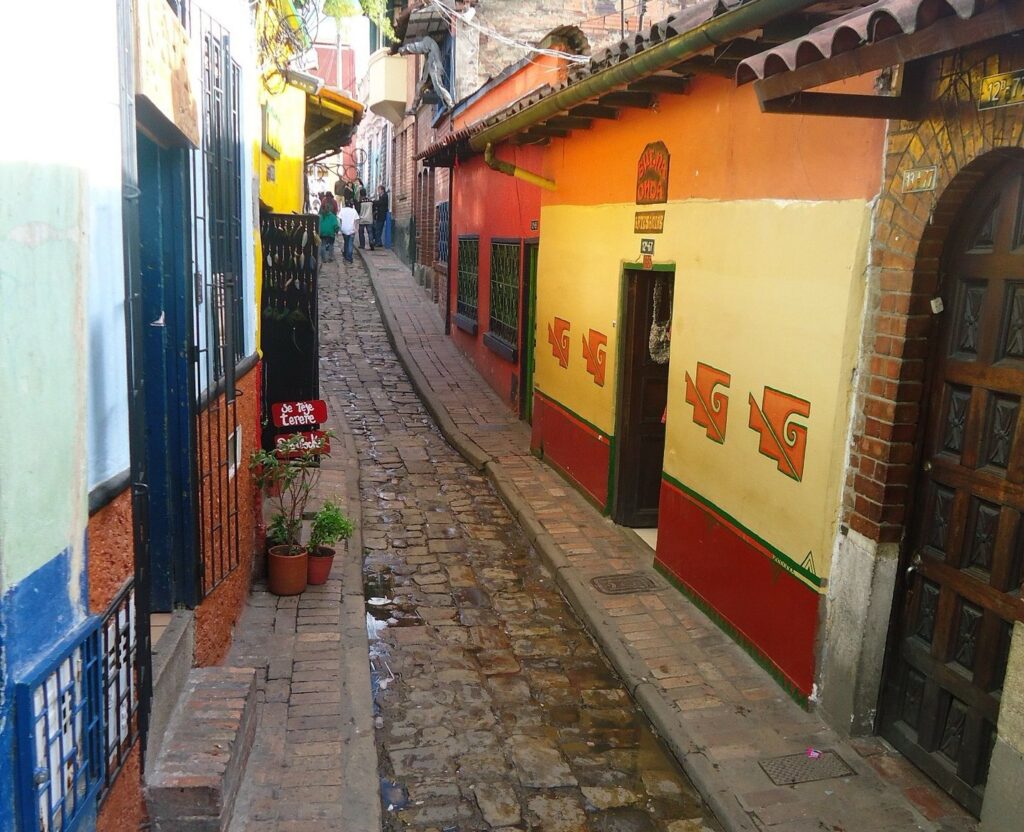
The historic district of Bogotá is La Candelaria, made up of the neighborhoods La Catedral, La Concordia, Las Aguas, Centro Administrativo, Egipto, Belén and Santa Bárbara. Its narrow streets and colonial architecture preserve buildings from the colonial and republican periods, alongside restaurants, museums and cultural venues.
This area is located in the central-eastern part of Bogotá, at the foot of the Guadalupe and Monserrate hills. It is accessible from various parts of the city, with connections via Avenida El Dorado.
The Historic Center of Bogotá was declared a National Monument in 1963. Its notable buildings include the Santuario de Nuestra Señora del Carmen, the historic Teatro Colón, Quinta de Bolívar and several museums, including the Botero Museum and Gold Museum.
To get the most out of the historic district:

The Gold Museum houses a major collection of pre-Hispanic goldwork. Located near La Candelaria, it displays more than 35,000 gold pieces and 25,000 additional objects made from materials including ceramics, bone, shell, textiles and stone.
The museum is organized into thematic areas such as:
1. The Exploratory: an interactive gallery connecting visitors with cultural heritage through audio, images, videos and models.
2. Metalworking: an explanation of ancestral metallurgy and mining techniques.
3. The Offering: a space that recreates ceremonies in which gold pieces were used in rituals.
4. Cosmology and symbolism: a gallery dedicated to the symbolic world of pre-Columbian civilizations.
5. People and gold: an account of how metals were integrated into pre-Columbian religious and political life.
- Don’t miss the Muisca Raft, one of the collection’s best-known pieces

- Check current admission, closure days and guided-visit schedules on the museum’s official website

The Botero Museum brings together part of the work of Fernando Botero Angulo (Medellín, 1932–2023), a painter, sculptor and draftsman with a distinctive figurative style. His work is associated with the term “Boterismo.”
The museum exhibits 208 works: 123 by Botero and 85 by international artists. Among the latter are paintings by Renoir, Monet, Picasso and Miró, and sculptures by Degas, among others.
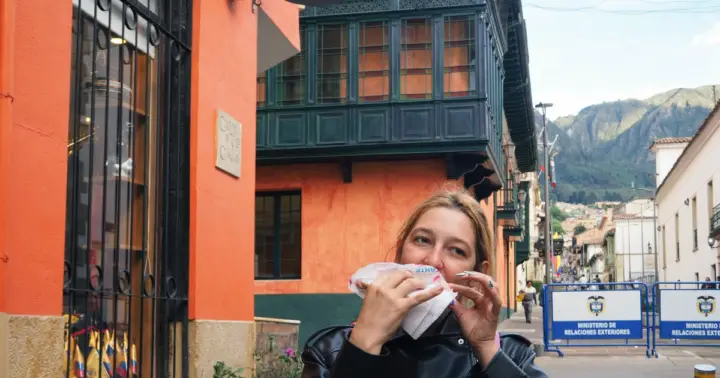

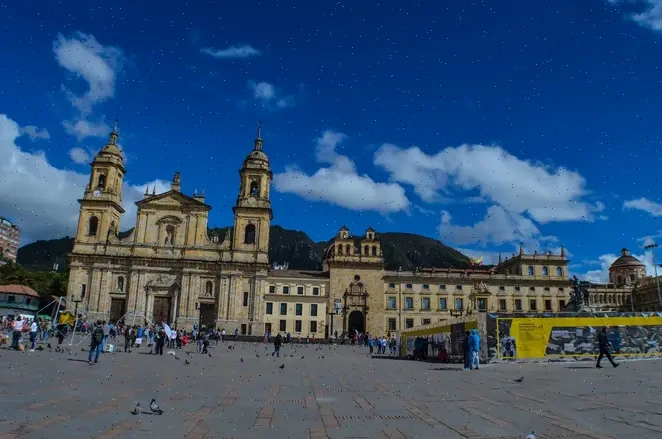
Plaza de Bolívar brings together key institutional buildings. The standout is the Primatial Cathedral of Colombia, a neoclassical basilica built between 1807 and 1823 and the seat of the Archbishop of Bogotá. Due to its historical, architectural and cultural value, it was declared a National Monument in 1975.
Notable buildings on the square
Plaza de Bolívar is surrounded by important government buildings:
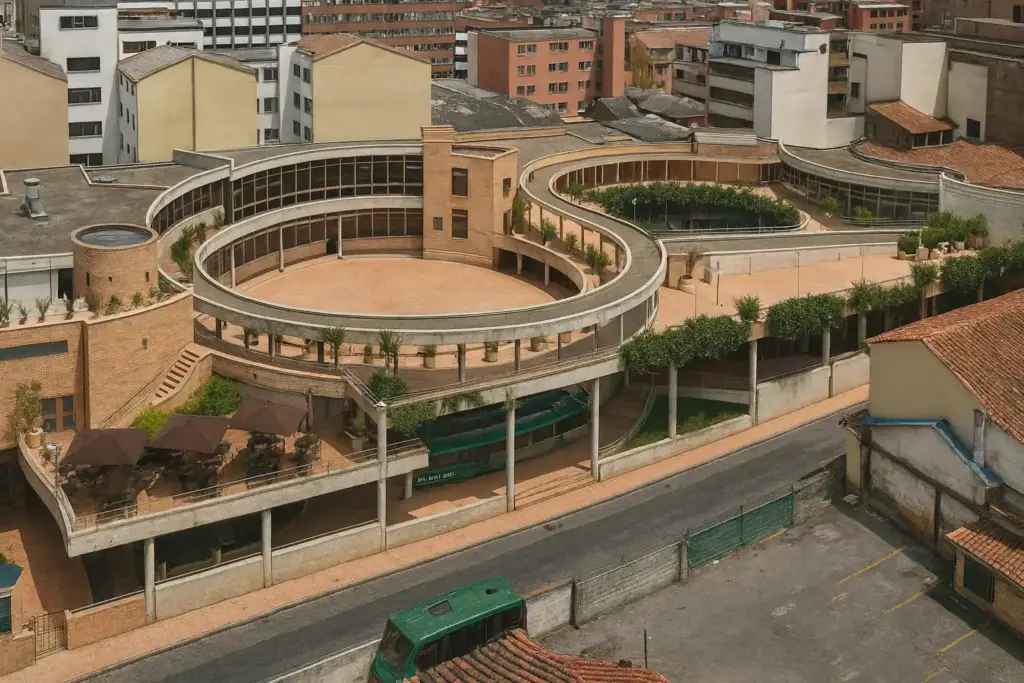
A space dedicated to culture and books in the center of Bogotá. Inaugurated in 2008, it has a large bookstore and an art gallery with temporary programming.
The cultural center includes a bookstore, exhibition halls and dining options. It represents the connection between Colombian literary tradition and contemporary cultural life.
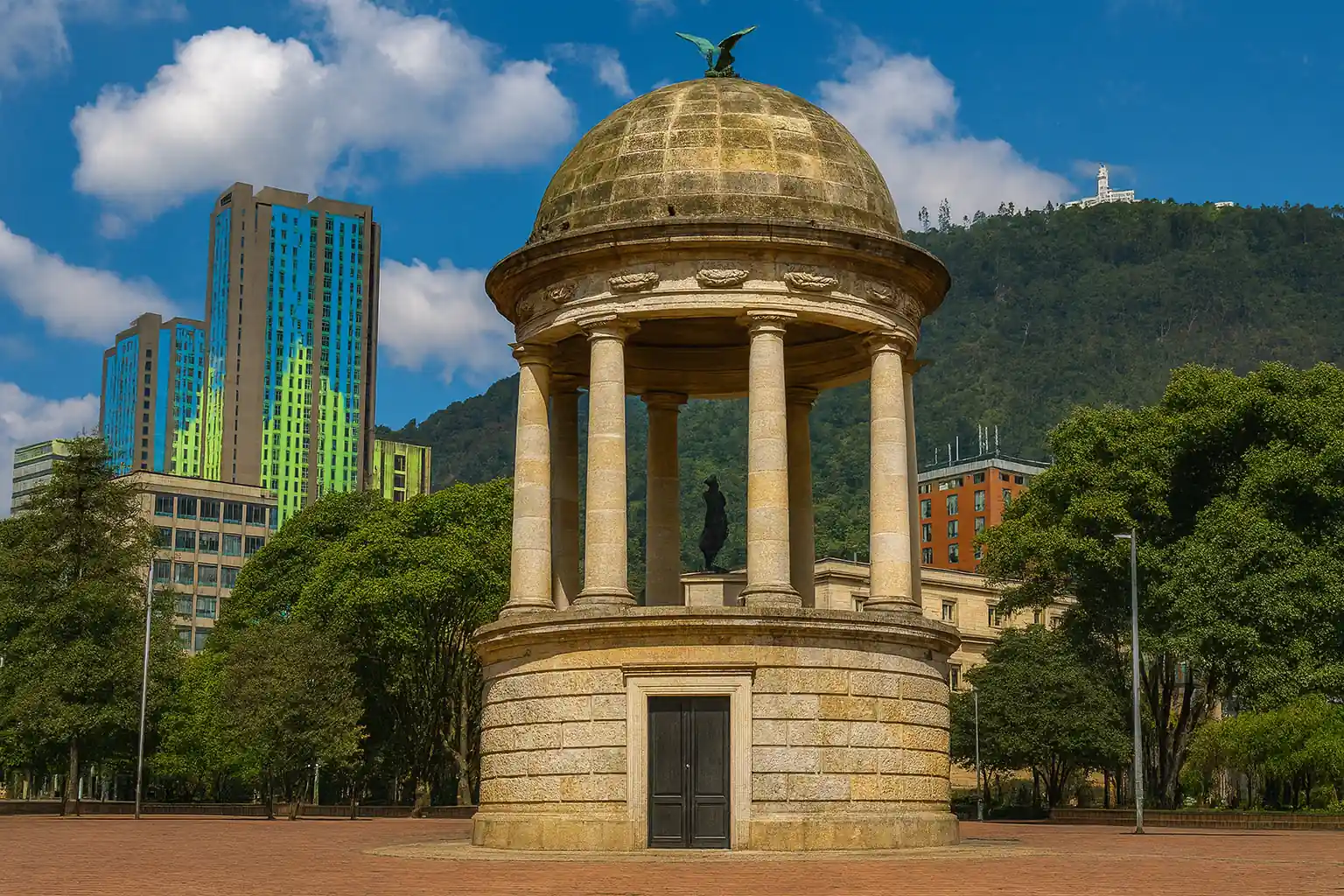
This park is just a few steps from the Colombian Academy of Language. It is also home to the Bolívar Pavilion, a republican-style monument dedicated to Simón Bolívar, built in 1883 by Italian architect Pietro Cantini.
The park is located between Santa Fe and La Candelaria. In the 1940s it was known as Parque de la Romana; in the 1960s as Parque de la Independencia; and today as Parque de los Periodistas. It was a meeting point for writers, poets and journalists.
The area also includes the Centro Colombo Americano and the headquarters of the Alliance Française. On some days there is a small fair with handicrafts, antiques and books.
What you’ll find in the area

Bogotá’s Zona T is in the Chapinero area, within Zona Rosa. Its pedestrian streets make it easy to explore on foot. It is a practical area to stay in and a base for reaching nearby parks such as El Virrey Park or 93rd Street Park.
The pedestrian streets form a “T,” hence the name. This is one of the main nightlife districts, with many clubs and bars. It forms part of Zona Rosa, a few kilometers north of central Chapinero and about 10 kilometers from La Candelaria.
The area concentrates restaurants, bars, shops and high-end hotels.
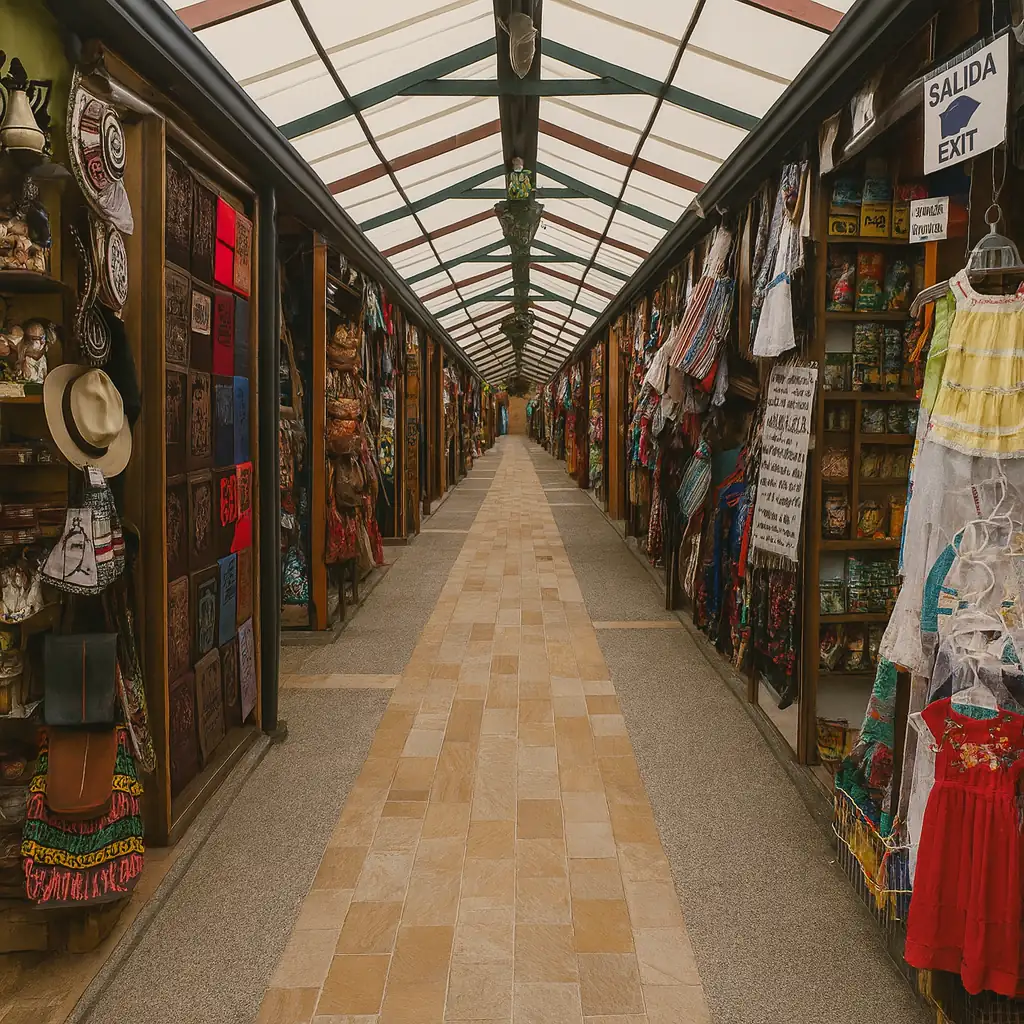
Usaquén was once a separate town that was annexed to Bogotá, and it still preserves low-rise houses, a central square and the Santa Bárbara church. The Flea Market has been active for decades and was recognized as an activity of cultural interest by the Bogotá City Council (Agreement 154 of 2005; extended to the Usaquén Flea Market Association by Agreement 544 of 2013).

Besides its viewing deck, Torre Colpatria is a 50-story, 196 m skyscraper with an LED-lit façade at night. It is no longer the tallest building in the city: it has been surpassed by BD Bacatá (216 m) and Atrio Norte (201 m). Check current access and availability before planning a visit to the viewing deck.
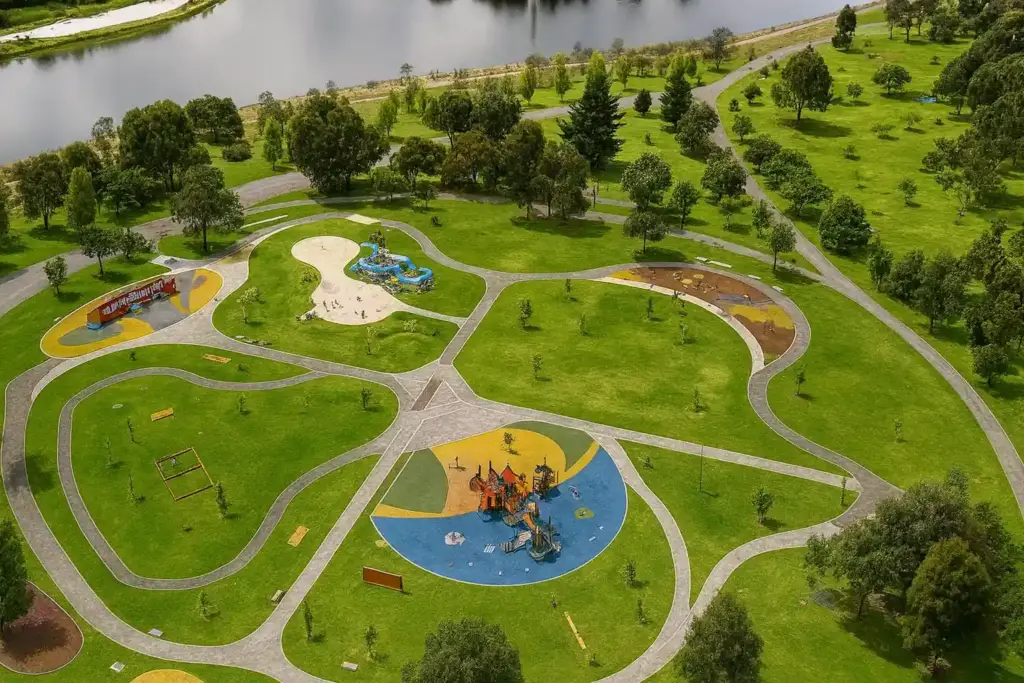
Simón Bolívar Metropolitan Park is the main urban park of the Colombian capital, located in the geographic center of the city, mainly in the Teusaquillo district, as part of the Simón Bolívar Park System.
Its size and tree cover make it an important green space. The system includes several sub-areas:
The park supports several types of activities:

The National Museum of Colombia is the oldest museum in the country, with collections of art, history, archaeology and ethnography. The institution was created in 1823 and its current building is the former Panopticon, whose construction began in 1874.
Among its highlights are colonial and contemporary works, as well as significant historical and ethnographic collections. Consult the museum’s current programming and reservation requirements before visiting.

La Casa de la Moneda was a mint founded by Alonso Turrillo de Yebra in the 17th century. Today it holds the numismatic and art collection of the Bank of the Republic. It is located in the La Candelaria neighborhood, in the city center.
Check current admission arrangements and opening days before visiting.

The museum is a space dedicated to the research, communication and exhibition of modern art in Bogotá.
It began its activities in 1963 (charter from 1955) and maintains a collection of Latin American and international modern art.
Its exhibitions have included works by artists such as Andy Warhol, Picasso, Dalí and Bacon, as well as photography and other disciplines. Consult availability and current exhibitions before visiting.
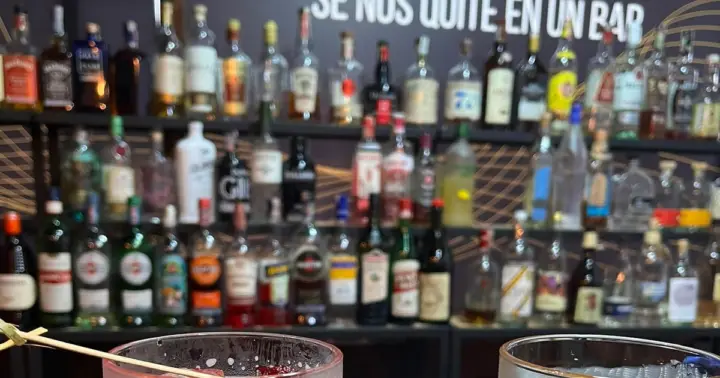
If you like meat and a festive atmosphere, Andrés Carne de Res is a well-known option. In Bogotá its urban location is Andrés DC in Zona T.
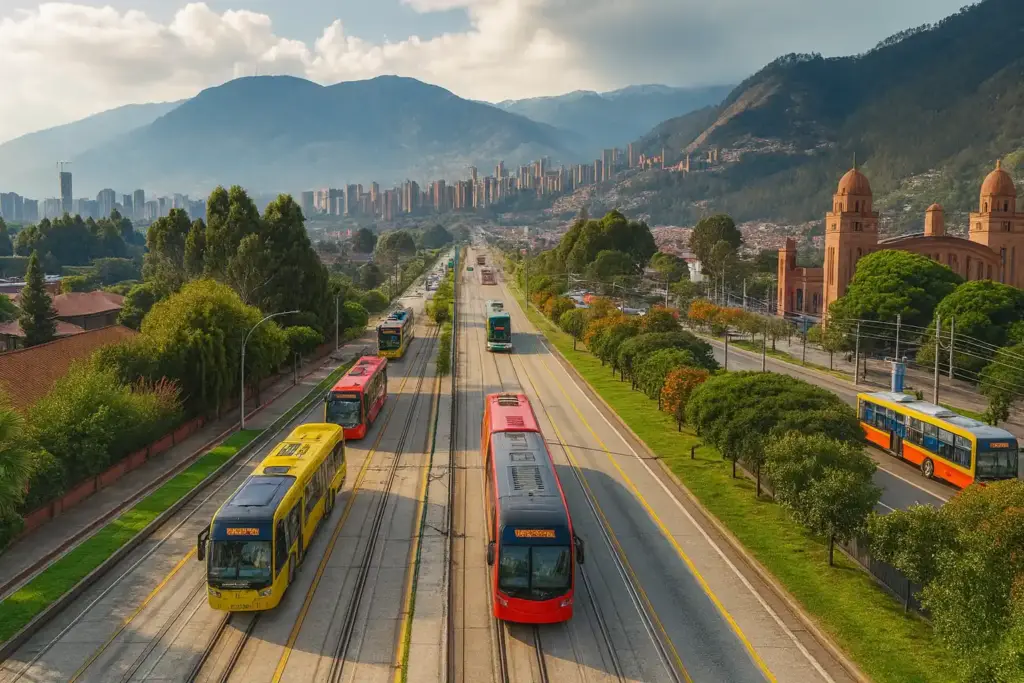
Bogotá is the main gateway to Colombia. Located in the center of the country, its scale and travel times should be considered when planning each day.
The city has the El Dorado Luis Carlos Galán Sarmiento International Airport. The airport has two passenger terminals: T1, the main terminal for most domestic and international flights, and T2 or Puente Aéreo. Confirm your terminal with the airline before travel.
By road there is no connection with Panama across the Darién Gap. There is also no direct road continuity with Brazil or Peru from the national network; by land, entry is usually from Ecuador or Venezuela through authorized border crossings.
Transport options from the airport:
For additional planning, browse tours and activities in Bogotá, including cultural experiences and day trips.
A minimum of 3 days is recommended to see the principal places in the city. With 5 days you can explore at a slower pace and add excursions to the surrounding areas.
Rainfall varies through the year, while temperatures remain fairly stable because of the city’s altitude. Check the forecast before packing and allow flexibility for afternoon rain.
Use normal big-city precautions: keep belongings secure, use authorized transport, avoid displaying valuables and follow current local guidance, especially when moving between neighborhoods after dark.
Common bases include La Candelaria for history and museums, Chapinero for restaurants and transport connections, and Zona T or Zona Rosa for nightlife.
Travel marketing specialist with extensive experience in the travel sector. At companies such as Despegar and GuruWalk, she has led traveler-focused digital acquisition strategies. Now, from the GuruWalk blog, she combines her expertise with her passion for discovering and sharing unique destinations.
Local guides, pay-what-you-want and no credit card to book. That is how you understand a city.
Explore free tours on guruwalk.com