





Plan Mallorca by area, covering Palma, the Serra de Tramuntana, Formentor, eastern caves and coves, southern beaches and inland villages.
 Belén Rivas
GuruWalk
·
Updated 27 Aug 2026
Belén Rivas
GuruWalk
·
Updated 27 Aug 2026This guide to the best things to do in Mallorca organizes the island into practical areas: Palma, the Serra de Tramuntana, the north and Formentor, the eastern caves and coves, the southern beaches, and inland villages. If Palma is your starting point, compare Palma free walking tours before planning the rest of your route.
Last verified: August 2026 — Prices, opening hours, and reservation requirements checked against official sources. GuruWalk’s Mallorca gurus reviewed the practical recommendations. They note that the cathedral, Almudaina Palace, and S’Hort del Rei form a compact walking sequence, while Bellver Castle needs separate travel time. For island day trips, they recommend grouping stops by coast instead of repeatedly crossing Mallorca.
A free walking tour in Palma de Mallorca is a practical way to begin: it provides an introduction to the historic centre before you revisit individual monuments. Booking is free, and each traveler tips the guru after the walk according to the experience; a useful baseline is €10–€20 per person, with tips of up to €50 for exceptional or private-feeling experiences.
New to Mallorca? Surely they have told you about our beautiful natural coves … Now is the opportunity to explore…

Discover the center of Palma and its history with Charlotte , a certified tour guide, Franco-Belgian and alway…

They will stroll through the old town in the company of Charlotte, a smiling French tour guide
The Essential Tour of the Most Emblematic Monuments There are cities that you visit… and others that you under…

Step off the beaten path and uncover the dark, hidden side of Palma that most visitors never see. This is…
If you have just landed in the city or you are from it but want to know it in detail…

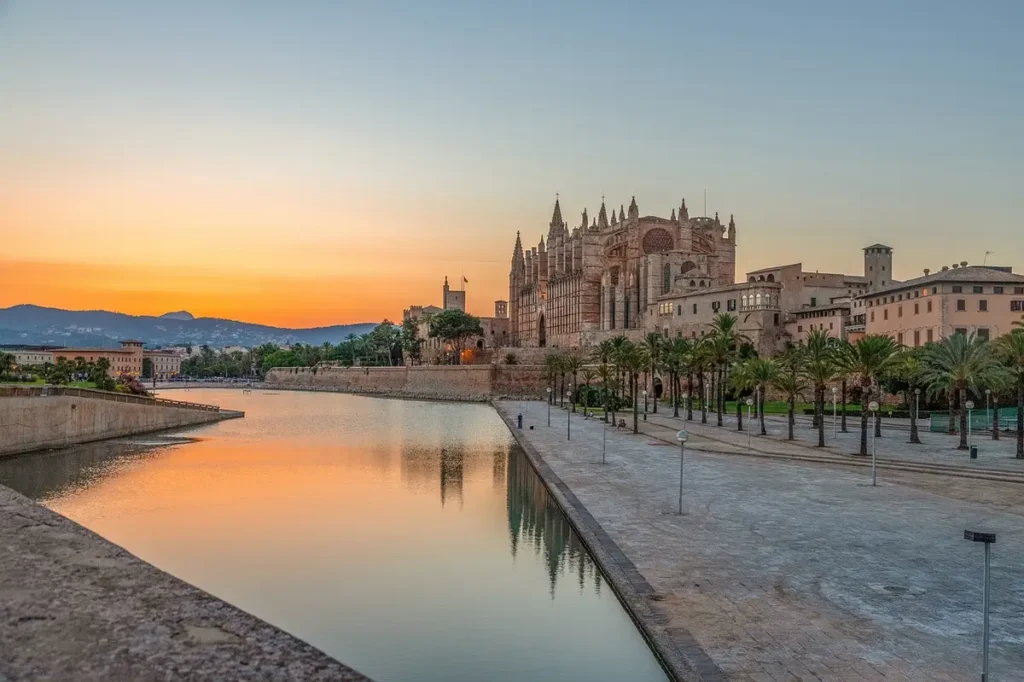
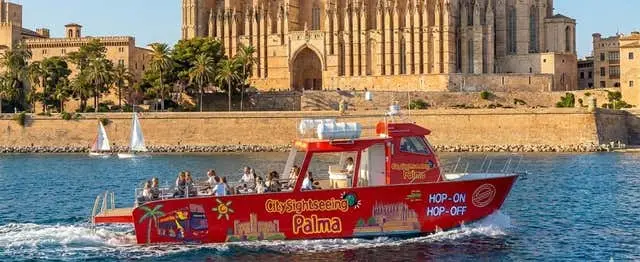
Palma combines the island’s main urban monuments, markets, museums, waterfront, and restaurant districts. The cathedral, Almudaina Palace, S’Hort del Rei, and Plaza Mayor can be connected on foot; allow separate time for Bellver Castle because it stands outside this compact central route.
Start at the Cathedral of Santa María de Palma and continue to Almudaina Palace and the adjoining gardens. From there, walk through the old town towards Plaza Mayor and Mercat de l’Olivar. This sequence keeps the morning concentrated in central Palma and leaves the afternoon for places that require a longer transfer.
Use the afternoon for Bellver Castle, then return towards Santa Catalina and the Paseo Marítimo. Check local transport and access notices before setting out, particularly if temporary works affect the waterfront or the route to the castle.
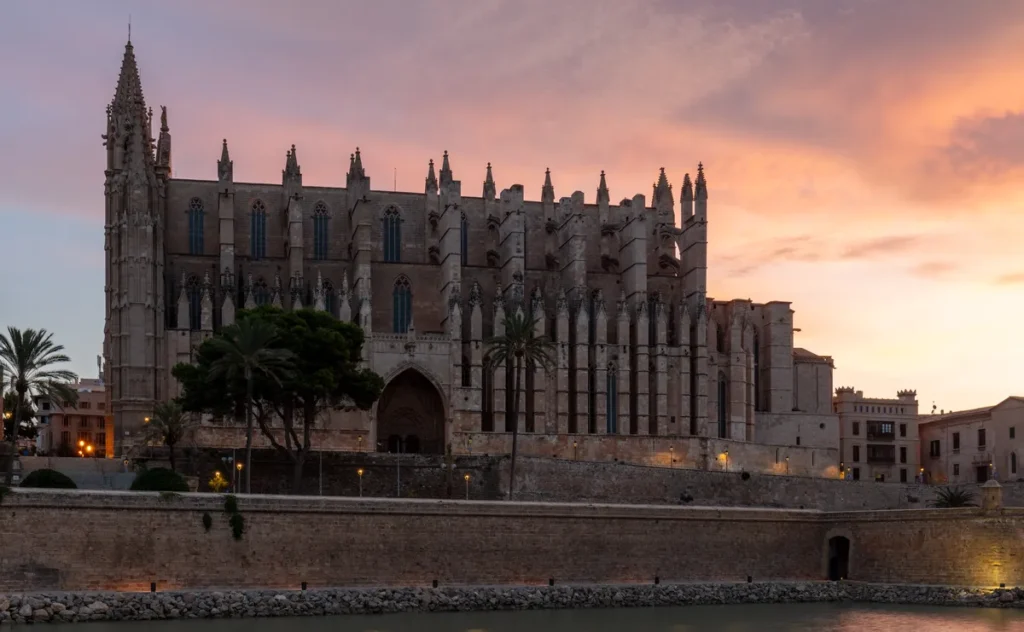
The Cathedral of Santa María de Palma, known as La Seu, began construction in 1229 after the conquest by Jaume I and continued until 1601. The building therefore combines work from several periods.
Its rose window measures approximately 13.8 metres in diameter and is among the largest in a European Gothic cathedral. Consult the cathedral’s official information for current admission availability, opening hours, services, and special events.
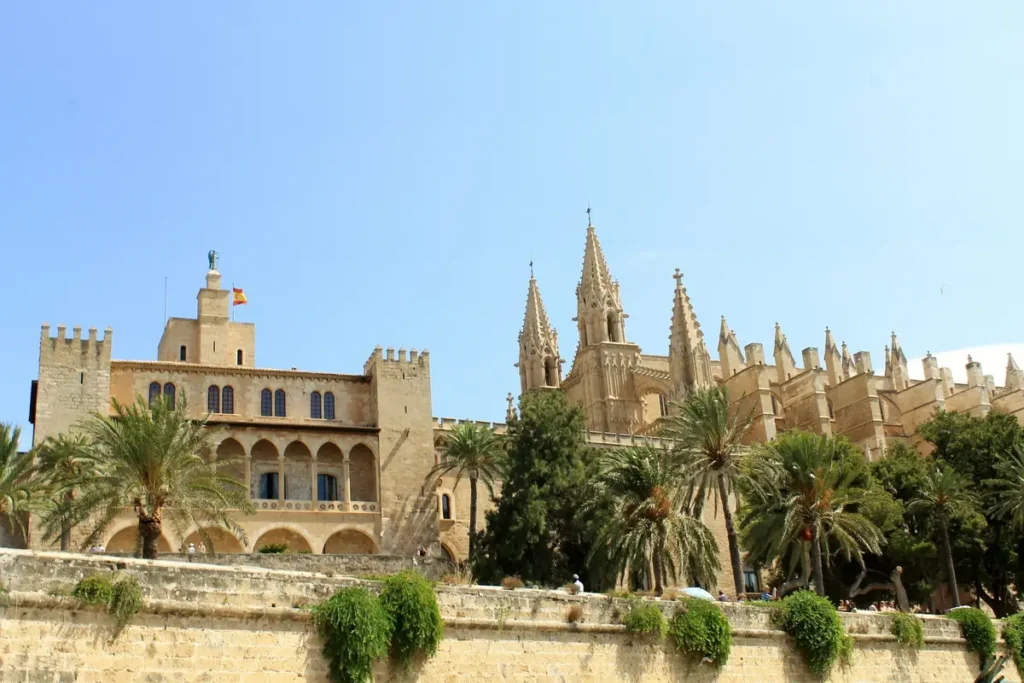
The Almudaina Palace, next to the cathedral, preserves elements associated with the former Islamic alcazaba and the later Christian royal residence. It remains an official residence used for royal events during stays in the Balearic Islands. Consult current availability before visiting because official use can affect public access.
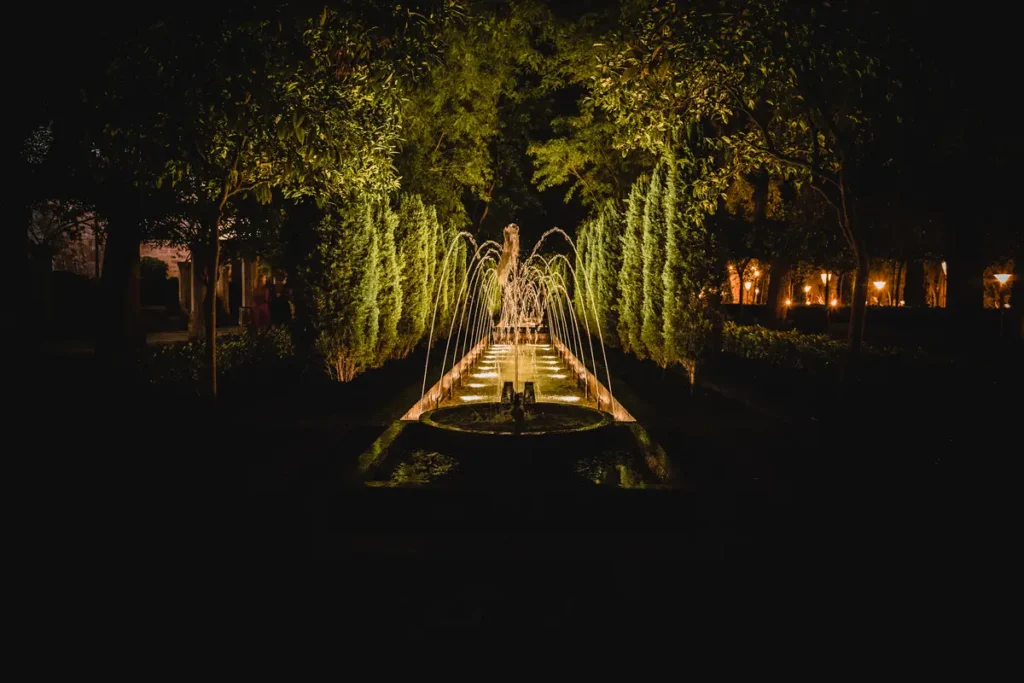
The Jardines de S’Hort del Rei sit at the foot of Almudaina Palace. Their channels, fountains, paths, and sculptures make them a useful pedestrian connection between the palace area and the lower part of the historic centre.
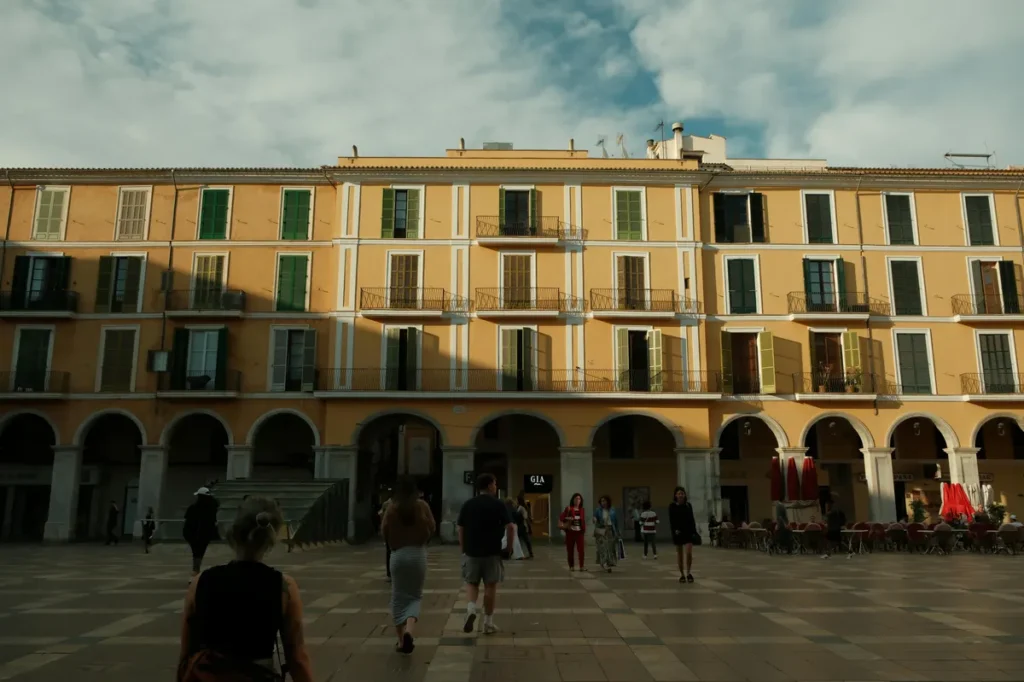
Plaza Mayor is an arcaded square built during the 19th and 20th centuries on the site of the former Inquisition headquarters, which remained there until 1823. It connects with shopping streets such as Sant Miquel, Jaume II, and Colón.

Mercat de l’Olivar, inaugurated in 1951, brings together fresh-produce stalls and market bars used by residents and visitors. Check the market’s current schedule before arranging a meal around it, since individual stalls and dining areas may operate at different times.
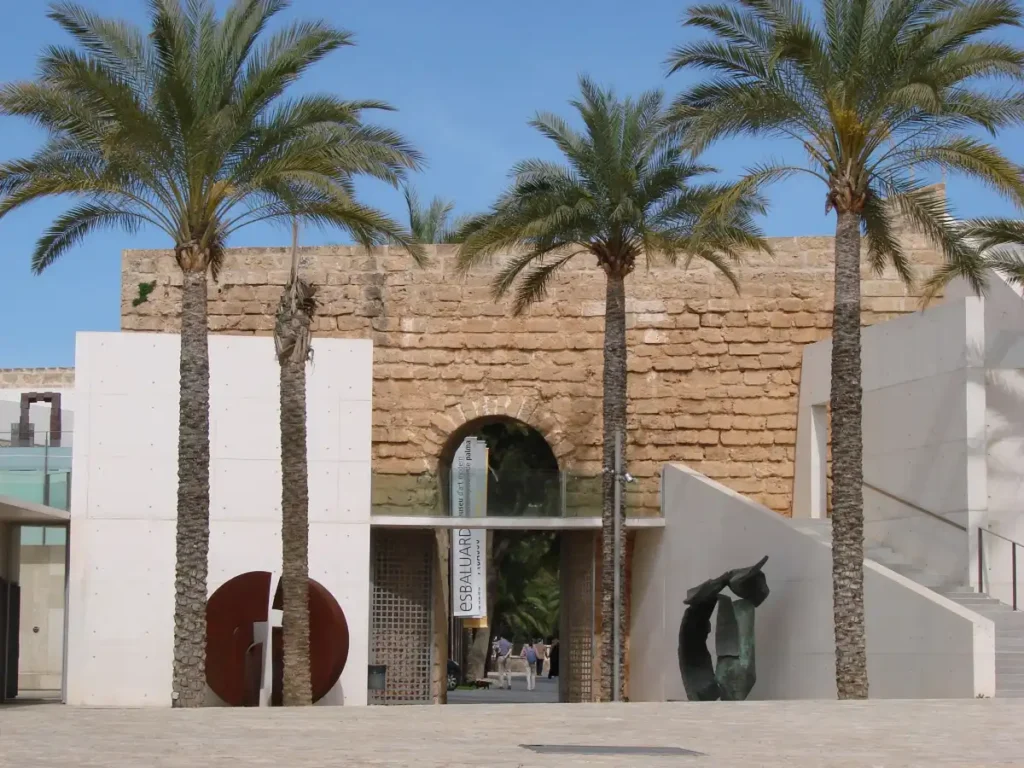
The Museu de Mallorca occupies the 16th-century palace house Ca la Gran Cristiana. Its collections span periods from prehistory to the 19th century, with archaeology, fine arts, and decorative arts represented. Consult current opening information before visiting.
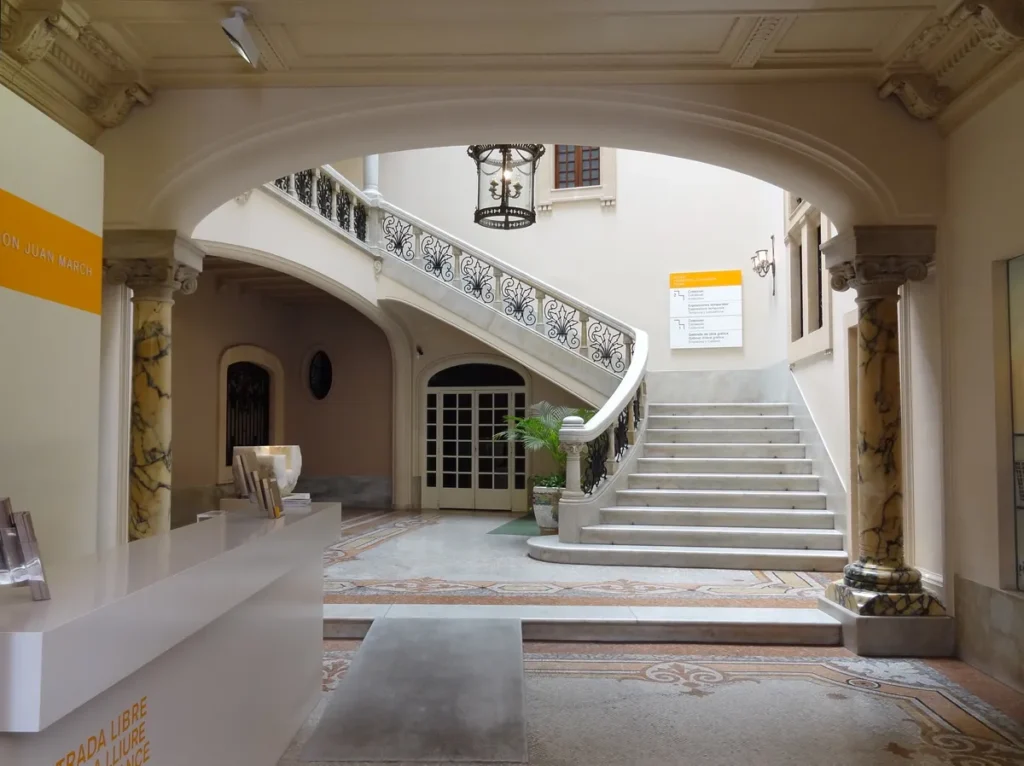
The Juan March Foundation occupies the 17th-century Can Gallard del Canyar house, refurbished by architect Guillem Reynés. The Palma museum opened in 1990 and hosts exhibitions, concerts, and educational activities. Consult its current programme and availability before going.
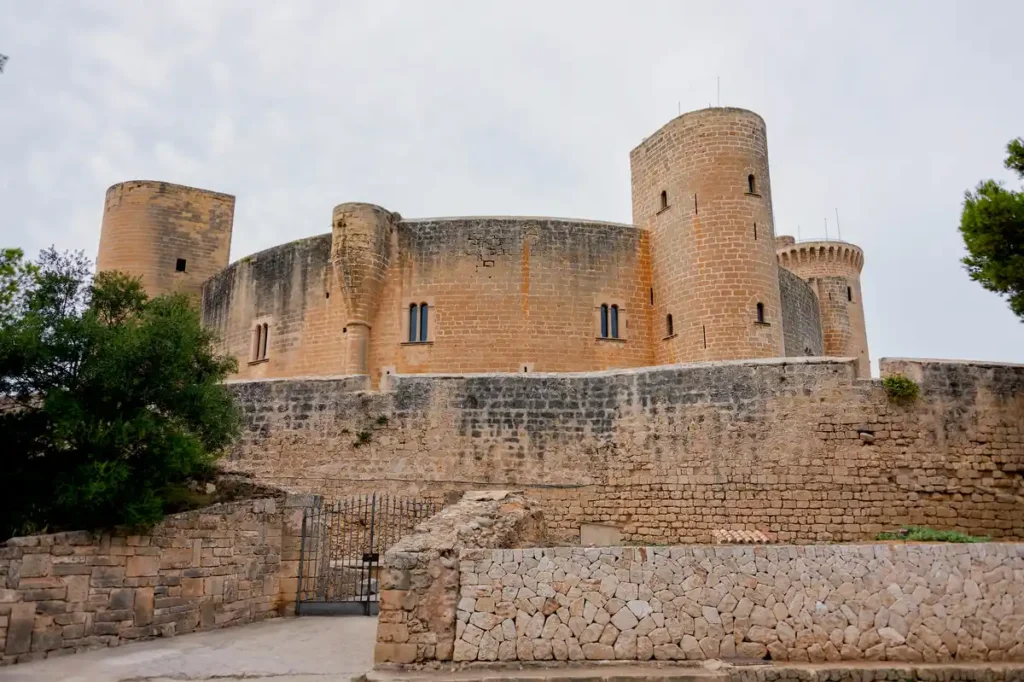
Bellver Castle, built in the 14th century by order of Jaime II, stands on a hill overlooking Palma and its bay. Its circular layout is unusual among medieval fortifications. Today it houses the Museu d’Història de la Ciutat de Palma.
Public transport serves the surrounding area, but the final approach can involve an uphill walk. Confirm current access, transport routes, admission availability, and museum hours before departure.
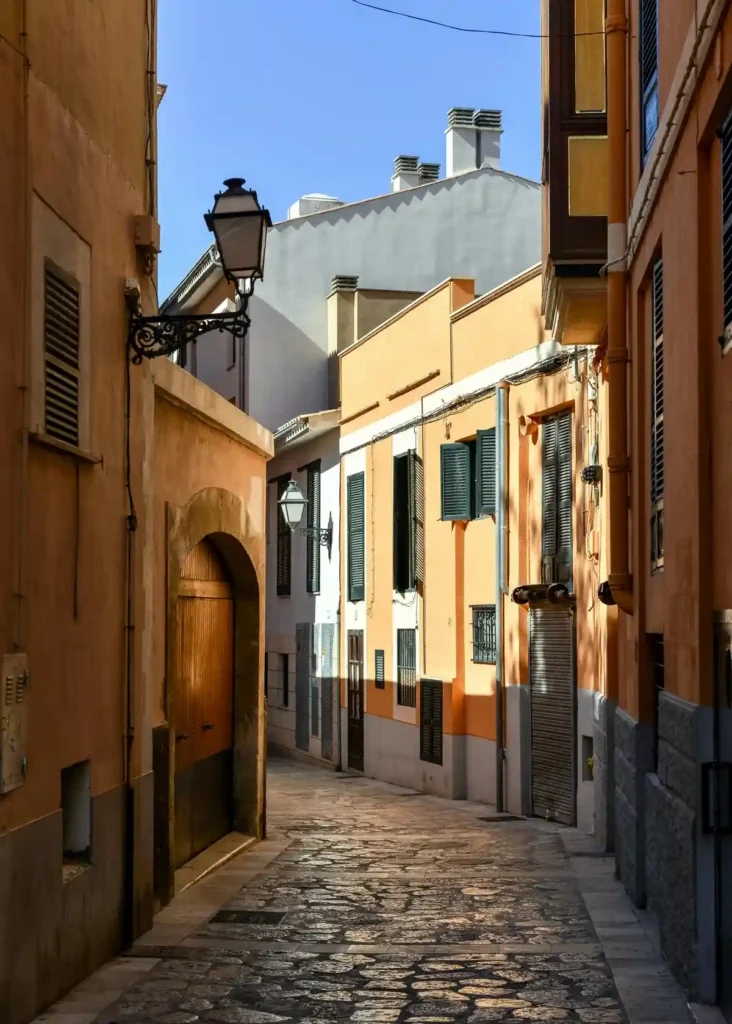
The Santa Catalina district was once a fishermen’s neighbourhood and now contains a dense mix of restaurants, bars, shops, and a local market. It works well as a meal stop between central Palma and the waterfront.
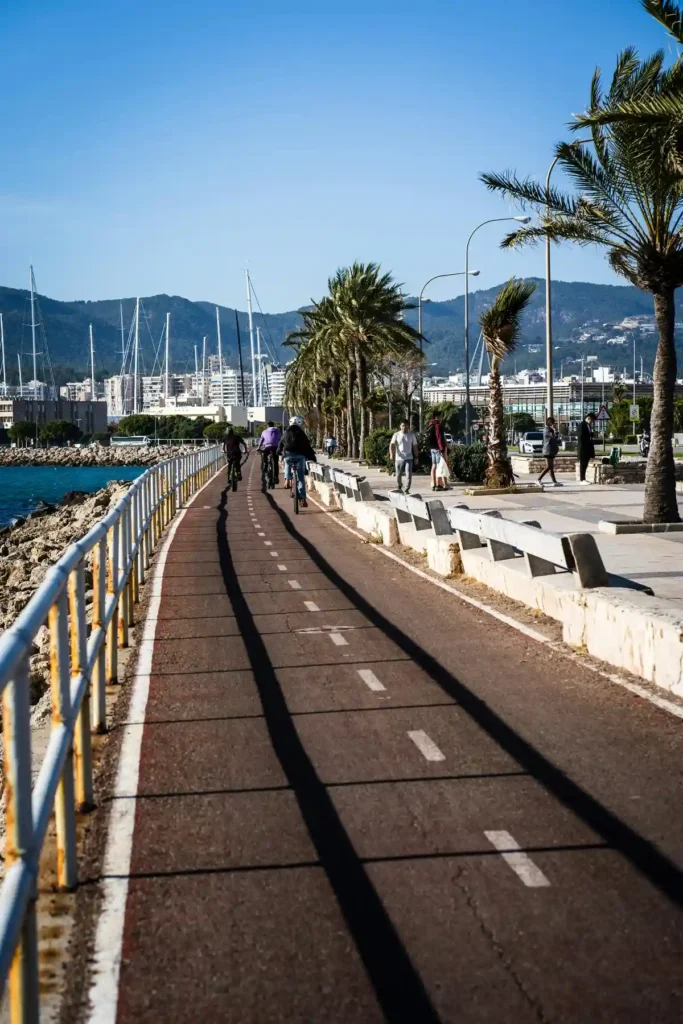
The Paseo Marítimo follows Palma’s harbour and provides views towards the Mediterranean and the cathedral. It can be explored on foot or by bicycle, although temporary works may alter individual access points or sections of the route.
The Serra de Tramuntana cultural landscape forms Mallorca’s principal mountain cluster. Valldemossa, Sóller, Port de Sóller, and Alaró can be grouped within this side of the island, but trying to combine them with distant eastern or southern stops creates unnecessary backtracking.
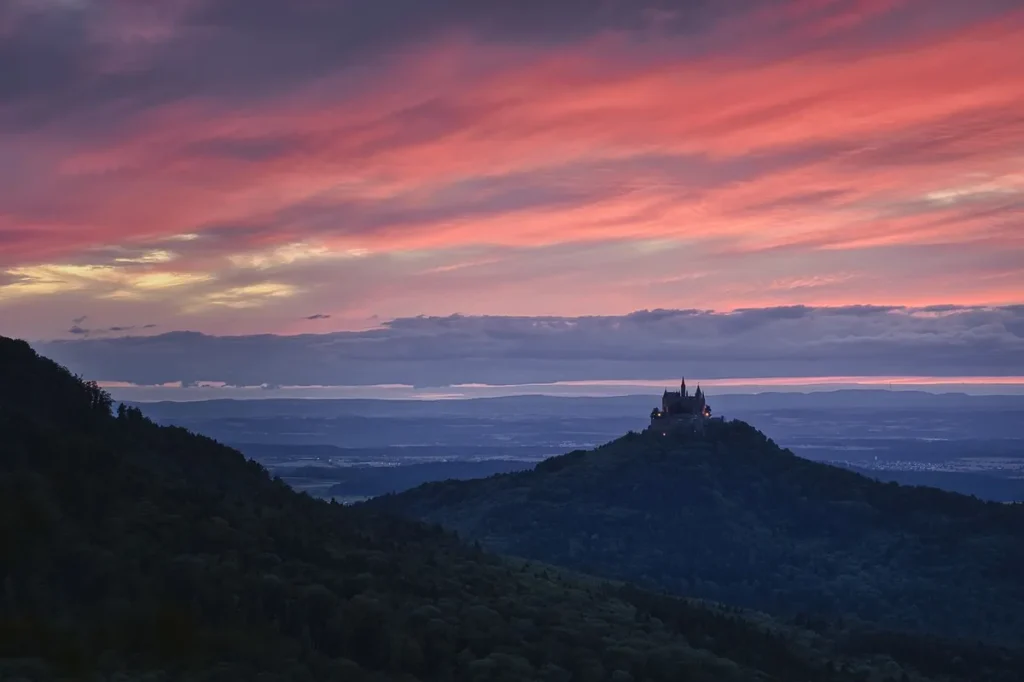
Castillo de Alaró, in the municipality of Alaró, crowns a rocky summit. Its origins go back to Islamic times, and it served as a strategic stronghold for centuries.
Walking routes approach from Coll d’Alaró and the Es Verger area. The ascent may take 60–90 minutes depending on the starting point and pace. Carry water, wear suitable footwear, and confirm local access conditions before setting out.
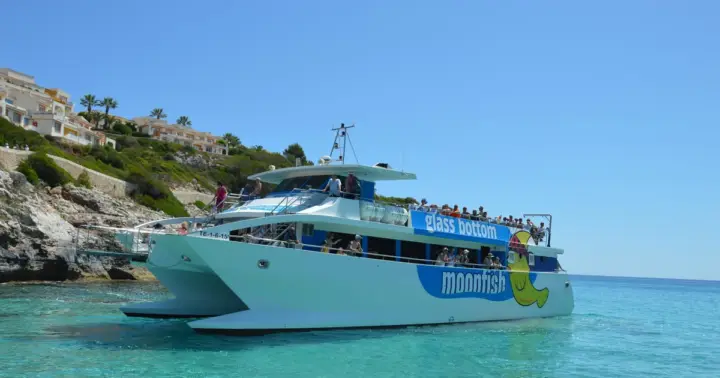
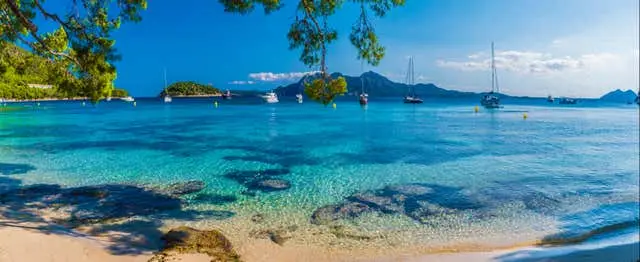
Reserve a separate day for northern Mallorca and Formentor. Alcúdia and Can Picafort fit naturally into this cluster, while bookable options from the north include boat trips, cave excursions, snorkelling, and diving. Check departure points carefully because an activity labelled “Mallorca” may leave from a specific resort rather than Palma.
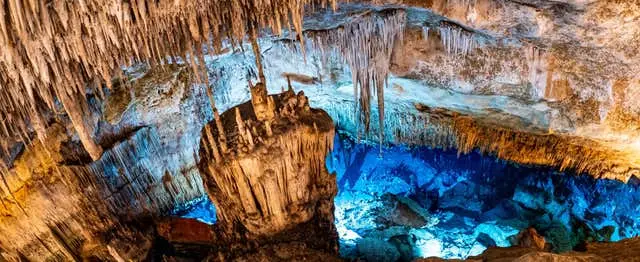
The eastern coast should be planned as its own route. The GuruWalk catalogue includes cave visits and coastal trips departing from places such as Font de Sa Cala, as well as excursions combining the Caves of Drach with transport from Palma or northern Mallorca. Compare the departure point, duration, included entry, and current availability before booking.
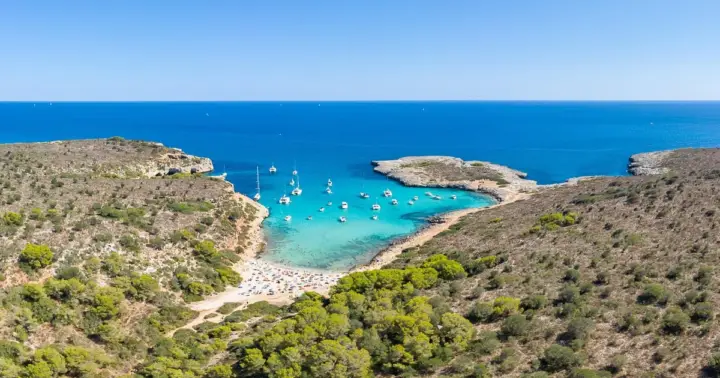
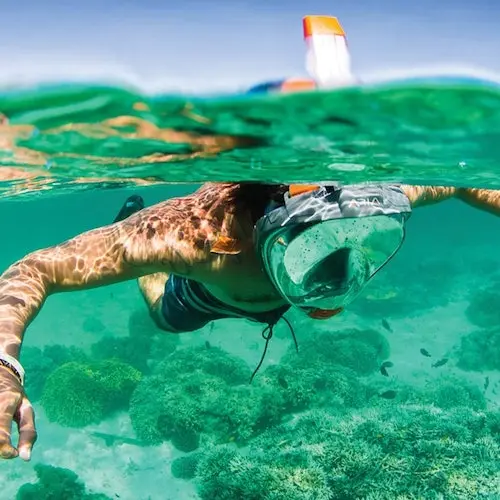
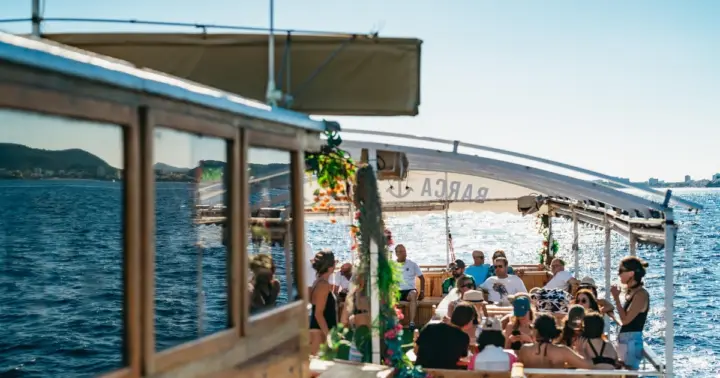
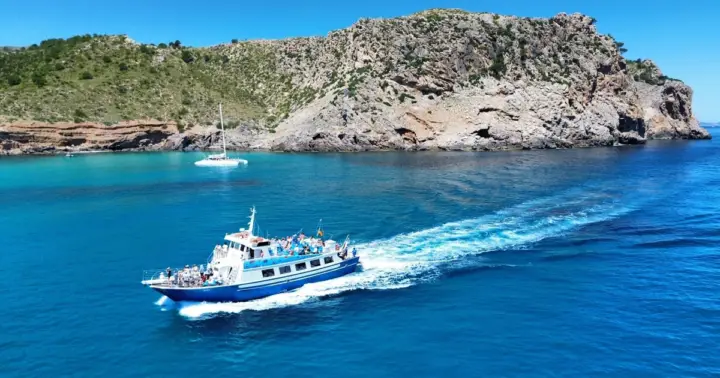
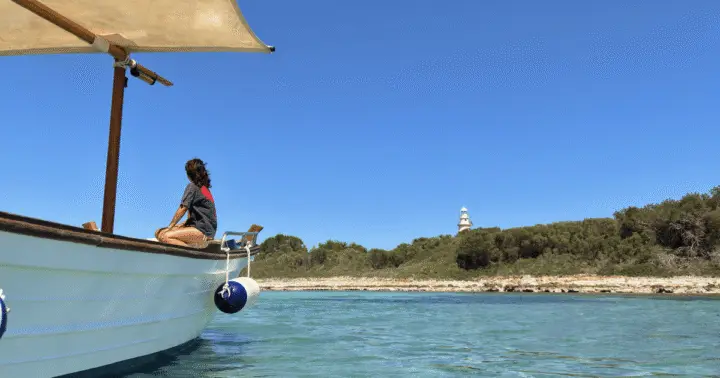
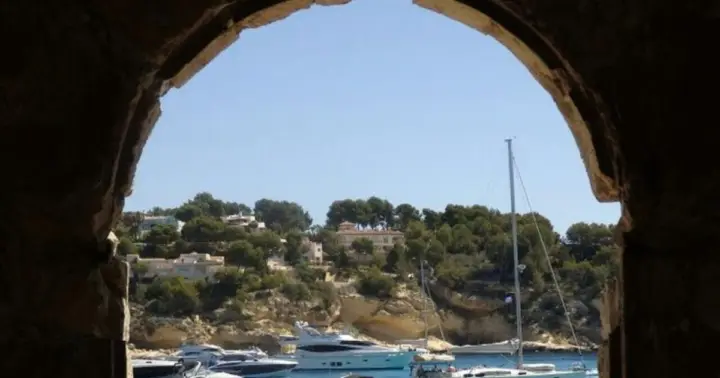
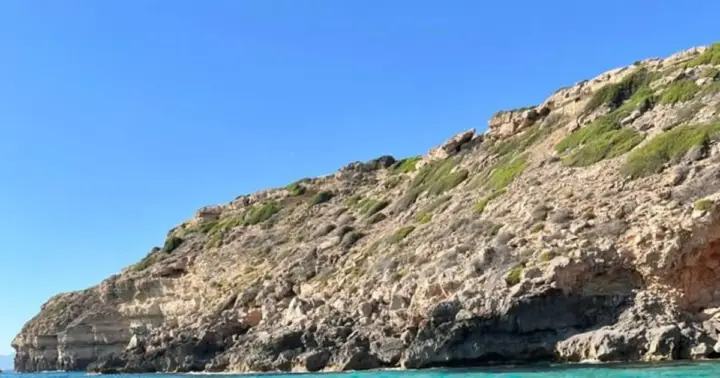
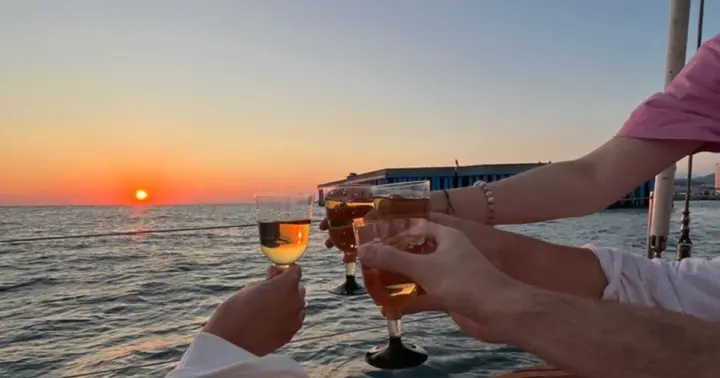
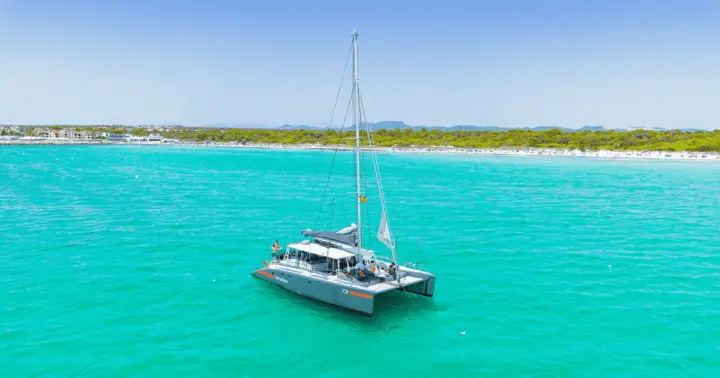

Group Es Trenc, Es Cargol, and departures from S’Arenal or Palma within the southern coastal part of the itinerary. Sailing and catamaran trips vary in length and may include swim stops, food, or snorkelling equipment, so consult availability and the live product details instead of relying on static prices or schedules.
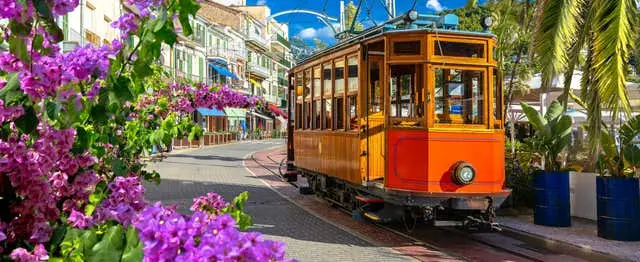
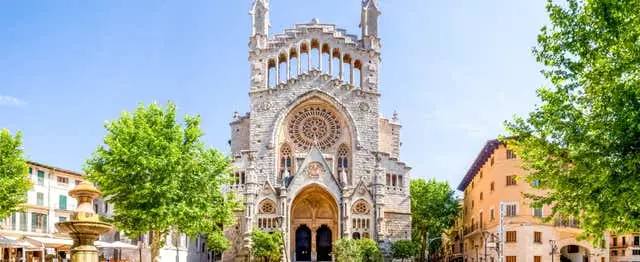
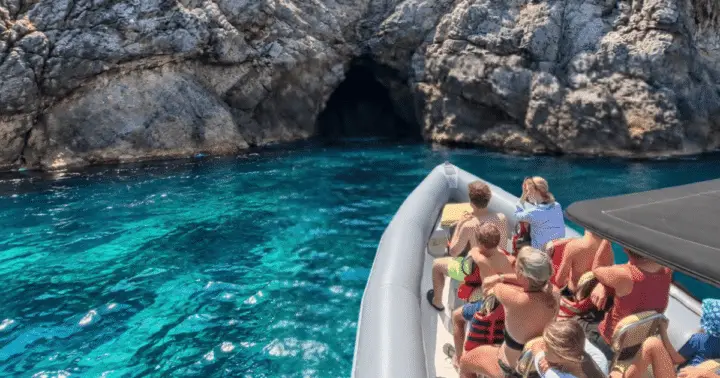
Use inland villages as a distinct cluster rather than adding them as short stops between opposite coasts. Alaró works with the Tramuntana side of the island, while Valldemossa and Sóller can form a separate village-and-mountain day. This approach leaves more time for walking and reduces repeated transfers.
After choosing the part of the island you want to explore, compare tours and activities in Palma de Mallorca by departure point and duration. Boat trips, cave excursions, scenic transport, water sports, attraction tickets, food experiences, and family activities are easier to evaluate once the day’s geographic area is fixed.
Begin with the Cathedral of Santa María de Palma, Almudaina Palace, S’Hort del Rei, and the streets leading towards Plaza Mayor. These central sights form a practical walking route.
Plan by geographic cluster: Palma; the Serra de Tramuntana; northern Mallorca and Formentor; the eastern caves and coves; the southern beaches; and inland villages. Avoid placing opposite coasts in the same day.
Mercat de l’Olivar provides fresh-produce stalls and market bars, while Santa Catalina has a concentrated choice of restaurants, bars, and its own market.
The guide includes the Museu de Mallorca, which covers archaeology and art across several periods, and the Juan March Foundation, which hosts exhibitions, concerts, and educational activities.
Confirm the exact departure point, duration, language, included admission, and current availability. Products described as Mallorca activities may depart from Palma, Alcúdia, Paguera, S’Arenal, or another resort.
Travel marketing specialist with extensive experience in the travel sector. At companies such as Despegar and GuruWalk, she has led traveler-focused digital acquisition strategies. Now, from the GuruWalk blog, she combines her expertise with her passion for discovering and sharing unique destinations.
Local guides, pay-what-you-want and no credit card to book. That is how you understand a city.
Explore free tours on guruwalk.com