
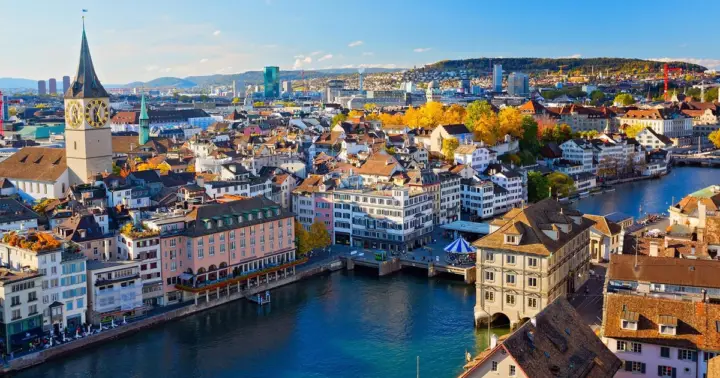



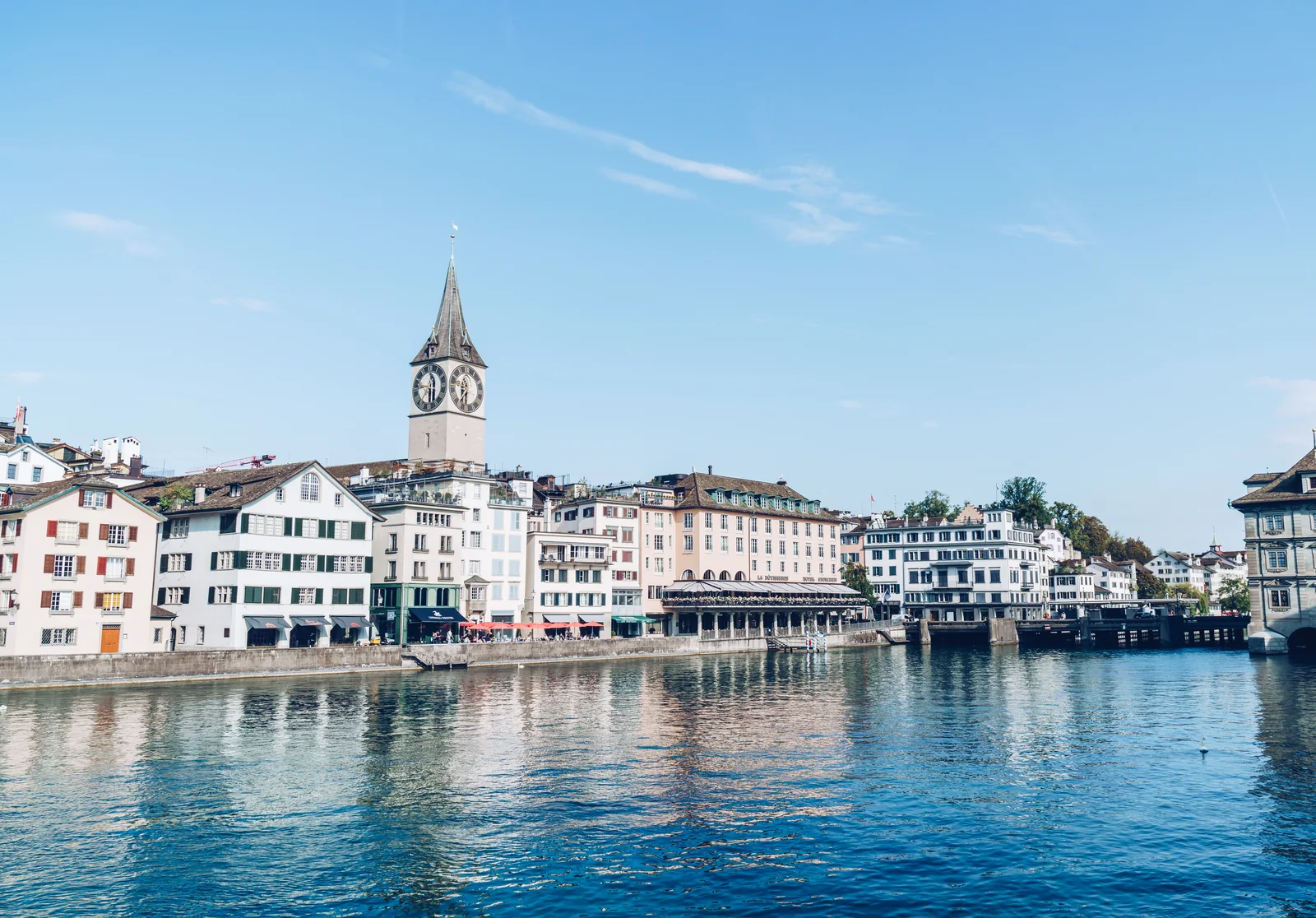
Follow a three-day Zurich route through the Old Town, Lake Zurich, Uetliberg, the Swiss National Museum, Bahnhofstrasse, and Zürich-West.
 Julieta Betancor
GuruWalk
·
Updated 27 Aug 2026
Julieta Betancor
GuruWalk
·
Updated 27 Aug 2026This guide to the best things to do in Zurich brings together a practical three-day route through the Old Town, lakeside areas, museums, viewpoints and modern districts. Start with a free tour in Zurich, then use the route details to connect each stop.
Last verified: August 2026 — Prices, opening hours, and reservation requirements checked against official sources. GuruWalk’s Zurich gurus reviewed the practical recommendations.
Each day focuses on a different side of Zurich, so the route stays realistic without turning the visit into a checklist. The schematic route map below can be saved and reused as a quick reference; it shows stop order and the transit links that separate the three areas.
Schematic route map, not to scale. Check live transit information before departure.
Day 1 route: Start at Zürich HB, cross into Niederdorf and follow the Old Town lanes to Spiegelgasse and Cabaret Voltaire. Continue to Grossmünster, cross the river to Fraumünster, and finish at Lindenhof Hill. Allow four to five hours for the area, with short walking legs between stops and extra time for church interiors or the Grossmünster tower. GuruWalk’s Zurich gurus recommend visiting Niederdorf and Cabaret Voltaire before crossing to Grossmünster, which avoids another river crossing later in the route.
Day 2 route: Begin at Bürkliplatz and spend one to two hours around the Lake Zurich waterfront. Return toward Zürich HB, take the S10 for Uetliberg, and allow two to three hours for the train connection, summit walk and viewpoint. End at the Swiss National Museum beside the station, or place the museum first when poor visibility makes the mountain less useful. GuruWalk’s Zurich gurus advise treating Uetliberg as the flexible part of the day because low cloud can remove the summit view while the central stops remain practical.
Day 3 route: Start at Zürich HB and follow Bahnhofstrasse toward Paradeplatz, allowing 60–90 minutes for this central stretch. Then take a tram or local train to Zürich-West. Set aside two to three hours for the Viadukt and surrounding streets, and finish near Hardbrücke for straightforward onward transport. GuruWalk’s Zurich gurus recommend this transit leg instead of presenting Zürich-West as a direct continuation of the central walk.
The Old Town, Bahnhofstrasse and the central lakefront work well on foot. Transit becomes more useful for Zürich-West and Uetliberg, where the S10 provides the main connection from Zürich HB. Direct rail services also connect Zurich Airport with the main station; check routes, fare zones and live departures through the official Zurich transport network before traveling.
Compare single tickets or day passes with the official Zürich Card information. A city card is more relevant when the plan combines several included museums, frequent transit and a covered boat trip; separate fares may suit a route spent mostly on foot. Check current inclusions rather than choosing the card from the headline price alone.
A free tour in Zurich is a useful first step because it places the Old Town, the river, the lake and the main churches on the same mental map. It also gives you local orientation before visiting paid museums or planning longer excursions.
GuruWalk connects travelers with local guides who explain the city through stories, routes and practical context. This orientation helps first-time visitors decide which places deserve a slower return. A common tipping baseline is €10–€20 per person, with contributions of up to €50 when the experience provides exceptional value.
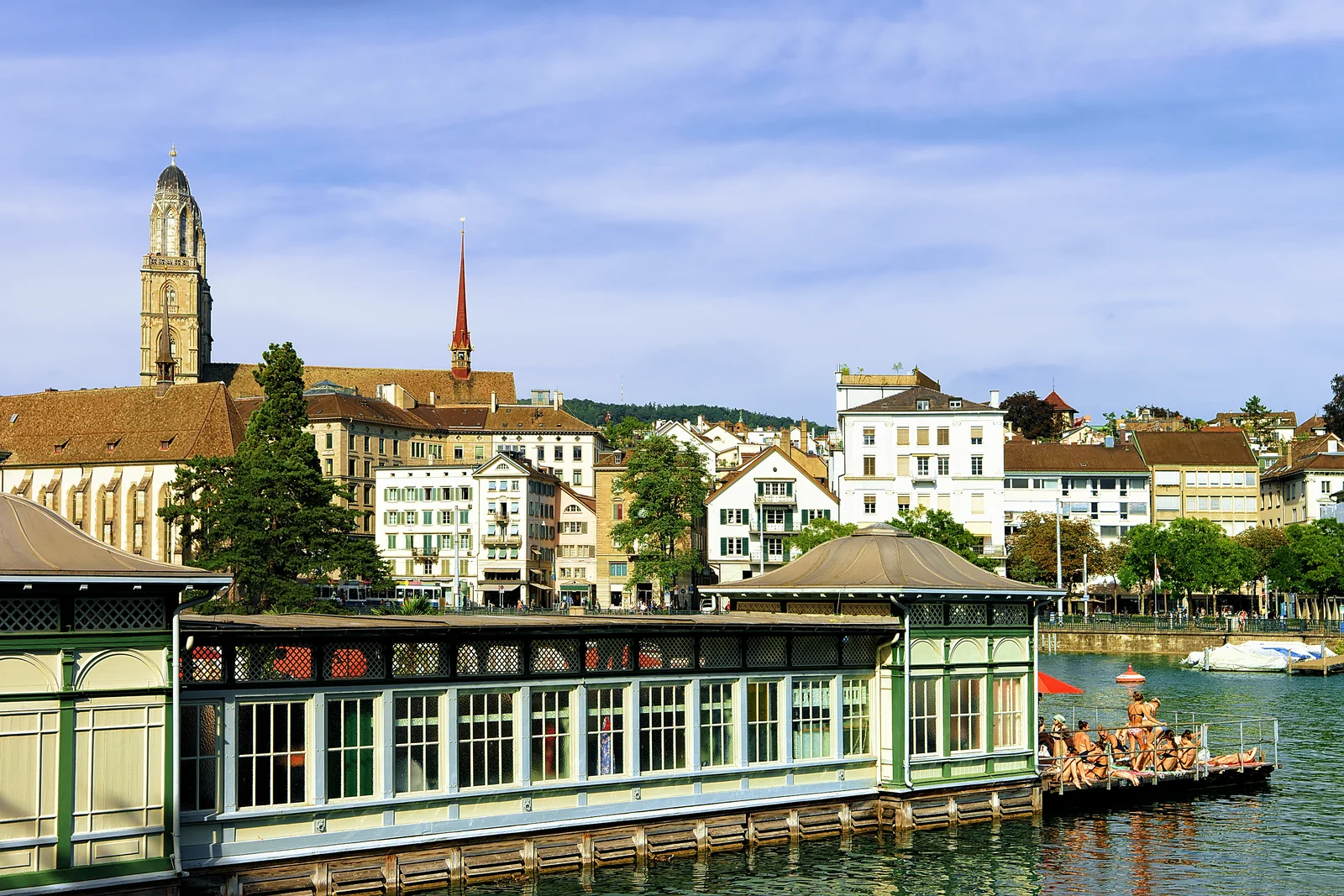
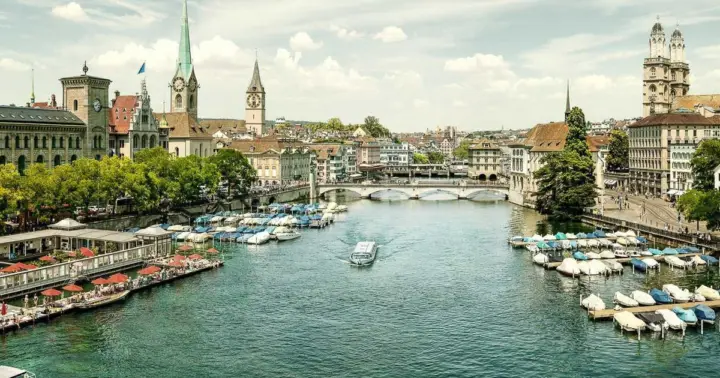
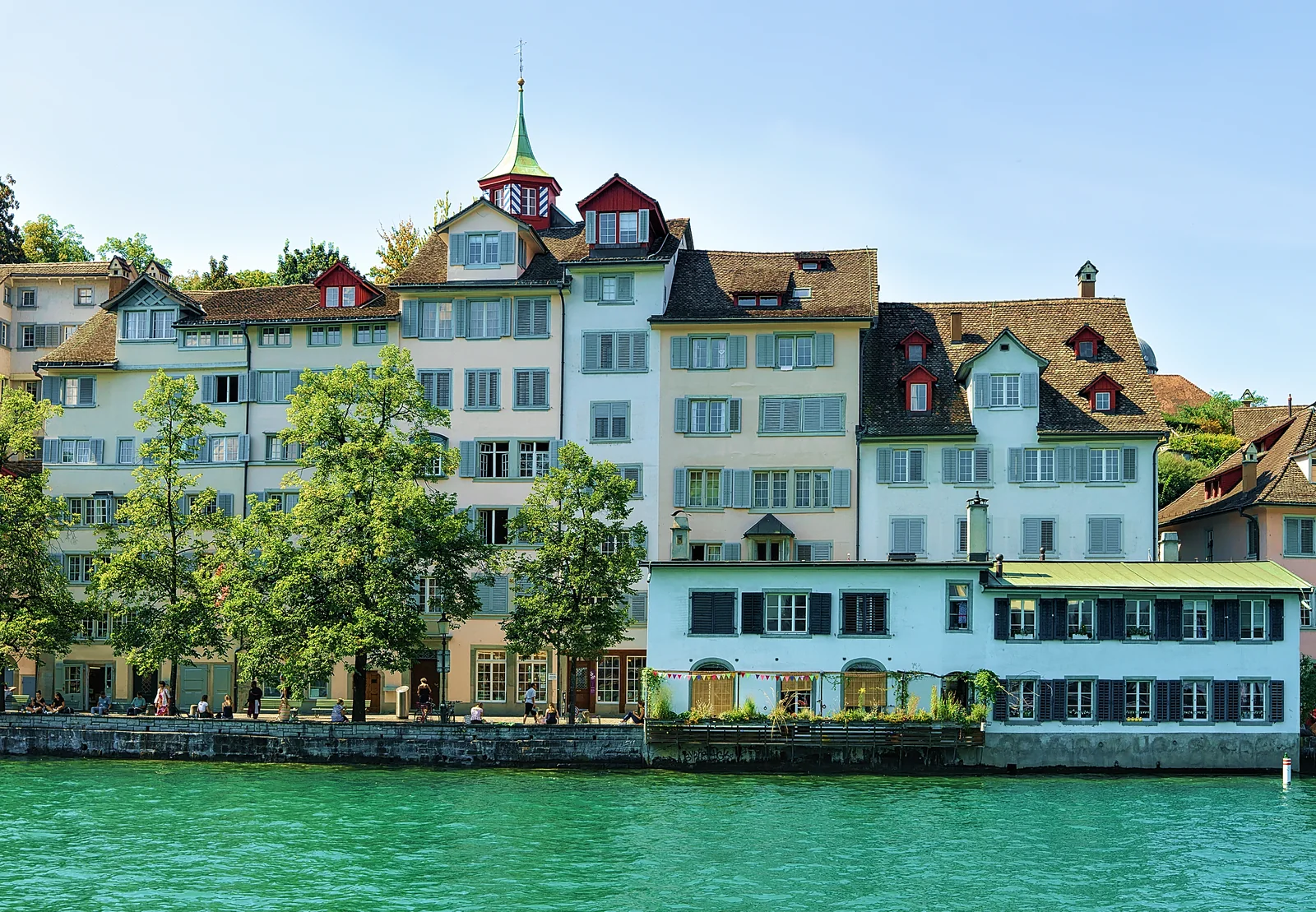
On the banks of the Limmat River, Grossmünster is one of Zurich’s best-known historical landmarks. Its twin towers are visible from many points in the Old Town, and the church is closely tied to the city’s Reformation history.
The Romanesque building has thick stone walls, a restrained interior and narrow windows that keep the focus on the architecture. Consider the tower climb if you want a higher view of the Limmat, the Old Town roofs and Lake Zurich; the Alps may also be visible in clear weather.
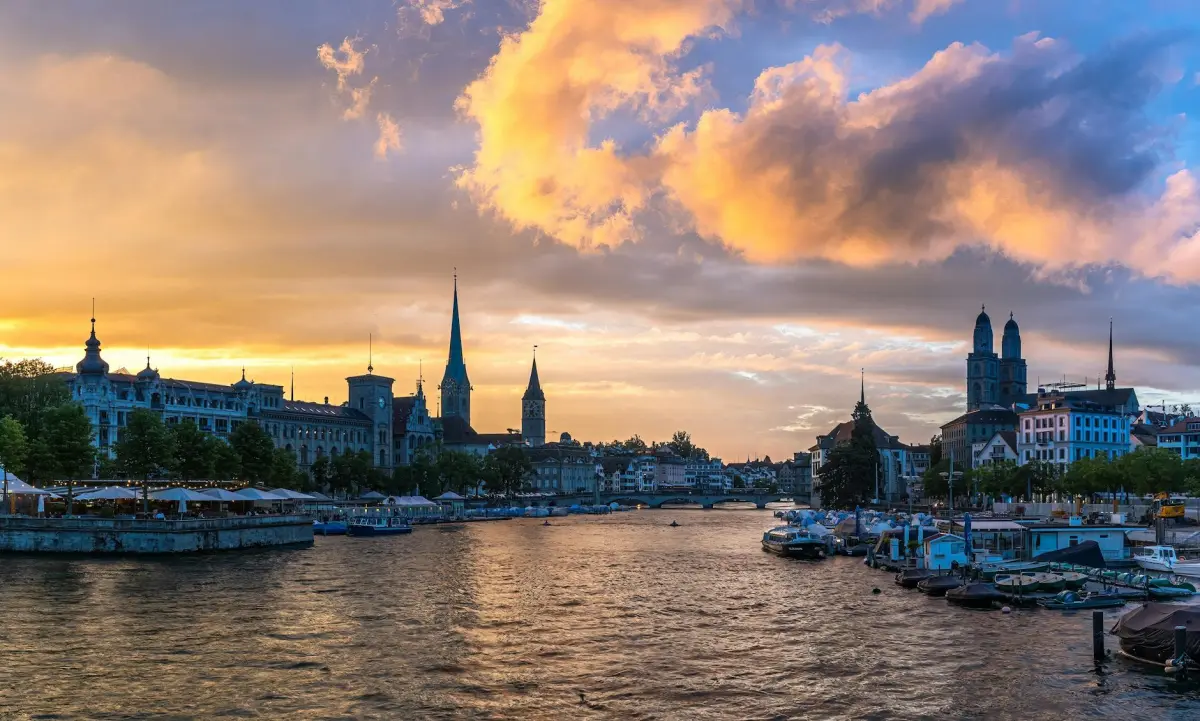
Located on the opposite bank from Grossmünster, Fraumünster is known for its stained glass windows and long medieval history. Founded in 853 AD by King Louis the German for his daughter Hildegard, it later became one of the city’s main religious buildings.
The Chagall windows are central to the visit. Their color changes with the light, so the appearance varies through the day. The lower levels also include an archaeological crypt connected to Zurich’s early medieval past.
Expert Tip: A bright morning can provide stronger light through the Chagall windows. Leave time for the crypt below the church if you are interested in early Zurich.

Lindenhof Hill sits above Zurich’s Old Town and gives one of the clearest views over the Limmat. The site was once linked to the Roman settlement of Turicum and later to a Carolingian palace, which makes it a compact stop with a long timeline behind it.
Today it is a quiet public space where residents meet, play chess and take a break from the streets below. Its position also makes it a practical link between Fraumünster, Bahnhofstrasse and the lanes on the western side of the Old Town.
Expert Tip: Use Lindenhof as the transition between the churches and Bahnhofstrasse instead of making a separate return trip up the hill.
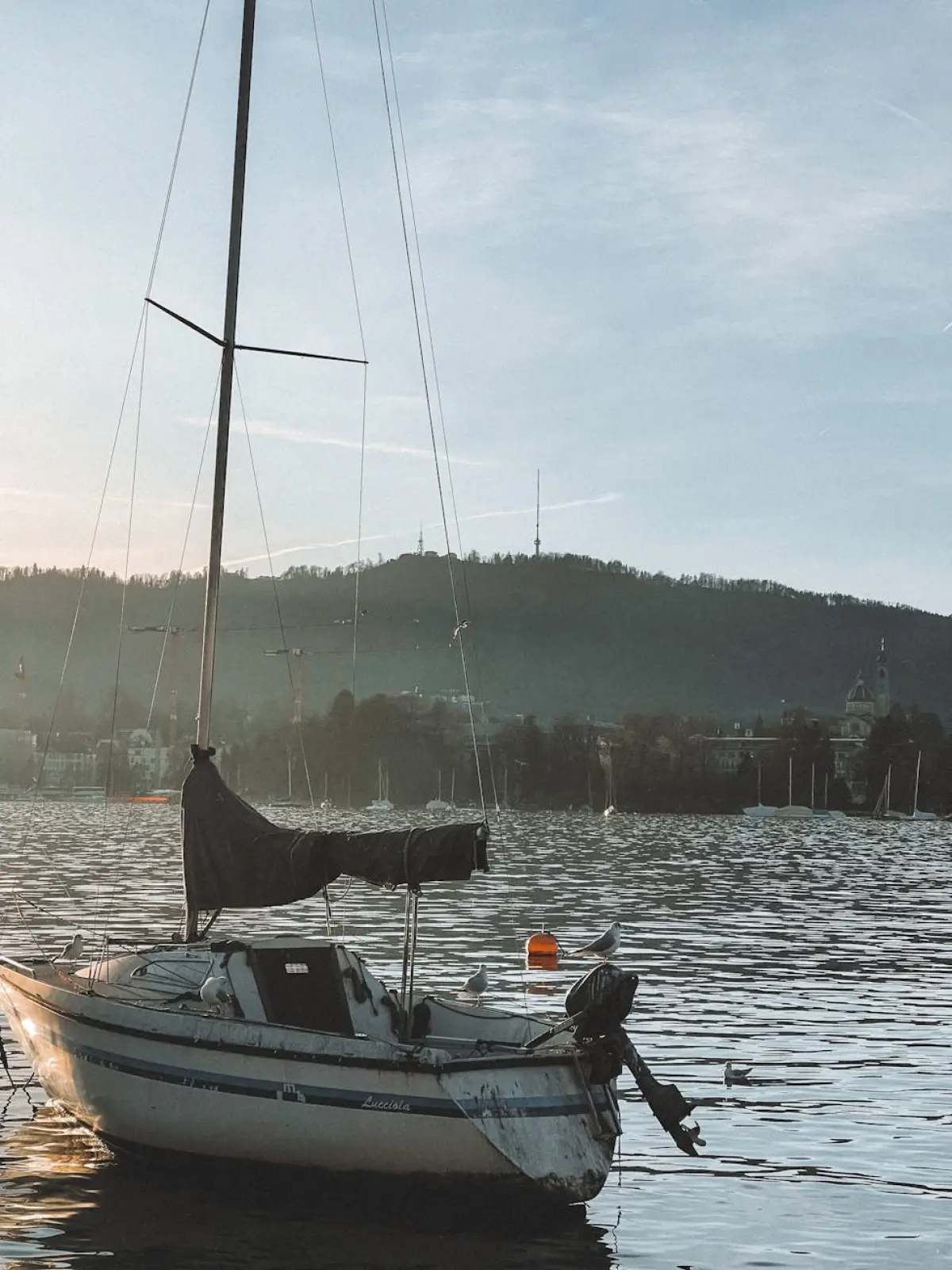
Lake Zurich gives the city much of its open-air rhythm. The waterfront promenade is easy to add to a first visit because it starts close to the center and quickly opens into parks, boat piers and bathing areas.
Start at Bürkliplatz, a central square by the lake and a common departure point for cruises. You can also walk the promenade, rent a paddleboat in season or stop near the public bathing spots when the weather is warm. The official Zurich tourism site provides seasonal lake information for choosing between these plans.
One quieter stop near the lake is the Chinese Garden at Zürichhorn, a landscaped garden with pavilions, ponds and shaded paths. It works well as a short break after the main promenade. Boat schedules and outdoor plans vary with the season and weather, so check availability before building the rest of the day around a cruise.
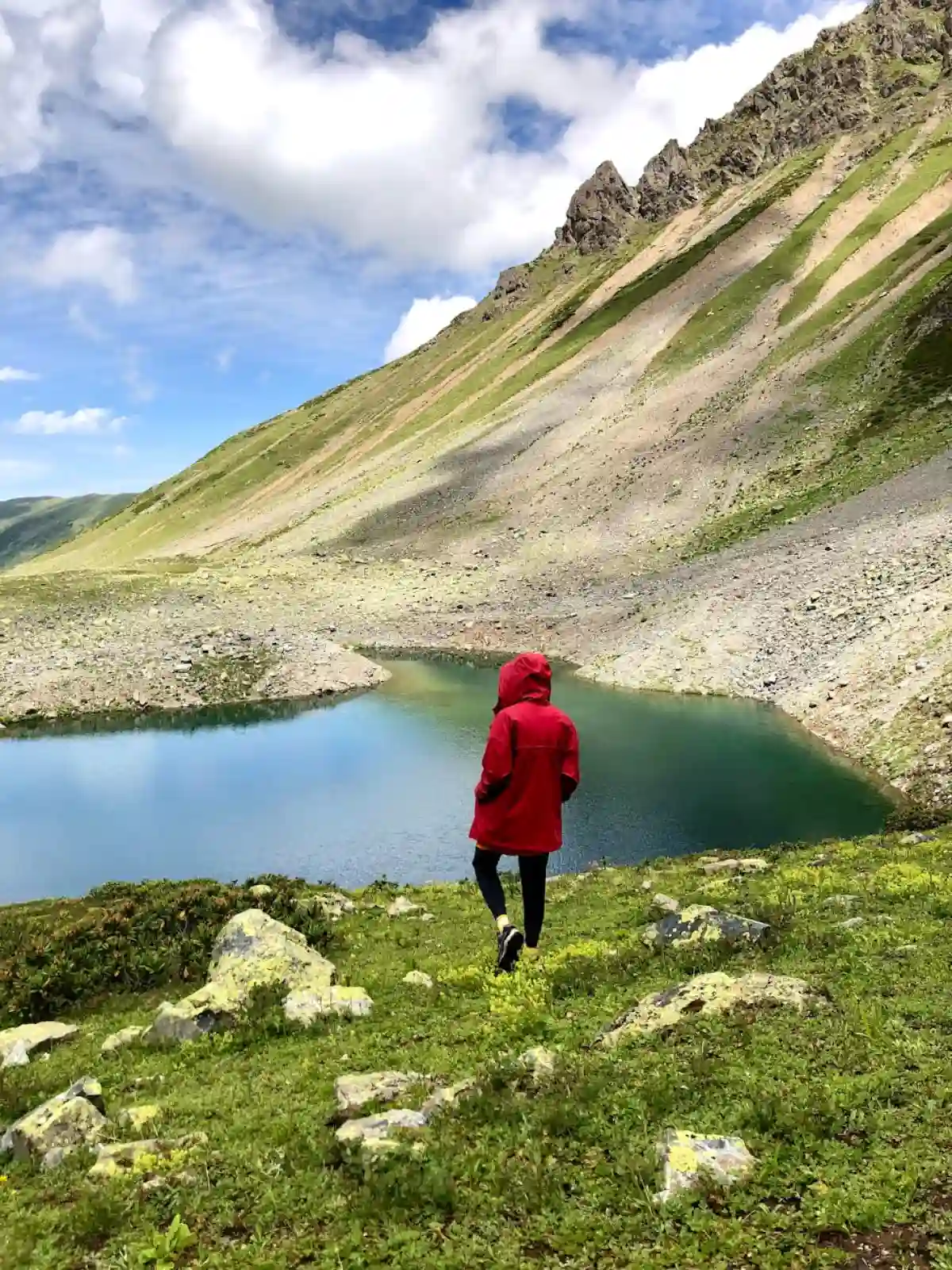
Uetliberg Mountain is the easiest high viewpoint to add to a Zurich itinerary. From the summit area, the view covers the city, Lake Zurich and the Alps when visibility is good.
The route usually starts with the S10 train from Zürich HB, followed by a walk to the top. Once there, you can continue along hiking paths, including the Planet Trail, a route that represents the solar system at scale with markers placed along the path. Keep the mountain portion flexible because low cloud can remove the main reason for making the trip.
Expert Tip: Check summit visibility before leaving the center. If cloud covers the viewpoint, use the Swiss National Museum as the indoor alternative and move Uetliberg to a clearer period.

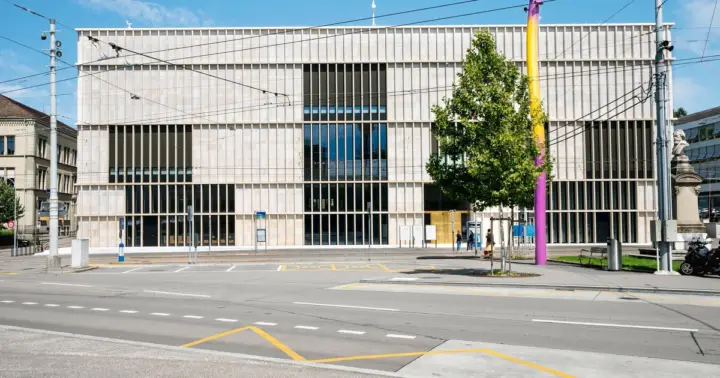
Next to Zurich’s main station, the Swiss National Museum is one of the most practical museum stops in the city. Its location makes it easy to combine with the Old Town, Bahnhofstrasse or onward train travel.
The collection covers Swiss history through objects, rooms, art, craft and everyday material culture. Choose it when you want historical context before visiting other parts of the country, or when the weather favors an indoor plan.
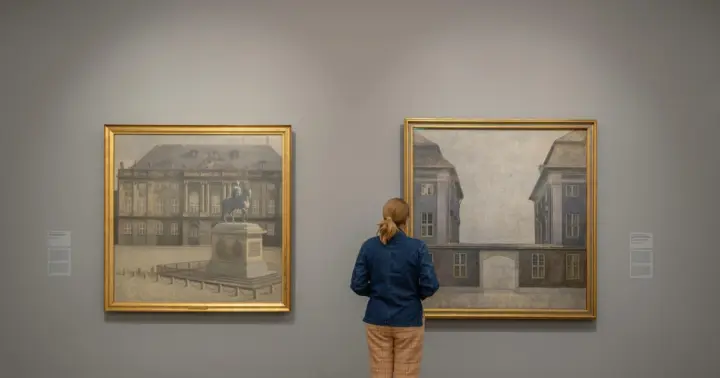
Choose the Swiss National Museum for Swiss history and material culture. The Kunsthaus Zürich is the stronger fit for a visit centered on major art collections and temporary exhibitions. Check current exhibitions and reservation requirements on the institutions’ official pages before deciding.
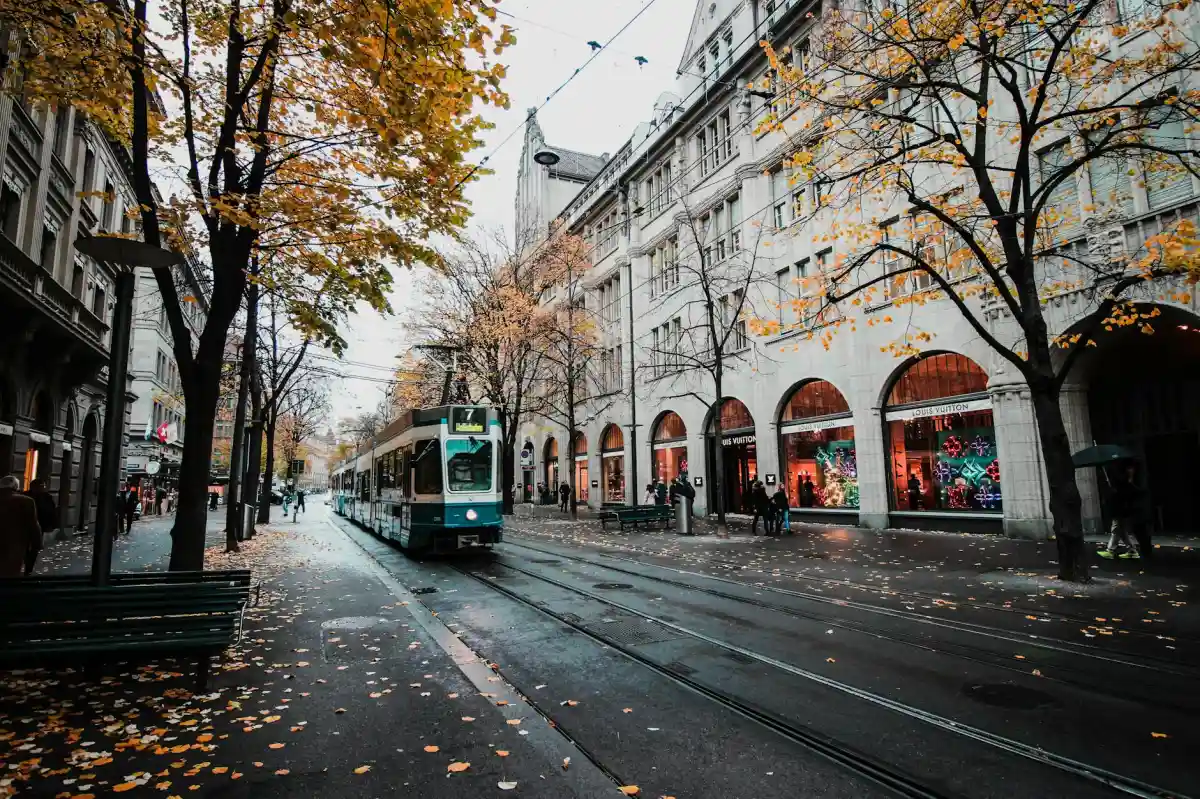
Bahnhofstrasse runs from the main train station toward Lake Zurich and is one of the city’s main shopping streets. Even if you are not planning to buy anything, the walk is useful for understanding Zurich’s commercial center and its connection to the old defensive moat that once marked this part of the city.
Paradeplatz is the best-known square on the route, with bank headquarters, tram lines and Confiserie Sprüngli nearby. The area works well as a short stop between the Old Town and the lake.
Expert Tip: Do not stay only on the main boulevard. Streets such as Augustinergasse add older facades and smaller-scale details to the walk.
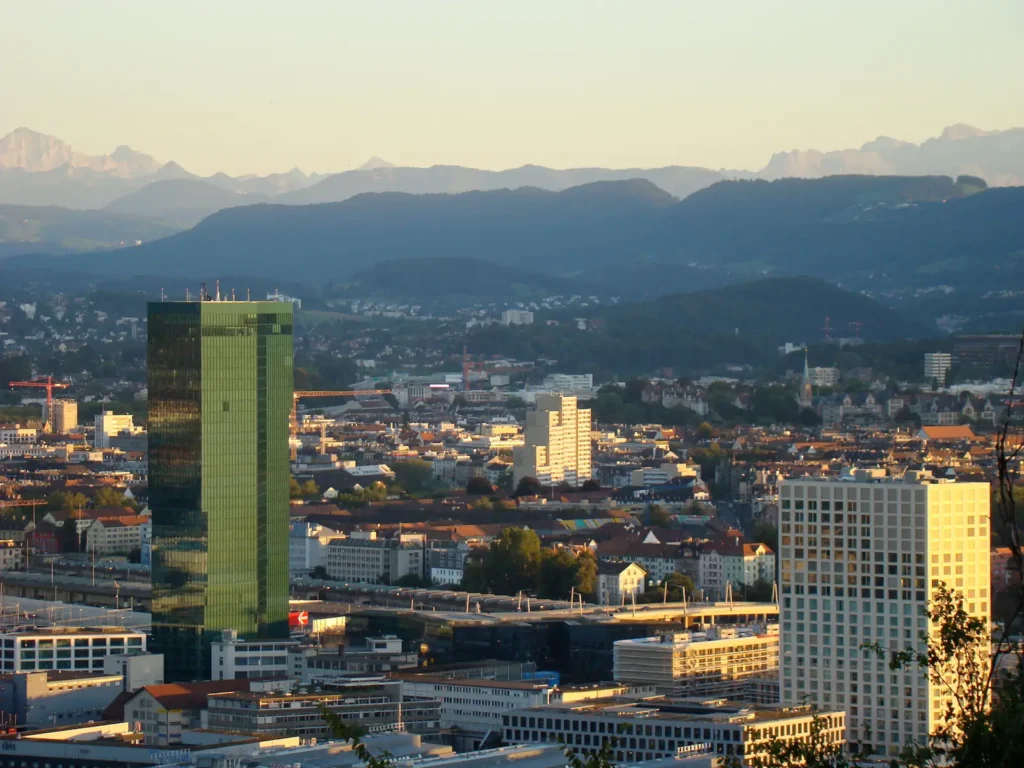
Zürich-West shows a more recent layer of the city. Former industrial buildings now hold shops, restaurants, galleries and cultural venues, so the district feels different from the Old Town without requiring a long transfer.
The Viadukt, a former railway structure converted into a shopping and food area, is one of the easiest reference points. Around it, you will find street art, markets and contemporary architecture that make the neighborhood a useful final stop on a three-day route.
Expert Tip: Check whether the Freitag Tower is open before making it a fixed stop, then continue through the Viadukt arches for shops, food stops and a look at the area’s reused industrial spaces.
For a first visit, start with the Old Town and a free walking tour, then add the lake, Uetliberg and one museum according to the weather. Use the final day for Bahnhofstrasse and Zürich-West, or replace part of the route with a cruise, chocolate experience or guided city activity if you prefer a more structured plan.
Browse tours and activities in Zurich to compare guided walks, cruises, museum tickets and day trips in one place. Check availability for timed or reservation-dependent visits as you arrange the route.
Start in the Old Town with a free walking tour, then revisit the places that interest you most. This gives you orientation before spending time at churches, museums, viewpoints or the lake.
Two days are enough for the Old Town, the lake and one museum or viewpoint. Three days give you a more comfortable pace and time for Zürich-West, a lake cruise or a short excursion.
You can walk through the Old Town, visit Lindenhof Hill, explore the waterfront promenade and join a free walking tour where you decide the contribution at the end.
Yes. The Old Town, Limmat riverbanks, Bahnhofstrasse and lakefront are easy to connect on foot. Public transport is useful for Uetliberg, Zürich-West and longer routes.
Tourism and travel expert with a strong background in creating cultural content. Fluent in multiple languages and experienced as a presenter, she connects with diverse audiences to inspire the exploration of unique destinations. Her creative and dynamic approach stands out in every project, conveying the essence of each place she discovers.
Local guides, pay-what-you-want and no credit card to book. That is how you understand a city.
Explore free tours on guruwalk.com