

Giant pandas, a mysterious ancient civilisation and food that can literally make your tongue go numb.
Welcome to Chengdu, one of the destinations featured in National Geographic’s Best of the World 2027.
And there’s another reason why 2027 is a particularly interesting year to visit: it marks 100 years since an archaeological discovery that helped uncover the ancient Shu civilisation.
From incredible archaeological treasures to traditional teahouses and some of China’s most exciting food, here’s everything you need to know before visiting Chengdu.
🌏 WHY VISIT CHENGDU IN 2027?
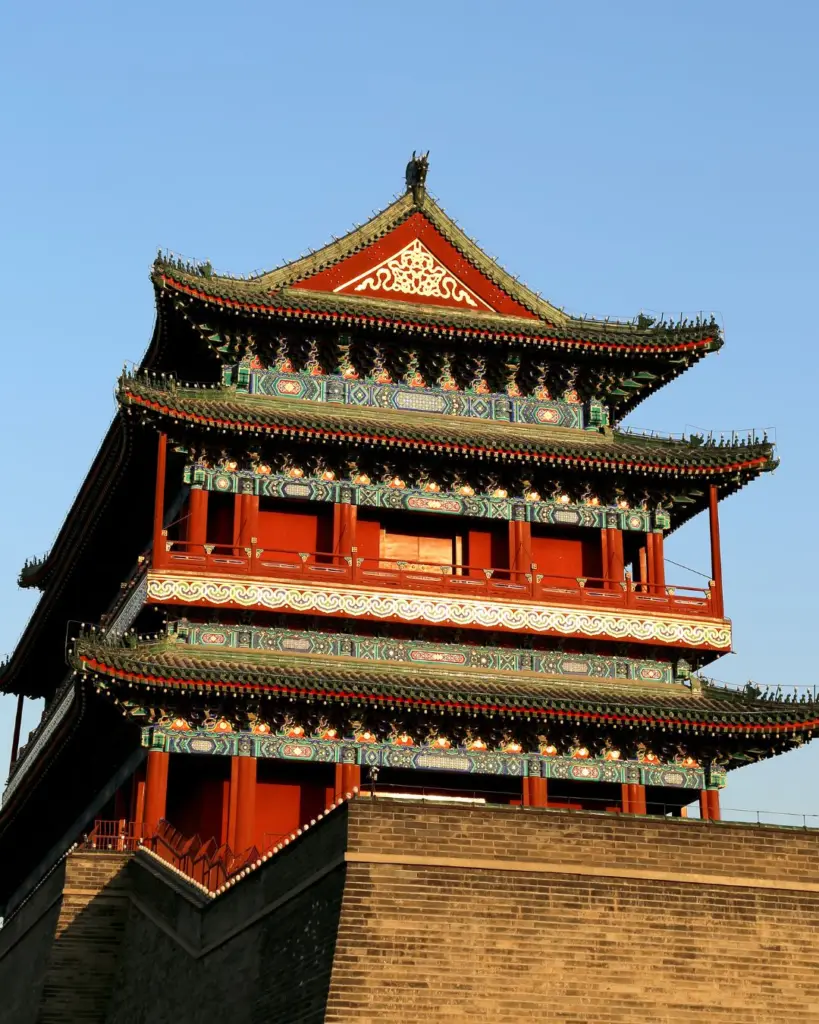
Chengdu is the capital of Sichuan Province in south-west China, famous for its giant pandas, Buddhist temples and famously spicy cuisine.
But there’s much more to this city than pandas.
In 1927, a farmer discovered jade artefacts near Guanghan, providing an early clue to the existence of an ancient civilisation that had remained largely forgotten for centuries.
Today, you can explore its extraordinary history at the Sanxingdui Museum, home to some of China’s most fascinating archaeological discoveries.
📌 CHENGDU AT A GLANCE
- Country: China
- Best time to visit: March–May and September–November
- Recommended stay: 2–3 days
- Daily budget: Approximately €45–85 per person, excluding flights
- Getting around: Metro, buses and taxis
- Payments: Alipay and WeChat Pay are widely used
- Language: Mandarin Chinese
- Currency: Chinese yuan (CNY)
IMPORTANT: ENTRY REQUIREMENTS FOR 2027
Visa requirements depend on your nationality.
If you’re travelling with a Spanish passport, bear in mind that China’s visa-free entry policy has been confirmed until 31 December 2026.
For travel in 2027, check the latest entry requirements with the relevant Chinese embassy or official government website before booking.
Looking for a Chengdu food tour beyond pandas and hotpot? This 2.5-hour English-language walking tour takes you through …

🗺️ THE PERFECT 2-DAY CHENGDU ITINERARY
Two days, giant pandas, ancient temples, fascinating history and plenty of incredible food.
Here’s how to make the most of your time in Chengdu.
🐼 DAY 1 | PANDAS, TEMPLES & LOCAL LIFE
📍 GOOGLE MAPS ROUTE — DAY 1
Giant Panda Base → Wenshu Monastery → Kuanzhai Alley → People’s Park → Anshun Bridge.
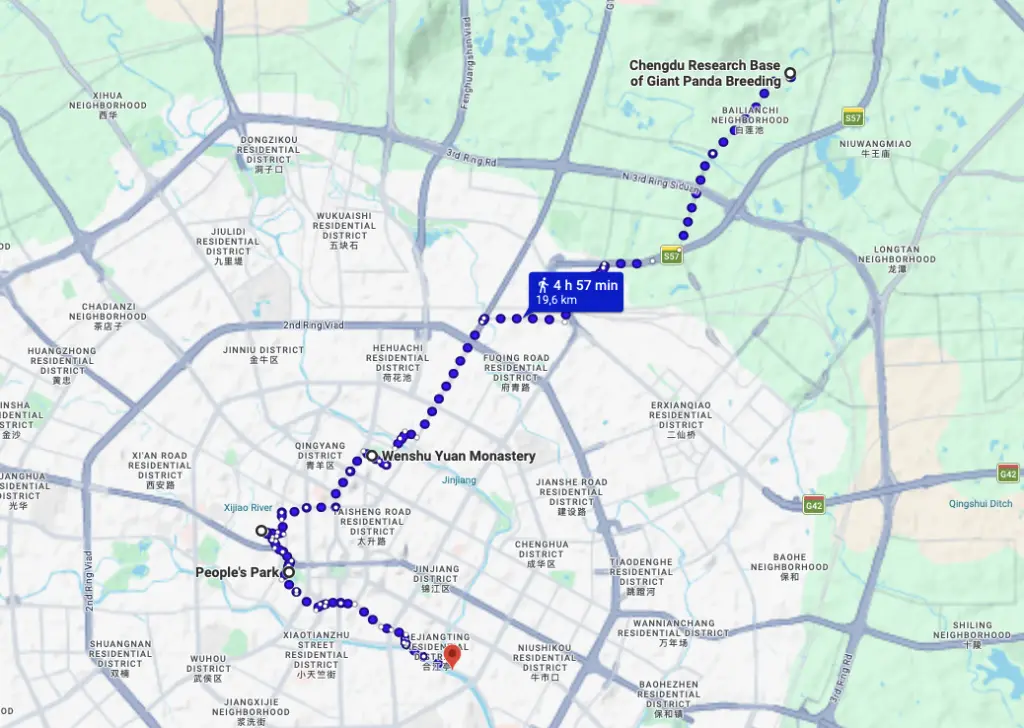
Open the route in Google Maps:
🐼 1. Chengdu Research Base of Giant Panda Breeding
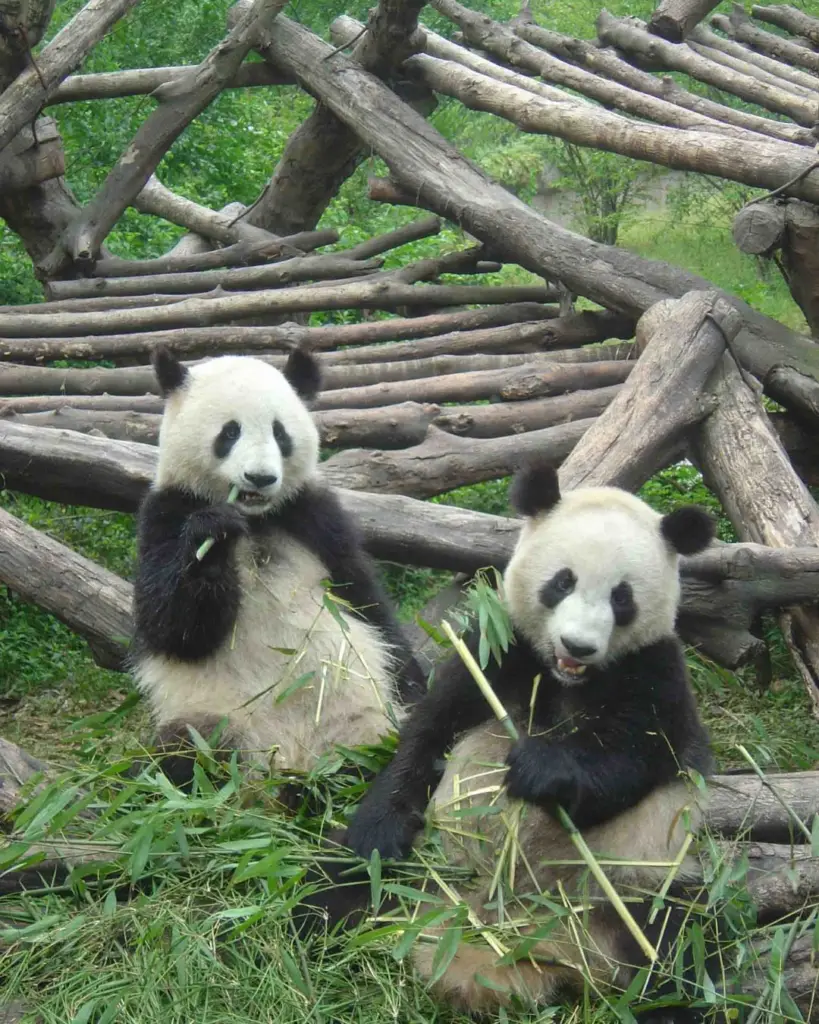
Let’s start with the obvious: you can’t visit Chengdu without seeing its most famous residents.
The Chengdu Research Base of Giant Panda Breeding is dedicated to panda conservation and research.
Here, you can observe giant pandas and learn about the work being done to protect them.
FUN FACT: Giant pandas can spend more than 10 hours a day eating bamboo. Honestly, not a bad lifestyle.
Travel tip: Arrive early in the morning, when the pandas are generally more active.
- Time needed: 2–3 hours
- Admission: Approximately €7
🏯 2. Wenshu Monastery
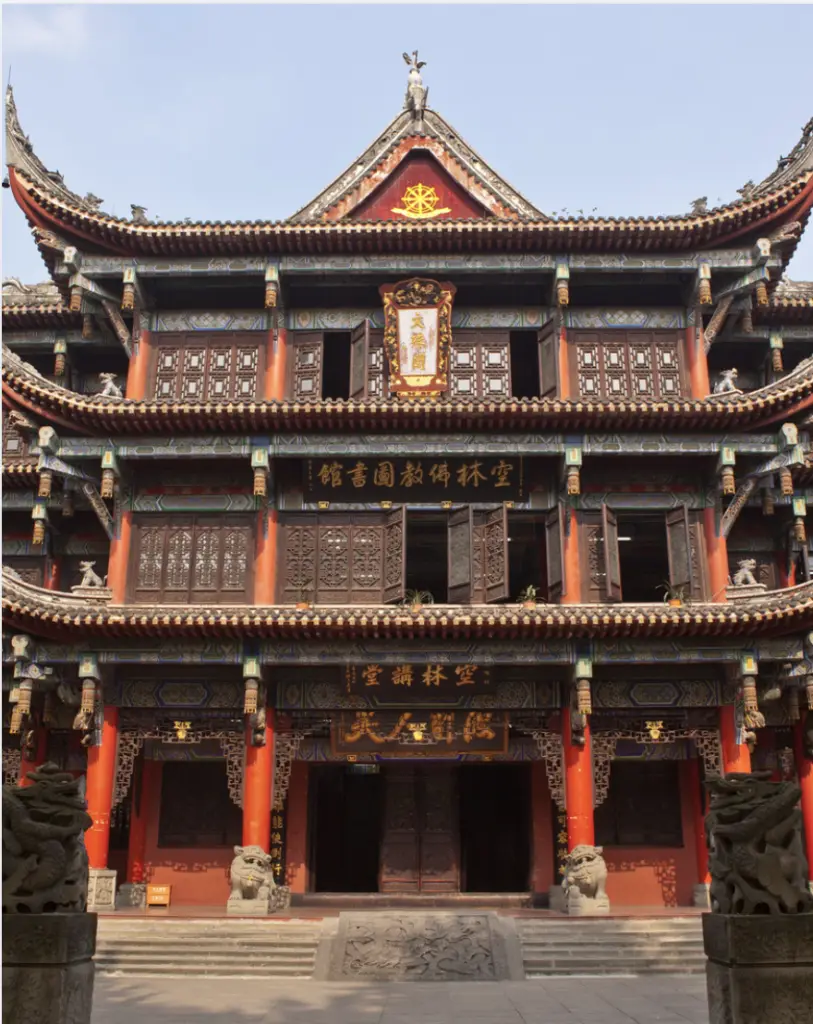
Need a break from the city’s busy streets?
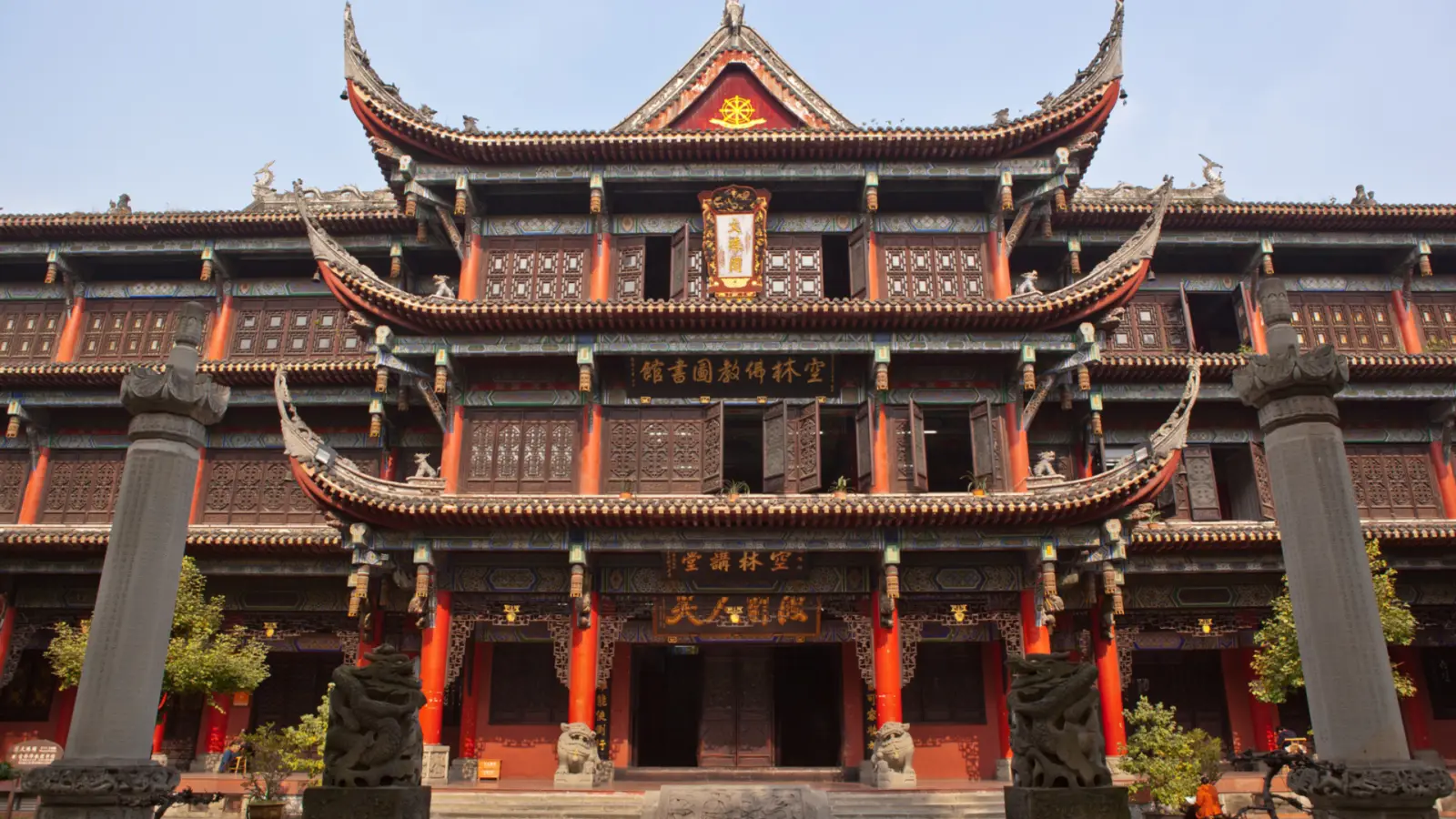
Wenshu Monastery is one of Chengdu’s best-known Buddhist temples.
Expect peaceful gardens, traditional architecture and the scent of incense drifting through the courtyards.
It’s the perfect place to experience a quieter side of the city.
- Time needed: 45 minutes
- Admission: Free
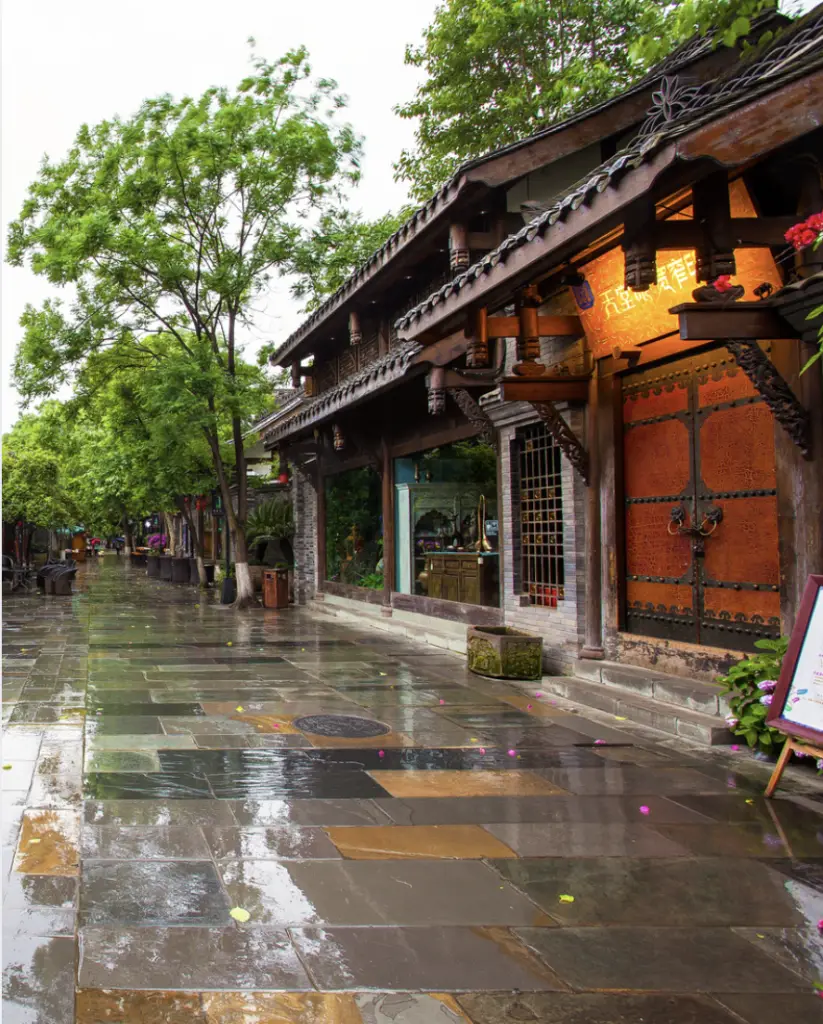
🏮 3. Kuanzhai Alley
Traditional courtyards, local shops, street food and plenty of photo opportunities.
Kuanzhai Alley is one of Chengdu’s most popular historic areas.
Its name literally translates to Wide and Narrow Alleys, referring to the traditional streets that make up the neighbourhood.
It’s touristy, yes, but still worth exploring.
- Time needed: 1 hour
- Admission: Free
🍵 4. People’s Park
Want to experience Chengdu like a local?
Head to People’s Park.
You’ll find people playing mahjong, chatting with friends and spending hours drinking tea in traditional teahouses.
And the best part?
You don’t actually need to do anything.
Just order some tea, find a seat and enjoy watching everyday life unfold.
- Time needed: 1 hour
- Admission: Free
Secrets of Chengdu: A Local’s Journey Through Time, Taste & Mystery Where the Story Begins

🌉 5. Anshun Bridge
End your first day at one of Chengdu’s most photogenic landmarks.
Anshun Bridge looks particularly beautiful after sunset, when its illuminated structure reflects on the Jinjiang River.
It’s a lovely spot for an evening stroll.
- Time needed: 30 minutes
- Admission: Free to admire from the riverside
🏺 DAY 2 | ANCIENT CIVILISATIONS & MODERN CHINA
📍 GOOGLE MAPS ROUTE — DAY 2
Sanxingdui Museum → Daci Temple → Taikoo Li → Chunxi Road → Sichuan Opera.
Open the route in Google Maps:
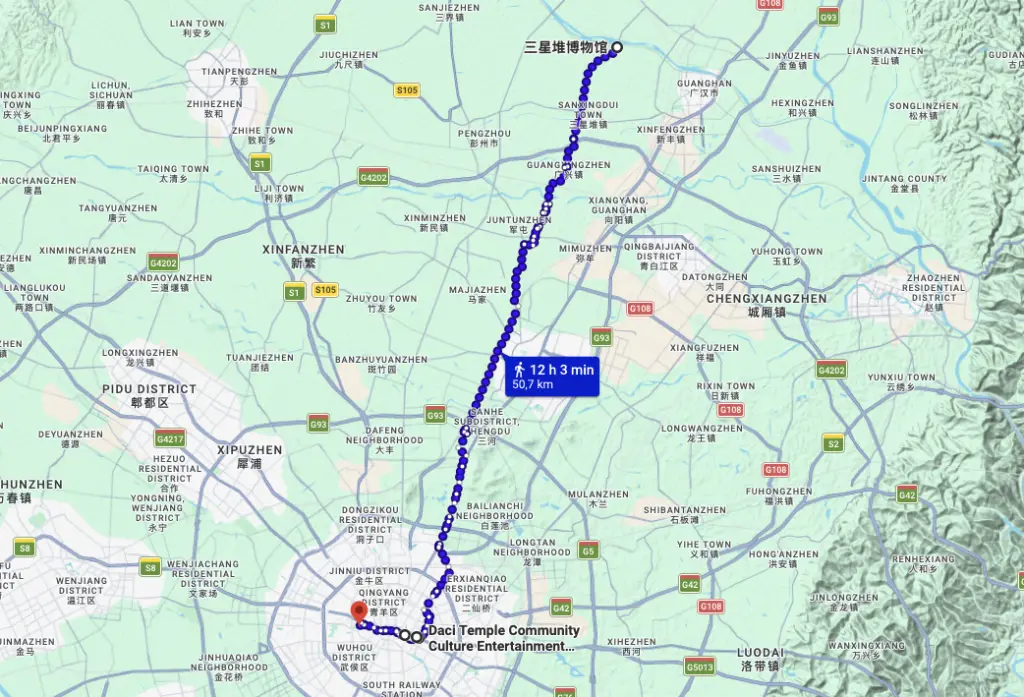
🏺 1. Sanxingdui Museum
If there’s one cultural attraction you shouldn’t miss in 2027, it’s this one.
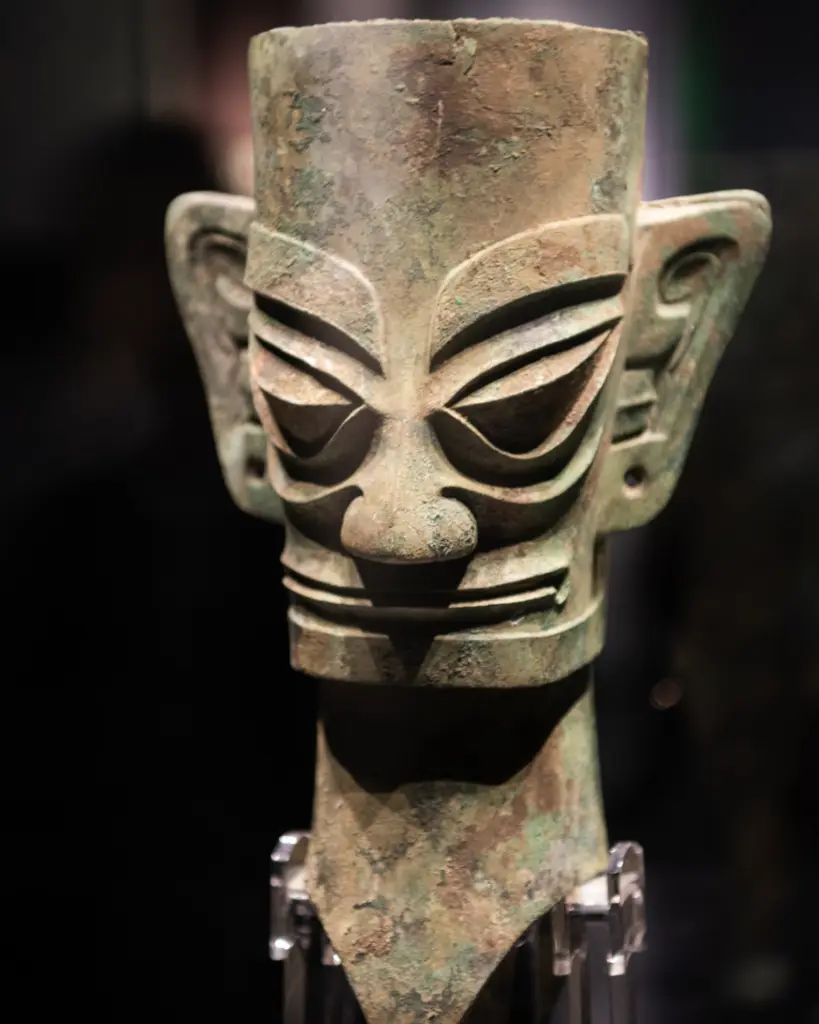
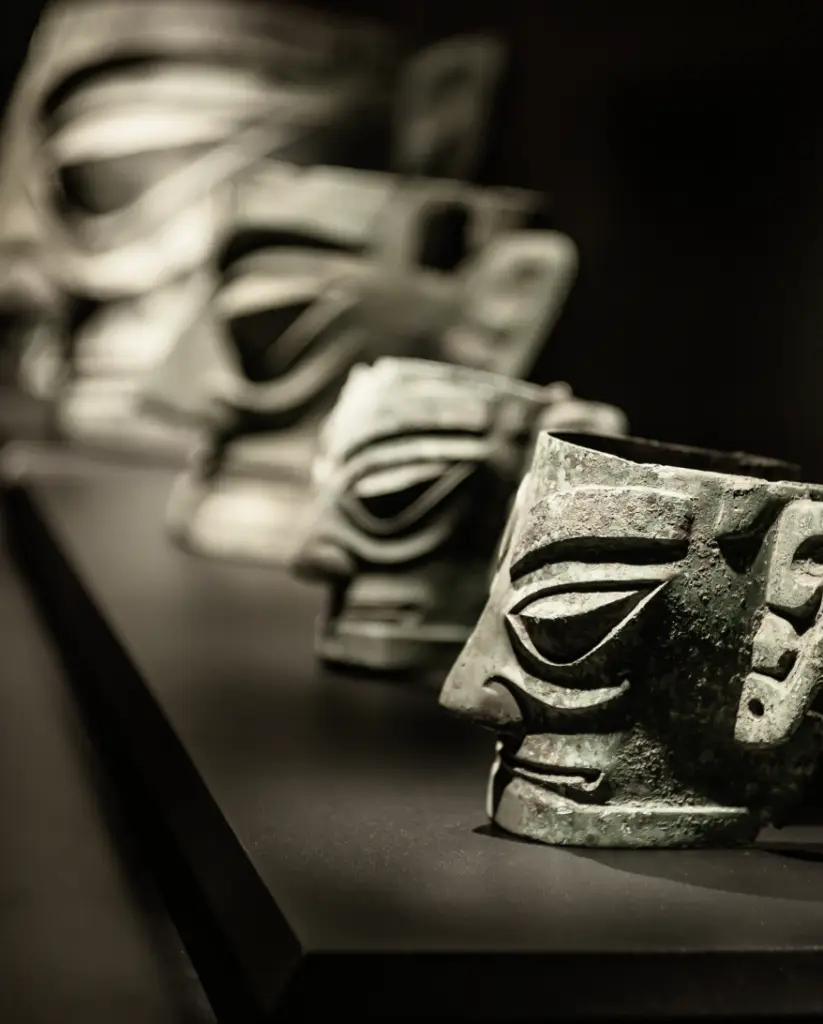
Located around 40 kilometres from central Chengdu, the Sanxingdui Museum showcases extraordinary artefacts from the ancient Shu civilisation.
We’re talking enormous bronze masks, intricate gold objects and mysterious sculptures dating back thousands of years.
FUN FACT: Some of the bronze masks have dramatically protruding eyes. Their exact meaning remains a subject of archaeological research.
And here’s what makes 2027 special: it marks the centenary of the 1927 discovery that helped bring this ancient civilisation to light.
Travel tip: The museum is outside the city, so allow plenty of time for transport. It’s best to visit in the morning and explore central Chengdu afterwards.
- Time needed: 2–3 hours, plus travel
- Admission: Check current ticket prices before visiting
🏯 2. Daci Temple
A centuries-old Buddhist temple surrounded by modern shopping centres and contemporary architecture.
That’s exactly what makes Daci Temple so interesting.
One moment you’re walking past luxury boutiques, and the next you’re standing in a peaceful traditional courtyard.
- Time needed: 30–45 minutes
- Admission: Check current entry conditions
🛍️ 3. Taikoo Li
Right next to Daci Temple, you’ll find Taikoo Li, one of Chengdu’s most stylish shopping districts.
Think traditional-inspired architecture mixed with modern boutiques, cafés and restaurants.
Even if shopping isn’t your thing, it’s worth walking around.
- Time needed: 45 minutes
- Admission: Free
🌆 4. Chunxi Road
Welcome to modern Chengdu.
Chunxi Road is one of the city’s busiest shopping streets, packed with shops, restaurants and places to grab a quick bite.
It’s also a great area for experiencing Chengdu’s lively atmosphere.
- Time needed: 1 hour
- Admission: Free
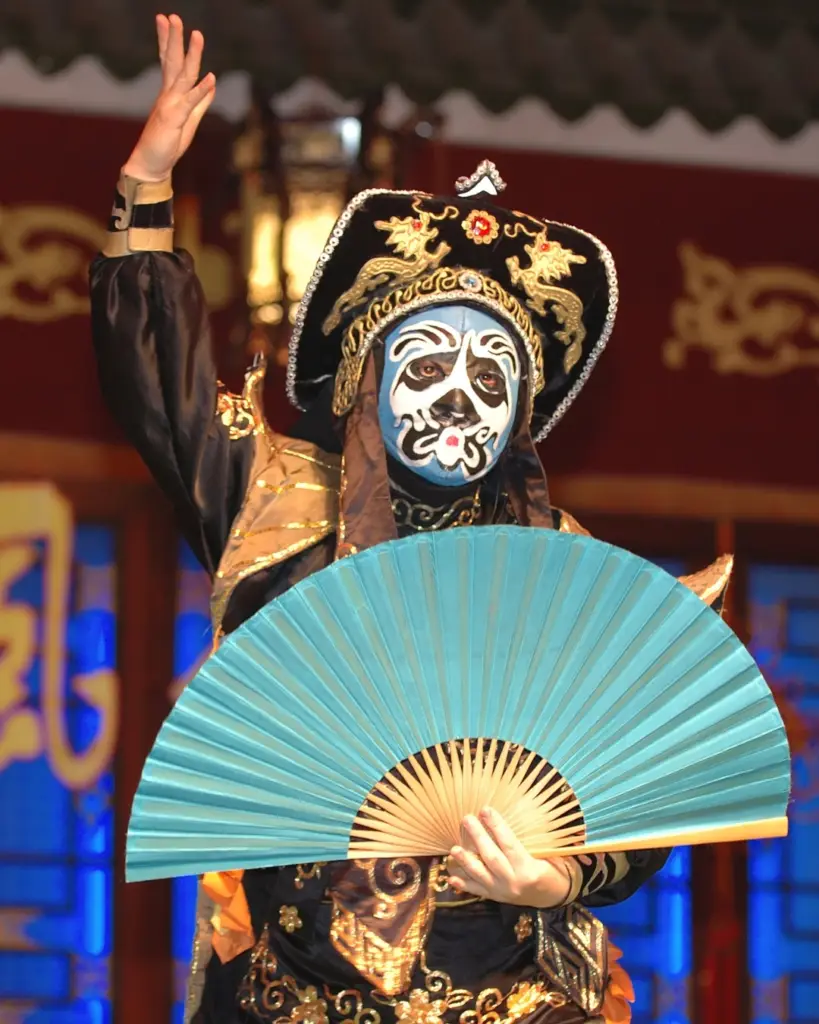
🎭 5. Sichuan Opera
Ready for something completely different?
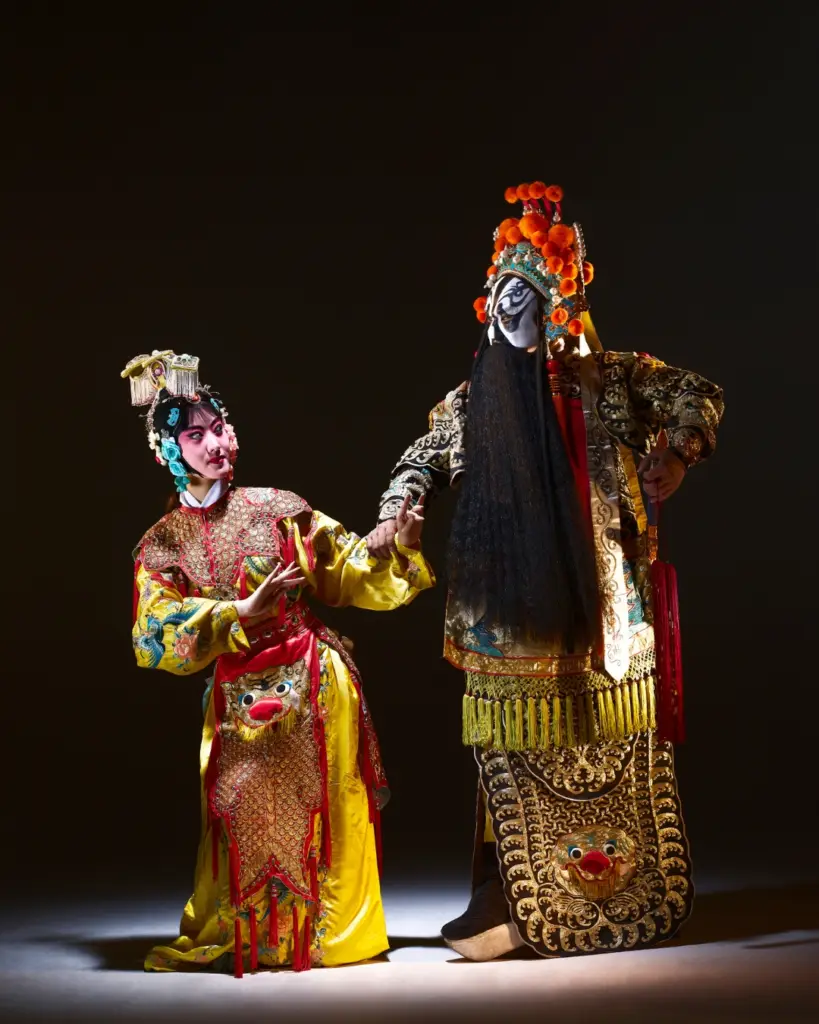
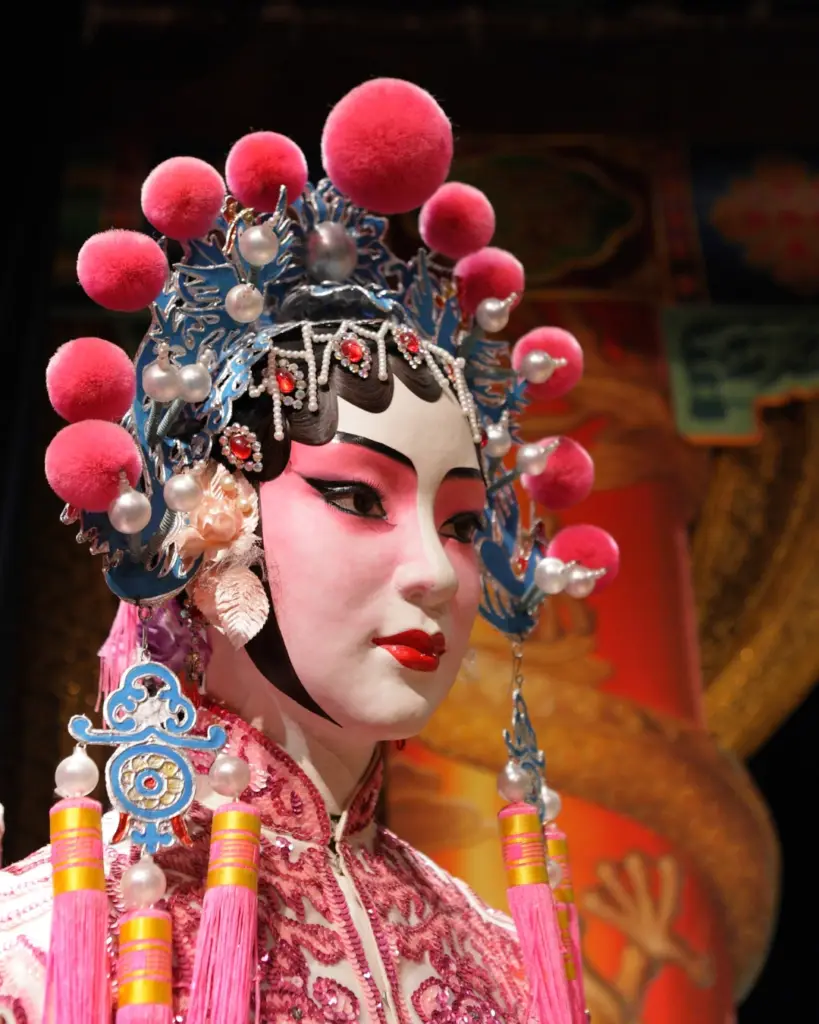
Sichuan Opera is one of the region’s most fascinating traditional performances.
Its most famous technique is called Bian Lian, or face-changing.
Performers switch between elaborate masks in a matter of seconds, sometimes so quickly that you can barely follow what’s happening.
How do they do it?
The techniques have traditionally been closely guarded secrets passed down between performers.
- Time needed: 1–1.5 hours
- Admission: Prices vary depending on the performance
🤯 3 THINGS ABOUT CHENGDU THAT MIGHT SURPRISE YOU
1. An ancient civilisation left behind mysterious bronze masks
The Sanxingdui archaeological site has revealed extraordinary artefacts from the ancient Shu civilisation.
Some of its bronze masks have unusual facial features that continue to fascinate researchers.
2. One of China’s cultural symbols was discovered here
The Jinsha Site Museum is home to the famous Gold Sun Bird, a delicate gold ornament depicting four birds surrounding the sun.
The design became a symbol of China’s cultural heritage.
Planning to visit in 2027?
The Jinsha Site Museum is scheduled to remain closed for renovation until 30 April 2027.
If you’re travelling after that date, check whether it has reopened before adding it to your itinerary.
3. Drinking tea is practically a way of life
In Chengdu, teahouses aren’t just places to grab a drink.
They’re social spaces where locals gather to chat, play games and spend entire afternoons together.
If you want to understand the city’s relaxed lifestyle, spending an hour in a traditional teahouse is a great place to start.
🍜 WHAT TO EAT IN CHENGDU: 4 DISHES YOU HAVE TO TRY
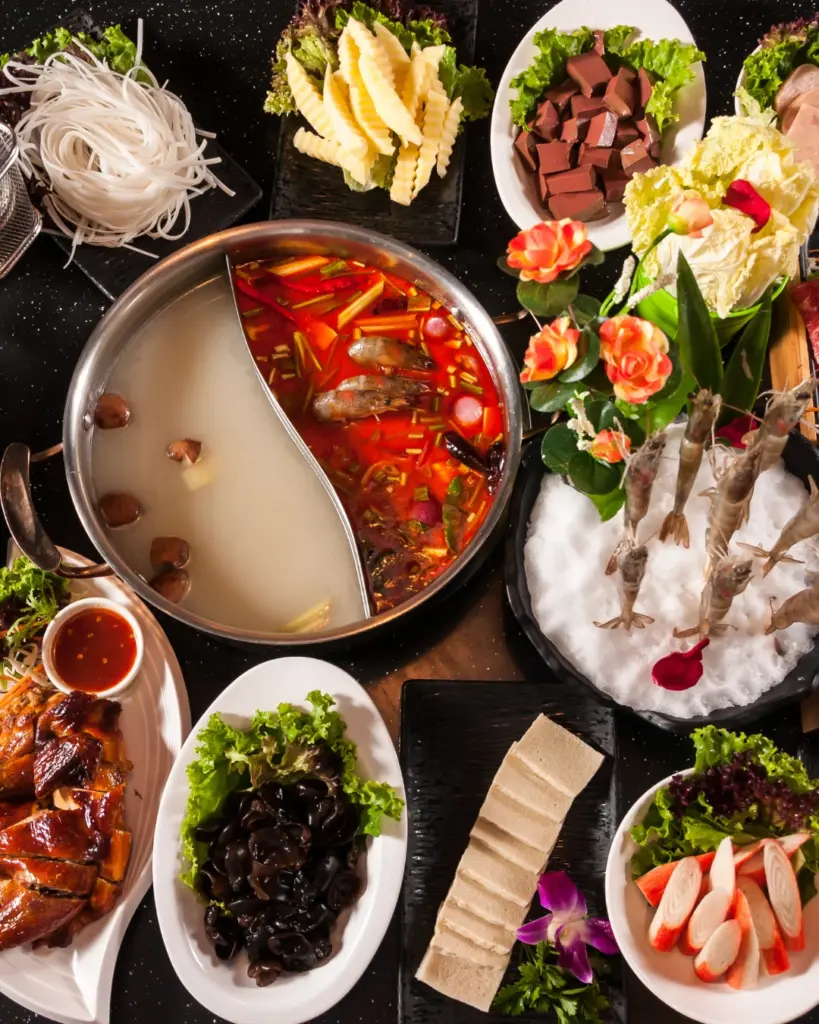
Chengdu is a UNESCO Creative City of Gastronomy, and its food scene is one of the biggest reasons to visit.
Sichuan cuisine is famous for its bold flavours, aromatic spices and distinctive numbing sensation.
Here are four dishes worth trying.
🍲 1. Sichuan Hot Pot
A bubbling pot of spicy broth where you cook your own meat, vegetables and other ingredients.
Average price: €10–20 per person.
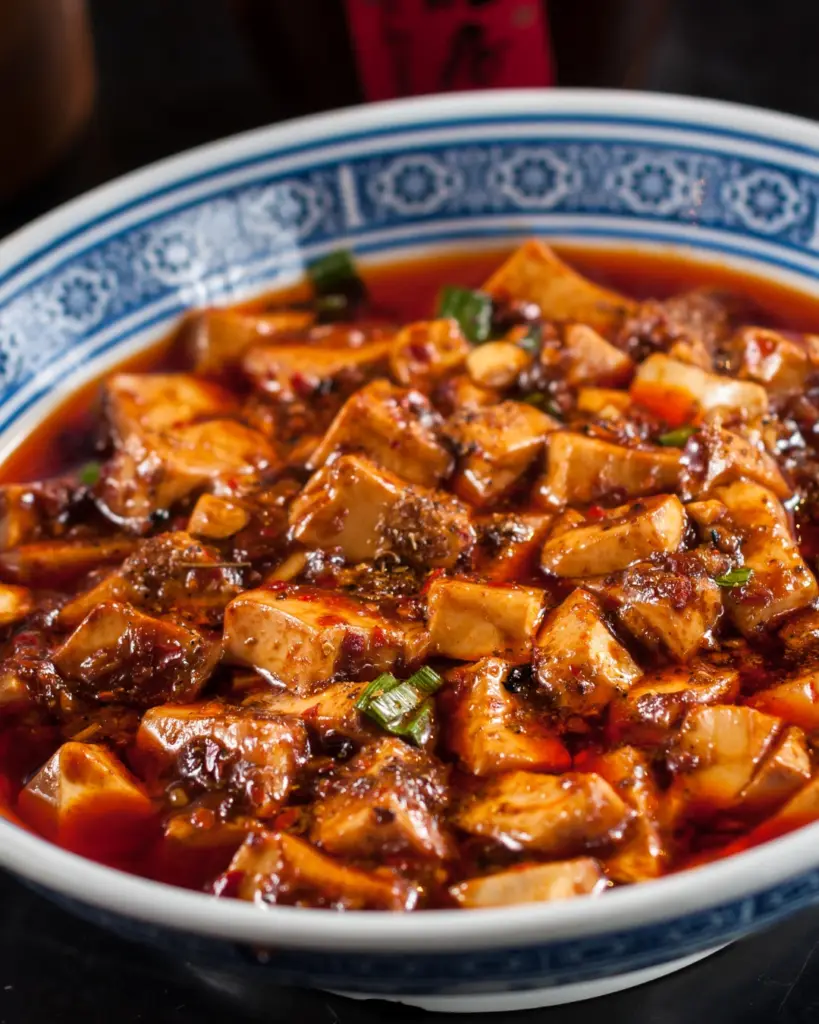
🌶️ 2. Mapo Tofu
Soft tofu served in a rich, spicy sauce, traditionally made with minced meat and Sichuan peppercorns.
Average price: €3–7.
🍜 3. Dan Dan Noodles
Noodles served with a flavour-packed sauce, often featuring chilli oil, preserved vegetables and minced meat.
Average price: €2–5.
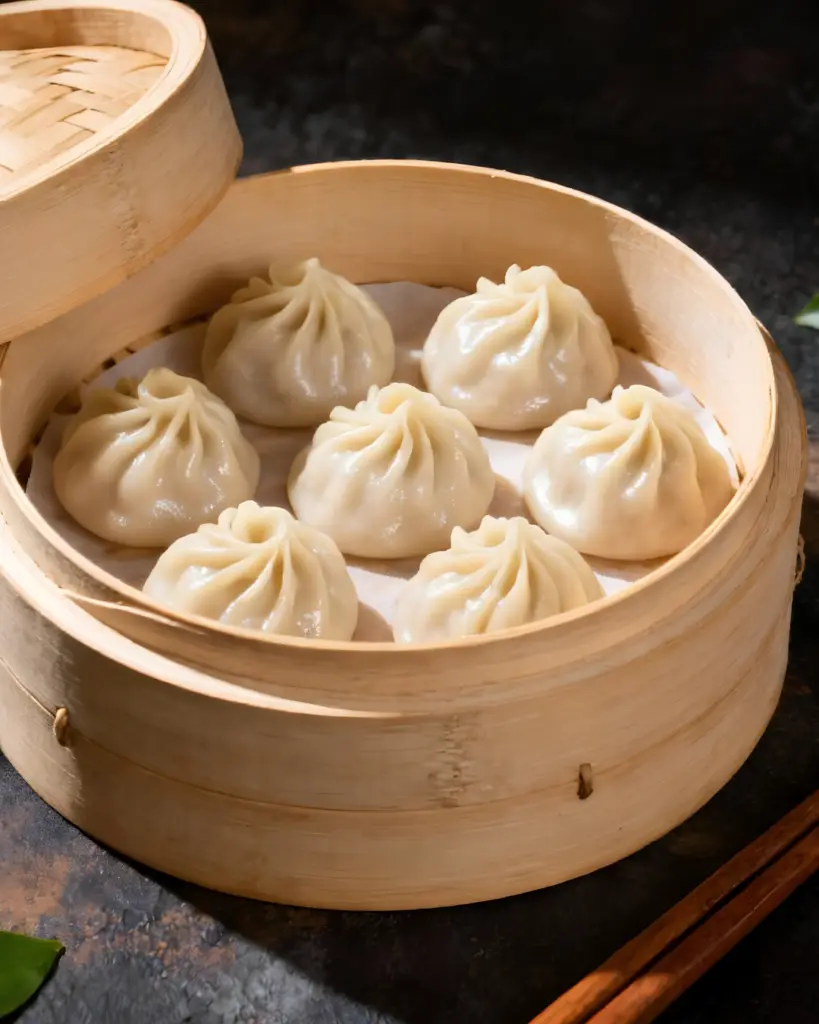
🥟 4. Chinese Dumplings
Delicious little parcels filled with meat or vegetables, served steamed, boiled or with a spicy sauce.
Average price: €3–6.
🌶️ WHY DOES SICHUAN FOOD MAKE YOUR TONGUE GO NUMB?
Here’s something you might not know.
Sichuan peppercorns don’t just add flavour. They create a distinctive tingling, slightly numbing sensation in your mouth.
Combined with the heat of chilli peppers, this creates a flavour sensation known as málà.
The word combines two ideas:
Má: Numbing.
Là: Spicy.
And yes, it’s completely normal for your tongue to tingle.
Travel tip: If you’re not great with spicy food, ask for a mild version before ordering. Even dishes described as mildly spicy can pack quite a punch.
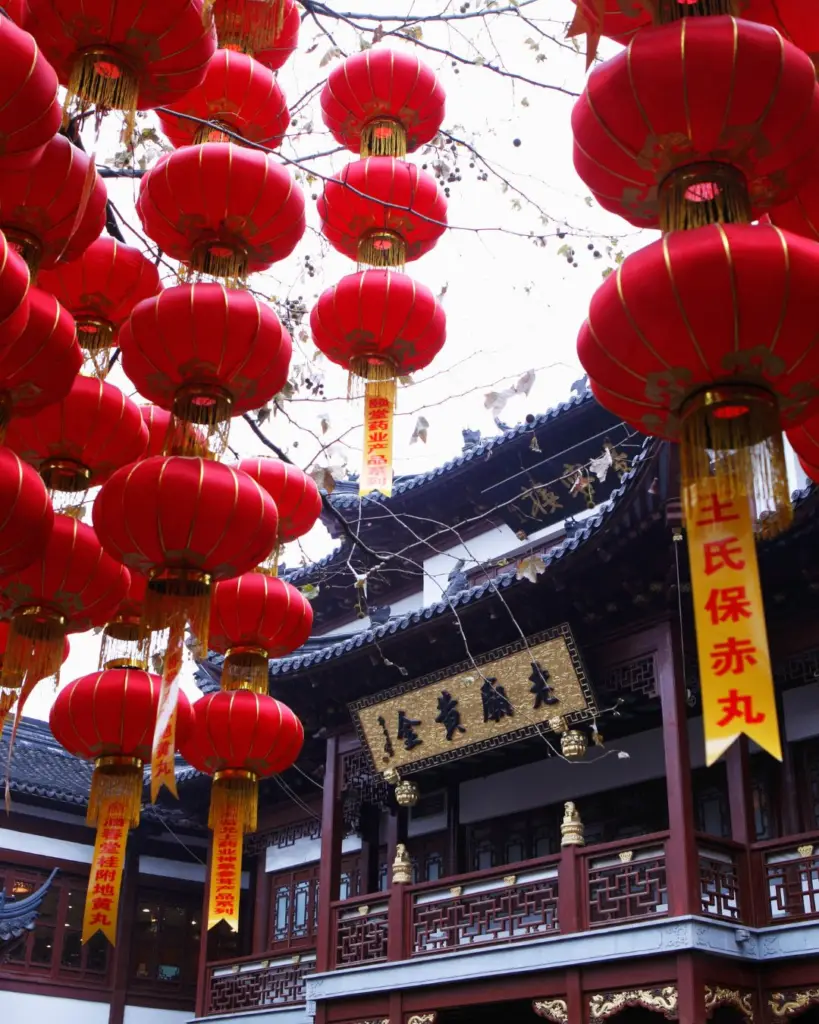
Looking for a Chengdu food tour beyond pandas and hotpot? This 2.5-hour English-language walking tour takes you through …
Welcome to “Chengdu in 1000 Steps” — a short but flavor-packed walking tour through one of Chengdu’s most beloved neighborhood…

💡 6 ESSENTIAL TIPS FOR VISITING CHENGDU
1. Set up Alipay before your trip.
Digital payments are extremely common in China. Having Alipay or WeChat Pay ready can make everyday purchases much easier.
2. Download a translation app.
English isn’t widely spoken everywhere, especially outside the main tourist areas.
Having a translation app with offline language support can be a lifesaver.
3. Visit the pandas early.
Morning is generally the best time to see them active, particularly during warmer months.
4. Book popular attractions in advance.
Some museums and attractions have limited daily capacity or require advance reservations.
5. Use the metro whenever possible.
Chengdu has an extensive metro network that’s affordable and convenient for exploring the city.
6. Don’t underestimate the journey to Sanxingdui.
The museum isn’t in central Chengdu.
Plan your transport in advance and allow enough time to enjoy the visit without rushing.
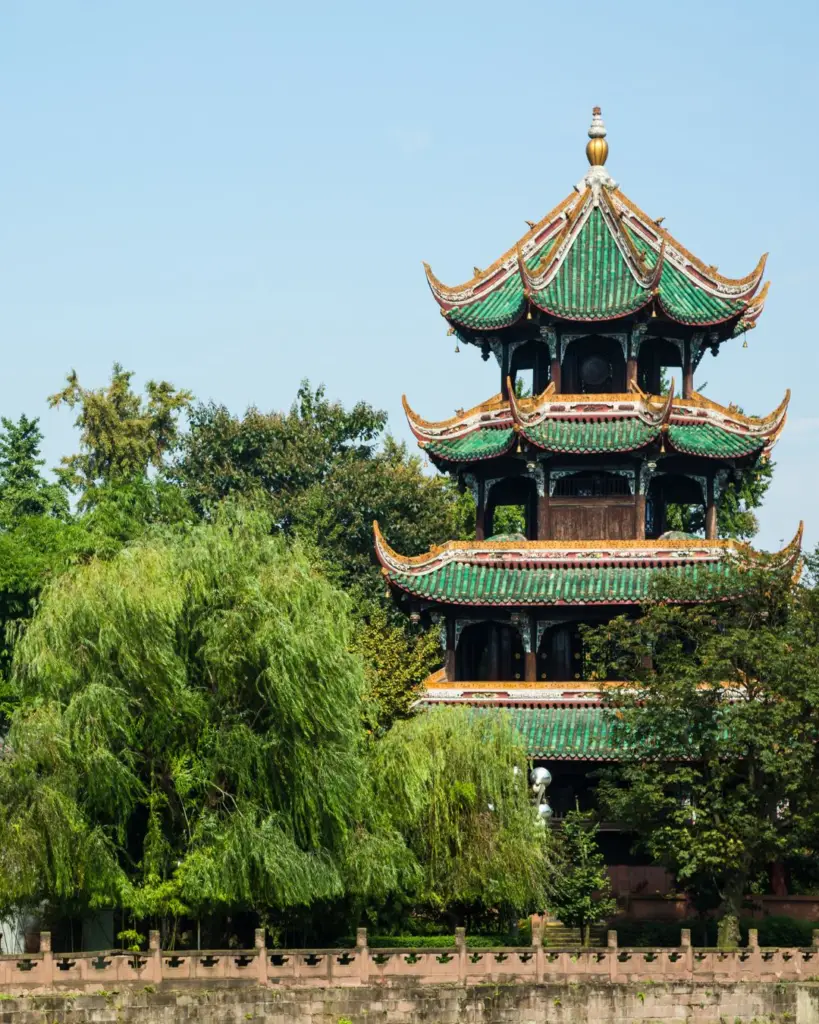
🌏 WHY CHENGDU DESERVES A PLACE ON YOUR 2027 TRAVEL LIST
Giant pandas might be Chengdu’s biggest celebrities, but they’re only the beginning.
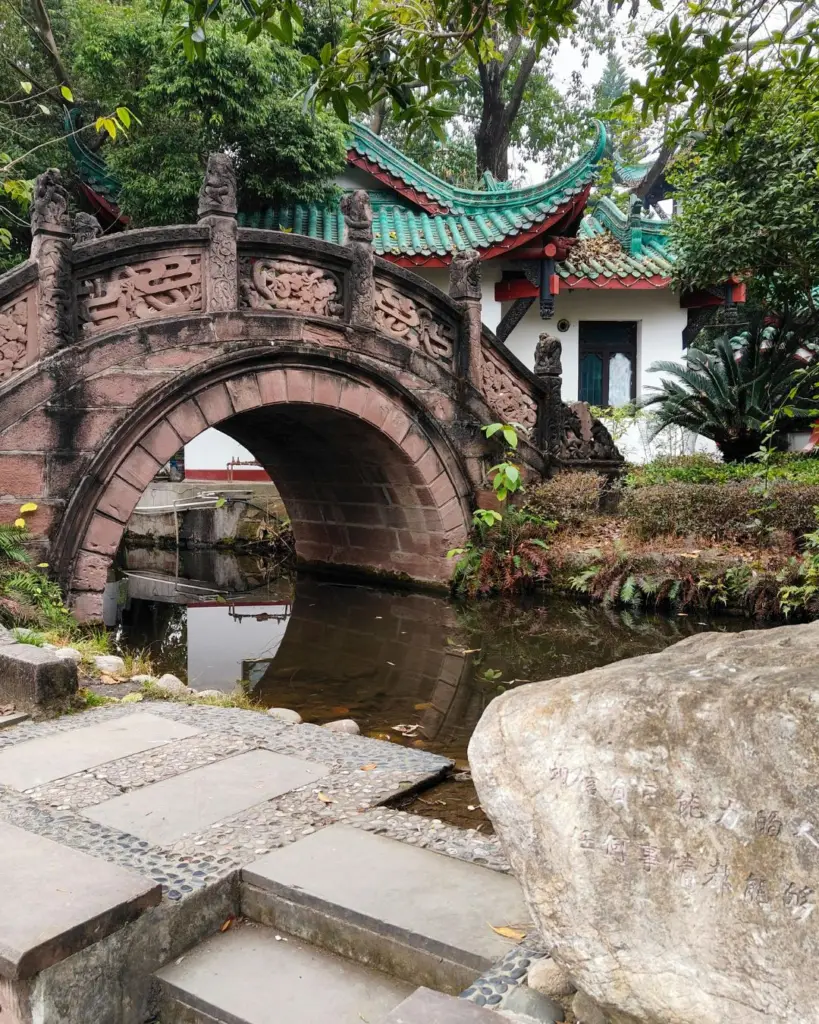
This city brings together thousands of years of history, fascinating traditions, incredible food and a modern urban culture that’s constantly evolving.
And with 2027 marking a century since the archaeological discovery that helped reveal the ancient Shu civilisation, there’s an extra reason to explore its remarkable past.
Thinking about visiting China?
Discover the destination through the eyes of a local guide.
Explore the free walking tours available on GuruWalk and start planning your next adventure.
👉 https://www.guruwalk.com

Diseñadora gráfica digital y creadora de contenido con amplia experiencia en la redacción de artículos de interés para redes sociales y prensa, abarcando sectores como estudios de mercado, recursos humanos, deportes del motor y viajes. Especialista en storytelling y en una comunicación honesta y rigurosa, busca construir comunidades informadas, sanas y productivas. Su perfil combina el análisis creativo de tendencias con una profunda pasión por la literatura y la escritura de su propio libro.