


Plan three days in Kraków with a practical itinerary covering the Old Town, Wawel, Kazimierz, Wieliczka and Auschwitz-Birkenau.
 Julieta Betancor
GuruWalk
·
Updated 25 Aug 2026
Julieta Betancor
GuruWalk
·
Updated 25 Aug 2026Last checked: August 2026. Opening hours, free-admission rules, ticket availability and transport services can change. Check the linked official websites before your visit.
Three days give you enough time to see Kraków’s historic core, understand the city’s Jewish heritage and visit the places that preserve the memory of the Second World War. This route keeps each day focused on one area.
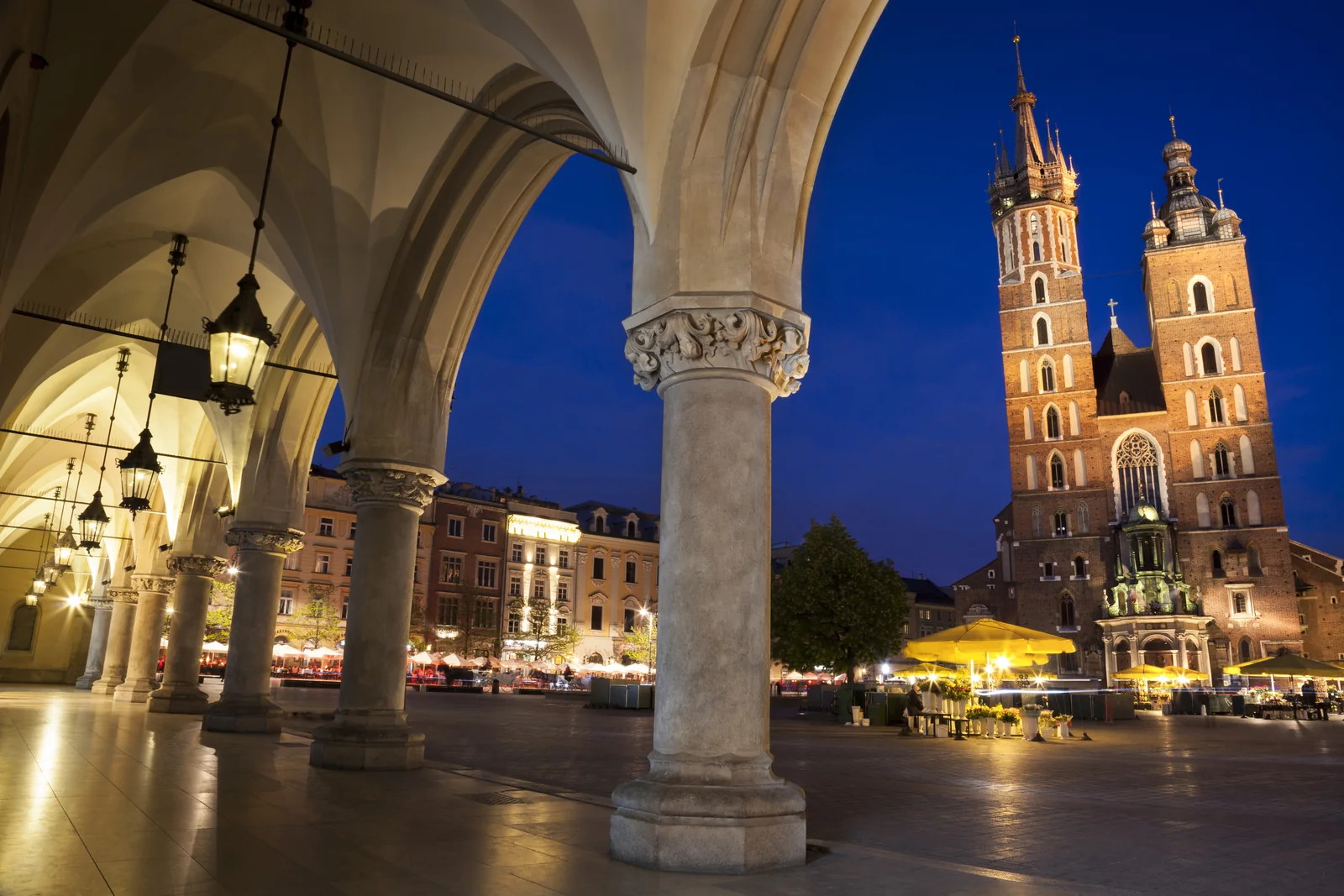
Begin in Kraków’s medieval centre, part of the city’s UNESCO World Heritage area. Spend the morning around the Main Market Square (Rynek Główny), a vast 3.79-hectare square framed by landmarks including St Mary’s Basilica, known for its late-Gothic altarpiece and the trumpet call played from its taller tower every hour.
TIP

For softer light and fewer harsh shadows, photograph the square during the blue hour, shortly after sunset or before sunrise.
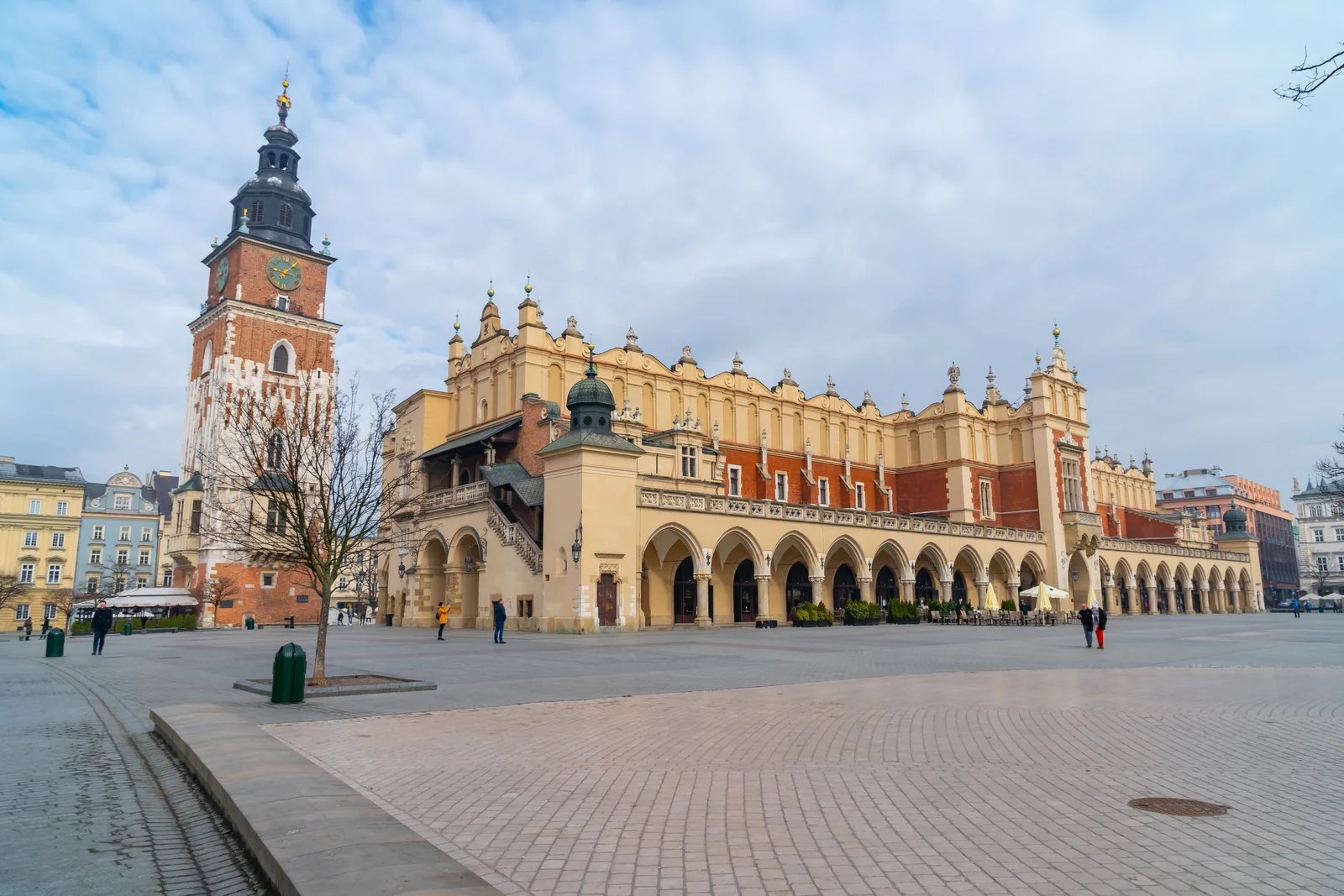
Step inside the Cloth Hall (Sukiennice), the Renaissance building at the centre of the square. Its ground-floor stalls sell crafts and local souvenirs, including Baltic amber, while the upper floor houses a gallery of 19th-century Polish art.
In the afternoon, follow Floriańska Street towards St Florian’s Gate and the Barbican, two surviving elements of Kraków’s medieval defences.
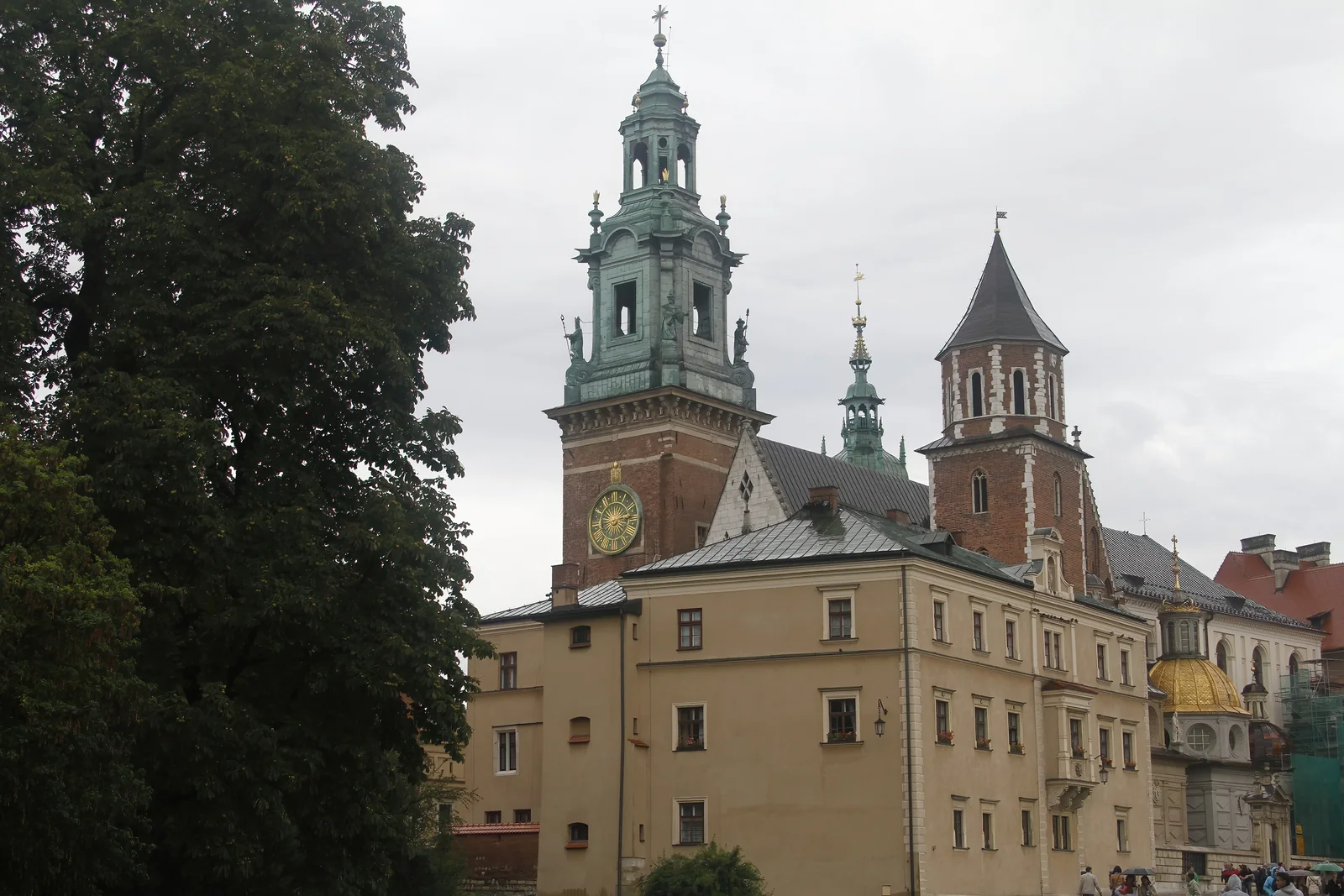
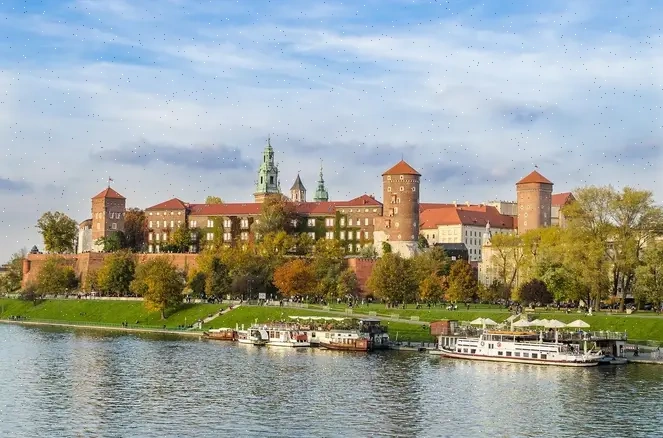
Devote the morning to Wawel Royal Castle and the cathedral beside it. The hill was a centre of Polish royal and political life for centuries, and its terraces look out over the Vistula.
Spend the afternoon in Kazimierz. Once the centre of Jewish life in Kraków, the district is home to historic synagogues, places of remembrance and a lively mix of cafés, restaurants and cultural spaces.
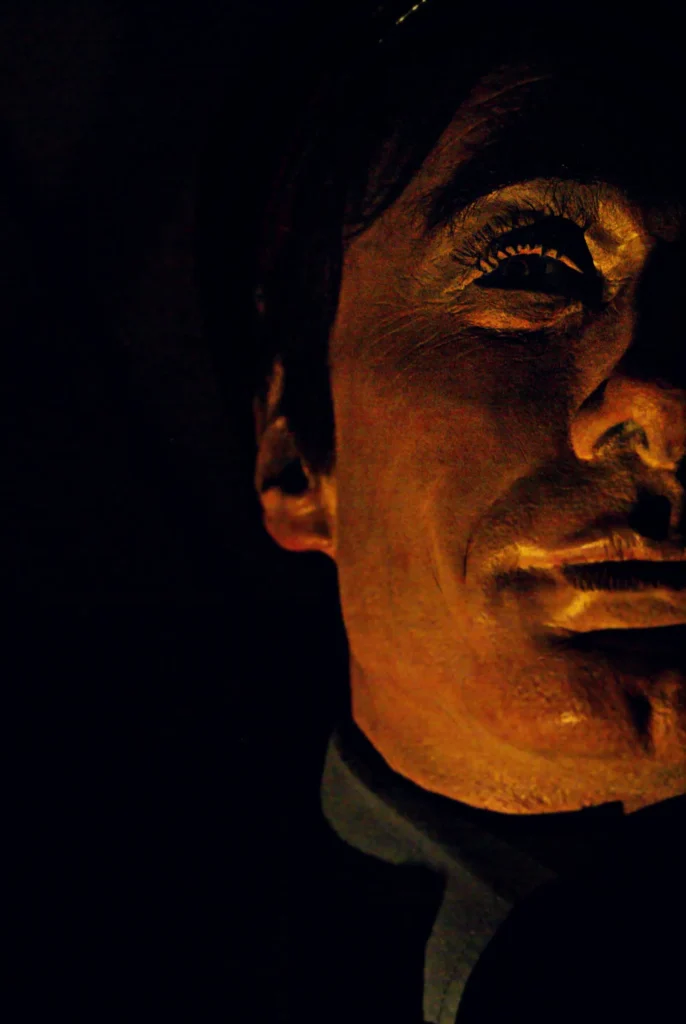
Use the third day to explore Kraków’s 20th-century history at Oskar Schindler’s Enamel Factory. Its permanent exhibition, Kraków under Nazi Occupation 1939–1945, places Schindler’s story within the wider experience of the occupied city.
TIME-SENSITIVE TIP

As checked in August 2026, admission to the permanent exhibition is free on Mondays. Tickets are limited and cannot be reserved in advance for that day, so confirm the latest rules with the Museum of Kraków before going.
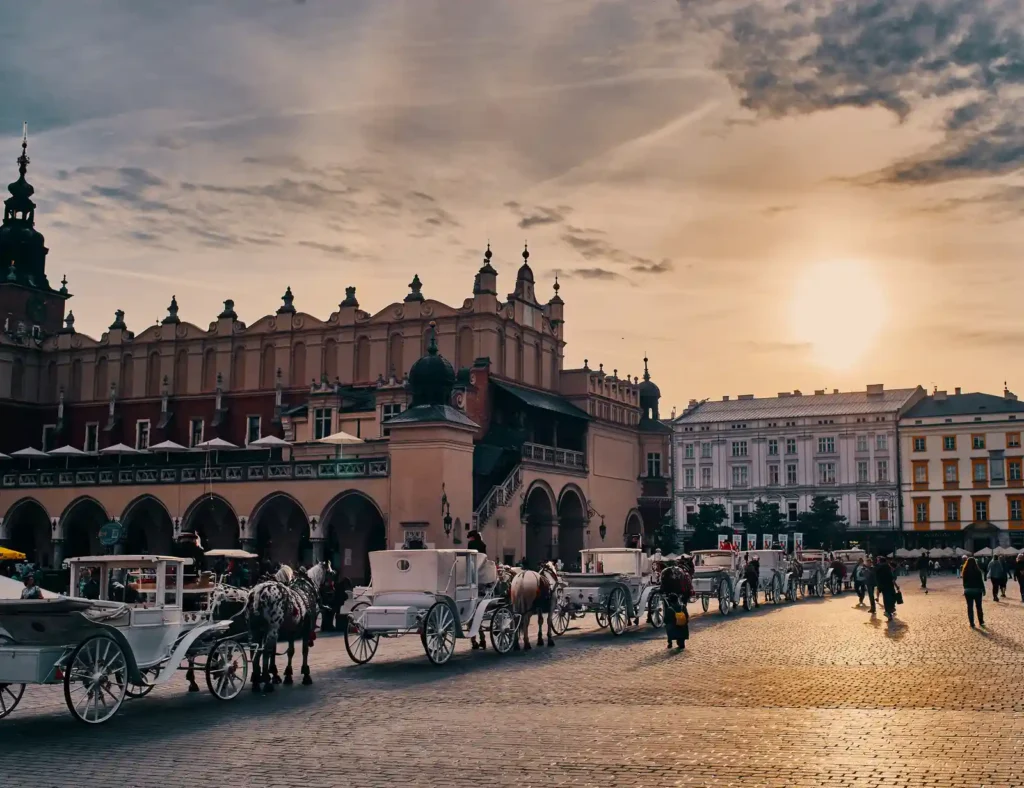
Main Market Square is the heart of Kraków’s Old Town and one of Europe’s largest surviving medieval squares. Laid out in the 13th century, it brings together buildings from several periods rather than preserving a single architectural style.
The Cloth Hall stands at its centre. Once a major hub for textile trading, the Renaissance building now combines craft stalls at street level with the Gallery of 19th-Century Polish Art upstairs.

St Mary’s Basilica is instantly recognisable by its two unequal towers. The 14th-century Gothic church contains the monumental carved altarpiece by Veit Stoss, one of the defining works of late-Gothic art in Central Europe.
To hear the hejnał mariacki, stand in the north-east corner of the square just before the hour. The trumpeter plays the melody in turn towards the four cardinal directions.
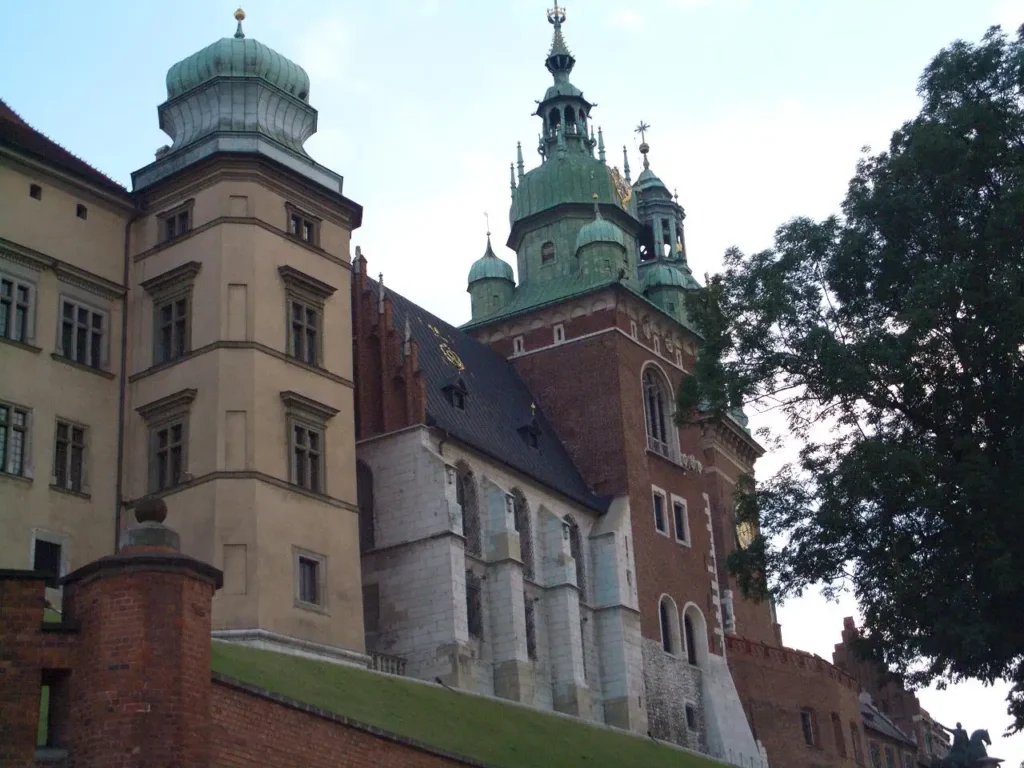
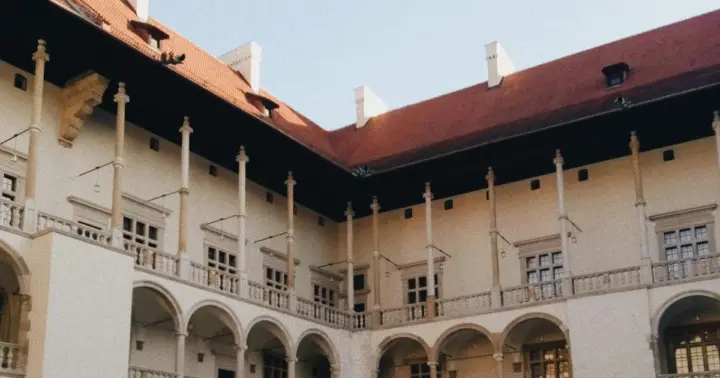
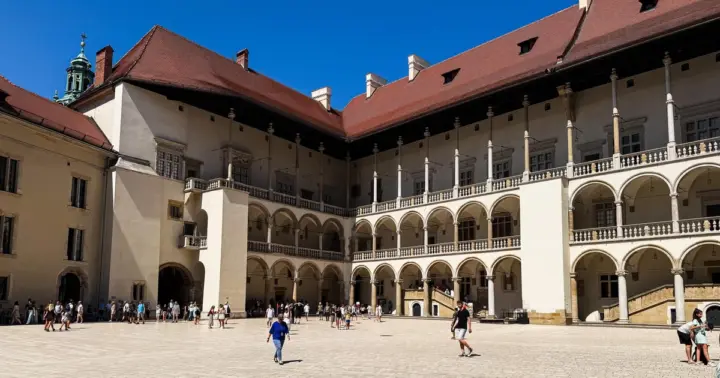
Wawel Royal Castle rises on a limestone hill beside the Vistula. Romanesque, Gothic and Renaissance elements record centuries of rebuilding, and the complex served as a royal residence for generations of Polish monarchs.
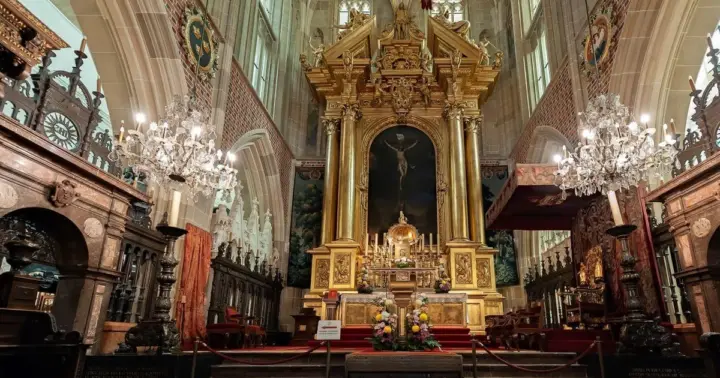
Wawel Cathedral, the coronation and burial church of Polish kings, is a separate institution within the hill complex. The Sigismund Tower houses the great Sigismund Bell and involves a steep climb through narrow wooden stairways.
TIME-SENSITIVE TIP

As checked in August 2026, selected castle exhibitions offer free admission on Mondays from 10:00 to 16:00. The included routes vary by season, tickets are limited and same-day collection rules apply. Check the official Wawel website before your visit.
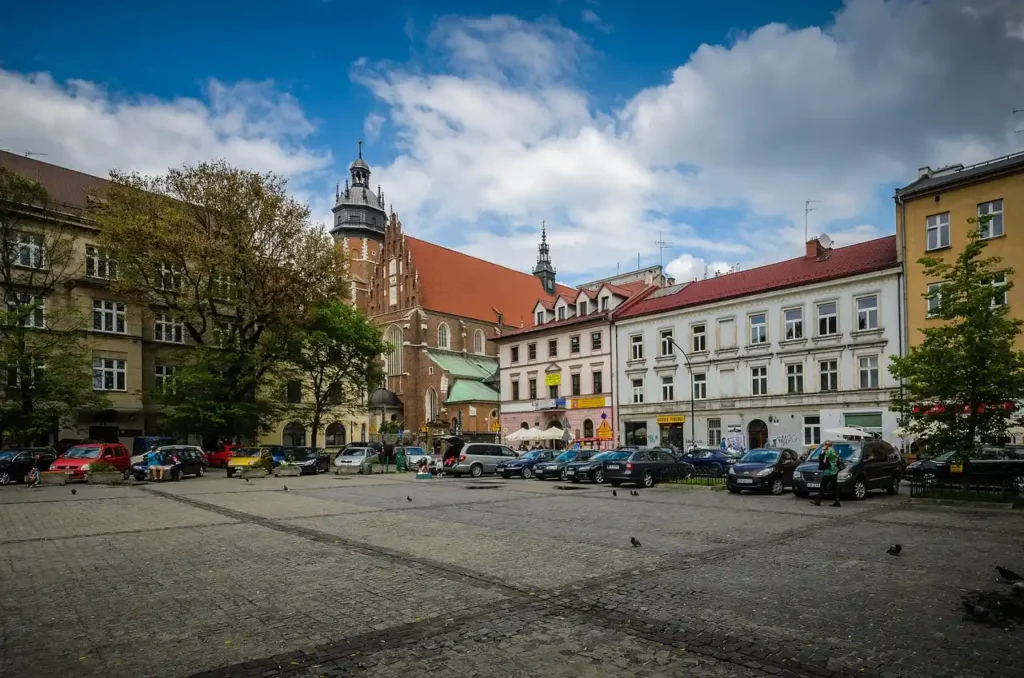
Kazimierz preserves important layers of Jewish history in Poland. For centuries it was a centre of Jewish religious and cultural life; since the 1990s, the district has also experienced a broad cultural revival. Visit its synagogues and memorial sites with the respect their history deserves.
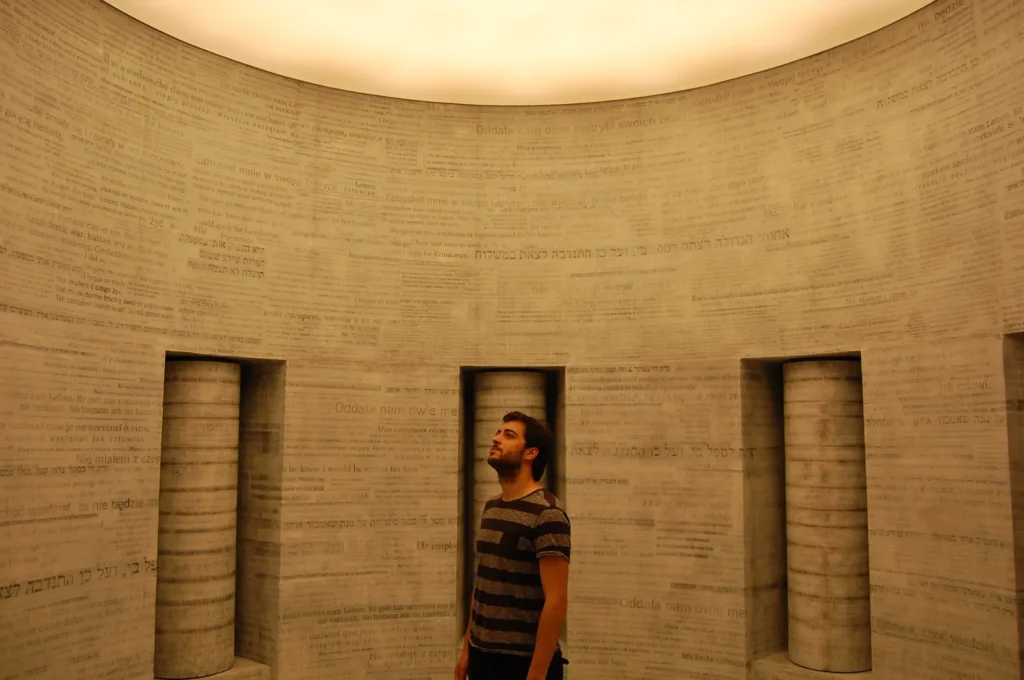
Today, Oskar Schindler’s Enamel Factory is a branch of the Museum of Kraków. Its main exhibition tells the story of Kraków and its residents under Nazi occupation, using documents, reconstructed spaces and personal accounts. Parts of Schindler’s former office remain within the building.
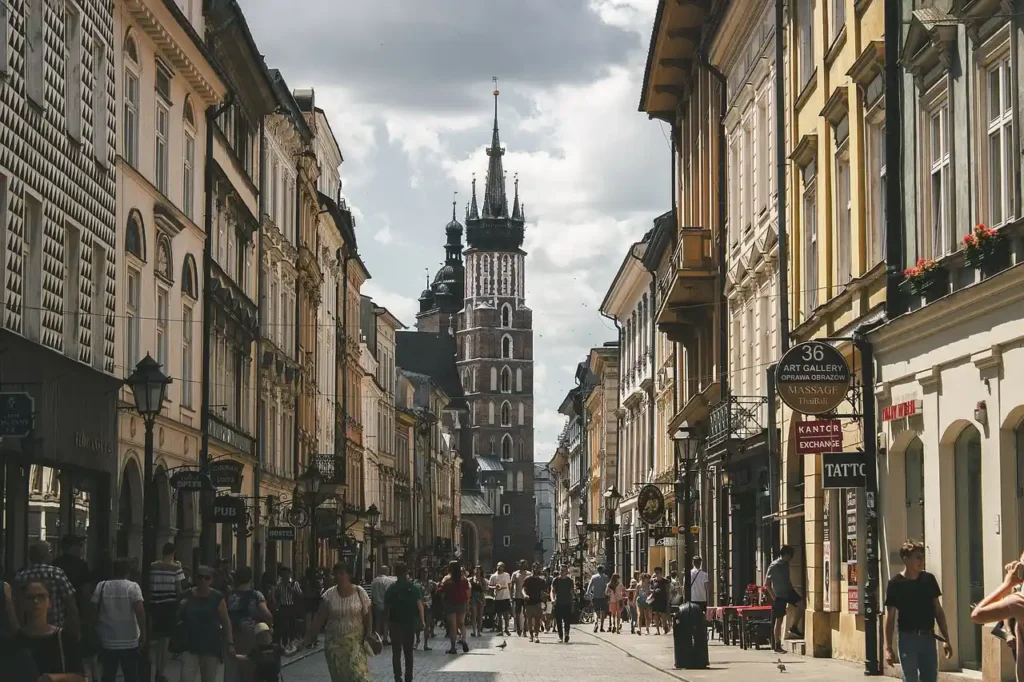
The late-Gothic Kraków Barbican was built in 1499 as part of the fortified entrance around St Florian’s Gate. Its thick circular walls make it one of the most distinctive surviving examples of medieval defensive architecture in Europe.
TIP

The former Defensive Walls–Barbican–Celestat ticket link in the Spanish article is no longer live. Check the Museum of Kraków’s current Medieval Kraków route and the latest Krakow Tourist Card inclusions instead.
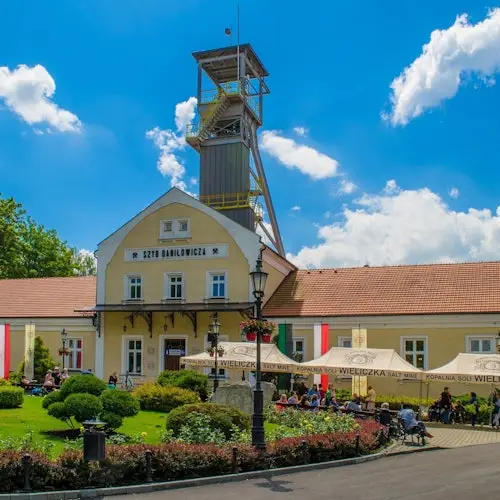
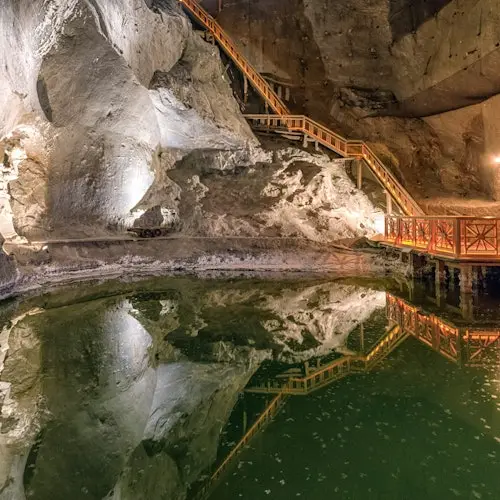
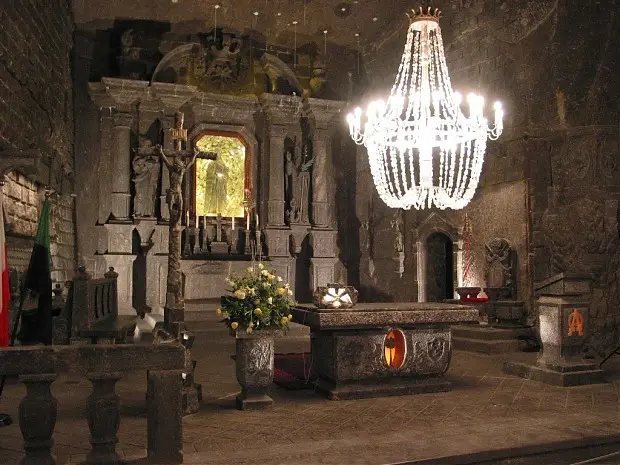
The UNESCO-listed Wieliczka Salt Mine lies roughly 10 kilometres from Kraków. Salt was extracted here from the 13th century until 1996; today, guided visitor routes lead through a small part of its extensive underground chambers and passages.
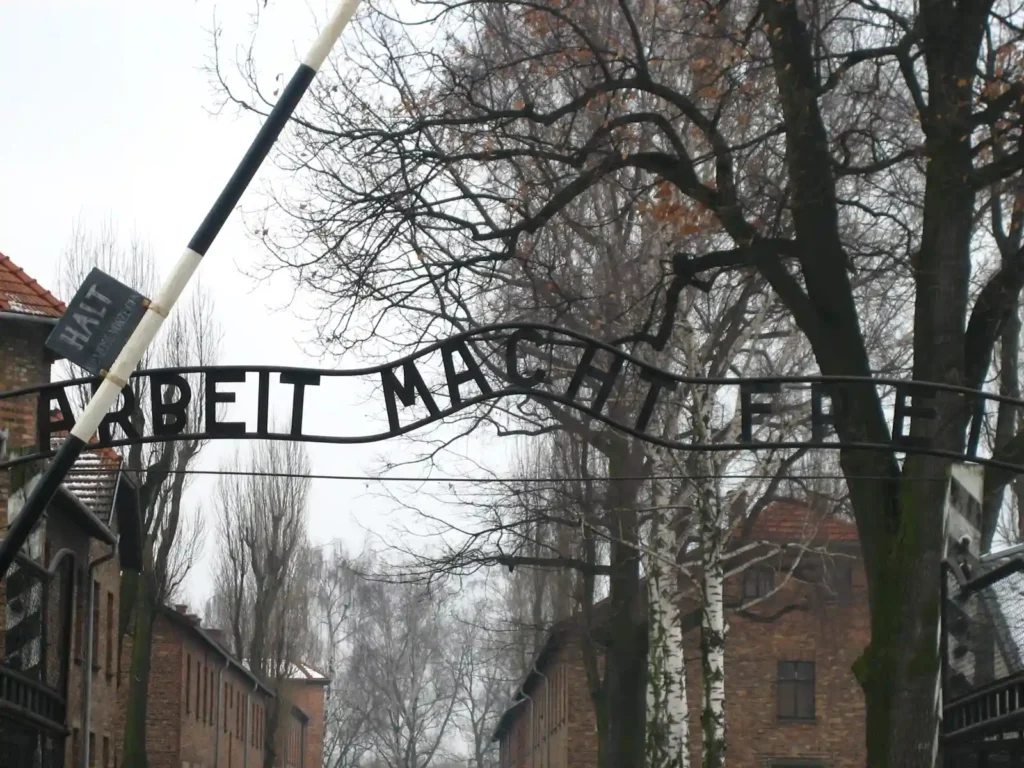
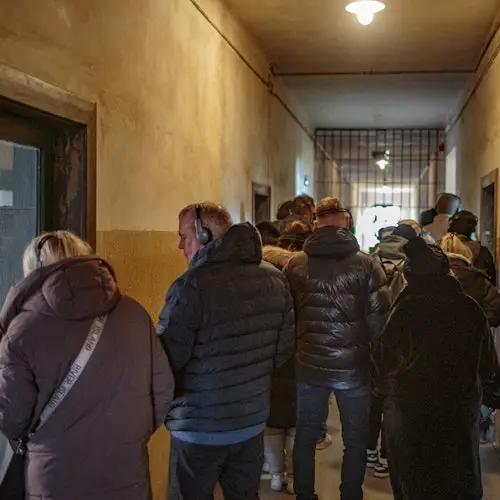
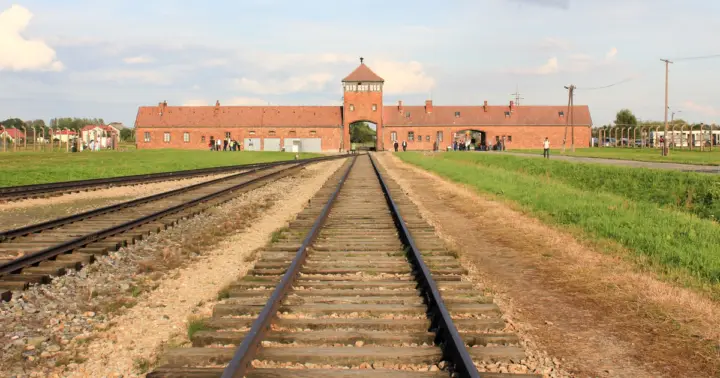
The Auschwitz-Birkenau Memorial and Museum preserves the site of the former German Nazi concentration and extermination camp. A visit requires time, solemnity and respect, and both Auschwitz I and Auschwitz II-Birkenau are essential to understanding the site.
Use only the official booking system. As checked in August 2026, all entry cards are issued online. Free passes for visits without a guide are released between 90 and 7 days before the visit; guided options follow different availability rules and can sell out. Recheck the current policy before making plans.
A free walking tour is an easy way to connect the Old Town, Wawel and Kazimierz with stories and practical advice from a local guide. Schedules, languages, reviews and availability change frequently, so use the live GuruWalk listings below.
En este tour, os mostraremos uno de los barrios más interesantes de Cracovia – Kazimierz . Aquí, durante siglos…

Con nosotros descubrirás la colina de Wawel, donde se encuentra el castillo y su catedral, así como los monumentos y…

No es posible contar la historia de Cracovia sin abordar la historia de su comunidad judía. Durante este recorrido de…
¿Qué es lo que hace única a Cracovia? Sin duda, Kazimierz, el antiguo barrio judío, es uno de esos lugares…

El gueto de Cracovia ha sobrevivido, en gran medida, hasta nuestros días casi con la misma apariencia que tenía al…

¿Es tu primera vez en Cracovia? Entonces este free tour es la mejor manera de empezar tu viaje. 💡 Si…
Es la ruta perfecta si visitas Cracovia por primera vez y quieres conocer sus principales monumentos y la his…
John Paul II Kraków-Balice International Airport is about 11 kilometres from central Kraków. The direct SKA1 train serves Kraków Główny; public bus lines 209 and 300 and night line 902 also serve the airport. Routes and timetables can change, so check the airport’s official transport information before travelling.
Spring, especially April and May, and early autumn, particularly September and October, usually offer comfortable walking weather and fewer visitors than the summer peak. December is popular for the Christmas market, but dates and conditions vary each year.
Useful phrases include “Dzień dobry” (good morning or good day), “Dziękuję” (thank you), “Proszę” (please or you’re welcome), “Do widzenia” (goodbye) and “Przepraszam” (excuse me or sorry).
Popular day trips include Wieliczka Salt Mine, the Auschwitz-Birkenau Memorial and Museum, Zakopane and the Tatra Mountains, and Wadowice, the birthplace of Pope John Paul II. Travel times, entry rules and tour availability should be checked before booking.
Tourism and travel expert with a strong background in creating cultural content. Fluent in multiple languages and experienced as a presenter, she connects with diverse audiences to inspire the exploration of unique destinations. Her creative and dynamic approach stands out in every project, conveying the essence of each place she discovers.
Local guides, pay-what-you-want and no credit card to book. That is how you understand a city.
Explore free tours on guruwalk.com