

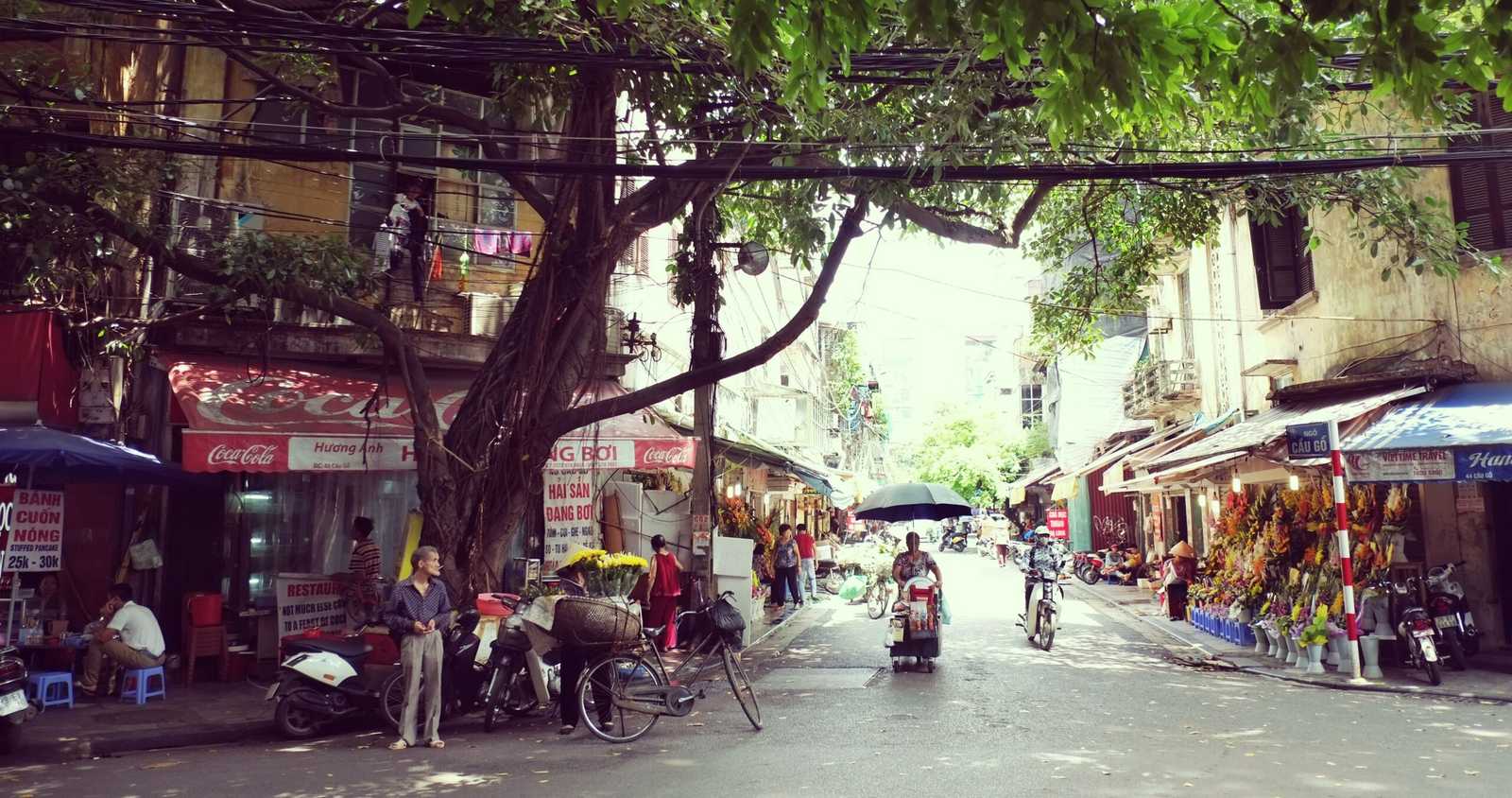
Hanoi makes more sense when you see its layers together: the Old Quarter —the commercial core—, temples tied to Confucian education, colonial avenues, and the places where modern Vietnam took shape. Group them by area. A practical first step is to book one of the free tours in Hanoi. There is no credit card needed, and you can continue exploring at your own pace afterwards.
Last verified: August 2026 — Prices, opening hours, and reservation requirements checked against official sources. GuruWalk’s Hanoi guides reviewed the practical recommendations.
The best free tours in Hanoi for your first day
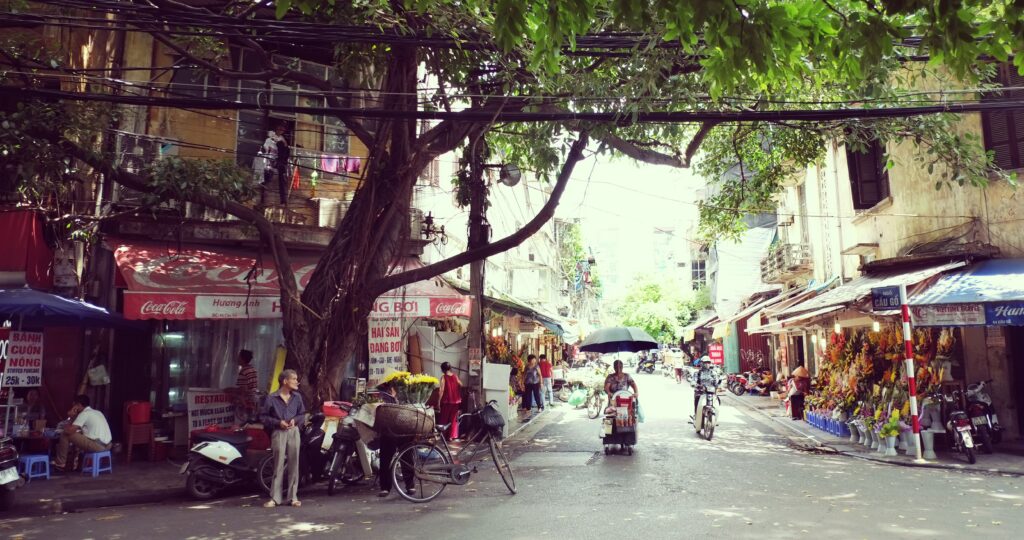
Central Hanoi takes time to read. A local-led route connects Hoàn Kiếm Lake with the former guild streets, tube houses, neighbourhood temples, and the colonial period. It also helps you read the pavements, which serve as shopfronts, kitchens, parking spaces, and meeting places.
At GuruWalk, we compare Old Quarter walks, history-focused routes, and food tours —often the clearest starting point— for different types of visit. The format has no fixed price. At the end, each walker gives the guru an amount that reflects the experience. A common reference is €10–20 per person, rising to as much as €50 for small groups or exceptional gurus.
As the oldest continuously developed area, Hanoi’s Old Quarter has more than 1000 years of history and seems to resist…

XIN CHÀO! Tôi là Melody! This small group tour is a great way to explore the heart of Hanoi in…

Hanoi The Old Quarter Tour – Discover Hanoi’s Hidden Gems (3 hours) …

This is a close-knit group tour so we will leave ON TIME. Hanoi Old Town is a tourist, historical …

Hidden Hanoi: Secret Alleys, Local Life & Train Street (Maximum 8 people) ⏳…

✨ Discover Hanoi Like a Local! Whether you’re traveling with friends, family, or solo, you’ll have a great time explor…
Join us on a 3-hour Hanoi Street Food Tour where you’ll wander through hidden corners of the Old Quarter and…
1. Walk around Hoàn Kiếm Lake and cross Thê Húc Bridge
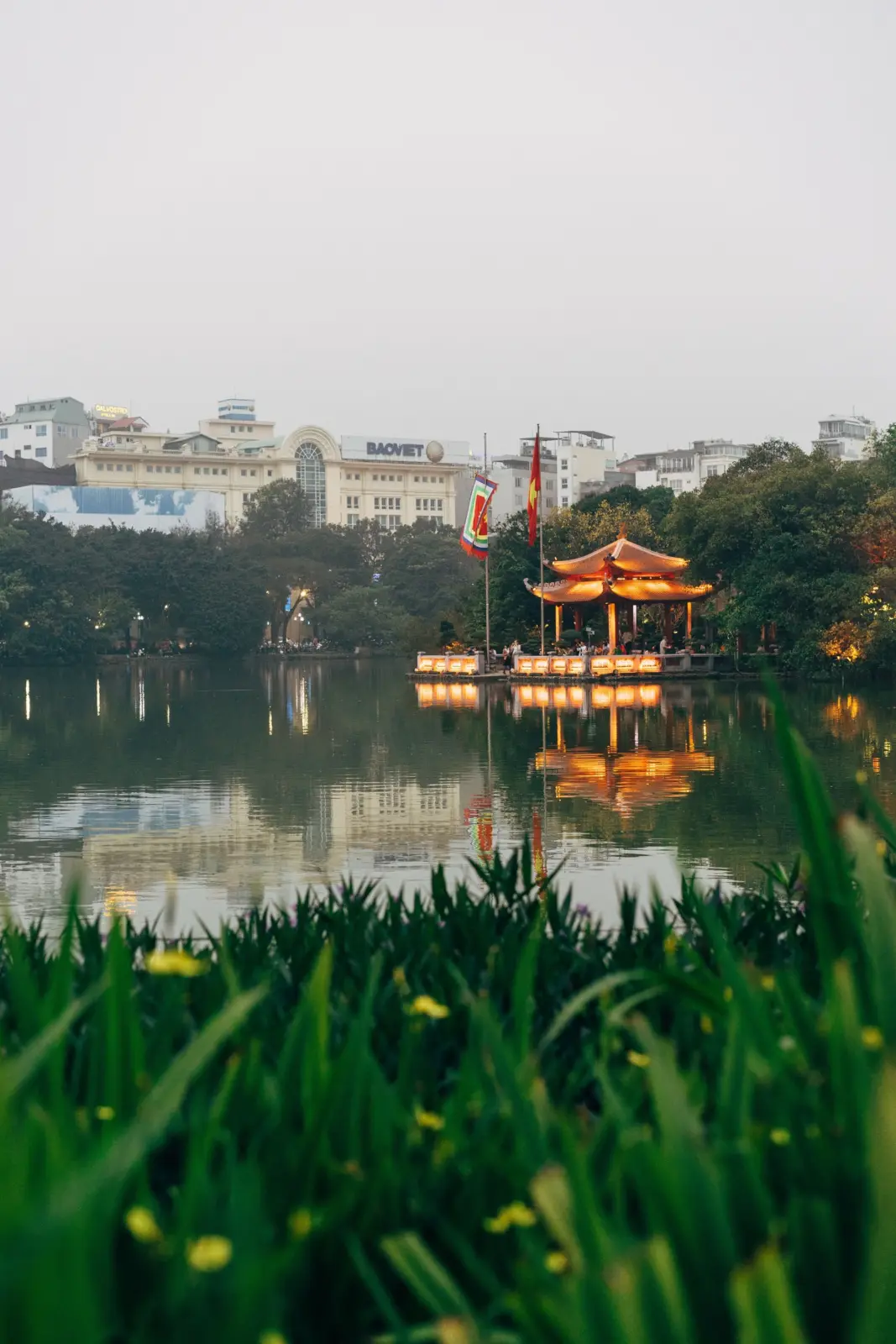
Hoàn Kiếm Lake is the easiest landmark for finding your bearings. On its northern shore, the red Thê Húc Bridge leads to Ngọc Sơn Temple on a small island. Turtle Tower stands on another islet and is viewed from the lakeside path. The lake and temple form a special national monument, according to Hanoi’s official culture department.
Start with a full circuit. You will understand how the district meets the lake and can choose a sensible route onwards. Early exercise gives way to afternoon walkers and evening gatherings; Ngọc Sơn adds religious and historical context, while the path around the water is free.
2. Explore the working streets of the Old Quarter
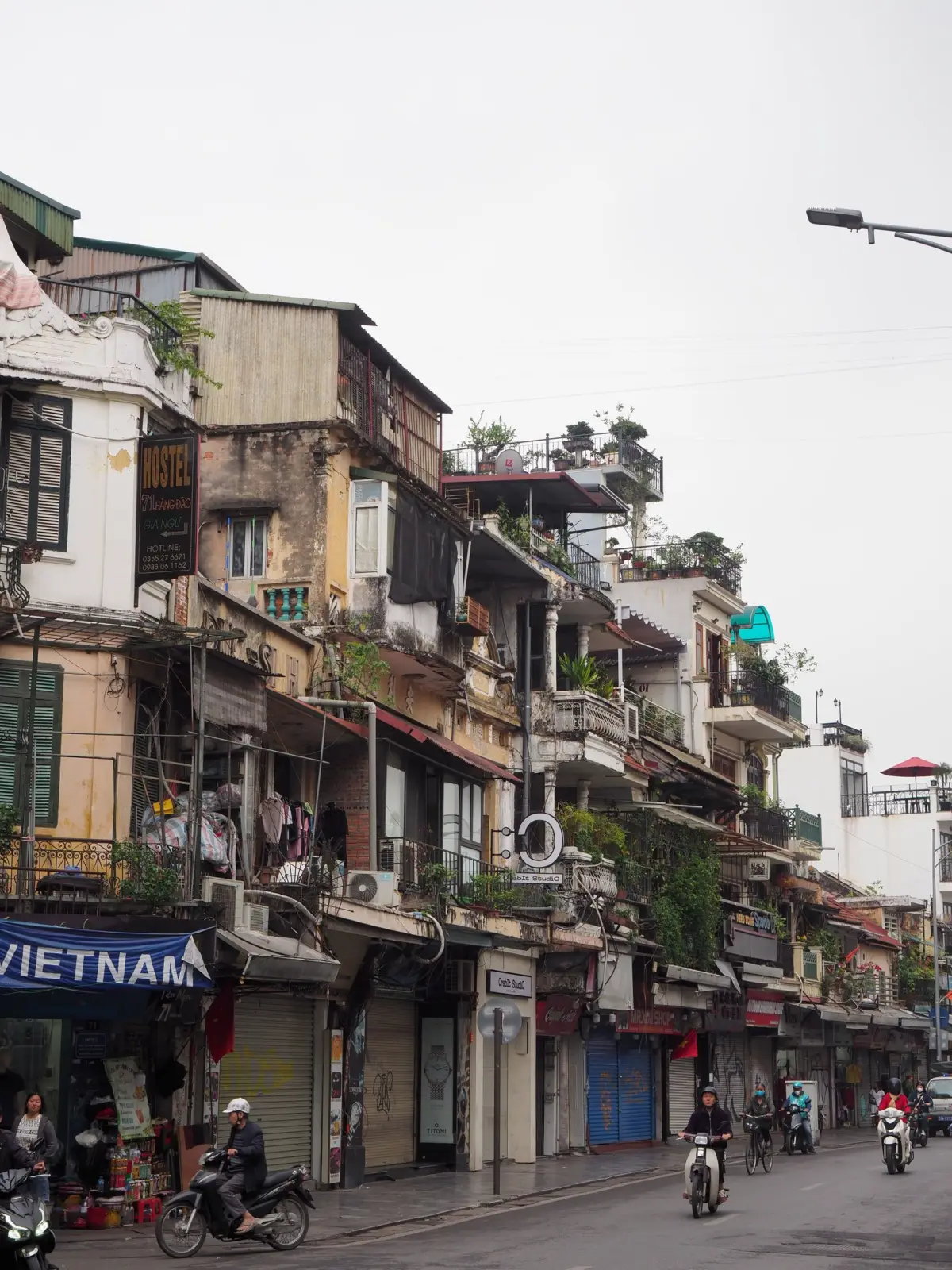
Hanoi’s Old Quarter is not a sealed attraction. It remains a busy commercial neighbourhood. Vietnam’s national tourism office traces many of its streets to the 14th century and explains their links with specialised trades. “The cultural heartbeat of Vietnam,” as the national tourism office described Hanoi in its official city guide.
You do not need to cover every lane. A coherent walk links Ô Quan Chưởng Gate, Kim Ngân Communal House, Đồng Xuân Market, Hàng Mã, and Hàng Bạc before returning towards the lake. Hanoi’s narrow, deep tube houses show how merchants used plots with limited street frontage. Look beyond the ground-floor shops to see their full shape.
3. Visit the Temple of Literature
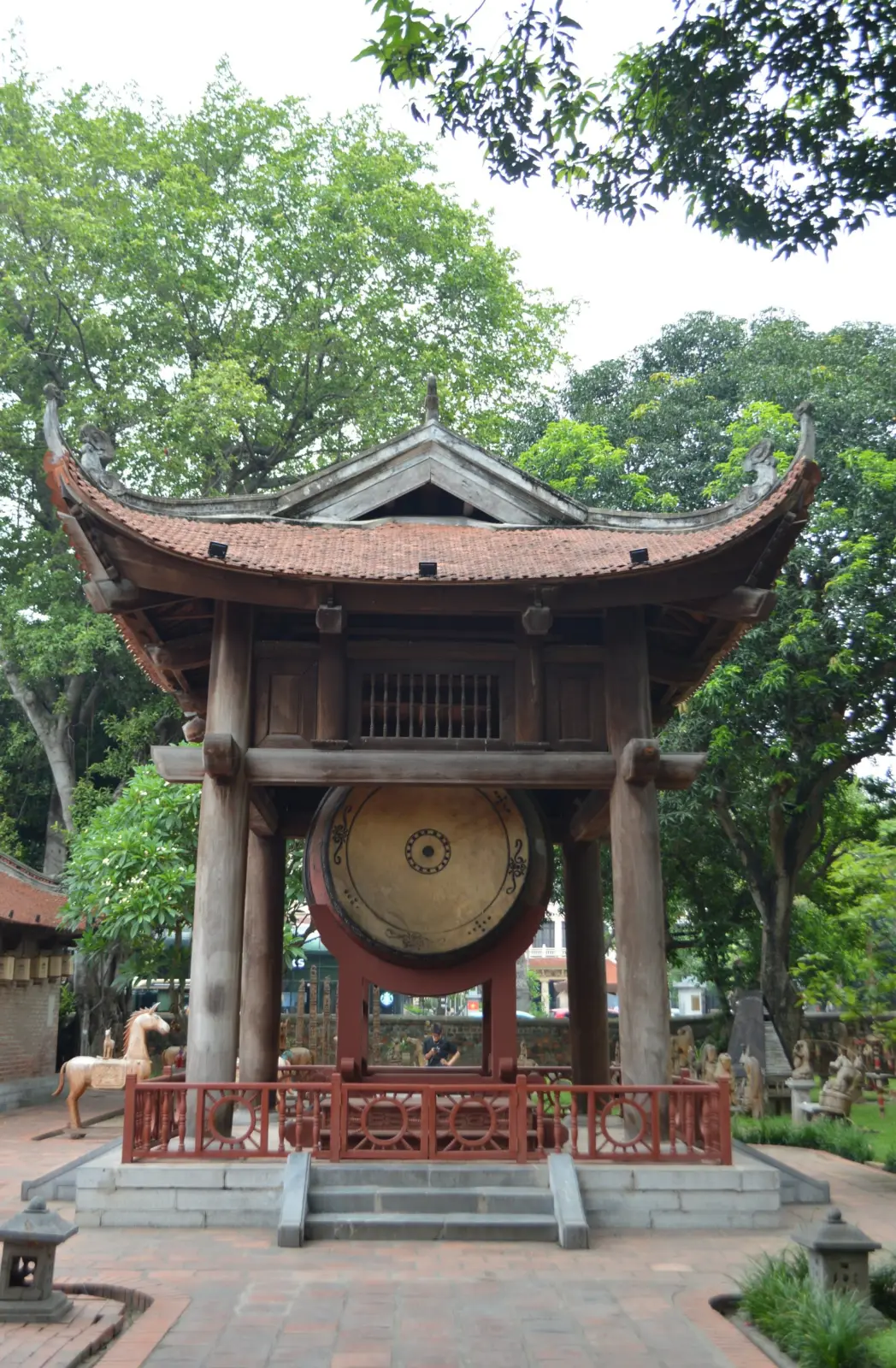
Văn Miếu–Quốc Tử Giám brings together courtyards, pavilions, altars, and stone stelae associated with Vietnam’s scholarly tradition. The temple was founded in 1070, followed by Quốc Tử Giám in 1076. Walking through its successive courtyards connects ceremonial architecture with the examination system and the education of officials over many centuries.
According to the Temple of Literature’s official website, daily opening runs from 8:00 am to 5:00 pm and the standard adult ticket costs VND 70,000. Entry is free for children under 16, while a separate evening programme runs on selected days. Allow 60–90 minutes.
4. See the Imperial Citadel of Thăng Long
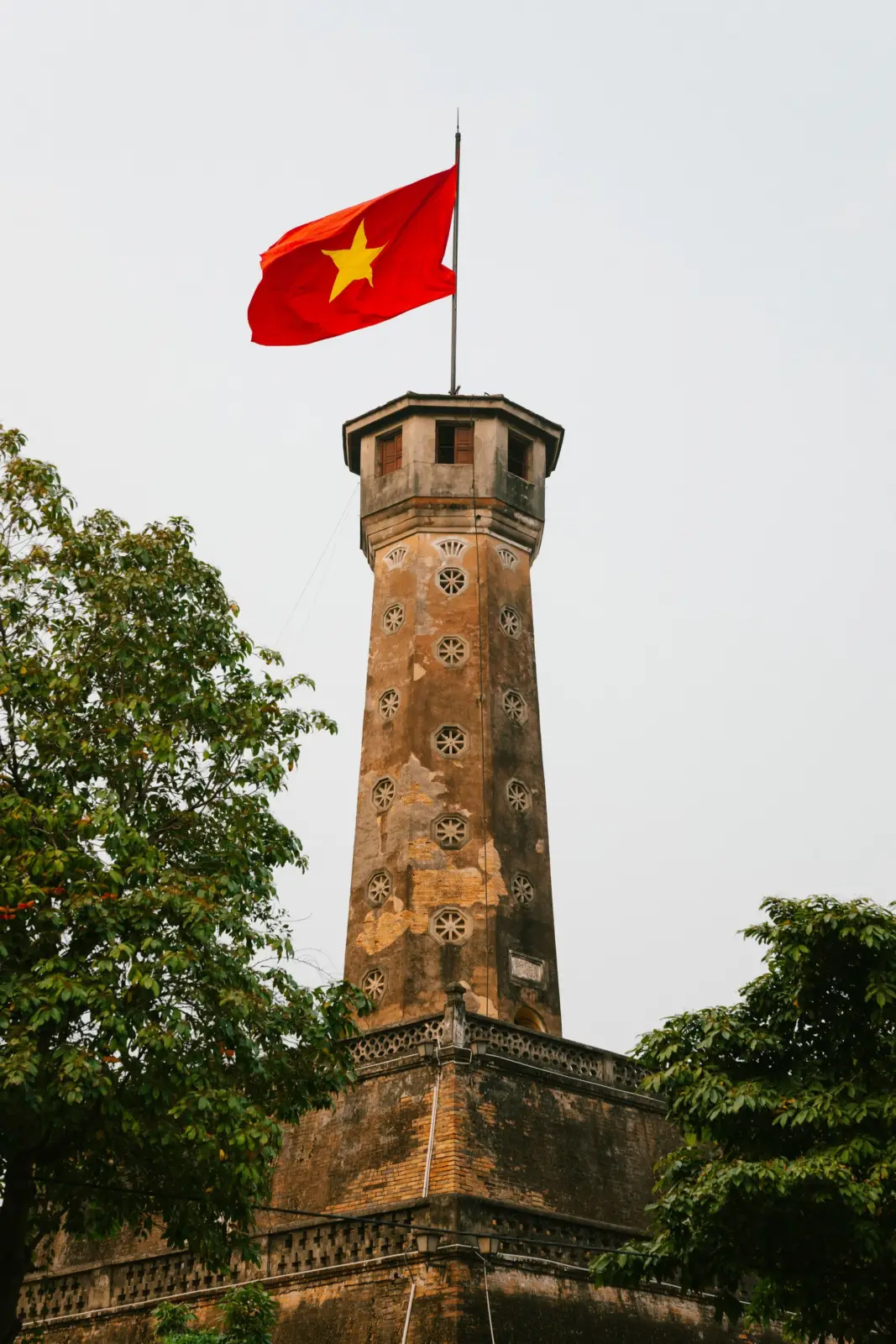
Thăng Long tells a longer story. Its grounds combine archaeological remains, monumental gates, and buildings associated with political and military power; constructed over earlier structures, the complex holds evidence from several periods of Hanoi’s history. UNESCO inscribed its central sector on the World Heritage List in 2010.
Since January 2025, the official Thăng Long Citadel admission price has been VND 100,000 for an adult. Children under 16 enter free, while documented concessions apply to several groups. Set aside at least 90 minutes if you also want to see the archaeological area at 18 Hoàng Diệu.
5. Understand the Ba Đình complex

Ba Đình Square anchors a group of sights best handled together: the Hồ Chí Minh Mausoleum, the stilt house, the Presidential Palace grounds, and One Pillar Pagoda. They do not all share the same entrance arrangements or opening schedule. Treat the area as a route, then check each site before setting out.
Mausoleum visits follow a different procedure from a museum, while One Pillar Pagoda needs much less time. The Hồ Chí Minh stilt house and gardens add another perspective to the complex. From here, continue on foot to the Imperial Citadel or the Temple of Literature instead of returning to the lake between visits.
6. Walk through the French Quarter
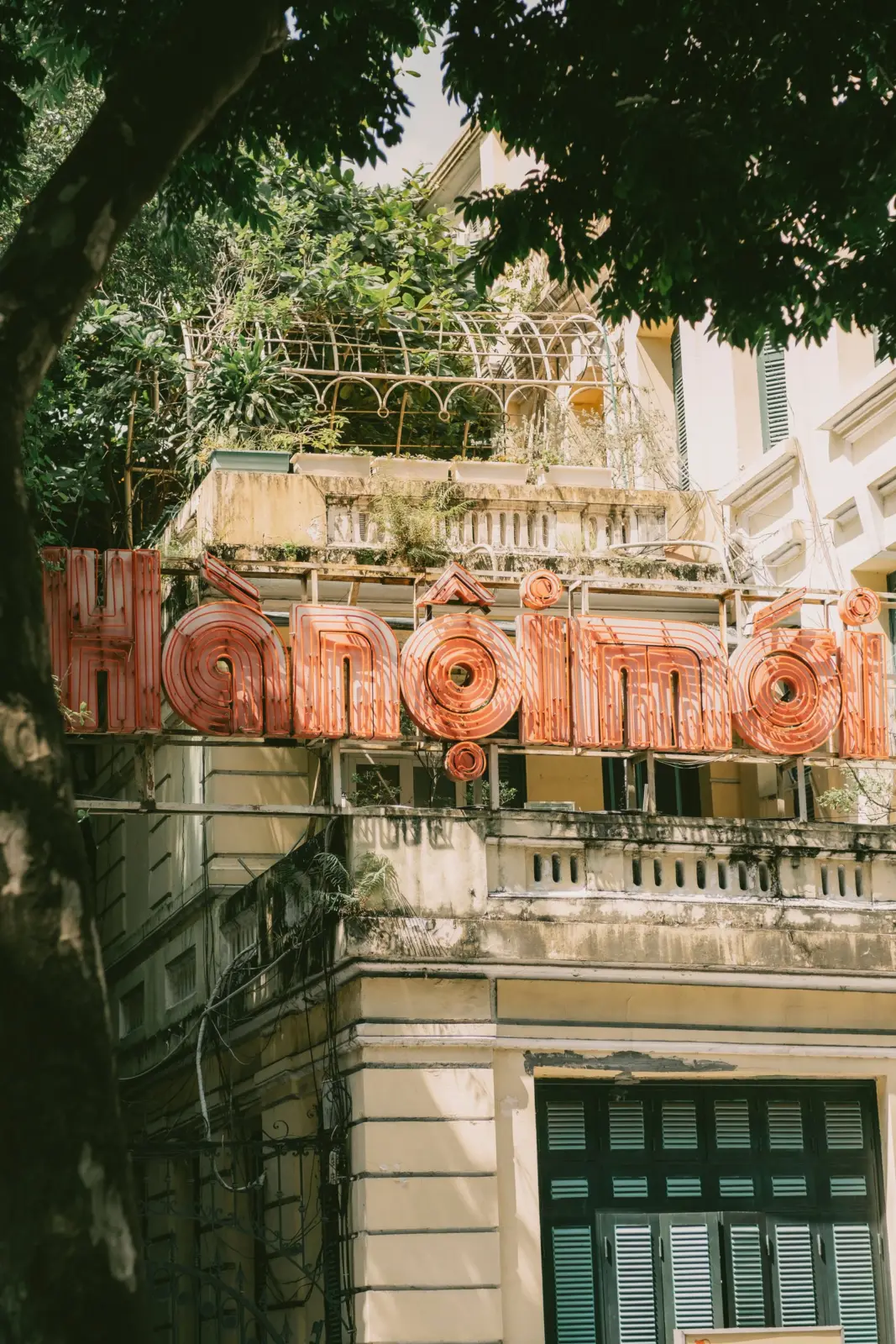
South and east of the lake, the avenues widen and the scale changes. Hanoi Opera House, the National Museum of History, the Metropole hotel, and administrative villas create a streetscape unlike the former guild area. This district works naturally as an extension of a lakeside walk and lets you compare two urban patterns within a short distance.
Pick one indoor stop. The National Museum of History suits travellers looking for a broad chronology; Hỏa Lò Prison focuses on more recent episodes. To combine guided visits, workshops, or trips beyond the centre, browse activities and experiences in Hanoi.
7. Visit Hỏa Lò Prison
Hỏa Lò occupies part of the prison built during the French colonial period. Its displays cover the imprisonment of Vietnamese revolutionaries and, in later rooms, the experiences of American prisoners of war. This is a text-heavy museum. Give the documents and objects time instead of treating it as a quick photo stop.
Hỏa Lò fits after the French Quarter or before the Temple of Literature. Both sit outside the most crowded Old Quarter lanes, so this pairing limits unnecessary travel. Keep the timing loose. The Hanoi exhibition can take much longer if you read it in depth.
8. Continue to West Lake and Trấn Quốc Pagoda
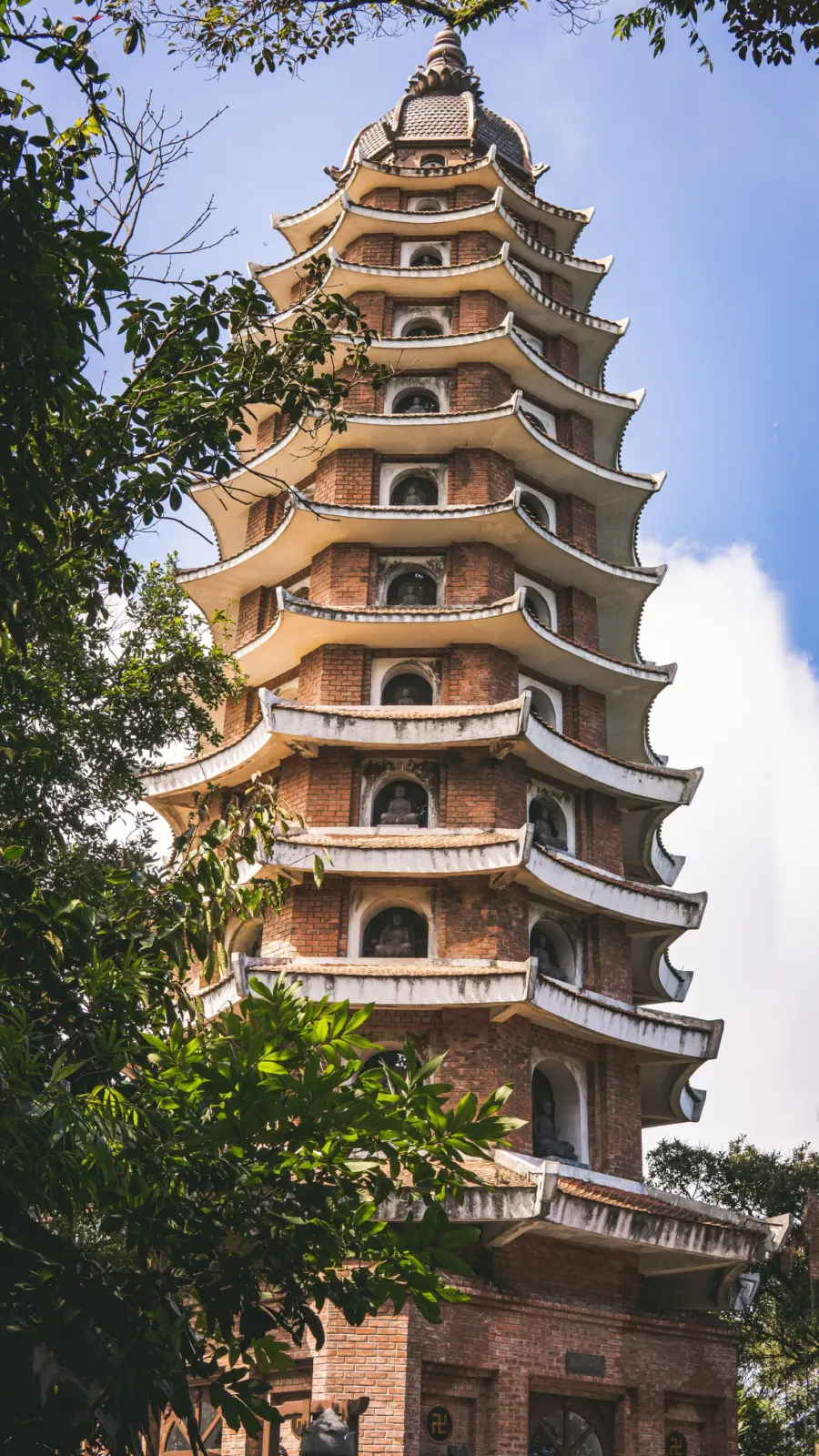
Hồ Tây feels expansive. Trấn Quốc Pagoda stands on a small peninsula along its eastern shore. Nearby, Trúc Bạch Lake is separated from the larger lake by Thanh Niên Road. This part of Hanoi works well in the late afternoon, after some of the historic interiors have closed.
Do not plan to walk around all of Hồ Tây within a two-day city itinerary. It is far larger than Hoàn Kiếm. Pick one section and combine it with Ba Đình instead. Trấn Quốc remains an active religious site, so the pace and behaviour of a visit should reflect that setting.
9. See Long Biên Bridge and the Red River
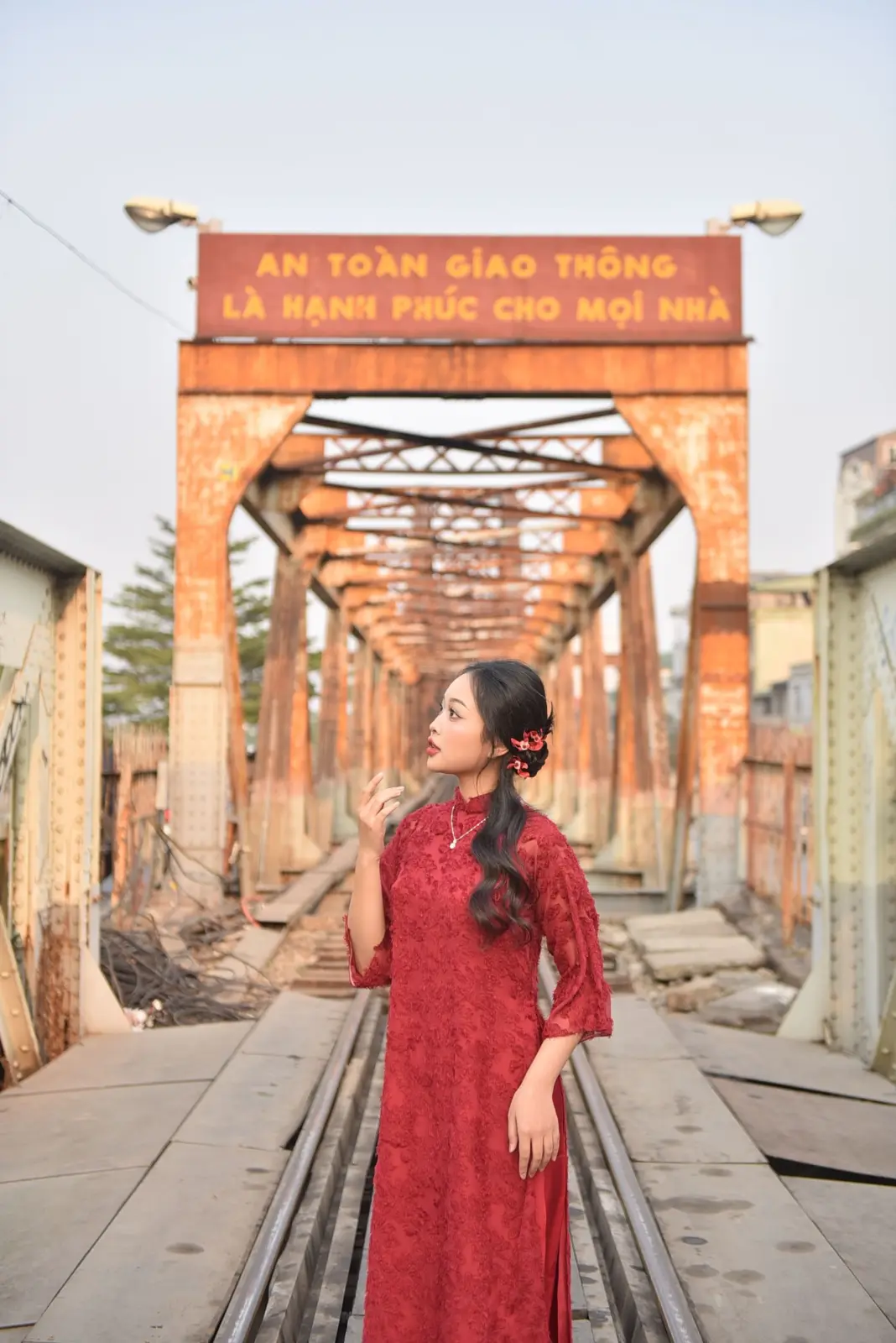
Long Biên Bridge crosses the Red River and reveals a Hanoi shaped by rail, everyday transport, and riverside neighbourhoods. Its metal spans dominate the view north of the Old Quarter. The approach from Đồng Xuân Market is short enough to add after a walk through the former guild streets.
At Long Bien, the scale changes fast. Narrow shopping lanes give way to an open corridor over the Red River. With extra time, the cultivated island below the bridge shows another landscape within Hanoi; a brief visit is enough to understand why the crossing remains a major city landmark.
10. Taste Hanoi’s food in a sensible order
Local food belongs in the itinerary rather than on a separate checklist. Phở, bún chả, bánh cuốn, and chả cá use different techniques and ingredients, so try these 4 dishes across separate meals in Hanoi. Egg coffee provides another distinctly local pause. Many long-running stalls specialise —one dish or a short menu—, which can help you choose.
A guided food walk explains names, accompaniments, and eating customs that a translated menu may miss. It also prevents ordering five similar dishes simply because the differences are unclear. Travelling independently, spread tastings between the Old Quarter, Trúc Bạch, and the French Quarter rather than compressing everything into one evening.
11. Choose between water puppetry and ca trù
Water puppetry introduces Vietnamese stories and rural scenes through figures moving across a water stage. Ca trù is a northern Vietnamese form of sung poetry performed with voice, percussion, and a three-stringed lute. UNESCO placed ca trù on its urgent safeguarding list in 2009, reflecting both its cultural importance and the challenges facing its transmission.
The formats differ. Water puppetry suits a first evening in Hanoi and does not require knowledge of Vietnamese. Ca trù rewards closer musical attention and is often performed in smaller rooms; check the venue’s programme because performance days and times depend on the current schedule.
12. Plan a one-day Hanoi itinerary
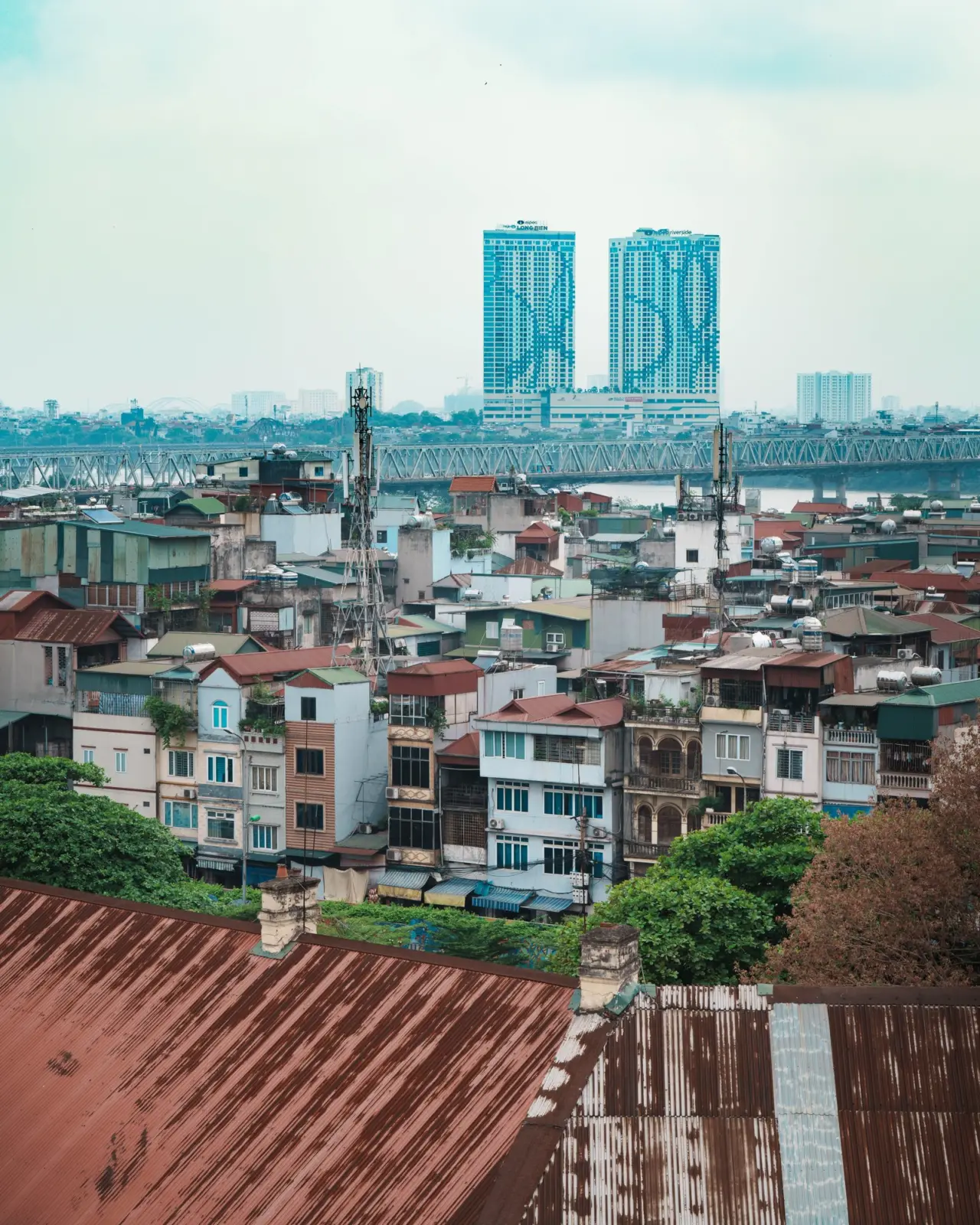
With one day, begin at Hoàn Kiếm Lake and the Old Quarter. Continue through the French Quarter before lunch, then reserve the afternoon for either the Temple of Literature or the Imperial Citadel, not both. Finish by the lake or at a performance. This covers street life, heritage, and culture without spending the day in traffic.
We favour an early free tour for this plan because it solves the initial orientation problem. Afterwards, return to the places that interest you most. If the walk ends near the lake, continue into the French Quarter. If it finishes north of the Old Quarter, carry on towards Đồng Xuân and Long Biên.
13. What to do in Hanoi in two or three days
With two days, give the first to Hoàn Kiếm, the Old Quarter, and the French Quarter. Use day two for Ba Đình, the Imperial Citadel, and the Temple of Literature. This split follows geography. If one museum takes longer than expected, remove a minor stop instead of rushing every visit.
A third day leaves room for West Lake, a food-focused route, or a trip outside central Hanoi. Bát Tràng pottery village and the former capital at Hoa Lư are separate plans and do not belong in the same urban day. Choose according to whether crafts, landscape, or more neighbourhood time matters most.
Practical planning and transport tips
Group sights by area. Put Hoàn Kiếm with the Old Quarter, Ba Đình with the Citadel, and the Temple of Literature with Hỏa Lò. This arrangement limits backtracking across Hanoi.
Use Vietnamese place names. They make address searches easier and reduce confusion between translated names. Save the exact spellings for the main stops before leaving your accommodation.
Anchor each day with one major interior. Keep Hanoi’s streets, lakes, and markets as flexible sections around that booking or opening window.
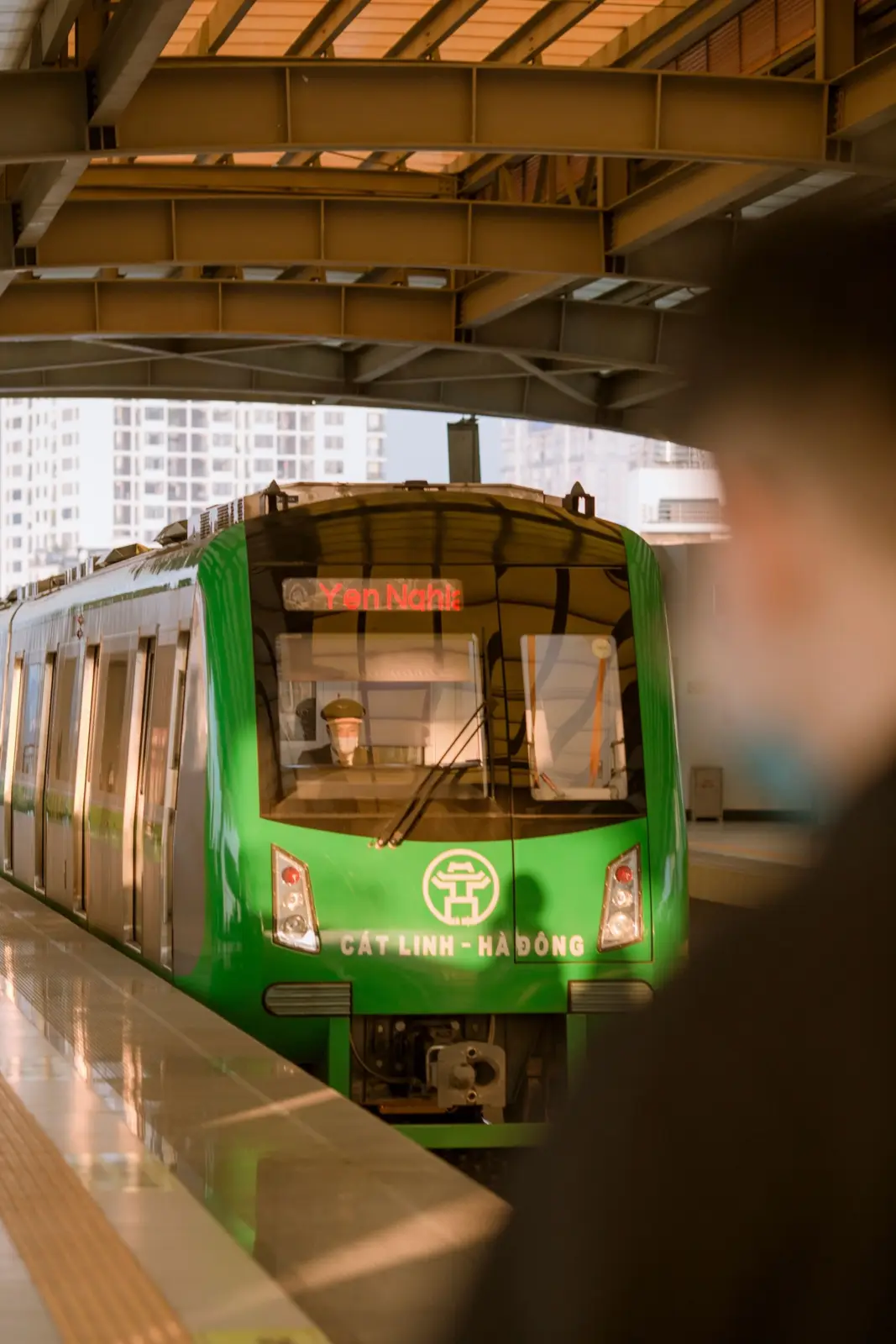
Check public transport. The official Hanoi Metro website carries current line and service information for planning journeys beyond walking distance.
Carry some Vietnamese đồng. Cash remains useful for small admissions, coffee, and street food, even when larger Hanoi businesses accept cards.
Frequently asked questions about Hanoi
How many days do you need in Hanoi?
Two days cover the main districts and monuments without forcing everything into one long day. Three days leave room for food, West Lake, or a nearby trip.
Which part of Hanoi should you visit first?
Start with Hoàn Kiếm and the Old Quarter. They provide clear landmarks and straightforward walking links to the French Quarter and Đồng Xuân Market.
Can you explore Hanoi on foot?
Each central district is walkable, but the distances between Hoàn Kiếm, Ba Đình, and Hồ Tây make a mix of walking and urban transport more efficient.
How much should you tip on a free tour in Hanoi?
A common reference is €10–20 per person. For a small group or an exceptional guru, the contribution may reach €50.
Do you need a credit card to reserve a free tour?
No. GuruWalk lets you book a free tour in Hanoi with no credit card needed, then value the experience at the end.
Start planning your Hanoi visit
We suggest choosing one area for each morning and leaving the afternoons more flexible. To understand the Old Quarter before exploring alone, compare the free tours in Hanoi available on your dates. No credit card is needed to reserve.

Travel marketing specialist with extensive experience in the travel sector. At companies such as Despegar and GuruWalk, she has led traveler-focused digital acquisition strategies. Now, from the GuruWalk blog, she combines her expertise with her passion for discovering and sharing unique destinations.