

BNCA



Bangkok routes group the Grand Palace, historic temples, Chao Phraya river sights, Chinatown, markets and modern districts by area.
 Belén Rivas
GuruWalk
·
Updated 3 Sep 2026
Belén Rivas
GuruWalk
·
Updated 3 Sep 2026Bangkok changes scale from one street to the next: riverside palaces and temples, covered markets, Chinese shophouses, contemporary galleries and elevated railways. This guide organises the best things to do by area—historic, riverside and modern—reducing travel time between sights. A practical way to get oriented early in the trip is to book one of the free tours in Bangkok. No credit card is needed, and the city makes more sense before you explore it independently.
Last verified: August 2026 — Prices, opening hours, and reservation requirements checked against official sources. GuruWalk’s Bangkok guides reviewed the practical recommendations.
There is no single centre in Bangkok. Rattanakosin holds the Grand Palace and historic temples; Yaowarat anchors Chinatown; Siam is a commercial and cultural hub; Silom and Sukhumvit show the contemporary city. An early walking tour helps connect those pieces and decide which districts deserve more time later.
Free tours are booked without an upfront payment. At the end, each walker gives the guru what they consider fair; the usual guideline is €10–20 per person, rising to €50 for a small group or an exceptional tour. We suggest scheduling one on your first day, before visiting the ticketed compounds independently.
Exploring the old part of Bangkok! Local experiences are waiting for you that you will learn about how the Thai…

🚴♂️ See Bangkok in a different light as we explore this vibrant Asian capital by night. Gone are the surging…

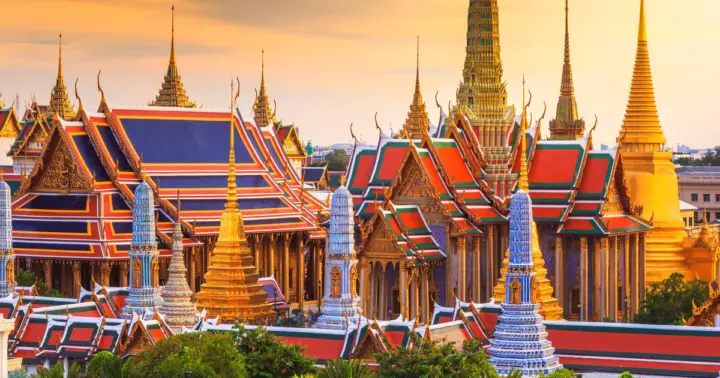
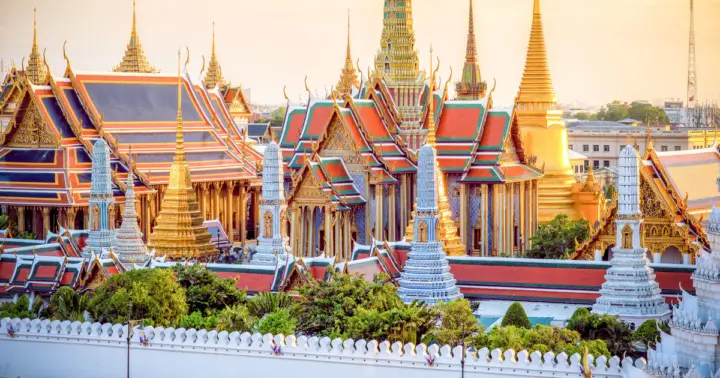
Rattanakosin’s royal quarter brings three major sights into one morning. The Grand Palace was established from 1782 and contains Wat Phra Kaew, the Temple of the Emerald Buddha. Admission for foreign visitors is 500 baht. The compound opens daily from 8:30 am to 4:30 pm, while ticket sales end at 3:30 pm.
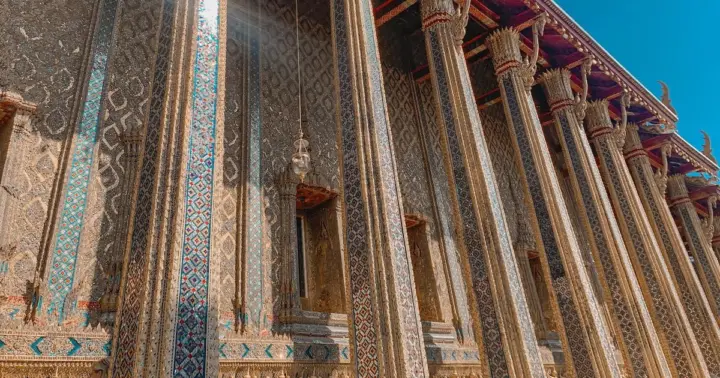
Layered roofs and mosaics mark the Chakri palace buildings. The compound—part royal residence, part temple complex—rewards an early arrival, which leaves enough room for Wat Pho afterwards. Clothing must cover shoulders and knees; the same rule works for the other temples in this itinerary.
A short walk away, Wat Pho is known for its reclining Buddha and its connection to traditional Thai medicine and massage. It opens from 8:00 am to 7:30 pm, and foreign admission costs 300 baht. Look beyond the main statue: the chedi courtyards and galleries explain the complex without repeating the palace experience.
Wat Pho preserves 1,431 inscriptions made between 1831 and 1841 on religious and secular subjects. UNESCO added the collection to the Memory of the World Register. That context reveals the temple as a public repository of knowledge, rather than only a place for photographs.
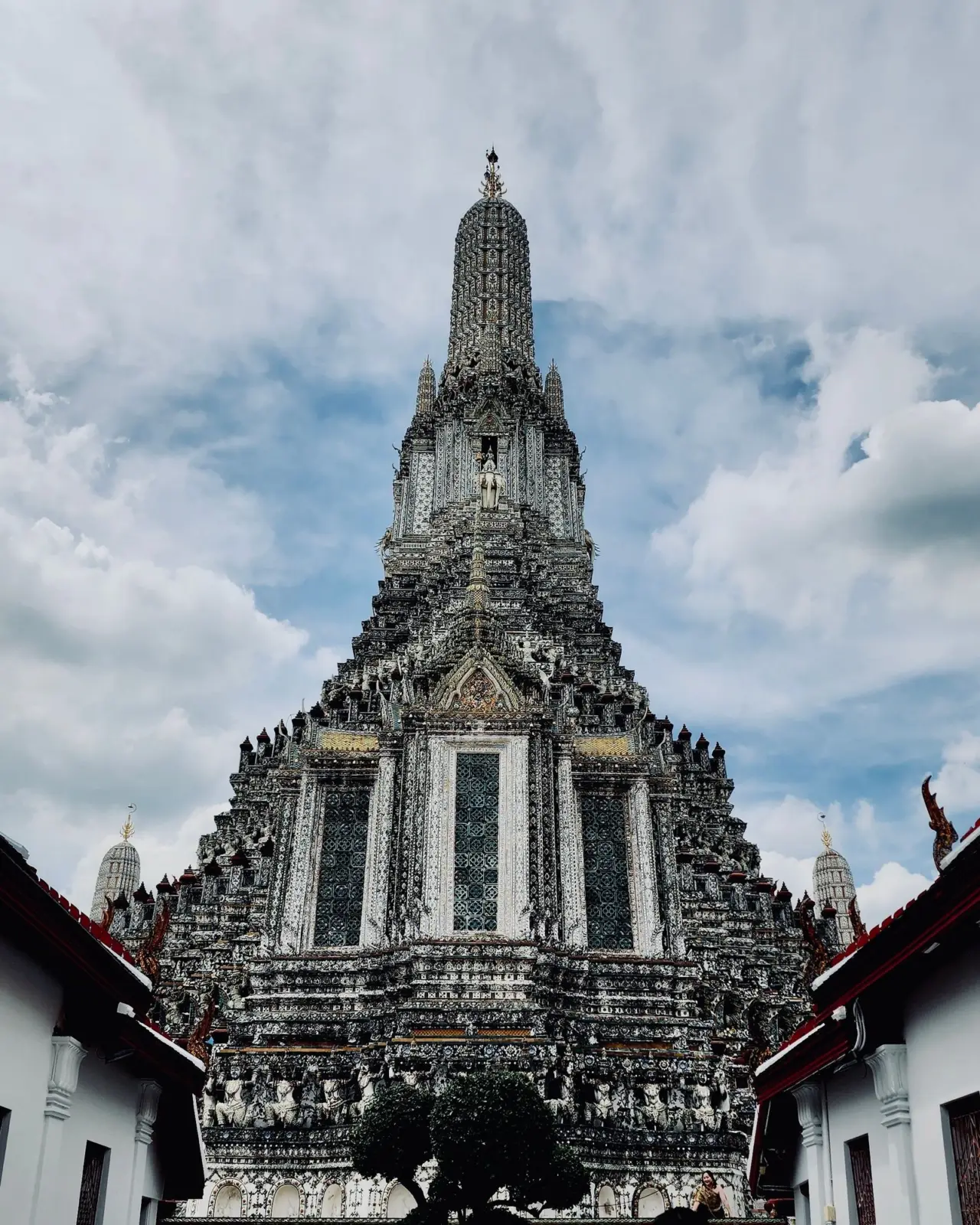
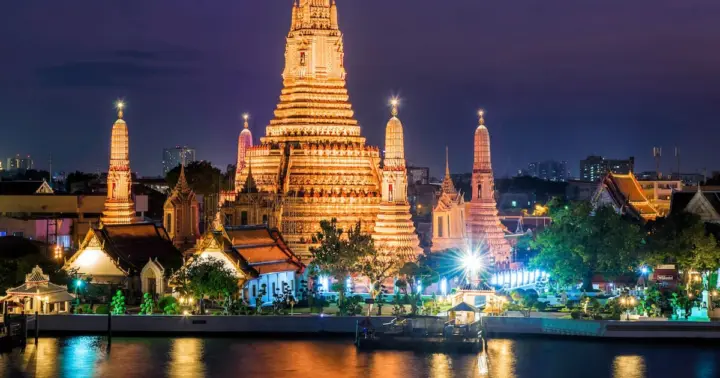
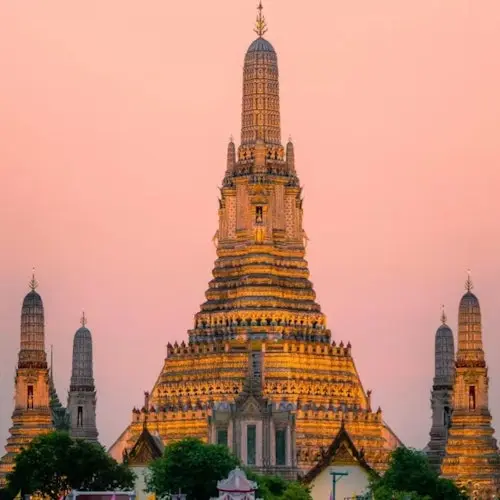
A ferry from Tha Tien crosses to Thonburi and stops near Wat Arun. Its central prang, faced with porcelain and ceramic fragments, is visible from much of the river. The Tourism Authority of Thailand includes the temple among the city’s leading landmarks on its official Bangkok destination page.
This visit fits naturally after Wat Pho because it avoids another road journey. Back on the east bank, continue to Pak Khlong Talat flower market or board a boat towards another section of the river. The Chao Phraya is daily transport as well as a useful line for understanding Rattanakosin, Thonburi, Bang Rak and Sathorn.
Routes and schedules appear on the official Chao Phraya Express Boat website. From 24 June 2026, the orange line runs daily with a flat 17-baht fare. Check the flag colour and pier name before boarding, since not every service calls at the same stops.
Yaowarat shifts character between morning and night. By day, its side streets contain traditional medicine shops, markets, shrines and family businesses. More food stalls take over the main avenue after dark. Talat Noi, farther south, adds workshops, old warehouses, murals and small cafés around Charoen Krung.
A compact route can begin at Wat Traimit, pass through Chinatown Gate and continue into the lanes of Sampeng. Save the food section for the end. Noodles, roast pork over rice, dumplings, seafood and coconut desserts are easy to find; stalls specialising in one or two dishes make choosing simpler.
Museums keep the itinerary moving when the heat is strongest. Museum Siam, beside Sanam Chai MRT station, examines how Thai identity has been shaped through objects, screens and games. It opens Tuesday to Sunday from 10:00 am to 6:00 pm; general admission for foreign adults is 100 baht.
For contemporary art, the Bangkok Art and Culture Centre—directly linked to National Stadium BTS station—opens Tuesday to Sunday from 10:00 am to 8:00 pm. “Free admission,” BACC notes on its visitor page, except for special events. We pair its upper-floor exhibitions with the smaller galleries, bookshops and design spaces below.



Near National Stadium, the Jim Thompson House brings together six traditional teak houses and an Asian art collection. Entry to the main house is only possible on the included guided tour. It opens daily from 10:00 am to 5:00 pm, and adult admission costs 250 baht.
From there, the Siam district is within walking distance. It does not need a full day unless shopping is a priority; use it as the connection between the house museum, BACC and Erawan Shrine. The contrast with Rattanakosin shows how Bangkok expanded eastwards and how strongly the elevated railway shapes the current city.
Chatuchak works best when a visit overlaps the weekend. Its numbered sections cover clothing, ceramics, homeware, plants, books, food and second-hand objects. Arriving by MRT or BTS avoids relying on road traffic. On other days, nearby Or Tor Kor provides a covered food market, while Pak Khlong Talat keeps its focus on flowers and fresh produce.
For a break from streets and compounds, Lumphini and Benjakitti are two central options. Benjakitti combines wetlands, raised walkways and views of the Sukhumvit skyline; Lumphini has paths around a lake and broad tree cover. The pedestrian corridor known as the Green Bridge links them, turning an afternoon into a route without temples or shopping centres.
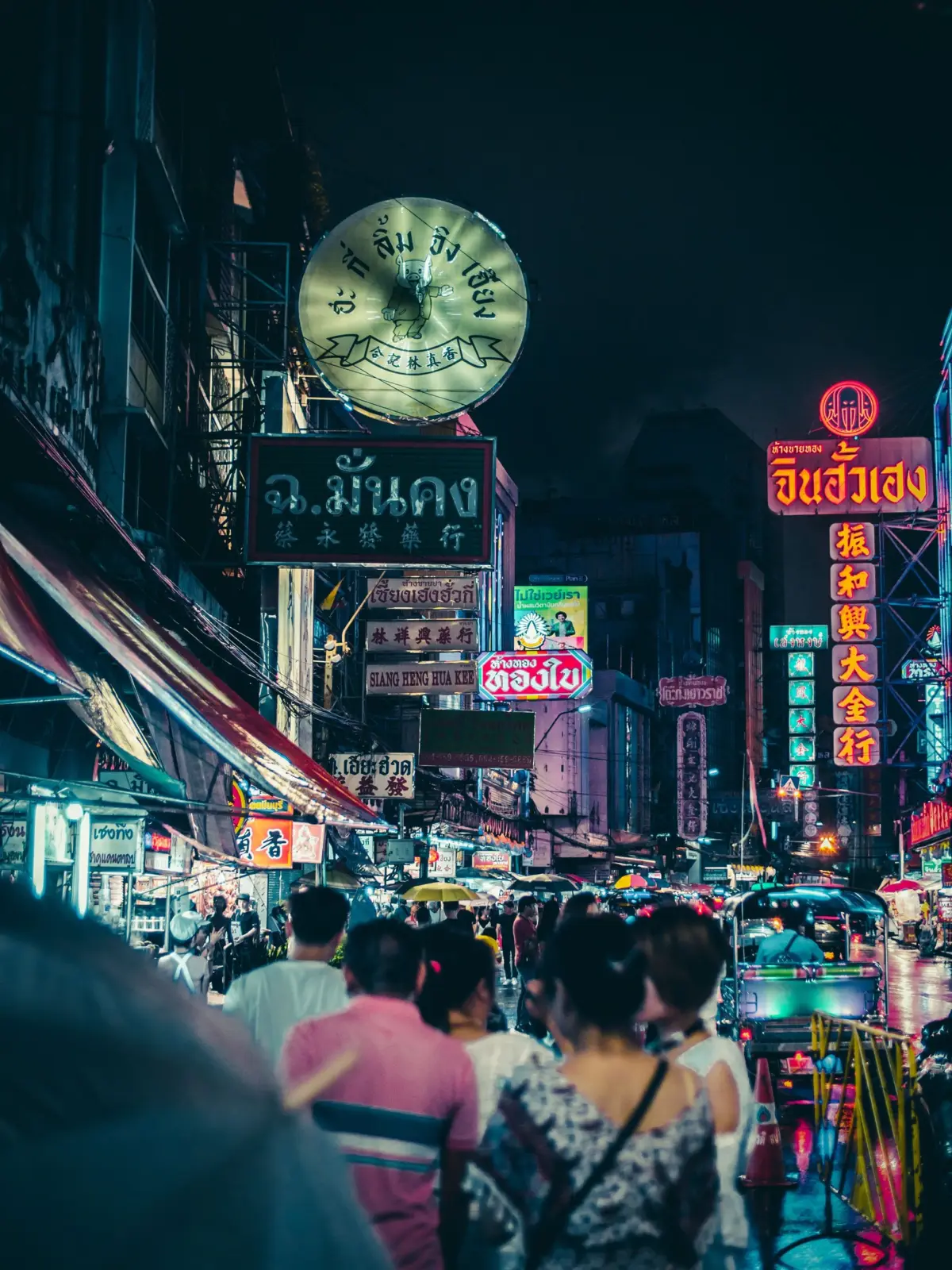
Food is spread across many Bangkok districts. Yaowarat suits an evening route through stalls and small restaurants; Bang Rak mixes Thai, Chinese and Indian cooking; neighbourhood markets handle breakfast and lunch; shopping centres provide food courts with visible prices. Choosing food near the day’s sights avoids crossing the city for a single meal.
Common dishes include pad thai, pad kra pao, som tam, curries, chicken rice, boat noodles and mango sticky rice. Ask about the chilli level. Kitchens along Yaowarat Road can prepare the same recipe very differently, so one question changes the meal. When several people share a table, ordering different plates creates more range without producing a long checklist.
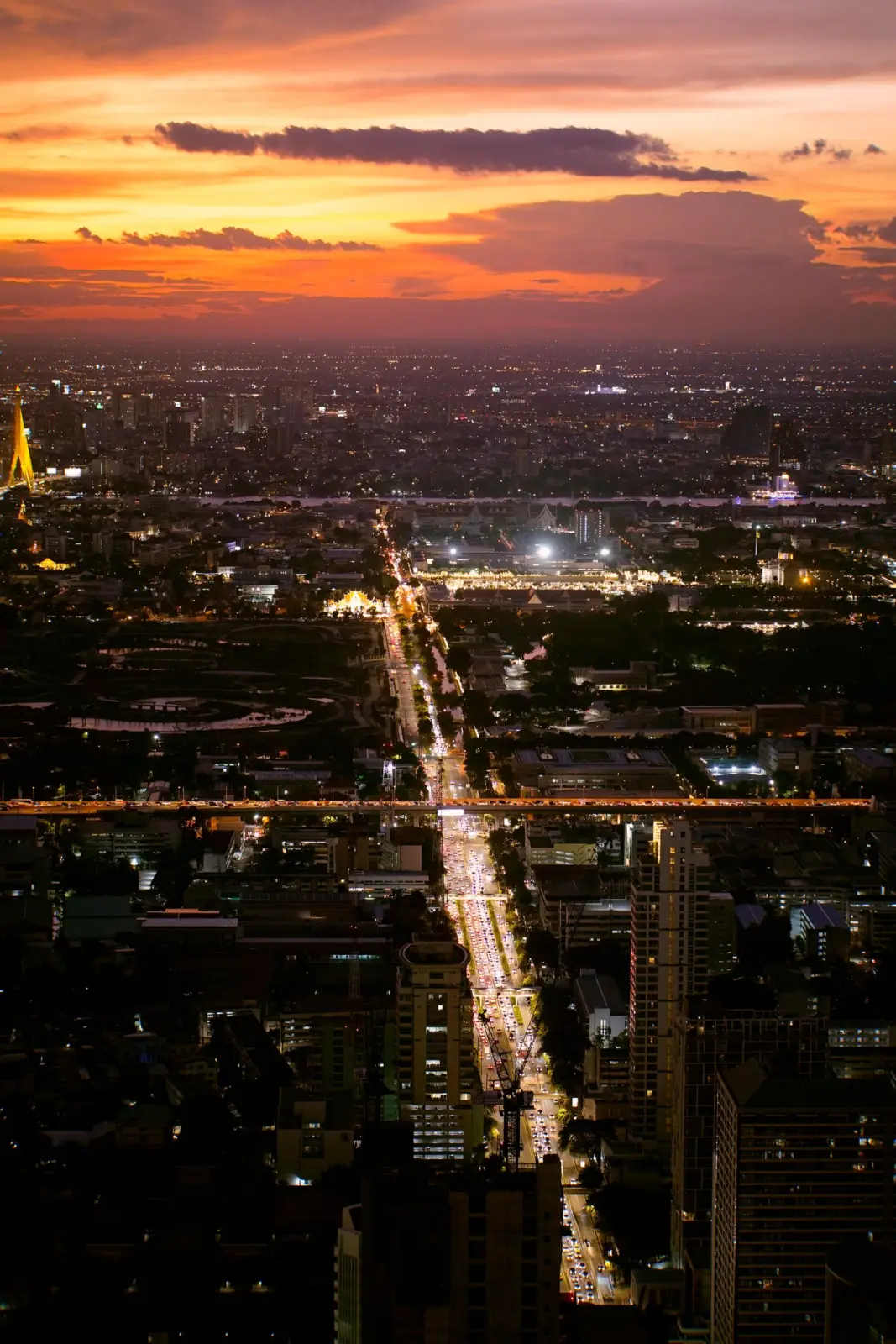
One day: begin with the free tour, enter the Grand Palace and Wat Pho, cross to Wat Arun, and finish in Yaowarat. It is a full programme, but almost the entire day stays around the river and historic centre.
Two days: keep the historic first day. On the second, combine Jim Thompson House, BACC and Siam, then finish in Lumphini or Benjakitti. The sequence covers a traditional house, contemporary art and Bangkok’s large transport corridors.
Three days: add Chatuchak when the third day falls on a weekend. On a weekday, spend the morning in Talat Noi and Bang Rak, take a Chao Phraya boat, and leave the afternoon for Museum Siam or a park. This version allows pauses and avoids stacking religious compounds.
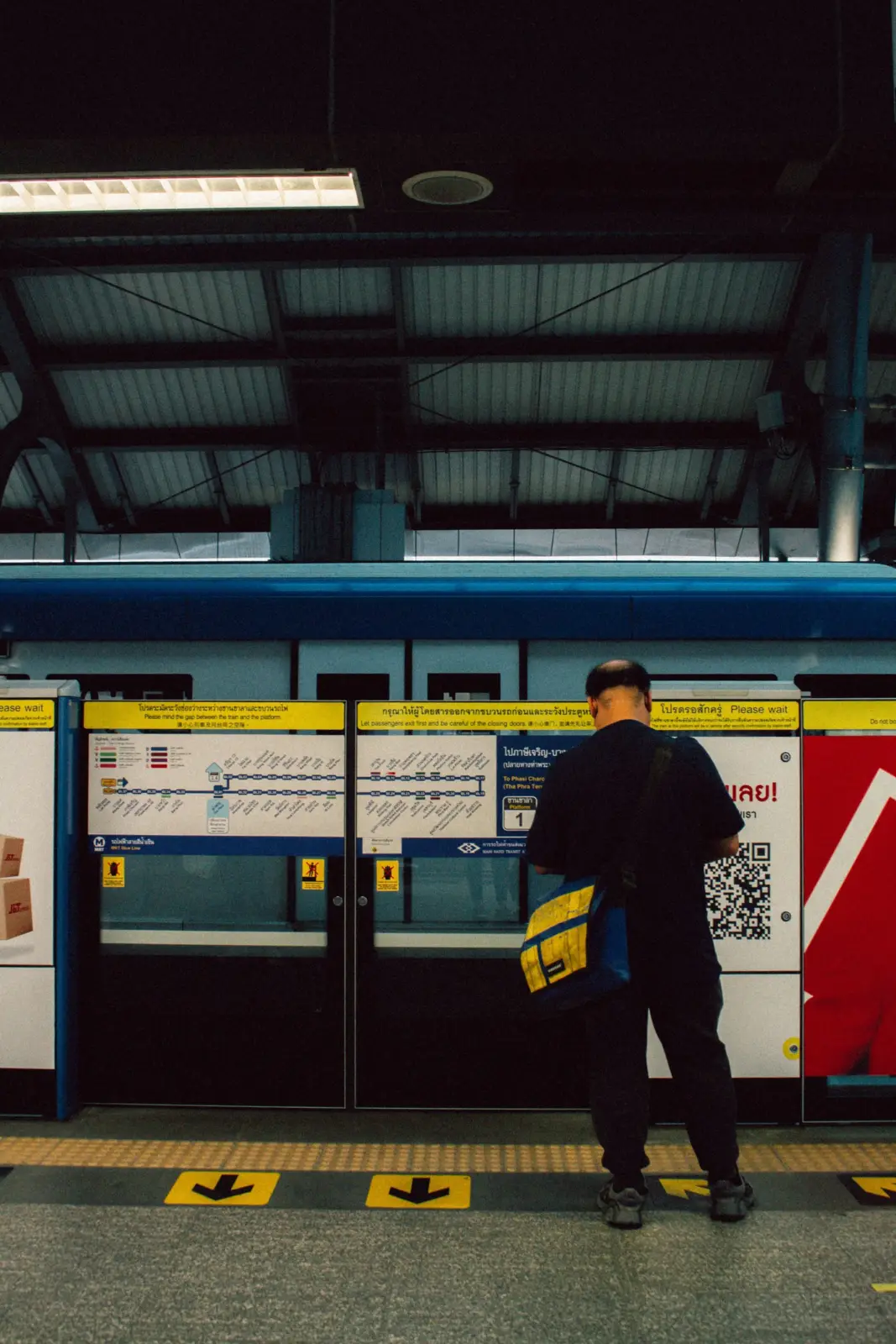
BTS and MRT handle journeys between Siam, Sukhumvit, Silom, Chatuchak and several central districts. Rattanakosin relies more heavily on MRT, boats and walking. Check the official BTS network map before choosing accommodation: staying near an interchange saves more time than selecting a place that merely looks close on a street map.
Stations and piers can still be several minutes from the sight named after their area. Group stops by district and avoid returning to the hotel between visits. Boat plus walking is often the most direct combination for riverside temples; rail is more predictable for Siam, Silom and Sukhumvit.
Before leaving each morning, we save the Thai spelling of the final station or pier and keep the day’s sights in one cluster. This small step—especially around the Chao Phraya—makes transfers easier when English signs use a different transliteration. Rattanakosin can then be treated as one walking zone, while Siam and Sukhumvit remain a separate rail-based plan.
Three days cover Rattanakosin, the river, Chinatown and modern Bangkok without repeating long journeys. Two days are enough for the main landmarks; a fourth creates space for markets, museums or a slower visit to Thonburi.
Book the free tour and any limited-capacity activities once your dates are fixed. The Grand Palace sells official online tickets up to one month ahead, while keeping a ticket office for same-day visitors. Jim Thompson House sells admission only at its official on-site ticket desk.
Yes within districts, but not as one continuous citywide route. Rattanakosin, Yaowarat, Talat Noi and the Siam-BACC axis each work on foot. Use MRT, BTS or a boat between them, saving the day for sights rather than long avenues and junctions.
Start by comparing the free tours in Bangkok and choose one for the first morning; no credit card is needed to reserve. Then complete the itinerary with activities and experiences in Bangkok available on your dates. GuruWalk is the platform for finding and booking free tours with local guides and activities in cities around the world.
Travel marketing specialist with extensive experience in the travel sector. At companies such as Despegar and GuruWalk, she has led traveler-focused digital acquisition strategies. Now, from the GuruWalk blog, she combines her expertise with her passion for discovering and sharing unique destinations.
Local guides, pay-what-you-want and no credit card to book. That is how you understand a city.
Explore free tours on guruwalk.com