


Plan three days in Kuala Lumpur across KLCC, Batu Caves, historic mosques, Little India, Chinatown, markets, temples, viewpoints, and Merdeka Square.
 Julieta Betancor
GuruWalk
·
Updated 27 Aug 2026
Julieta Betancor
GuruWalk
·
Updated 27 Aug 2026Planning the best things to do in Kuala Lumpur is easier with a three-day route that groups KLCC, the historic centre, Chinatown, temples, markets and viewpoints. This guide helps independent travellers and visitors with booked Kuala Lumpur free walking tours combine a guided introduction with time to explore at their own pace.
Last verified: August 2026 — Prices, opening hours, and reservation requirements checked against official sources. GuruWalk’s Kuala Lumpur gurus reviewed the practical recommendations.
Starting with Kuala Lumpur free walking tours gives you an overview of the historic centre before you explore independently. Free tours have no fixed ticket price; a typical tip is €10–€20 per person, with up to €50 appropriate for an especially strong experience.
We’ve put together a complete itinerary to help you make the most of your visit to the Malaysian capital. The plan is organised to group the main attractions efficiently, keeping locations in mind to minimise travel time.
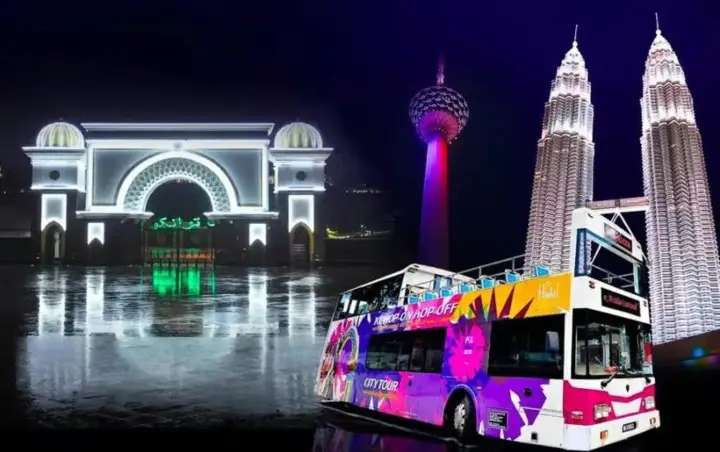
Start your visit by exploring Kuala Lumpur’s most modern and iconic area. Spend the morning at the Petronas Twin Towers and check current admission requirements before choosing a time slot. After that, relax in KLCC Park, where you can see the Lake Symphony fountain and photograph the towers.
In the afternoon, head up the Kuala Lumpur Tower for panoramic views of the city. End the day exploring the Bukit Bintang district, known for its shopping and entertainment scene. It’s a practical place to have dinner or explore the city’s nightlife.
Spend the morning visiting Batu Caves. The exposed 272-step climb can be hot, so carry water and allow time for the ascent. On your way back to the city centre, visit the historic Jamek Mosque and the National Mosque of Malaysia, two buildings that reflect the city’s Islamic heritage.
In the afternoon, explore the lively neighbourhood of Little India (Brickfields) and end the day at Jalan Alor, where you can try street food from several of the city’s culinary traditions.
Start your day at the historic Central Market and continue to Chinatown. Include the alley of Kwai Chai Hong with its artistic murals. Visit Sri Maha Mariamman Temple and stroll through Petaling Street.
In the afternoon, make your way to Thean Hou Temple for views of the city at sunset. Finish your trip at Merdeka Square, the heart of old Kuala Lumpur.
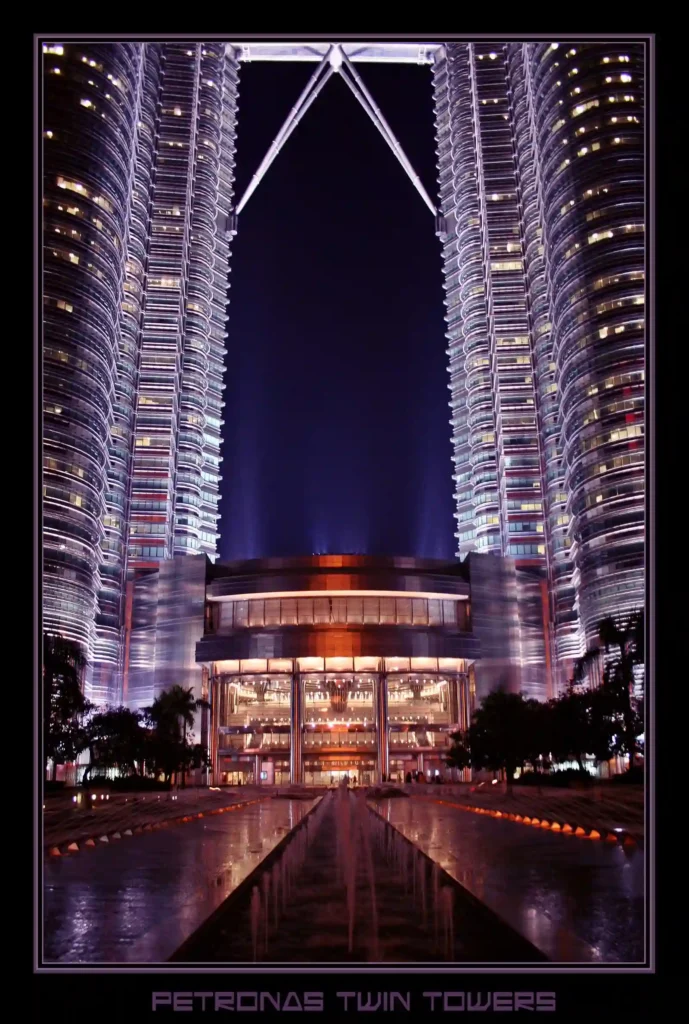
The iconic Petronas Towers rise in the heart of Kuala Lumpur, representing not only the city’s most recognisable symbol but also a milestone in modern global architecture. Standing 452 metres tall, these twin giants held the title of the world’s tallest buildings from 1998 to 2004 and remain the tallest twin towers ever built. Designed by architect César Pelli, the towers blend elements of Islamic geometry with steel and glass, connecting Malaysian cultural tradition with architectural innovation.
At the base of the towers, you’ll find a shopping mall, the headquarters of international companies and, for those looking to discover what to see in Kuala Lumpur, the Skybridge. This connecting bridge on floors 41 and 42 offers visitors the chance to walk between the two towers at a height of 170 metres. The observation deck on the 86th floor provides a broader view across the Malaysian capital. Consult availability before planning the visit.
The surrounding KLCC complex includes a 20-hectare park with artificial lakes, musical fountains and jogging paths, offering a place to pause after exploring Kuala Lumpur. At dusk, the illuminated towers provide a clear evening photo opportunity.

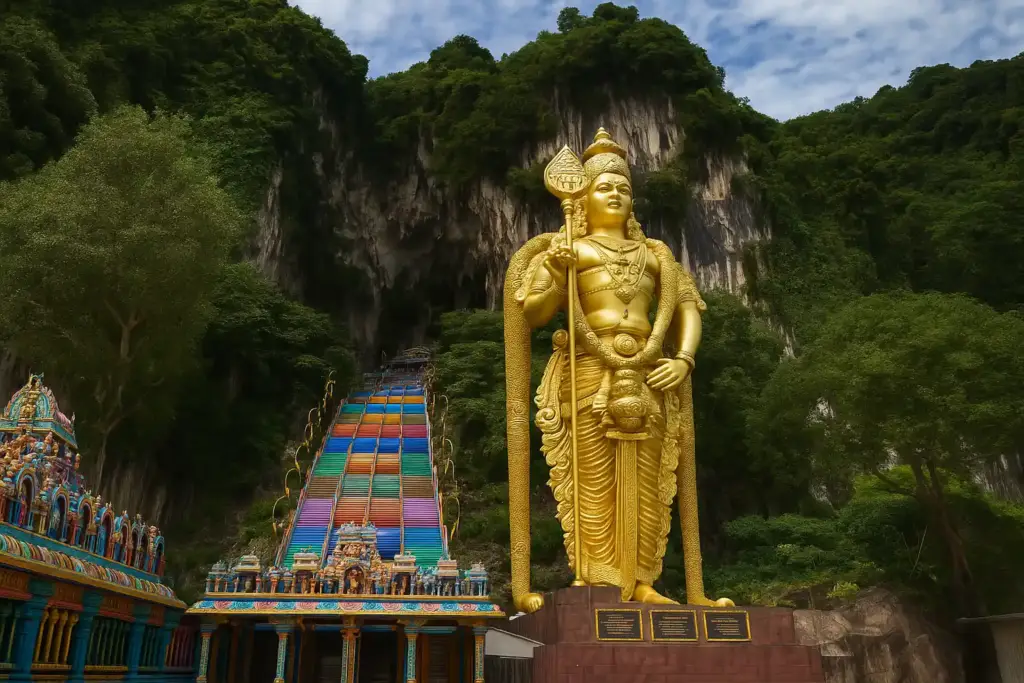
The Batu Caves bring together nature, spirituality and architecture in a single site. This limestone cave complex, formed more than 400 million years ago, is home to one of the most important Hindu temples outside India. The towering golden statue of Lord Murugan, standing 42.7 metres tall, guards the entrance and is the tallest Hindu statue in the world outside India.
To reach the main temple, visitors must climb 272 steps, painted in rainbow colours. Local guides flag two practical points: the climb is exposed to the heat, and the long-tailed macaques may grab loose food or belongings. Keep bags closed and avoid feeding them.
At the top, the main Temple Cave has a natural vaulted ceiling rising up to 100 metres. Sunlight filters through natural openings onto the shrines and altars dedicated to Hindu deities. During the Thaipusam festival, held between January and February, the site becomes the centre of one of the most important Hindu celebrations outside India.
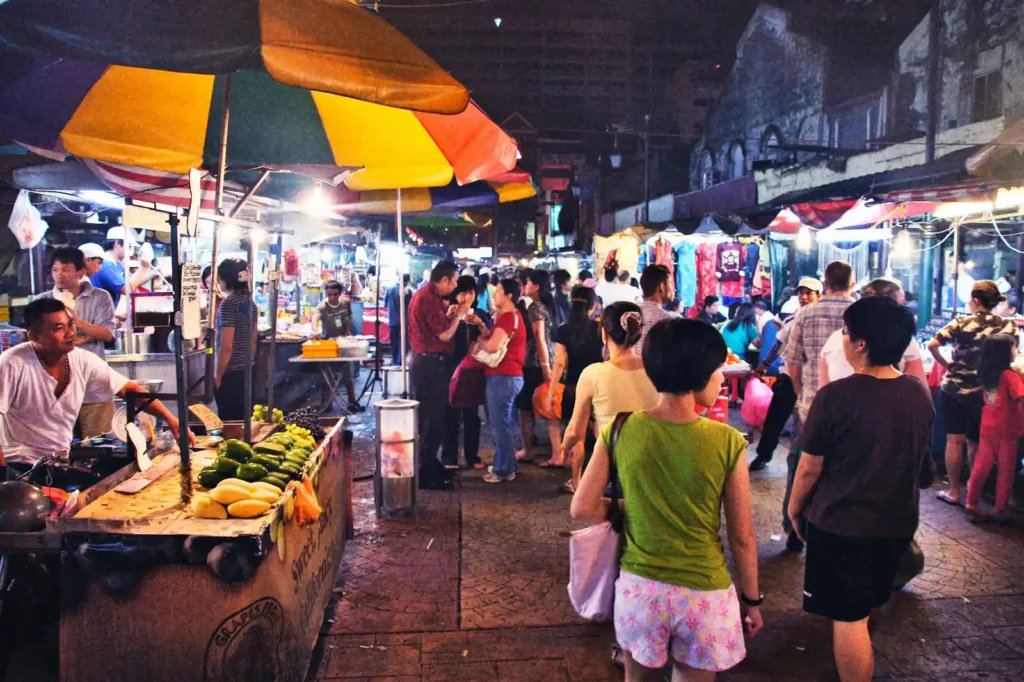
The Chinatown district is centred around Petaling Street. This historic neighbourhood reflects the city’s Chinese heritage, with narrow streets lined by traditional architecture, temples, long-established shops and street-food stalls.
Petaling Street, the commercial heart of Chinatown, turns into a night market at dusk beneath a distinctive green roof. Bargaining is common, and stalls sell replica designer items alongside traditional Chinese goods.
Beyond shopping, Chinatown offers Chinese and Malaysian food, including Hokkien Mee, Claypot Chicken Rice and dim sum. Sri Maha Mariamman Temple, the city’s oldest Hindu temple, is close enough to combine with Petaling Street and Central Market on foot. Local guides often use this compact area to help travellers understand how the city’s Chinese, Hindu and Islamic landmarks sit alongside one another.

The historic Merdeka Square, also known as Independence Square, was the setting of one of the most significant moments in Malaysia’s history: the declaration of independence from British rule in 1957. A 95-metre flagpole flies the Malaysian flag in memory of that day.
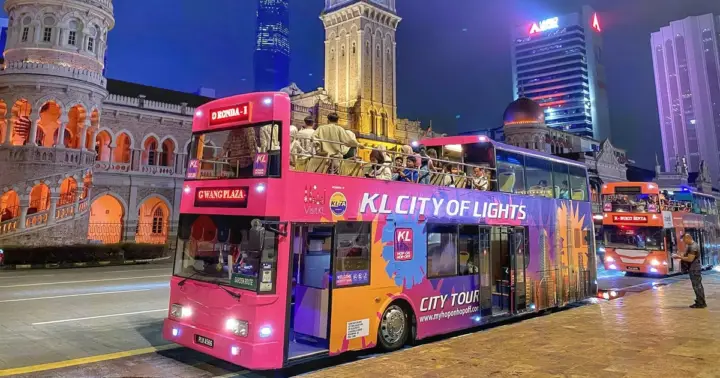
Surrounding the square is a collection of British colonial architecture, with the Sultan Abdul Samad Building as the main landmark. This Moorish-style structure, with its copper dome and central clock tower, combines British design with Islamic influence. The former cricket field, now part of the square, is a reminder of Malaysia’s colonial past and remains a green space in the city centre.
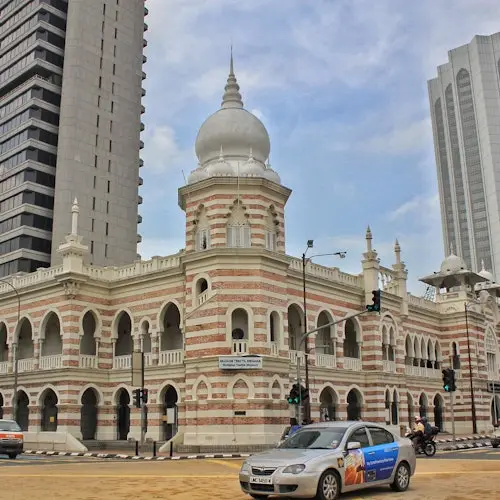
Merdeka Square also hosts national events and festivals. The surrounding buildings include institutions such as the Textile Gallery and the Kuala Lumpur City Gallery. Travellers commonly find the site easier to interpret when they view the square together with the Sultan Abdul Samad Building and the nearby river confluence rather than treating it as a standalone photo stop.
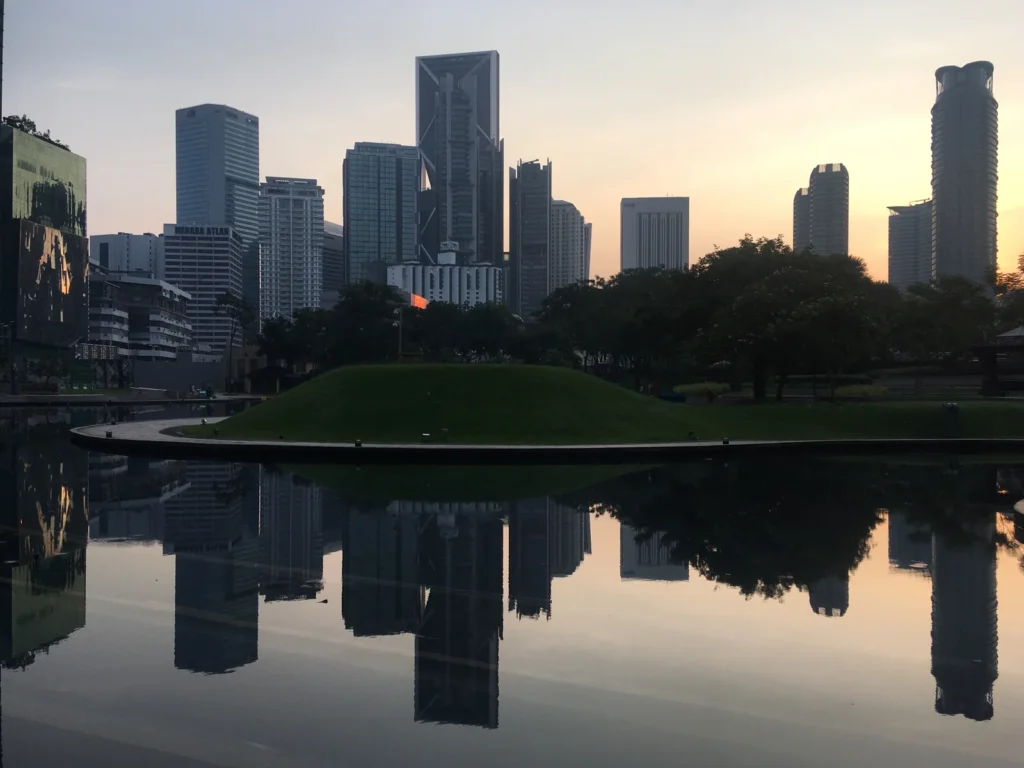
KLCC Park is a 20-hectare urban park in the heart of the city. Designed by architect Roberto Burle Marx, it combines Malaysian tropical landscaping with modern urban design. Winding pathways lined with native plant species provide views of the Petronas Towers.
The centrepiece is Lake Symphony, an artificial lake with programmed light, music and fountain displays reaching heights of up to 42 metres. It is a useful evening stop when paired with the illuminated towers.
The park also features a reflecting pool, covered children’s playground, 1.3-kilometre jogging track and elevated bridge. A birdwatching area and two-level waterfall add quieter spaces within the urban setting.

The National Mosque of Malaysia (Masjid Negara) is a striking example of modern Islamic architecture. Built in 1965, shortly after Malaysia’s independence, it represents the spiritual freedom of the nation and can accommodate up to 15,000 worshippers. Its design blends traditional Islamic elements with modern architecture, most notably the folded umbrella-shaped main roof, which symbolises the five pillars of Islam.
The mosque complex spans 13 acres of maintained gardens, featuring reflective pools and traditional pavilions. The main minaret rises 73 metres above ground, while the roof is decorated with geometric patterns. Visitors can see Arabic calligraphy, lattice windows and spacious prayer halls.
Visitors may be able to join a free guided tour offered by mosque volunteers. These tours explain the building’s architecture, Islamic practices and the mosque’s cultural significance in modern Malaysian society. Check access arrangements before travelling because worship and visitor periods can change.

The KL Tower (Menara Kuala Lumpur) rises 421 metres above the city, offering a different perspective over the Malaysian capital. As the fourth tallest telecommunications tower in the world, the structure blends modern functionality with traditional Islamic architectural elements. Its location on Bukit Nanas Hill provides 360-degree views, including an angle on the Petronas Towers.
The observation deck, situated at 276 metres, provides city views and includes glass-floor experiences. The Atmosphere 360° revolving restaurant, located at 282 metres, completes one full turn every 90 minutes. The tower complex also includes additional attractions such as a mini zoo, cultural village and cultural shows; consult current availability before planning around them.
At the base, visitors will find entertainment levels including an art gallery, souvenir shops and an interactive exhibition centre about the tower’s construction. The complex is surrounded by KL Forest Eco Park, where visitors can walk along canopy trails within central Kuala Lumpur.
 MS
MS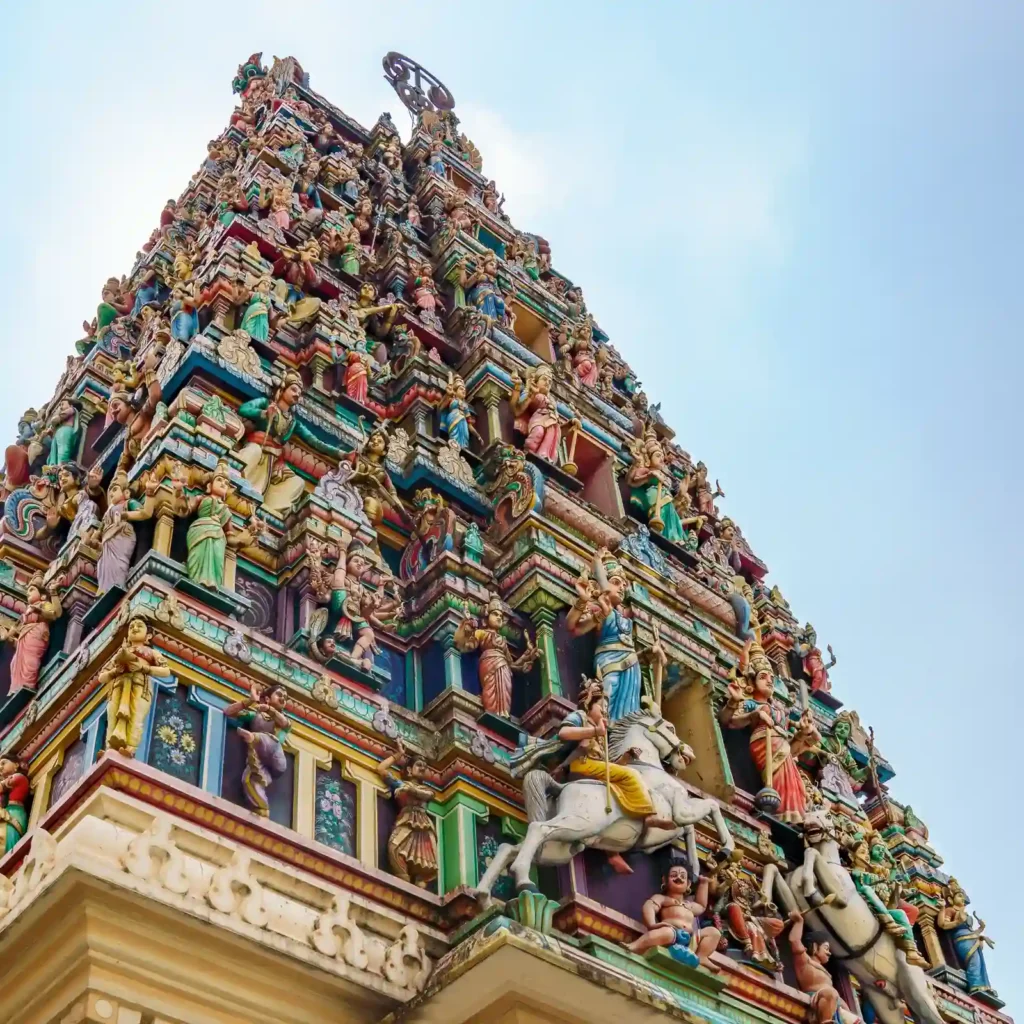
Sri Maha Mariamman Temple, the oldest Hindu temple in Kuala Lumpur, was founded in 1873. This sanctuary dedicated to the goddess Mariamman is an example of South Indian Dravidian architecture. Its five-tiered gopuram, or entrance tower, is decorated with more than 228 sculptures of Hindu deities and mythological creatures.
The interior has frescoes across the ceilings and walls, telling stories from Hindu mythology. The main shrine houses the image of goddess Mariamman, revered as a protector against illness and a guardian of health and prosperity. Visitors should remember that it is an active place of worship and follow instructions concerning dress, shoes and photography.

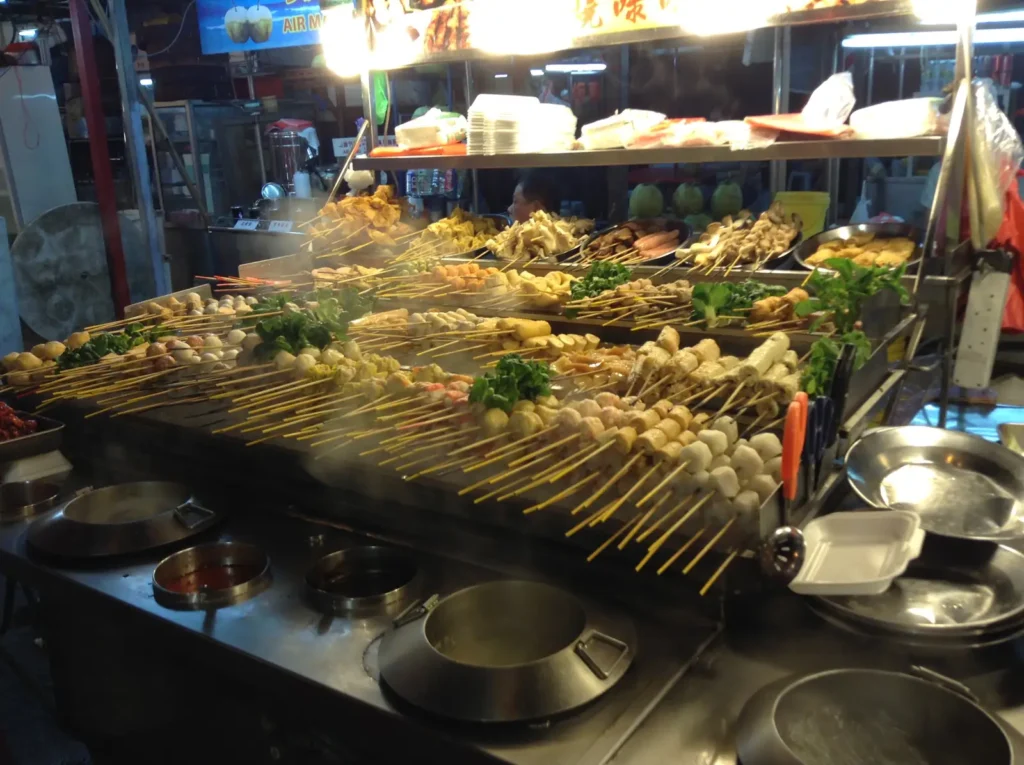
Jalan Alor is one of Kuala Lumpur’s best-known street-food areas. The street becomes busiest after sunset, when rows of food stalls and open-air restaurants serve Chinese, Malay and Indian dishes.
Dishes include satay, Hokkien Mee and Char Kway Teow. Traditional Chinese barbecue stalls serve seafood and grilled meats, while durian vendors offer the locally popular fruit.
Plastic tables spill into the street beneath neon signs, creating an informal nightlife setting used by locals and visitors. Vendors also serve desserts such as Ais Kacang and Cendol, both suited to the city’s tropical climate.

The historic Central Market, a 1930s Art Deco building, is an important cultural hub in Kuala Lumpur. Originally a wet market, it has been transformed into a centre for Malaysian crafts and culture. Now listed as a National Heritage Site, the building retains its pastel blue facade and original structure.
Inside, the market is divided into zones that reflect Malaysia’s cultural diversity. Lorong Melayu features traditional Malay handicrafts, while Straits Chinese and Little India showcase products from those communities. The market sells souvenirs including batik fabrics, traditional textiles, local jewellery and antiques. Local artisans sometimes offer demonstrations of their craft techniques.
The Annexe, a modern extension of the market, houses art galleries, performance spaces and studios where local artists work and exhibit. The upstairs food court offers traditional Malay dishes. The outdoor area also hosts cultural performances and live music at selected times.
On the ground floor, look for the tucked-away shop of an elderly artisan who has been carving personalised stamps by hand for over 40 years. For a small fee, he can carve your name in traditional Chinese or Malay script while you wait — a one-of-a-kind souvenir you won’t find anywhere else.
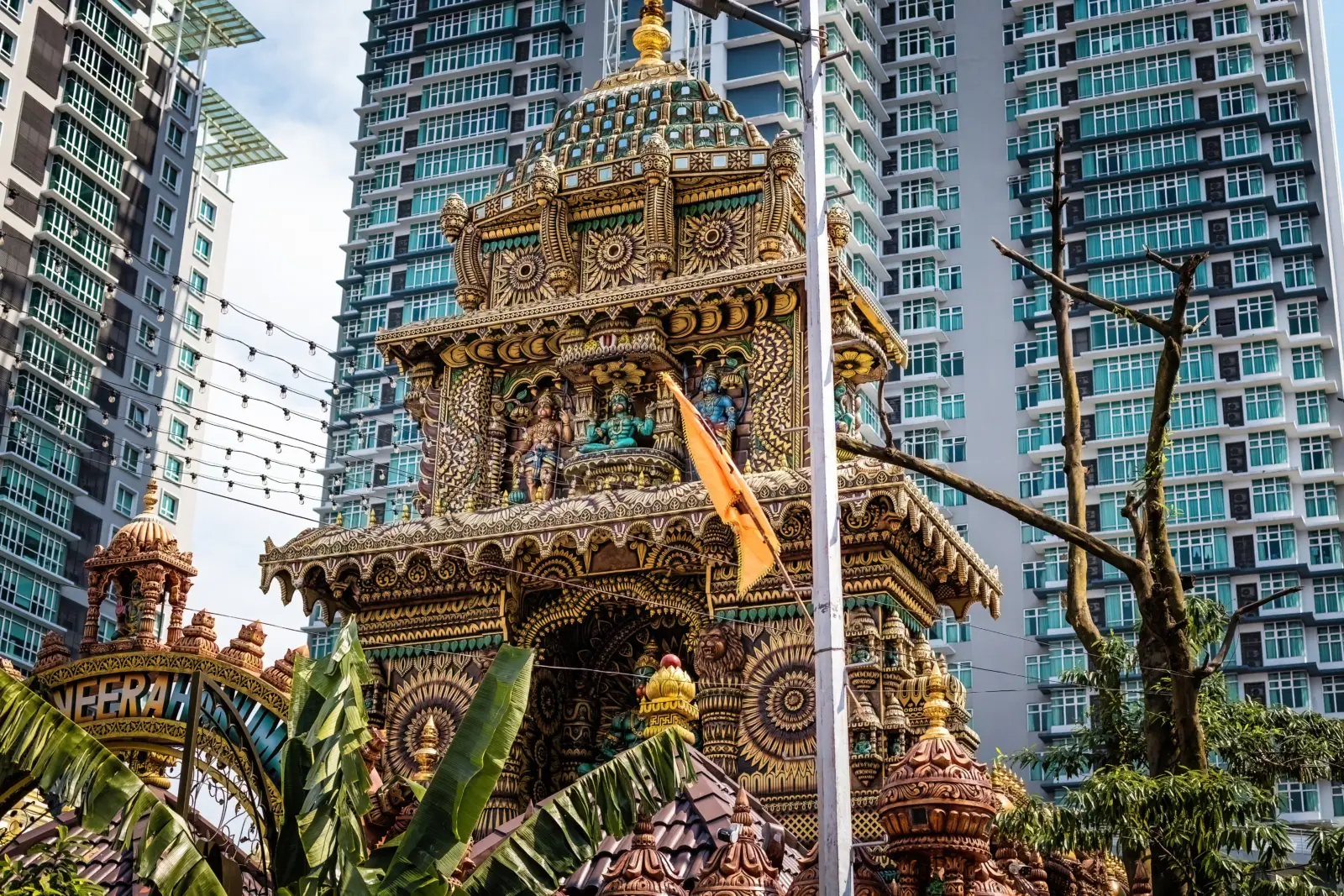
Little India, located in the historic Brickfields district, is a cultural enclave for anyone exploring Kuala Lumpur. The streets, decorated with bright arches and lotus-shaped streetlights, are filled with the scent of spices and jasmine flowers. This lively neighbourhood is the heart of the Indian community in Kuala Lumpur, with restaurants, shops and religious sites connected to the traditions of the Indian subcontinent.
Shops lining the main streets display saris, textiles, jewellery and religious items. Bollywood music mixes with the sound of vendors negotiating prices. Restaurants serve South Indian cuisine, from dosas to thali meals presented on banana leaves.
The neighbourhood becomes especially active during Indian festivals such as Deepavali and Thaipusam. Local Hindu temples, including Sri Kandaswamy Temple, offer a glimpse into the spiritual life of the community. Spice shops and ayurvedic stores sell traditional ingredients and remedies.

Thean Hou Temple stands on a hill with panoramic views of the city and is one of the largest Buddhist temples in Southeast Asia. This six-tiered structure blends contemporary, Buddhist, Taoist and Confucian architectural styles, reflecting Malaysia’s Chinese heritage. Dedicated to the goddess Tian Hou, the temple functions both as an active place of worship and a tourist attraction.
The architecture includes multi-tiered curved roofs, ornate pillars and carvings depicting scenes from Chinese mythology. The surrounding gardens include a medicinal herb garden and statues of the twelve Chinese zodiac animals. The temple is particularly active during festivals such as Lunar New Year and the Mid-Autumn Festival.
Inside, the temple is decorated with red lanterns, murals and altars. The main prayer hall houses three altars dedicated to different deities, while the upper floors offer spaces for meditation and quiet reflection. The terraces provide views of the Kuala Lumpur skyline at sunset.
The Lantern Festival takes place on the 15th day of the first lunar month, when red lanterns decorate the complex. Festival dates and access arrangements vary, so plan the visit around the current programme.
Bukit Bintang is the commercial and entertainment heart of Kuala Lumpur. This district combines modern shopping malls, restaurants, cafes and nightlife venues, connected by covered walkways and public transport.
The area is home to major malls including Pavilion KL, Lot 10 and Berjaya Times Square. From international luxury brands to local boutiques, the district caters to a wide range of budgets. The food courts provide an introduction to the city’s culinary variety, with both Malaysian and international options.
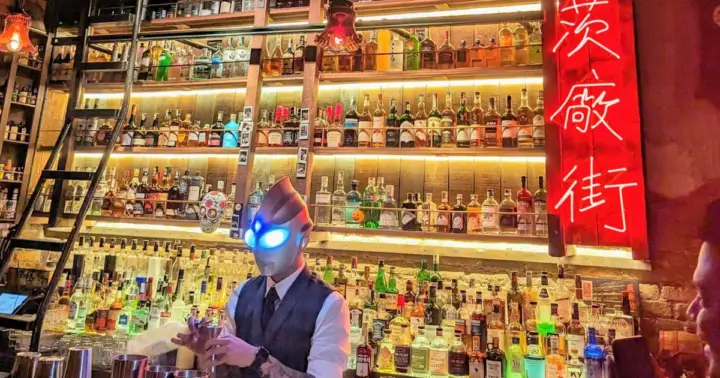
At night, Changkat Bukit Bintang becomes a centre for bars, international restaurants and live music venues set in restored colonial buildings. The side streets also contain smaller cafes and cocktail bars.

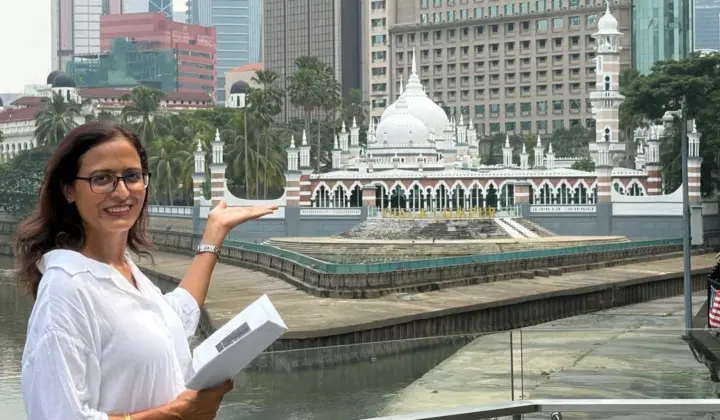
The historic Jamek Mosque, also known as Masjid Jamek Sultan Abdul Samad, is one of Kuala Lumpur’s oldest religious buildings. Built in 1909 at the confluence of the Klang and Gombak rivers, the site where the city was founded, the mosque is an example of Mughal and Indo-Saracenic architecture. Its onion-shaped domes, minarets and pointed arches reflect the city’s Islamic heritage.
The mosque was designed by British architect Arthur Benison Hubback, who drew inspiration from North Indian Mughal architecture. The gardens offer a quieter setting, while the River of Life square next to it connects the mosque with the riverfront. Illuminated fountains operate at selected times.
The interior is more modest than its exterior, with inner courtyards, ritual ablution fountains and prayer halls. Guided visits may provide context about the mosque’s history and its role in Kuala Lumpur; consult current visitor access before going.
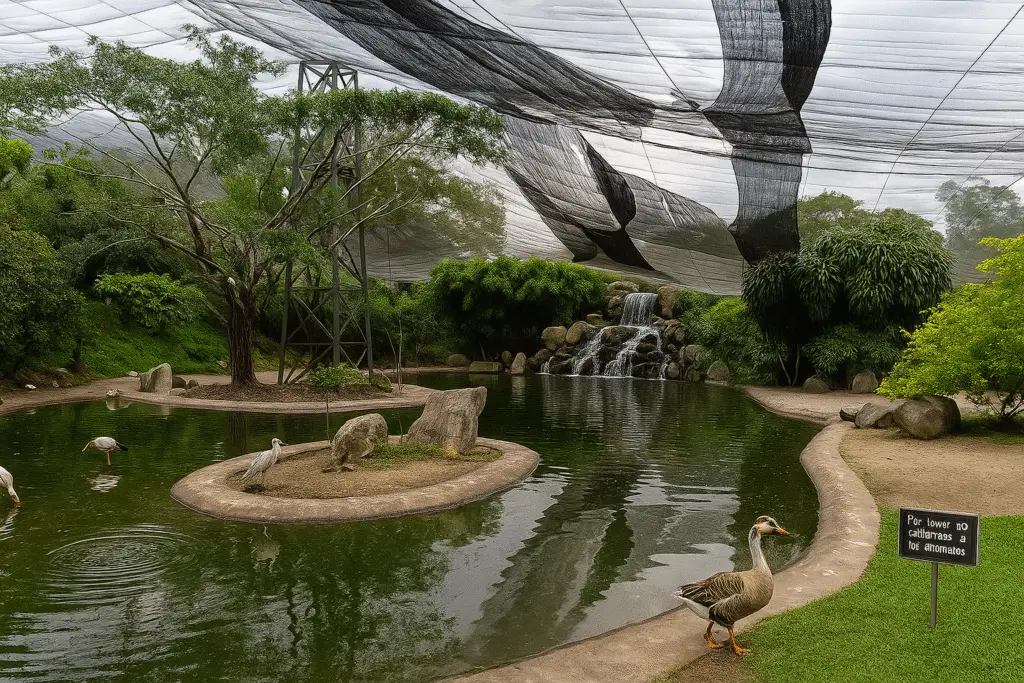
The Kuala Lumpur Bird Park is a covered aviary in the Lake Gardens. This 8.5-hectare park is home to more than 3,000 birds from around 200 species, most native to Southeast Asia. Its free-flight aviary concept allows birds to move within large suspended nets.
The park is divided into four zones designed around different habitats. Exhibits include birds ranging from toucans to peacocks, while activities may include scheduled feeding sessions and bird shows. Consult current availability and admission information before visiting.
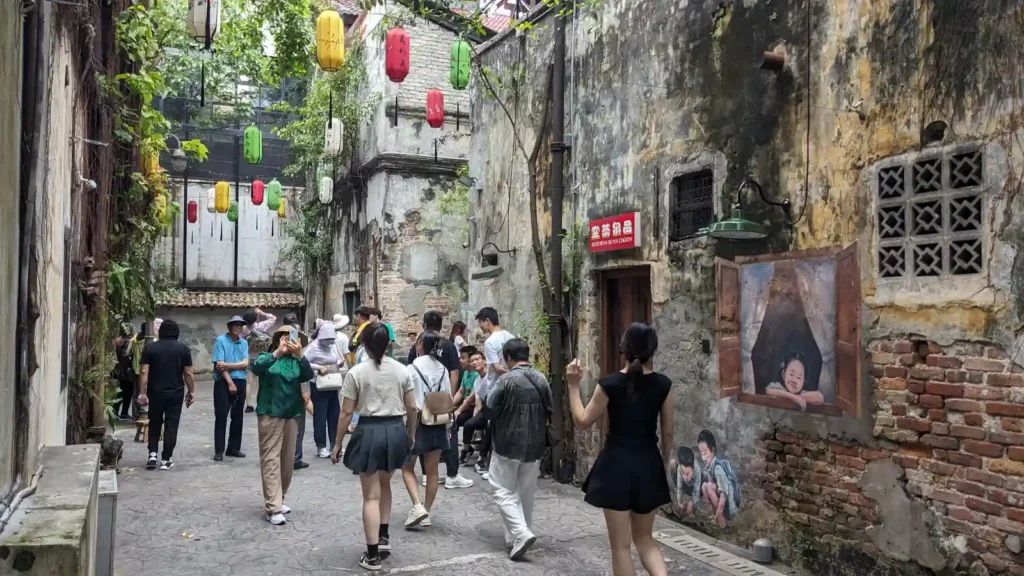
Kwai Chai Hong is a restoration project in the heart of Chinatown. This historic alleyway has been transformed into an open-air gallery about the city’s Chinese cultural heritage. Murals and interactive installations recreate everyday scenes from the 1960s.
The restored buildings lining the alley maintain traditional Chinese architecture, while the murals tell stories about the daily lives of early Chinese immigrants. Interactive elements let visitors step into the painted scenes, and QR codes provide background on the history and meaning of individual works.
The project has also attracted cafes, bars and boutique shops to the surrounding heritage buildings. Weekends can be busier when the area hosts cultural events and pop-up markets.
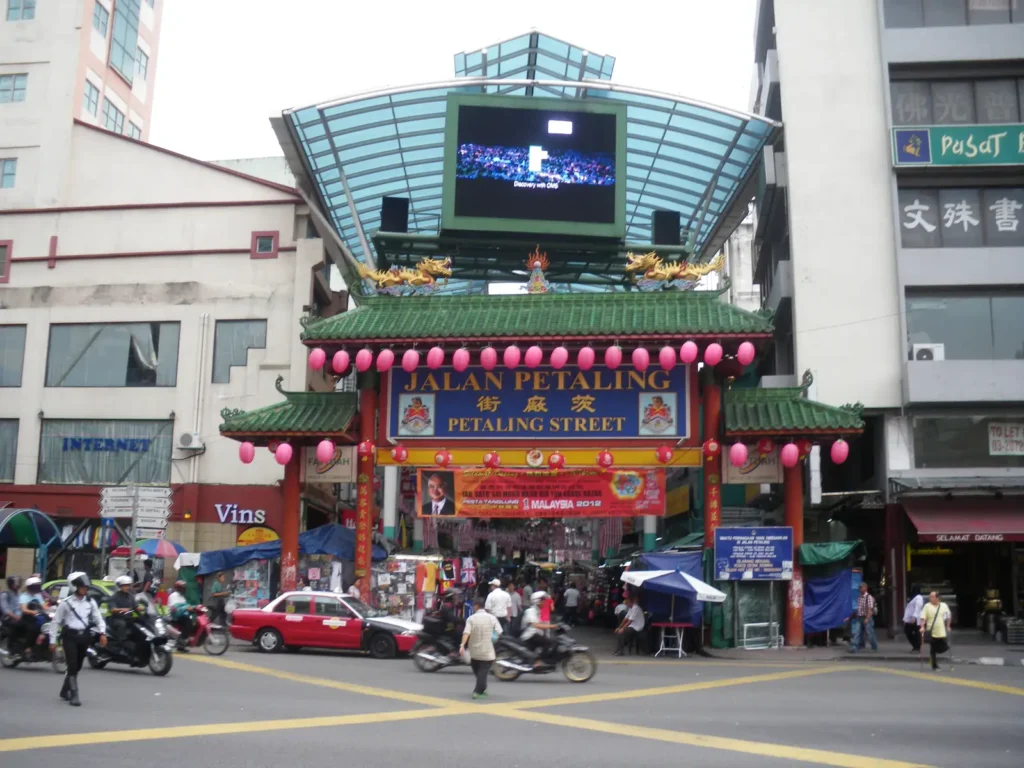
Petaling Street, the commercial heart of Chinatown, is covered by a distinctive green roof and is known for its night market. During the day, traditional shops offer products ranging from Chinese medicinal herbs to textiles, while at night the area becomes an evening bazaar.
The street combines food stalls with vendors selling clothes and souvenirs. Local dishes include Hokkien noodles and traditional Chinese sweets. Historic buildings with Art Deco facades and traditional Chinese architecture form the backdrop to the market.
Nearby temples such as Chan See Shu Yuen and Sri Maha Mariamman reflect the area’s multicultural history. The side alleys contain heritage buildings and small family-run shops that have operated for generations.
🕒 Timing: Traditional shops generally operate during the day, while the night market starts later. Check current schedules rather than relying on fixed hours.
💰 Haggling: Bargaining is common at market stalls. Keep the exchange friendly and agree on the price before buying.
🍜 Food: The area is known for Hokkien Mee, fish porridge and Chinese sweets.
Malaysia offers historic cities, islands, highlands and destinations in Borneo beyond its capital. These places can extend a visit to Kuala Lumpur.
Georgetown, the capital of Penang, is famous for its UNESCO World Heritage-listed old town. The historic streets blend British colonial architecture with Chinese temples and traditional mansions. Georgetown’s street art has gained international recognition, with murals telling parts of the city’s story.
Penang’s cuisine includes Char Kway Teow, Asam Laksa and Nasi Kandar, found at night markets and local food courts. Kek Lok Si Temple is the largest Buddhist complex in Malaysia.
This historic port city reflects Malaysia’s colonial heritage, shaped by Portuguese, Dutch and British influences. Its UNESCO-listed old town is known for red-hued buildings, Christ Church and the Porta de Santiago, a remnant of the former Portuguese fortress.
Jonker Street, the heart of Chinatown, hosts a weekend night market. The Peranakan mansions showcase the fusion of Chinese and Malay cultures and the city’s trading history.
The capital of Perak state is known for local cuisine, especially Ipoh white coffee and chicken with bean sprouts. The old town features preserved colonial buildings and artistic murals.
Nearby Tambun caves contain prehistoric rock paintings, while cave temples such as Sam Poh Tong provide a different setting for understanding local religious traditions. The Cameron Highlands tea plantations can be reached from the area.
The capital of Sabah state, Kota Kinabalu is a base for exploring Malaysian Borneo. The modern city contrasts with traditional markets such as the Filipino Night Market and Central Market. Kinabalu National Park, home to Mount Kinabalu, is a major hiking destination.
The islands of Tunku Abdul Rahman National Park, accessible by boat, offer beaches, snorkelling and diving. Sabah’s indigenous culture can be explored at the Sabah State Museum and nearby cultural villages.
The capital of Sarawak blends modern development with Bornean tribal traditions. Kuching’s waterfront is lined with historic buildings, markets and food stalls. The Sarawak Museum introduces the state’s natural and cultural history.
Nearby national parks such as Bako and Semenggoh provide opportunities to see orangutans and other native species. Local dishes include Laksa Sarawak and Kolo Mee.
Flights connect Malaysia’s major cities, while buses and trains serve many routes across the peninsula. Travel to Borneo destinations such as Kota Kinabalu and Kuching normally requires a flight from Peninsular Malaysia.
Located at the southern tip of the peninsula, Johor Bahru has grown from a border town into a travel destination. LEGOLAND Malaysia Resort and Hello Kitty Town have made it popular with families. The historic district features the Sultan Abu Bakar Mosque and the Royal Abu Bakar Museum.
Developments such as the R&F Princess Cove complex and Johor Premium Outlets provide additional shopping options. Nearby Danga Bay offers waterfront dining and water activities.
Step into the heart of Kuala Lumpur Chinatown with a team of Malaysian passionate, experienced, and licensed local guides who…

KUALA LUMPUR CHINATOWN HERITAGE & CULTURE WALK 150 Minutes • Culture • History • Religion • Local St…
Three days allow time for KLCC and the Petronas Towers, the historic centre and Chinatown, plus Batu Caves and neighbourhoods such as Brickfields or Bukit Bintang.
A free walking tour provides an introduction to the historic centre and helps you decide which landmarks and neighbourhoods to revisit independently.
There are 272 steps to the main Temple Cave. The climb is exposed to the heat, and visitors should keep food and loose belongings away from the macaques.
Petaling Street, Sri Maha Mariamman Temple, Central Market, Merdeka Square and Jamek Mosque form a practical central route. KLCC Park and the Petronas Towers also work well as one visit.
Use the three-day itinerary to group nearby sights, then adjust paid attractions according to live availability. Planning information in this guide was last reviewed in August 2026. Browse tours and activities in Kuala Lumpur when you want to add a booked experience.
Tourism and travel expert with a strong background in creating cultural content. Fluent in multiple languages and experienced as a presenter, she connects with diverse audiences to inspire the exploration of unique destinations. Her creative and dynamic approach stands out in every project, conveying the essence of each place she discovers.
Local guides, pay-what-you-want and no credit card to book. That is how you understand a city.
Explore free tours on guruwalk.com