Amazing Activities in Naples

Pompeii, Positano and Sorrento Shore Excursion from Naples Port
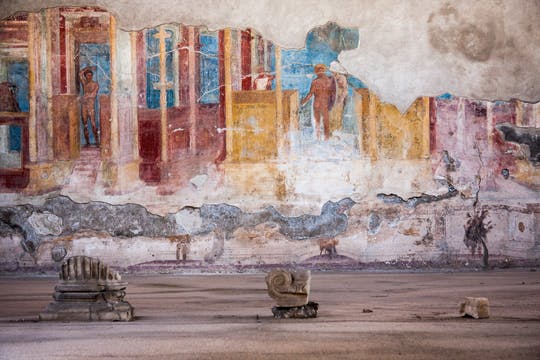




Day tour to Pompeii from Naples
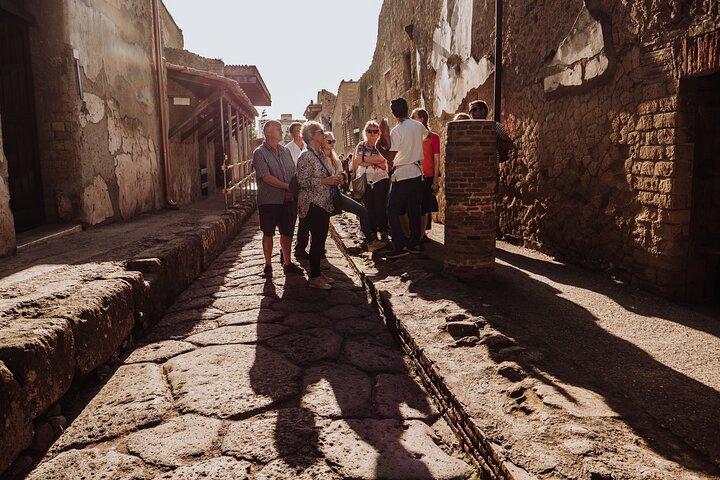
Herculaneum Small Group Tour and Ticket With an Archaeologist
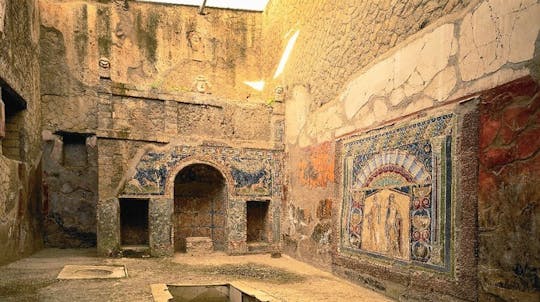
Herculaneum 2-hours Group Tour with Skip-the-Line Tickets

Herculaneum Skip-The-Line Ticket with Audioguide

Skip-the-Line Pompeii & Mt. Vesuvius Day Trip from Naples
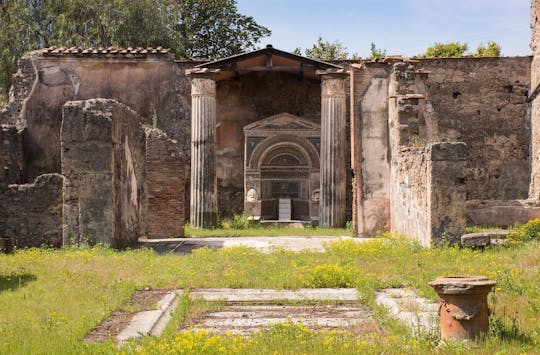
Pompeii tour from Naples with historic city stroll
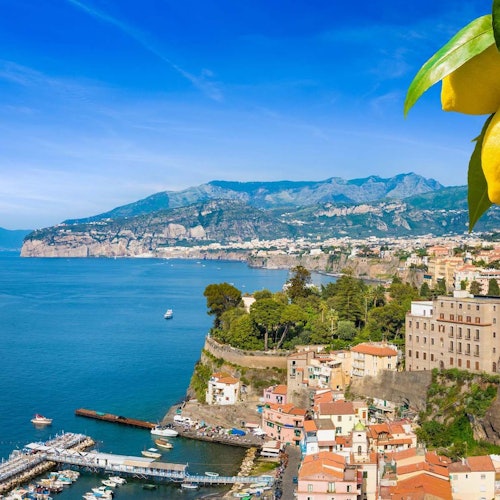
Amalfi Coast, Sorrento & Pompeii: Entry Ticket + Roundtrip From Naples

Pompeii & Herculaneum Guided Tour – High Speed Train from Rome
Pompeii, Positano & Sorrento: Day Trip From Naples
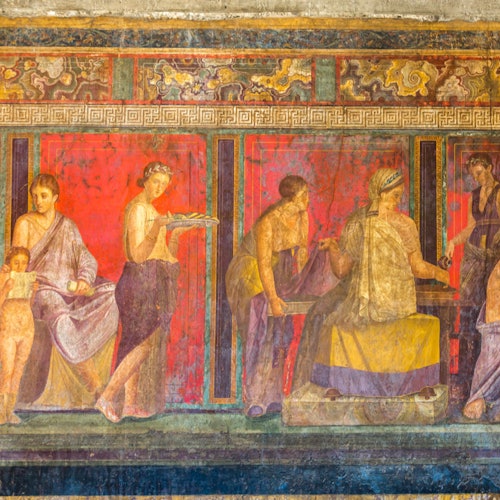
Pompeii, Herculanuem & Vesuvius: Skip The Line Tickets + Roundtrip From Naples
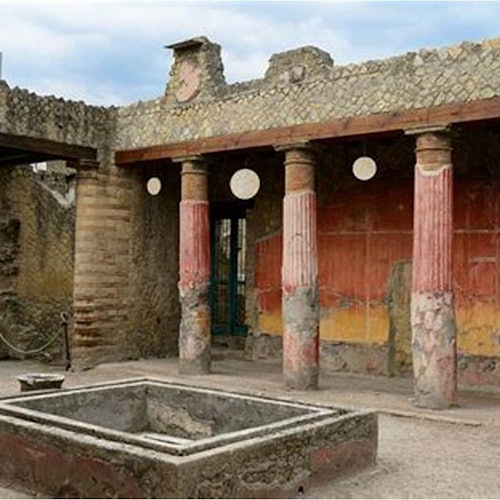

Pompeii, Herculaneum & Mount Vesuvius: Entry Ticket + Roundtrip from Naples
Spaccanapoli: The historic heart of the city
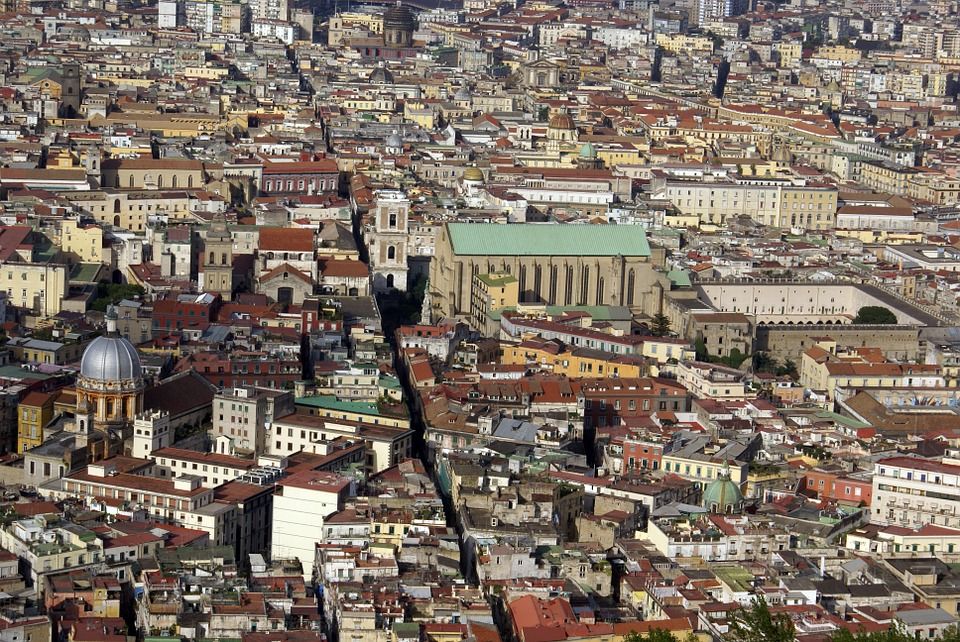
Spaccanapoli, whose name literally means “the street that splits Naples”, is the beating heart of the historic center of the city. This main artery, whose layout dates back to the Greco-Roman period (more than 2,400 years ago), runs in a straight line through the old town, dividing the city between north and south.
During the Middle Ages and up to the 19th century, this area was home to important convents and residences of the most powerful families. The Renaissance brought significant changes, transforming many of the original Gothic buildings into the structures we can admire today.
Tips for visiting Spaccanapoli
- ⏰ Best time: Early in the morning, when the shops are just opening and there are fewer tourists
- 📍 Highlights:
- Church of Gesù Nuovo
- Basilica of Santa Chiara
- Sansevero Chapel
- Basilica of San Lorenzo Maggiore
- 🚶♂️ Route: Plan at least 2–3 hours to explore the main street and its side alleys
- 📸 Perfect shot: From any high vantage point to capture the perfectly straight line of the street
Basilica and Convent of Santa Chiara: jewel of Neapolitan Gothic
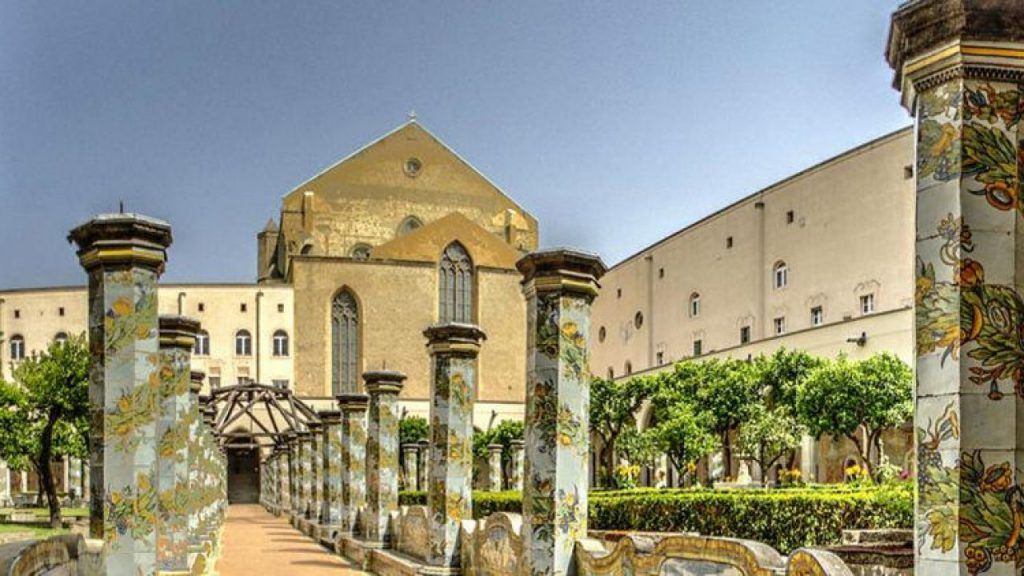
Built between 1310 and 1340, the Basilica of Santa Chiara is the largest Gothic church in Naples. This imposing religious complex was erected over ancient Roman baths by order of King Robert I of Anjou and his wife, with the purpose of creating a Franciscan citadel that would serve both as a residence for the Poor Clares and as a royal mausoleum.
The complex has survived numerous wars, earthquakes and floods, preserving within its walls priceless artistic treasures and the tombs of the Bourbon dynasty. The majolica cloister, with its vibrant tiles and serene gardens, is considered one of the most beautiful in Italy.
TIP
To better appreciate the beauty of the majolica cloister, visit the basilica in the early morning, when the natural light enhances the colors of the tiles. Don’t forget to bring a camera: photos are allowed for private use in the cloister.
Naples Cathedral: The Duomo of San Gennaro

Naples Cathedral, also known as the Duomo di San Gennaro, is the main Catholic church in the city. Inaugurated in 1314, it was built on the foundations of an ancient temple dedicated to Apollo and displays a mix of styles that includes Gothic, Baroque and Neo-Gothic elements.
Practical information for your visit
- ⏰ Opening hours: 8:30–13:30 and 14:30–19:30 (Sundays and public holidays: 8:30–13:30 and 16:30–19:30)
- 💶 Admission: Free for the main cathedral
- 🎫 Treasury Chapel: Museum and Royal Chapel of the Treasure of San Gennaro with a separate paid entrance
- 👗 Dress code: Shoulders covered and knees covered
- 📸 Photography: Allowed without flash
Piazza del Plebiscito: The monumental heart of Naples

Piazza del Plebiscito is one of the most iconic public spaces in Naples. This architectural space takes its name from the plebiscite of 1860, which decided on the annexation of the Kingdom of the Two Sicilies to the new Kingdom of Italy under the House of Savoy, and it concentrates much of Neapolitan cultural and social life.
The square is dominated by two monumental buildings: the Royal Palace to the east and the Basilica of San Francesco di Paola to the west. On either side stand the equestrian statues of Charles III (Antonio Canova) and Ferdinand I (completed by Antonio Calì from a model by Canova).
Interesting facts about Piazza del Plebiscito
- 🎭 Cultural events: Venue for major concerts and public events
- 🎨 Christmas art: Hosts temporary artistic installations during the festive season
- 📸 Best time for photos: Sunrise or sunset to capture the best light
- 🚶♂️ Accessibility: Pedestrian area since 1994
Castel dell’Ovo: The oldest castle in Naples
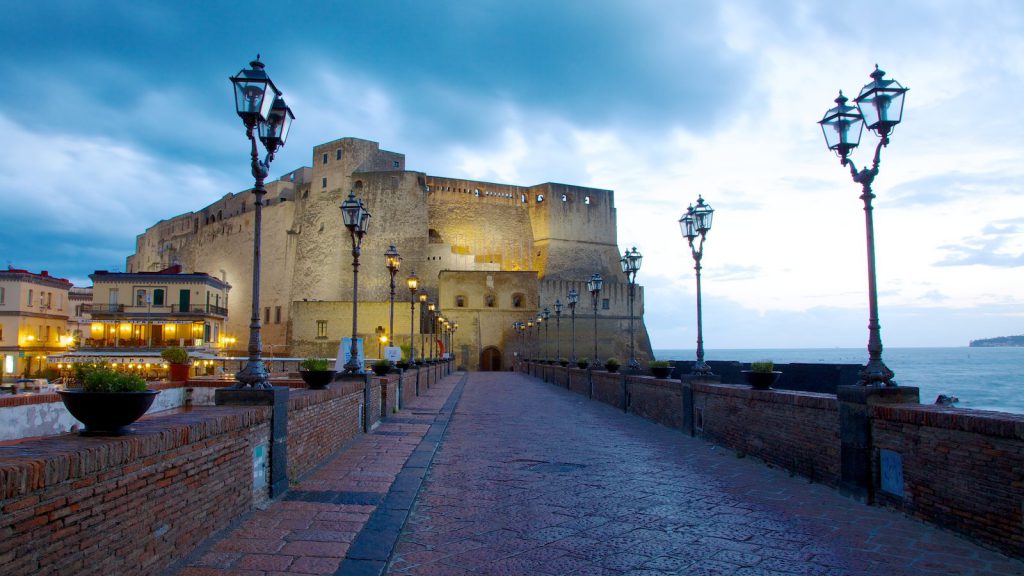
Castel dell’Ovo, whose name means “Egg Castle”, stands on a small peninsula in the Gulf of Naples. This medieval castle is the oldest in the city and owes its curious name to a legend according to which the poet Virgil hid a magic egg in its foundations.
Located in the historic Borgo Marinari, the castle offers panoramic views of the Gulf of Naples, Mount Vesuvius and the city. Its terraces and ramparts are a great place to enjoy memorable sunsets over the Mediterranean Sea.
Currently (2025) the castle is closed for renovation; check the opening status on the Comune di Napoli website before you go. When it is open, entrance is usually free. The walk from the castle to Santa Lucia is especially pleasant at sunset.
Pompeii: The city frozen in time

Just 25 kilometers from Naples lies Pompeii, one of the most impressive archaeological wonders in the world. This ancient Roman city was perfectly preserved under the ash after the eruption of Vesuvius in 79 AD, becoming a unique testimony to daily life in the Roman Empire.
The excavations have revealed a complete city with its streets, houses, temples, shops, theaters and even an amphitheater. Visitors can walk along the same streets the Pompeians trod two millennia ago, admire the frescoes that decorated their homes and look at the plaster casts that preserve the final poses of the victims of the eruption.
Plan your visit to Pompeii
- ⏰ Recommended duration: At least 3–4 hours
- 🎫 Tickets: Book online to avoid queues
- 🚂 How to get there: Circumvesuviana train from Naples (≈35 minutes)
- ☀️ Best time of year: Spring or autumn to avoid extreme heat
- 🎯 Don’t miss:
- The Forum
- The Villa of the Mysteries
- The Great Theatre
- The House of the Faun
Neapolitan Pizza: World Heritage

Neapolitan pizza is much more than a simple dish: it is a cultural institution recognized by UNESCO as an Intangible Cultural Heritage of Humanity since 2017. Its origins go back to the 18th century, when Vincenzo Corrado documented the use of tomato on pizzas and maccheroni in his gastronomic treatise.
Authentic Neapolitan pizza is characterized by its soft, thin base with high crusts, baked exclusively in a wood-fired oven. The two traditional varieties are Marinara (tomato, garlic, oregano and olive oil) and Margherita (tomato, buffalo mozzarella, basil and olive oil), the latter dedicated, according to tradition, to Queen Margherita of Savoy in 1889.
Guide to enjoying authentic Neapolitan pizza
- 🍕 Recommended historic pizzerias:
- L’Antica Pizzeria da Michele
- Sorbillo
- Starita
- 50 Kalò
- ⏰ Best time: Outside peak hours (before 13:00 or after 15:00)
- 💶 Average price: €6–10 per pizza
- 🎯 Tip: The best pizzerias usually have a line, but the wait is worth it
Naples Underground: The city beneath the city
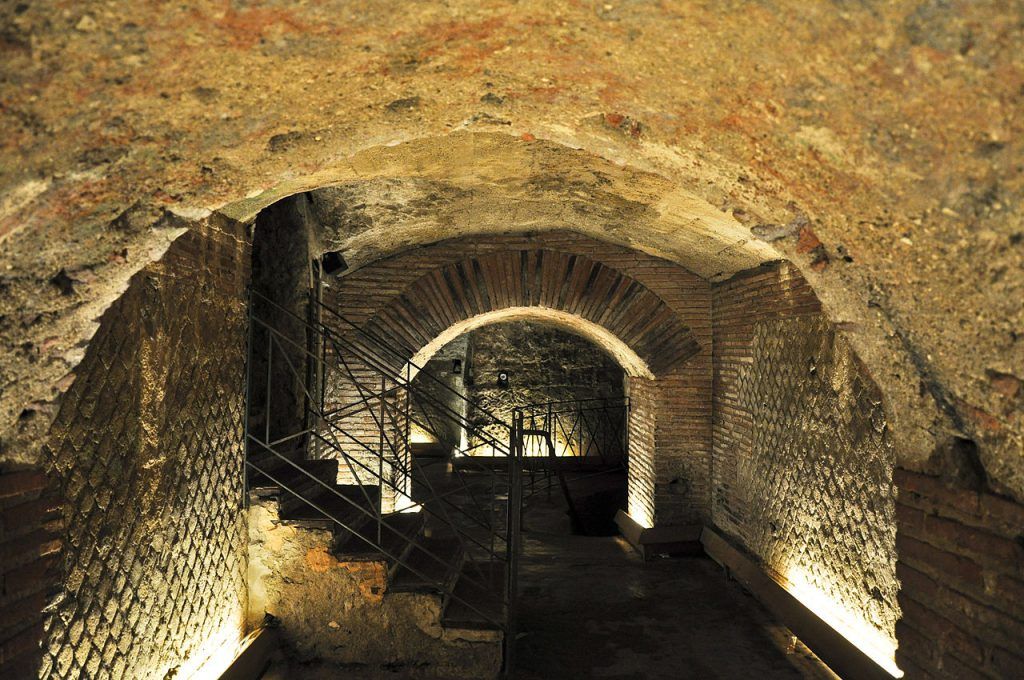
Forty meters beneath the bustling historic center lies a fascinating underground world with more than 2,400 years of history. This maze of tunnels and galleries, which forms one of the largest underground complexes in Europe, tells the story of Naples from a unique perspective.
Originally excavated by the Greeks as quarries and water reservoirs, these tunnels were expanded by the Romans and later used as air-raid shelters during the Second World War. Today, it is possible to explore this underground world, which includes ancient cisterns, Roman theaters and archaeological remains.
Guided tours are mandatory and last between 60 and 90 minutes. Wear comfortable clothing and a light sweater, as the temperature stays around 16–18 °C all year round. Book in advance in high season.
Galleria Umberto I: 19th-century elegance
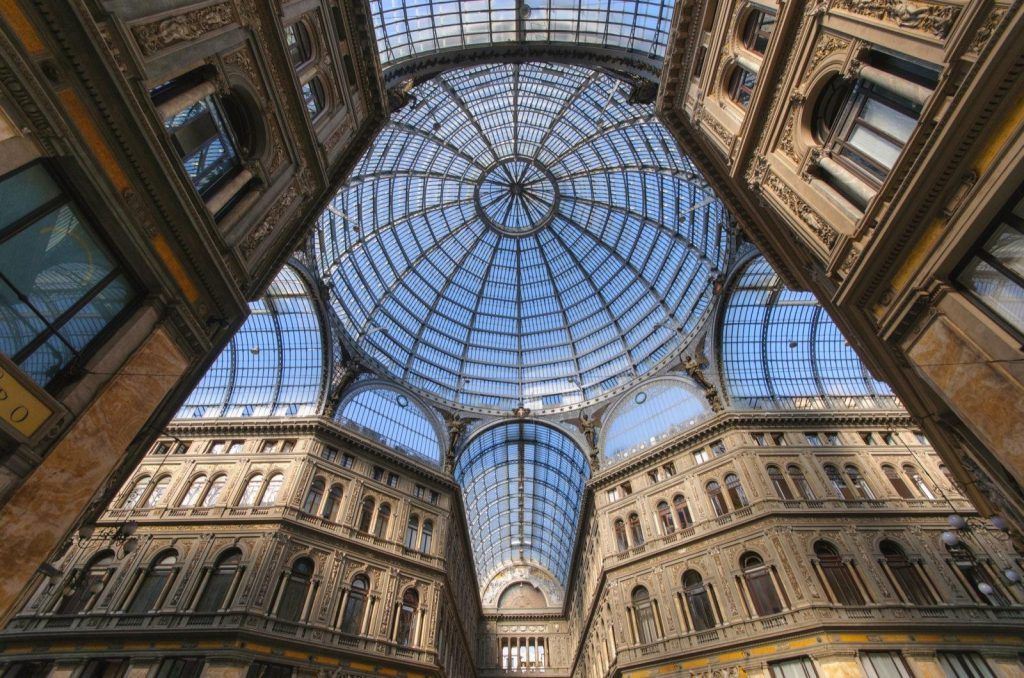
Built between 1887 and 1890, the Galleria Umberto I is one of the finest examples of 19th-century commercial architecture. With its glass and iron dome, its arches and mosaic floor, it represents the period of the Neapolitan Risanamento.
The building, inspired by the Galleria Vittorio Emanuele II in Milan, takes its name from King Umberto I and connects Via Toledo with Via San Carlo, opposite the Teatro di San Carlo.
Outstanding architectural details
- 🏛️ Structure: Greek cross with a central dome
- 🎨 Decoration:
- Zodiac mosaics on the floor
- Allegorical statues on the façade
- Artistic stained glass
- 🎭 Nearby: Teatro San Carlo and Piazza del Plebiscito
- ☕ Atmosphere: Historic cafés and elegant shops
Spanish Quarter: Naples’ Hispanic legacy
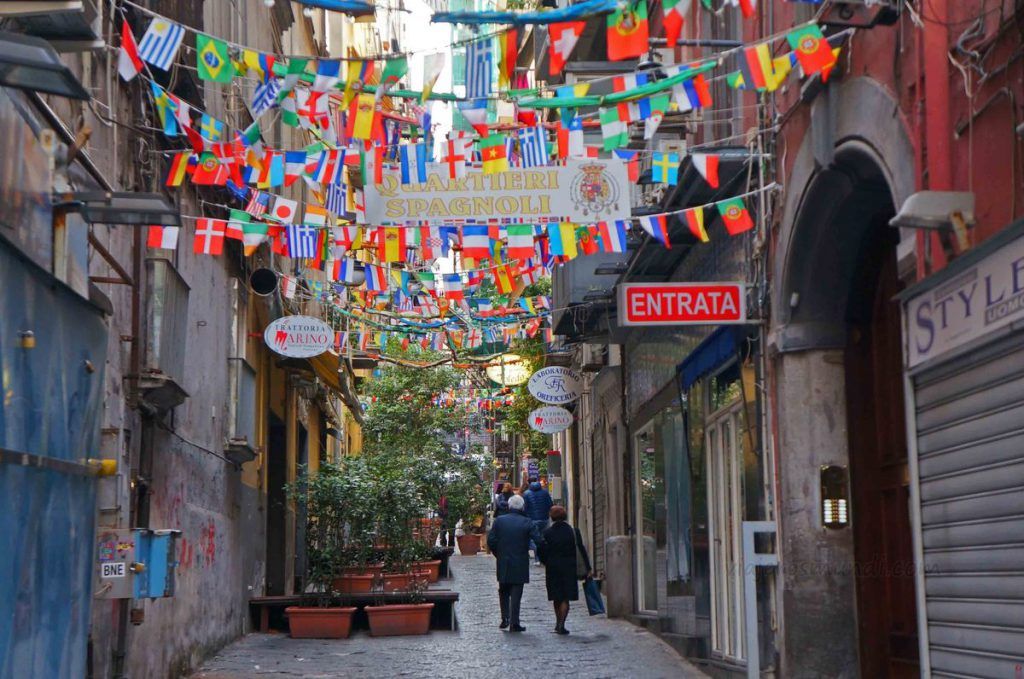
The Spanish Quarter, or Quartieri Spagnoli, is one of the most authentic and charismatic neighborhoods in Naples. Built in the 16th century during the Spanish viceroyalty, this maze of narrow alleys and tall buildings was originally designed to house the Spanish troops who kept order in the city.
Today, the neighborhood is famous for its colorful murals, the clotheslines strung between buildings, its small traditional shops and vibrant street life. The area stretches between Via Toledo and Corso Vittorio Emanuele, on the hillside that climbs up towards the Certosa di San Martino and Castel Sant’Elmo.
Guide to exploring the Spanish Quarter
- 🎨 Notable street art:
- Maradona mural
- Contemporary street art
- 🍝 Local food: Small family-run trattorias
- 📸 Best photos: Streets with hanging laundry and monumental staircases
- ⚠️ Safety: It’s recommended to visit during the day and keep an eye on your belongings
The best way to discover the secrets and history of Naples is through its free walking tours. Local guides will show you not only the main monuments but also the culture, traditions and hidden corners of the city.
Best Free Tours in Naples
Discover Naples with Licensed Tour Guides! Join us on a captivating journey through the heart of …

This is an experience aimed at travelers tired of mass tourism , to those who are not on holiday but…

The Best of Naples walk is a Free Walking Tour that combines the Royal Naples walk with the Old Town…

Discover the most authentic soul of Naples with a walking tour through the legendary Spanish Quarters , among iconic …

Discover the true soul of Neapolitan street food with a walking food tour of about 2 hours , in the…
Have you ever wished to stop traveling as a tourist and start living as a guest? In Naples, every corner…
With my tour you will experience the thrill of traveling back in time walking through the streets of one of…