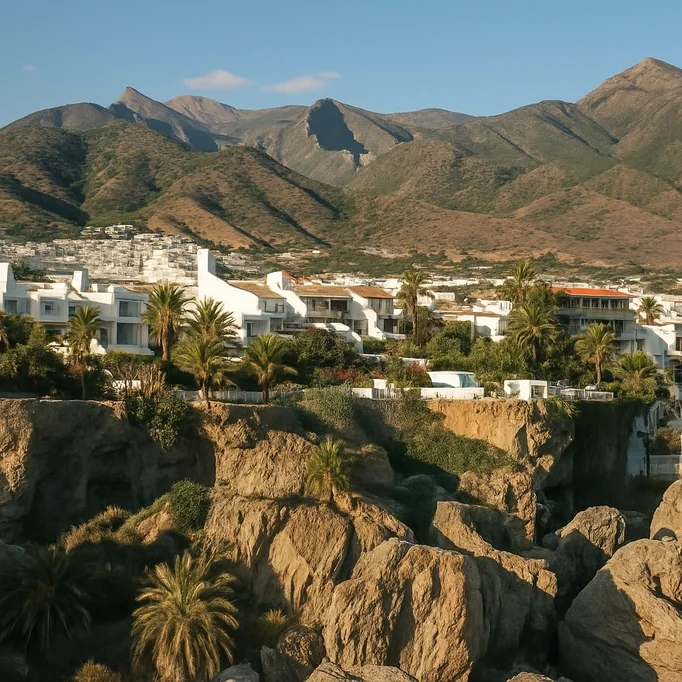
For those wondering what to see in Nerja beyond the usual beach clichés, this small town hides enough history, nature and culture to fill several days of travel. Below, we go through its must-see places, its best viewpoints and the experiences you can only have here, right on the edge of the sea.
Nerja Cave
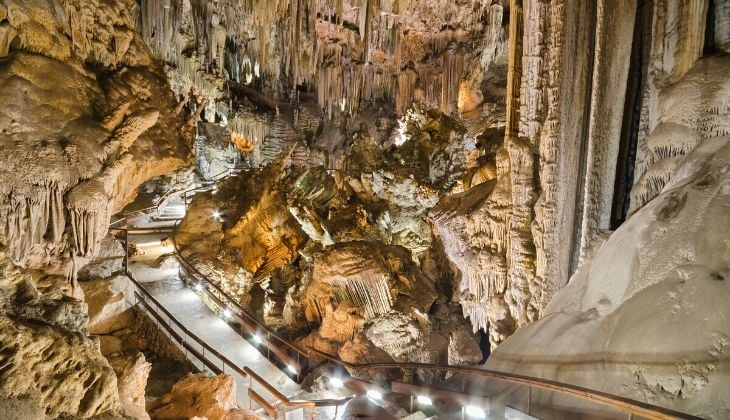
Talking about must-see places in Nerja means starting with its underground cathedral. Discovered in 1959 by a group of boys who were looking for bats, the cave holds colossal chambers that have preserved the humidity, temperature and prehistoric echoes of the last twenty thousand years. Only one kilometre of the five that make up this karst labyrinth is open to the public, but that stretch is enough to come face to face with the largest stalactite in the world —thirty-three metres of living stone, grown drop by drop— and a festival of columns, draperies and mineral “macaronis” illuminated with theatrical care.




This palace of rock is also an archaeological archive: almost six hundred cave paintings have been documented here, along with finds such as the “Woman of Nerja”, a skeleton around ten thousand years old that now gazes at visitors from the display cases of the Nerja Museum. During the tour, the audio guide weaves together scientific episodes, legends and geological details that explain how water loaded with carbonate sculpted chambers with almost literary names: Hall of the Cataclysm, Hall of the Waterfall, Hall of the Ghosts.
Balcón de Europa
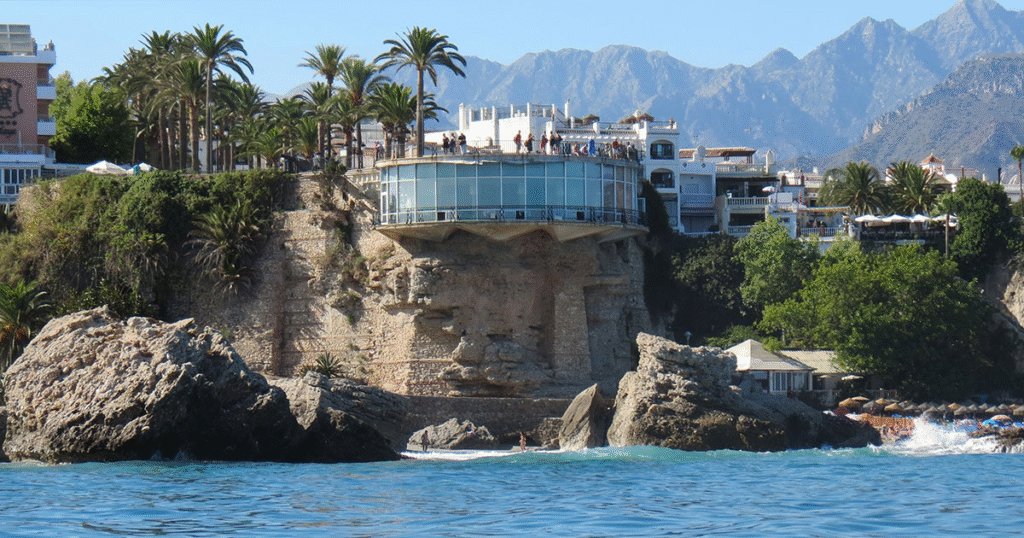
The postcard that defines Nerja materialises at the end of a promenade flanked by palm trees and Napoleonic cannons. Tradition says that the Balcón de Europa was named by Alfonso XII when, after a devastating earthquake, he was captivated by the view and exclaimed that this balcony looked out over the whole continent. Legend or not, the viewpoint suspends visitors over a cliff that separates the coves of Calahonda and El Salón, offering a horizon of absolute blue.
Around it beats the social heart of the town: street musicians, caricature artists and terraces where long after-lunch conversations unfold over artisanal ice cream or Málaga vermouth. Just a few steps away stands the Church of El Salvador, whose painted archangels protect the square just as the castle batteries that stood on the promontory did until the early nineteenth century. Anyone looking for the best viewpoints in Nerja shouldn’t skip the evening panorama: when the sun sinks behind the Sierra de Almijara, the pink marble of the façades turns the colour of a ripe peach.
Burriana Beach
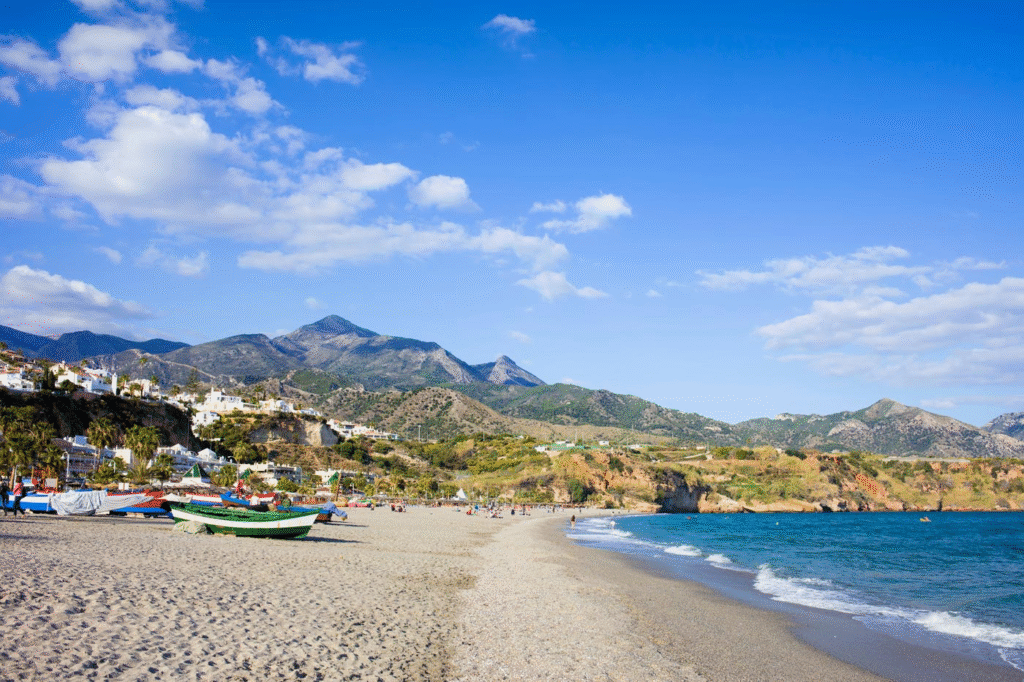
With almost a kilometre of golden sand, showers, volleyball nets and the legendary wood-fired paella at Ayo beach bar, Burriana Beach sums up the holiday spirit of the Costa del Sol. Awarded a Blue Flag, it is the favourite of those travelling with family or those who want to alternate between sun loungers and adventure: this is where kayak trips to the Maro cliffs set off, and the rental stands offer everything from paddleboards to jet skis. Hard to believe that, until the 1960s, this stretch of coast was just an anonymous field of reeds where fishermen beached their jábegas (traditional boats).
Today, a lively seafront promenade smells of grilled sardine skewers and after-sun lotion. Visitors can start the day with toast and local olive oil, dive into the clear water and, once digestion allows, climb the Peñón del Lobo trail to get a bird’s-eye view of the bay. Those who prefer calm can lie under a parasol and let the afternoon drift by with a book, while lifeguards keep an eye to ensure that tide and wind preserve the usual calm conditions.
Maro Beach
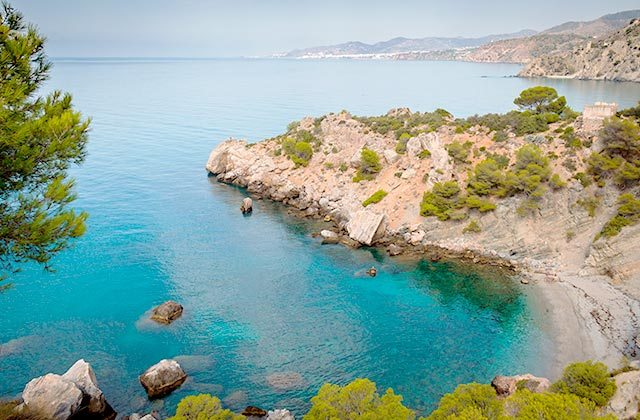
If Burriana is the family epicentre, Maro Beach represents nature in an almost wild state. Three kilometres from the town centre, a tongue of gravel and coarse sand nestles beneath vertical cliffs covered with mastic shrubs and dwarf palms. The water, so clear it looks like a swimming pool, is protected within the Maro-Cerro Gordo Natural Area, so snorkelling reveals sea urchins, octopus and seagrass meadows without leaving the shoreline.
The big star is the waterfall that flows directly into the sea, fifteen metres of fresh water that kayaks cross amid shrieks of surprise and soaked selfies. The scene goes viral on social media every summer and, although it feels remote, land access is easy except for the final stretch: a narrow path where gravity reminds you that every paradise comes with a price. The car park fills up before ten; after that, municipal regulations require you to park higher up and walk fifteen minutes.
Nerja Museum
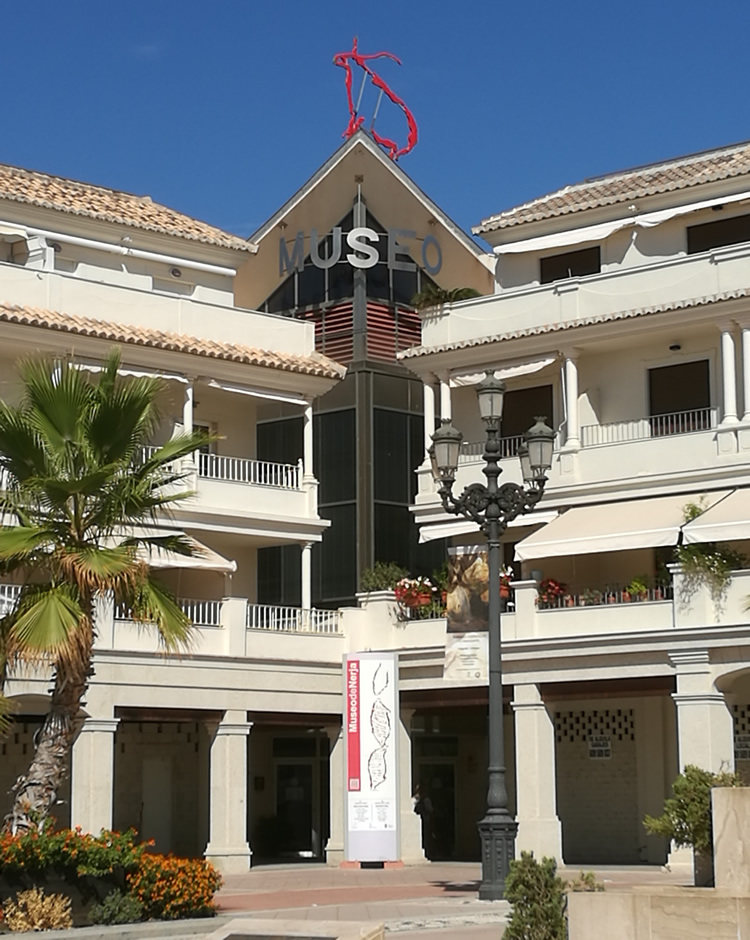
In Plaza de España, beneath the surface of a municipal car park, the complete history of the municipality beats in didactic form. The Nerja Museum was created to house the prehistoric finds from the cave, but it has become a living chronicle linking the Paleolithic to the tourism boom of the eighties. Stone tools, Roman coins and defensive cannons coexist with panels explaining how sugar cane shaped the local economy or how the TV series Verano Azul propelled the town into the popular imagination.
The visit begins with an immersive audiovisual presentation—with subtitles and sign language—and is arranged over three floors connected by a lift. The ethnographic collection surprises children with life-size fishing boats and recreations of old rolling-paper factories; adults enjoy models that explain coastal urban planning. From the top floor, a large window looks out towards the Balcón de Europa and shows that past and present share the same skyline.
Church of El Salvador
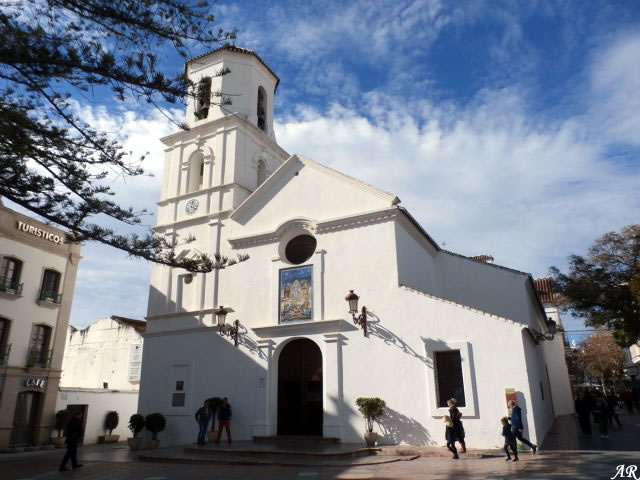
Dazzlingly white outside and surprisingly bright inside, the Church of El Salvador is a testament to the Nerja that grew between sugarcane fields and coastal defences. Pioneers built it at the end of the seventeenth century; a century later, Baroque extensions gave it its current appearance. Three naves separated by Tuscan columns house images much loved by locals: Jesús Nazareno, the Virgin of Sorrows and a main altarpiece that blooms in gold leaf.
One detail makes it unique: its décor preserves the three archangels, something unusual in Andalusian worship. Michael, Raphael and Gabriel watch over the square as the artillery of the vanished castle once did. More mundane is the procession of newlyweds posing on the steps in the shade of a century-old ficus tree. Stepping into the church for a moment refreshes body and mind and lets you appreciate the painted vault that survived the 1884 earthquake.
Águila Aqueduct
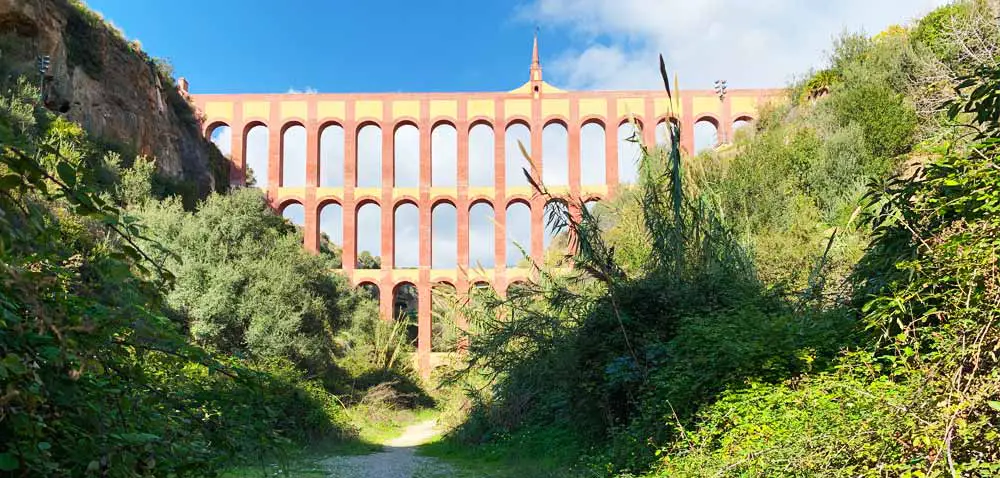
On one side of the old N-340 road, among prickly pears and terraces of crops, rises a piece of red-brick filigree: the Águila Aqueduct. Four levels of superimposed arches—thirty-seven in total—span the Barranco de la Coladilla ravine since 1880, when the flourishing sugar industry needed water for its mills. Engineer Francisco Cantarero combined engineering with Neo-Mudéjar aesthetics, crowning the bridge with a weather vane in the shape of a double-headed eagle that still turns in the easterly wind.
The structure was saved from almost certain demolition thanks to several restorations, the latest in 2012, which restored its curry colour and consolidated the mortar. It doesn’t carry tourists but still channels small irrigation ditches; however, it has become a photo stop for those heading to or from the cave. From the viewpoint, the bridge’s silhouette cuts into the sky like a set from Aladdin.
Verano Azul Park
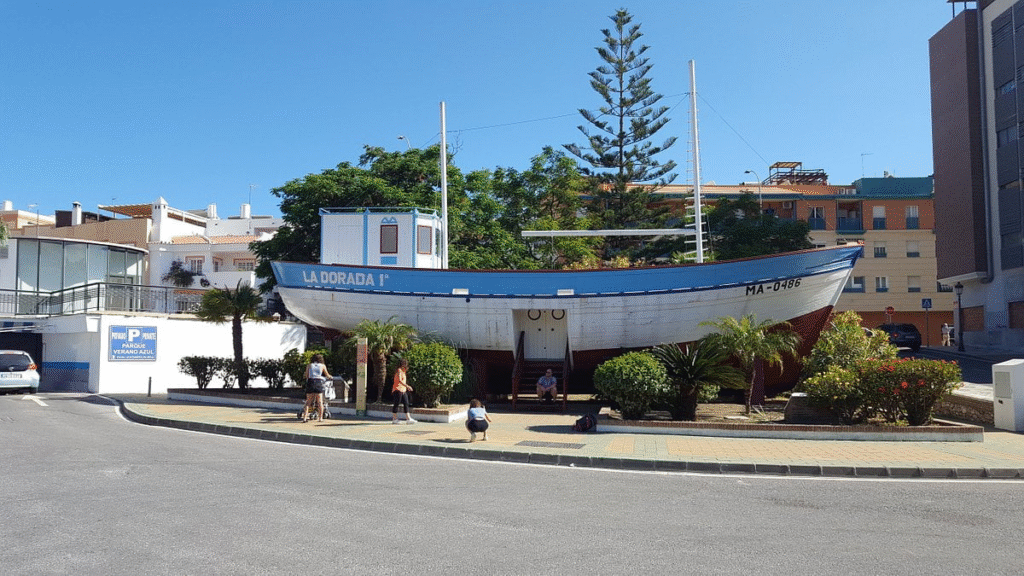
Anyone who grew up in Spain in the 80s instantly recognises the melancholy silhouette of La Dorada. In Verano Azul Park rests the replica of Chanquete’s boat, an icon of the TV series of the same name that turned Nerja into a national film set. Beyond nostalgia, the park is an urban green lung with paths named after the main characters, benches in the shade of eucalyptus trees and a family-friendly atmosphere that contrasts with the coastal hubbub.
Children on bikes, grandparents playing pétanque and evening joggers share space with TV pilgrims taking photos as they touch the fishing boat’s horn. The park also serves as a walkway between the town centre and Torrecilla Beach: just cross the almost dry Chillar riverbed and you’ll arrive at the western seafront promenade. During the October fair it fills with stalls and music; in summer, with craft markets at sunset.
Río Chillar Trail
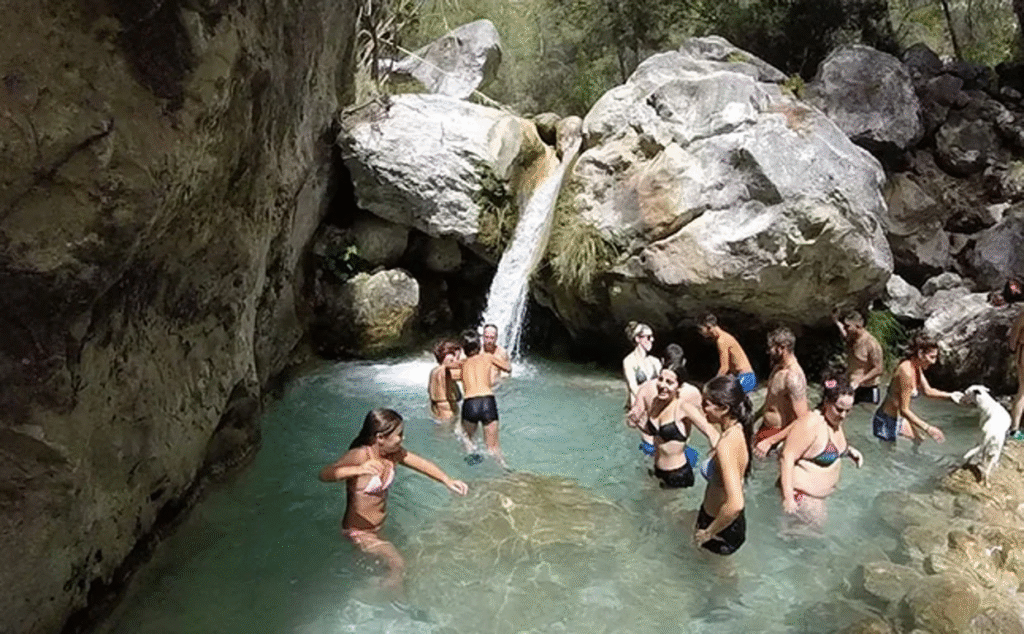
Just three kilometres away from the Balcón, flip-flops give way to water shoes. The Río Chillar Trail, known as the Cahorros route, invites you to literally walk in the riverbed, between marble walls that barely leave a sliver of sky. Every step splashes fresh water; every bend reveals pools perfect for a dip. It is the favourite adventure of locals and visitors who want a different kind of day out, although since August 2023 the Town Hall has kept access closed due to fire risk and overcrowding and, by the end of 2025, the route still has no reopening date while a regulated access system with daily quotas and mandatory insurance is being studied.
Once access is allowed again, the full hike will total sixteen kilometres out and back to the old dam. There is no complicated signage: you simply follow the river upstream, guided by the sound of the water. The recommendations are pure common sense: shoes that can get wet without drama, a cap, a litre and a half of water per person and a waterproof bag for your phone. Families with children from about seven years old enjoy the stretch to the Poza de los Patos; more adventurous walkers continue to the Cahorros where the walls almost touch and the echo swallows conversations.
Kayak and boat along the Maro Cliffs
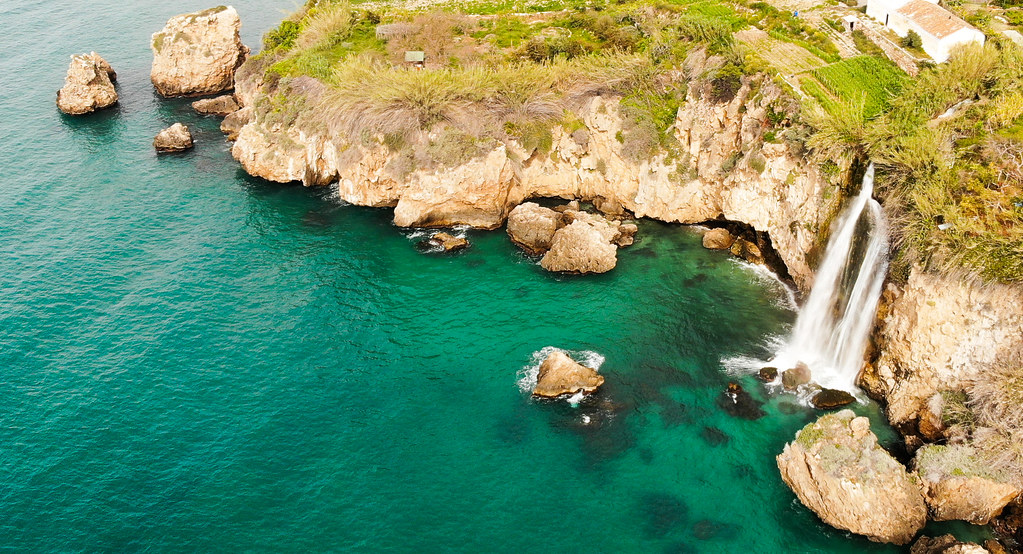
To see Nerja from the sea—and understand why there are so many songs about turquoise blue—nothing beats gliding by kayak beneath the natural walls that separate Málaga from Granada. Excursions depart from Burriana or Maro and, in two hours, pass the Cave of the Maiden, the freshwater waterfall and coves where the water is so clear that sea urchins seem to float. Guides tell stories of smugglers and Moorish legends, take digital photos included in the price and allow time to snorkel.
Those who prefer not to paddle can opt for a semi-rigid boat trip that follows the same route in an hour and a half. The skipper cuts the engine to allow a swim at the foot of the waterfall and, with a bit of luck, dolphins can be seen turning at sunset. Both experiences are flexible: children from around five years old usually enjoy being on board, older visitors find the swim to be natural anti-stress therapy and couples treat themselves to a romantic sunset cruise.