

Miami brings together South Beach’s Art Deco streets, Little Havana’s Cuban heritage, Wynwood’s murals, downtown skyscrapers and the Everglades.
 Belén Rivas
GuruWalk
·
Updated 27 Aug 2026
Belén Rivas
GuruWalk
·
Updated 27 Aug 2026From the bright sands of South Beach to the awe-inspiring silence of the Everglades, Miami, the capital of sunshine reveals itself as a mosaic where street art, Caribbean history, Gilded Age mansions and a nature so exuberant it practically swallows the road all fit together.
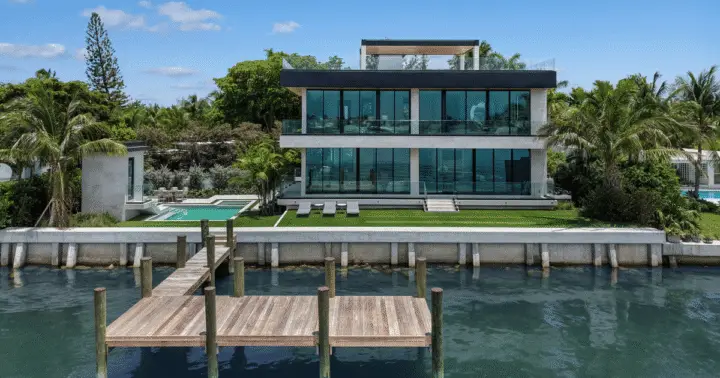
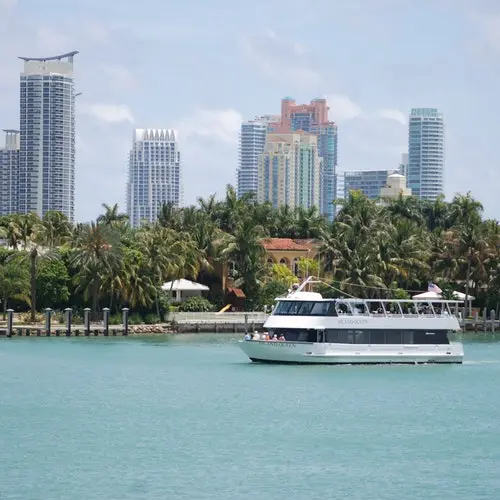
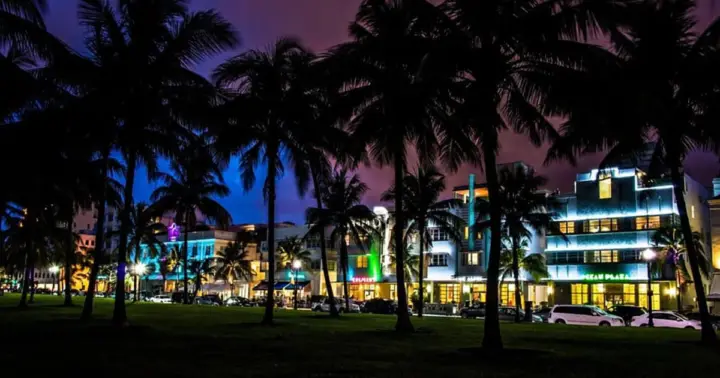



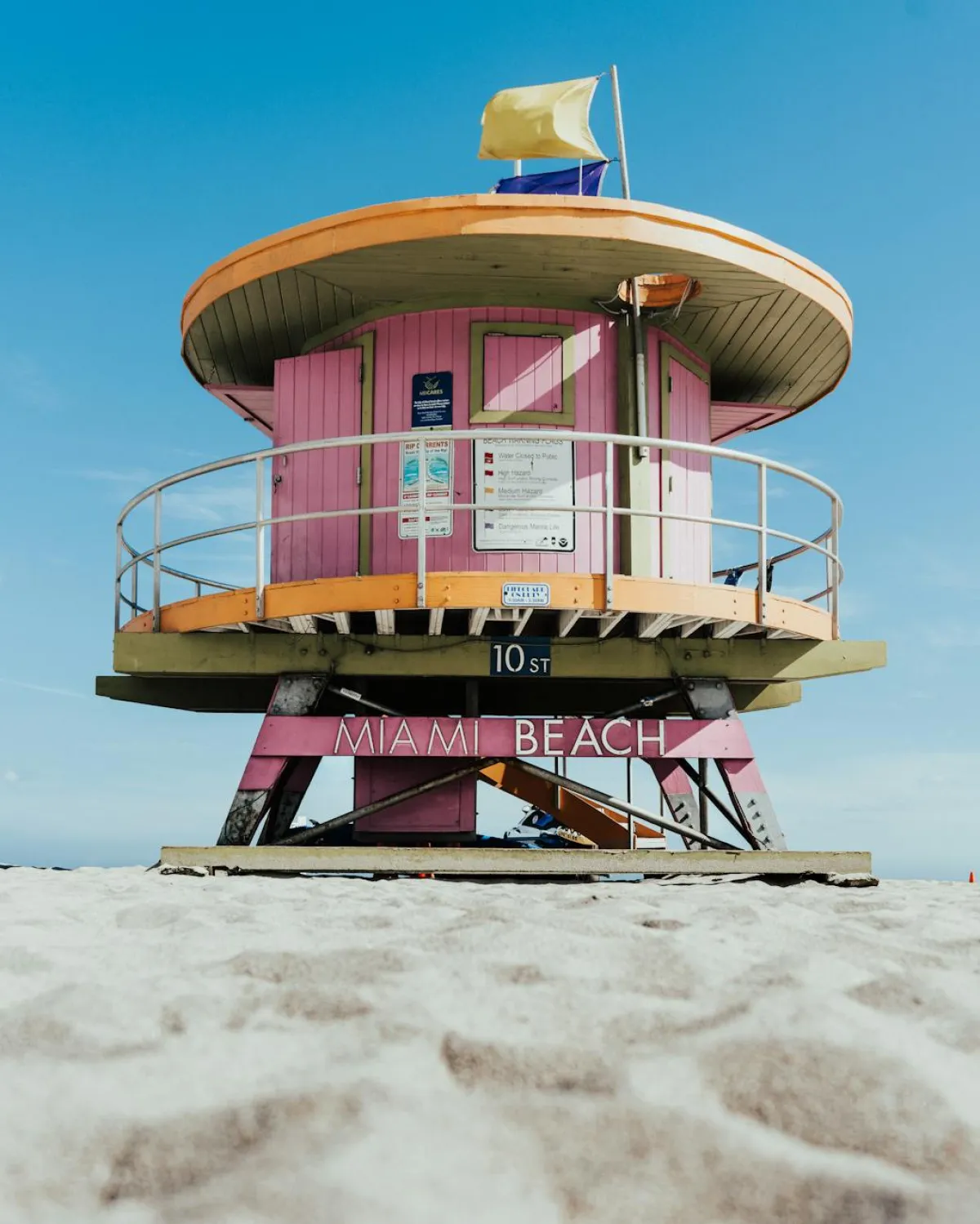
Few places distill Miami’s pop imagination like South Beach, that strip of golden sand where lifeguards watch from pastel towers and the neon lights of Ocean Drive light up the night with a tropical cabaret glow. Strolling along its seafront promenade —lined with palm trees that twist their shade over the sidewalk— feels like walking through a movie set that hardly needs an introduction: the largest concentration of Art Deco buildings in the world, lovingly restored so their geometric lines and fluorescent flourishes still look like the future people imagined in the 1930s.
But beneath that chic layer beats the history of a resilient neighborhood: after the devastation of the 1926 hurricane, developers opted for a cheerful, sturdy and affordable architecture that would attract tourists during the Great Depression; later, the arrival of war veterans and LGBT communities in search of freedom helped define the inclusive character you can feel today among terrace cafés and yoga studios facing the sea.
Early in the morning, runners share the shoreline with beach volleyball players and paddleboarders who dare to glide out while the sun is just brushing the horizon over Biscayne Bay.
By midday, the beach umbrellas form a chromatic mosaic that only breaks when people dive into surprisingly clear water, protected by a nearby reef.
And when night falls —just in time for a classic 1950s convertible to pull up in front of the Colony Hotel— the avenue turns into a catwalk: open-air DJs, XXL cocktails and an impromptu parade where vintage roller skates and sky‑high heels share the stage.
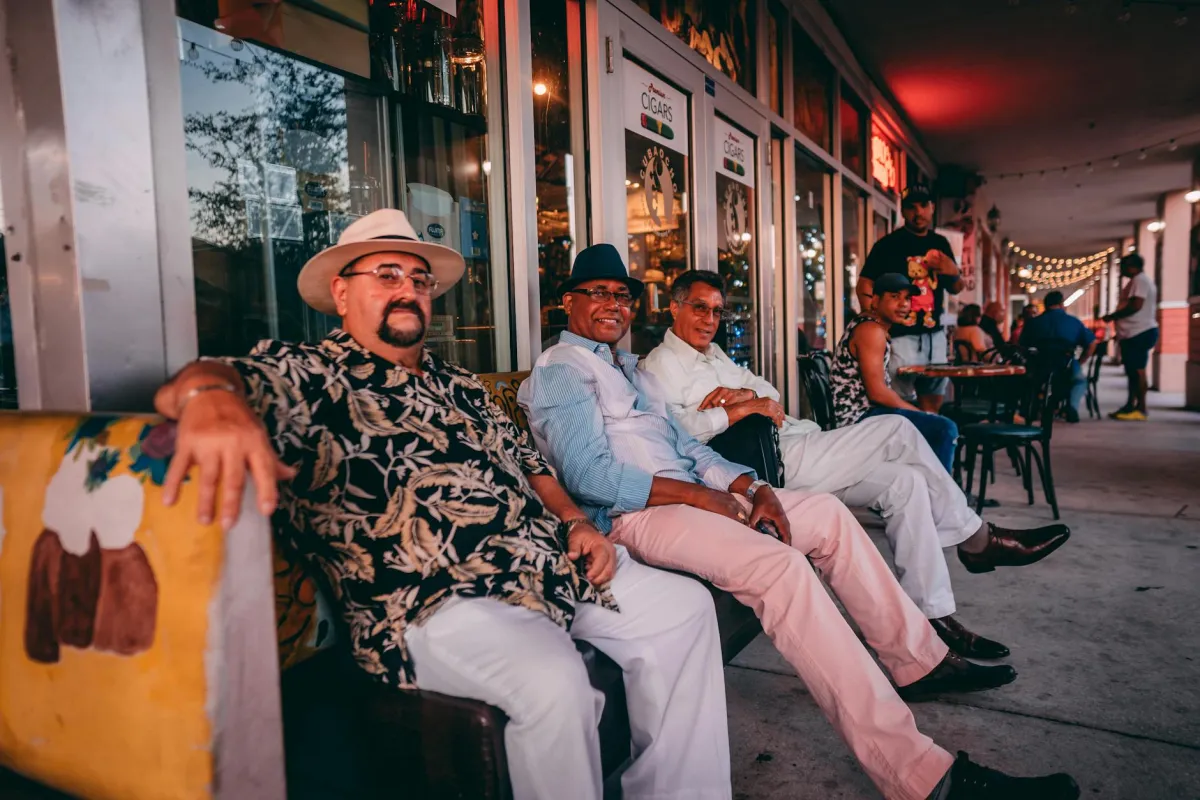
Nothing explains the city’s migrant soul better than Little Havana, a neighborhood anchored along Calle Ocho where the smell of strong coffee and sugarcane mingles with the nostalgic echo of son orchestras. Here, history is tangible at street level: in 1960 Cuban exiles staked their claim with walk-up coffee windows, cigar shops and barbershops that still wake up today to the rhythm of a bolero blasting from a 1950s Buick.
Over time, arrival turned into belonging and Calle Ocho ended up becoming emotional heritage: a place where the walls speak in brushstrokes —murals that mix revolutionary icons with Afro‑Latin stars— and where memory is renewed every March with a carnival that brings together hundreds of thousands of people dancing until they complete the longest conga line on the planet.
While tourists sip a shot of “colada” —served in tiny cups meant to be shared in a circle, as Caribbean etiquette dictates— regulars debate baseball or politics under the trees of Domino Park, a temple of conversation where the tiles hit the tables with almost choreographed energy. Just a few steps away, the Tower Theater screens art‑house films in their original version with subtitles and, unlikely but true, this is where the Coen brothers first presented Fargo in Florida.
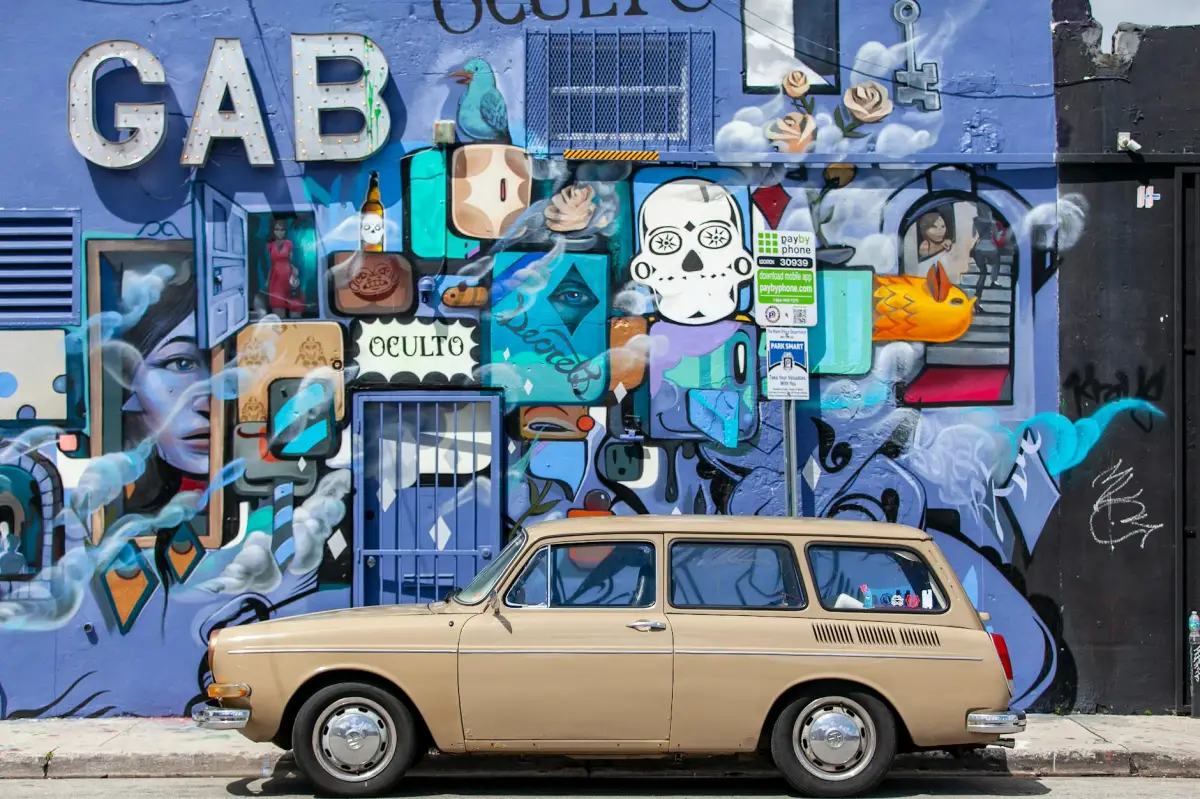
When developer Tony Goldman decided to paint old warehouses to attract creativity, nobody imagined that two decades later Wynwood would be competing with Berlin or London for street art. Today it is a neighborhood‑gallery where every wall fights for your attention: hyperrealistic portraits signed by Kobra, psychedelic geometries from Okuda’s palette, or that “OBEY” by Shepard Fairey that has become an icon of pop activism.
More than a stroll, Wynwood is a sensory immersion: between the buzz of spray cans, the smell of freshly poured IPAs and the constant promise of finding your next viral photo, visitors end up walking with their heads tilted back, camera at the ready.
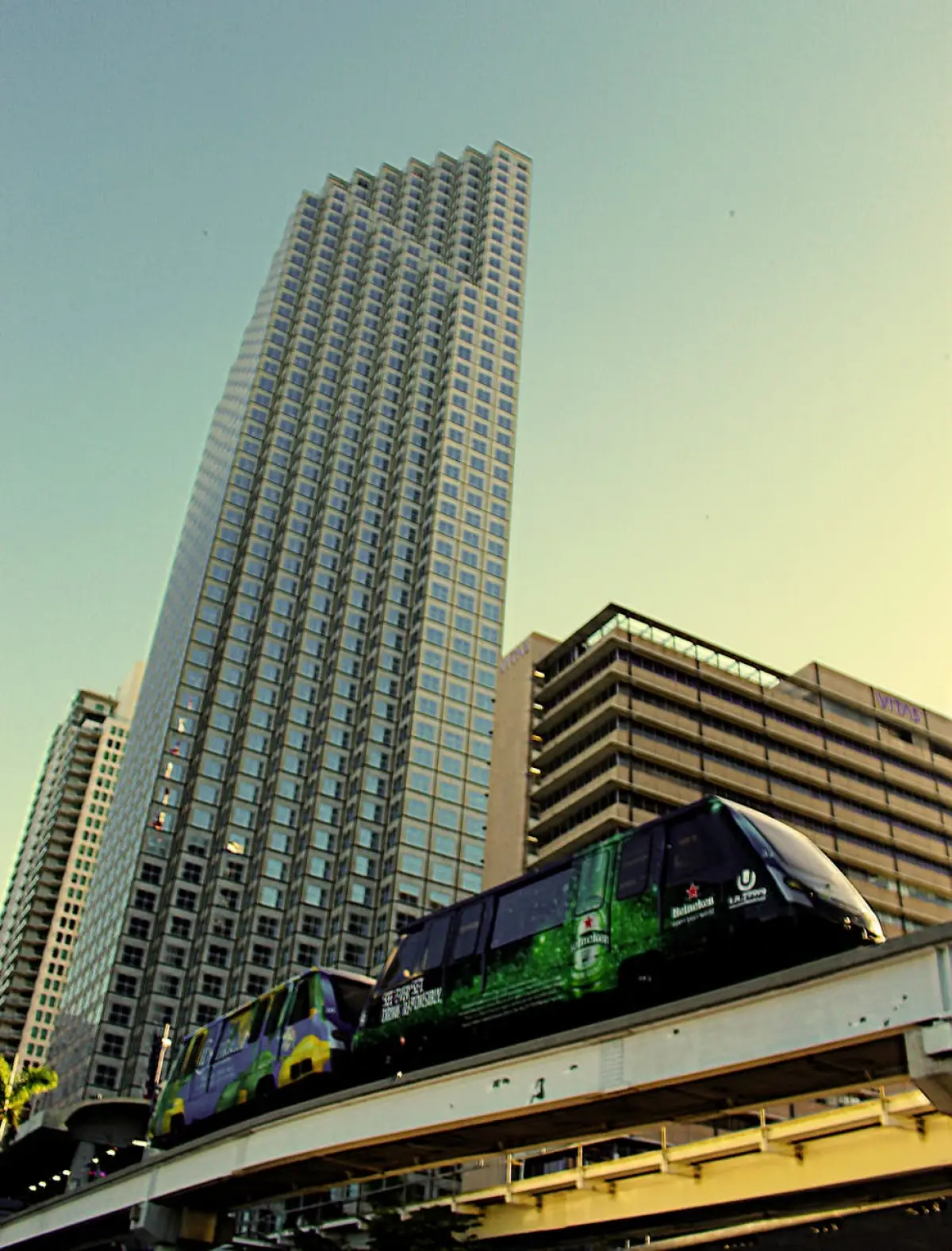
The city’s most repeated postcard —mirrored skyscrapers rising over Biscayne Bay— comes to life as soon as you set foot in Downtown Miami, a district where office workers, basketball fans and cruise passengers coexist between futuristic Metromover stations and old buildings made of coral rock.
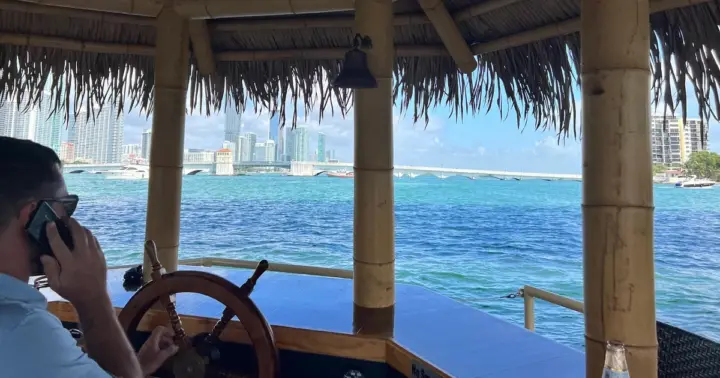
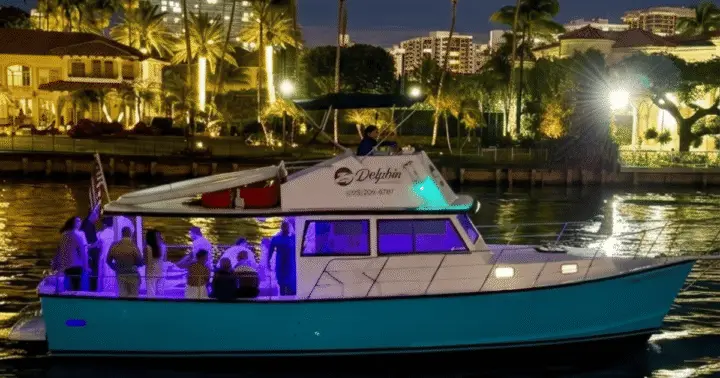
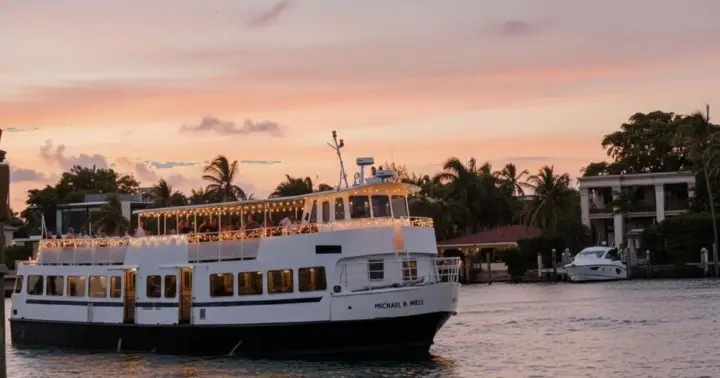
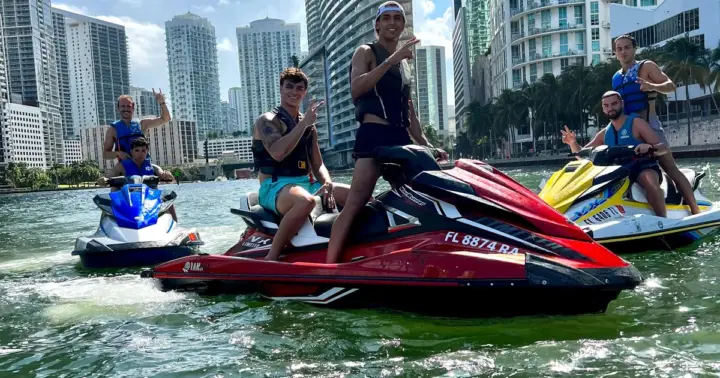
For travelers, the epicenter is Bayfront Park, a green lung opened in the 1920s that offers a slice of nature along frenetic Biscayne Boulevard. Its amphitheater hosts free concerts, its Challenger memorial honors space exploration and its proximity to Bayside Marketplace turns the area into an uninterrupted corridor of shopping and entertainment. Many of the sightseeing buses in Miami and boat tours in Miami depart from here, and right next door you’ll find one of the iconic.
Despite all the modernity, Downtown still preserves echoes of its heritage. The Freedom Tower —once the reception center for Cuban exiles— rises in rococo style beside glass towers that brush 300 m in height. Two blocks away, the revived Miami‑Dade Courthouse is a reminder that in 1934 it was the tallest building in Miami and in Florida, one of the pioneering skyscrapers in the southern United States. Today, the best lookout over the whole area is the Skyviews Miami Observation Wheel: its glass‑walled gondolas reveal, in barely twelve minutes, the grid of artificial islands, bridges and superyachts that make up the local nautical geography.
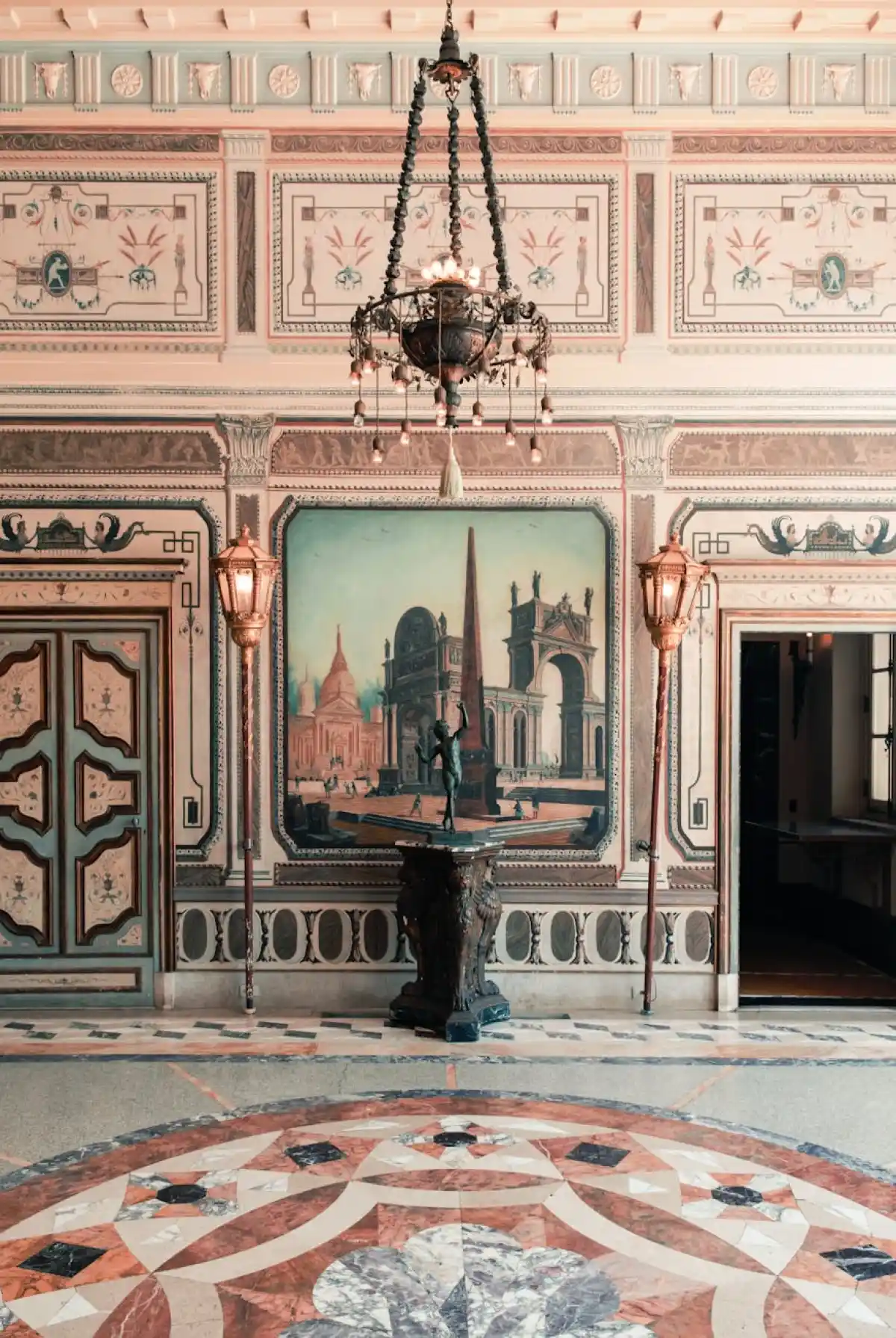
It’s easy to forget you’re in Florida when you pass through the gates of Vizcaya, a Renaissance‑style mansion that industrialist James Deering had built in 1914 to evoke the Venetian dolce vita without leaving the tropics. From the first glimpse —the loggia overlooking the bay and the stone barge that serves as a sculptural breakwater— the feeling is pure romantic fairy tale: Renaissance frescoes, Murano glass chandeliers, French tapestries and a geometric garden where classical statues emerge among bougainvillea.
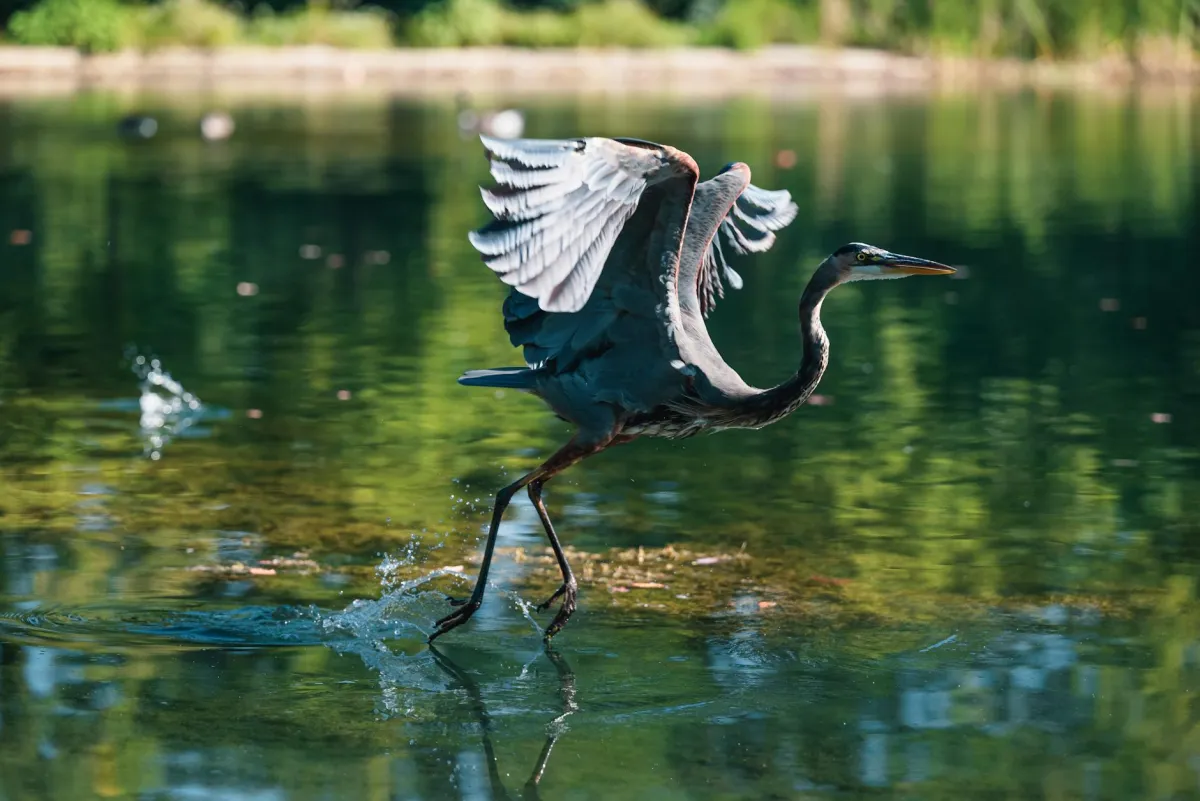
An hour away from the city spreads an ocean of grass that shatters the idea of Florida as nothing but malls and highways. Everglades is a slow river —so calm you can barely perceive the current— where wildlife plays by different rules: blue herons posing like dancers, white‑tailed deer leaving tracks in the peat and, above all, the American alligator, a prehistoric guardian whose reptilian gaze surfaces just to remind you who really rules the swamp.
These airboat excursions from Miami, with their roaring propellers, let you skim through the reeds at full speed before switching off the engine and confronting the silence, broken only by the splash of a gator sliding under the bow.
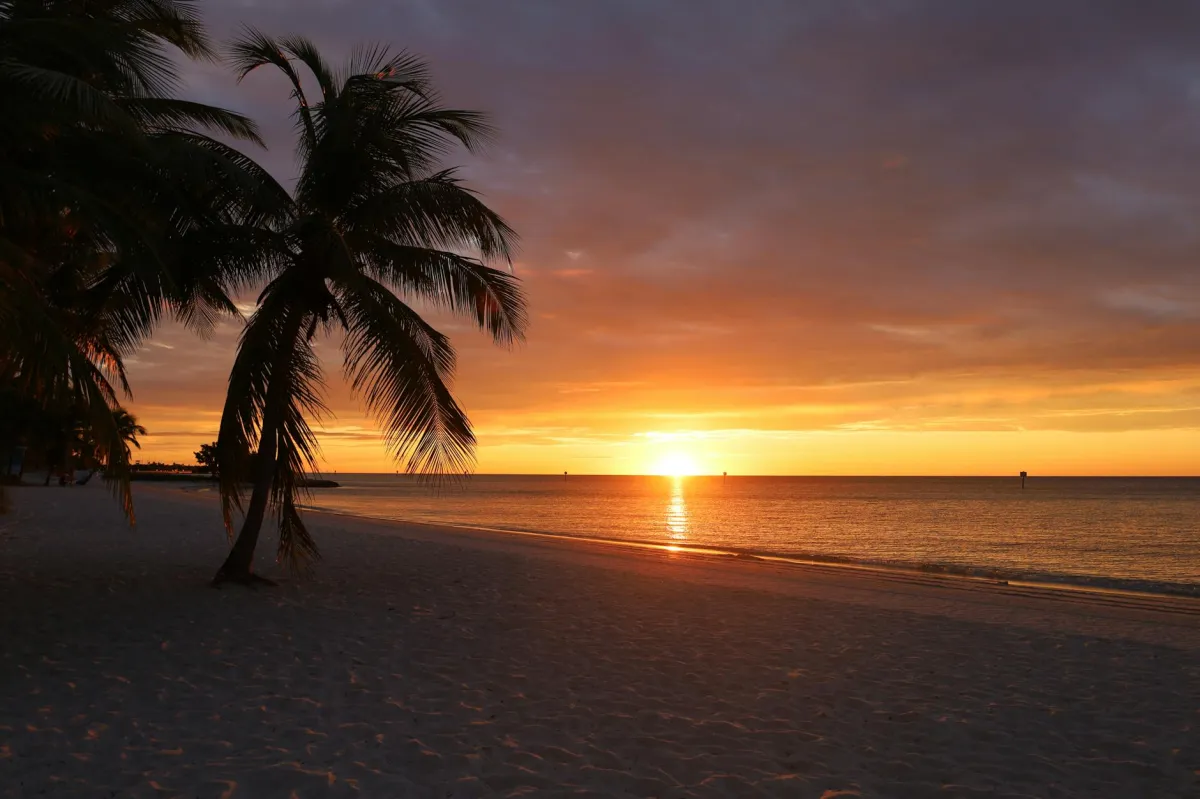
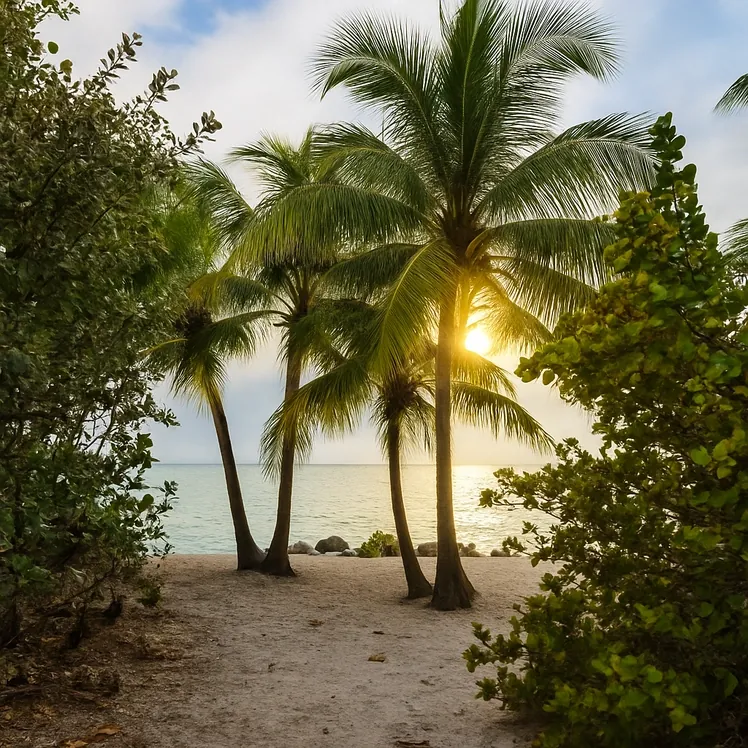
Crossing the Rickenbacker Causeway is all it takes for the city noise to fade away and Key Biscayne to appear, a quiet island where iguanas cross bike paths that are perfect for some of the bike rentals in Miami and where palm trees lean their crowns over water so clear the horizon looks like a watercolor.
The north is taken up by Crandon Park, a former coconut plantation turned into a family‑friendly beach with calm, shallow waters, flanked by beach volleyball courts and picnic tables that fill up with Sunday barbecues. The south, on the other hand, belongs to Bill Baggs Cape Florida State Park, where an 1825 lighthouse crowns the dunes, recalling the era of sailors who ventured beyond the reef and whose surroundings are perfect for enjoying some of the best snorkeling in Miami.
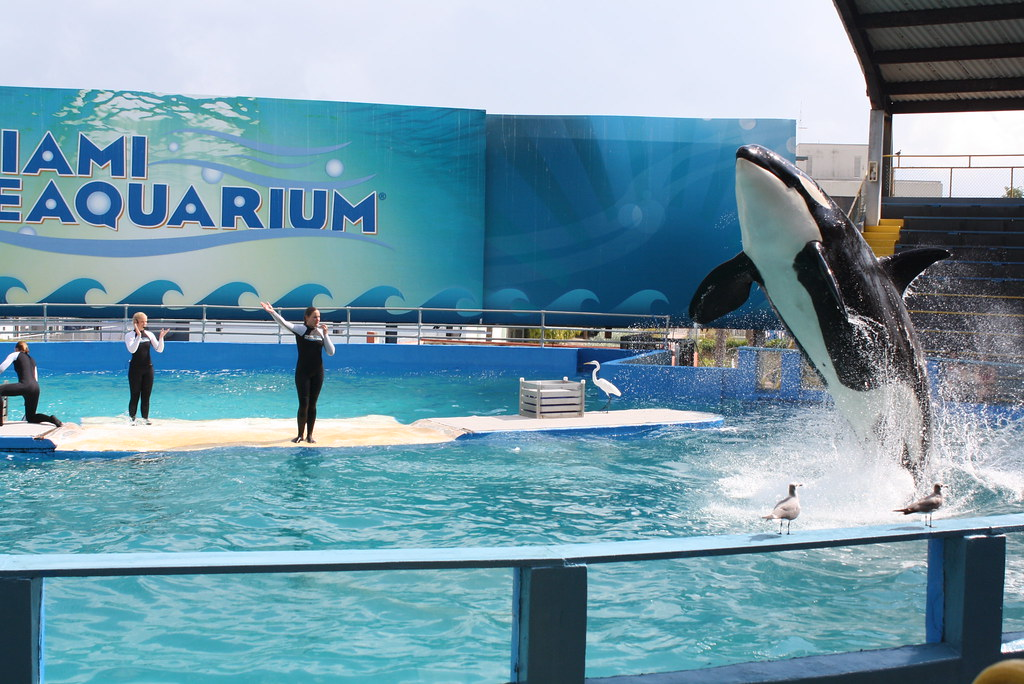
On the curve of Virginia Key, with privileged views of the skyline, the Miami Seaquarium was for almost seventy years one of the city’s most emblematic marine parks. Although its retro look recalled the marine parks of the 1950s —the series Flipper was filmed here, after all— for decades the complex housed a sea turtle hospital, a habitat for rescued manatees and educational talks on the protection of Florida’s reefs. After its final closure in October 2025, the site is being redeveloped into a new project without marine mammals, so it’s worth checking the current situation before heading there or considering other zoos in Miami if you’re traveling with children.
Until it closed, the park offered immersive interactions: from feeding rays as soft as velvet to descending —in an astronaut‑style diving helmet— into the Seatrek Reef, an aquarium where nurse sharks share the water with fluorescent parrotfish.
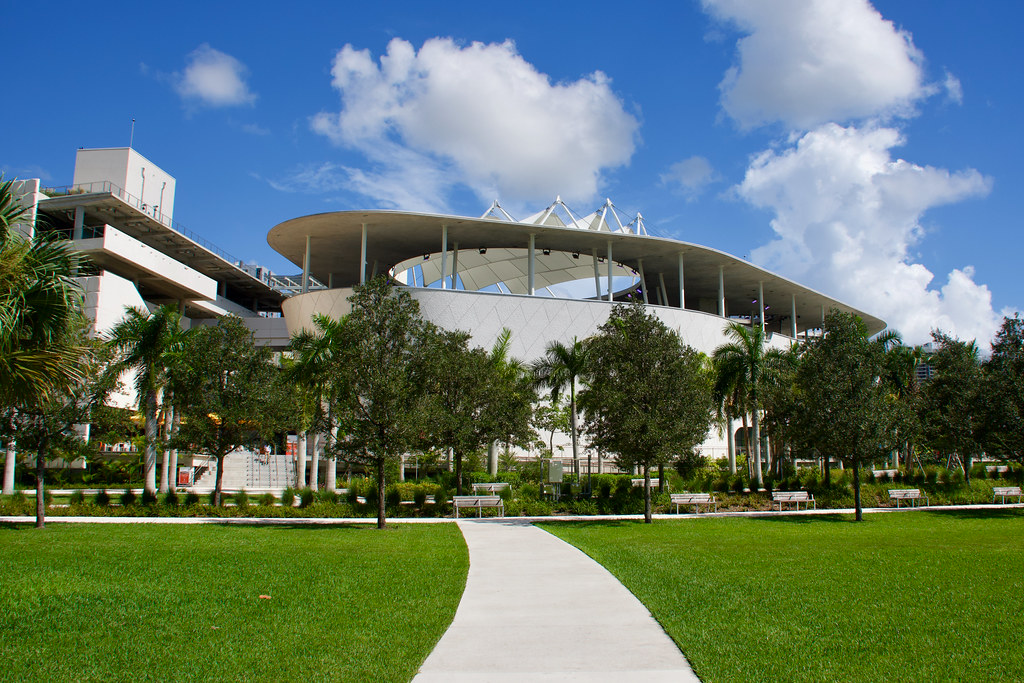
Now a cultural balcony overlooking the bay, today’s Maurice A. Ferré Park (formerly Museum Park) packs into just two blocks the contemporary art of the Pérez Art Museum Miami (PAMM), one of the major art museums in Miami, and the immersive outreach of the Phillip and Patricia Frost Museum of Science, a reference among interactive museums in Miami. The former dazzles from the outside already: a Herzog & de Meuron building raised on stilts with vertical gardens that drip water to cool the air.
Learn all about Cuban culture in Miami on this walking tour of Little Havana . W…

Get ready to experience Little Havana with us. Meet us and have fun! We invite you to explore the history…

Travel marketing specialist with extensive experience in the travel sector. At companies such as Despegar and GuruWalk, she has led traveler-focused digital acquisition strategies. Now, from the GuruWalk blog, she combines her expertise with her passion for discovering and sharing unique destinations.
Local guides, pay-what-you-want and no credit card to book. That is how you understand a city.
Explore free tours on guruwalk.com