

AAABAM

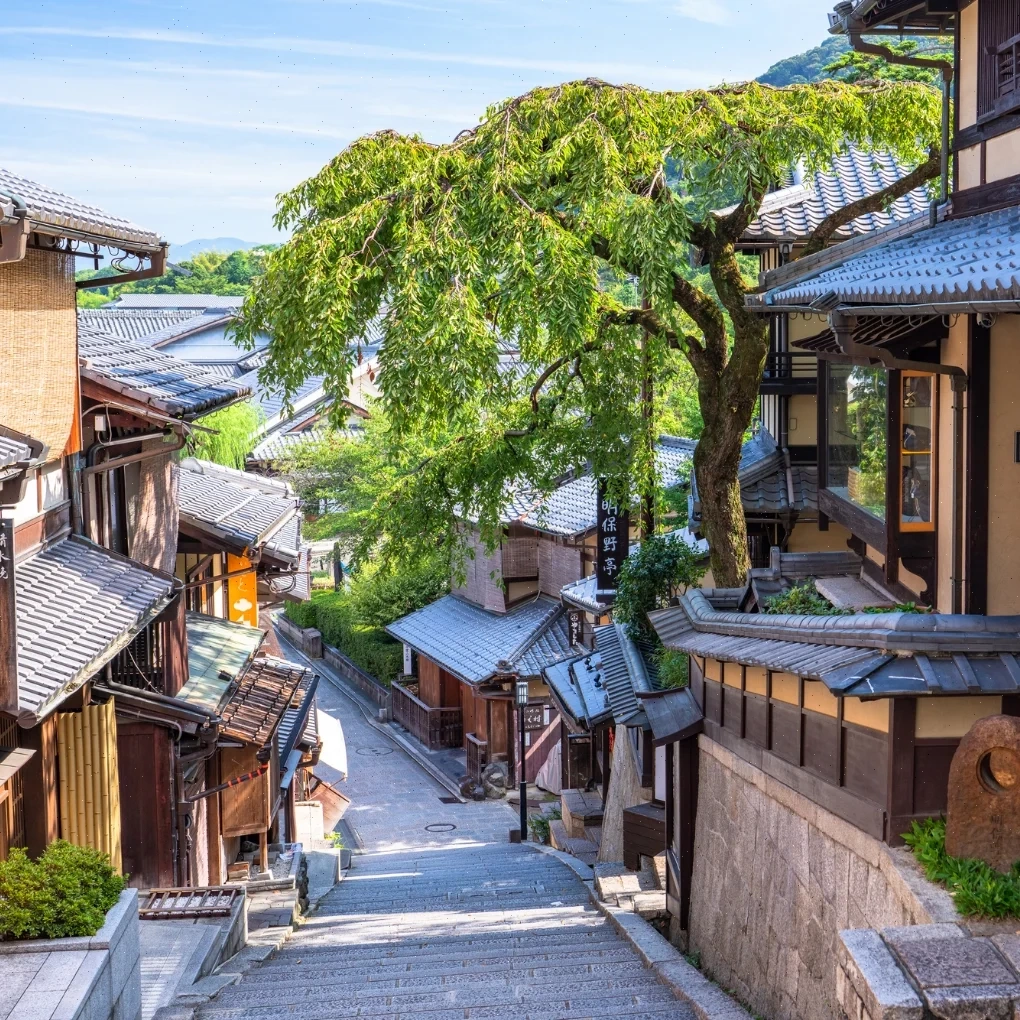
Kyoto’s Higashiyama, Gion, Fushimi Inari, Arashiyama and Kinkaku-ji are grouped into realistic routes for visits lasting one, two or three days.
 Belén Rivas
GuruWalk
·
Updated 3 Sep 2026
Belén Rivas
GuruWalk
·
Updated 3 Sep 2026Kyoto makes sense once you divide it into districts: Higashiyama and Gion in the east, Fushimi Inari in the south, Arashiyama in the west, and Kinkaku-ji in the northwest. Trying to join all four in one day means seeing more bus windows than temples. This guide explains the best things to do in Kyoto, how long each area needs, and how to build a realistic itinerary. A free walking tour in Kyoto is a practical way to get your bearings on day one, with no credit card needed to reserve.
Last verified: August 2026 — Prices, opening hours, and reservation requirements checked against official sources. GuruWalk’s Kyoto guides reviewed the practical recommendations.
A walking tour helps in a city where a Shinto shrine, a Buddhist temple, and a working teahouse district may share the same street. Routes focus on central Kyoto, Gion, Higashiyama, or the Philosopher’s Path. At GuruWalk, we suggest picking one that overlaps with your later plans, so the explanations give you context for the symbols, religious customs, and neighborhoods you will encounter independently.
Free tours have no fixed ticket price. At the end, each walker tips the guru according to the experience; the usual guideline is €10-20 per person and up to €50 for small groups or exceptional gurus. Check the meeting point, language, and duration before booking. GuruWalk is a platform for finding and booking free tours with local guides and activities in cities around the world.
Step into the World of the Shogun with a Local Guide at Nijo Castle Nijo Castle is more than just…

Experience the Enchanting World of the Geisha on Our Kyoto Night Walking Tour Step into the magical realm of the…

Discover one of the cities where dreams come true, where great industries like Nintendo were born, and be part of…
Kyoto has a thousand years of history, and most tours barely scratch the surface. This walk is for travelers who…

Most tours show you Kyoto from the outside. Let me show you from the inside. I'm Joseph—a Colombian liv…

⛩️ Discover with us the best of Kyoto on this fascinating and authentic free walking tour guided by Eze and…

To understand the essence of Japan, my proposal is to see, feel, and engage in conversation with the locals. The…

The city does not have one compact monument district. Think in four clusters instead. Higashiyama and Gion form the easiest walking day; Fushimi Inari fills a morning or pairs with a trip toward Nara; Arashiyama needs half a day; Kinkaku-ji and Nijo Castle work better with public transport. Downtown Kyoto, around Nishiki and Pontocho, fits naturally into the final hours of a day.
With two days, we would choose three clusters rather than four. Three days make room for Arashiyama. A fourth day lets you add gardens, markets, and museums at a steadier pace without cutting Higashiyama short. Grouping sights is the main rule: crossing the city east to west more than once wastes valuable time.
Kiyomizu-dera occupies a hillside on Mount Otowa and opens at 6:00 a.m. That early start gives you time on its large wooden stage and at Otowa Waterfall before the approach streets become busy. Closing time changes with the season and special night openings, so check the official Kiyomizu-dera calendar before fixing an afternoon visit.
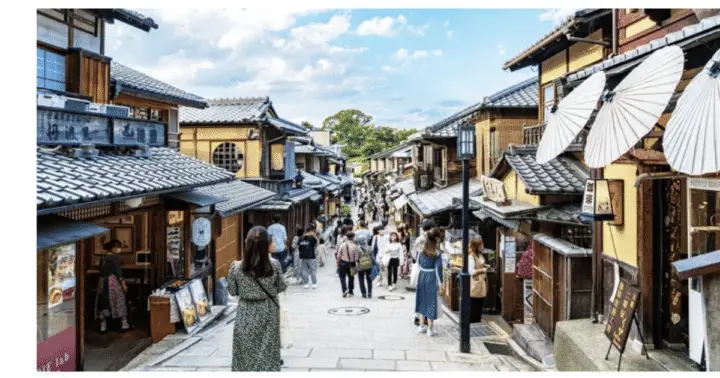
Walk downhill from the temple through Sannenzaka and Ninenzaka. These historic slopes contain wooden townhouses, craft shops, and small cafés. The route continues naturally to Yasaka Pagoda and Maruyama Park without retracing your steps. Allow two to three hours for the whole area, longer if you enter secondary temples.
Gion is not an open-air film set. It remains a working entertainment district connected to Kyoto’s traditional arts. The most coherent route starts at Yasaka Shrine, crosses Maruyama Park, and follows Hanamikoji toward the Shirakawa canal. Lanterns come on toward dusk, revealing ochaya—traditional teahouses—behind restrained wooden façades.
Photography is prohibited on several private lanes, and visitors should never chase or block maiko and geiko on public streets. “Please refrain from entering private roads,” the official Gion and Kiyomizu guide said in its local access advice. For dinner, continue toward Pontocho or Kawaramachi instead of relying only on Hanamikoji.
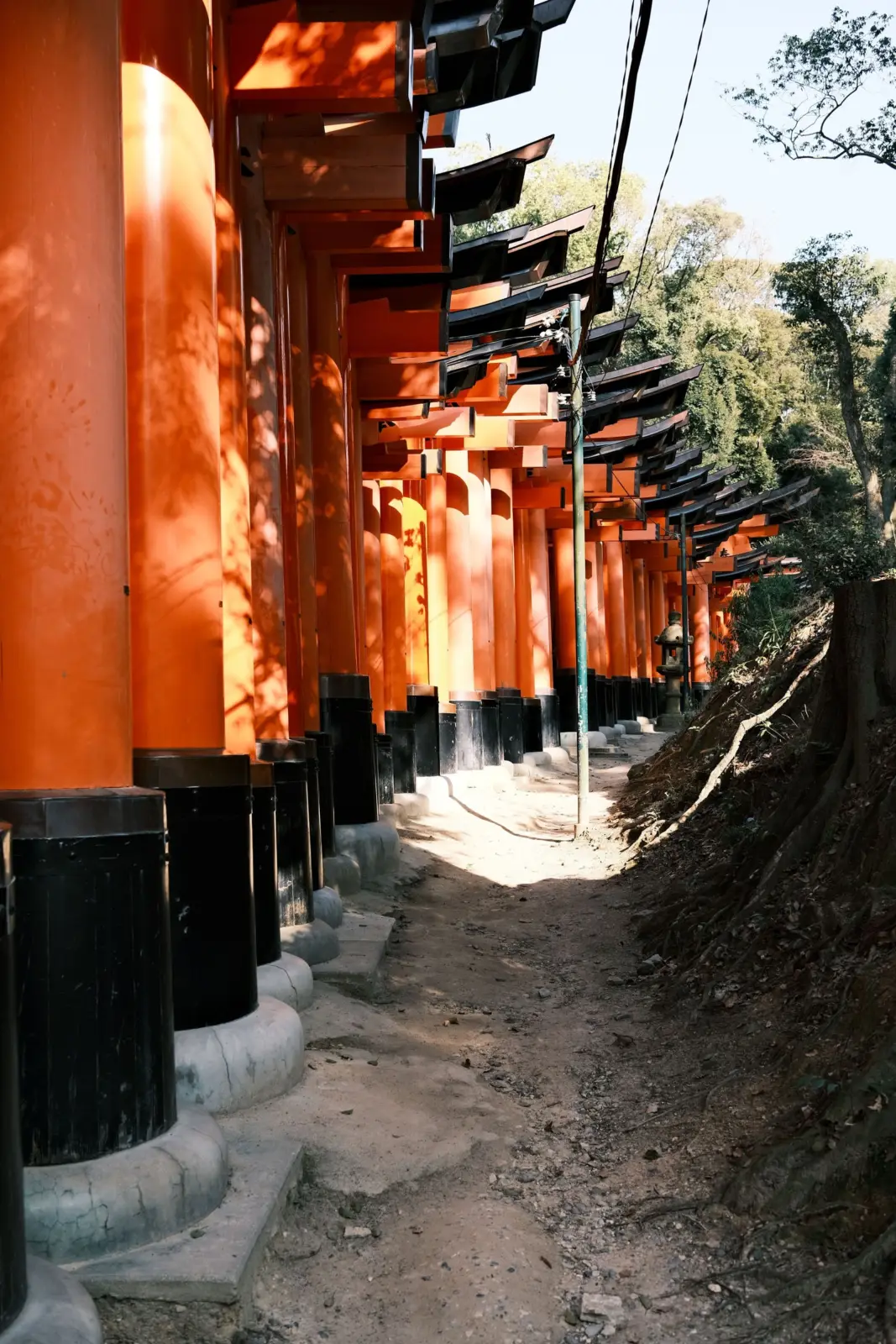
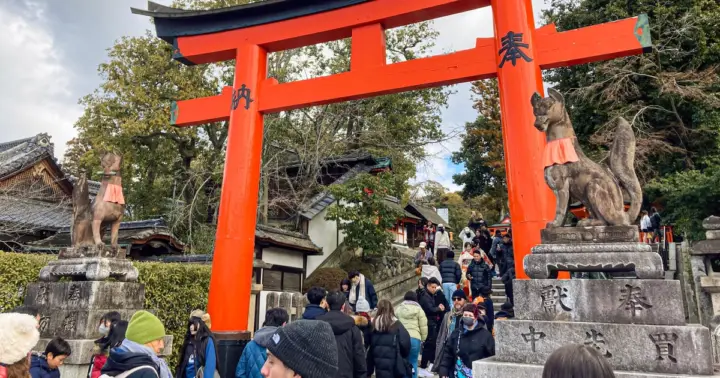
Fushimi Inari Taisha is the head shrine dedicated to Inari. Its corridors of vermilion torii begin behind the main buildings and climb Mount Inari. This is not a museum with a single route: you can complete the lower loop and return, or continue uphill to viewpoints and the summit.
Allow 60 to 90 minutes for a shorter visit. The full mountain route takes considerably longer and includes many steps. Kyoto’s tourism authority estimates about 10 minutes by JR Nara Line from Kyoto Station to the shrine area. Take the train back rather than defaulting to a bus when it suits your next stop; it is usually the simpler connection.
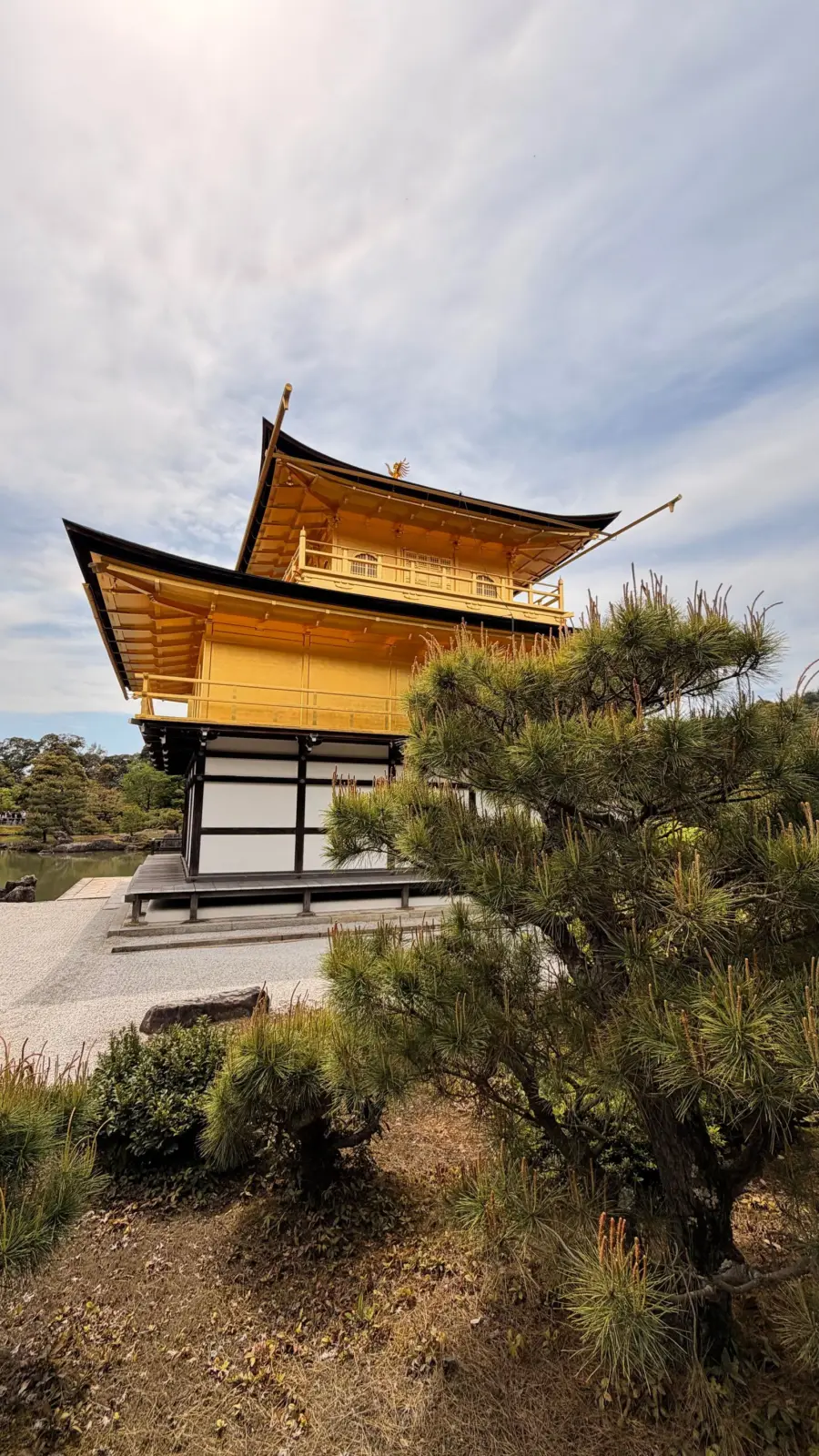
Kinkaku-ji is one of Kyoto’s most recognizable buildings. Visitors view the gold-leaf-covered pavilion from a circuit around Kyoko-chi—Mirror Pond in English—while the interior remains closed. Adult admission is 500 yen, and the grounds open from 9:00 a.m. to 5:00 p.m. throughout the year, according to the official Kinkaku-ji visitor information.
Most visits take 60 to 90 minutes. Because the temple lies far from Higashiyama, combine it with Ryoan-ji or Nijo Castle, not Fushimi Inari. City buses stop at Kinkakuji-michi, a short walk from the entrance.
Nijo Castle explains the political side of imperial Kyoto. Ninomaru Palace retains decorated reception rooms, long corridors, and floors designed to make a sound underfoot. The combined adult ticket for the castle and Ninomaru Palace costs 1,300 yen. Some buildings require advance booking or follow separate closure dates, listed on the official Nijo Castle ticket page.
Set aside about two hours. Nijojo-mae—the Tozai subway station beside the entrance—makes the castle easier to reach than monuments that require a train and a long walk. If time is tight, tour Ninomaru first and save the gardens for afterward.






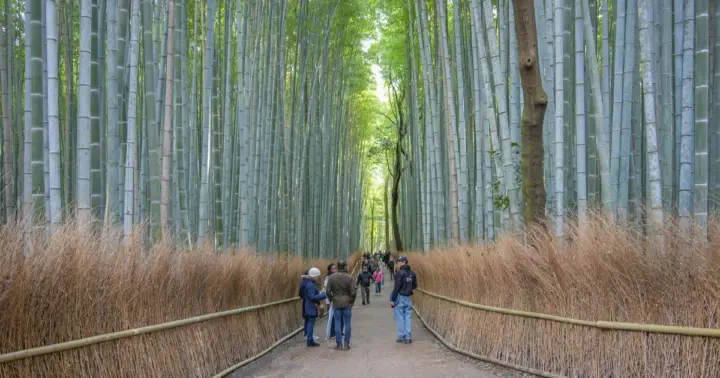
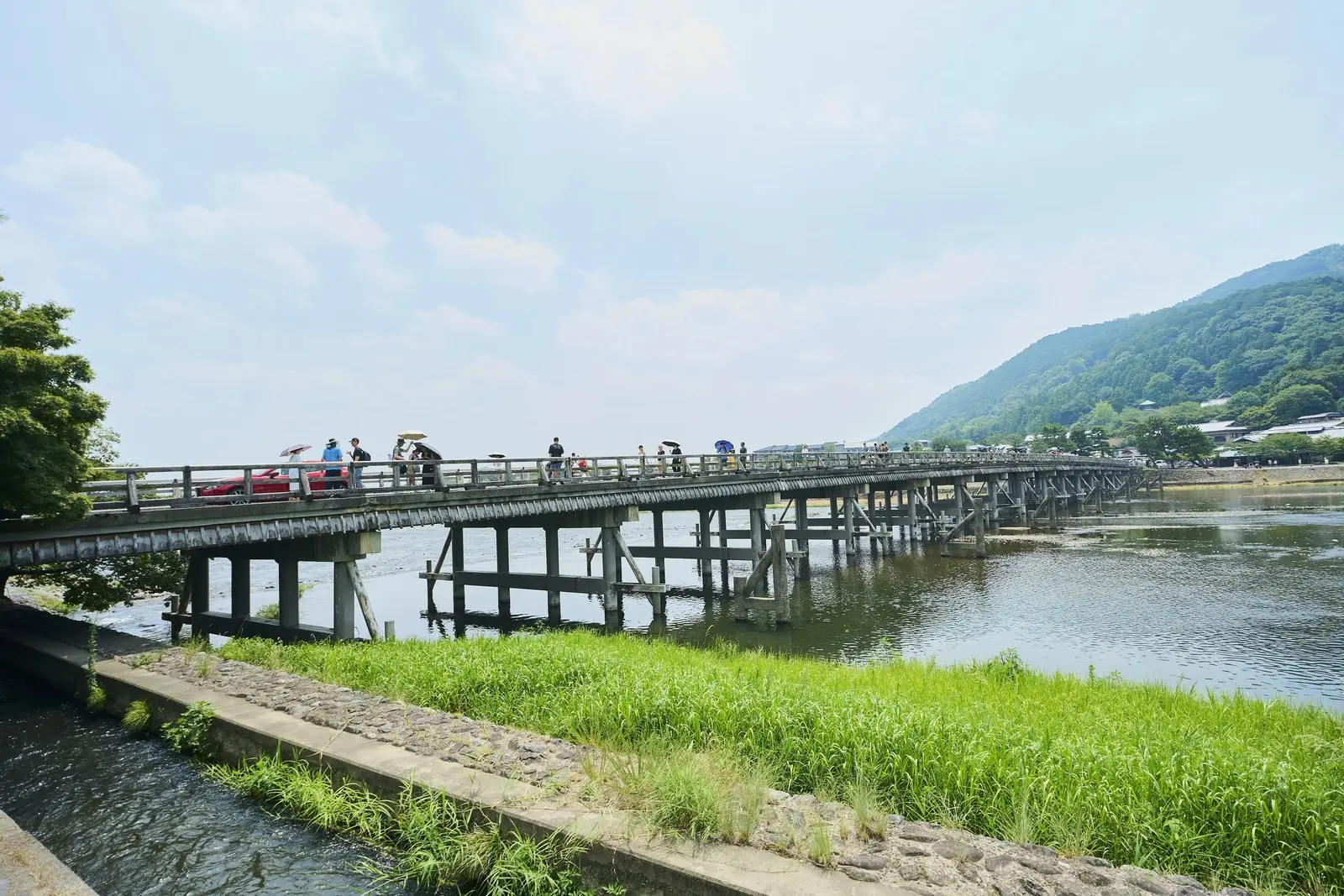
Arashiyama deserves a full morning. From Saga-Arashiyama Station, enter the bamboo grove first and continue to the garden at Tenryu-ji. Then head down to Togetsukyo Bridge and the Katsura River. This order limits backtracking and leaves the open riverside for later, when the bamboo paths are at their busiest.
Arashiyama’s bamboo grove is a short public path, not a ticketed attraction. Timing matters more than duration. For a longer walk, continue into Kameyama Park or the streets of Saga. Avoid scheduling Arashiyama and Fushimi Inari in the same morning; they sit on opposite sides of the city.
Ginkaku-ji, the Silver Pavilion, combines a dry garden, moss, and a raised path with views over the grounds. The Philosopher’s Path begins near its entrance and follows a canal toward Nanzen-ji. You can stop at minor temples along the way or treat it simply as a neighborhood walk.
Allow half a day for Ginkaku-ji, the canal, and Nanzen-ji. Cherry trees bring heavier spring crowds; in other seasons, the route offers breathing space between major temple complexes. It is a sensible alternative to Arashiyama when you prefer walking and fewer cross-city transfers.
Nishiki Market is a narrow covered arcade specializing in food, cookware, and local products. It works better around midday than early morning because each stall sets its own hours. Eat beside the stall rather than walking through the arcade with food; this keeps the already narrow passage moving.
Leave Nishiki through the Teramachi and Shinkyogoku arcades, then continue to the Kamo River. Across the water, Pontocho runs parallel to the bank and contains many restaurants. This compact downtown cluster fits at the end of almost any itinerary without creating another transport leg.
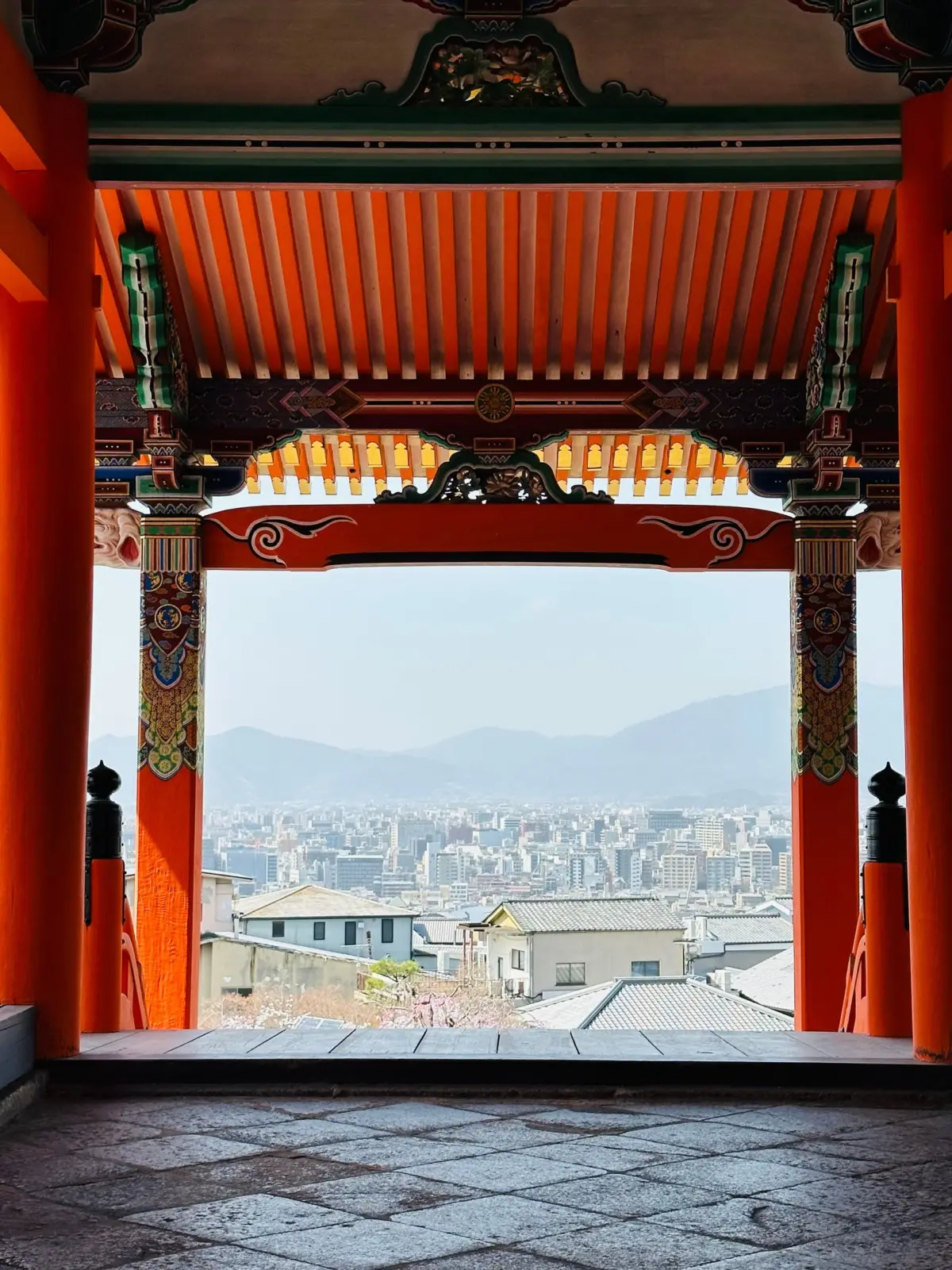
One day: visit Kiyomizu-dera early, then walk through Sannenzaka, Yasaka Shrine, Gion, Nishiki, and Pontocho.
Two days: add Fushimi Inari in the morning and Nijo Castle in the afternoon.
Three days: spend the third morning in Arashiyama, then choose Kinkaku-ji or the Philosopher’s Path.
Four days: separate Kinkaku-ji from Nijo and add Ginkaku-ji, Nanzen-ji, or a museum.
On a rainy day, Nijo, the Kyoto National Museum, and the covered shopping arcades provide more time indoors. Gardens and temple grounds still make up a large part of a Kyoto visit, so keep enough flexibility to swap days when the forecast changes.
Trains are the first choice for Fushimi Inari and Arashiyama. The subway works well for Nijo Castle and central Kyoto. Buses cover Kinkaku-ji and the approaches to Higashiyama, but traffic can stretch journey times. An IC card lets you pay across operators without buying a separate ticket for every ride.
A combined subway and bus day pass can offer value when your planned rides are covered. Count the actual journeys before buying it: a day based on JR trips to Inari and Saga-Arashiyama may not use it enough. For Kyoto Station to Kiyomizu, the city tourism guide recommends combining rail and walking to avoid the most congested buses.
The area around Kyoto Station is convenient for Fushimi Inari, Arashiyama, Osaka, and Nara. Kawaramachi has more evening restaurants. It also puts Nishiki, Gion, and Pontocho within walking distance, while Higashiyama shortens the trip to Kiyomizu and Yasaka but is less convenient for rail day trips.
For a first stay of two or three days, Kawaramachi or the station area usually simplifies the map. Do not judge a hotel only by distance in kilometers; check the nearest station and which line serves it.
Three days cover Higashiyama, Gion, Fushimi Inari, Arashiyama, and one major site in northern or central Kyoto. With two days, choose between Arashiyama and the Kinkaku-ji–Nijo combination.
Outdoor areas at Fushimi Inari, Arashiyama’s bamboo grove, Yasaka Shrine, the Philosopher’s Path, and Nishiki Market do not require admission. Temples and gardens located along those routes may charge their own fees.
Start between 6:00 and 8:00 a.m. at Kiyomizu-dera or Fushimi Inari. For Kinkaku-ji, arrive for its 9:00 a.m. opening. Nishiki and the downtown arcades make more sense from late morning onward.
You can explore individual districts on foot, but not the whole city. Higashiyama, Gion, and downtown connect well as a walking route; Arashiyama, Fushimi Inari, and Kinkaku-ji require a train, subway, or bus from other areas.
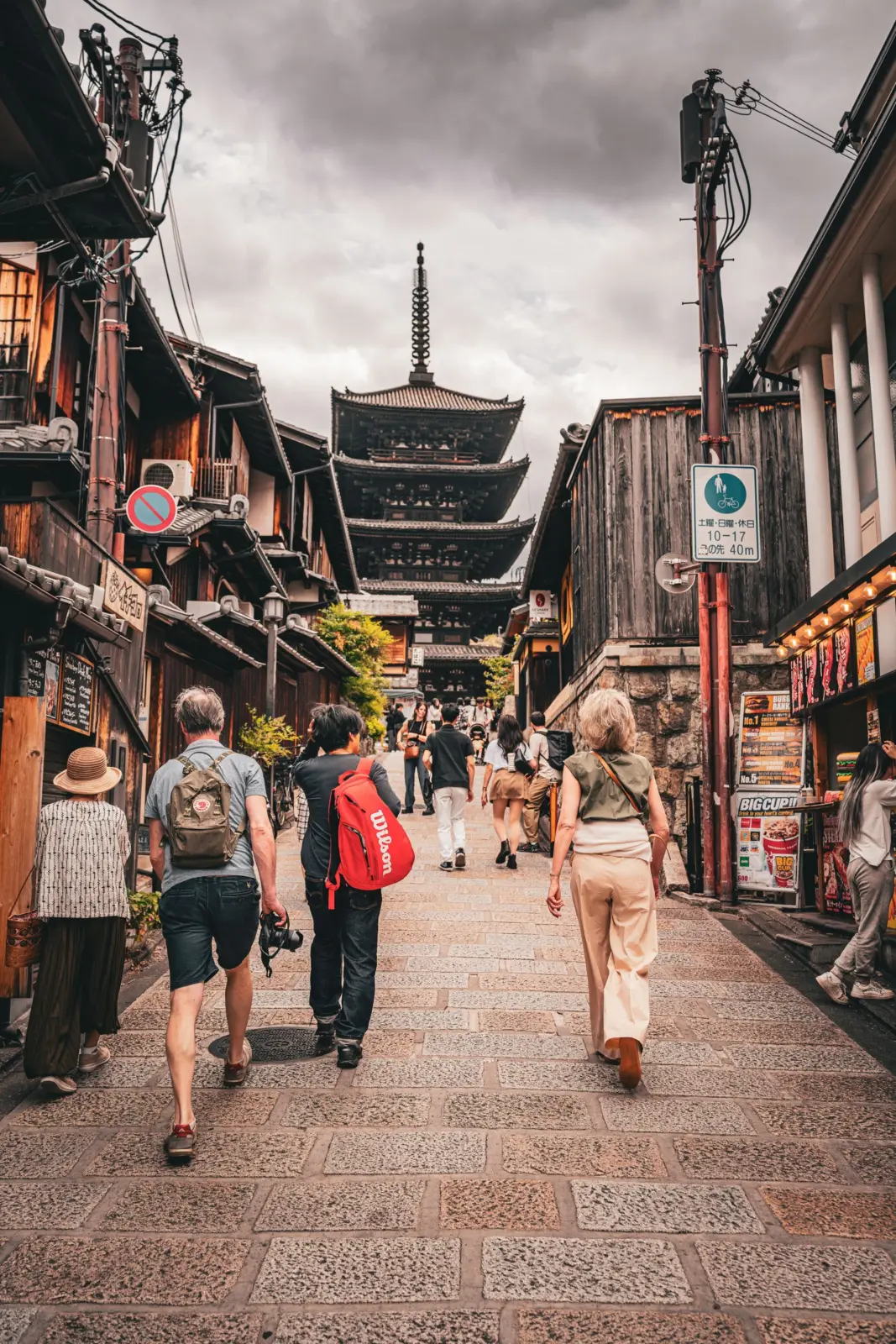
We have grouped the city so you can assign one area to each morning and keep downtown for late afternoons. If you want context for Kyoto’s streets, rituals, and history before visiting temples independently, compare the available free walking tours in Kyoto. For tickets and more specialized routes, browse activities and experiences in Kyoto.
Travel marketing specialist with extensive experience in the travel sector. At companies such as Despegar and GuruWalk, she has led traveler-focused digital acquisition strategies. Now, from the GuruWalk blog, she combines her expertise with her passion for discovering and sharing unique destinations.
Local guides, pay-what-you-want and no credit card to book. That is how you understand a city.
Explore free tours on guruwalk.com