

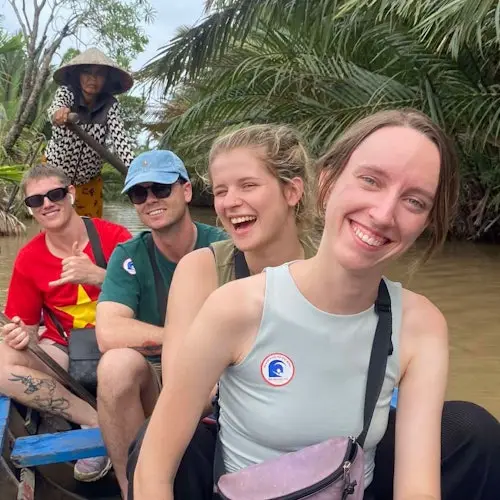
Ho Chi Minh City brings together markets, colonial-era buildings, museums about the war, Chinese-Vietnamese neighbourhoods, and a riverfront now connected to the metro. Most central sights sit within the former Districts 1 and 3. Chợ Lớn and the Củ Chi Tunnels need separate planning, though. To understand the background before entering the museums, start with one of the free tours in Ho Chi Minh City. No credit card is needed to book.
Last verified: August 2026 — Prices, opening hours, and reservation requirements checked against official sources. GuruWalk’s Ho Chi Minh City guides reviewed the practical recommendations.
The best free tours in Ho Chi Minh City for your first day
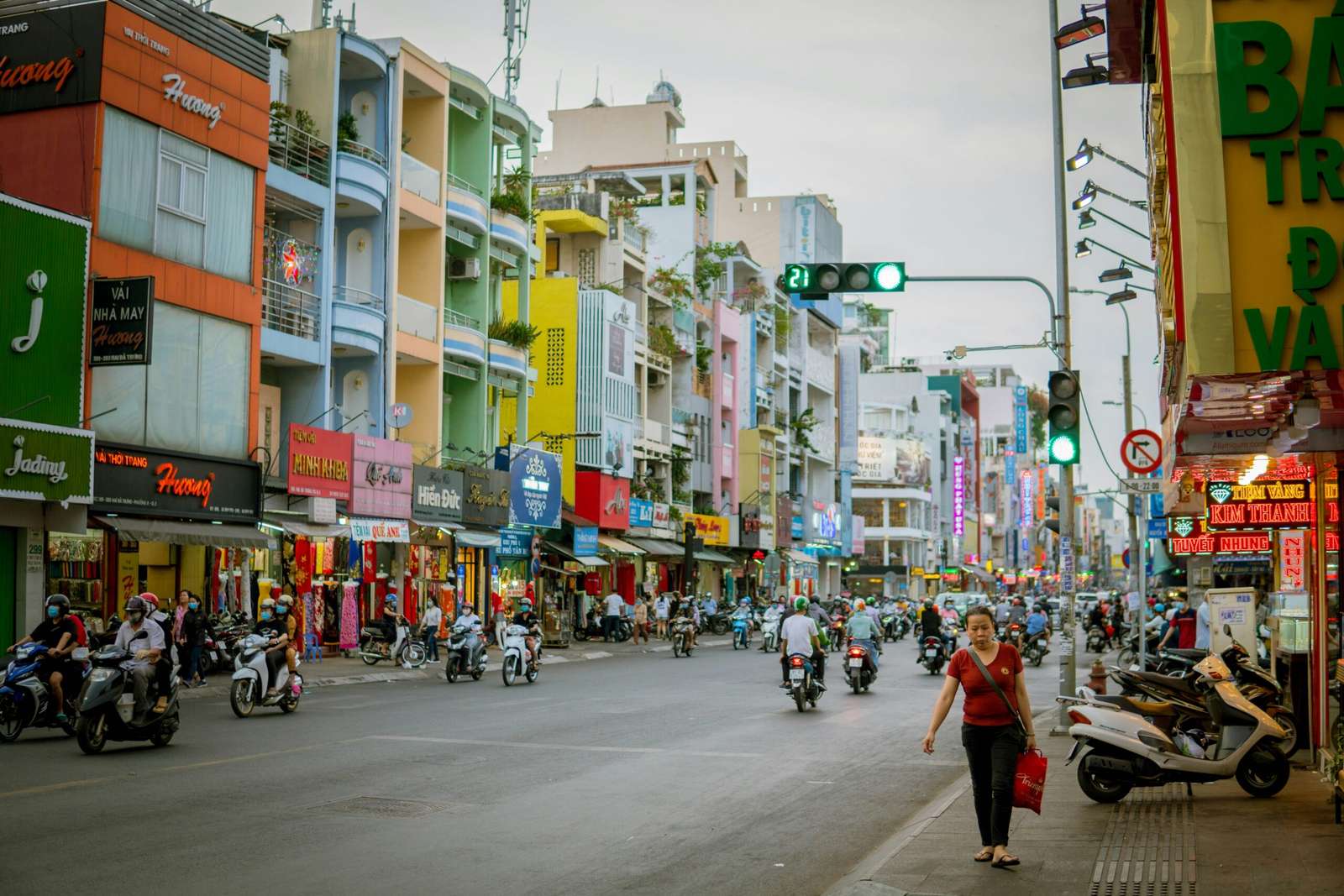
An early walking tour connects places that tell different stories when seen alone: Independence Palace, the Central Post Office, City Hall, Bến Thành Market, and the commercial streets of the centre. Gurus explain why both Saigon and Ho Chi Minh City remain in daily use, then give you enough context to choose the museums that match your interests.
Free tours have no fixed price. At the end, each participant leaves the amount they consider fair; the usual guidance is €10-20 per person and up to €50 for small groups or exceptional gurus. A morning departure works well because it leaves time for Independence Palace or the War Remnants Museum afterwards.
New to Ho Chi Minh City? This is the tour most travelers book first. In just one walk, you’ll s…

🏆 Officially Awarded at the GuruWalk Awards 2026 🌍 Ranked Among the Top 2% of Experiences Worldwide …

Start Your Free Saigon Adventure! Are you ready to explore the heart of Saigon without spending a dime? J…
Discover the heart of Vietnamese coffee culture inside a cozy local home in Ho Chi Minh City. This hands-on workshop…
Saigon: 50+ Years of Reunification Tour ✨ Step into history as we commemorate …

Welcome to Saigon — a city of stories, memories, and endless motion. This is…
Walk through history in the very streets where it unfolded. Join us on a powerful, eye…
Things to do in Ho Chi Minh City: 15 places and experiences
1. Independence Palace
Inside Independence Palace, state rooms, offices, map rooms, and underground spaces remain accessible. Its architecture and its role in the events of 30 April 1975 make it the clearest place to organise the city’s recent political history. Do not rush it. A complete visit takes a substantial part of the morning.
Since 1 May 2026, the official Independence Palace visitor information lists opening hours of 7:00 am to 6:00 pm. Combined admission to the palace and exhibition costs VND 80,000 per adult; palace-only admission costs VND 40,000.
2. War Remnants Museum
This museum examines the consequences of the wars in Vietnam through photography, documents, military equipment, and testimony. Some galleries are difficult to view. Allowing at least two hours gives the material enough space and avoids reducing the visit to a rapid sequence of images.
According to the War Remnants Museum’s official site, it opens daily from 7:30 am to 5:30 pm, with the ticket office closing at 5:00 pm. General admission is VND 40,000. The entrance is on Võ Văn Tần Street, within a manageable walk of Independence Palace.
3. Notre-Dame Cathedral, Central Post Office and Book Street
Công Xã Paris Square places three useful stops in one compact area. Notre-Dame Cathedral dominates the outside space; opposite it, the Central Post Office still operates beneath its large vaulted hall. Beside the square, pedestrianised Nguyễn Văn Bình Book Street holds bookshops and small publishing stalls.
Restoration work or religious services can limit access to the cathedral, so treat the exterior as the dependable visit. The post office remains a working public building. The official Vietnam Tourism city guide links this group naturally with Đồng Khởi Street and Saigon Opera House.
4. Bến Thành Market
A large clock above the south gate marks the city’s best-known central market. Inside, separate aisles sell food, textiles, kitchenware, spices, and souvenirs. Pick a purpose. Observe the trading floor, eat something, or shop, because inspecting every stall can absorb far more time than expected.
Metro Line 1’s Bến Thành Station stands beside the market, making the area easy to combine with the riverfront. At stalls without a displayed price, ask before accepting an item. For a seated meal, the surrounding streets generally offer more room than the market aisles.
5. Ho Chi Minh City Museum
On Lý Tự Trọng Street, this museum traces the development of Saigon and Gia Định into the present city. Collections cover archaeology, trade, maps, and political events. Its building also deserves attention, with galleries organised around courtyards and broad staircases.
Published hours at the Ho Chi Minh City Museum run daily from 8:00 am to 5:00 pm, including public holidays. It is only a short walk from City Hall and Nguyễn Huệ, so it fits between a historical morning and a late-afternoon riverfront walk.
6. Nguyễn Huệ, City Hall and Saigon Opera House
Pedestrian Nguyễn Huệ runs between the City Hall area and Bạch Đằng Wharf. View the municipal building from the square; it is not a general walk-in attraction. Toward Đồng Khởi, Saigon Opera House adds another major façade to the route even when you are not attending a performance.
This section works best in the late afternoon, when the temperature eases and residents gather along the avenue. The Ho Chi Minh City Tourism portal includes Bến Thành, the palace, the opera house, and several museums among its main visitor stops.
7. Chợ Lớn, the city’s Chinatown
Chợ Lớn covers a broad area west of the centre. Its scale changes the visit because the commercial streets matter as much as individual monuments. A manageable route combines wholesale Bình Tây Market, Thiên Hậu Temple, and the nearby streets lined with traditional medicine shops.
Allow half a day. Worship continues inside the temples, so dress appropriately, speak quietly, and keep the altars clear. From central Ho Chi Minh City, public transport or a metered vehicle is far more practical than walking all the way.
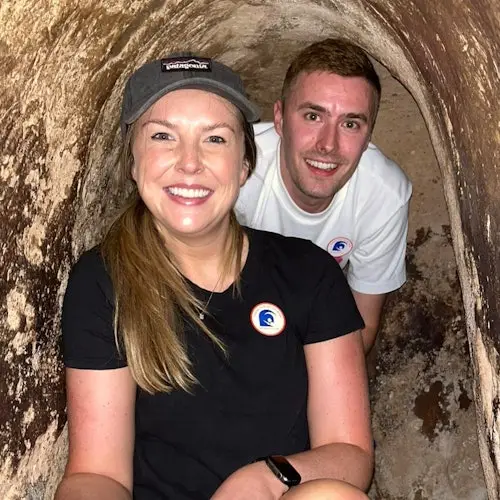
Cu Chi Tunnels & Mekong Delta: Small-Group Tour + Hotel Pickup

Excursión privada a los túneles de Cu Chi
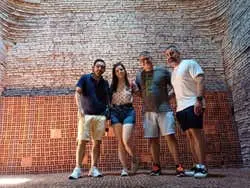
Excursión privada al delta del Mekong
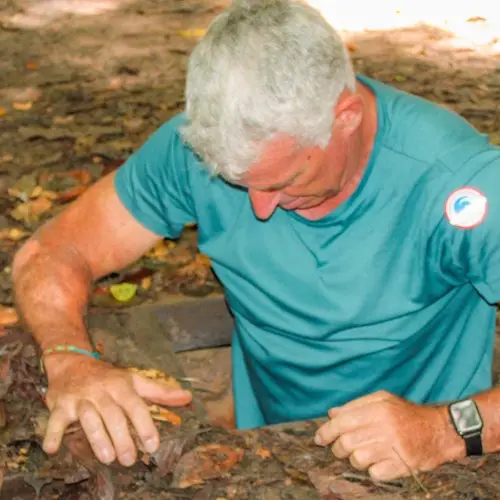

Cu Chi Tunnels: Guided Morning Tour from Ho Chi Minh City
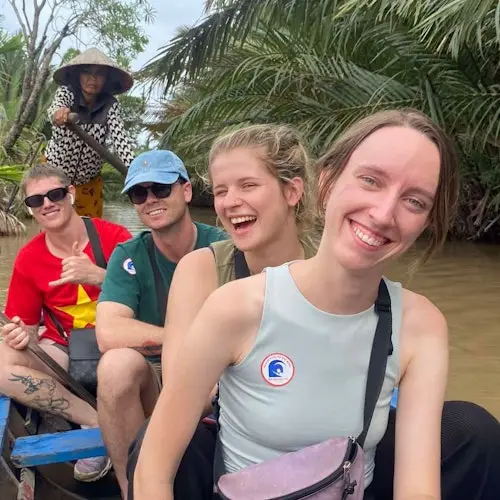
Mekong Delta: Guided Day Tour from Ho Chi Minh City + Lunch + Boat Ride
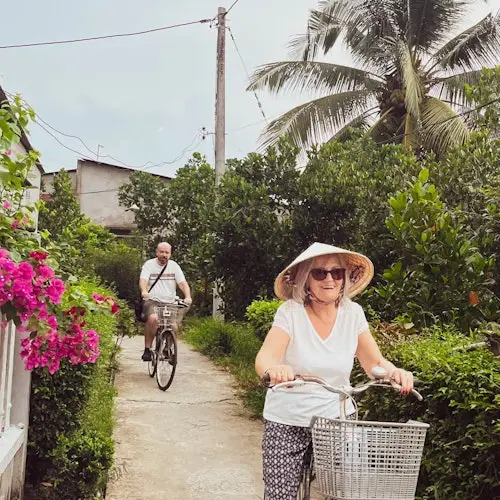
Cai Be Mekong Delta: Guided Tour from Ho Chi Minh City + Cooking Class & Cycling
8. History Museum and Botanical Garden
For a wider frame than the 20th century, visit the History Museum beside the Botanical Garden and Zoo grounds. Its collections move through ancient cultures and Vietnam’s dynastic periods, including objects associated with Khmer and Cham traditions.
Official visitor hours at the Ho Chi Minh City History Museum run Tuesday to Sunday from 8:00 to 11:30 am and from 1:00 to 5:00 pm; it closes on Mondays. The midday break matters when arranging this part of the city.
9. Saigon River and Thủ Thiêm
Bạch Đằng Wharf faces the modern Thủ Thiêm waterfront across the Saigon River. Transport boats and service vessels pass the promenade. Cross to Thủ Thiêm and the perspective reverses, gathering the central towers together across the water.
You do not need a cruise to understand the city’s relationship with the river. A sunset walk and public river transport, when it matches your route, do the job. Check the departure point and buy any ticket through official channels.
10. Củ Chi Tunnels
Outside the urban core, the Củ Chi Tunnels are preserved in two visitor areas, Bến Dược and Bến Đình. A visit combines historical interpretation, explanations of underground life, and sections adapted for visitors. It is not a quick stop. Treat the travel and site time as a long half-day.
Anyone with limited mobility, claustrophobia, or no interest in narrow passages can remain on the surface route. Models, entrances, and above-ground interpretation still explain the network. Decide which of the two visitor areas you want before leaving the city to avoid unnecessary transfers.
11. Southern Vietnamese food and coffee
Food helps distinguish the city’s neighbourhoods. Central menus feature cơm tấm —broken rice served with different toppings—, hủ tiếu noodles, and bánh mì. Vietnamese coffee is prepared through a metal filter and may arrive with condensed milk or over ice.
Look for places with clear menus and visible turnover. A coffee workshop or food walk adds context about ingredients and technique, though you can also build your own tasting route between the market, Chợ Lớn, and a neighbourhood café. Browse more activities and experiences in Ho Chi Minh City to complete the visit.
Mekong Delta: Guided Day Tour from Ho Chi Minh City + Lunch + Boat Ride
Cu Chi Tunnels & Mekong Delta: Small-Group Tour + Hotel Pickup
Excursión privada a los túneles de Cu Chi
Excursión privada al delta del Mekong
Cu Chi Tunnels: Guided Morning Tour from Ho Chi Minh City
Mekong Delta: Guided Day Tour from Ho Chi Minh City + Lunch + Boat Ride
Cai Be Mekong Delta: Guided Tour from Ho Chi Minh City + Cooking Class & Cycling
A 1, 2 or 3-day Ho Chi Minh City itinerary
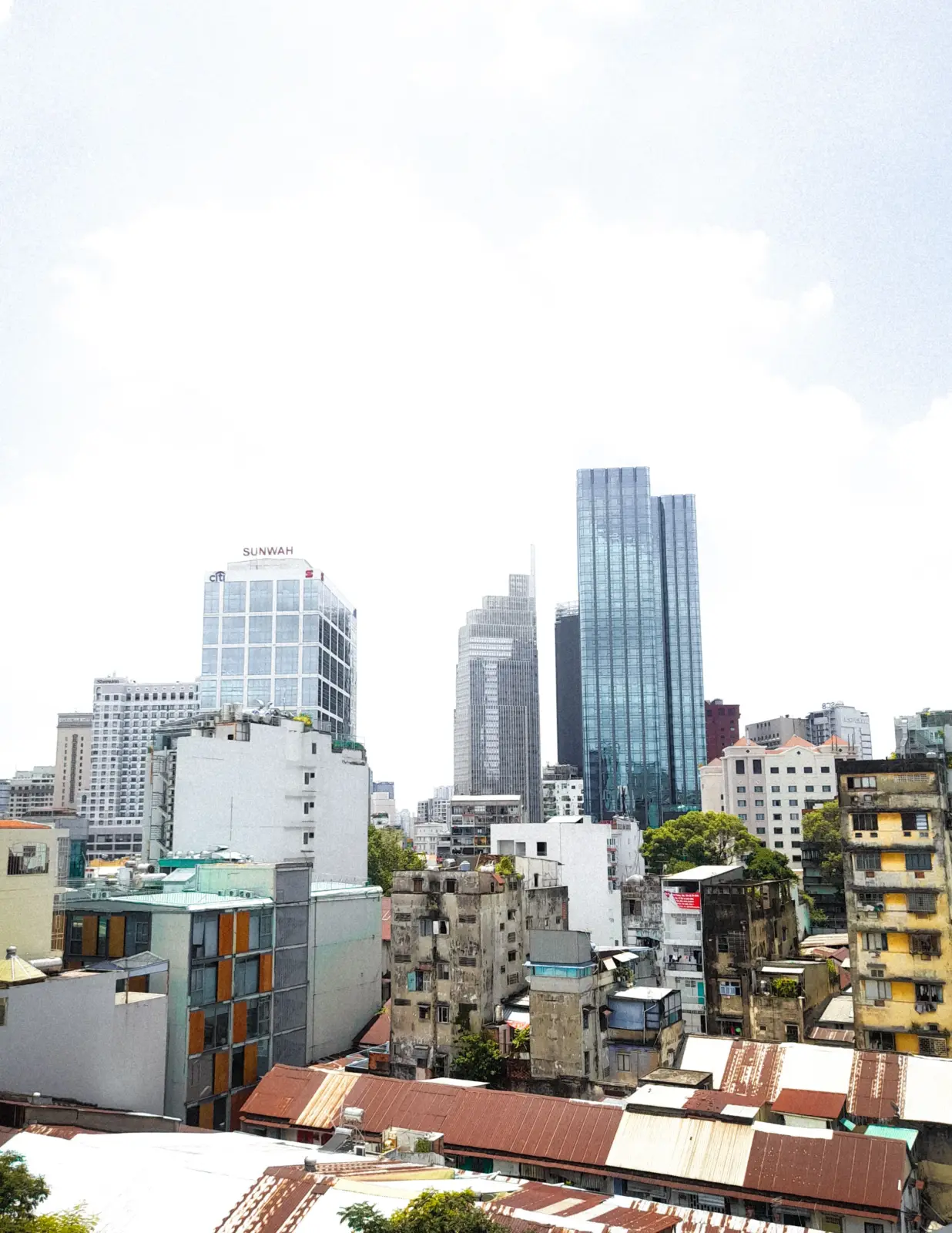
One day
Begin with the free tour and continue to Independence Palace. After lunch, choose either the War Remnants Museum or Ho Chi Minh City Museum; seeing both properly in one afternoon is tight. Finish at the post office, Đồng Khởi, Nguyễn Huệ, and Bạch Đằng Wharf.
Two days
Keep the first day in the centre. Use the second morning for Chợ Lớn, combining Bình Tây and Thiên Hậu. In the afternoon, return toward Bến Thành, visit the Fine Arts Museum if it suits your interests, or cross to Thủ Thiêm for a skyline view from the river.
Three days
Add a trip to the Củ Chi Tunnels. If you prefer to stay within the city, spend the morning at the History Museum and botanical area, then use the afternoon for a food experience. This version cuts unnecessary travel and leaves room to revisit a neighbourhood that felt rushed.
Getting around Ho Chi Minh City
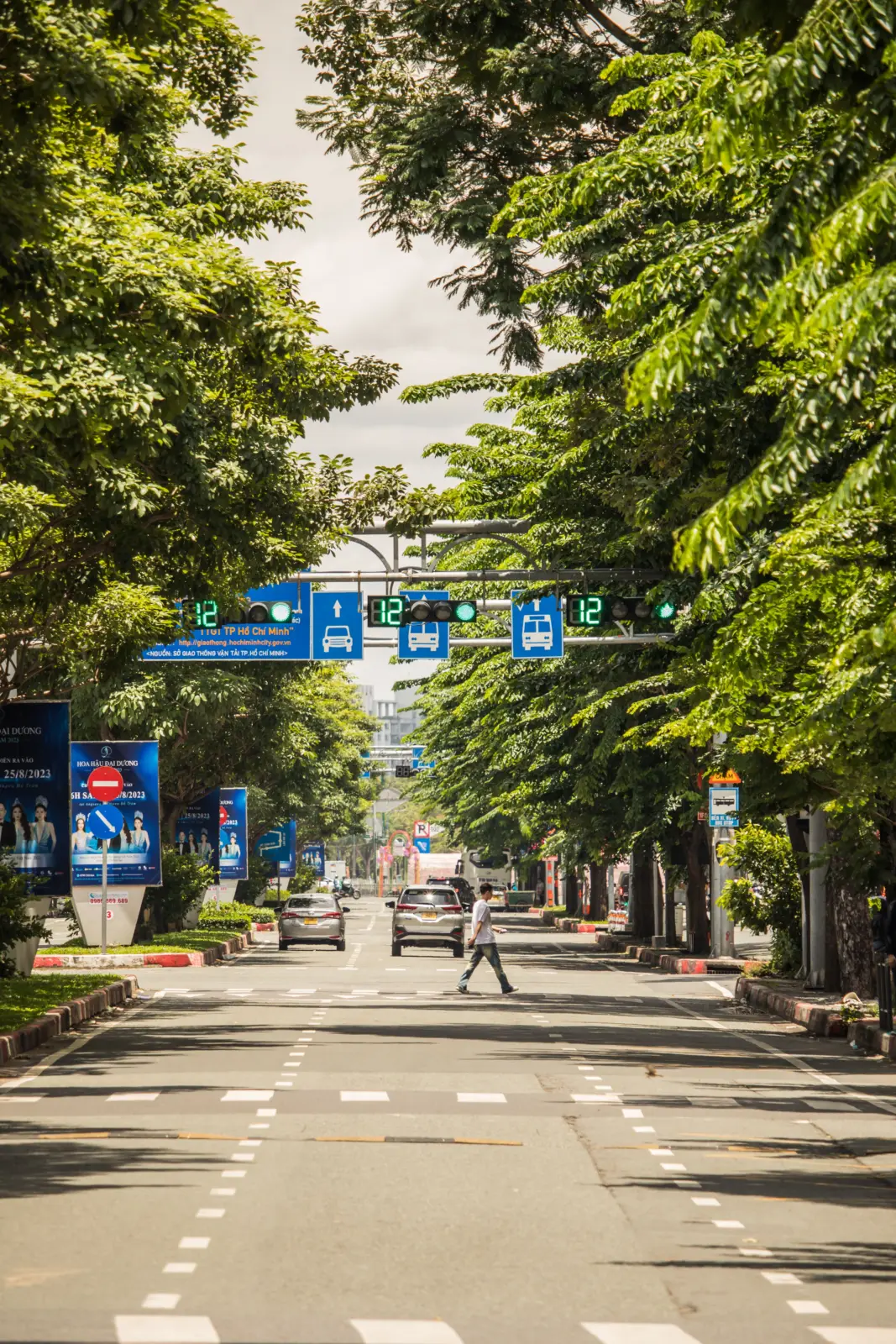
Central sights work well on foot when grouped, but distances grow toward Chợ Lớn and Củ Chi. Metro Line 1 has 14 stations along 19.7 km. It links Bến Thành with the city’s east, and the municipal overview of the Bến Thành–Suối Tiên line confirms service began in December 2024.
Check bus and metro routes on the day you travel. Motorbikes are part of daily traffic, but they are not the only transport option. When crossing, use marked crossings where available, move at a predictable pace, and avoid sudden changes of direction.
Frequently asked questions about Ho Chi Minh City
Are Saigon and Ho Chi Minh City the same place?
Yes. The official name has been Ho Chi Minh City since 1976. Saigon remains common in conversation, historical names, and references to the centre, but it does not identify a separate city.
How many days do you need?
Two days cover the centre and Chợ Lớn at a reasonable pace. Add a third for Củ Chi, the History Museum, or a food experience without cutting the principal sights short.
Which museum should you choose if time is limited?
If time is limited, choose by subject rather than distance alone. The War Remnants Museum focuses on 20th-century conflict; Ho Chi Minh City Museum explains urban development, while the History Museum broadens the frame to earlier periods.
Can you explore the centre on foot?
Yes, if you group stops. Independence Palace, the War Remnants Museum, the post office, Đồng Khởi, Nguyễn Huệ, and Bến Thành make a central route; Chợ Lớn and Củ Chi require transport.
How do you book a free tour?
Choose a date, language, and time on the free tours in Ho Chi Minh City page. No credit card is needed. You will receive the meeting-point details and can reward the guru with a tip after the walk.
Start with the walk that best fits your first day, then use this guide to add museums, markets, and neighbourhoods. GuruWalk is the platform for finding and booking free tours with local guides and activities in cities around the world.

GuruWalk
Travel marketing specialist with extensive experience in the travel sector. At companies such as Despegar and GuruWalk, she has led traveler-focused digital acquisition strategies. Now, from the GuruWalk blog, she combines her expertise with her passion for discovering and sharing unique destinations.