

Grouping sights by area is essential in Seoul. The city combines Joseon palaces, hanok neighbourhoods, covered markets and contemporary towers, while many historic attractions sit north of the Han River. Hongdae, Namsan and Gangnam require metro journeys. A useful way to understand the layout on arrival is to start with a free tour in Seoul. It places Gwanghwamun, Insadong and the old centre in context before you enter the palaces independently. No credit card needed to reserve.
Last verified: August 2026 — Prices, opening hours, and reservation requirements checked against official sources. GuruWalk’s Seoul guides reviewed the practical recommendations.
Start with a free tour in Seoul
Several layers of Seoul’s history sit along the Gwanghwamun–Insadong corridor. An early walking route identifies broad Sejong-daero, Gyeongbokgung’s main gate, Jogyesa Temple and Insadong’s shopping lanes. That orientation makes it easier to choose which palace deserves an interior visit and which neighbourhoods fit the time available.
Free tours have no fixed price. At the end, each traveller gives the guru what they consider fair. A common reference is €10–20 per person, rising to €50 for small groups or exceptional gurus. Each listing states the language, meeting point, duration and whether the route enters any paid site.
Hello Everyone, This is Sanghyuk(English name – Sam) My tour will explore the famous tourist places in …

Are you going to leave Seoul after only staying at famous tourist spots of Seoul? This is an opportunity to…

I invite you to discover Seoul through a cultural tour, designed for curious travelers seeking an authentic experience that al…

Is it possible to discover much of downtown Seoul in a single morning, without rushing and in a small group?…

1. Gyeongbokgung Palace and Gwanghwamun Gate
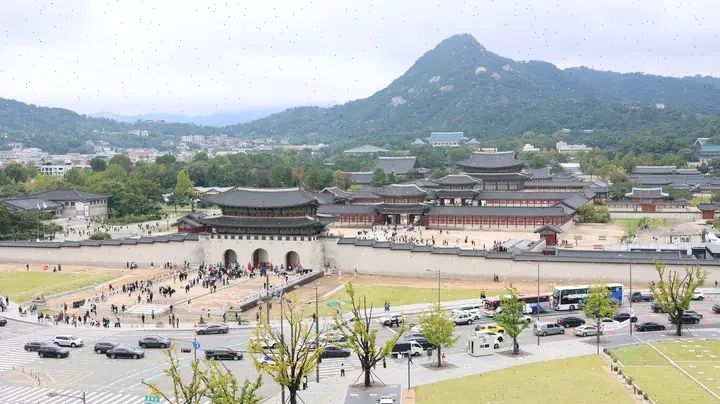
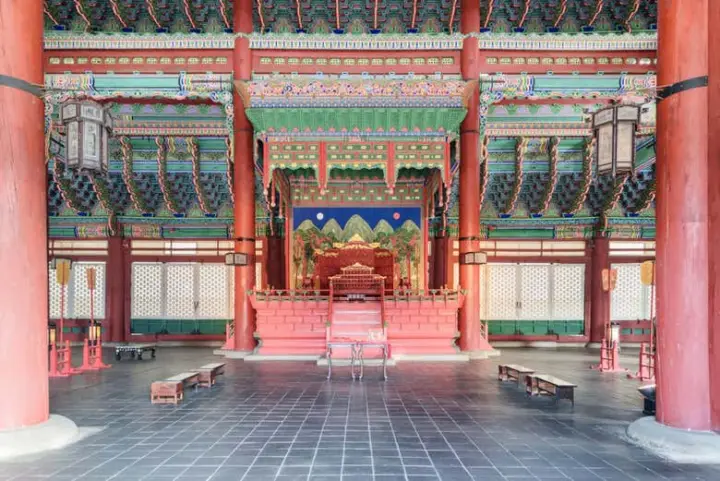
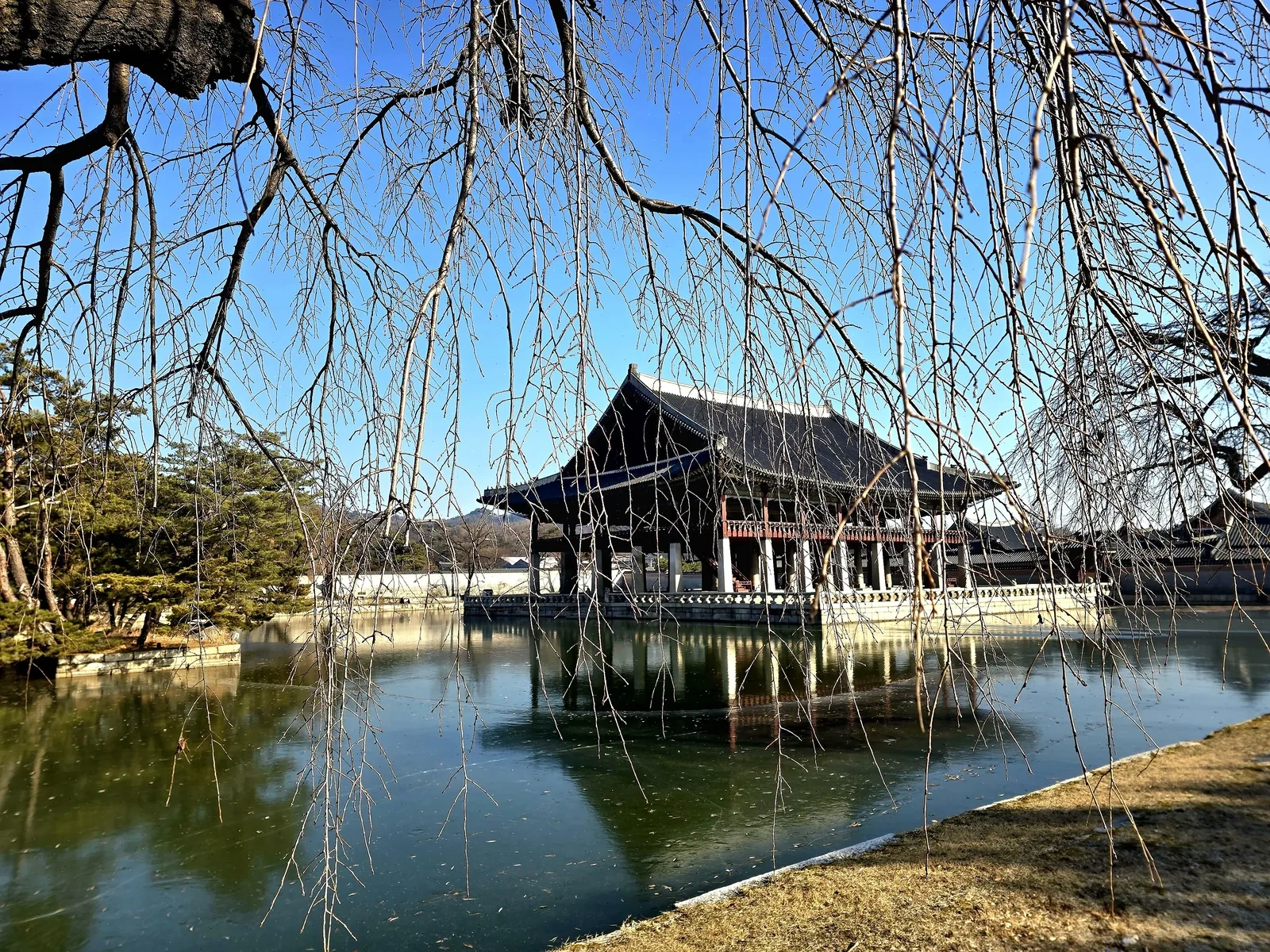
Gyeongbokgung was the Joseon dynasty’s first and largest royal palace. Construction began in 1395, and its ceremonial axis runs from Gwanghwamun Gate to Geunjeongjeon throne hall. The grounds also include Gyeonghoeru Pavilion beside its pond and the National Folk Museum of Korea. Allow two hours.
Official Gyeongbokgung information sets general adult admission at KRW 3,000. From June through August, the palace opens from 9:00 am to 6:30 pm, with last admission at 5:30 pm, and closes on Tuesdays. Visitors wearing hanbok may qualify for free entry under the official conditions. Arriving near opening time leaves enough room to continue to Bukchon.
2. Bukchon Hanok Village
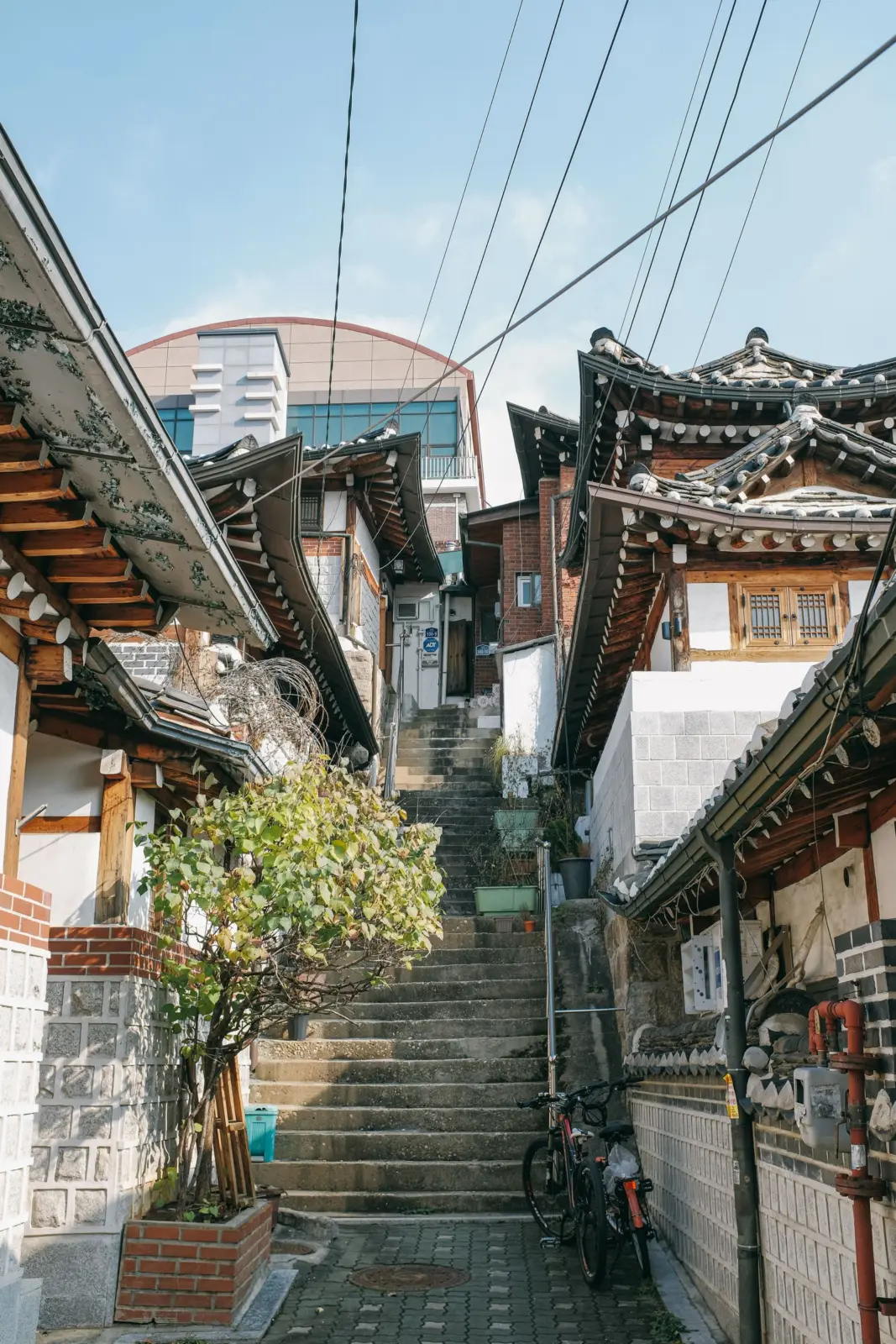
Bukchon covers the hillside between Gyeongbokgung and Changdeokgung. Its streets preserve hanok houses with timber frames, inner courtyards and tiled roofs. This is not a tourist set; residents live here. A straightforward walk starts near Anguk, climbs through Gahoe-dong and ends near Samcheong-dong. Allow 60 to 90 minutes because the lanes are steep.
Red-zone access is time-limited. Tourists may enter Bukchon-ro 11-gil only between 10:00 am and 5:00 pm. Since March 2025, entering during restricted hours can bring a KRW 100,000 fine; the Seoul city notice for Bukchon maps the area and explains its residential status. Visit in mid-morning.
3. Changdeokgung Palace and the Secret Garden
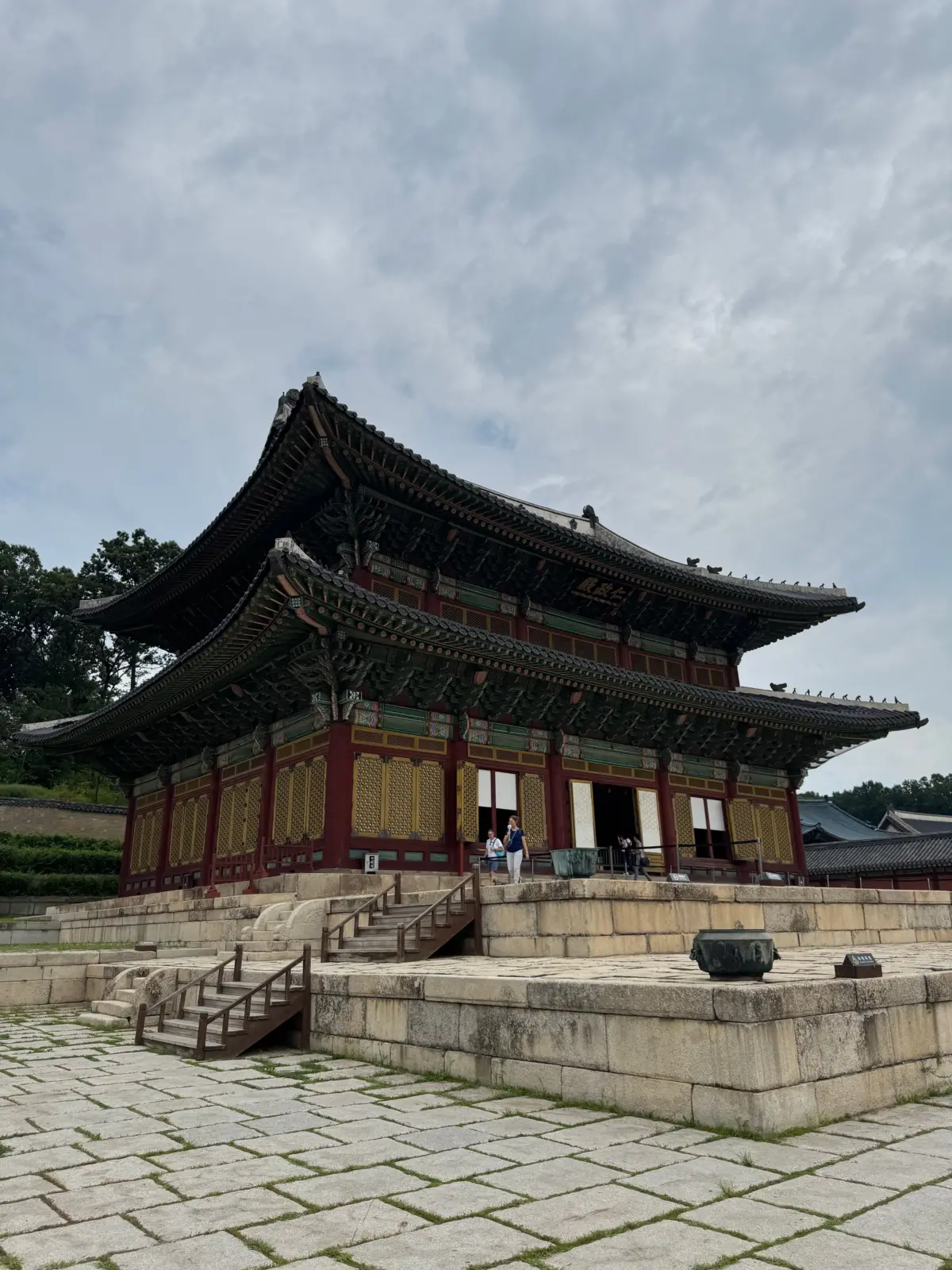
Changdeokgung bends with its wooded hillside. That relationship between buildings and landscape contributed to its World Heritage inscription in 1997. The main palace and Huwon, commonly called the Secret Garden, use different admission arrangements; garden access is often tied to a set time and limited places.
Check the official Changdeokgung information before selecting a day. To combine it with Bukchon, enter the neighbourhood at 10:00 am and book the palace afterwards. If Huwon is your priority, organise the rest of the route around that assigned time. A full visit can take two to three hours.
4. Insadong and Jogyesa Temple
Insadong links the palace district with the commercial centre. The main street has stationery shops, crafts and tea houses, while quieter sections sit in the side lanes. Jogyesa, the head temple of the Jogye Order of Korean Buddhism, is less than ten minutes away on foot. Its courtyard provides a short pause before the route continues towards Cheonggyecheon.
This part of Seoul works without tickets or reservations. Set aside roughly one hour for Insadong and twenty minutes for the temple. If you want to add an organised experience, the selection of activities and experiences in Seoul lets you compare options in English without mixing historical sightseeing with transport planning.
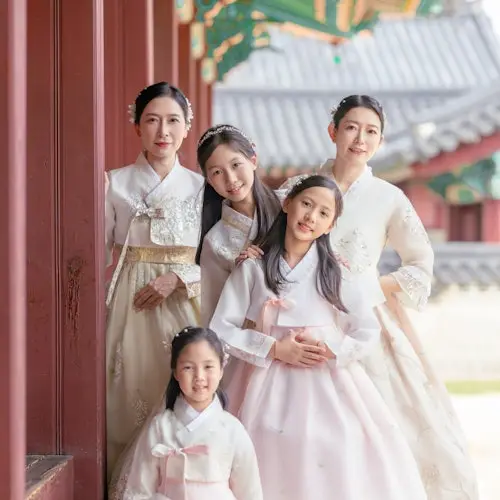
Gyeongbokgung Palace, Bukchon Hanok Village & Changdeokgung Palace: Premium Hanbok Set + Korean Hairstyle
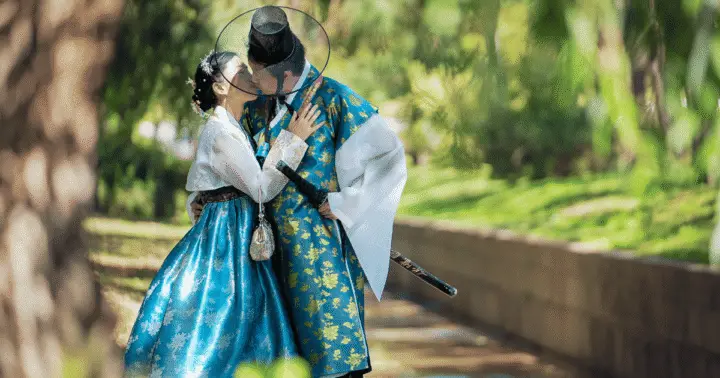
Seoul: Hanbok Rental with Gyeongbokgung Palace Entry
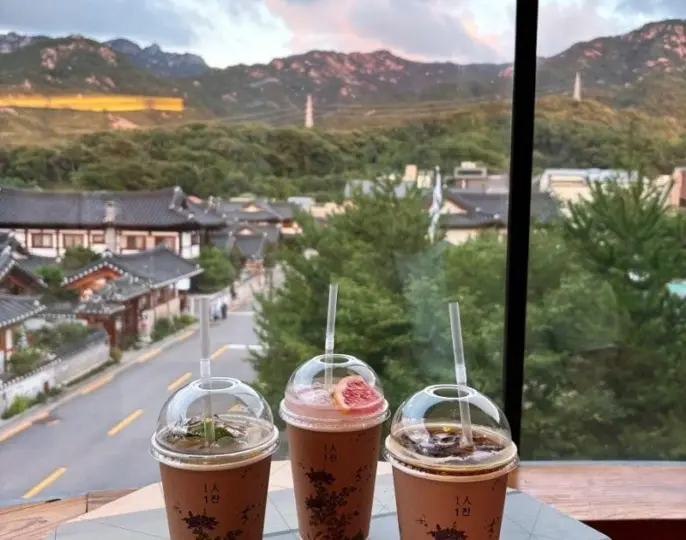



Seoul: Bukhansan Mountain and Eunpyeong Hanok Village Tour
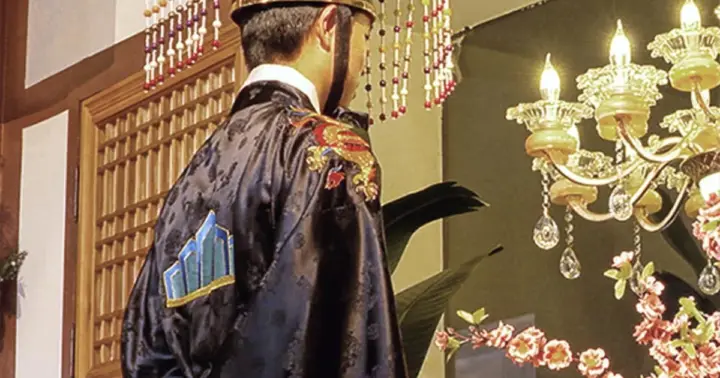
Seoul: Hanbok & K-Drama Costume Experience Myeongdong
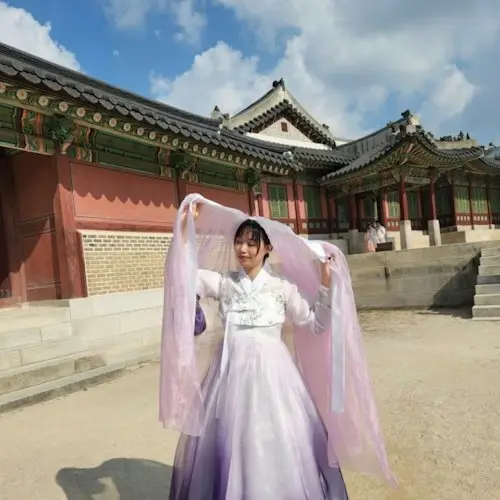
Hanbok Rental Near Gyeongbokgung Palace by Dorothy Hanbok: Premium Hanbok for Men
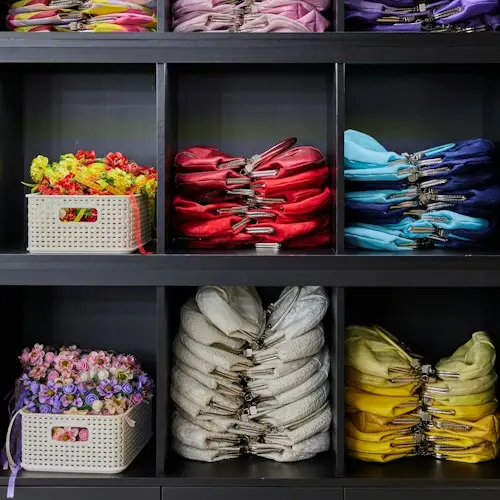
Seohwa Hanbok Seoul: Gyeongbokgung Hanbok Rental Experience for 2 Days
5. Cheonggyecheon Stream and Gwangjang Market
Cheonggyecheon is an approximately 11 km pedestrian corridor running through central Seoul below street level. There is little reason to walk its entire length. The section between Cheonggye Plaza and Gwangjang Market takes about 35 minutes beside the water and connects two areas that appear separated by traffic at street level.
Gwangjang opened in the early twentieth century and sits about 35 minutes on foot from Cheonggye Plaza. Much of the clothing is on the 2nd floor. Common dishes include mung-bean bindaetteok, small gimbap rolls, tteokbokki and eomuk fish cakes; carry cash as an alternative because card acceptance differs by stall. Mid-afternoon usually gives you more room to look around.
6. Namsan and N Seoul Tower
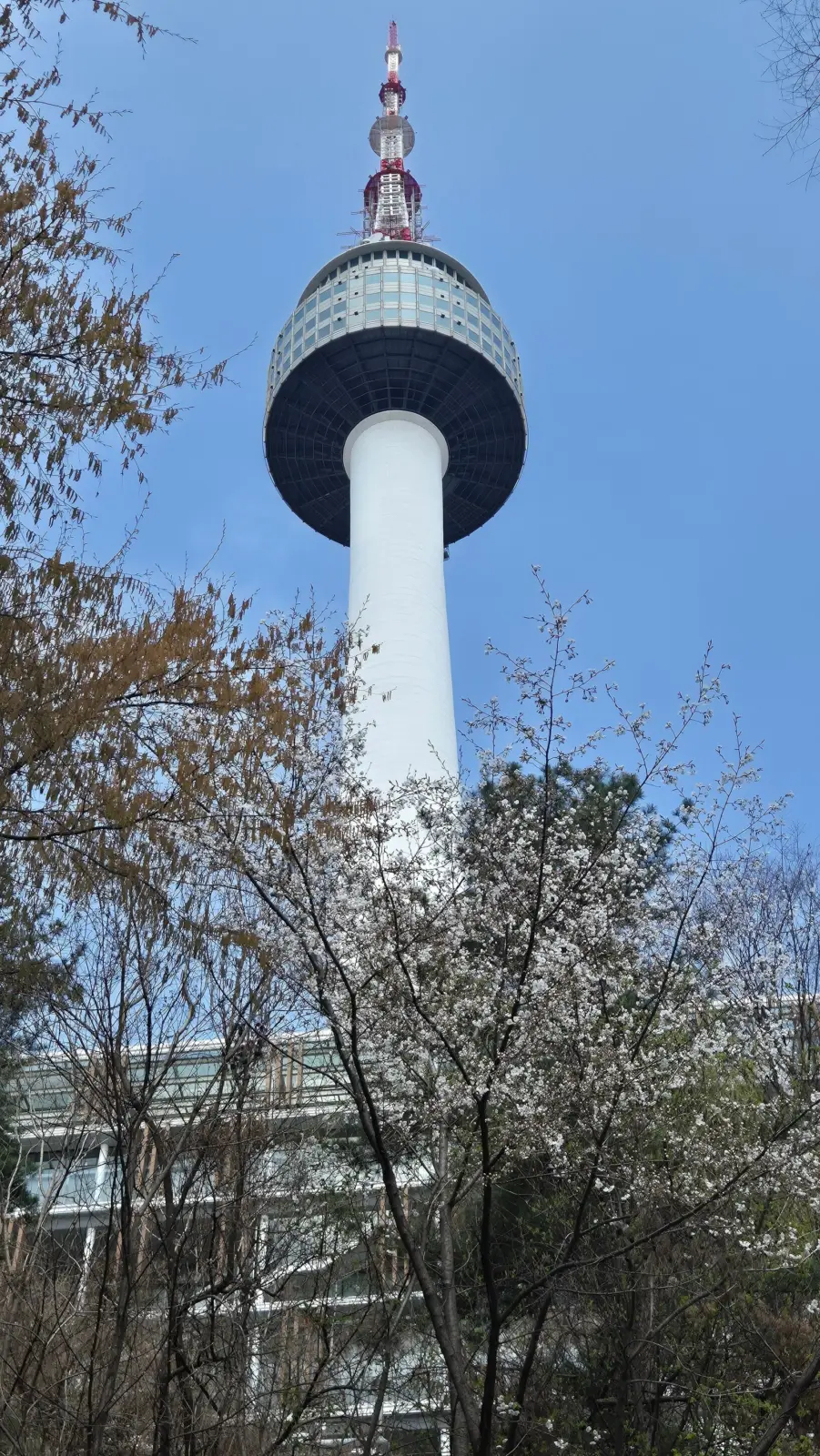
Namsan separates the historic centre from districts farther south. You can climb on the park trails, use the circular bus or take the cable car from the Myeongdong area. The outdoor platform provides city views without an observatory ticket. Paid admission takes you higher for an indoor 360-degree panorama.
Official N Seoul Tower information lists observatory hours of 10:00 am–10:30 pm on weekdays and until 11:00 pm on weekends and holidays. The current adult fee is KRW 29,000. For changing light across the city, arrive 45 to 60 minutes before sunset and add time for the journey uphill from Myeongdong.
7. Dongdaemun Design Plaza
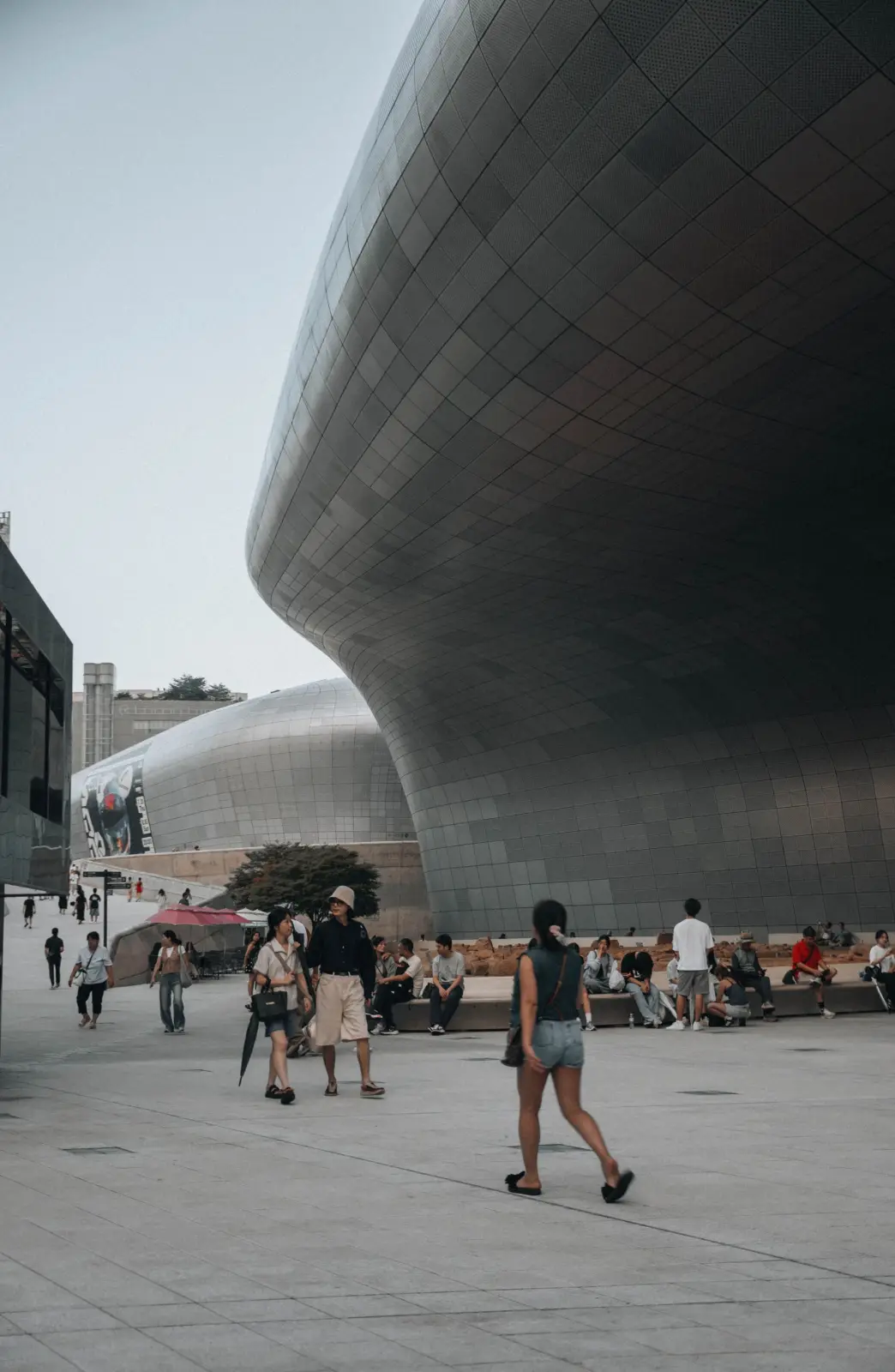
Dongdaemun Design Plaza, usually shortened to DDP, opened on 21 March 2014. Zaha Hadid’s building links exhibition halls, a plaza, design spaces and a walkable roof through continuous curves. The exterior is free to explore and becomes easier to read after dark, when lighting outlines the metal surfaces.
Exhibitions and special tours change throughout the year and may charge admission. Check the official DDP programme if you plan to go inside. Gwangjang Market is two metro stops away, or roughly 25 minutes on foot, so both stops fit naturally into the same afternoon.
8. Myeongdong and Namdaemun Market
Myeongdong is a practical base between Seoul Station, Namsan and the old centre. Its main grid fills with cosmetics shops, restaurants and food stands in the afternoon, while Myeongdong Cathedral provides a quieter landmark at the eastern edge. From the cathedral, the lower cable-car station for Namsan is roughly a 20-minute walk uphill.
Namdaemun Market lies about 15 minutes west on foot, beside Sungnyemun Gate. Stalls spread through several covered lanes rather than one building, with clothing, kitchenware and meals occupying different sections. Combine the market with Myeongdong before Namsan; it avoids a return journey and keeps the evening route on the same side of the city.
9. Hongdae and a Han River park
Hongdae shows a different side of Seoul from the palaces: small shops, music venues, photo booths and cafés cluster around Hongik University. Begin near station exit 9, then move away from the main avenue towards Yeonnam-dong. Gyeongui Line Forest Park follows a former railway alignment for an easy walk of about 2 km.
Yeouido Hangang Park is a few metro stops away. Entry is free, and the park has skyline views, grass areas and riverside paths. On a short trip, choose Hongdae or Gangnam instead of attempting both. Crossing the city takes longer than the map suggests.
Visita guiada por Seúl
Gyeongbokgung Palace, Bukchon Hanok Village & Changdeokgung Palace: Premium Hanbok Set + Korean Hairstyle
Seoul: Hanbok Rental with Gyeongbokgung Palace Entry
Seoul: Bukhansan Mountain and Eunpyeong Hanok Village Tour
Seoul: Hanbok & K-Drama Costume Experience Myeongdong
Hanbok Rental Near Gyeongbokgung Palace by Dorothy Hanbok: Premium Hanbok for Men
Seohwa Hanbok Seoul: Gyeongbokgung Hanbok Rental Experience for 2 Days
Things to do in Seoul in 1, 2 or 3 days
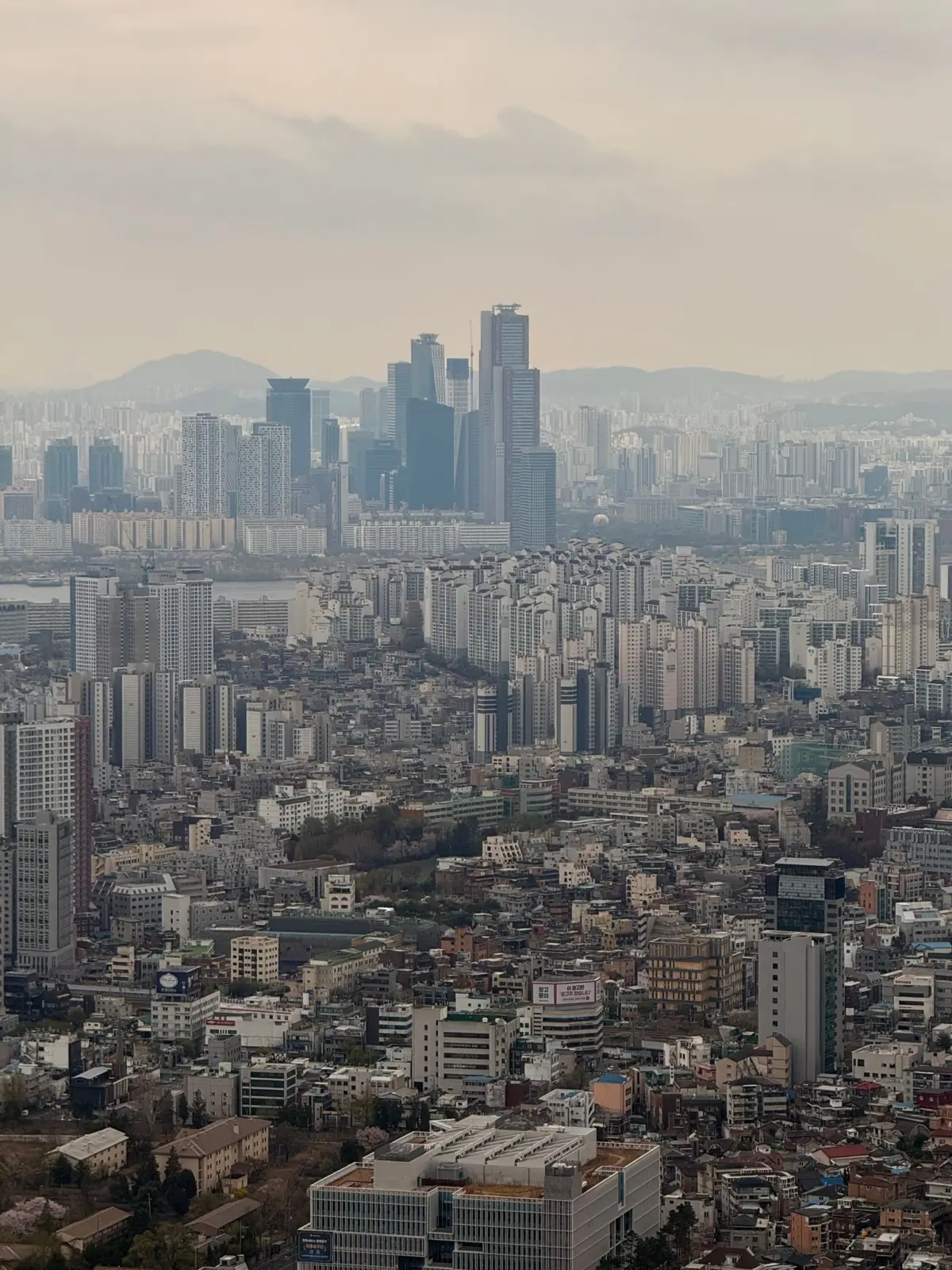
One day: start with the free tour, enter Gyeongbokgung, continue through Bukchon during permitted hours and descend via Insadong to Cheonggyecheon. Finish at Gwangjang or Namsan, depending on whether you prefer a market or a panorama. It is a long day, but every stop remains north of the river.
Two days: keep day one for the historic centre. Use the second for Changdeokgung and its garden, Gwangjang Market, DDP and Hongdae. If N Seoul Tower matters more, place it around sunset and remove one of the other stops.
Three days: spread the palaces and old neighbourhoods across two days, then reserve day three for the Han River, Hongdae and one district south of the river, such as Gangnam. The extra time also allows for a museum without turning every day into a chain of metro stations.
How to get around Seoul
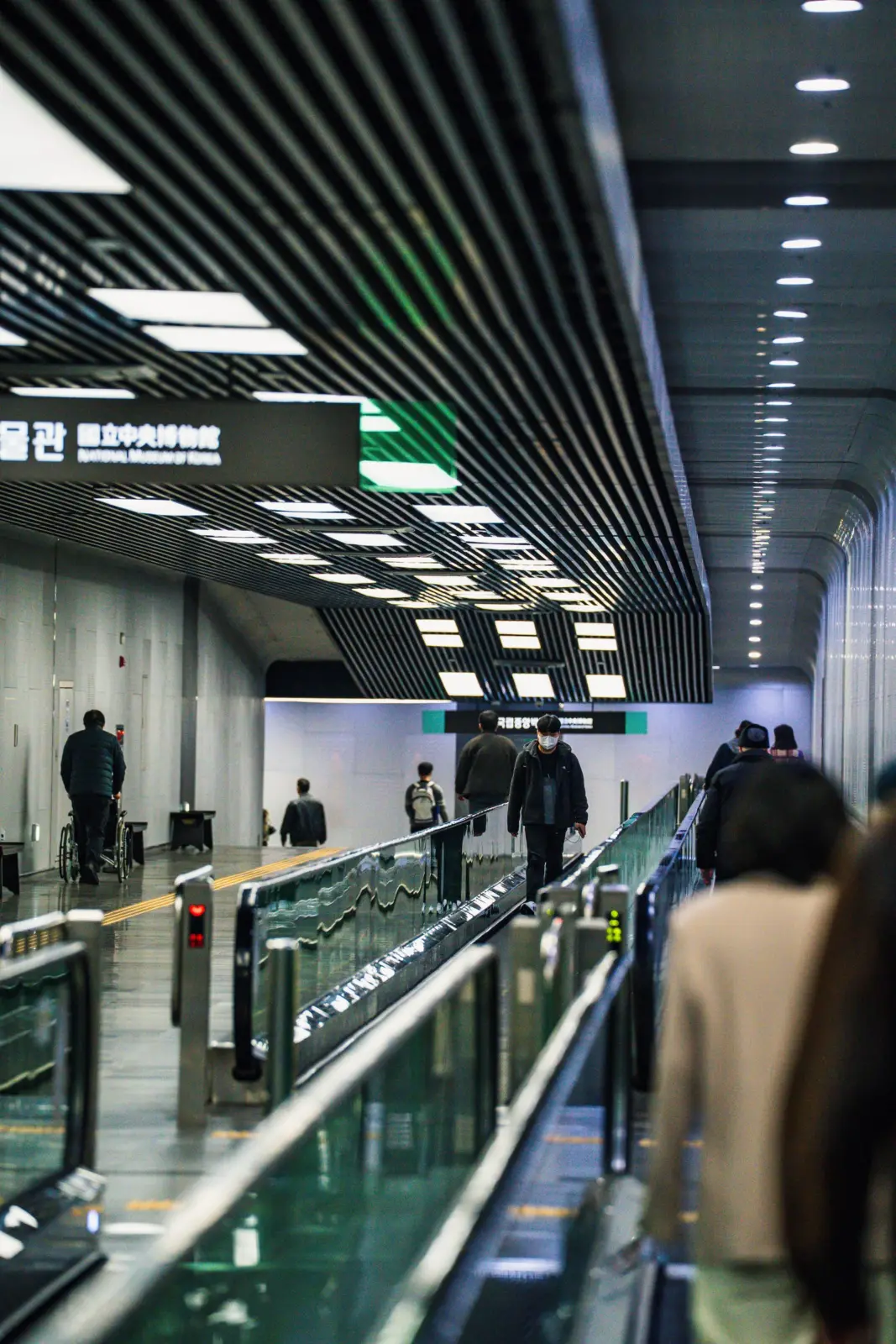
Metro is the most predictable choice for longer distances. The adult base fare is KRW 1,550 with a transport card and rises with distance. Tap in and out. For several days, the tourist Climate Card provides unlimited travel within its coverage: KRW 5,000 for one day, 8,000 for two, 10,000 for three, 15,000 for five and 20,000 for seven, plus KRW 3,000 for the physical card.
Since March 2026, enabled machines have accepted international cards for purchasing and recharging short-term passes. The service does not cover every line or journey in the metropolitan region, and validity begins on the day of loading. For an itinerary focused on palaces, markets and Namsan, group each day by area before comparing the pass with individual fares.
Frequently asked questions about Seoul
How many days do you need in Seoul?
Three days cover two palaces, Bukchon, Insadong, a market, Namsan and one contemporary neighbourhood. With two days, choose between Changdeokgung, Hongdae and the tower. A single day is best kept within the historic centre.
Which day should you avoid for the palaces?
Gyeongbokgung closes on Tuesdays. Other sites follow different closure days, so check the official calendar before ordering the route. If your visit falls on a Tuesday, use it for Insadong, Cheonggyecheon, Gwangjang, DDP or Hongdae.
Is Bukchon free to visit?
Yes. Walking the public lanes is free. The red zone around Bukchon-ro 11-gil restricts tourist visits from 5:00 pm to 10:00 am and applies a KRW 100,000 fine for violations. Individual houses, workshops and museums may charge their own fees.
Do you need a credit card to book a free tour?
No. GuruWalk requires no credit card to reserve. The walk has no fixed fee and you tip at the end; €10–20 per person is the usual reference.
Choose your palace day and Bukchon time slot first. Then book a free tour in Seoul near the start of the trip and build the rest of the itinerary by area. The historical context from the walk will then support the independent visits that follow.

GuruWalk
Travel marketing specialist with extensive experience in the travel sector. At companies such as Despegar and GuruWalk, she has led traveler-focused digital acquisition strategies. Now, from the GuruWalk blog, she combines her expertise with her passion for discovering and sharing unique destinations.