


A practical guide to the best things to do in Lyon, covering Vieux Lyon, Fourvière, Croix-Rousse, museums, transport and one-to-three-day routes.
 Belén Rivas
GuruWalk
·
Updated 3 Sep 2026
Belén Rivas
GuruWalk
·
Updated 3 Sep 2026Lyon spreads across two rivers and two hills, with each district revealing a different stage of the city: Roman remains on Fourvière, Renaissance streets in Vieux Lyon, classical squares on the Presqu’île and silk workshops in Croix-Rousse. This guide sets out the best things to do in Lyon, how long each area needs and practical routes for one to three days. To understand the layout from the start, begin with one of the free tours in Lyon; no credit card needed.
Last verified: August 2026 — Prices, opening hours, and reservation requirements checked against official sources. GuruWalk’s Lyon guides reviewed the practical recommendations.
Despite its compact size, the historic centre is shaped by hills and passageways. Free tours often cover Vieux Lyon, Saint-Jean Cathedral, the traboules and part of the Presqu’île. Other walks focus on Croix-Rousse, silk production or food. Choose the route that matches the rest of your day, so the explanations add context without making you repeat the same streets later.
A free tour has no fixed price. At the end, each walker gives the guru a tip that reflects the experience; the usual guidance is €10-20 per person, rising to €50 for small groups or exceptional gurus. Check the language, duration and meeting point before booking. GuruWalk is the platform for finding and booking free tours with local guides and activities in cities around the world.
✨ We've designed a single 2h tour that brings together Lyon's two most iconic historic districts — Vieux Lyon and…

🌟 WHY CHOOSE THIS TOUR? 10+ Years of Professional Guiding Experience: I w…

🌟 WHY CHOOSE THIS TOUR? 10+ Years of Professional Guiding Experience:…
Welcome to Lyon! A fascinating city with a great historical and cultural heritage. On this tour, you will discover man…

Welcome to the Lugdunum of yesteryear, the perfect tour if you're visiting Lyon for the first time . From its…

If you are interested in getting to know the city of Lyon passing through some of the most emblematic areas…

Discover the most authentic side of Vieux Lyon with local guides. Explore the historic heart of the city, its traboules,…

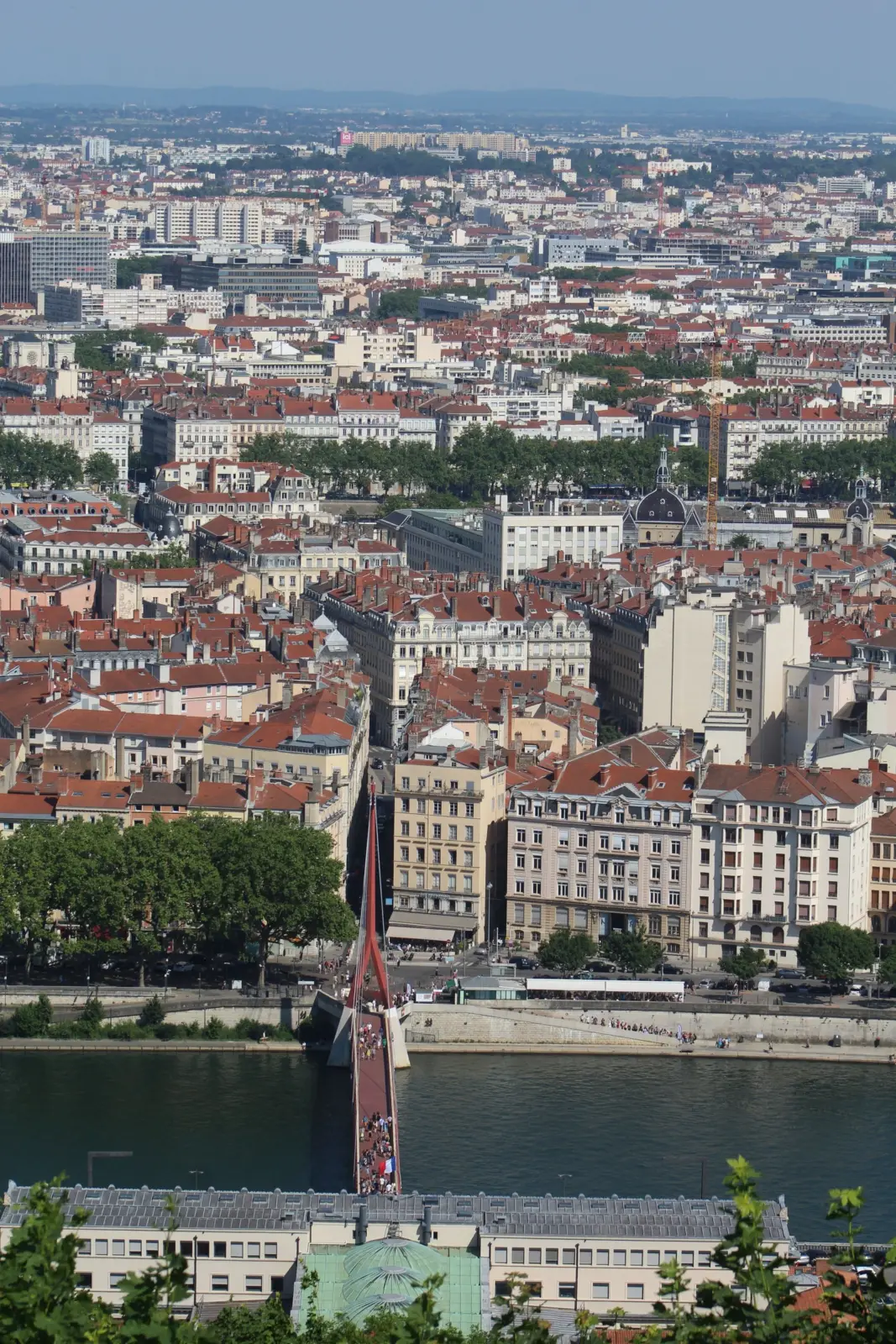
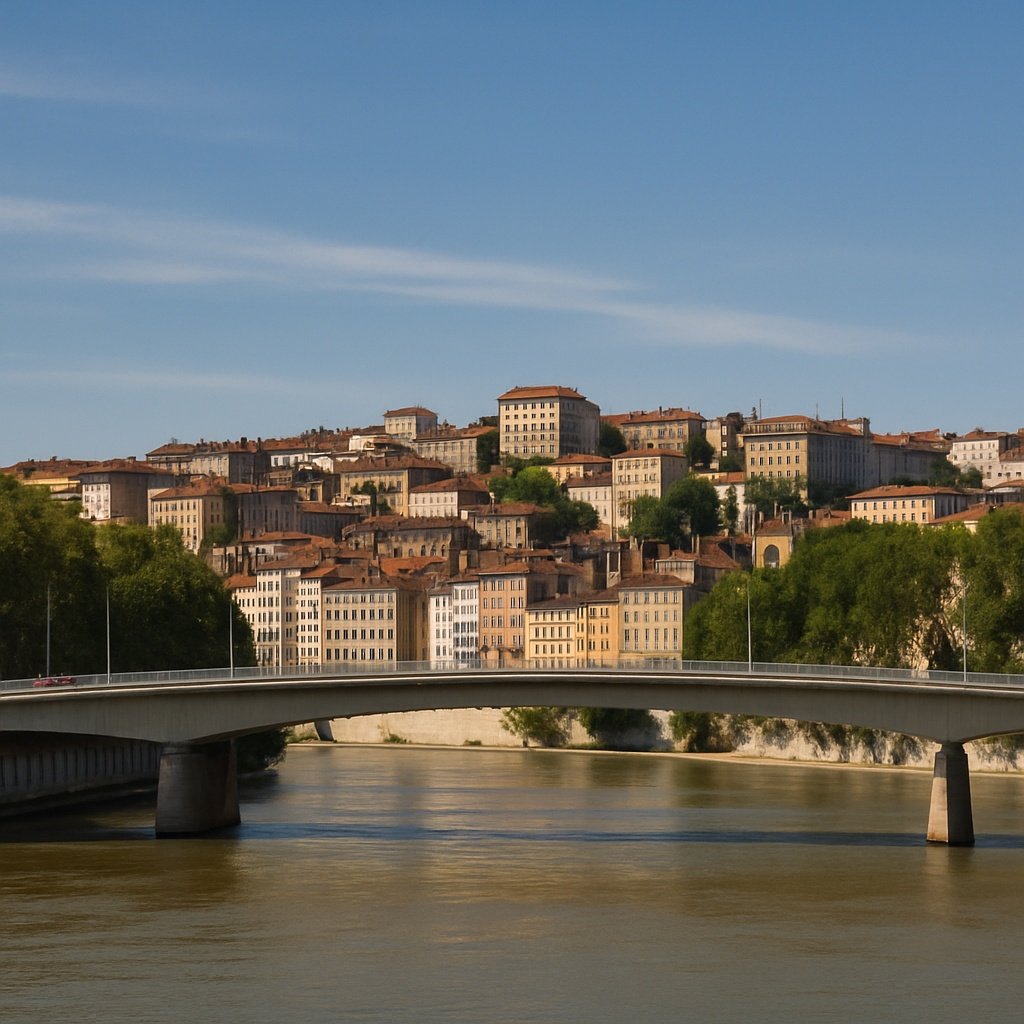
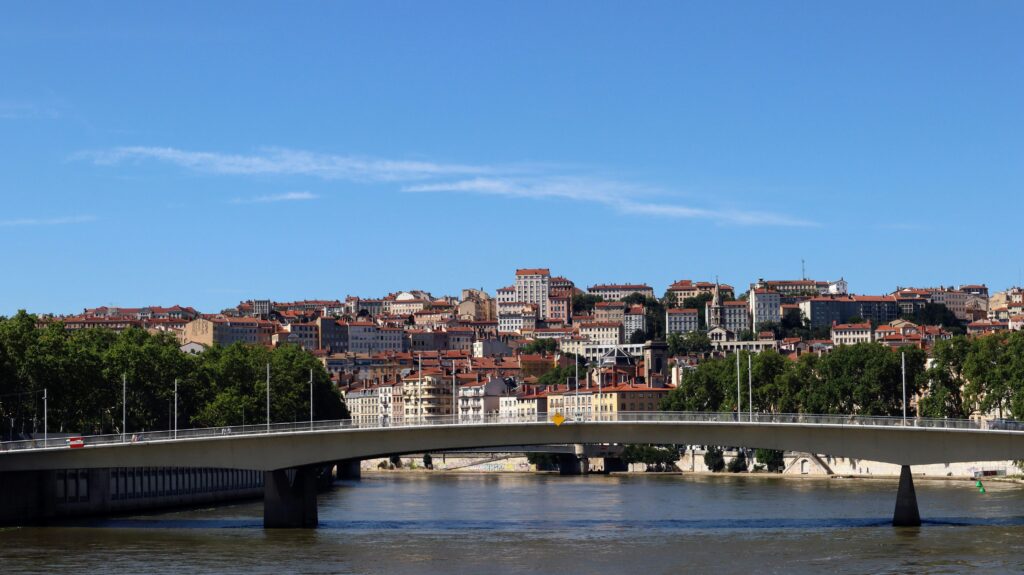
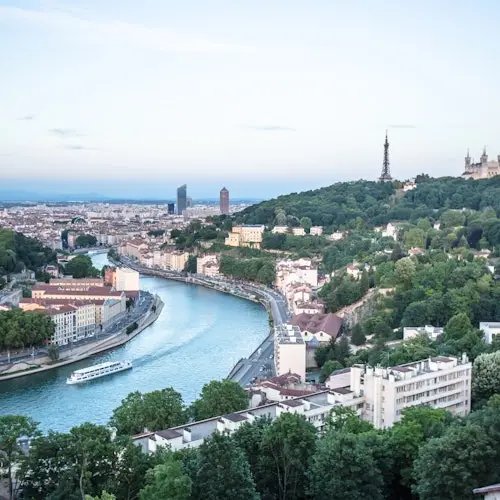
Two waterways define the map: the Saône separates Vieux Lyon from the Presqu’île, while the Rhône marks the classical centre’s eastern edge. Fourvière rises to the west and Croix-Rousse to the north. Bellecour, Cordeliers and Terreaux sit between the rivers. Lyon’s World Heritage area covers 427 hectares and was inscribed in 1998, according to the Lyon Tourist Office.
For a first day, link Fourvière, Vieux Lyon and the Presqu’île. Croix-Rousse deserves a separate block: walking down its slopes is straightforward, but climbing back takes time. Parc de la Tête d’Or and Confluence sit beyond that central axis and work better on a second or third day.
Vieux Lyon preserves streets from the 15th and 16th centuries between Fourvière hill and the Saône. Start at Saint-Jean Cathedral, continue along Rue Saint-Jean and Rue du Bœuf, and enter only signposted traboules. These passageways cross courtyards and private buildings to connect two streets. Lyon has about 500, although only a portion is open to visitors.
Passages covered by the city agreement allow pedestrian access during the day, generally from 7 am to 7 pm. Not every doorway that resembles an entrance is public. For a short route, connect Saint-Jean with Place du Change and finish beside the Saône. Allow two hours without a museum, or half a day if Gadagne is included.
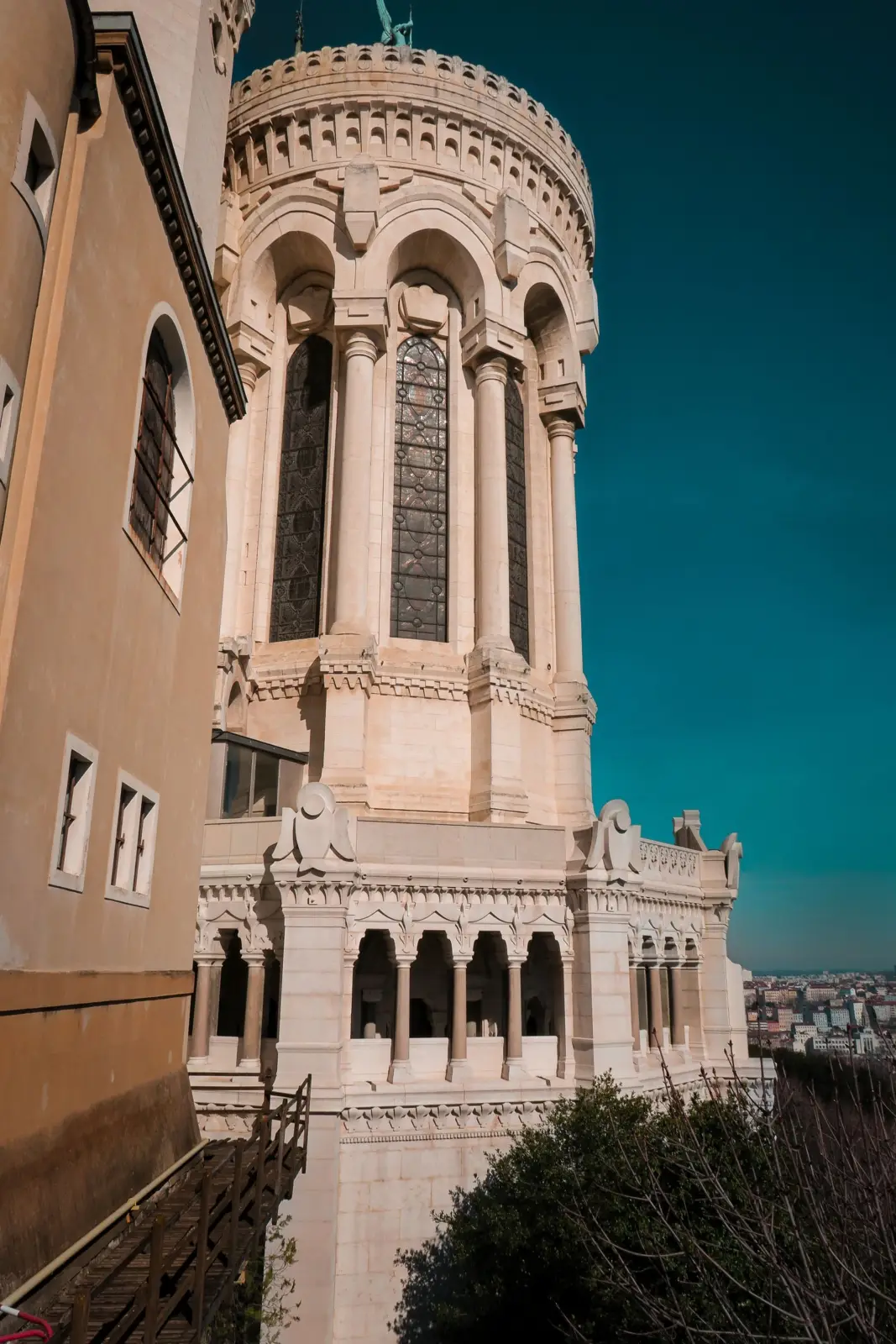
From Vieux-Lyon station, the F2 funicular climbs to Fourvière. You can also walk up through the Jardins du Rosaire in about 25 minutes. The basilica opens daily from 7 am, and both the church and crypt are free to enter. The usual closing time is 8 pm, or 9 pm on Sundays. The official Fourvière visitor page lists each area’s hours.
From the esplanade, you can identify the Presqu’île, the Rhône and Lyon’s eastern districts. The view is useful. After seeing the interior, descend through the garden towards Saint-Jean if you have not walked there yet. For Lugdunum, stay on the hill: the Roman theatres are about ten minutes away on foot.
Lyon began as Lugdunum, the Roman capital of the Three Gauls. The archaeological museum is built into the hillside beside the large theatre and odeon. The outdoor theatres are free to enter; from May through September they open from 7 am to 9 pm. The museum operates Tuesday to Sunday, with standard admission ranging from €4 to €7 depending on temporary exhibitions.
Allow one hour for the outdoor remains and another for the museum. The official Lugdunum schedule also confirms free museum admission on the first Sunday of each month. Combining it with Fourvière prevents a second climb up the same hill.
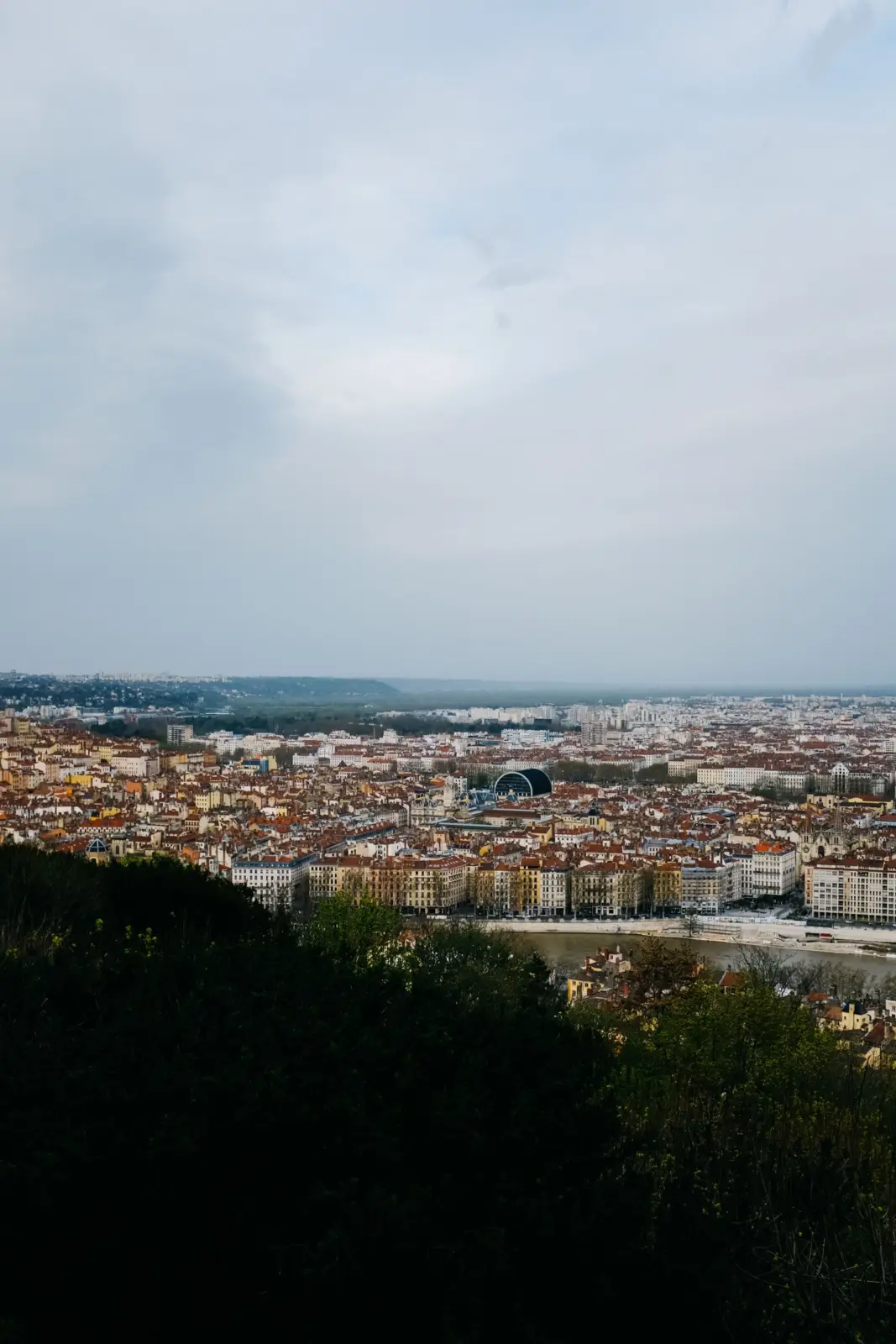
Between the rivers, the Presqu’île forms Lyon’s civic and commercial centre. Begin at Place Bellecour, follow Rue de la République and turn towards Place des Jacobins. Farther north stand Saint-Nizier church, the Palais de la Bourse and Place des Terreaux, where City Hall, the opera house and the Museum of Fine Arts face the same square.
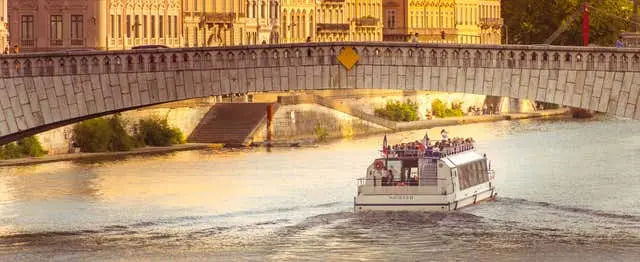
Bellecour and Terreaux are about 1.5 km apart, but alternating the main streets with the riverbanks makes a better route. Cross a footbridge over the Saône to see the Vieux Lyon façades head-on, then return on a different bridge. This section is flat and fits well after a morning on Fourvière.
Croix-Rousse was the district of the canuts, Lyon’s silk workers. Their combined homes and workshops have high ceilings built for large looms, while many traboules follow the hill’s slope. Take metro line C to Croix-Rousse, then walk down via Boulevard des Canuts, Cour des Voraces and the Pentes towards Place des Terreaux.
That route explains why local architecture differs from Vieux Lyon. Maison des Canuts preserves a 19th-century workshop and runs weaving demonstrations. Even without the museum, set aside at least two hours for the district, market and viewpoints. Expect stairs. Using the metro for the initial ascent keeps the rest downhill.
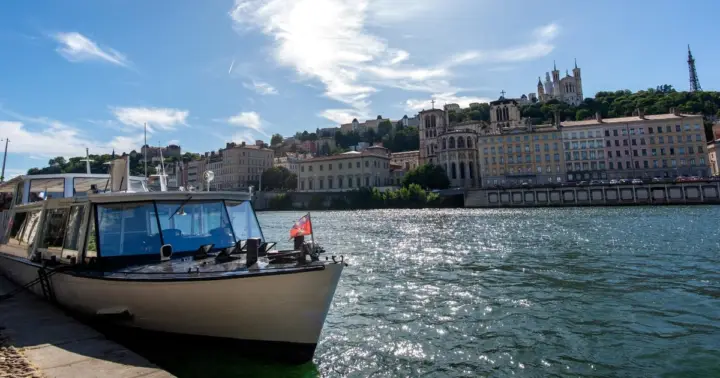
Parc de la Tête d’Or covers 105 hectares beside the Rhône. It contains a lake, rose gardens, botanical garden and zoo, all with free admission. During summer the park opens from 6:30 am to 10:30 pm; the botanical collections and zoo follow separate schedules. The City of Lyon publishes current hours for each section.
A circuit around the lake and rose garden takes about 90 minutes. If you plan to see the greenhouses or are visiting with children, keep half a day free. The park pairs naturally with the Rhône riverbanks or Brotteaux. It is not a sensible final stop after Fourvière, as the two places sit on opposite sides of the city.
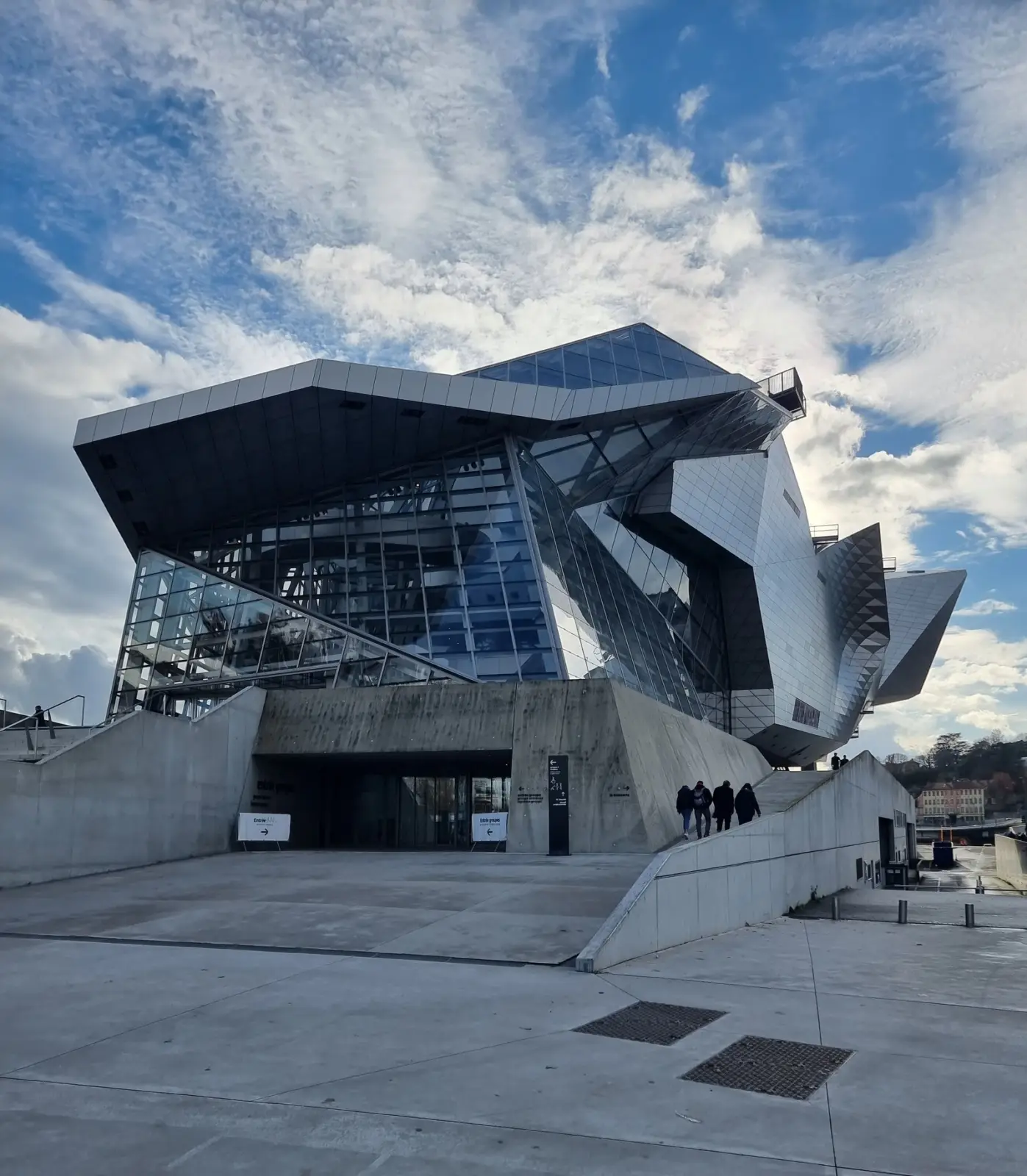
At the southern end of the Presqu’île, Musée des Confluences occupies a glass-and-steel building beside the point where the Rhône and Saône meet. Its galleries connect natural sciences, societies and human history. Check the official Musée des Confluences website for current tickets and temporary exhibitions.
Allow at least two hours indoors. Afterwards, continue along the quay to the tip of the confluence itself. Tram T1 connects the area with Perrache and the central districts. Walking all the way from Bellecour takes much longer and crosses stretches with fewer visitor sights.
On Place des Terreaux, the Museum of Fine Arts occupies the former Saint-Pierre palace. More than 70 rooms span roughly 5,000 years of art. It opens Wednesday through Monday, usually from 10 am to 6 pm, and the permanent collection costs €8 at the standard rate. Its official first-visit guide suggests highlights for a shorter route.
Gadagne, in Vieux Lyon, combines the Lyon History Museum and the Puppetry Arts Museum. One ticket covers both. Open Wednesday to Sunday, it costs €8 or €9 at the standard rate depending on temporary exhibitions, making it a practical choice without leaving the old town.
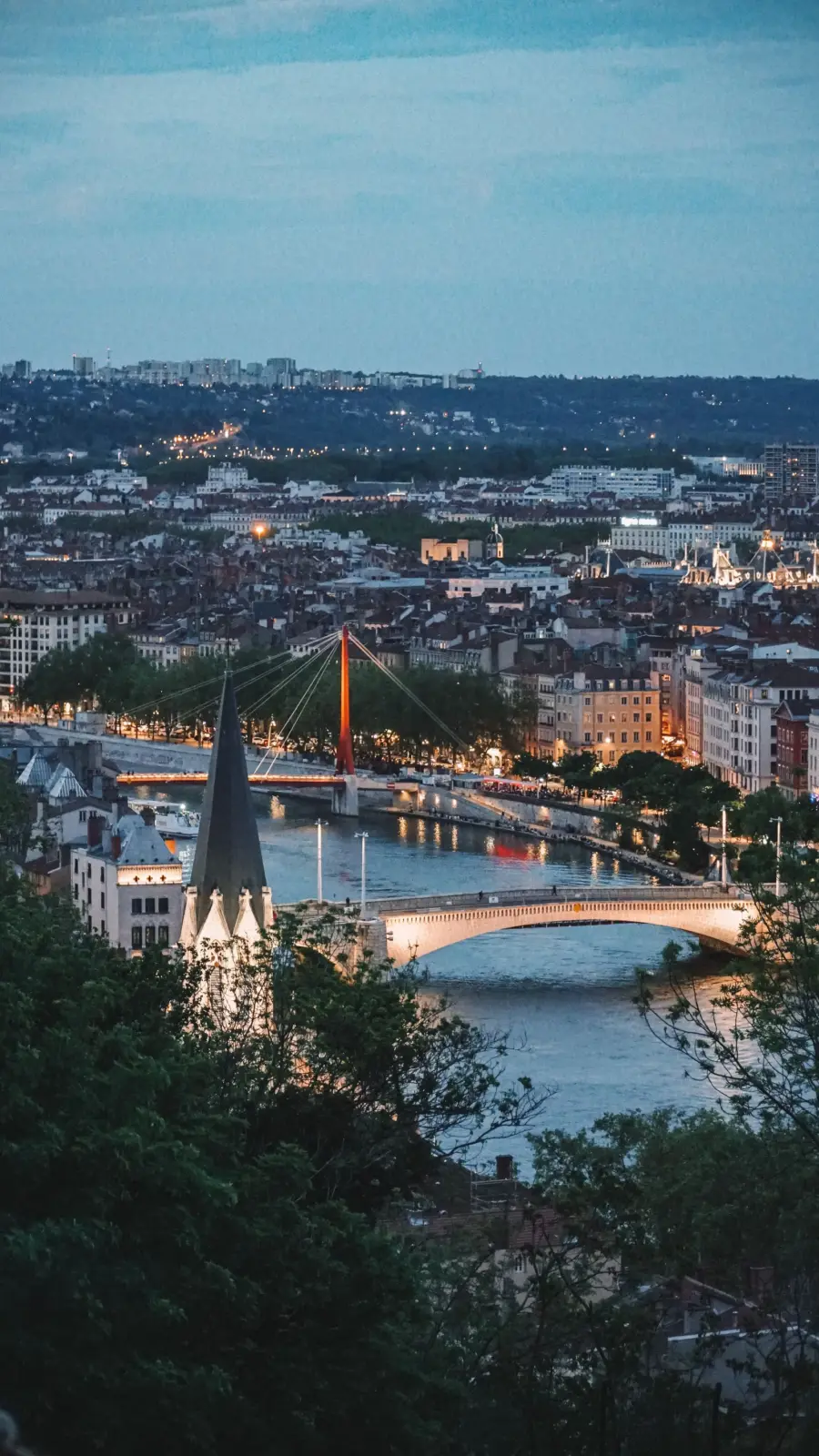
A one-day route starts at Fourvière, continues through Vieux Lyon and its traboules, crosses the Saône and finishes with Bellecour, Jacobins and Terreaux.
Stay for two days and you can add Lugdunum after Fourvière, then spend the second morning in Croix-Rousse. Finish at Parc de la Tête d’Or or the Museum of Fine Arts.
A third day creates room for Confluence and its museum, or for pairing Gadagne with a longer walk along the riverbanks.
On a rainy day, swap the park for Gadagne, Fine Arts or Confluences. With only one day, do not try to combine Croix-Rousse and the far end of Confluence; transport time cuts into the historic centre. Two days are enough to see both hills without rushing.
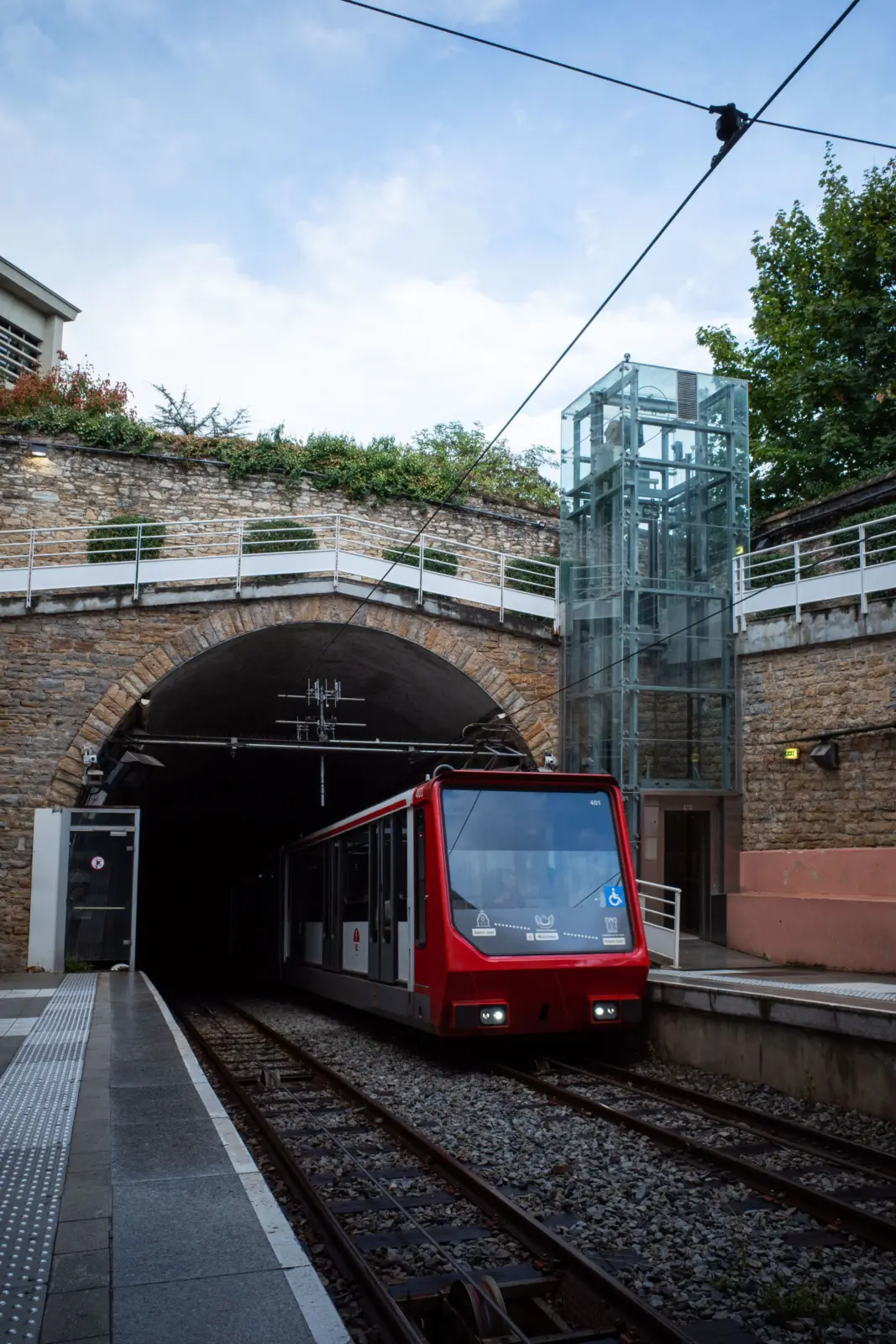
Most of the centre is best explored on foot. Metro and funicular services handle the hills, while trams are useful for Part-Dieu and Confluence. A same-day funicular return ticket costs €3.60, and any TCL ticket valid for zone 1 also covers the funicular. Twenty-four-hour passes start at €5.30, depending on the zones selected.
TCL’s official fare table lists single journeys and time-based passes. A day focused on Vieux Lyon and the Presqu’île may require only the funicular. If your route includes Croix-Rousse, Tête d’Or and Confluence, a day pass usually makes each connection easier.
Bouchons serve substantial Lyonnaise recipes such as quenelles, salade lyonnaise, sausages and cervelle de canut, a seasoned fresh-cheese dish. Many offer a set lunch menu. Read the menu before sitting down and check which dishes are included, because the word “bouchon” also appears on restaurants aimed almost entirely at short-stay visitors.
Vieux Lyon has many tables around Saint-Jean, while the Presqu’île offers broader choice near Rue Mercière and Cordeliers. Les Halles de Lyon Paul Bocuse brings food stalls and restaurants under one roof near Part-Dieu. To book a food visit or compare other activities and experiences in Lyon, check the duration, language and starting point.
Two days cover Fourvière, Vieux Lyon, the Presqu’île and Croix-Rousse at a reasonable pace. A third day makes room for Tête d’Or, Confluence or several museums.
Yes. The historic centre is walkable, but the hills include long staircases and steep streets. Take the funicular up Fourvière and metro line C up Croix-Rousse, then walk downhill.
Of Lyon’s roughly 500 traboules, those open to visitors can be crossed free of charge during their access hours. They pass through residential buildings, and city signs identify the passages covered by the public-access agreement.
Fourvière Basilica, the outdoor Roman theatres, Parc de la Tête d’Or, the riverbanks and many traboules have no admission fee. Municipal museums also offer specific free days or eligibility categories.
First choose which hill and museum fit your available days. Then place Vieux Lyon and the Presqu’île in the same route, since one bridge connects them. For local context from your first morning, compare the available free tours in Lyon; no credit card needed to book.
Travel marketing specialist with extensive experience in the travel sector. At companies such as Despegar and GuruWalk, she has led traveler-focused digital acquisition strategies. Now, from the GuruWalk blog, she combines her expertise with her passion for discovering and sharing unique destinations.
Local guides, pay-what-you-want and no credit card to book. That is how you understand a city.
Explore free tours on guruwalk.com