






Follow a six-kilometre Venice walking route across ten stops, from St. Mark’s Square and Rialto Bridge to the Peggy Guggenheim Collection.
 Belén Rivas
GuruWalk
·
Updated 27 Aug 2026
Belén Rivas
GuruWalk
·
Updated 27 Aug 2026This Venice walking tour map follows ten stops from St. Mark’s Square to the Peggy Guggenheim Collection. The route is approximately 6 kilometres; allow 4–5 hours before time inside attractions. Use the numbered markers to follow the stop order, or review the guided free-tour option before setting out.
Last verified: August 2026 — Prices, opening hours, and reservation requirements checked against official sources. GuruWalk’s Venice gurus reviewed the practical recommendations.
For a first orientation, joining one of the Venice free walking tours is the best way to understand the city’s districts, bridges and street layout before exploring independently. Free tours have no fixed ticket price; travelers commonly tip €10–€20 per person, or up to €50 when the experience and group circumstances justify it.
Experience Venice like never before! Our tour takes you to the city's must-see highlights away from t…

GuruMap is a video tour platform designed for you to use while visiting the city. At your own pace, at…

Step into Venice's Hidden Marvels: Northern Venice Free Walking Tour! Embark on a captiva…
Starting in Campo SS Apostoli is a great introduction to the city and it will cover the history of Venice,…

Welcome to my Venice . Are you ready to fall in love with my city ? Follow me to discover…

Welcome to one of the most beautiful cities in the world, Venice! Join my tour if you want to know…

Join our Hidden Venice tour to venture off the beaten path! Let’s get away from the crowd to discover picturesque…

Route order: St. Mark’s Square → St. Mark’s Basilica → Doge’s Palace → Bridge of Sighs → Rialto Bridge → Grand Canal viewpoint → Campo Santa Maria Formosa → Basilica di Santa Maria della Salute → Gallerie dell’Accademia → Peggy Guggenheim Collection.
The 6-kilometre distance is an approximate planning estimate based on this ten-stop sequence, not a turn-by-turn GPS track. Allow around 4–5 hours for walking and orientation. Bridge crossings, wrong turns and temporary pedestrian diversions can extend that estimate, while visits inside attractions require additional time.
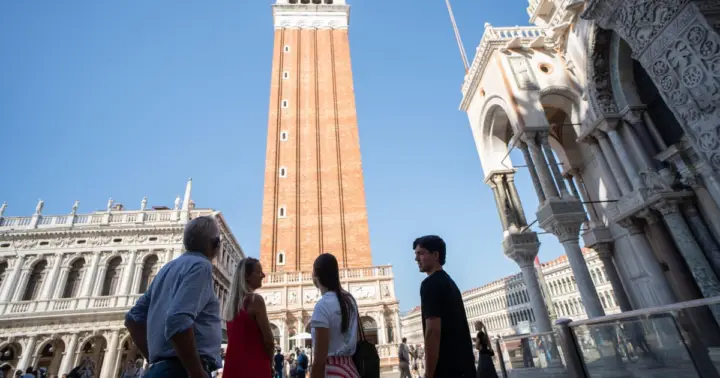
History & Facts: Known as “the drawing room of Europe,” St. Mark’s Square is Venice’s largest and most important piazza. St. Mark’s Basilica, the Doge’s Palace and the Procuratie define its principal edges.
Tips for Visiting:
Route order: Continue to St. Mark’s Basilica on the eastern side of the square.
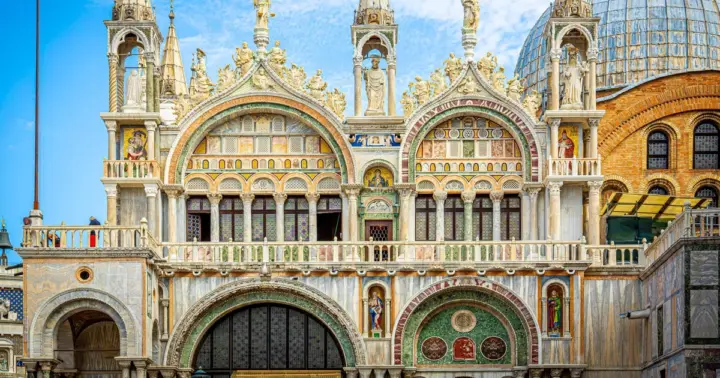
History & Facts: Constructed in the 11th century, St. Mark’s Basilica is an example of Byzantine architecture. Its interior is known for gold mosaics and objects accumulated through Venice’s trading and political history.
Tips for Visiting:
Route order: Continue to the adjacent Doge’s Palace.
History & Facts: The Doge’s Palace was the residence of the Doge and a centre of government for the former Republic of Venice. Its visitor route includes ceremonial chambers, artworks and former prison areas.
Tips for Visiting:
Route order: Continue to the exterior viewpoint for the Bridge of Sighs.
History & Facts: Built around 1600, the Bridge of Sighs connected areas of the Doge’s Palace with the prison. Its popular name is associated with the story that prisoners sighed when seeing Venice through its windows.
Tips for Visiting:
Route order: Continue toward the Rialto Bridge, checking the current pedestrian route at junctions.
History & Facts: The Rialto Bridge is the oldest of the four bridges spanning the Grand Canal. Completed in 1591, its stone structure combines a central passage with rows of shops.
Tips for Visiting:
Route order: Continue to the marked Grand Canal viewpoint.
History & Facts: The Grand Canal is Venice’s principal waterway, approximately 3.8 kilometres long. Palaces and other buildings from several centuries line its banks.
Tips for Visiting:
Route order: Continue to Campo Santa Maria Formosa using the current pedestrian route shown on your navigation map.
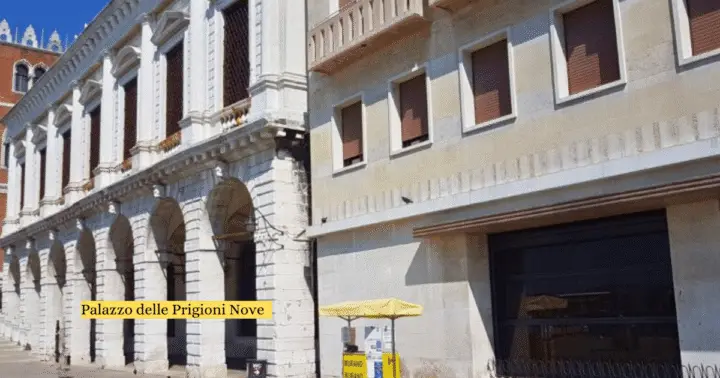




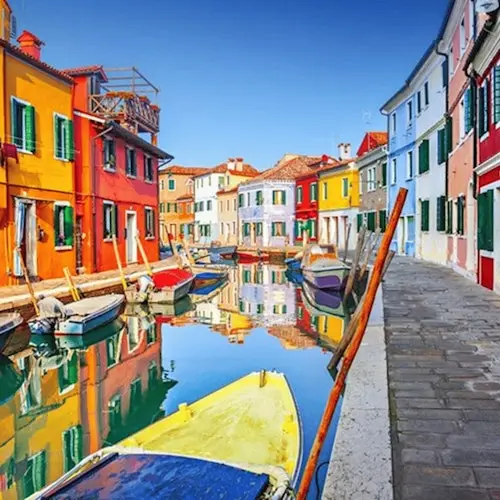
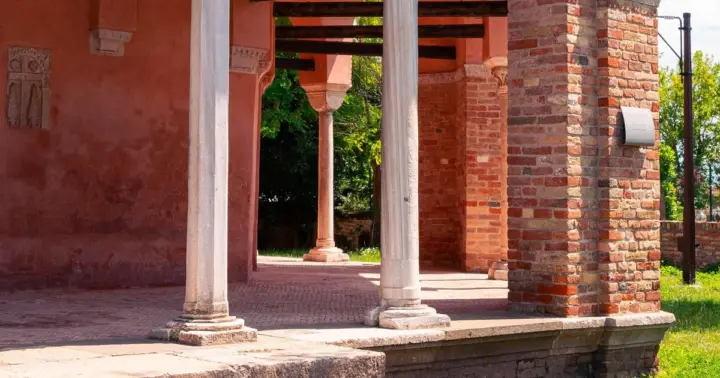
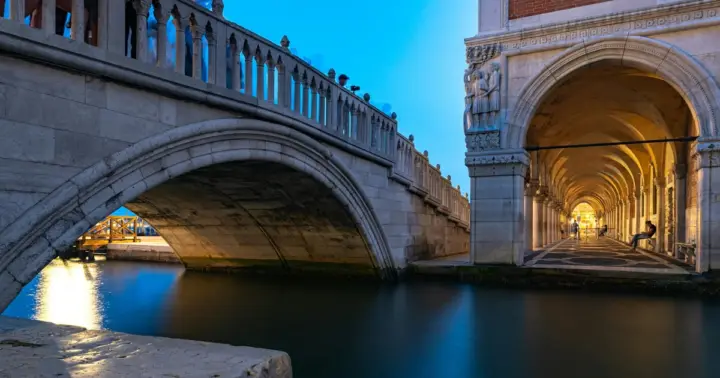
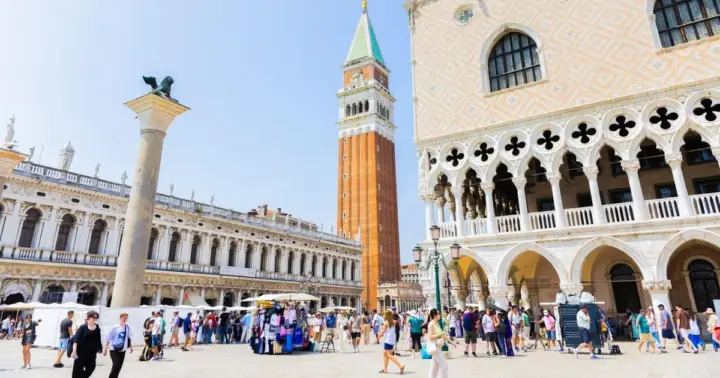
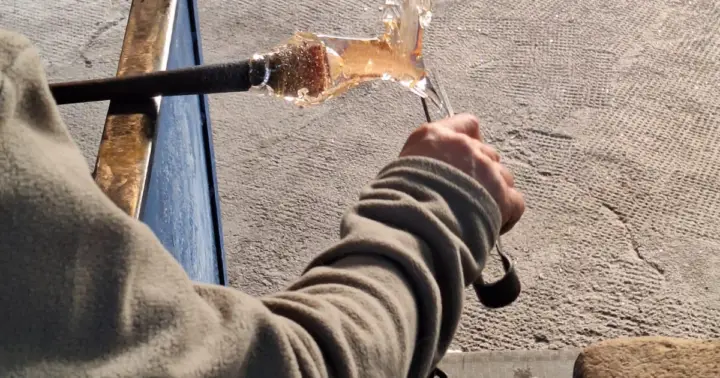

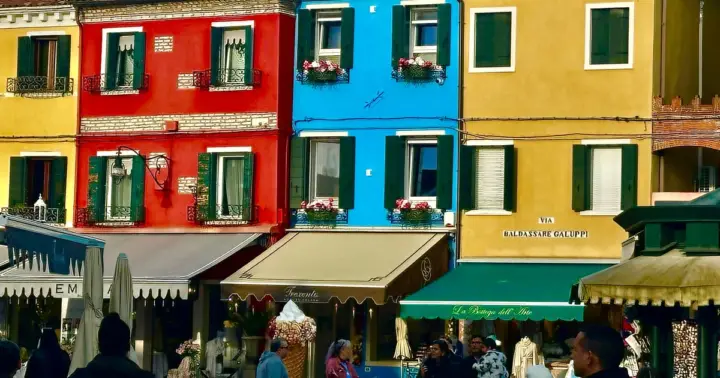




History & Facts: Campo Santa Maria Formosa takes its name from the church that borders the square. Its façades and surrounding buildings reflect several periods of Venetian architecture, while the campo remains part of an active residential district.
Tips for Visiting:
Route order: Continue to Basilica di Santa Maria della Salute. This is one of the longer transfers, so verify the available pedestrian route before leaving the campo.
History & Facts: Built in the 17th century as a votive church following a plague outbreak, the Basilica di Santa Maria della Salute stands near the entrance of the Grand Canal.
Tips for Visiting:
Route order: Continue to the Gallerie dell’Accademia.
History & Facts: The Gallerie dell’Accademia holds a major collection of Venetian art, including works by Bellini, Carpaccio and Veronese.
Tips for Visiting:
Route order: Continue to the Peggy Guggenheim Collection.
History & Facts: Located in Peggy Guggenheim’s former home, Palazzo Venier dei Leoni, the Peggy Guggenheim Collection presents modern art, including works by Picasso, Pollock and Dalí.
Tips for Visiting:
End of Tour: The self-guided walking tour ends in Dorsoduro near the Grand Canal. Review your onward route before leaving the museum area, especially if you need to reach a vaporetto stop or cross back toward San Marco.
Download the PDF map to keep the ten-stop sequence available offline. Because temporary pedestrian diversions are not reflected in a static file, use current local signage or live navigation for each connection.
1. How long does the self-guided walking tour of Venice take?
The ten-stop route is approximately 6 kilometres. Allow around 4–5 hours for walking and orientation, plus separate time for attraction visits. Bridge crossings, wrong turns and temporary diversions can extend the estimate.
2. Are the attractions open every day?
Opening days, reservation rules and admission conditions vary by attraction and season. Confirm current availability through each institution’s official channel before adding an interior visit to the route.
3. Is Venice suitable for walking tours given its canals and bridges?
Venice can be explored on foot, but the route includes numerous bridges and steps. The dashed map line indicates stop order rather than an accessible or turn-by-turn pedestrian path.
4. Can I use public transportation if I get tired of walking?
Yes. The vaporetto can replace part of the walk, although the nearest boarding point and suitable line depend on where you leave the route.
Travel marketing specialist with extensive experience in the travel sector. At companies such as Despegar and GuruWalk, she has led traveler-focused digital acquisition strategies. Now, from the GuruWalk blog, she combines her expertise with her passion for discovering and sharing unique destinations.
Local guides, pay-what-you-want and no credit card to book. That is how you understand a city.
Explore free tours on guruwalk.com