

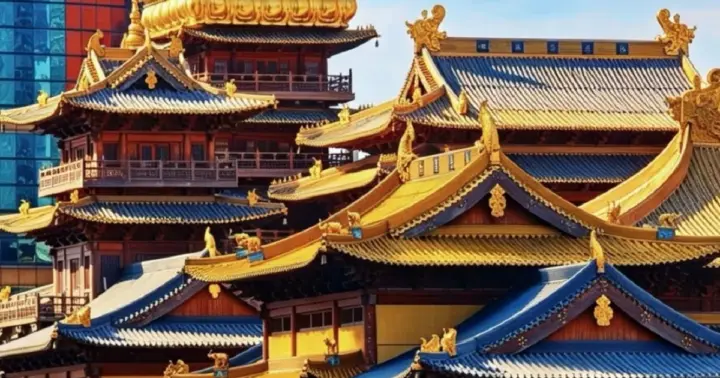
Shanghai brings together the historic Bund waterfront, a Ming-era garden, shikumen lanes and a financial district built across the Huangpu River. Distances can be deceptive: several sights fit into one walk, while others need a metro ride. This guide organises the best things to do in Shanghai by area and by day. To understand the city’s contrasts from the start, book one of the free tours in Shanghai. No credit card is needed.
Last verified: August 2026 — Prices, opening hours, and reservation requirements checked against official sources. GuruWalk’s Shanghai guides reviewed the practical recommendations.
The best free tours in Shanghai
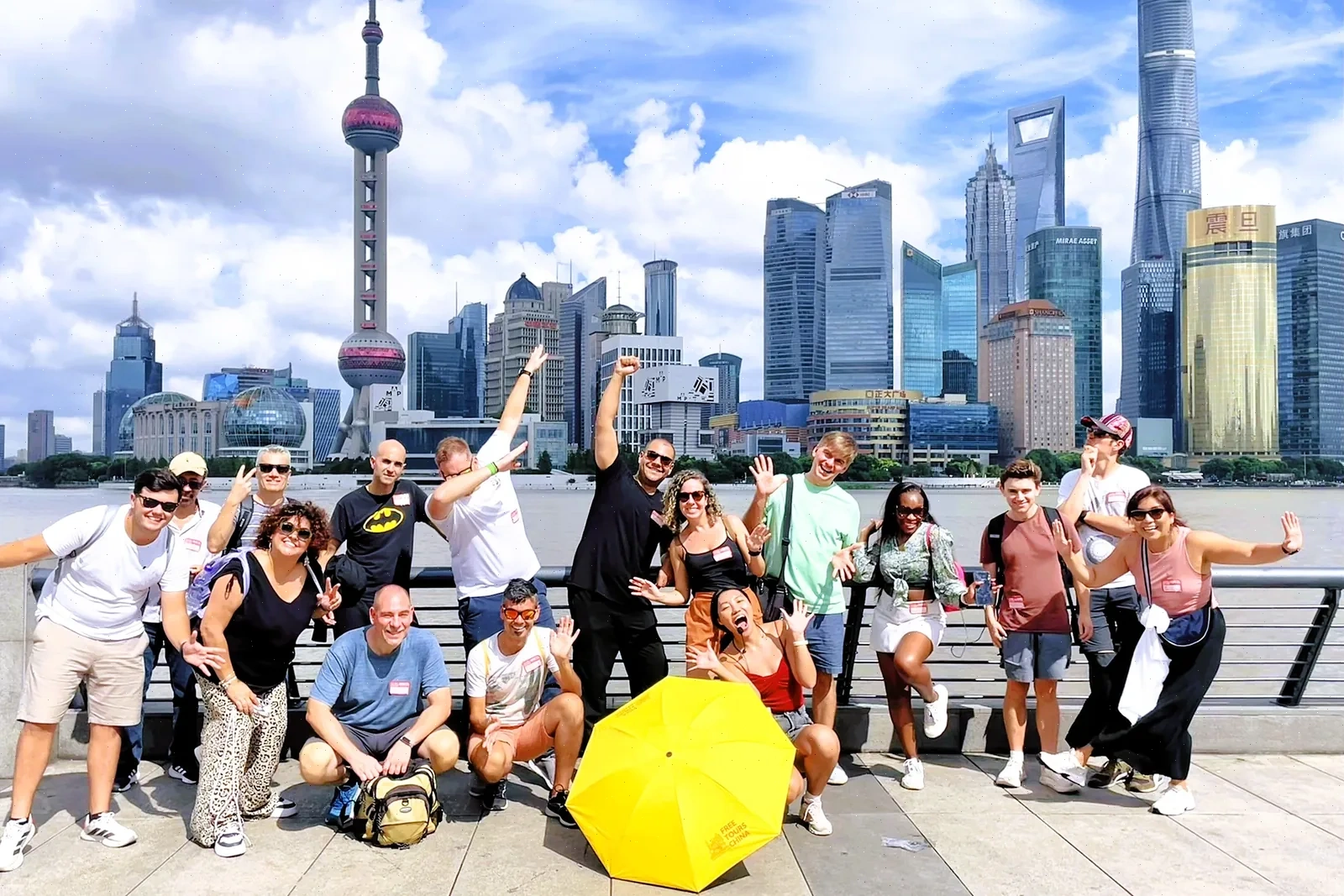
Set aside the first morning for the Bund, the Old City and the centre. A free tour supplies context when the route moves from early 20th-century bank buildings to garden pavilions and skyscrapers within a few stops. Each listing shows the current language, duration, start time and meeting point. At the end, each person values the guru’s work; the usual guideline is €10–20 per person and up to €50 for small groups or an exceptional experience.
🎆Hello there!🌟Welcome to the FIRST , ORIGINAL , and BEST free walking tours i…

What better way to explore this great city than by having an indigenous inhabitant tell you stories about the history…

What better way to explore this great city than by having an indigenous inhabitant tell you stories about the history…
Satisfy your taste for traditional Chinese food during this culinary tour in Shanghai. Make your way down the famous Yunnan…
Want to stay trained in Shanghai.? Jogging in former French concession might be a good choice. Are you a runner…

1. The Bund and the Huangpu River
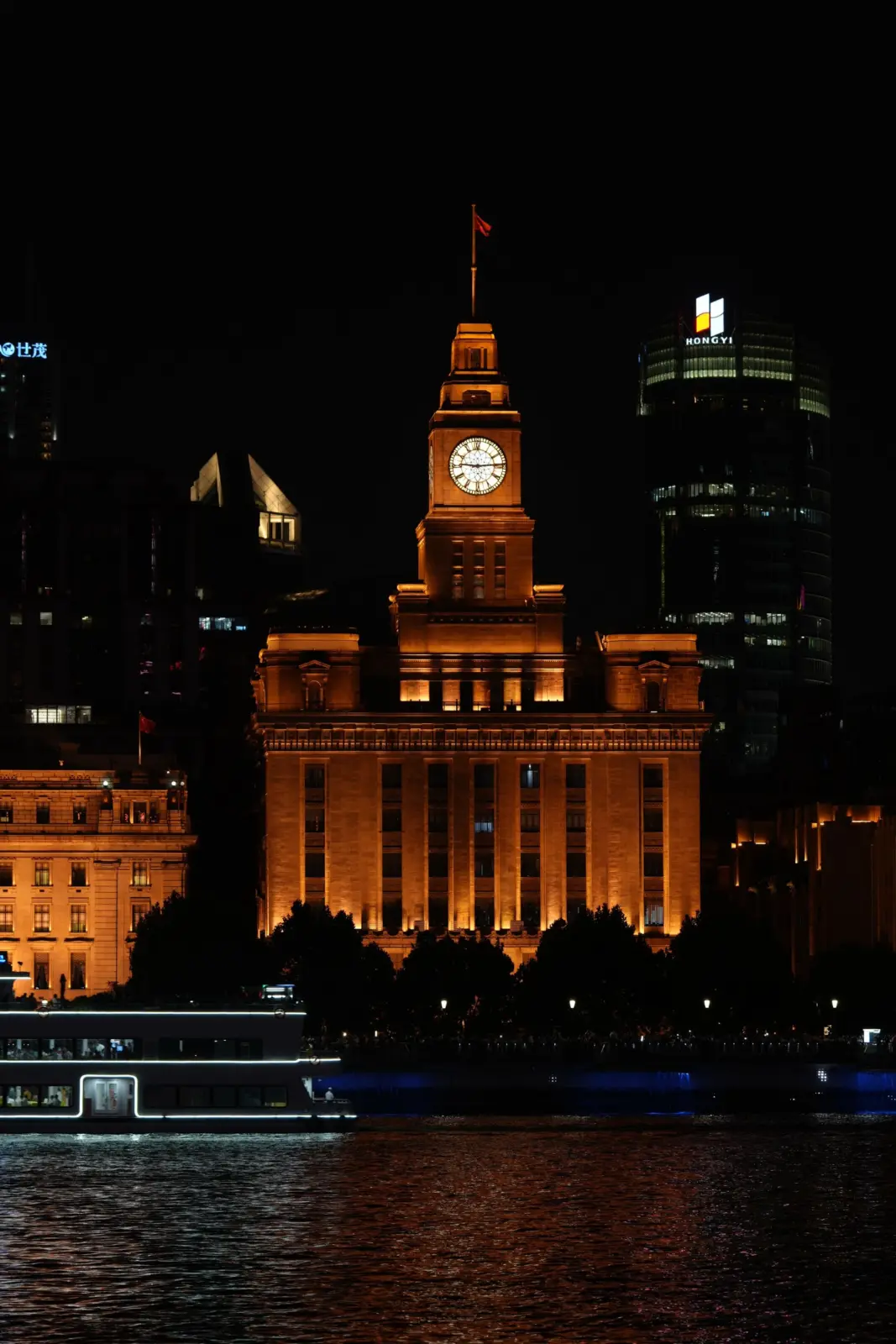
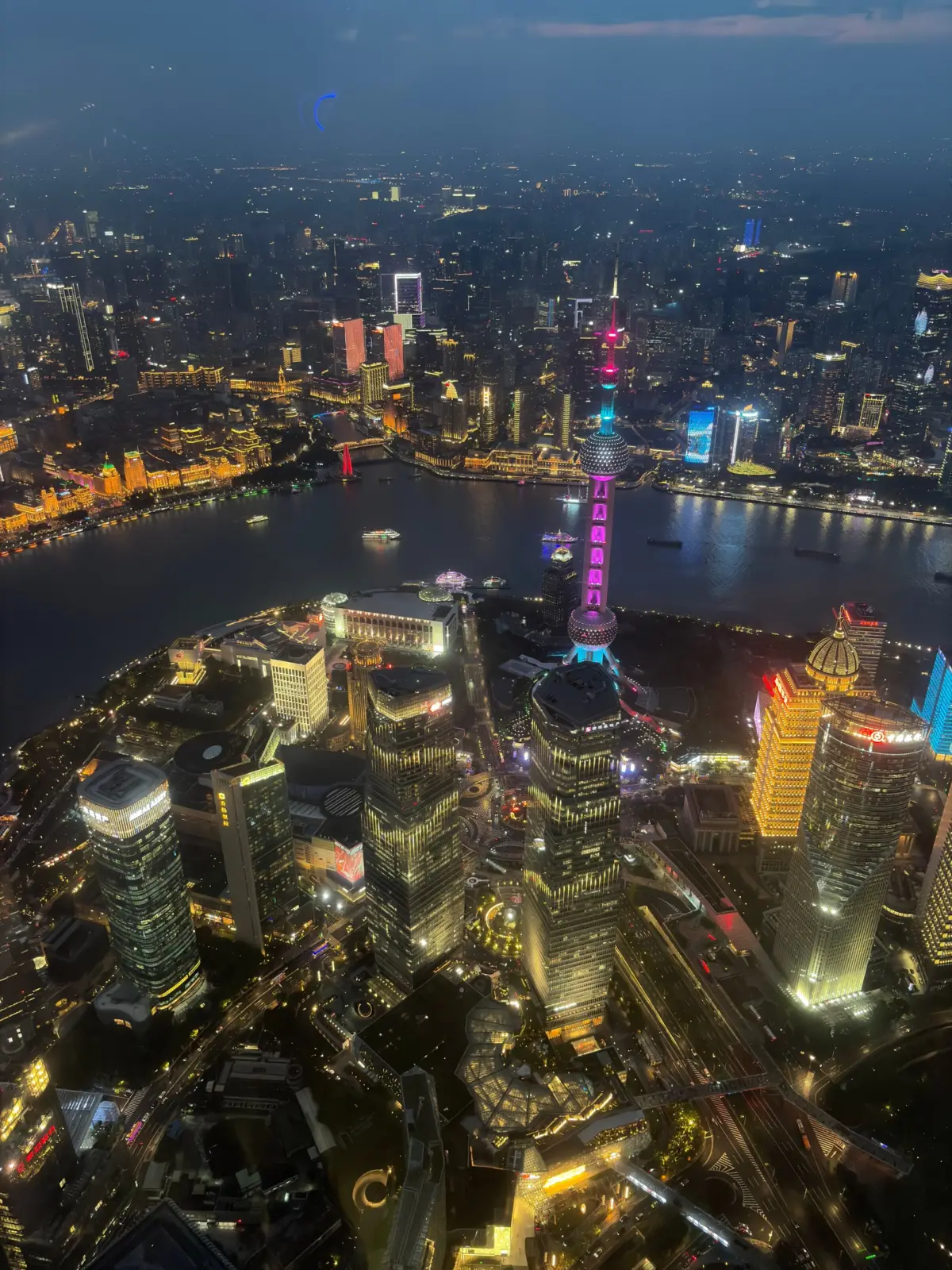
The Bund is the waterfront that explains modern Shanghai’s development. It runs for 1.5 kilometres beside the Huangpu and preserves 52 historic buildings in Gothic, Baroque, Neoclassical and Art Deco styles. Across the water stands Lujiazui, with the Oriental Pearl Tower, Shanghai World Financial Center and Shanghai Tower. The contrast between the two banks is clearest from the pedestrian promenade.
Start near East Nanjing Road and walk towards Waibaidu Bridge to include the mouth of Suzhou Creek. The promenade is free and works during daylight or after the facades light up. The official Bund guide confirms its length and protected building group. Allow one to two hours if you want to pause for architectural details.
2. Yuyuan Garden and the Old City
Yuyuan began as a private garden built during the Ming Dynasty. Its more than 40 landscaped scenes combine pavilions, ponds, rockeries, corridors and gateways that change the view every few steps. It sits beside the City God Temple and Yuyuan’s commercial streets, but the garden, temple and market are separate visits. Check the entrance carefully so that you do not mistake one for another.
The surrounding streets are freely accessible; entry to the garden follows its own conditions. On busy days, visit the landscaped enclosure first and leave the shops until later. The walk from the Bund takes about 20 minutes, depending on where you start. It crosses streets where the pattern of the former walled city can still be read.
3. Lujiazui and Shanghai Tower
Lujiazui provides the reverse view: from Pudong, the Bund’s historic frontage lines up across the river. Shanghai Tower rises 632 metres and has 127 floors above ground. Its observatory occupies the 118th floor at 546 metres, with a 360-degree panorama. If clouds hide the upper floors, postpone the ticket and walk along Binjiang Avenue instead.
There is little reason to climb several towers. Choose one observation deck and keep the rest of the time for the waterfront. Shanghai Tower, the Oriental Pearl Tower and Jin Mao offer different formats, but booking all three increases the cost and repeats the skyline view. Line 2’s Lujiazui station is close to the main buildings.
4. Shanghai Museum at People’s Square
The People’s Square branch of Shanghai Museum introduces Chinese art through bronzes, ceramics, calligraphy, painting, furniture and other collections. It opens Tuesday to Sunday from 9 am to 5 pm, with last entry at 4 pm. It closes on Mondays except national holidays. Online booking is required at weekends, on national holidays and during peak visiting periods.
The East branch in Pudong follows a different calendar: Wednesday to Monday, 10 am to 6 pm, and closed on Tuesdays except national holidays. Do not try to cover both in one morning. For a first stay, People’s Square fits more easily with Nanjing Road and the Bund. Check the Shanghai Museum visitor information before choosing a branch.
5. Nanjing Road and People’s Square
East Nanjing Road links People’s Square with the Bund and works as a practical route rather than a separate attraction. Its pedestrian section is lined with department stores, shops and restaurants. Walking the full length at the busiest time can be slow; if you only need to connect the museum and river, use a parallel street and rejoin the main section near the Bund.
People’s Square gathers the museum, cultural venues, gardens and several metro lines. It is a useful point at which to split the day: museum in the morning, lunch nearby and a walk towards the Huangpu in the afternoon. With limited time, square, Nanjing Road and Bund can be joined without intermediate transport.
6. Wukang Road and the former French Concession
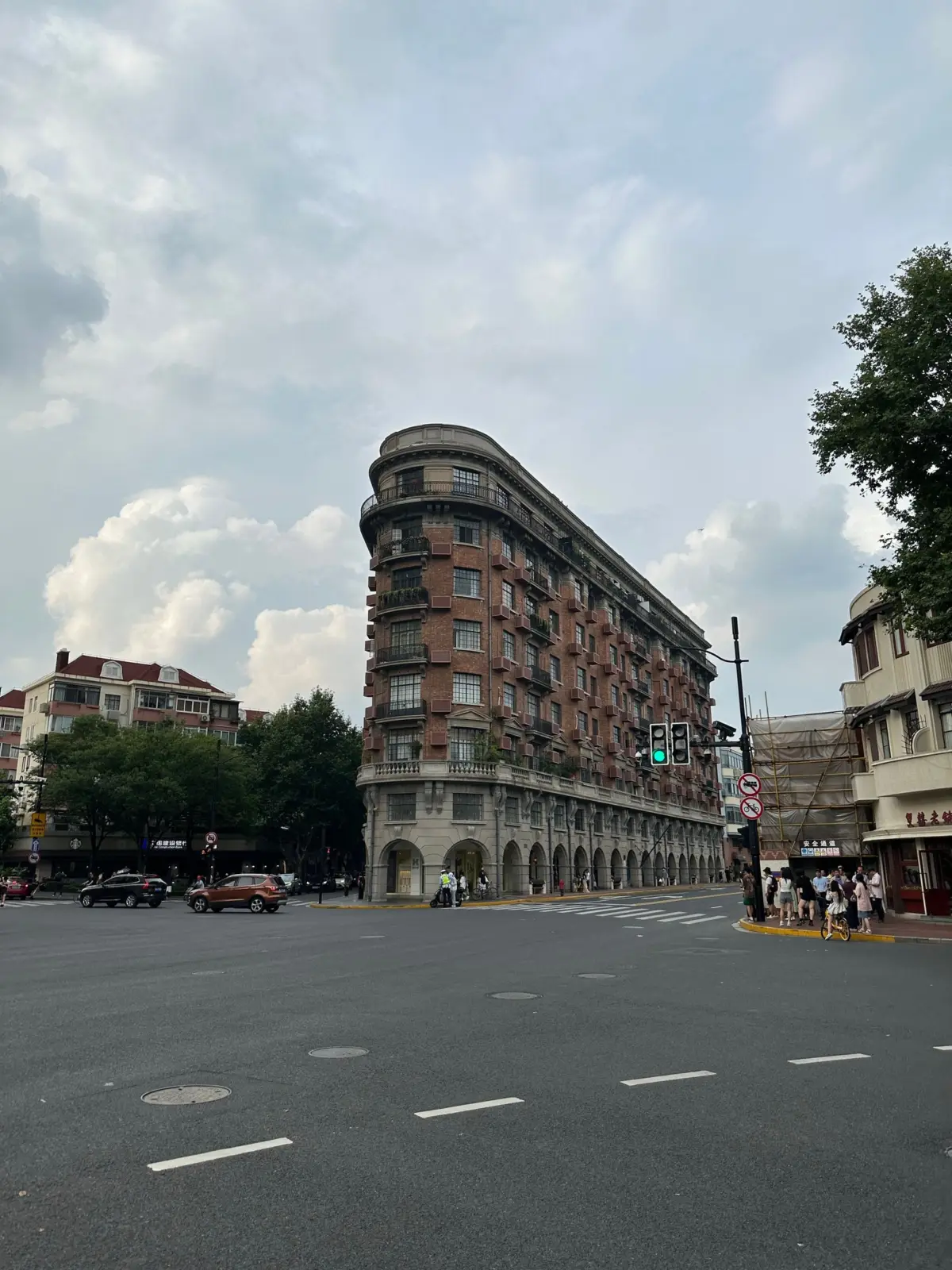
Wukang Road shows Shanghai at a smaller scale, with villas, apartment blocks, lane houses and architecture from several phases of the 20th century. Number 99 is a brick-and-timber house built in 1928. Number 393 began in 1912 and was extended in 1933, combining Neoclassical and Art Deco features. The latter now houses a tourist information centre.
The route is best walked through Wukang Road, Hunan Road, Fuxing West Road and Anfu Road. Many buildings remain private homes, so the visit is about reading facades and streets rather than entering. Allow two or three hours and avoid turning every café into a compulsory stop.

Songcheng Park Entry Ticket with Shows
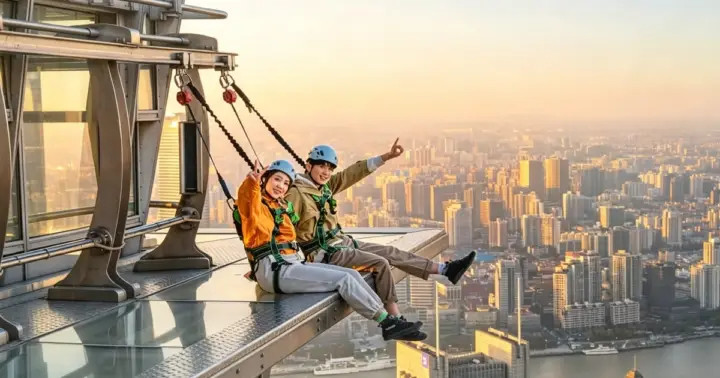
Jinmao Tower Shanghai Ticket (340‑m sky‑walk optional)
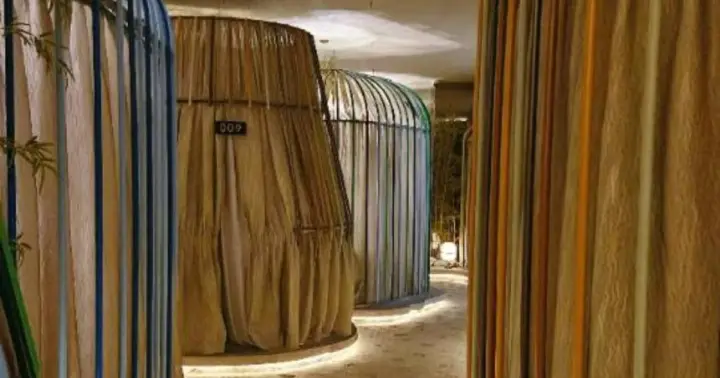
Shanghai: Linlinyu Hot Spring Resort Entry Ticket



Shanghai: The Immersive VR Experience Entry Ticket
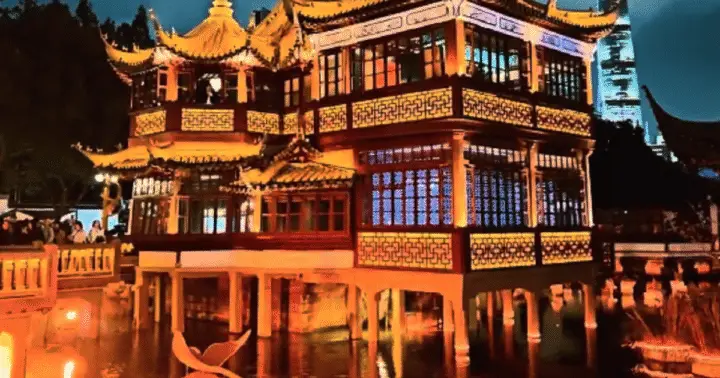
Shanghai Yuyuan & Chenghuangmiao: Ming Gardens & Old Vibe
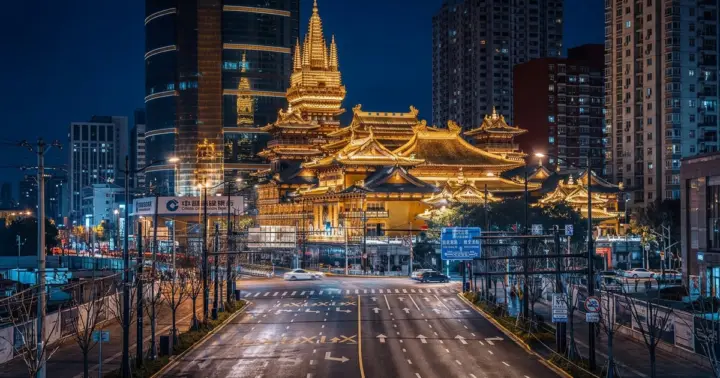
Shanghai: Jing'an Temple Entry Ticket (Optional Guided Tour)
7. Xintiandi and shikumen houses
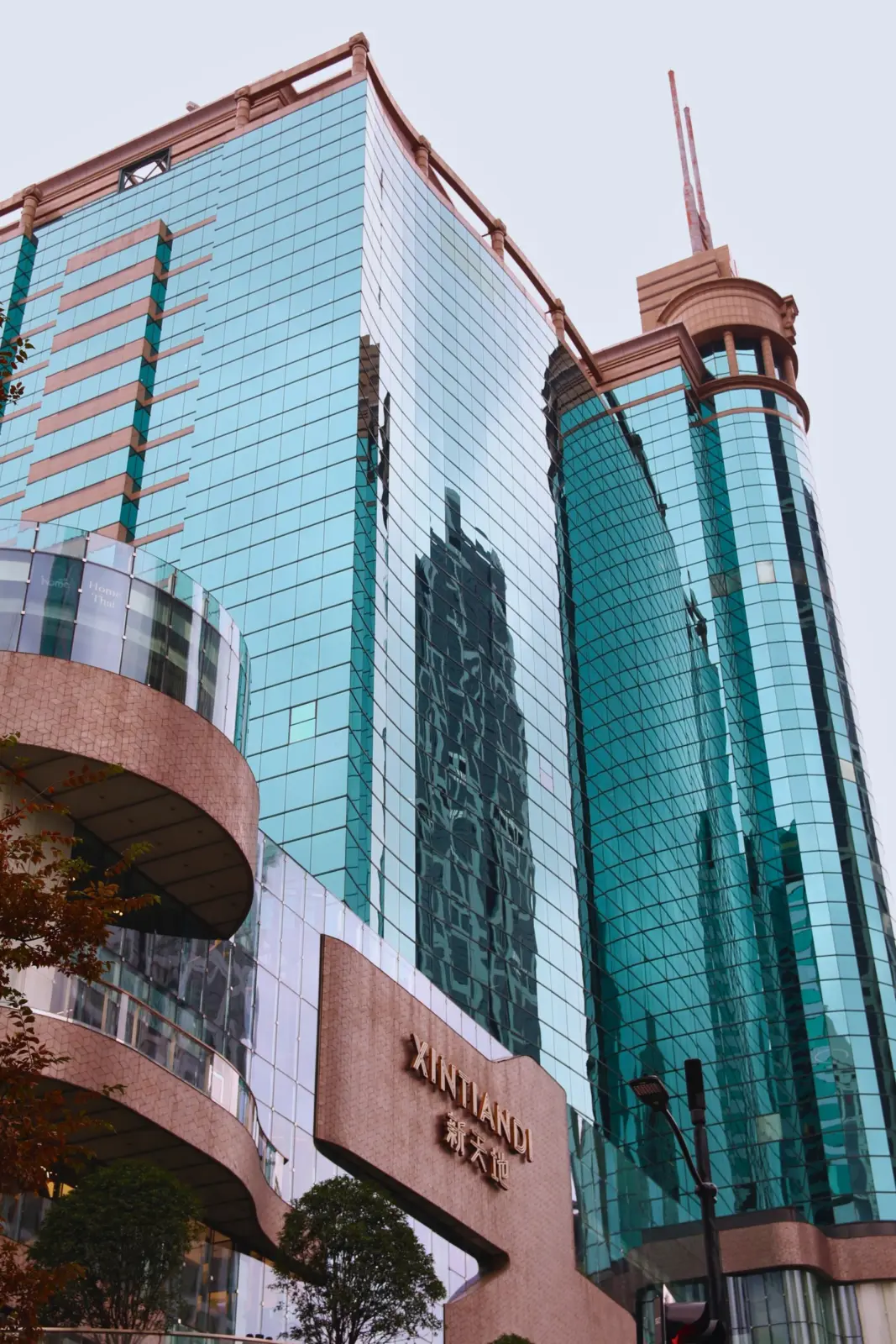
Shikumen houses combine a stone gateway with homes arranged along narrow lanes. Xintiandi retains that exterior form and adapts it to restaurants, shops and cultural spaces. The urban precinct is open 24 hours, though every business sets its own timetable. It is a useful place to recognise the building type, not an untouched residential quarter.
Extend the walk through nearby residential streets and Fuxing Park. The contrast between commercial restoration and daily life helps explain why shikumen architecture is part of the local identity. Evenings bring more activity; mornings provide a clearer view of facades and gateways.
8. M50 and Suzhou Creek
M50 occupies a former textile factory at 50 Moganshan Road. The complex retains industrial buildings, chimneys and production elements, now used as studios, galleries and creative spaces. Many exhibitions are free. Programmes change, so explore several buildings instead of crossing the city for one show.
Continue beside Suzhou Creek for bridges, converted warehouses and new pedestrian banks. M50 lies outside the Bund–Yuyuan circuit but suits an afternoon focused on contemporary art. Keep at least two hours for the park and waterside walk.
9. Zhujiajiao as a day trip
Zhujiajiao lies around 40 kilometres from central Shanghai and preserves canals, narrow streets, temples and buildings tied to its trading past. The settlement grew from markets established in the Song Dynasty and prospered during the Ming and Qing periods. Fangsheng Bridge and the Caogang River form its best-known core.
Set aside a long half-day or a full day. The metro gets you close without private transport, but a final section remains between the station and old town. With only two days, prioritise central Shanghai; with three or four, Zhujiajiao provides a different urban landscape.
Shanghai: Jing'an Temple Entry Ticket with QR Code
Songcheng Park Entry Ticket with Shows
Jinmao Tower Shanghai Ticket (340‑m sky‑walk optional)
Shanghai: Linlinyu Hot Spring Resort Entry Ticket
Shanghai: The Immersive VR Experience Entry Ticket
Shanghai Yuyuan & Chenghuangmiao: Ming Gardens & Old Vibe
Shanghai: Jing'an Temple Entry Ticket (Optional Guided Tour)
What to do in Shanghai in 1, 2 or 3 days
Shanghai in one day
Start with the free tour. Continue through Yuyuan and the Old City, then reach the Bund in the afternoon. Cross to Lujiazui by metro to see the historic frontage from Pudong. If you want an observation deck, check visibility first and leave time for queues.
Shanghai in two days
Keep day one around the Old City, Bund and Lujiazui. Spend the next morning at Shanghai Museum on People’s Square, then walk Wukang Road in the afternoon. Finish in Xintiandi to compare restored shikumen houses with the residential streets seen earlier.
Shanghai in three days
The third day allows two good choices. M50 and Suzhou Creek keep the itinerary in the city and add contemporary art; Zhujiajiao takes longer and exchanges skyscrapers for canals and bridges. Pick one so the day does not become a chain of transfers.
Getting around and travelling from the airports
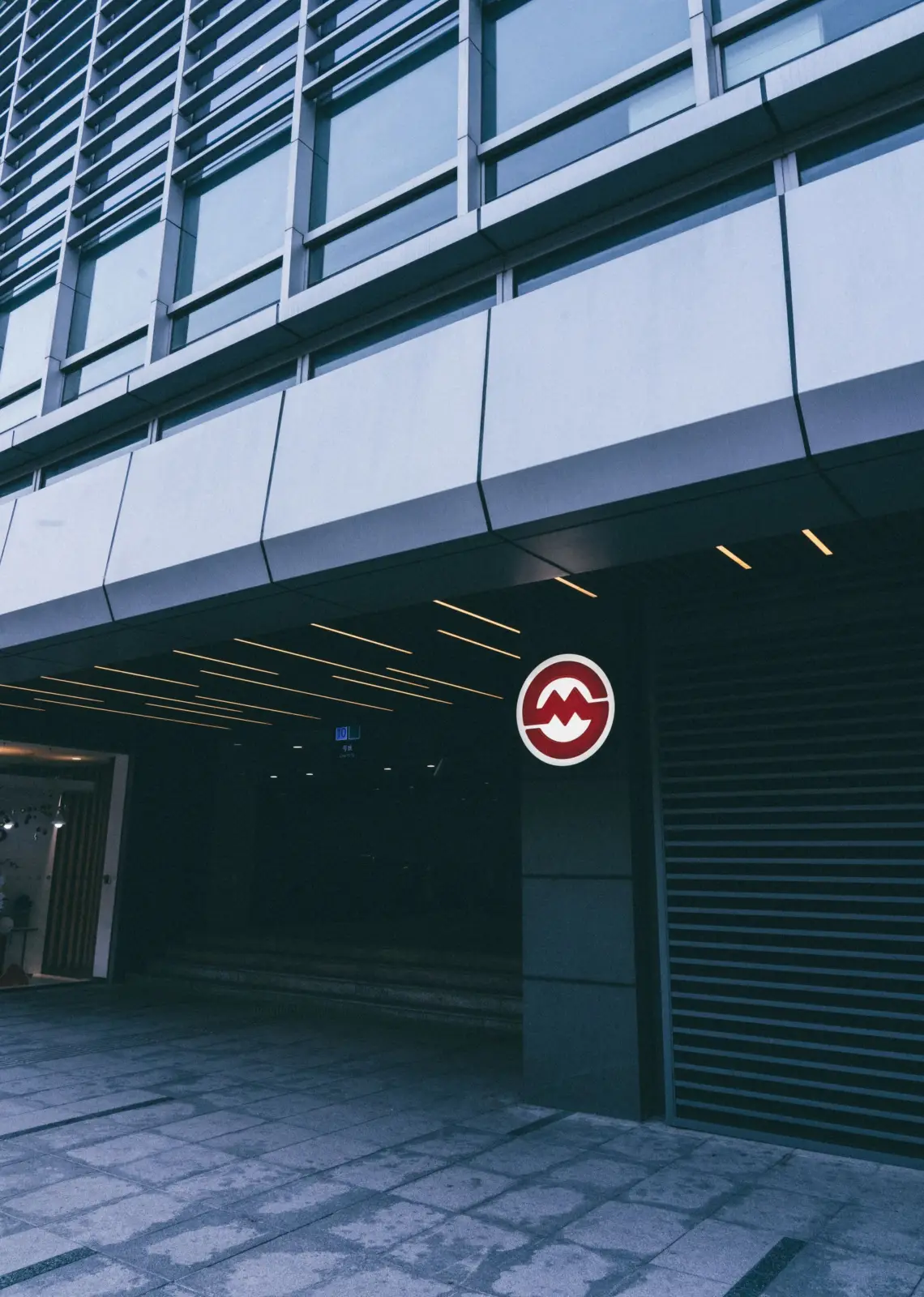
The metro uses distance-based fares: 3 yuan for journeys up to 6 kilometres, then 1 yuan for each additional 10 kilometres. Compatible contactless cards can be tapped at the gates, including Visa, Mastercard, American Express, JCB and UnionPay. Single tickets and local transport apps are also available.
Line 2 connects Pudong, central Shanghai and Hongqiao, although the complete ride is long. The Airport Link Line joins Hongqiao and Pudong airports in about 40 minutes, with a 26-yuan full-route fare. For the first journey, keep your accommodation’s name and address written in Chinese.
Frequently asked questions about Shanghai
How many days do you need in Shanghai?
Two days cover the Bund, Yuyuan, Lujiazui, one museum and Wukang Road. Three days let you add M50 or Zhujiajiao without cutting the central sights short. With one day, keep the plan on both sides of the Huangpu.
Can you explore Shanghai on foot?
Each central area is walkable, but the entire city is not. The Bund, Yuyuan and Nanjing Road form a sensible cluster. Lujiazui, Wukang Road, M50 and Zhujiajiao require a combination of walking and public transport.
Which Shanghai sights are free?
The Bund promenade, Nanjing Road, People’s Square, Wukang Road, Xintiandi’s streets and many M50 exhibitions have no admission charge. Gardens, special museum displays, observation decks and activities may require a booking or fee.
Should you book a free tour?
Yes, particularly at weekends and during holiday periods. Booking confirms the place, language, time and meeting point. GuruWalk does not require a credit card, and each participant values the route with the guru at the end.
Plan your Shanghai stay
Organise the trip by area: historic centre and Bund, Pudong, residential districts and one cultural outing. This reduces transfers and leaves time to walk. GuruWalk is the platform for finding and booking free tours with local guides and activities in cities around the world. Browse the free tours in Shanghai and add activities and experiences in Shanghai.

GuruWalk
Travel marketing specialist with extensive experience in the travel sector. At companies such as Despegar and GuruWalk, she has led traveler-focused digital acquisition strategies. Now, from the GuruWalk blog, she combines her expertise with her passion for discovering and sharing unique destinations.