

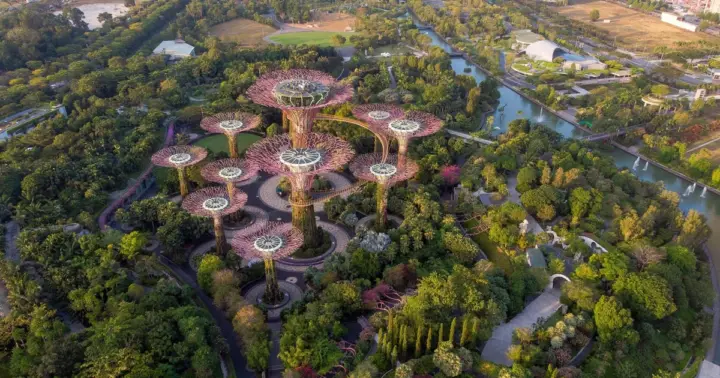



Singapore’s Marina Bay, Gardens by the Bay, Chinatown, Kampong Gelam and Little India are arranged into one-, two- and three-day routes.
 Belén Rivas
GuruWalk
·
Updated 3 Sep 2026
Belén Rivas
GuruWalk
·
Updated 3 Sep 2026Singapore combines historic districts, tropical gardens, museums and a contemporary waterfront in a city that is easy to navigate by MRT. This guide organises the best things to do in Singapore over one, two or three days, using prices and opening hours checked in August 2026. A practical first activity is a free tour in Singapore, which gives the central districts some context before you decide where to return. No credit card is needed to book.
Last verified: August 2026 — Prices, opening hours, and reservation requirements checked against official sources. GuruWalk’s Singapore guides reviewed the practical recommendations.
On a map, the historic centre and Marina Bay look compact, yet each area tells a different part of the city’s story. An early free tour connects the former port—today’s riverfront core—with the Civic District and migrant neighbourhoods before you move on to gardens or museums. GuruWalk’s gurus provide the local context, and the walk is rewarded with a tip at the end; the usual guidance is €10–20 per person, rising to €50 for small groups or exceptional gurus.
We recommend booking the first morning and leaving some unscheduled time afterwards. You can then return to Chinatown, cross to Kampong Gelam or continue towards the bay, depending on where the walk ends. GuruWalk is the platform for finding and booking free tours with local guides and activities in cities around the world. No credit card is needed.
Delve deep into the history of Kampong Glam as we recount when the British arrived in Singapore, where they sought…

*Should a certain date be “full”, please feel free to send us a text at info@offbeat.sg or dm us at…

Today, 75% of Singapore’s local population is Chinese. Many of their forefathers left China during difficult times in search o…

Step into Singapore’s Chinatown and uncover the stories behind one of the city’s most historic neighbourhoods. Walk through ce…

Discover the best of Singapore on foot with our Singapore City Free Walking Tour, the ultimate way for first-time visitors…
Be prepared for a sensory assault as we step into Little India, a historic precinct brimming with vibrant colours, bold…
Beat the tropical heat and step into Singapore’s historic Chinatown under the glow of red lanterns. While daytime crowds fade,…

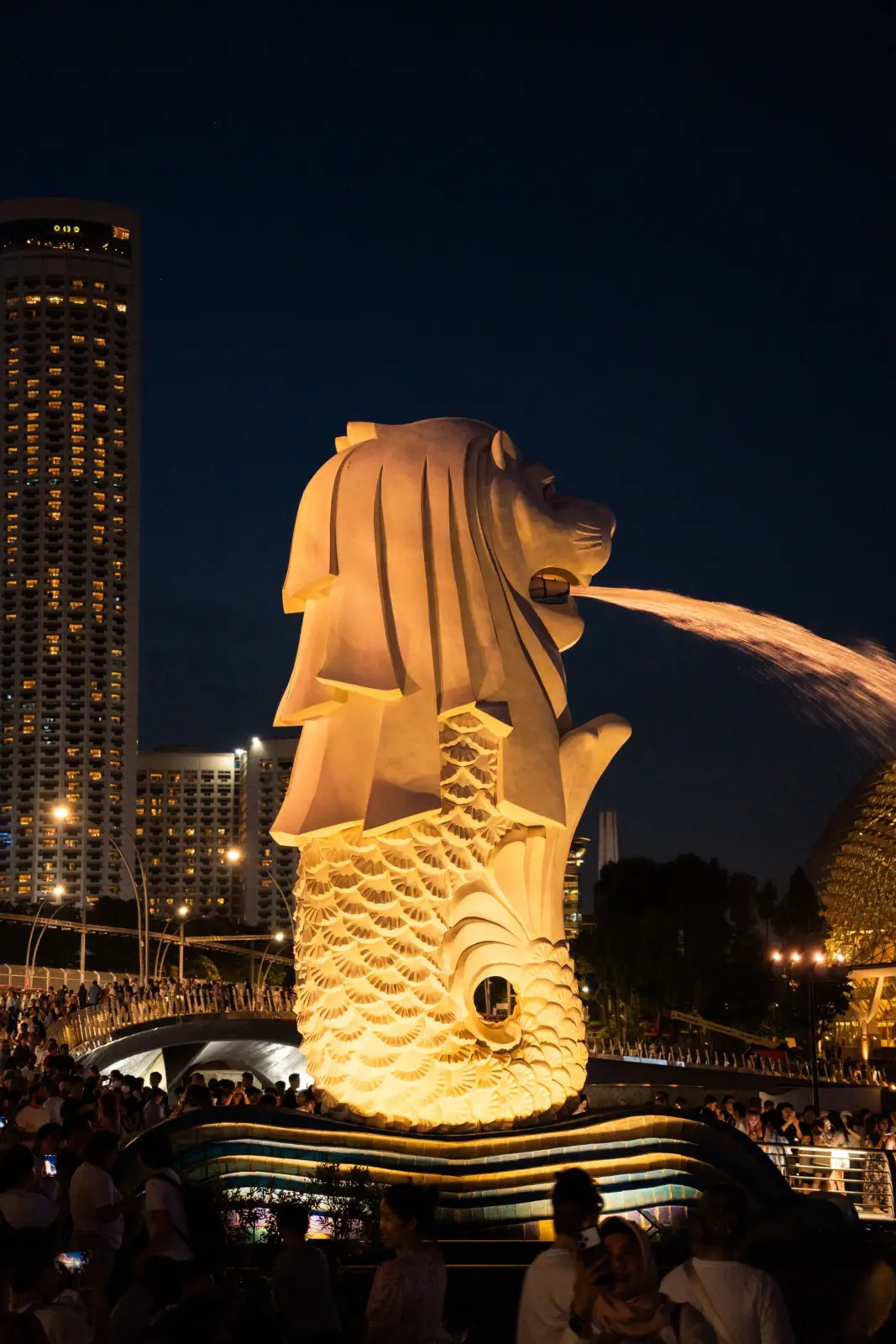
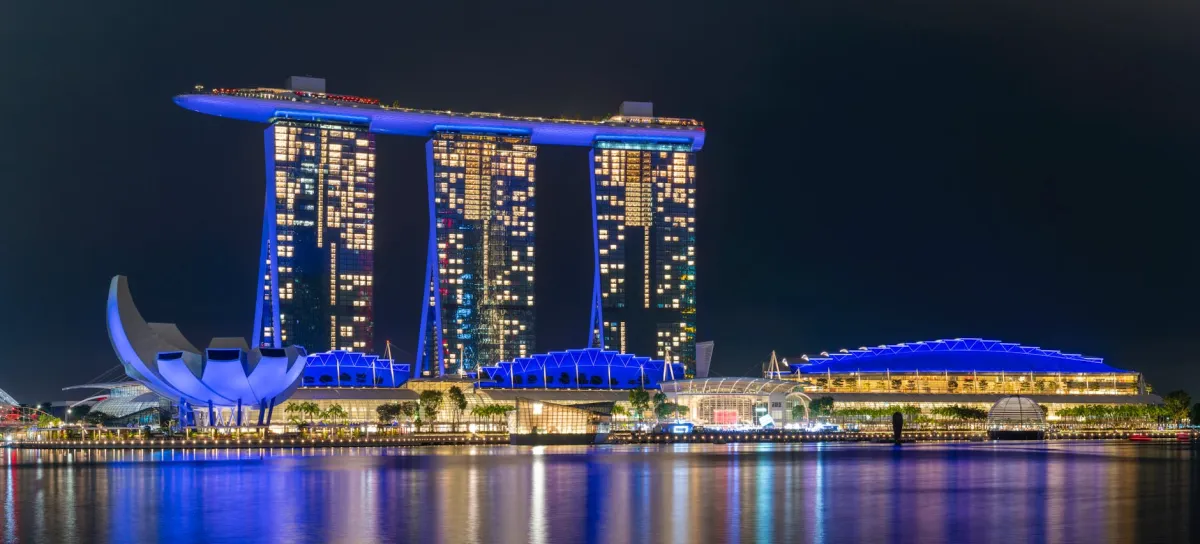
Marina Bay links several landmarks without an admission charge. The clearest route starts at Merlion Park, passes the Fullerton Hotel, crosses Jubilee Bridge and follows the water past Esplanade, Helix Bridge and Marina Bay Sands. Singapore’s urban planning authority says land reclamation here began in the 1970s; the waterfront promenade created around the bay extends for 3.5 kilometres.
Designed by Kwan Sai Kheong and built by Lim Nang Seng, the current Merlion was unveiled on 15 September 1972. Its fish body refers to Temasek, an old name connected with Singapore’s origins as a port settlement. The official Merlion Park page explains the symbolism and history behind the statue.
After dark, Spectra plays over the water at Marina Bay Sands’ Event Plaza. The free show lasts 15 minutes and runs at 8pm and 9pm every night, with an additional 10pm performance on Fridays and Saturdays. The official Spectra page confirms free admission. Arriving about 20 minutes early makes it easier to find a place by the railing.
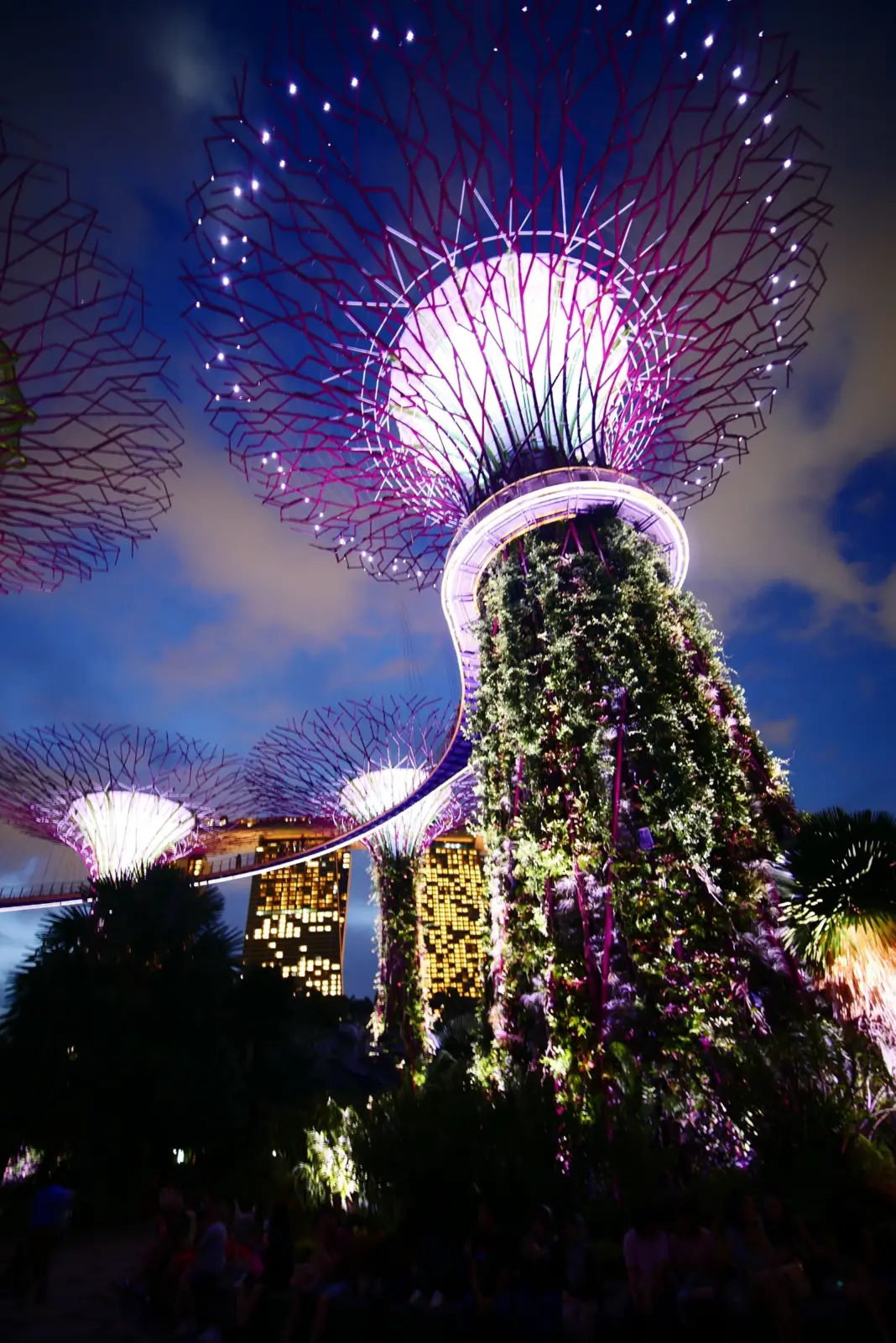
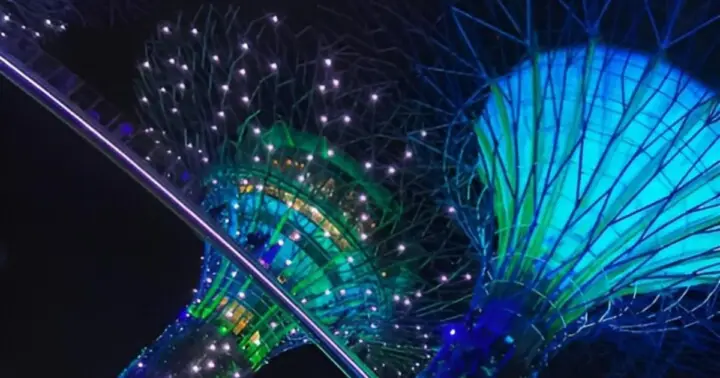
Gardens by the Bay has free outdoor grounds and several ticketed attractions. Supertree Grove—the free outdoor centrepiece—opens from 5am to 2am and contains 12 of the Gardens’ 18 Supertrees; the tallest reaches 50 metres. Entry to the grove is free, and the trees’ lights switch off at 11.30pm. Late afternoon works well because you see the planting in daylight before the lighting changes.
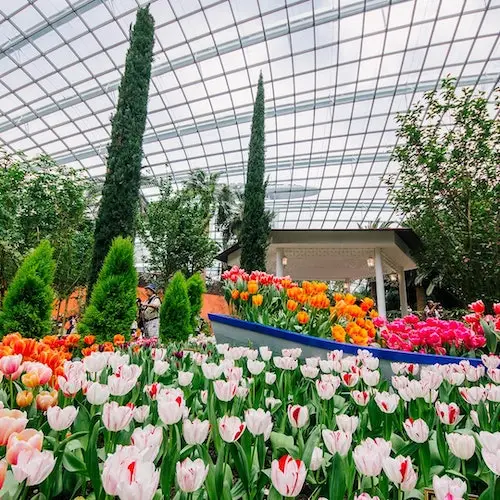
Flower Dome and Cloud Forest open from 9am to 9pm. Last admission is 8.30pm for Flower Dome and 8pm for Cloud Forest. In August 2026, the combined non-resident ticket costs S$46 for an adult and S$32 for a child aged 3–12. Both conservatories close once a month for maintenance, so check the official calendar before fixing the date. The Gardens by the Bay opening-hours page lists closures by attraction.
If you are watching the budget, we would keep Supertree Grove and the outdoor gardens in the plan. Allow at least two hours if you buy the combined Flower Dome and Cloud Forest ticket. Bayfront MRT is within walking distance. During construction of the Bay South–Bay East bridge, which began in May 2026, pedestrians retain access with a short signed diversion.
These three districts explain how Singapore developed beyond the waterfront skyline. In Chinatown, a walking route can link Buddha Tooth Relic Temple, Sri Mariamman Temple, Pagoda Street, Telok Ayer Street and Thian Hock Keng. Buddhist, Hindu and Muslim places of worship stand within a short walk, alongside conserved shophouses and food centres such as Maxwell Food Centre and Chinatown Complex.
Kampong Gelam was once home to Malay royalty and to Javanese, Arab, Chinese and Indian communities. That history remains visible. A compact route follows Sultan Gate, Bussorah Street, Sultan Mosque, Arab Street and Haji Lane. The official Kampong Glam Heritage Trail records the former street names, communities and trades. Much of the story sits in the street plan itself.
Little India centres on Serangoon Road, Tekka Centre, Campbell Lane and Sri Veeramakaliamman Temple. One official route, the Walk of Faiths, covers 2.6 kilometres in roughly one hour and includes eleven places of worship connected with different communities. To reduce transfers, pair Chinatown with Marina Bay, then keep Kampong Gelam and Little India for a separate half-day.


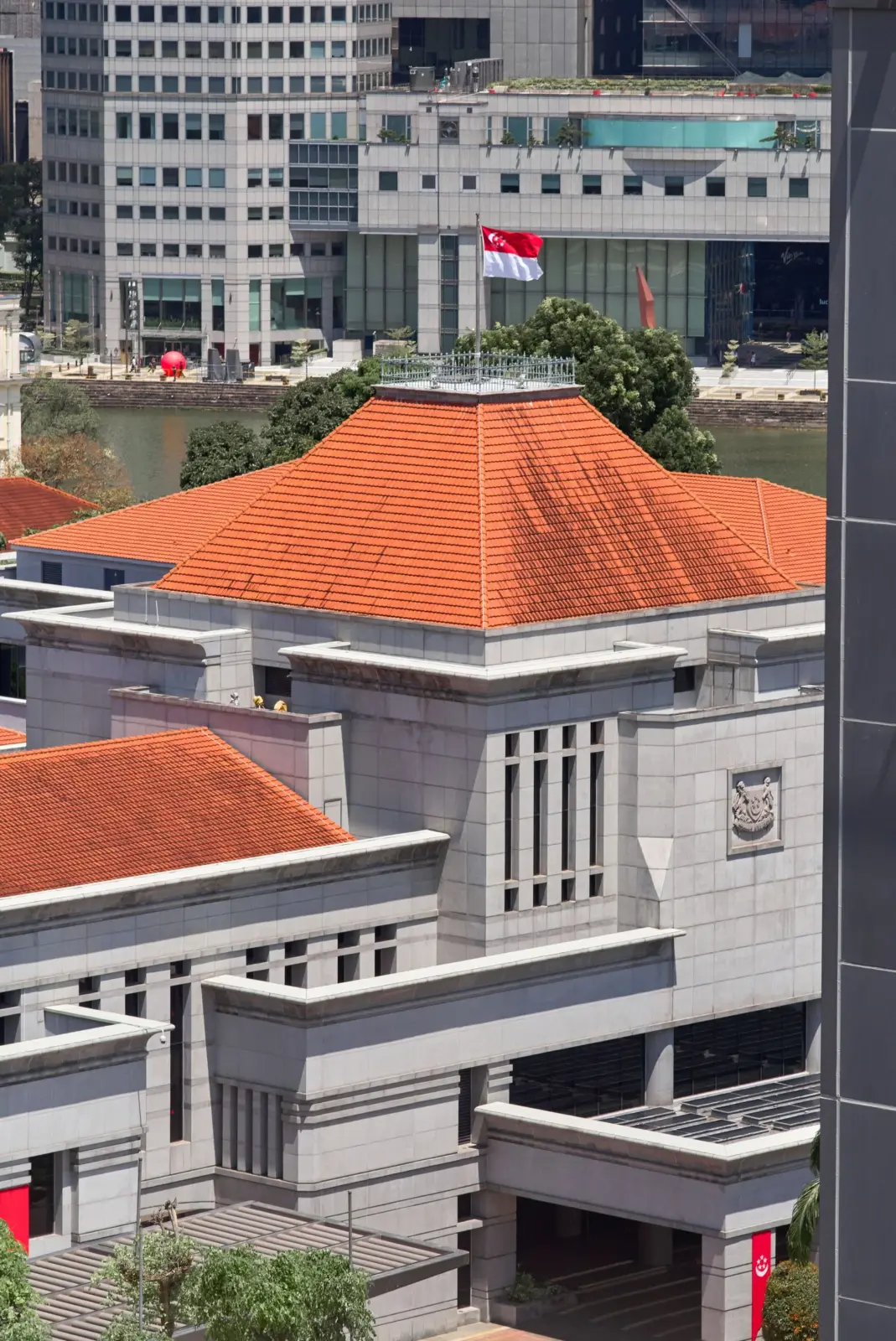
Between City Hall, the Padang and the river, the Civic District holds National Gallery Singapore, the National Museum, the former Parliament House and Victoria Theatre. It works well during the hottest or wettest hours because short outdoor sections connect substantial indoor visits.
National Gallery Singapore opens daily from 10am to 7pm, with last admission at 6.30pm. Standard general admission for overseas visitors is S$20, while Singapore citizens and permanent residents receive free general admission. The UOB Southeast Asia Gallery is temporarily closed and is due to reopen in late 2027, although works from the national collection remain on display elsewhere. The National Gallery visitor information suggests that a typical visit takes about three hours.
Open daily from 10am to 7pm, the National Museum of Singapore ends ticket sales at 6pm and admits its final gallery visitors at 6.30pm. Its displays on Singapore’s history help arrange what you have seen in the port and heritage districts. Choose the Gallery for art and architecture, or the National Museum for political and social history.
Singapore Botanic Gardens opens daily from 5am to midnight and has free admission. Entrances sit near both Napier MRT and Botanic Gardens MRT, so a one-way walk is possible. The route can pass the lakes, Rain Forest and themed gardens before you leave from the Bukit Timah side.
Inside the Botanic Gardens, the National Orchid Garden is the ticketed section. It opens from 8.30am to 7pm, with final ticket sales and entry at 6pm. Standard adult admission is S$15; overseas students and visitors aged 60 or above pay S$3, while children under 12 enter free. The Botanic Gardens visitor information includes current prices, entrances and maintenance notices.
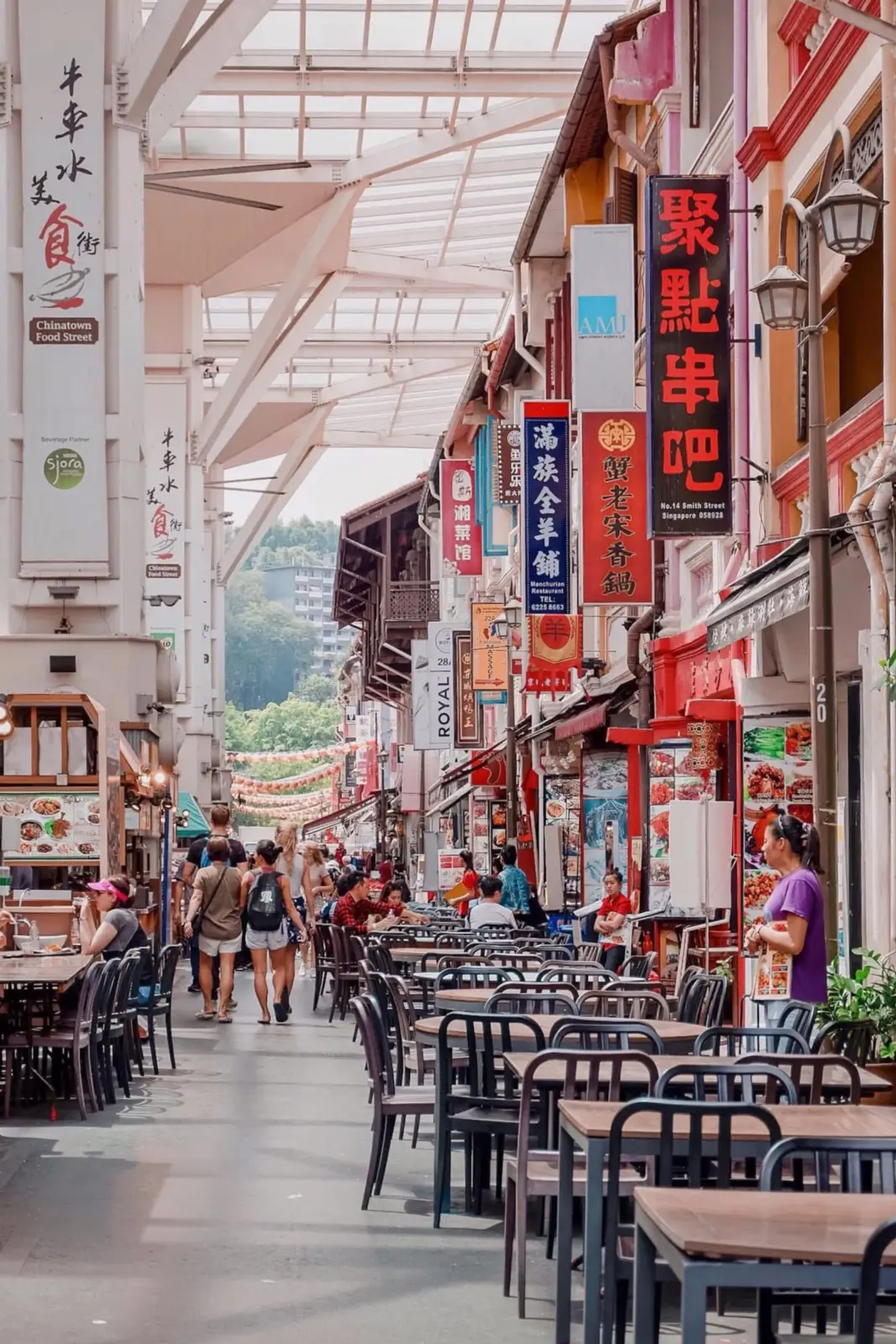
Hawker centres—shared dining spaces rather than standard food courts—carry a recognised cultural role. Singapore’s hawker culture was added to UNESCO’s Representative List of the Intangible Cultural Heritage of Humanity in 2020. “Community dining rooms,” the National Environment Agency notes, are shaped by the food traditions of different migrant groups. Its official guide to hawker culture explains their social role.
Maxwell Food Centre sits beside Chinatown, Lau Pa Sat near the financial district and Tekka Centre in Little India. Hours vary. Some stalls sell out of particular dishes, so choose a centre that fits the day’s route. Order at the counter, collect the food and return the tray when finished.
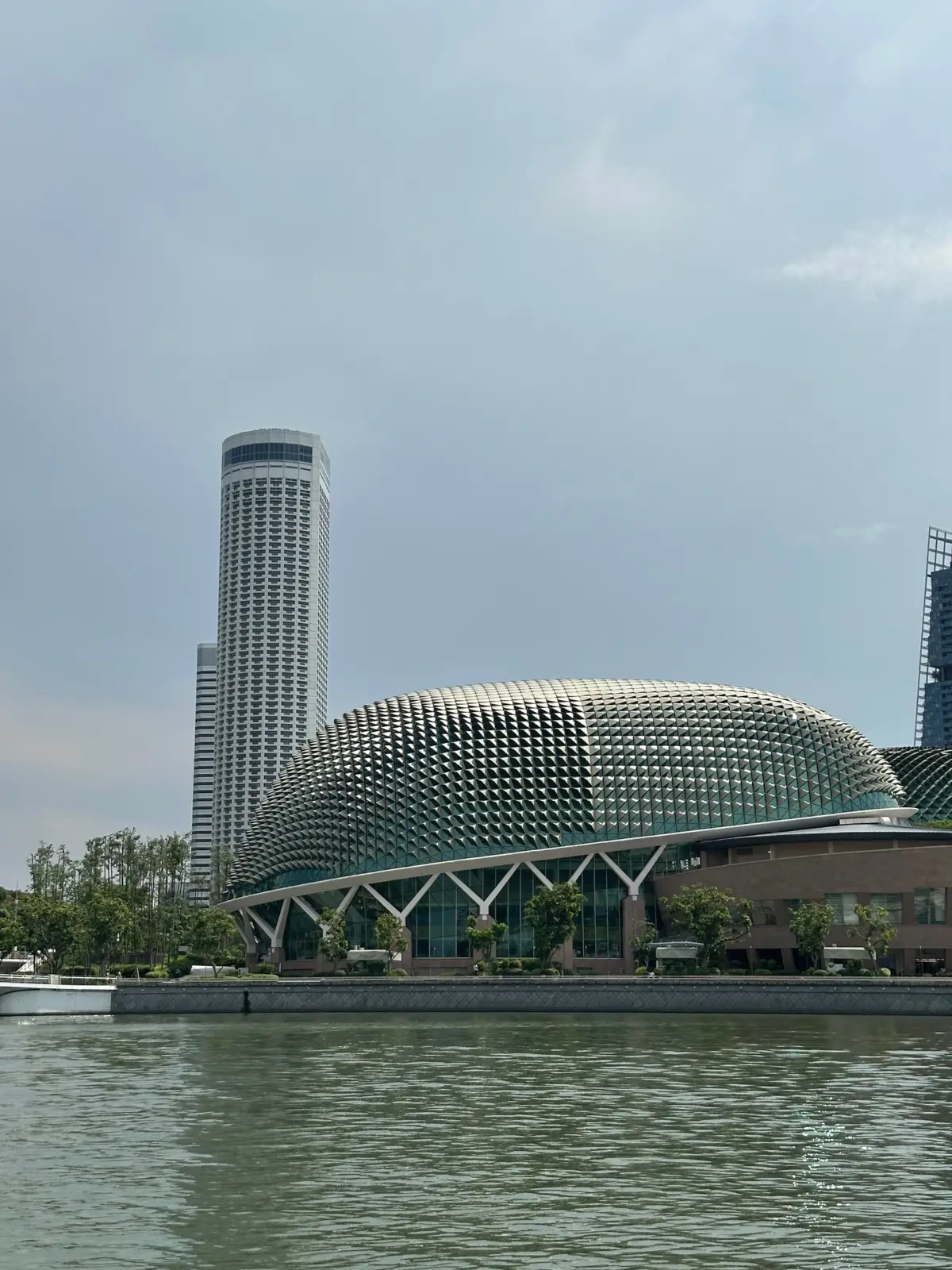
One day: start with the central free tour, walk through Chinatown before lunch and continue to Merlion Park. Cross the bay by Helix Bridge, reach Supertree Grove near sunset and finish with Garden Rhapsody or Spectra. This version focuses on outdoor sights and leaves out the paid conservatories.
On day two: keep the first-day route and devote the second to Kampong Gelam, Little India and the Civic District. MRT travel between the neighbourhoods is short. Use the 2–5pm period for National Gallery or the National Museum, then return outdoors when the temperature falls.
Three days: add Singapore Botanic Gardens in the morning and visit Flower Dome and Cloud Forest later. If you prefer nature without another ticket, extend the Botanic Gardens walk and spend longer around the hawker centres. Current activities and experiences in Singapore can fill any remaining time around the fixed bookings.
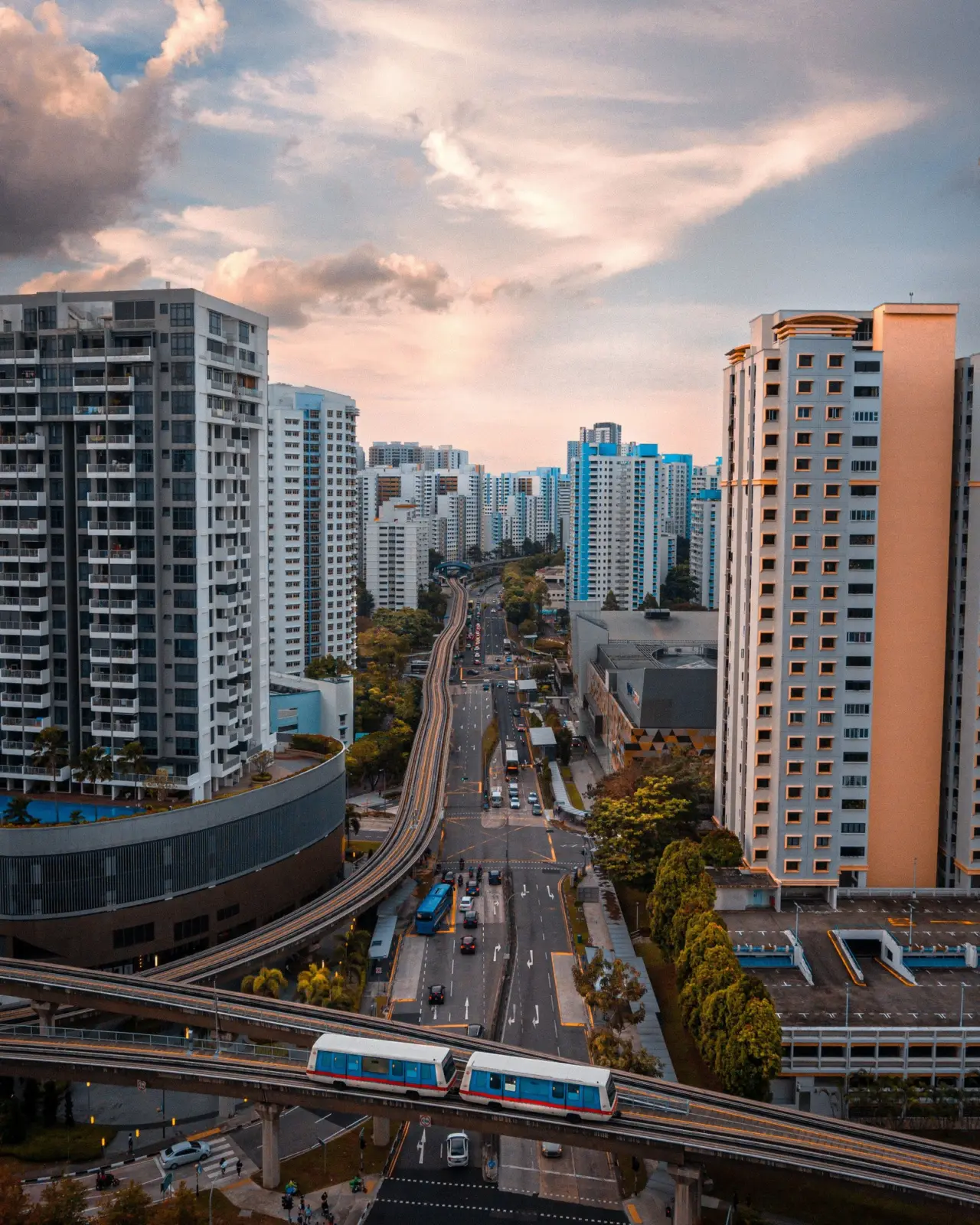
MRT trains serve Bayfront, Chinatown, Little India, Bugis, City Hall and Botanic Gardens. Bus and train fares are based on the total distance of a journey, and qualifying transfers do not trigger a completely new fare each time you board. The official SimplyGo fare page maintains the current tables and conditions.
A two-day stay covers the bay, two heritage districts and one museum at a reasonable pace. Three days create room for both major garden areas and an evening return to the waterfront. Long walks are more comfortable before 11am and after 5pm; conservatories, galleries and lunch fit well into the middle of the day.
For most visitors, two days allow time for Marina Bay, Chinatown, either Kampong Gelam or Little India, and one museum. With three days, add the Botanic Gardens and the Gardens by the Bay conservatories without compressing every visit.
Merlion Park, the Marina Bay waterfront, Supertree Grove, the outdoor areas of Gardens by the Bay, Singapore Botanic Gardens and the heritage districts are free to enter. Spectra is also free.
Yes, if you want Flower Dome and Cloud Forest at a particular time. Supertree Grove and the outdoor gardens have free admission and do not require a ticket.
For an early guided walk, the Civic District or Chinatown works well. Both are within walking distance of Marina Bay, and you can continue to Gardens by the Bay in the late afternoon.
We would choose the morning for your free tour in Singapore, then build the rest of the itinerary around timed tickets. No credit card is needed to hold a place. The heritage districts, waterfront and hawker centres can then move around the weather and your pace.
Travel marketing specialist with extensive experience in the travel sector. At companies such as Despegar and GuruWalk, she has led traveler-focused digital acquisition strategies. Now, from the GuruWalk blog, she combines her expertise with her passion for discovering and sharing unique destinations.
Local guides, pay-what-you-want and no credit card to book. That is how you understand a city.
Explore free tours on guruwalk.com