

Nice routes link Vieux-Nice, the Promenade des Anglais, Castle Hill, Cimiez, museums and beaches across one, two or three days.
 Belén Rivas
GuruWalk
·
Updated 3 Sep 2026
Belén Rivas
GuruWalk
·
Updated 3 Sep 2026Nice combines an old town shaped by Italian history, a Mediterranean bay, museums devoted to Matisse and Chagall, and viewpoints reached on foot or by public transport. At GuruWalk, we have organised the best things to do in Nice by area and by day, from the Promenade des Anglais to Cimiez. To understand how the city developed between France and Italy, start with one of the free tours in Nice. No credit card is needed to book.
Last verified: August 2026 — Prices, opening hours, and reservation requirements checked against official sources. GuruWalk’s Nice guides reviewed the practical recommendations.
A first walk through Nice works best when it connects Vieux-Nice, Cours Saleya, Castle Hill and Place Masséna. These areas are close together, yet their façades, squares and shifts in political rule need context. GuruWalk gurus explain that thread while covering the centre on foot. Each listing shows the current language, duration, start time and meeting point.
At the end, each participant decides how to value the guru’s work. A common reference is €10–20 per person, rising to €50 for small groups or an exceptional experience. We recommend booking ahead to confirm a place and the exact route without prepayment or card details.
Welcome to Nice the Beautiful – a tour of Old Town and Castle Hill Informative, inspiring an…

Join us for a journey through the heart of Nice’s Old Town, where every corner has a story and every…

Join me for an engaging walking tour of Nice that reveals the city's fascinating history and hidden stories. Starting at…

Specimina Academica Nicea offers guided tours for children, adults and all curious (or not-s…

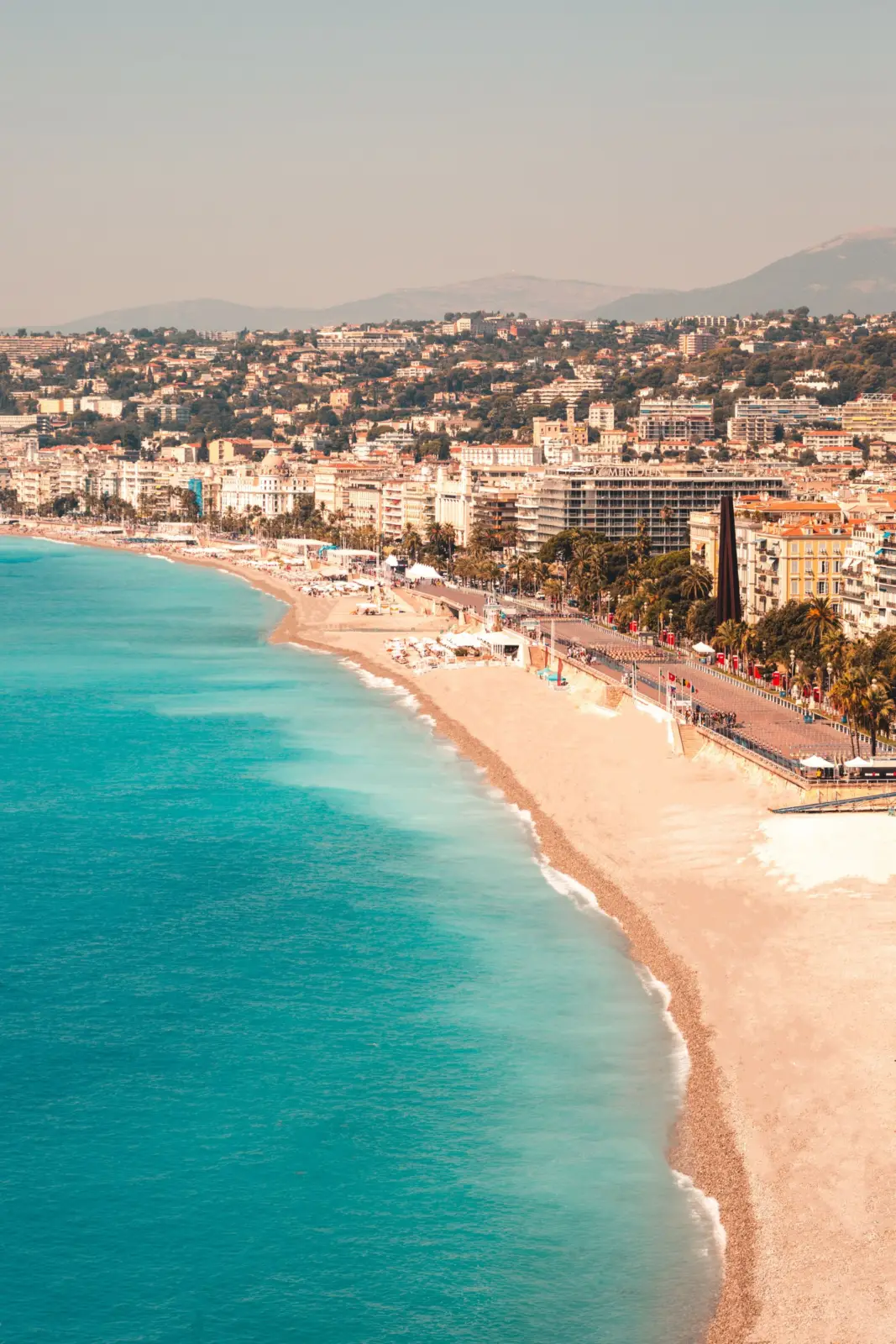
Promenade des Anglais runs for almost 7 kilometres along the Baie des Anges. The seafront —free and open throughout the year— is lined with blue chairs, pebble beaches and historic hotels such as Le Negresco. Its story began in 1824, when British visitors supported the construction of a coastal walkway that later gave the avenue its name.
There is no need to walk the whole distance. On a first visit, the section between Le Negresco, Jardin Albert 1er and Quai des États-Unis connects neatly with the old town. Early morning leaves more room for walking. In late afternoon, the curve of the bay shows the changing light across the Mediterranean.
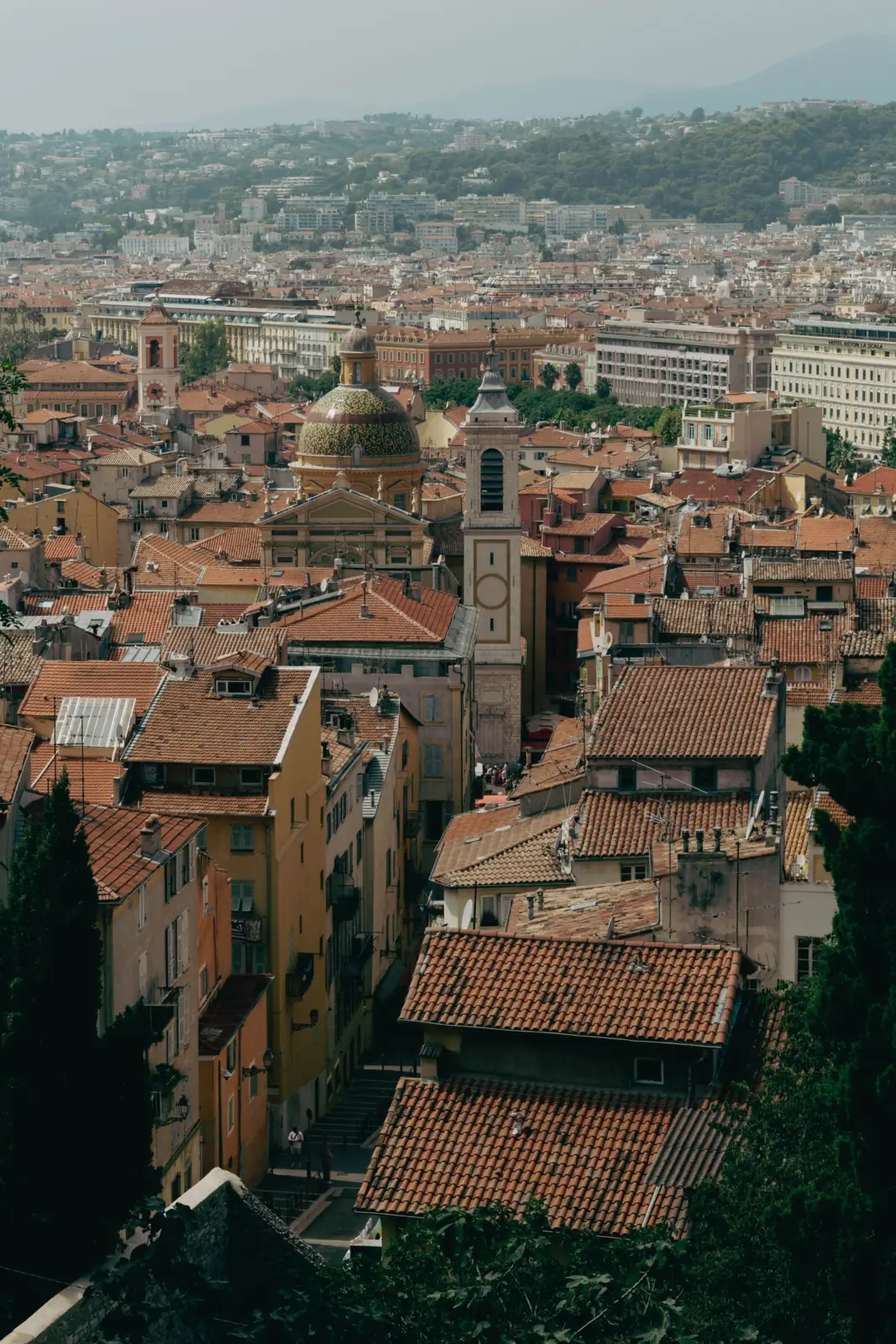
Vieux-Nice has narrow streets, ochre façades, compact squares and Baroque churches. A clear route begins at Cours Saleya, continues to Place Rossetti and Sainte-Réparate Cathedral, then exits through Place Garibaldi. The distances are short, but allow two hours to notice courtyards, doorways and local shops.
At Cours Saleya, the flower, fruit and vegetable market fills the square from Tuesday to Sunday. On Mondays, it gives way to the antiques market. Summer programmes may add evening craft stalls. The official Nice tourism itinerary helps confirm the main stops before setting out.
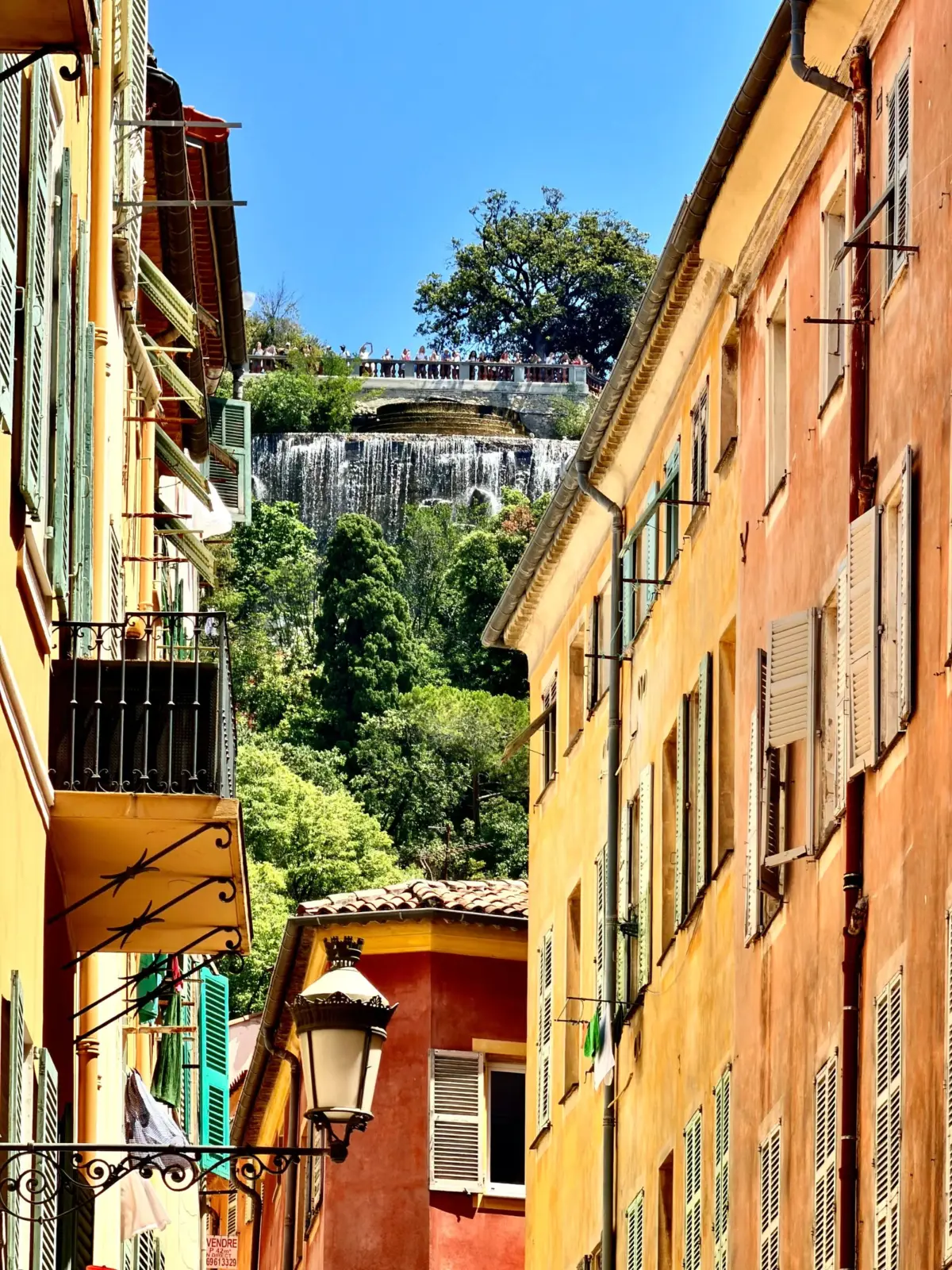
Castle Hill rises between the bay, Vieux-Nice and the port. There is no castle to tour today; the summit is a park with paths, viewpoints and an artificial waterfall. The Bellanda terrace opens one of the clearest views over the arc of the Promenade des Anglais.
Walk up from the steps near Quai des États-Unis, through the old town or from the port side. A free lift —near Rue des Ponchettes— offers another way up. If a museum is also on the day’s plan, visit the hill in the morning so the climb does not split two timed entries.
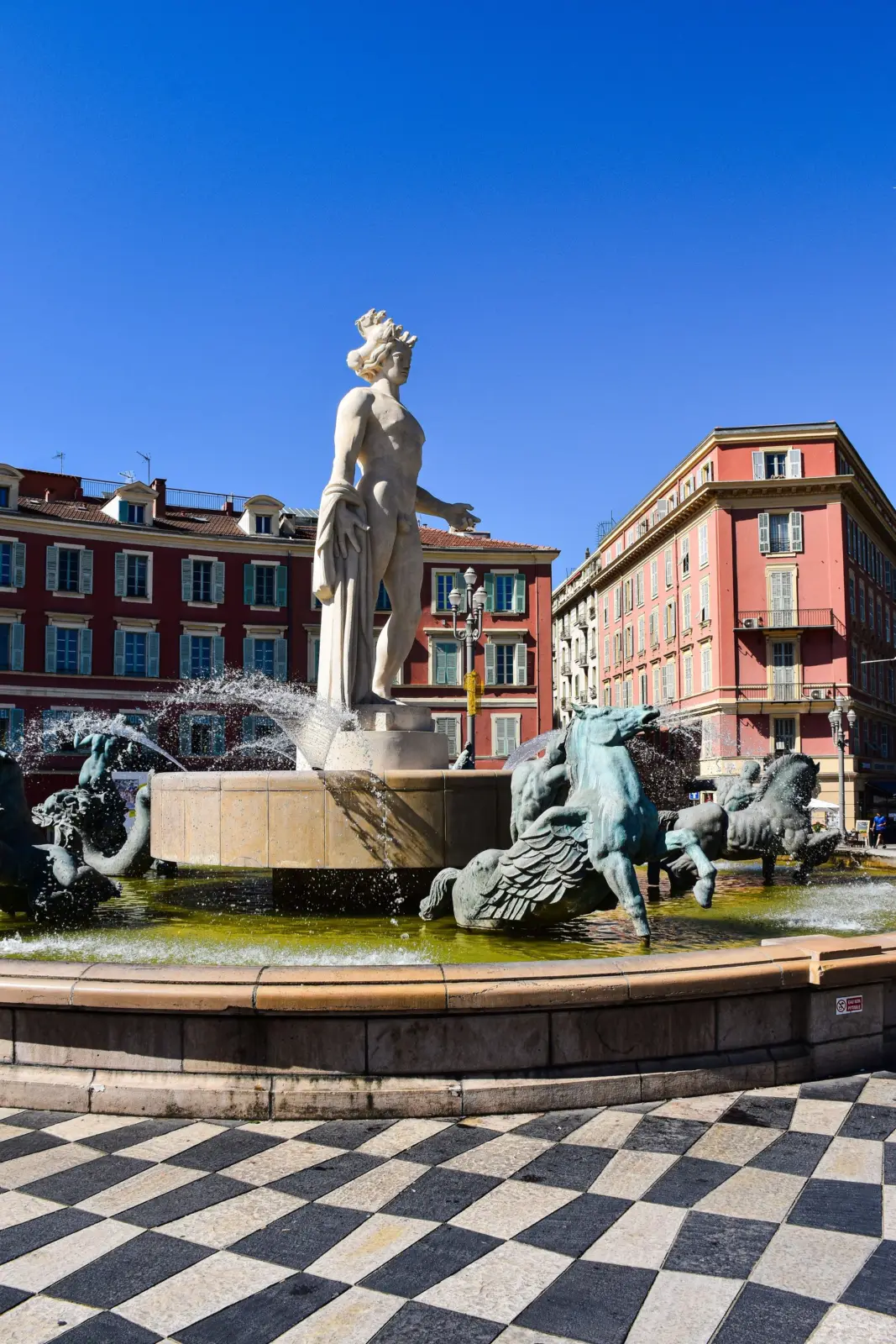
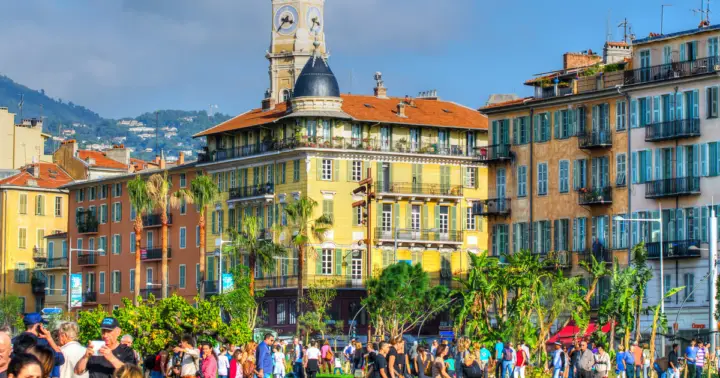
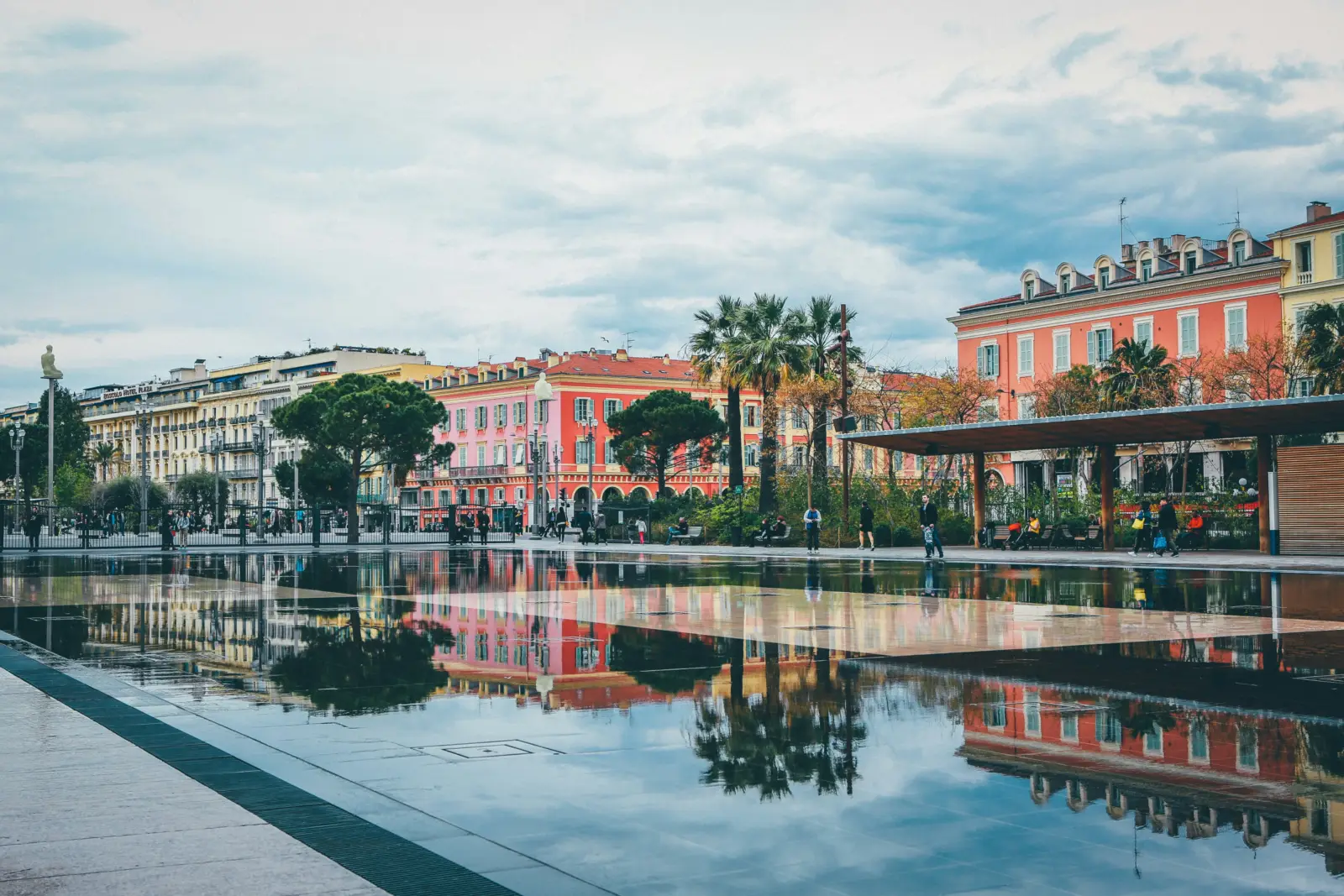
Place Masséna marks the meeting point of the shopping district, old town and seafront. Red arcaded façades frame a geometric pavement, while the figures in Jaume Plensa’s Conversation rise above the square. It is easy to orient yourself here: Avenue Jean Médecin is north, the sea south and Vieux-Nice east.
Beside it lies Promenade du Paillon. Its water mirror has 128 jets across 2,800 square metres, plus mist features and several gardens. This park creates a direct walking line from Place Masséna towards Garibaldi without retracing the old-town streets.
Rauba Capeu curves around the foot of Castle Hill and links Quai des États-Unis with the port. Its name refers to the wind strong enough to “steal hats”. The large #ILoveNice sign stands along this section, facing an open view across the Baie des Anges.
Port Lympia appears on the far side, surrounded by warm-coloured façades and leisure boats. Walking around the basin adds about 30–45 minutes. Tram line 2 returns from Port Lympia to Garibaldi and Jean Médecin, so there is no need to retrace the full route.
Cimiez presents a different side of Nice. The hill preserves remains of the Roman settlement of Cemenelum, an arena and baths, together with a Franciscan monastery and gardens. The former Regina Hotel recalls the period when European visitors spent the winter on the Riviera.
Inside the Cimiez olive grove, the Matisse Museum occupies a Genoese villa. Nearly 600 works and personal objects follow the artist’s career, including his move to Nice in 1917.
Matisse died in the city in 1954. From April to October 2026, the museum opens 10am–6pm except Tuesdays. Adult admission is €10, while visitors under 18 enter free.
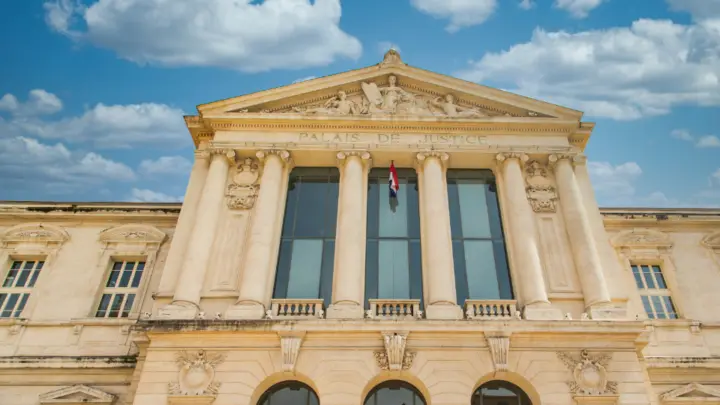
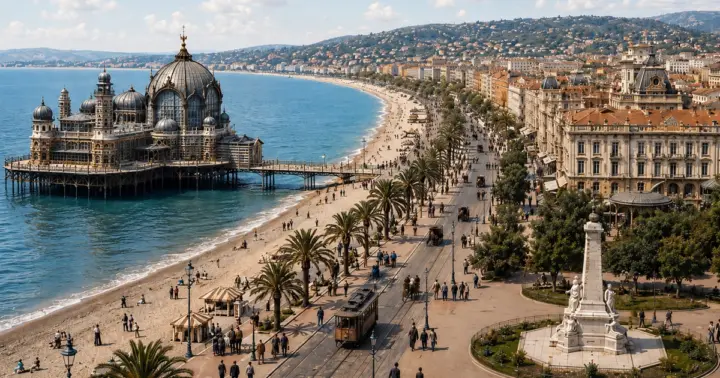
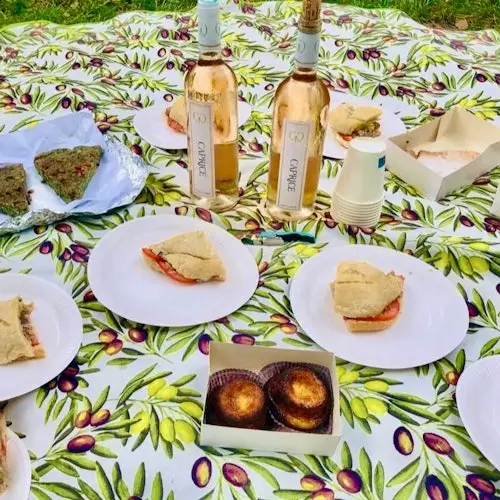
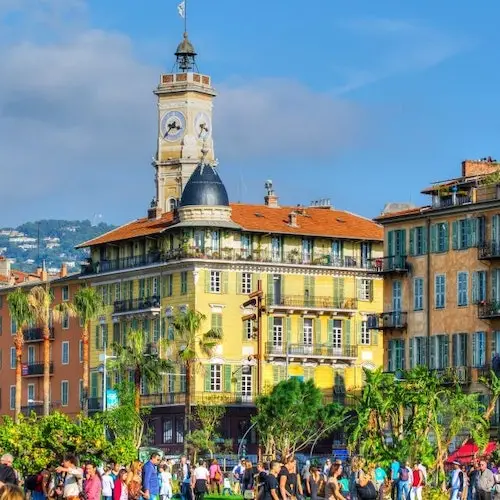
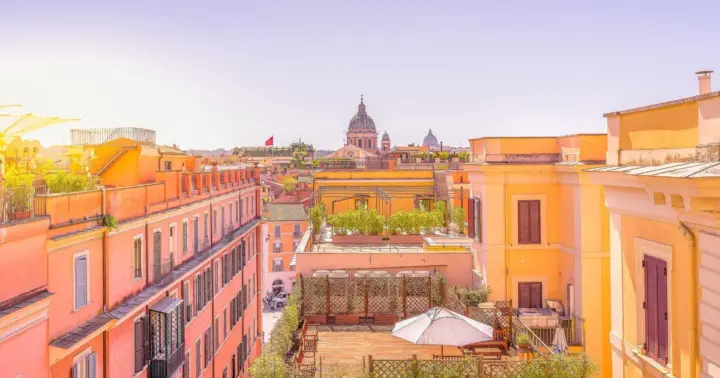
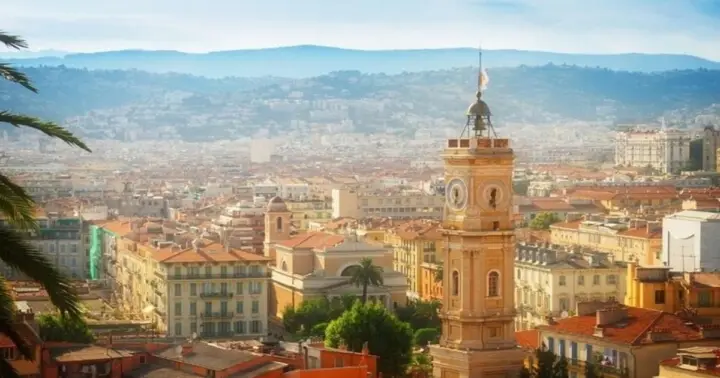
Created around the Biblical Message cycle, the Marc Chagall National Museum opened during the artist’s lifetime. Alongside paintings, it holds drawings, prints, sculpture, ceramics, stained glass, woven works and mosaics. A 60–90 minute visit fits before or after Cimiez, although the museum stands closer to the centre than the Roman site.
In August 2026 it opens from 10am to 6pm except Tuesdays, with a closure from 1pm to 2:30pm; on 15 August it stays open continuously. Admission varies according to the exhibition period. Check the Marc Chagall Museum’s official visitor information for the applicable price and any room closures.
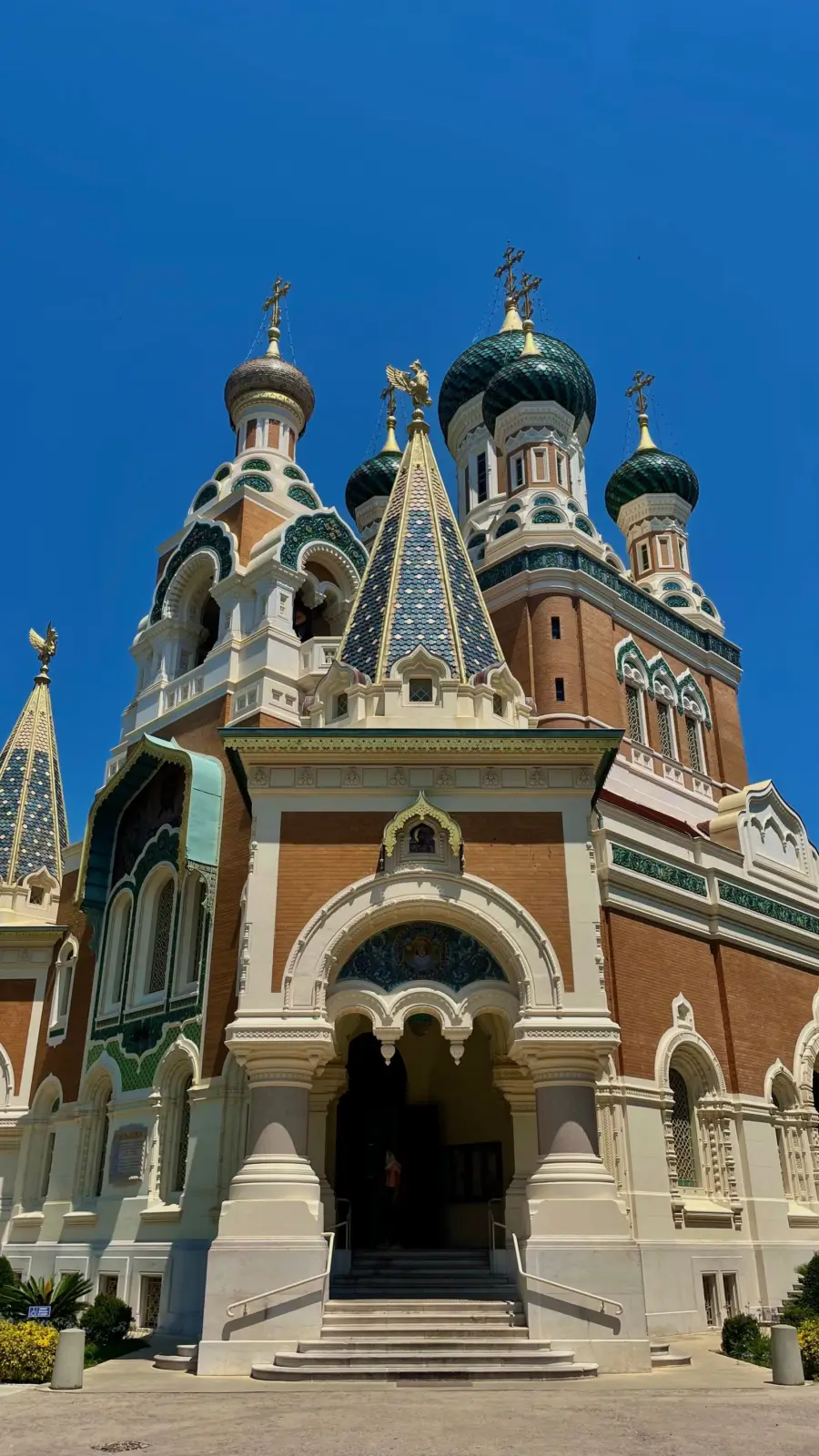
Saint Nicholas Cathedral reflects the importance of Nice’s Russian community in the 19th and early 20th centuries. Its domes, brickwork and mosaics contrast with the Italianate architecture of Vieux-Nice. It stands west of Nice-Ville station, outside the old-town circuit, and pairs naturally with a walk through the Musicians’ Quarter.
This is an active place of worship. Tourist access follows service times and the rules displayed at the entrance. Allow around 30 minutes for the exterior and interior when open, and avoid squeezing it between a train departure and another timed booking.
Nice’s urban beaches are covered in pebbles rather than sand. Public free sections alternate with private beach clubs offering loungers and restaurants along the Promenade. La Réserve, east of the port, provides another coastal setting and sits near the path towards Cap de Nice.
A 60-minute stop beside the water fits easily into a Nice seafront walk. A full beach day changes the pace of the trip and works better as a separate plan. In summer, central sections draw the largest crowds; walking a few blocks lets you compare access points before choosing one.
Regional trains follow the coast through Villefranche-sur-Mer, Èze-sur-Mer, Monaco and Menton. Villefranche combines a harbour, old town and beach within half a day. Èze station is beside the sea, while the medieval village is high above it; keep that difference in mind when planning the journey.
TER publishes an average journey time of about 20 minutes between Nice-Ville and Monaco-Monte-Carlo. Check the date before buying. Times and fares appear on the official TER route from Nice to Monaco. With only two days, stay in Nice and save the coastal trip for a third day.
Begin with the free tour through Vieux-Nice and Cours Saleya. Continue up Castle Hill, descend by Rauba Capeu and walk around Port Lympia. Finish at Place Masséna and cover the central section of the Promenade des Anglais in late afternoon.
Keep day one between the old town, Castle Hill and the sea. Spend the next morning in Cimiez and the Matisse Museum. In the afternoon, choose the Chagall Museum or Russian cathedral, then return through Jean Médecin and Promenade du Paillon.
Use day three for a coastal trip to Villefranche-sur-Mer or Monaco. To remain in the city, combine the port, Cap de Nice and several hours by the water. This keeps museums and viewpoints unhurried during the first two days.
Vieux-Nice, Place Masséna, the Promenade and the port form a walkable group. Use buses and trams for Cimiez, the Russian cathedral or longer journeys along the coast. Line 1 crosses the centre through Jean Médecin and Place Masséna; line 2 links the airport, city centre and Port Lympia.
From terminals 1 and 2, line 2 —the airport-to-port route— reaches Jean Médecin and Port Lympia in under 30 minutes. It runs about every 8 minutes on weekdays. The dedicated airport fare is €10, while Lignes d’Azur travel cards use the general fare. The official airport transport page lists the valid tickets.
Socca is a thin chickpea-flour pancake, normally served hot from the oven. Other local dishes include pissaladière, pan bagnat and petits farcis. The Cuisine Nissarde label identifies businesses following recipes and standards tied to local tradition, which is more useful than choosing a restaurant only because it is close to Cours Saleya.
Separate meal time from museum opening hours when planning the day. Cours Saleya and Vieux-Nice concentrate many options in a small area, while the port suits dinner after the Rauba Capeu walk. Allow at least an hour for a relaxed meal.
Two days cover the old town, Promenade, Castle Hill, port and one group of museums. Three days leave room for a coastal trip or more time by the sea without cutting the cultural visits short.
Central Nice and the seafront are easy to cover on foot. Cimiez, the airport and outer districts require transport. Trams avoid long return walks between the port, Place Masséna and Jean Médecin.
Free places include the Promenade des Anglais, Vieux-Nice, Cours Saleya, Place Masséna, Promenade du Paillon, the port and Castle Hill viewpoints. Museums and some religious buildings apply their own access conditions.
“Nice, Winter Resort Town of the Riviera,” UNESCO said when it inscribed the city in 2021. The listing recognises how British, Italian, French, Russian and other influences shaped its town planning and architecture from the 18th to the 20th centuries. The official UNESCO entry for Nice explains the protected area.
Yes. Booking confirms the place, language, time and meeting point. GuruWalk requires no credit card; after the walk, each participant values the experience and gives the usual €10–20 reference directly to the guru.
Group visits by area: Vieux-Nice and Castle Hill, coast and port, then Cimiez and the museums. We use this order to cut travel time and leave room to walk. GuruWalk is the platform for finding and booking free tours with local guides and activities in cities around the world. Browse the free tours in Nice and complete the plan with activities and experiences in Nice.
Travel marketing specialist with extensive experience in the travel sector. At companies such as Despegar and GuruWalk, she has led traveler-focused digital acquisition strategies. Now, from the GuruWalk blog, she combines her expertise with her passion for discovering and sharing unique destinations.
Local guides, pay-what-you-want and no credit card to book. That is how you understand a city.
Explore free tours on guruwalk.com