




Liverpool routes connect Pier Head, Royal Albert Dock, the Cavern Quarter, museums and two cathedrals across one, two or three days.
 Belén Rivas
GuruWalk
·
Updated 3 Sep 2026
Belén Rivas
GuruWalk
·
Updated 3 Sep 2026Liverpool brings together maritime heritage, music, museums and two very different cathedrals. The waterfront, Cavern Quarter and Hope Street fit into a well-planned first visit, while Beatles locations outside the centre need extra time. Starting with one of the free tours in Liverpool helps connect the districts before you enter museums or ticketed attractions. No credit card is needed to book.
Last verified: August 2026 — Prices, opening hours, and reservation requirements checked against official sources. GuruWalk’s Liverpool guides reviewed the practical recommendations.
An early walking tour explains why the port, migration, trade and music are connected across the city centre. Gurus typically link Pier Head, Castle Street, Mathew Street, St George’s Quarter and other historic stops through one clear narrative. That context makes it easier to decide which places deserve a longer visit later.
There is no fixed ticket price for the walk. Each guest rewards the guru at the end according to the experience. A usual reference is €10–20 per person, rising to €50 for a small group or exceptional work. Book the first morning, then use the afternoon for the waterfront or museums.
Welcome to Liverpool! You will learn about the ancient history of Liverpool and the passage through …

Welcome to an exciting walking tour through the historic streets of Liverpool, where the legend of The Beatles comes to…
I am passionate about showcasing the hidden gems and vibrant culture of our city. My mission is to provide you…

Bonjour! Partons à la découverte de Liverpool ! La ville des Beatles et du football… et bien plus encore !…

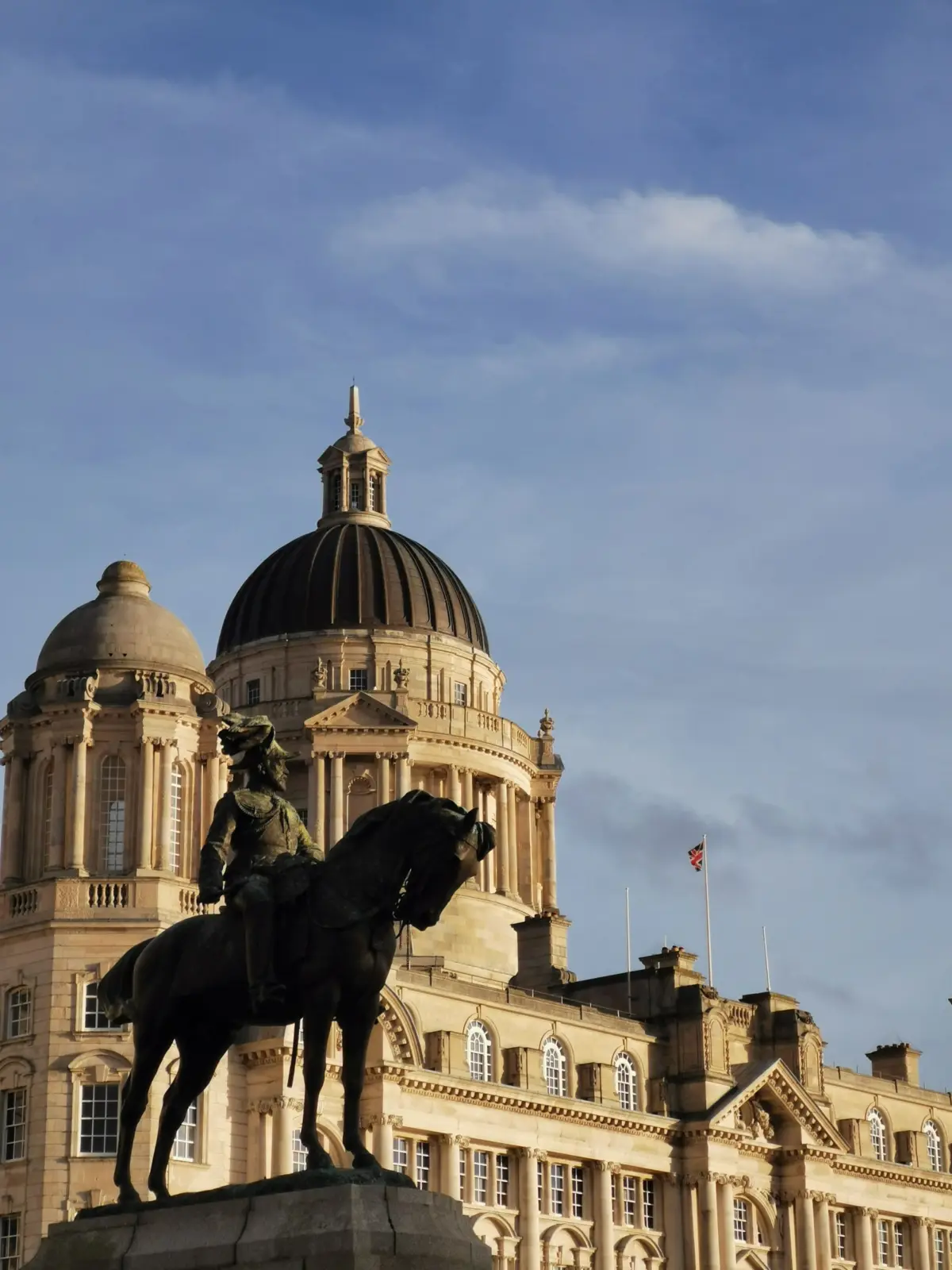
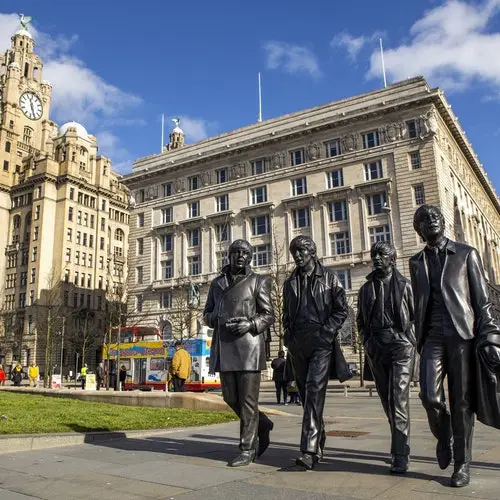
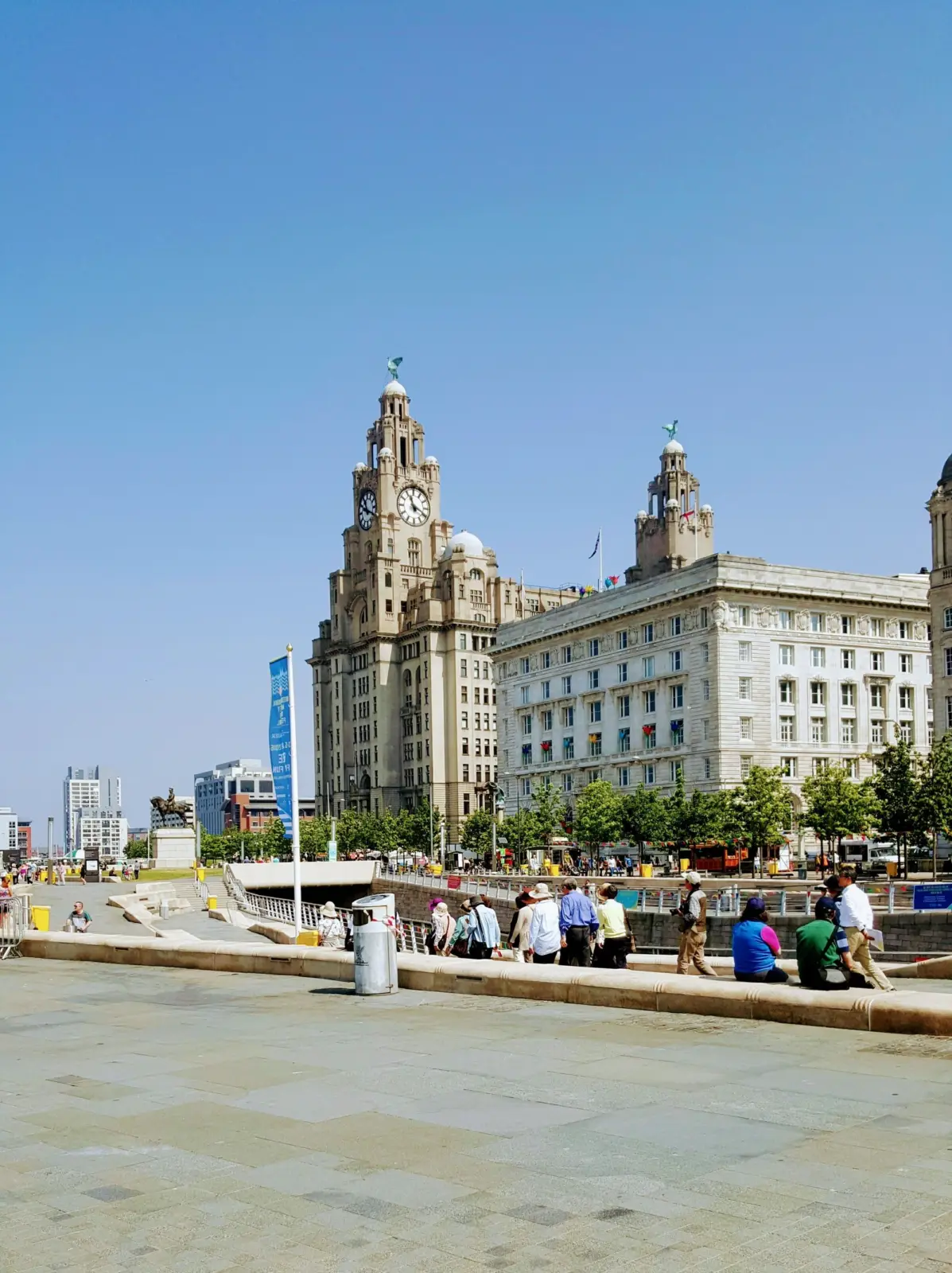
At Pier Head, Liverpool meets the Mersey. The Royal Liver Building, Cunard Building and Port of Liverpool Building stand together as the Three Graces. The broad riverside space also holds the Beatles statue and the ferry terminal. Start here to understand the skyline before moving into the compact streets behind it.
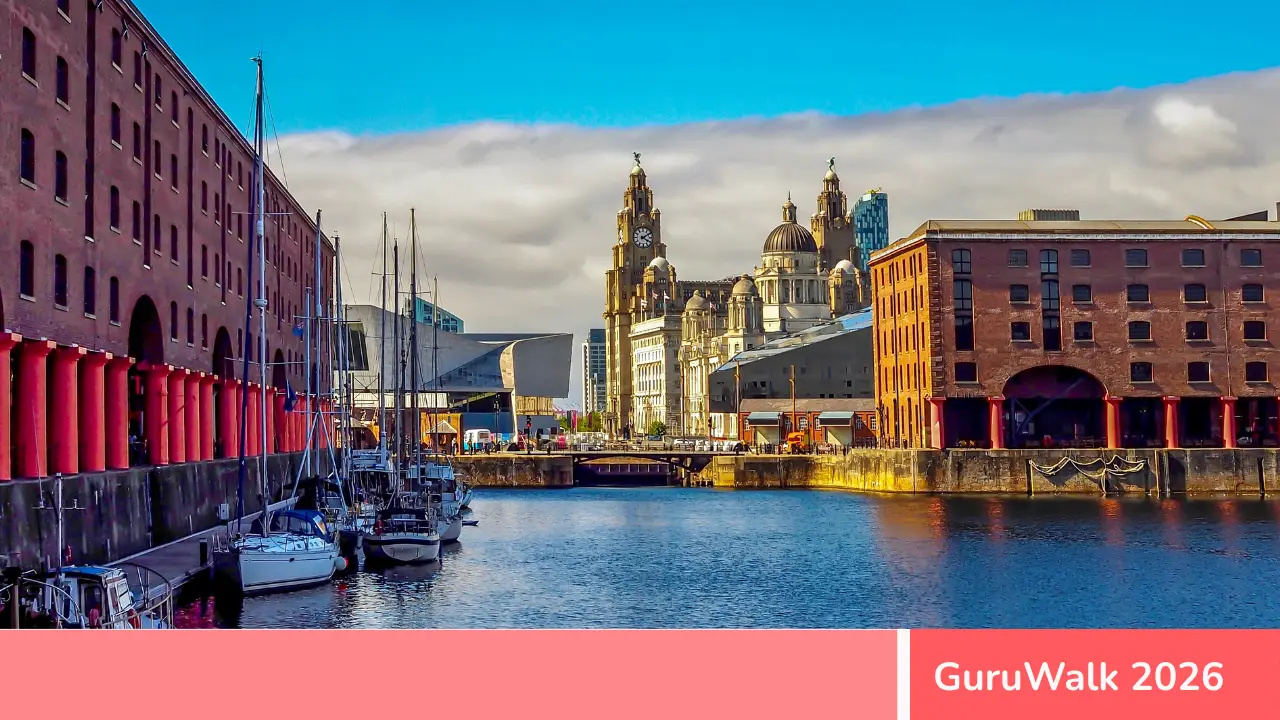
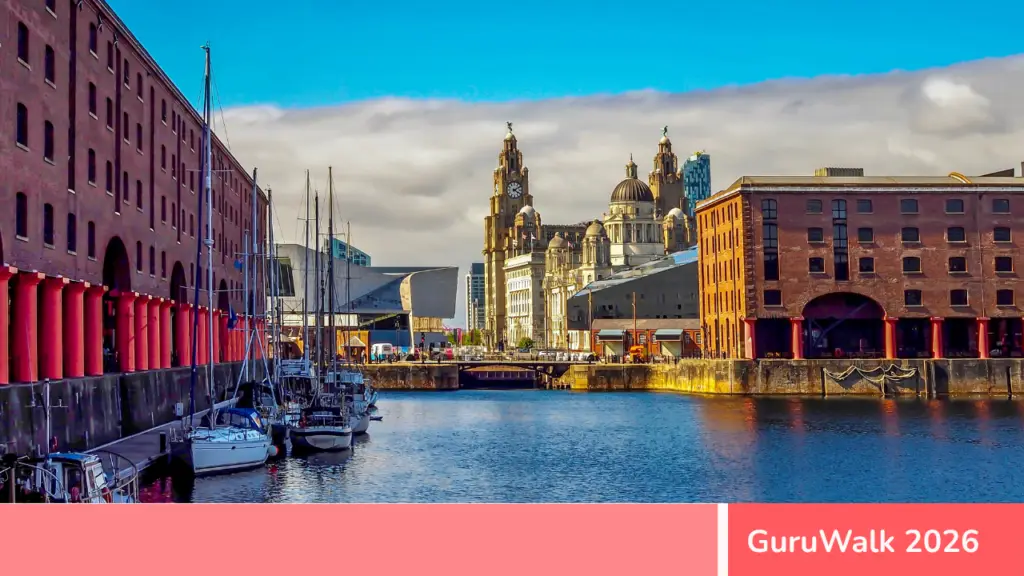
Royal Albert Dock’s brick and iron warehouses opened in 1846. Their design cut ship unloading and turnaround times in half, according to the official Royal Albert Dock history. The complex now combines a pedestrian route, cultural venues and visitor attractions. A full circuit of the water reveals its columns, former warehouses and working details without an admission charge.
This museum explains Liverpool through its overhead railway, port life, football, popular culture and the communities that shaped the city. General admission is free and normal opening hours are 10am–5pm. The official Museum of Liverpool website lists temporary closures, exhibitions and accessibility details. Allowing 60 to 90 minutes is enough for the main galleries without losing the rest of the day indoors.
Mathew Street concentrates a visible part of Liverpool’s musical legacy. The Cavern Club, statues and Beatles-themed venues draw visitors throughout the day. The street itself is short, so it works best as one stop within a wider centre route. Early morning gives you a clearer view of the façades; later, the district revolves around live music and nightlife.
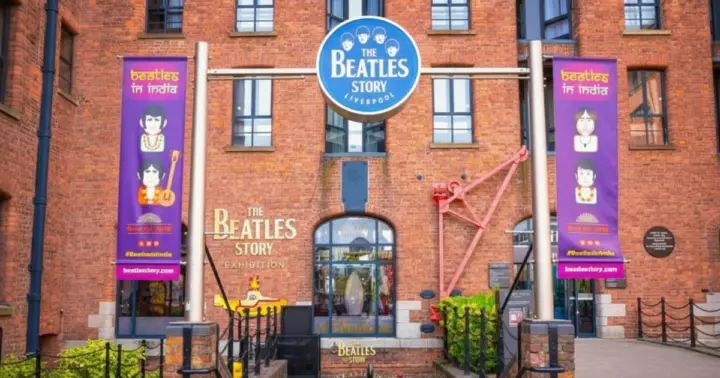
At Royal Albert Dock, The Beatles Story follows the band’s career through recreations, objects and an included audio guide. Until 1 September 2026, the adult summer price is £17.50; the listed standard price afterwards is £20. During August it opens from 9am to 6.30pm, with last admission at 5pm. Its official ticket page provides timed booking.
St George’s Hall faces Lime Street Station across a broad square of civic buildings. Its neoclassical exterior, columns and steps merit a stop even when an interior tour is unavailable. Central Library, World Museum and Walker Art Gallery stand close by. This area works well late in the morning, when the museums are open and the square leads naturally into the main shopping streets.
Walker Art Gallery presents paintings, sculpture and decorative arts without a general admission fee. Next door, Central Library contains the circular Picton Reading Room and a rooftop terrace overlooking St George’s Quarter. Together they make a useful indoor stop on a wet day. Before entering, view the façades along William Brown Street as one architectural group.
Rising above St James’ Mount, the Anglican cathedral marks one end of Hope Street. Entry to the main building is normally free and requires no reservation; its regular August 2026 hours are 10am–6pm. Tower access is ticketed and has an earlier final entry. The Liverpool Cathedral opening-hours page also records changes caused by services, concerts and bell ringing.
Hope Street links Liverpool’s two cathedrals through the university district. The Metropolitan Cathedral changes the architectural language completely, with a circular plan, coloured glass and an interior arranged around the altar. It opens daily from 7.30am to 6pm; the crypt opens Monday to Saturday, 10am–4pm. The official Metropolitan Cathedral visitor page lists access information and closures.
Nelson Street begins with a monumental ceremonial arch. It marks the entrance to one of Europe’s oldest Chinese communities and creates a clear stop between Liverpool Cathedral and the Baltic Triangle. Beyond the photograph, nearby streets reflect the maritime communities that arrived through the port and broadened Liverpool’s identity.
Former warehouses, studios, music venues and food courtyards define this area south of the centre. There is no single monument to enter. Walk around Jamaica Street and neighbouring roads, see the murals and choose a venue based on that day’s programme. It fits naturally after the cathedral route and does not need a separate journey.
From the water, the River Explorer Cruise gives a broad view of Liverpool and the Wirral shore. The trip lasts 50 minutes; the 2026 adult fare is £14. Boats depart from Pier Head and run daily in season. The official Mersey Ferries price page distinguishes the sightseeing cruise from the ordinary cross-river commuter service.
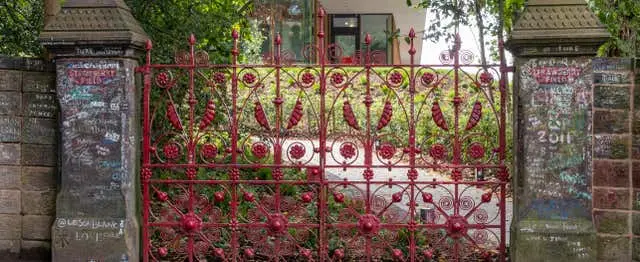
Mendips and 20 Forthlin Road can only be entered on the combined National Trust tour. Only 15 people can join. August is peak season, so advance booking is essential. The listed 2026 adult price is £37 for non-members and £13 for members to cover the minibus. The official Beatles Childhood Homes page shows availability and departure points.
Sefton Park spreads across 95 hectares of paths, water and open grass south of the centre. Palm House, a restored Victorian glasshouse, provides its clearest landmark. The park offers a change from the maritime core but needs a dedicated part of the day. Combine it with nearby Lark Lane for food before returning to central Liverpool.
Anfield sits outside the central walking circuit. Anyone planning a stadium visit should separate it from Royal Albert Dock and Hope Street to avoid crossing the city repeatedly. Match days affect local movement and the availability of internal tours. If football is not a priority, spend the extra time in the museums or beside the Mersey.
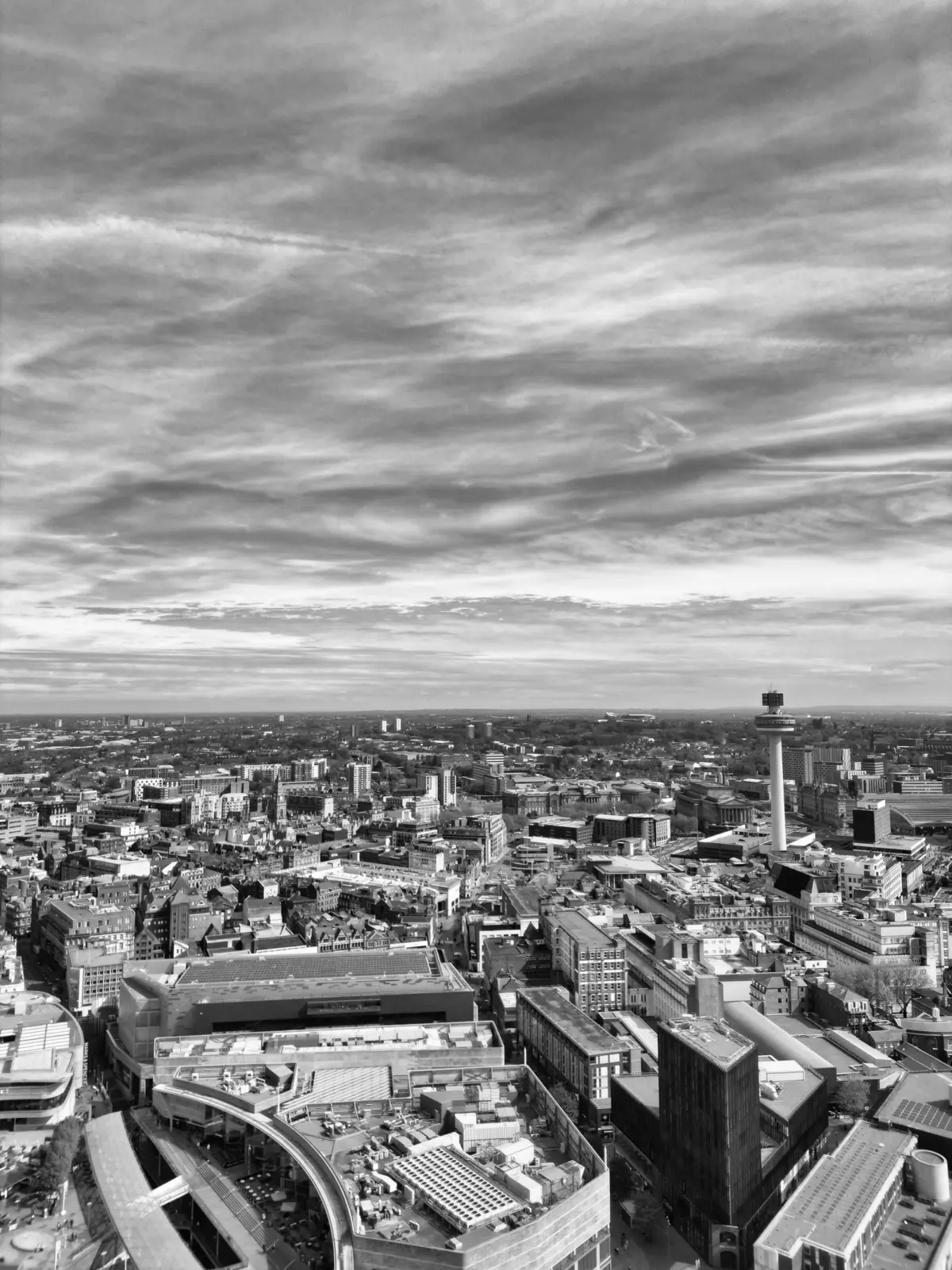
Begin with the free tour, then continue through Pier Head, the Museum of Liverpool and Royal Albert Dock. After lunch, stop at Mathew Street and walk up to St George’s Hall. Finish by following Hope Street between the two cathedrals. This route covers port history, music and architecture without adding long transfers.
Keep the first-day plan above. On day two, visit The Beatles Story in the morning and take the Mersey ferry afterwards, or book the childhood homes if space is available. End in the Baltic Triangle or Chinatown. Do not force the childhood homes, Anfield and Sefton Park into one day because they lie in different directions.
With a third day, there is room to leave the centre. Use it for Sefton Park and the Beatles homes, or choose Anfield if football is central to the trip. Crossing the Mersey to explore the Wirral waterfront is another option. Keeping the first two days compact leaves the final day for longer journeys.
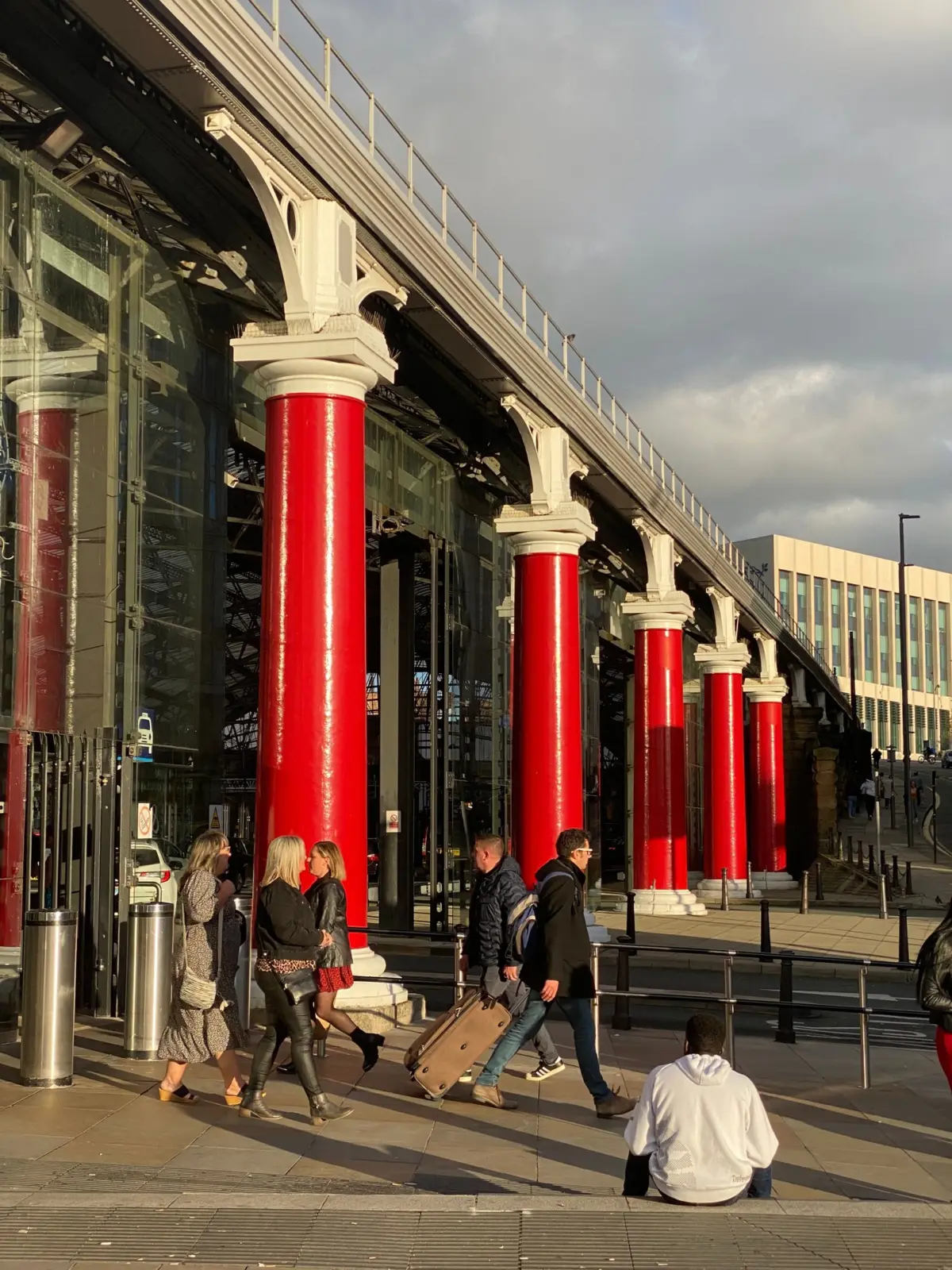
Central Liverpool rewards walking, while Merseyrail and local buses help with Anfield, Sefton Park, South Parkway and the airport. An all-areas one-day Saveaway costs £6.80, works outside weekday peak hours and covers buses, trains and direct ferry crossings. Its official guide explains zones and conditions. From the airport, bus 500 takes about 40 minutes to Liverpool ONE.
For a two-day visit, book only attractions with limited capacity or timed entry: The Beatles Story, the childhood homes and any stadium tour. Free museums, cathedrals and outdoor walks can fill the remaining gaps. This balance keeps the schedule flexible without risking the places most likely to sell out.
Two days cover the waterfront, central sights, cathedrals and one music attraction. A third day lets you add the Beatles childhood homes, Anfield or Sefton Park without cutting museum time.
Several central landmarks have no admission charge: Pier Head, Royal Albert Dock, Mathew Street, Chinatown and the parks. The Museum of Liverpool, Walker Art Gallery and general entry to Liverpool Cathedral are also free, although donations or special-area tickets may apply.
Yes. Most central sights form a continuous route between Pier Head, St George’s Quarter and Hope Street. The Beatles homes, Sefton Park and Anfield require public transport or a separate transfer.
Online timed booking is recommended for The Beatles Story. The childhood homes require a reserved guided tour and have very limited places, especially during July and August.
For a first visit, Pier Head is the most practical orientation point because it brings together the skyline, river, Museum of Liverpool and access to Royal Albert Dock. An early free tour adds the context needed to choose which admission tickets to buy afterwards.
Book one of the free tours in Liverpool to connect the port, music and historic centre with a local guru. No credit card is needed. You can then add the activities and experiences in Liverpool that fit your stay, together with official tickets for the places you choose.
Travel marketing specialist with extensive experience in the travel sector. At companies such as Despegar and GuruWalk, she has led traveler-focused digital acquisition strategies. Now, from the GuruWalk blog, she combines her expertise with her passion for discovering and sharing unique destinations.
Local guides, pay-what-you-want and no credit card to book. That is how you understand a city.
Explore free tours on guruwalk.com