

Glasgow routes connect the cathedral and Necropolis with Merchant City, Kelvingrove, the West End, Riverside Museum and the Burrell Collection.
 Belén Rivas
GuruWalk
·
Updated 3 Sep 2026
Belén Rivas
GuruWalk
·
Updated 3 Sep 2026Glasgow makes more sense when you explore it by district: the city centre brings together Victorian architecture and street art, the West End contains the university and several museums, and the River Clyde explains the city’s industrial growth. We suggest starting with a free tour in Glasgow to put those layers in order. No credit card is needed to book, and you choose the tip after the walk.
Last verified: August 2026 — Prices, opening hours, and reservation requirements checked against official sources. GuruWalk’s Glasgow guides reviewed the practical recommendations.
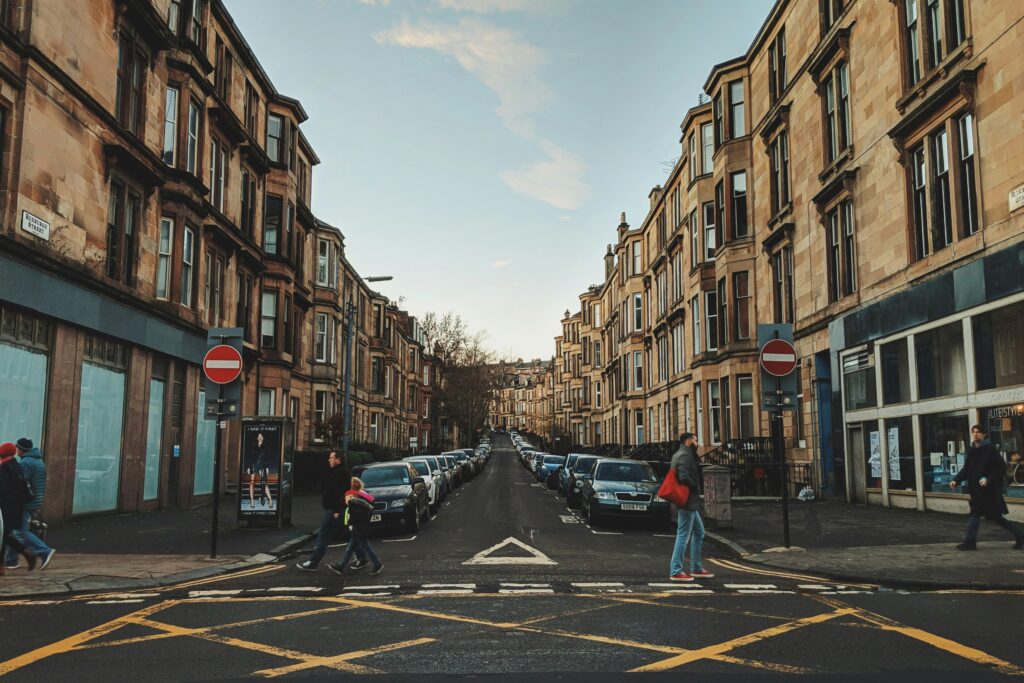
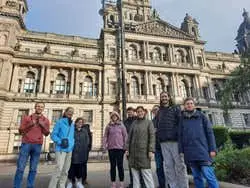
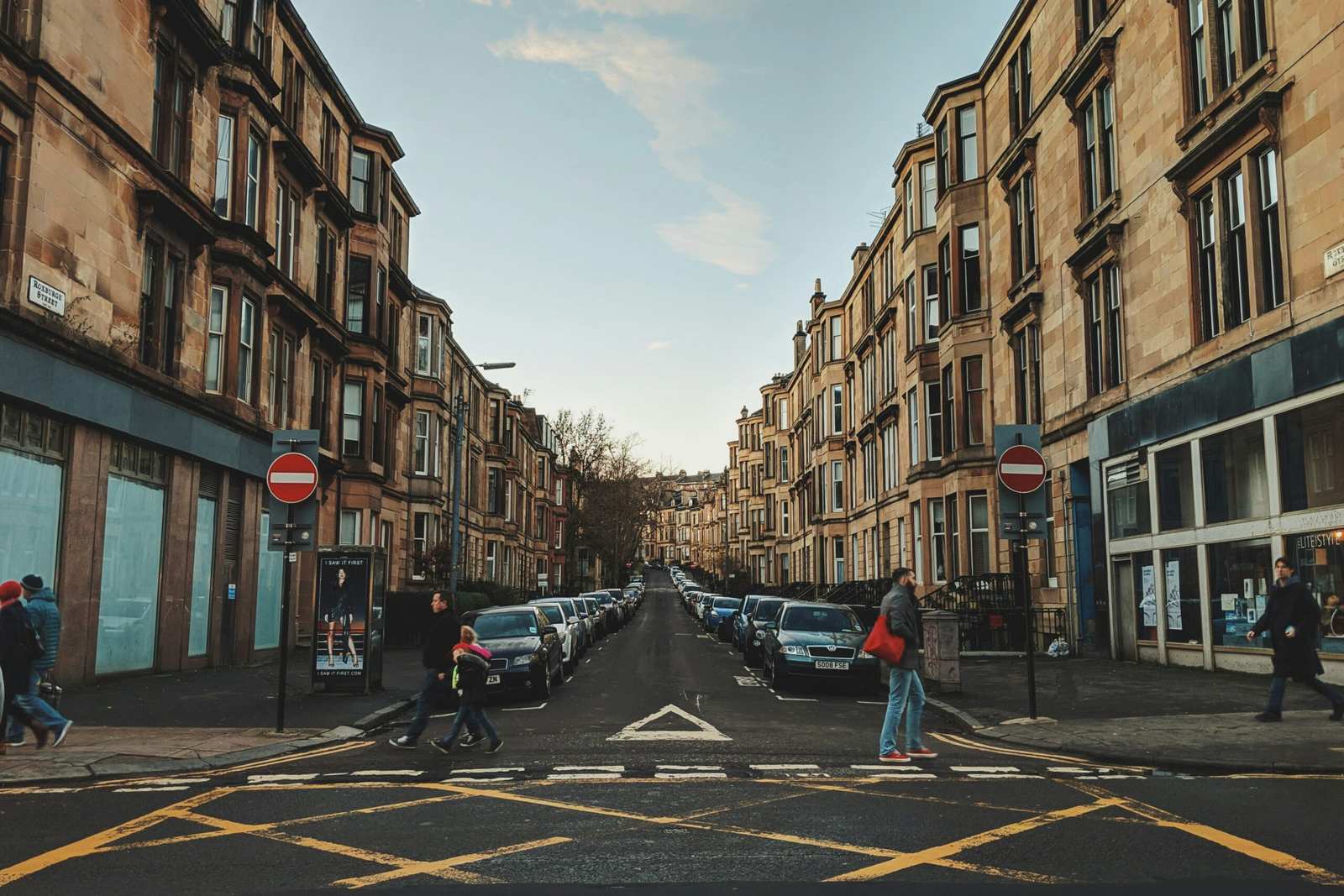
A city-centre walk places George Square, Merchant City, Glasgow Cathedral and the symbols associated with St Mungo on one mental map. It also explains why sandstone façades, former trading buildings and large murals sit only a few streets apart. That context helps before you choose museums or travel west.
GuruWalk’s gurus run routes focused on history, culture and music. Check the language, meeting point and duration on the listing before booking. A free tour has no fixed ticket price: the usual tip is €10–20 per person and may reach €50 for small groups or exceptional gurus.
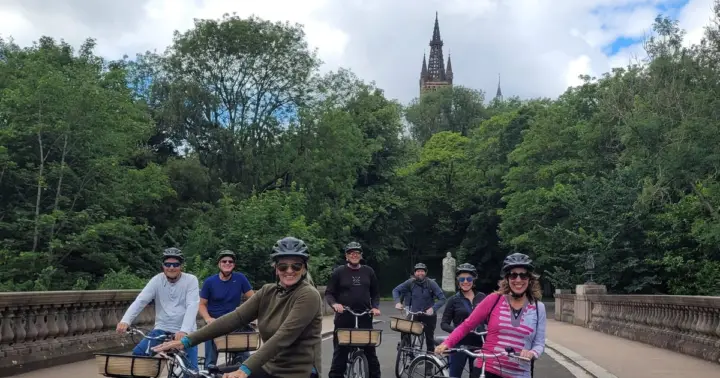
A great tour of Glasgow with one of Scotland's leading tour guides. This is a tour of Glasgow city center…

Join me on a tour through the streets, alleyways, parks, and courtyards of Scotland’s biggest city. Explor…

Glasgow is currently one of the most visited cities in the UK , and not so long ago it was

Medieval Glasgow begins at the cathedral. Most of the present building dates from the 12th to the 15th centuries, while the Lower Church contains the tomb of St Mungo, the city’s patron saint. Entry is free, with donations welcome. From 1 April to 30 September it opens Monday–Saturday from 9:30am to 5pm and Sunday from 1pm to 5pm; last entry is 45 minutes before closing.
Use the official Glasgow Cathedral visitor information to select a free time slot, because this remains a working church. After your visit, cross the road towards the Necropolis. Its sloping paths offer views back towards the cathedral and lead between elaborate memorials without leaving the High Street area.
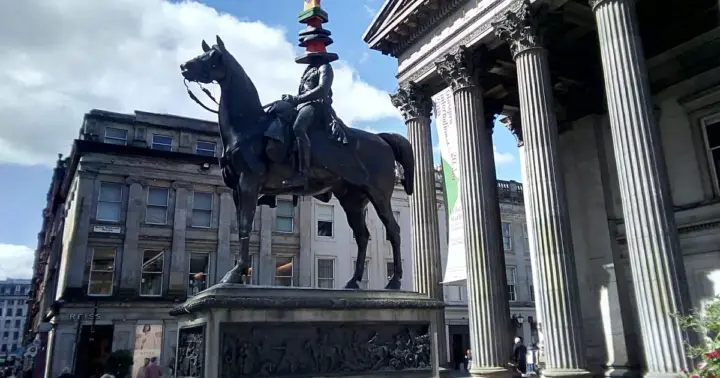
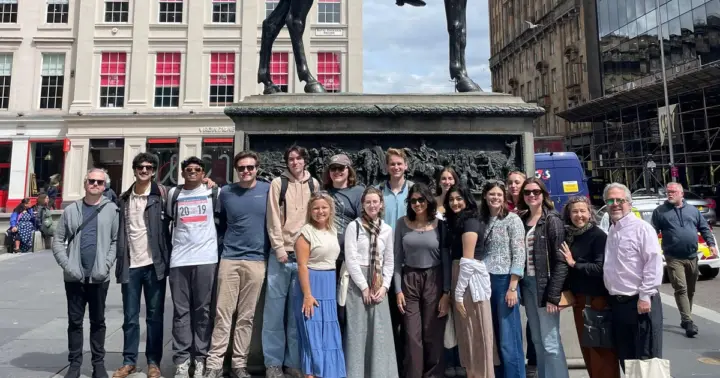
A useful city-centre line runs from Buchanan Street through Royal Exchange Square to Merchant City. Glasgow’s grid makes changes of direction easy, while its 19th-century buildings reflect the city’s trading wealth. Royal Exchange Square contains the Gallery of Modern Art and the equestrian Duke of Wellington statue, usually recognised by the traffic cone on its head.
For street art, the official tourism office maps a self-guided route that includes St Mungo on High Street and Honey, I Shrunk the Kids on Mitchell Street. It fits naturally between the cathedral and the main shopping streets. “Glasgow, the UK’s friendliest city,” the tourism site notes; its official Glasgow city-centre guide also says George Square is under renovation until 2027, so plan around neighbouring streets.
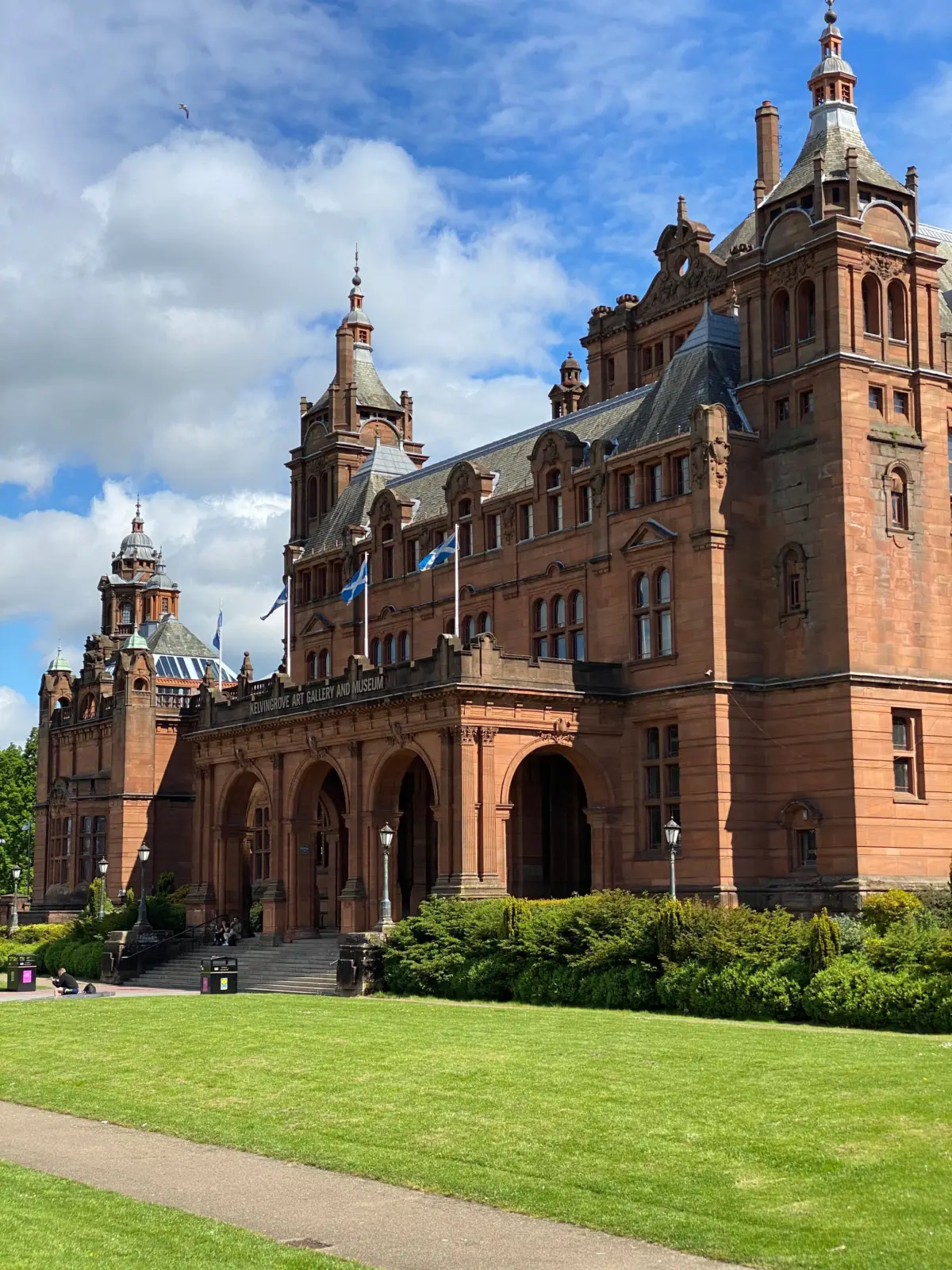
Kelvingrove is the strongest single museum choice for a short visit. It opened in 1901 and its 22 galleries range from art and natural history to Ancient Egypt and Charles Rennie Mackintosh design. Admission to the permanent collection is free. The building stands on Argyle Street beside Kelvingrove Park, making it a practical start for a West End day.
Allow 90 minutes to two hours for a selective visit. The museum usually opens from 10am to 5pm, with 11am opening on Fridays and Sundays. Check temporary exhibitions and the ongoing conservation work on the official Kelvingrove page. Afterwards, walk through the park towards the University of Glasgow.
About 3km west of the city centre, Gilmorehill’s courts and arcades show a side of Glasgow linked to education and scientific research. Inside the main Gilbert Scott building, the Hunterian Museum traces its origins to 1807. It is Scotland’s oldest public museum.
Entry to the Hunterian is free, Tuesday–Sunday from 10am to 5pm. Displays cover the Antonine Wall, fossils, medicine in western Scotland and Lord Kelvin’s scientific instruments. For directions from Hillhead and Kelvinbridge Subway stations, use the University of Glasgow’s Hunterian visitor page.
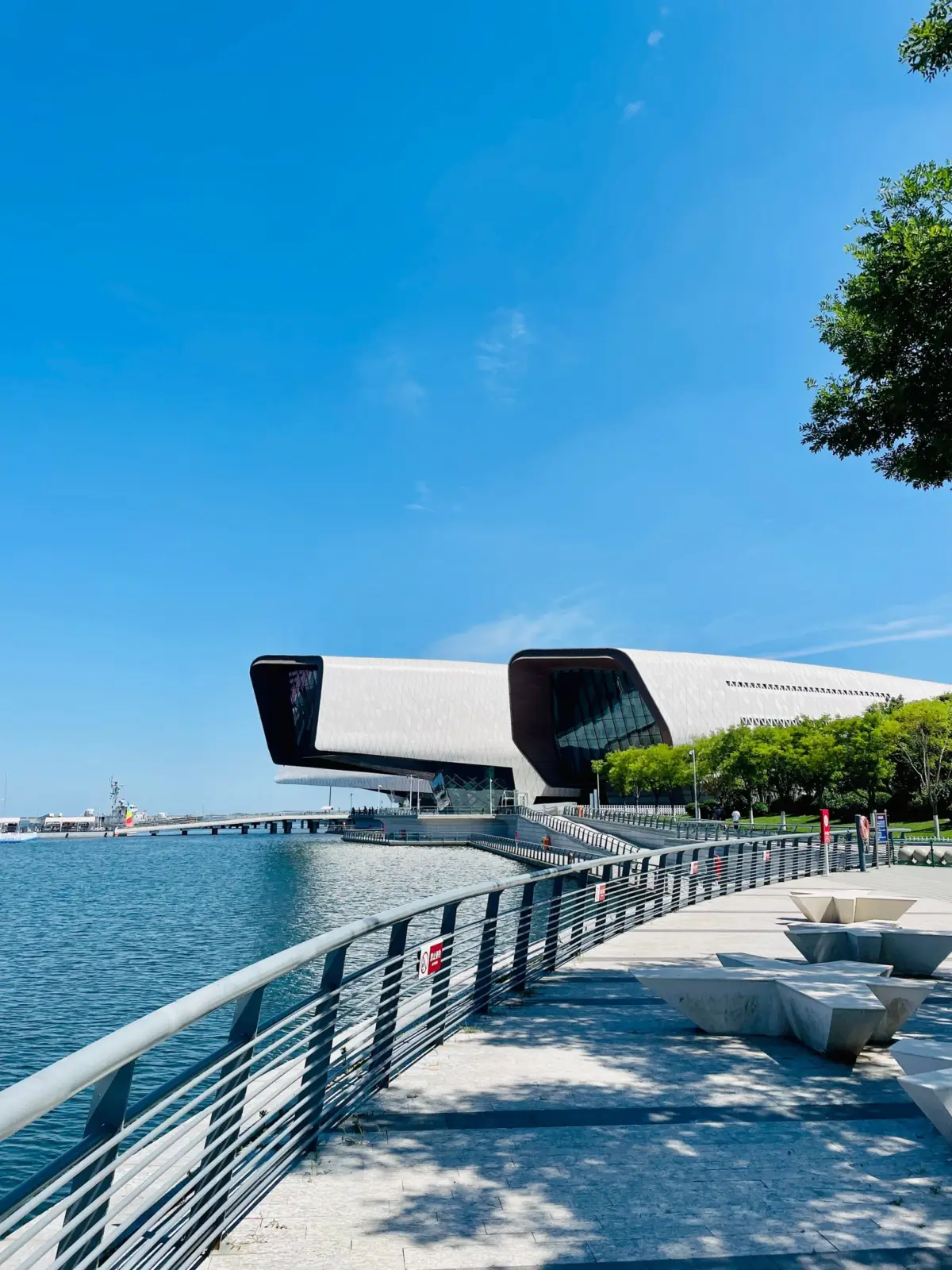
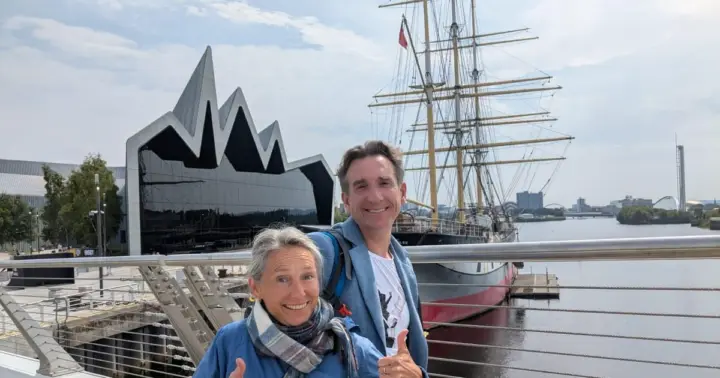
Riverside Museum stands where the Kelvin meets the Clyde. Its transport, engineering and shipbuilding collections —vehicles, machinery and a reconstructed street— explain industries that reshaped Glasgow. Admission is free. No ticket is required, so visitors can arrive during normal opening hours.
Opening hours are 10am–5pm Monday–Thursday and Saturday, then 11am–5pm on Friday and Sunday. From Kelvingrove, walk along Argyle Street before continuing towards the river; this stretch places former industrial land beside cultural venues and newer buildings.
Travellers with two or three days can justify the journey south to the Burrell Collection. It reopened in Pollok Country Park in March 2022 after a major refurbishment. Chinese dynastic ceramics, medieval stained glass and Impressionist paintings share the galleries —a deliberately broad collection— with more than 90 digital displays.
Admission is free. Standard hours are 10am–5pm Monday–Thursday and Saturday, and 11am–5pm on Friday and Sunday. Pair the museum with a walk through the park and keep half a day available. The journey from central Glasgow and the scale of the collection make this a poor choice for a rushed one-hour gap.
Charles Rennie Mackintosh provides another thread between central Glasgow and the West End. Kelvingrove displays examples of his design, while the university campus contains the Mackintosh House, a reconstruction of the interiors from the home he shared with Margaret Macdonald. The house charges admission and belongs to the Hunterian group, so check availability when planning that part of the day.
In the city centre, Mackintosh at the Willow occupies the Sauchiehall Street tearooms designed in 1903. Even if you do not enter every interior, look for the vertical lines, stained glass and furniture details. This short architecture route adds a creative chapter that would be missed by limiting the trip to medieval buildings and transport museums.
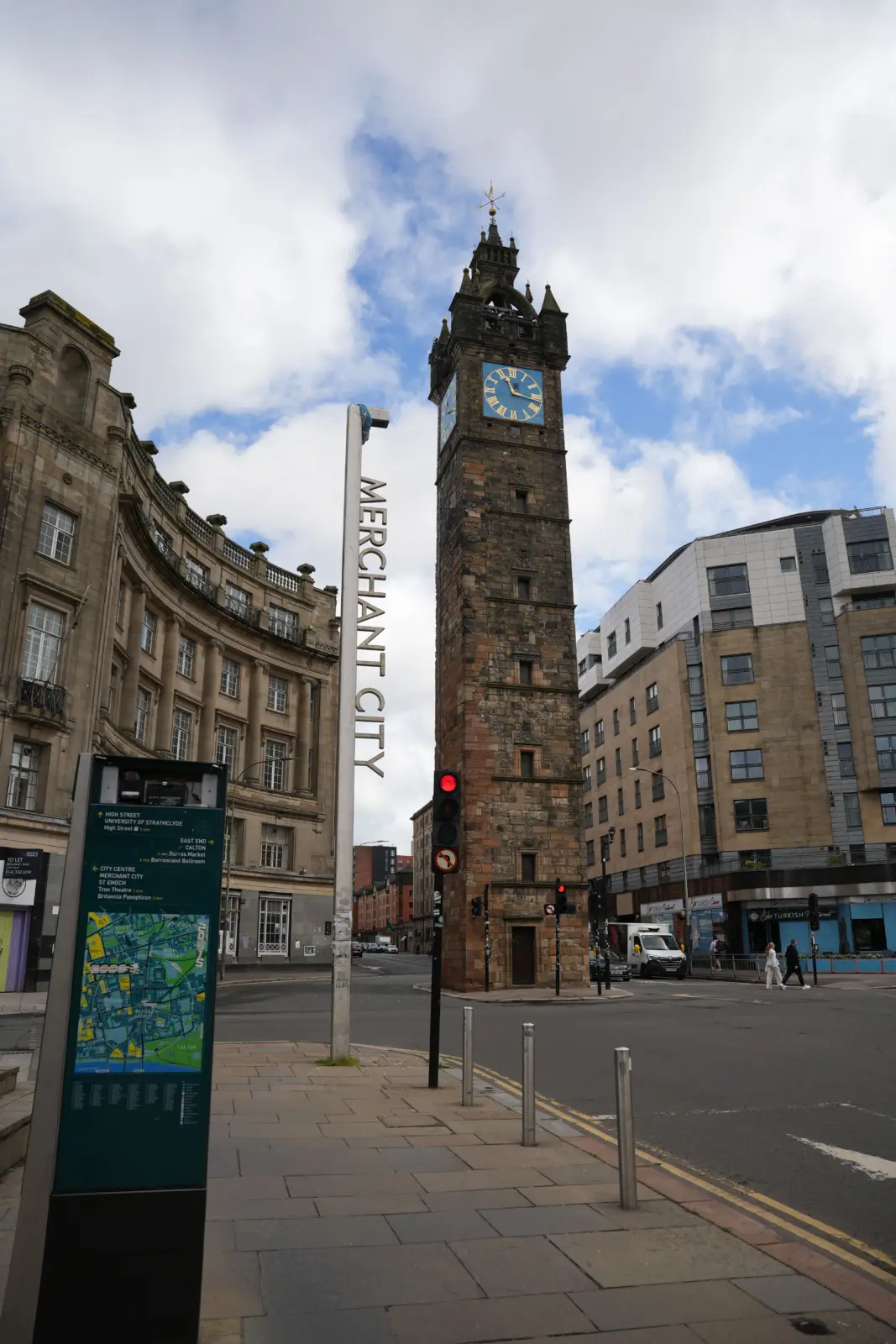
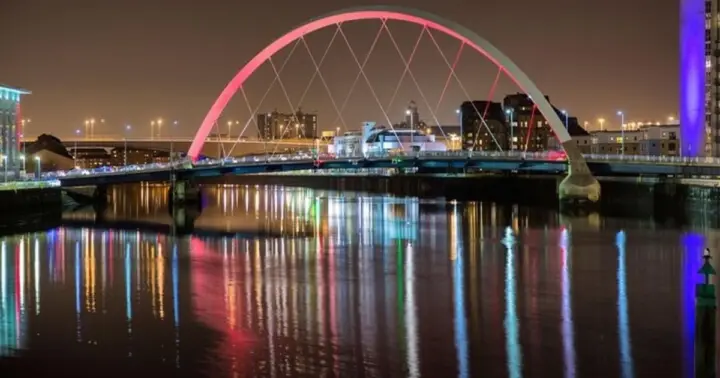
Glasgow Green provides an open riverside section close to Merchant City. We link the cathedral, High Street, the park and Trongate in that order; it avoids backtracking. On a wet day, GoMA and city-centre cafés make it easy to rearrange the route without crossing Glasgow.
Live music is another part of the city’s identity. Check each venue’s own calendar and location before choosing a show, because concert spaces are spread between the centre, Finnieston and other districts. For a pre-booked addition to the itinerary, browse activities and experiences in Glasgow available on your dates.
With one day, take a morning free tour, then visit the cathedral and Necropolis, the St Mungo mural, Merchant City and Royal Exchange Square. Finish near Buchanan Street or the Clyde.
With two days, add Kelvingrove, the University of Glasgow campus and the Hunterian. Start early; Riverside Museum can close the second afternoon without forcing a rushed visit.
A third day gives enough room for the Burrell Collection and Pollok Country Park. Keep the remaining hours for Glasgow Green, a concert or a booked activity.
Do not combine the Burrell, the cathedral and the West End in one day. They sit in different parts of Glasgow. Grouping sights by district cuts travel time and leaves enough room for the museums, which are central to the experience.
Rain does not need to erase a full day when the indoor stops are grouped properly. Pair Kelvingrove with the Hunterian. Use the park as the flexible section between them; beside the Clyde, Riverside Museum fills much of a morning, leaving the outdoor river walk for a clearer spell.
Central Glasgow offers another compact fallback —GoMA, Merchant City and covered shopping passages— between mural stops. Keep a light waterproof layer handy. We would preserve the district-by-district plan, because crossing town by taxi to chase dry weather usually wastes more time than waiting inside a nearby museum.
Short winter daylight changes the order rather than the list. Keep the Necropolis, mural trail and riverside for the brightest hours; move Kelvingrove or the Hunterian later. In summer, longer evenings leave more room for Glasgow Green or an architecture walk after museums close.
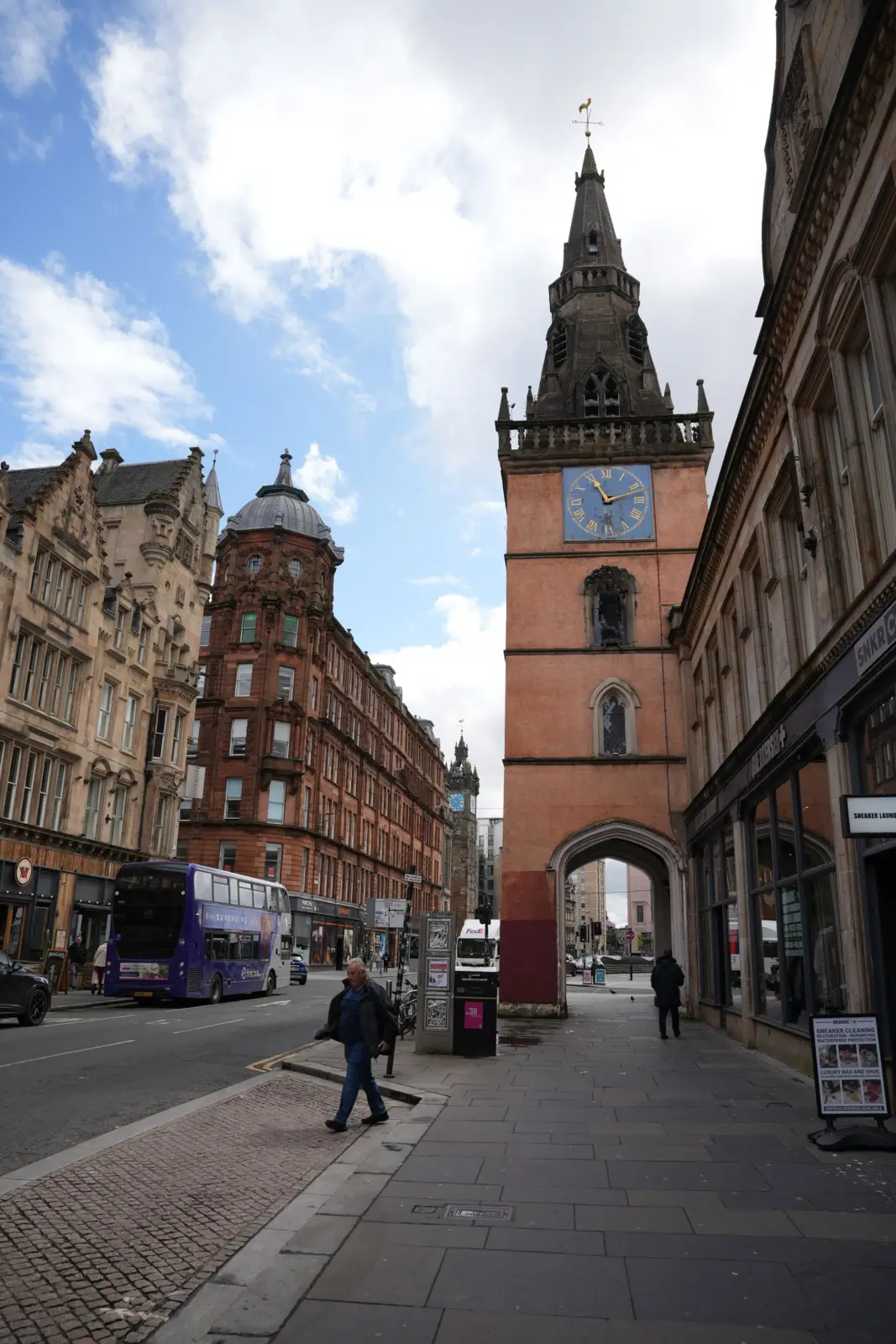
Central Glasgow, Merchant City and the cathedral are walkable. For the West End, Hillhead and Kelvinbridge stations serve the university area, while Partick helps with the connection towards Riverside. The Subway runs as a loop, so its network is straightforward for a short trip.
In August 2026, an adult contactless journey on the Glasgow Subway according to SPT costs £1.80, with a £3.40 daily cap. Always tap with the same card or device when entering and leaving. A paper all-day ticket costs £4.45, making contactless payment the simpler choice for most adult visitors.
City-centre accommodation is the practical option for a first visit. Central and Queen Street railway stations are nearby, while the cathedral, Merchant City and Buchanan Street remain within walking distance. This base also suits an early free tour because most meeting points do not require a cross-city journey.
West End rooms work better when Kelvingrove, the university and independent cafés matter more than immediate rail access. Hillhead and Kelvinbridge connect the district to central Glasgow by Subway. Finnieston sits between the centre and Kelvingrove —useful for concerts by the Clyde— but check the exact walking distance before booking.
We would choose one base and group each day around it. Moving hotels rarely saves enough time in a two- or three-day stay. Pollok Country Park is an excursion from either district; Riverside works naturally with the West End, while Cathedral Precinct pairs with Merchant City.
Two days cover the city centre and cathedral on one day, then the West End, Kelvingrove and university on the next. A third day leaves enough time for the Burrell Collection and Pollok Country Park.
Glasgow Cathedral, Kelvingrove, Riverside Museum, the Burrell Collection and the Hunterian Museum all offer free admission in August 2026. Temporary exhibitions, audio guides or special activities may have separate charges.
Official visitor information says George Square is under renovation until 2027. A city-centre route still works through Buchanan Street, Royal Exchange Square, Merchant City and the mural trail.
Yes. Central Glasgow is walkable and the Subway serves the West End. For the Burrell Collection, combine a train or bus with a short walk, depending on your starting point.
Choose the language, date and group size on GuruWalk. No credit card is required to book. After the walk, you decide the tip for your guru; the usual guideline is €10–20 per person.
Build your first day around a free tour in Glasgow, then use this guide to choose districts and museums. GuruWalk is the platform for finding and booking free tours with local guides and activities in cities around the world, with no credit card needed.
Travel marketing specialist with extensive experience in the travel sector. At companies such as Despegar and GuruWalk, she has led traveler-focused digital acquisition strategies. Now, from the GuruWalk blog, she combines her expertise with her passion for discovering and sharing unique destinations.
Local guides, pay-what-you-want and no credit card to book. That is how you understand a city.
Explore free tours on guruwalk.com