




Organize three days in London across Westminster, the Thames and Camden, with reservation guidance for major landmarks and museums.
 Belén Rivas
GuruWalk
·
Updated 1 Sep 2026
Belén Rivas
GuruWalk
·
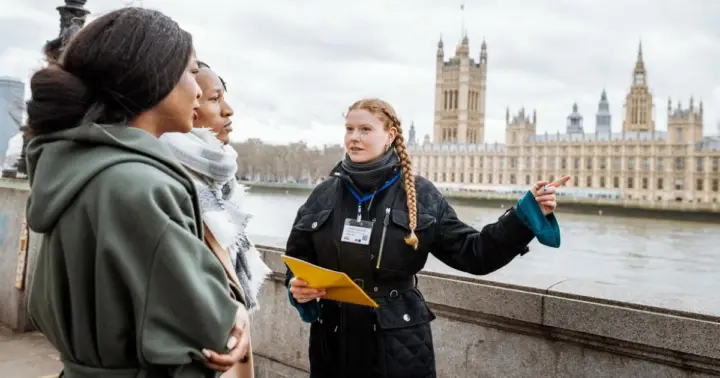
Updated 1 Sep 2026Planning the best things to do in London is easier when each day stays within a compact area. This guide groups the main sights into a practical three-day route and explains where reservations, accessibility checks, or timed entry matter. A London free walking tour is a useful starting point for understanding the centre before exploring independently.
Last verified: August 2026 — Prices, opening hours, and reservation requirements checked against official sources. GuruWalk’s London gurus reviewed the practical recommendations.
A free tour is one of the clearest ways to begin exploring the city: compare the available London free walking tours and choose a route focused on Westminster, the City, or a specific neighbourhood. Free tours have no fixed ticket price; after the walk, each traveler tips according to the experience, commonly €10–€20 per person and up to €50 for an exceptional tour.
Would you like to see the city with a native English-speaking tour guide who has had the honor of being…

Hello and welcome to London. I'm excited to invite you to join me for the chance to experience the great…

City of London Tour: From Sugar and Slaves to Tea and Opium. Welcome, I'm Justin. But some fr…

Old Money, New Money, Dirty Money in Mayfair & St James Tour: London's Super Wealthy (Not Suitable for Children)
REVEALING THE HIDDEN AND FORGOTTEN STORIES OF MONEY AND POWER Follow the story of money through the City of Londo…

When you are tired of London, you are tired of life’ the old saying goes. From the home of the…

Dive into the bloody past of London, together we'll seek out the gruesome and disturbed history that built this great…

This three-day itinerary keeps long transfers to a minimum. Day 1 covers Westminster, St James’s and the West End; Day 2 follows the Thames from the Tower of London to the South Bank; Day 3 combines one major museum with Camden Town. Reserve timed-entry attractions before fixing the rest of each day.
Start with Westminster Abbey, allowing about 1.5–2 hours if visiting the interior. Entry hours and closures depend on services and ceremonies, so check the Abbey’s official visitor information before choosing a time. Continue past Parliament and Big Ben, then walk through St James’s Park to Buckingham Palace; the park and palace exterior take about 60–90 minutes without an interior visit.
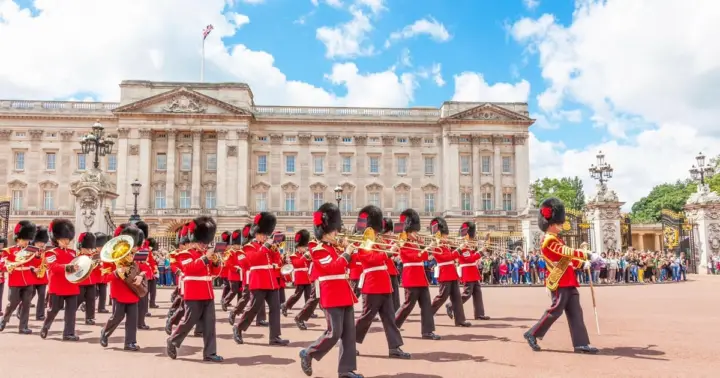
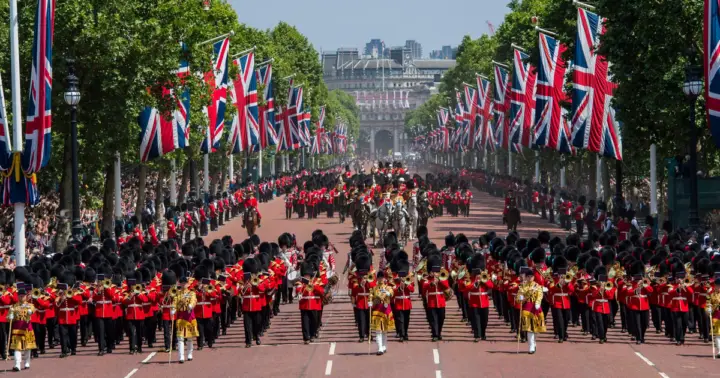
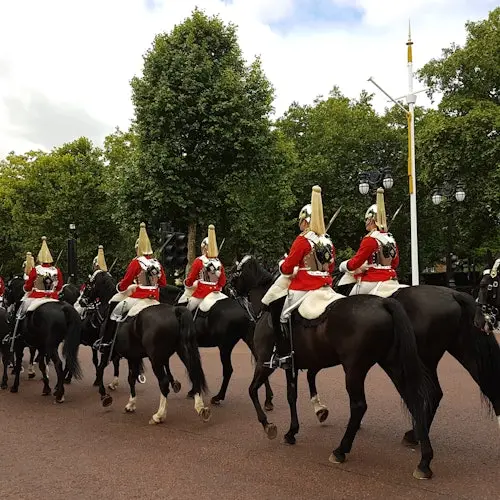
The Changing of the Guard does not run on a guaranteed daily schedule. Check the official ceremonial calendar before arranging the morning around it, and expect weather or operational changes. From the palace, continue through Trafalgar Square to Covent Garden, allowing two to three hours for this walking route.
Finish in the West End. Covent Garden, Soho and Leicester Square are close enough to explore on foot, while a theatre performance requires its own evening time slot and advance reservation.
Reserve roughly three hours for the Tower of London. Timed entry and temporary access restrictions can affect the visit, so review the official Tower of London visitor page. Cross Tower Bridge afterward and allow another 45–60 minutes if entering its walkways and Engine Rooms.
Continue on foot to Borough Market for a 60–90-minute lunch stop, then follow the riverside to Tate Modern and the South Bank. Allow about two hours for a focused museum visit, plus walking time along the Thames. This route avoids returning to the West End between stops.
Spend two to three hours at the British Museum, selecting a short list of galleries rather than attempting the entire collection. After lunch, take the Northern line towards Camden Town and devote three to four hours to Camden Market, Regent’s Canal and, if time allows, Primrose Hill.
This final day uses one direct transfer between two areas. It also leaves enough flexibility for a longer museum visit or an evening performance without adding another neighbourhood.
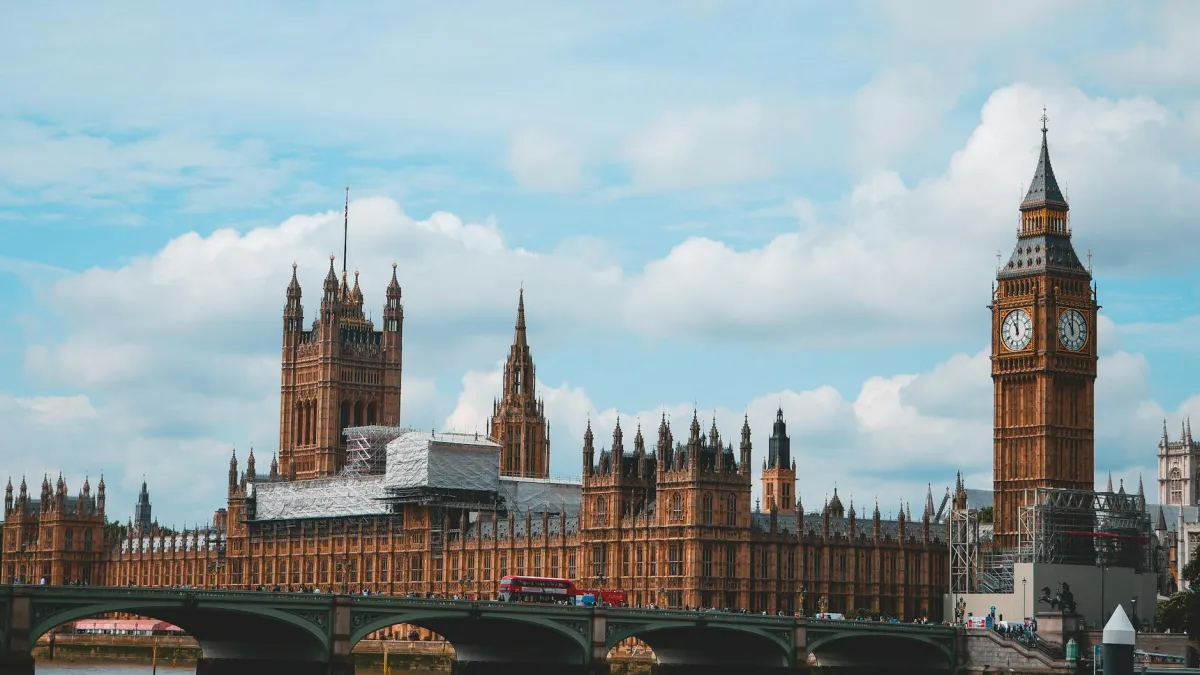
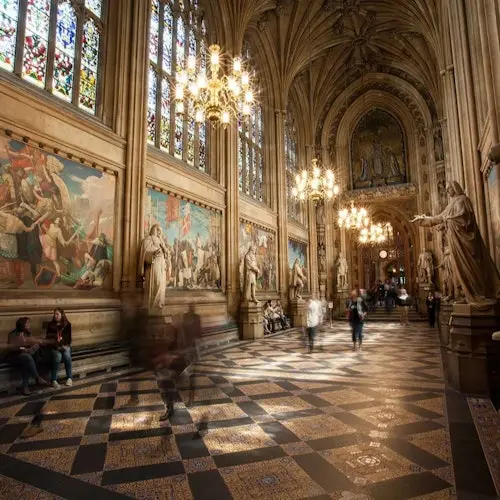
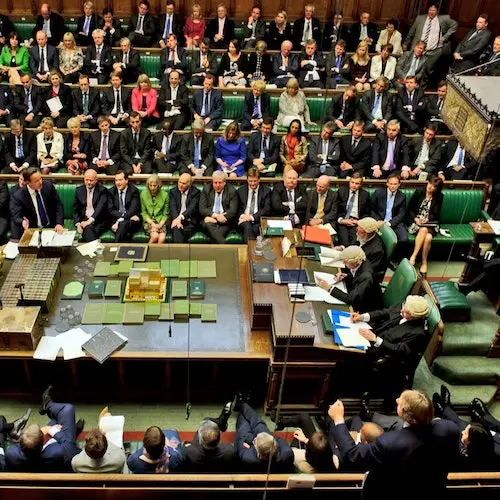
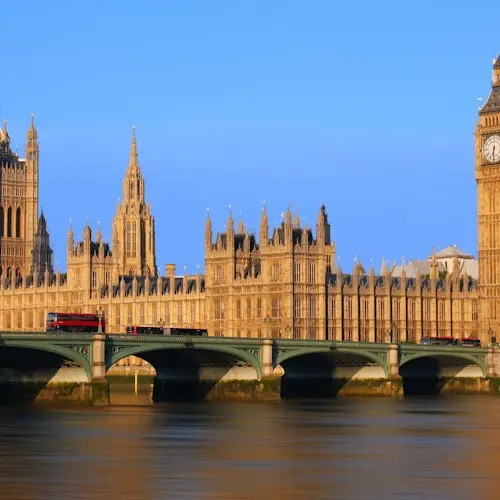
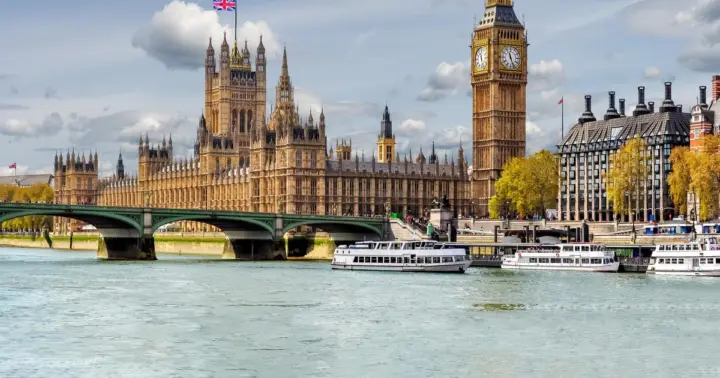
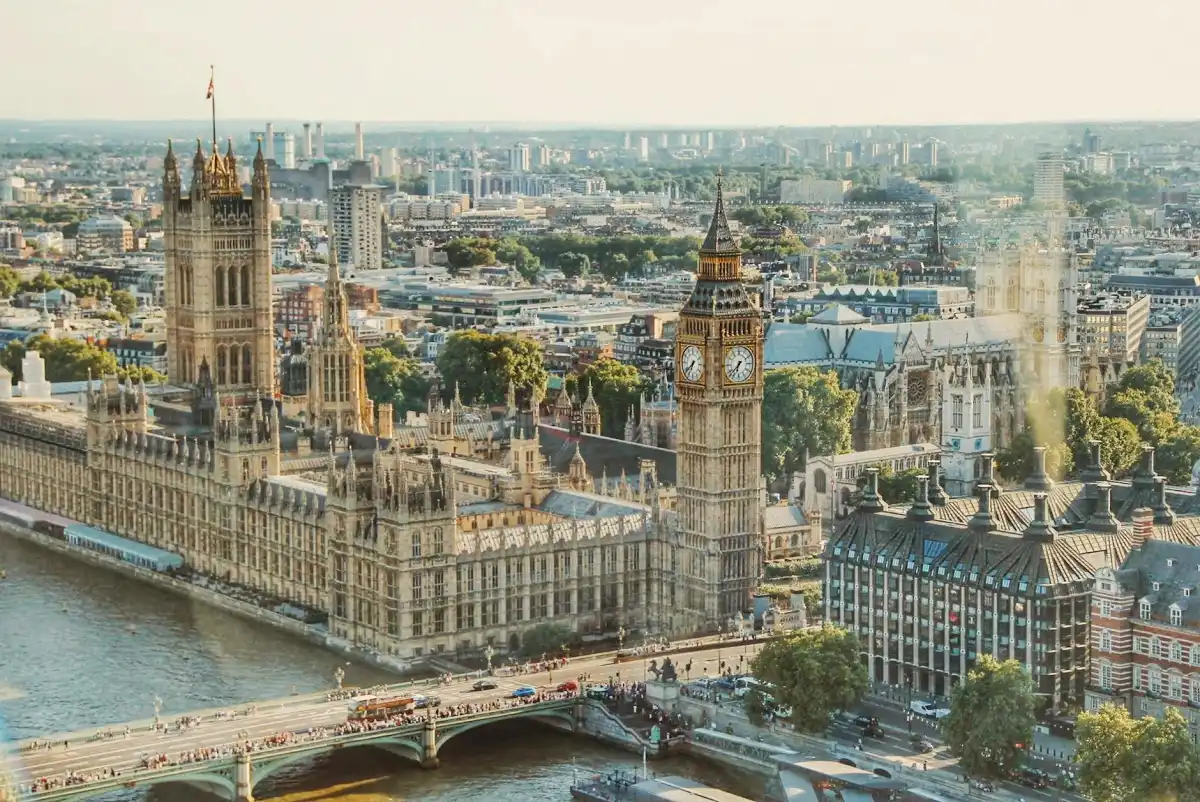
The Palace of Westminster, home to the Houses of Parliament, has been a UNESCO World Heritage Site since 1987. Standing on the banks of the Thames, it served as a royal residence in the Middle Ages and today displays a neo-Gothic design. Its best-known feature is the Elizabeth Tower, which houses the bell known as Big Ben.
How to visit. Guided and multimedia tours provide access on selected dates, while routes and availability depend on parliamentary business. Reserve through the official UK Parliament visitor information, check the current meeting point, and allow extra time for security screening.
Explore the beating heart of London in just 1.5 hours! This walking tour of Westminster takes you through the capital’s…

Strolling through the most iconic places in central London is something no visitor can miss, but most…

Explore the wonders of London with this history-rich walking tour, which will take you to discover some of the city's…

⭐ Experience the essence of London on a walking tour through its most iconic places! Join this …

Hello everyone! Let's explore London together, one of the most beautiful and historic cities in the world! I'm AK and…

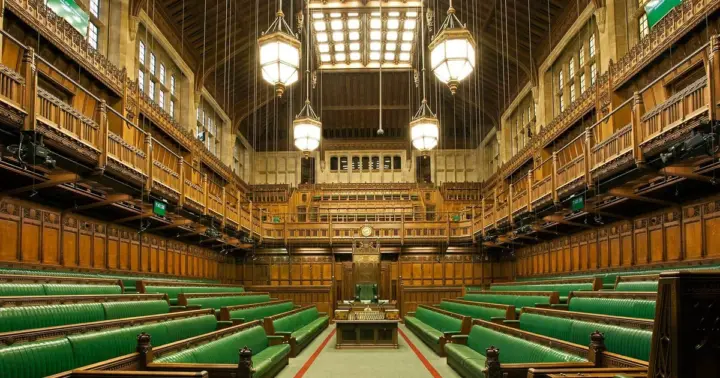
Attending debates. UK residents and visitors can watch many parliamentary debates from the public galleries when Parliament is sitting. Access, ticket requirements and queues vary by session; Prime Minister’s Questions has separate arrangements. Follow the current instructions for the public entrance before visiting.

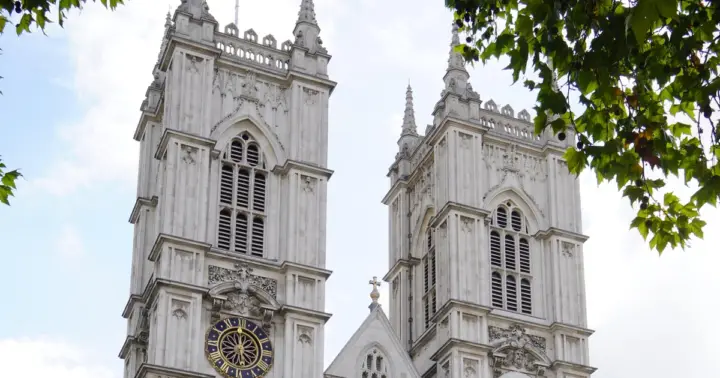
Westminster Abbey forms part of London’s UNESCO World Heritage ensemble. Every coronation since 1066 has taken place here, and the Abbey is the resting place of many monarchs and historical figures. The Gothic interior, royal chapels and cloisters document several periods of British history.
Among its notable burials are Elizabeth I and Mary I in the Henry VII Lady Chapel, scientists Isaac Newton and Charles Darwin, and the ashes of Stephen Hawking. In Poets’ Corner are memorials and graves connected with writers including Charles Dickens and Geoffrey Chaucer. Other points to identify are the Coronation Chair, Cosmati Pavement, Cloisters, Chapter House and tomb of the Unknown Warrior.
Queen’s Diamond Jubilee Galleries: the triforium exhibition provides elevated views over the Abbey and displays historic artefacts. It requires separate timed entry; consult current availability when booking.
Tips for your visit
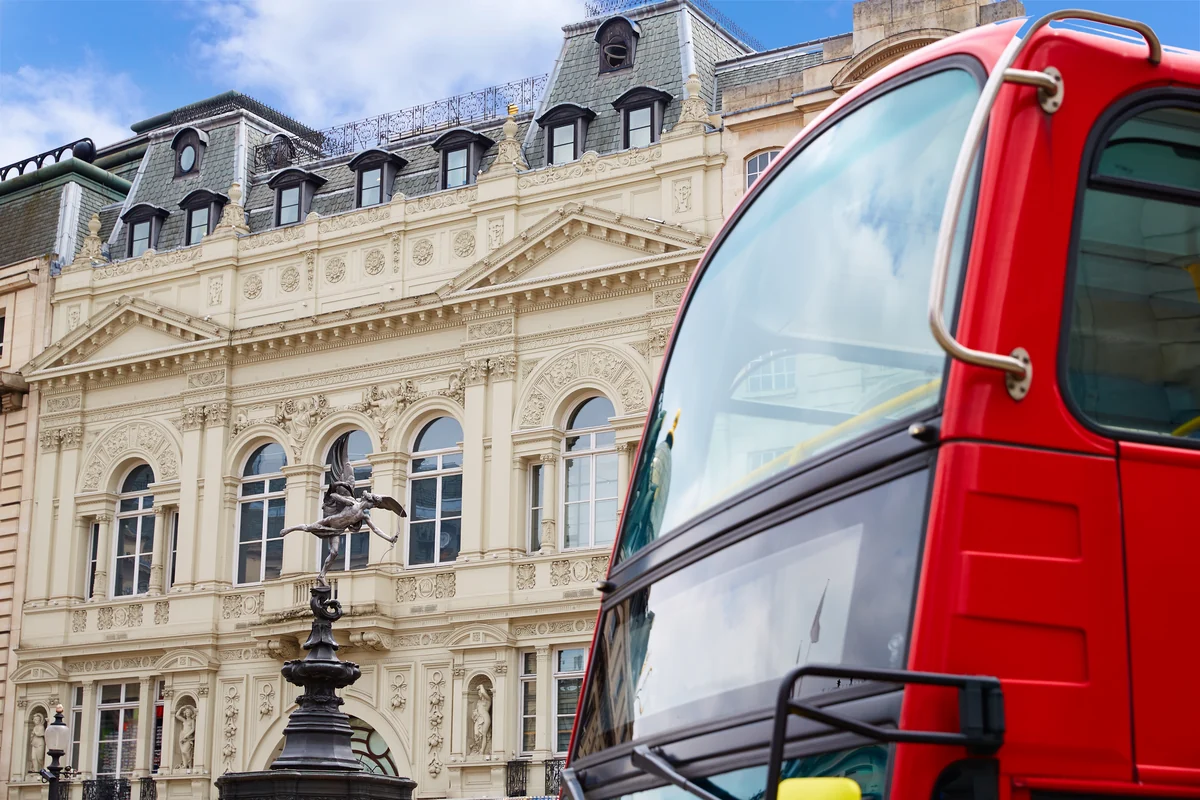
Piccadilly Circus is a meeting point where Regent Street, Piccadilly and Shaftesbury Avenue converge, surrounded by theatres and large shops. It was created in 1819 to link the newly built Regent Street, designed by John Nash, with Piccadilly.
It is known for the Piccadilly Lights advertising display and the Shaftesbury Memorial Fountain, topped by the winged figure of Anteros, often called “Eros.” The illuminated screens make the square most distinctive after dark.

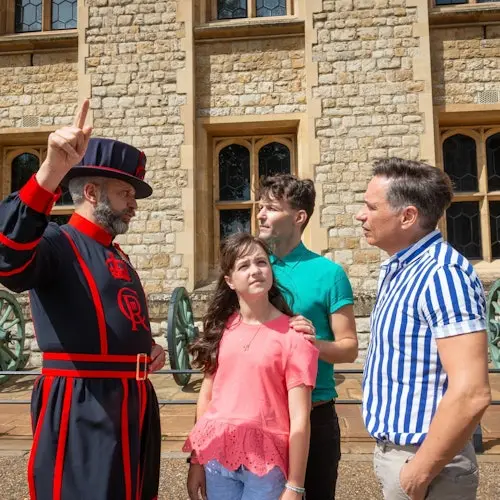
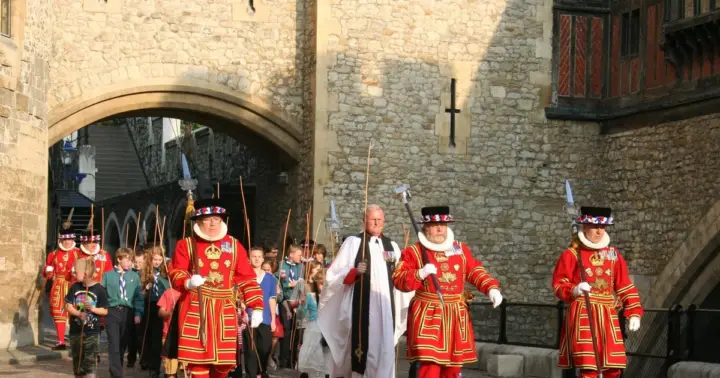
The Tower of London is a medieval fortress on the north bank of the Thames and a UNESCO World Heritage Site. Founded after the Norman Conquest and anchored by the White Tower, begun under William the Conqueror in 1078, it evolved from royal palace and arsenal to state prison. It now houses the Crown Jewels and the resident ravens. Major expansions under Henry III and Edward I added concentric walls, towers and a moat.
What to look for: the Crown Jewels in the Jewel House, the Romanesque Chapel of St John inside the White Tower, the Line of Kings armour display, Tower Green and Scaffold Site, the Bloody Tower, the battlements and the ravens.
Access notices: conservation work and operational changes can alter routes through the fortress. Follow on-site signs and review current visitor notices before arrival.
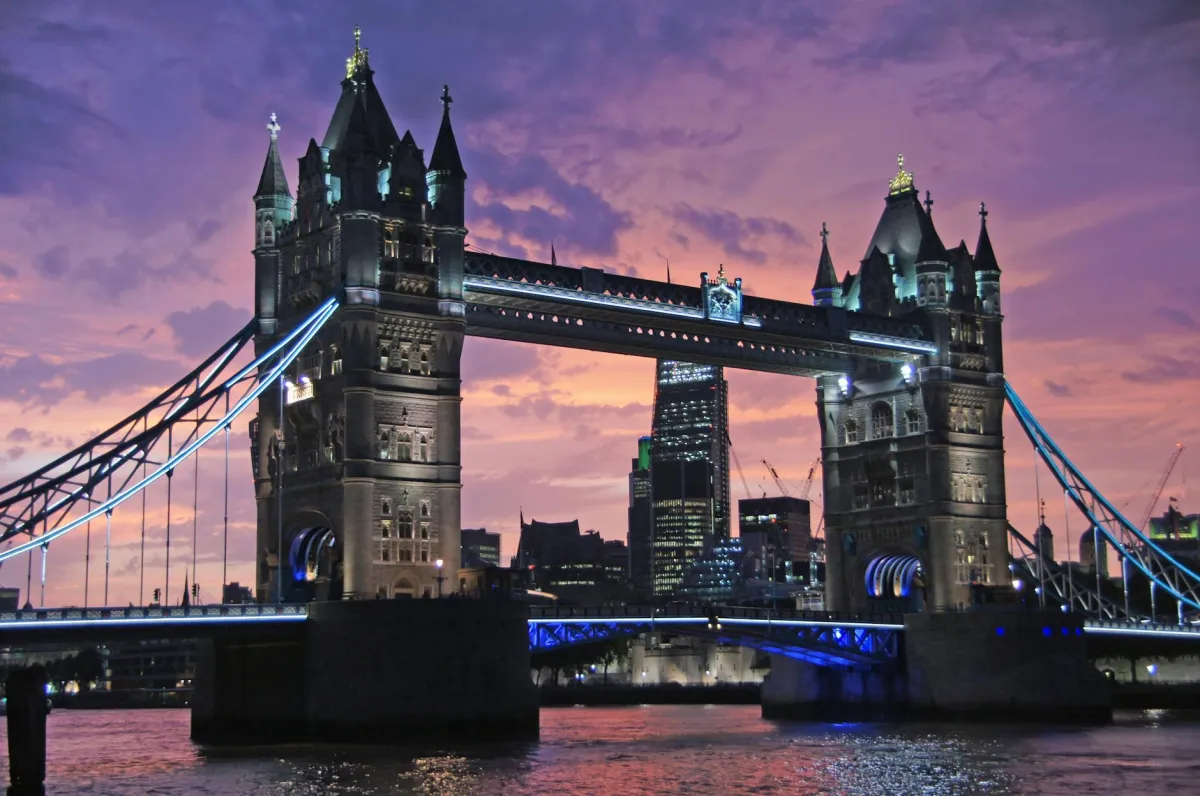
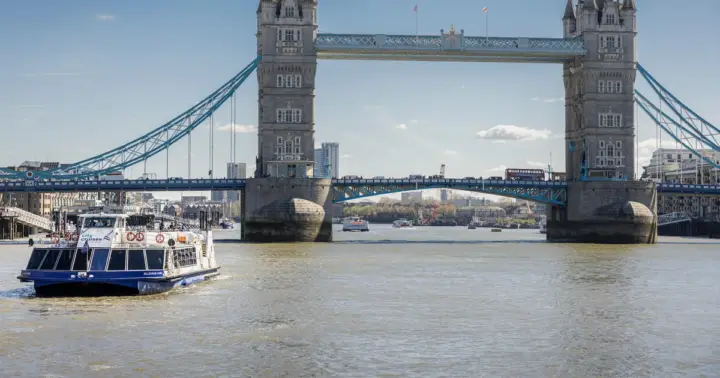
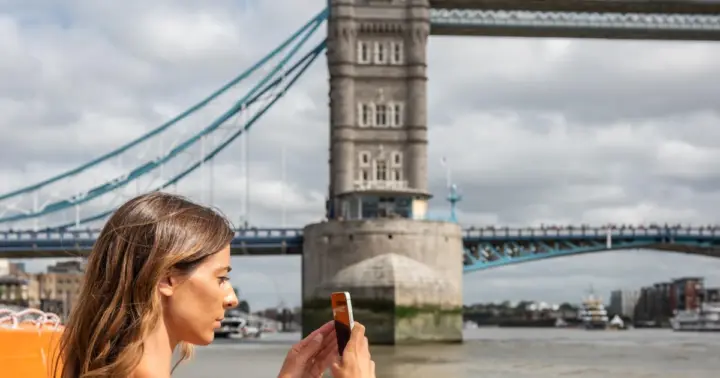
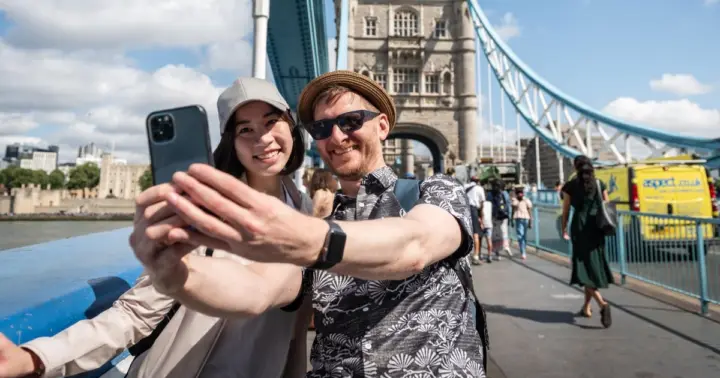
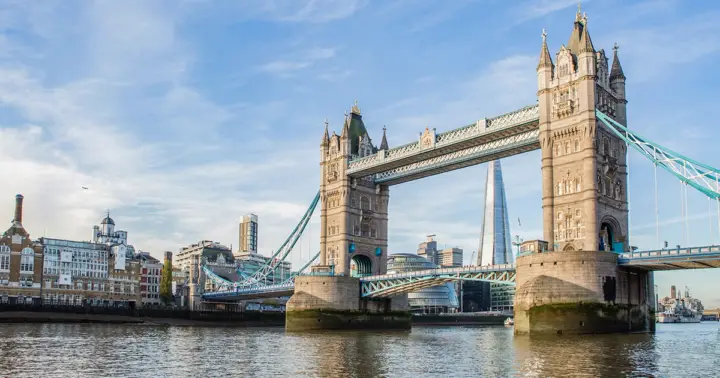
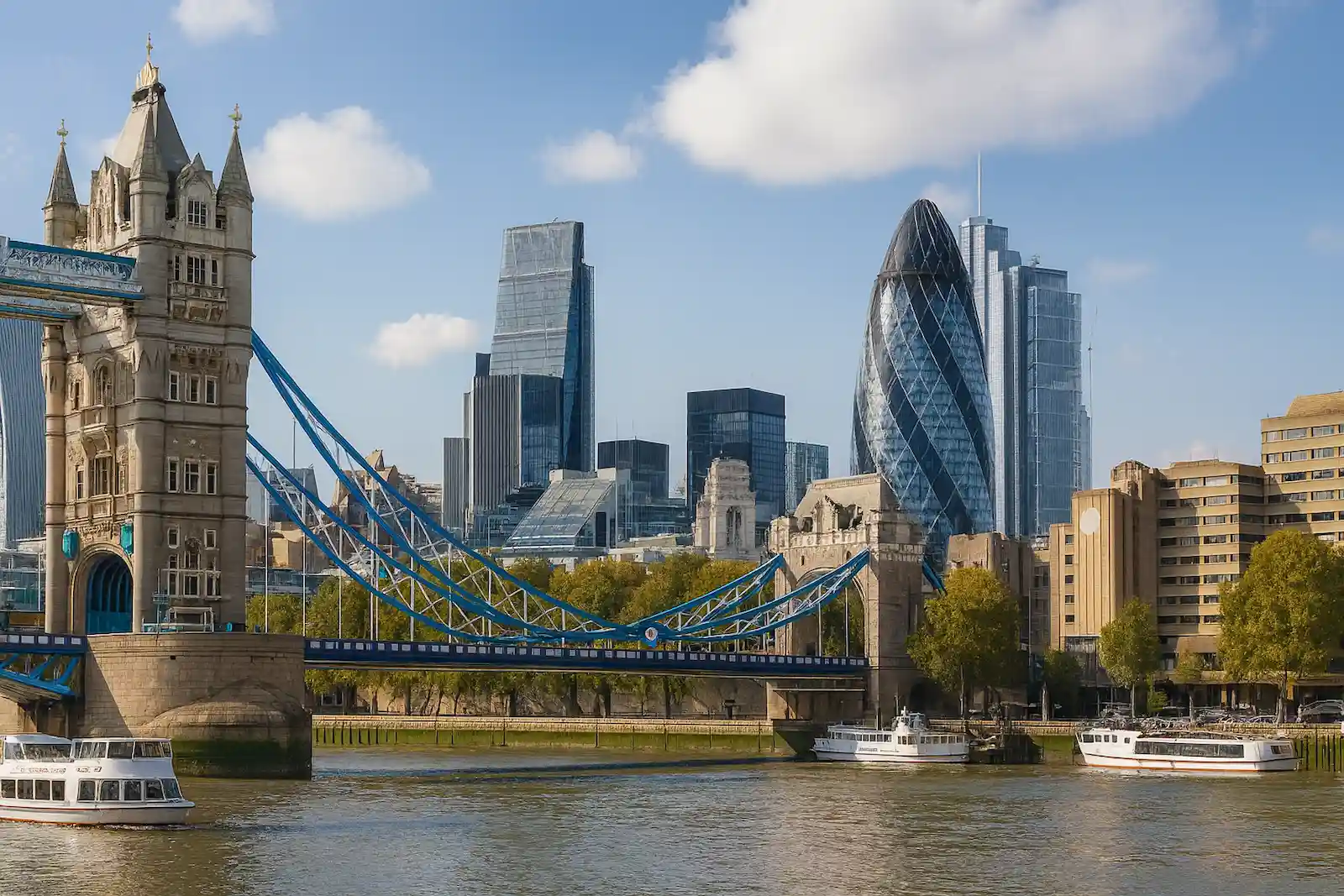
Tower Bridge opened in 1894 after eight years of construction. From the bridge and its high-level walkways, visitors can identify The Shard, St Paul’s Cathedral and Canary Wharf. The interior exhibition, opened to the public in 1982, includes the glass-floor walkways and Victorian Engine Rooms.
The crossing was built as commercial development increased in the 19th century. A conventional fixed bridge would have obstructed sailing ships using the busy river, so the design needed to combine road access with an opening channel.
After more than 50 proposals were considered, the bascule design was approved. The two towers stand on piers and use a Victorian Gothic exterior. The high-level walkways are about 42 metres above the Thames and span 61 metres between the towers.
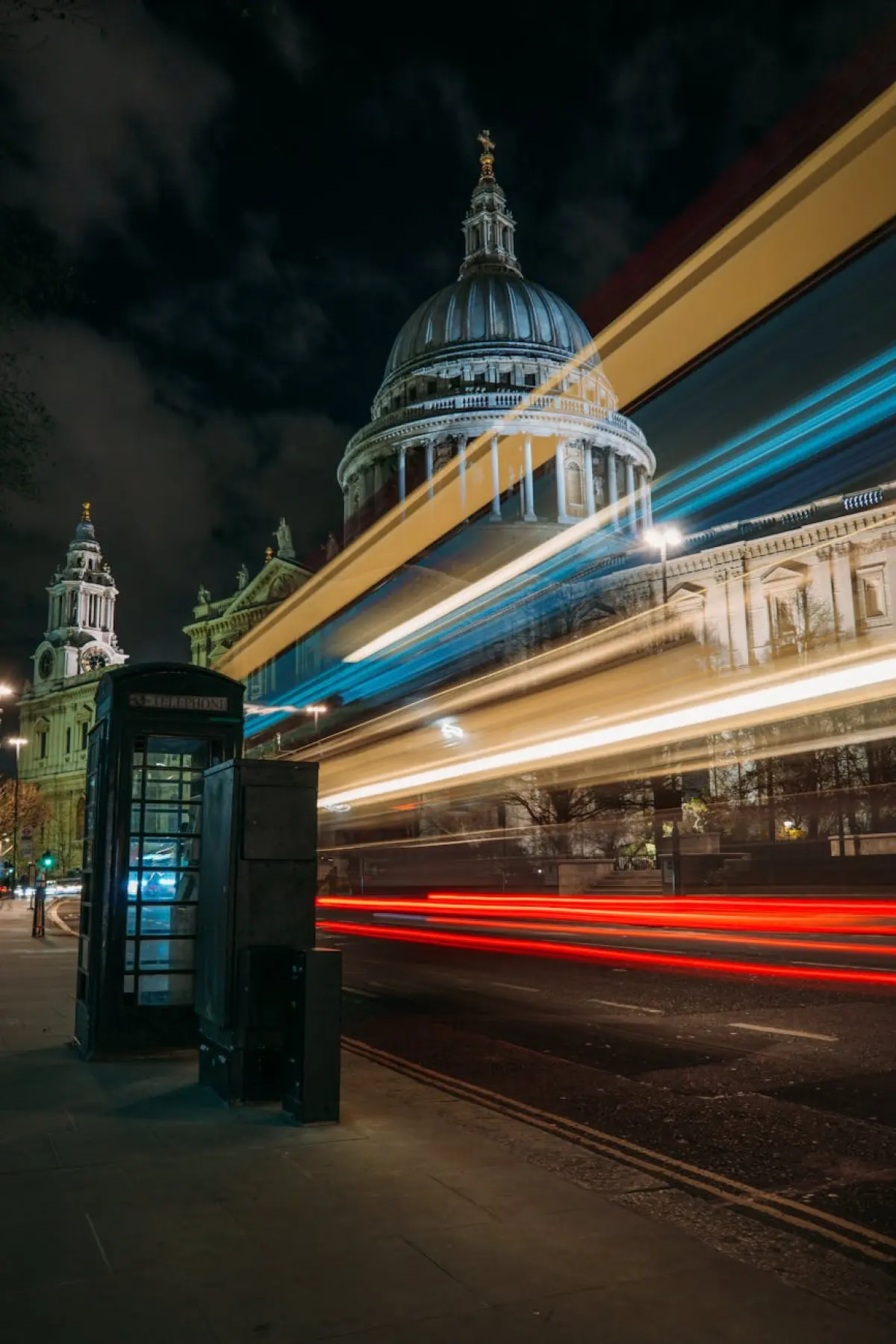
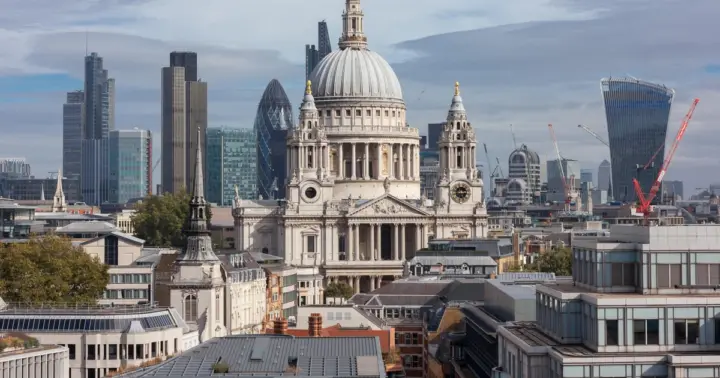
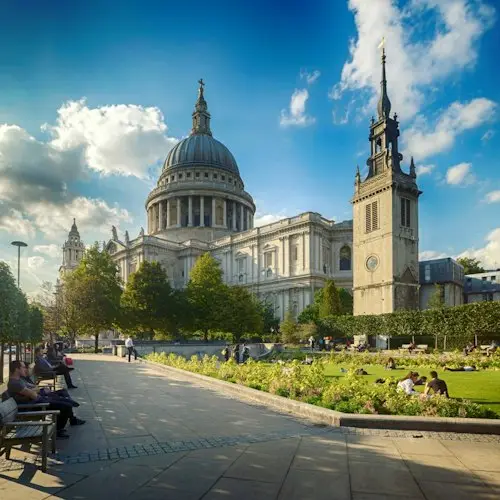
St Paul’s Cathedral is an English Baroque work by Sir Christopher Wren, built after the Great Fire of 1666 and consecrated in 1697. Its dome has shaped the City skyline since 1710 and the cathedral has hosted national ceremonies, including the funerals of Horatio Nelson, the Duke of Wellington and Winston Churchill, as well as the wedding of Charles and Diana. Inside, look for the dome paintings attributed to Sir James Thornhill and the Victorian mosaics in the choir by William Blake Richmond.
Non-flash photography for personal use is permitted in several visitor areas, including the cathedral floor, crypt and selected galleries, but restrictions apply in the Whispering Gallery and during services. Sightseeing admission normally includes a multimedia guide; consult availability for talks and official guided tours.
The Dome and its three galleries. Climb 257 steps to the Whispering Gallery, continue to the Stone Gallery after 376 steps in total, and complete 528 steps to reach the Golden Gallery at 85 metres. Gallery access is by stairs and can be restricted for capacity or operational reasons.
The Crypt. One of the largest in Europe, it houses the tombs of Nelson, the Duke of Wellington and Wren, along with memorials to figures from British history. Churchill is commemorated here but is not buried in the cathedral.

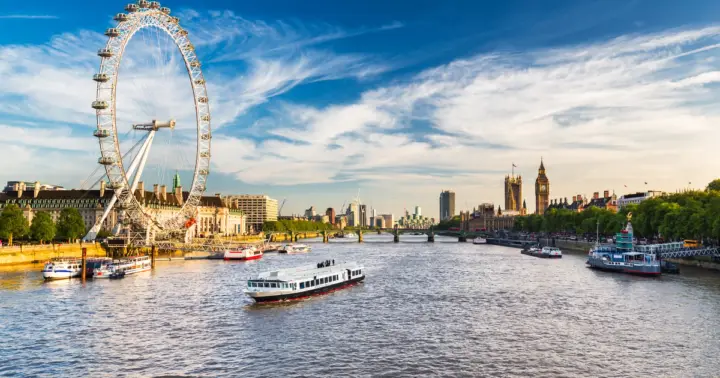
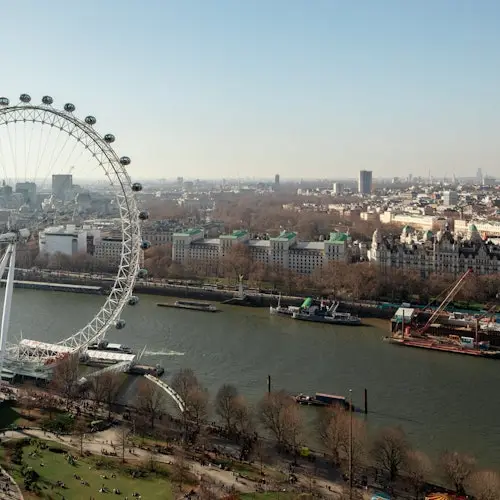
The London Eye, designed by architects Marks Barfield, is an observation wheel on the South Bank of the Thames. Its 32 glass capsules complete a rotation in about 30 minutes, providing views of Big Ben, Parliament and St Paul’s Cathedral.
Hours: operating times change by date and season, with possible maintenance closures. Check availability for the intended day before planning the South Bank route.
Tickets: standard, priority and flexible options may be offered at different rates. Compare the live inclusions and reservation conditions rather than relying on a fixed price.
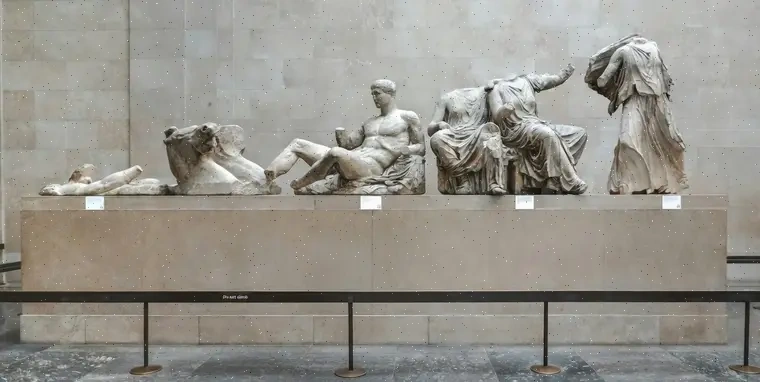
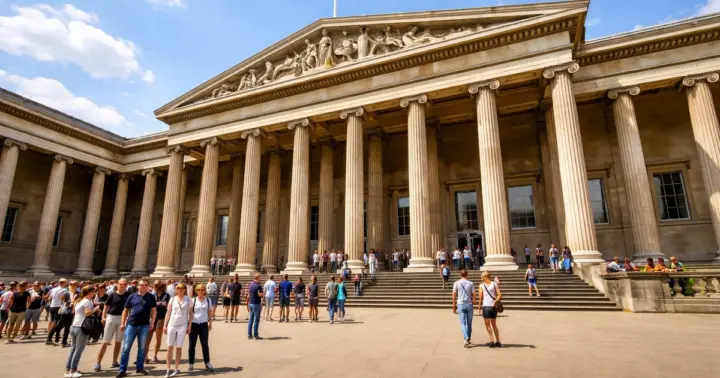
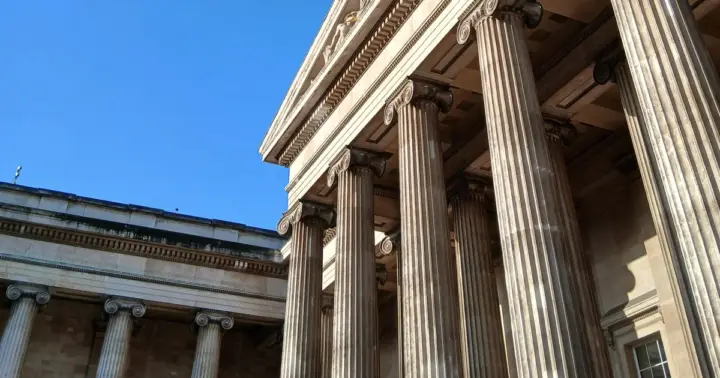
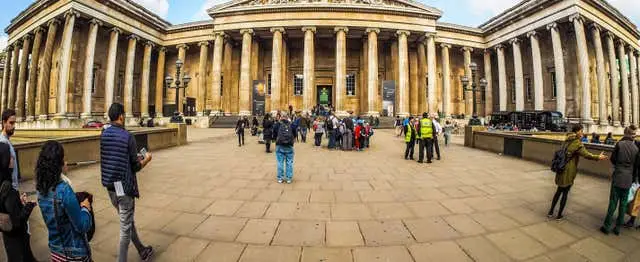
The British Museum was founded in 1753 and opened to the public in 1759. Its collection began with the bequest of physician and collector Sir Hans Sloane and now spans objects representing about two million years of human history.
Its best-known exhibits include the Rosetta Stone, Egyptian mummies, Parthenon sculptures, Hoa Hakananai’a moai, Lewis Chessmen, Sutton Hoo finds, Assyrian lion-hunt reliefs and the Standard of Ur. For a short visit, choose six to eight objects and allow two to three hours.
For additional context, compare the available guided and themed visits. General museum admission and any guided experience can have separate reservation conditions.

Hyde Park is one of London’s eight Royal Parks. In the 16th century, Henry VIII acquired the land from Westminster Abbey. It remained a royal hunting ground until it opened to the public under Charles I.
Points of interest include the Rose Garden, Diana Memorial Fountain, Holocaust Memorial, Norwegian War Memorial, Queen Caroline Memorial and Cavalry Memorial.
Speakers’ Corner is associated with public speeches and debate, subject to the law and park rules. The park also supports rowing, cycling, swimming, tennis, padel, lawn bowls and horse riding. Facilities and seasonal access vary, so check current conditions for a specific activity.
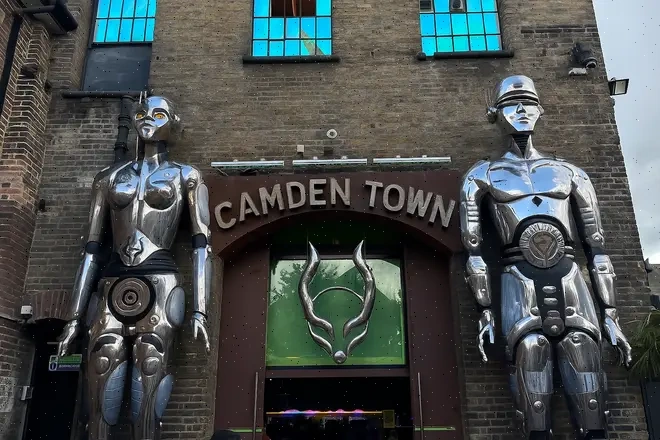
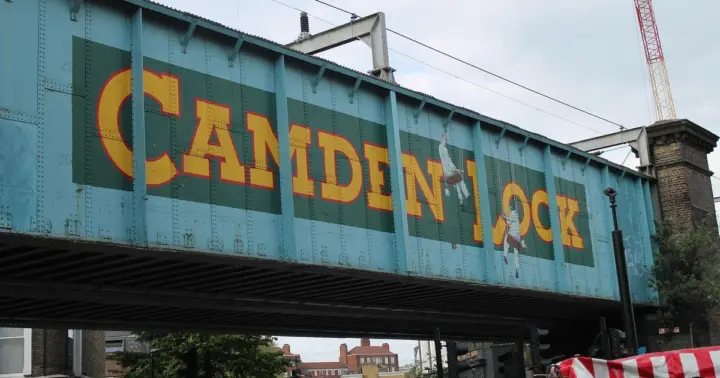
Camden Town combines street art, independent shops, music venues and the large Camden Market, including Stables Market, Camden Lock and Hawley Wharf. Entry to the market is free, while food, retail and venue prices vary.
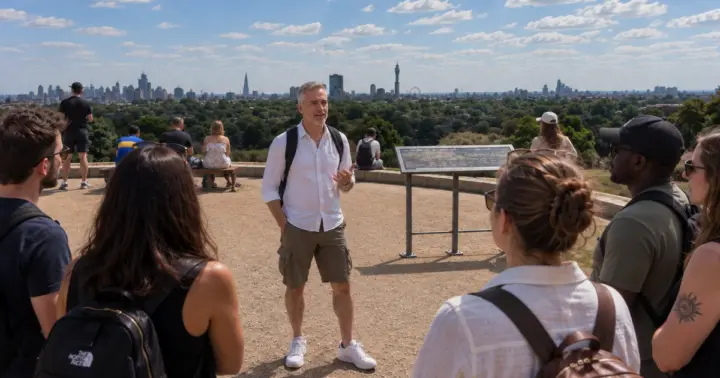
Walk through the Victorian stables of Stables Market, browse the stalls beside the Regent’s Canal at Camden Lock, and continue to Primrose Hill for skyline views. Music venues such as the Electric Ballroom and Jazz Café publish changing event schedules.
Camden Market operates daily, but individual stall, food-hall and holiday hours vary. Consult current opening information if visiting early or late in the day.
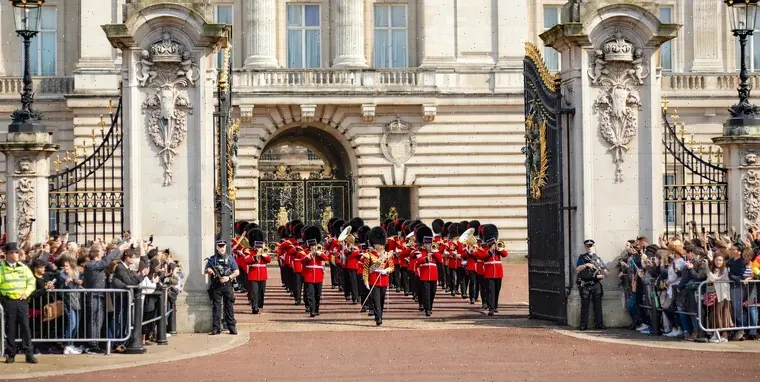
Buckingham Palace has served as the monarch’s official London residence since 1837 and provides the setting for the Changing of the Guard. Visitor access to the State Rooms is seasonal. Depending on the current programme, separate visits may also cover the East Wing, The King’s Gallery and Royal Mews.
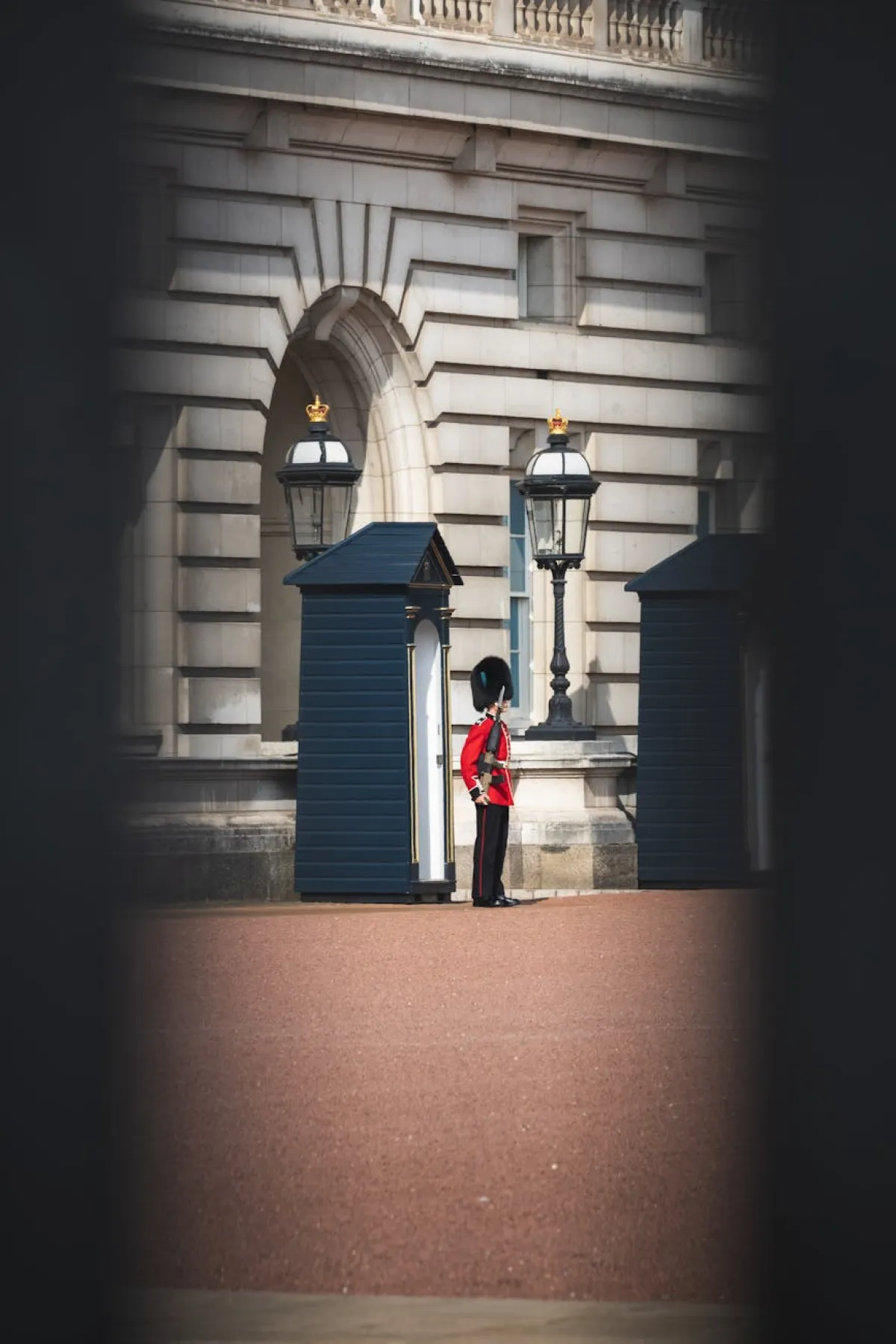
The ceremony and parade normally take place in the morning, but dates, route and duration depend on the official schedule, weather and ceremonial requirements. Check the calendar before travelling and follow police or steward instructions around the palace.

Big Ben is the nickname for the Great Bell inside the Elizabeth Tower at the Palace of Westminster. The main bell weighs 13.7 tonnes and shares the belfry with four quarter bells that play the Westminster chimes every 15 minutes.
The clock was designed by Astronomer Royal Sir George Airy and barrister-clockmaker Edmund Beckett Denison, later Lord Grimthorpe, and built by Edward John Dent, with work completed by Frederick Dent.
BBC radio broadcasts have used the chimes since 1923, although broadcast schedules can change.
How to visit inside: official Elizabeth Tower tours are released in limited numbers. Prices, release dates, eligible ages and tour days can change, so use current Parliament booking information rather than relying on a fixed release schedule.
The visit involves climbing 334 narrow steps and includes time close to the bells. Review the health, mobility and bag restrictions before reserving.
Hello and welcome to London. I'm excited to invite you to join me for the chance to experience the great…
From Market to Market: Discover London’s Hidden Stories London isn’t just about Big Ben and …

⭐ Experience the essence of London on a walking tour through its most iconic places! Join this …
Quick tips: reserve through the official visitor channel, wear suitable closed shoes and follow the stated bag restrictions. Westminster Bridge and Victoria Embankment provide clear exterior views.

Trafalgar Square is a 19th-century public space named after the naval victory of 1805. Its centrepiece is Nelson’s Column, which rises 51.6 metres and is guarded by four bronze lions. Charing Cross, traditionally used as a reference point for distances to London, lies at the square’s southern end.
In the northwest corner, the Fourth Plinth hosts rotating contemporary art commissions. The north terrace also contains historic imperial-measure plaques showing yards, feet and chains.
Each December, Oslo gives London a Christmas tree, continuing a tradition that began in 1947 in recognition of British support during the Second World War.
Practical information: the square is an open public space, but events, demonstrations and works can affect access. Check on-site signs for current public-toilet arrangements.
Nearby: the National Gallery and St Martin-in-the-Fields overlook the square. Nearby Tube stations include Charing Cross, Leicester Square, Embankment and Piccadilly Circus.
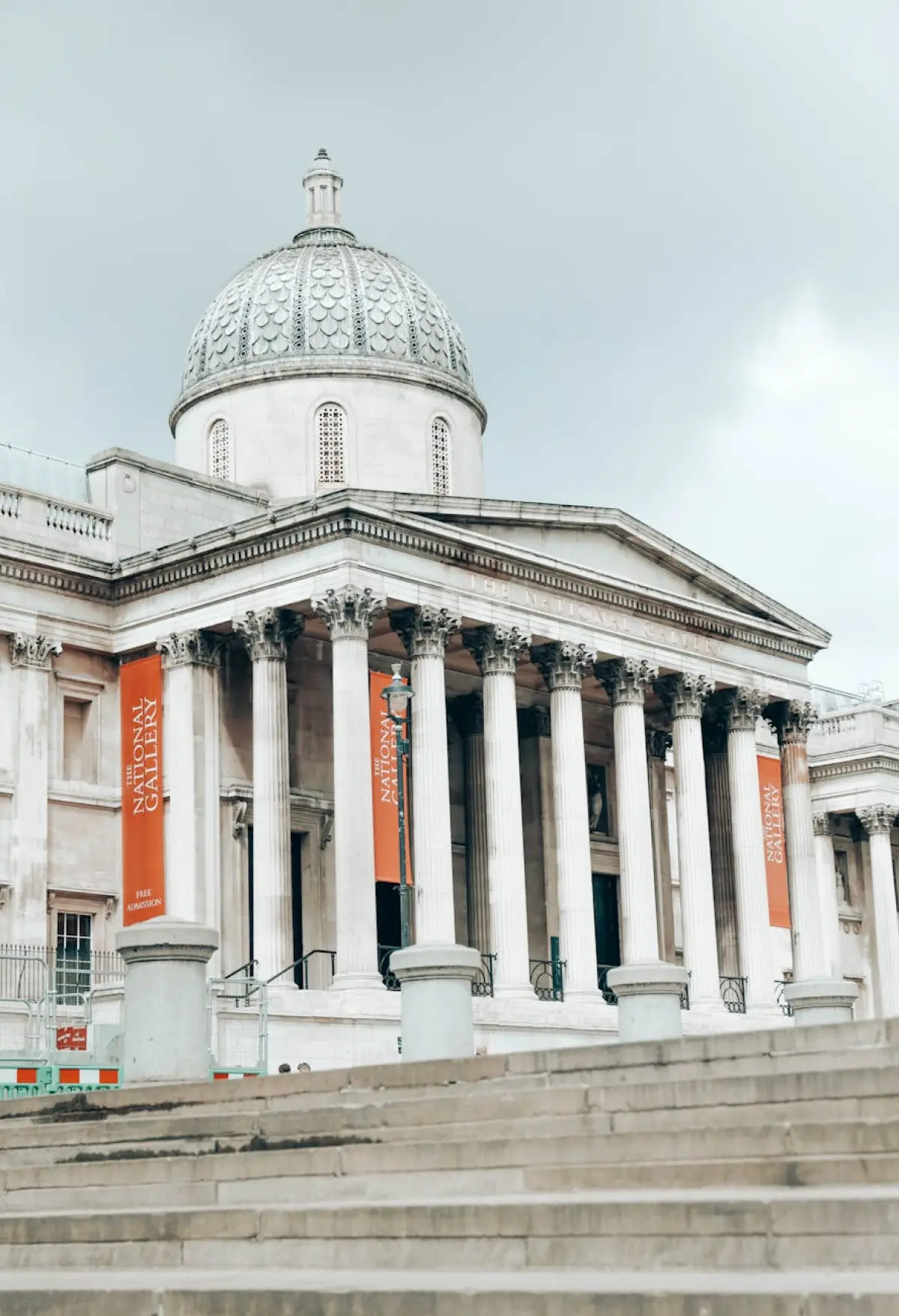
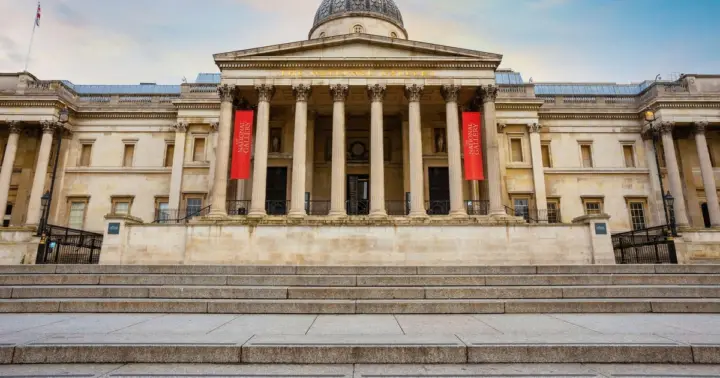
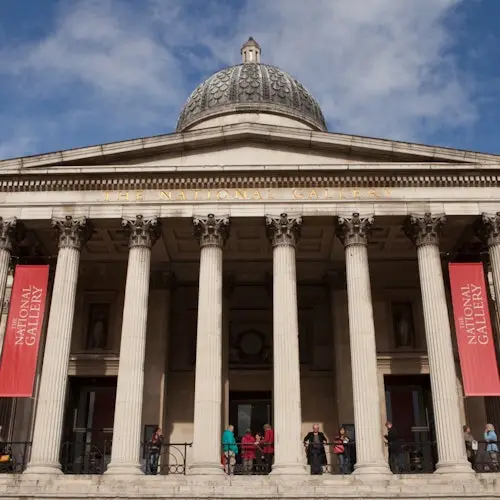
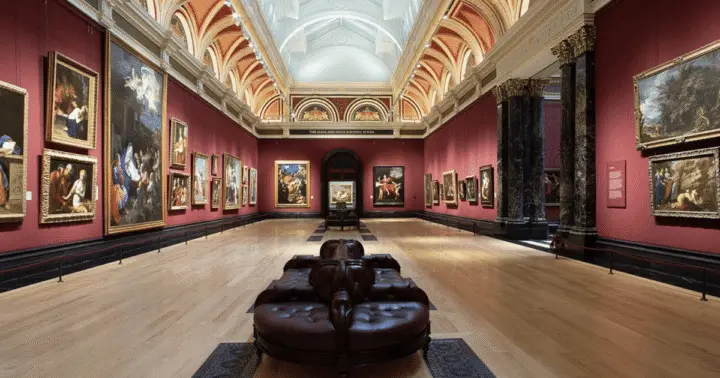
The National Gallery presents European painting from the 13th to the 19th centuries. Works in the collection include Van Gogh’s Sunflowers, Leonardo da Vinci’s The Virgin of the Rocks, Botticelli’s Venus and Mars, Turner’s Rain, Steam and Speed and The Fighting Temeraire, and Van Eyck’s Arnolfini Portrait.
Opening and admission: general collection entry is normally free, while temporary exhibitions are ticketed. Opening hours, entrances and timed-entry recommendations can change, so consult availability for the intended date.
Visitor services: audio guides, cloakroom facilities and their prices can change. Check current language options, size restrictions and closing times before relying on these services.
Tips for your visit:
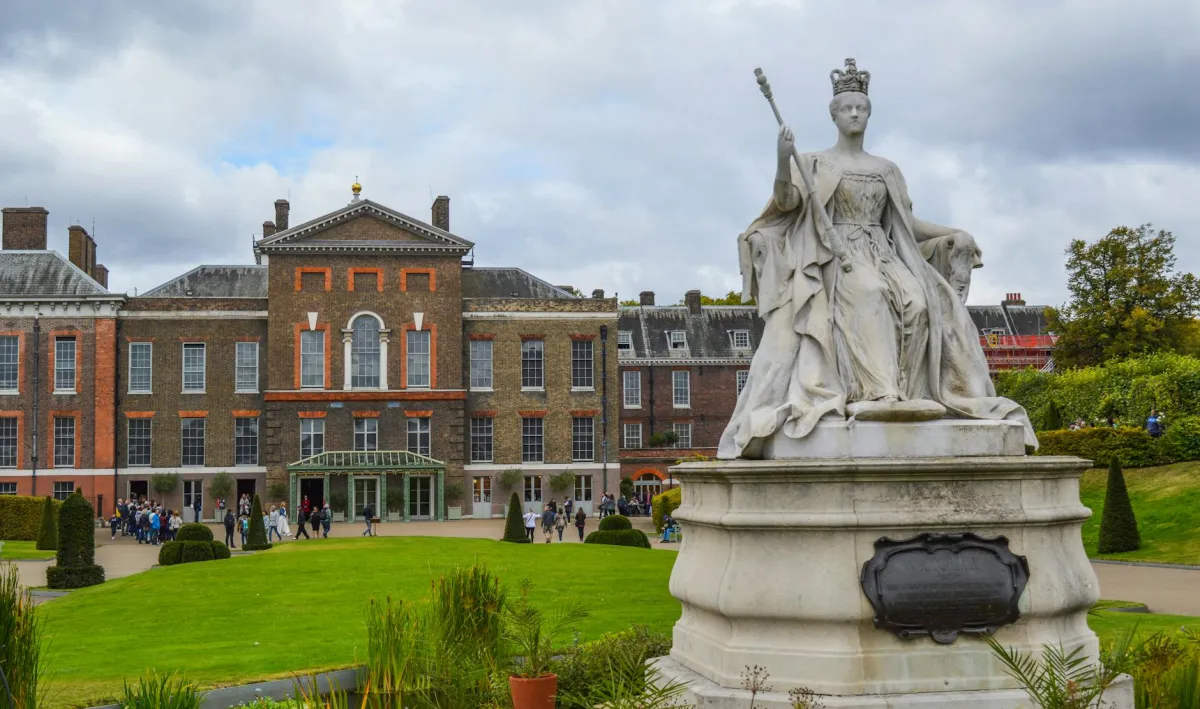
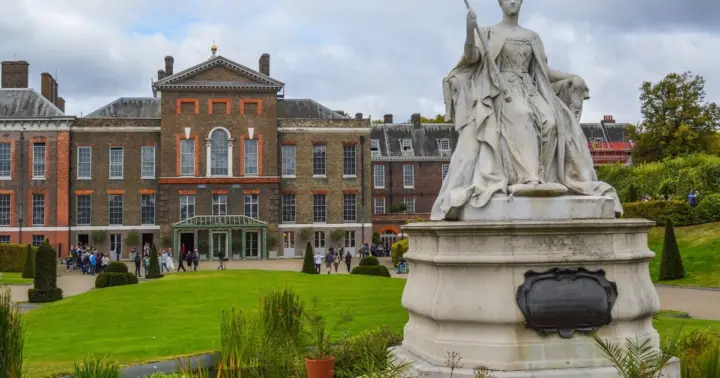
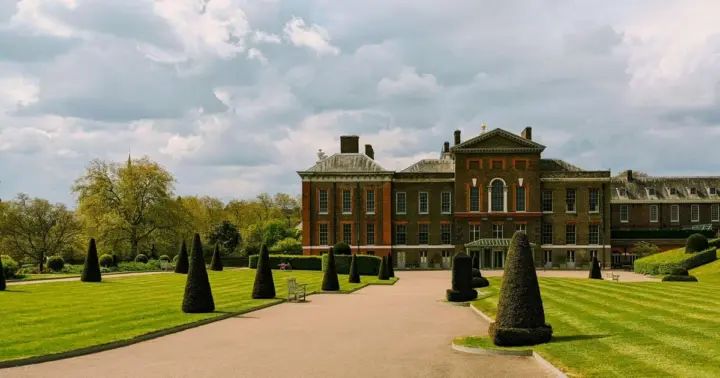
Kensington Palace was expanded in 1690 from the country home of William III and Mary II. The commission went to Sir Christopher Wren, architect of St Paul’s Cathedral. The royal residence now contains historic apartments and displays connected with Queen Victoria’s childhood.
Visiting: allow 1.5–2 hours for the King’s State Apartments, Queen’s State Apartments and rooms associated with Queen Victoria. Opening hours, exhibition access and garden routes vary, so consult current availability. Parts of the Palace Gardens and Sunken Garden can also be viewed from public garden paths.
Route: combine the palace with Kensington Gardens and nearby Hyde Park. High Street Kensington, Queensway and Notting Hill Gate are the nearest commonly used Underground stations.
For further planning beyond the free-tour routes, compare tours and activities in London, checking live availability and inclusions for the dates of the trip.
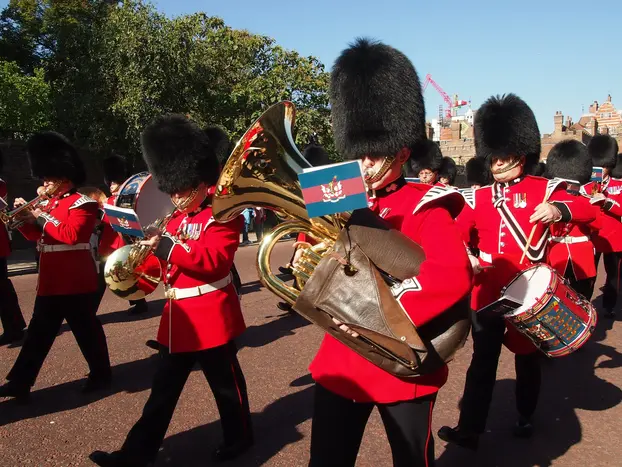
Options include a sightseeing bus or Thames cruise, national museums, a West End show, Camden or Borough Market, afternoon tea and skyline views from the London Eye, The Shard or Sky Garden.
Common first-visit choices include the Tower of London, Tower Bridge, British Museum, London Eye, Westminster Abbey, Buckingham Palace, St Paul’s Cathedral, Natural History Museum, Covent Garden, Borough Market and Sky Garden.
Walk through Westminster for Big Ben, Parliament and the Abbey, then continue through St James’s Park to Buckingham Palace, Trafalgar Square and Covent Garden. Keep the route within this central area rather than adding the Tower of London on the same day.
Day 1: Westminster, St James’s Park, Buckingham Palace, Trafalgar Square and the West End. Day 2: Tower of London, Tower Bridge, Borough Market, Tate Modern and the South Bank. Day 3: the British Museum followed by Camden Town, Regent’s Canal and Primrose Hill.
Yes. A fourth day creates time for South Kensington, Greenwich, Notting Hill or a day trip without compressing the three central routes.
Many national museums have free general admission, including the British Museum, National Gallery and Tate Modern. Other low-cost options include Hyde Park, Primrose Hill, public markets, the South Bank and the pedestrian route across Tower Bridge.
Options include Leake Street Arches, God’s Own Junkyard, a canal trip in Little Venice, the Postal Museum and Mail Rail, Highgate Cemetery, Dennis Severs’ House, or a themed history walk.
National museums and galleries, royal parks, the Changing of the Guard when scheduled, public markets, the South Bank and the road-level crossing of Tower Bridge are free. Sky Garden requires a reservation even when no admission charge applies.
Start with Westminster, Buckingham Palace and the West End, then dedicate a separate day to the Tower of London, Tower Bridge and South Bank. Add one major museum and one neighbourhood such as Camden.
The London Eye provides moving views from the South Bank; The Shard offers a high indoor viewpoint; and Sky Garden combines an indoor garden with city views. Free outdoor alternatives include Primrose Hill and Greenwich Park.
Yes. The roadway-level pavements are free. The interior exhibition, high-level walkways and glass floors require admission.
Common options include Windsor, Oxford, Cambridge, Bath, Stonehenge and Salisbury, Brighton, and the Seven Sisters. Greenwich and Hampton Court are closer alternatives.
Central areas such as Westminster, St James’s and the South Bank are walkable. Use the Underground, buses or river services when moving between separate districts such as the Tower, Camden and South Kensington.
Travel marketing specialist with extensive experience in the travel sector. At companies such as Despegar and GuruWalk, she has led traveler-focused digital acquisition strategies. Now, from the GuruWalk blog, she combines her expertise with her passion for discovering and sharing unique destinations.
Local guides, pay-what-you-want and no credit card to book. That is how you understand a city.
Explore free tours on guruwalk.com