



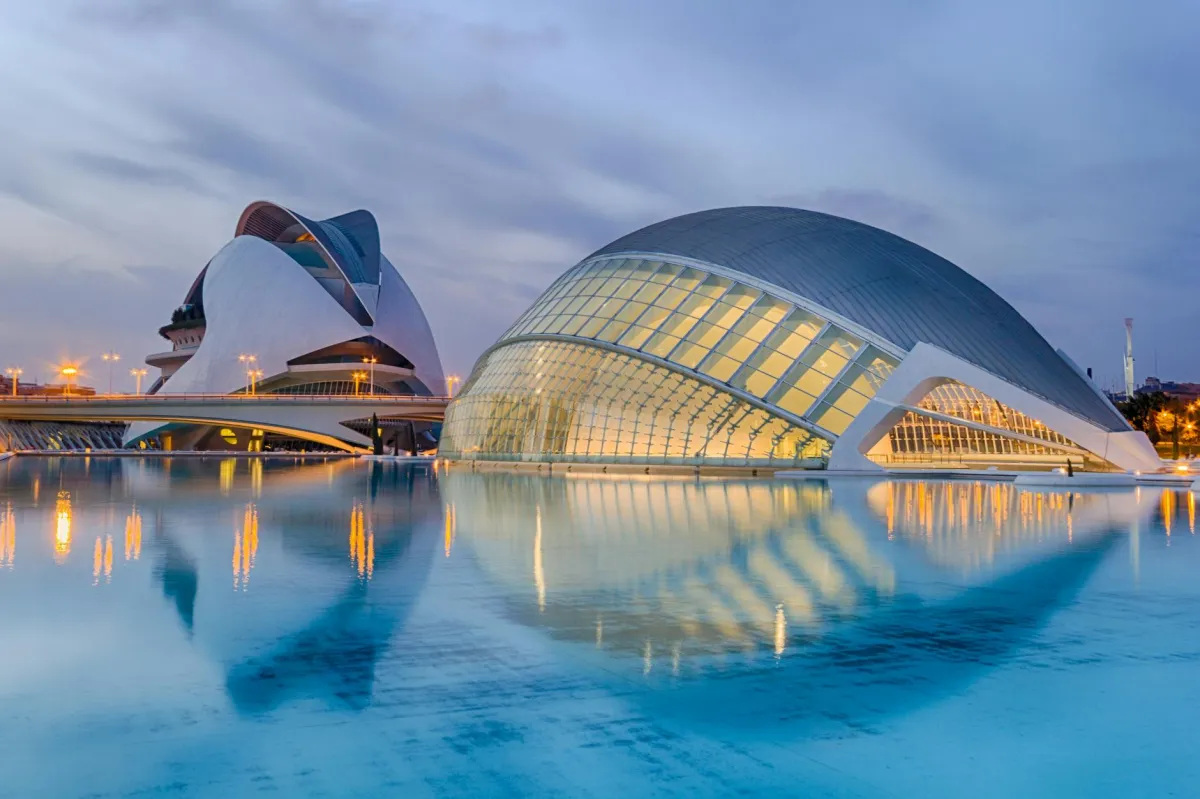
Plan one, two or three days in Valencia, connecting the historic centre, Turia Gardens, City of Arts and Sciences, beaches and L’Albufera.
 Belén Rivas
GuruWalk
·
Updated 27 Aug 2026
Belén Rivas
GuruWalk
·
Updated 27 Aug 2026Valencia combines Roman remains, Gothic buildings and contemporary cultural projects in an itinerary that is easy to cover on foot. The city offers markets, squares and museums alongside urban beaches and a large linear park in the former Turia riverbed. This guide will help you plan one, two or three days in Valencia.
Last verified: August 2026 — Prices, opening hours, and reservation requirements checked against official sources. GuruWalk’s Valencia gurus reviewed the practical recommendations.
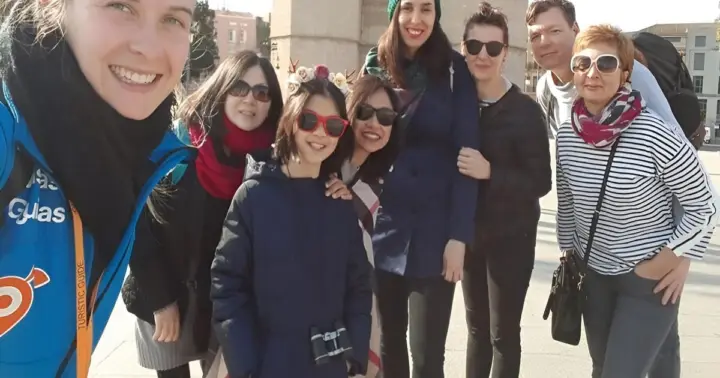
A free tour is one of the best ways to begin exploring the historic centre and understand how its Roman, Islamic and Christian layers fit together. Compare the available Valencia free walking tours and choose a route that suits your schedule.
Free tours do not have a fixed ticket price. At the end, each traveler tips according to the experience; a common baseline is €10–€20 per person, while particularly detailed or private-feeling experiences may receive up to €50.
Te proponemos un viaje a través de 2.000 años de historia de Valencia ¿te apuntas? &…

Súmate a este gran tour guiado donde recorreremos los principales espacios patrimoniales del centro histórico de Valencia.

¿Te gustaría conocer los principales lugares de València mientras haces un viaje en el tiempo? …

After the introductory walk, compare tours and activities in Valencia, including boat trips, excursions and visits connected with the City of Arts and Sciences.
The times below are suggested itinerary slots, not official opening hours. Check current access requirements and schedules with each attraction before finalising the route.
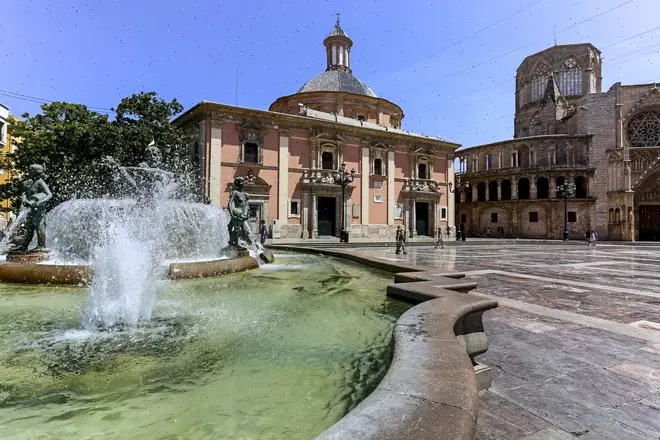
Start in the historic heart of Valencia, where the main monuments are close enough to connect on foot.
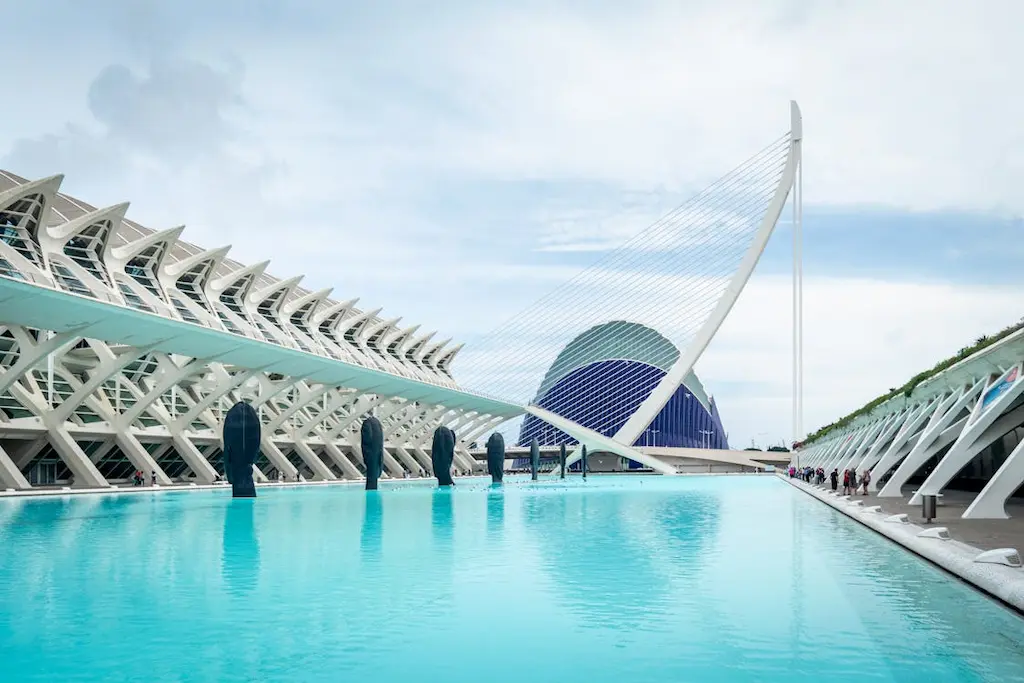
Spend the afternoon following the former riverbed towards the city’s main cultural and science complex.
| Length of stay | Suggested plan |
|---|---|
| 1 day | Historic centre in the morning; Turia Gardens and the City of Arts and Sciences in the afternoon. |
| 2 days | Day 1: historic centre. Day 2: Turia Gardens, City of Arts and Sciences, El Cabanyal and Malvarrosa Beach. |
| 3 days | Follow the two-day plan, then spend day 3 at L’Albufera. Museums and additional neighbourhood walks are a practical alternative in poor weather. |
Journey times vary with the exact starting point and traffic. From the historic centre, allow roughly 45–60 minutes on foot to reach the City of Arts and Sciences, or use a bicycle, bus or taxi for a shorter transfer. From the complex, Cabanyal and Malvarrosa are generally more practical by bicycle or public transport than on foot. L’Albufera requires a separate bus, organised excursion or car journey and should not be squeezed into the one-day route.
Check the current journey planner before departure through EMT Valencia or Metrovalencia. Route numbers and service frequencies can change, so this guide does not prescribe a specific line.
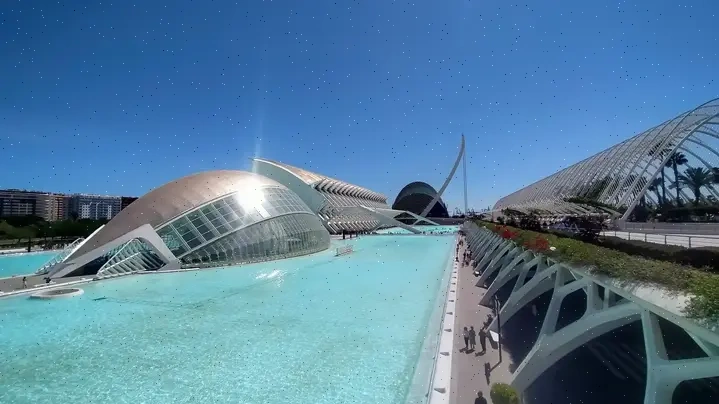
The City of Arts and Sciences is a cultural and science complex designed by Valencian architect Santiago Calatrava. It stretches for almost two kilometres along the former Turia riverbed. A guided walking tour can help explain the layout and the architectural ideas behind the site.
The white concrete and glass buildings introduced a contemporary language that coexists with the historic architecture. The Hemisfèric resembles an eye, the Museu de les Ciències has a skeletal structure, and the Oceanogràfic brings together buildings reflected in the water.
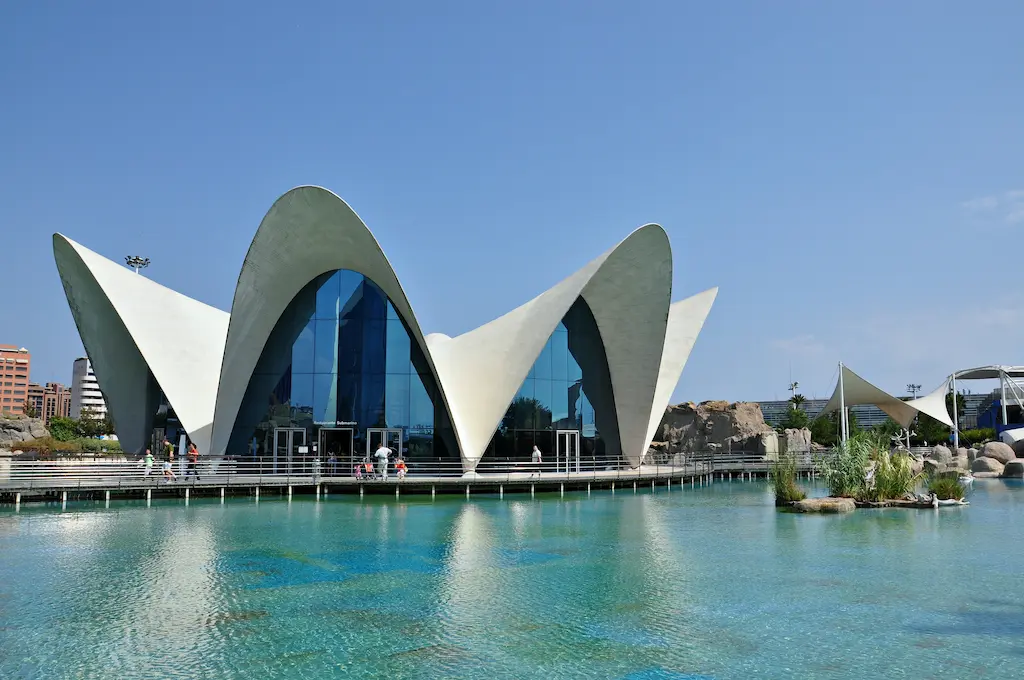
The Oceanogràfic presents marine ecosystems from different parts of the world, with habitats featuring species such as penguins, sharks and belugas. Check current availability and entry conditions before choosing between a standalone visit and a combined experience.
With its giant eye shape, the Hemisfèric houses an IMAX Dome cinema, digital 3D screenings and a digital planetarium. It is designed for science and nature screenings, with a concave screen covering 900 square metres.
What kind of films can I see at the Hemisfèric? The programme focuses on scientific and nature documentaries in digital 3D, astronomy shows and educational films. Titles and languages vary, so consult the current programme when planning the visit.
For more context on the complex, read about when the City of Arts and Sciences was built and how its different venues developed.
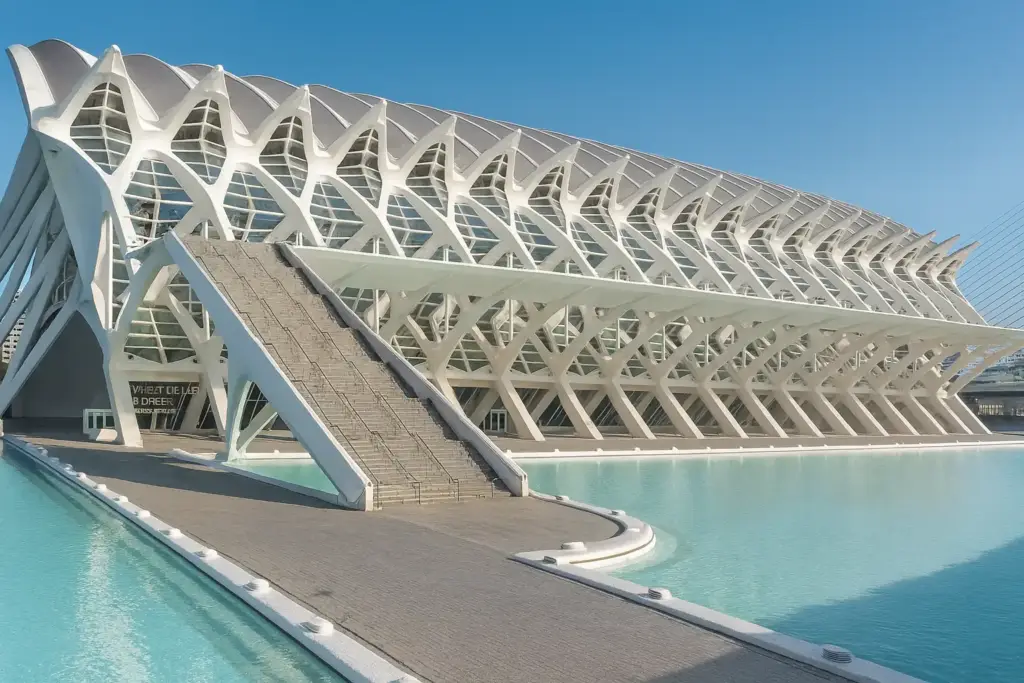
This interactive museum hosts changing exhibitions, workshops and demonstrations. Check the current programme rather than relying on a particular exhibition being available during the visit.
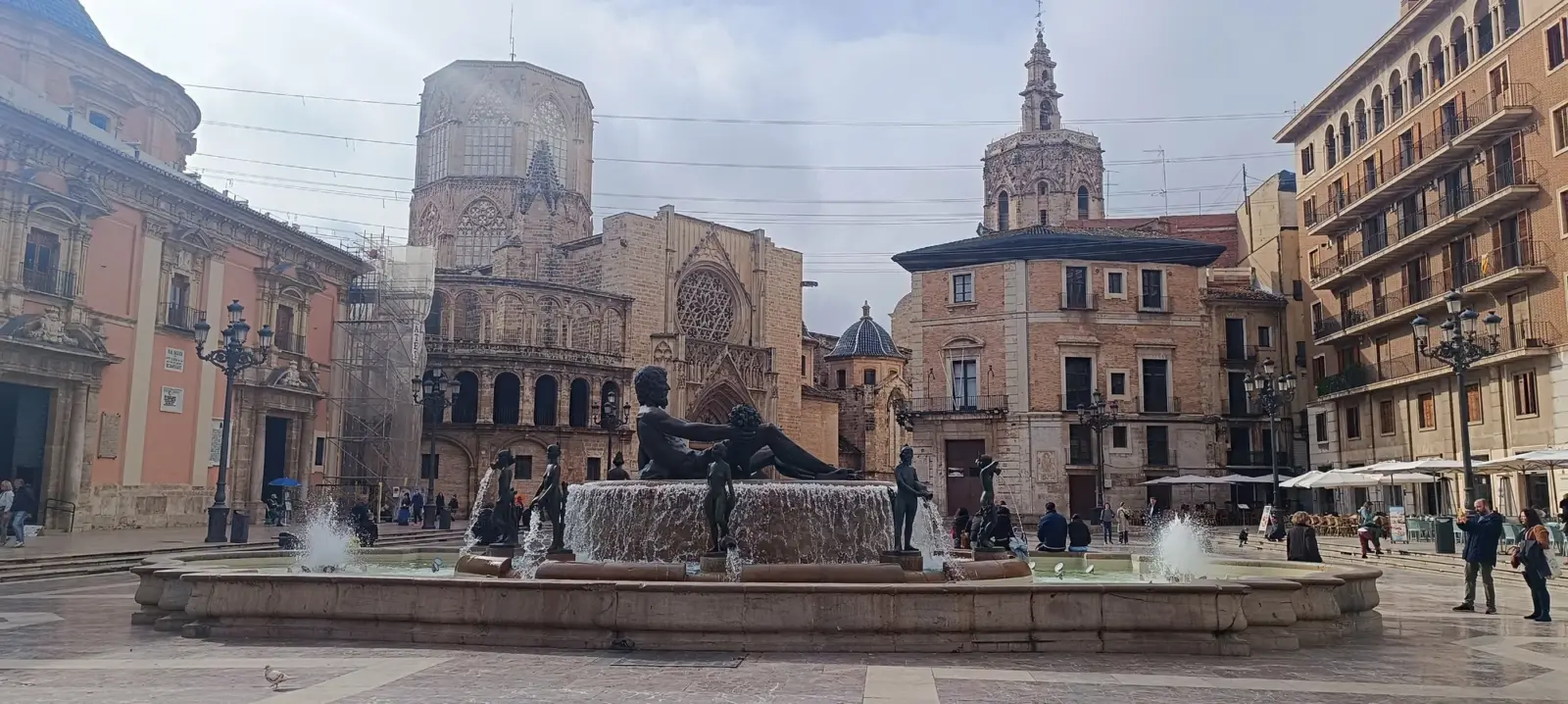
Plaza de la Virgen, next to Plaça de la Seu, reflects more than 2,000 years of urban history and remains a centre of Valencia’s social and religious life.
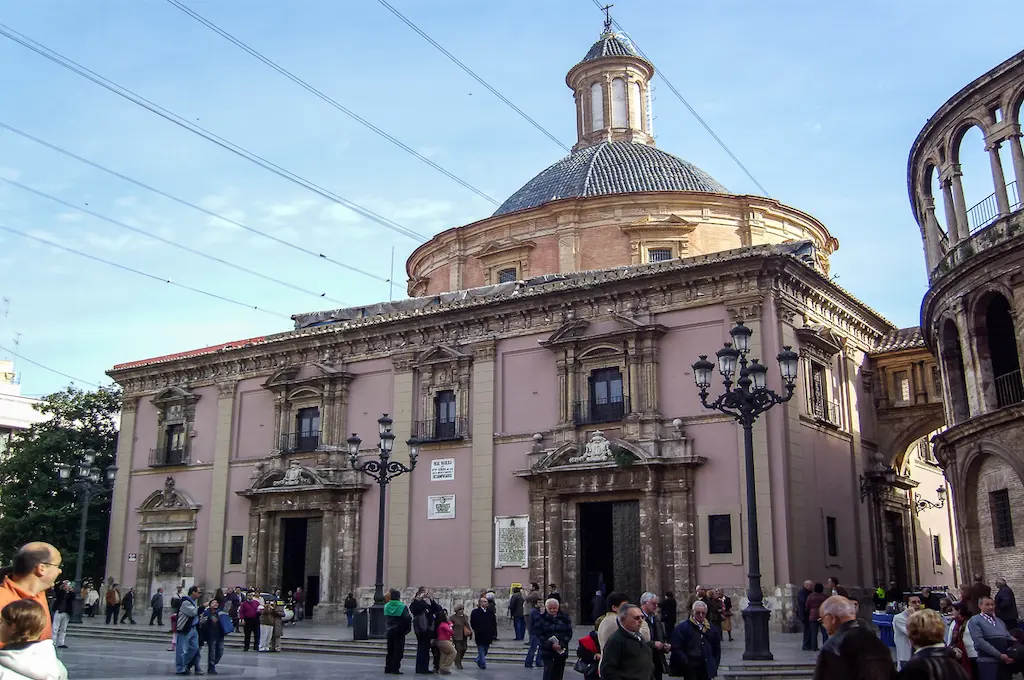
The Basilica of Our Lady of the Forsaken, built between 1652 and 1667, is dedicated to Valencia’s patron saint. Highlights include:
The Miguelete climb involves 207 steps and can become hot around midday. Check current admission conditions and allow enough time for the narrow staircase.
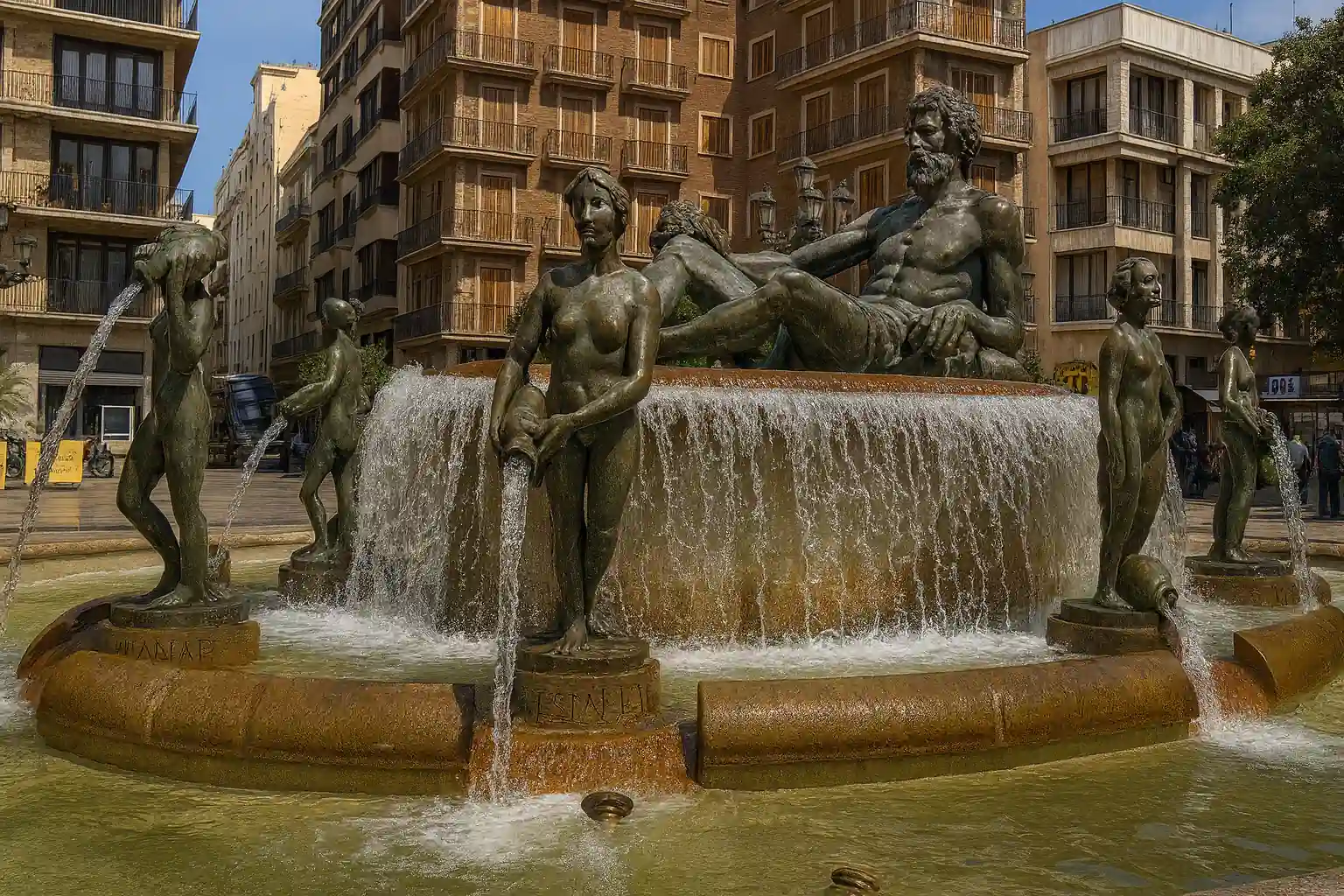
In the centre of the square stands the monumental fountain that represents the Turia River. It was inaugurated in 1976 and is the work of sculptor Manuel Silvestre Montesinos.
Did you know? The main statue is over 3 metres high and is surrounded by eight female figures symbolising the historic irrigation channels: Rovella, Favara, Mislata, Mestalla, Tormos, Rascanya, Quart and Benàger-Faitanar.
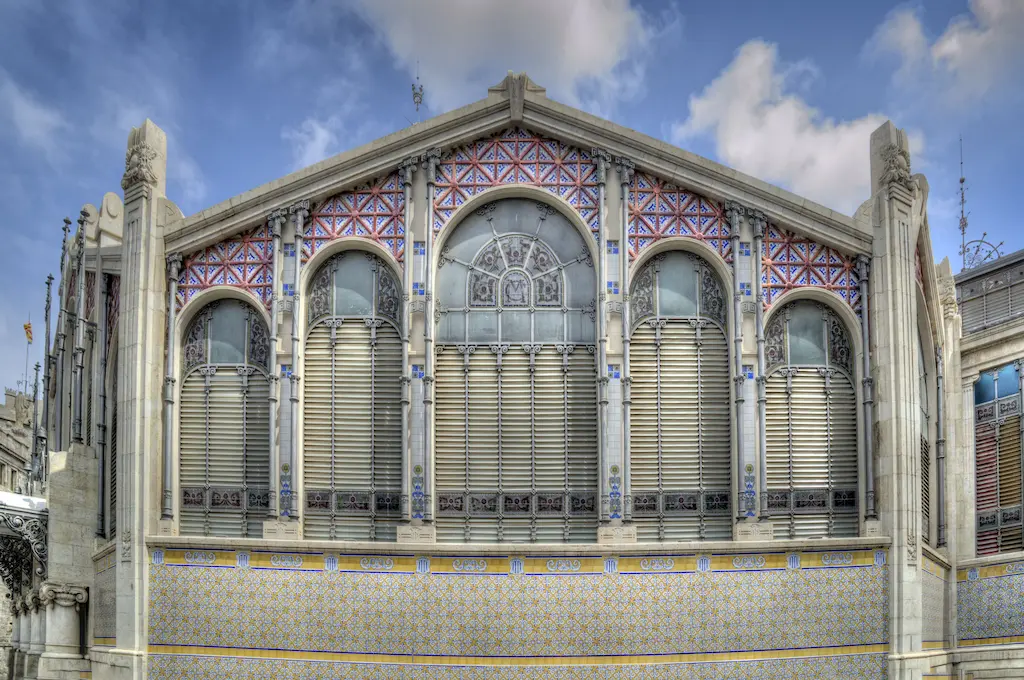
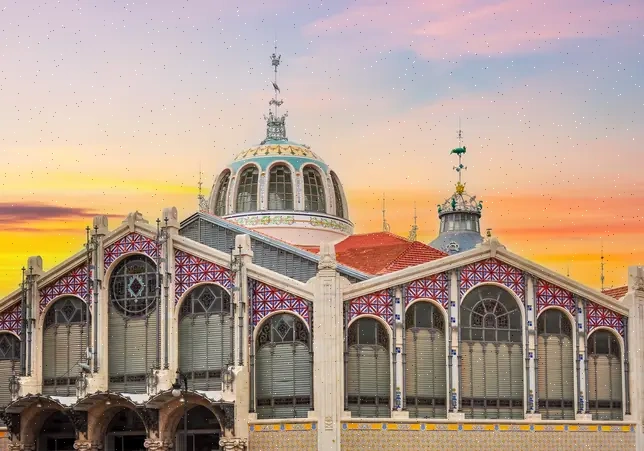
A few steps from Plaza de la Virgen is the Central Market, one of the largest markets in Europe. Its iron, glass and ceramic architecture makes it a useful stop for travelers interested in Valencian Modernism. Inaugurated in 1928, it has 8,200 m² of commercial space and 259 stalls offering fresh products.
Central Bar, inside the Central Market, serves tapas prepared with market produce. Availability and menus can change, so check directly before making a special journey.
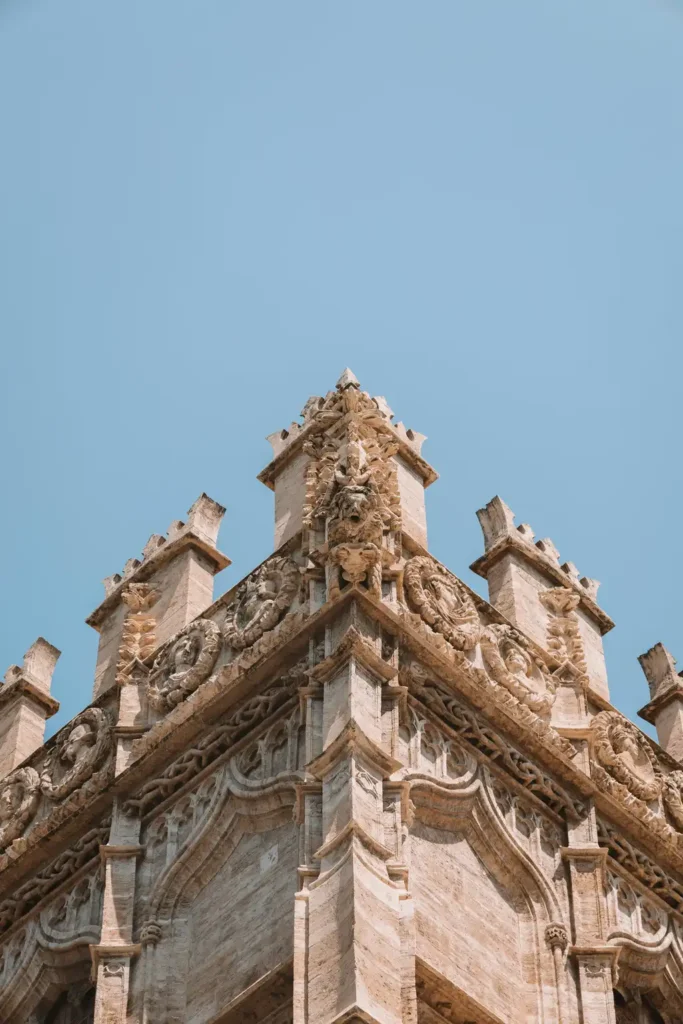
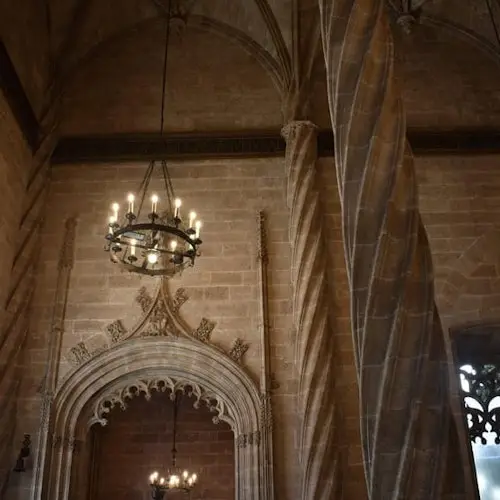
Inscribed on the UNESCO World Heritage List in 1996, the Silk Exchange represents the strength of Valencian trade during the late medieval period. This Gothic building, constructed between 1482 and 1548, was a centre for trading silk and other valuable goods.
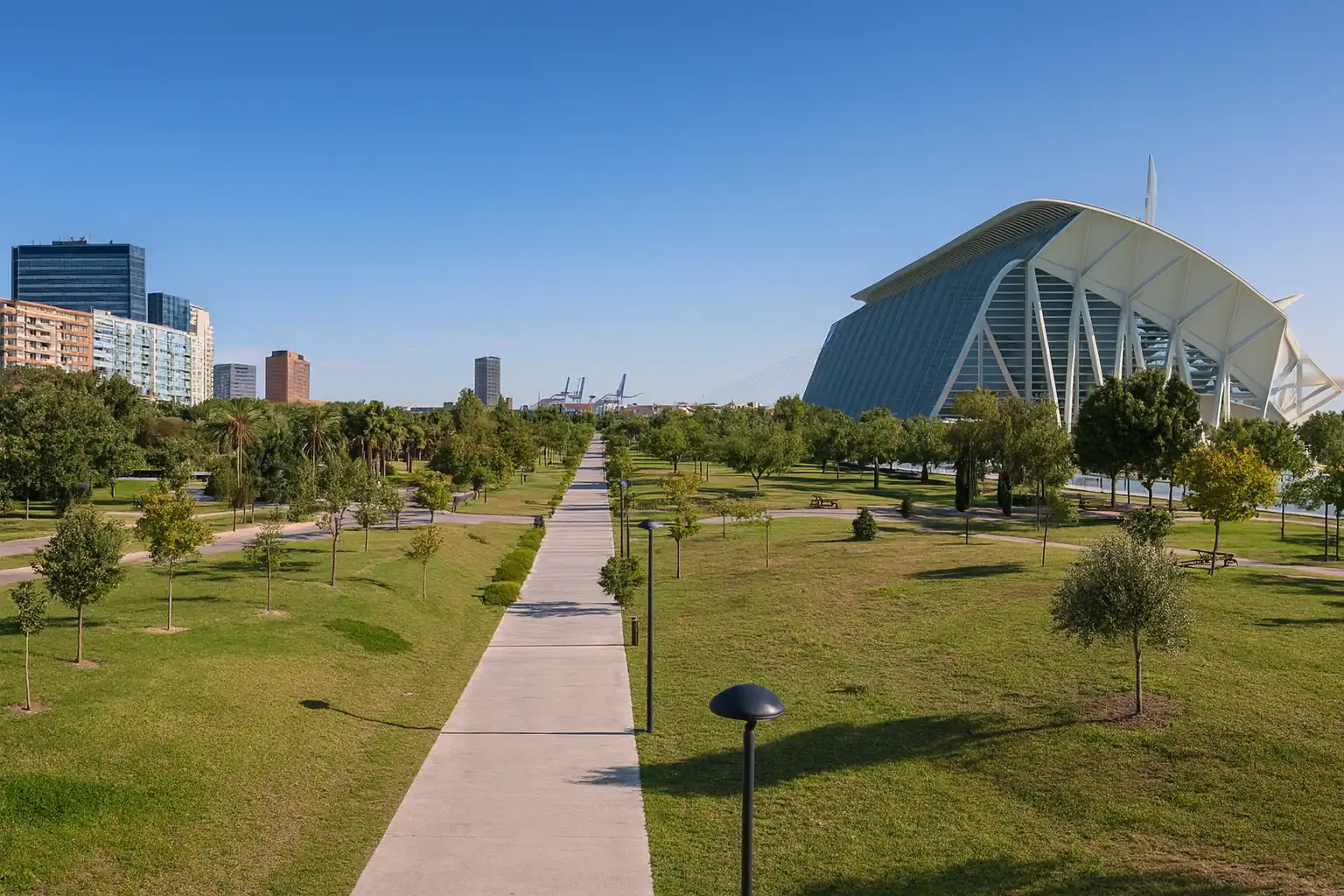
The Turia Gardens transformed the former riverbed into a linear park more than 9 kilometres long. It connects several neighbourhoods and provides a practical walking and cycling route towards the City of Arts and Sciences.
The park supports several everyday activities:
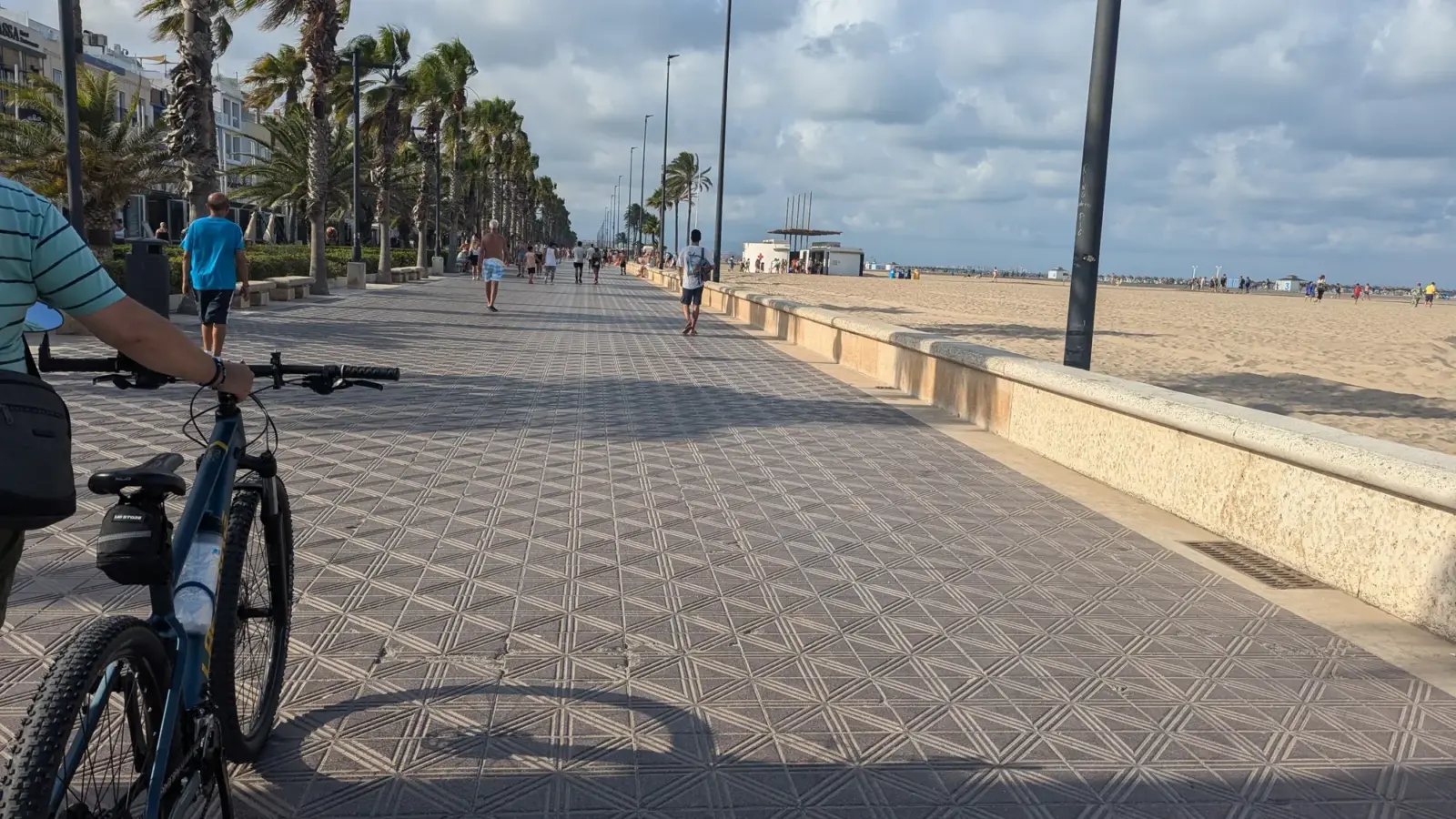
Valencia’s urban coastline is part of the city experience, and Malvarrosa Beach is one of its most popular stretches. A few kilometres from the centre, its broad sandy area faces the Mediterranean Sea.
Malvarrosa’s seafront promenade is busiest during the summer months. Here you’ll find:
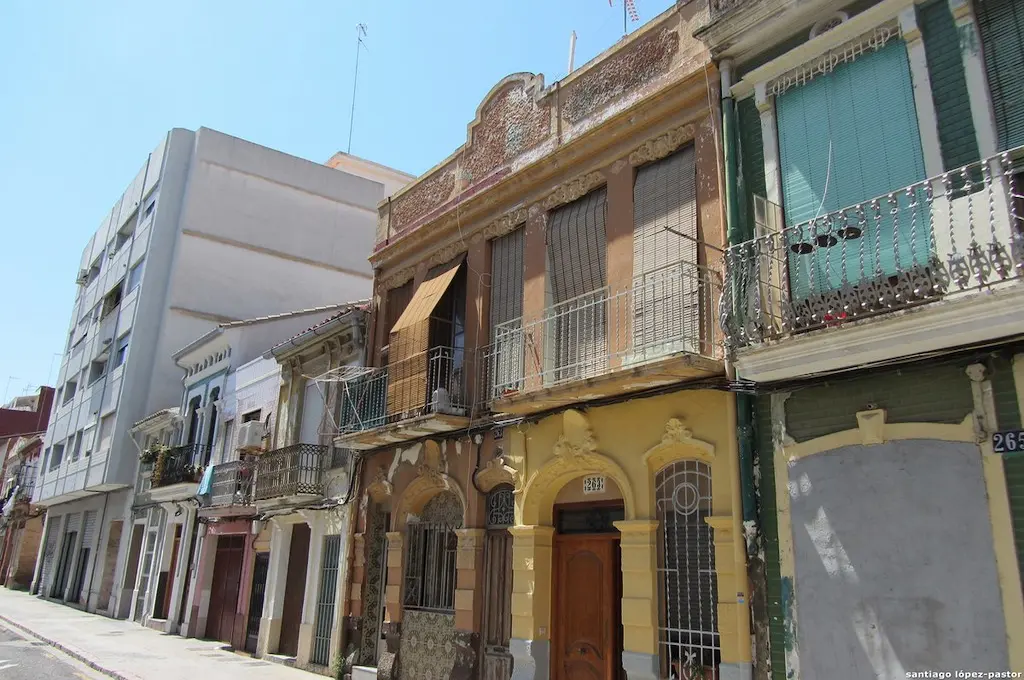
Near Malvarrosa Beach, El Cabanyal retains the street plan and architectural details of a former fishing district. Its tiled and Modernist façades make it a useful extension to a visit to the coast.
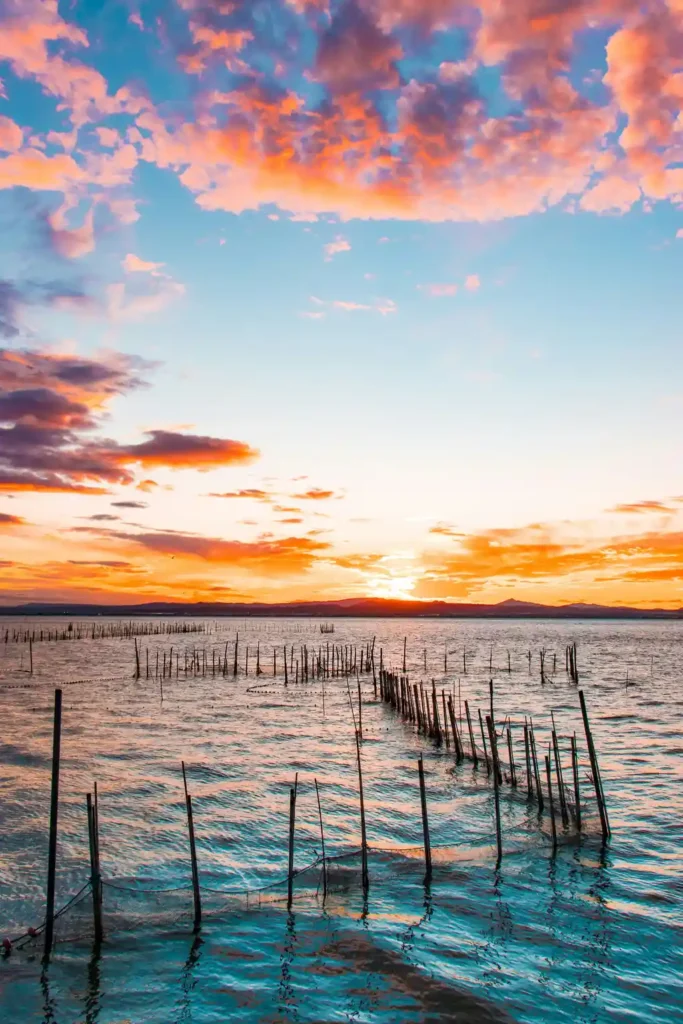
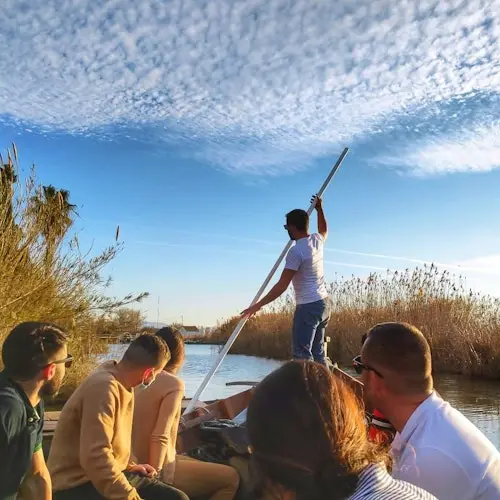
About 10 kilometres south of Valencia lies L’Albufera Natural Park. Its lake, dunes, pine forest and surrounding rice fields form an ecosystem closely connected with local agriculture and cuisine.
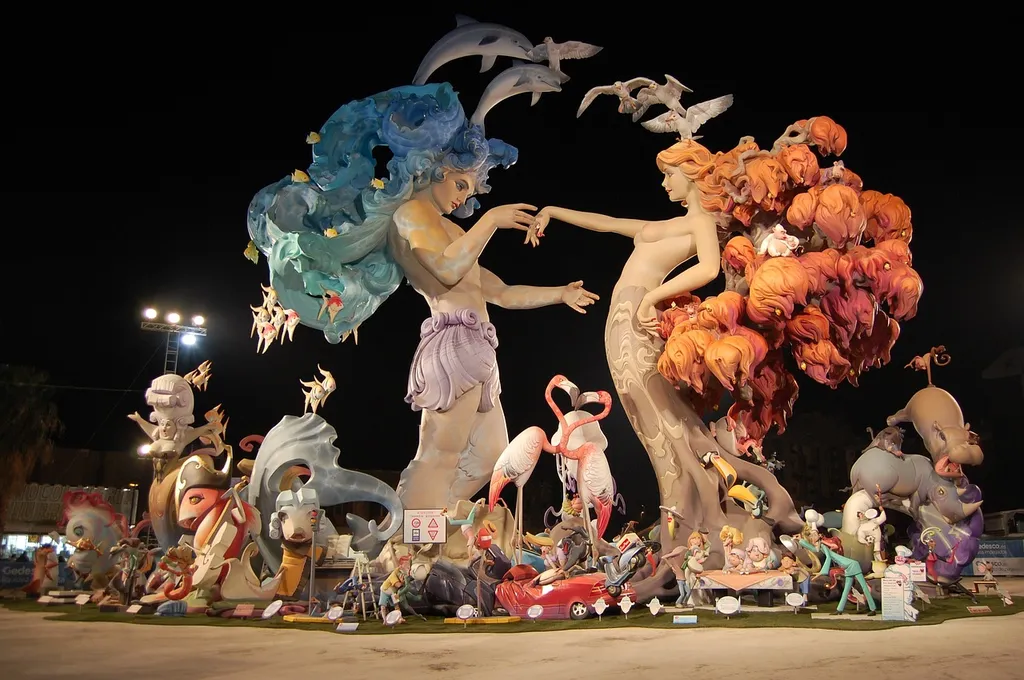
Las Fallas is a traditional festival held every year from 15 to 19 March in honour of Saint Joseph, patron saint of carpenters. The festival is known for papier-mâché and wooden monuments called fallas, which depict satirical scenes. On 19 March, the Cremà burns the monuments and closes the main celebrations. The festival combines art, fire, music and fireworks and has been recognised as Intangible Cultural Heritage of Humanity by UNESCO since 2016.
Travelers visiting in March should consult the current municipal programme because event locations, access controls and exact times can vary.
Pasaje Ripalda offers a compact look at festival-related clothing, music and local businesses during Las Fallas. Expect crowd controls and temporary access changes in the centre.
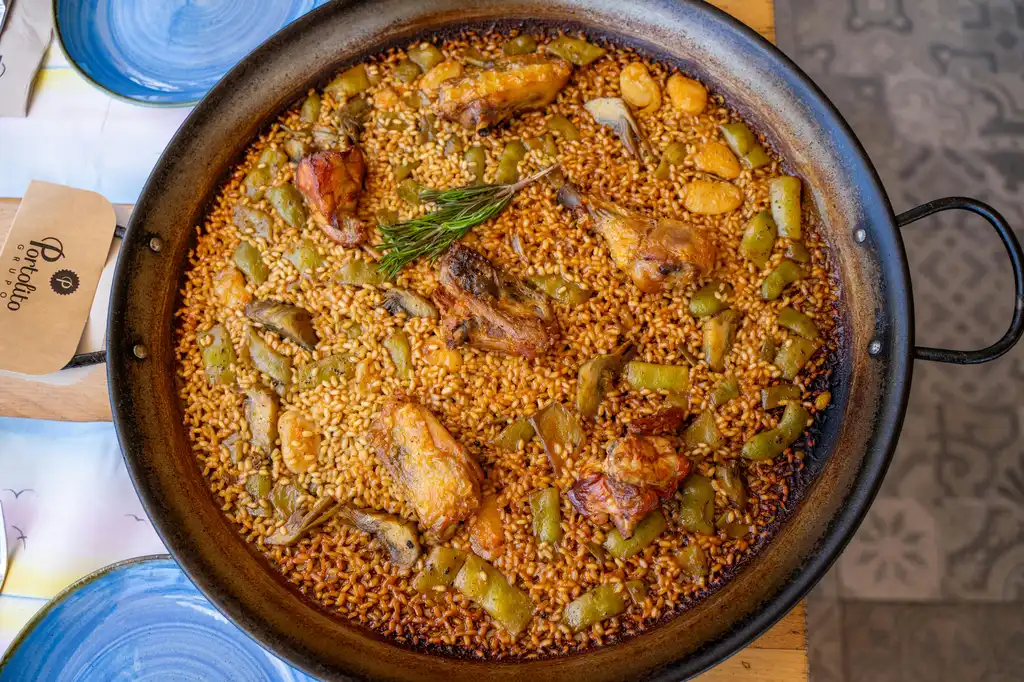
Paella is a symbol of Valencian identity and its agricultural landscape. The dish is associated with the L’Albufera area, where rice cultivation shaped local cooking traditions.
| Traditional ingredients | Ingredients outside the traditional Valencian recipe |
|---|---|
| Bomba or Senia rice | Seafood |
| Chicken and rabbit | Chorizo |
| Garrofó (local butter bean) | Peas |
| Flat green beans | Onion |
| Snails (optional) | Red pepper |
For a broader introduction to Valencian cuisine, compare rice dishes, market visits and food-focused activities, checking current availability before booking.
Valencia is the birthplace of paella and other traditional rice dishes. Restaurants in the historic centre, Malvarrosa and El Cabanyal offer different settings, but menus and reservation requirements should be checked directly.
Spring and autumn generally suit city walks and outdoor sightseeing. Travelers who want to experience Las Fallas should plan for March and expect crowds, noise and temporary access restrictions.
Valencia has metro, bus and tram services, as well as cycle lanes and a public bike system. Check current routes and ticket conditions with the official transport operators.
The main Las Fallas celebrations take place from 15 to 19 March, with additional events earlier in the month. Reserve accommodation well in advance and consult the current municipal programme for schedules, access restrictions and safety information.
Malvarrosa and Las Arenas are the best-known urban beaches and are connected to the centre by public transport. Patacona lies farther north, while El Saler is south of the city near L’Albufera.
Travel marketing specialist with extensive experience in the travel sector. At companies such as Despegar and GuruWalk, she has led traveler-focused digital acquisition strategies. Now, from the GuruWalk blog, she combines her expertise with her passion for discovering and sharing unique destinations.
Local guides, pay-what-you-want and no credit card to book. That is how you understand a city.
Explore free tours on guruwalk.com