The favorite cities of travelers who trust GuruWalk’s community of local expert guides to explore them in depth
1. Rome, Italy
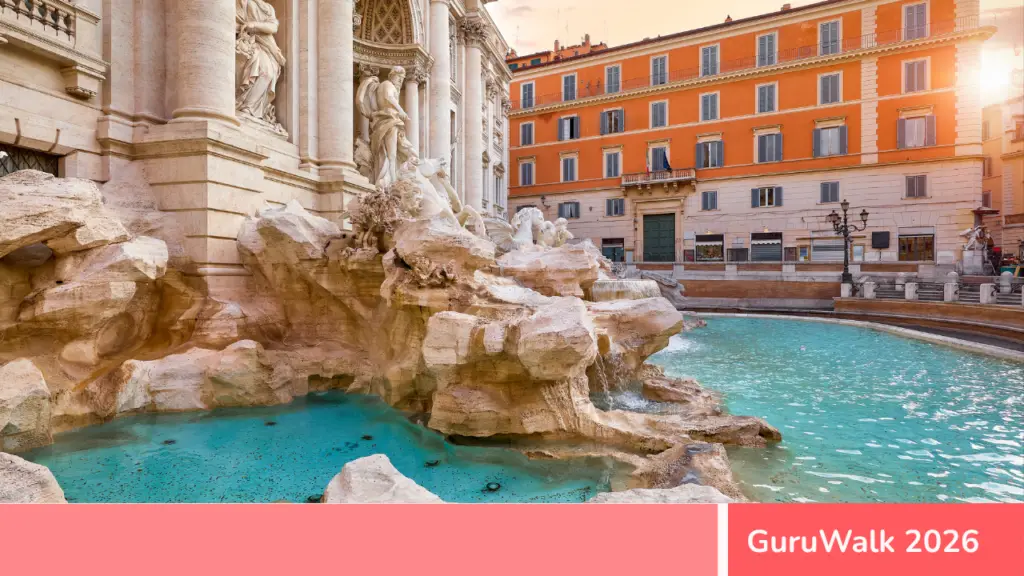
Rome has captivated travelers for over 2,700 years thanks to its unparalleled historical legacy. Walking through its cobblestone alleyways reveals one treasure after another: the Colosseum, where gladiators battled before 50,000 spectators, the Pantheon with its unreinforced concrete dome that remains the largest in the world, and the baroque fountains that spring up at every corner. Every step transports you through empires, popes, and renaissances.
2. Madrid, Spain
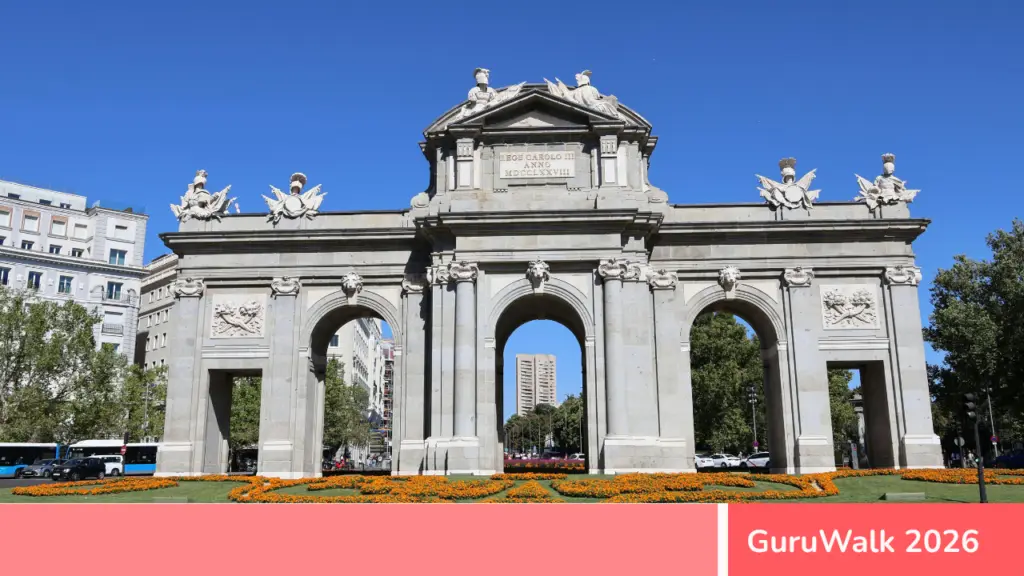
Madrid pulses with a unique energy felt in every square and avenue. From the Prado Museum, home to the most important collection of European painting, to the Retiro with its 125 hectares of historic parks and gardens, Spain’s capital invites patient explorers. Travelers on foot will discover that Madrid is both an open-air museum and a vibrant cultural hub.
3. Budapest, Hungary
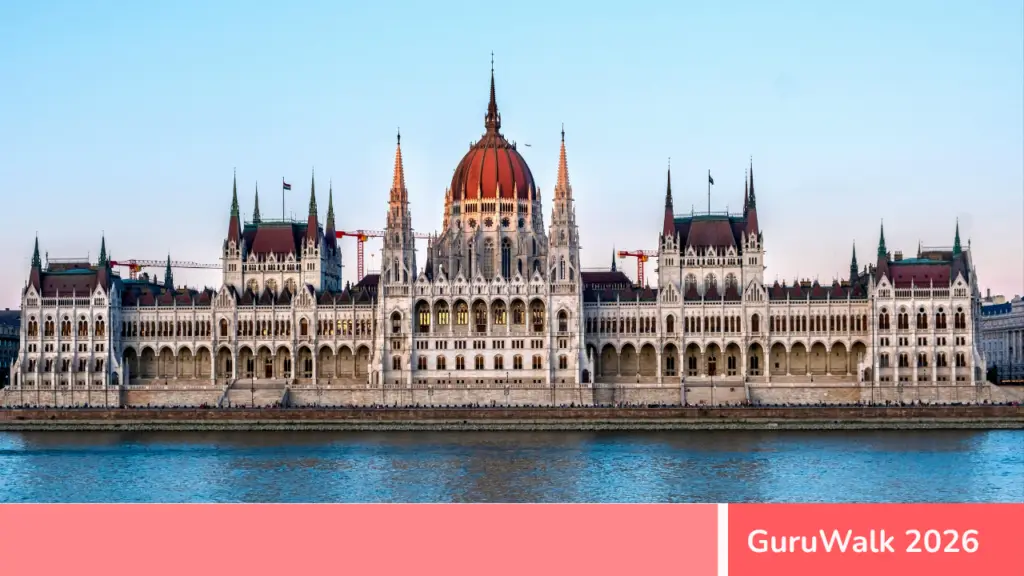
Known as the “Pearl of the Danube,” Budapest enchants with its imperial architecture and thermal baths dating back to the Roman Empire. The majestic Parliament, the Fisherman’s Bastion with its seven towers, and the famous Széchenyi Baths complete a unique experience. Walking along both banks of the river reveals why more than 4 million tourists visit this city every year.
4. Prague, Czech Republic
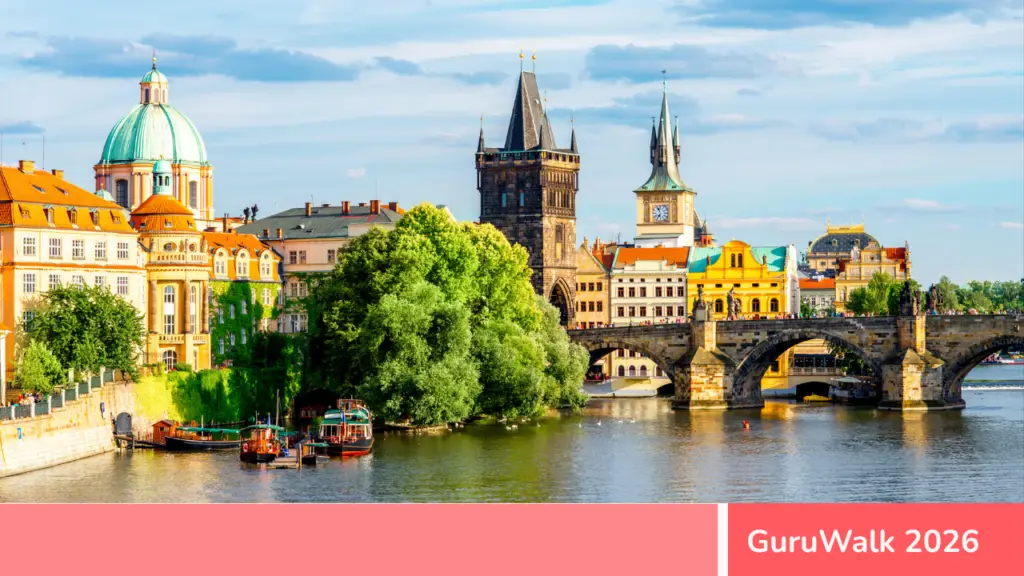
Prague preserves more than 1,000 years of medieval history in its cobblestone streets. The Astronomical Clock, which has kept time since 1410, still works perfectly in the Old Town Square. St. Vitus Cathedral and the Charles Bridge, with its thirty Gothic statues watching over the Vltava, make every walk a journey through fairy tales.
5. Lisbon, Portugal
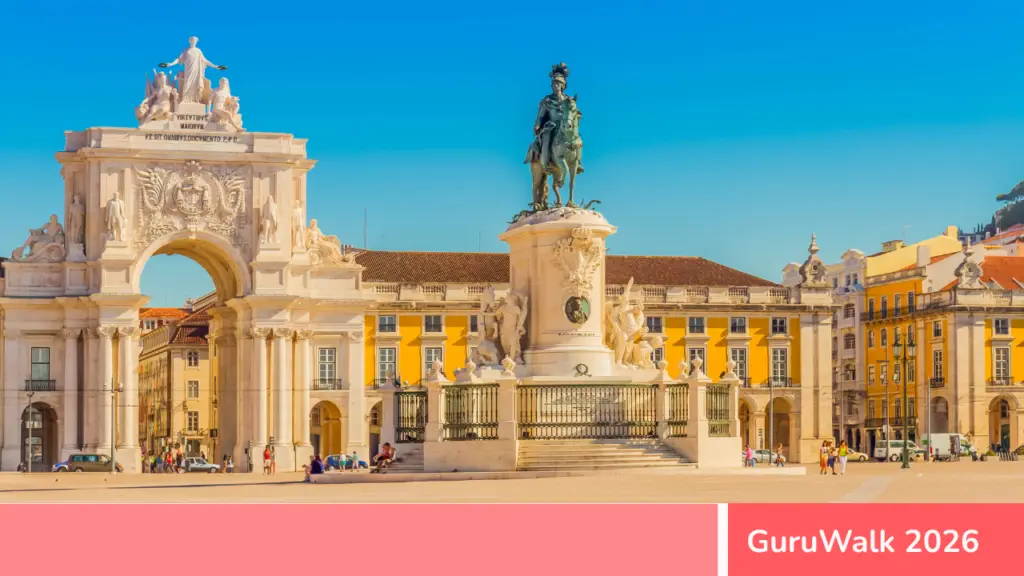
Lisbon descends in terraces toward the Tagus with an ungainly beauty that captivates anyone who visits on foot. Traditional Portuguese tiles, called azulejos, decorate 400-year-old facades in neighborhoods like Alfama. From the Jerónimos Monastery to São Jorge Castle, every climb reveals views that justify the effort.
6. Amsterdam, Netherlands
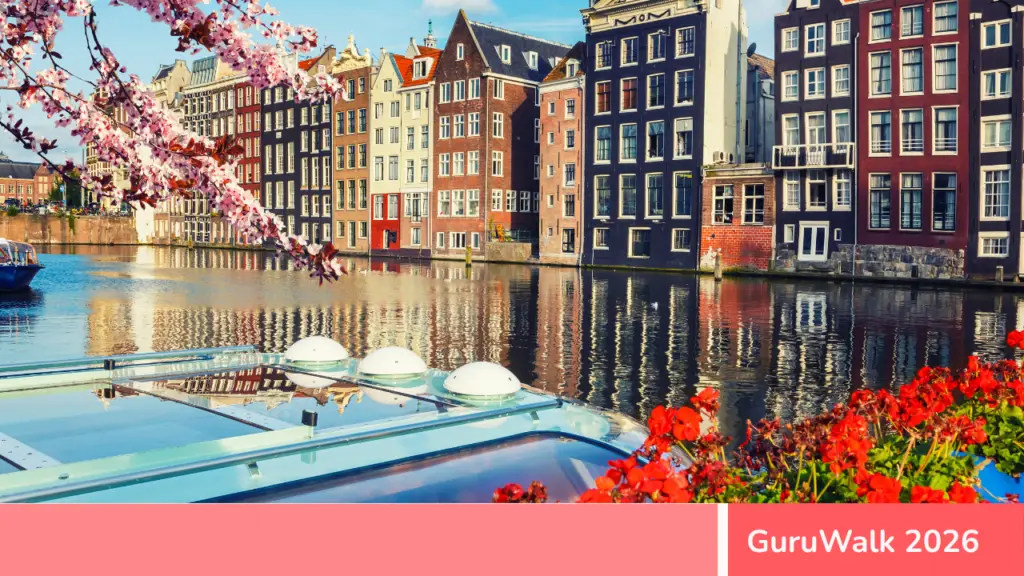
Amsterdam is synonymous with freedom and cycles, but its 17th-century canals offer a perfect labyrinth to explore on foot. With 1,281 bridges connecting more than 90 islands, walking alongside the water is the most natural thing in the world. Art galleries, traditional corner cafés, and floating markets await those who dare to wander without haste.
7. Porto, Portugal
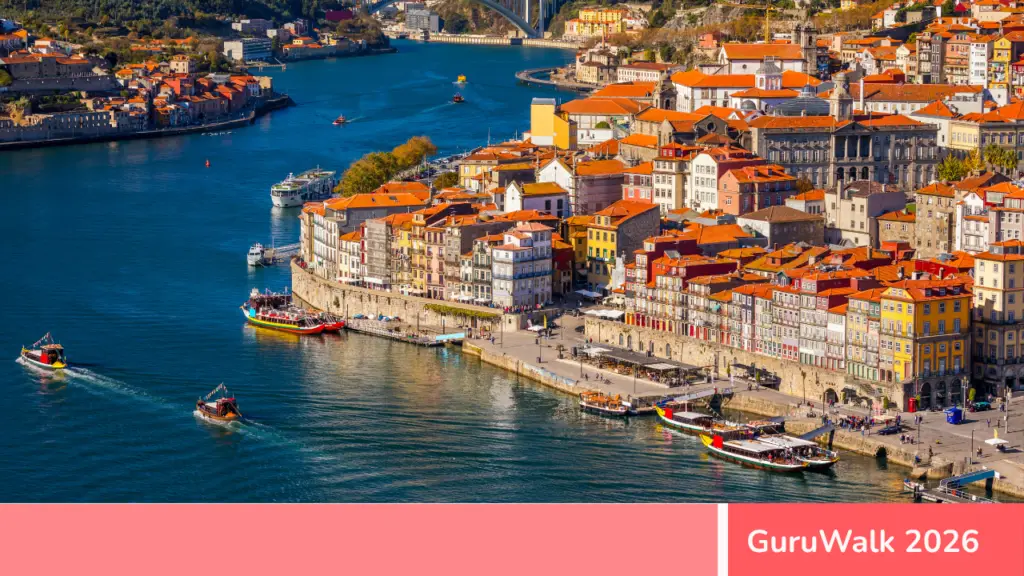
Porto rivals any European fairy-tale city, but without the overwhelming tourists. Its pastel-colored houses pile vertiginously toward the Douro, and its vineyards have produced port wine for 300 years. Crossing the two-level Dom Luís I Bridge on foot is an unforgettable experience of Gothic engineering.
8. Barcelona, Spain
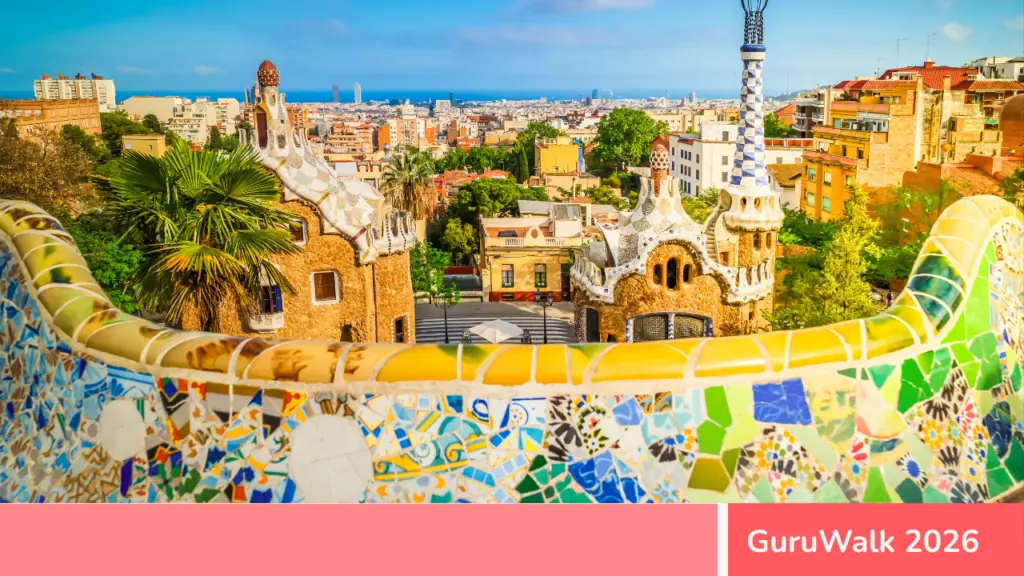
Barcelona blends Catalan modernism with an unstoppable Mediterranean spirit. Gaudí’s Sagrada Familia is still under construction 144 years after it began, attracting visitors who walk among its mosaic and glass towers. Las Ramblas, Park Güell, and the Gothic Quarter turn every stroll into an architectural discovery.
9. London, United Kingdom
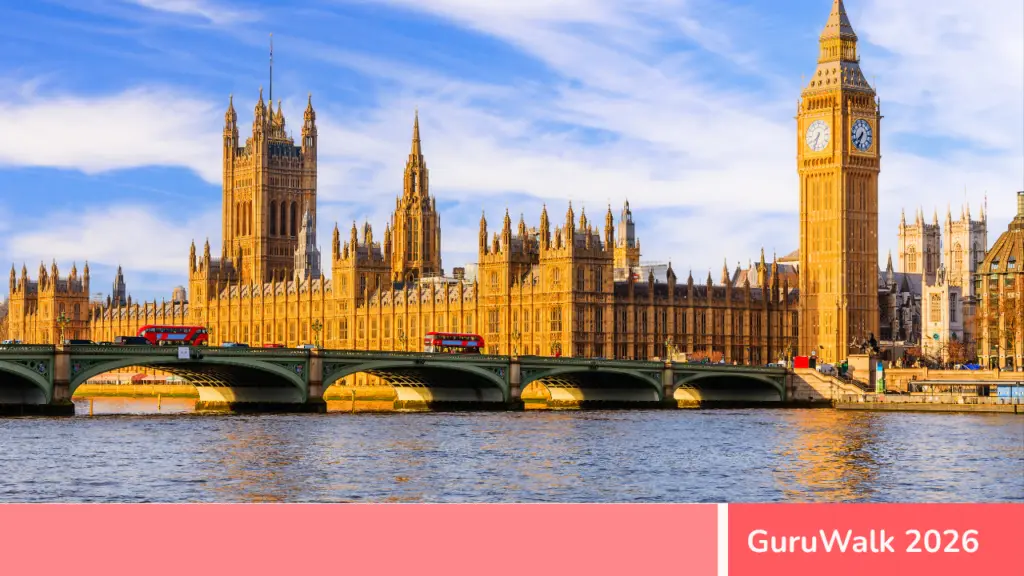
London is a city of contrasts that rewards patient travelers who explore its districts on foot. From Westminster and its Palace of Parliament to the bohemian markets of Camden, Britain’s capital offers 2,000 years of Roman, medieval, Georgian, and Victorian history. Walking along the Thames reveals that London remains a global cultural powerhouse.
10. Berlin, Germany
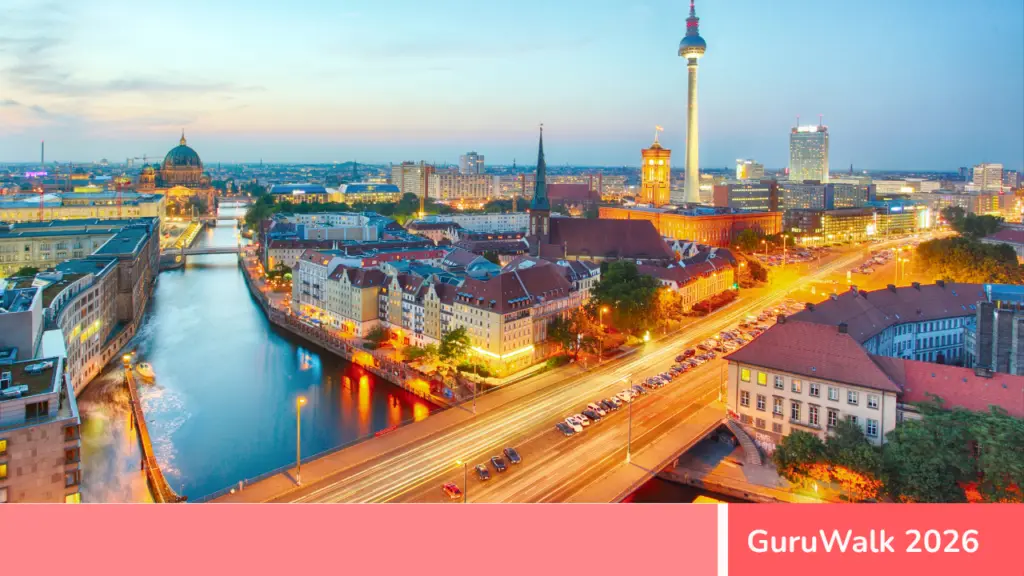
Berlin is Europe’s wound and its healing made into a city. The Wall is gone, but its history lives on in art galleries, world-class museums, and murals covering entire buildings. Tiergarten, the Brandenburg Gate, and the Kreuzberg district show how a city can reinvent itself while honoring its past.
11. Paris, France
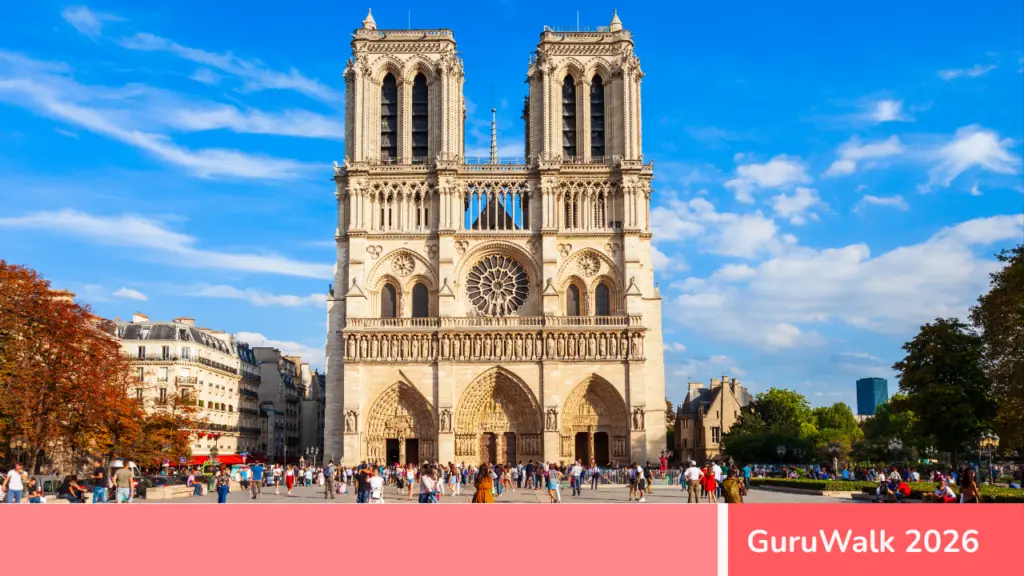
Paris is not a city but a religion. Every avenue leads to a church, every square unites art with architecture, and every café is a front-row seat to life itself. The Eiffel Tower, Notre-Dame, and the Louvre are merely the overture; the real treasures emerge in secret passages, romantic bridges, and the city’s 450 parks.
12. Seville, Spain
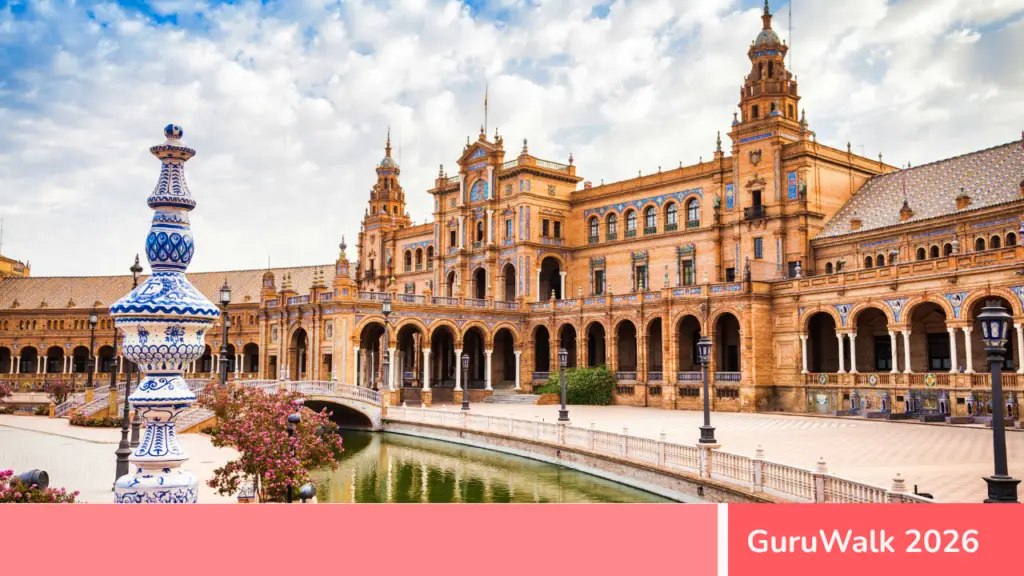
Seville breathes flamenco, Moorish passion, and the Guadalquivir in every corner of its cobblestone streets. The Gothic Cathedral is the third largest in the world, and the Alcázar, with its 12 hectares of Mudéjar palaces, tells stories spanning 800 years. Wild orange trees perfume the air as you walk through a city that invented the Spanish spirit.
13. Istanbul, Turkey
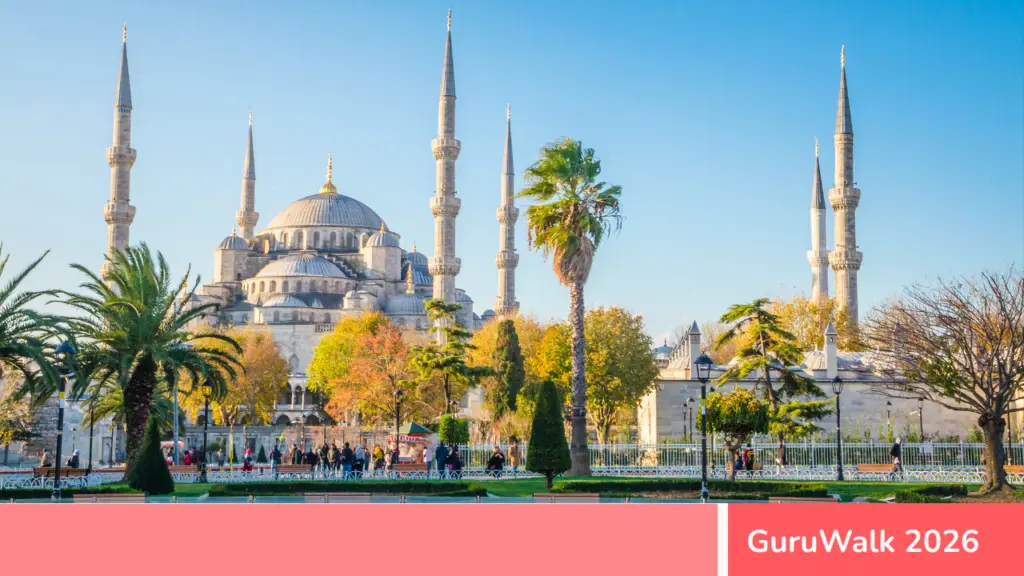
Istanbul is where Asia and Europe shake hands, separated only by the Bosphorus. From the Blue Mosque with its six minarets to the Topkapi Palace, where sultans ruled the world, the city offers layers of empire: Roman, Byzantine, Ottoman. Crossing from one continent to another on foot is the ultimate experience of this millennial metropolis.
14. Krakow, Poland
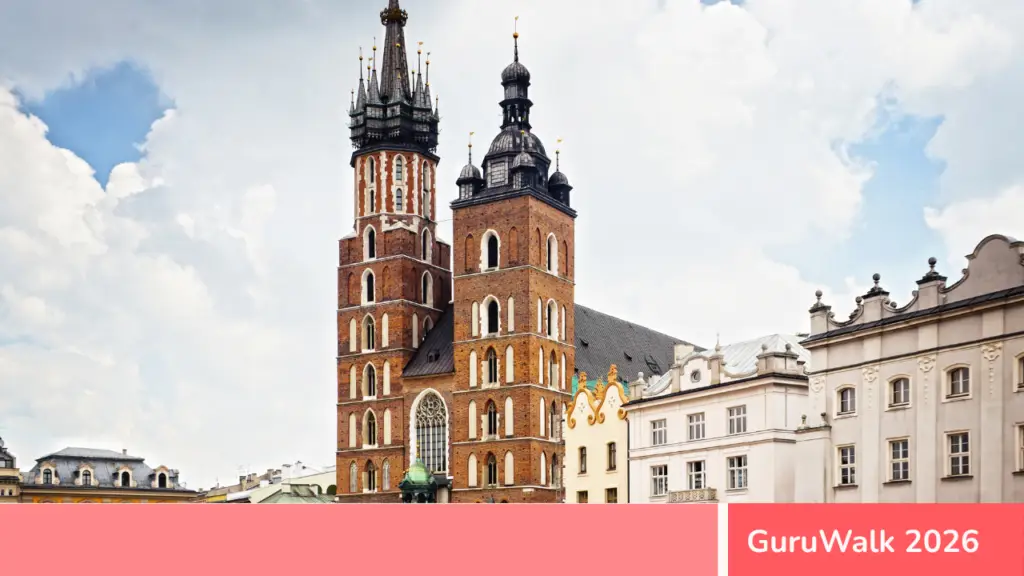
Krakow, with its perfectly preserved medieval squares and red brick churches, transports travelers 600 years back in time. The Main Square is one of the largest in medieval Europe, flanked by Renaissance palaces that survived two world wars. St. Mary’s Basilica and the city’s towers complete a picture that 19th-century painters immortalized.
15. Florence, Italy
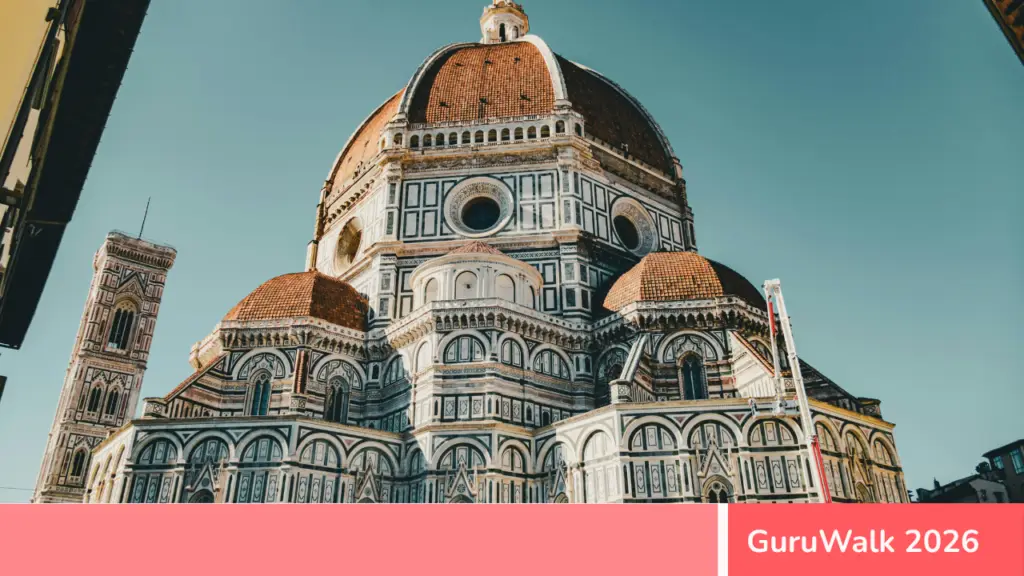
Florence is the cradle of the Renaissance, where every facade tells stories of masters who changed art forever. The Duomo with Brunelleschi’s terracotta dome, the Uffizi Gallery with 1,700 masterpieces, and the Ponte Vecchio over the Arno define what urban beauty means. Wandering aimlessly through its alleyways is finding the art of living.
16. Vienna, Austria
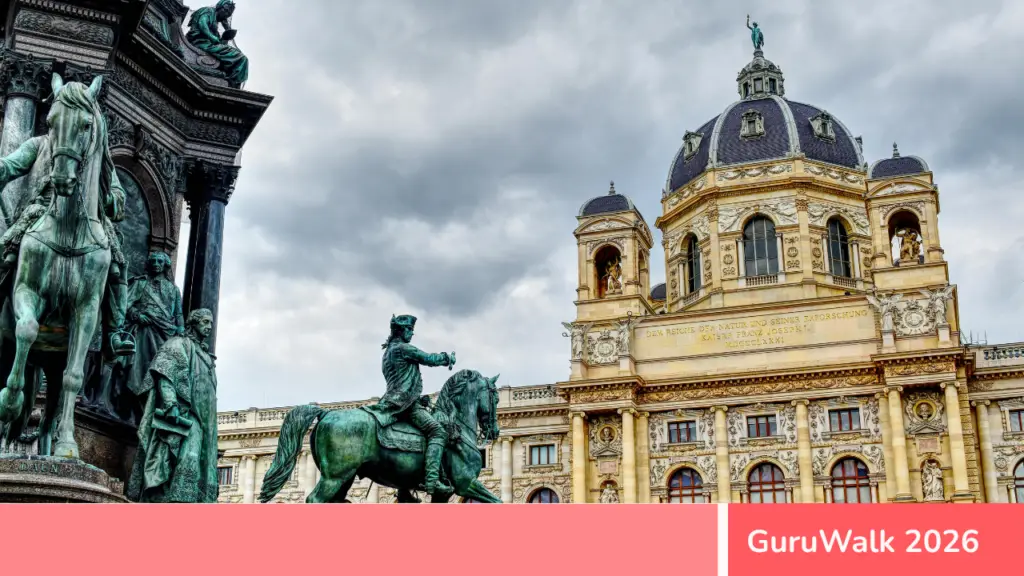
Vienna is symphony, waltz, and coffee concentrated in a 1,900-year-old city. Schönbrunn Palace, with its 1,441 rooms, and the 12th-century St. Stephen’s Cathedral weave a history of the Austro-Hungarian Empire. The literary cafés where Freud and Mozart once had coffee still serve Sachertorte, as if time had elegantly stood still.
17. Toledo, Spain
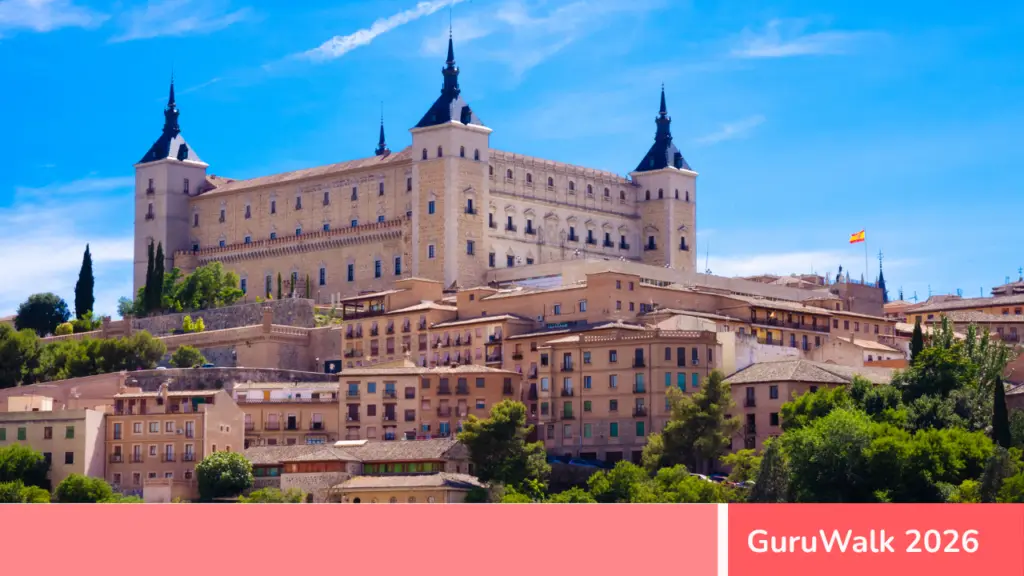
Toledo rises on a rocky promontory surrounded on three sides by the Tagus, creating a 2,000-year-old medieval fortress. Its narrow streets and stone churches twist like an intentional labyrinth designed to confuse invaders. The Alcázar, the Primate Cathedral, and the paintings of El Greco transform every step into a journey through art.
18. Dublin, Ireland
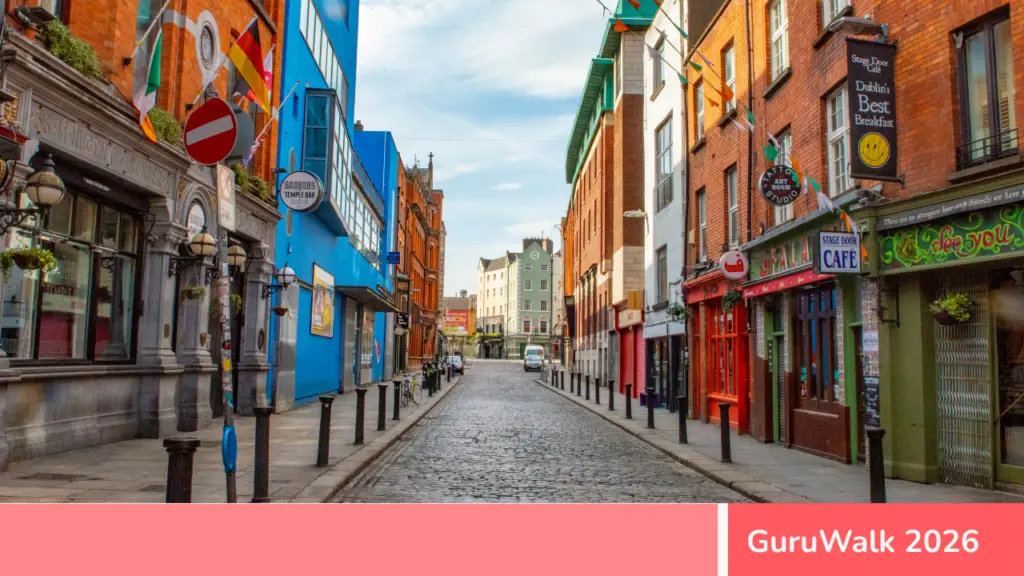
Dublin buzzes with a literary energy that flows from its pubs, poet corners, and antique bookshops. The city produced Joyce, Wilde, Beckett, and Heaney, and their intellectual ghosts still roam the streets of Temple Bar and Trinity College. The Guinness Storehouse is merely an excuse; the real magic lies in chatting with strangers in 300-year-old pubs.
19. Dubrovnik, Croatia
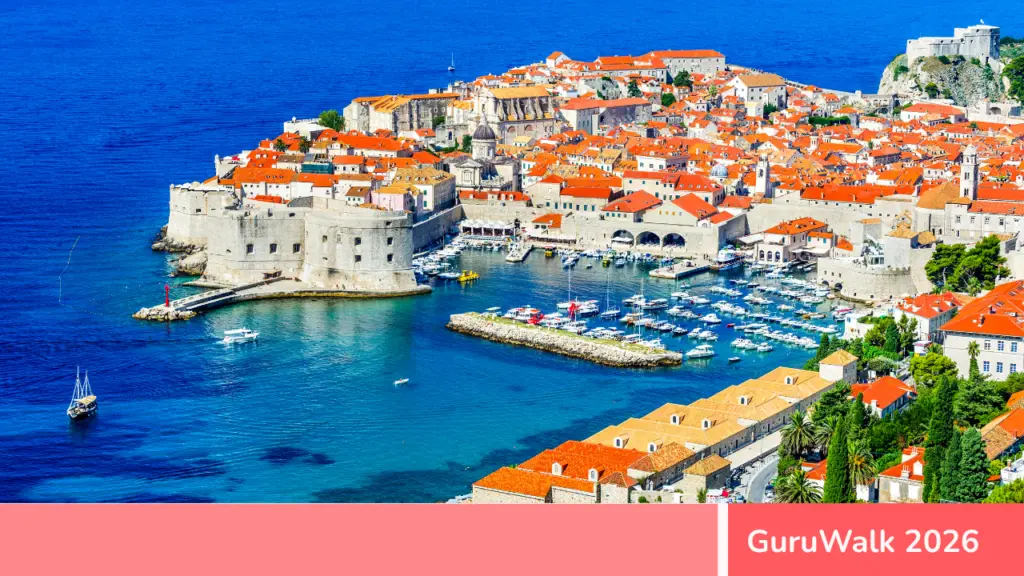
Dubrovnik, the “Pearl of the Adriatic,” is a 1,940-meter medieval wall enclosing a perfect city. Built between the 13th and 17th centuries, its white limestone streets gleam under the Mediterranean sun, and its fortifications have withstood attacks for six centuries. Walking along the wall while spotting Croatian islands is a privilege few places in the world can offer.
20. Tokyo, Japan
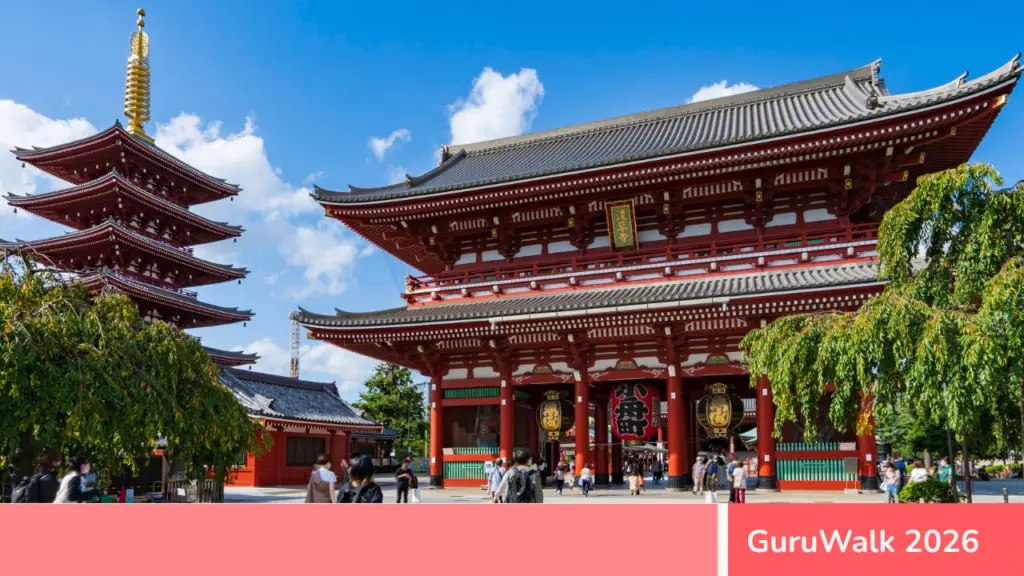
Tokyo is controlled chaos where tradition and futurism compete on every block. Shinto temples from the 16th century coexist with neon skyscrapers, and travelers on foot discover hidden Zen gardens between train stations. With 37 million people, Tokyo is the most populated metropolis on the planet, and somehow, walking its streets never feels crowded.
21. Split, Croatia
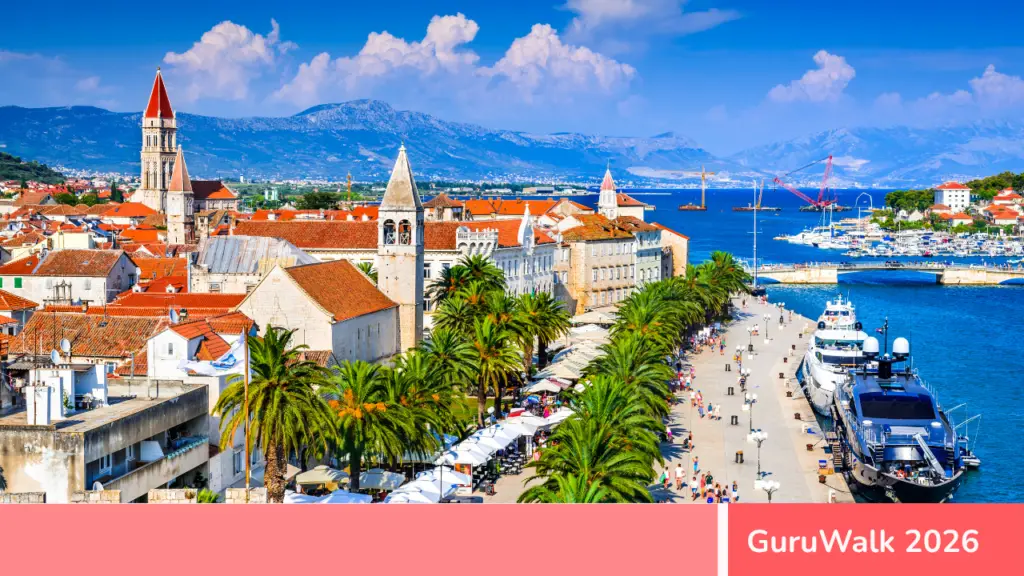
Split reveals Croatia’s best-kept secret: a 3rd-century Roman Palace turned living city. Diocletian’s Palace, where the emperor retired 1,700 years ago, now houses shops, cafés, and apartments living within its stone walls. Walking the Dalmatian coast from here offers pebble beaches and fiery sunsets over the Adriatic.
22. Santiago de Compostela, Spain
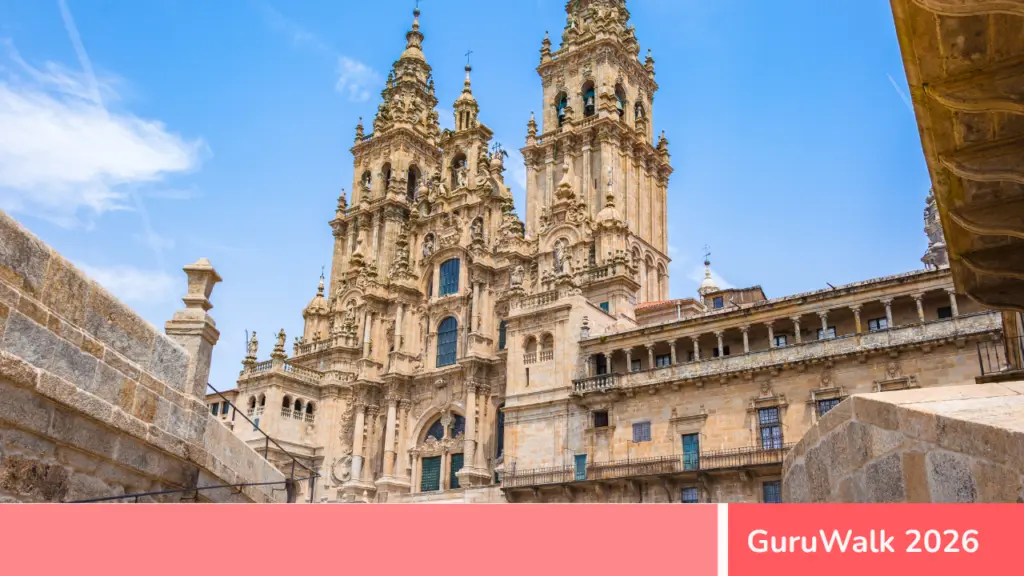
Santiago de Compostela is the destination for 230,000 pilgrims each year who walk the Camino de Santiago seeking spiritual transformation. The Metropolitan Cathedral, built between 1075 and 1738, houses the relics of the Apostle Saint James and dominates the Obradoiro Square. Galician architecture and the energy of the walkers turn this city into a sacred meeting place.
23. New York, USA
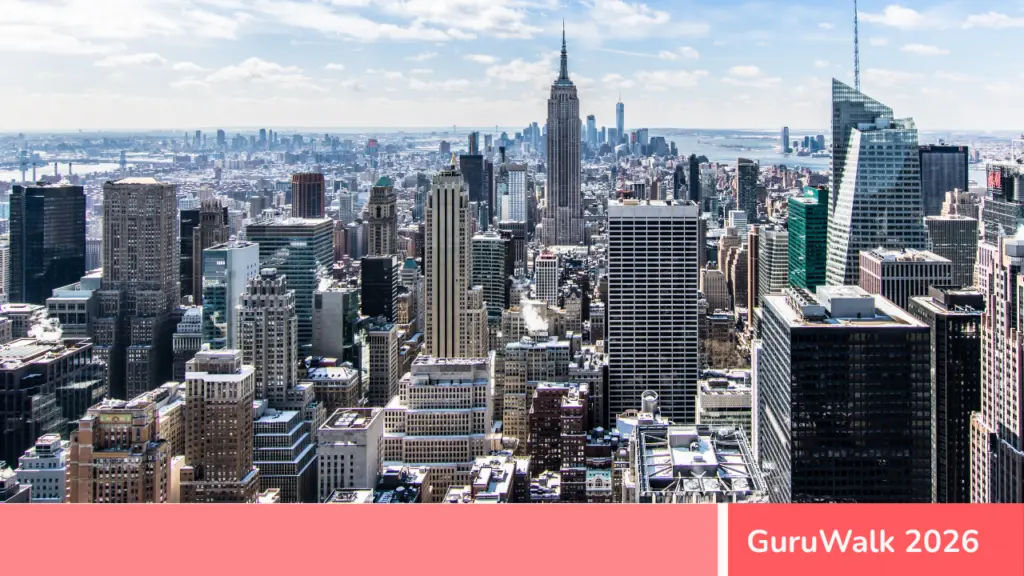
New York is the city that never sleeps, where 8.3 million people create a unique pulse felt with every step. Central Park, Times Square, Brooklyn Bridge, and Wall Street are merely the main acts of an infinite urban drama. On foot is how you truly see New York: a symphony of cultures, languages, and dreams colliding on the sidewalks.
24. Bucharest, Romania
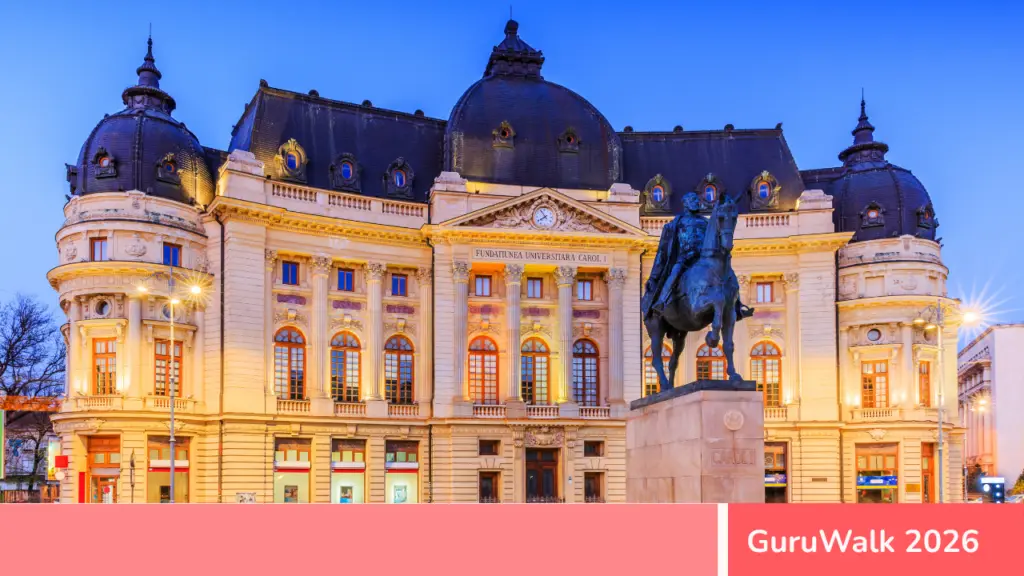
Bucharest buzzes with a decadent and noisy charm that puzzles visitors. Broad grand avenues, colossal palaces of communist origin, and bohemian cafés create a city that seems undecided about who it wants to be. But precisely that contradiction, along with affordable prices and hospitable people, makes Bucharest a discovery for adventurous walkers.
25. Santiago, Chile
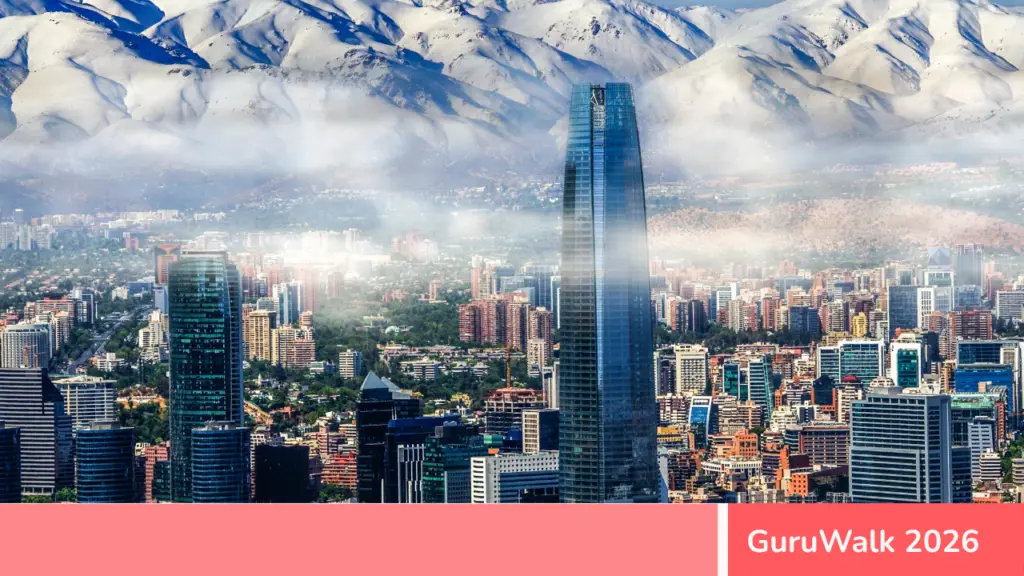
Santiago is a city with an Andean soul that gazes toward the Pacific from the foot of the Andes. Founded in 1541, it preserves its colonial historic center around the Plaza de Armas, surrounded by museums and neoclassical architecture. Travelers on foot can hop from bohemian cafés to art galleries in Lastarria without losing sight of the mountain range that frames the city.
26. Málaga, Spain
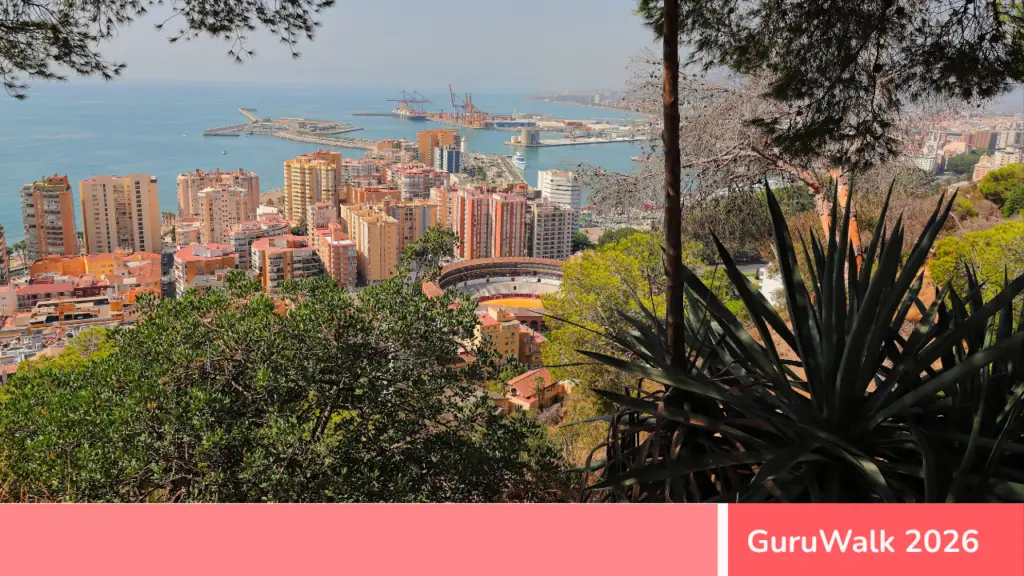
Málaga is the gateway to the Costa del Sol, but this coastal city deserves exploration on foot in its own right. Its medieval port and the 1,000-year-old Alcazaba rise above dark sand beaches. The Picasso Museum, housed in a Renaissance palace, honors Málaga’s most famous son with 233 masterpieces.
27. Granada, Spain
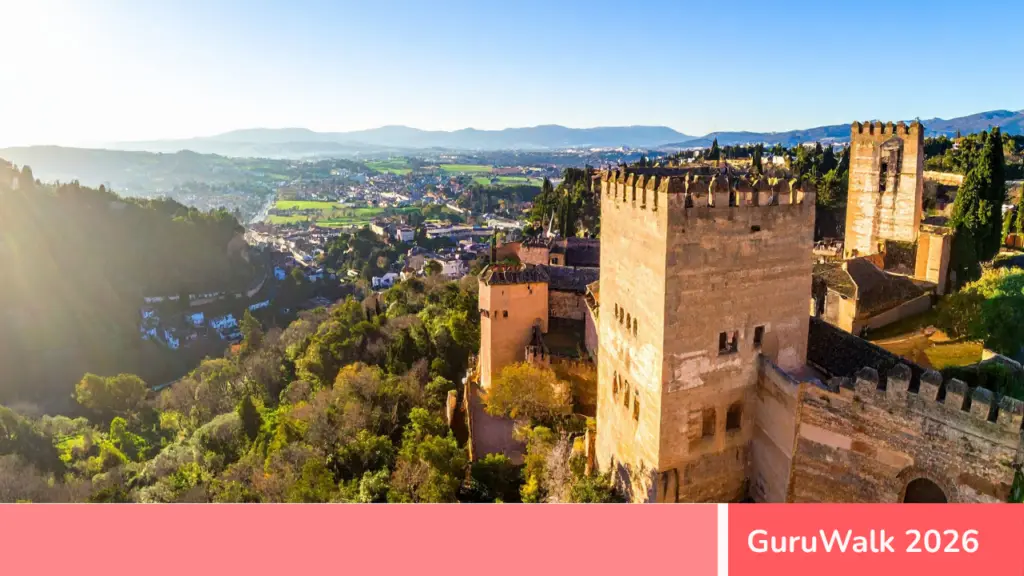
Granada cascades down from the foothills of the Sierra Nevada, and its crown jewel is the Alhambra, an 850-year-old Islamic palace. Arab studies, the baths of the Albaicín, and the spice markets still transport walkers back to the times of sultans and emirs. Water and fountains are constant, recalling the Nasrid love of flamenco, poetry, and gardens.
28. Brussels, Belgium
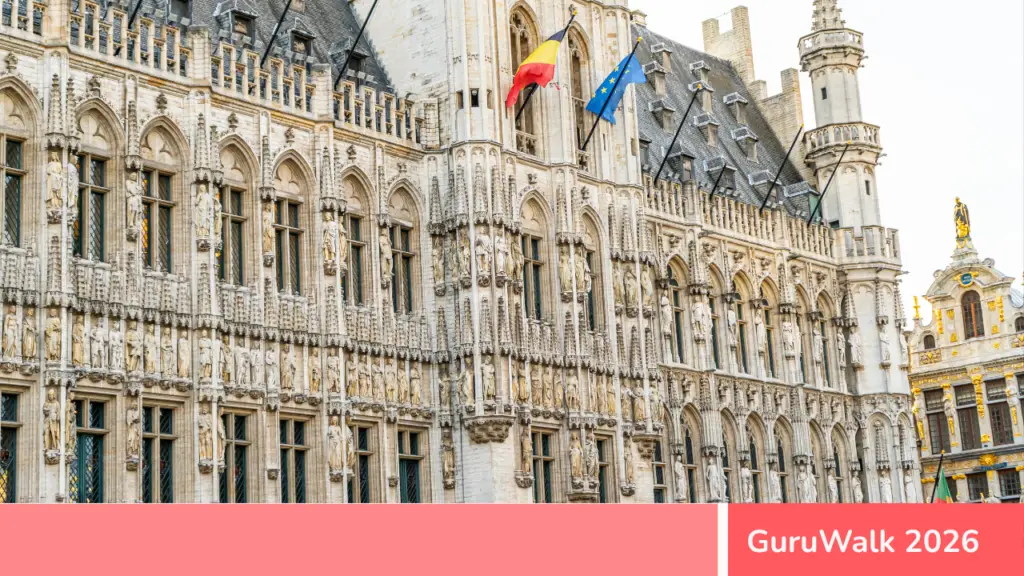
Brussels is the political heart of Europe, but also a city of medieval breweries, exceptional chocolate, and surprises around every corner. The Grand Place, listed as one of the most beautiful in Europe, is surrounded by 17th-century guildhalls restored to perfection. Flemish comics, fries with mayonnaise, and waffle shops turn walks into irresistible gastronomic experiences.
29. Bruges, Belgium
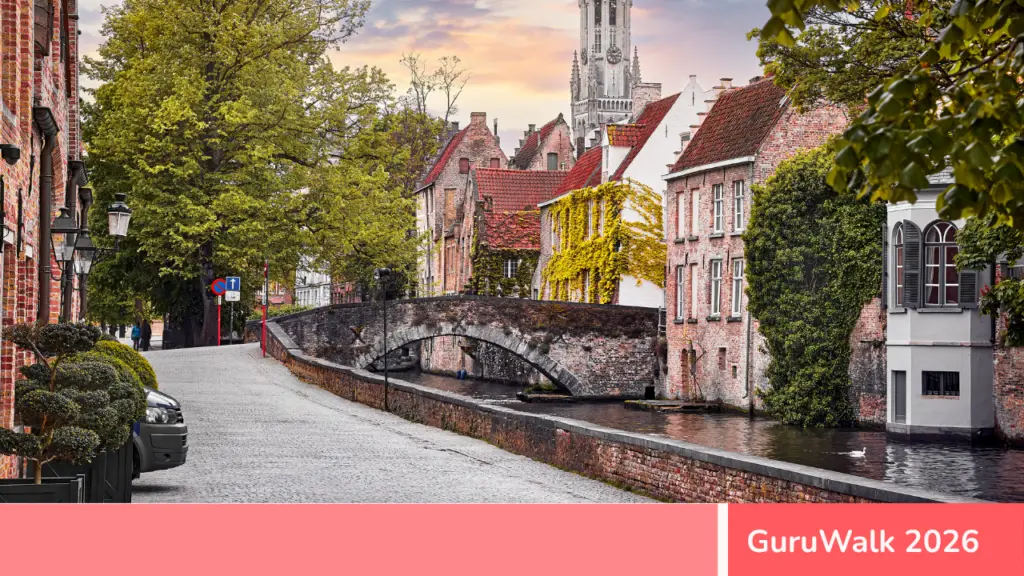
Bruges is a frozen canvas of the Flemish Renaissance, with canals that mirror every street in perfect reflection. Its medieval bell towers, red wooden bridges, and 600-year-old brick houses create a real fairy-tale atmosphere. Less touristy than Amsterdam but equally beautiful, Bruges rewards the traveler who dedicates time to its secret squares and traditional breweries.
30. Ljubljana, Slovenia
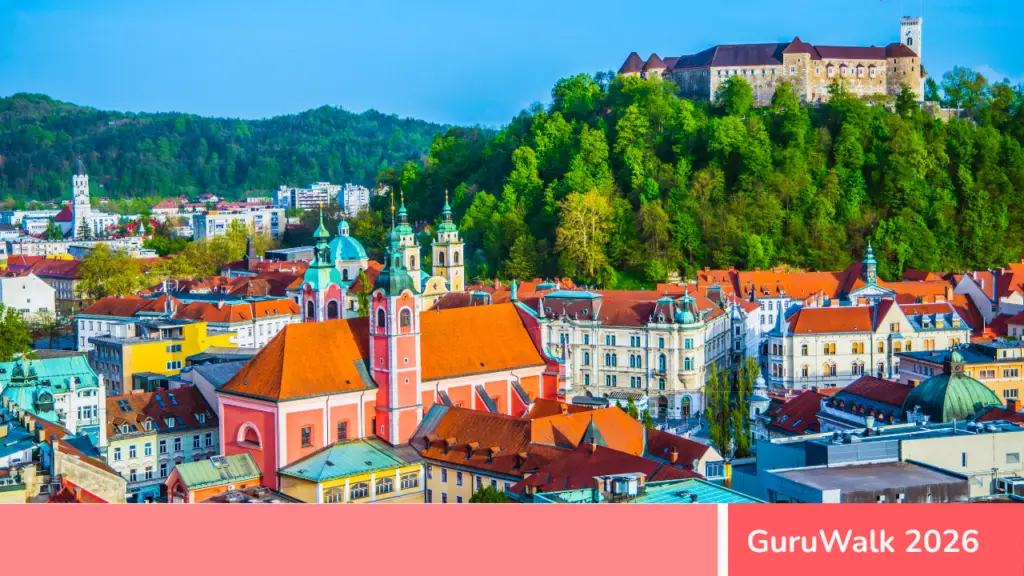
Ljubljana is unpretentious Eastern Europe, a city where iron dragons guard wooden bridges and bicycles outnumber cars. Its historic center is surrounded by 17th-century walls, and the hilltop Castle offers views of the Sava valley. With just 295,000 inhabitants, Ljubljana is proof that beautiful cities don’t need to be giants.
31. Valencia, Spain
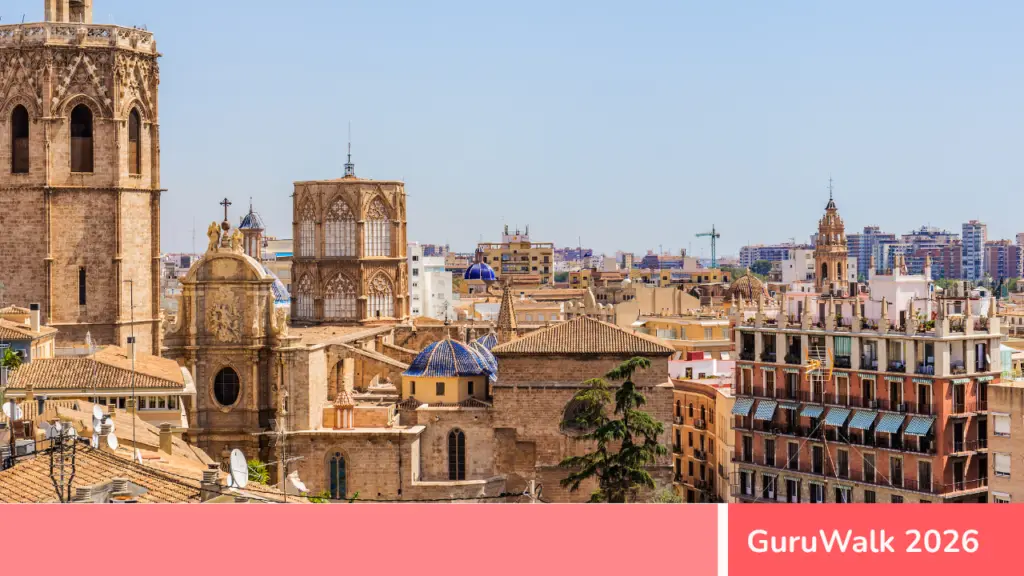
Valencia is the birthplace of paella and a city that has reinvented its future with futuristic parks. The City of Arts and Sciences, built between 1998 and 2009, is a blend of Gaudí and science fiction that attracts 2 million visitors annually. But the real Valencia emerges in its old neighborhoods, flower markets, and beaches where the Mediterranean kisses the land.
32. Medellín, Colombia
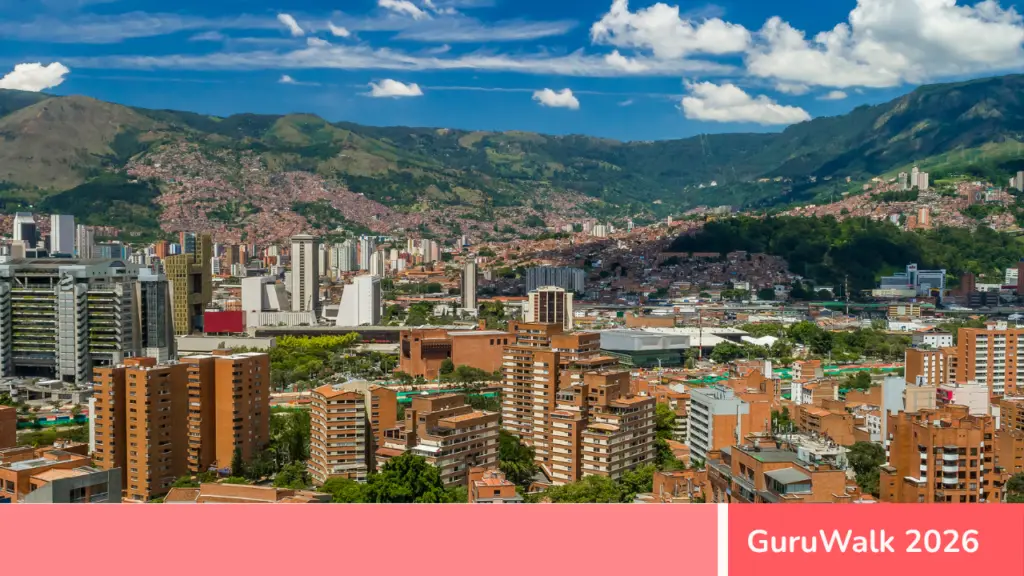
Medellín, known as the “City of Eternal Spring,” has transformed its reputation by becoming a destination of innovation and art. Its escalators connect mountainous neighborhoods that were once inaccessible, and its community murals tell stories of resilience. Cable cars offer a unique way to explore a city nestled between mountains.
33. Mexico City, Mexico
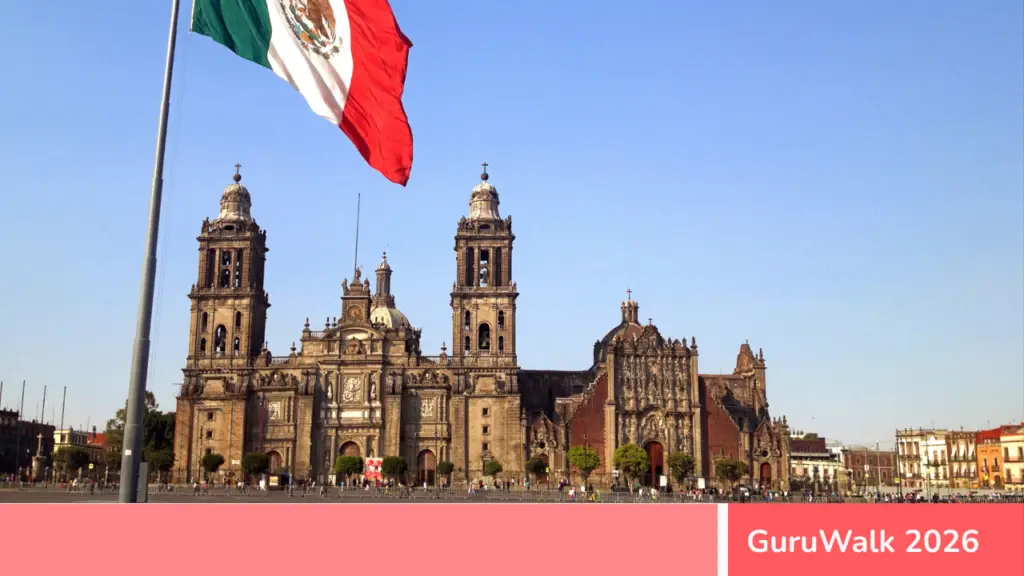
Mexico City sits at 2,250 meters above sea level on what was once Lake Texcoco, and its Aztec ruins still emerge beneath the avenues. The Templo Mayor, the National Palace, and the 16th-century Metropolitan Cathedral create a triangle of ancestral power. Walking through Coyoacán and Xochimilco is floating between islands of tradition in a metropolis of 21 million inhabitants.
34. Buenos Aires, Argentina
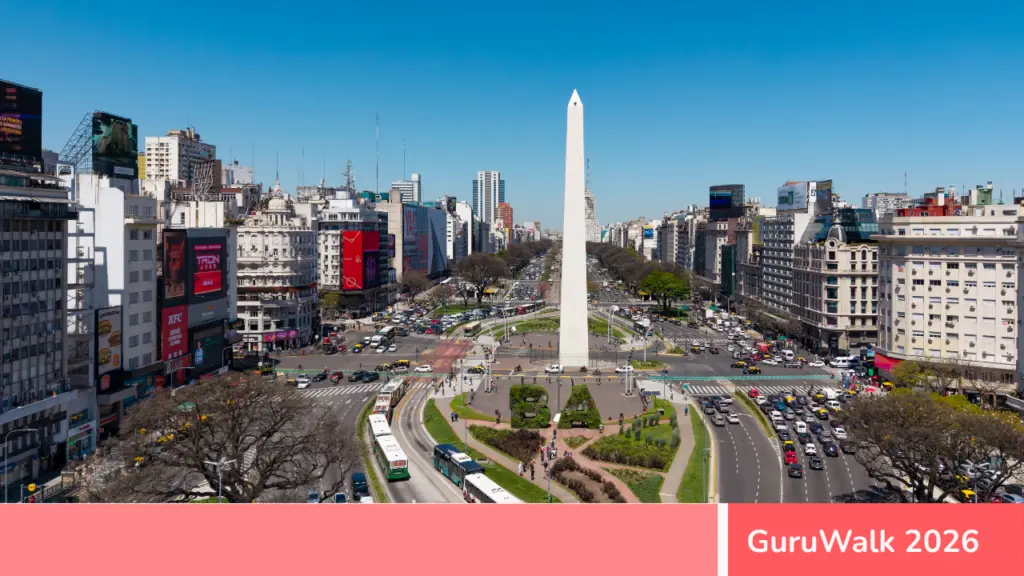
Some say that Buenos Aires is Paris with a Spanish accent, a city that creates culture in its cafés, bookshops, and mythically prolific theaters. The Teatro Colón, inaugurated in 1908, is considered one of the finest opera houses in the world with 2,500 seats. The diagonal avenues of Avenida de Mayo and the bohemian neighborhoods of La Boca create an urban symphony that mesmerizes walkers.
35. Kyoto, Japan
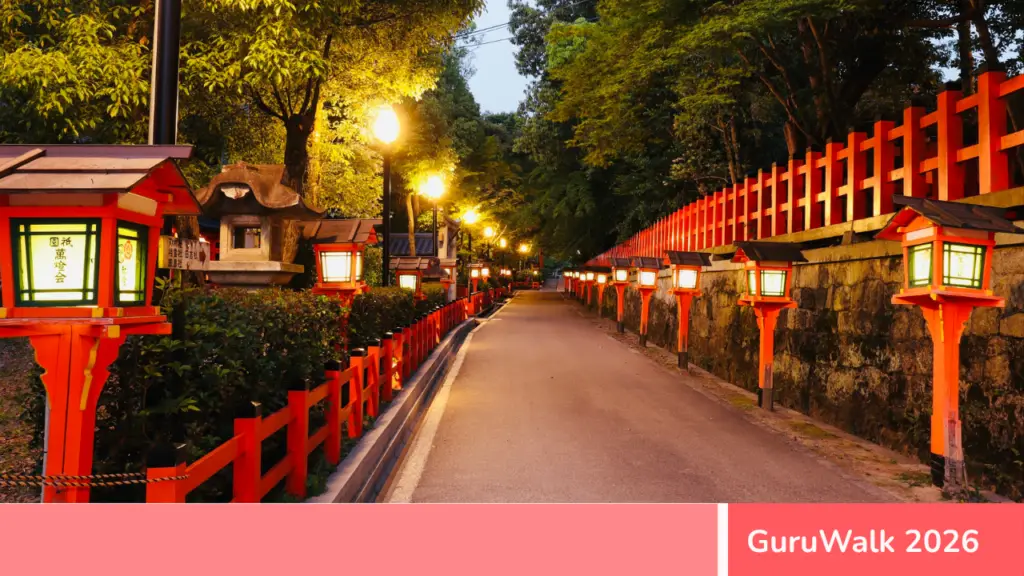
Kyoto was the imperial capital for a thousand years and remains the spiritual heart of Japan with 2,000 temples. There, Zen gardens offer meditation among raked sand and rocks, and Shinto shrines hide blessings around every corner. The bamboo of Arashiyama and the thousand red torii of Fushimi Inari turn walks into pilgrimages.
36. Marseille, France
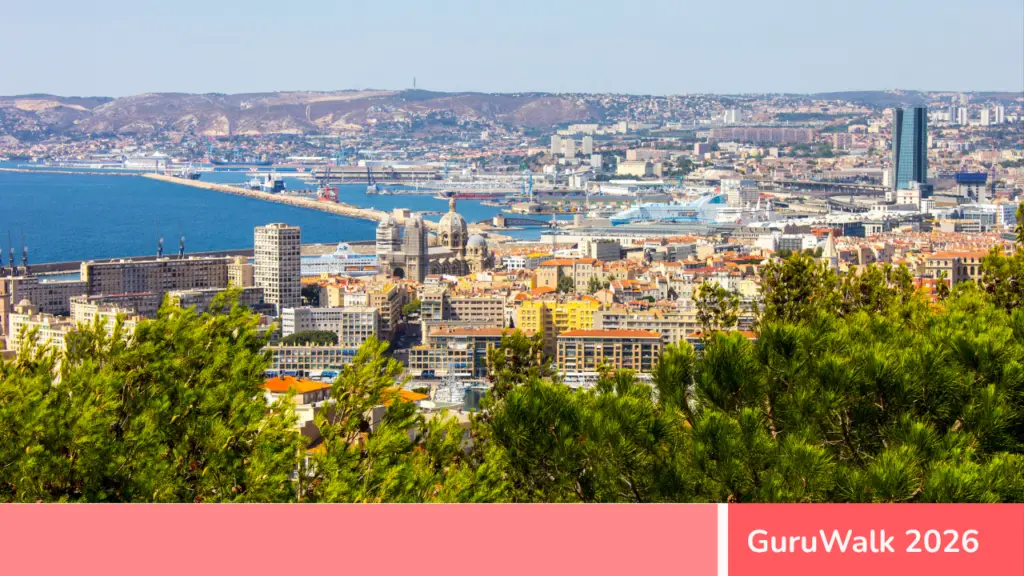
Marseille is the oldest port in France, founded by the Greeks 2,600 years ago, and its adventurous spirit lives on. The Basilica of Notre-Dame de la Garde watches from a 162-meter hill, while the Old Port buzzes with seafood restaurants and fishing boats. Street art and bouillabaisse transform this city into an unpretentious but authentic port.
37. Hanoi, Vietnam
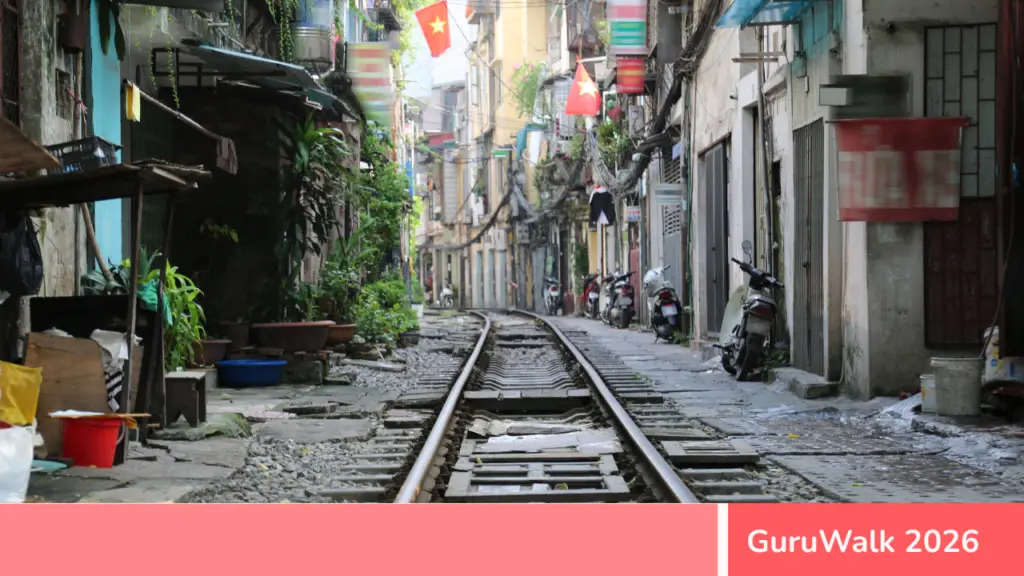
Hanoi preserves its Vietnamese essence with 100-year-old tube houses stacked along the banks of the Red River. The Old Quarter, with its 36 specialized trade streets, has operated the same way since the 13th century. Buddhist temples, the Ho Chi Minh Mausoleum, and romantic lakes like Hoan Kiem invite walkers to immerse themselves in history.
38. Ho Chi Minh City, Vietnam
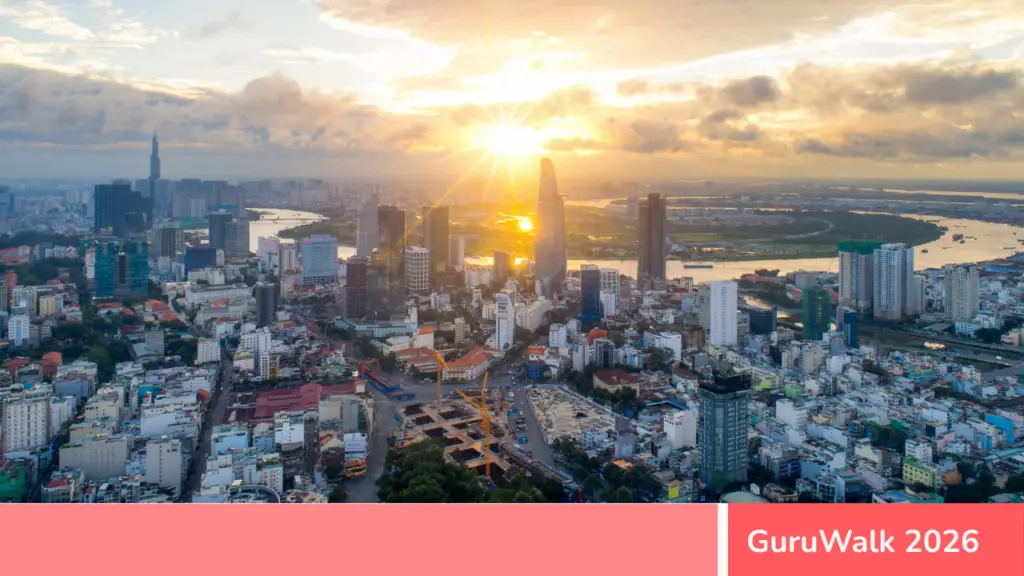
Ho Chi Minh City pulses with the frantic rhythm of modern Vietnam, where motorcycles outnumber pedestrians at a ratio of 40 to 1. The Presidential Palace, the 19th-century Notre-Dame Cathedral of Saigon, and the Ben Thanh Market offer stories of French colonialism and war. But the real experience is getting lost in the alleyways where unknown local dishes are being cooked.
39. Zagreb, Croatia
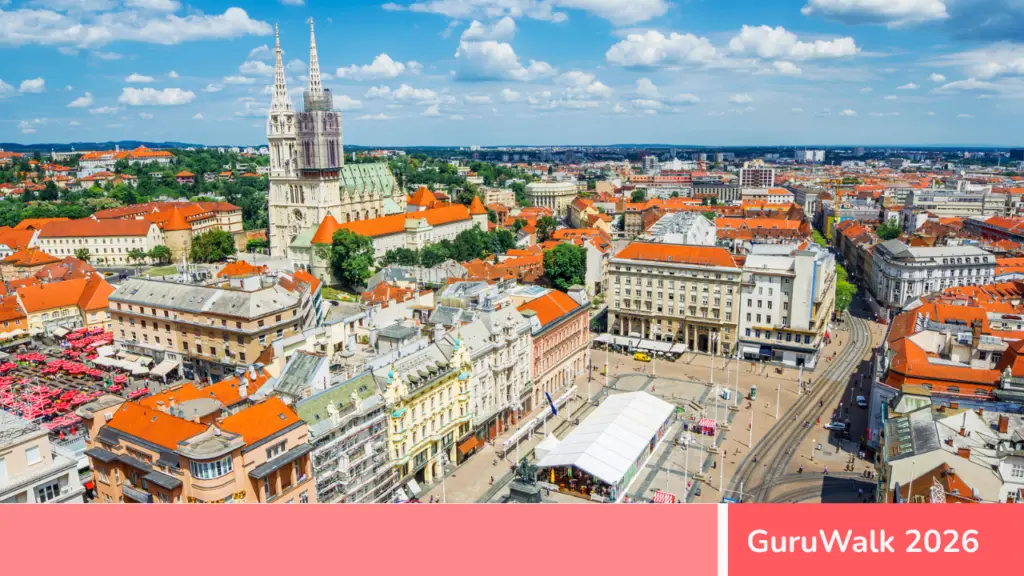
Zagreb, Croatia’s capital, was the gateway between the Roman and Ottoman Empires, and that friction has created a fascinating city. Its flower markets bloom year-round, its theaters produce world-class operas, and its museums tell stories of a reborn country. Walking from the Gornja Grad district down to Donja Grad is a climb through architectural history.
40. Naples, Italy
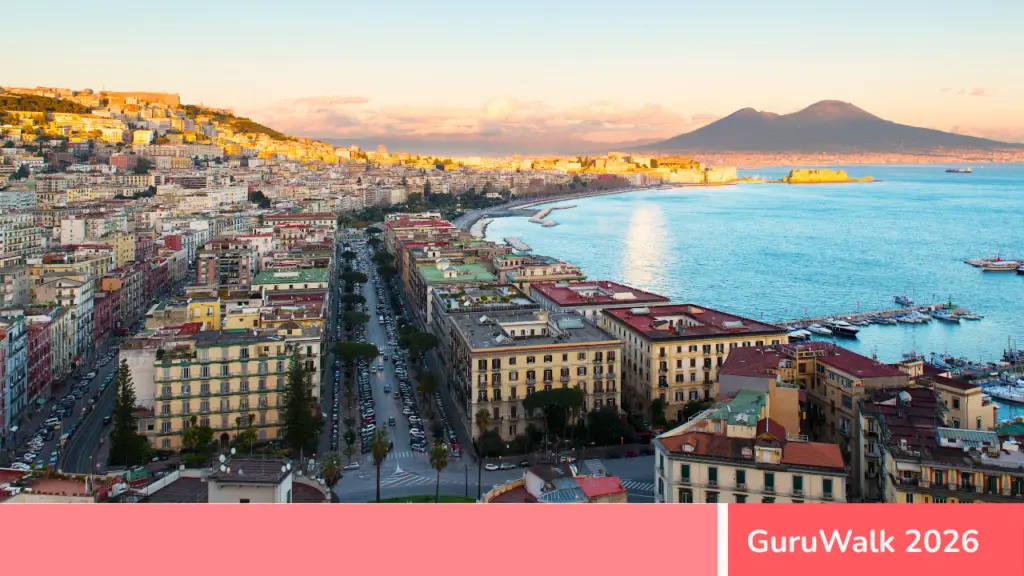
Naples is chaotic, passionate, and completely authentic, a city where history and gastronomy coexist in creative tension. The National Archaeological Museum houses the treasures of Pompeii, including 2,000-year-old frescoes capturing Roman life. The 300-year-old pizzerias, fish markets, and Vesuvius watching from the horizon make Naples addictive.
41. Copenhagen, Denmark
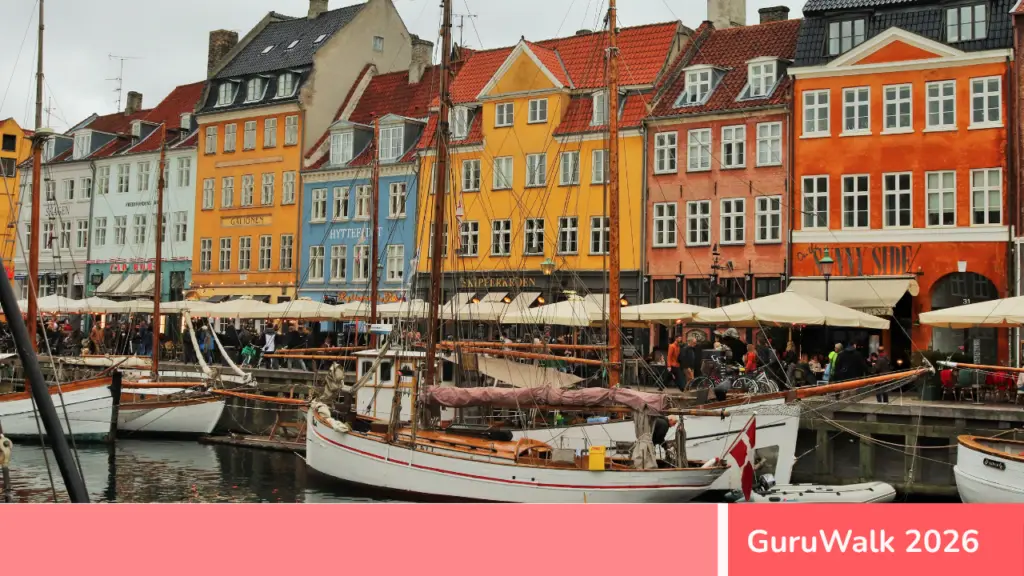
Copenhagen is Denmark in its purest expression: Scandinavian minimalism, massive cycling, and a quality of life that puts other cities to shame. It was home to Kierkegaard and Andersen, and its cafés still harbor philosophers. Rosenborg Castle, the Tivoli Gardens, and the Nyhavn harbor create a city that feels smaller and more beautiful than the maps suggest.
42. Helsinki, Finland
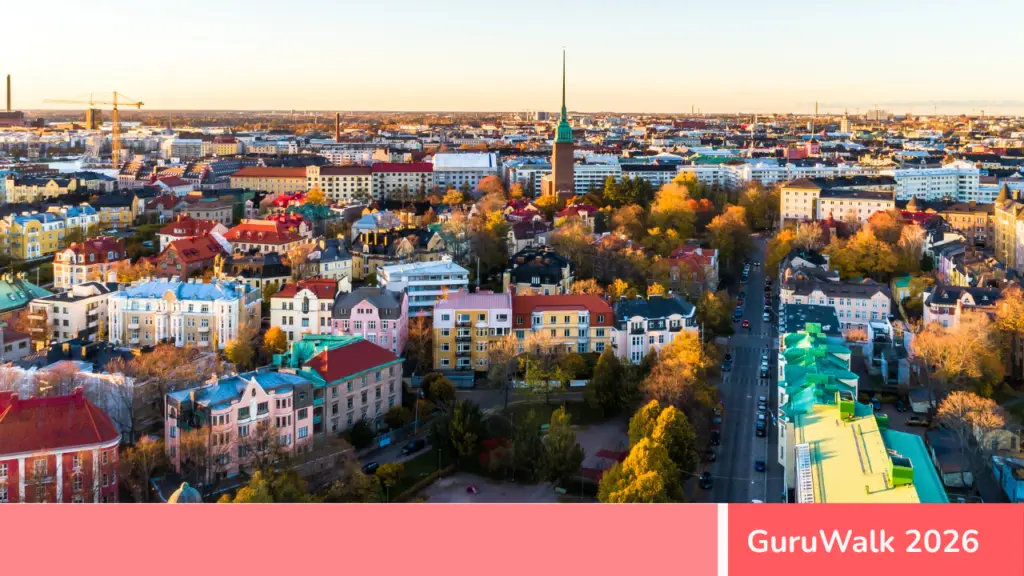
Helsinki emerges from the Baltic as a city designed for northern light, with architecture that celebrates pure geometry. The Uspenski Temple, with its 13 golden domes gleaming against the gray sky, is an Orthodox anomaly in Protestant land. Public saunas, pristine nature just minutes from the center, and Scandinavian design make Helsinki efficiently beautiful.
43. Sarajevo, Bosnia and Herzegovina
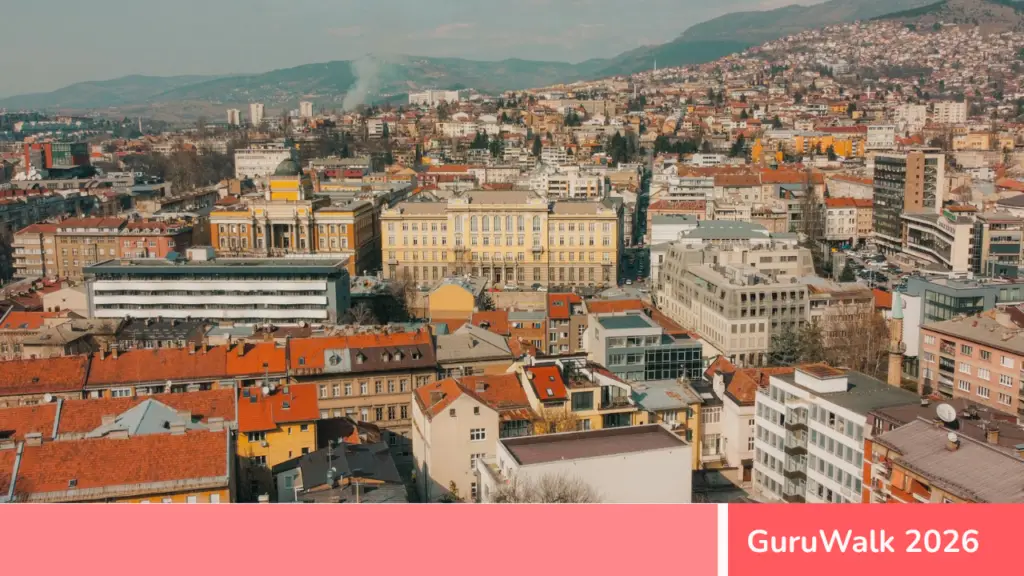
Sarajevo is the city where East and West collide within its walls, creating an unparalleled cultural bazaar. The Latin Bridge, where Gavrilo Princip assassinated Archduke Franz Ferdinand in 1914, and the 16th-century Gazi Husrev-Beg Mosque mark the historical moments that shaped Europe. Walking through Baščaršija is honoring resilience.
44. Tirana, Albania
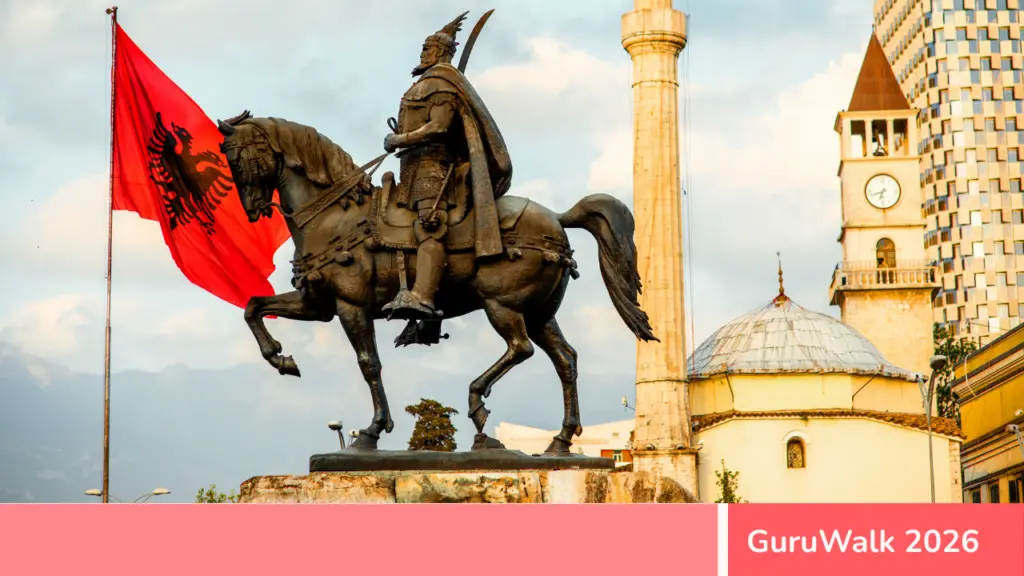
Tirana is Albania’s best-kept secret, a capital that reinvents its identity every decade. Under Enver Hoxha it was the most closed-off in the world; now its squares bustle with cafés, artists, and a unique post-Soviet energy. Colorful murals, abandoned bunkers turned into museums, and genuine hospitality make Tirana a discovery for bold travelers.
45. Edinburgh, United Kingdom
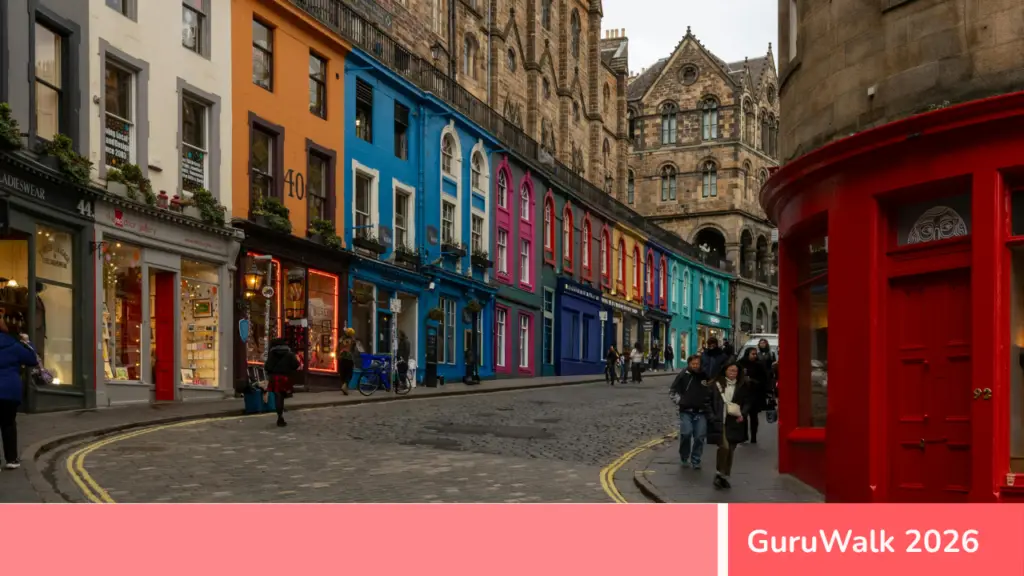
Edinburgh rises dramatically atop an extinct volcanic cone, with its castle dominating the city like a medieval jewel. The streets of the Old Town wind between 400-year-old red sandstone buildings, and the Royal Mile connects the castle to the Palace of Holyroodhouse. Art festivals, whisky distilleries, and Scottish literature turn walks into cultural pilgrimages.
46. A Coruña, Spain
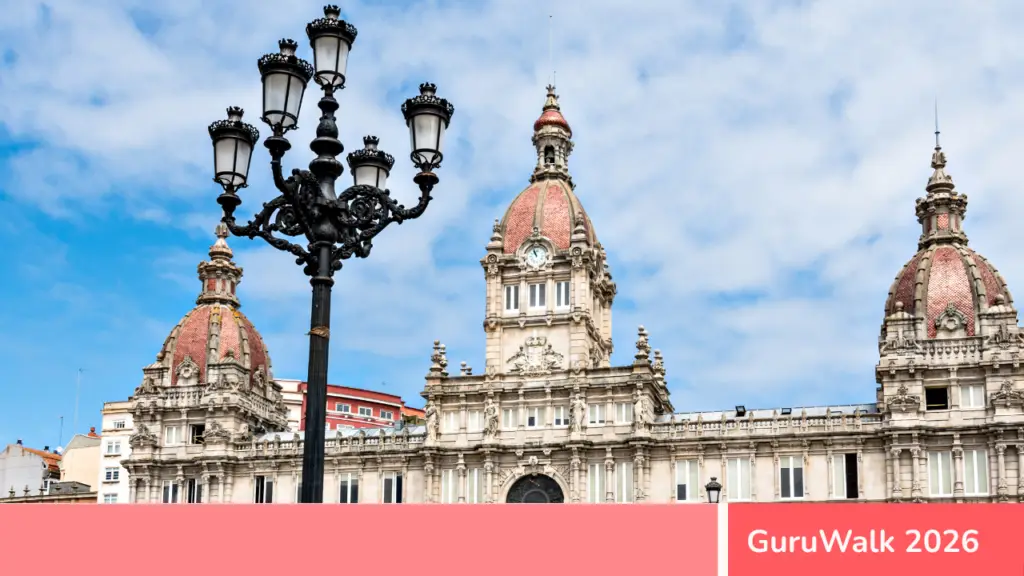
A Coruña is a frequently overlooked Galician port, but its Tower of Hercules, the oldest continuously operating lighthouse in Europe since the Romans 2,000 years ago, deserves exploration. Additionally, its squares and gardens, fine sand beaches, fresh seafood markets, and Atlantic lookout points offer the best of Galicia without the chaos of other destinations.
47. Valletta, Malta
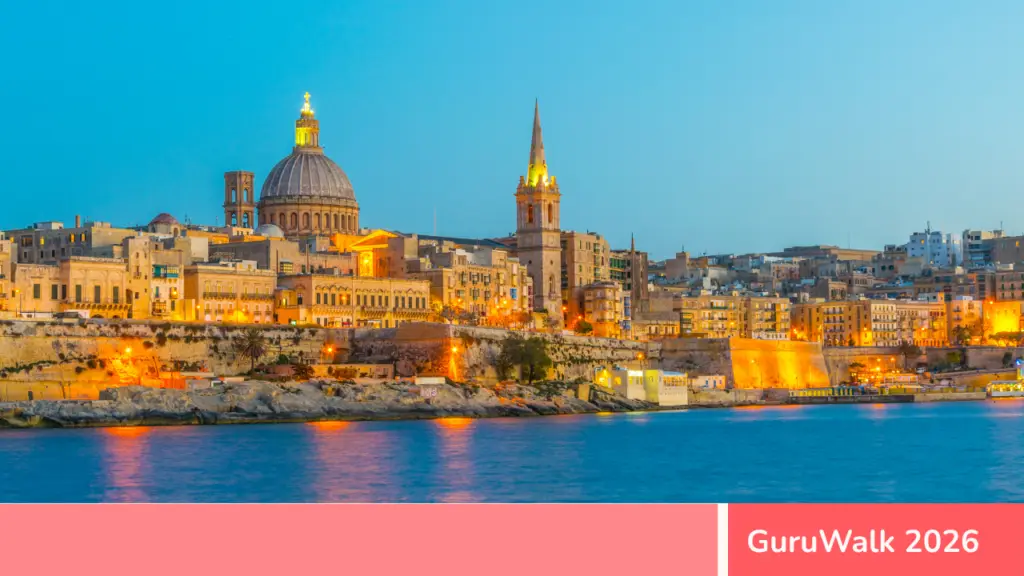
Valletta is Europe’s smallest capital by population but one of the densest in medieval history, being a UNESCO World Heritage Site. Its narrow streets were designed as a defense against Barbary pirate attacks, and every corner reveals baroque churches, palaces, and Mediterranean views. Walking along its walls is strolling through a 500-year-old labyrinth.
48. Cartagena, Colombia
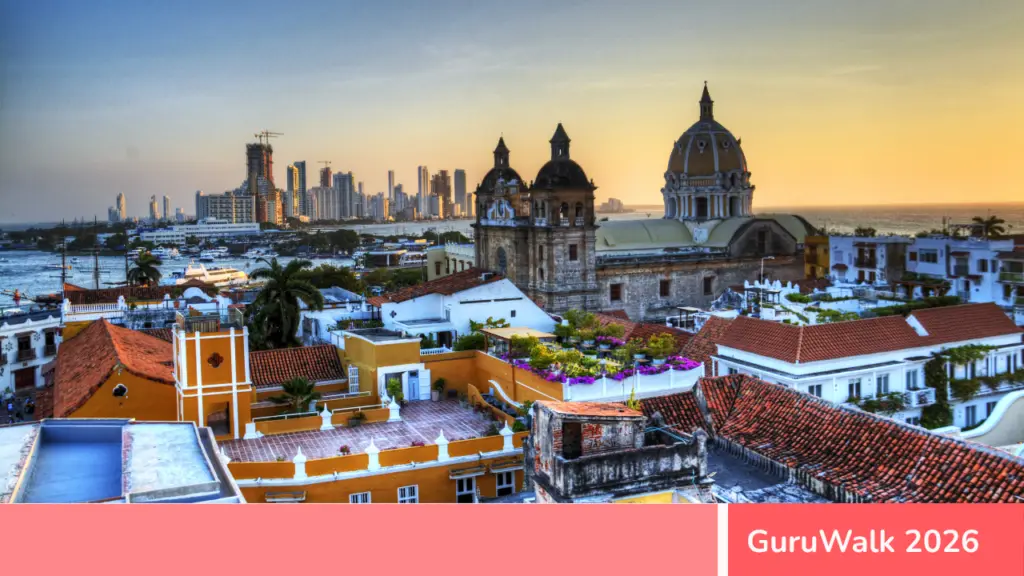
Cartagena, the “Jewel of the Caribbean,” preserves its 17th-century colonial walls around a historic center that seems suspended in time. Bougainvillea overflows from wooden balconies, and colonial churches dot cobblestone squares where drums still set the rhythm. The Castillo de San Felipe de Barajas and the Rosario Islands complete a picture of tropical beauty.
49. Cusco, Peru
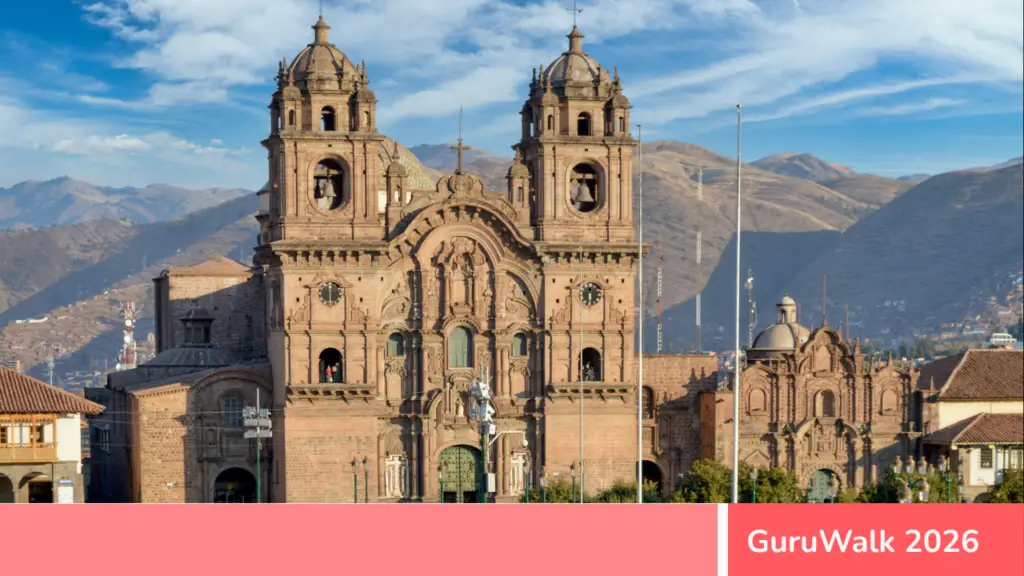
Cusco was the heart of the Inca Empire 500 years ago, and its perfectly fitted stone walls withstood earthquakes that toppled the Spanish buildings layered on top. The Plaza de Armas is surrounded by colonial churches built over Inca temples, and the city markets sell textiles woven with 5,000-year-old techniques. Walking through Cusco is touching layers of civilization.
50. Sofia, Bulgaria
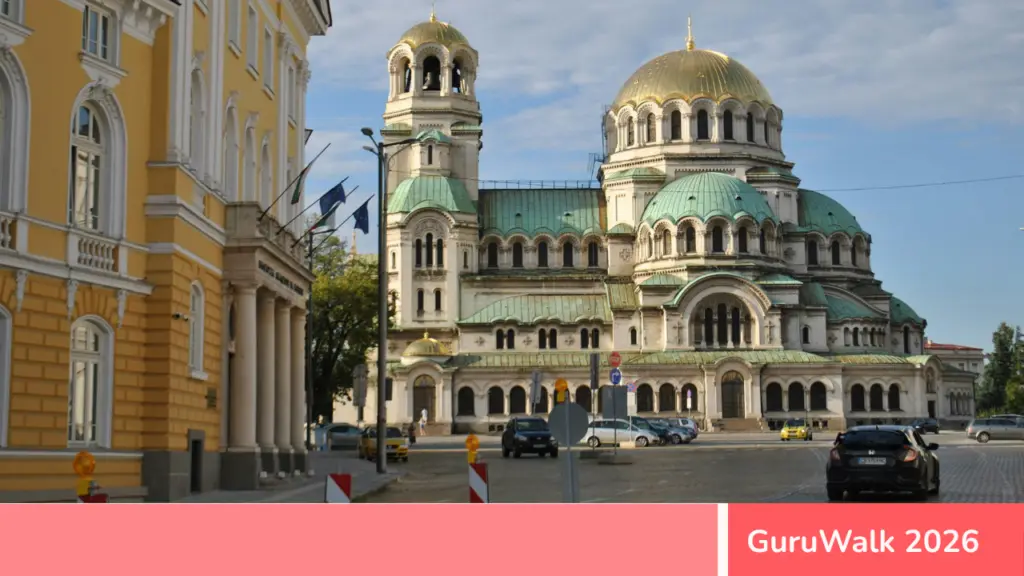
Sofia, Bulgaria’s capital, combines ancient Christian temples, Ottoman mosques, and art of the socialist period in a unique architectural symphony. The 19th-century Alexander Nevsky Church, with its golden domes gleaming over the city, stands atop a 4th-century Roman basilica. The parks, world-class museums, and genuine hospitality make Sofia an underrated destination.
51. Milan, Italy
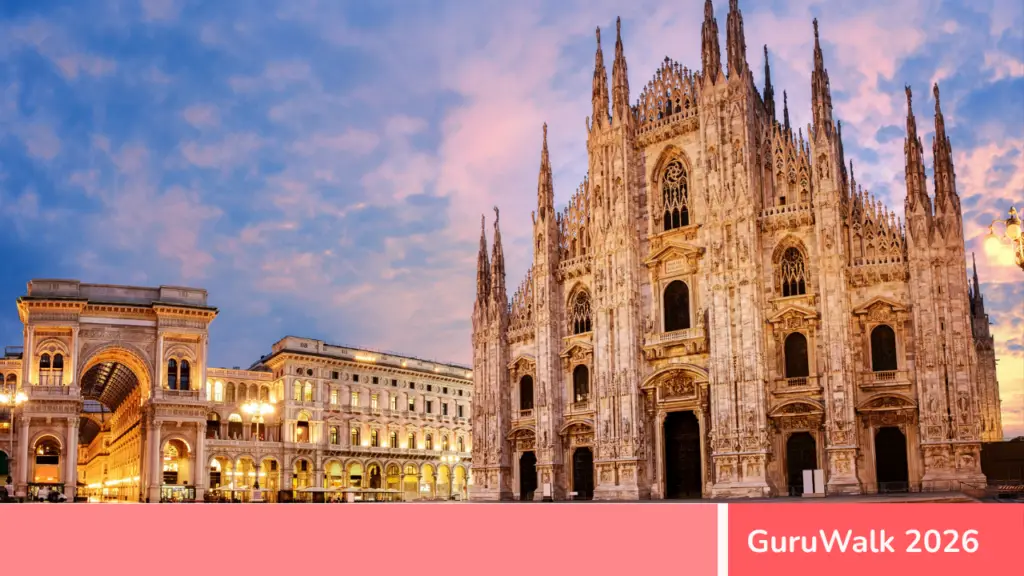
Milan is the undisputed capital of design and fashion, but its architectural treasures deserve equal attention. The Gothic Cathedral, the Teatro alla Scala, and the Basilica of Santa Maria delle Grazie (home to Leonardo’s “The Last Supper”) form a cultural triangle best explored on foot, navigating between art galleries and luxury boutiques on the streets of the Quadrilatero d’Oro.
52. Kuala Lumpur, Malaysia
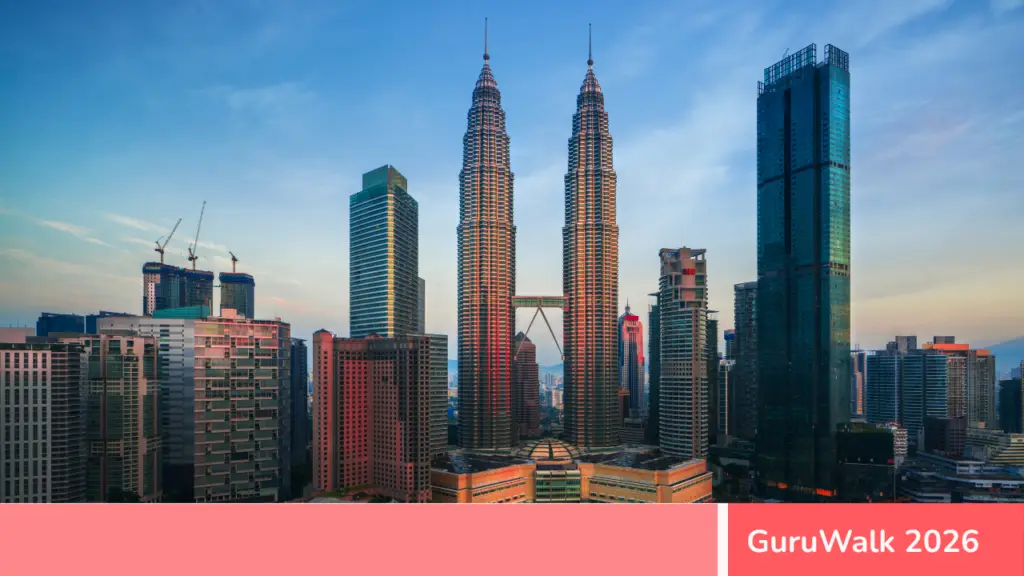
Kuala Lumpur fuses the modernity of its Petronas Towers with historic markets brimming with life. Walking through the center takes you from the colonial quarter with British buildings to futuristic spaces, passing centuries-old Hindu temples and street food stalls where Malay cuisine unfolds all its aromatic complexity.
53. Kotor, Montenegro
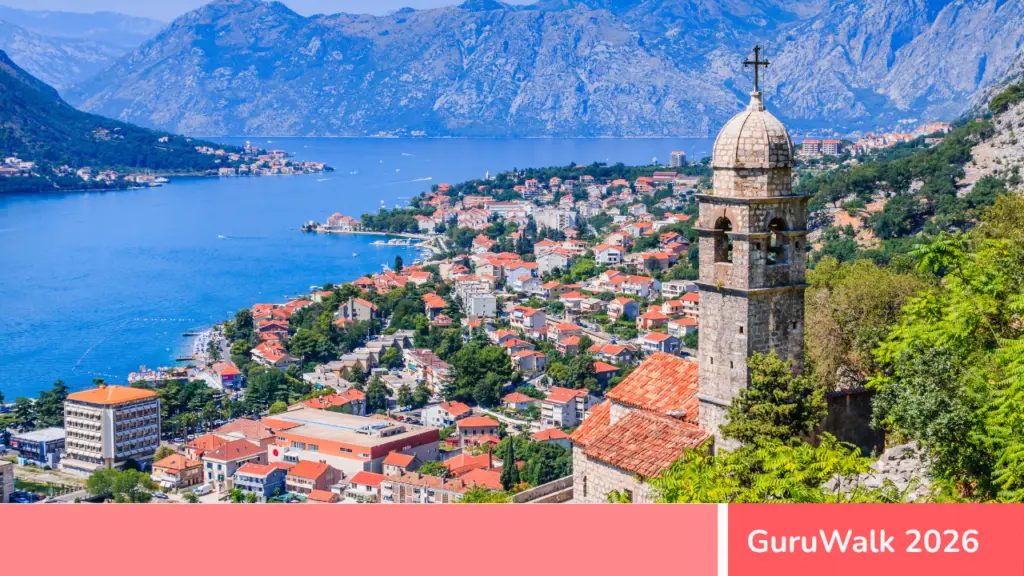
Kotor is a medieval gem squeezed between 1,800-meter mountains and the Adriatic, declared a UNESCO World Heritage Site. Its 15th-century walls embrace cobblestone lanes where every corner offers spectacular views, and you can explore Romanesque temples, Venetian palaces, and the bustle of its taverns without needing to go beyond the historic center.
54. Warsaw, Poland
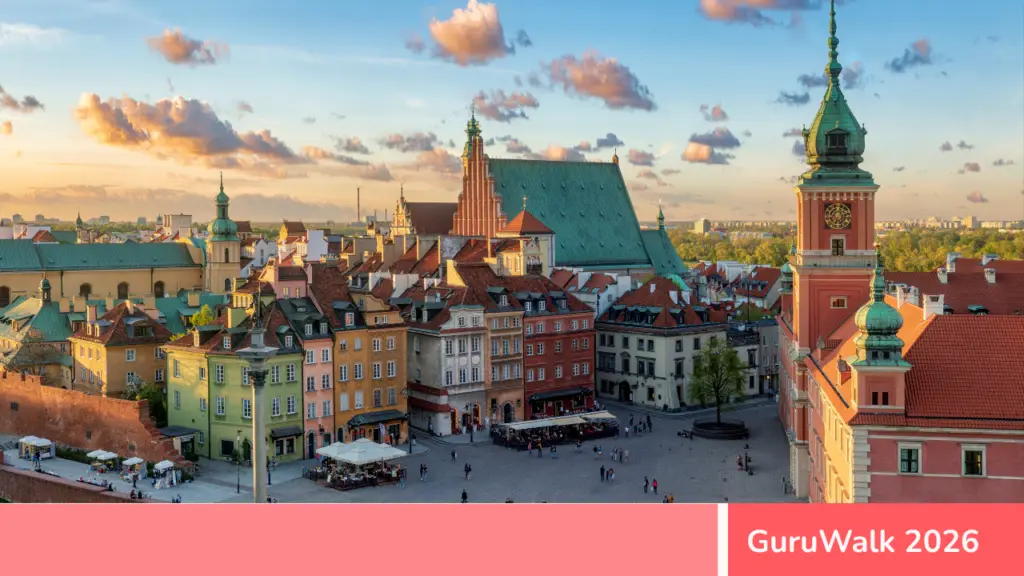
Warsaw rose from the ashes after 1945, and its reconstructed Old Town is so authentic it was declared a World Heritage Site. Walking its baroque squares and alleyways while discovering a vibrant cultural life — art galleries, intellectual cafés, resistance monuments — will immerse you in a city that embraces its traumatic past and its vibrant future.
55. Cairo, Egypt
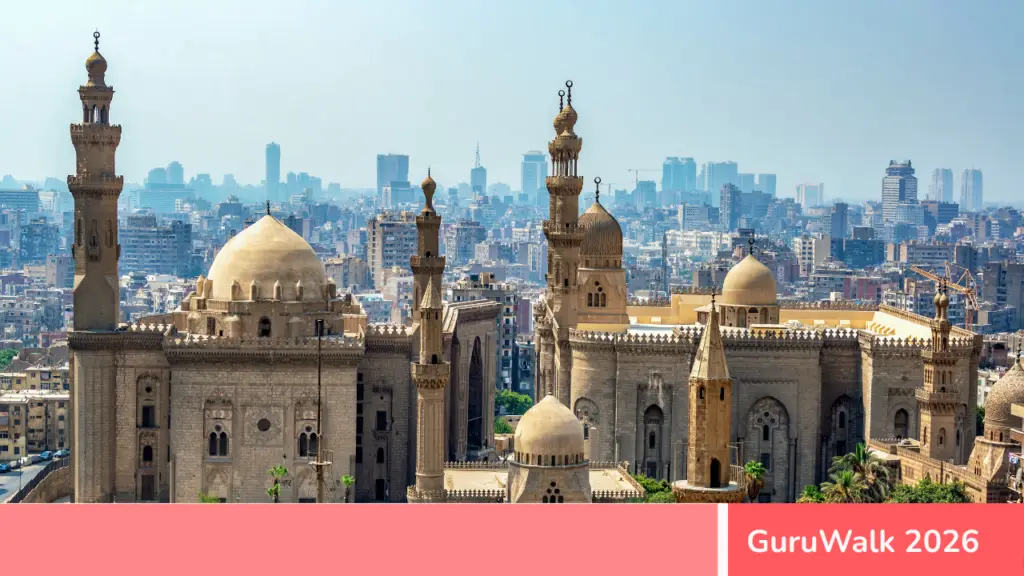
Cairo, cradle of civilization 7,000 years ago, is a fascinating labyrinth of medinas, mosques, and museums where every street tells millennial stories. Tahrir Square, the Citadel of Saladin, and the Egyptian Museum are best explored when you step out of the taxi and lose yourself in the aromatic bazaars of the center, though it requires some patience and cultural adaptability.
56. Marrakech, Morocco
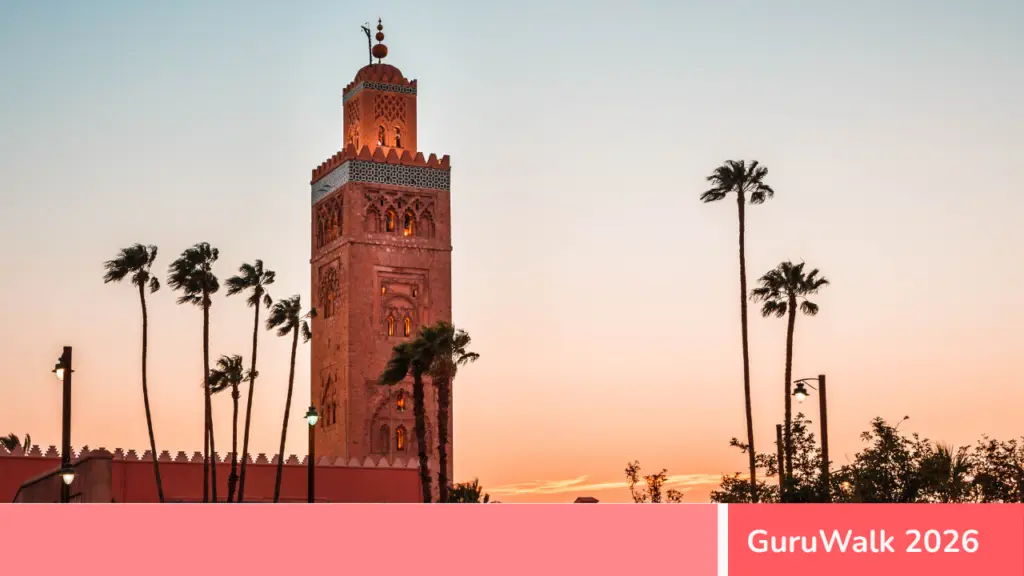
Marrakech mesmerizes with the controlled chaos of the Medina, where the Jemaa el-Fnaa has remained practically unchanged since the 11th century with its snake charmers and acrobats. Its historic palaces, hidden riads, gardens like the Majorelle with its surrealist tiles, and the sensory atmosphere of its souks make every walk a journey to the heart of the Maghreb.
57. Bratislava, Slovakia
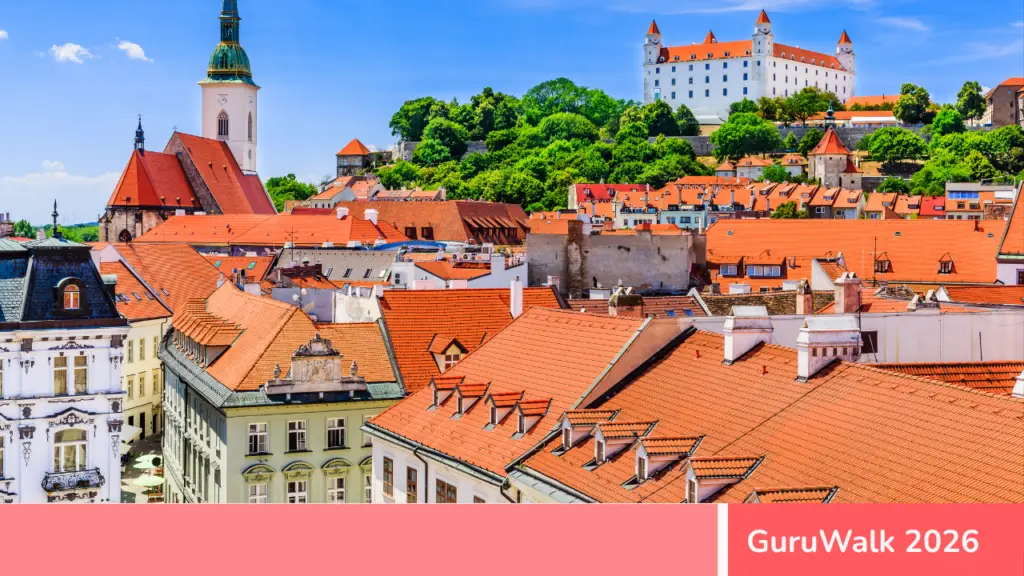
Bratislava, the Slovak capital, went from being a medieval Danube port to a cosmopolitan city after 1989. Its old town concentrates a castle, Gothic cathedral, and baroque squares in just a few blocks, while the banks of the Danube offer a perfect contrast between Central European history and contemporary modernity.
58. Oviedo, Spain
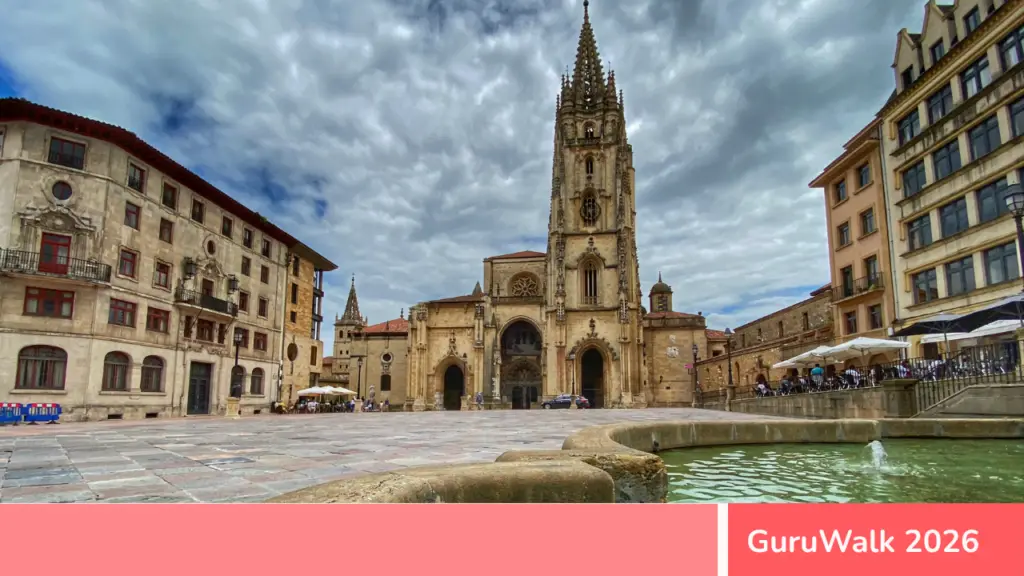
Oviedo combines its role as the Asturian capital with exceptional medieval heritage: the Romanesque Holy Chamber, the Gothic Cathedral, and the Church of San Julián de los Prados. Strolling its streets toward the historic University, enjoying cider houses where you can try natural Asturian cider, is discovering the intellectual and cultural heart of northern Spain.
59. Cádiz, Spain
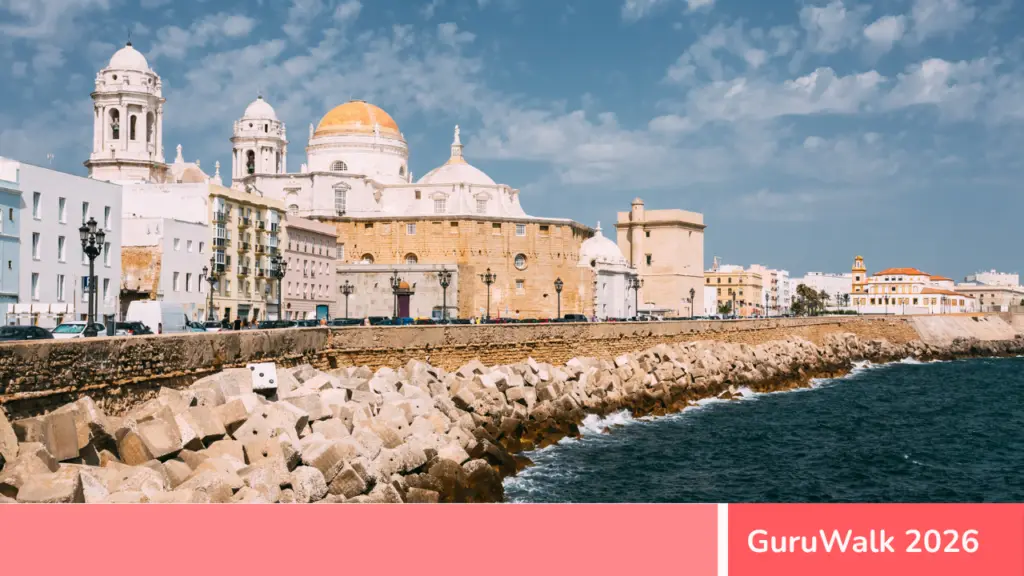
Cádiz, the oldest city in the Western world (founded by the Phoenicians in 1,100 BC), combines Atlantic beaches, centuries-old walls, and a pirate past in Caribbean waters. Exploring its old town means zigzagging between popular neighborhoods with fish stalls, 18th-century defensive towers, and lookout points where the Atlantic and the Mediterranean almost touch geographically speaking.
60. Fez, Morocco
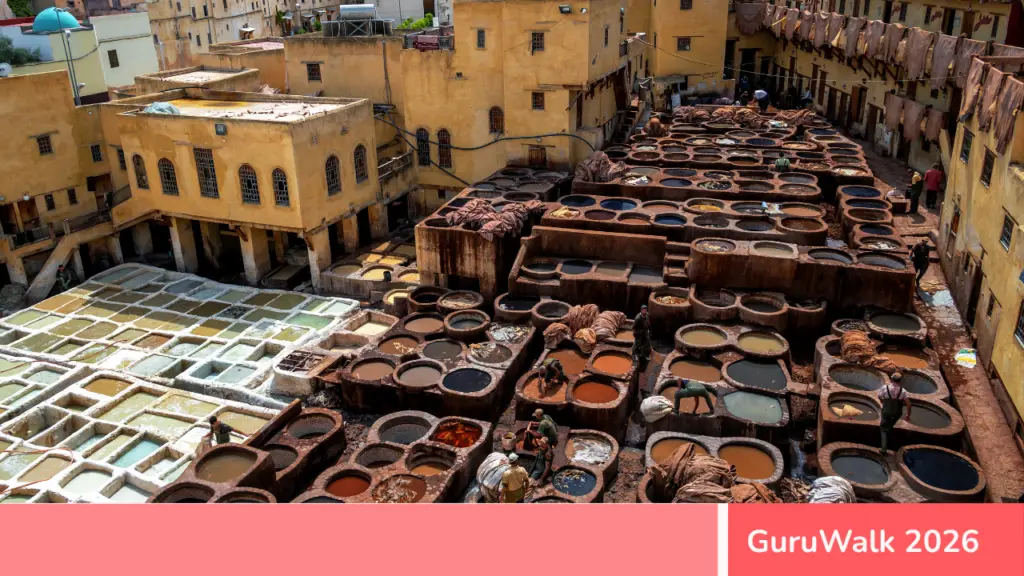
Fez is home to the largest medina in the Arab world and Al Quaraouiyine University, founded in 859 AD (the oldest continuously operating in the world). Immersing yourself in its 9,000 alleyways — where tannery workers dye hides with ancestral methods and Mediterranean astronomers study the skies — is going back millennia while your senses are overwhelmed with color, scent, and sound.
61. Toulouse, France
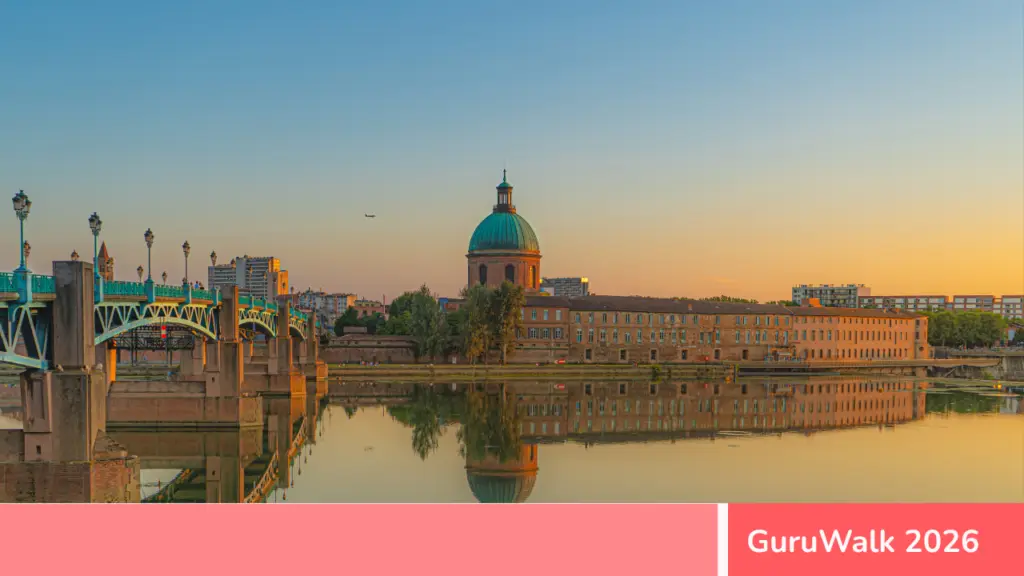
Toulouse, France’s Pink City, takes its color from the medieval bricks that dominate both architecture and urban soul. The Basilica of Saint-Sernin (UNESCO World Heritage), the Renaissance Capitole, and a Canal du Midi that triples the Suez Canal in historical longevity create an experience where medieval France blends with Mediterranean charm.
62. Shanghai, China
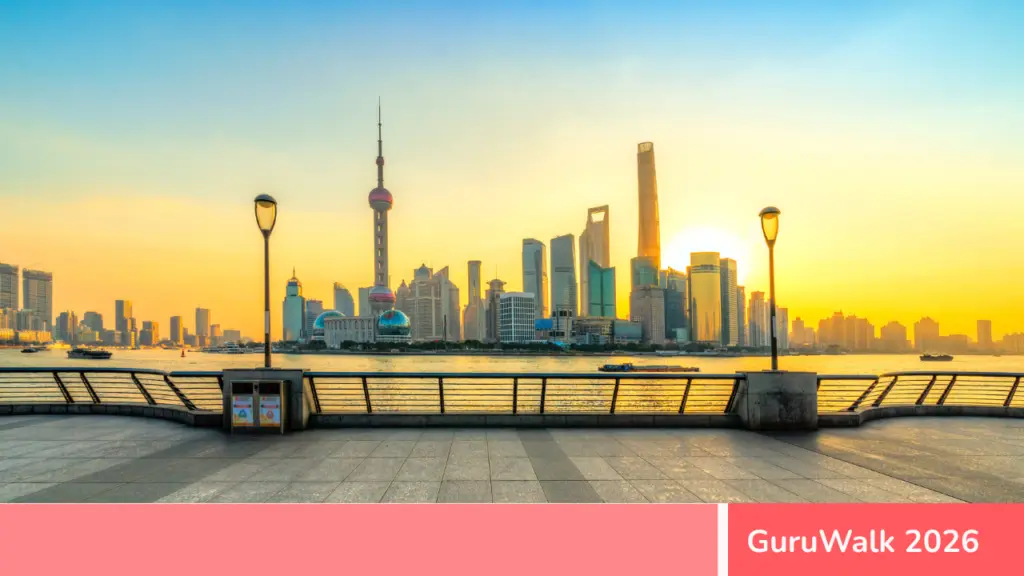
Shanghai alternates 21st-century skyscrapers with a 16th-century Yuyuan Garden that is a miniature cosmos, and the Bund where colonial architecture reflects in the Huangpu. Walking from traditional markets to the Jing’an district, where local design shops coexist with Michelin restaurants, is experiencing the dizzying speed of Chinese change in real time.
63. Munich, Germany
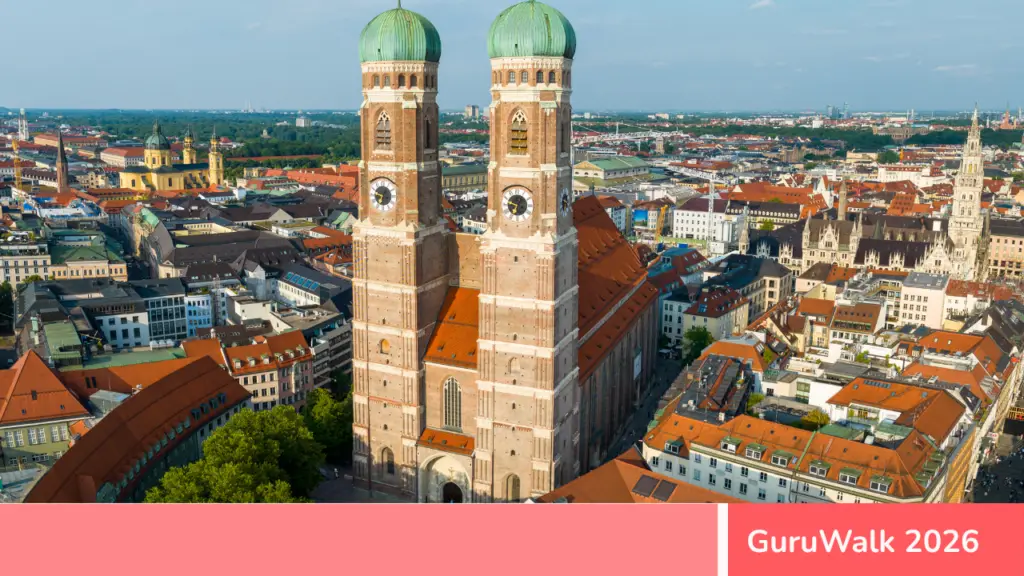
Munich exudes Central European elegance in its Renaissance squares, 400-year-old beer halls, and world-class museums (Alte Pinakothek, BMW). From Marienplatz with its Neo-Gothic City Hall to the glimpses of Neuschwanstein from nearby strolls, walking this Bavarian capital means understanding why the southern Germans conquered the European heart with castles and beers.
64. Hoi An, Vietnam
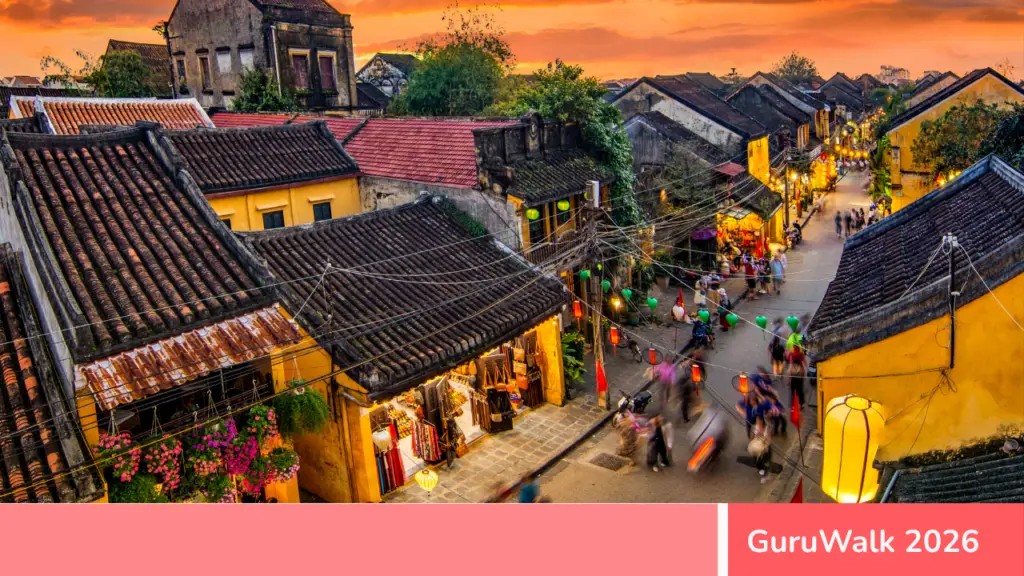
Hoi An preserves 2,000 traditional houses from the 15th-19th centuries in a virtually intact riverside medina, declared a UNESCO World Heritage Site. Its silk lanterns, Taoist temples, Japanese bridge, and almost ethereal atmosphere make walking its alleyways at sunset like stepping into a dimensional painting where time has moved slowly since the Tran dynasty.
65. Hamburg, Germany
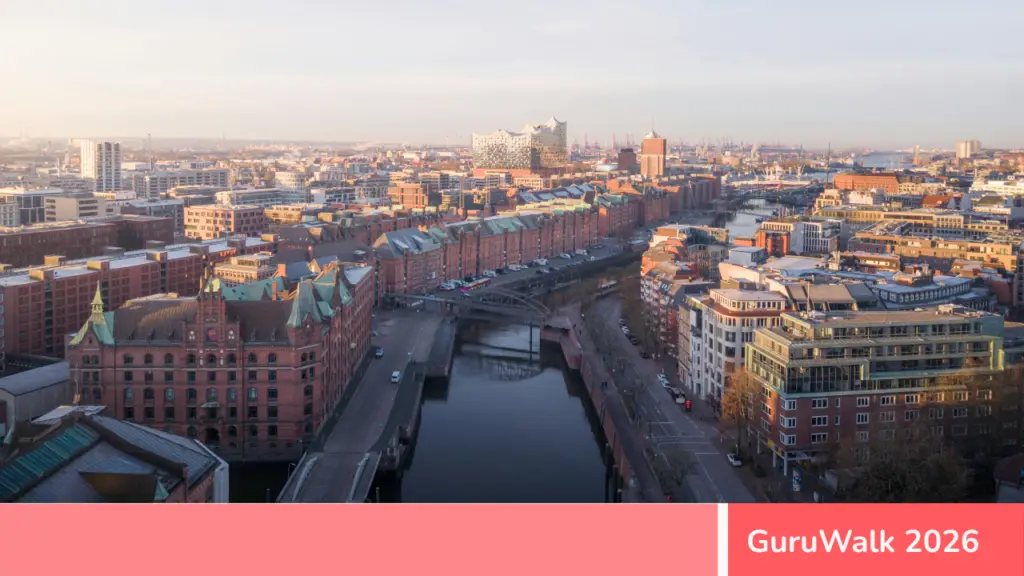
Hamburg embraces its Hanseatic past with historic docks where goods are still loaded, museums dedicated to underground spice warehouses, and a modernity that includes the Elbphilharmonie concert hall (2017). Walking from the Victorian wharves to neighborhoods like Altona, where artists and musicians paint the walls with color, defines what it means to be a Nordic metropolis.
66. Zaragoza, Spain
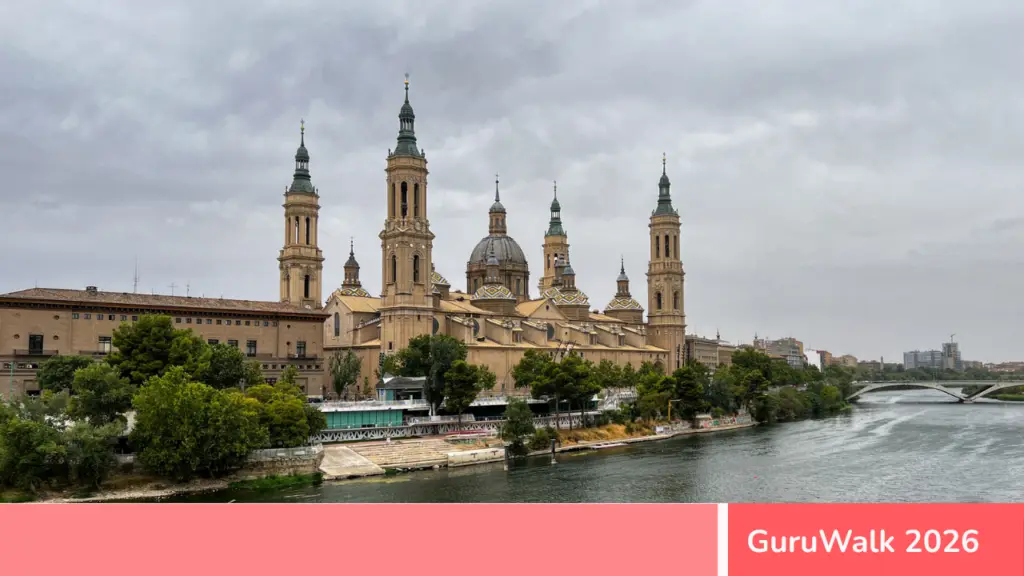
Zaragoza, bathed by the Ebro, shelters the colossal Basilica del Pilar (one of the largest in Europe) and the Aljafería, an 11th-century Mudéjar palace. Walking its riverside promenade, discovering its historic neighborhoods where Muslims, Jews, and Christians once lived side by side, and enjoying its millennial gastronomy is understanding why it was a crossroads of civilizations.
67. Tbilisi, Georgia
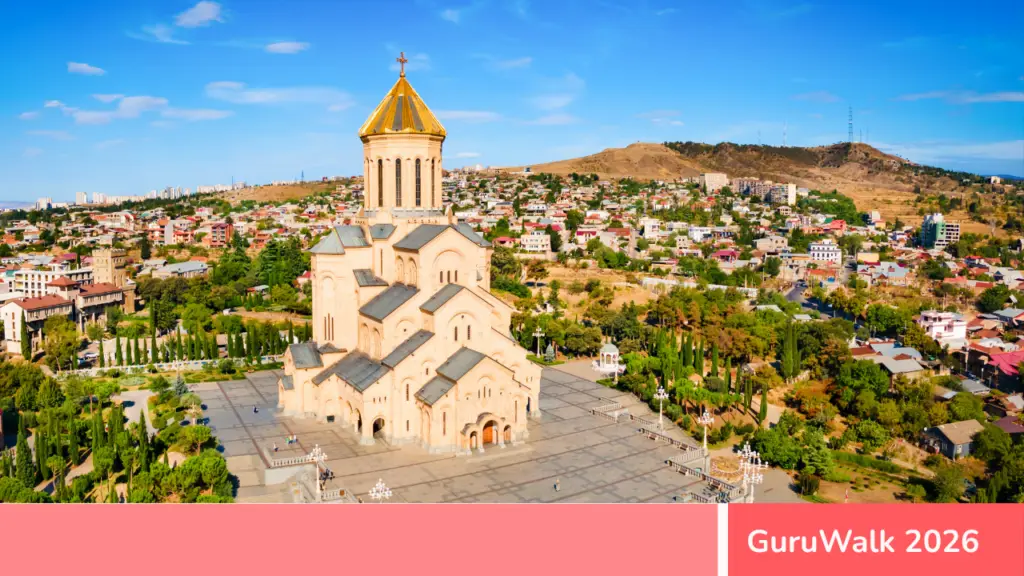
Tbilisi winds between the cliffs of the Mtkvari, combining centuries-old sulfur baths, rock-carved churches from the 6th century AD, and an explosive contemporary art scene. Its wooden facades with traditional balconies contrast with avant-garde art galleries, while every neighborhood — from Narikala to Metekhi — tells stories of invasions, renaissances, and rebellions.
68. Lyon, France
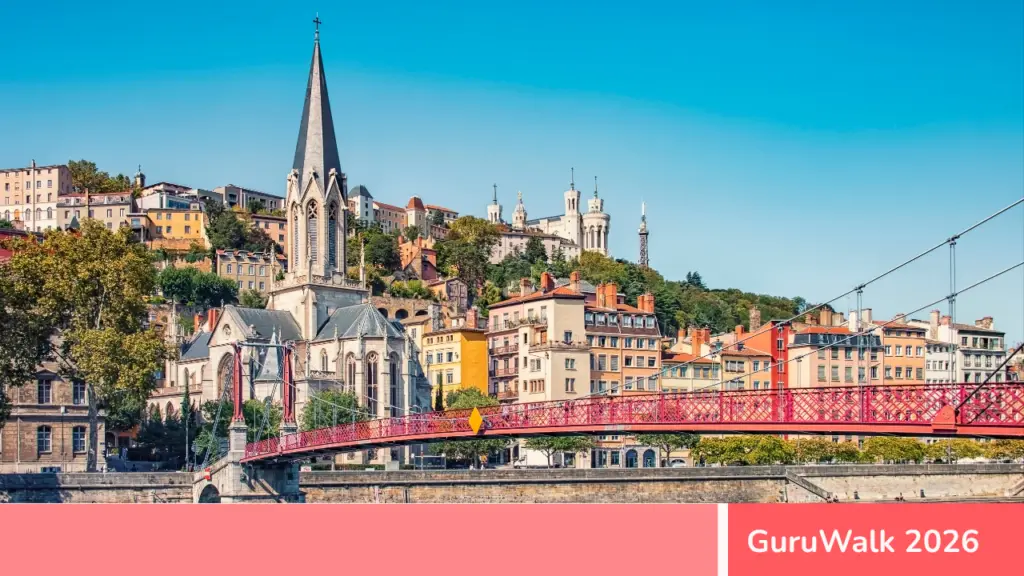
Lyon, where the Rhône and Saône converge, was the most important printing capital in Renaissance Europe, and today houses 40 museums and the finest French gastronomy. Climbing medieval alleyways to the Basilica of Notre-Dame de Fourvière, exploring the Vieux Lyon with its traboules (secret passageways connecting streets), is discovering why Lyon competes with Paris for sophistication.
69. Stockholm, Sweden
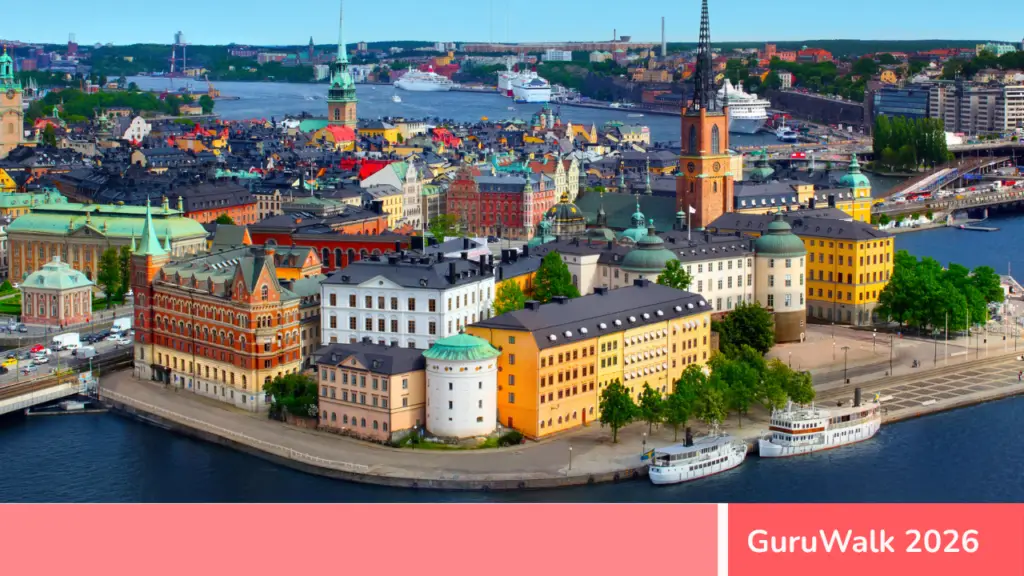
Stockholm spreads across 14 islands connected by historic bridges where Viking ships once set sail 1,000 years ago. Walking Gamla Stan (the 13th-century old town), discovering Swedish modern art museums, dark wooden temples, and cafés where Nordic design blends with egalitarian mentality, is understanding why the Swedes have gone 300 years without wars.
70. Singapore, Singapore
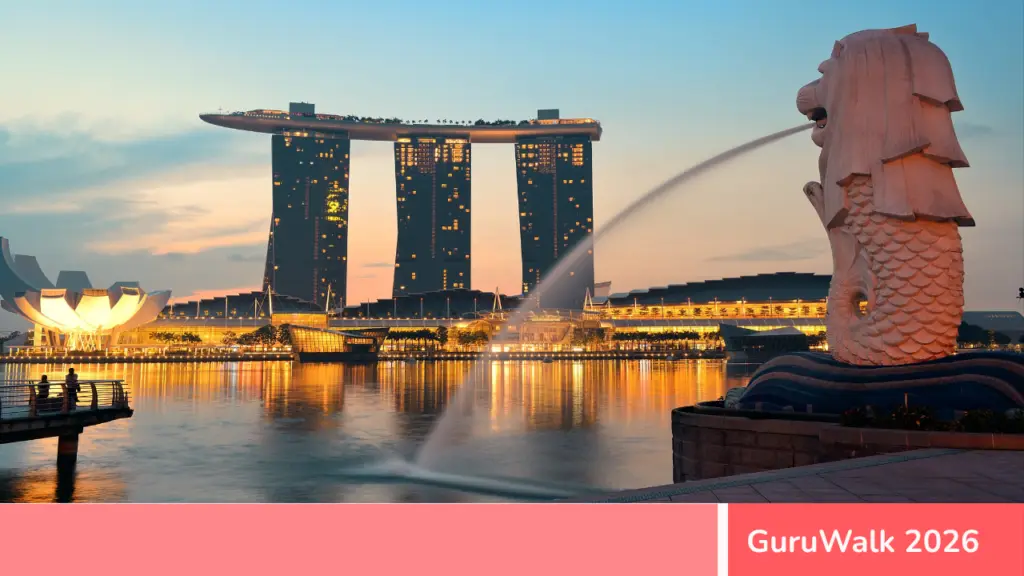
Singapore compresses into 730 square kilometers a metropolis where Hindu temples neighbor Chinese pagodas and mosques, all connected by an impeccable transport network. Walking from the historic Chinatown (where Thian Hock Keng Street has existed since 1821) to Marina Bay with its futuristic skyscrapers, is experiencing the 21st-century global synthesis in its purest form.
71. Valladolid, Spain
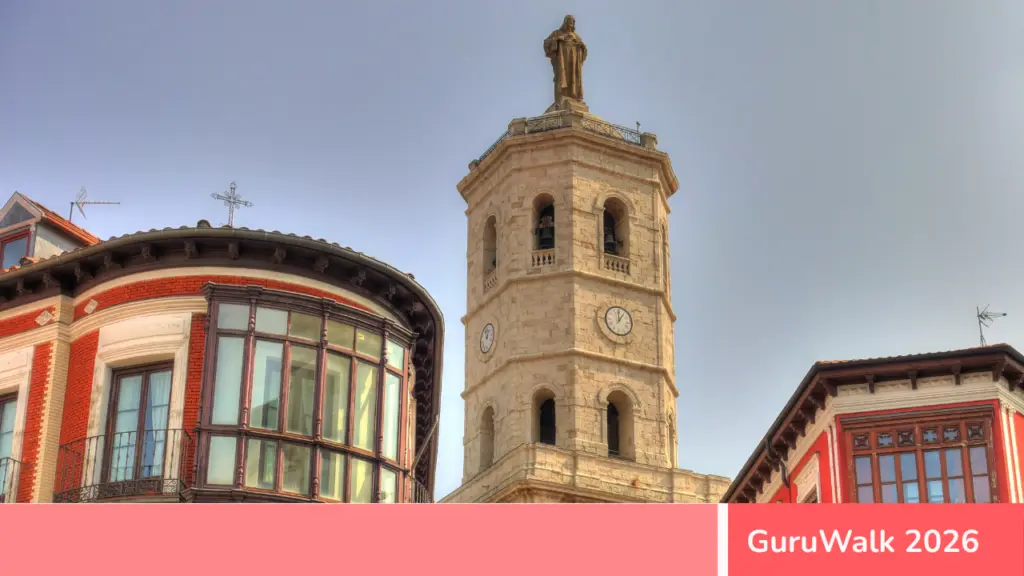
Valladolid, birthplace of Spanish adventurers who would conquer continents, maintains a Renaissance center where the Plaza Mayor seduces with harmonious architecture. Its connected squares, museums dedicated to Columbus and the ducal palaces, and its brief historic role as capital of Castile make every walk reveal layers of imperial Spanishness.
72. Strasbourg, France
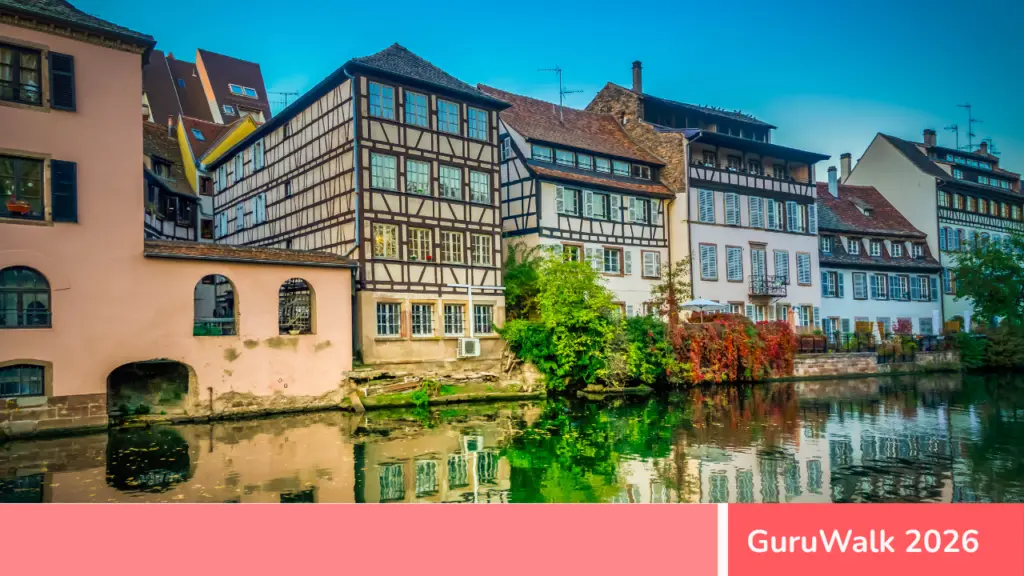
Strasbourg, the border city of Alsace, alternates between French and German identity in its medieval alleyways where the Cathedral is a breathtaking exercise in Gothic architecture. Petite France with its maisons à colombage (half-timbered houses), the historic markets, and the bicultural identity create a unique atmosphere where Europe and its contradictions coexist naturally.
73. Riga, Latvia
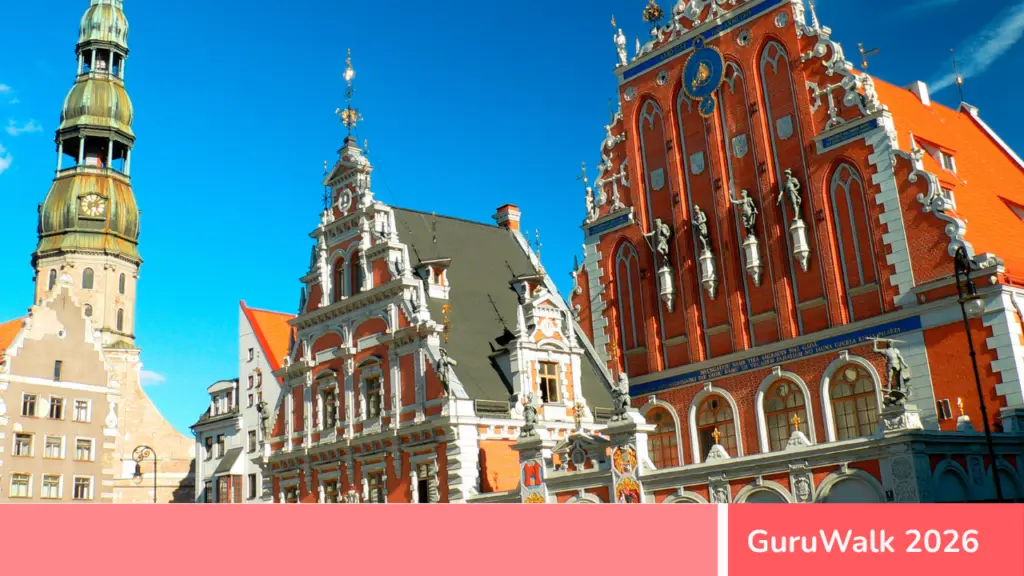
Riga, Latvia’s capital, is a medieval city where the dark-red Town Hall dates from 1334 and the “House of the Blackheads” guards stories of merchant guilds. Walking the UNESCO-listed old town, descending to the underground markets at Daugava Square, and exploring Art Nouveau (300+ buildings in this style make up 40% of the old town) is stepping into one of Europe’s greatest architectural repositories.
74. Donostia-San Sebastián, Spain
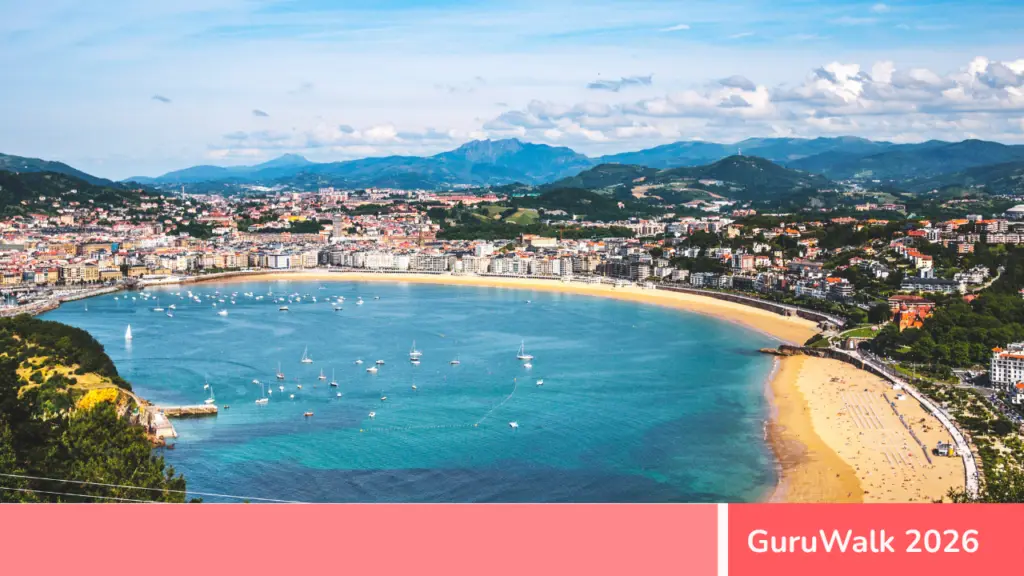
Donostia-San Sebastián boasts a dream bay with La Concha as its backdrop and a population of just 186,000 inhabitants that feels like a shared secret. Its legendary gastronomy (three Michelin stars, centuries-old gastronomic societies), its popular pintxos, and its coastal promenade where bathers share the view with historic mansions make walking almost like devouring the city.
75. Nuremberg, Germany
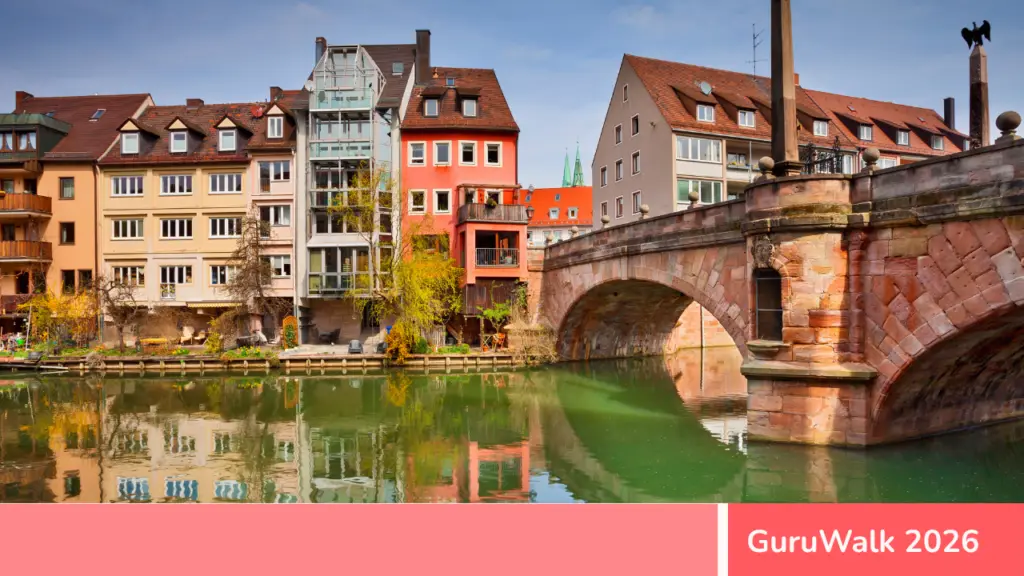
Nuremberg preserves an intact medieval wall (5 kilometers, 80 towers), an 11th-century castle where Conrad II minted the Imperial Regalia, and an Old Town that was completely bombed in 1945 but rebuilt stone by stone. Strolling its Gothic alleyways, its churches that rival Cologne, and reflecting at the Postwar Trials Complex is walking between beauty and its rawest historical confrontation.
76. Gdańsk, Poland
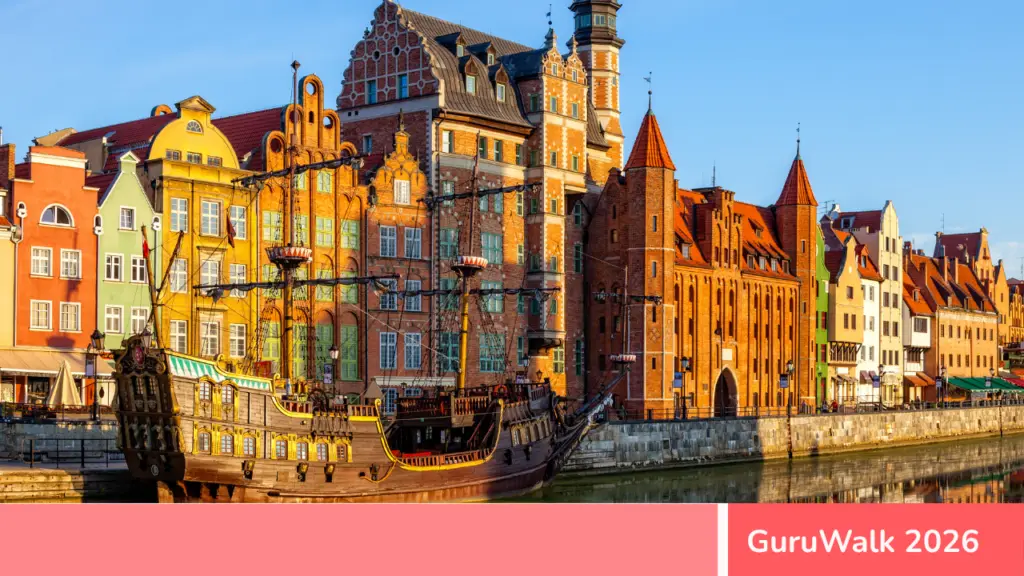
Gdańsk, the Baltic amber capital, was entirely rebuilt after World War II with buildings identical to the originals, creating a 16th-century old town that looks like a movie set. The historic port where Solidarity in 1980 changed Europe, its amber markets (the city produces 50% of the world’s supply), and literary cafés where Günter Grass once wrote make every corner tell of revolutions.
77. Ghent, Belgium
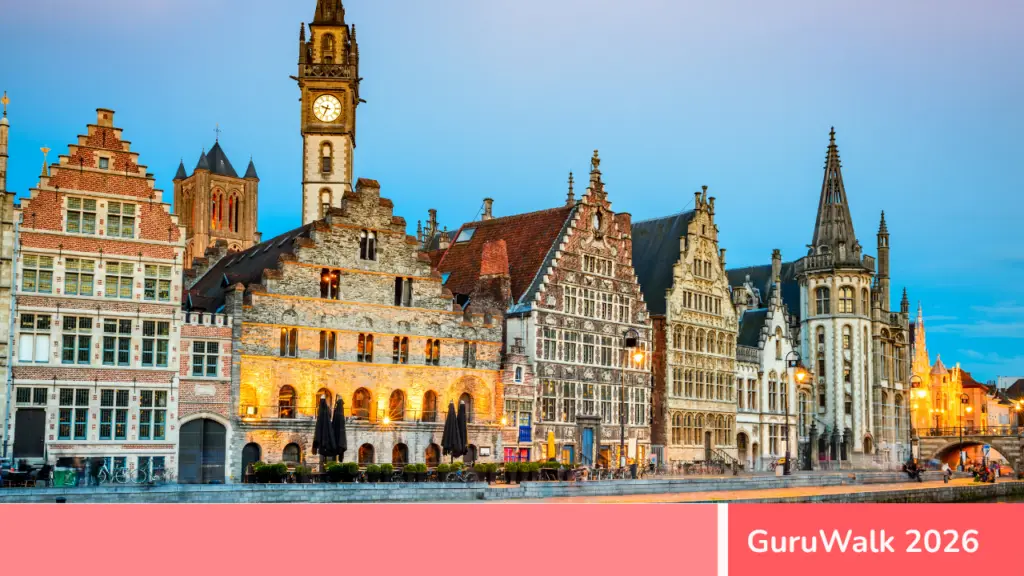
Ghent, the city of three castles, maintains medieval canals where 16th-century houses reflect in green waters and no cars disturb the calm. Its St. Bavo’s Cathedral houses the “Adoration of the Mystic Lamb,” St. Nicholas’ Church (the oldest in Belgium), and an atmosphere that is Bruges, but more accessible and less touristy.
78. Mérida, Mexico
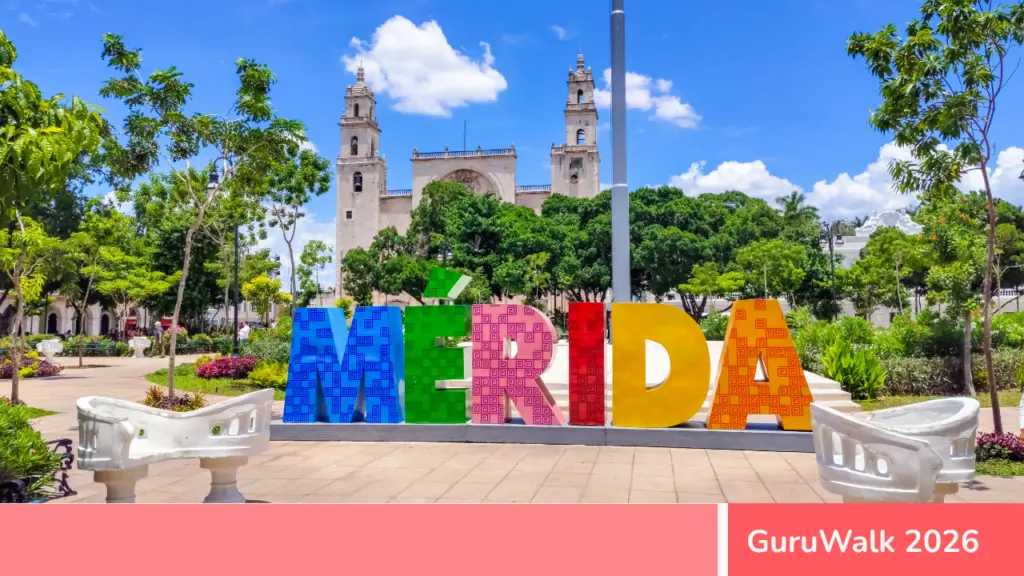
Mérida is the capital of southeastern Mexico and one of those places where staying longer than planned is almost inevitable. This colonial city is vibrant and full of life, and its Yucatecan cuisine is a real revelation, with flavors unlike anything found elsewhere in the country.
79. Pamplona, Spain
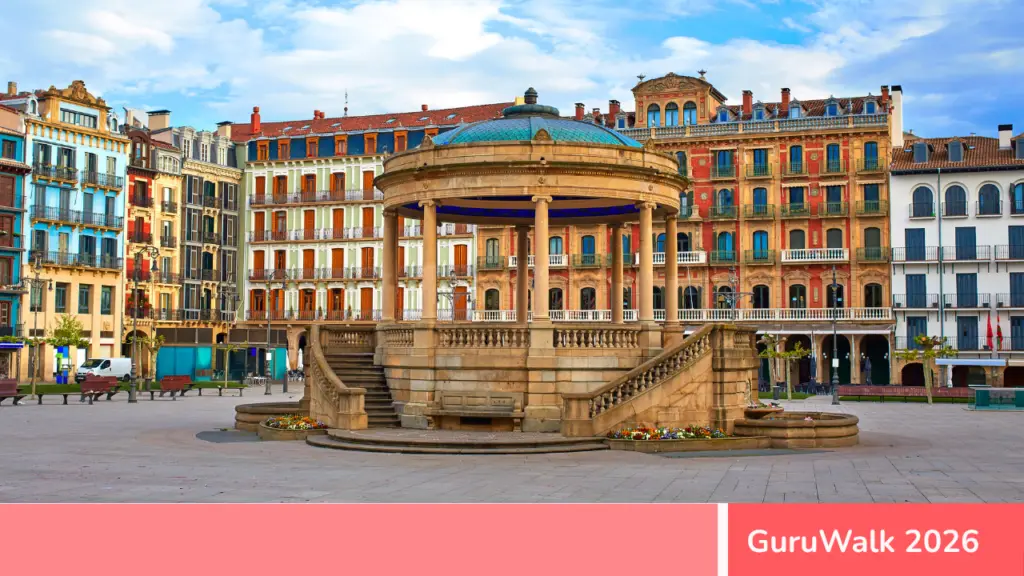
Pamplona transcends the Running of the Bulls to offer a complete medieval wall (nearly 1,000 years of fortifications), a 15th-century Gothic cathedral, and a center where Romanesque churches punctuate every square. Walking slowly through its streets without bulls, discovering the silent Ramo procession (a 15th-century tradition), is rediscovering the city beyond the spectacle.
80. Bordeaux, France
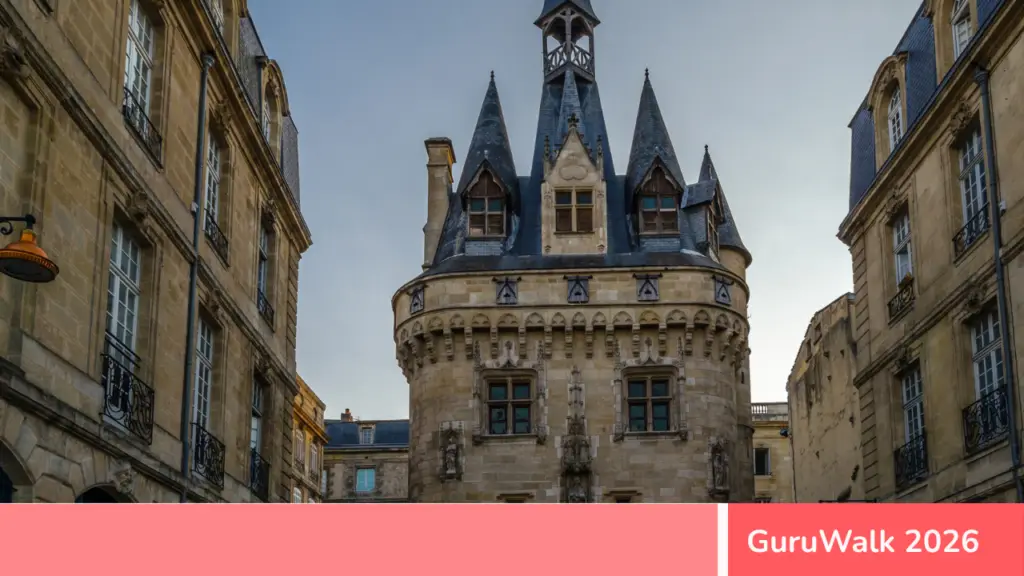
Bordeaux is not just famous for its wine; it also seduces with its 18th-century neoclassical avenues, its Port of the Moon (UNESCO World Heritage), and 362 historic monuments. Walking from the Cathedral of Santiago to the docks where the Garonne reflects architecture that inspired colonial cities in the Americas, while enjoying wines in historic taverns, is understanding why it was a literary capital for centuries.
81. Hiroshima, Japan
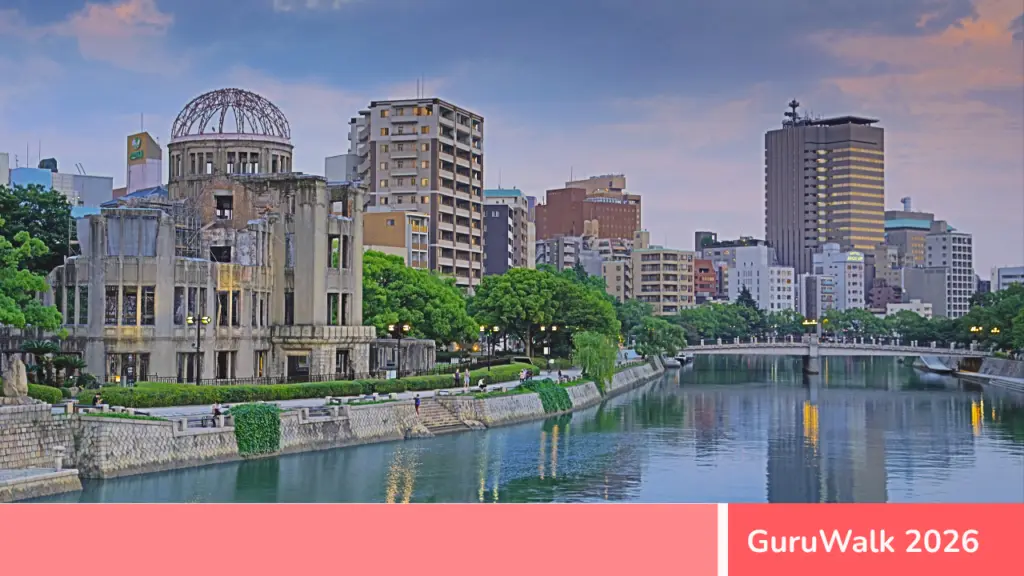
Hiroshima rose from the ashes in 1945 to become a universal symbol of peace, preserving the Peace Memorial and the Park that embraces the rawest of histories. Walking under thousands of lanterns on the Ota River during Obon, visiting museums that document the resurrection, and eating okonomiyaki in traditional restaurants is experiencing the most profound lesson about renewal and forgiveness.
82. Zurich, Switzerland
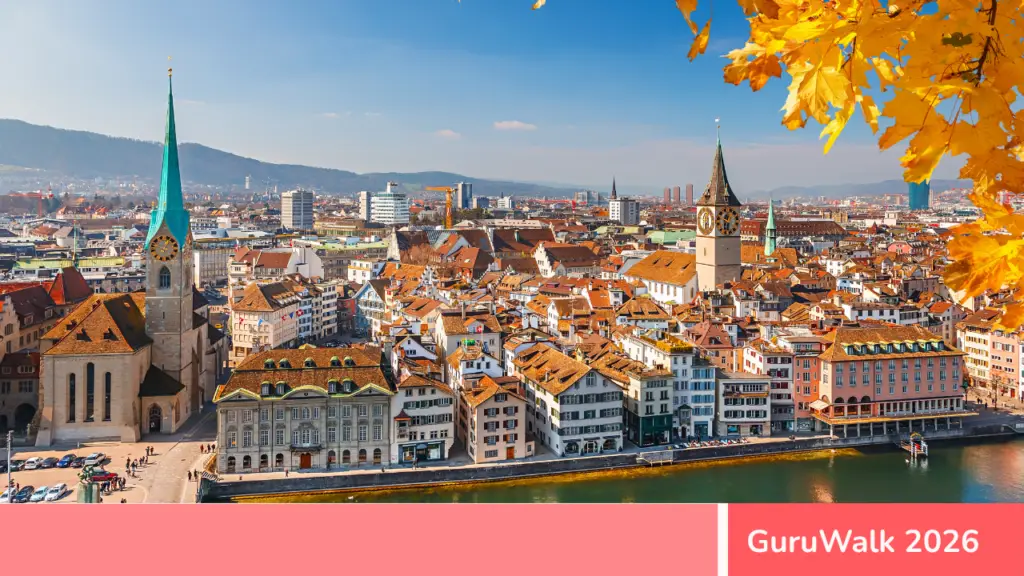
Zurich is more interesting than its reputation as a financial hub might suggest. The lake, the old town, and a vibrant cultural scene give it a unique character that surprises those who arrive without high expectations and decide to let themselves be swept up in it.
83. Bilbao, Spain
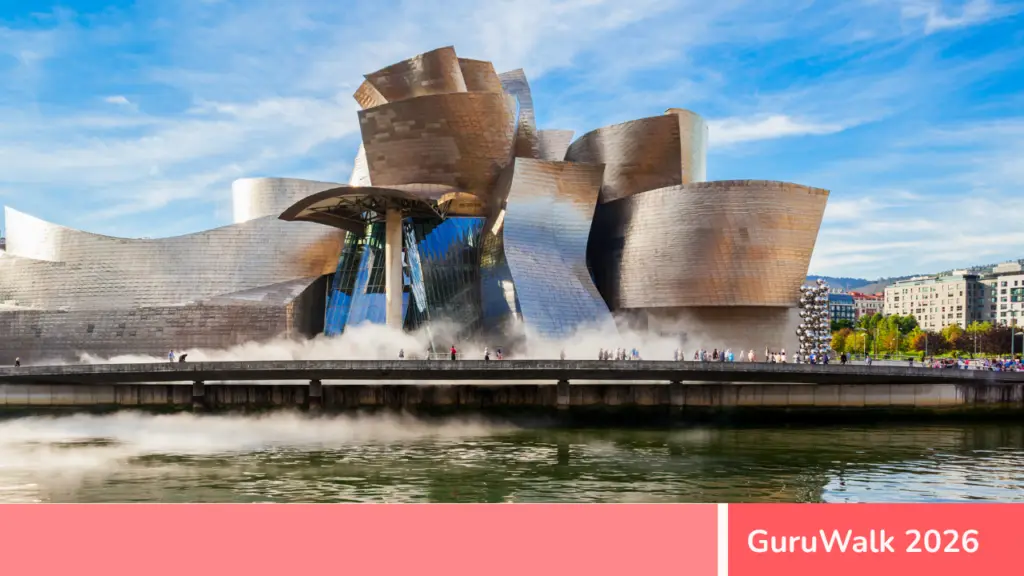
Bilbao transformed its industrial past into contemporary art when Gehry built the Guggenheim in 1997, but its Old Town maintains 300-year-old taverns in arcaded squares. The Nervión flows under historic bridges as you descend to fish markets, visit taverns where the pintxo is art, and climb to lookout points where the urban sprawl disappears behind the mountains.
84. Panama City, Panama
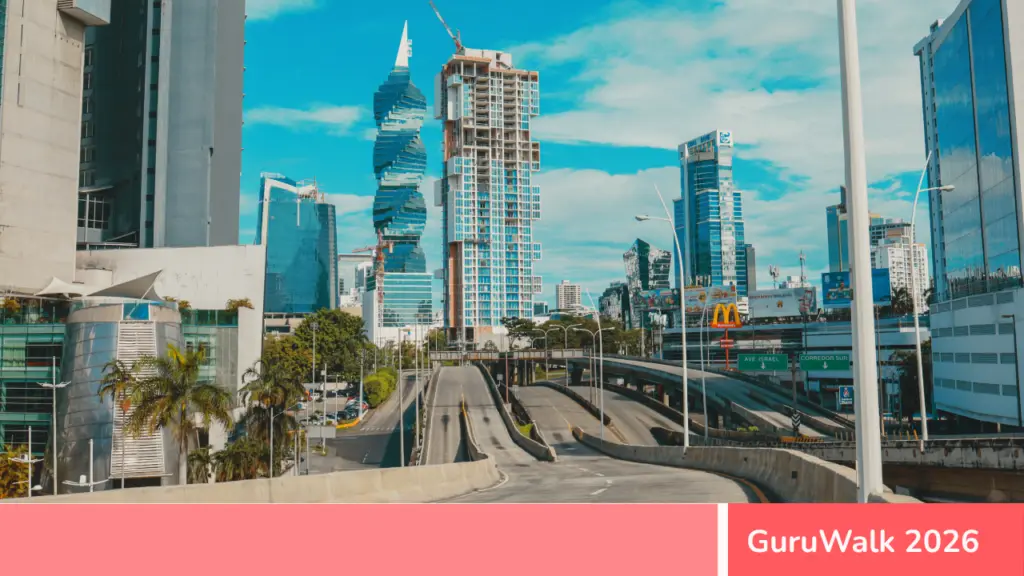
Panama City compresses 4 centuries of port history into its coastal promenade, where the Old Quarter (UNESCO World Heritage) contains features colonial houses with facades that are sometimes dilapidated, but always stately. The Canal that revolutionized world trade in 1914 is visible from many corners, while its modern towers create contrast with alleyways where pirates once hid treasure.
85. Bogotá, Colombia
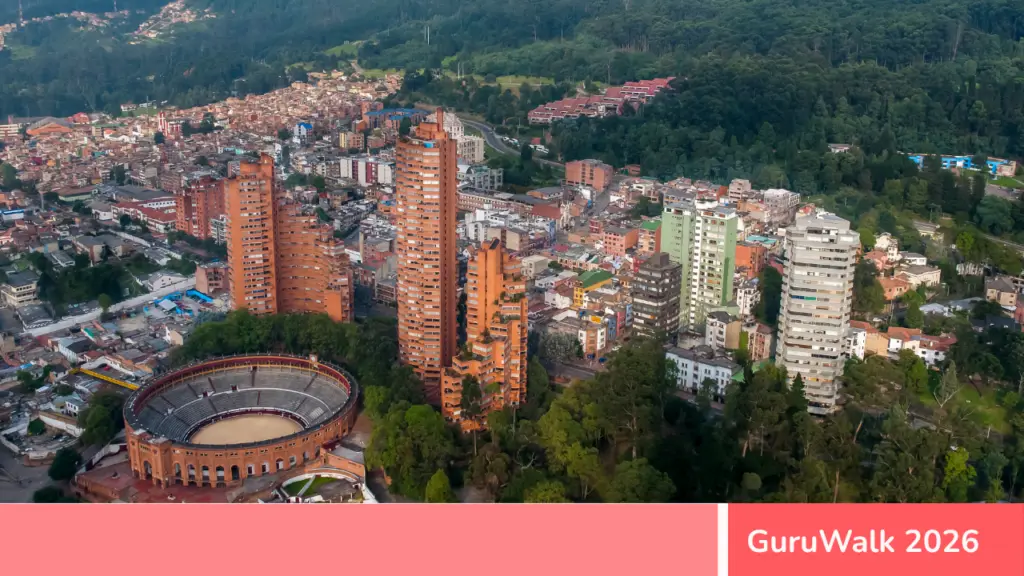
Bogotá, at 2,640 meters above sea level in the Andes, boasts the world’s largest Gold Museum (over 55,000 pieces of pre-Columbian jewelry) and a La Candelaria neighborhood where Spanish colonies have been transformed into art galleries. Walking from the Monserrate Monastery — suspended above the city at 3,000 meters — to squares where local coffee perfumes every café, is navigating between colonial past and Latin American resurgence.
86. Lima, Peru
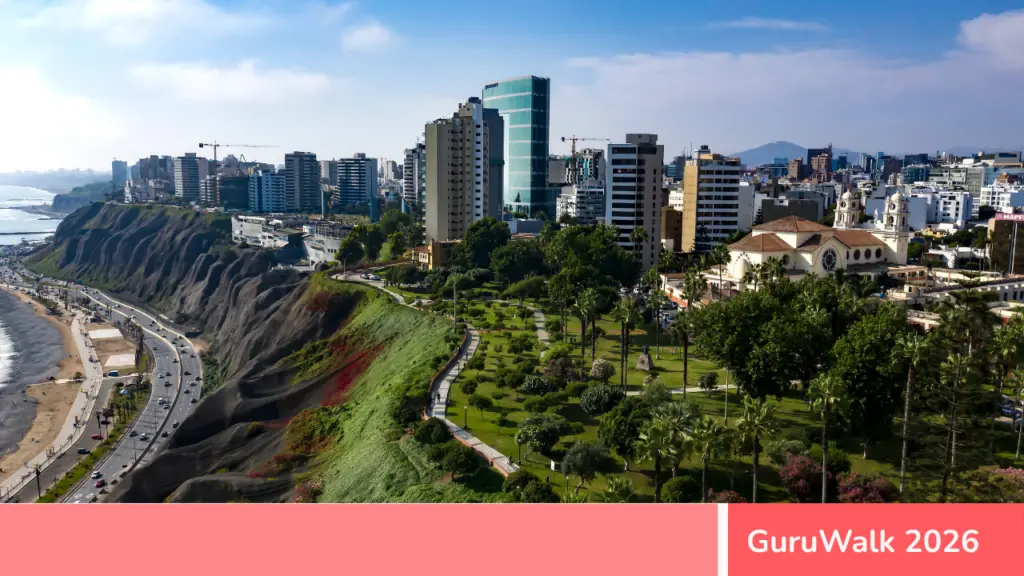
Lima surprises from the very first moment. Perched above the Pacific, it blends history, art and an energy that few Latin American capitals can match. Its Historic Centre invites you to wander through baroque churches and stone squares, while neighbourhoods like Miraflores and Barranco offer clifftop views, galleries and a vibrant café scene. But what makes Lima a must-visit destination is its food: ceviches, causas and anticuchos are dishes no one wants to miss.
87. Gijón, Spain
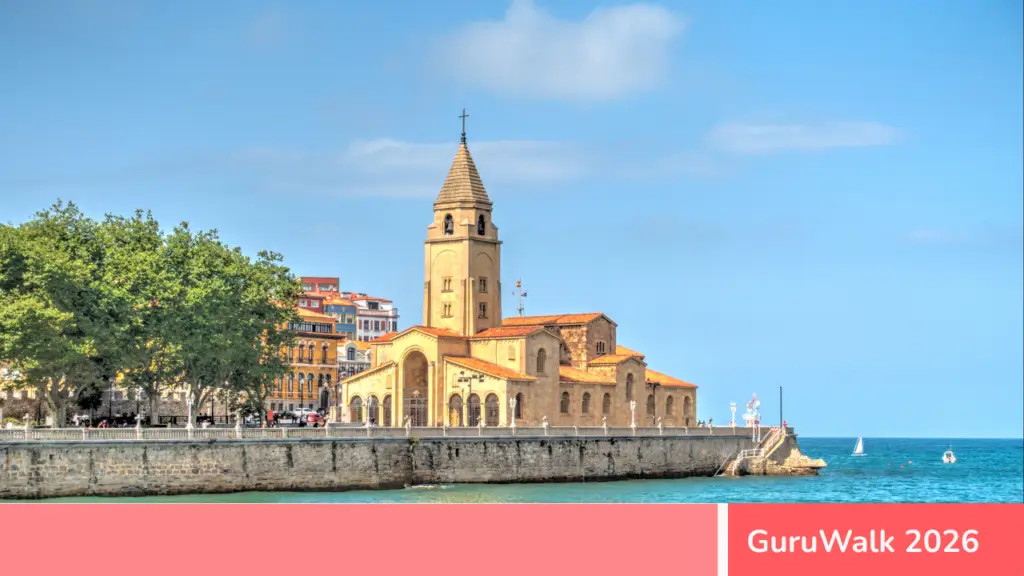
Gijón, the Asturian port where Romans landed 2,000 years ago, maintains urban beaches, an old town of fishermen’s houses, and a statue of Pelayo dominating the harbor. Strolling the Paseo Marítimo (historic seafront promenade) while observing the blend of Roman, medieval, and mining architecture, eating fabada in cider houses, is discovering why Asturias culturally rebels from the rest of Spain.
88. Tallinn, Estonia
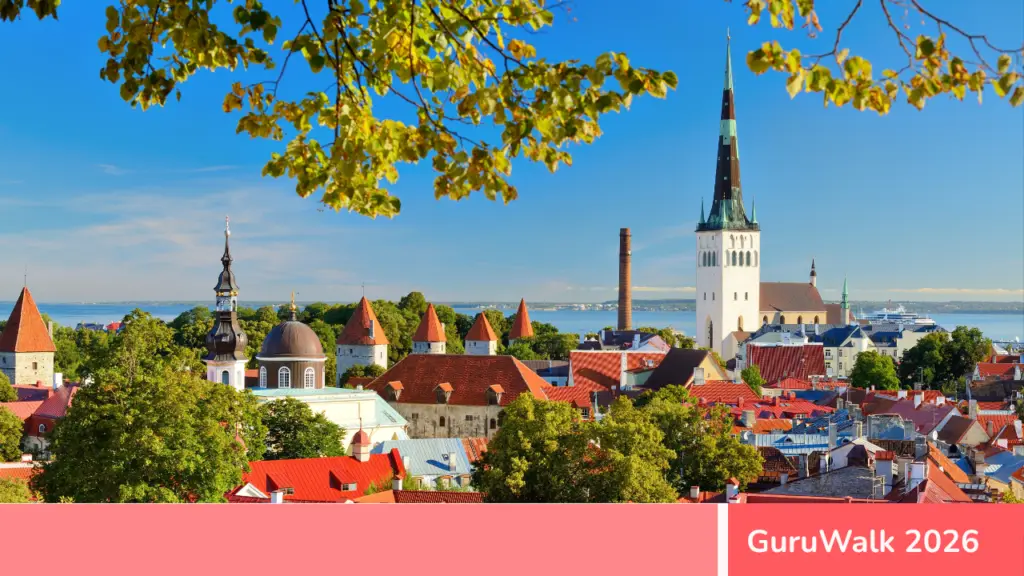
Tallinn, Estonia’s capital, is an 800-year-old medieval town declared a World Heritage Site where original walls still embrace castles, churches, and cobblestone alleyways. From its medieval port where Hanseatic merchants once set sail, to literary cafés where Soviet writers resisted in secret, walking Tallinn is stepping into a city that survived Swedish, Russian, and Nazi invasions without losing its soul.
89. Salamanca, Spain
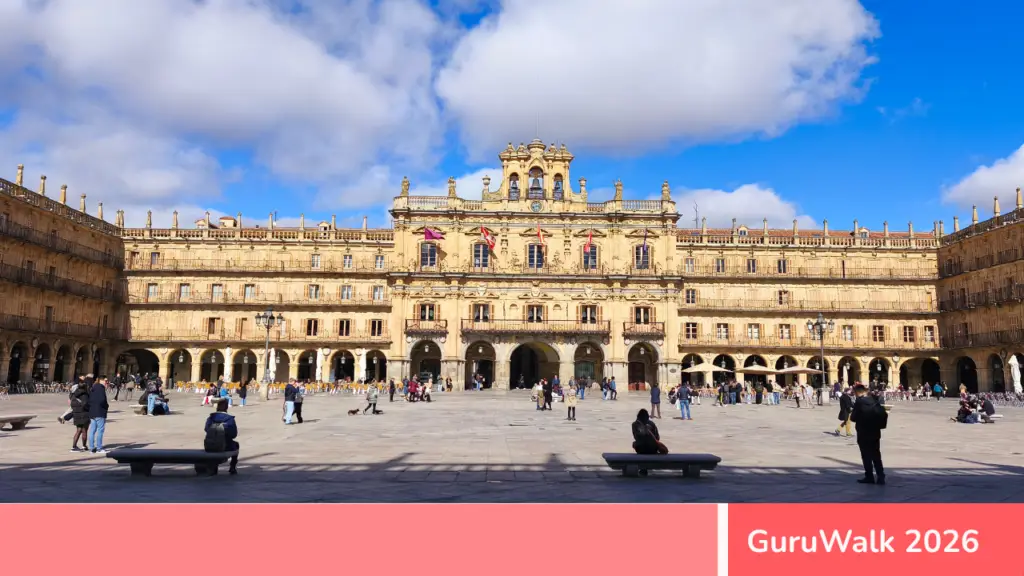
Salamanca was designated as Spain’s most important city of letters, with its University (the third oldest in Europe, founded in 1218) radiating intellectualism. Its Renaissance squares, golden towers gleaming at sunset, convents where Fray Luis wrote poetry that changed Spanish literature, make walking like entering a temple of humanism where every square is an amphitheater of thought.
90. Athens, Greece
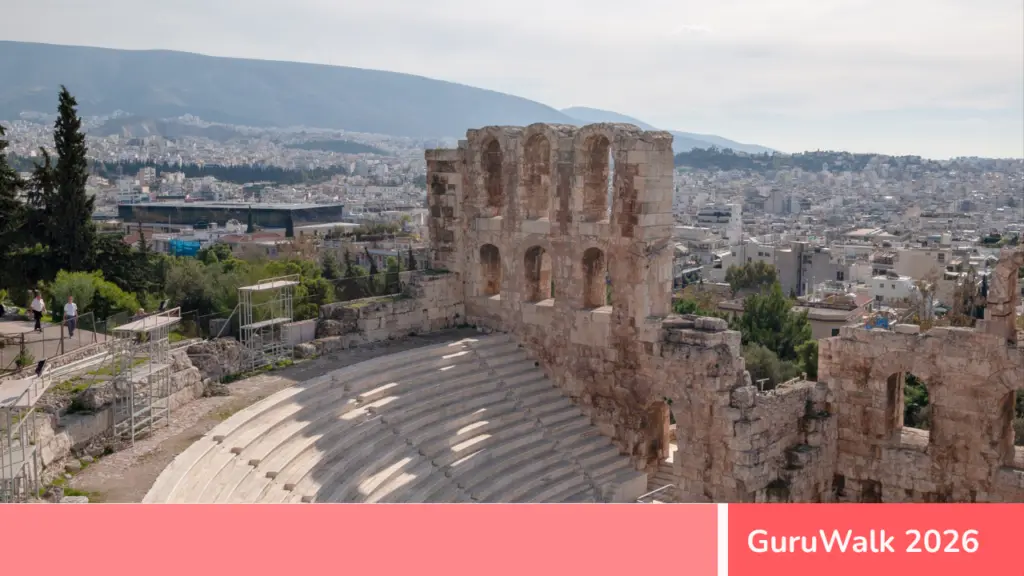
Athens condensed 2,500 years of Western civilization on its hills, where the Acropolis and the Parthenon watch over the city like eternal parents. From the Plaka with its Byzantine alleyways to Monastiraki where the bazaar has been operating for 1,000 years, walking while enjoying Greek coffee and statues that invented beauty is understanding why the Western world was born here.
91. Venice, Italy
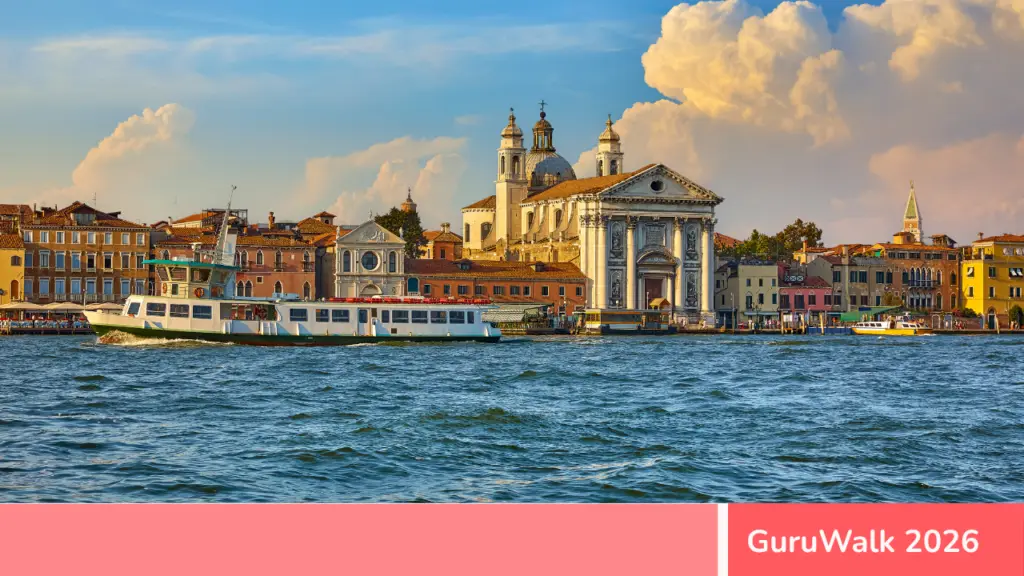
Venice, the merchant republic that was an empire for 1,000 years, floats on 118 islands connected by 400 bridges with no cars to break the silence. St. Mark’s Basilica gleams with Middle Eastern mosaics, the Doge’s Palaces speak of power, and gondolas still navigate canals where Venetian bankers invented modern banking while Dante wrote on the shore.
92. Zadar, Croatia
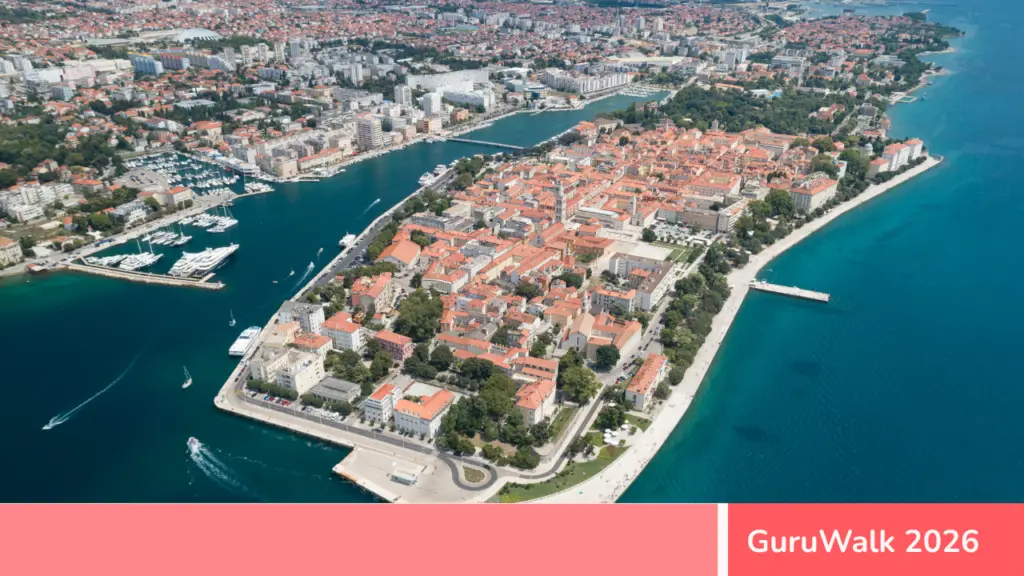
Zadar, the Dalmatian city that Alfred de Musset compared to “the profile of Queen Mab,” preserves medieval alleyways descending to a port where sunsets are so famous that ancient Greeks believed Helios ended his journeys here. Its 9th-century AD Romanesque churches, the Sea Organ (a musical instrument powered by waves), and taverns serving maraschino (a liqueur invented here) define Dalmatia.
93. Salvador de Bahía, Brazil
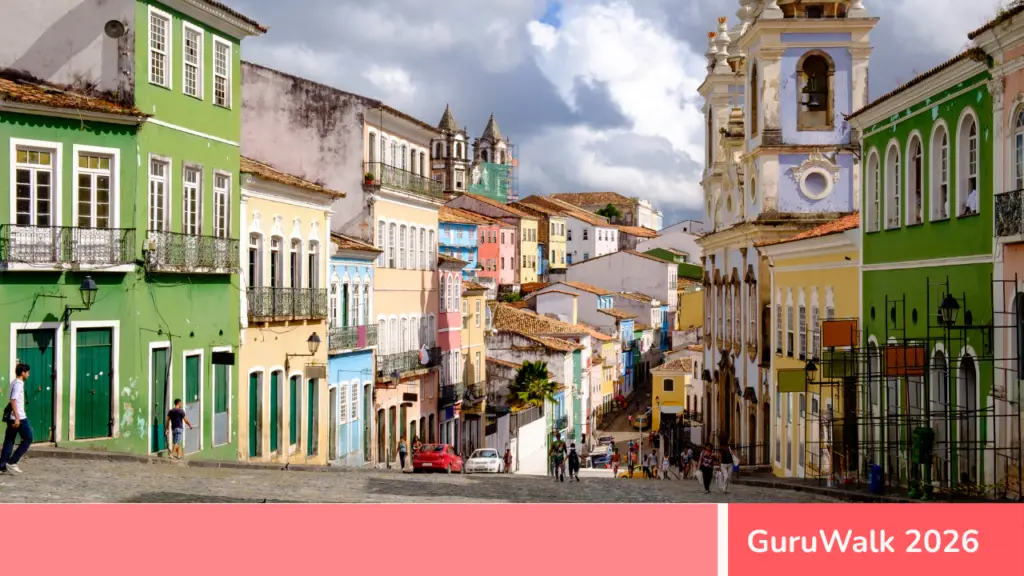
Salvador de Bahía, where Brazil began, maintains a Pelourinho (historic center) where colonial mansions in impossible colors embrace the memory of the African diaspora in the Americas. Walking its stairways while drums resonate from the walls, discovering capoeira being practiced on corners, and enjoying acarajé (fried shrimp fritters) is understanding why Bahía is the rhythmic soul of Brazil.
94. Rio de Janeiro, Brazil
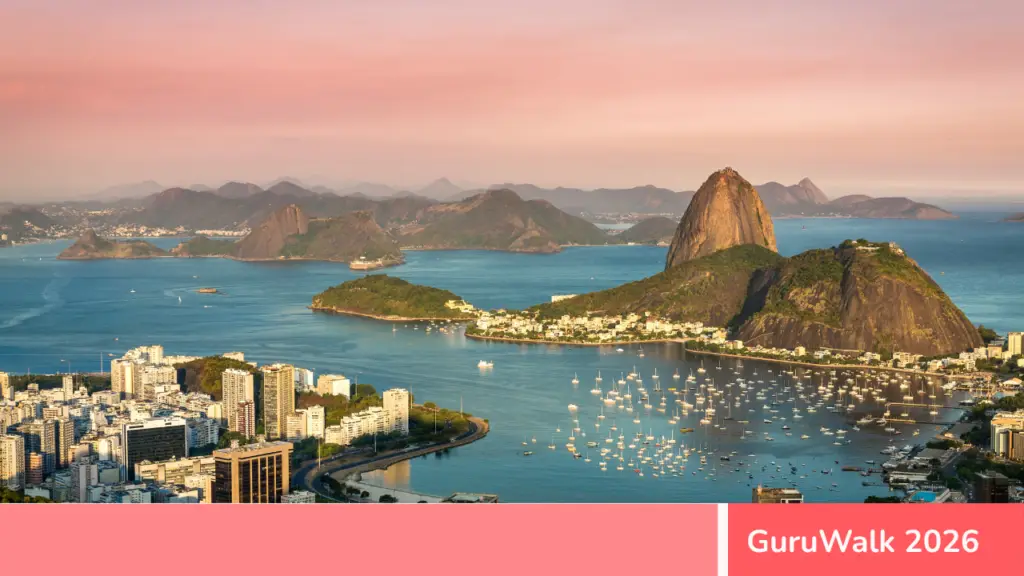
Rio de Janeiro unfolds its mountainous beauty over a bay where Sugarloaf and Corcovado preside as guardians, while favelas cling to the hillsides. From bohemian Lapa where samba was born to the coastal walks of Copacabana where street musicians play for crowds from 100 countries, walking is experiencing the most volatile Brazilian mix: grandeur, poverty, rhythm, and resurrection all at once.
95. Santander, Spain
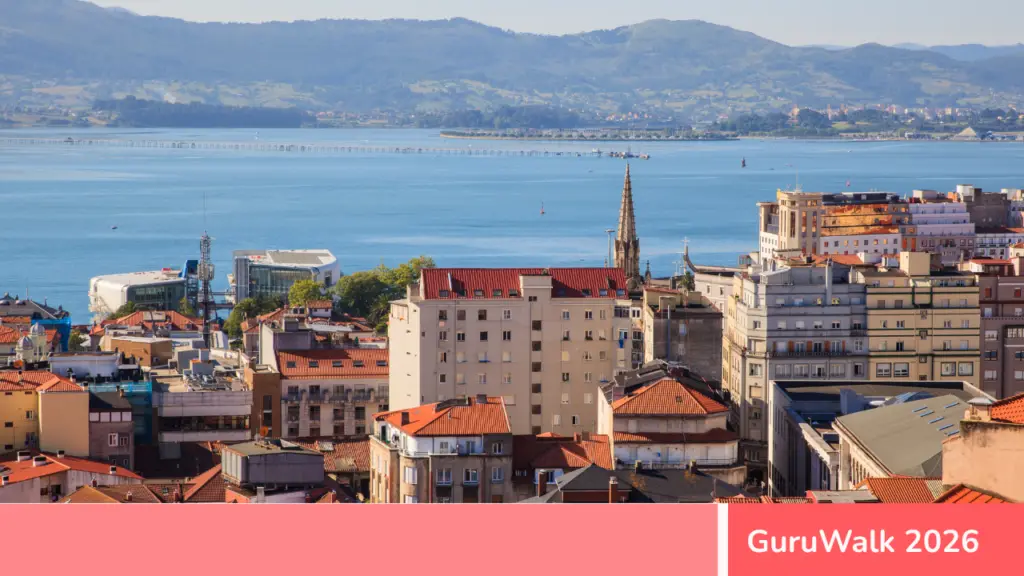
Santander, a Cantabrian port and seaside resort town, maintains a Seafront Promenade where the Gothic cathedral floating above the water, the modernist influences of Gaudí who once visited, and the mansions of indianos (emigrants who returned rich from the Americas) create a belle époque atmosphere perched on Atlantic cliffs. Walking its neighborhoods while observing the blend of seafaring and aristocracy is discovering why northern Spaniards envied this little port.
96. Belfast, United Kingdom
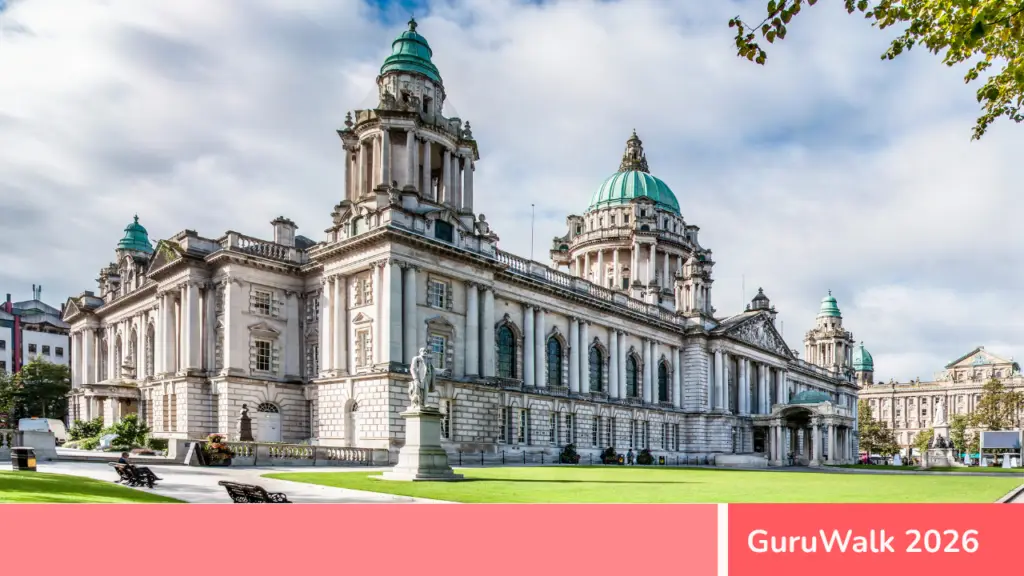
Belfast, the capital of Northern Ireland, went from being a symbol of conflict to an icon of cultural resurgence, with murals documenting decades of religious differences now transformed into art. Its St. Anne’s Cathedral, its docks where the Titanic was built, and literary cafés where Northern Irish writers brewed the next revolution make walking an experience of how cities can reimagine themselves.
97. Oaxaca, Mexico
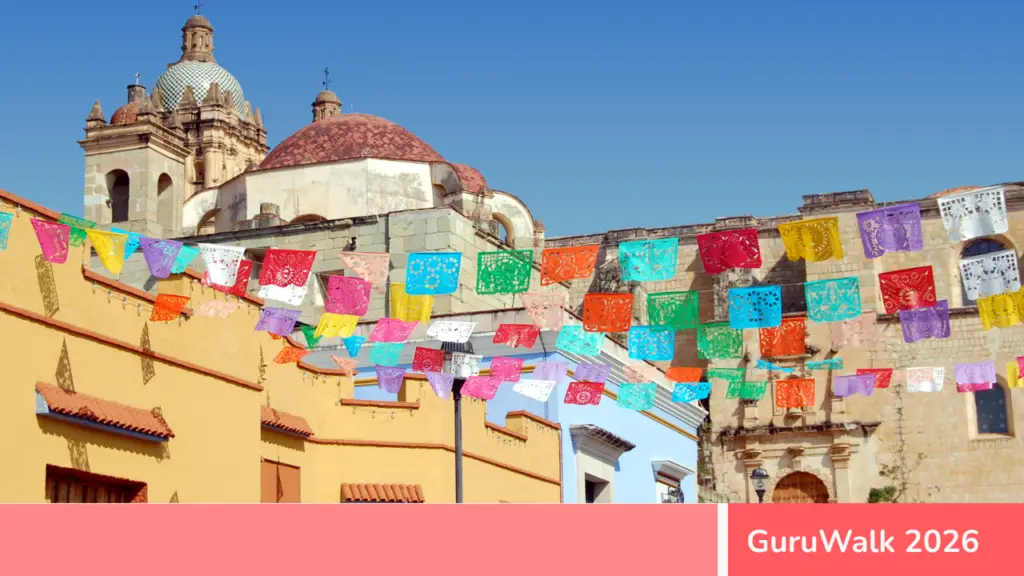
Oaxaca condenses the purest indigenous Mexico in its mezcal markets, its 400-year-old baroque churches where copal incense still burns, and its textile crafts that are works of art. Walking the Main Square where traditional orchestras play under the archways, climbing to Monte Albán for archaeological views, is understanding that Oaxaca refuses to be modern in order to remain eternal.
98. Liverpool, United Kingdom
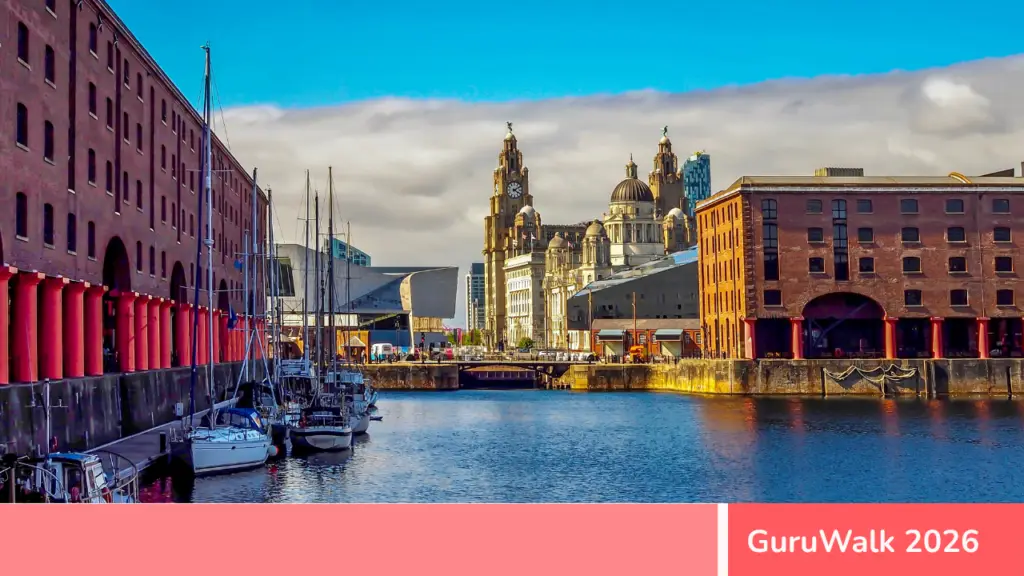
Liverpool, the city where the Beatles altered universal music, maintains its historic Docks where ships once sailed with slaves, minerals, and goods that built the British Empire. Walking its counterculture museums, its galleries where Banksy paints the walls of resurgence, and its pubs where the Fab Four’s songs still resonate, is stepping into a monument to how music and resistance can be forms of freedom.
99. Nice, France
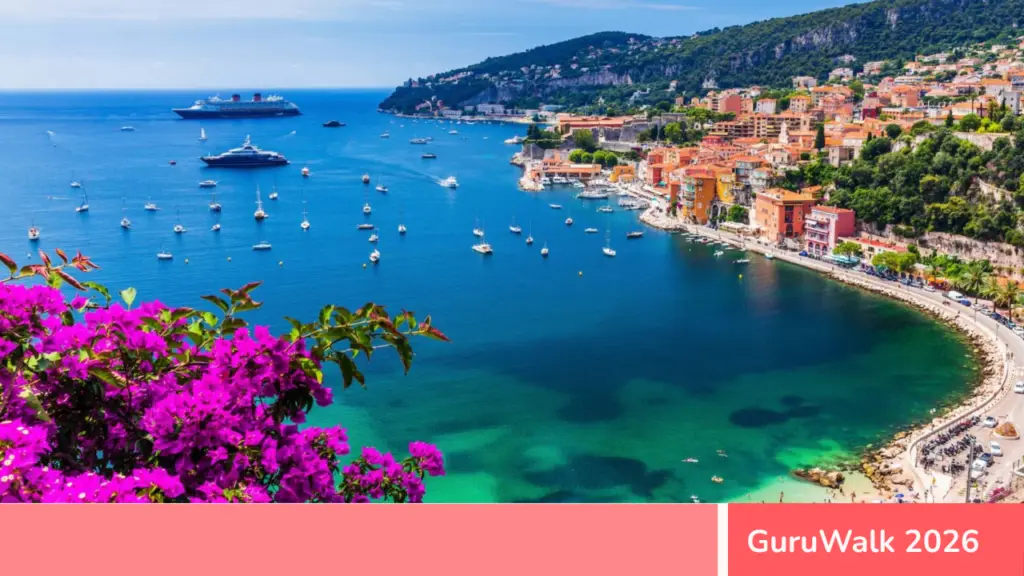
Nice, pearl of the French Riviera, combines pebble beaches with architecture built by Russian princes who constructed palaces in the 19th century to escape the Tsarist winter. The Promenade des Anglais has been seducing tourists for 200 years, while its alleyways in Old Nice smell of socca (chickpea crepes), and the Bay of Angels offers views that made Chagall paint here for the last 32 years of his life.
100. Antigua Guatemala, Guatemala
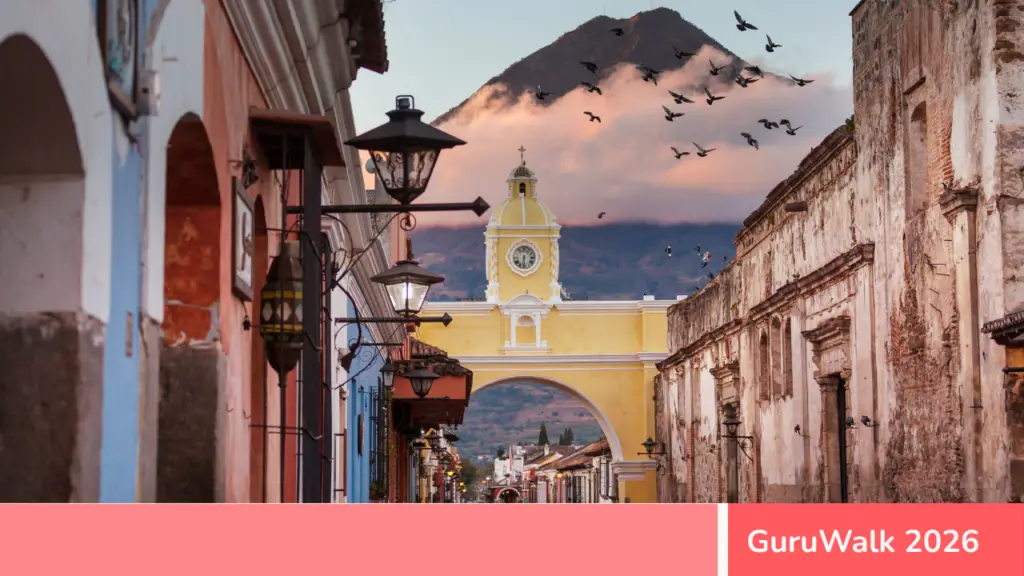
Antigua Guatemala, the most intact colonial capital town in the Americas, is a living museum where cobblestone streets were laid out in grids in 1543 and remain identical. Its baroque churches with facades that survived the 1773 earthquakes, its stone arches, traditional textile markets, and the volcanoes that silently surround the city make walking like going back 500 years without a time machine.

Los ANGELES, California ???
The Walking Capital of the world in missing : Nijmegen The Netherlands 🏃➡️🏃➡️🏃➡️😀
Africa has 54 countries on one continent. Out of all those countries there were only three walkable cities based on traveler’s opinions? One would think Spain was the continent with all the entries it has. Colombia is in South America, not the Caribbean. Obviously unbiased.