





Connect Christ the Redeemer, Sugarloaf, Downtown, Lapa and Santa Teresa in a Rio guide covering timed attractions and practical planning.
 Belén Rivas
GuruWalk
·
Updated 3 Sep 2026
Belén Rivas
GuruWalk
·
Updated 3 Sep 2026This city is geographically spread out. Christ the Redeemer and Sugarloaf shape the skyline, while Downtown, Lapa, and Santa Teresa explain much of Rio de Janeiro’s history. Be selective. To understand the geography on day one, start with one of the free tours in Rio de Janeiro. There is no credit card needed to reserve, and planning the rest of the trip becomes much easier afterwards.
Last verified: August 2026 — Prices, opening hours, and reservation requirements checked against official sources. GuruWalk’s Rio de Janeiro guides reviewed the practical recommendations.
Context matters because each area represents a different chapter. Downtown —the historic core— links colonial buildings, public squares, theatres, and the port district. Lapa focuses on the aqueduct and Selarón Steps. Starting early leaves the afternoon free for a timed attraction such as Corcovado or Sugarloaf.
At GuruWalk, we compare routes by theme, language, duration, and meeting point. Free tours have no fixed price. At the end, each walker gives the guru an amount that reflects the experience. A common reference is €10–20 per person, rising to as much as €50 for small groups or exceptional gurus.
Travel back in time in our Rio Free Walking Tour of Downtown and relive the past while walking through the…

In small groups, we'll take you on a tour of the Santa Teresa neighborhood, which is perched on a hilltop…

Explore the fascinating history of Little Africa in Rio de Janeiro with our engaging free tour! Embark on a journey…

PLEASE READ THE ENTIRE DESCRIPTION BEFORE BOOKING. WE START EARLY — BEAT THE HEAT, …

Ditch the guidebook and uncover the beating heart of Rio de Janeiro! On this unforgettable walking tour, we'll guide you…
✨ Discover Brazil’s History Through the Eyes of Women ✨ Join me for a powerful walking tour that br…

Welcome to the beautiful neighborhood of Barra da Tijuca , one of Rio de Janeiro's best zones for beaches, bar…


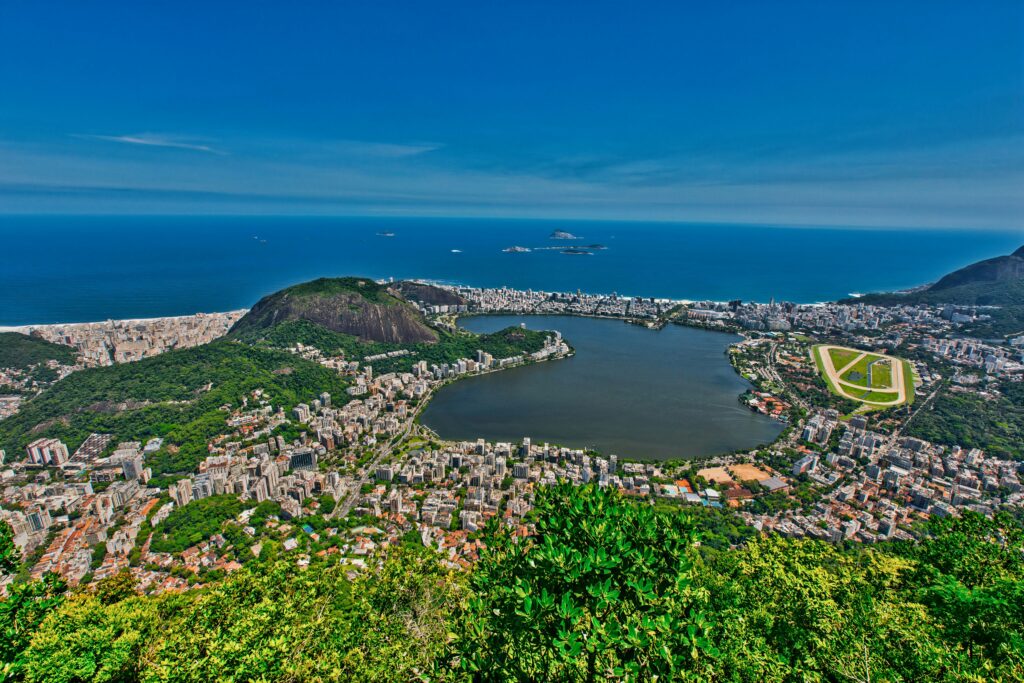
Christ the Redeemer stands on Corcovado inside Tijuca National Park. From the terrace, you can identify Rodrigo de Freitas Lagoon, Sugarloaf, Guanabara Bay, and several South Zone neighbourhoods in one view. Cloud can hide parts of the landscape, so check visibility before leaving.
From Cosme Velho, the official railway climbs the mountain. According to the Corcovado Train visitor information, it runs daily from 8 am to 6 pm, with departures every twenty minutes, and the ticket includes the return journey and monument access. Check-in is required at least forty minutes early. Official vans provide another route from Copacabana, Largo do Machado, and Paineiras.

At Praia Vermelha, the cable car starts its ascent. The two stages —Praia Vermelha to Morro da Urca, then Sugarloaf— provide different angles over Botafogo, Urca, central Rio, and Guanabara Bay. Allow at least two hours. Short paths and viewpoints at both stations make this more than a ride up and down.
“The journey begins at Praia Vermelha Station,” Parque Bondinho notes. In August 2026, the standard cable-car ticket costs R$205 and covers all four legs. Daily opening runs from 8:30 am to 9 pm, with last boarding at 7:30 pm. Your ticket has a time slot. Decide whether morning clarity or late-afternoon light matters more.
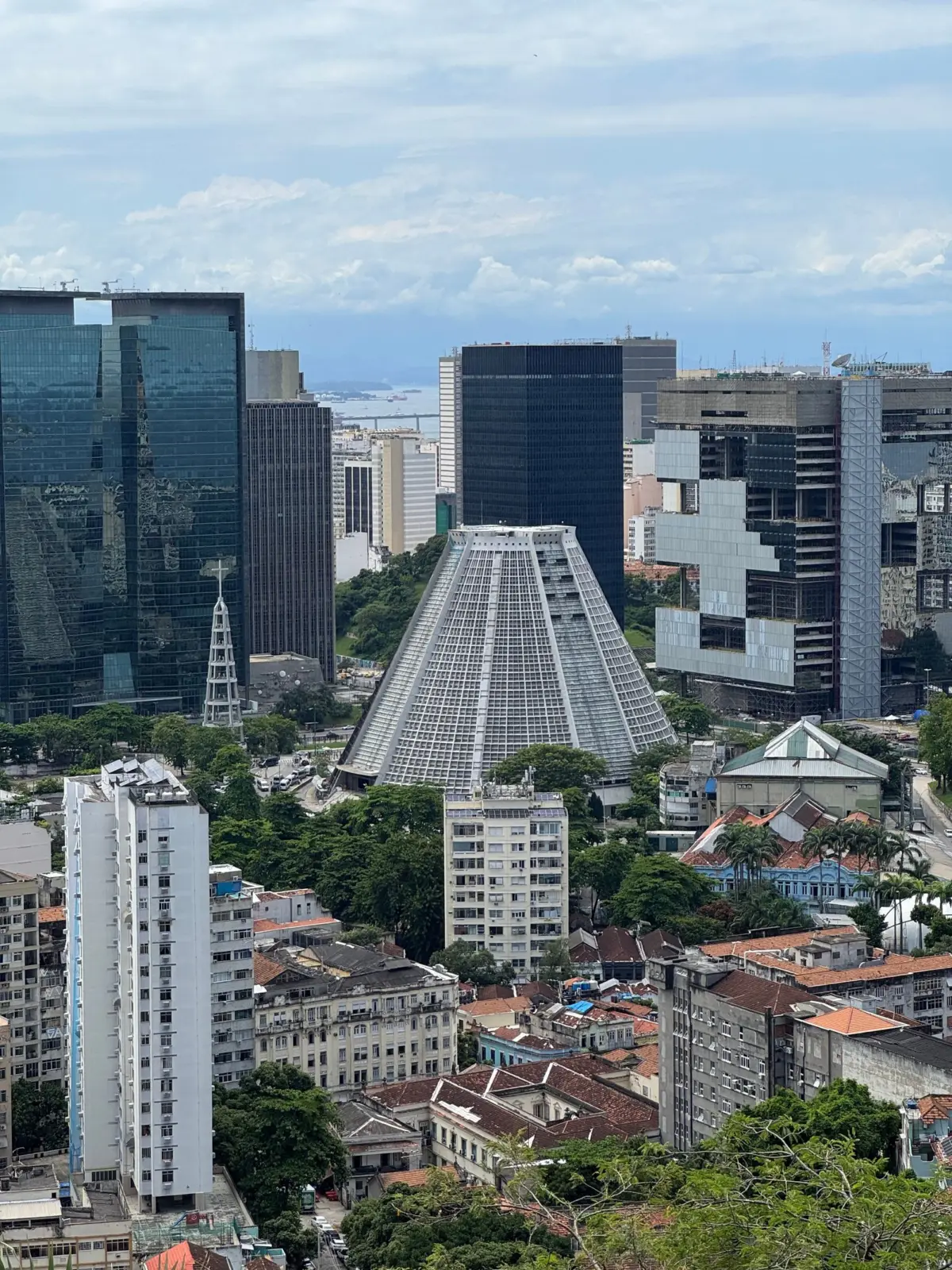
Downtown brings together places best understood on foot: Praça XV, Paço Imperial, churches along the former Rua Direita, Confeitaria Colombo, the Royal Portuguese Reading Room, and Cinelândia. You do not need to enter everything. Choose one or two interiors and use the rest as an architectural route from colonial Rio through the imperial capital and the 20th-century urban reforms.
Around Cinelândia, the Theatro Municipal offers the fullest interior visit. Its guided-visit programme runs sessions on several weekdays; regular tickets are released for the same day at the boulevard box office from 10 am. The Royal Portuguese Reading Room has announced a temporary suspension of Portuguese guided visits from 27 August 2026, so check its agenda before planning an interior visit.
Built as the Carioca Aqueduct, the Lapa Arches provide the clearest starting point for a walk through the district. Selarón Steps are about five minutes away. Jorge Selarón’s work links Joaquim Silva and Pinto Martins streets through a staircase covered in tiles from Brazil and many other countries.
Rio’s official tourism office places the steps between Lapa and Santa Teresa. That position lets you continue uphill or return towards Cinelândia. At night, Lapa changes purpose and concentrates concert halls and samba venues, so treat an evening there as a separate plan from the daytime heritage walk.
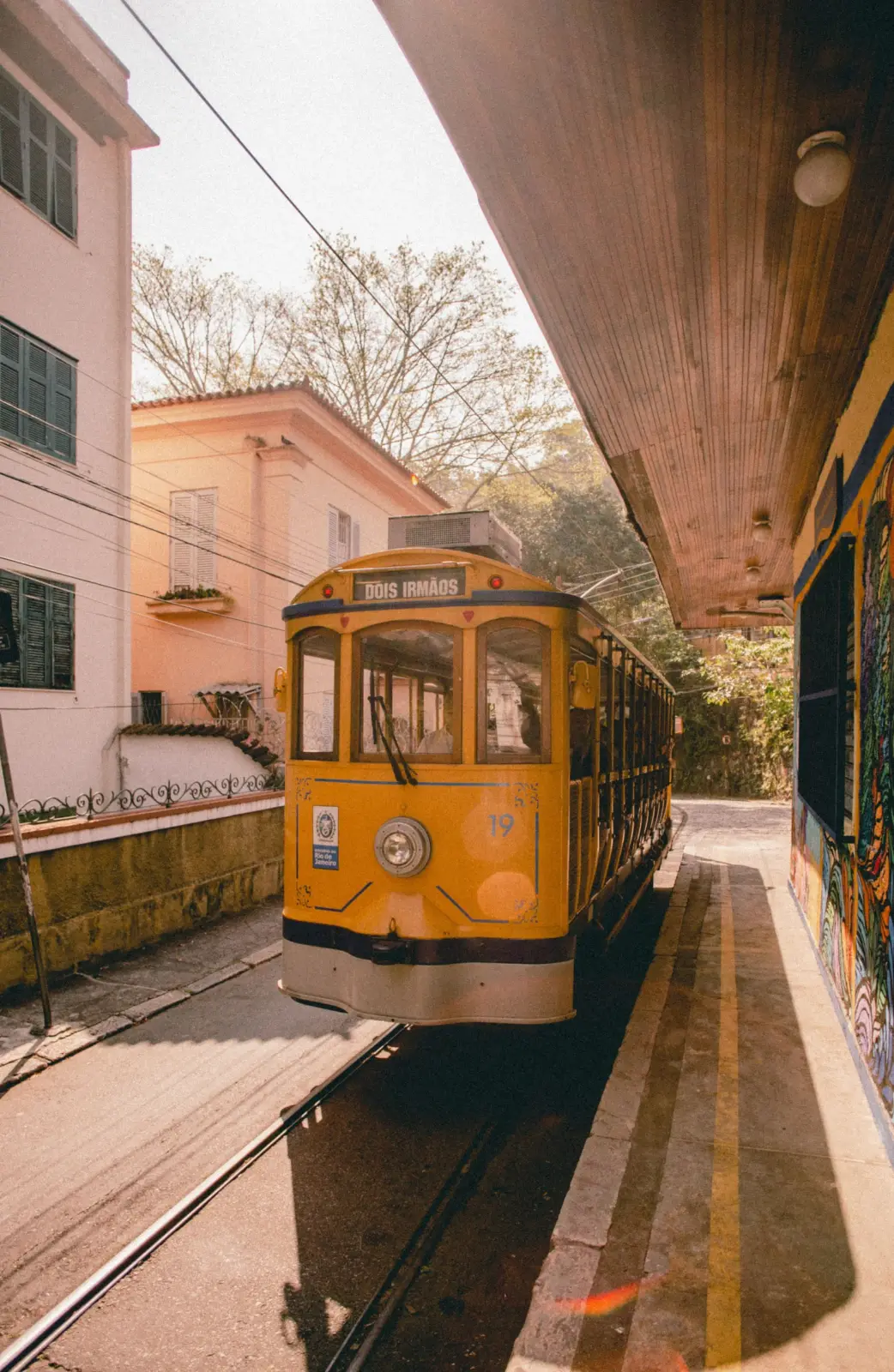
Santa Teresa sits above Downtown. Its cobbled streets connect houses from different periods with cultural workshops. The yellow tram starts near Carioca station, crosses the Lapa Arches, and climbs into the neighbourhood. Road access is possible. Once there, link several stops on foot.
A compact route connects Largo dos Guimarães, Largo do Curvelo, and Parque Glória Maria, formerly Parque das Ruínas. Its open structures frame views across central Rio and the bay. Keep Santa Teresa on the same day as Lapa. Pairing it with Copacabana creates a long cross-city journey and breaks the geographical order.

Praça Mauá has two museums with different purposes. Museu de Arte do Rio builds exhibitions around art, territory, and urban history. Across the square, the Museum of Tomorrow approaches science, sustainability, and possible futures inside Santiago Calatrava’s waterfront building. The bayfront promenade completes the area even if you choose only one museum.
One of them —the Museum of Tomorrow— opens Thursday to Tuesday from 10 am to 6 pm, with last entry at 5 pm; standard admission costs R$40. Wednesdays are closed, and entry is timed. For organised visits and tickets around the city, browse activities and experiences in Rio de Janeiro.











Copacabana and Ipanema are long urban beaches, but their landscapes and walking routes differ. Copacabana follows the Portuguese mosaic pavement around a broad bay. Ipanema is organised by numbered lifeguard posts and ends at Arpoador, the rocky headland separating it from Copacabana.
For a first visit, walk a section of each instead of trying to complete the entire shoreline. A sensible sequence begins at Copacabana Fort, crosses Arpoador, and finishes in Ipanema. It covers all three settings without retracing avenues or giving half a day to the beachfront alone.
The Botanical Garden rewards a slower visit. Its living collections include avenues of palms and themed routes. Nearby Parque Lage combines gardens, Atlantic Forest, and a former mansion used by the School of Visual Arts. Rodrigo de Freitas Lagoon lies across the neighbourhood and provides a flat finish for the afternoon.
Official Botanical Garden visitor information lists opening from Thursday to Tuesday, 8 am–5 pm, and Wednesdays from 11 am–5 pm. Admission is R$40 for Brazilian residents and R$80 for foreign visitors. We suggest two to three hours for the arboretum; Parque Lage needs another hour if you only visit the gardens and courtyard.
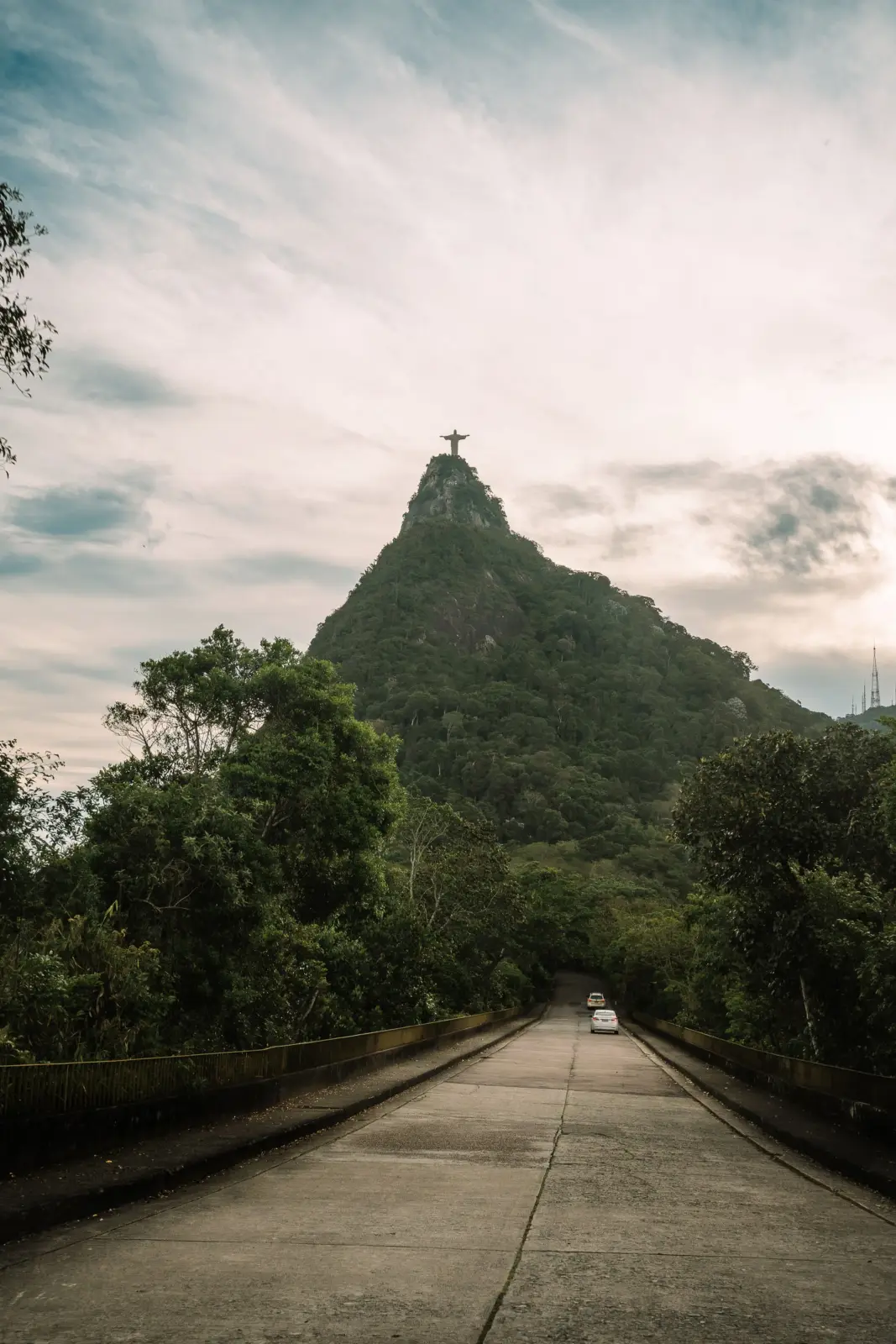
Tijuca National Park is not one entrance or one trail. Its Forest, Serra da Carioca, and Pedra Bonita/Pedra da Gávea sectors contain viewpoints, waterfalls, forest areas, and paths with very different levels of difficulty. For a first look, the Forest sector can combine the visitor centre, Cascatinha, and a short marked route.
Before choosing, use the park’s official list of places for current access points, hours, and route lengths. Mirante da Lagoa, for example, is reached along a 710-metre path that takes about thirty minutes from the stated access. Do not bundle it with Christ the Redeemer simply because both are inside the park; they use different entrances and timelines.
Food can help structure the areas. Historic cafés fit between churches, squares, and libraries in Downtown. Santa Teresa and Lapa have many bars and small restaurants, while the beachfront adds kiosks and places specialising in fish. Instead of chasing a long checklist, leave one main meal for each neighbourhood.
Common dishes include feijoada, picadinho, filé à Oswaldo Aranha, and fish or seafood preparations. For a short break, try pão de queijo, tapioca, or fresh fruit juice. A guided food walk can explain ingredients and context. For other formats, check the activities available on your dates.
One day: begin with an early free tour through Downtown or Lapa. Continue across Cinelândia, the Lapa Arches, and Selarón Steps. Reserve a late-afternoon slot at Sugarloaf. It is a full day, but the route progresses logically from the urban core towards the bay.
Two days: keep the first itinerary and use the second morning for Christ the Redeemer. Afterwards, choose either the Botanical Garden and Parque Lage or Copacabana, Arpoador, and Ipanema. Do not force both complete options into one afternoon; queues and changes of area consume more time than the map suggests.
Three days: add Praça Mauá, the Museum of Tomorrow, and the port promenade. The afternoon can go to Santa Teresa or Tijuca National Park, depending on whether urban heritage or nature matters more. With four days, beaches and gardens can have separate slots.
For longer hops, the metro links Downtown with Botafogo, Copacabana, Ipanema, and much of the South Zone. VLT light rail serves Praça Mauá, the port district, Cinelândia, and Santos Dumont Airport. Use the MetrôRio interactive map to identify the nearest station, especially when combining rail with a bus connection.
Group places by area: Downtown with Lapa; Santa Teresa with Lapa; the Botanical Garden with Parque Lage and the lagoon; Copacabana with Arpoador and Ipanema; Urca with Sugarloaf. Christ the Redeemer and Tijuca need their own blocks. This structure reduces long crossings and leaves room for timed entries.
Three days cover the main viewpoints, Downtown, and one beach area. Four or five days leave room for museums, gardens, and part of Tijuca National Park without rushing the itinerary.
Reserve the Corcovado train or van, Sugarloaf cable car, and Museum of Tomorrow because they use a date or timed slot. A free tour should also be booked to secure your place and language.
Each neighbourhood offers good walking routes, but the distances between Downtown, the beaches, Urca, and Corcovado require the metro, VLT, bus, or pre-booked transport. Walk within areas, not between all of them.
A common reference is €10–20 per person. For a small group or an exceptional guru, the contribution may reach €50.
No. GuruWalk lets you book a free tour in Rio de Janeiro with no credit card needed, then value the experience at the end.
We recommend choosing the timed attractions first, then arranging each neighbourhood around them. To understand Downtown, Lapa, or Santa Teresa before exploring alone, compare the free tours in Rio de Janeiro available for your dates. No credit card is needed to reserve.
Travel marketing specialist with extensive experience in the travel sector. At companies such as Despegar and GuruWalk, she has led traveler-focused digital acquisition strategies. Now, from the GuruWalk blog, she combines her expertise with her passion for discovering and sharing unique destinations.
Local guides, pay-what-you-want and no credit card to book. That is how you understand a city.
Explore free tours on guruwalk.com