

Trace Sofia’s Roman Serdica, Orthodox landmarks and 20th-century architecture with practical routes for one, two or three days.
 Belén Rivas
GuruWalk
·
Updated 3 Sep 2026
Belén Rivas
GuruWalk
·
Updated 3 Sep 2026Sofia combines Roman ruins, Orthodox churches, socialist-era architecture and a 2,290-metre mountain beside the city. Most central sights are walkable, but their order matters: parts of ancient Serdica sit below modern streets and government buildings. A practical way to understand those layers on your first morning is to join a free tour in Sofia. No credit card is needed to book.
Last verified: August 2026 — Prices, opening hours, and reservation requirements checked against official sources. GuruWalk’s Sofia guides reviewed the practical recommendations.
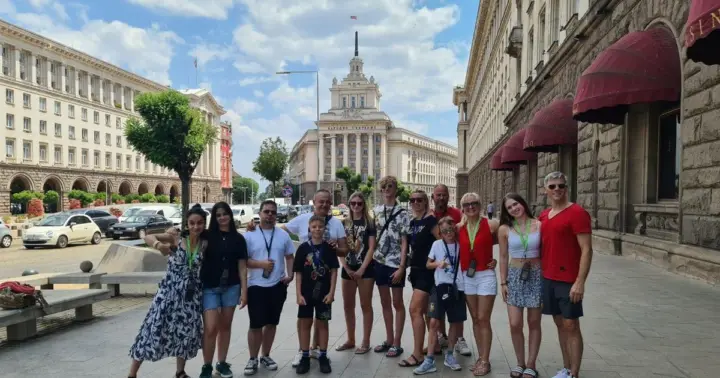
A first walk through the centre usually links Alexander Nevsky Cathedral, St Sofia Basilica, the Russian Church, Ivan Vazov National Theatre, Independence Square and St George Rotunda. At GuruWalk, we suggest treating this as an orientation route —a compact introduction to several eras— rather than a monument checklist. A guru can show which remains are visible at street level, what lies beneath the Largo and how several prominent buildings changed purpose during the 20th century.
Free tours have no fixed price. At the end, each participant tips the guru according to the value of the walk; €10–20 per person is the usual reference, rising to €50 for small groups or exceptional gurus. Choose an early departure to keep the afternoon free, and check the language, meeting point and duration before booking. “He certainly brought the history of Bulgaria to life,” Fátima said in an August 2026 verified booking review on GuruWalk.
Our free English and Spanish language sightseeing walking tours of Bulgaria's capital have been the #1 way to explore Sofi…

In a 2-3 hours (or so depending on the group) walk through Sofia city's main see sights, my visitors receive…

Sofia’s free communist tour, featuring a Trabant is now available every Saturday and Sunday starting at 10 am. The meeting…

Welcome to Sofia , the capital of Bulgaria ! During the sightseeing walking tour w…

Discover Sofia’s Urban Art Scene – Free Walking Tour 🎨 Sofia is bursting with murals, quirky …

Balkan Bites is an attempt at providing travelers to Sofia with the first free daily food tour in Europe and…

Welcome to Sofia! Sofia is an ancient city dating back to Roman times. It features architectu…

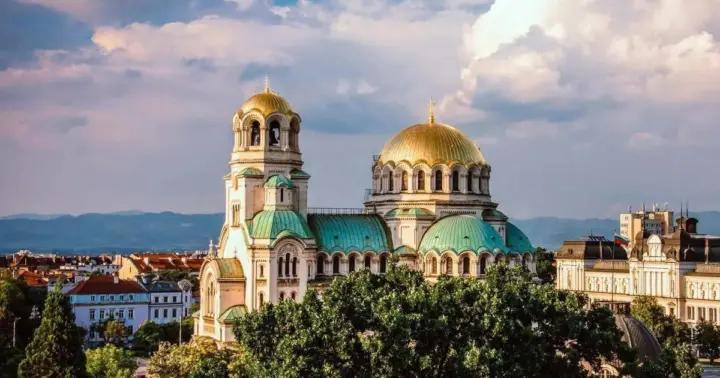
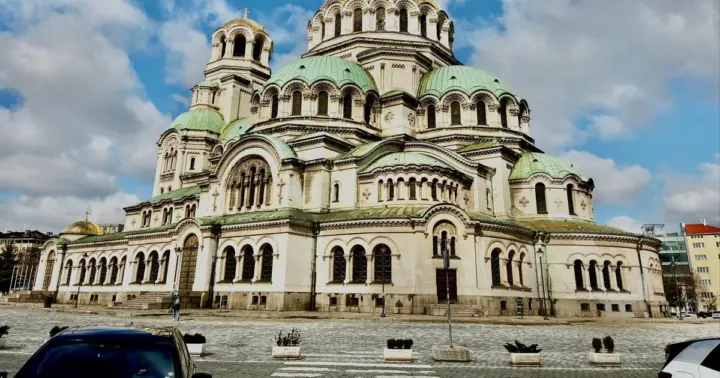
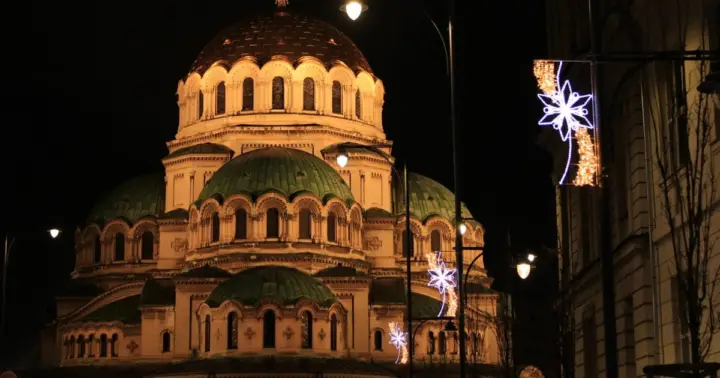
Green and gold domes make Alexander Nevsky Cathedral easy to recognise across the square. Walk around the building before entering: the eastern side gives a clearer view of its apses, while the western façade provides the familiar city image. This remains an active place of worship, so services determine the pace inside.
Official visitor information for Alexander Nevsky Cathedral lists daily opening from 7 am to 7 pm. Morning worship starts at 8 am and the evening service at 5 pm; Sunday liturgy begins at 9:30 am. The period between the morning and evening services generally works best for sightseeing.
St Sofia Basilica stands a few steps away and eventually gave the city its name. Its brick exterior feels restrained beside Alexander Nevsky. Beneath the church, an archaeological level contains tombs, mosaics and remains of earlier churches; admission is managed separately. The Monument to the Unknown Soldier and the icon market complete this compact area.
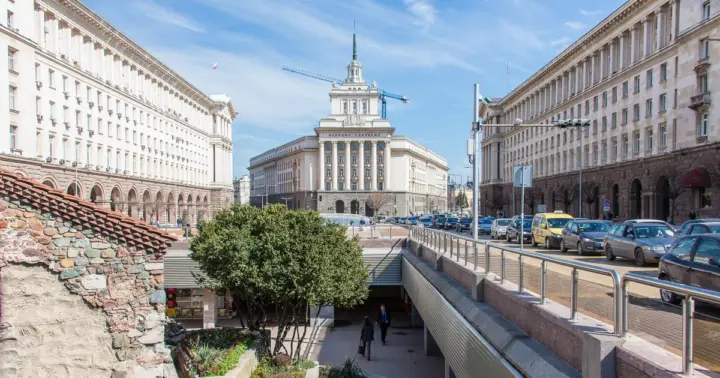
Independence Square, usually called the Largo, presents Sofia’s sharpest architectural contrast. Administrative blocks from the 20th century surround Roman streets, homes and church remains. Much of the complex came to light during work on the second metro line, with major excavations carried out between 2010 and 2012.
Serdica remains visible beneath modern Sofia. Some sections can be seen free of charge from public passages on both sides of the station, while others belong to the museum area. Sofia’s municipal Ancient Serdica page describes its two zones below Independence Square and Maria Luisa Boulevard.
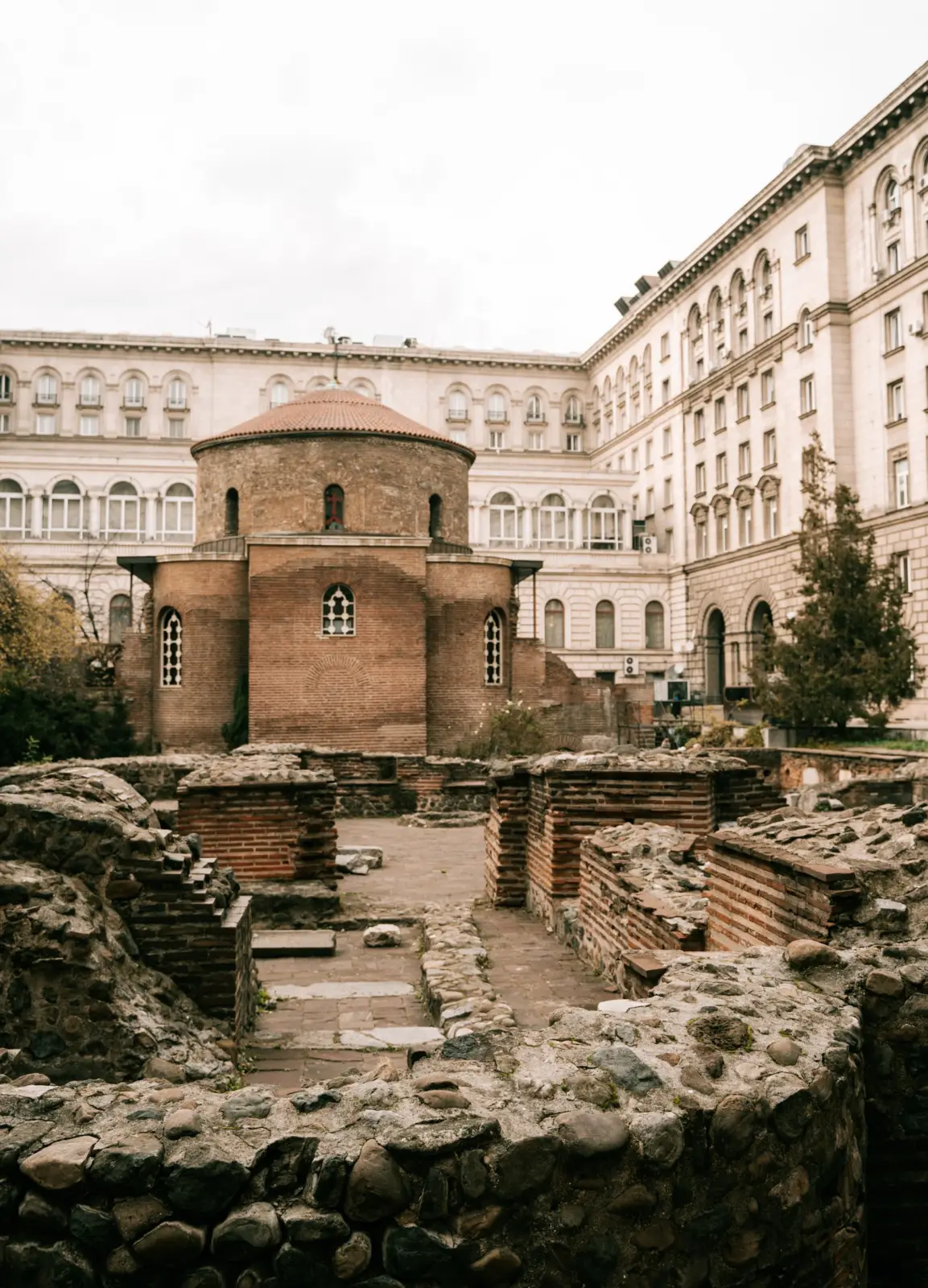
From the Largo, cross the Presidency courtyard to reach St George Rotunda. It is Sofia’s oldest preserved Roman building, dating from the early fourth century. The church itself is small. Allow a short stop for the exterior, the ruins surrounding it and the layers of frescoes inside.
North of Serdica, a route of less than one kilometre joins Banya Bashi Mosque, Sofia Synagogue, St Joseph Catholic Cathedral and the Orthodox Sveta Nedelya Church. Their proximity makes it possible to compare several religious traditions without using a full day. Banya Bashi remains an active mosque; outside prayer times, visitor access follows the rules of the building.
Opposite the mosque, the former Central Mineral Baths now house the Sofia History Museum. Its displays run from prehistory to the 20th century. From 11 August to 5 September 2026, the main building opens Tuesday to Sunday from 9 am to 3 pm, according to the museum’s current ticket and opening page. That temporary schedule makes a pre-lunch visit the sensible choice.
Public mineral-water fountains still operate behind the baths. They are not swimming pools. Local residents fill bottles there, providing a simple link between the spring and the former bath building. The covered Central Market Hall is next door and offers a convenient pause before continuing along Maria Luisa Boulevard.
Facing the Presidency, the National Archaeological Museum occupies a former mosque. Its collections cover prehistoric, Thracian, Roman and medieval material, making it particularly useful after walking through Serdica. From May to October it opens daily from 10 am to 6 pm, with last admission 30 minutes before closing.
In August 2026, general admission costs €6. Everyone enters free on the last Sunday of each month. Reduced rates and online sales appear on the museum’s official ticket page. We would allow 60–90 minutes for a focused visit —enough to follow the main chronology— rather than stopping at every display case.
For art, Kvadrat 500 stands next to Alexander Nevsky Square. About 1,700 works appear in 28 galleries across four levels, including Bulgarian art from the 19th century and collections from Europe, Asia, Africa and the Americas. It opens Tuesday to Sunday from 10 am to 6 pm; the ticket desk closes at 5:30 pm.
Individual admission to Kvadrat 500 costs €10, while admission to National Gallery branches is €2 on Thursdays. Two hours gives enough time for a selective visit. With only one hour, we recommend the Bulgarian rooms —the part most closely tied to Sofia’s story— instead of a rushed circuit through all four floors.
Vitosha Boulevard is the clearest pedestrian axis between Sveta Nedelya and the National Palace of Culture. Cafés and shops fill its central section, but its main practical value is orientation: when you walk south, the mountain appears at the end of the street on clear days. The parallel streets are usually calmer for a meal.
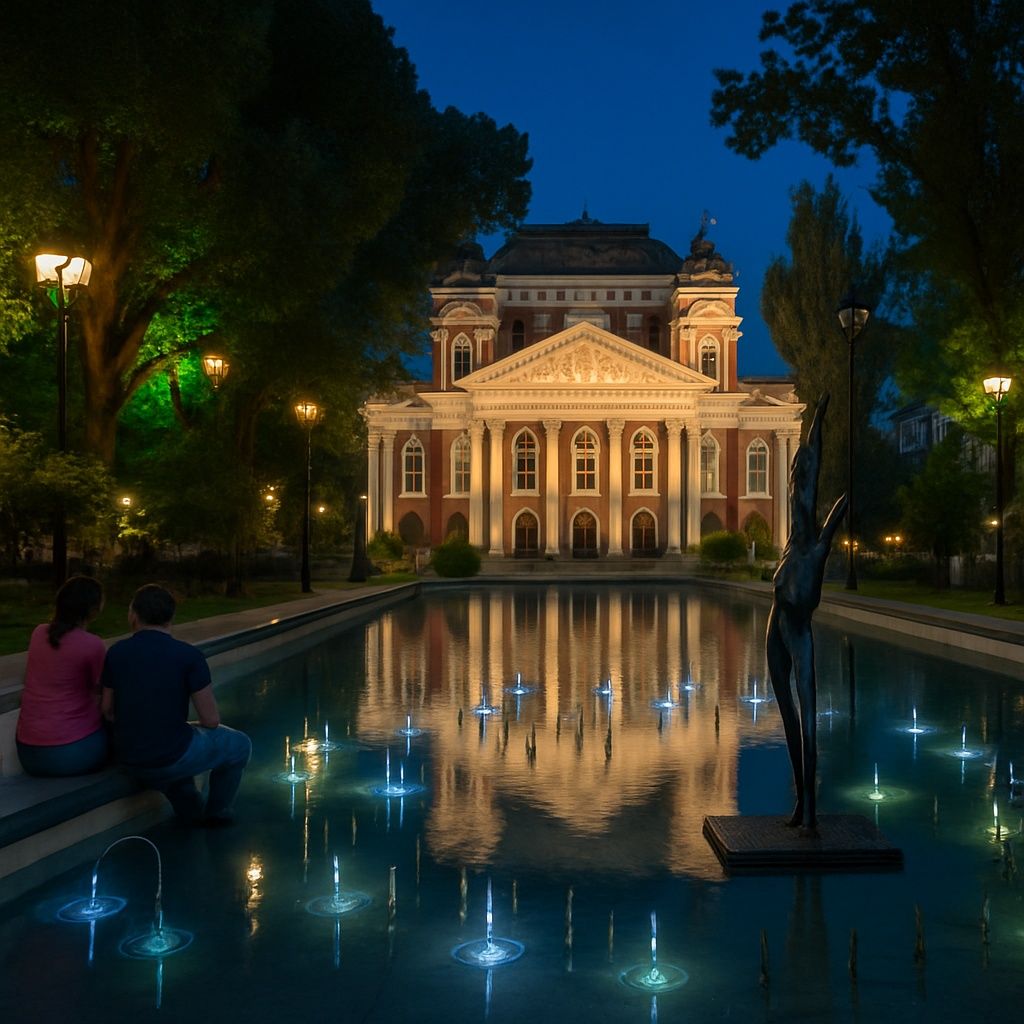
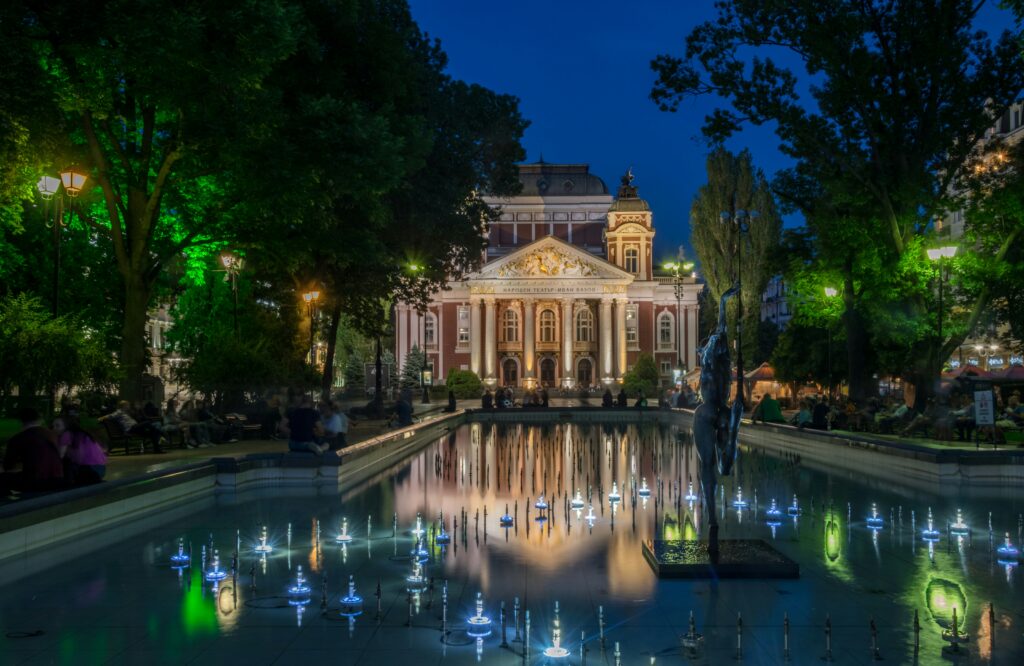
Ten minutes away, the City Garden contains Ivan Vazov National Theatre, the fountains shown in this guide’s photograph and several outdoor chess tables. A short daytime visit reveals the façade; after dark, the lighting changes the scene. From here, the Russian Church of St Nicholas and the former Royal Palace lie on the route back to Alexander Nevsky.
For a larger green space, Borisova Gradina stretches east of the centre. Enter near Eagles’ Bridge. Returning by metro from Vasil Levski Stadium prevents a second walk along the same boulevard.
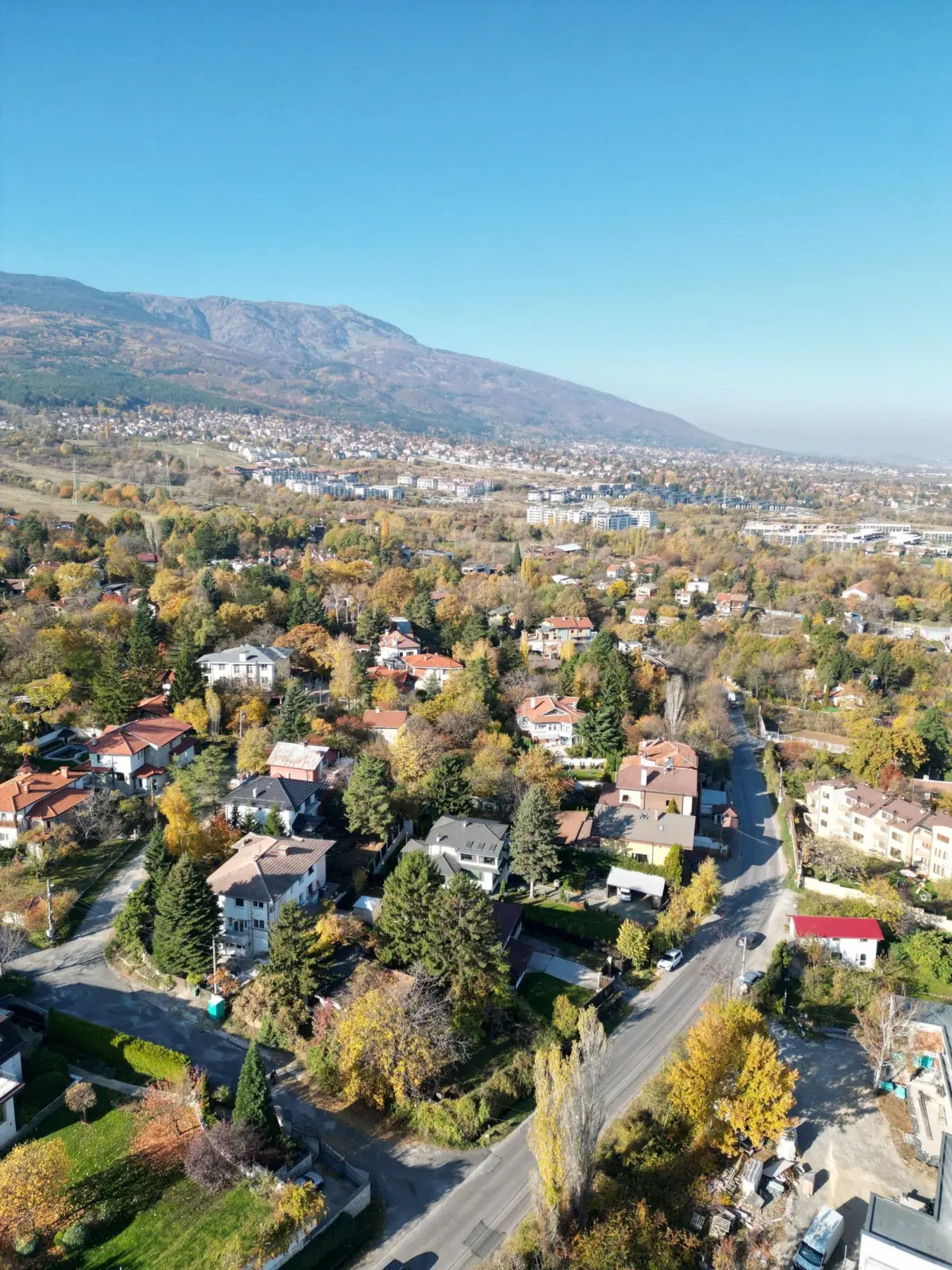
Boyana Church sits on Sofia’s southern edge and belongs to the World Heritage List. The complex contains buildings from the 10th, 13th and 19th centuries; its 1259 frescoes are the main reason to go. To protect them, only nine people may enter at once and time inside the medieval sections is limited to ten minutes.
From April to September, Boyana opens from 9:30 am to 6 pm, with the ticket desk closing at 5:50 pm. Individual admission costs €6.14. Independent visitors and groups of up to five may attend with or without a reservation; organised groups need prior confirmation. The official Boyana visitor page provides time slots and the booking email.
Boyana can be combined with Vitosha, but the hiking plan should be set before leaving the centre. Cherni Vrah reaches 2,290 metres, and conditions differ sharply from the city. For a manageable outing, choose a marked route from Boyana, Dragalevtsi, Aleko or Zlatnite Mostove and calculate your return first. Sofia’s official Vitosha Mountain guide outlines the main routes.
Morning: take a free tour from Alexander Nevsky to Serdica and St George Rotunda. Midday: continue through Banya Bashi, the Mineral Baths and Central Market area. Afternoon: choose the Archaeological Museum or Kvadrat 500. Evening: finish in the City Garden and on Vitosha Boulevard.
Keep the first day for the centre. On day two, visit Boyana in the morning and reserve the afternoon for Borisova Gradina, another museum or a straightforward section of Vitosha. Art-focused travellers can spend two hours at Kvadrat 500 and add the archaeological level beneath St Sofia Basilica.
With three days, separate Boyana and Vitosha from the urban programme. You can then select a mountain route for the conditions and return without watching the clock. Use the third afternoon for the History Museum, Archaeological Museum or National Gallery, depending on the week’s closing days.
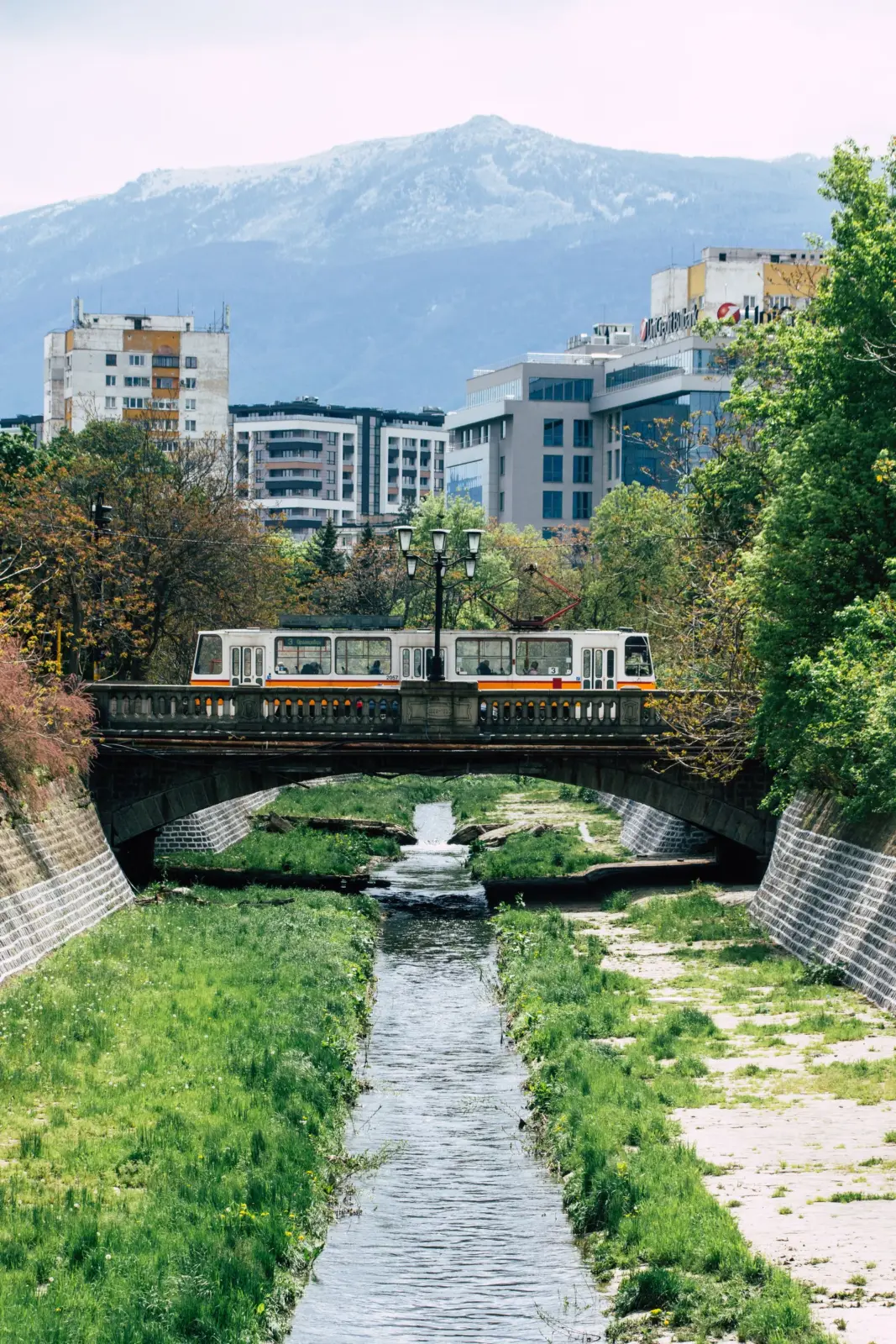
The metro, trams, trolleybuses and buses use integrated fares. From 1 January 2026, a 30-minute ticket costs €0.80 and permits transfers when validated in every vehicle. A 60-minute ticket costs €1.10, a day card €2, and a 24-hour card including night transport €3.
Sofia Metro’s official fare page confirms that the 30-minute ticket can be paid by bank card at validators and metro gates. Validate every time, including after a transfer. Line M4 connects the airport to the network; change at Serdika when your accommodation requires it.
Within the centre, walking is often faster than entering the metro. Use public transport for Boyana, Vitosha, the central station, the airport and outer neighbourhoods. Save place names in both Latin and Cyrillic script; this helps when checking a bus direction or identifying a stop.
Two days cover the centre, one or two museums and Boyana Church. Add a third day if you want to hike on Vitosha or spend longer with the collections.
Yes. Alexander Nevsky, St George Rotunda, Serdica, Banya Bashi and Vitosha Boulevard form a compact route. Boyana, Vitosha and the airport require transport.
Alexander Nevsky Cathedral, the public sections of Serdica, St George Rotunda, the parks and monument exteriors have no general admission fee. The Archaeological Museum offers free entry on the last Sunday of each month.
At Boyana Church, independent visitors and groups of up to five may arrive without a reservation, although a confirmed slot reduces waiting. Organised groups must book in advance.
Start with the historic centre, place fixed-hour museums next and give Boyana a full morning. If you add Vitosha, allow time for both transport and walking. You can compare free tours in Sofia and browse activities and experiences in Sofia. No credit card is needed to reserve a free tour.
Travel marketing specialist with extensive experience in the travel sector. At companies such as Despegar and GuruWalk, she has led traveler-focused digital acquisition strategies. Now, from the GuruWalk blog, she combines her expertise with her passion for discovering and sharing unique destinations.
Local guides, pay-what-you-want and no credit card to book. That is how you understand a city.
Explore free tours on guruwalk.com