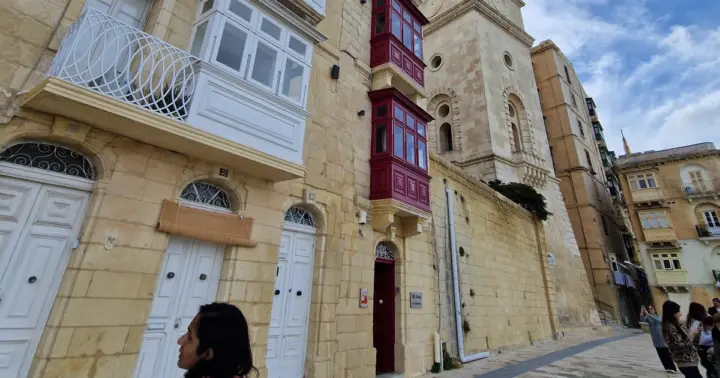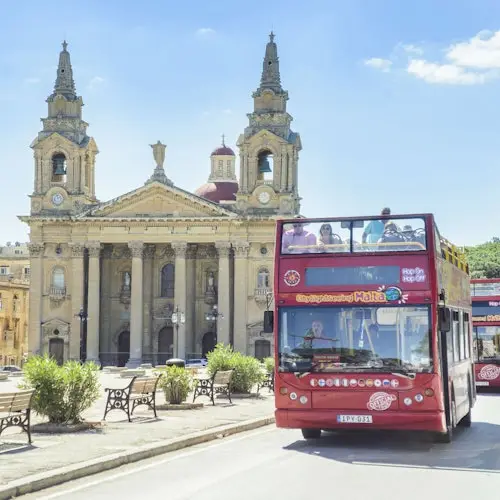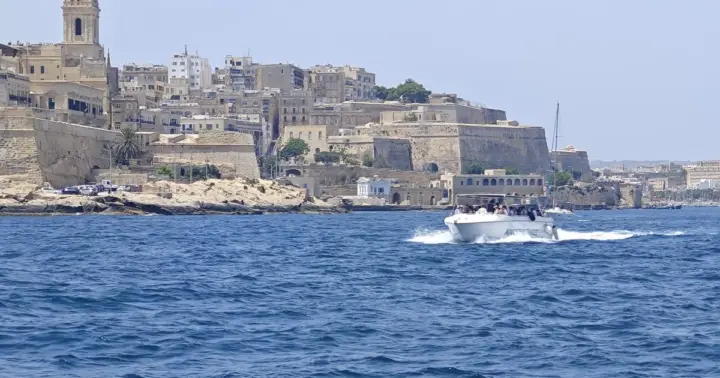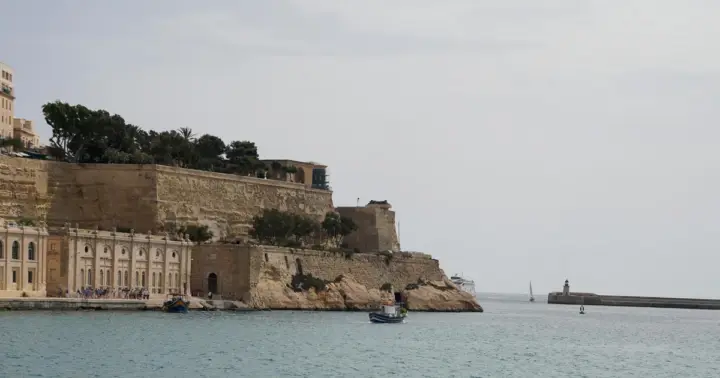


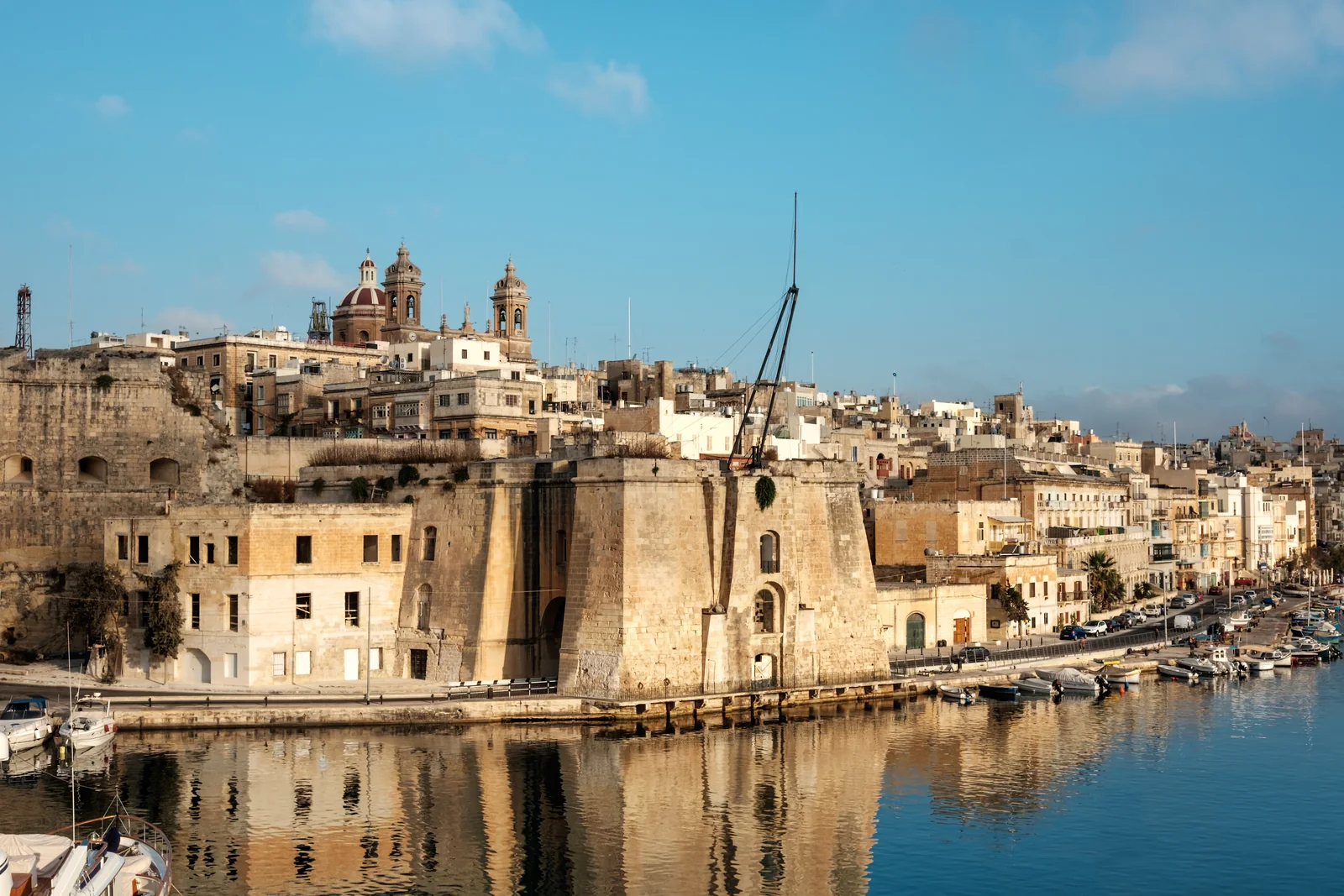
Spend one day exploring Valletta’s compact centre, from St John’s Co-Cathedral and the Grand Master’s Palace to Fort St Elmo.
 Julieta Betancor
GuruWalk
·
Updated 27 Aug 2026
Julieta Betancor
GuruWalk
·
Updated 27 Aug 2026Valletta may be one of Europe’s smallest capitals, but it packs centuries of history into a remarkably compact peninsula. Honey-coloured streets lead from ornate churches and palaces to harbour viewpoints, old fortifications and a lively waterfront. Most of the historic centre is easy to explore on foot, although the slopes and steps are worth keeping in mind when planning your route.
This guide brings together seven of the best things to do in Valletta, plus a practical one-day itinerary and answers to the questions travellers most often ask before visiting.
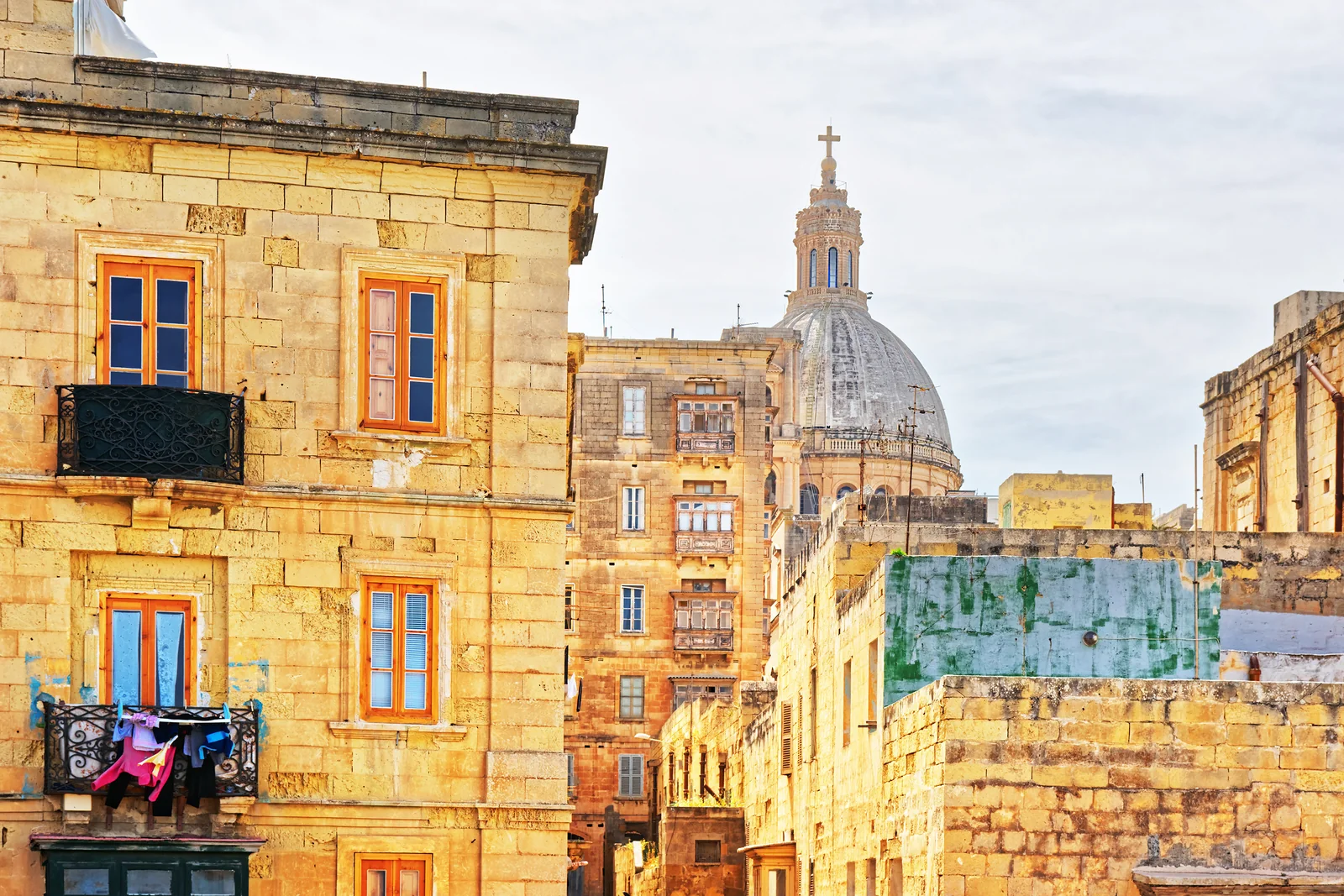
If you only have one day, start early in the historic centre. Visit St John’s Co-Cathedral first, then continue to the Grand Master’s Palace and the National Museum of Archaeology. These three sights are close enough to combine without rushing between neighbourhoods.
After lunch, walk to Upper Barrakka Gardens for one of Valletta’s classic Grand Harbour views. From there, cross the centre towards Fort St Elmo. End the day around Strait Street and the Manoel Theatre, or descend to Valletta Waterfront if you would rather finish with a harbour-side stroll.
Opening hours, admission prices, temporary closures and performance schedules change, so check the official websites shortly before your visit. If a particular museum is essential to your plans, build the rest of the day around its current last-entry time.
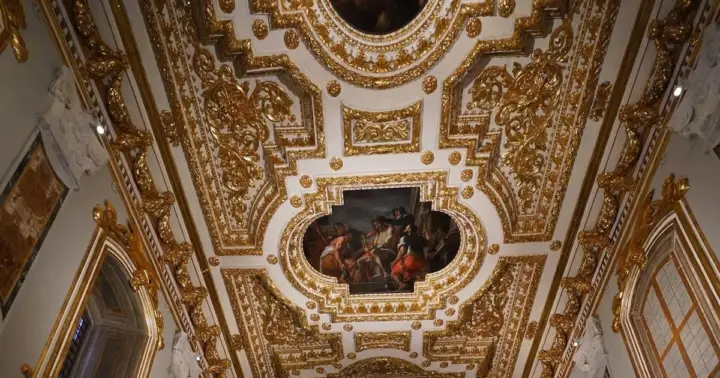
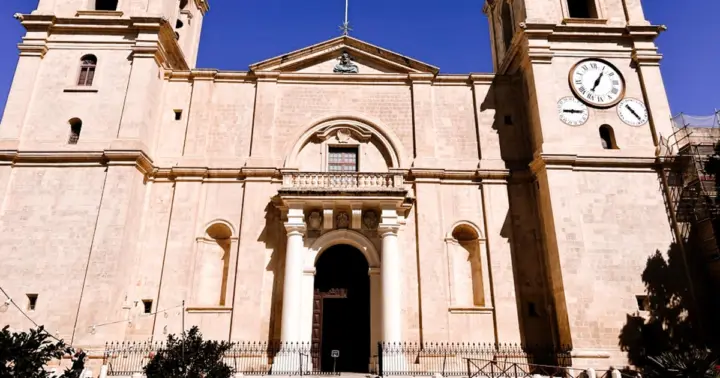
St John’s Co-Cathedral is the most spectacular introduction to the world of the Knights of St John. Its restrained limestone façade gives little away; inside, the nave is wrapped in gilded decoration, carved stone and richly painted surfaces. The church was designed by the Maltese architect Girolamo Cassar and completed in 1577 as the conventual church of the Order.
Do not rush past the marble floor, which contains the tombstones of knights from across Europe. The Oratory is another essential stop: it houses Caravaggio’s The Beheading of Saint John the Baptist, as well as his Saint Jerome Writing. Even visitors who do not usually seek out churches or art museums tend to find this one memorable.
The Grand Master’s Palace has stood at the centre of Malta’s political life since the earliest years of Valletta. Built and enlarged over successive periods, it served the Order of St John, later colonial administrations and Malta’s own institutions. It remains the official seat of the President of Malta.
The visitor route normally focuses on the State Rooms and the Palace Armoury. The formal halls reveal how power was staged through painted cycles, tapestries and ceremonial spaces, while the armoury preserves weapons and armour associated with the Order. Because it is also a working state building, access to individual rooms can change at short notice.
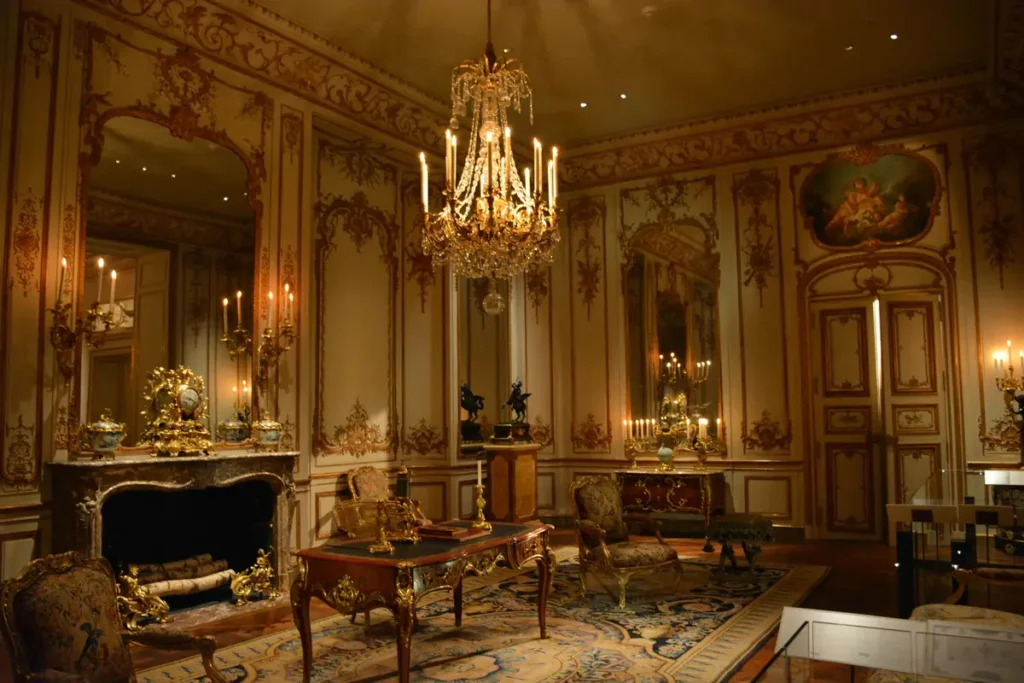
For context on Malta before the arrival of the Knights, visit the National Museum of Archaeology. It occupies the Auberge de Provence on Republic Street, a historic residence originally built for one of the Order’s regional divisions.
The collection introduces the islands’ prehistoric cultures and the extraordinary temple-building societies that left sites such as Ħaġar Qim, Mnajdra and the Ħal Saflieni Hypogeum. It is a useful stop before visiting Malta’s archaeological sites, but it also works well as a self-contained overview when your trip is limited to Valletta.
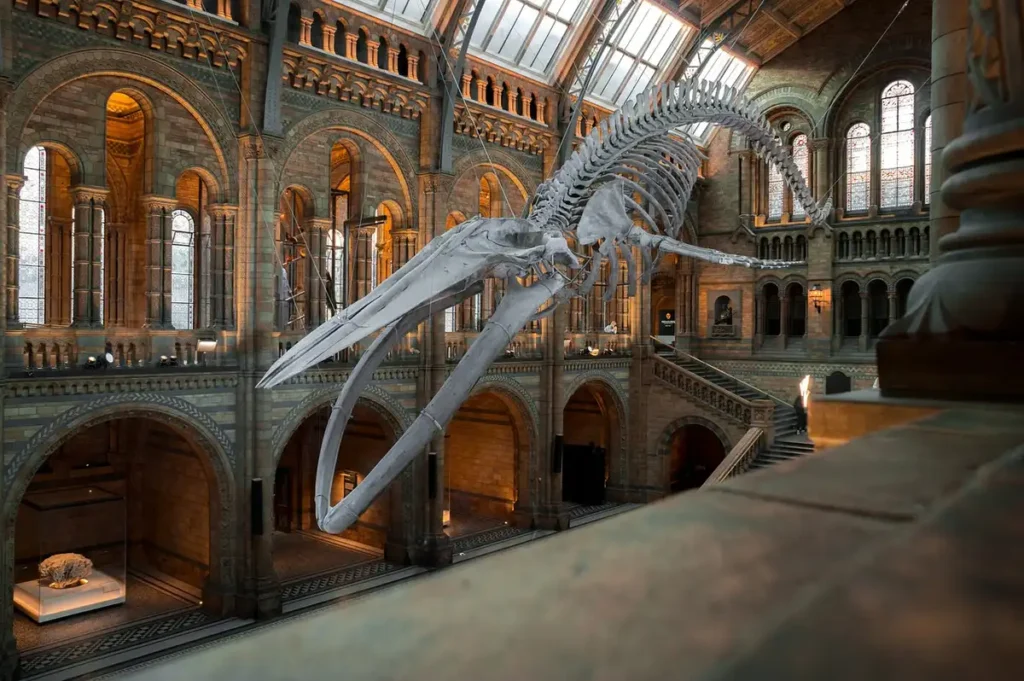
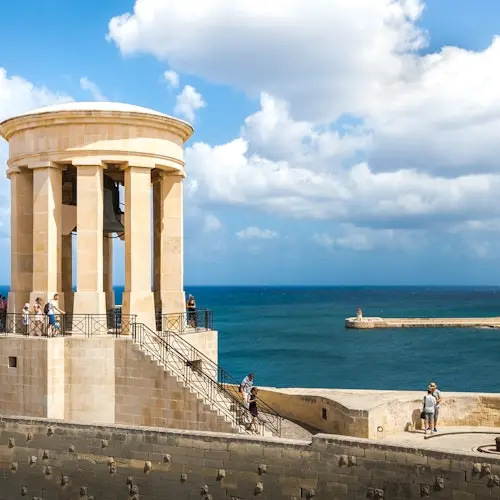
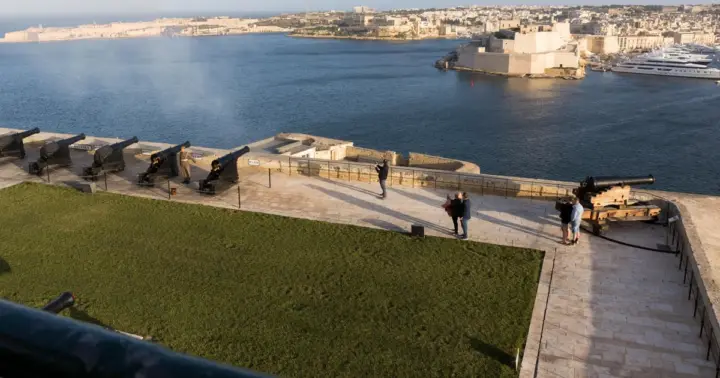
Upper Barrakka Gardens is the place to pause after the museums and stone-paved streets. The terraces overlook Grand Harbour, with the Three Cities and the fortified shoreline spread out across the water. Shaded paths, memorials and benches make it more than a quick photo stop.
The view is rewarding at any time of day, though the atmosphere changes with the light and harbour traffic. The nearby Saluting Battery follows its own operating programme, so treat any firing times advertised online as temporary information and verify them on the day.

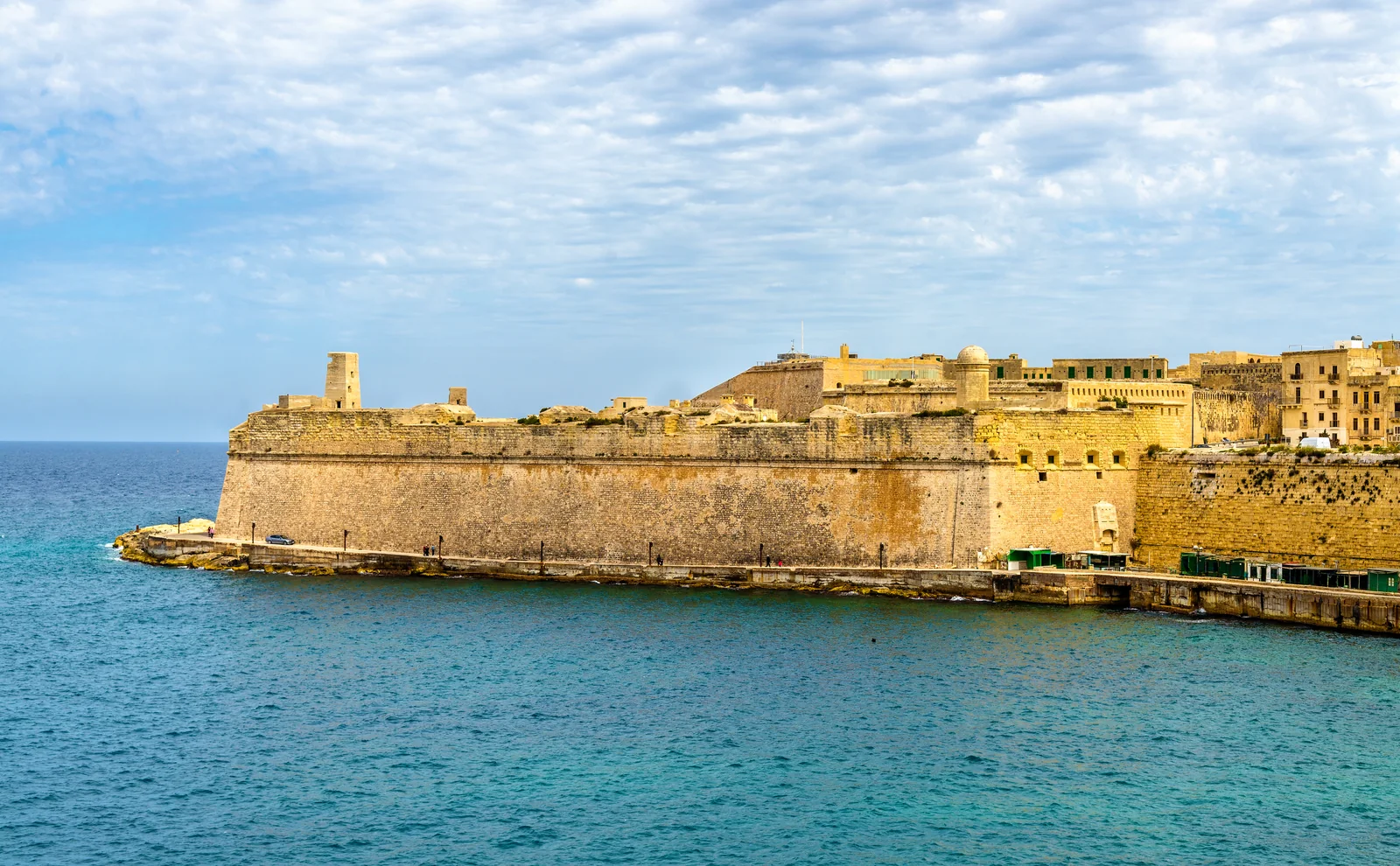
Fort St Elmo guards the tip of the peninsula between Grand Harbour and Marsamxett Harbour. The first major fort was built in 1552 and played a decisive role during the Great Siege of 1565, when its defenders resisted an Ottoman assault for weeks.
Today the fort houses the National War Museum, whose displays trace thousands of years of military history on the Maltese Islands. The setting is part of the experience: ramparts, courtyards and harbour views help explain why this position mattered so much. Allow more time than you would for a conventional indoor museum, and check for temporarily closed galleries before setting out.

Tucked behind an understated façade, the Manoel Theatre is one of Valletta’s most atmospheric cultural spaces. Grand Master António Manoel de Vilhena commissioned it in the early 1730s, and its first recorded performance took place in January 1732.
The compact, oval auditorium is known for its tiers of decorated boxes and intimate scale. Seeing a performance is the best way to experience it, but guided visits may also be offered. Both options depend on the current programme, rehearsals and restoration work, so consult the theatre’s official schedule rather than relying on fixed times in a travel guide.
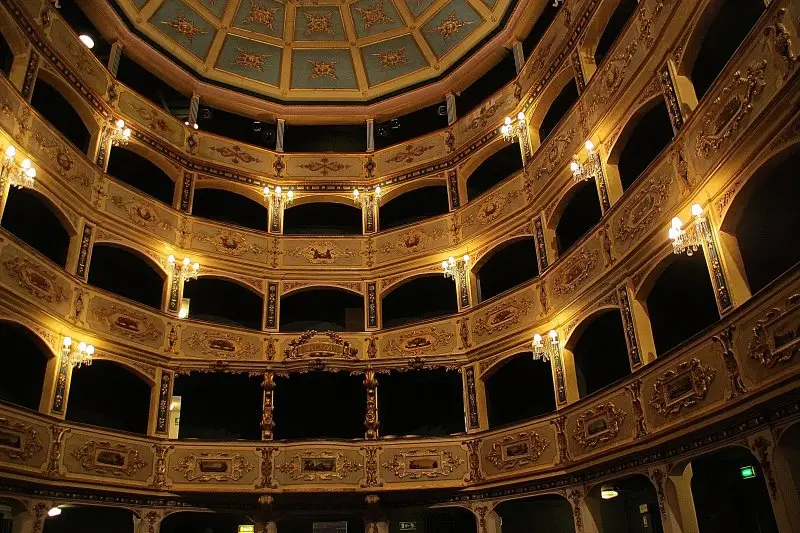
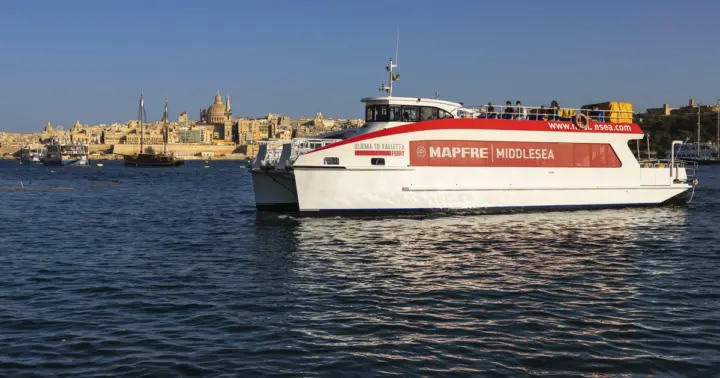
Below the fortified city, Valletta Waterfront lines the harbour with a row of restored warehouses. Their colourful doors once helped identify the goods stored inside; today the buildings contain places to eat and drink and form the main backdrop to the cruise terminal.
It is a pleasant place for a final walk beside the water, especially if you are arriving or departing by ship. Remember that the waterfront sits below the historic centre: the route may look short on a map, but the change in level matters. Cruise calls, lifts and local transport services are all subject to change, so check the latest arrangements if you have a fixed boarding time.
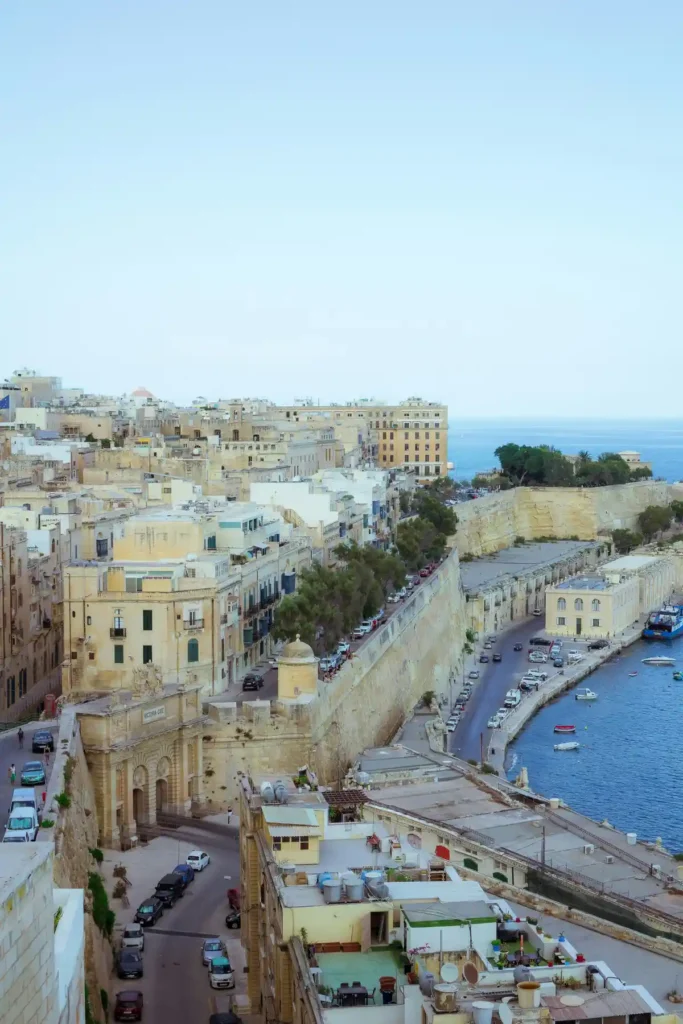
Valletta’s streets make more sense when someone connects the façades, churches and fortifications to the people who built and used them. A local guide can help you understand the Knights of St John, the Great Siege, British rule and modern Malta without turning your walk into a list of dates.
Explore the latest free tours in Valletta on GuruWalk and choose the route, language and starting time that suit your trip. Tour availability, ratings and schedules are live information and may change.
Tourism and travel expert with a strong background in creating cultural content. Fluent in multiple languages and experienced as a presenter, she connects with diverse audiences to inspire the exploration of unique destinations. Her creative and dynamic approach stands out in every project, conveying the essence of each place she discovers.
Local guides, pay-what-you-want and no credit card to book. That is how you understand a city.
Explore free tours on guruwalk.com