

Discover 30 of the best things to do in Brussels, from Grand Place and the Atomium to museums, Art Nouveau, local food and practical travel tips.
Brussels brings together ornate guildhalls, surrealist art, comic-book murals, royal landmarks and one of Europe’s most distinctive food and beer cultures. This guide covers the places worth prioritising on a first visit, with practical pointers for building a realistic one-to-three-day itinerary.
Freshness note: checked 25 August 2026. Opening hours, admission rules, seasonal events, transport routes and tour availability can change. Confirm the current details with each venue before travelling.
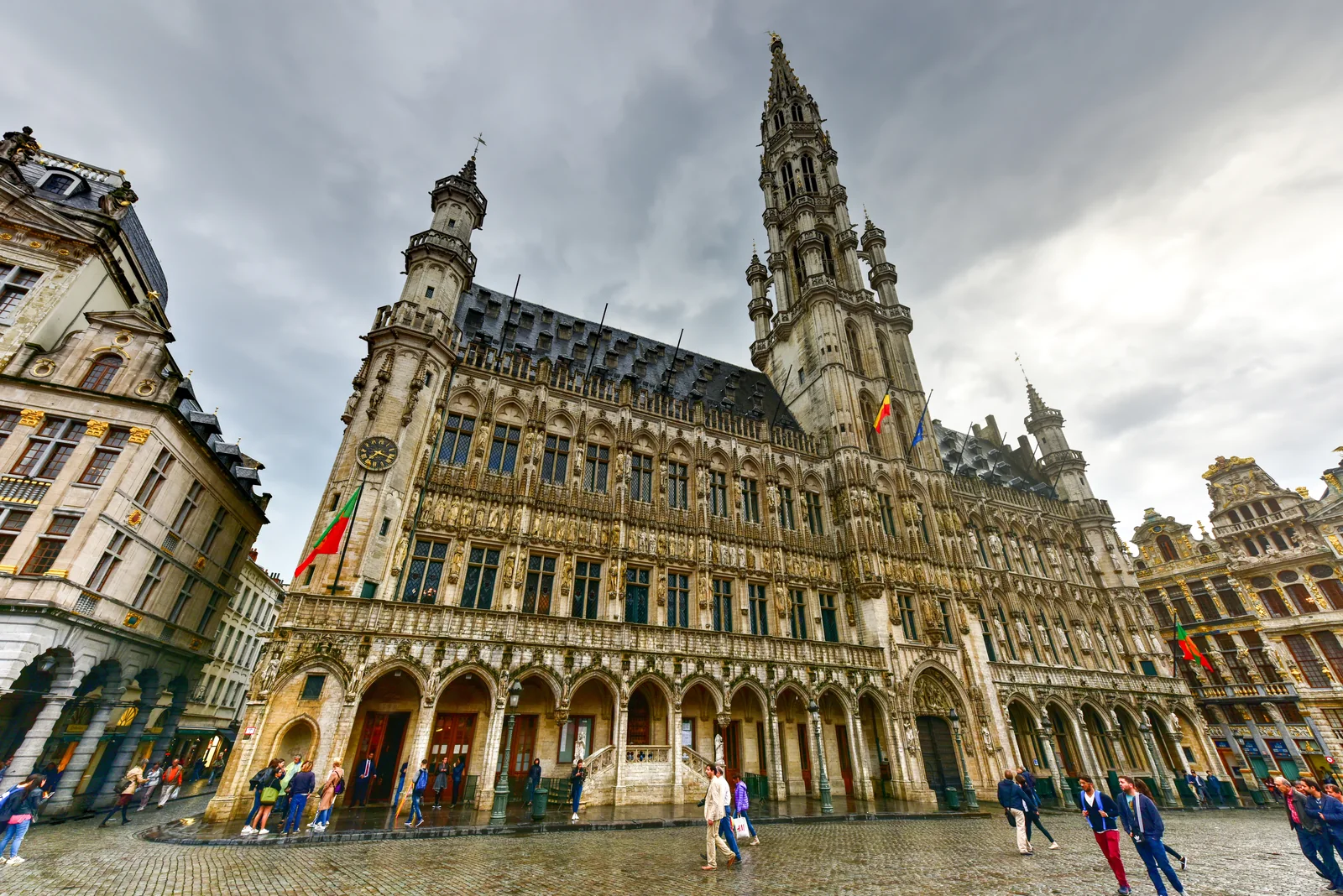
1. Grand Place
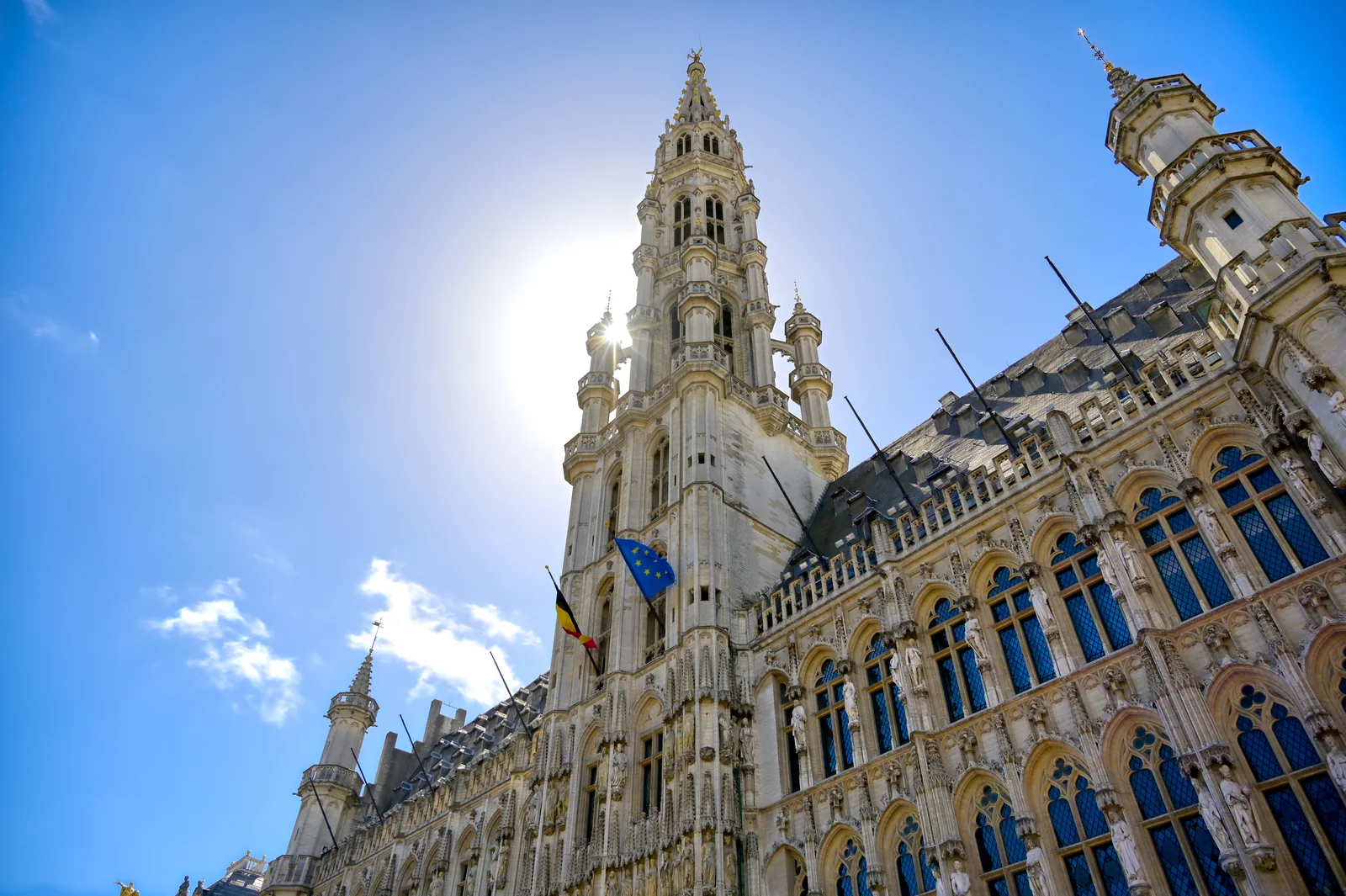
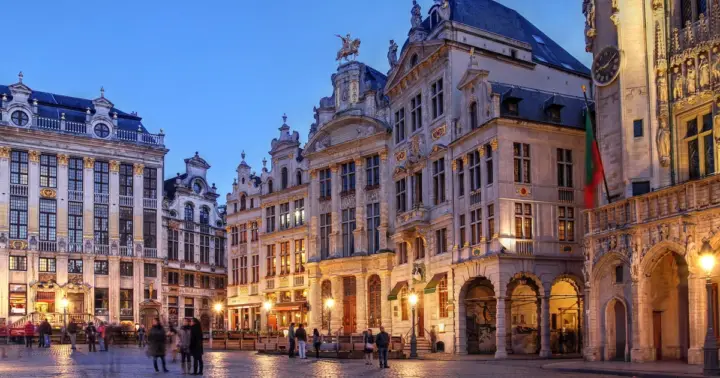
Grand Place is Brussels’ ceremonial heart and the natural starting point for a first walk through the city. The square is framed by richly decorated guildhalls, the Gothic Town Hall and the Maison du Roi, which houses the Brussels City Museum.
The ensemble has been a UNESCO World Heritage Site since 1998. In even-numbered years, the square is also associated with the Flower Carpet, although dates, access and viewing arrangements are announced separately for each edition.
2. Atomium
Plan your visit to the Atomium and Mini-Europe
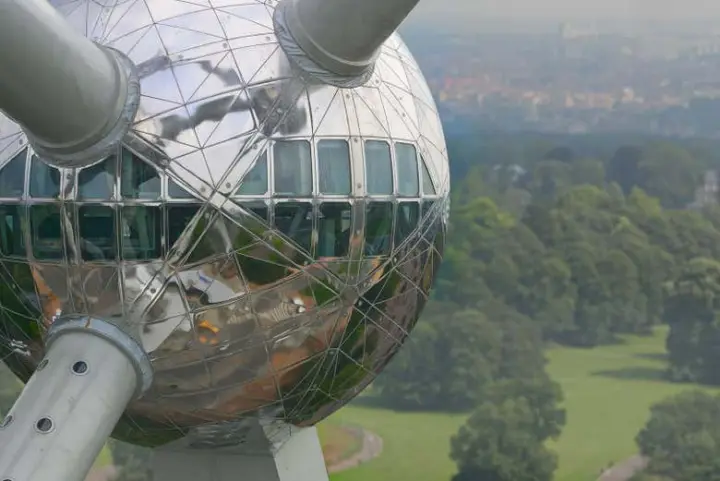
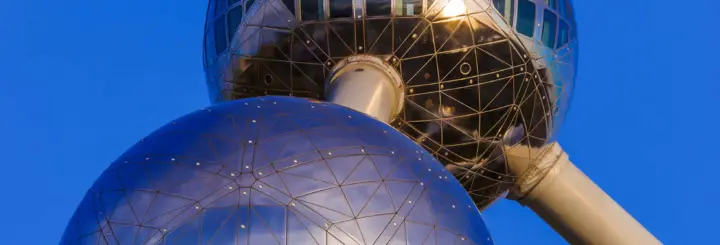
Built for Expo 58, the Atomium turns an iron crystal into a monumental structure of nine connected spheres. Visitors move through tubes and exhibition spaces before reaching panoramic views over northern Brussels; the upper sphere also contains a restaurant.
Tips for visiting
- Go early if you want quieter exhibition spaces and shorter queues.
- Mini-Europe is next door, so compare the current combined-ticket options if you plan to visit both.
- Metro line 6 normally serves Heysel/Heizel, but check the latest STIB route information before setting out.
3. Manneken Pis
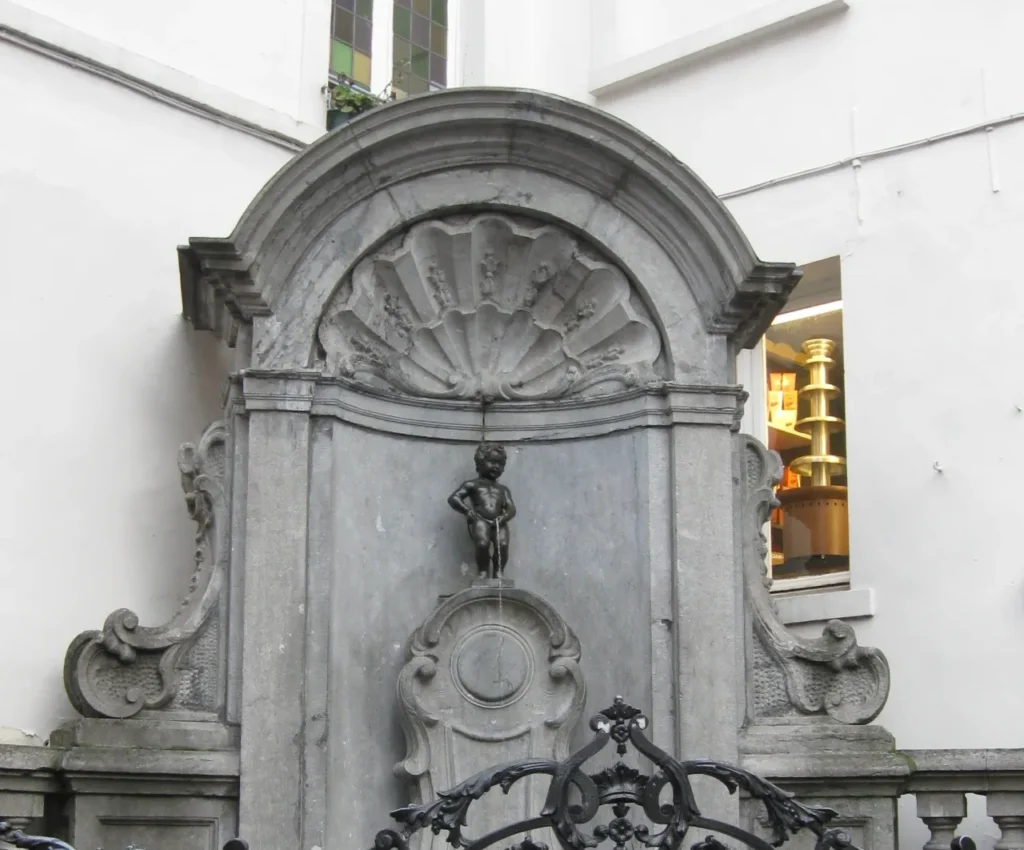
Small, irreverent and unmistakably Brussels, Manneken Pis is a 17th-century fountain figure a few minutes from Grand Place. The statue is dressed in different costumes throughout the year, many of which can be seen at the nearby GardeRobe MannekenPis museum.
The figure you see outdoors is a replica; the historic original is preserved by the city. Municipal museum admission offers and free-entry days can change, so check the current programme rather than relying on an old calendar.
4. Cathedral of St Michael and St Gudula
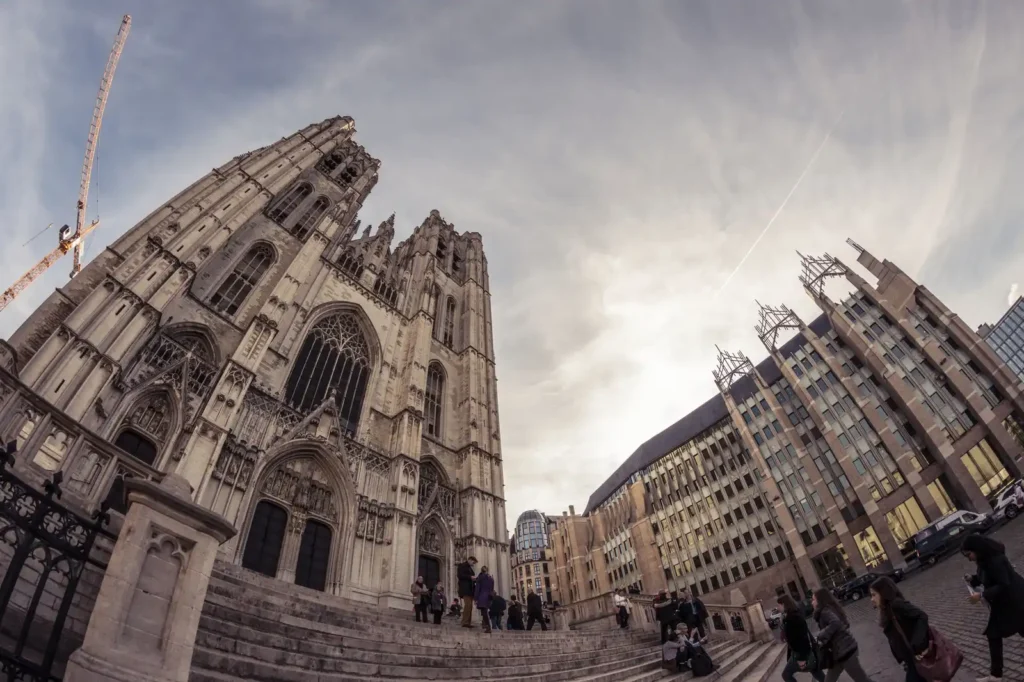
The twin-towered Cathedral of St Michael and St Gudula is one of the city’s finest examples of Brabantine Gothic architecture. Inside, the scale of the nave, carved Baroque pulpit and stained-glass windows make it worth more than a quick exterior photo.
It remains an active place of worship. Services, ceremonies and seasonal schedules can affect visitor access, so consult the cathedral’s current information before planning an interior visit.
5. Royal Palace of Brussels
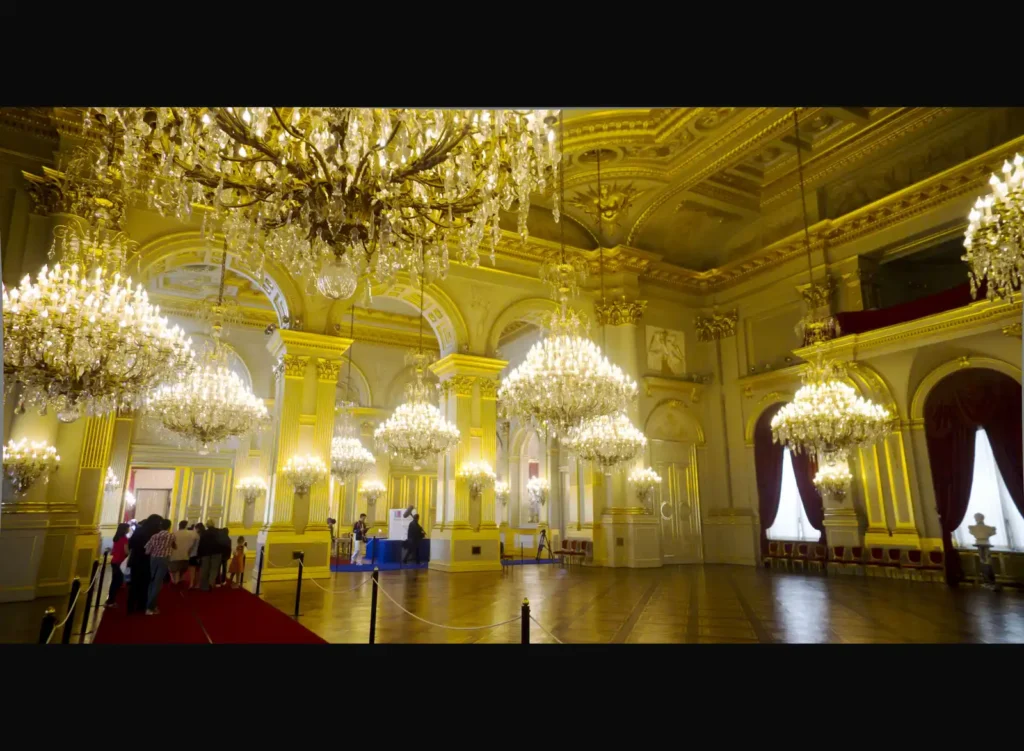
The Royal Palace is the Belgian monarchy’s principal administrative palace, facing Brussels Park. The exterior can be seen throughout the year, while public access to the state rooms is normally limited to a summer period announced by the Royal Household.
Do not build an itinerary around historic opening dates: summer access has changed or been cancelled in some years. Check the official annual announcement before your trip.
6. Royal Galleries of Saint-Hubert
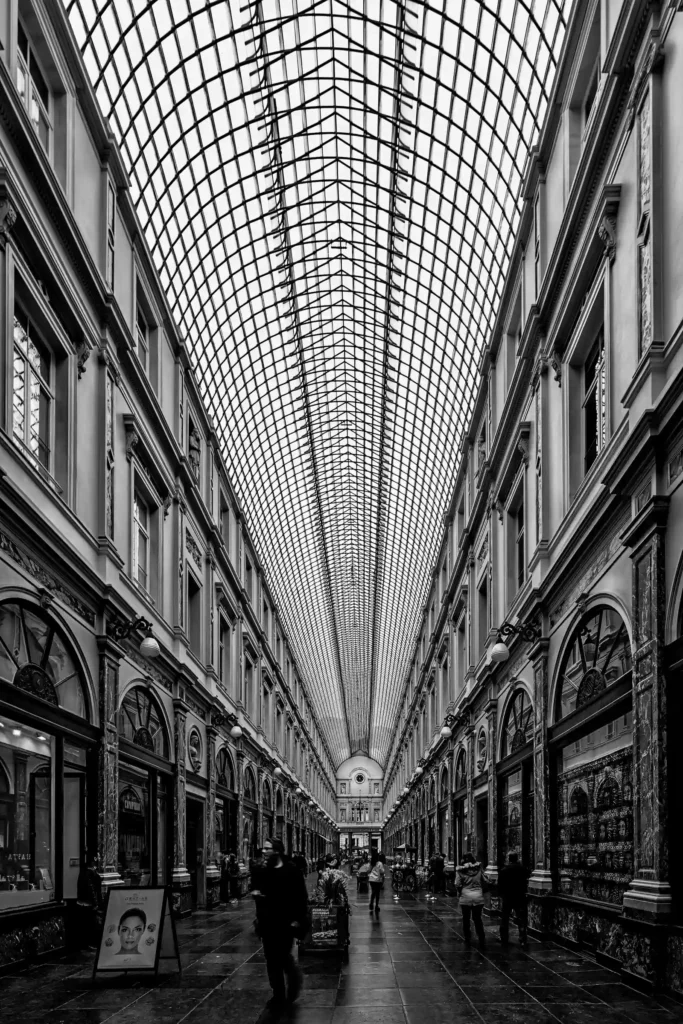
Opened in 1847, the Royal Galleries of Saint-Hubert are among Europe’s landmark covered shopping arcades. Beneath the elegant glass roof you will find historic cafés, theatres, chocolatiers and the much-loved Tropismes bookshop.
The passage itself is open for much of the day, but individual shops and cultural venues keep their own hours. It is a useful all-weather link between Grand Place, the cathedral area and the streets around Rue des Bouchers.
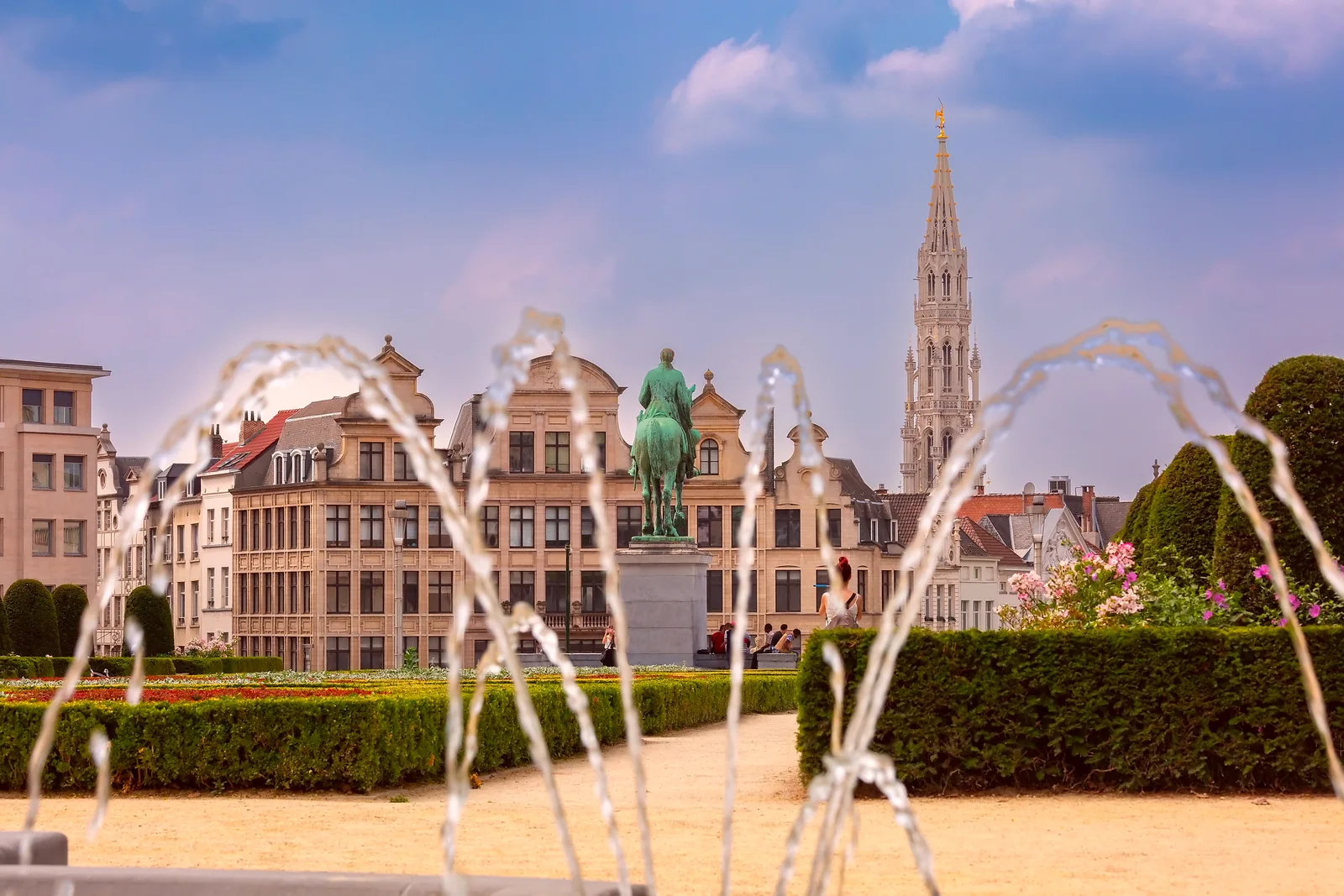
7. Mont des Arts
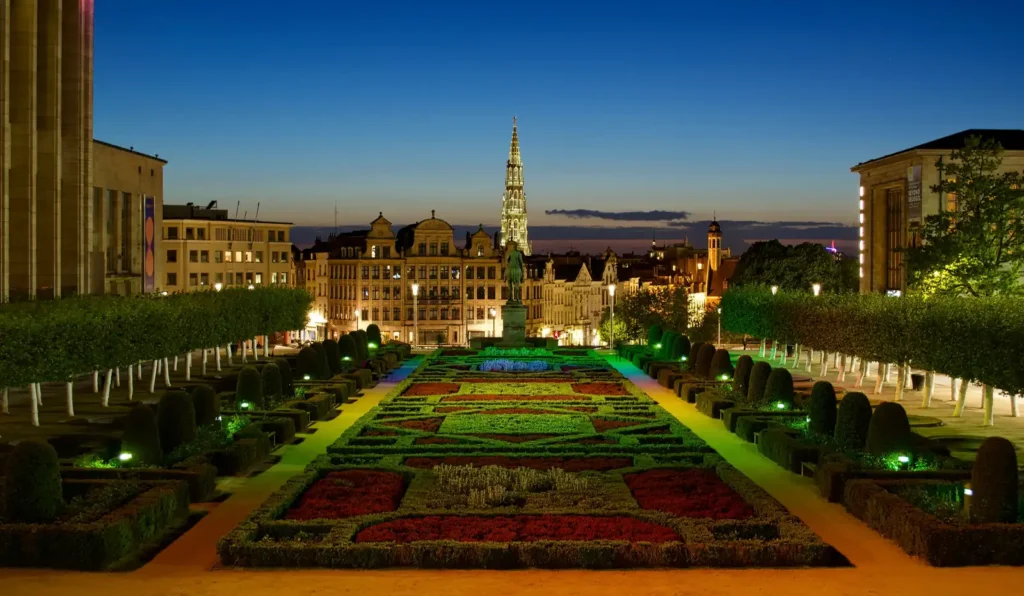
Mont des Arts connects the lower historic centre with the museums and institutions of the upper city. Its formal garden and elevated viewpoint create one of Brussels’ classic panoramas, looking back towards the Town Hall tower.
Come in the late afternoon, when the garden and skyline often catch softer light. BOZAR, KBR and the Royal Museums of Fine Arts are all within a short walk.
8. Notre-Dame du Sablon
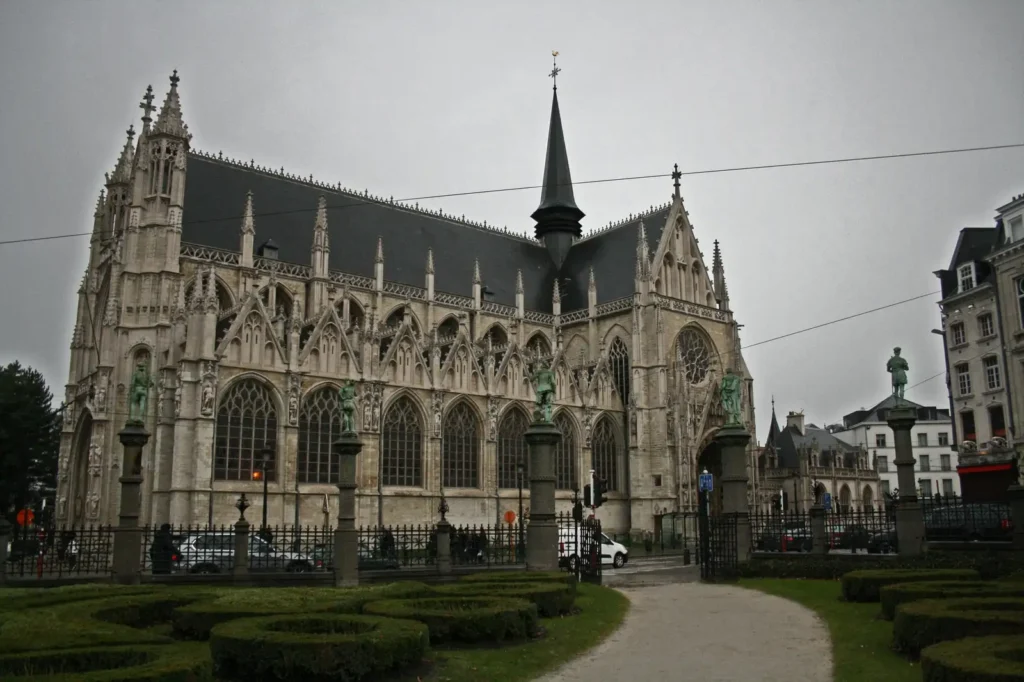
Notre-Dame du Sablon is a luminous late-Gothic church whose tall windows and detailed stonework reward a slower look. It stands between the museums of the upper city and the antique shops, galleries and chocolate houses around Grand Sablon.
Entry arrangements can be affected by services and events. Pair the church with Petit Sablon across the road and Grand Sablon around the corner.
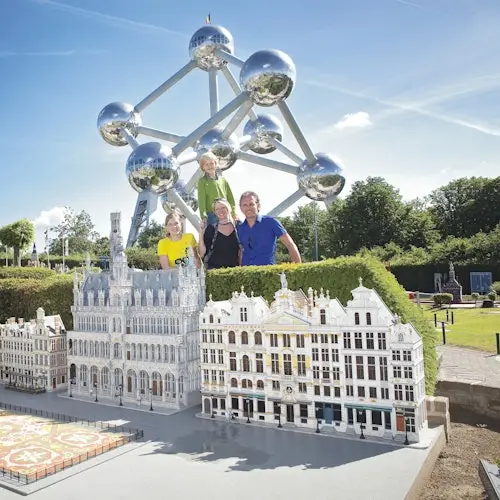
9. Mini-Europe
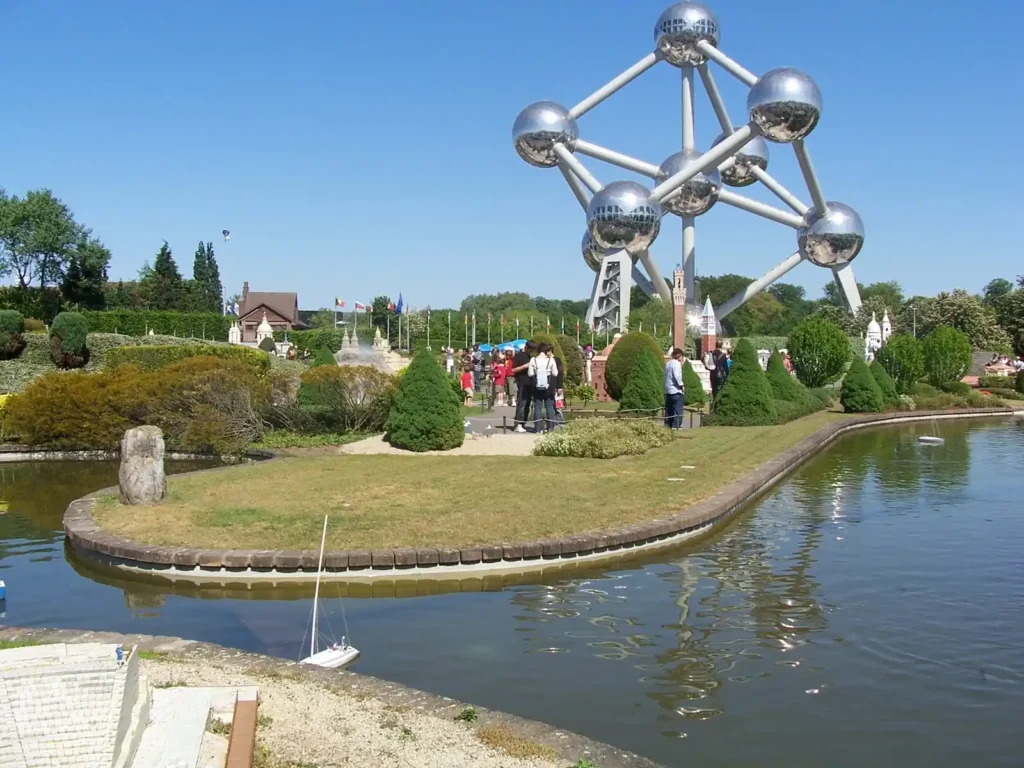
Beside the Atomium, Mini-Europe recreates well-known European landmarks at 1:25 scale. Moving displays and detailed models make it particularly popular with families, while the Atomium rising behind the park gives the visit a distinctly Brussels setting.
- Allow roughly two to three hours if you want to explore without rushing.
- Opening dates and evening hours vary by season.
- Reserve ahead during busy holiday periods and compare current combined tickets with the Atomium.
10. Magritte Museum
The Magritte Museum, part of the Royal Museums of Fine Arts of Belgium, brings together the world’s largest collection devoted to René Magritte. Paintings, drawings, photographs, posters and archival material trace the development of his surrealist language.
The museum is easy to combine with Mont des Arts and the Old Masters collection. Opening hours, temporary gallery closures and ticket combinations are time-sensitive, so check the museum’s current visitor information before choosing a slot.
11. European Parliament
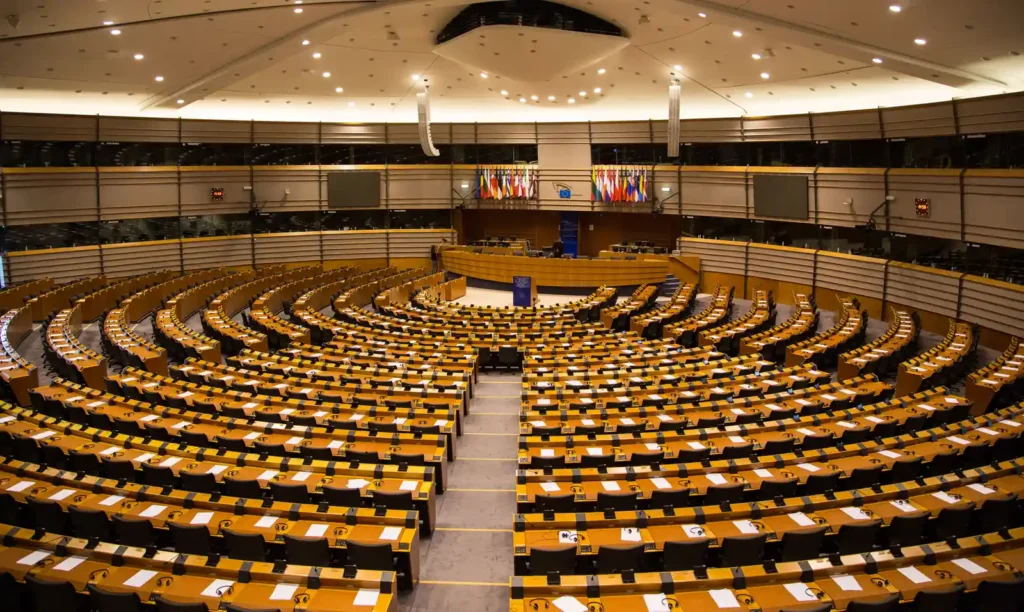
In the European Quarter, visitors can learn how the EU works at the Parlamentarium and, when parliamentary business allows, see the hemicycle. Admission is generally free, but identity-document, security and reservation requirements depend on the type of visit.
- Arrive with enough time for security screening.
- Bring the physical identification specified in your booking instructions.
- Audioguide languages, opening hours and access during plenary sessions can change.
12. Palace of Justice
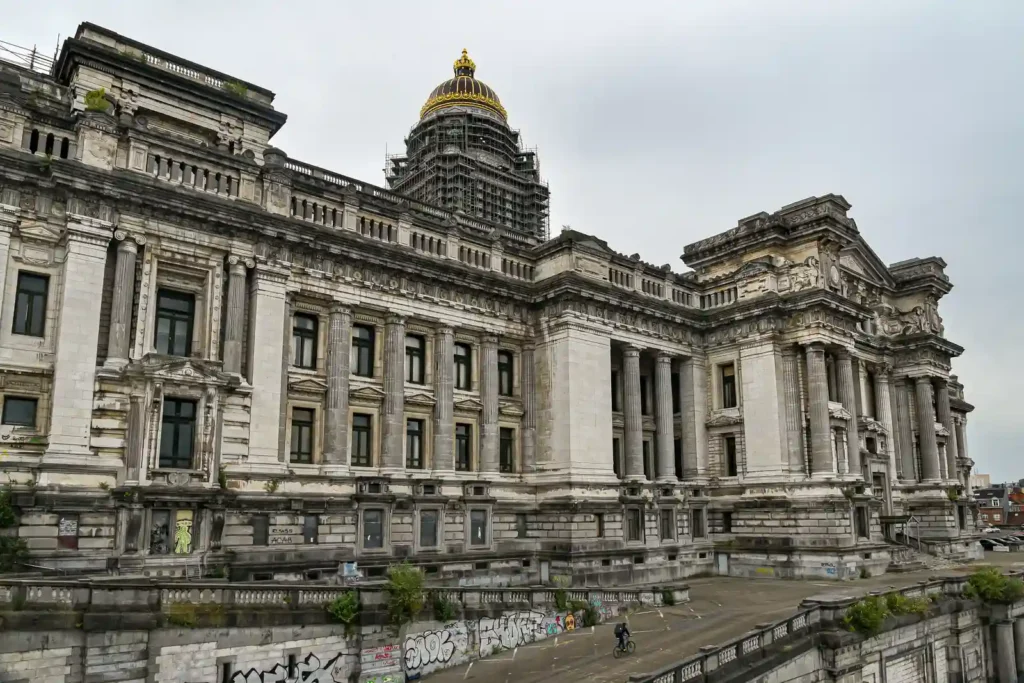
Joseph Poelaert’s immense 19th-century Palace of Justice dominates the skyline above the Marolles. Long-running restoration work can affect the appearance of the building and public access, but the surrounding esplanade remains a useful viewpoint over the lower city.
From here, the public lift provides a convenient connection down towards Place Poelaert and the streets of the Marolles. Check local notices if accessibility or construction diversions matter to your route.
13. Royal Museums of Fine Arts
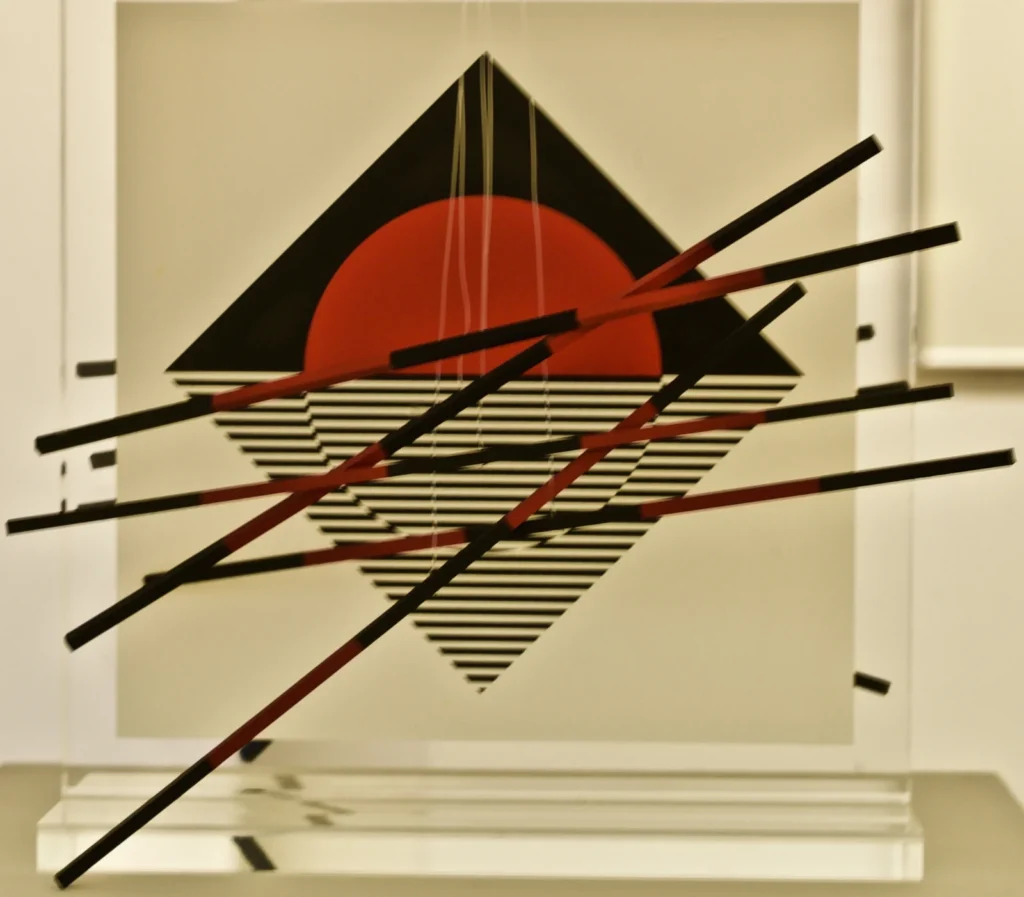
The Royal Museums of Fine Arts of Belgium bring several collections together around Place Royale. The Old Masters Museum is especially strong in Flemish painting, with works by Bruegel, Rubens and their contemporaries, while other galleries explore later art and changing exhibitions.
Not every collection is necessarily open on the same day. Choose the galleries that match your interests and verify current access rather than assuming the entire complex can be covered in one visit.
14. Cinquantenaire Park
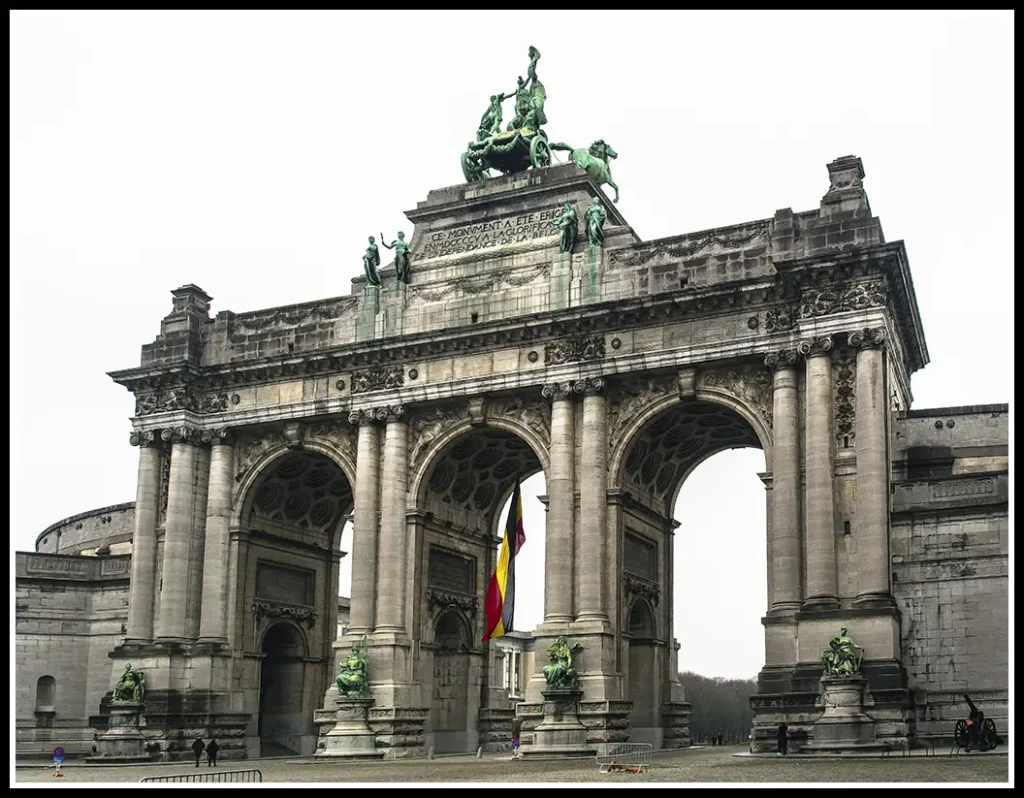
Cinquantenaire Park is centred on a monumental triumphal arch and broad lawns created for Belgium’s national exhibitions. The surrounding buildings house attractions including Autoworld, the Art & History Museum and the Royal Military Museum.
It combines well with the European Quarter and is an easy place to pause between museum visits. Events, museum hours and access to upper viewpoints vary, so check the programme for the day you visit.
15. Brussels Park
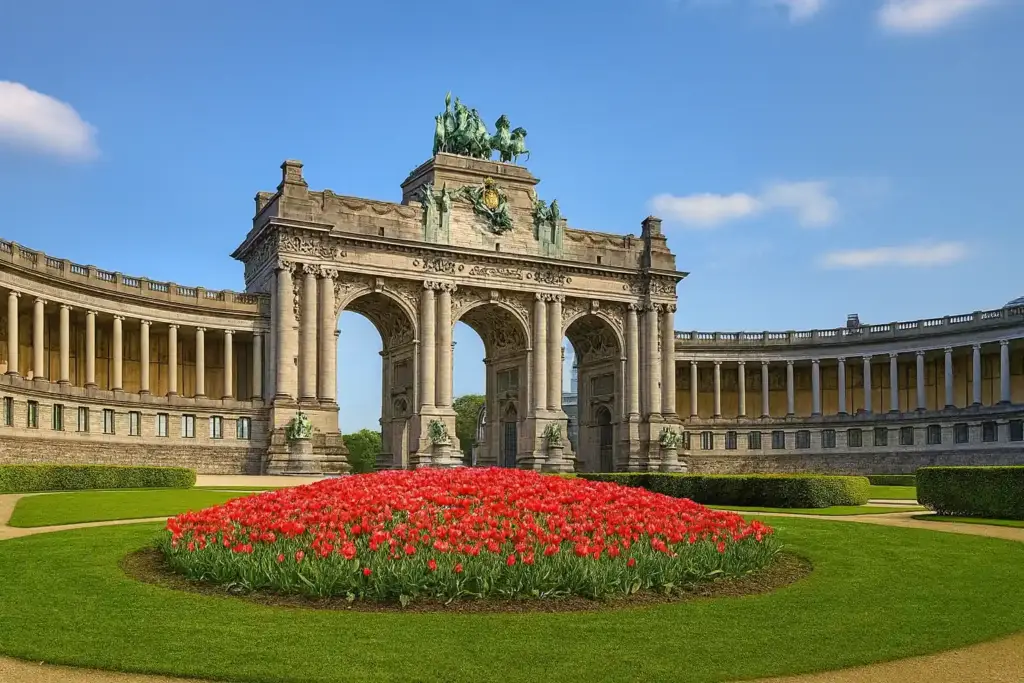
The formal paths of Brussels Park stretch between the Royal Palace and the Belgian Federal Parliament. It is a convenient green pause in the upper city, with statues, fountains and shaded walks close to the main museum district.
16. National Basilica of the Sacred Heart
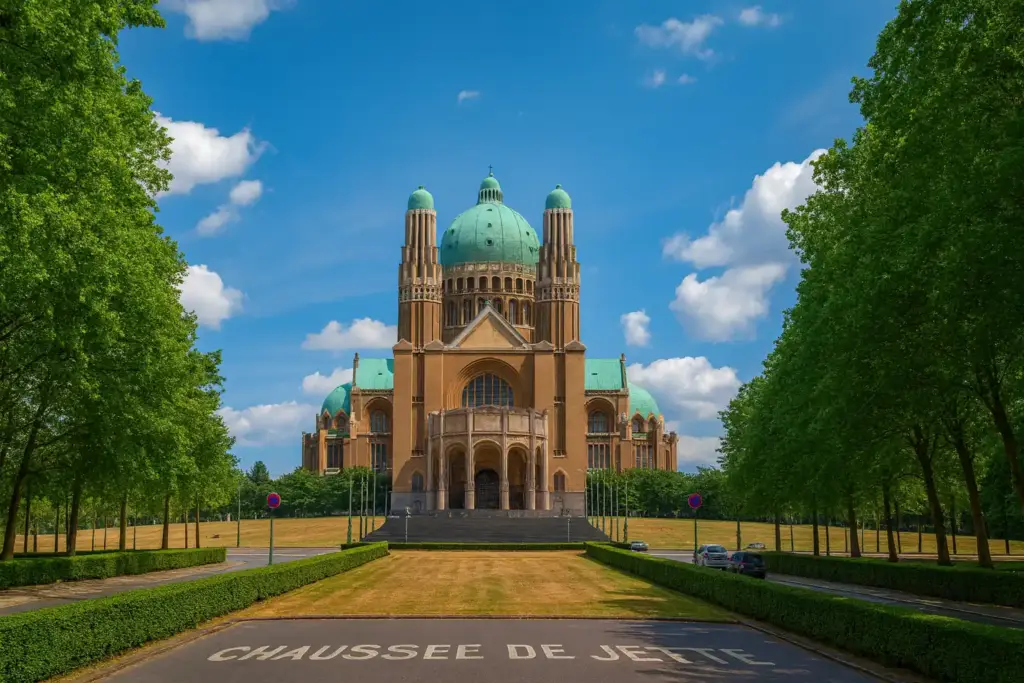
The enormous Art Deco National Basilica of the Sacred Heart rises above Koekelberg, west of the centre. Its copper-green dome contains a panoramic gallery with wide views across Brussels on clear days.
Church and panorama opening times follow different schedules and can change by season. Metro lines 2 and 6 and tram 9 normally serve the wider area, but check the current STIB journey planner before travelling.
17. Musical Instruments Museum
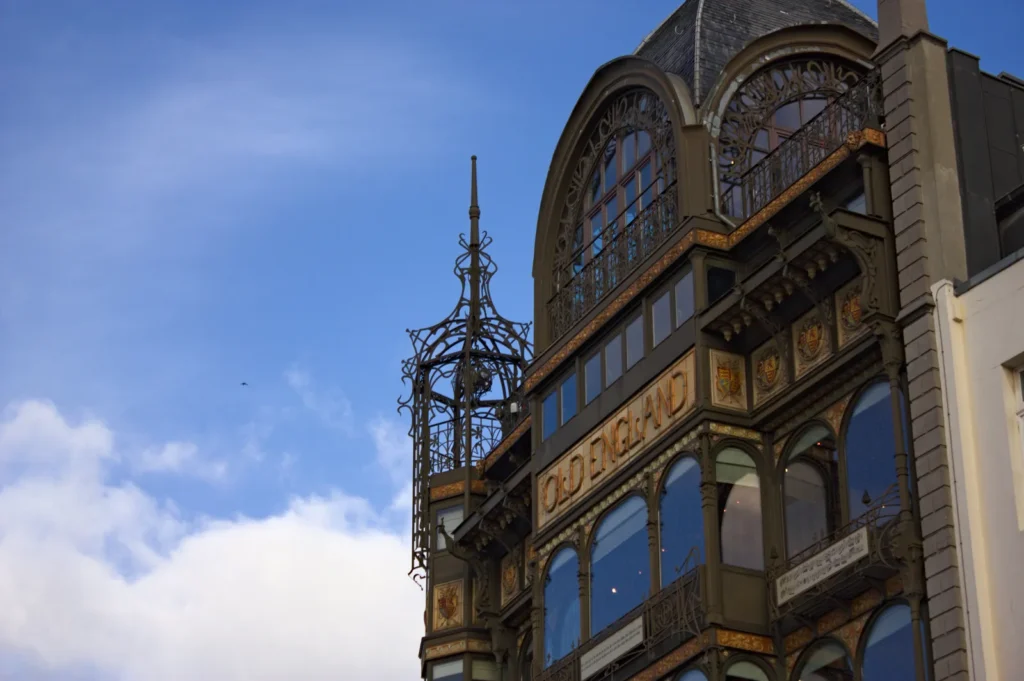
The Musical Instruments Museum, or MIM, occupies the striking former Old England department store near Mont des Arts. Its collections range across cultures and centuries, with audio stations that let visitors hear many of the instruments on display.
The museum’s Art Nouveau exterior is a landmark in its own right. Exhibition rooms, audio equipment and opening hours can be affected by maintenance, so check the latest visitor information.
18. Belgian Comic Strip Center
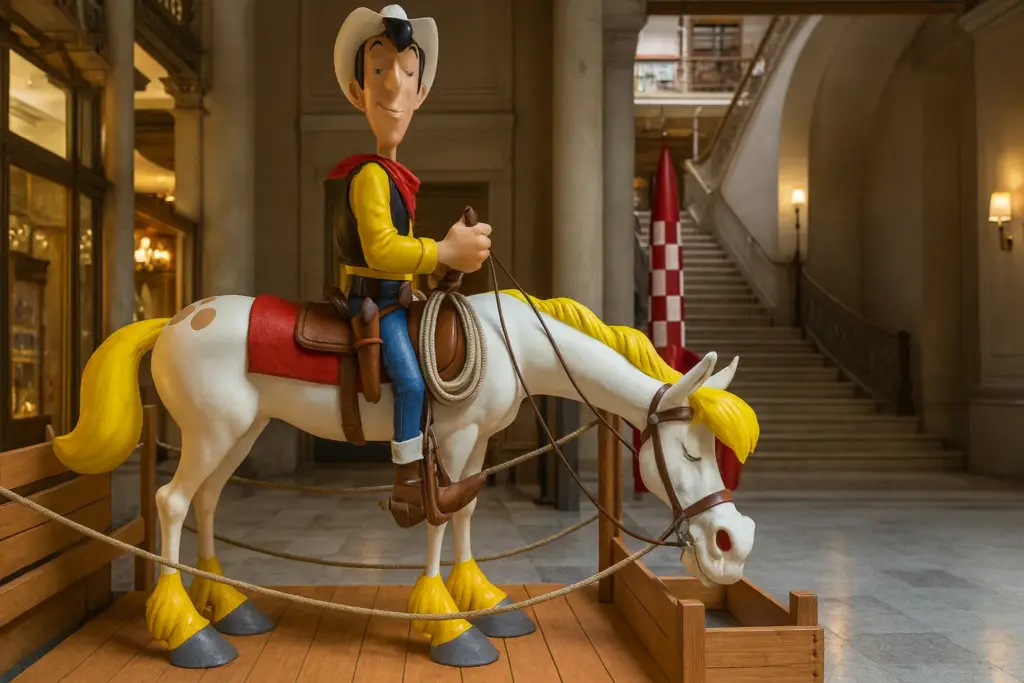
The Belgian Comic Strip Center celebrates a national tradition that includes Tintin, the Smurfs and many other characters. Original artwork, publishing history and changing displays are presented inside a graceful former textile store designed by Victor Horta.
Pair the museum with the Comic Strip Route to see how Brussels carries the art form beyond gallery walls and onto the sides of buildings.
19. Place du Grand Sablon
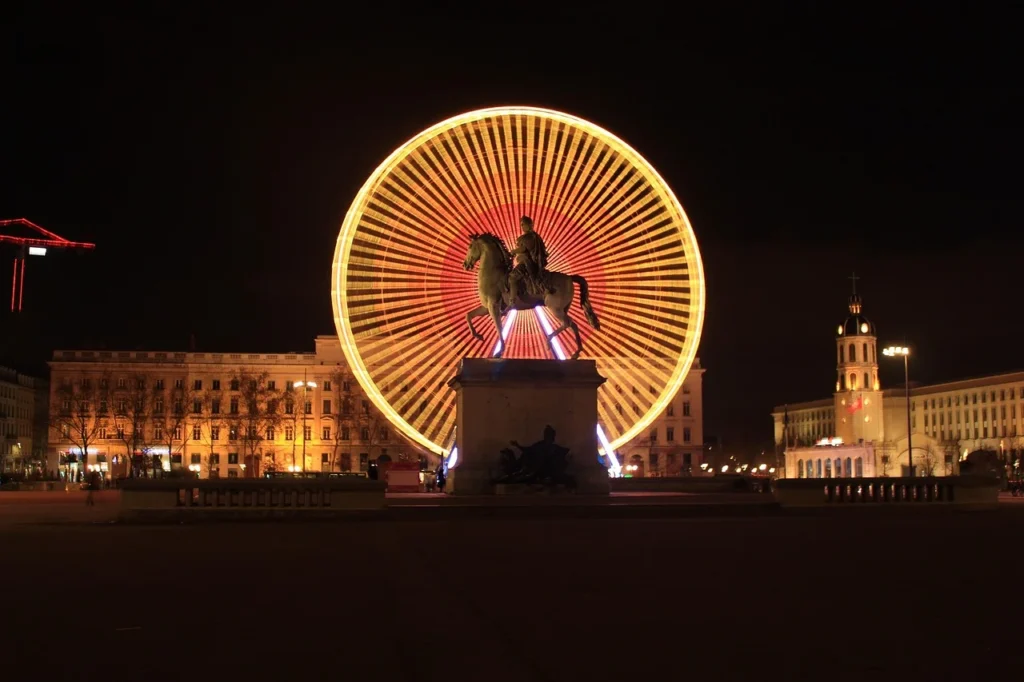
Grand Sablon is an elegant square lined with antique dealers, galleries, cafés and well-known Belgian chocolate houses. A weekend antiques market is traditionally held here, but operating days and vendor numbers can vary.
For a classic chocolate stop, compare the windows at Pierre Marcolini and Wittamer, two historic names facing the square. Opening hours and product ranges change, so treat this as a neighbourhood suggestion rather than a fixed tasting programme.
20. Delirium Café
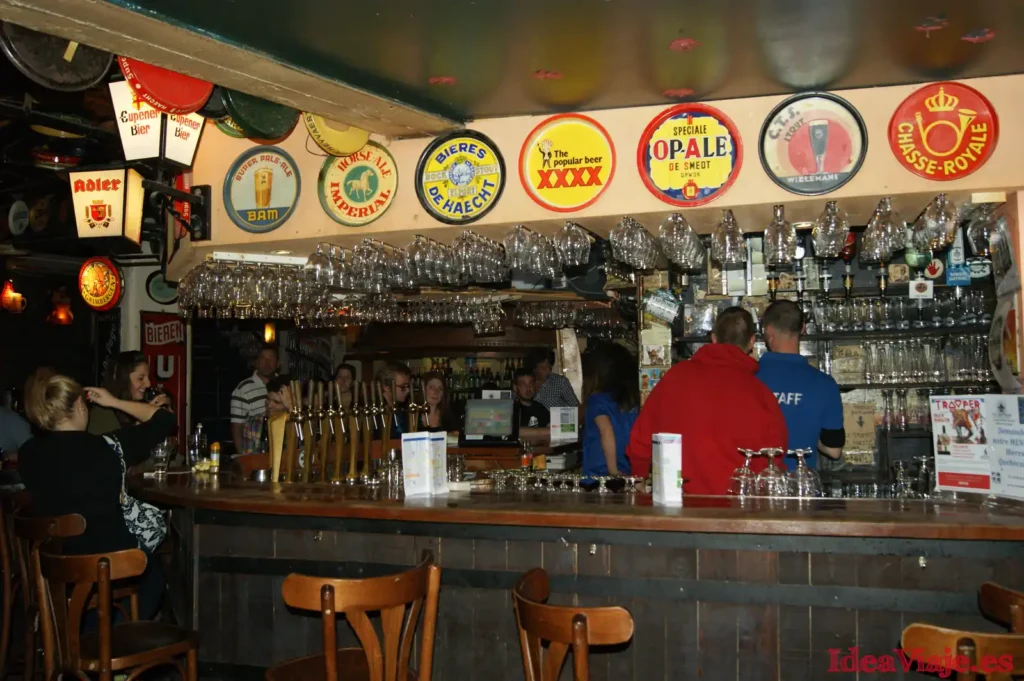
Delirium Café is known for a famously extensive beer list and a maze of lively bars close to Jeanneke Pis. It entered Guinness World Records in 2004 for the number of beer varieties commercially available.
- Visit earlier in the evening or on a weekday if you prefer a calmer atmosphere.
- Ask by style—lambic, saison, Trappist or alcohol-free—rather than choosing at random from a long list.
- Opening hours, events and the beers actually available change frequently.
21. Comic Strip Route
Explore Brussels through comics and chocolate



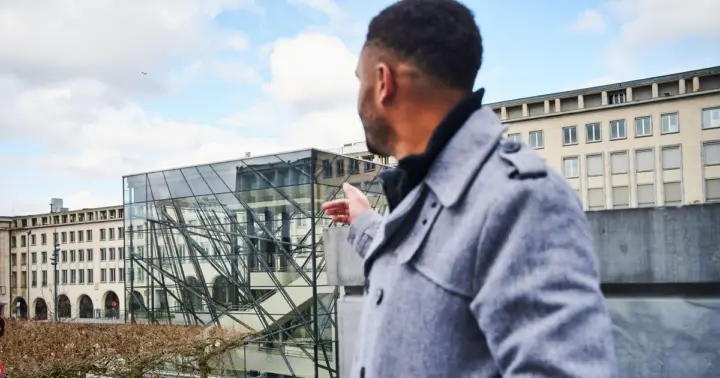
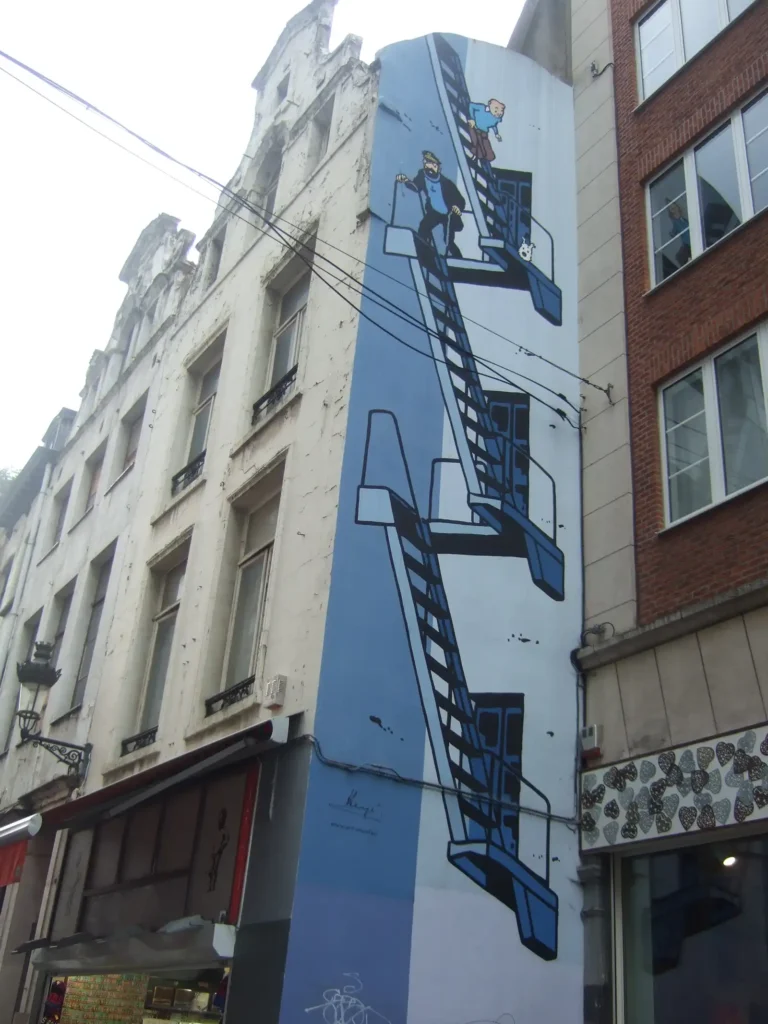
The Comic Strip Route turns the city into an open-air gallery, with murals devoted to Belgian and international comic characters. Works are spread across the centre and surrounding neighbourhoods, so downloading the current city map is more useful than relying on an old count or route.
You will encounter familiar figures such as Tintin, Lucky Luke and the Smurfs, but the pleasure is also in discovering lesser-known artists while walking between major landmarks.
22. Place Sainte-Catherine
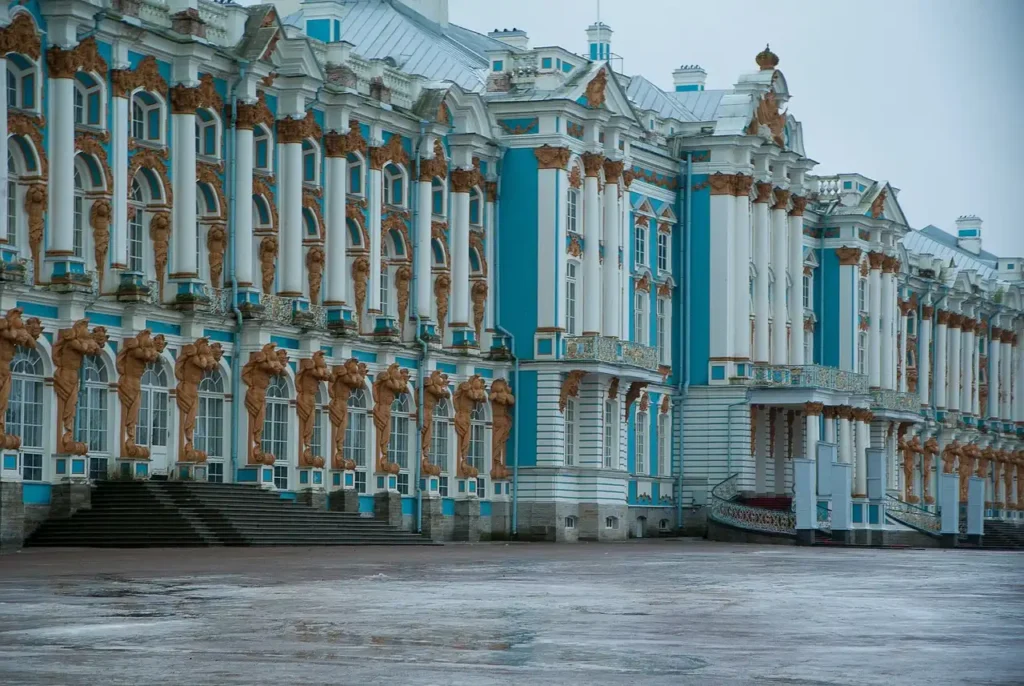
The former harbour district around Place Sainte-Catherine is now known for seafood restaurants, cafés and the long Church of Saint Catherine. Traces of the old quays still shape the surrounding streets.
In winter, the area is usually one of the focal points of Brussels’ seasonal celebrations and markets. Dates, attractions and street closures change each year; the 2025 programme in the source is now obsolete and has not been carried into this translation.
23. Jeanneke Pis
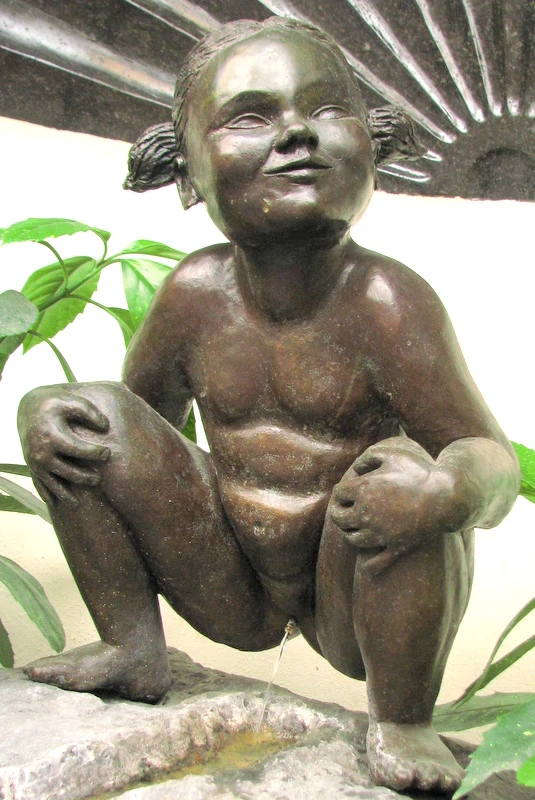
Created in 1987, Jeanneke Pis is a playful counterpart to Manneken Pis. The small fountain is tucked behind railings in Impasse de la Fidélité, a narrow lane close to Delirium Café.
It is a quick stop rather than a destination in itself, but it fits naturally into a walk between the Royal Galleries, Rue des Bouchers and the historic centre.
24. Jeu de Balle Flea Market
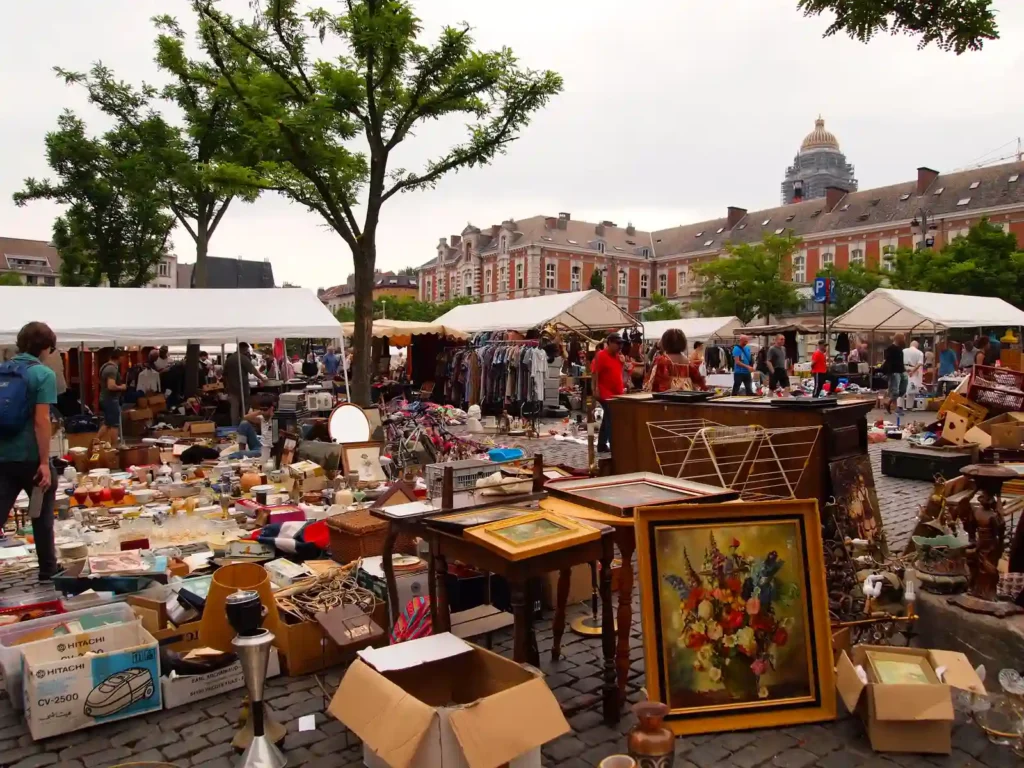
The Jeu de Balle flea market has been a fixture of the Marolles since 1873. Tables and blankets fill the square with second-hand furniture, vinyl, ceramics, books, clothes and the occasional genuine treasure.
The market traditionally operates daily, with the best selection earlier in the morning. Weather, holidays and local rules can affect the number of traders, so check current arrangements if the market is a priority.
25. Boat trip on the Brussels canal
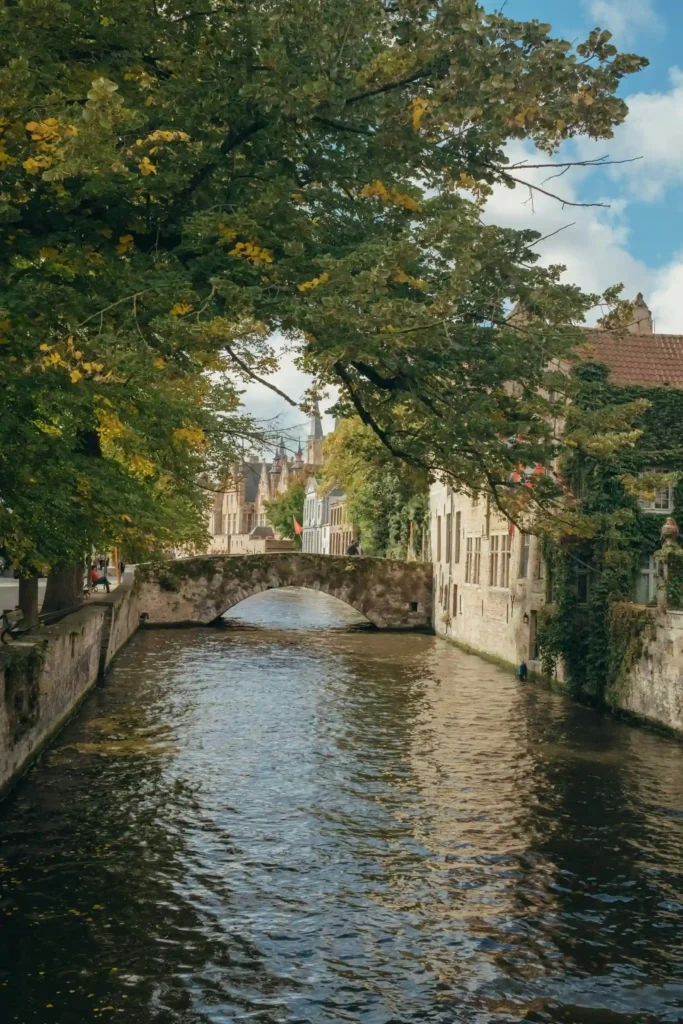
A boat trip reveals the industrial and working-waterfront side of Brussels that is easy to miss in the historic centre. Operators such as Brussels by Water and Waterbus have offered scheduled and excursion services on the canal.
These services are seasonal and route calendars can change from year to year. Confirm departure points, dates and return options directly with the current operator before adding a cruise to your itinerary.
26. Place De Brouckère
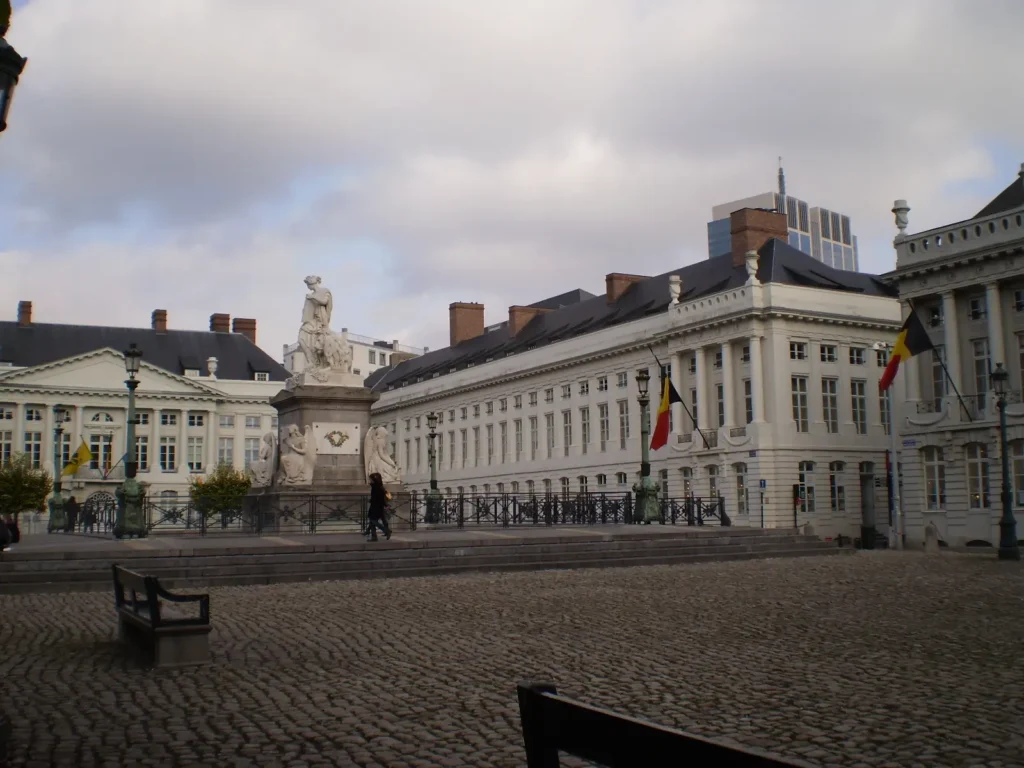
Place De Brouckère is a transport and entertainment hub in the modern centre, a short walk from the pedestrian boulevards and Place de la Bourse. Its architecture and busy urban atmosphere contrast with the medieval scale around Grand Place.
Seasonal events sometimes extend into the square, especially in winter. Temporary layouts and transport diversions should be checked locally.
27. Place du Petit Sablon
Across from Notre-Dame du Sablon, Petit Sablon is a small enclosed neo-Renaissance garden. Forty-eight bronze figures around the fence represent historic trades and guilds, while the central monument commemorates Counts Egmont and Horn.
It takes only a few minutes to visit, but the planting, sculpture and architectural setting make it one of the upper city’s most rewarding quiet corners.
28. Horta Museum
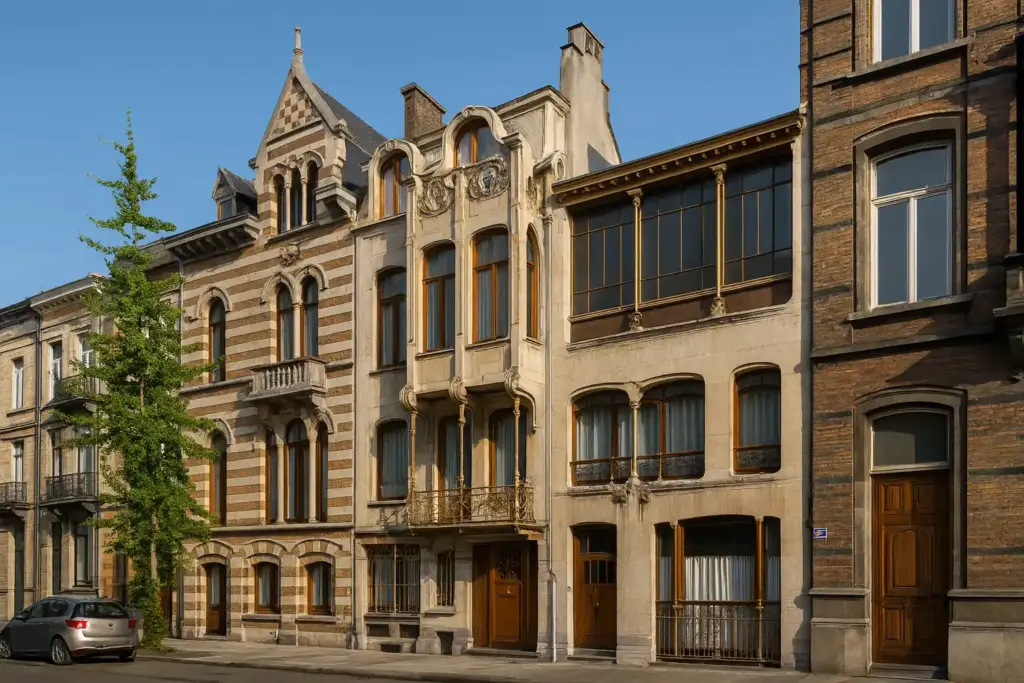
The Horta Museum occupies the former home and studio of architect Victor Horta, one of the defining figures of Art Nouveau. Furniture, mosaics, stained glass and flowing structural details show how completely he designed the domestic environment.
Visitor numbers are controlled because the building is intimate and fragile. Advance booking is sensible, while opening hours and conservation closures should be checked before travelling to Saint-Gilles.
29. Train World
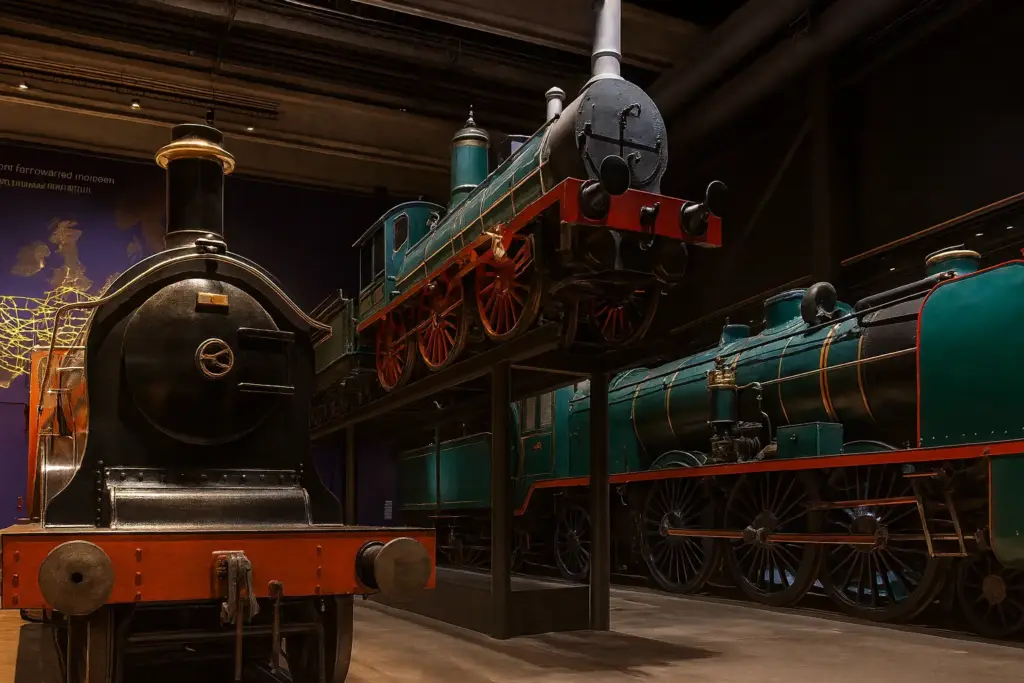
Train World, beside Schaerbeek station, explores Belgian railway history through historic locomotives, carriages, objects and theatrical exhibition design. It is a strong option for families, transport enthusiasts or a wet-weather afternoon.
Allow enough time for the large exhibits and check the final admission time, which may be substantially earlier than closing. Temporary exhibitions and opening days change.
30. Food to try in Brussels
Taste the best of Brussels
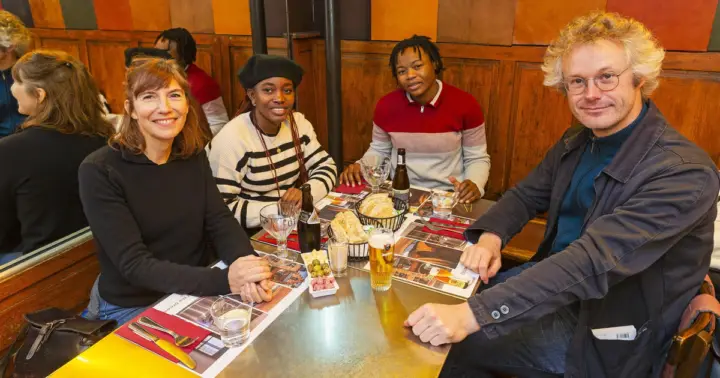

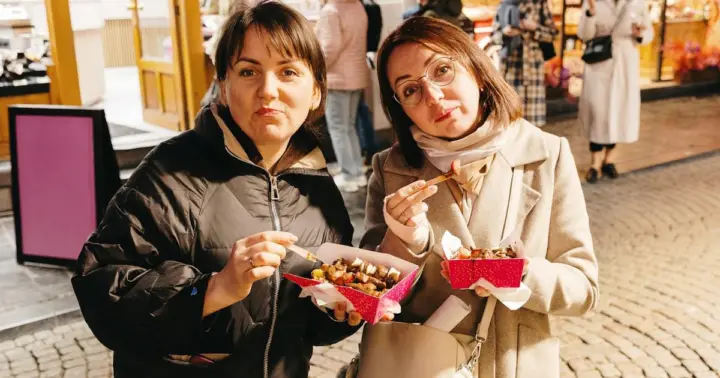
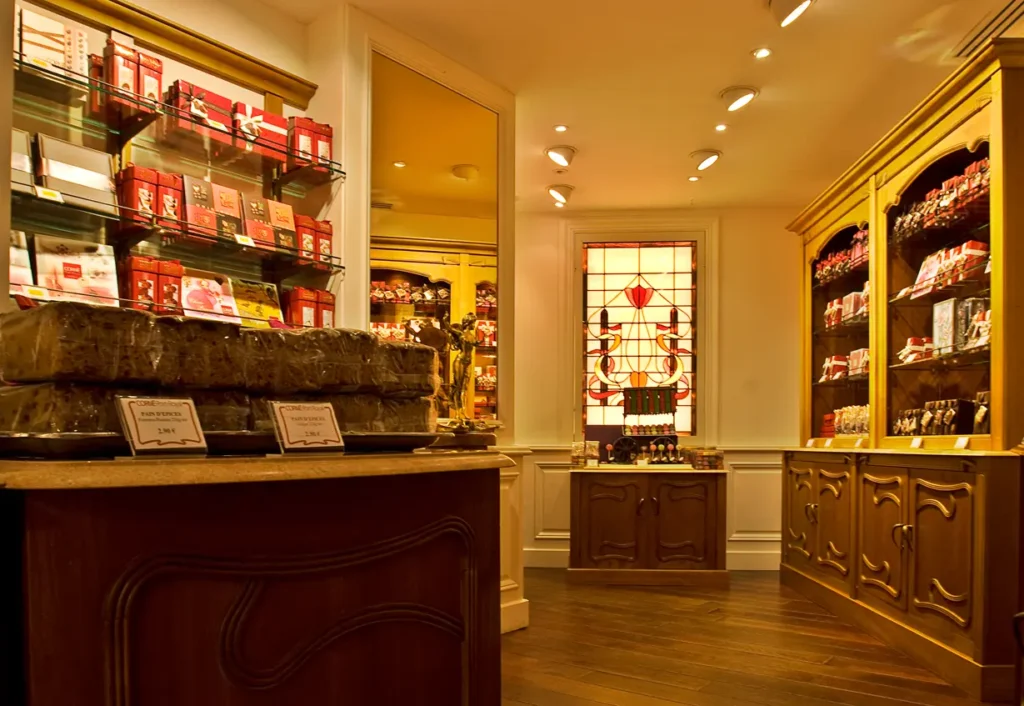
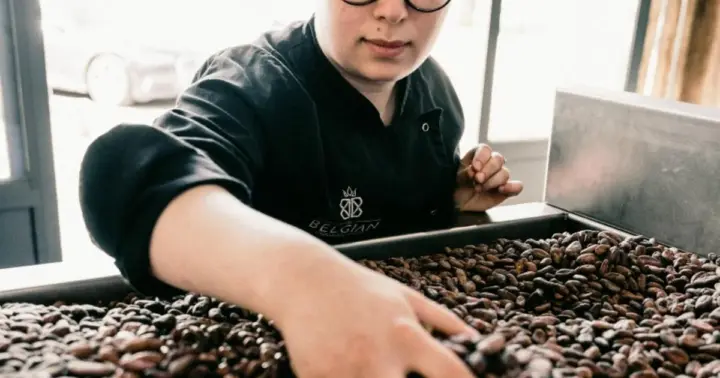
Brussels is an easy city to explore through food. Look beyond a single checklist and compare different styles of waffle, properly double-fried frites, chocolate pralines, moules-frites and local beer traditions.
Practical food tips
- Chocolate: independent shops and historic houses vary widely in style, price and specialities; small tasting boxes make comparison easier.
- Waffles: Brussels waffles are light and rectangular, while Liège waffles are denser and caramelised.
- Beer: ask for a smaller tasting measure if you want to compare lambic, saison or Trappist styles responsibly.
- Museum planning: the Brussels Card is sold in timed versions and may include a public-transport option. Included venues and conditions can change, so review the current package before buying.
Best free tours in Brussels
A free walking tour in Brussels is a practical way to connect Grand Place, the Royal Galleries, comic-book culture and the city’s layered history with a local guide. The live GuruWalk listing shows current languages, departure times, reviews and availability.
Frequently asked questions about Brussels
How many days do you need in Brussels?
Two days are enough for the historic centre, major museums and either the European Quarter or Atomium. Add a third day for neighbourhoods, markets and a slower museum visit.
When is the best time to visit Brussels?
Spring and early autumn usually offer a good balance of mild weather and manageable crowds. Winter brings seasonal markets, while summer has longer days and changing event programmes.
Which Brussels attractions should you book ahead?
Advance booking is sensible for the Atomium, Horta Museum and popular museum slots at weekends or in peak season. European Parliament visits can also have identification and reservation requirements.
Are Brussels museums free on certain days?
Some municipal museums offer periodic free-entry sessions, but the participating venues and conditions can change. Check the current Brussels Museums programme before relying on a particular date.
What is the best way to get around Brussels?
Walk within the compact historic centre, then use STIB metro, tram or bus services for the Atomium, Koekelberg and more distant neighbourhoods. Check current routes and service notices before travelling.
Can you visit the Royal Palace of Brussels?
The exterior is visible throughout the year, while interior visits are normally limited to a summer opening period announced annually. Dates and access can change or be cancelled.
Are there boat trips in Brussels?
Seasonal canal excursions and Waterbus services have operated in Brussels, but routes and dates change each year. Confirm the current operator calendar before planning a trip.
Prices, opening hours, public-transport services, free-entry schemes and access conditions can change without notice because of holidays, maintenance, events or operational decisions. Recheck the practical details before booking or travelling.

GuruWalk
Tourism and travel expert with a strong background in creating cultural content. Fluent in multiple languages and experienced as a presenter, she connects with diverse audiences to inspire the exploration of unique destinations. Her creative and dynamic approach stands out in every project, conveying the essence of each place she discovers.