

Explore 13 Copenhagen sights, from Nyhavn and the Little Mermaid to Amalienborg, Tivoli Gardens, Christiansborg and the historic waterfront.
 Julieta Betancor
GuruWalk
·
Updated 27 Aug 2026
Julieta Betancor
GuruWalk
·
Updated 27 Aug 2026Information checked: May 2026. Prices, opening times and booking requirements were checked against official sources. GuruWalk gurus in Copenhagen also reviewed the practical recommendations.
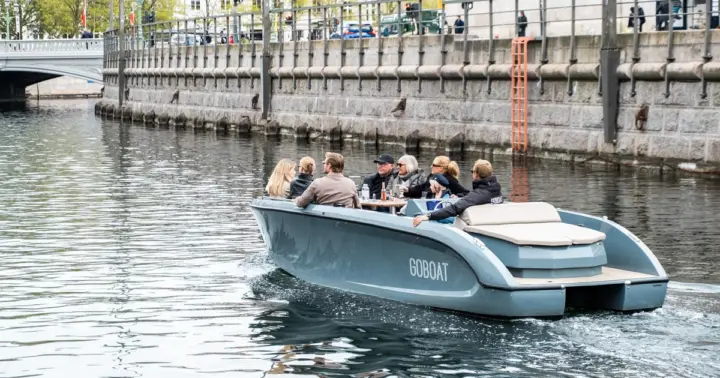
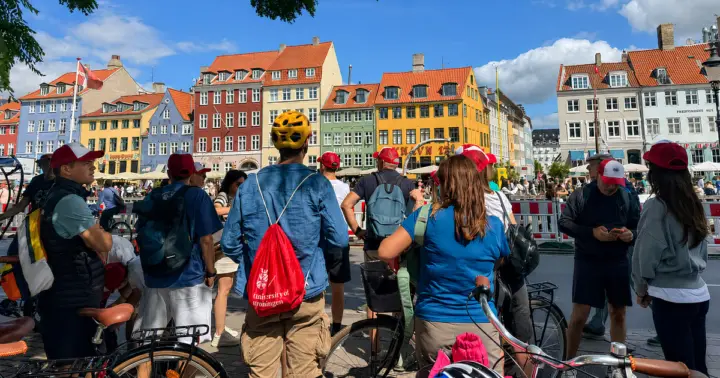
Copenhagen rewards slow exploration: colourful harbourfronts, royal palaces, bold design and neighbourhoods with very different personalities all sit within easy reach of one another. If you want to get your bearings before choosing which museums and districts to explore in depth, a free walking tour in Copenhagen is a useful introduction to Nyhavn, the historic centre and the waterfront.
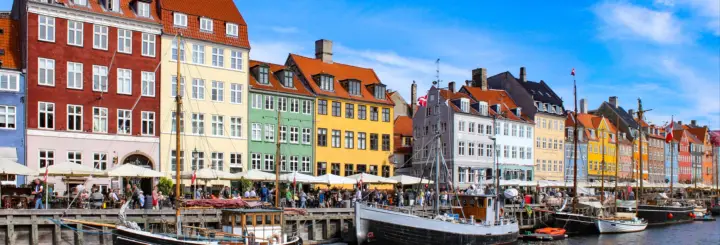
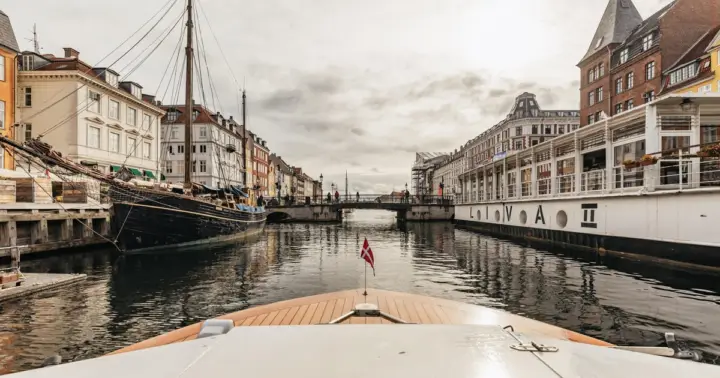
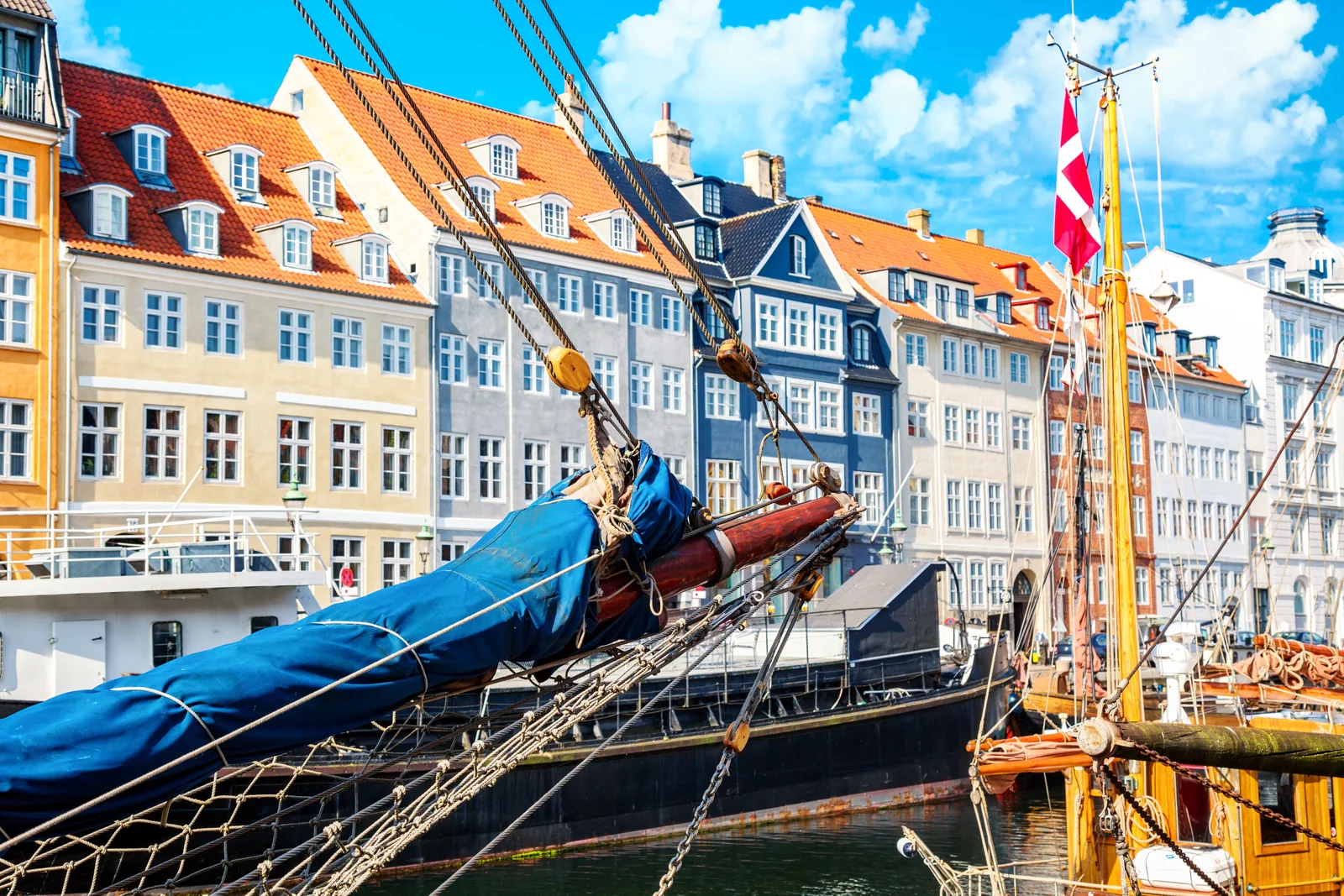
Begin with Copenhagen’s most recognisable scene. Nyhavn is a 17th-century harbour lined with brightly painted townhouses and historic wooden boats, but it is more than a postcard backdrop: it brings together the city’s maritime past, former homes of Hans Christian Andersen and canal cruises that leave from the waterfront.
Nyhavn began as a busy commercial port. The houses that now fill so many Copenhagen photographs date mainly from the 17th and 18th centuries, and many retain their original structure. In summer, the terraces come alive during the city’s long daylight hours.
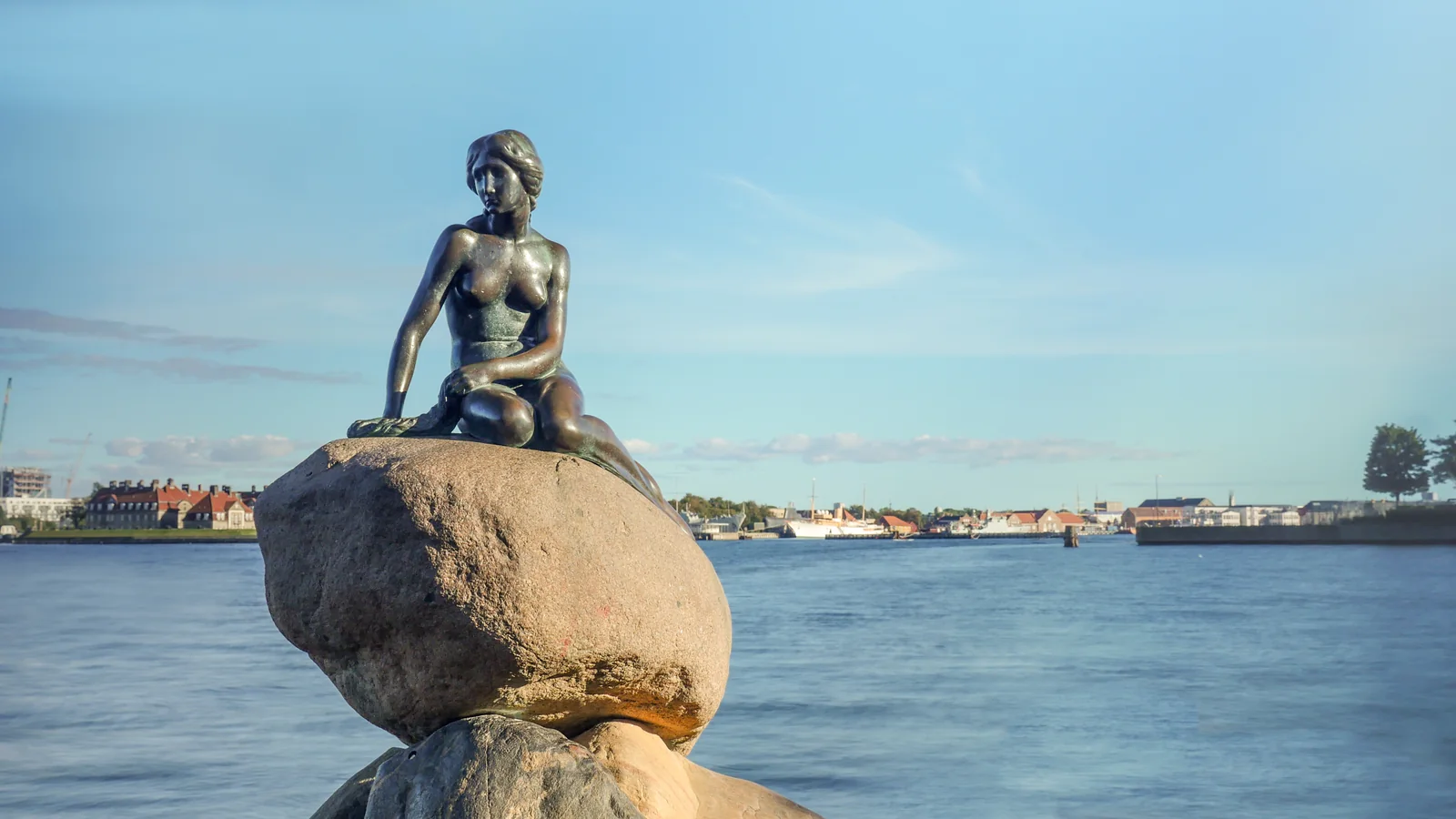
A pleasant walk from the centre leads to one of the city’s best-known landmarks. The modest bronze statue of the Little Mermaid has watched over Copenhagen harbour since 1913.
Brewer Carl Jacobsen gave the sculpture to the city after being inspired by Hans Christian Andersen’s tale. At just 1.25 metres tall, it is smaller than many first-time visitors expect. It has also been damaged several times over the years, but has repeatedly been restored.
Amalienborg, the official residence of the Danish royal family, is a striking ensemble of four matching Rococo palaces arranged around an octagonal square. It remains the heart of Denmark’s modern monarchy.
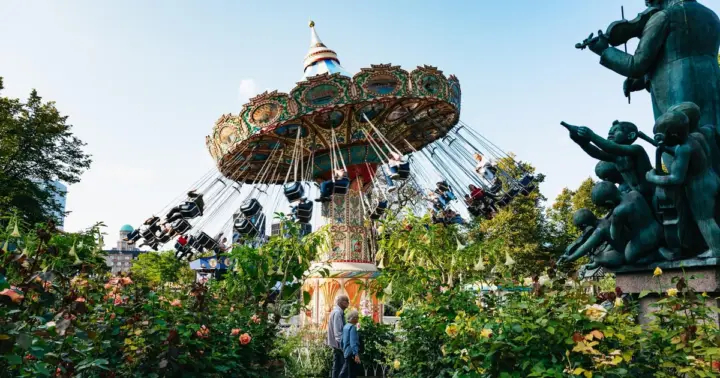
Opened in 1843, Tivoli Gardens is the world’s second-oldest operating amusement park and one of Copenhagen’s most popular attractions. It combines the atmosphere of a traditional pleasure garden with modern rides, restaurants and seasonal entertainment.
Walt Disney visited Tivoli and drew inspiration from it when developing Disneyland. Today the park still balances nostalgia and reinvention:
Tivoli is especially atmospheric during its summer, Halloween and Christmas seasons, when the decorations and programme change completely. Opening dates and events vary each year, so check the official calendar before visiting.
Set on the small island of Slotsholmen, Christiansborg is at the centre of Danish political life. The palace complex houses Parliament, the Prime Minister’s Office and the Supreme Court.
The present Christiansborg is the third palace of that name on the site and the fifth major complex built here. Highlights include:
Stretching for about 1.1 kilometres between City Hall Square and Kongens Nytorv, Strøget is one of Europe’s longest pedestrian shopping streets and the main retail spine of central Copenhagen.
Founded in 1971 on a former military site, Christiania is a self-governing community with a character unlike anywhere else in Copenhagen. It is known for street art, resident-built homes, craft workshops and an alternative cultural scene.
Christiania has its own rules and a living residential community. Follow the signs, respect areas where photography is not allowed and treat the neighbourhood as more than a tourist attraction.
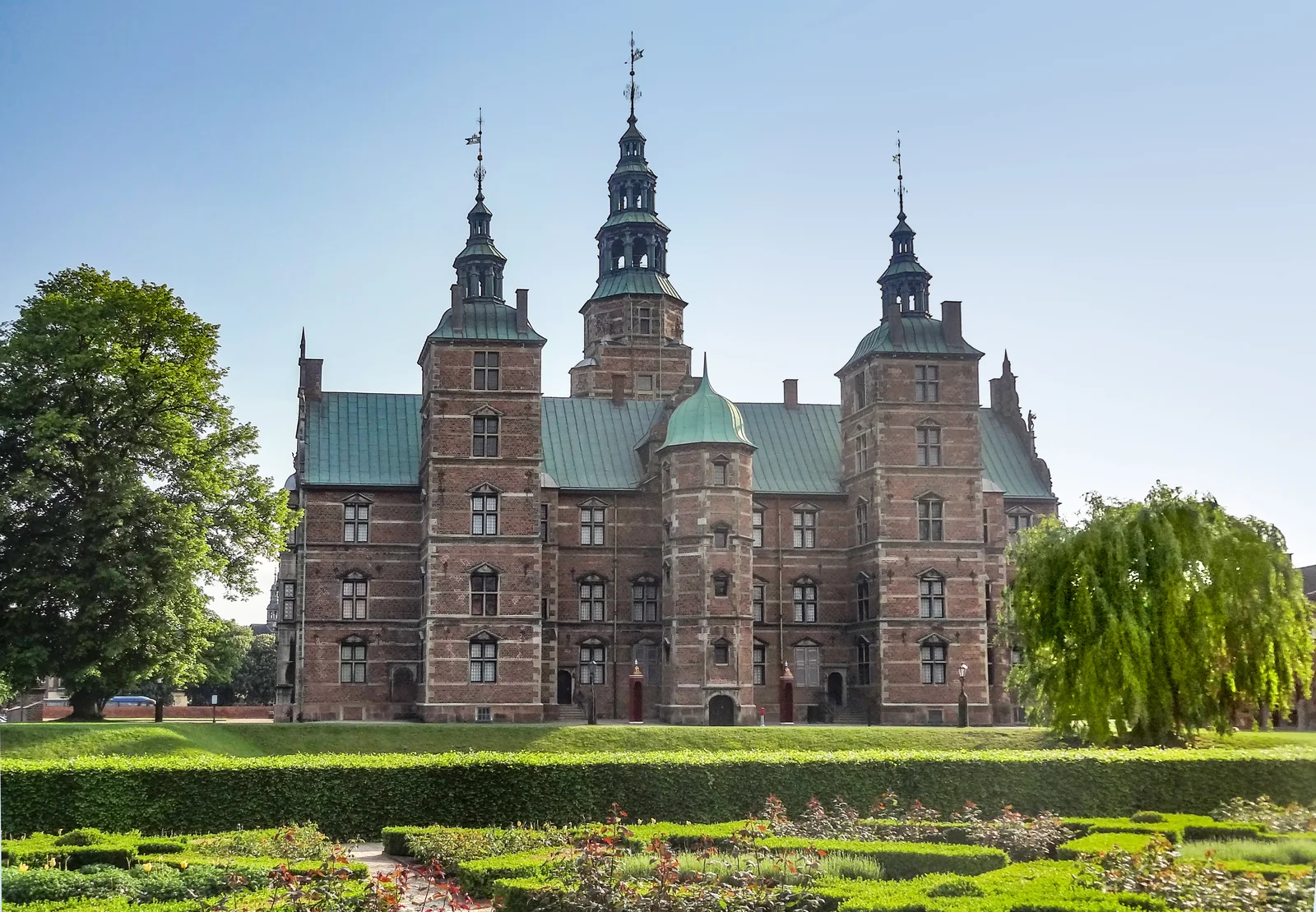
Built in the early 17th century in the Dutch Renaissance style, Rosenborg began as Christian IV’s summer residence. It is now one of Copenhagen’s most important historic buildings.
The Round Tower, or Rundetårn, is a 17th-century landmark built as part of a scholarly complex. Its defining feature is a broad spiral ramp that winds upwards towards the old observatory.
The ramp runs for roughly 209 metres and circles the core 7.5 times. It was designed so that a horse and carriage could carry astronomical equipment towards the top. Today, the climb ends with a classic view over Copenhagen’s old town.
The National Museum of Denmark brings together collections spanning prehistory to the modern era.
Designmuseum Denmark is a strong choice for anyone interested in furniture, craft and architecture. Housed in an 18th-century former hospital, it traces the evolution of Danish design and places it in a wider Scandinavian context.
Copenhagen’s Botanical Garden covers around 10 hectares close to the city centre. Established on its current site in 1874, it holds more than 13,000 plant species and offers a welcome change of pace between museums.
Once a working-class district, Vesterbro has become one of Copenhagen’s liveliest neighbourhoods and a good place to experience the contemporary city beyond its royal landmarks.
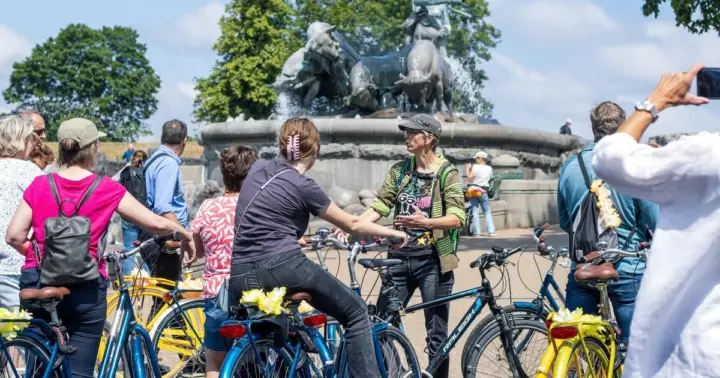
A guided walk is one of the easiest ways to connect the palaces, waterfront and older streets into a coherent first-day route. Live schedules, languages, ratings and availability change frequently, so check the current selection of free walking tours in Copenhagen on GuruWalk rather than relying on a static list.
Indre By is the most convenient base for first-time visitors who want to be close to major sights. Vesterbro suits travellers looking for restaurants and nightlife, while Nørrebro has a more local, multicultural feel. Nyhavn is picturesque but often busy and expensive.
Look beyond the tourist-heavy waterfront for neighbourhood bakeries, food markets and contemporary Danish cooking. Vesterbro, Nørrebro and Christianshavn all offer a broad mix of budgets and styles.
May to September usually offers the mildest weather and longest days. July and August are peak season, so book popular attractions and accommodation earlier if you travel then.
Yes, it is relatively expensive by European city-break standards. You can reduce costs by using public transport, eating at markets or bakeries and choosing a Copenhagen Card only if its current inclusions match your itinerary.
Ready to explore? Book a place with a local guru, pay nothing upfront and decide what the walk was worth at the end.
Tourism and travel expert with a strong background in creating cultural content. Fluent in multiple languages and experienced as a presenter, she connects with diverse audiences to inspire the exploration of unique destinations. Her creative and dynamic approach stands out in every project, conveying the essence of each place she discovers.
Local guides, pay-what-you-want and no credit card to book. That is how you understand a city.
Explore free tours on guruwalk.com