


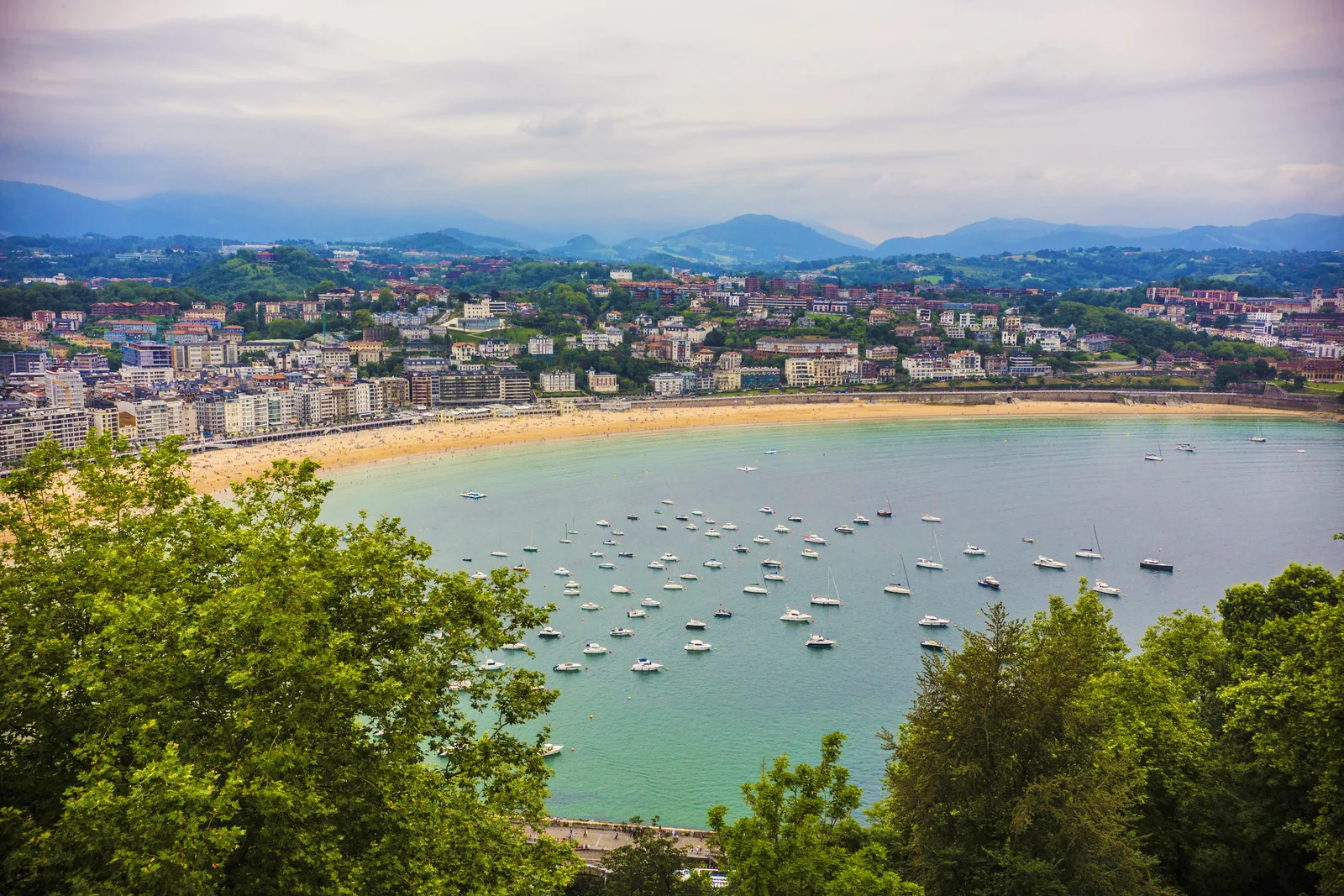
Spend three days exploring San Sebastián’s Old Town, La Concha, San Telmo Museum, Monte Igueldo and Peine del Viento.
 Julieta Betancor
GuruWalk
·
Updated 27 Aug 2026
Julieta Betancor
GuruWalk
·
Updated 27 Aug 2026Practical details reviewed: August 2026. Opening times, admission, transport services and seasonal activities can change, so check the relevant official website before you visit.
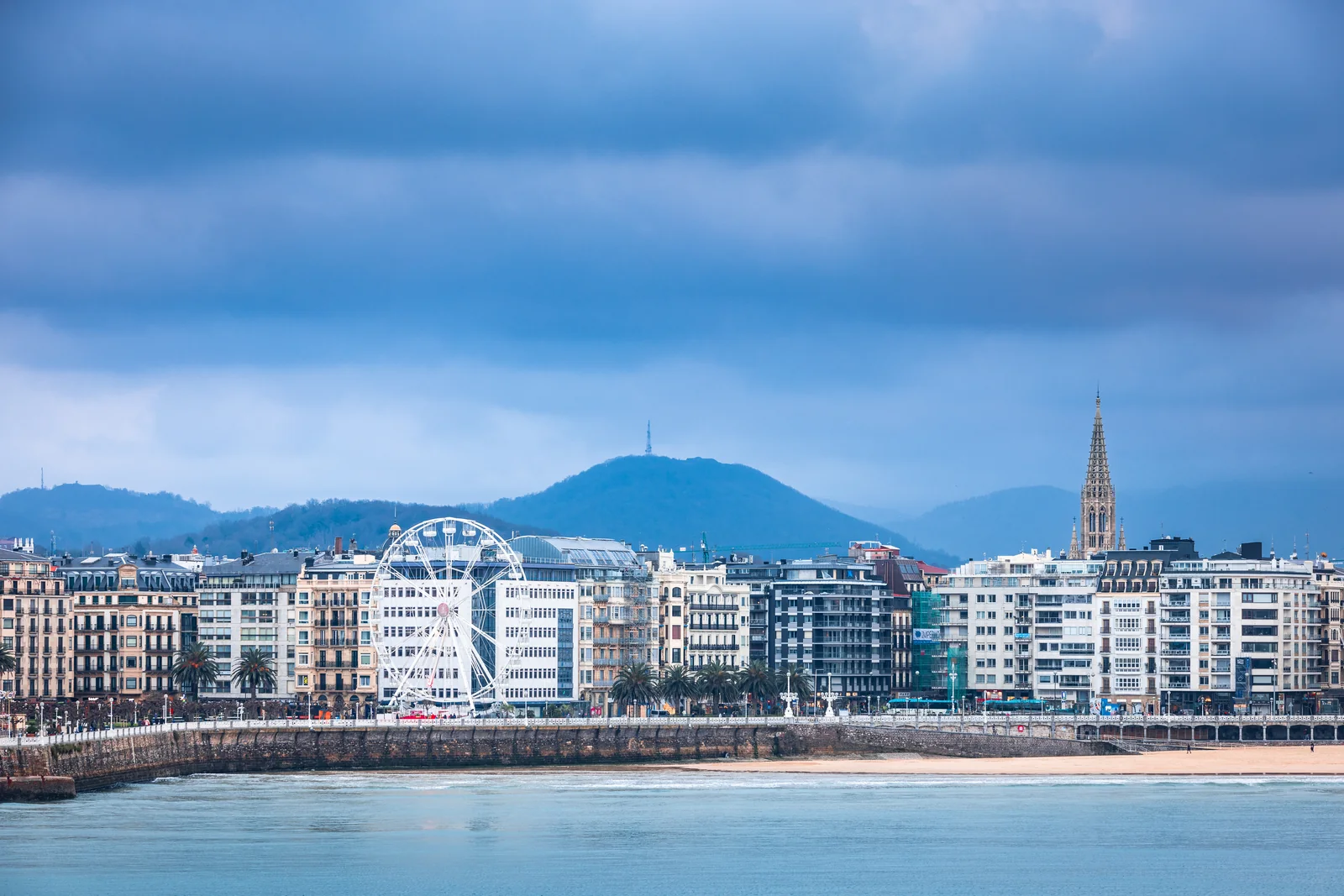
Three days give you enough time to enjoy San Sebastián’s historic centre, coastal scenery and food culture without rushing. This itinerary groups nearby sights together so you spend more time exploring and less time crossing the city.
Begin in the Old Town, where Plaza de la Constitución, San Vicente Church and the Basilica of Santa María del Coro sit within a few minutes’ walk of one another. Continue to the port, then return to the Old Town for pintxos.
Visit the Good Shepherd Cathedral in the morning, followed by the San Telmo Museum. Later, take the historic funicular up Monte Igueldo for a broad view across La Concha Bay, then finish beside Peine del Viento at the western end of Ondarreta Beach.
Walk the promenade beside La Concha Beach and stop at Miramar Palace. If the weather suits, spend some time on the beach. In the afternoon, choose the Aquarium or a spa session at La Perla.
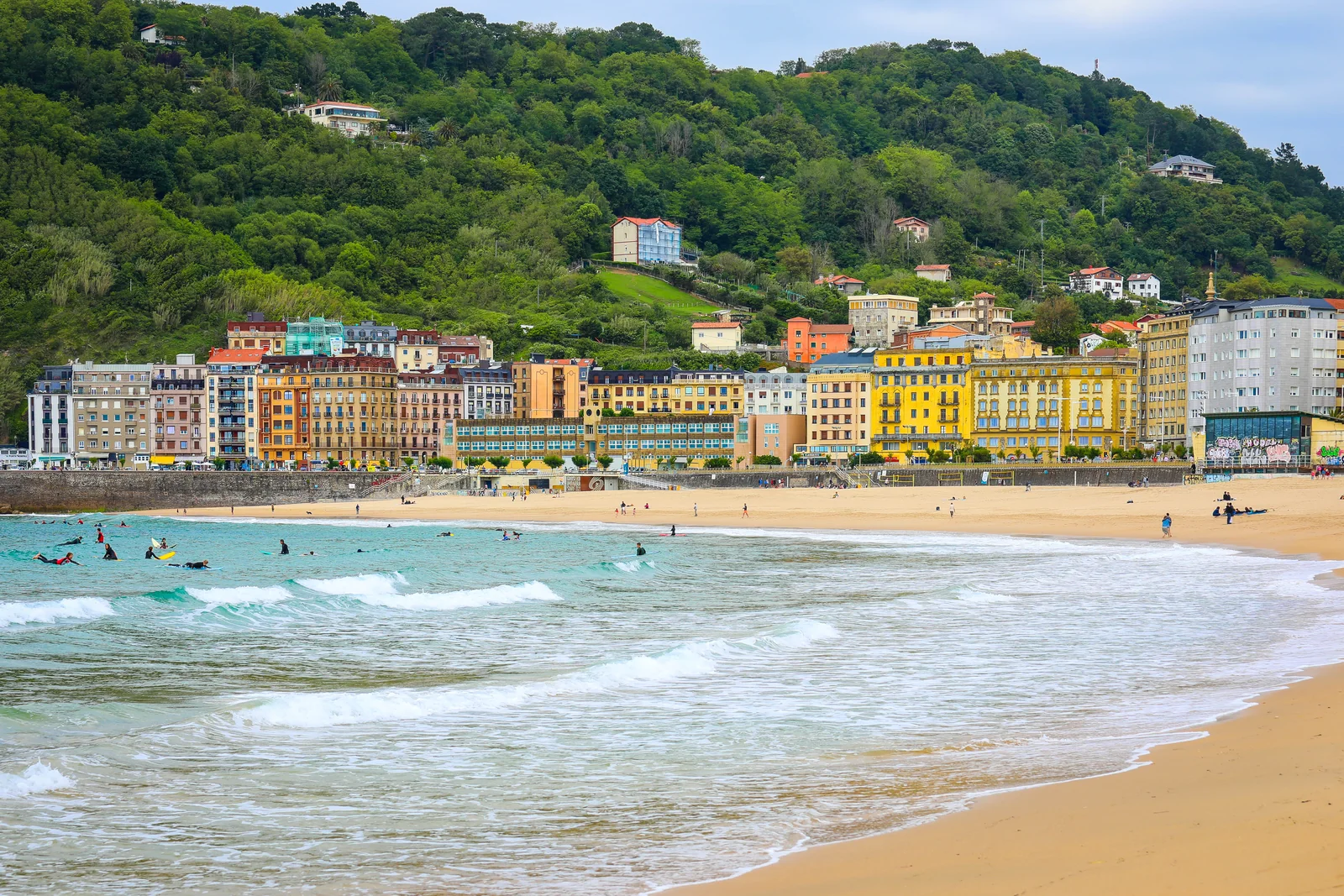
Paseo Nuevo curves around Monte Urgull between the port and the Kursaal area. The full seafront walk takes roughly 40 minutes at an easy pace, although you will probably want longer for the views.
The route is exposed to the Bay of Biscay and is famous for waves crashing over the sea wall. Treat barriers and closure notices seriously when the sea is rough. Along the way, look for Jorge Oteiza’s Construcción Vacía sculpture; Peine del Viento lies across the bay at the far end of Ondarreta.

The promenade was designed in 1915 by engineer Luis Balanzat with architect Juan Rafael Alday and opened in 1919 as Paseo del Príncipe de Asturias. Its name changed with Spain’s political history before Paseo Nuevo became the official name in July 1979.
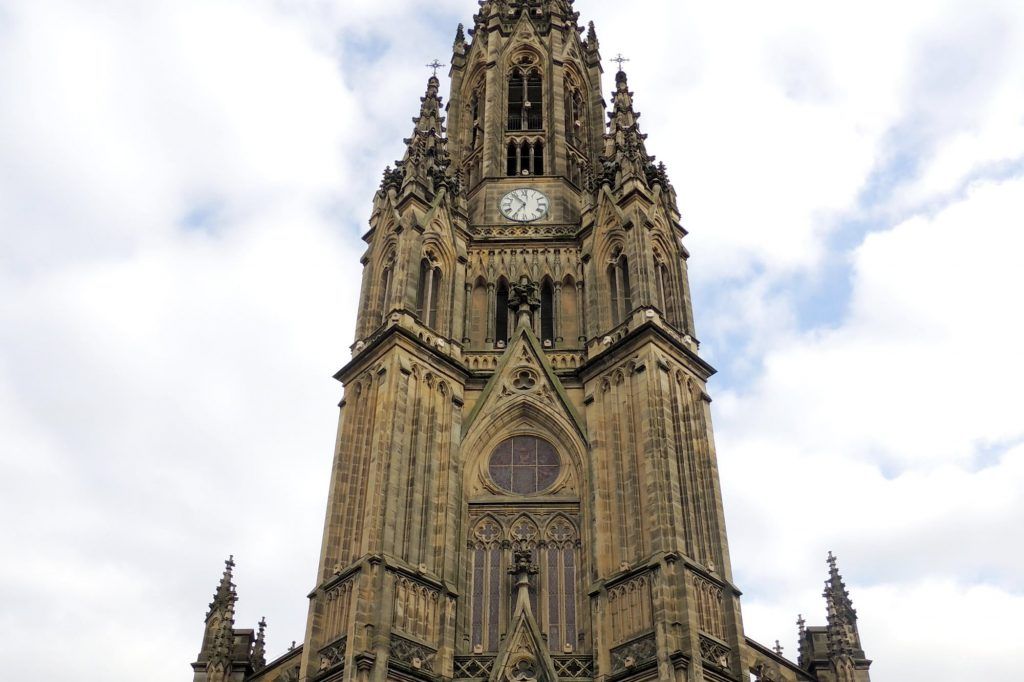
The Good Shepherd Cathedral is the seat of the Diocese of San Sebastián. Architect Manuel Echave designed the highly vertical Neo-Gothic building, constructed between 1889 and 1897 with clear references to German Gothic churches, particularly Cologne Cathedral.
Inside, highlights include the crypt, the stained glass designed by Juan Bautista Lázaro and the large 1954 organ built by Organería Española in Azpeitia. The stained-glass programme includes scenes of the Apostles around the apse. Remember that this is an active place of worship, so visitor access may change during services.
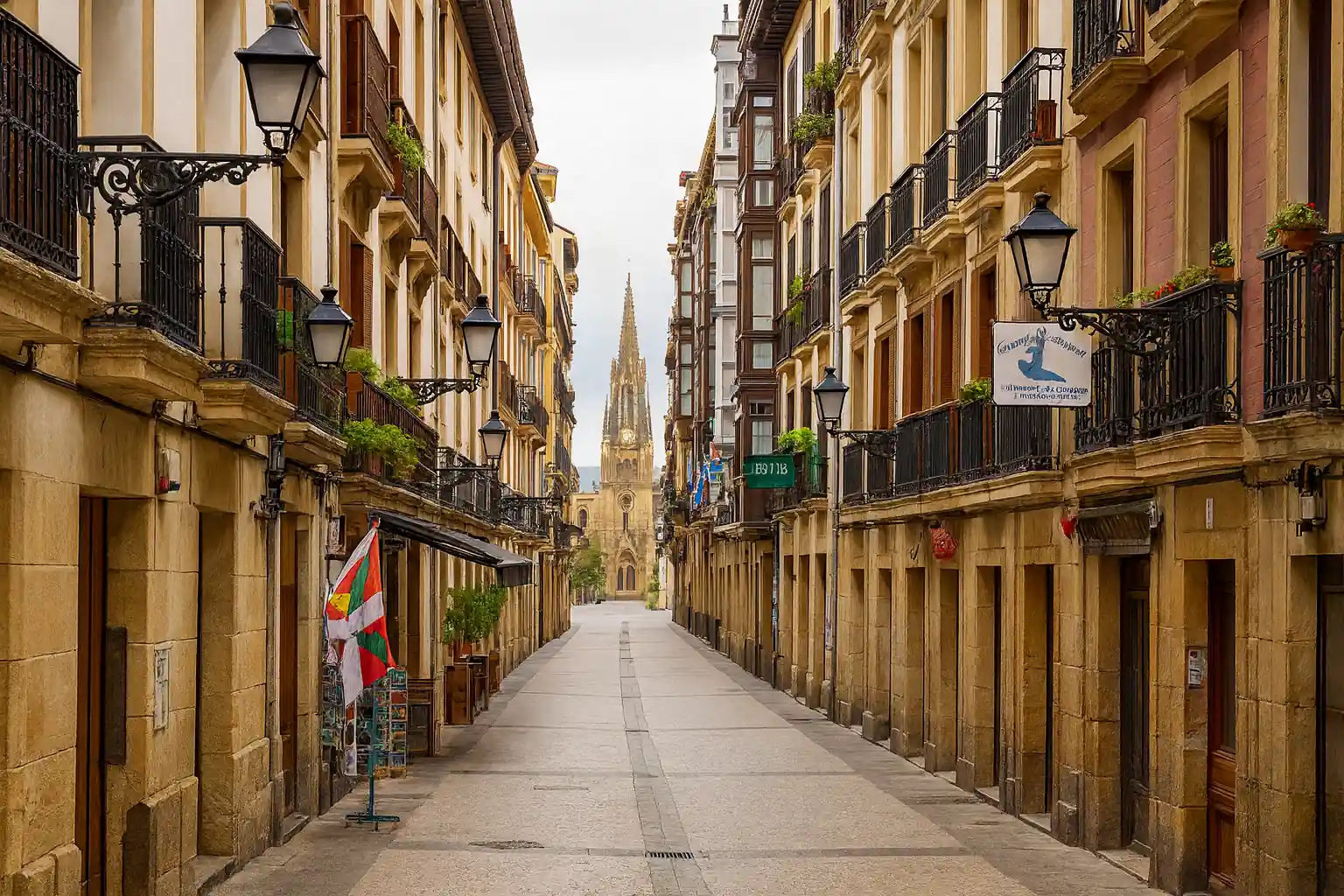
The Parte Vieja, or Old Town, packs several of the city’s essential stops into a small area: Plaza de la Constitución, San Vicente Church and the Basilica of Santa María del Coro. Kale Nagusia, also called Calle Mayor, runs between the basilica and the edge of the district.
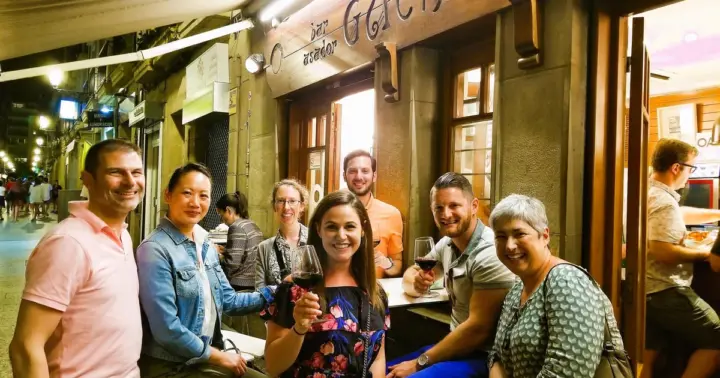
This is also the classic area for a pintxos crawl. Order one or two specialities, have a drink and move on to the next bar. Gildas, txangurro, salt cod and local tortilla variations are recurring favourites, while pintxo-pote promotions depend on the neighbourhood and day.
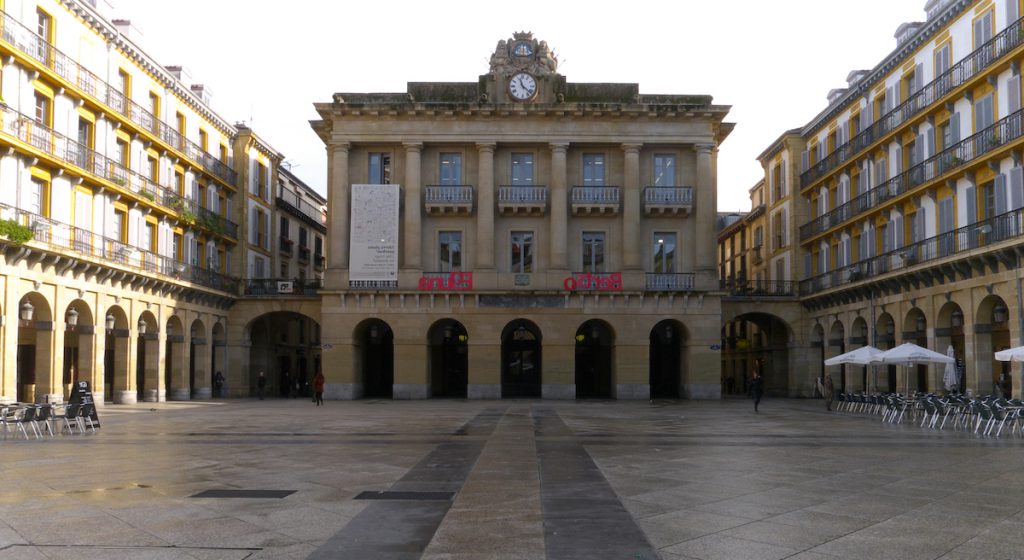
Plaza de la Constitución stands at the centre of the Old Town and hosts major civic traditions, including the raising and lowering of the flag during the Tamborrada on 20 January. Its main Neo-Classical building dates from 1829–1832 and served as City Hall until 1947.
Look up at the numbered balconies: they recall the period when the square was used as a bullring and the balconies functioned as spectator boxes.
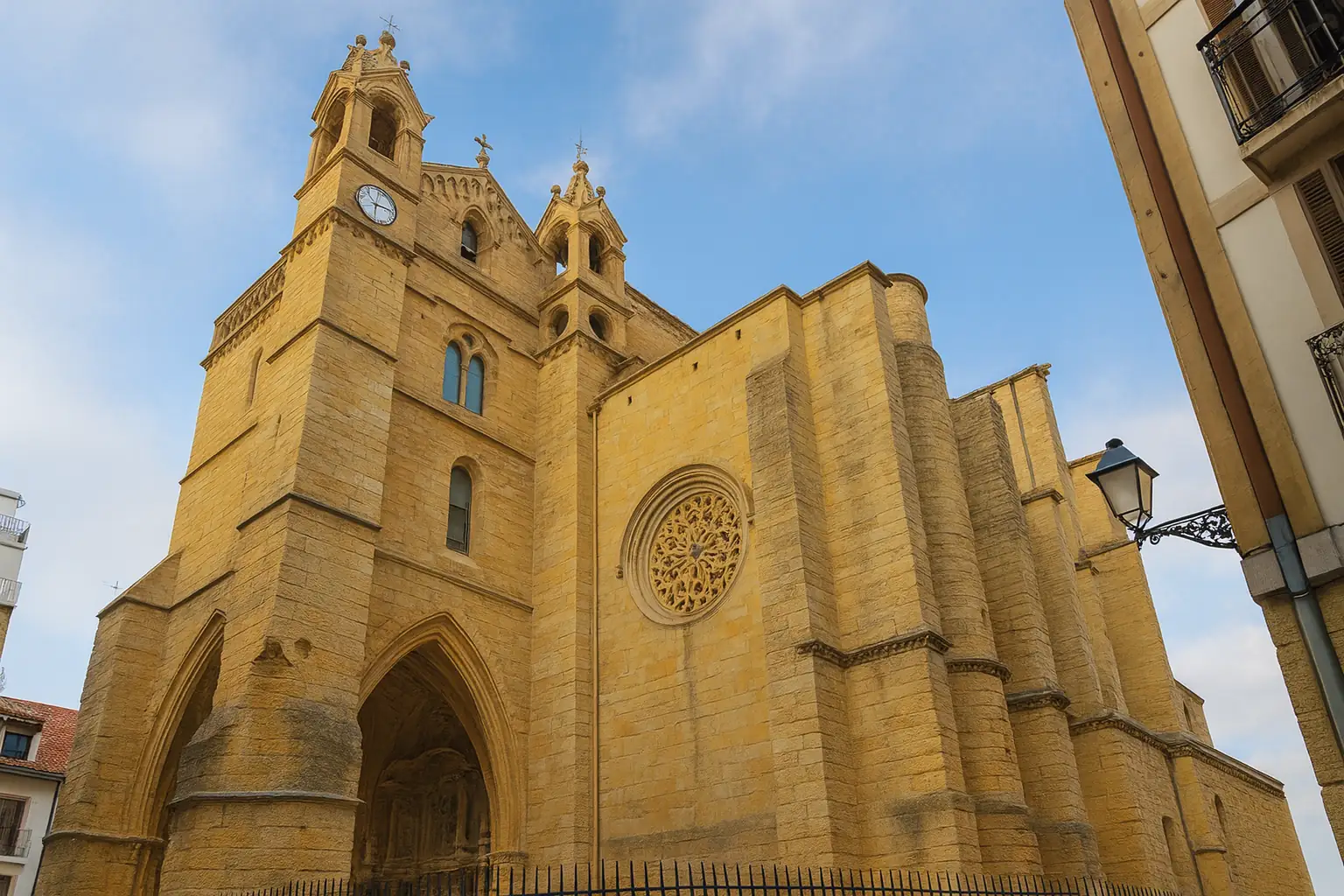
Dating from the 15th and 16th centuries, the Gothic Church of San Vicente is one of the city’s oldest surviving buildings. Its main altarpiece, completed in 1586, is associated with sculptor Ambrosio de Bengoechea and Juan de Iriarte.
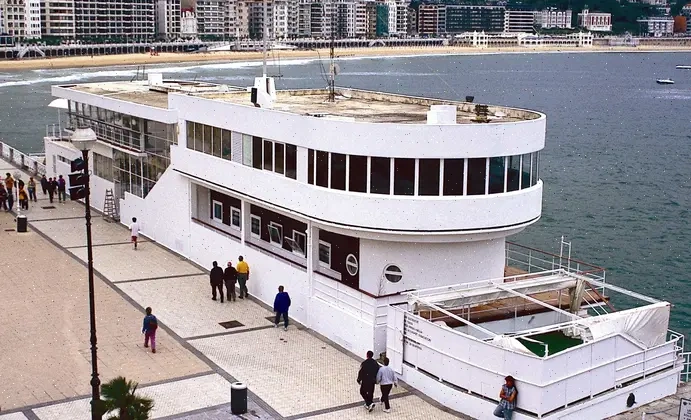
The Basilica of Santa María del Coro was built between 1743 and 1774. Its predominantly Baroque design incorporates Gothic, Churrigueresque and Neo-Classical elements. The high altar houses the Virgin of the Choir, one of the city’s patron figures alongside Saint Sebastian.
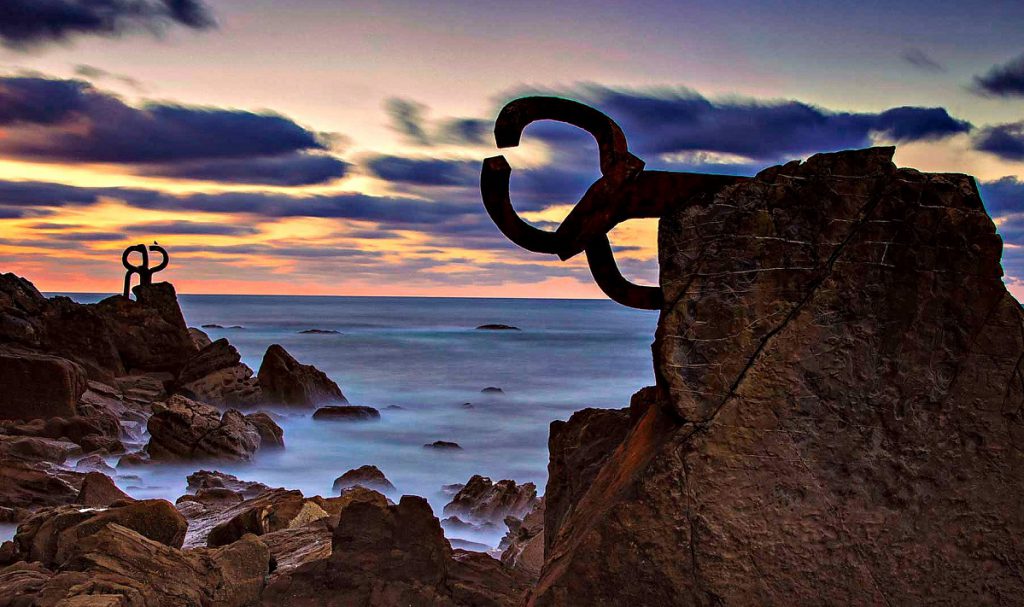
Peine del Viento is Eduardo Chillida’s best-known public work in San Sebastián. Installed in 1976 at the end of Ondarreta Beach, it consists of three large weathered-steel forms anchored where the city meets the sea.
The surrounding plaza, designed with architect Luis Peña Ganchegui, includes openings that channel air and sound when waves enter the cavities below. Keep back from the edge in rough conditions: the same Atlantic energy that makes the site memorable can also make it hazardous.
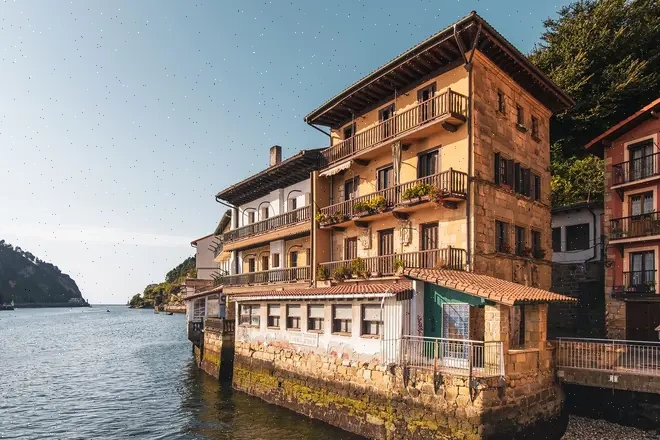
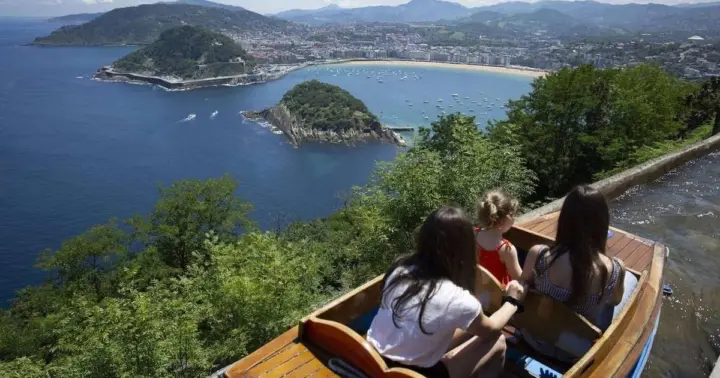
Monte Igueldo provides the classic view across La Concha Bay, Santa Clara Island and the city. You can reach the top by road or on the historic funicular, which opened in 1912.
Tip: opening days, funicular times, admission and attraction prices vary. Check the official Monte Igueldo visitor information for your date, and allow extra time during busy periods.
At the summit, the Torreón occupies the site of an 18th-century lighthouse and now serves as a viewpoint within the park. Its terrace looks over the city and the Gipuzkoa coastline.
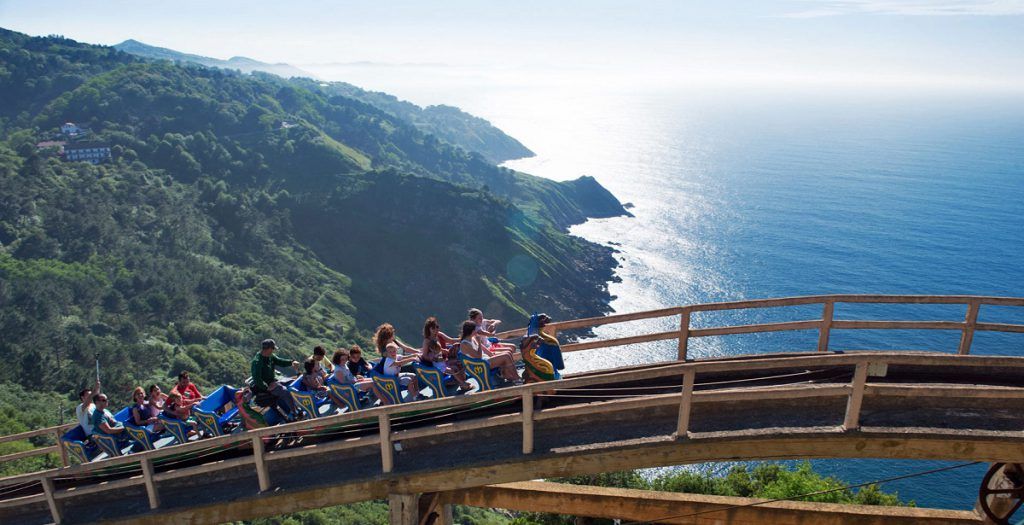
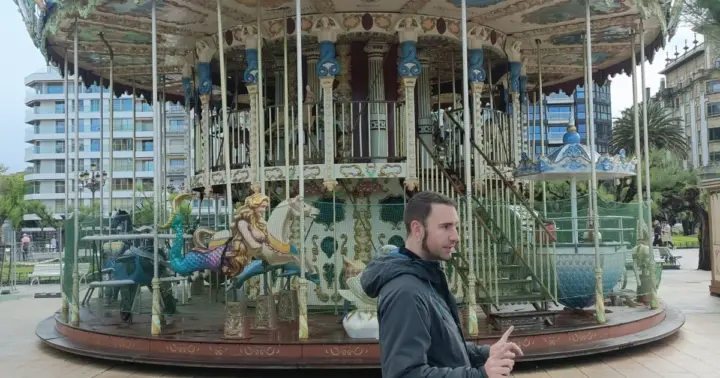
The small amusement park has retained much of its early-20th-century character. Long-running attractions include Montaña Suiza, the maze, Río Misterioso and the haunted house, although individual rides may close because of weather or maintenance.
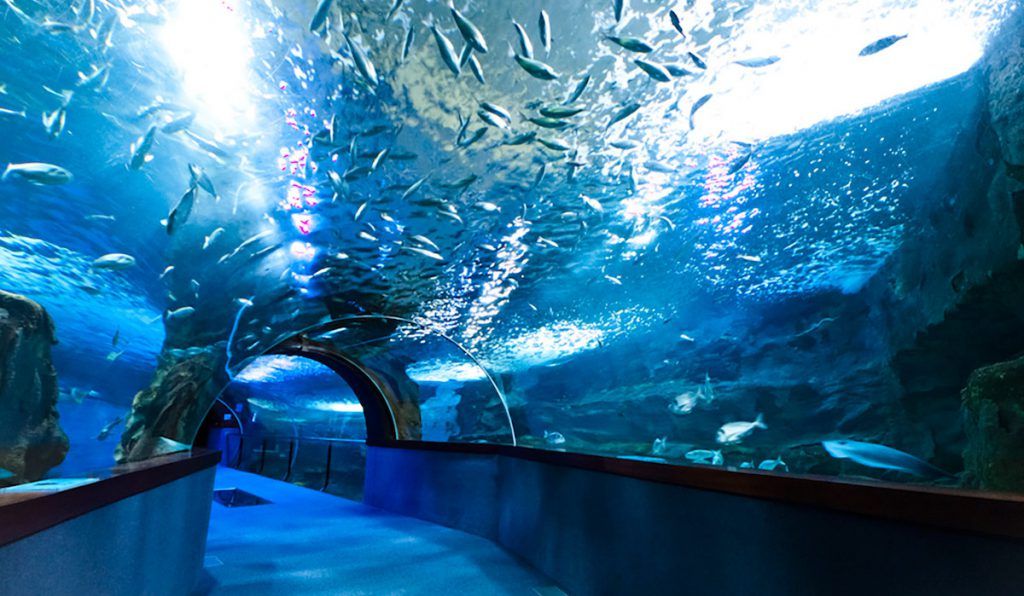
The San Sebastián Aquarium combines displays about Basque maritime history with modern tanks and an ocean tunnel. It is an easy addition to a port and Old Town itinerary, and a particularly useful option for families or wet-weather days.
Talks, feeding sessions and other activities are programme-dependent, so check what is scheduled on the day rather than assuming a particular event will be running.
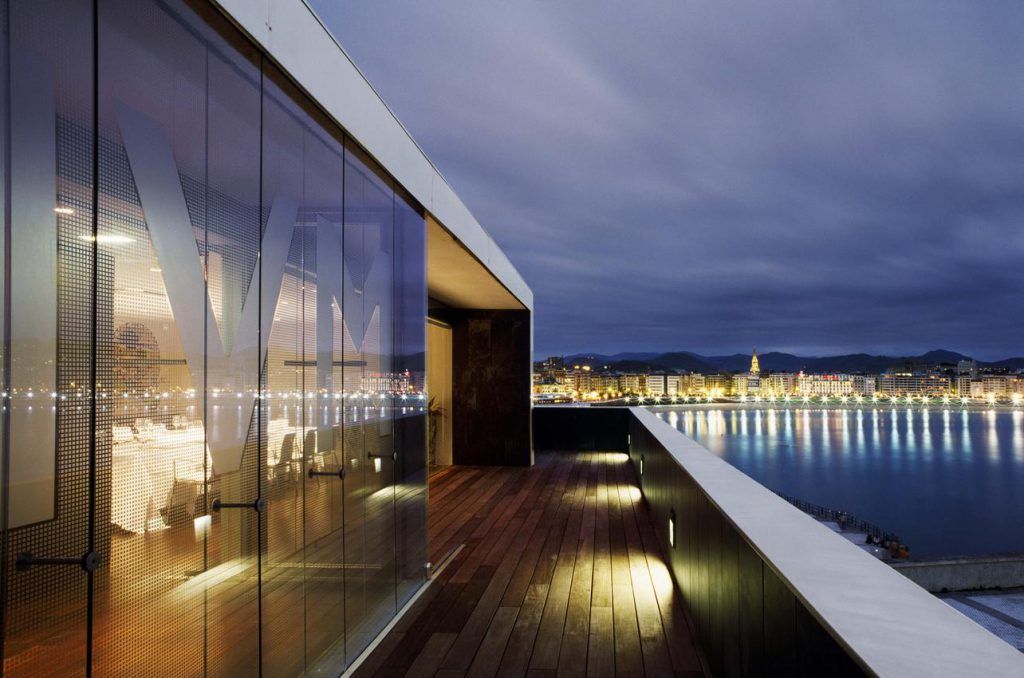
The availability and format of the Aquarium’s restaurant, café and event catering can change. Confirm the current service before making it part of your plans.

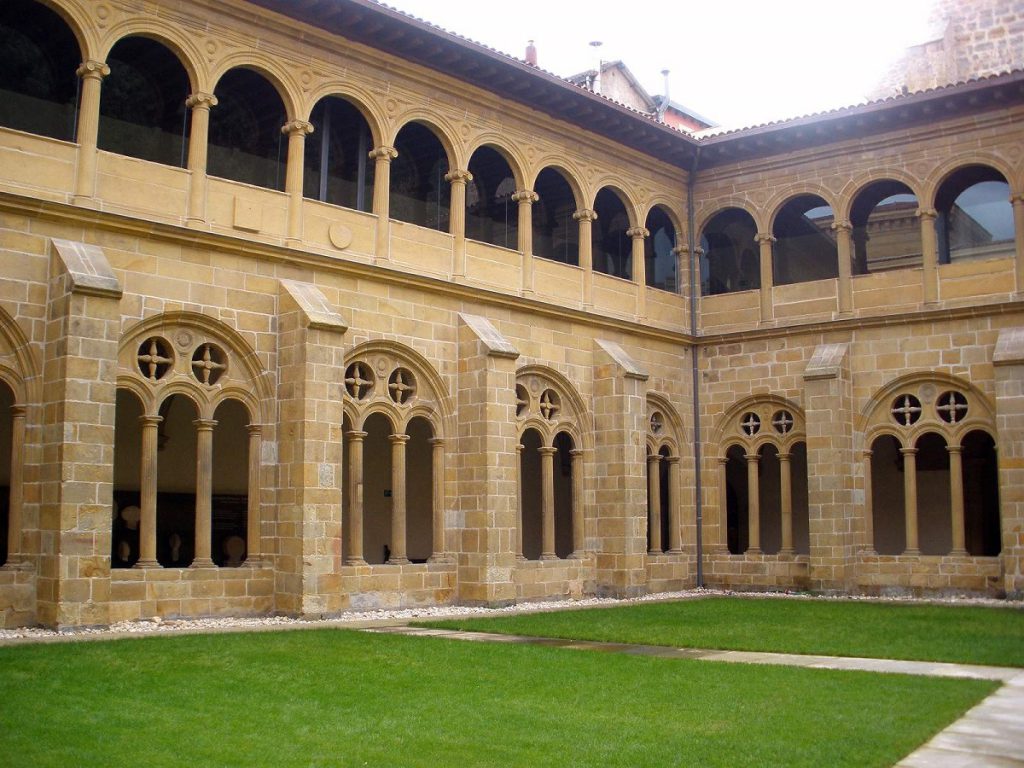
The San Telmo Museum explores the development of Basque society through art, ethnography, archaeology, photography and history. Its setting is part of the appeal: a former 16th-century Dominican convent at the foot of Monte Urgull, joined to a contemporary extension.
The convent is mainly Gothic, with a Renaissance cloister. After being damaged in 1813, it served as a barracks following the confiscations of 1836 and later became a protected monument and municipal museum.

Miramar Palace stands between La Concha Bay and Ondarreta Beach. Built in an English-influenced style, it served as the summer residence of Queen Regent María Cristina and helped establish San Sebastián’s reputation as a royal seaside resort.
The city acquired the property in the early 1970s. Today it hosts educational and cultural activities, including events connected with the University of the Basque Country’s summer courses. The surrounding gardens form a public park with views towards La Concha and Santa Clara Island.
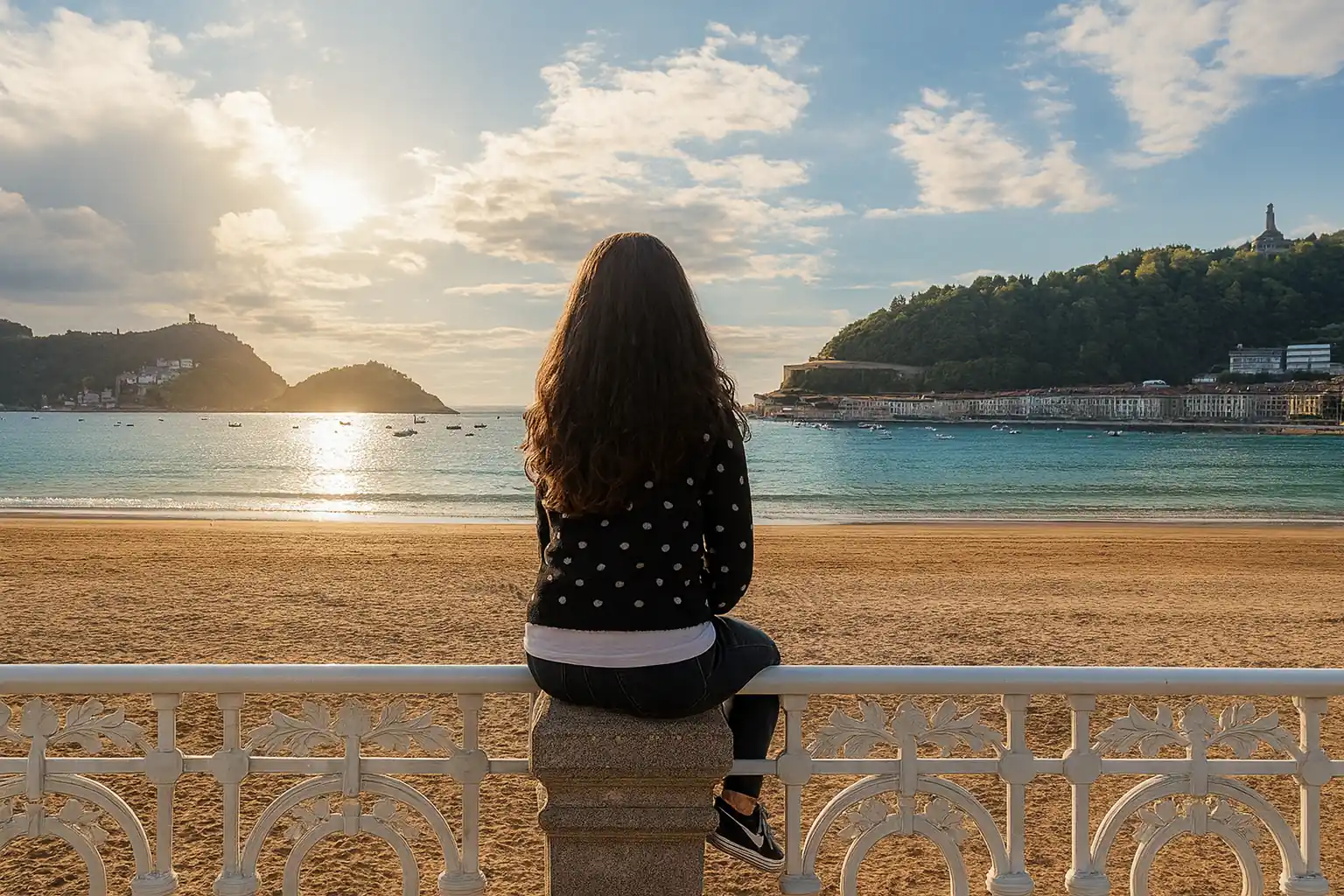
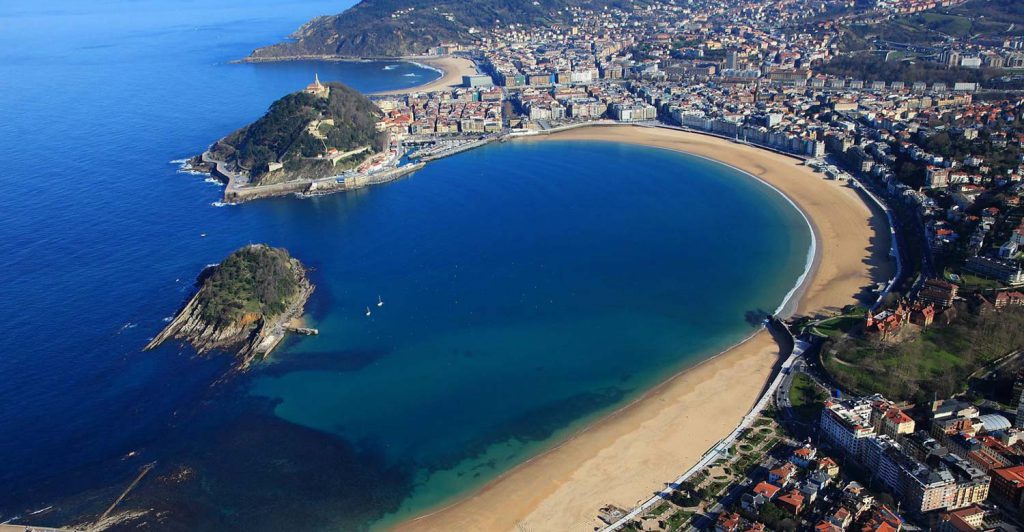
A walk beside La Concha Beach is one of the defining San Sebastián experiences. The beach stretches for roughly 1.35 kilometres, with a continuous promenade towards the Pico del Loro rocks, Ondarreta and Miramar Palace.
At the eastern end of the bay, the former casino now houses City Hall, while the port begins just beyond it.
La Perla began its modern life in 1912 as La Perla del Océano. The Belle Époque complex now operates as a thalassotherapy centre with spa circuits, treatments and food service. Sessions, prices and opening times are especially time-sensitive, so confirm them directly before booking.
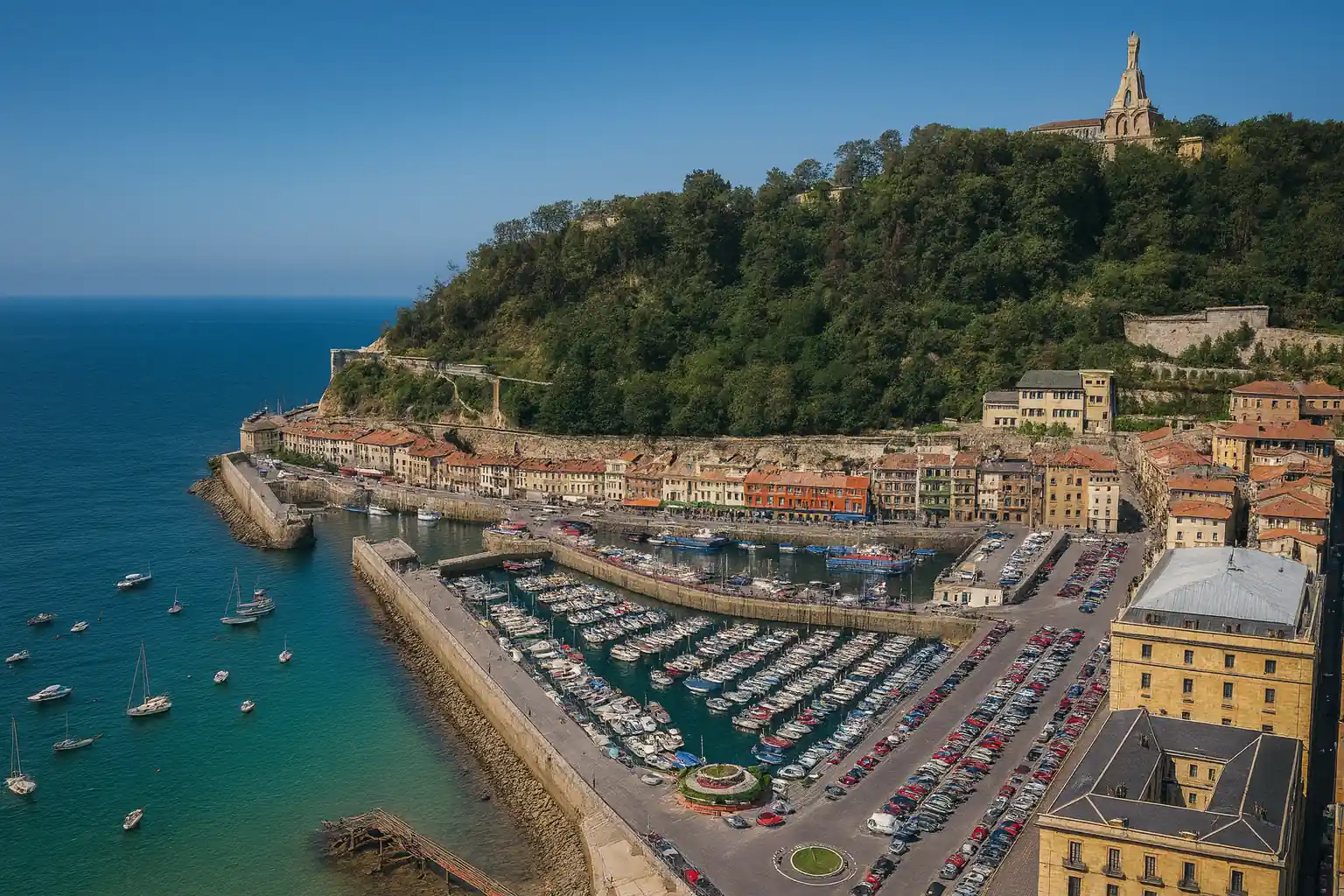
San Sebastián’s compact triangular port sits between the Old Town, Monte Urgull and La Concha Bay. It combines fishing and leisure areas, while a walkway links the waterfront with routes onto Monte Urgull. The Aquarium is beside the harbour.
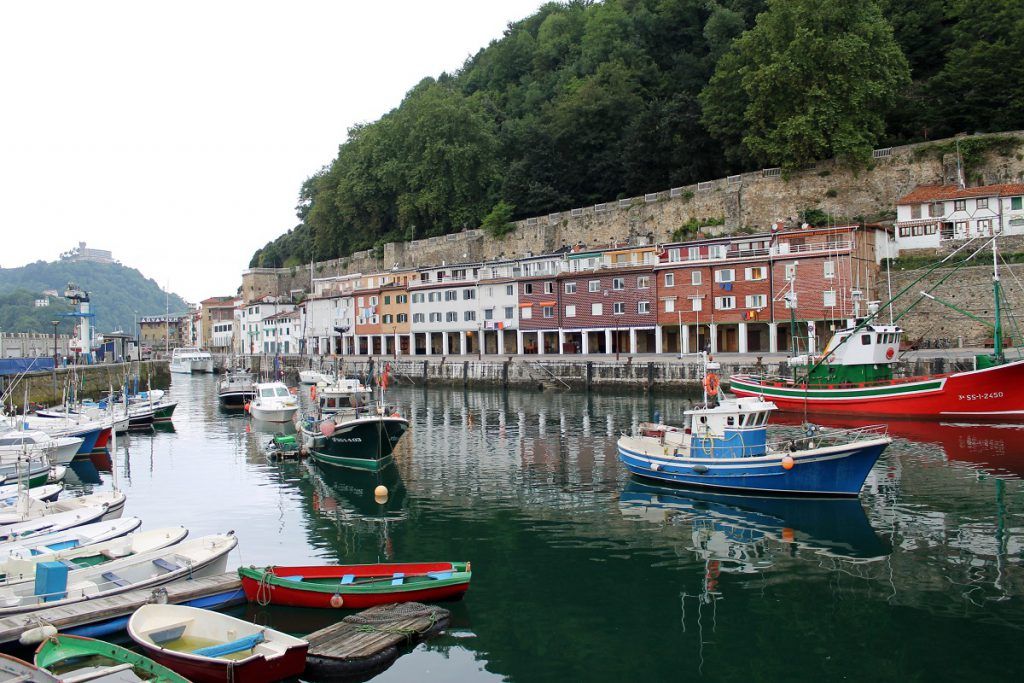
The modern shape of the port developed over several centuries, particularly from the 15th to the 19th century, when new harbour works increased its capacity. It remains an active waterfront managed by Basque and municipal authorities.
San Sebastián is accessible by air, rail, coach and road. The most convenient option depends on your starting point, and timetables should be checked for your travel date.
A local guide can connect the city’s Belle Époque architecture, maritime history and pintxos culture in a way that is difficult to piece together from landmarks alone. Compare languages, themes, times and recent reviews before choosing your walk.
Late spring to early autumn generally offers the mildest conditions for beaches and long walks, but it is also the busiest period. May, June and September can offer a useful balance. The Tamborrada on 20 January is a major cultural occasion, while rain is possible in any season.
Two full days cover the main sights at a steady pace; three days allow time for museums, Monte Igueldo, the beaches and a more relaxed pintxos route. Add longer if you want day trips along the Basque coast.
The Old Town is the classic starting point, especially around 31 de Agosto, Calle Mayor and Pescadería. Try one or two specialities in each bar and move on, rather than ordering a full meal in the first place you enter.
Tourism and travel expert with a strong background in creating cultural content. Fluent in multiple languages and experienced as a presenter, she connects with diverse audiences to inspire the exploration of unique destinations. Her creative and dynamic approach stands out in every project, conveying the essence of each place she discovers.
Local guides, pay-what-you-want and no credit card to book. That is how you understand a city.
Explore free tours on guruwalk.com