

Source last updated: June 2026. Opening times, event schedules, access rules and tour availability can change. Check current information before you visit.
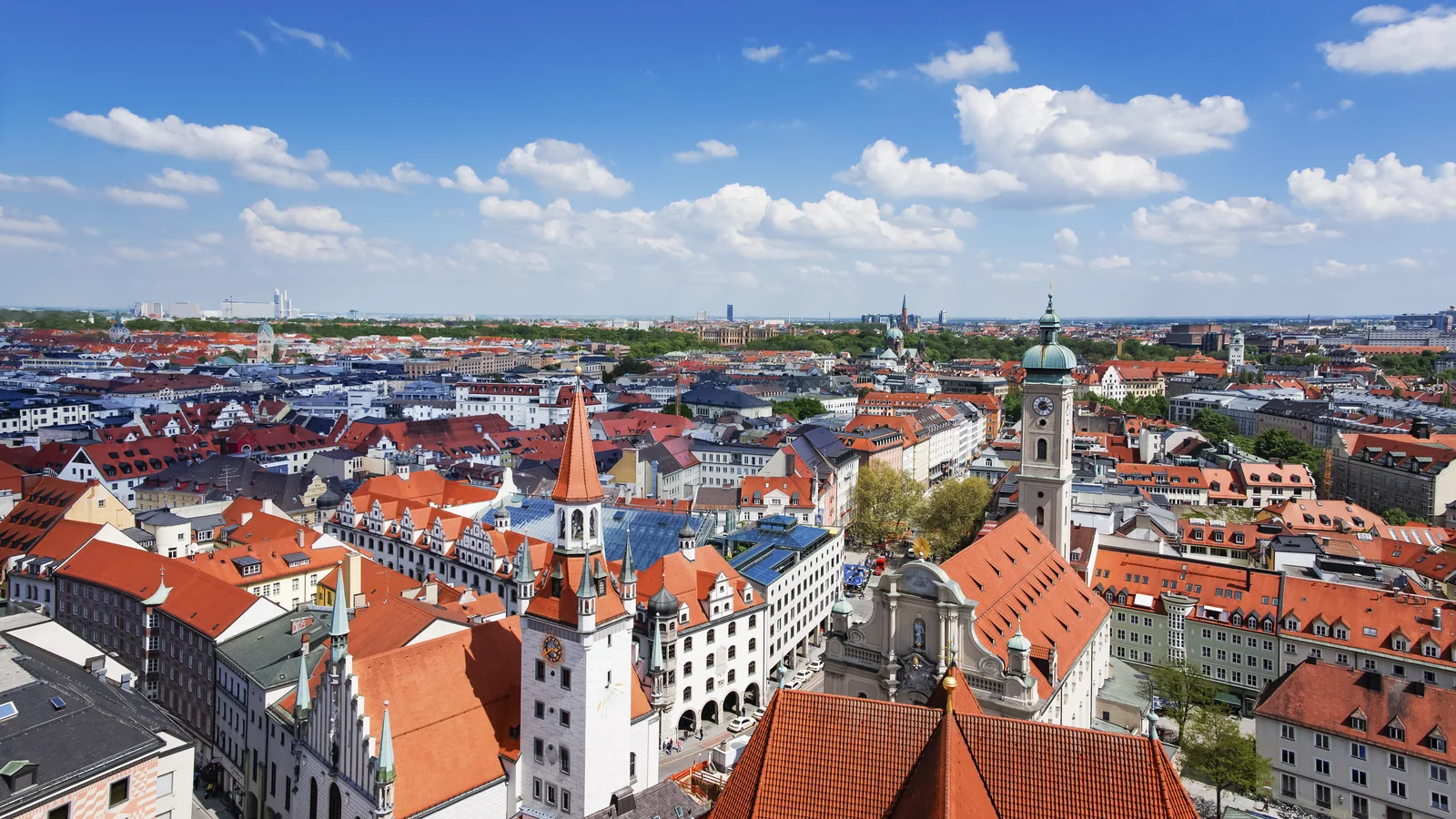
Munich is much more than beer and football. Bavaria’s capital brings together royal palaces, landmark architecture, lively markets and an enormous city-centre park. If you want to understand how these places fit together, start with a free walking tour in Munich led by a local guide, then return to the museums and neighbourhoods that catch your interest.
How to see Munich in one day
Morning
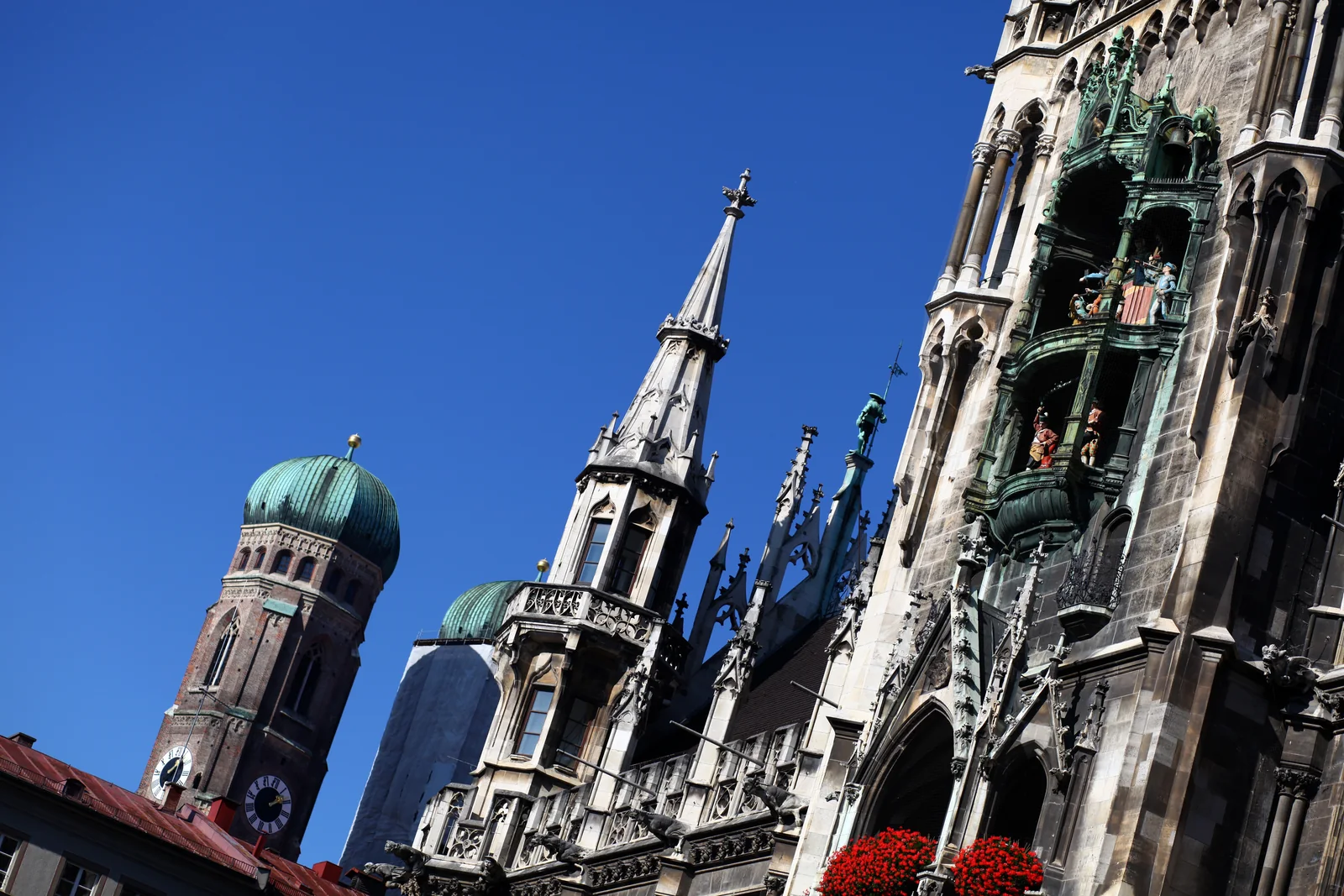
Begin at Marienplatz, the historic heart of Munich. The square is dominated by the New Town Hall and its Glockenspiel, whose figures re-enact scenes from Bavarian history. Performance times vary by season, so check the current timetable if seeing it is important to you.
From the square, walk to the Munich Residenz, the former home of the Wittelsbach rulers. Its rooms and courtyards give a sense of the dynasty’s wealth, while the neighbouring Hofgarten offers a quiet break. If science interests you more than royal history, use the morning for the Deutsches Museum instead; its extensive collections can easily fill several hours.
Afternoon
After lunch, head to the English Garden for broad lawns, wooded paths and the Eisbach stream. You may see surfers at the Eisbach wave when local rules and conditions allow. Continue to St Peter’s Church and climb the tower if you are comfortable with its 306 narrow steps, then finish among the food stalls and beer-garden tables of Viktualienmarkt.
Marienplatz: the heart of old Munich
Marienplatz has been Munich’s civic and social centre since the Middle Ages. Today the eye is drawn to the neo-Gothic New Town Hall, whose tower rises roughly 85 metres above the square.
Its famous Glockenspiel normally performs at 11:00 and 12:00, with an additional 17:00 performance during part of the year. Treat these as planning guidance rather than a guarantee and confirm the schedule before going. Across the square, St Peter’s Church offers one of the classic views over the old town from the tower known as Alter Peter.
Getting there: take U-Bahn lines U3 or U6, or an S-Bahn service to Marienplatz station.
Local guide tip
When you watch the Glockenspiel, look at the two separate scenes: the upper level depicts the wedding of Duke Wilhelm V, while the lower one shows the Schäfflertanz, the coopers’ dance traditionally associated with the end of the 1517 plague. Knowing the story makes the performance far more meaningful.
Julieta Betancor
Deutsches Museum: science and technology
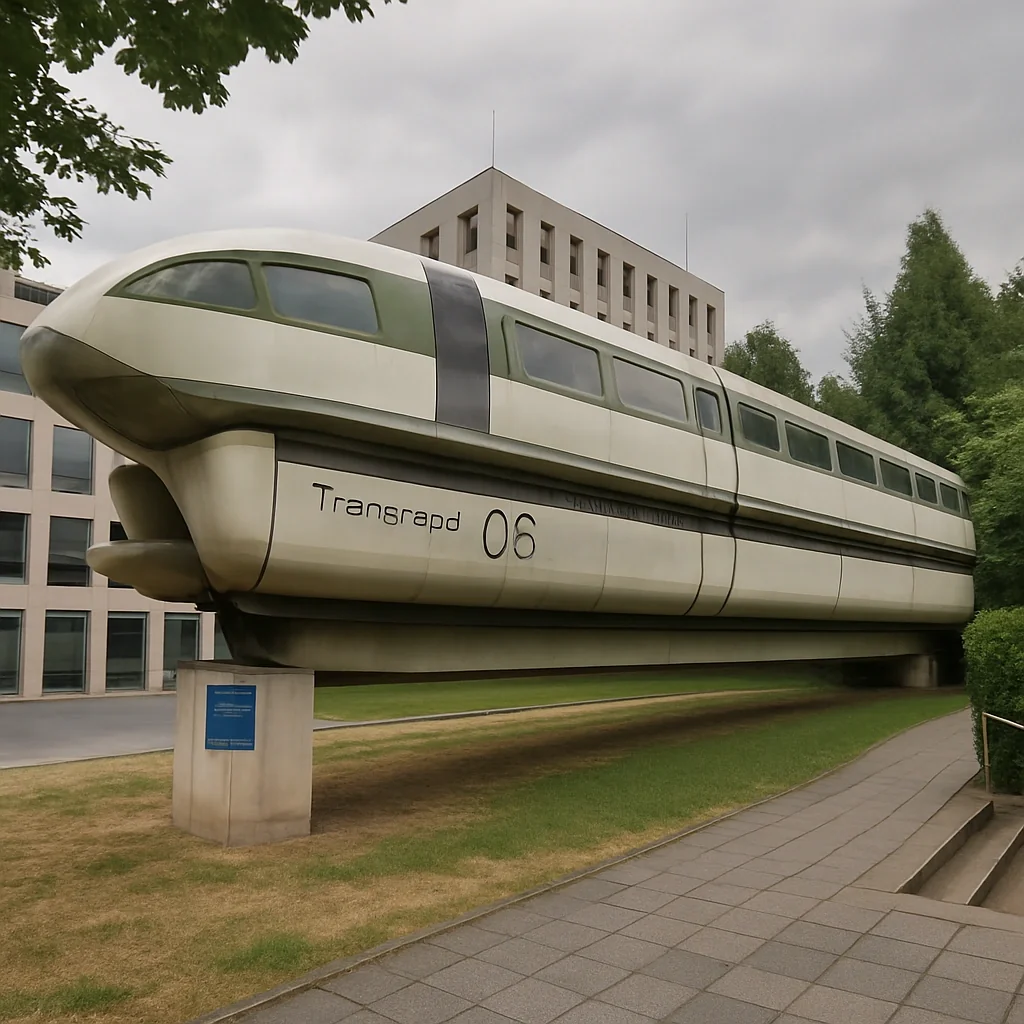
Opened in 1925, the Deutsches Museum is one of the world’s leading museums of science and technology. Its collection contains more than 125,000 objects, with around 25,000 presented across numerous subject areas at the time of the source update.
The displays span navigation, energy, aviation, computing and astronomy, combining original objects with interactive exhibits. The maritime collection includes U1, Germany’s first military submarine, built in 1906, while the museum’s astronomy programme and planetarium add a more immersive dimension.
Highlights
- U1: Germany’s first military submarine, dating from 1906.
- Historic aircraft: displays tracing the development of aviation.
- Rail transport: representative locomotives and carriages; related exhibits are also housed at the Verkehrszentrum branch.
Getting there: walk from Isartor S-Bahn station or from Fraunhoferstraße on U-Bahn lines U1 and U2. The source places the current entrance beside Corneliusbrücke; confirm it before visiting, as building works can alter access.
Nymphenburg Palace: a royal summer residence
Discover Bavaria’s royal palaces
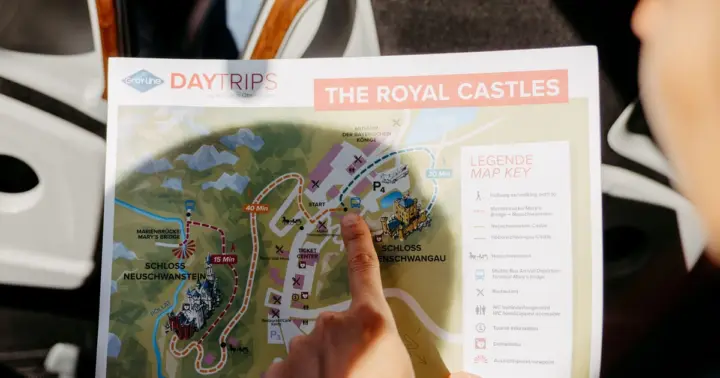



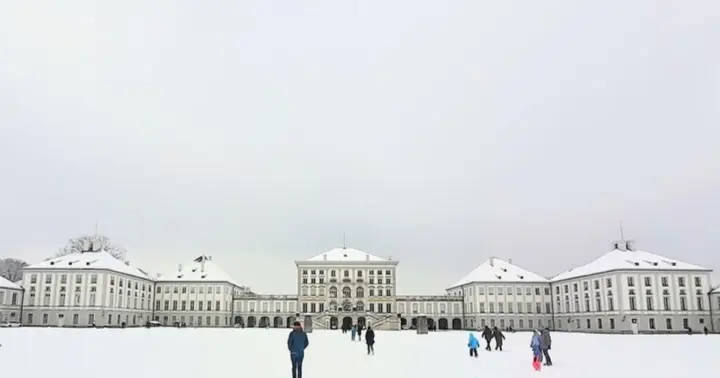
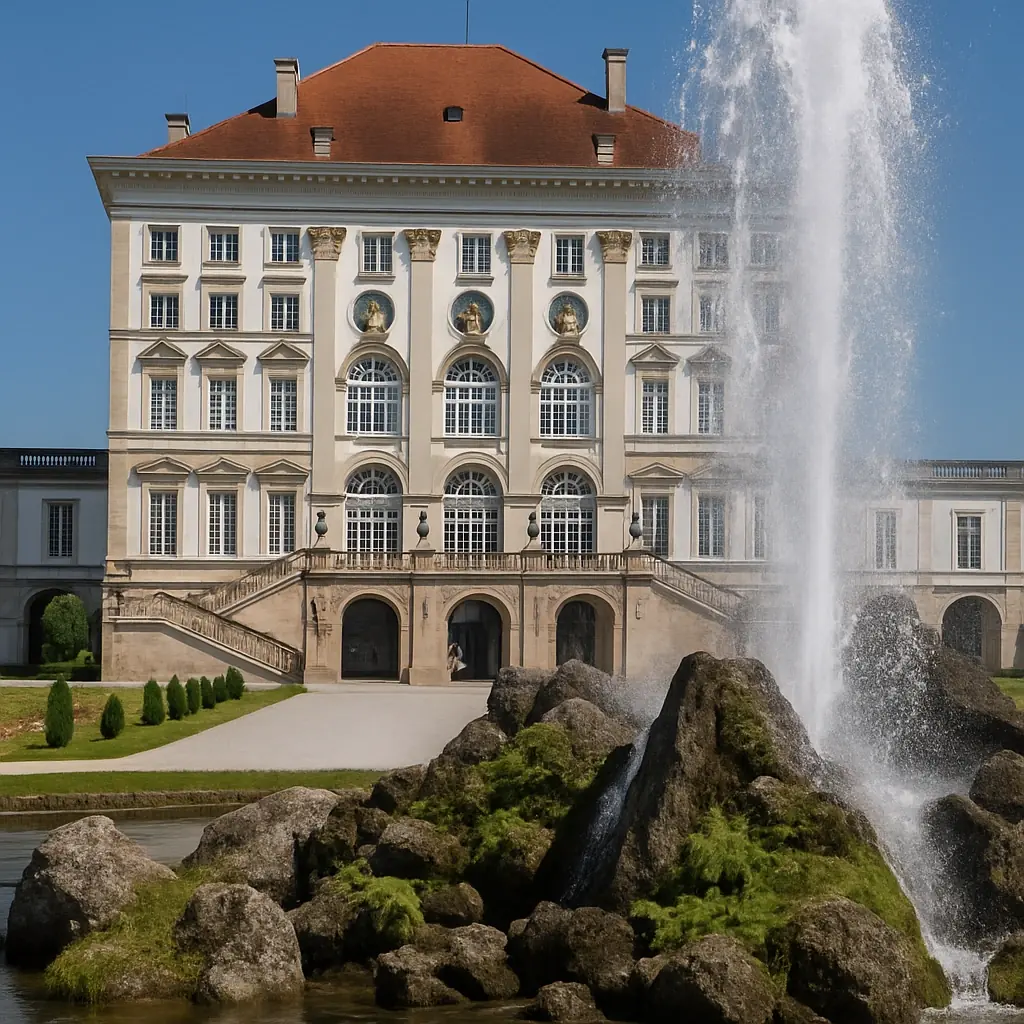
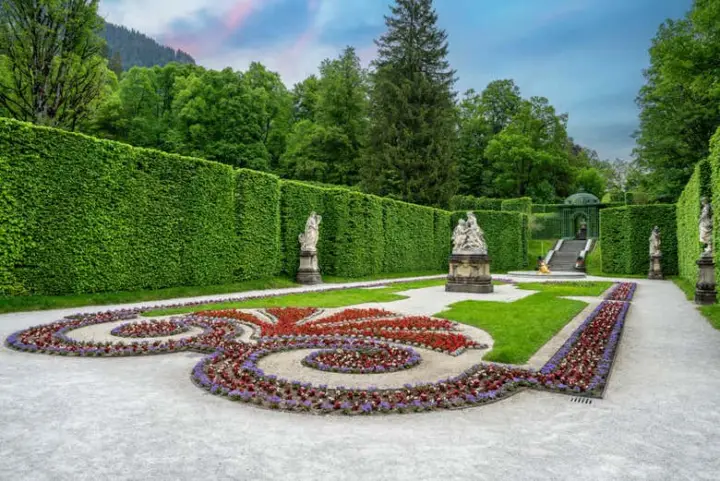
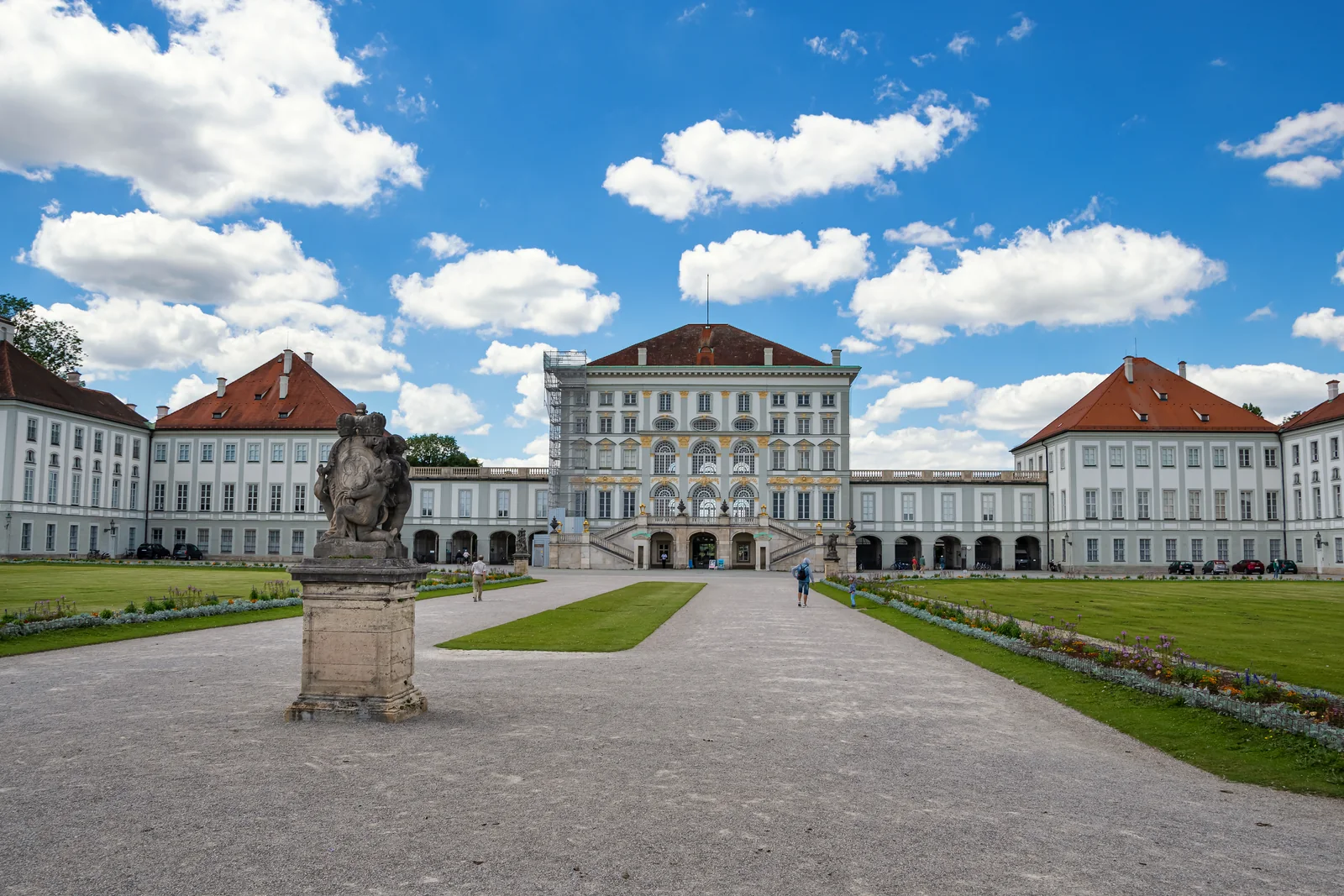
Nymphenburg Palace was commissioned in 1664 as a summer residence for the Wittelsbach family following the birth of an heir. West of the city centre, the Baroque complex stretches across gardens, fountains and canals that are worth exploring at an unhurried pace.
Inside, highlights include the grand Steinerner Saal, or Stone Hall, and King Ludwig I’s Gallery of Beauties. Smaller park pavilions extend the visit beyond the main palace, although opening arrangements can vary.
Getting there: tram 17 from central Munich to Schloss Nymphenburg.
The English Garden: Munich’s green escape
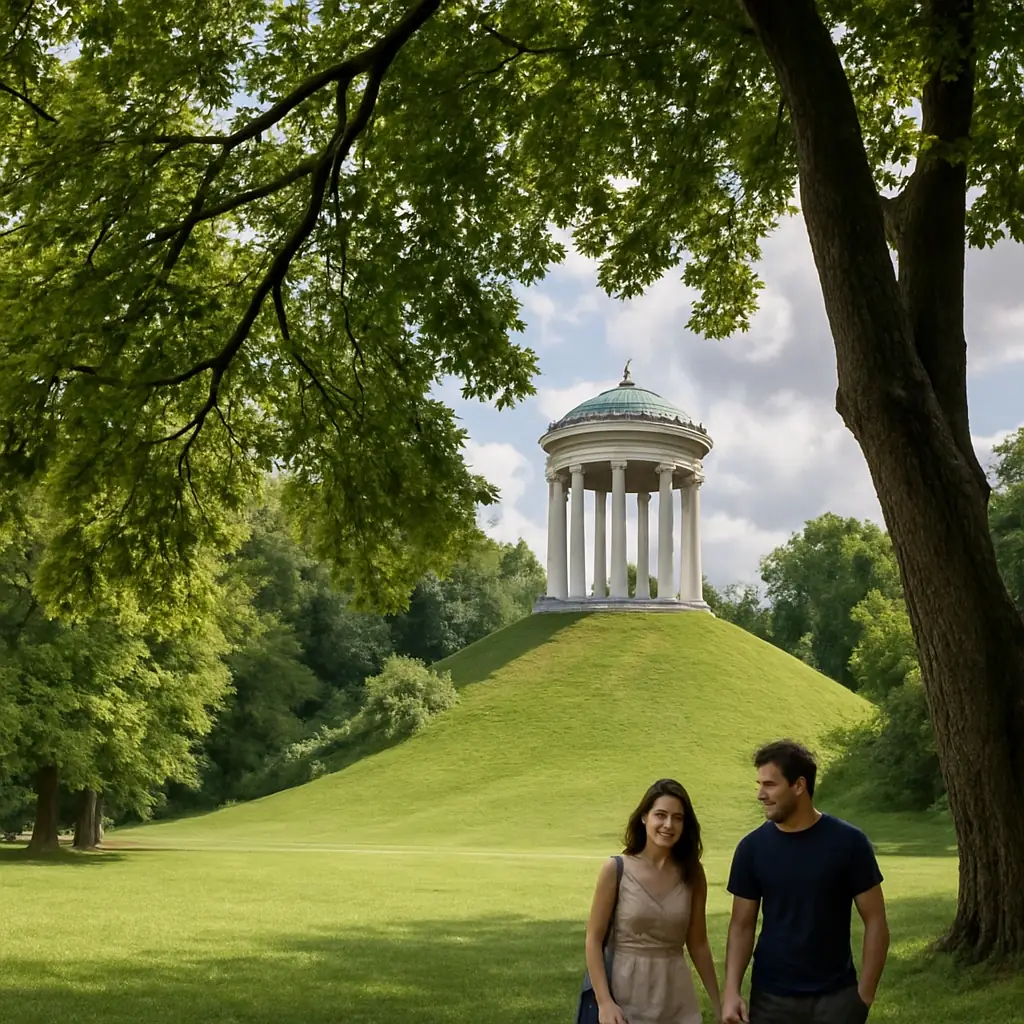
Covering about 375 hectares, the English Garden is one of Munich’s defining spaces. Its late-18th-century design combines open meadows, streams and wooded paths within easy reach of the historic centre.
The Chinesischer Turm, a wooden pagoda-style tower, stands beside a large beer garden that hosts live music in season. At Kleinhesseloher See, rowing and pedal boats may be available. Swimming and surfing rules around the Eisbach and Isar can change with water conditions and local safety measures, so follow current signs rather than relying on older advice.
Beyond these landmarks, the park is an excellent place to cycle, run or simply see Munich’s beer-garden culture in a relaxed setting.
Getting there: take U-Bahn lines U3 or U6 to Universität or Giselastraße, or bus 54 to Chinesischer Turm.
St Peter’s Church and Alter Peter
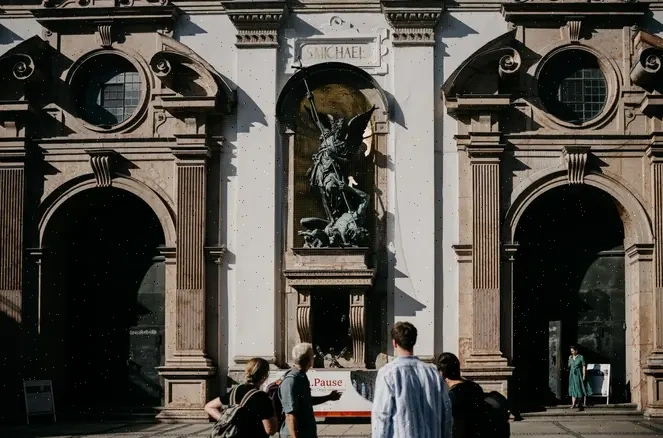
Known locally as Peterskirche, St Peter’s is one of Munich’s oldest churches. Its tower, Alter Peter, rises more than 90 metres and rewards the climb with a broad view over the old town.
Inside, one of the most unusual sights is the richly decorated relic of Saint Munditia in a side altar. The church’s many rebuilding phases also mirror the development of Munich itself.
Accessibility: there is no lift to the viewing platform. The route involves 306 steps, with narrow sections.
Bavarian bands at the Chinesischer Turm
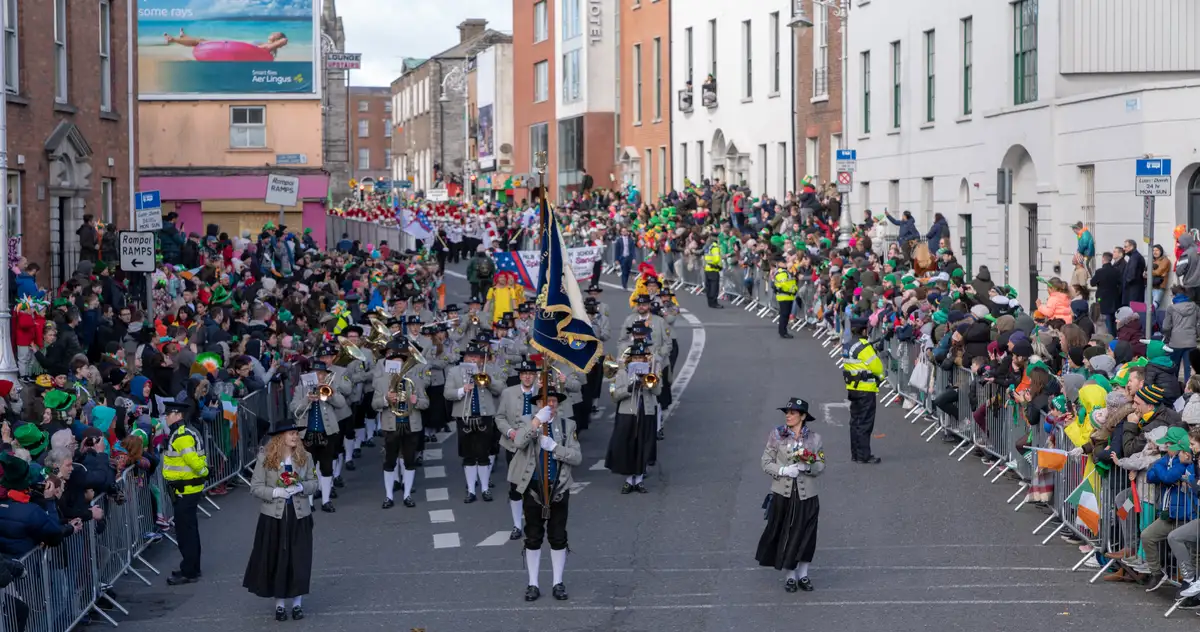
Brass bands are part of the atmosphere at Munich beer gardens and festivals. In fine weather, the beer garden beside the Chinesischer Turm often schedules seasonal live music. Neighbourhood programmes such as Stadtteilwochen and Kulturtage also bring free concerts to different parts of the city.
Performance days and times are weather-dependent and change through the season. Check the venue’s current programme rather than planning around the indicative timetable in the Spanish source.
Munich Residenz: palace, courtyards and theatre
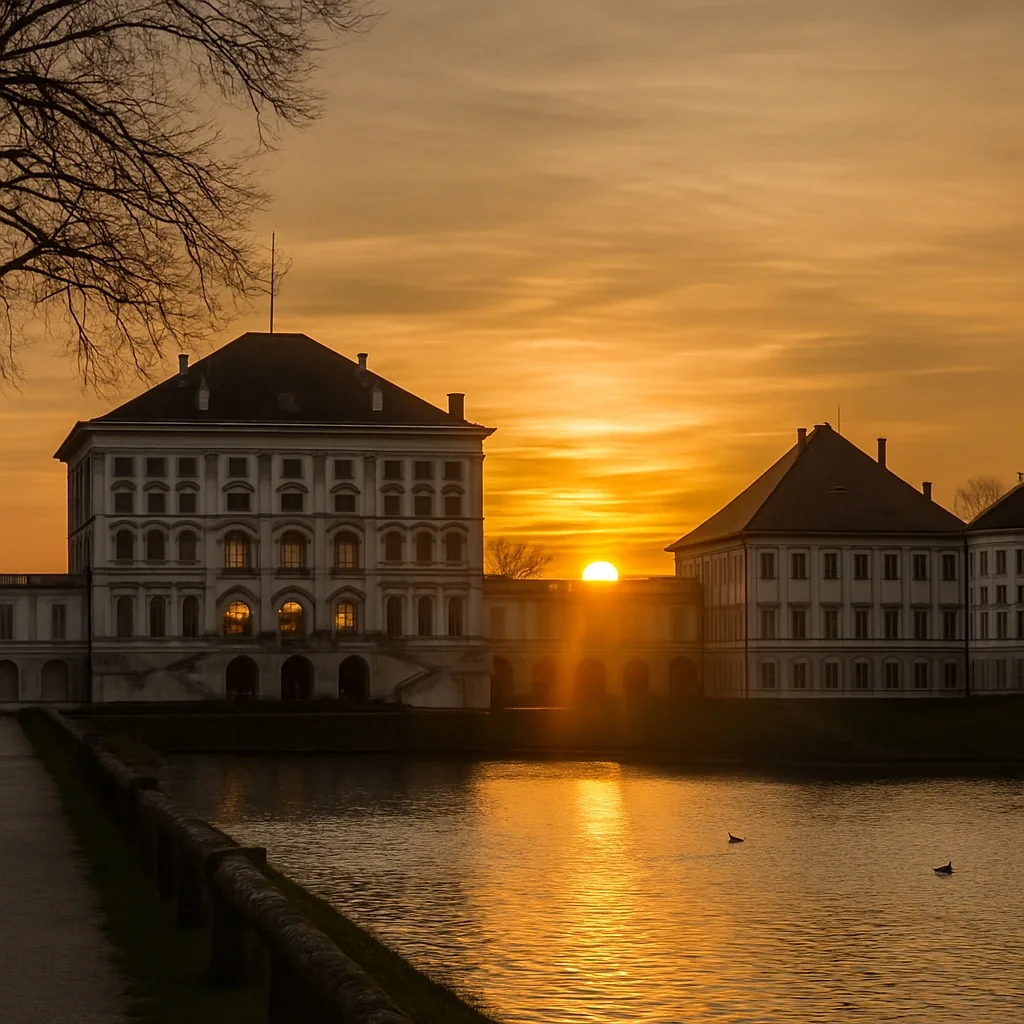
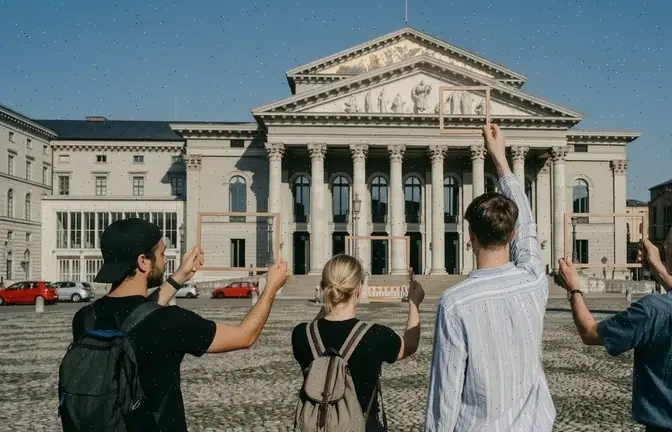
The Munich Residenz was the city home of the Wittelsbach rulers. Expanded over centuries, it moves from Renaissance to Baroque and Rococo styles through a sequence of state rooms, collections and courtyards. The nearby Hofgarten makes a natural pause before or after the visit.
The complex also includes the restored Cuvilliés Theatre, an ornate Rococo auditorium that still hosts selected performances. Museum and theatre access may operate separately, so check what is included when planning your visit.
Getting there: use Odeonsplatz on U-Bahn lines U3, U4, U5 or U6, or walk from Marienplatz.
Allianz Arena: Munich’s football landmark
Tour the home of FC Bayern Munich
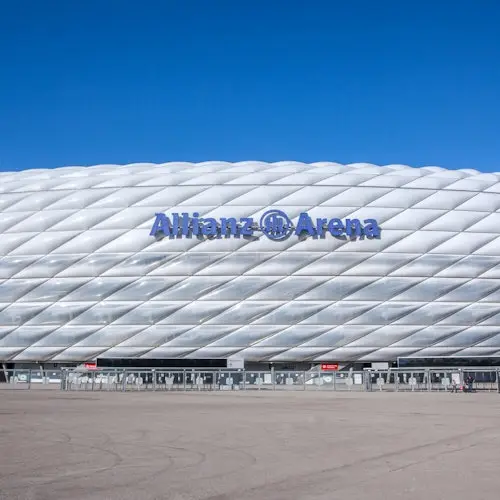


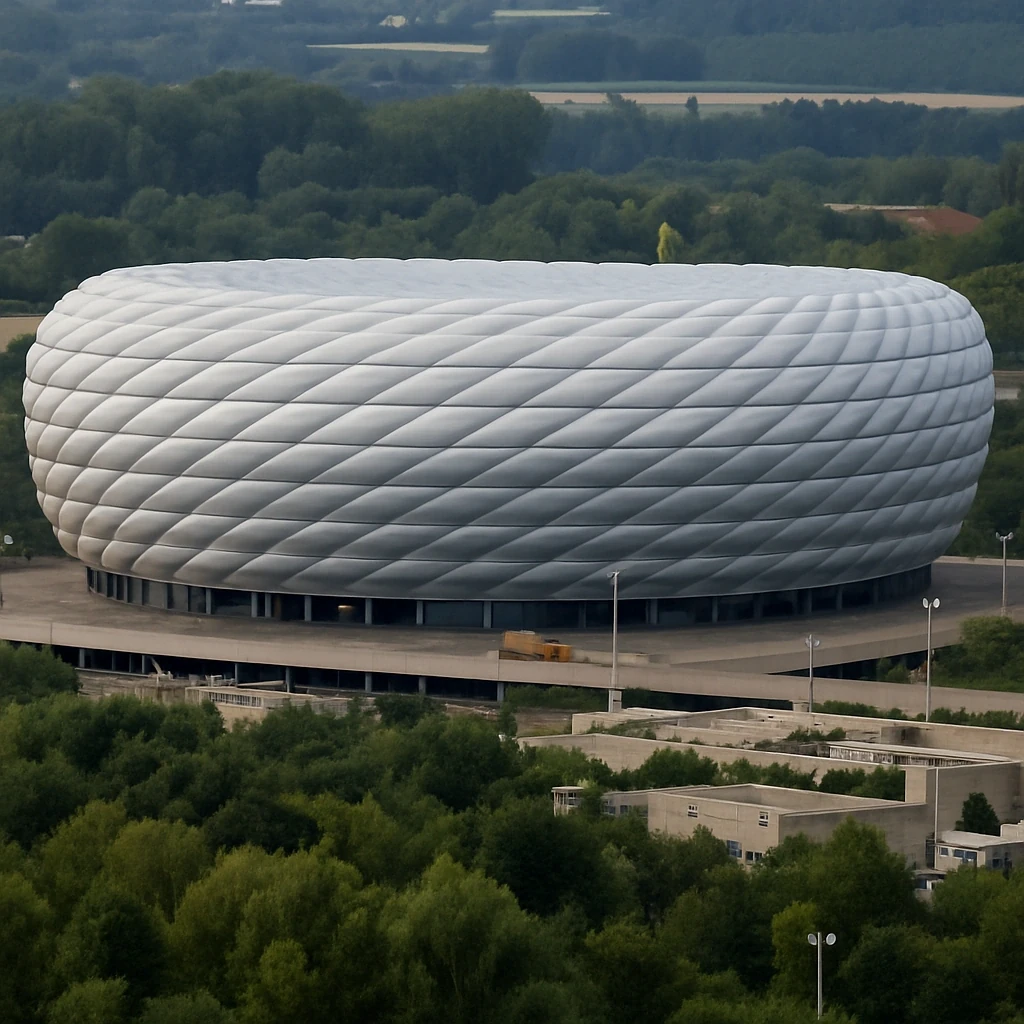
Opened in 2005, the Allianz Arena is the home ground of FC Bayern Munich and holds more than 75,000 spectators for domestic matches. Its most distinctive feature is the outer skin: 2,784 air-filled ETFE panels that allow the façade to be illuminated in different colours.
Designed by Herzog & de Meuron, the stadium has become a landmark of contemporary sports architecture. Stadium tours generally depend on the match calendar, and access is busier or restricted on event days.
Getting there: take U-Bahn line U6 to Fröttmaning, followed by a signposted walk of roughly 10 to 15 minutes. Allow extra time on match days.
Viktualienmarkt: food, flowers and local life
Taste Munich’s beer and Bavarian food
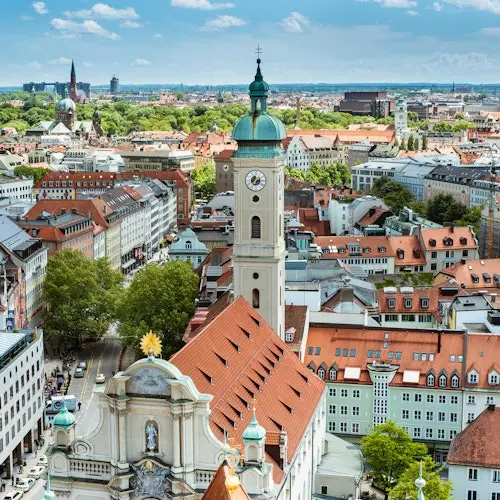

A few steps from Marienplatz, Viktualienmarkt is an open-air market with approximately 140 stalls selling food, flowers and regional specialities. The exact mix of traders changes, which is part of its appeal.
A decorated Maibaum, or maypole, stands above the square, and the central beer garden is shared by locals and visitors. Its beer traditionally rotates among Munich’s six major breweries, with the selection changing periodically.
Free walking tours in Munich
A walking tour is an efficient way to connect Marienplatz, the Residenz, the old churches and Munich’s more difficult 20th-century history. Tour names, languages, times, ratings and availability change frequently, so use the live selection of free walking tours in Munich on GuruWalk instead of relying on a static list.
Frequently asked questions about Munich
What are the main sights in Munich?
For a first visit, prioritise Marienplatz, the Deutsches Museum, Nymphenburg Palace, the English Garden and St Peter’s Church. The Residenz and Viktualienmarkt fit naturally into a walk through the historic centre.
Is Munich easy to get around?
Yes. Munich has an integrated network of S-Bahn trains, U-Bahn services, trams and buses. Ticket zones, fares and validity rules can change, so check the current information from the Münchner Verkehrs- und Tarifverbund (MVV) before choosing a ticket.
What food should you try in Munich?
Classic Bavarian choices include sausages, pretzels and Schweinshaxe, or roast pork knuckle. Beer gardens are a relaxed place to explore the city’s brewing culture; look at individual menus if you have dietary requirements.
When is the best time to visit Munich?
Spring and autumn often bring comfortable sightseeing weather and fewer visitors than the peak summer period. Oktoberfest usually runs from late September into early October, but dates change every year and accommodation fills quickly, so consult the official calendar before booking.
What cultural events take place in Munich?
The city’s recurring programme includes Oktoberfest, Tollwood festivals, Stadtteilwochen and Kulturtage, alongside warm-weather music in beer gardens such as the one at Chinesischer Turm. Dates and venues vary, so always check the current programme.
Where can you enjoy nature in Munich?
The English Garden is the most convenient option for walking, cycling and relaxing. The banks of the Isar offer another change of pace, but swimming access and water-safety rules vary by location and conditions; follow local signs.
Which museums should you visit in Munich?
Choose the Deutsches Museum for science and technology, the Residenz for royal history, or the Kunstareal collections, including the Alte Pinakothek, for art. Opening arrangements and temporary closures can affect the best choice on a particular day.
Where can you experience football in Munich?
The Allianz Arena is FC Bayern Munich’s home stadium and includes a museum and guided-visit options. Match days affect transport, access and tour schedules, so plan ahead.
What can families do in Munich?
Popular family choices include the interactive areas of the Deutsches Museum, the palace gardens at Nymphenburg and a picnic in the English Garden. Check museum calendars for current children’s workshops and age guidance.

GuruWalk
Tourism and travel expert with a strong background in creating cultural content. Fluent in multiple languages and experienced as a presenter, she connects with diverse audiences to inspire the exploration of unique destinations. Her creative and dynamic approach stands out in every project, conveying the essence of each place she discovers.