


Boston’s Freedom Trail, Beacon Hill, waterfront, parks, museums and Fenway Park fit into practical routes for one, two or three days.
 Belén Rivas
GuruWalk
·
Updated 3 Sep 2026
Belén Rivas
GuruWalk
·
Updated 3 Sep 2026Boston is easy to explore on foot: a compact centre brings together Revolutionary history, brick neighbourhoods, parks, museums, universities and a long waterfront. This guide organises the best things to do in Boston with realistic timings, reference prices and one-to-three-day routes. For local context at the start of your stay, browse the free tours in Boston; booking requires no credit card and can be cancelled if your plans change.
Last verified: August 2026. Opening hours and prices can change, so always check the official website before visiting.
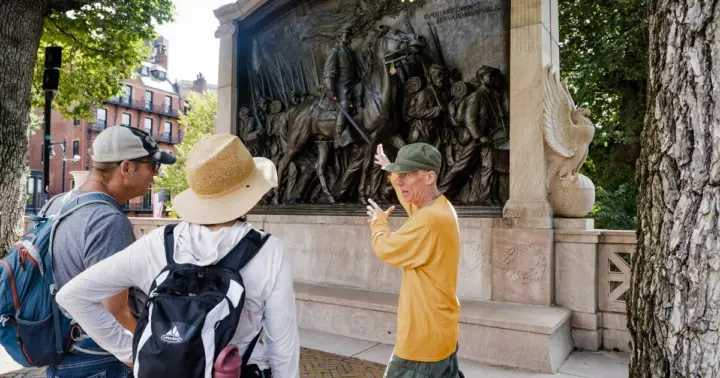
A free tour early in the trip makes the names, dates and distances easier to place before you explore independently. Most routes focus on Downtown, Beacon Hill, North End or the Freedom Trail. Book for your first morning if possible, then leave room to return to the places that interest you most.
At the indicated time, we will meet inside the Boston Public Garden, next to the Ether Monument, to begin our…

For 16 years, we're Boston's OG crime tour! Join us for a scenic walk through Boston and learn about some…

A free tour has no fixed ticket price: at the end, each traveller values the guru’s work and chooses an appropriate amount. As a guide, €10–20 per person is common; small groups or exceptional experiences can merit up to €50. Booking needs no credit card, but cancel in good time if you cannot attend so that the place becomes available to someone else.
The Freedom Trail’s red-brick line connects 16 places associated with the colonial era, the Revolution and the early United States. The full route is 2.5 miles long and runs from Boston Common to Charlestown Navy Yard. Walking without stops takes about 90 minutes, but allow half a day if you enter churches, burying grounds and historic buildings. The trail itself is free, although some sites charge admission. The National Park Service provides the route and interpretive material.
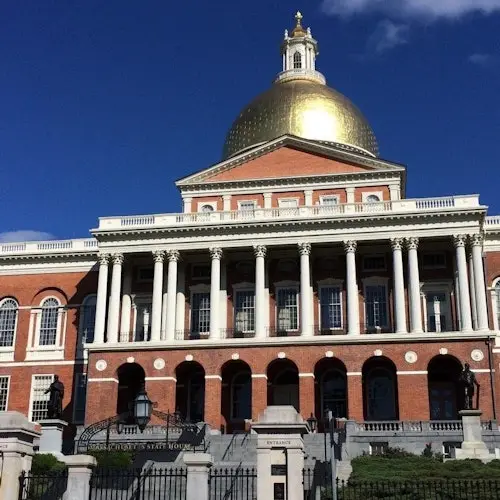
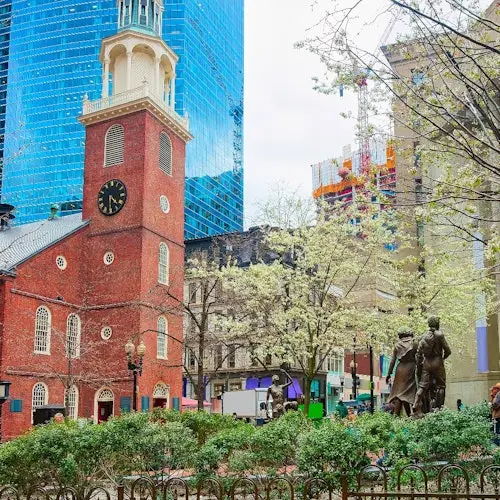
Notable stops include Massachusetts State House, Granary Burying Ground, Old South Meeting House, Old State House, Faneuil Hall, Paul Revere House and Old North Church. You do not need to finish everything in one session. Downtown and North End make a compact first section, while Charlestown works well the following day.
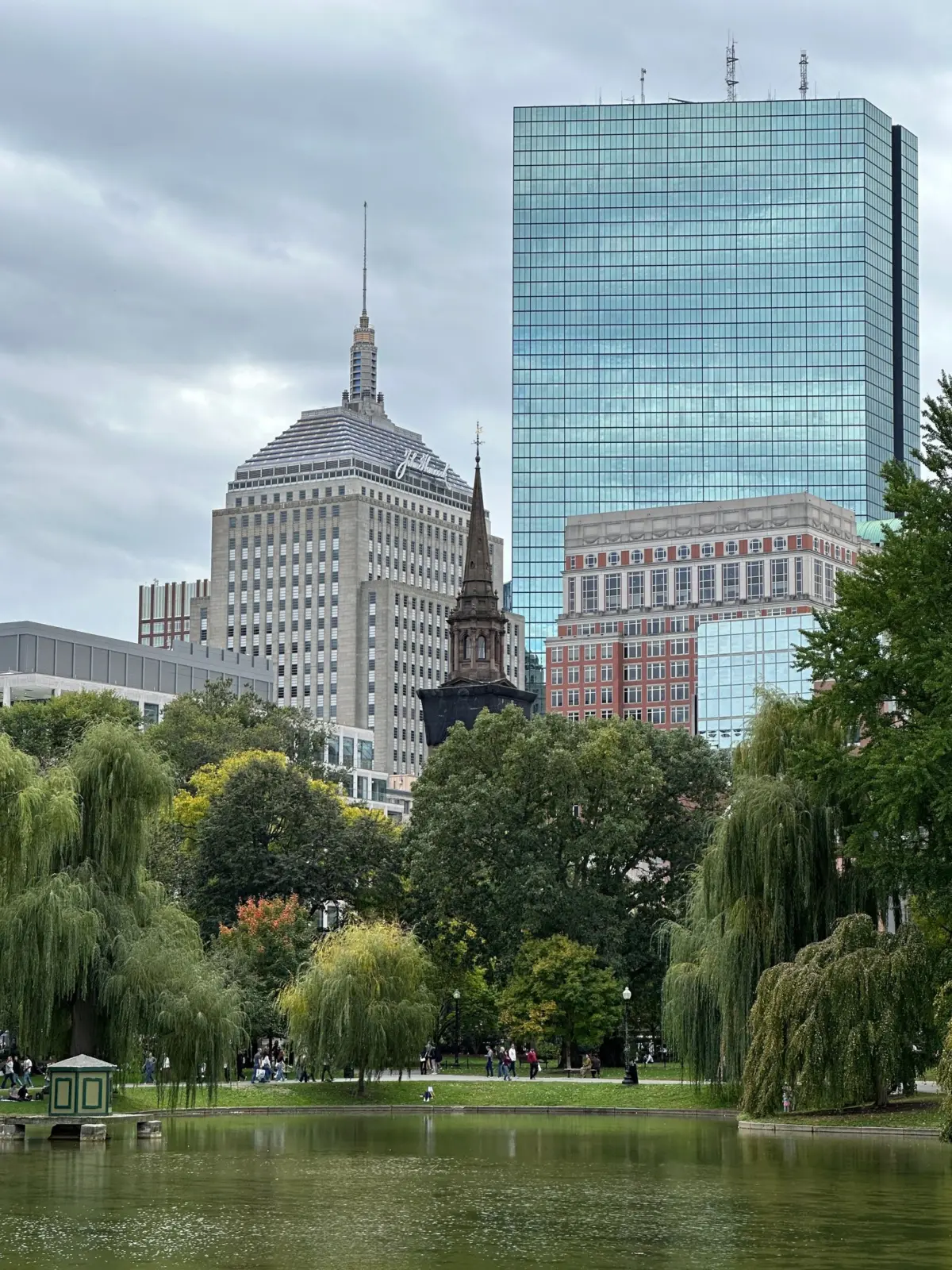
Established in 1634, Boston Common is the oldest public park in the United States. As well as being the usual start of the Freedom Trail, it offers a green pause between Downtown, Beacon Hill and Back Bay. Cross Charles Street for the Public Garden, opened in 1837 as the country’s first public botanical garden. Paths, the lagoon and planting beds make both parks a pleasant one-hour walk, longer if you stop or travel with children.
Access information, rules and seasonal activities are kept current on the City of Boston’s Boston Common page. Paths can be icy in winter, while some stretches have little shade in summer, so bring suitable footwear and water.
Beacon Hill retains sloping streets, brick pavements and rows of eighteenth- and nineteenth-century homes. Acorn Street is the best-known photo stop, but walking Mount Vernon Street, Louisburg Square and Charles Street gives a fuller view of the neighbourhood. People live here: respect doorways, steps and windows, and avoid blocking the pavement for photographs.
Running through Beacon Hill, the Black Heritage Trail adds essential history about Boston’s free African American community and the abolitionist movement. It links ten sites and usually takes 60–90 minutes. You can follow it independently throughout the year; ranger-led tours have a defined season and limited places, so check the official information when setting your date.
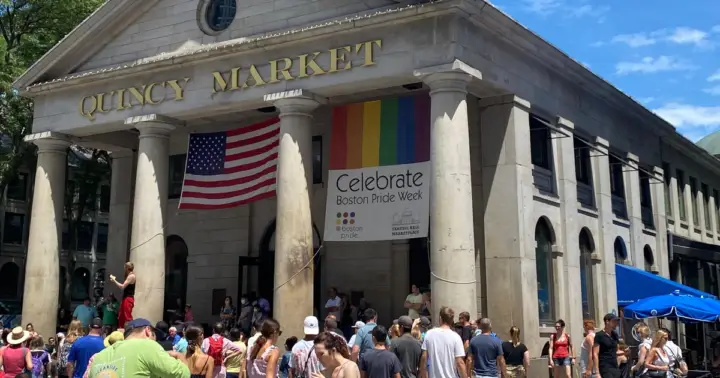
Faneuil Hall served as a market and public meeting place from the eighteenth century. It now forms part of the Quincy Market complex and marks the transition from Downtown towards North End. The market becomes crowded around lunch; if you want a quiet sit-down meal, treat it as a short stop and continue towards Hanover Street.
North End contains major Freedom Trail stops, including Paul Revere House and Old North Church, and is also known for its Italian heritage. Walk the side streets rather than staying only on Hanover Street, and reserve ahead if you want to dine at a particular address. From here, continue along the Harborwalk or cross the bridge to Charlestown.
Charlestown contains the final section of the Freedom Trail. The Navy Yard is home to USS Constitution, a warship launched in 1797 and still in active service. Boarding the ship is free. Visitors aged 18 and over need government-issued photo identification; the nearby museum operates separately and suggests a donation. Security screening and capacity can create a wait, so do not plan an overly tight schedule.
From the yard, the route continues to Bunker Hill Monument. Its grounds and museum explain the battle of 1775. When interior access is available, the climb is physically demanding and can close for safety or maintenance. Return to Downtown on foot, by public transport or by ferry, depending on the season and the rest of your route.
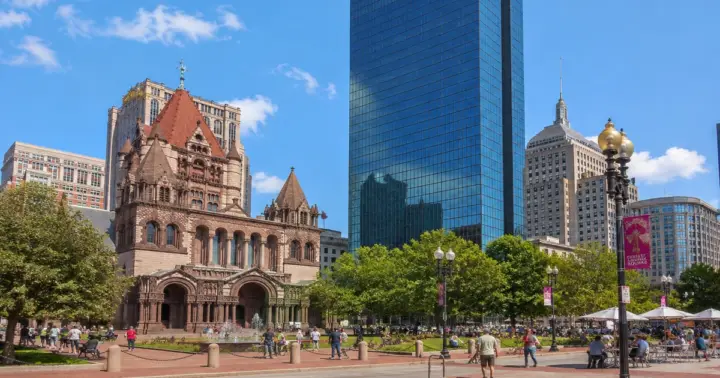
Back Bay shows nineteenth-century Boston around Commonwealth Avenue, Newbury Street and Copley Square. The square brings together Trinity Church and the Central Library. Boston Public Library’s McKim Building is free to enter and contains a courtyard, grand rooms and artworks. A self-guided audio tour takes about 30 minutes, while public tours run on selected days and require advance registration. See the Boston Public Library tour programme.
Allow two or three hours for Copley Square and the library. Add a walk along Commonwealth Avenue, and spend longer on Newbury Street if shopping or eating is part of your plan. Frequent Green Line services make this area a practical choice for a wet afternoon.
At the Museum of Fine Arts, or MFA, broad collections range from antiquity and Asian art to European and American painting. As of August 2026, general adult admission is $30, tickets for ages 7–17 cost $14 and children aged six or under enter free. The museum closes on Tuesdays and stays open until 10 pm on Thursdays and Fridays. Confirm prices and dates on the MFA visit page.
Isabella Stewart Gardner Museum provides a more focused experience in a palace surrounding an inner courtyard. Its collection retains the arrangement conceived by its founder. Adult admission is $25, the senior rate is $22 and students pay $15; visitors under 18 enter free. Timed booking is recommended. Anyone named Isabella can enter free with a reservation and identification, subject to the museum’s terms.
These two museums are near each other, but seeing both properly takes most of a day. On a short first trip, choose according to your interests and leave time for Fenway or Back Bay.
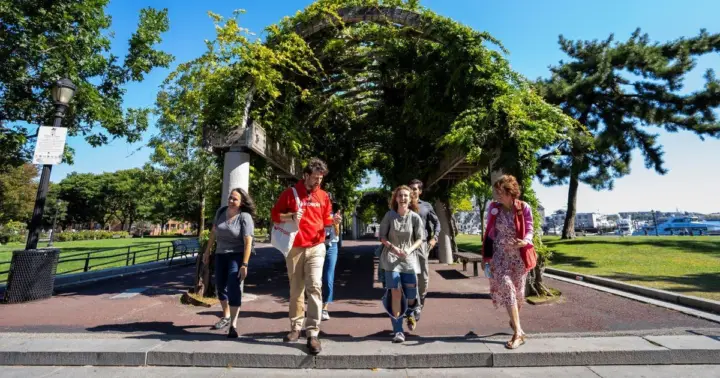
Home of the Boston Red Sox since 1912, Fenway Park is of interest even outside game days because of its scale and place in the city. Public tours last about 60 minutes. As of August 2026, the advertised price is $30 for adults and $21 for children aged 3–12. On game days, the last tour is normally three hours before first pitch; operating periods vary in and out of season. The official Fenway Park tours page has times and tickets.
If you skip the tour, walk around the stadium and continue along Boylston Street towards Back Bay. The area becomes busy during games and concerts, traffic increases and some access routes change, so check the event calendar before travelling.
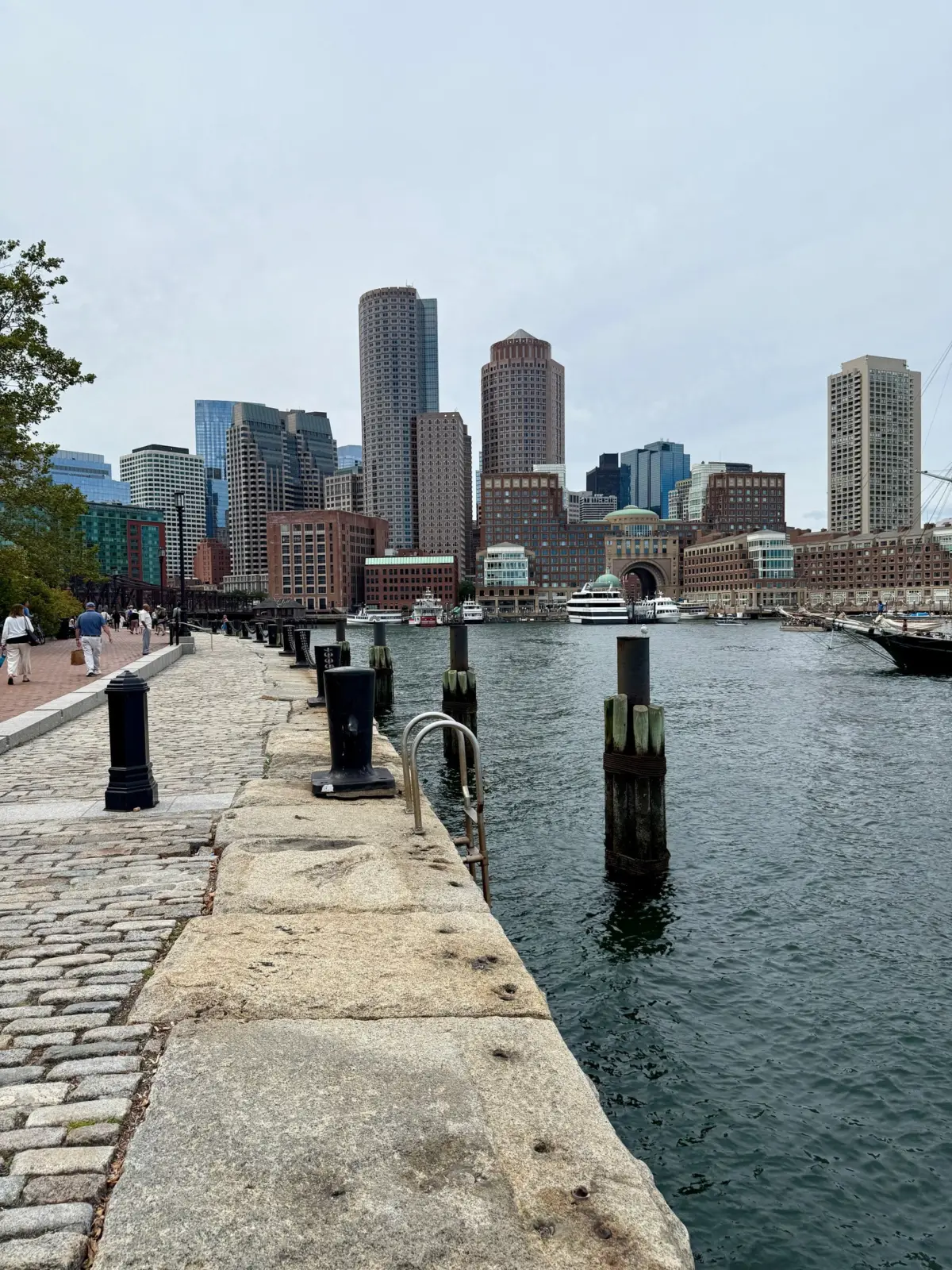
Boston Harborwalk links parks, wharves, beaches and neighbourhoods along nearly 40 miles of public shoreline. There is no need to cover it all: the stretch connecting North End, Christopher Columbus Park, Long Wharf and Seaport offers harbour views and fits into two or three hours. The route continues to develop, and diversions can depend on construction or tides; the Boston Harborwalk map helps you choose a section.
Seaport combines the waterfront path, the Institute of Contemporary Art and restaurants. It has less colonial history than Downtown but shows the recent transformation of Boston’s shoreline. On a clear day, put this section late in the afternoon. In wind or rain, shorten the walk and use Silver Line connections.
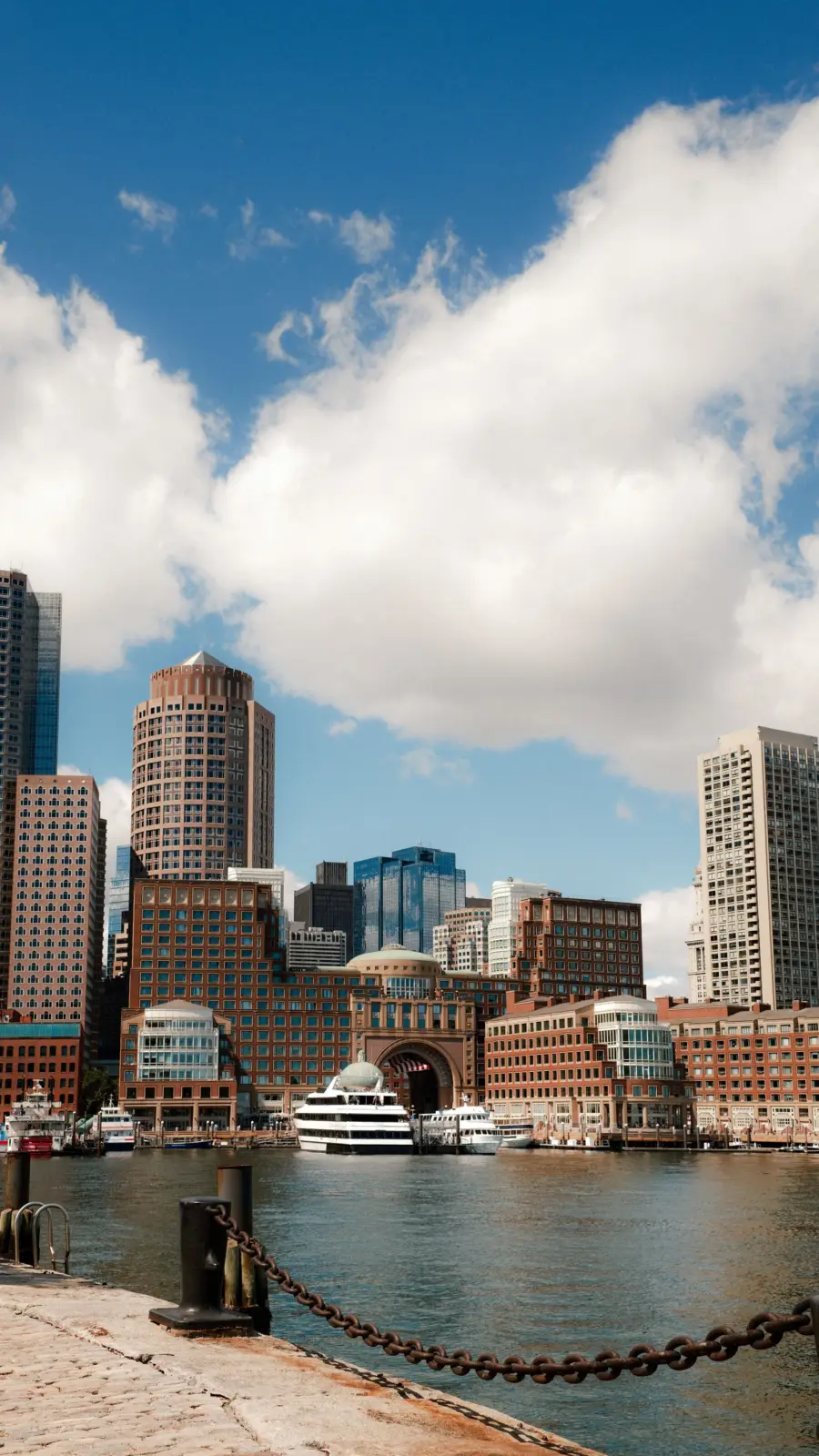
Start with an early free tour. Continue from Boston Common along the first part of the Freedom Trail, pass Faneuil Hall and have lunch in North End. In the afternoon, choose Charlestown and USS Constitution or a shorter walk through Beacon Hill and the Public Garden. Finish on the Harborwalk if daylight allows. It is a full day, but nearly everything connects on foot.
Use the first day for the outline above at a slower pace and complete the Freedom Trail to Bunker Hill. On day two, visit Copley Square and Boston Public Library, walk through Back Bay and choose either the MFA or Gardner Museum. End around Fenway Park or in Seaport according to the weather and event calendar.
With a third day, separate Beacon Hill and the Black Heritage Trail from the historic centre, visit a second museum or spend time in Cambridge independently. Harvard Square and the Charles River lie outside the core route in this guide but are easy to reach by subway. Save a longer Harborwalk section for a day with good weather.
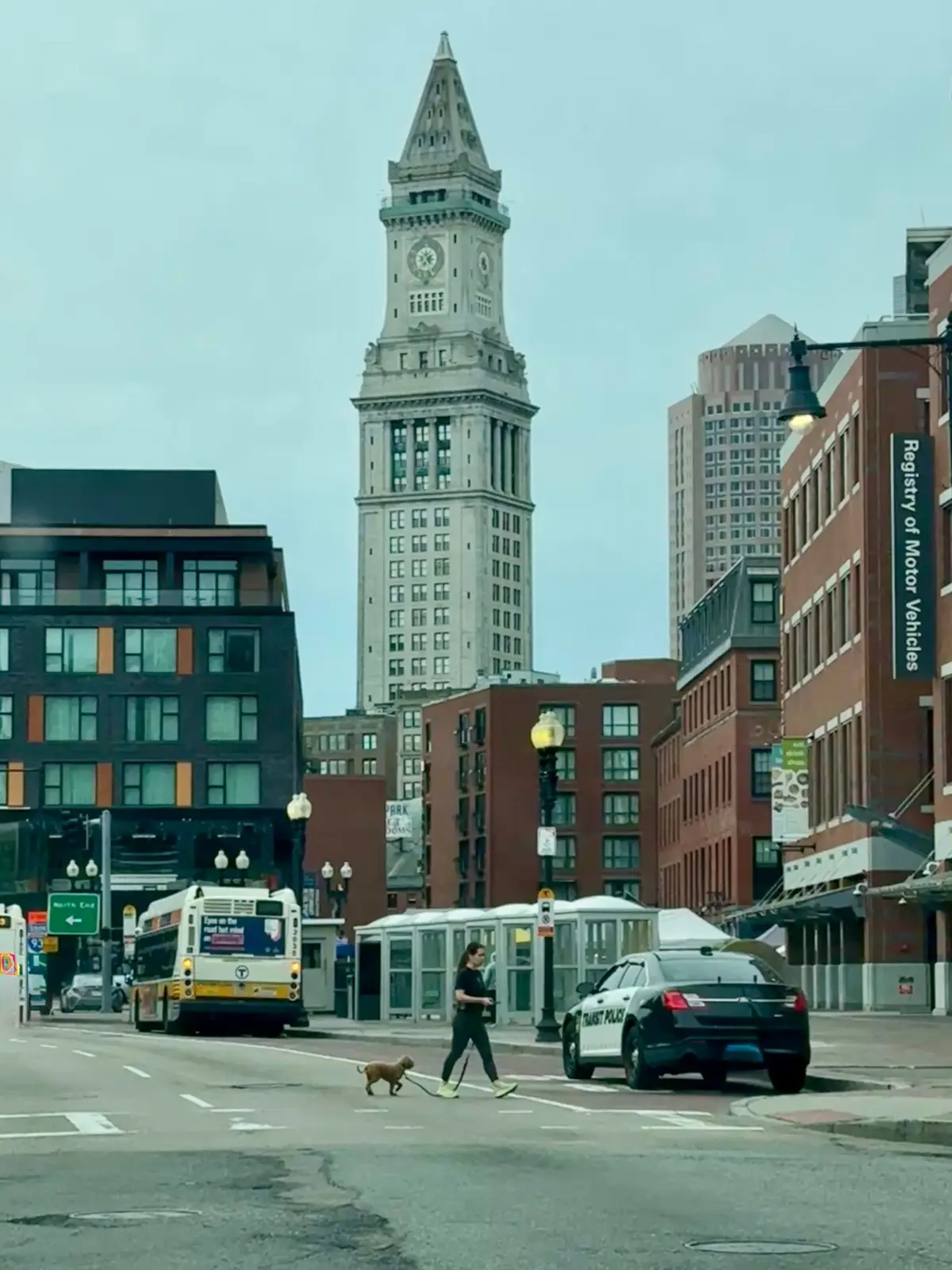
Downtown, Beacon Hill, Back Bay and North End are best covered by combining walking with the MBTA, usually called “the T”. Subway lines and buses reach the main neighbourhoods, although older stations do not all have the same accessibility as newer ones. For repeated journeys, compare individual fares with the passes available during your stay.
From Logan Airport, the Silver Line SL1 bus to South Station is free in that direction and includes a free transfer to the Red Line. Free shuttle buses also connect terminals with the Blue Line’s Airport station and the ferry dock. Massport keeps the choices current in its Logan public transport guide. Allow extra time at peak hours and before flights.
Two days cover the historic centre, Beacon Hill, Back Bay and one museum at a comfortable pace. A three-day stay leaves enough room for Charlestown, Fenway, the harbour or Cambridge. With only one day, give priority to the Freedom Trail.
Yes. Central districts are close together and the Freedom Trail makes navigation straightforward. Public transport saves time and energy for Fenway, the museums, Cambridge or the airport. Brick pavements can be uneven.
Walking the marked Freedom Trail route is free. Some buildings and museums along it charge admission, suggest a donation, keep limited hours or control capacity.
In Boston, spring and autumn generally bring comfortable walking temperatures, while summer has more visitors and seasonal activity. Winter can be cold with snow or ice. Check the forecast shortly before the trip and pack layers and suitable footwear.
Choose a tour or activity in Boston to get oriented when you arrive, then combine the Freedom Trail with the neighbourhoods and museums that fit your time. Booking a free tour on GuruWalk needs no credit card; check the meeting point, arrive early and cancel if you can no longer attend.
GuruWalk is the platform for finding and booking free tours with local guides and activities in cities around the world.
Travel marketing specialist with extensive experience in the travel sector. At companies such as Despegar and GuruWalk, she has led traveler-focused digital acquisition strategies. Now, from the GuruWalk blog, she combines her expertise with her passion for discovering and sharing unique destinations.
Local guides, pay-what-you-want and no credit card to book. That is how you understand a city.
Explore free tours on guruwalk.com