




Plan the best things to do in Quebec City: Old Quebec, Château Frontenac, the Citadelle, ferry, Montmorency Falls and 1–3 day routes.
 Belén Rivas
GuruWalk
·
Updated 3 Sep 2026
Belén Rivas
GuruWalk
·
Updated 3 Sep 2026Quebec City brings together fortified walls, 17th-century squares, museums, and viewpoints over the St. Lawrence River in a historic centre made for walking. To understand why the city has retained such a strong Francophone identity, start with a free tour in Quebec City, then return to the places that interest you most. No credit card is needed to book.
Last verified: August 2026 — Prices, opening hours, and reservation requirements checked against official sources. GuruWalk’s Quebec City guides reviewed the practical recommendations.
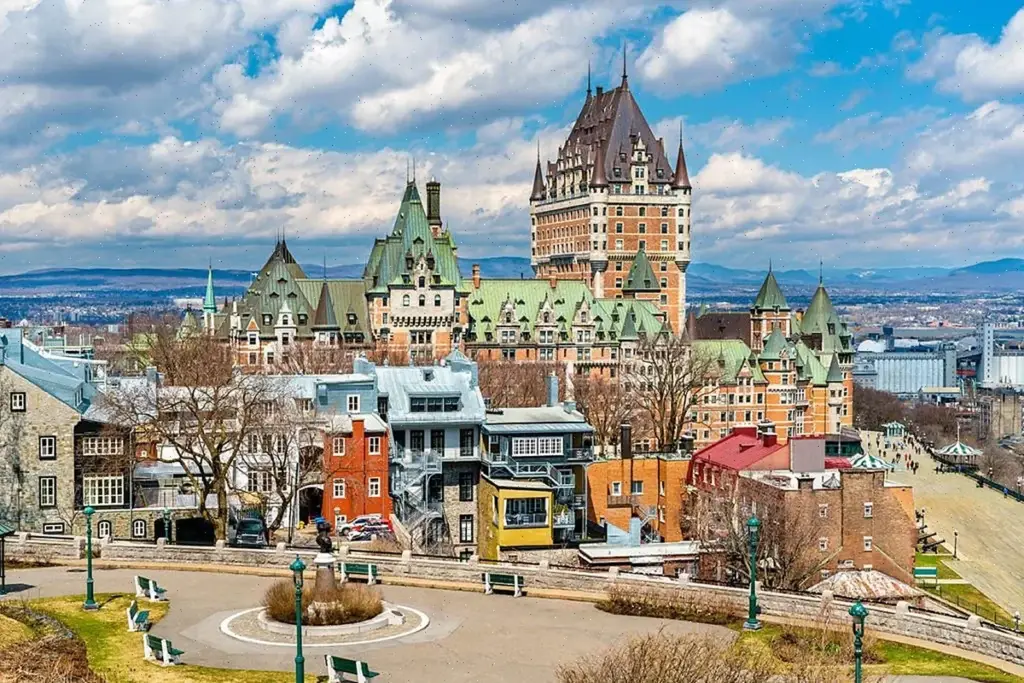
Old Quebec has two levels, several steep streets, and more than four centuries of history. An early walk helps you place Upper Town, Lower Town, Château Frontenac, and the city gates before the main streets get busier. It also makes it easier to choose which landmarks deserve an indoor visit.
Free tours in Quebec City can be booked without an advance payment, and no credit card is needed. At the end, each guest thanks the guru with a tip; the usual reference is €10–20 per person and up to €50 for small groups or exceptional gurus. Check the language, duration, and meeting point on each tour page.
A classic tour: history and local culture. This tour will allow you to discover the histo…

The Historic District of Old Quebec has been a World Heritage Site since 1985. The official UNESCO listing describes it as one of the best examples of a fortified colonial town. The designation covers Upper Town, Lower Town, and an urban ensemble shaped over more than four centuries.
A clear route begins at Porte Saint-Jean, follows the walls towards Porte Saint-Louis, and finishes beside the Citadelle. Parks Canada looks after 4.6 kilometres of ramparts, as well as gates, batteries, and military structures. Walking outside is free; guided tours and certain historic interiors have their own opening periods and fees.
In summer 2026, the visitor season for the fortifications runs from June 19 to September 7. Tour times and departure points are listed on the official Parks Canada website. Outside that period, the walls remain useful for getting your bearings, but not every interpretation space is open.
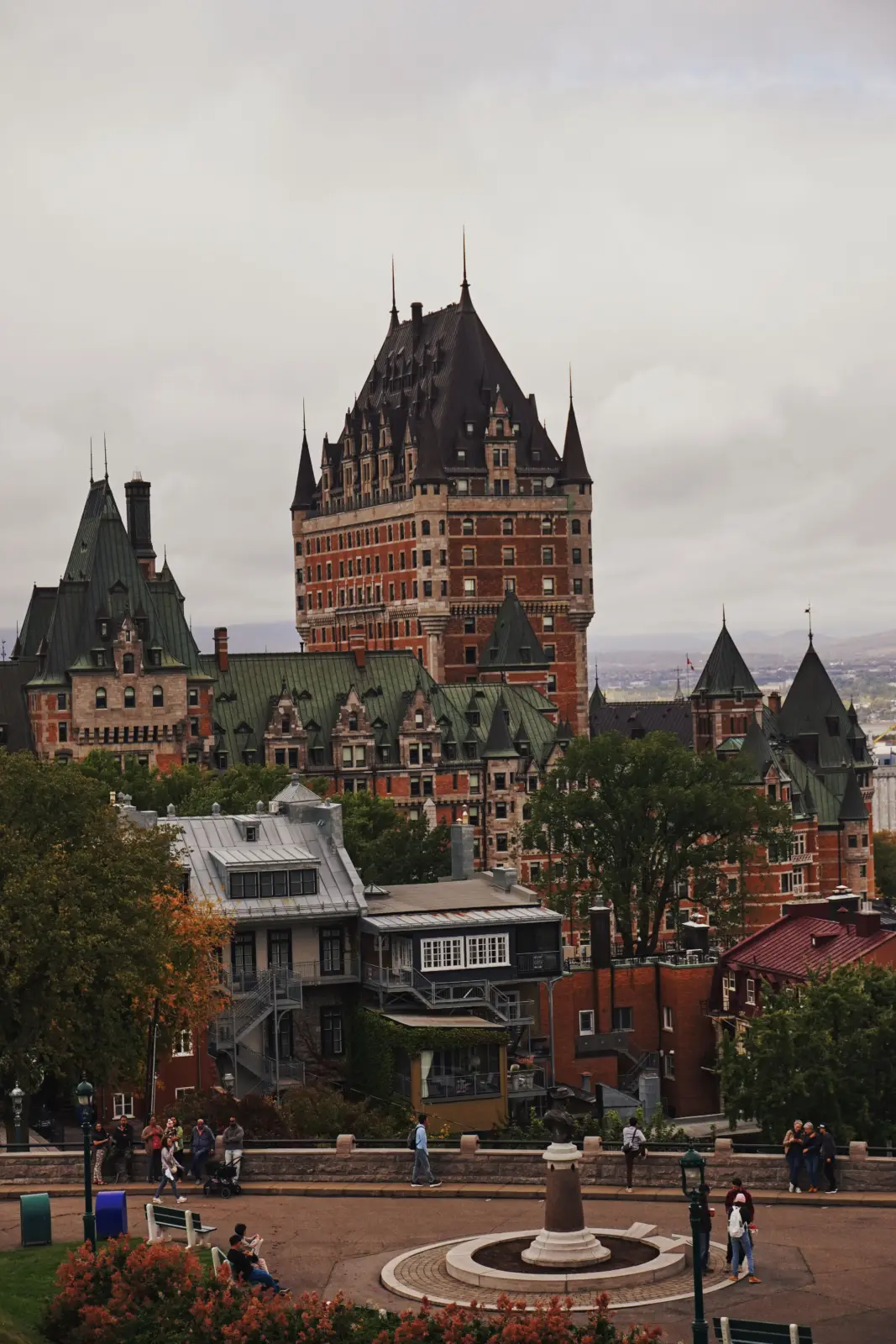
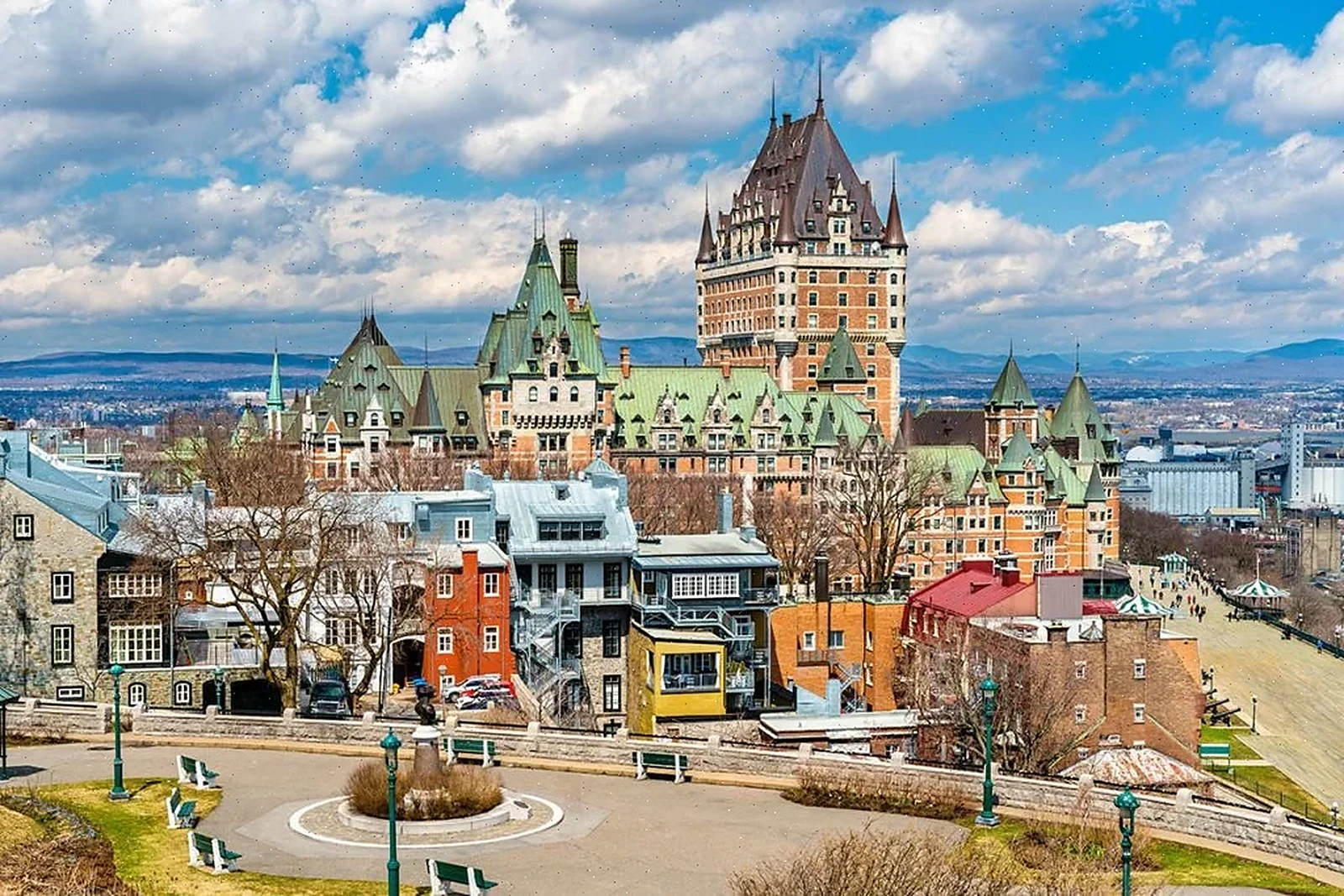
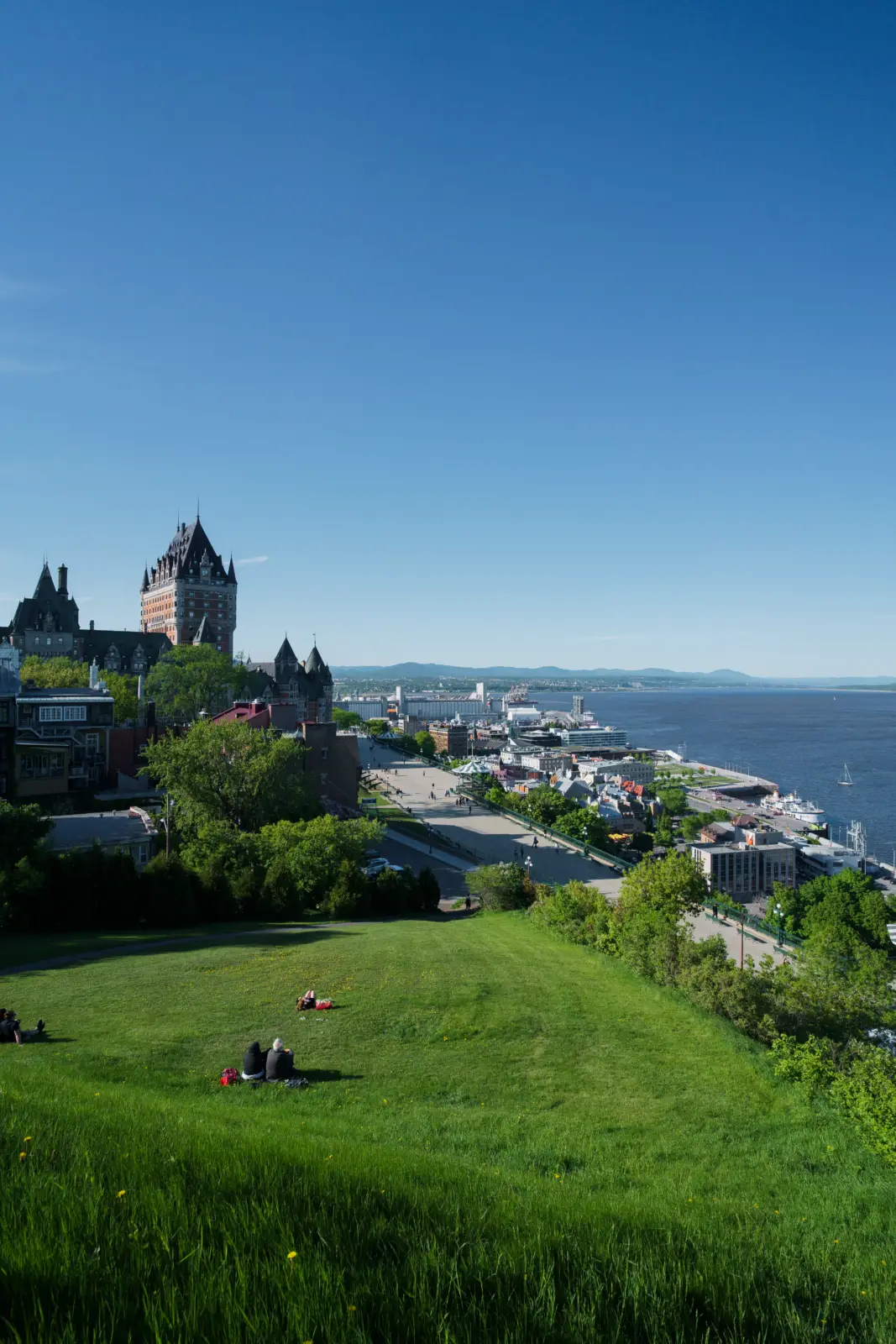
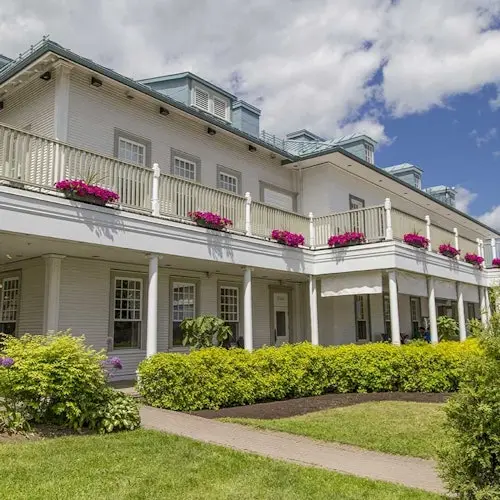
Château Frontenac gives the city its most recognisable skyline. You do not need to stay at the hotel to see its exterior or walk along Dufferin Terrace, a 430-metre wooden promenade facing the river. From here, you can see Lévis, Lower Town, and vessels moving along the St. Lawrence.
Beneath the terrace are the remains of the Saint-Louis Forts and Châteaux, the seat of colonial power for more than 200 years. The archaeological site operates seasonally. When it is open, it adds valuable context because it explains what stood on the headland before the hotel.
For the easiest walking sequence, arrive by rue Saint-Louis, cross Place d’Armes, and continue to the Samuel de Champlain monument. Then descend to Lower Town on the funicular or via the Breakneck Steps. This avoids climbing the same steep route twice.
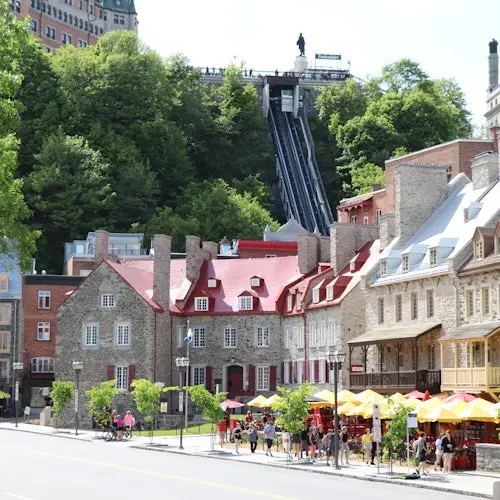
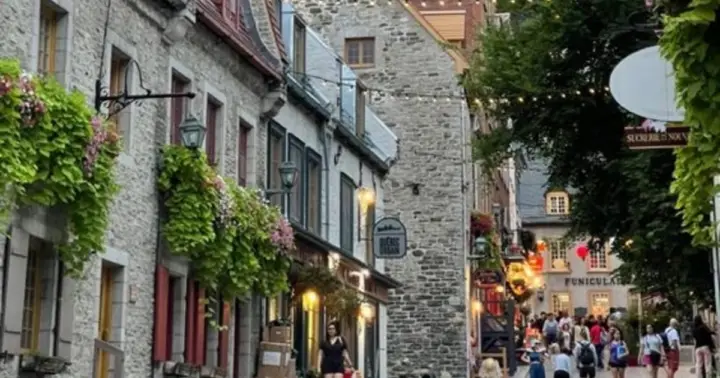
Petit-Champlain packs stone houses, workshops, and shops into a narrow area at the foot of Cap Diamant. The funicular has connected this district with Dufferin Terrace since 1879. A few metres away, the Breakneck Steps grew from a steep 17th-century path and cover the same height on foot.
Place Royale marks the area where Samuel de Champlain established his post in 1608. The square, Notre-Dame-des-Victoires church, and nearby rue du Petit-Champlain make a compact route. Quebec City’s official tourism office provides a neighbourhood map and practical details.
The district is generally quieter before 9:30 a.m. and later in the afternoon. During the day, allow time for its small shops; after dark, lighting makes the shape of the historic façades easier to appreciate. The Musée de la civilisation is a short walk from Place Royale.
The Citadelle remains an active military base, so its grounds can only be visited with a guide. In 2026, general adult admission costs C$22 and includes a 60-minute outdoor tour plus the Royal 22e Régiment Museum. From May 16 to August 31, it opens from 9 a.m. to 5:30 p.m., according to the Citadelle’s official visitor information.
Immediately west are the Plains of Abraham, now part of Battlefields Park. Its paths and lawns are free to use. The museum explains the battles of 1759 and 1760; it opens daily from 9 a.m. to 5 p.m. and charges seasonal rates listed on the official Plains of Abraham website.
The Citadelle, park, and museum can fill half a day. On a shorter visit, walk from Porte Saint-Louis to the Cap Diamant viewpoint and continue through the park. That route remains outdoors and costs nothing.


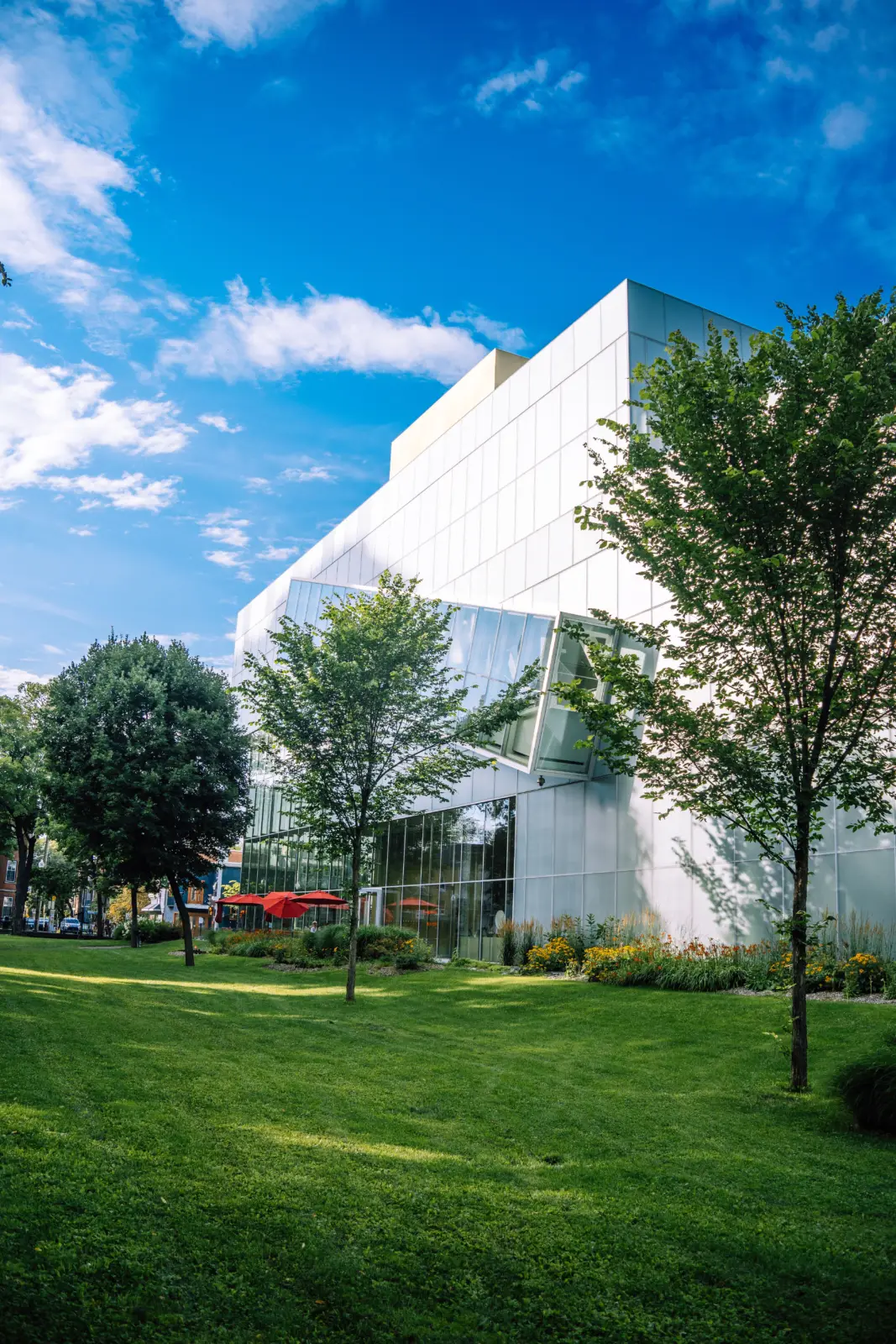
The Musée de la civilisation works best for social history, Quebec cultures, and thematic exhibitions. Until early September 2026, it opens every day from 10 a.m. to 5 p.m. Admission varies by age: guests aged 35–64 pay C$27, with different prices for younger visitors, seniors, and families. Check the official Musée de la civilisation rates for your date.
The Musée national des beaux-arts du Québec occupies several pavilions beside the Plains of Abraham. Its collection covers art from Quebec and it also hosts temporary exhibitions. Until September 7, 2026, it opens daily; Wednesday hours run until 9 p.m., while other days end at 5 p.m. Online admission for adults aged 31–64 is C$22, according to the MNBAQ’s practical information.
Trying both in a single day leaves little time for the city. The first museum pairs naturally with Place Royale and the Old Port; the second fits a day built around the Citadelle, Parliament, and the Plains. Allow two to three hours for either.
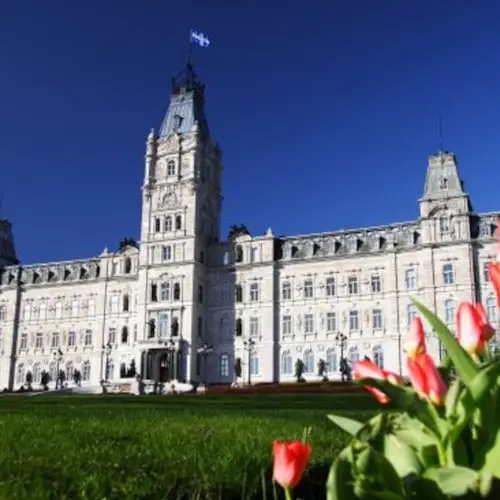
The Parliament Building stands just outside Porte Saint-Louis. Its free guided tour lasts 60 minutes and is offered in French and English. Visitors aged 16 or over must show photo identification, and a reservation is required online or on site. The National Assembly of Quebec publishes available times.
The Observatoire de la Capitale is a few minutes away. Its elevated floor looks over the river, the Citadelle, and neighbourhoods beyond the historic centre. It opens daily from 10 a.m. to 5 p.m.; adult admission costs C$14.75. Confirm the latest details on the Observatoire’s official rates page.
On a clear day, the observatory explains the city’s geography better than its narrow streets can. Under low cloud, Parliament usually offers more value. With a reservation, both visits fit into one morning.
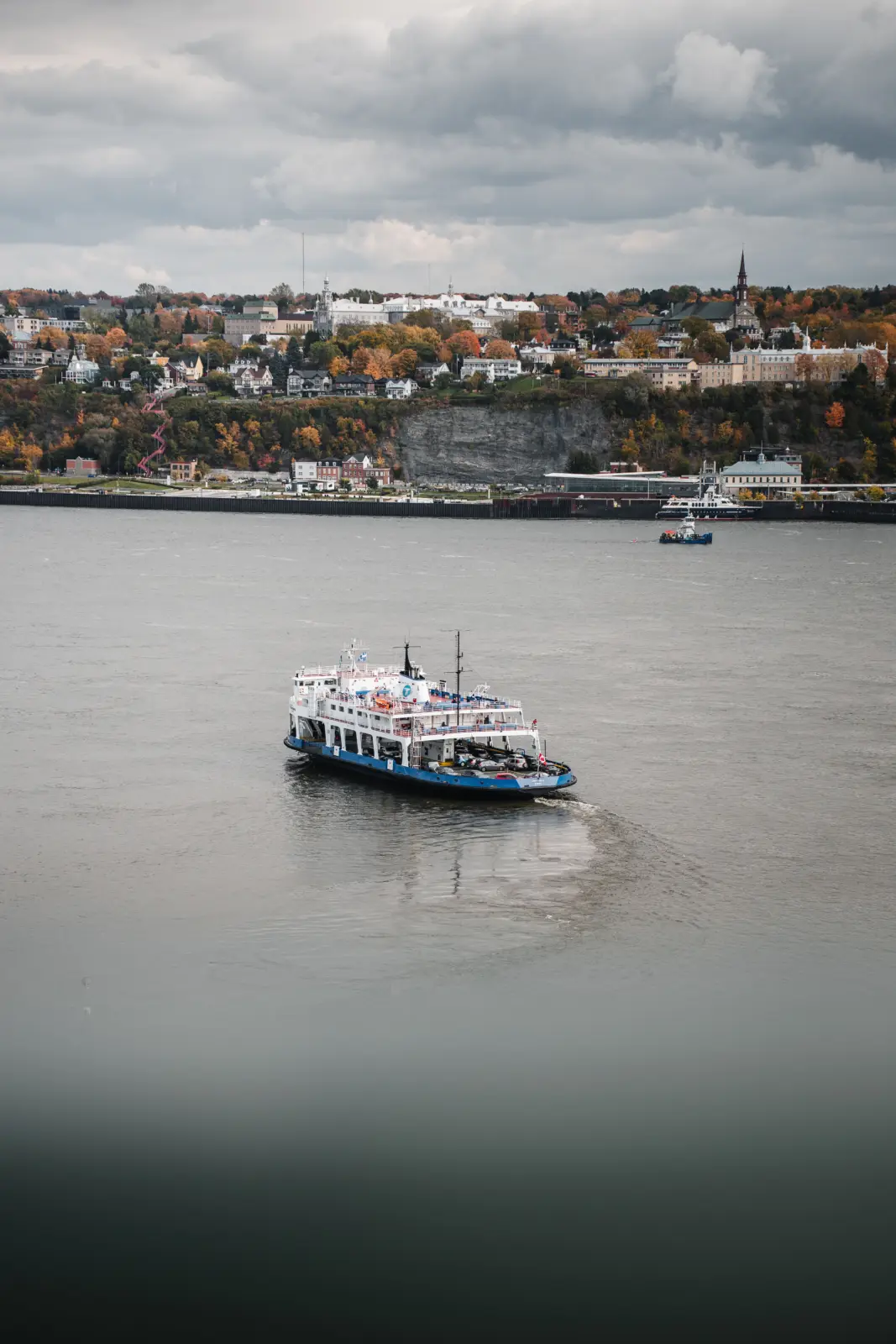
The Quebec City–Lévis ferry is both public transport and a moving viewpoint. The crossing gives you a full view of Château Frontenac, Cap Diamant, and the fortifications. This route does not accept reservations: buy a ticket and check that day’s timetable.
In August 2026, a one-way trip costs C$4.25 for passengers aged 16–64, C$3.60 for seniors aged 65 or over, and C$2.95 for ages 6–15; children under 6 travel free. The Société des traversiers du Québec maintains the current fare table.
A return trip takes about an hour when departures line up well. The best time depends on the light: morning illuminates the old city from the river, while evening shows the skyline as its lights come on. Bring an extra layer, even in summer, because the wind is noticeable on the water.
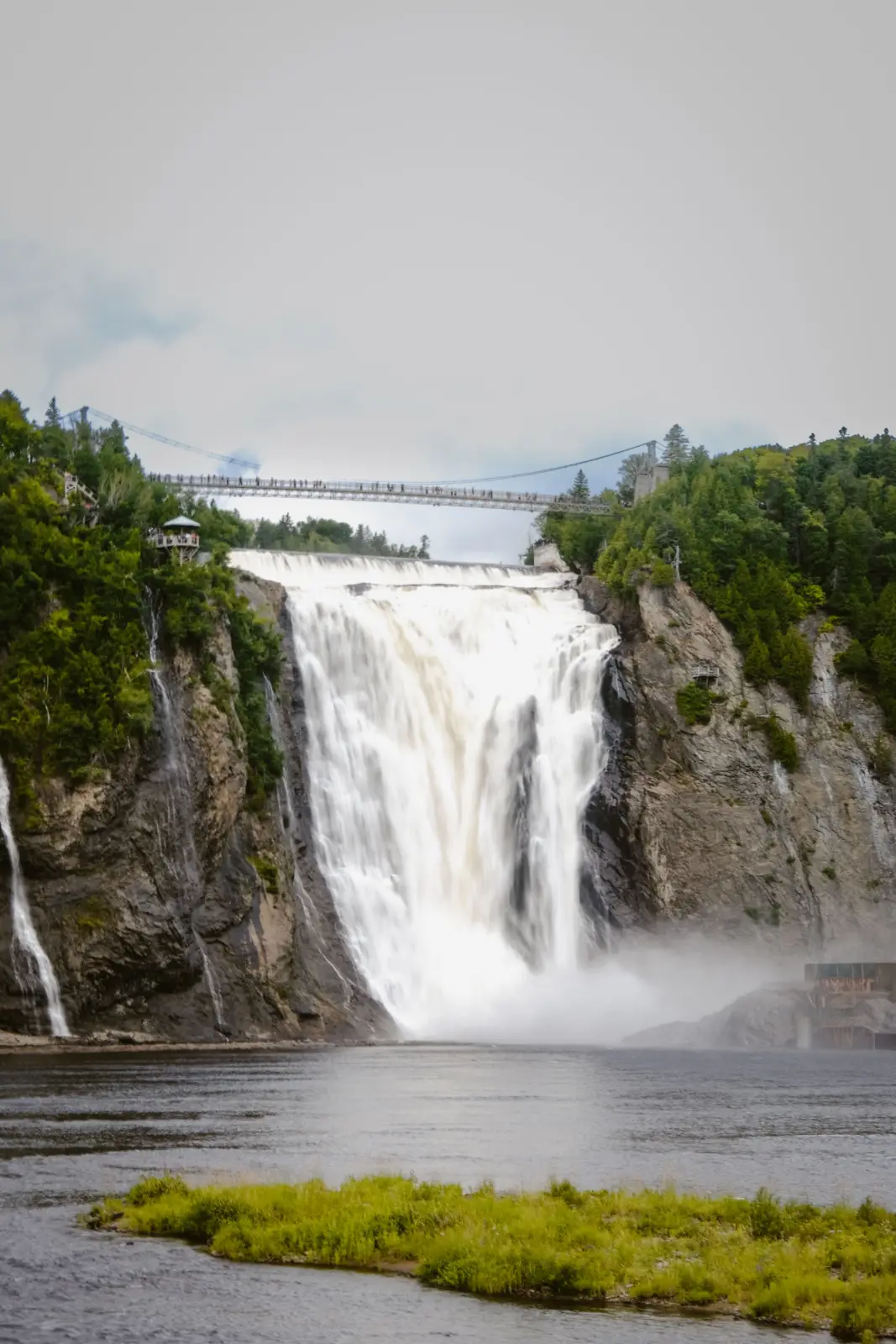
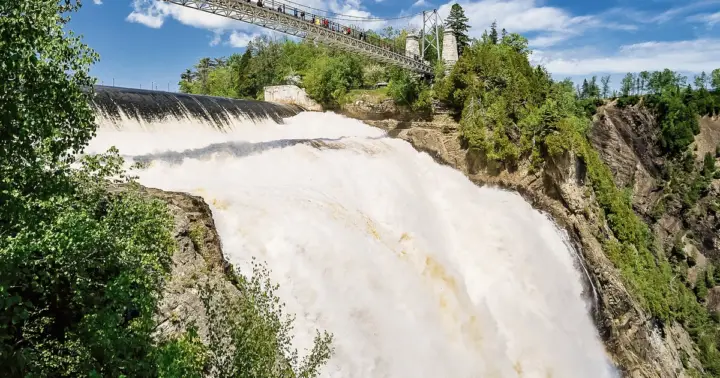
Montmorency Falls lies outside the centre and works best as a half-day outing. The park has trails, an upper footbridge, viewpoints, and a cable car. From May 11 to November 1, 2026, regular access for a non-resident adult costs C$13.90 before tax; a cable-car return costs an additional C$14.95.
Visitors under 18 enter the park free, although some activities still have a charge. The official Sépaq rate table separates prices by season, residence, and activity. Buying park access online makes arrival quicker.
You can reach the park by public transport or on an organised activity. If you would rather combine transport and timings in one booking, check the activities and experiences in Quebec City. Keep the historic centre for another part of the day; adding too many museums to the falls creates a rushed schedule.
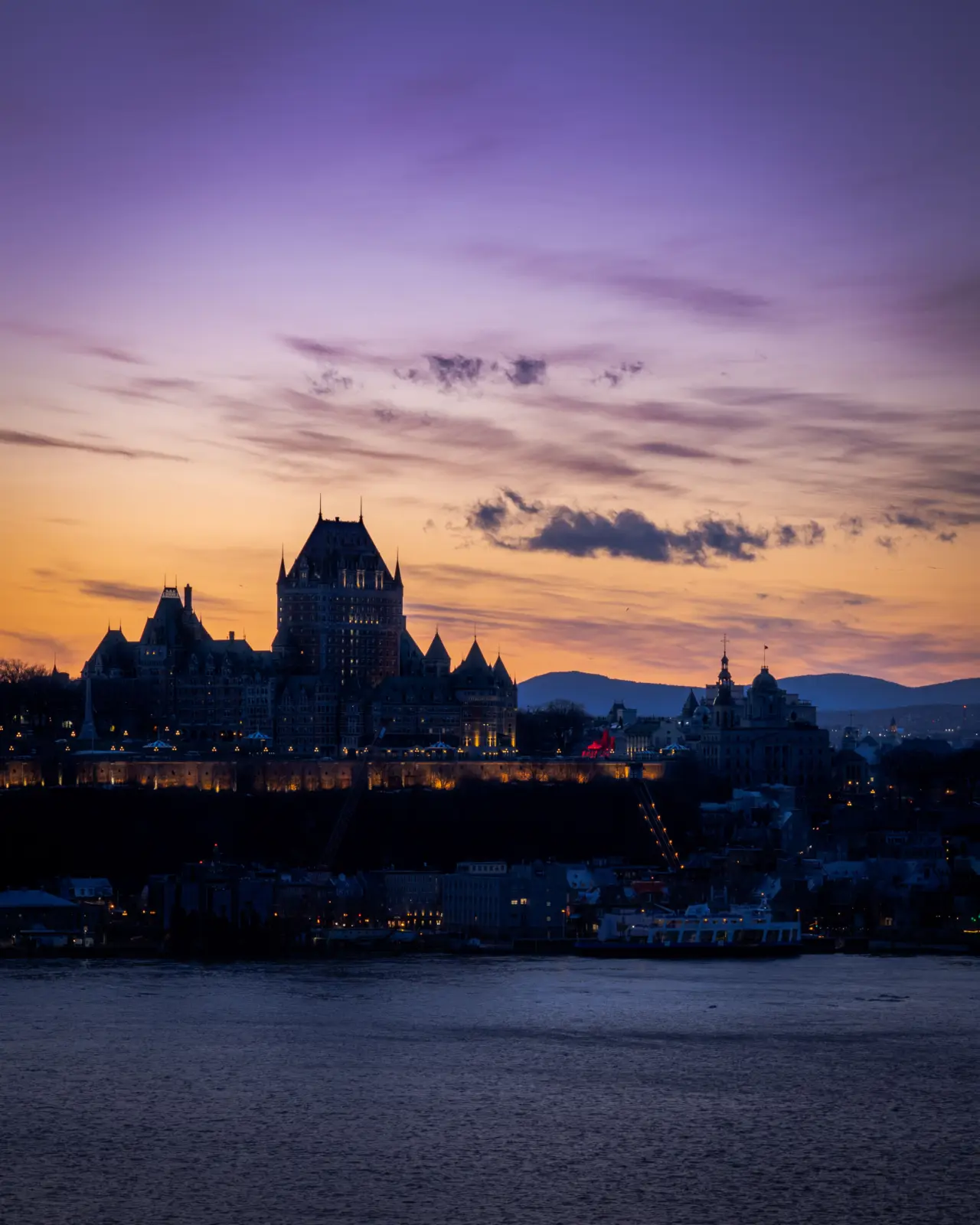
Keep day one focused on Old Quebec. On day two, combine the Citadelle, Plains of Abraham, Parliament, and the MNBAQ. If you prefer views to galleries, replace the museum with the Observatoire de la Capitale and finish on Grande Allée.
Add Montmorency Falls on the third morning. When you return, keep the afternoon for the Old Port or revisit Petit-Champlain when it is quieter. This layout leaves room for a relaxed meal and avoids repeatedly crossing the same steep ground.
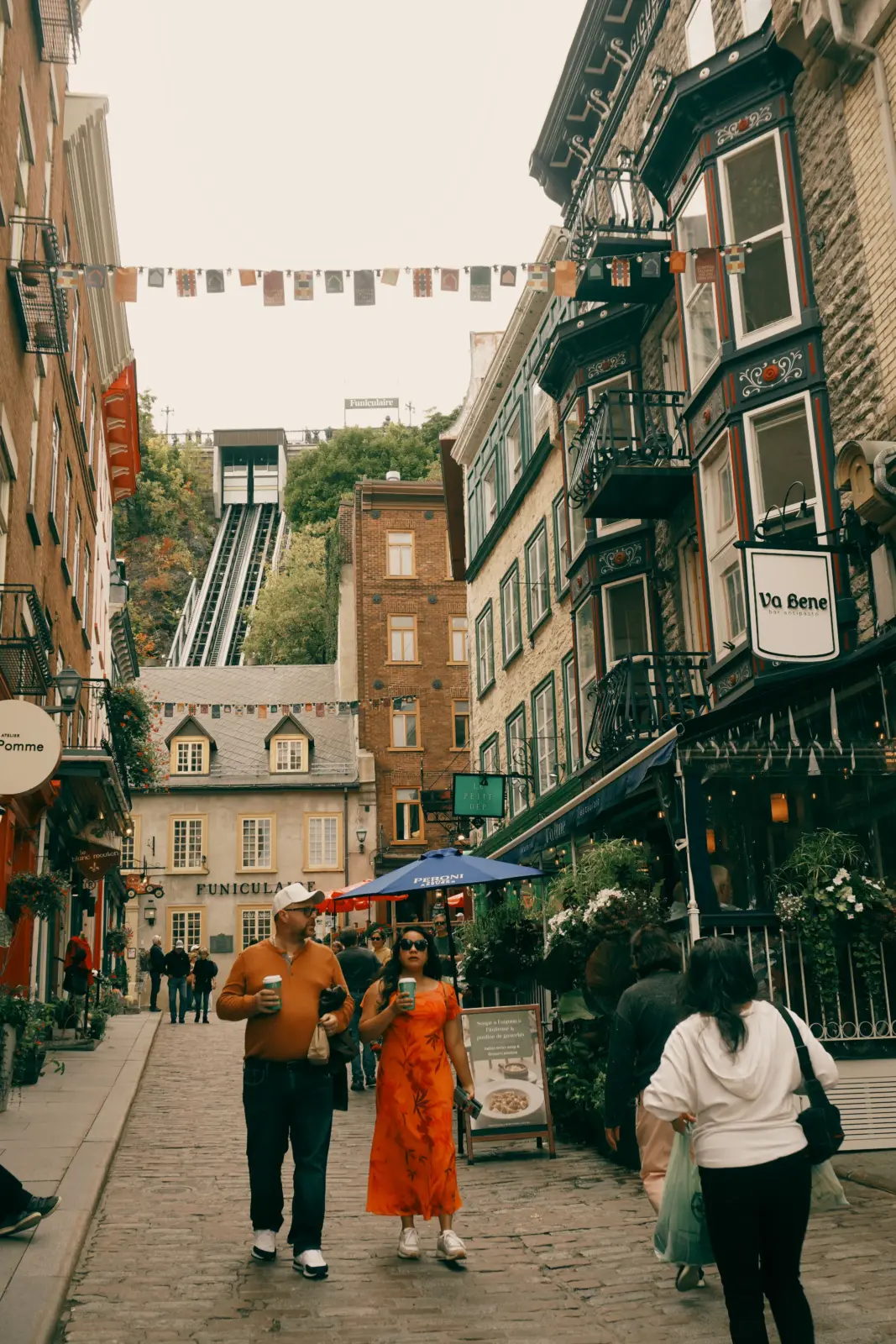
Upper Town and Lower Town are mainly explored on foot. The elevation change is real: the funicular saves the climb between Petit-Champlain and Dufferin Terrace, while the Breakneck Steps are free. Shoes with a stable sole help on cobbles and slopes.
For journeys beyond the centre, the RTC network charges C$3.85 for a general ticket or C$4 in cash as of July 2026. A one-day pass costs C$10.50 and a five-day pass costs C$34.75. The official RTC fare schedule helps compare options.
All attraction and transport prices in this guide are in Canadian dollars, except the free-tour tipping reference. On a two-day trip centred on Old Quebec, you may use the bus very little. For Montmorency, Sainte-Foy, or more distant districts, a pass can make sense.
Two days cover Old Quebec, the Citadelle, the Plains of Abraham, and one museum. With three days, add Montmorency Falls or spend more time in neighbourhoods outside the walls.
Yes. The main historic-centre sights are within walking distance. Buses are useful for places farther away, while the ferry links the centre with Lévis.
No. Quebec City is the capital of the province of Quebec. Add “City” to searches and bookings to avoid results for other destinations across the province.
The outside of the fortifications, Dufferin Terrace, Petit-Champlain, Place Royale, and the Plains of Abraham paths have no admission fee. Parliament’s guided tour is also free, but requires a reservation and photo ID from age 16.
No. GuruWalk does not require a credit card to book. Choose the route, language, and date; after the walk, each guest tips the guru according to their experience.
Begin with Old Quebec on foot. An early route connects the gates, Place d’Armes, Château Frontenac, and Lower Town; afterwards, choose between a museum, the Citadelle, the ferry, or the falls.
Plan your first morning with a free tour in Quebec City, then add the activities available in Quebec City. GuruWalk is the platform for discovering and booking free tours with local guides and activities in cities around the world.
Travel marketing specialist with extensive experience in the travel sector. At companies such as Despegar and GuruWalk, she has led traveler-focused digital acquisition strategies. Now, from the GuruWalk blog, she combines her expertise with her passion for discovering and sharing unique destinations.
Local guides, pay-what-you-want and no credit card to book. That is how you understand a city.
Explore free tours on guruwalk.com