

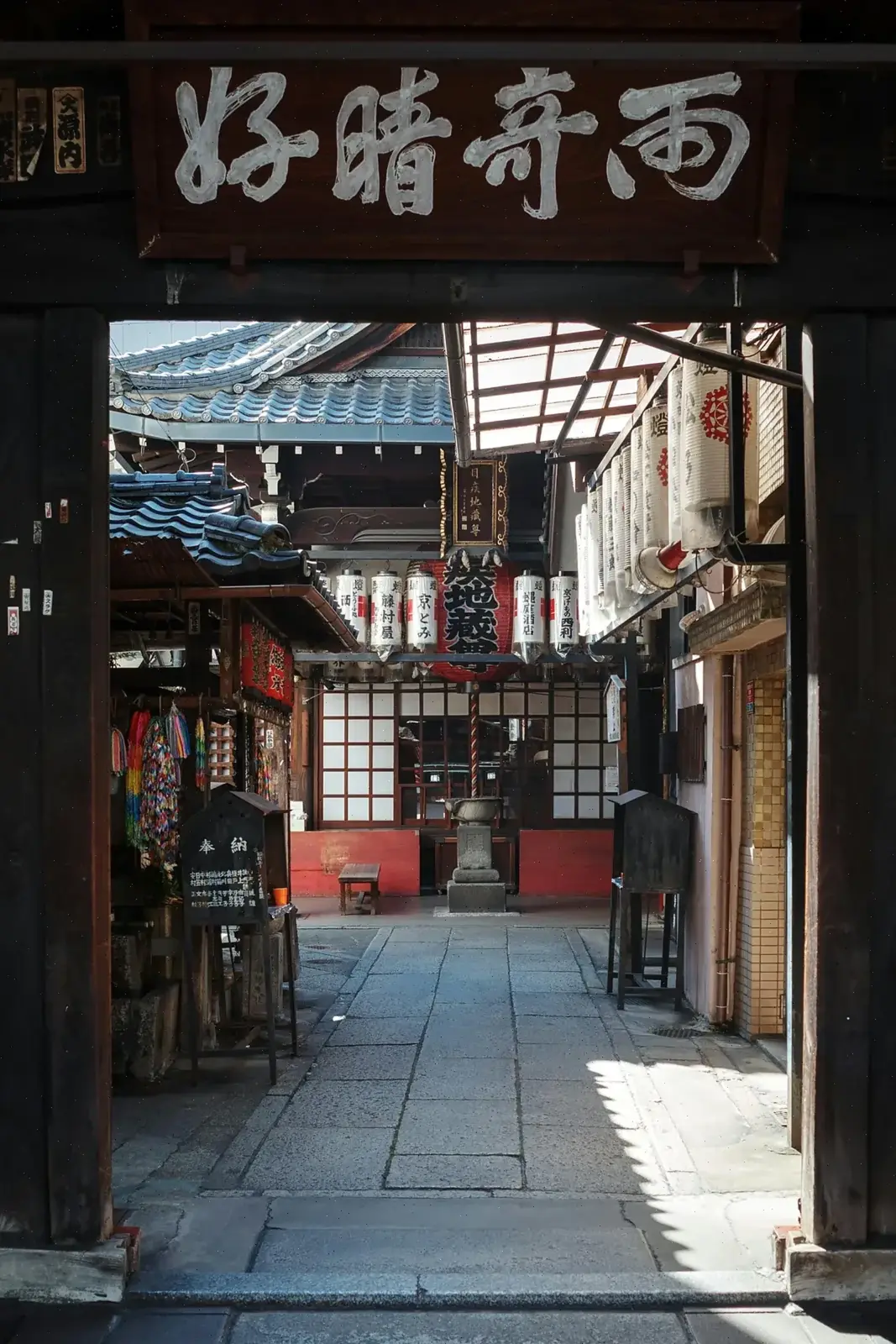

This Osaka travel guide helps you choose places to visit in Osaka, organize them by district, and plan time for temples, museums, food markets, and Osaka Bay. Use the free-tour section to begin with an overview of the city before building the rest of your itinerary.
Last verified: August 2026 — Prices, opening hours, and reservation requirements checked against official sources. GuruWalk’s Osaka gurus reviewed the practical recommendations.
Best Free Walking Tours in Osaka
Joining one of the Osaka free walking tours is the best way to start exploring the city. A route through central Osaka provides useful orientation before you return independently to its markets, historic sites, and nightlife districts.
Free tours have no fixed ticket price. As a tipping baseline, budget €10–€20 per person; travelers may give up to €50 when the group size, duration, or quality of the experience warrants it.
Join us for a fun and eye-opening walking tour of Osaka Castle! We walk through the castle’s clever defense system…

Elevate your Osaka adventure with our Free Walking Tour, a delightful journey through the heart of this vibrant city. Immerse…

Osaka one of the most comfortable cities to live. This adventure begins by discovering what is behind…

Step into the mystery of Japan’s ancient Kofun period on this 1 hour 15-minute walking tour …

The Osaka walking tour is ideal if you come for a few days and want to know the must-see points!…

Discover Osaka's hidden side with local guides passionate about showing you the city beyond the obvious.
Planning One, Two, or Three Days in Osaka
Group the itinerary around Kita, Minami, and Osaka Bay instead of crossing the city repeatedly. Rail and the official Osaka Metro network connect the main districts, but keeping each part of the day within one area leaves more time for the places themselves.
One day
Combine Osaka Castle and the nearby Osaka Museum of History, then continue to Minami for Kuromon Ichiba Market and Dotonbori. Allow three to four hours for the castle-and-museum area, one to two hours at the market, and the evening for Dotonbori.
Two days
Follow the central route on day one. On day two, visit Shitenno-ji before heading to Kita for Umeda and its observation deck. Travelers more interested in marine life can replace Kita with Kaiyukan and spend two to three hours at the aquarium.
Three days
Use the third day for Osaka Bay or reserve the full day for Universal Studios Japan. Confirm the park calendar and current entry requirements before fixing the rest of the itinerary; ticketed attractions should be planned first, while markets and neighborhood walks offer more flexibility.
Osaka Castle

Osaka Castle, or Osaka-jō, reflects Japan’s feudal history and the campaign to unify the country in the late 1500s. Toyotomi Hideyoshi began the castle in 1583, and the site later played a central role in the Siege of Osaka and the transition to Tokugawa rule.
The reconstructed main tower contains a museum, while the surrounding grounds provide a wider view of the defensive walls and moats. Allow roughly two hours for the museum and grounds, or combine the visit with the nearby Osaka Museum of History for a half-day focused on the city’s past.
Shitenno-ji Temple
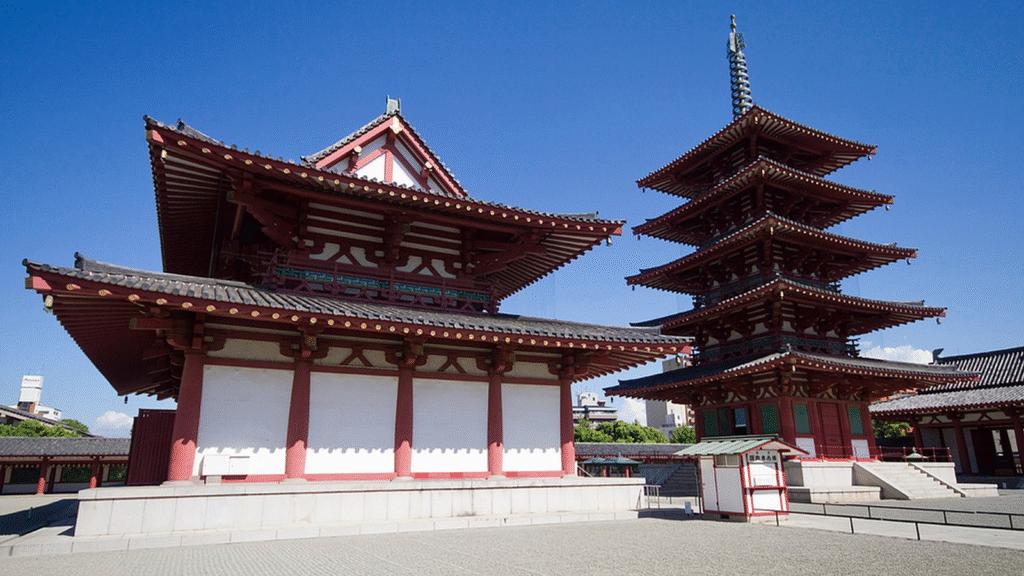
Shitenno-ji Temple, founded in 593 by Prince Shotoku, is one of Japan’s oldest Buddhist temples. Its layout and reconstructed buildings help explain the early spread of Buddhism and the architectural traditions associated with the Asuka period.
The complex includes a five-story pagoda, the main hall, gates, and gardens. Set aside about an hour for the central precinct, adding more time if temporary exhibitions or garden areas are open during the visit. It fits naturally before Kuromon Market or another stop in southern central Osaka.
Universal Studios Japan

Universal Studios Japan combines roller coasters, themed areas, family attractions, and live entertainment. Hollywood Dream, Minion Park, and the Wizarding World of Harry Potter appeal to different age groups, so check height restrictions and the current attraction list before choosing priorities.
Treat the park as a full-day visit. Consult its official operating calendar, ticket guidance, and any current timed-entry requirements before travel, as admission procedures and attraction availability can change. The obsolete E.T. Adventure recommendation has been removed.
Kaiyukan Aquarium
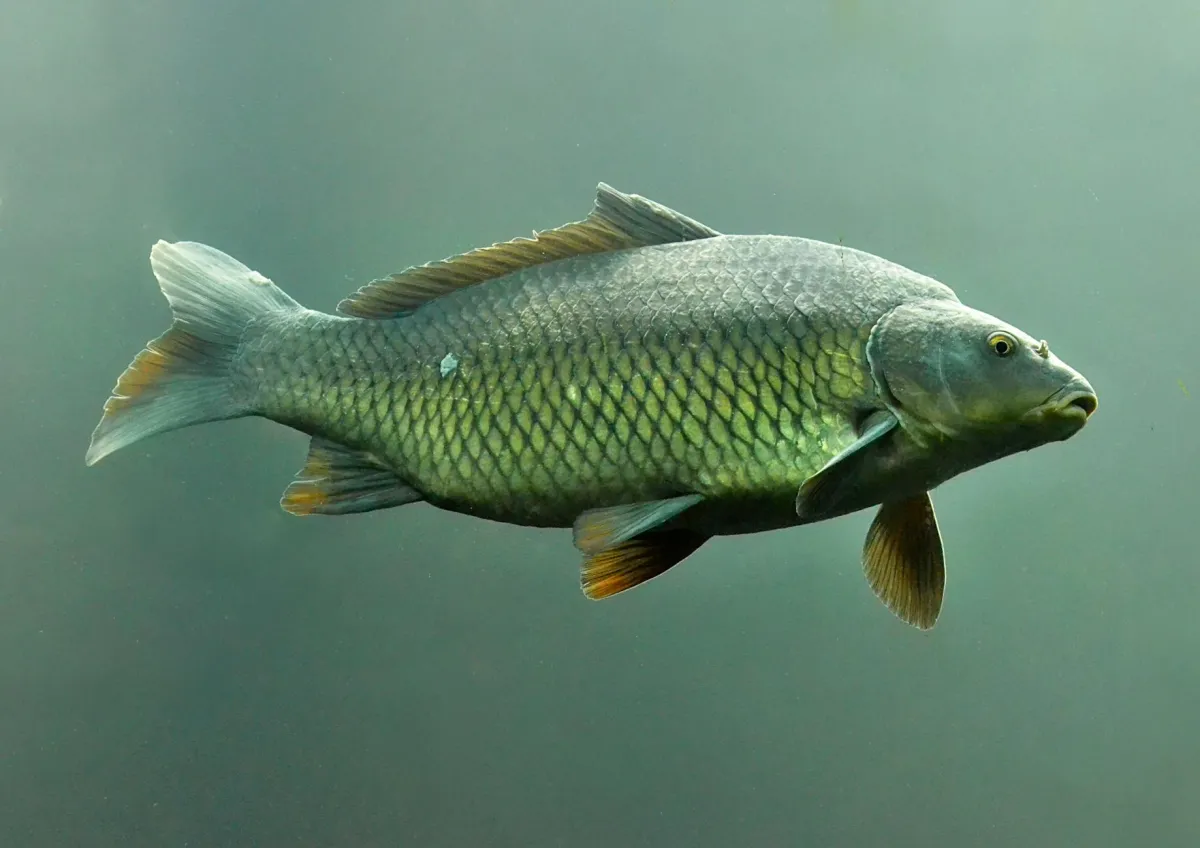
Kaiyukan Aquarium, on Osaka Bay, organizes its exhibits around marine environments across the Pacific Rim. The central Pacific Ocean tank contains whale sharks alongside rays and other fish, while separate areas focus on penguins, jellyfish, and additional habitats.
Allow two to three hours and check current ticket availability before making the trip to the bay area. After Kaiyukan, return to central Osaka for the food and evening atmosphere of Minami, or keep the day around the waterfront rather than adding a distant district.


Dotonbori
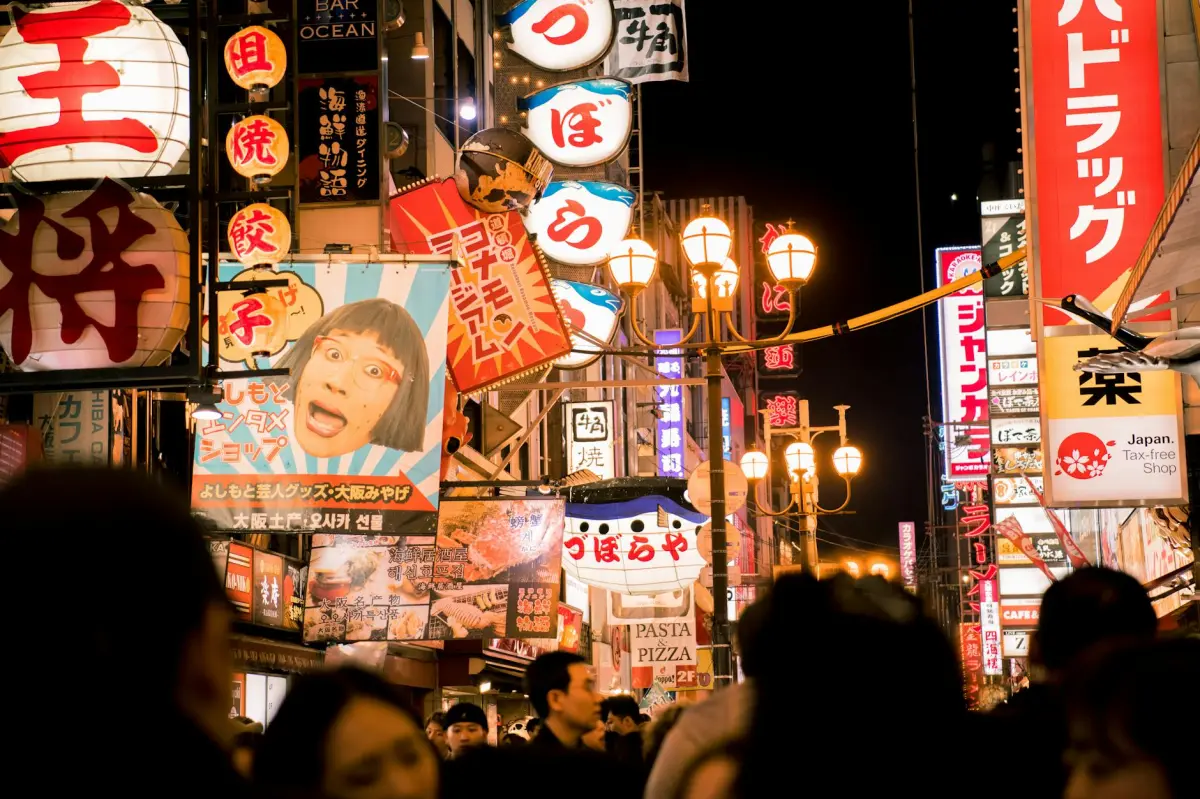
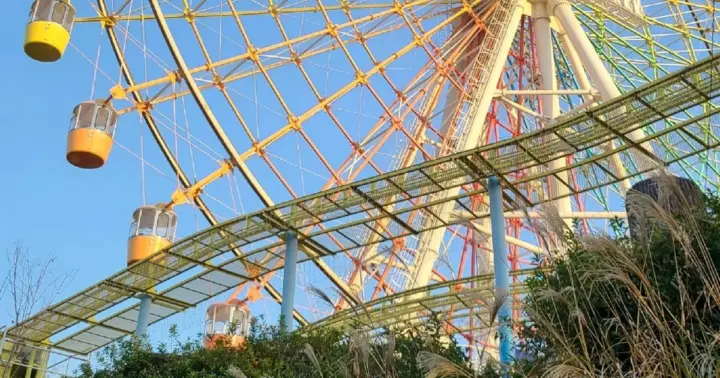
Dotonbori is one of Osaka’s main food and nightlife districts. Restaurants, theaters, signs, and pedestrian routes line the canal, with the Glico running-man sign serving as a common meeting point and photo stop.
Use Dotonbori for an evening meal rather than trying to sample every stall. Takoyaki and okonomiyaki are widely available, and the neighboring streets around Namba provide more options when the canal promenade is busy. Kuromon Ichiba Market is close enough to cover earlier the same day.
Kuromon Ichiba Market

In central Osaka, Kuromon Ichiba Market is known as “Osaka’s Kitchen.” Its covered lanes contain seafood vendors, produce shops, prepared-food counters, and stalls selling local snacks.
Allow one to two hours and browse before ordering, since portions and seating arrangements vary by vendor. Grilled seafood, wagyu dishes, mochi, pickles, and takoyaki are common choices. The market works well before Dotonbori, leaving the evening for the canal and Namba streets.
Osaka Museum of History
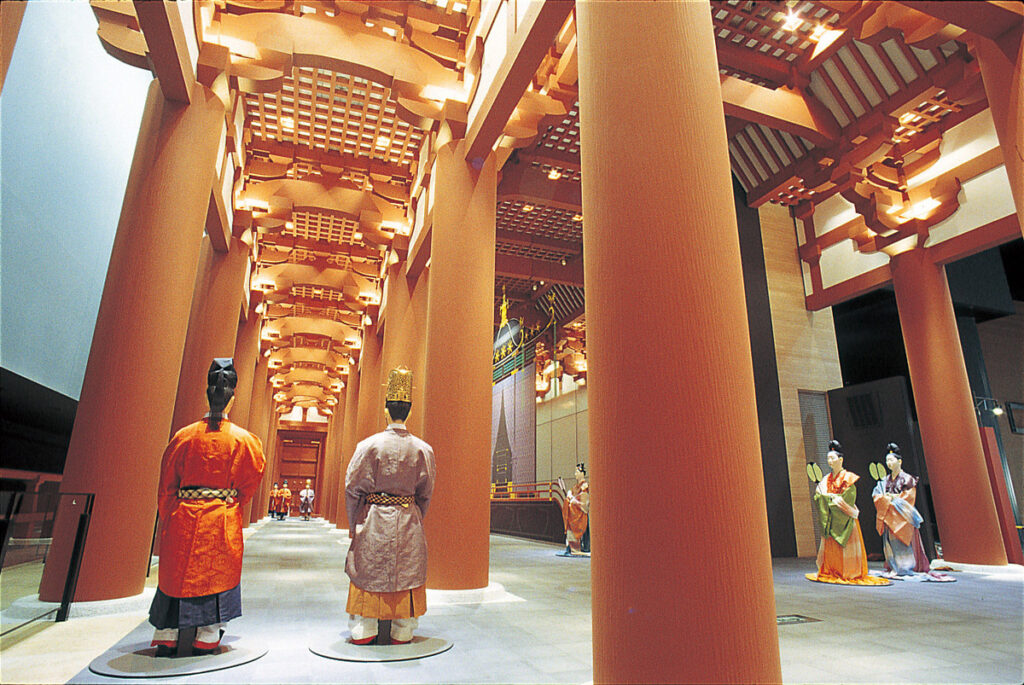
The Osaka Museum of History presents the city’s development through archaeological material, scale models, reconstructed scenes, and views toward Osaka Castle. The unsupported attribution of the building to Kenzō Tange has been removed.
Exhibits move through different periods of Osaka’s history, from the ancient capital and castle town to the modern city. Allow around 90 minutes, extending the visit if temporary galleries are included, and pair it with Osaka Castle to avoid a separate journey across the city.



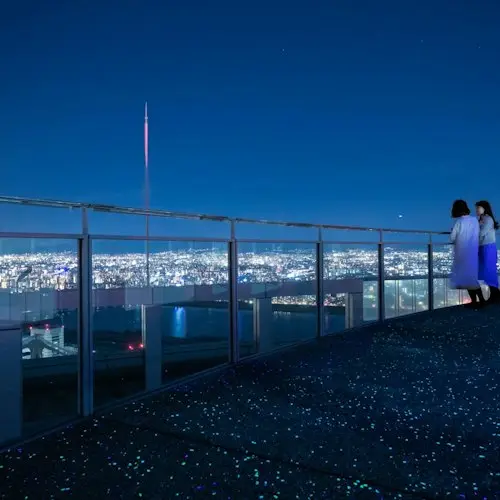
Umeda Sky Building
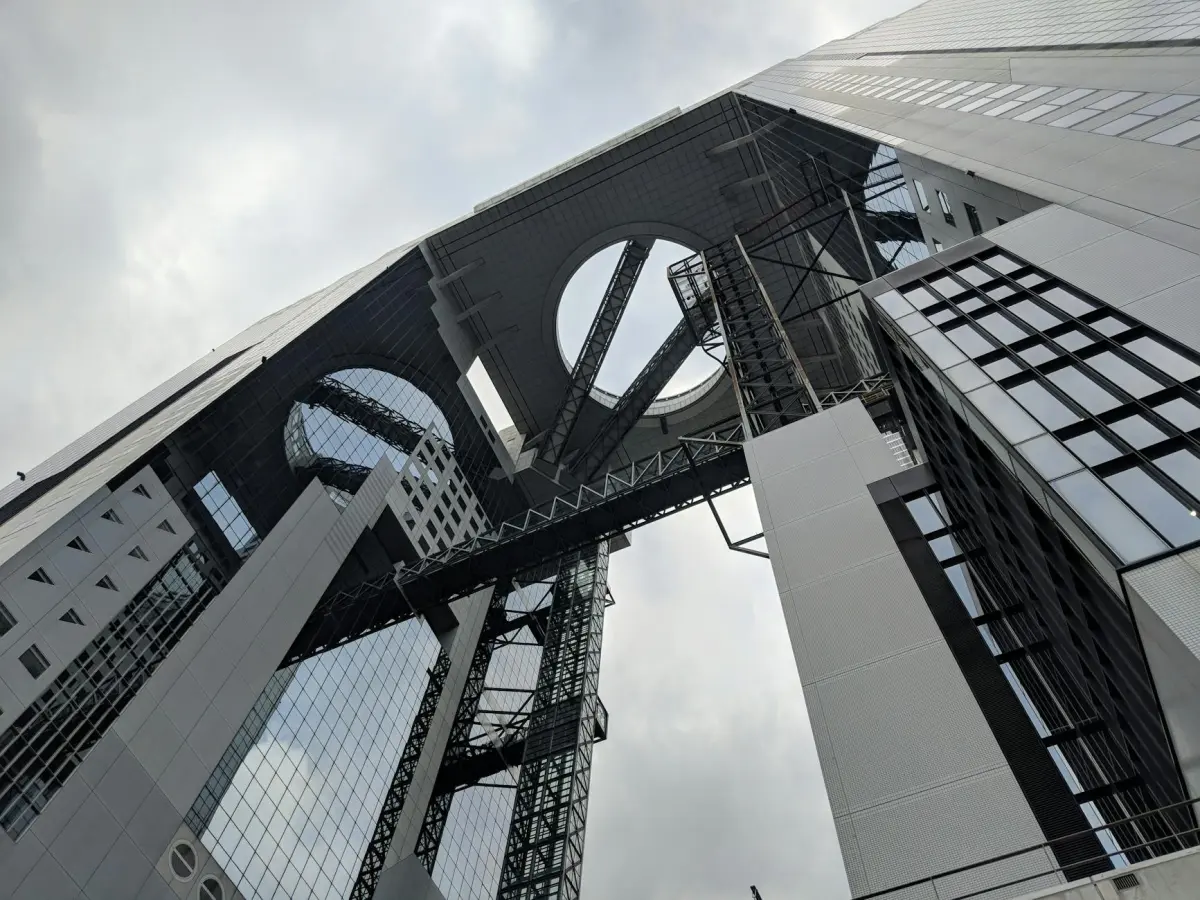
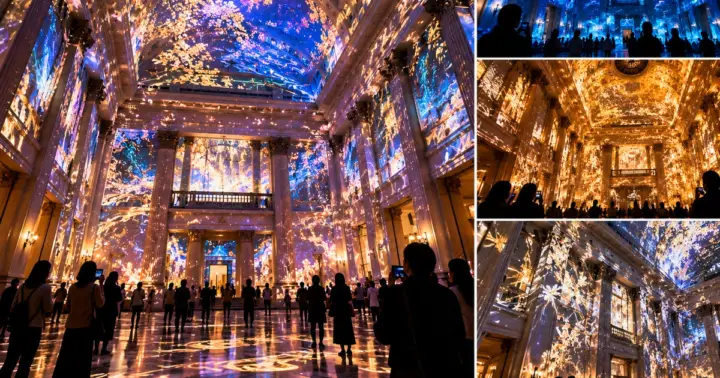
The Umeda Sky Building consists of two towers connected near the top by the Floating Garden Observatory. Its indoor and open-air viewing areas provide a broad look across Osaka and make the building a practical final stop for a day in Kita.
Allow one to two hours, including the approach from the station area, and check availability for the observation deck. Afterward, compare tours and activities in Osaka if you want to add a museum visit, food experience, city view, or day trip to the itinerary.
Frequently Asked Questions About Osaka
How many days do you need in Osaka?
Two days cover central Osaka and one major ticketed attraction. Three days provide time for Osaka Bay, Universal Studios Japan, or a slower district-based itinerary.
Which areas should first-time visitors prioritize?
Prioritize Minami for Dotonbori, Namba, and Kuromon Market; Kita for Umeda; and the castle area for major historical sites. Keep Osaka Bay as a separate half-day or full-day outing.
Which Osaka attractions should be booked in advance?
Plan Universal Studios Japan first and confirm its current admission and timed-entry rules. For Kaiyukan, observation decks, museums, and other ticketed sites, consult availability and official calendars before fixing the itinerary.
What is the easiest way to move around Osaka?
Rail and subway services connect the principal districts. Group stops by Kita, Minami, the castle area, and Osaka Bay so that transfers do not consume the day.

GuruWalk
Tourism and travel expert with a strong background in creating cultural content. Fluent in multiple languages and experienced as a presenter, she connects with diverse audiences to inspire the exploration of unique destinations. Her creative and dynamic approach stands out in every project, conveying the essence of each place she discovers.