


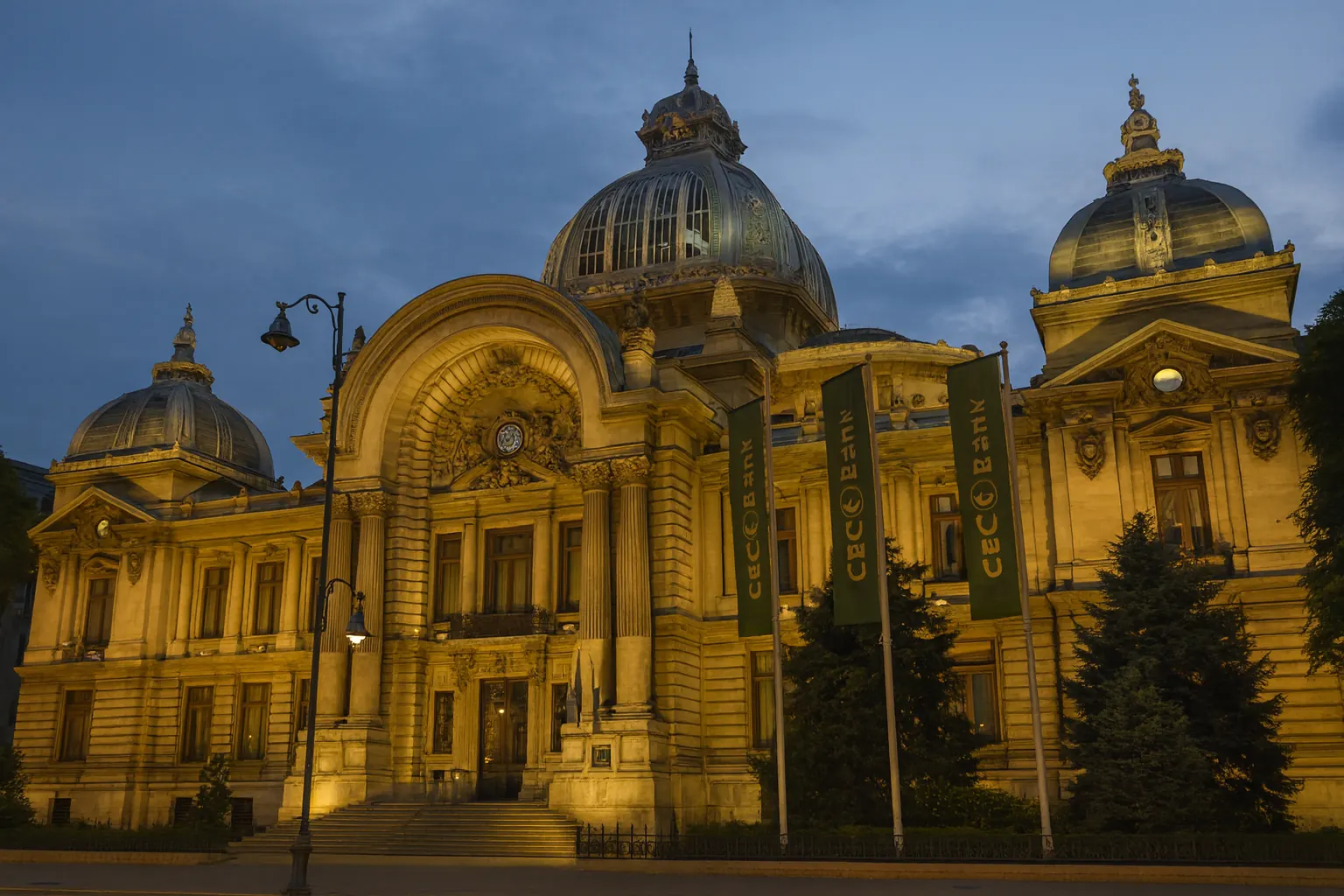
Explore Bucharest in three days through Lipscani Old Town, the Romanian Athenaeum, major museums, the Palace of the Parliament and central parks.
 Belén Rivas
GuruWalk
·
Updated 27 Aug 2026
Belén Rivas
GuruWalk
·
Updated 27 Aug 2026This three-day Bucharest itinerary combines the Old Town, major museums, central parks and residential districts in a practical day-by-day route. Start by comparing Bucharest free walking tours, then use the daily sections to plan transfers, timed visits and flexible meal stops.
Last verified: August 2026 — Prices, opening hours, and reservation requirements checked against official sources. GuruWalk’s Bucharest gurus reviewed the practical recommendations.
A free tour is a practical way to start exploring Bucharest because it provides historical context before the three-day route. Browse the available Bucharest free walking tours; travelers usually tip €10–€20 per person according to the quality and length of the tour, with contributions of up to €50 for an especially detailed experience.
Join us on a relaxed and engaging walking tour where our passionate guides will take you through the city’s most…

What was life really like under communism in Romania? We run Bucharest’s Museum of Communism, and we’ve spent years coll…

What was it really like to live under one of the most r estrictive communist regimes in Eastern Europe ?…

Experience the best of Bucharest on one tour: all the must-see landmarks and fascinating stories that shaped the city.

We start in front of the Colțea Church (Biserica Colței), reveal its history and introduce our guests to the general…
What if you could walk through Bucharest at the moment it was transforming from a provincial Balkan capital into one…
Want to truly understand Bucharest and not just see it? Our Free Tour Story of Bucharest brings the city to…
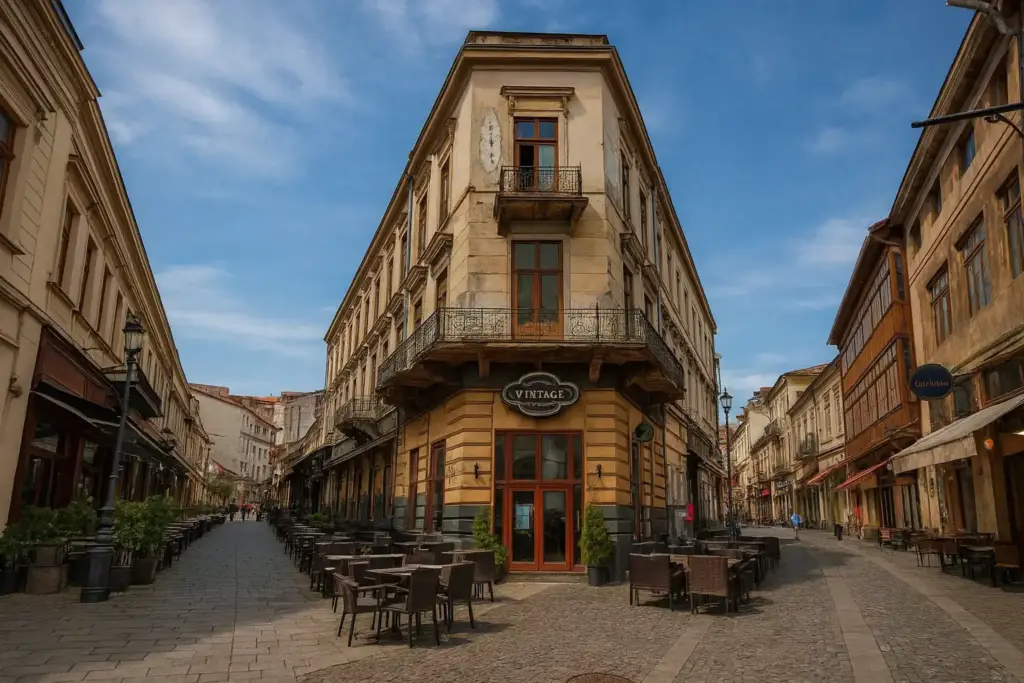
Begin in Bucharest’s Old Town. This area, locally known as Lipscani, has cobblestone streets and an eclectic mix of architecture, from medieval buildings to art nouveau constructions. The morning stops are close enough to cover on foot.
After lunch in the Old Town, continue through several of Bucharest’s principal civic and cultural buildings. Allow transfer time between the Romanian Athenaeum and the Palace of the Parliament rather than treating the afternoon as one continuous walk.

If you plan to enter the Palace of the Parliament, check the current guided-visit format and availability before the day. Carry a passport or national ID if required by the conditions shown when booking.
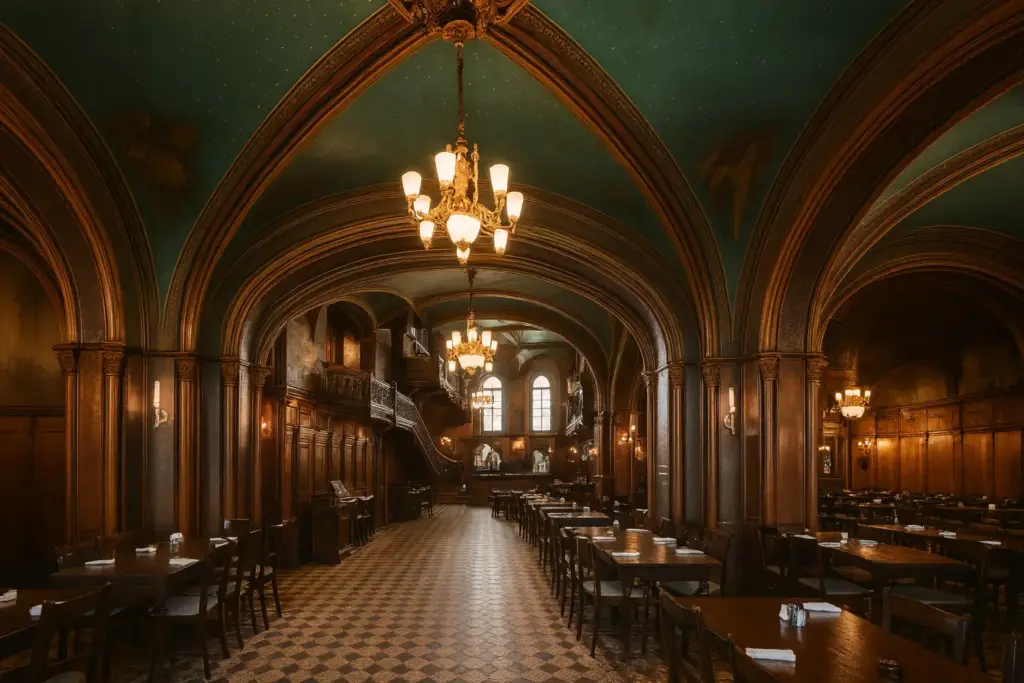
Return to the Old Town for dinner. Lipscani has bars, clubs and late-opening restaurants, so the evening can remain flexible after the scheduled afternoon visits.
For traditional Romanian cuisine, consider the Caru’ cu Bere restaurant, a historic venue with an art nouveau interior. Its menu commonly includes sarmale (cabbage rolls) and mici (grilled minced-meat rolls).

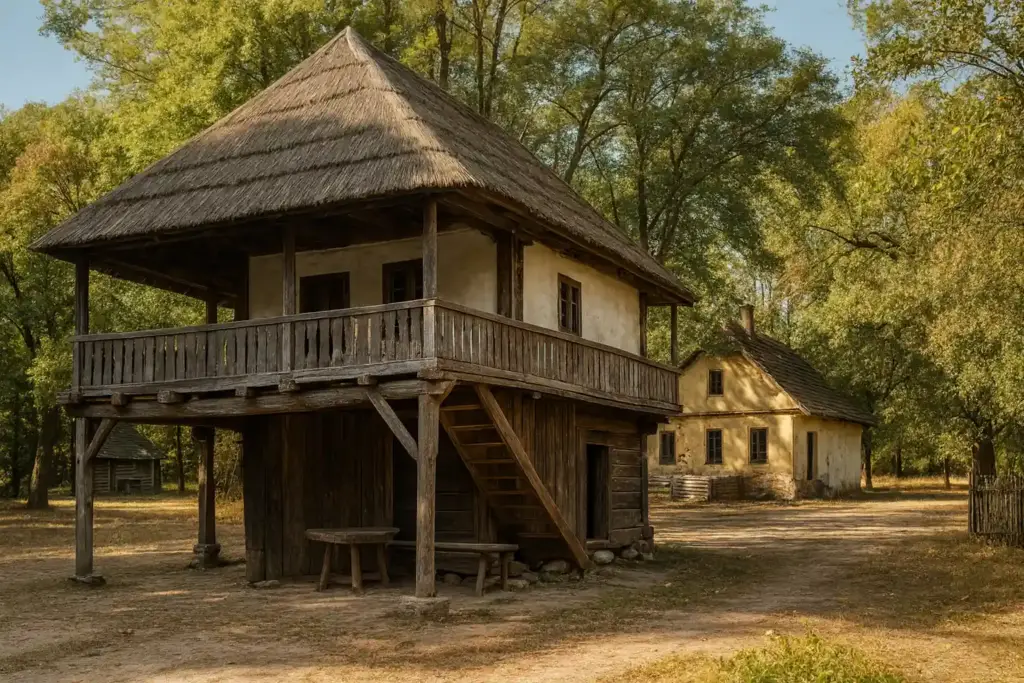
The Village Museum is a paid attraction. Check current admission and guided-visit availability before traveling to the park.
| Fact | Information |
|---|---|
| First mention | 1459 (reign of Vlad Țepeș) |
| Population | ≈ 1.72 million (municipality, 2021 census) |
| Nickname | “Little Paris” for its interwar architecture |
| Tallest building | SkyTower (137 m) |
AFI Cotroceni: If you want an indoor shopping break, this mall combines shops, food outlets and leisure facilities near the district.
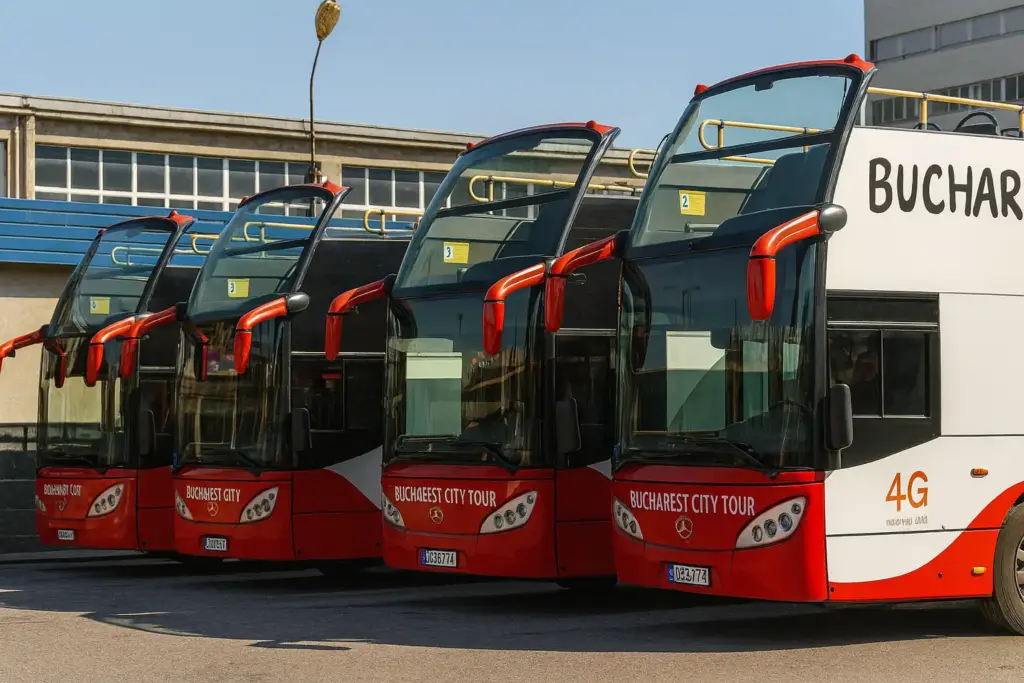
Bucharest has metro, bus, tram and trolleybus services. The metro is useful for longer transfers, while surface transport can connect places outside the central walking area.
Planning: Review the current ACTIV card and payment information from Bucharest’s surface-transport operator. Ticket and contactless-payment conditions can change, so check them before your first journey.
For journeys involving transfers, check the current ticket validity period and whether the route combines metro and surface services.
Explore the Old Town on foot because many of its stops are concentrated within a small area. Use public transport for King Michael I Park, Cotroceni and other districts beyond the historic center.
A scheduled walking tour can add historical context to the Old Town route. Choose a departure time that leaves enough space for any reserved afternoon attraction.
| Mode of transport | Advantages | Disadvantages |
|---|---|---|
| Metro | Fast, frequent, covers main areas | Doesn’t reach every tourist area |
| Bus | Wide coverage | Can be slow due to traffic |
| Tram | Useful for medium distances | Limited network |
| On foot | Ideal for the historic center | Limited to short distances |
Reserve attractions with controlled access first, then arrange museums, parks and meals around those fixed times.
Three days are enough for the Old Town, several major museums, central parks and one or two neighborhoods outside the historic center. Keep timed attractions limited so transfers do not dominate the itinerary.
Use the first day for the Old Town and central landmarks, the second for museums and parks, and the third for Cotroceni, contemporary art and another neighborhood. This groups nearby stops while leaving room for booked visits.
Check current reservation requirements for the Palace of the Parliament and Cotroceni Palace before traveling. Concerts and controlled-access museum visits may also require advance planning.
The Old Town and parts of central Bucharest work well on foot. Use metro or surface transport for King Michael I Park, Cotroceni and other districts beyond the historic center.
Anchor the schedule around reserved attractions, group the Old Town stops on foot and use public transport for the northern and western districts. This itinerary was reviewed in August 2026; access arrangements and availability can change, so confirm current details when reserving timed visits. For alternatives that fit around the route, compare tours and activities in Bucharest.
Travel marketing specialist with extensive experience in the travel sector. At companies such as Despegar and GuruWalk, she has led traveler-focused digital acquisition strategies. Now, from the GuruWalk blog, she combines her expertise with her passion for discovering and sharing unique destinations.
Local guides, pay-what-you-want and no credit card to book. That is how you understand a city.
Explore free tours on guruwalk.com