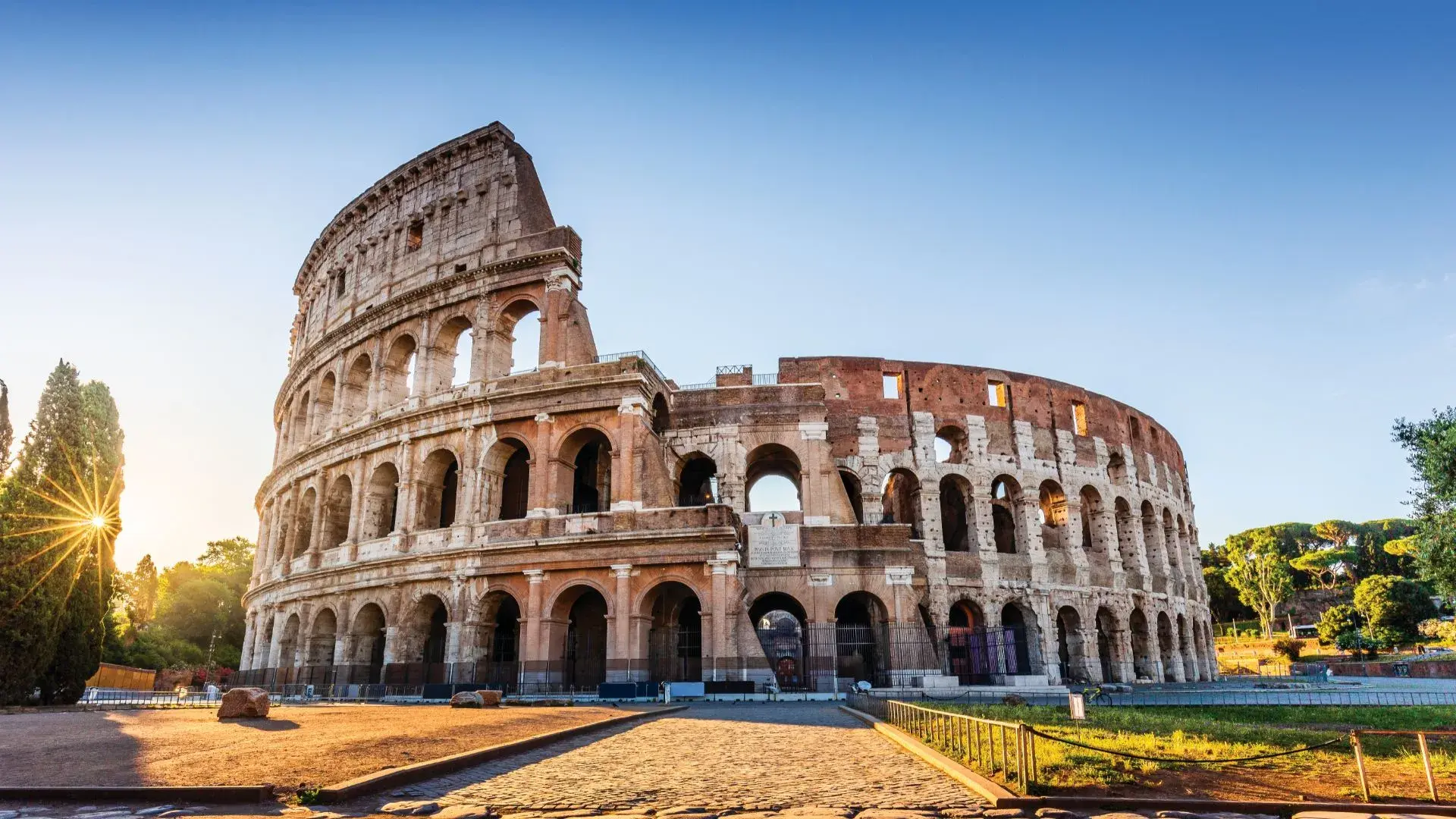
Planning a trip to Rome? This complete guide to Rome covers everything from airport transfers and metro navigation to authentic Roman cuisine, Vatican logistics, and the best free tours in the city. Whether this is your first visit or a return trip, use this as your practical roadmap to the Eternal City — built from the on-the-ground knowledge of GuruWalk’s network of local guides.
Last verified: April 2026 — Prices, opening hours, and reservation requirements checked against official sources. GuruWalk’s Rome gurus reviewed the practical recommendations.
Getting to Rome: Airport Transfers
Rome has two airports. Picking the right transfer depends on your budget, luggage, and where you’re staying.
From Rome-Fiumicino Airport (Leonardo da Vinci)
- Leonardo Express Train: Direct to Termini station in 30 minutes. Departs every 15 minutes; first train 04:50 (Termini) / 05:38 (FCO), last 23:35 / 00:23. Costs 14 € per trip (verify current fare on Trenitalia).
- Regional Train (FL1): Connects the airport with Tiburtina, Ostiense, and Trastevere stations. Takes about 50 minutes but the stops are convenient if staying in Trastevere or near the Vatican. Operates roughly 05:57–22:42 (reduced on Sundays/holidays). About 8 €.
- Shuttle Buses: Several companies run buses to Termini and other central stops. Cheaper than the train but slower during peak traffic.
- Taxi: Fixed fare of 50 € between Fiumicino and anywhere inside the Aurelian Walls (central Rome). Confirm the fare before departure.
- Car Services (VTC): Apps like Uber and FreeNow offer rides at a pre-known price that varies with demand.
From Rome-Ciampino Airport (Giovan Battista Pastine)
- Shuttle Buses: Connect Ciampino with Termini station, about 6 € per trip, 40 minutes to the center.
- Train (with bus connection): No direct train — take a bus or taxi to Ciampino train station and then a regional train to Termini.
- Taxi: Fixed fare of 31 € to central Rome (updated 2026 tariff — confirm with the driver).
- Car Services (VTC): Same apps as Fiumicino, with predetermined fares.
Tips for Using Public Transport
Romans will tell you that public transport requires patience. Metro Line A is the most useful for tourists — it connects Termini with the Spanish Steps (Spagna), Vatican area (Ottaviano), and Trastevere-adjacent stations. A single BIT ticket costs 1.50 € and is valid for 100 minutes on buses/trams plus one metro ride. Since 2024, Rome’s ATAC system accepts contactless payment (tap your card or phone at the validator).
Can You Drink Tap Water in Rome?
Yes. Rome’s tap water is safe and excellent. The city has over 2,500 nasoni (public drinking fountains) — free, clean water throughout the historic center. Bring a reusable bottle and refill as you walk.
Where and What to Eat in Rome
A typical Roman breakfast is a cappuccino and a cornetto — an Italian pastry similar to a croissant but made with eggs, giving it a softer, brioche-like texture. Stand at the bar counter like locals do; sitting at a table often costs more.
For lunch, carbonara is Rome’s signature pasta. These are some addresses our gurus consistently point travelers to:
Beyond carbonara, Rome’s food tradition runs deep. Here are dishes you’ll find on most trattoria menus:
- Supplì: Tomato-and-mozzarella rice croquettes, fried until crispy. The cheese should stretch when you pull it apart (Romans call this supplì al telefono).
- Pizza al taglio: Pizza sold by weight, typically rectangular with creative toppings. Romans grab a few slices and eat them walking or sitting on a bench.
- Amatriciana: Pasta with tomato sauce, guanciale (cured pork jowl), and pecorino cheese.
- Puntarelle alla romana: Chicory salad with a garlic and anchovy dressing — a winter staple.
- Fried Baccalà: Breaded and fried cod, a crispy street food bite.
- Carciofo alla romana: Artichokes braised with herbs and olive oil.
- Carciofo alla giudia: Deep-fried artichokes from Rome’s Jewish Quarter — crispy on the outside, tender inside.
- Coda alla vaccinara: Oxtail stew with celery and tomato, a quinto quarto (offal cooking) classic.
Rome has two distinct pizza styles. Roman pizza has a thin, cracker-like crust with no puffy border. Neapolitan pizza, which you’ll also find in many restaurants, has a softer, moister dough with thicker edges.
Roman pizza
- L’Elementare — Via Benedetta (Trastevere)
Neapolitan pizza
- Antica Friggitoria La Masardona — Piazza dell’Oro
- L’Antica Pizzeria da Michele — Via Flaminia
Evenings in Rome start with aperitivo — a pre-dinner drink with small bites, usually around 19:00. The classic order is an Aperol Spritz or a Negroni. Some bars include a buffet spread with your drink. Top spots:
- BigStar in Trastevere
- Ma Che Siete Venuti A Fà in Trastevere
- Al Vino Al Vino in Monti
- Fafiuché in Monti
- Tre Scalini in Monti
- Hopificio on Via Appia
And for gelato — skip any shop with mountains of brightly colored gelato on display. Real artisanal gelato is stored in covered metal containers (pozzetti). Here’s a map of trusted gelaterias:
Nightlife in Rome
Rome’s nightlife spreads across several neighborhoods, each with a different vibe. Trastevere is the classic choice — narrow streets packed with bars and a young, international crowd. Testaccio is where Romans go for clubs and late-night dancing. Monti offers a more relaxed, wine-bar scene. San Lorenzo, near the university, is the cheapest option with a student atmosphere. Pigneto draws a creative, alternative crowd with craft cocktail bars.
Tips for Visiting the Vatican
No complete guide to Rome would skip the Vatican — the Pope’s residence and the headquarters of the Roman Catholic Church. Here are practical tips to save time and money:
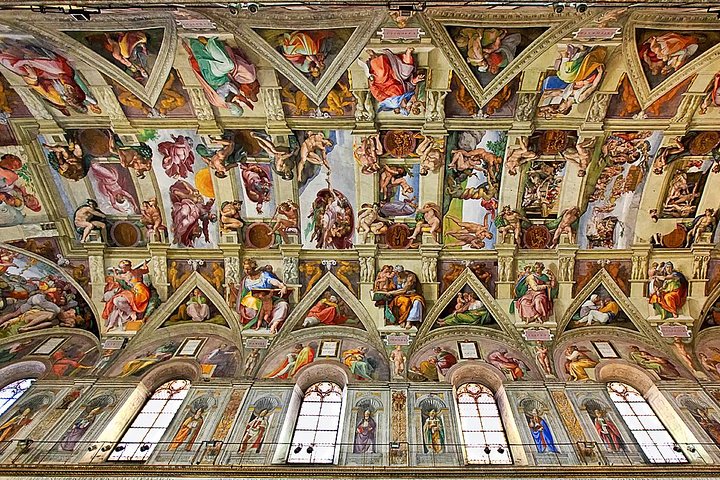
- Buy tickets in advance: The Vatican Museums and Sistine Chapel require timed-entry reservations. You can book a guided tour or skip-the-line ticket through GuruWalk (see the widget below) to save time and get expert commentary included.
- Dress appropriately: Strict dress code at St. Peter’s Basilica and the museums — cover shoulders and knees, or you will be turned away.
- Choose your visit time: Wednesday mornings may be closed for the Papal Audience. Museums are less crowded in the late afternoon (after 14:00). Check the Vatican calendar for special events.
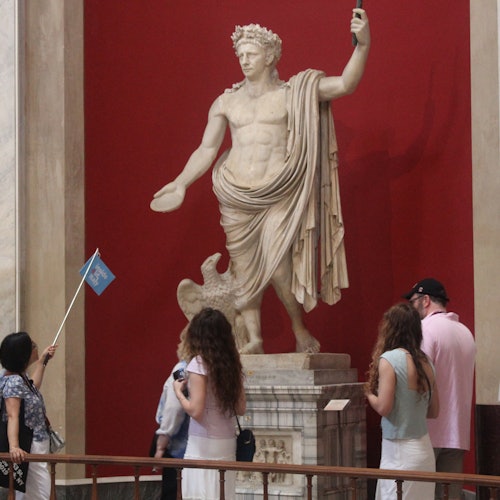
- Consider a guided Vatican tour on GuruWalk: A guided tour helps you navigate the 7 km of galleries efficiently and understand what you’re seeing.
- Wear comfortable shoes: The Vatican complex is enormous. Expect 3-4 hours on your feet.
- Bring a water bottle: Rome gets hot in summer. There are drinking fountains inside the museum complex for refills.
- Visit the Vatican Gardens: Book in advance for a guided tour of the gardens — a quieter, greener side of Vatican City.
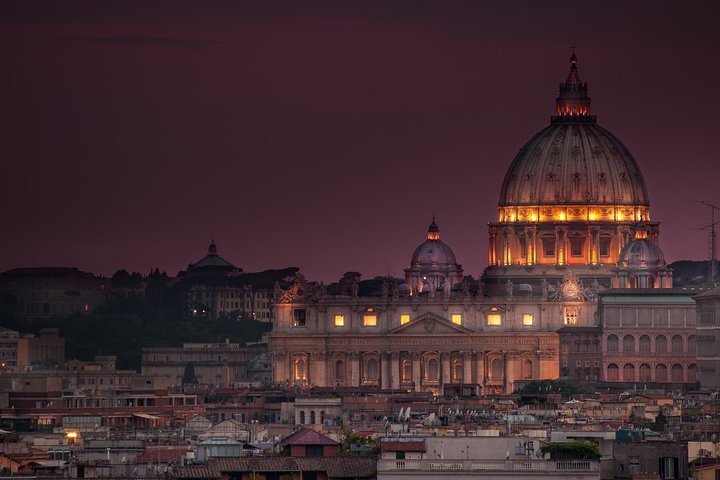
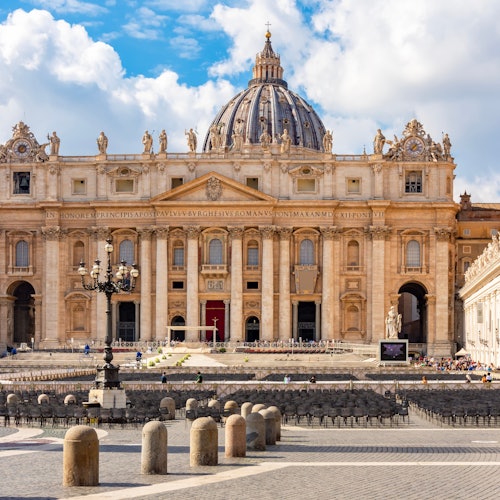
- Climb St. Peter’s Dome: After the Sistine Chapel, exit directly into St. Peter’s Basilica without queuing again. The dome climb (551 steps, or elevator + 320 steps) offers one of the best panoramic views of Rome.
- Arrive early or late: Opening time (08:00) or last entry (16:00) are the least crowded slots.





Restaurants and Pizzerias Near the Vatican
The streets immediately around St. Peter’s Square tend to be tourist traps. Walk 5-10 minutes into the Prati neighborhood for better food at lower prices. Here are some picks:
Day Trip: Rome to Florence
Florence is 271 km north of Rome and makes an excellent day trip. Here are your options:
- High-speed train (Frecciarossa or Italo): 1.5 hours, tickets from about 20 € if booked early. The fastest and most popular option.
- Regional train: Up to 3 hours, cheaper but slower. Suitable if you want a budget option and don’t mind the extra time.
- Bus: 3-4 hours, tickets from 5 €. The cheapest alternative.
- Car: About 3 hours via the A1 motorway. Factor in rental, fuel, tolls, and Florence’s ZTL (restricted traffic zone).
- Flight: 55 minutes, but airport transfer time makes this impractical for a day trip.
Once in Florence, join one of the free tours by GuruWalk guides to cover the highlights in two to three hours. For more planning detail, check our guide to free things to do in Florence.
Free Tours in Rome
The most efficient way to orient yourself in Rome is to start with a free walking tour in Rome. In 2-3 hours, a local guru walks you through the historic center — Colosseum, Trevi Fountain, Pantheon, Piazza Navona — while sharing context you won’t get from a guidebook. You only pay what you think the tour was worth at the end.
Frequently Asked Questions About Rome
How many days do you need in Rome?
Three to four days is the sweet spot for first-time visitors. That gives you time for the Colosseum and Forum, the Vatican, a food-focused walk through Trastevere or Testaccio, and a half-day for the Pantheon area and Piazza Navona.
Is Rome expensive?
Budget travelers can get by on 80–120 € per day (hostel, street food, public transport). Mid-range budgets run 150–220 € per day (3-star hotel, sit-down meals, museum entry). A free walking tour is one of the best value activities in the city.
When is the best time to visit Rome?
April–May and September–October offer warm weather (18–25 °C), manageable crowds, and lower hotel prices compared to summer. July and August are hot (35 °C+) and peak tourist season. Winter is mild but some attractions have reduced hours.
Is Rome safe for tourists?
Rome is generally safe. The main risk is pickpocketing, particularly on Metro Line A, around Termini station, and at crowded tourist sites. Keep valuables in a front pocket or crossbody bag. Avoid buying from street vendors at major monuments.
Do I need to book the Colosseum in advance?
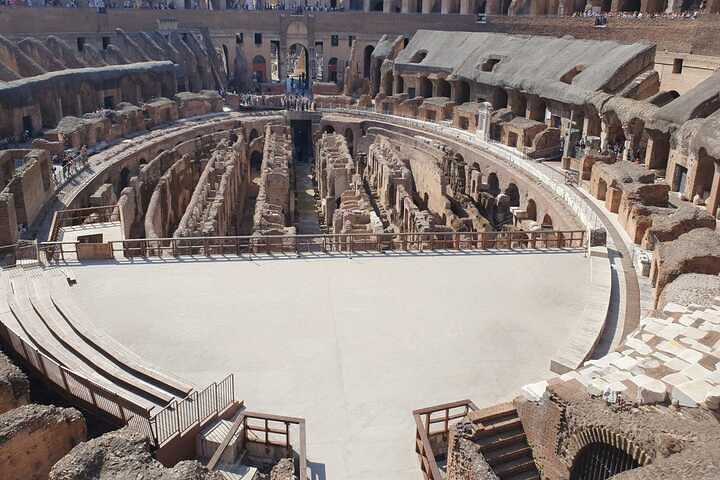
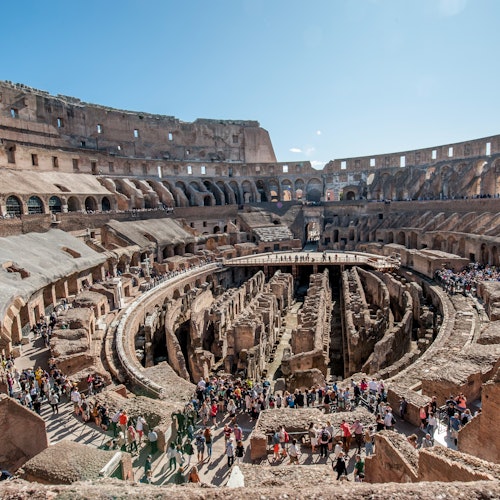
Yes. Since 2024, the Colosseum requires timed-entry reservations. You can book skip-the-line tickets or guided tours through GuruWalk — check availability below. During peak season, book at least two weeks ahead.
Plan Your Complete Rome Trip
Rome rewards preparation. Book the Colosseum and Vatican Museums well in advance, pick a neighborhood that matches your pace (Trastevere for atmosphere, Monti for walkability, Prati for Vatican proximity), and leave room for unplanned detours — a gelato stop, a sunset from the Pincio terrace, or an extra hour in a church you stumbled into.
For more ideas and bookable activities, browse all activities in Rome on GuruWalk. Also check our things to do in Rome and the Rome walking tour map.
Last updated: April 2026. Prices, schedules, and reservation requirements may change — verify on official sites before booking. For the latest local tips, ask your GuruWalk guru during the tour.


Thank you Lara for this Guide and all the details- It will be of utmost importance for my family and myself as it will be our first visit.
Thank you this is very helpful.
We are arriving at theCivitavecchia and will travel into Rome.
What is the closest stop for the meeting point for the Rome City Center walking tour ?
Hi Elissa! 👋
From Civitavecchia cruise port to the Rome City Center meeting point, the fastest + cheapest route is:
Port → Civitavecchia Station
• Take the free port shuttle to the exit, then the local shuttle (Orion) or walk ~15–20 min to the train station.
Civitavecchia → Rome (Termini)
• Buy a BIRG day ticket (covers round-trip regional train + all Rome metro/buses for the day).
• Take any regionale train to Roma Termini (about 70–80 min).
Termini → meeting point (depends on your tour page):
• If your tour meets near Piazza Venezia / Altare della Patria: bus 64/40 from Termini → get off at Piazza Venezia (5–10 min), then 2–5 min walk.
• If it meets near the Spanish Steps / Piazza di Spagna: Metro A from Termini → Spagna (3 stops), 2–3 min walk.
• If it meets near Trevi Fountain / Barberini: Metro A → Barberini, 5 min walk.
Most “City Center” tours meet around Piazza Venezia or Spanish Steps. Check the exact meeting point on your booking—there’s always a Google Maps link and the nearest metro/bus stop listed there.
Tip: aim to arrive in Rome at least 45–60 min before the tour (trains can have minor delays), and keep the BIRG ticket with you for city transport during the day.
If you share the specific tour link or meeting point name, I’ll pinpoint the exact closest stop. Enjoy Rome! 🏛️🍦
Thank you for all these helpful details 🙏