

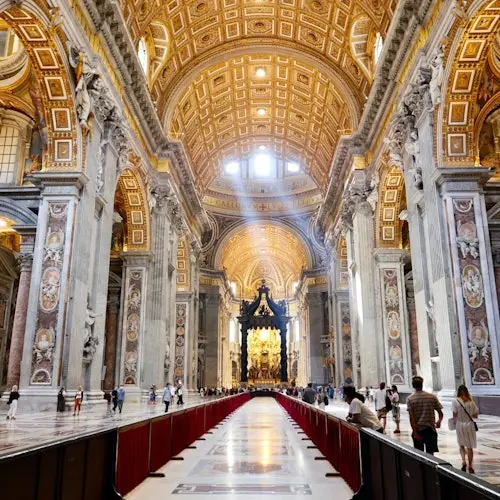




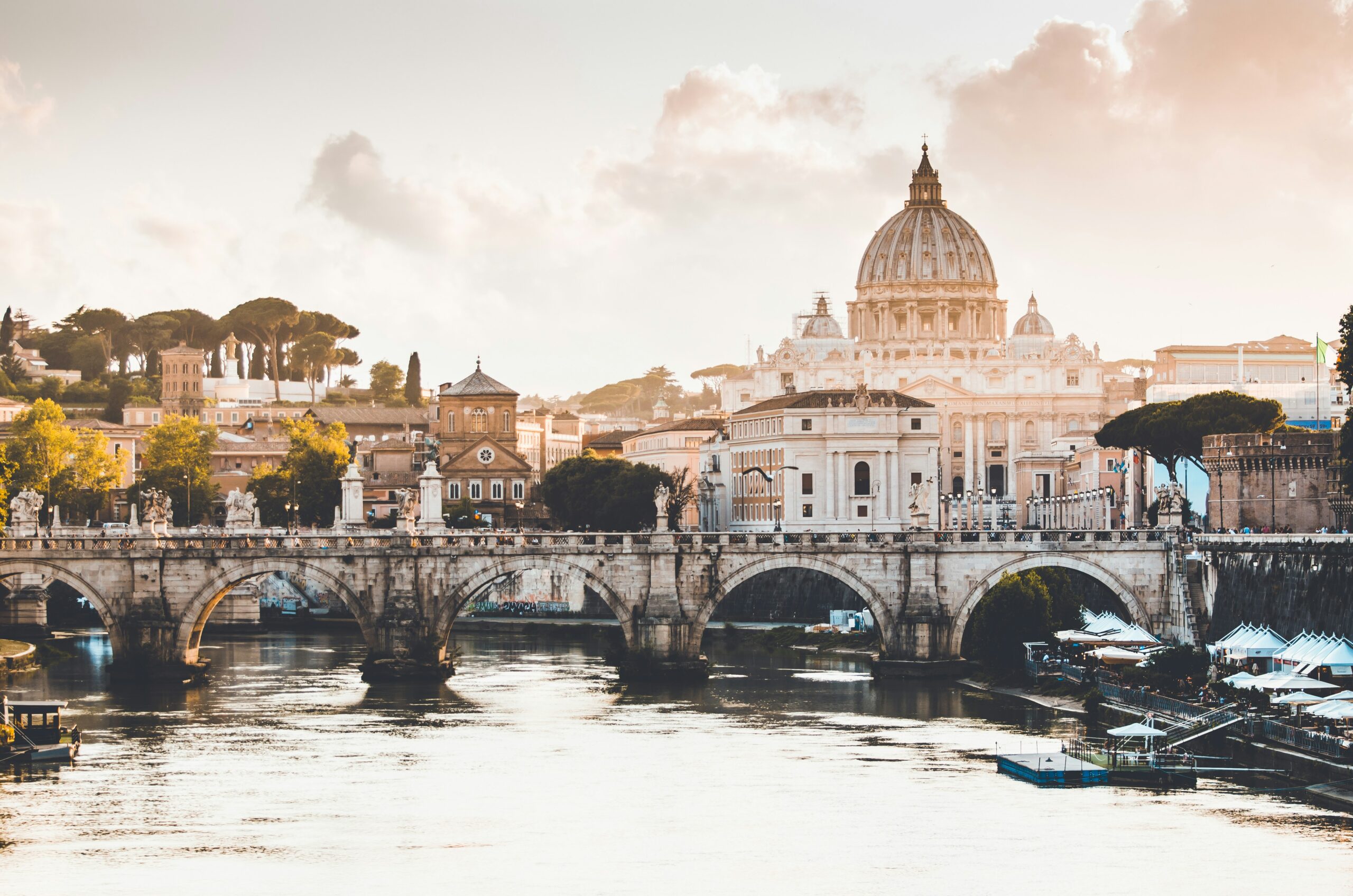
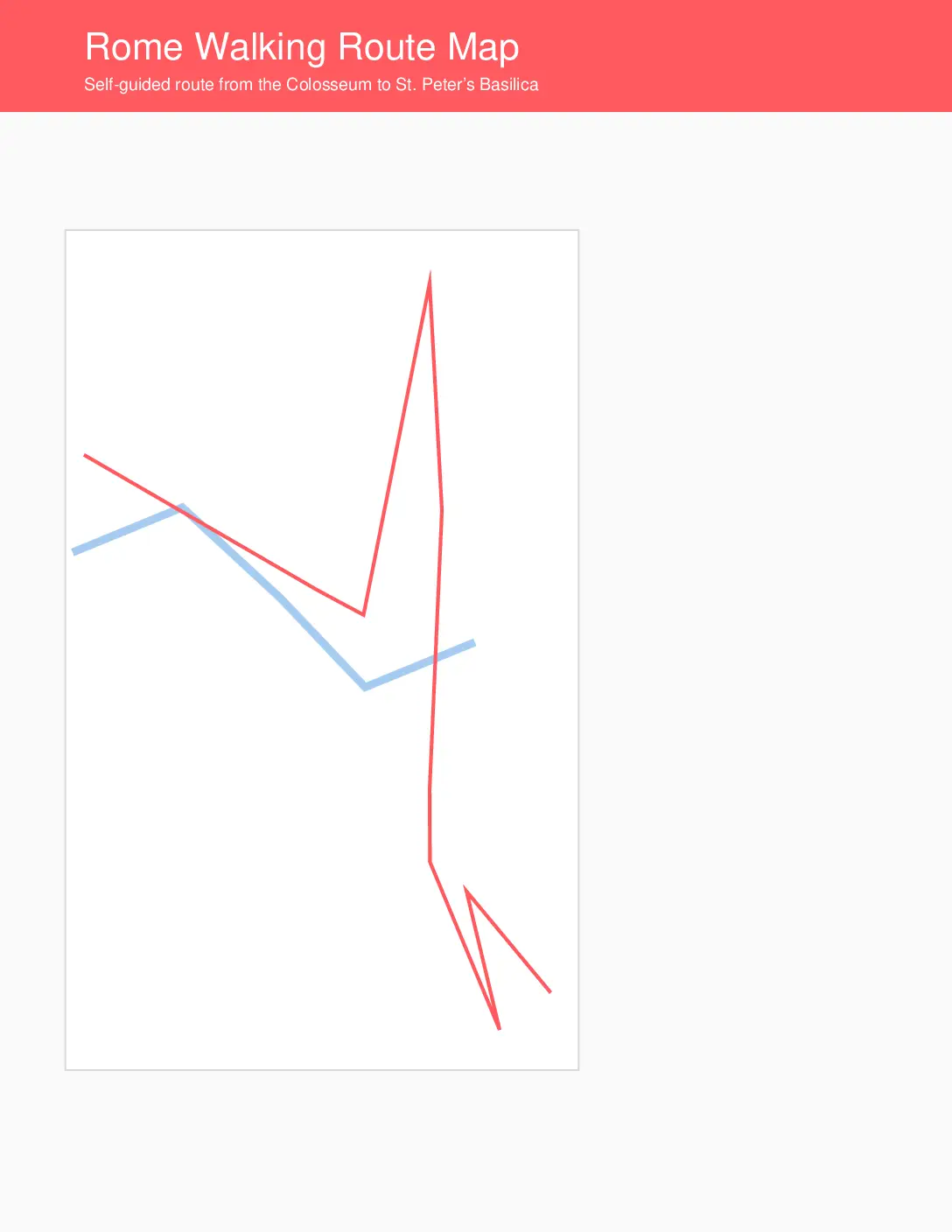
Follow a seven-kilometre Rome walking route from the Colosseum to St. Peter’s Basilica, with ten mapped stops and a downloadable PDF.
 Belén Rivas
GuruWalk
·
Updated 27 Aug 2026
Belén Rivas
GuruWalk
·
Updated 27 Aug 2026Welcome to Rome, the Eternal City—home to ancient ruins, Baroque fountains, and lively piazzas. This walking tour Rome map and self-guided route is designed to help you cover the city’s best-known sights at your own pace. From the Colosseum to St. Peter’s Basilica, the stops below follow a practical walking order and include tips for planning tickets and timings.
Last verified: May 2026 — Prices, opening hours, and reservation requirements checked against official sources. GuruWalk’s Rome gurus reviewed the practical recommendations.
Our walking tour covers approximately 7 kilometers and is estimated to take around 4–5 hours, not including time spent inside attractions. The route connects the most emblematic ancient sites and piazzas, blending history, art, and local life.
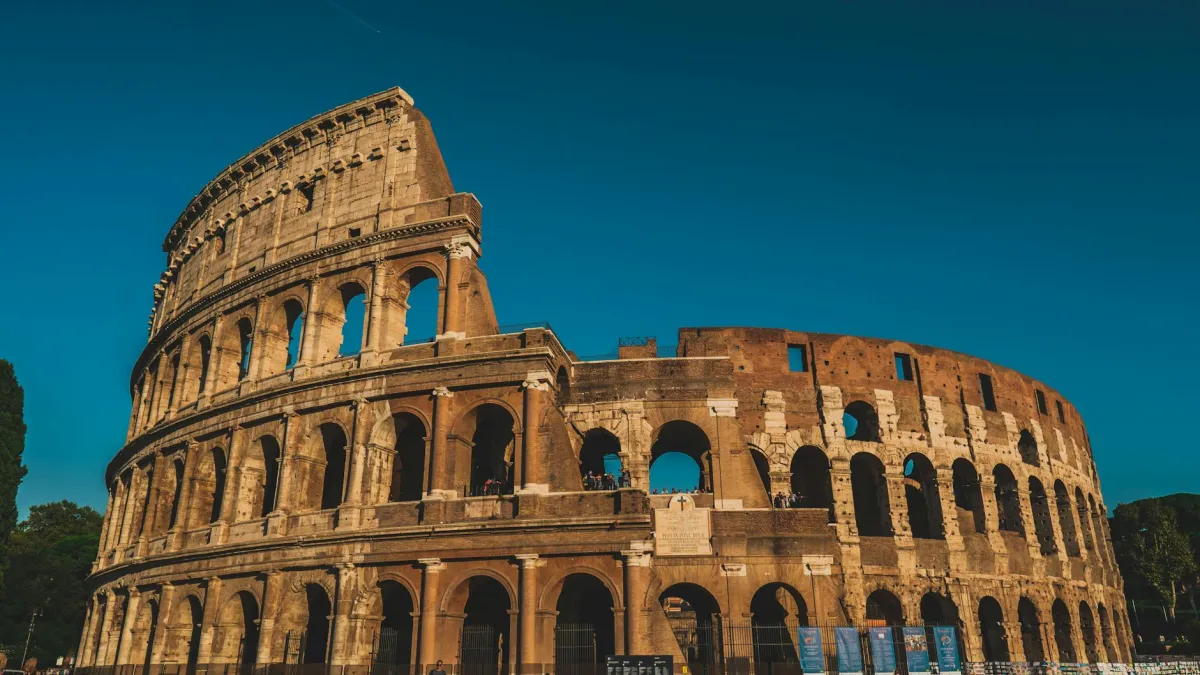
History & Facts: Completed in 80 AD, the Colosseum hosted gladiatorial games and public spectacles for tens of thousands of spectators. It remains a symbol of Roman architectural prowess. Official updates on tickets, entrances, and closures are published by Parco archeologico del Colosseo.
Tips for Visiting:
Next Stop: Walk along Via dei Fori Imperiali to the Roman Forum.
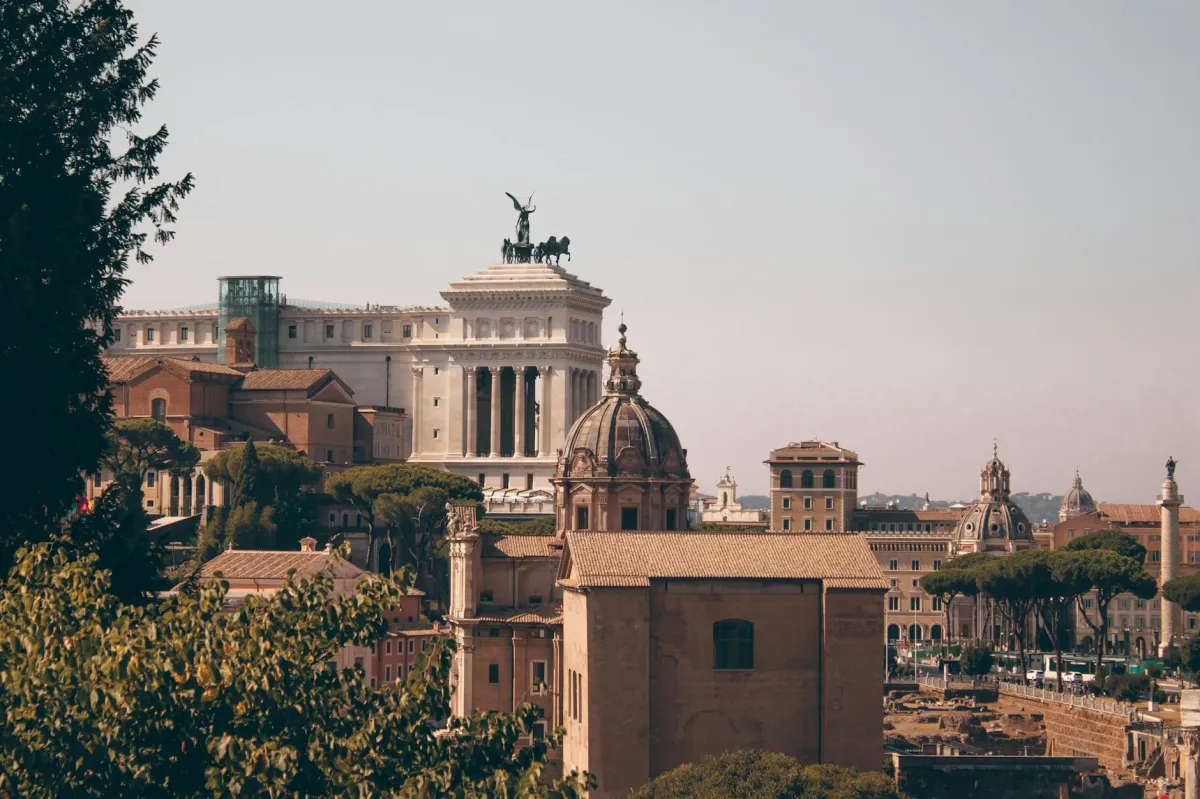
History & Facts: Once the center of Roman public life, the Forum is a sprawling complex of basilicas, temples, and arches, including the Temple of Saturn and the Arch of Septimius Severus.
Tips for Visiting:
Next Stop: Climb to Palatine Hill via the internal paths.
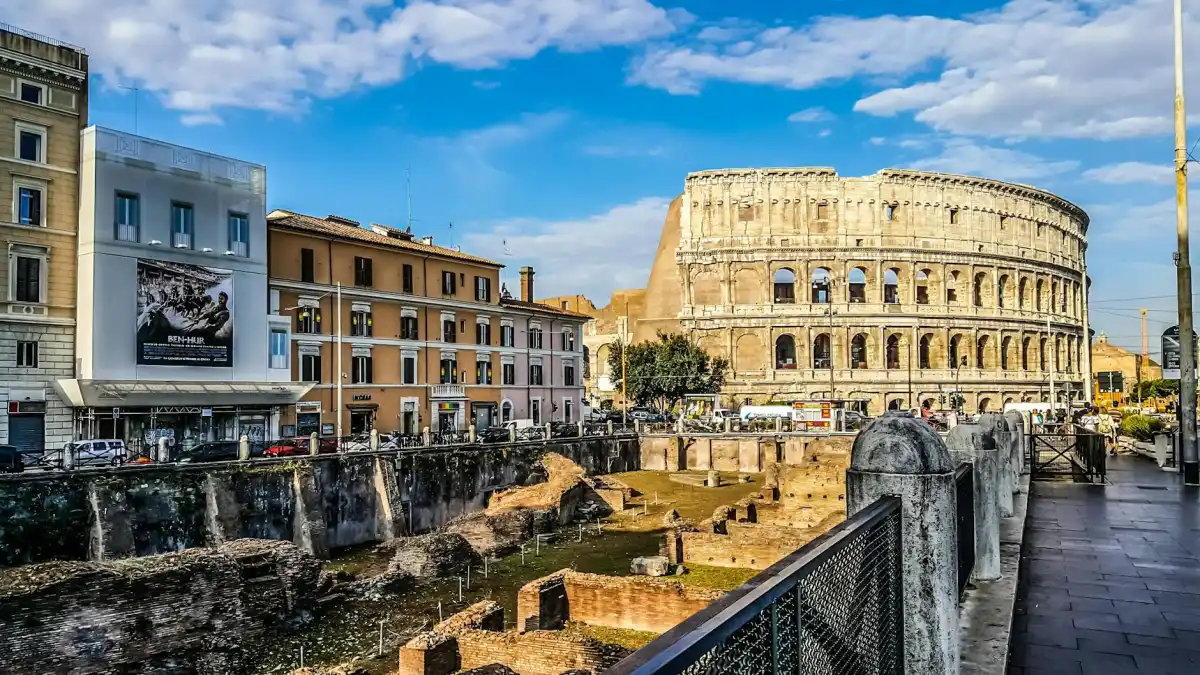
History & Facts: According to legend, Romulus founded Rome here. Later, emperors built lavish palaces with sweeping views over the Forum and Circus Maximus.
Tips for Visiting:
Next Stop: Descend toward the Capitoline Hill (Campidoglio).
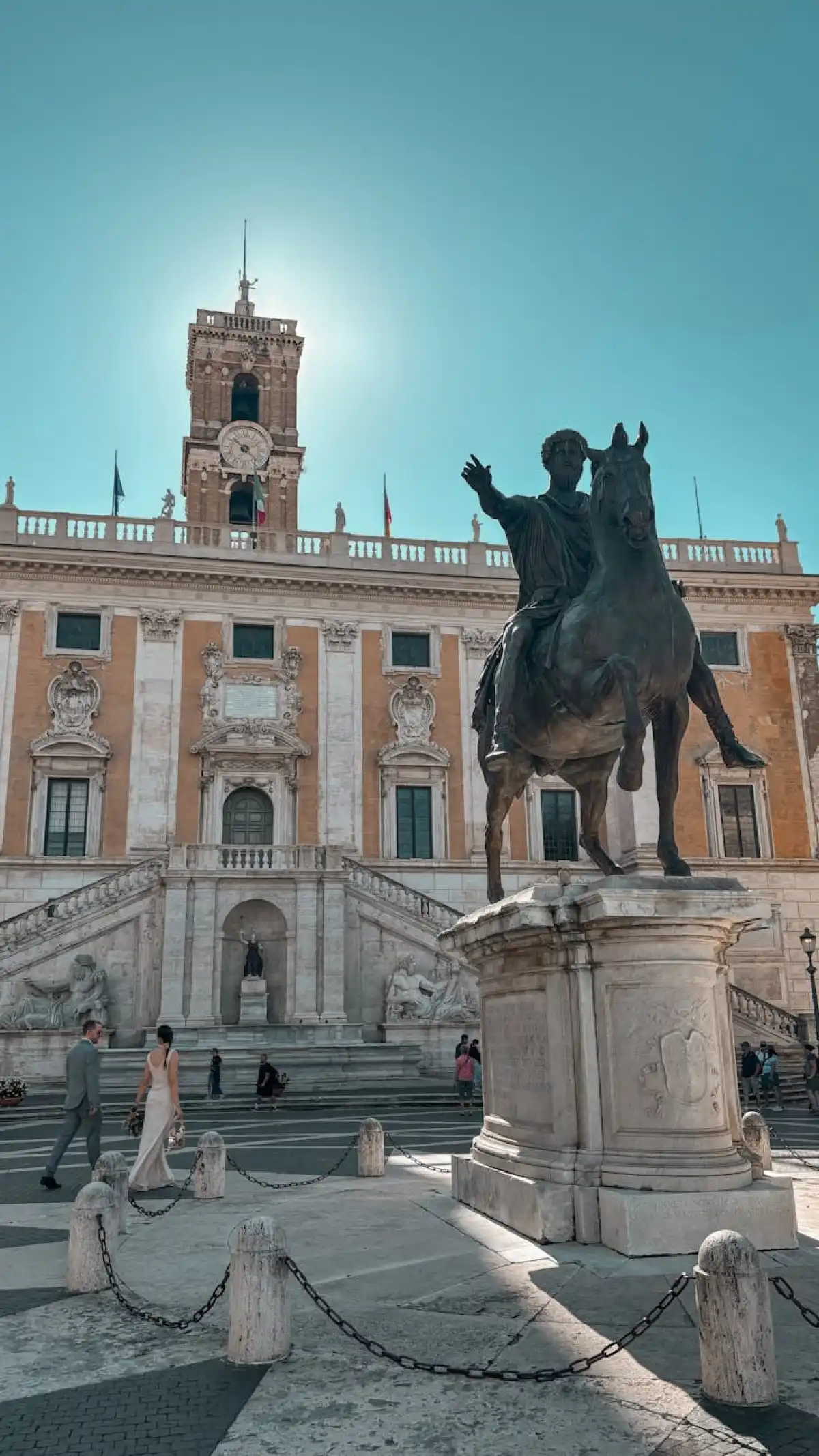
History & Facts: Redesigned by Michelangelo, the square features the Capitoline Museums and overlooks the Forum from the scenic Terrazza Caffarelli.
Tips for Visiting:
Next Stop: Walk down to Piazza Venezia & the Vittoriano.
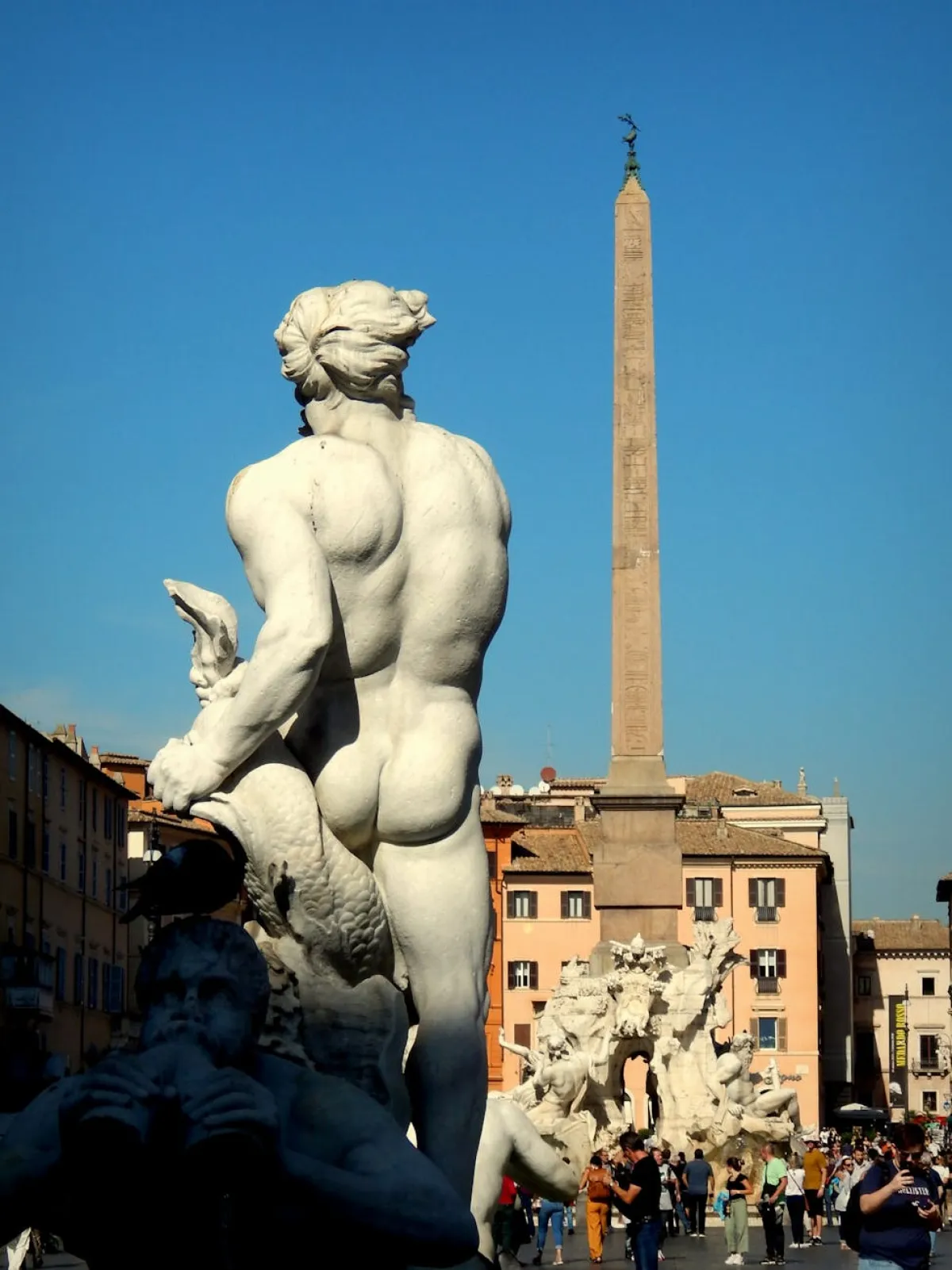
History & Facts: The vast white marble monument honors Italy’s first king and houses the Tomb of the Unknown Soldier. Rooftop terraces offer panoramic views of Rome.
Tips for Visiting:
Next Stop: Meander through narrow streets to the Trevi Fountain.
History & Facts: Completed in 1762, the Trevi Fountain is Rome’s most famous fountain, fed by the Aqua Virgo aqueduct. Toss a coin over your left shoulder for luck.
Tips for Visiting:
Next Stop: Continue to the Spanish Steps.
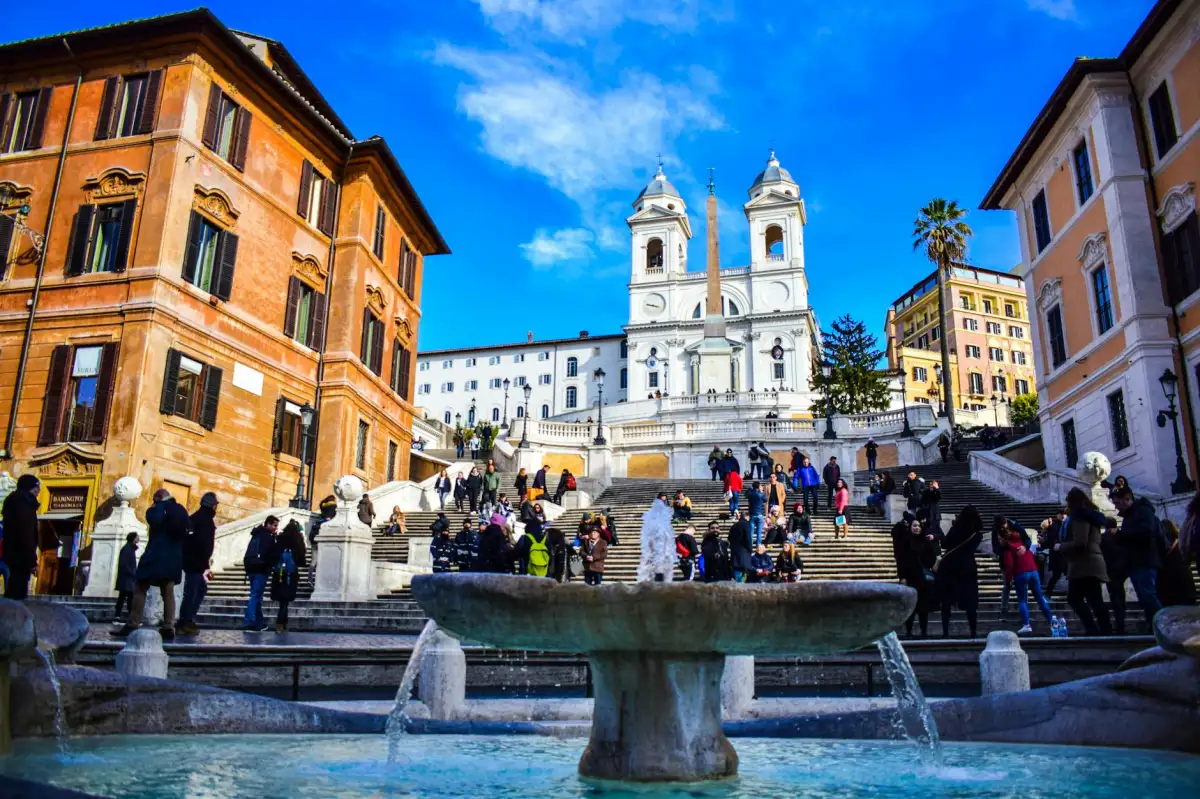
History & Facts: The elegant staircase (1725) connects Piazza di Spagna with the Trinità dei Monti church. The Barcaccia Fountain by Bernini’s workshop sits at the base.
Tips for Visiting:
Next Stop: Head toward the Pantheon via Via del Corso and side streets.
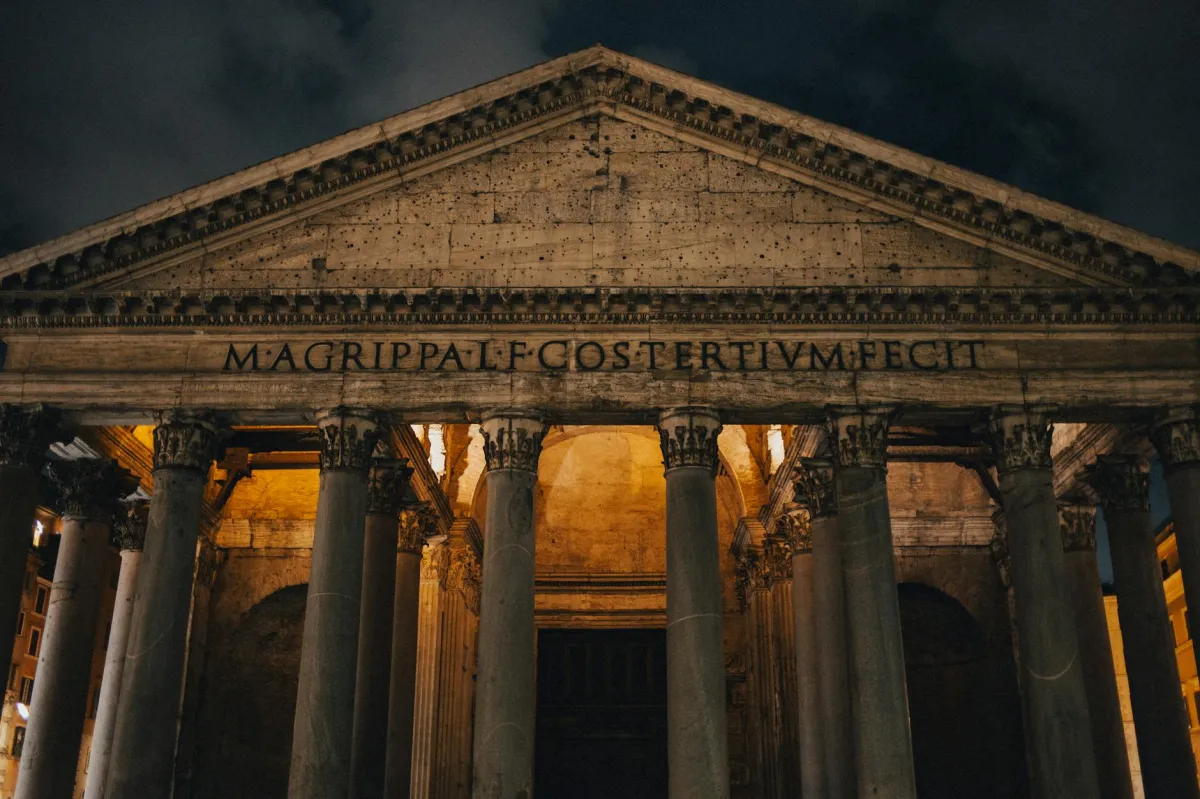
History & Facts: A perfectly preserved Roman temple transformed into a church. The coffered dome and central oculus are marvels of ancient engineering.
Tips for Visiting:
Next Stop: A short walk brings you to Piazza Navona.
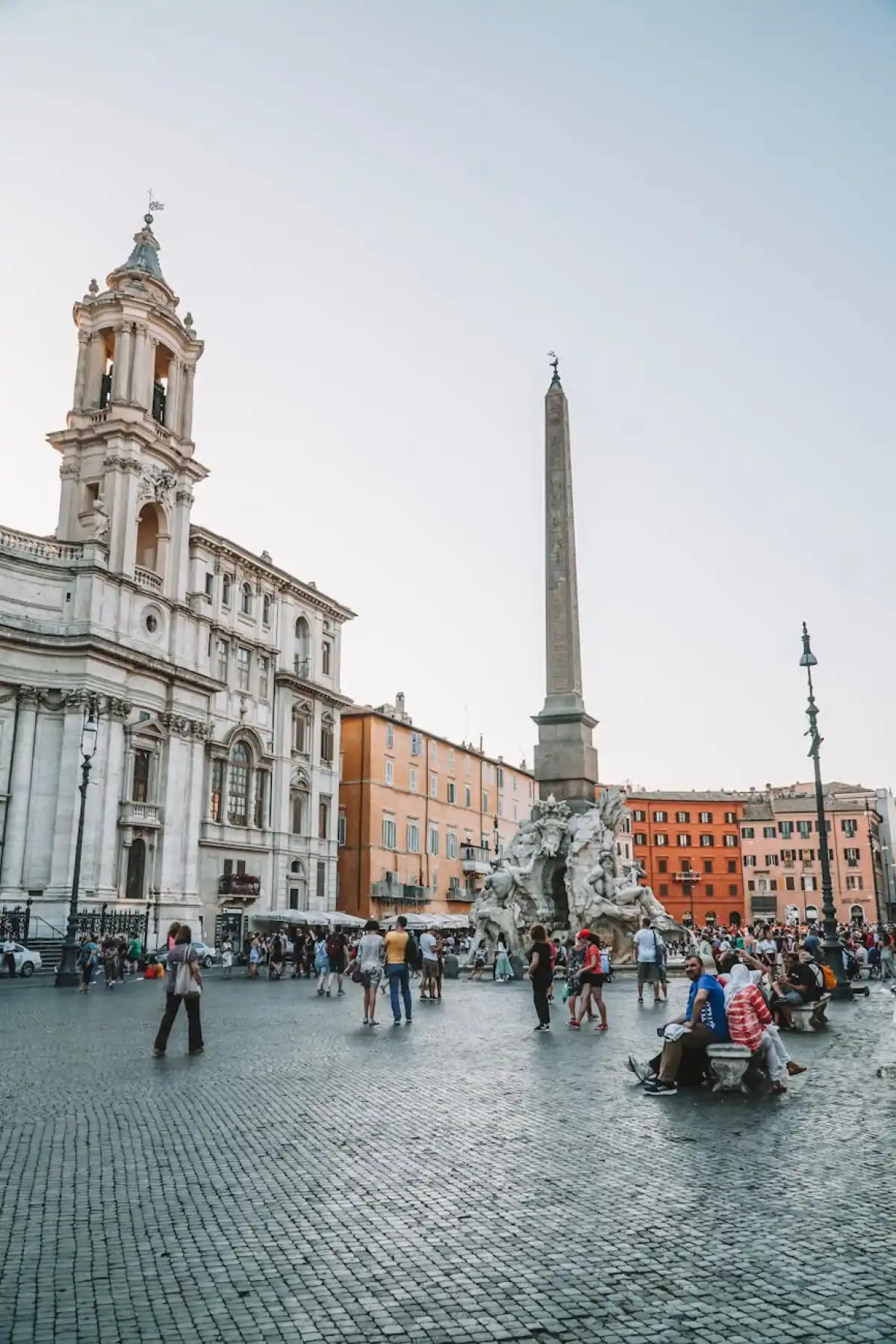
History & Facts: Built on the site of Domitian’s stadium, this elegant square features Bernini’s Fountain of the Four Rivers and Borromini’s Sant’Agnese in Agone.
Tips for Visiting:
Next Stop: Cross the river toward St. Peter’s Basilica (optional detour via Castel Sant’Angelo).
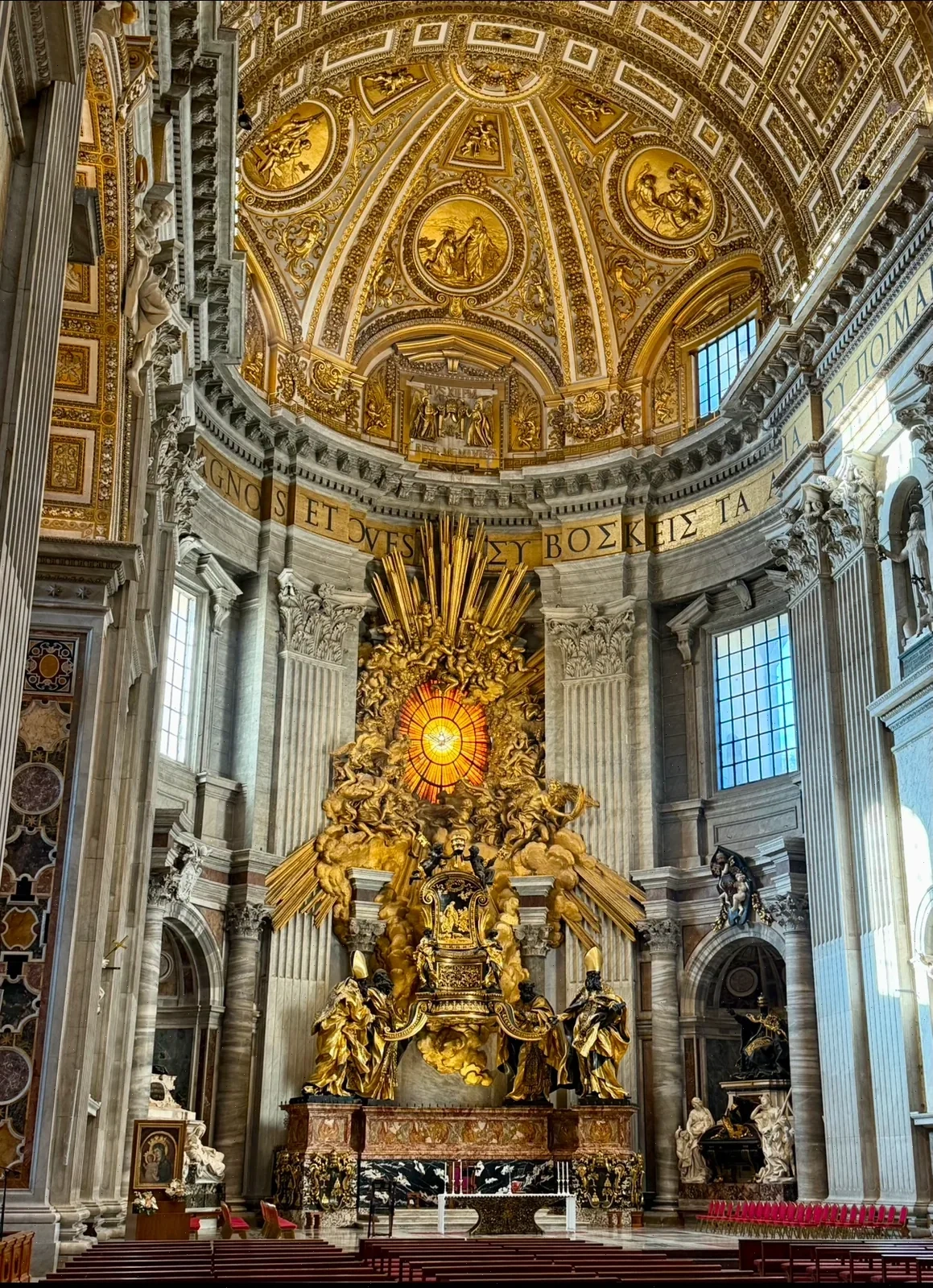
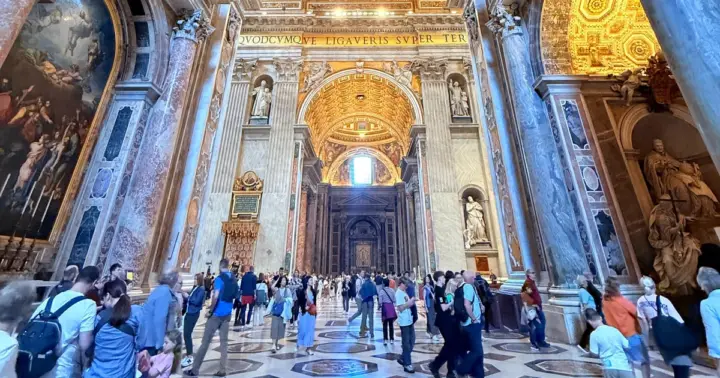
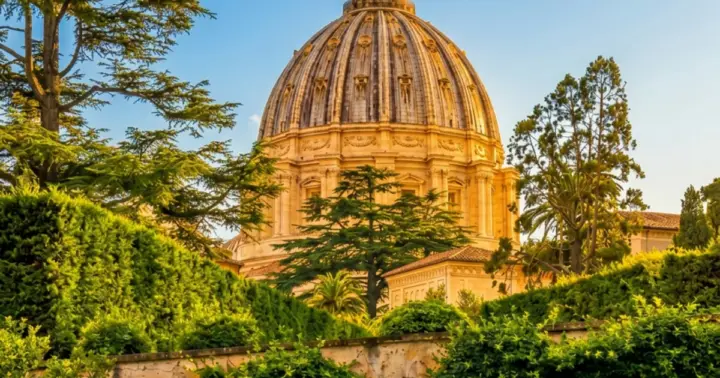
History & Facts: One of the holiest Catholic sites, rebuilt in the 16th–17th centuries with contributions by Bramante, Michelangelo, and Bernini. The interior houses masterpieces like the Pietà. Visitor guidelines and official updates are published on Vatican.va.
Tips for Visiting:

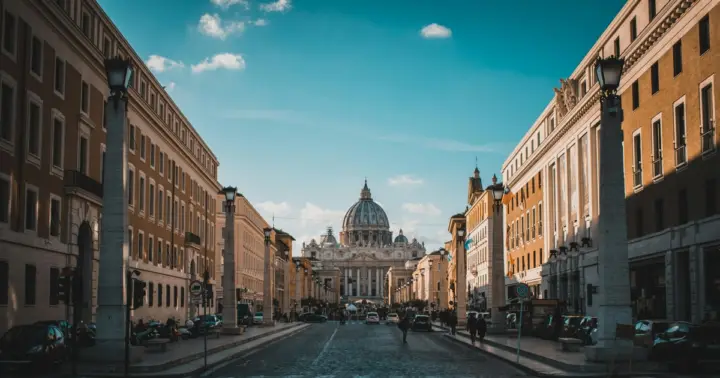
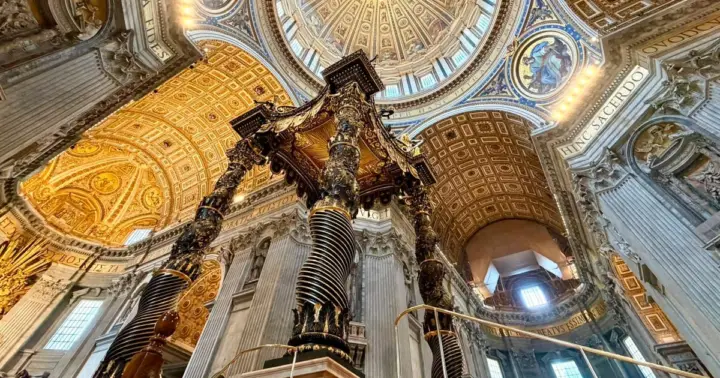
End of Tour: Conclude your self-guided walking tour of Rome in St. Peter’s Square, or stroll along the Tiber back toward the historic center.
For an even richer experience, we recommend joining a free walking tour led by local guides—a simple way to add context and stories to the same areas covered in this walking tour Rome map. You can also download the map in PDF format to keep it handy offline.
1. How long does the self-guided walking tour of Rome take?
The route is approximately 7 kilometers and typically takes 4–5 hours, depending on time spent at each stop.
2. Are the attractions open every day?
Most major sights are open daily, but hours and entry rules vary by season and event. Always check the official websites before you go. For broader planning updates, Rome’s official tourism portal is Turismo Roma.
3. Is Rome suitable for walking tours?
Yes. Distances in the historic center are moderate, though streets can be uneven. Wear good shoes and carry water, especially in summer.
4. Can I use public transportation if I get tired of walking?
Absolutely. The metro, bus, and tram network connects most areas. Taxis and ride-hailing services are widely available.
Rules – No baby strollers allowed, no wheelchairs Church visit rules – knees and shoulders covered to visit inside…

We begin in Rome’s Jewish Ghetto , a neighborhood shaped by centuries of persecution, resilience, and …

Step into the world of Ancient Rome and discover the rise and fall of the greatest empire in history. Our…
You need to be fluent in English Step into the real Rome on this free
⚠️⚠️⚠️ Tour not recommended for children under 12 years old ⚠️⚠️⚠️ Ghosts and Mysteries Free Tour: Haunted Places, Murd…
Turn Rome into a crime scene on this immersive free walking tour focused on Caravaggio, the most scandalous genius of…
Book the tour as early as you arrive , I’ll give you plenty of suggestions for Rome so you’ll be…

* Price, opening-hour and access information is current as of May 2026 according to official sources. These details may change at any time due to holidays, maintenance works or new regulations. Always confirm on official websites or by phone with each venue before your visit. For background on Rome’s historic center designation, see UNESCO’s entry for the Historic Centre of Rome.
Travel marketing specialist with extensive experience in the travel sector. At companies such as Despegar and GuruWalk, she has led traveler-focused digital acquisition strategies. Now, from the GuruWalk blog, she combines her expertise with her passion for discovering and sharing unique destinations.
Local guides, pay-what-you-want and no credit card to book. That is how you understand a city.
Explore free tours on guruwalk.com