


This Lisbon travel guide covers practical transport advice, free viewpoints and historic districts, local dishes, nightlife, and the journey to Porto. Start with the free-tour section, then use the neighborhood and food recommendations to plan each day.
Last verified: August 2026 — Prices, opening hours, and reservation requirements checked against official sources. GuruWalk’s Lisbon gurus reviewed the practical recommendations.
Best free tours in Lisbon

A free walking tour is a practical way to understand Lisbon’s layout before exploring independently. Compare Lisbon free walking tours by route, language, and schedule; travelers commonly tip €10–€20 per person after the tour and may give up to €50 for an exceptional experience.
With The Most Entertaining and Passionate Local Guides, you’ll get to know: The historical neighborhoods of…

Embark on an electrifying journey through Lisbon's soul with our Free Tour of the Unmissable Lisbon . Dive dee…

Alfama is not only one of the oldest and most picturesque districts in Lisbon, but also was one of the…

Explore the elegant heart of the city with our Baixa and Chiado Walking Tour, ideal for visitors looking for a…

Discover where Lisbon began with our Alfama and Mouraria Walking Tour, a journey through more than 3.000 years of history….
Dive into an adventure that stretches across time and continents with our Belém Free Walking Tour , Lisbon's t…
Whether you are a tourist, an ex-pat, or even a local, this historical, city center walking tour is made for…

Basic Tips for a First Visit to Lisbon

- Carry water: Lisbon’s hills make longer walking routes more demanding, particularly when several viewpoints are included in the same day.
- Explore on foot: Walking works well for compact districts such as Baixa, Chiado, and Alfama. Cobblestones and steep streets make shoes with good grip useful.
- Use public transport for longer or steeper routes: Check current metro information and service notices on the official Metropolitano de Lisboa website. Trams and buses can reduce difficult uphill sections.
- Try the local cuisine: Grilled cod, roasted sardines, and pastéis de nata are widely available in traditional restaurants and pastry shops.
- Wear suitable footwear: Smooth cobblestones can become slippery, so comfortable shoes matter more than covering long distances quickly.


What to See for Free in Lisbon

Lisbon’s public squares, viewpoints, riverfront, and historic streets provide several ways to explore the city without paying an admission fee:
- Visit the viewpoints: Miradouro da Senhora do Monte overlooks the city and the Tagus, while Miradouro de Santa Catarina provides a different perspective from the western side of the center.
- Walk through public gardens: Lisbon has shaded green spaces that provide a break between the central neighborhoods and hilltop viewpoints.
- See the National Pantheon and Campo de Santa Clara: The exterior and surrounding streets can be explored freely. Check current admission conditions before planning an interior visit.
- Visit the church of São Roque: Its façade faces Largo Trindade Coelho, close to Chiado and Bairro Alto. Check current access arrangements before entering.
- Walk through Alfama: Follow the narrow streets of Lisbon’s oldest district and view Lisbon Cathedral and the church of Santo António from the surrounding public spaces.
- Explore Belém: Walk around the Jerónimos Monastery and Belém Tower, whose cultural significance is documented in their official UNESCO World Heritage listing. Interior access has separate conditions.
- Walk through Chiado and Bairro Alto: These adjacent districts combine theaters, churches, shops, and residential streets. São Carlos National Theatre and São Roque church are useful orientation points.
- Walk beside the Tagus: The riverside areas around Parque das Nações and the historic center offer public promenades, although covering the entire distance between them is a substantial walk.
What to Eat in Lisbon

Lisbon’s cuisine draws heavily on seafood, preserved cod, soups, and pastry. These dishes provide a useful starting point:
- Bacalhau à Brás: Shredded cod with fried onions, parsley, black olives, scrambled eggs, and straw potatoes.
- Pastéis de Nata: Custard tarts in flaky pastry with a caramelized surface.
- Sardinhas Assadas: Grilled sardines, commonly associated with the Santo António festivities.
- Caldo Verde: Potato soup with kale, chorizo, and olive oil.
- Arroz de Marisco: Seafood rice cooked in a tomato and pepper broth.
- Amêijoas à Bulhão Pato: Clams prepared with garlic, olive oil, cilantro, and white wine.
Enjoy Lisbon with these amazing Food Tours




Lisbon: Olive Oil Tasting Experience in Campo de Ourique

Lisbon Through the Eyes of a Local – Food and Walking Tour

Lisbon: Eat Like a Local – Authentic Food Tour (small grps)

Eat & Walk Through Lisbon: A Local Food & Wine Experience

Lisbon: Baixa District Food Tour with Dinner and Drinks

Lisbon: Original Morning Food Tour


Lisbon Wine and Food: Private Walking Tour


Lisbon: Lens Walk “Capture the City” with Tastings
Where to Eat the Best Typical Food in Lisbon

Eating on a modest budget in Lisbon is possible across traditional restaurants, markets, and small counters. Use the map to compare places serving caldo verde, bacalhau à Brás, pastel de bacalhau, bifanas, and other Portuguese dishes.
Where to Eat the Best Pastéis de Nata in Lisbon

Pastéis de nata are sold across Lisbon, but recipes, pastry texture, and serving temperature vary. The map collects pastry shops where travelers can compare different versions.



Where to Eat the Best Francesinhas

The francesinha is a Portuguese sandwich associated with Porto but also served in Lisbon. It combines ham, sausages, and beef or pork between slices of bread, then adds melted cheese and a thick sauce commonly prepared with tomato, beer, and piri-piri.
Where to Have Breakfast in Lisbon

Lisbon has both traditional pastry shops and contemporary cafés. A common quick breakfast pairs coffee with a pastel de nata, while other cafés serve larger breakfasts and vegan options.
The Best Terraces and Rooftop Bars in Lisbon
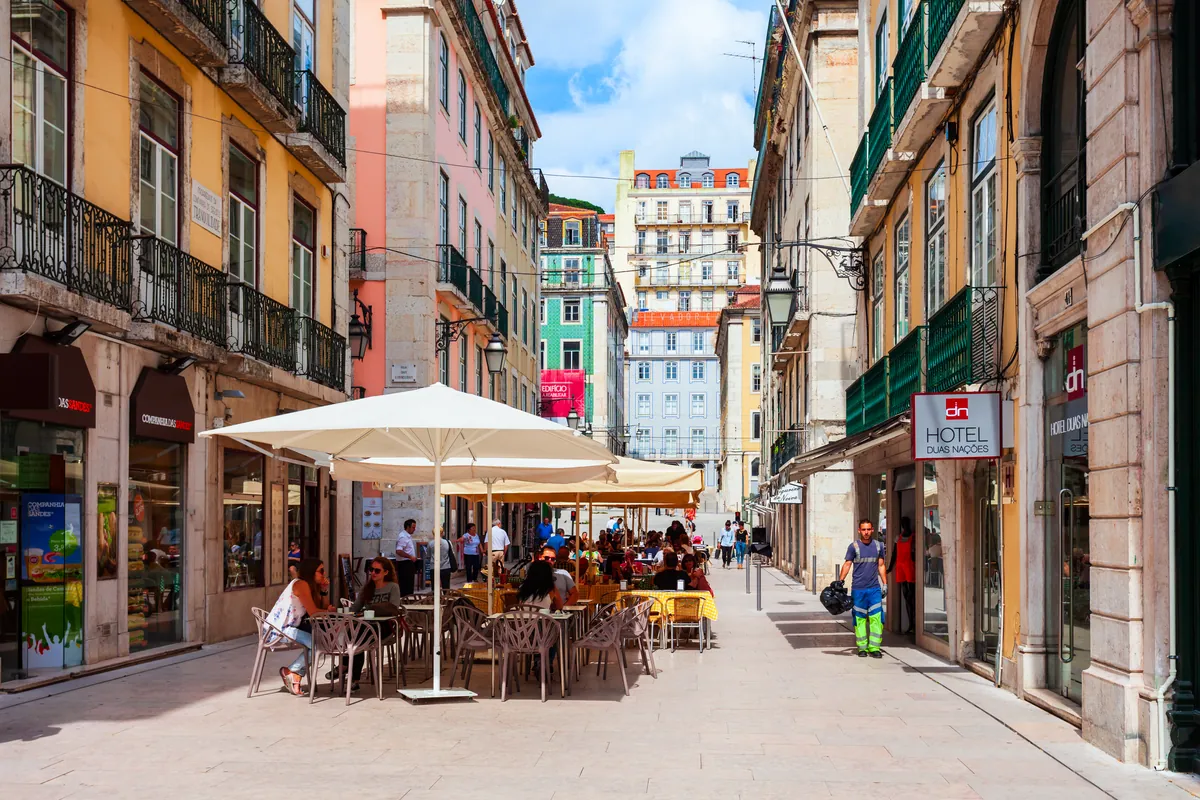
Lisbon’s rooftop bars provide views across the hills, tiled roofs, and the Tagus. Options range from drink-focused terraces to restaurants with outdoor tables, so check current availability before making plans.
See Lisbon the easy way

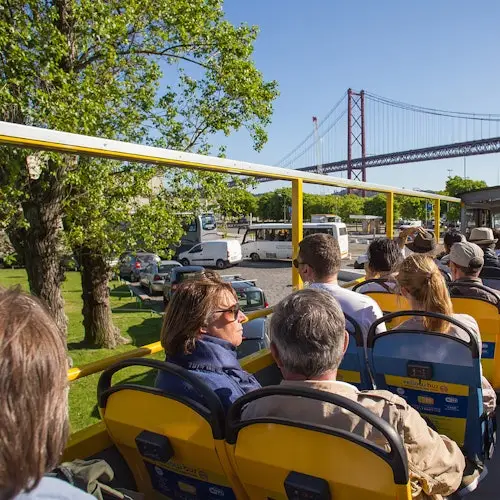
Lisbon Yellowbus Sightseeing Tour

Lisbon: 48-Hr Hop-on Hop-off Bus + River Cruise + Belém Guided Walking Tour

City Sightseeing Lisbon: 48-Hr Hop-on Hop-off Bus Tour + Zoo Entry Ticket
CMN
Lisbon: 48-Hour Hop-on Hop-off Bus + Tram Tour + Belém Guided Walking Tour


City Sightseeing Lisbon: 48-Hr Hop-on Hop-off + Walking Tour & Night Tour
Lisbon City Sightseeing Bus
Pubs, Bars, and Clubs in Lisbon

Lisbon’s nightlife includes wine bars, live-music pubs, and late-opening clubs. Bairro Alto has a dense concentration of small venues, while other districts offer larger clubs and quieter places for a drink.




How to Get from Lisbon to Porto

Travelers often combine Lisbon and Porto in the same trip. Trains and buses connect the cities, but journey times and fares vary by service and demand. Check current railway schedules and booking conditions through Comboios de Portugal.
Once in Porto, allow extra time for the historic center’s steep streets and choose a route that groups nearby sights rather than crossing the city repeatedly.



Lisbon Travel Guide FAQ
Is Lisbon easy to explore on foot?
Central districts such as Baixa, Chiado, and Alfama can be explored on foot, but hills and polished cobblestones make some routes demanding. Public transport helps with longer connections and steep climbs.
What can travelers see for free in Lisbon?
Public viewpoints, Alfama’s streets, the Tagus riverfront, Chiado, Bairro Alto, and the exteriors of major Belém monuments can be visited without an admission ticket.
What is a practical way to start exploring Lisbon?
A free walking tour at the beginning of the trip provides context on the central districts and helps travelers identify places they want to revisit independently.
How can travelers get from Lisbon to Porto?
Train and bus services connect Lisbon with Porto. Departure point, journey duration, fare, and reservation conditions depend on the selected operator and service.
Plan Your Lisbon Trip
Group nearby districts together, use public transport for steep or distant connections, and leave room for food stops and riverfront walks. For bookable sightseeing, compare current tours and activities in Lisbon by date and availability.




GuruWalk
Tourism and travel expert with a strong background in creating cultural content. Fluent in multiple languages and experienced as a presenter, she connects with diverse audiences to inspire the exploration of unique destinations. Her creative and dynamic approach stands out in every project, conveying the essence of each place she discovers.