

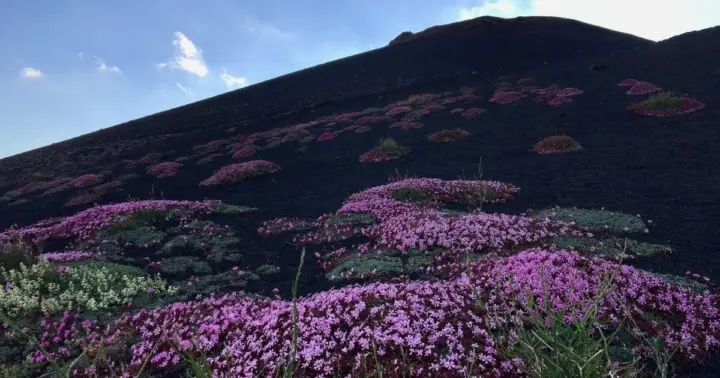




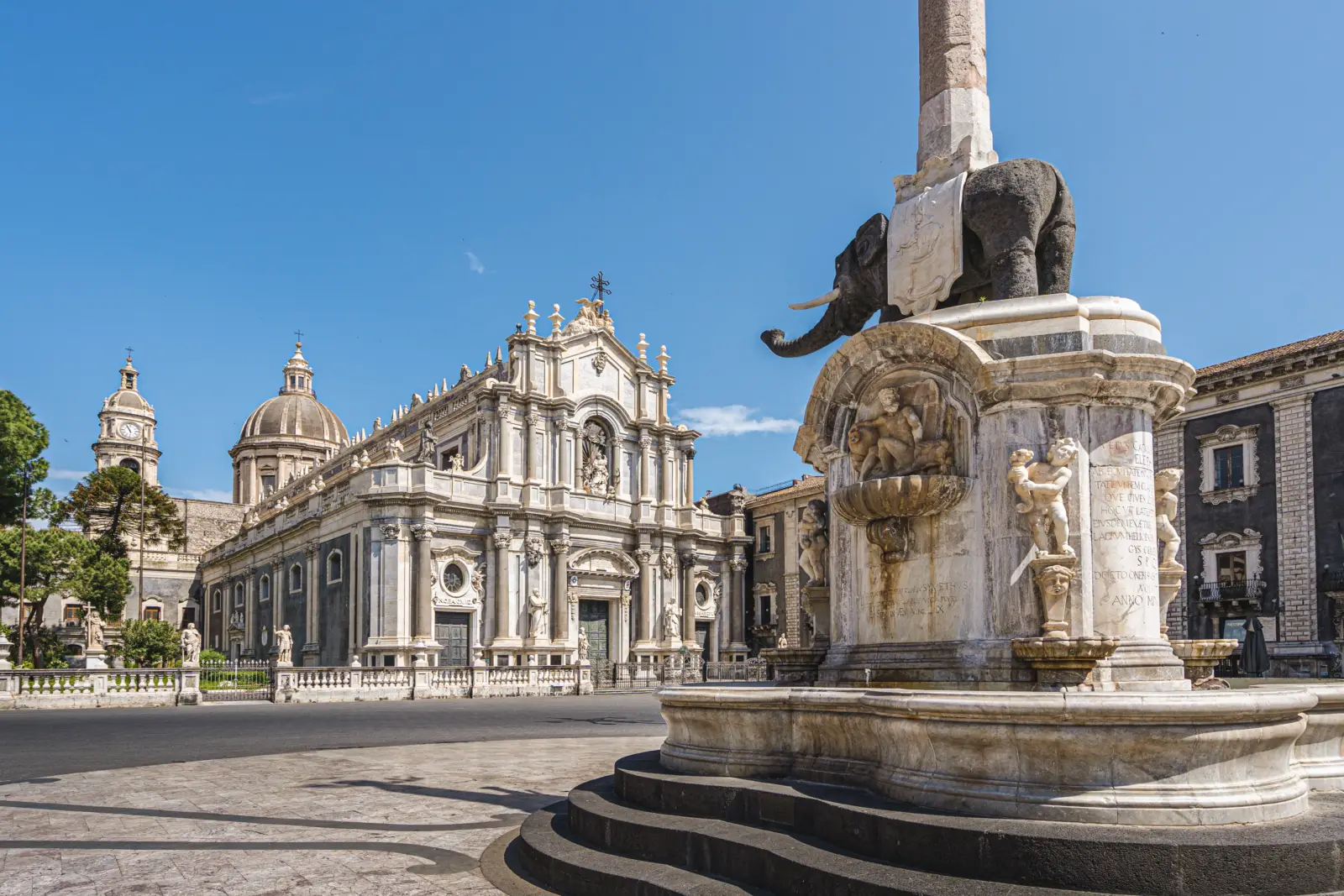
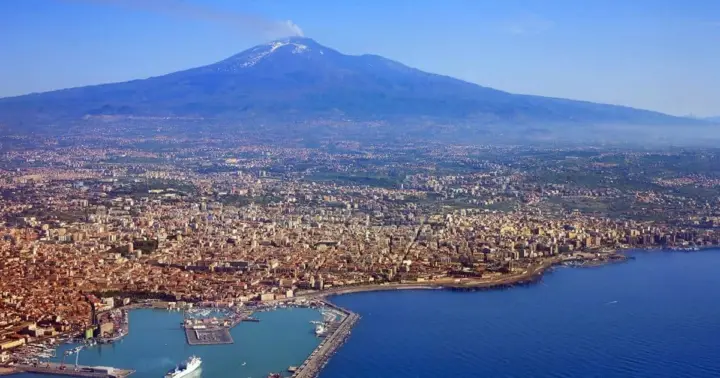
Catania’s Piazza del Duomo, La Pescheria, Roman ruins, Castello Ursino and Baroque streets anchor routes that also cover access to Mount Etna.
 Belén Rivas
GuruWalk
·
Updated 3 Sep 2026
Belén Rivas
GuruWalk
·
Updated 3 Sep 2026Catania combines Baroque squares, Roman remains, working markets and access to Mount Etna in a centre that is easy to cover on foot. Dark lava stone gives the city its visual identity, but it can also make churches, palaces and ruins look similar on a first walk. Starting day one with one of the free tours in Catania puts those layers in order before timed museum visits. No credit card is needed to book.
Last verified: August 2026 — Prices, opening hours, and reservation requirements checked against official sources. GuruWalk’s Catania guides reviewed the practical recommendations.
A walking tour works best at the start of the trip. In August 2026, GuruWalk lists routes lasting roughly 2 to 2.5 hours, with morning departures around 10:00 and further options in the afternoon. Typical routes connect Piazza del Duomo, La Pescheria, Via Crociferi, Piazza Stesicoro and other parts of the historic centre.
The format has no fixed ticket price. Each walker values the guru’s work at the end; the usual guideline is €10-20 per person and can reach €50 for a small group or an exceptional guru. Book an early tour before timed attractions and wear shoes that grip polished stone. No credit card is required.
Catania is a unique and mysterious city famous for its Baroque architecture, Mount Etna, and Greek origins, but it also…

With us, the guides of Guiding Sicily, you will have a unique experience because we are able to combine professional…

Welcome to Catania! Join this free walking tour to live a complete and unforgettable experience of th…

This lava city hypnotized me. Catania is full of myths and legends and all so current! This is where the…
Welcome to Catania! In this tour, we will talk about this beautiful city, from its late Baroque appearance to the…

I will take you on a journey through one of the most fascinating cities in Sicily, exploring its art, legends,…

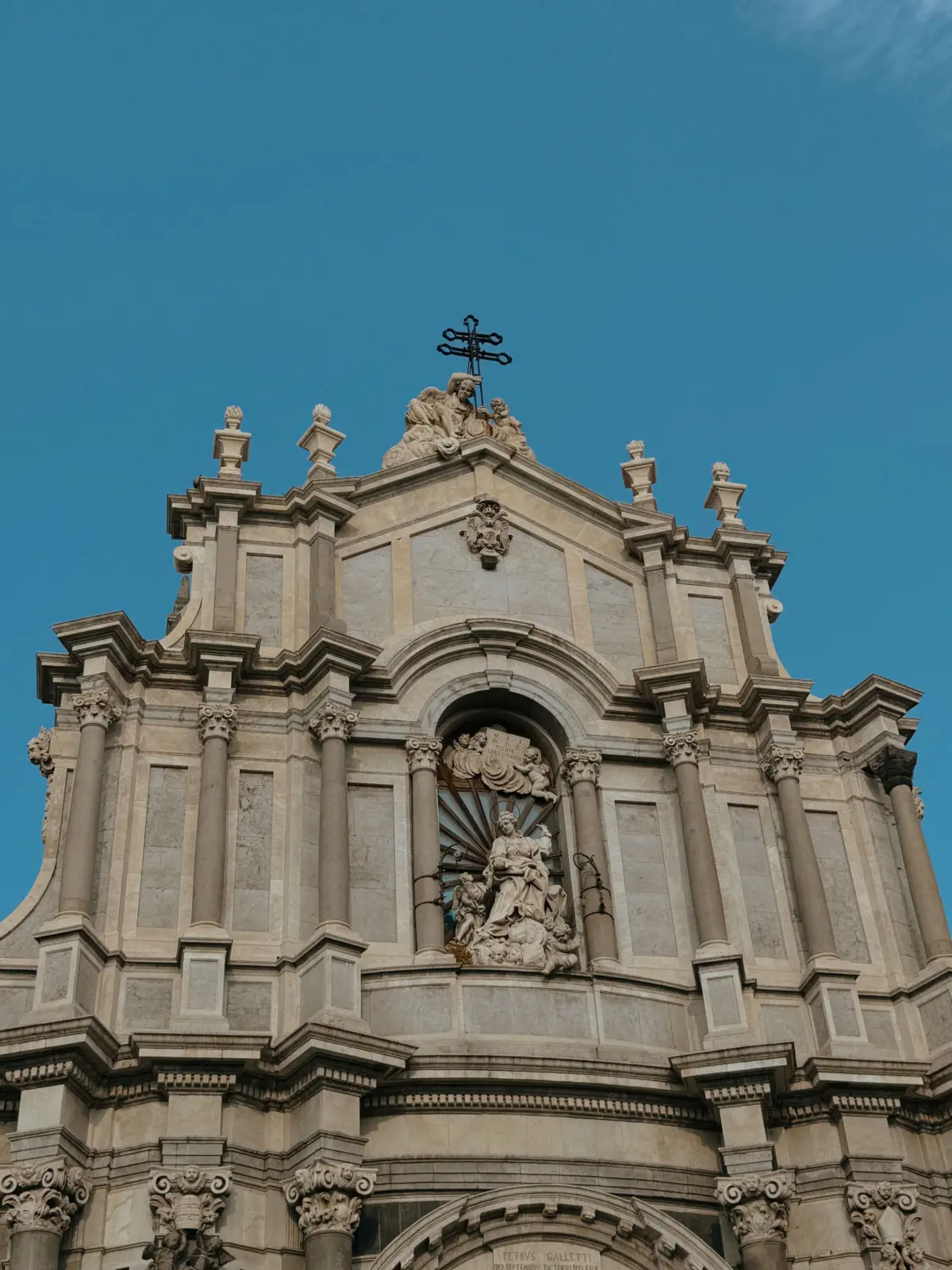
Piazza del Duomo is the natural starting point because it brings together three city references: the cathedral, Palazzo degli Elefanti and the Elephant Fountain. The black lava elephant, known as Liotru, carries an obelisk in the middle of the square. The cathedral’s pale façade contrasts with that volcanic stone and introduces a combination that appears throughout Catania.
Catania is one of the eight towns included in UNESCO’s Late Baroque Towns of the Val di Noto. Reconstruction after the 1693 earthquake explains much of the street plan and architecture here. Composer Vincenzo Bellini is buried inside the cathedral. This remains an active place of worship, so sightseeing must fit around services and religious events.
Steps beside the Amenano Fountain descend to La Pescheria, Catania’s fish market. Activity is greatest in the morning, when stalls fill the area around Piazza Alonzo di Benedetto. This is a workplace rather than a staged attraction. Keep aisles clear, ask before taking close portraits and notice how the catch changes from one day to the next.
Piazza Mazzini is a short walk away. Its arcades reuse Roman columns and provide a quieter stop before Castello Ursino. Three local food names are enough for a first visit: pasta alla Norma, arancini and granita with brioche. Prices vary widely between a standing counter, market stall and restaurant, so one blanket estimate would be misleading.
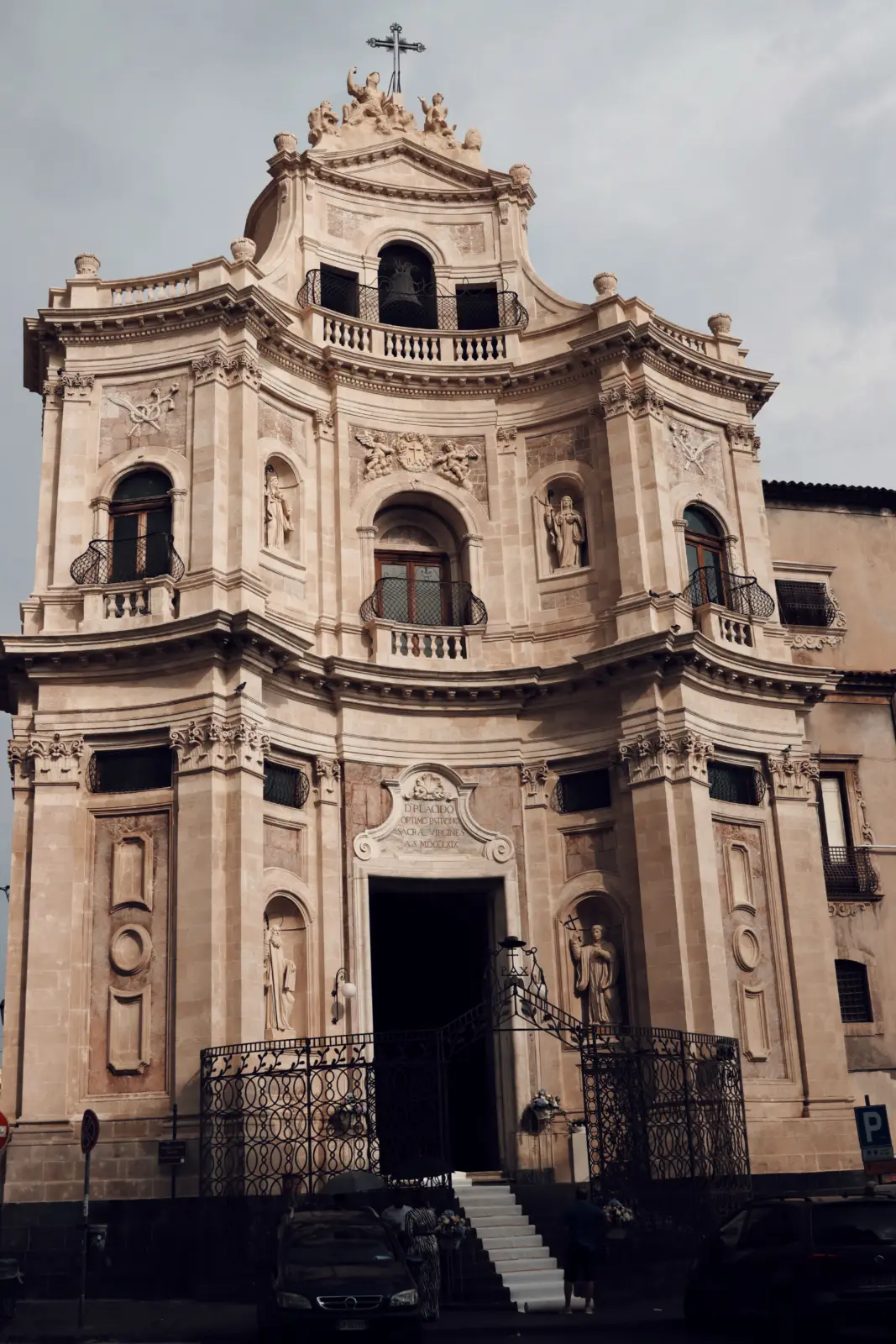
Via Crociferi packs several Baroque façades into a short street beginning beside the Arco di San Benedetto. Look up. San Benedetto, San Francesco Borgia, San Giuliano and former religious complexes differ in their balconies, staircases and carved stonework.
An official San Benedetto Museum route includes a Roman house, the parlour, the Scalinata degli Angeli and the church. In August 2026, general admission is €6. Normal visiting days are Tuesday, Friday and Saturday; from April to October, hours are 10:00-13:30 and 14:30-18:30. Services and special openings can alter access, so choose a slot before arrival.
Among later buildings on Via Vittorio Emanuele II, the Roman Theatre shows how the modern city grew over its ancient predecessor. This archaeological site includes both the theatre and Odeon. The official archaeological park lists daily opening from 9:00 to 19:00, last admission at 18:30, and an €8 standard ticket. A €10 combined archaeological ticket also covers Terme della Rotonda and Terme dell’Indirizzo.
Part of the Roman amphitheatre is visible below street level in Piazza Stesicoro. Its listed general admission is €4, with a €3 reduced ticket. On a one-day visit, prioritise the Roman Theatre because it gives a fuller account of ancient Catania. Add the amphitheatre while walking Via Etnea if you have a second day.
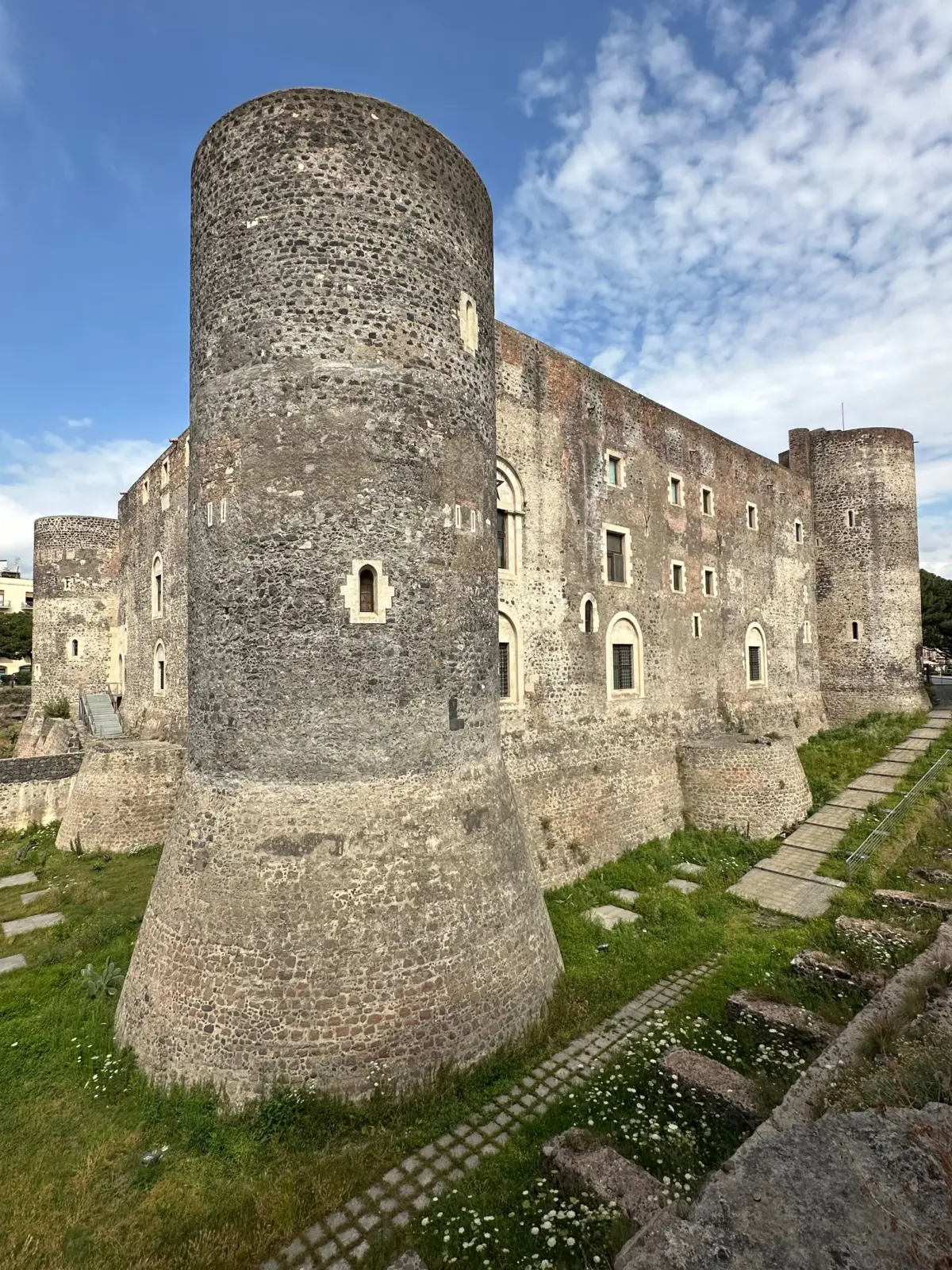
Frederick II ordered Castello Ursino between 1239 and 1250. It now houses the Civic Museum, whose collections include archaeological material and works from local collections. Heavy fortress walls provide a clear contrast with the Baroque centre and help place medieval Catania before its later rebuilding.
Ursino Castle Museum opens daily from 9:00 to 19:00, with last admission at 18:00. In August 2026, the published standard ticket is €6 and the reduced ticket is €3. A careful visit takes 60 to 90 minutes.

The Benedictine Monastery of San Nicolò l’Arena is now part of the University of Catania. Its route crosses cloisters, monastic rooms, traces of a Roman house and spaces adapted for university life. That continuity separates it from a conventional museum: students and staff still use the building, so its rhythm changes during the academic year.
Official guided tours of the Benedictine Monastery run every day. From 1 August, visits continue until 18:00. General admission is €10 and booking is required because places are limited. Tours are available in Italian and English. Afterwards, look inside the nearby Church of San Nicolò l’Arena if it is open and study its unfinished façade.
Via Etnea links Piazza del Duomo with the northern part of the centre. The route passes Piazza Università, Basilica della Collegiata and Piazza Stesicoro. On clear days, Mount Etna frames the street’s axis. Treat it as a practical line connecting several stops rather than a standalone sight.
Villa Bellini provides benches, shade and raised paths beside Via Etnea. Pause here. The gardens fit neatly after the amphitheatre or before the Botanical Garden, while Teatro Massimo Bellini deserves an exterior stop closer to the sea. Its official visitor page says guided visits have been suspended since 10 May 2026 for maintenance work.
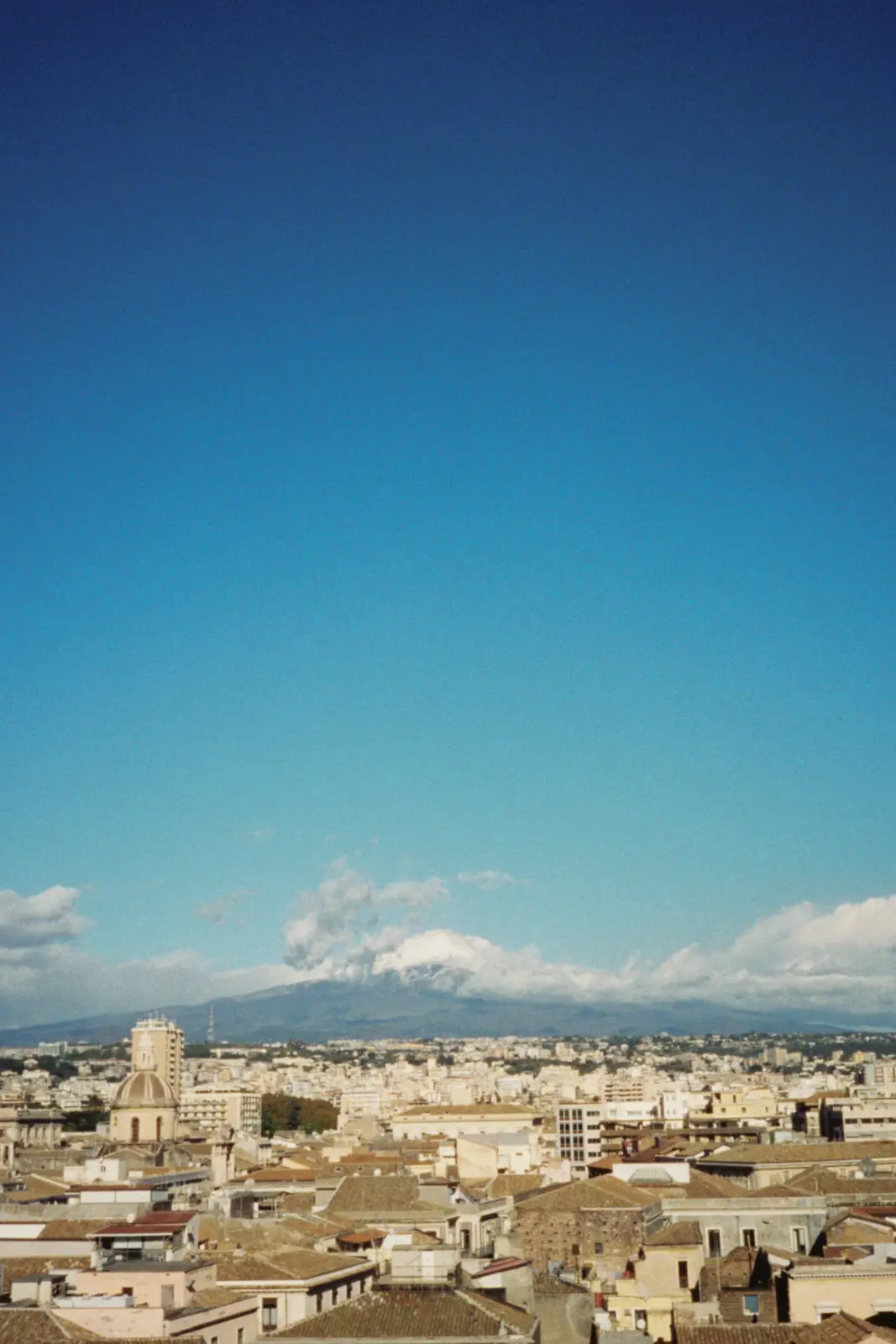
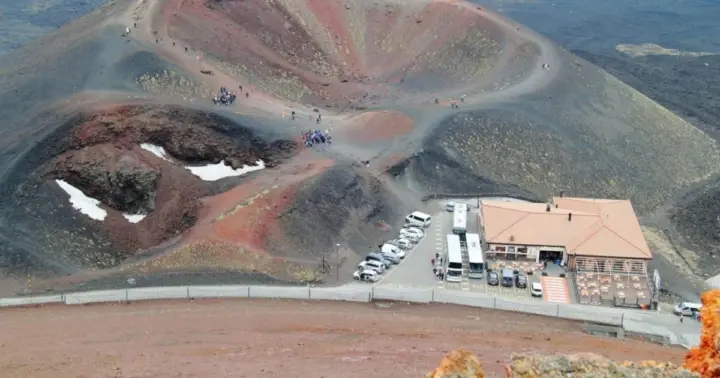
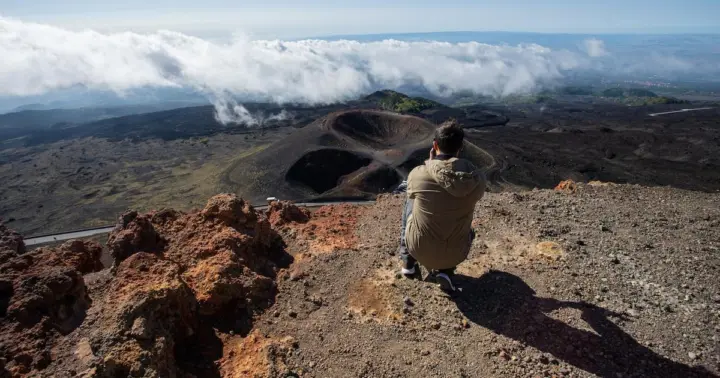
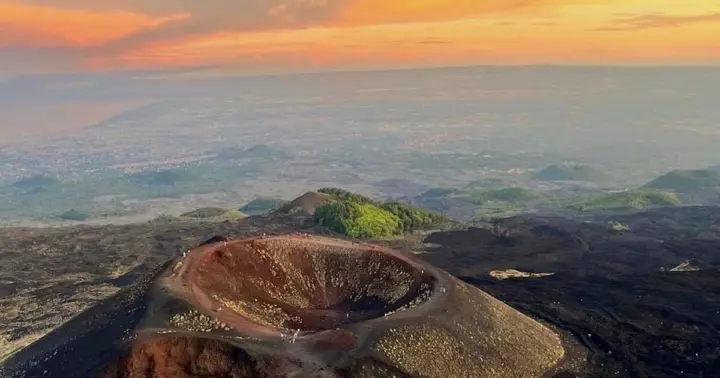
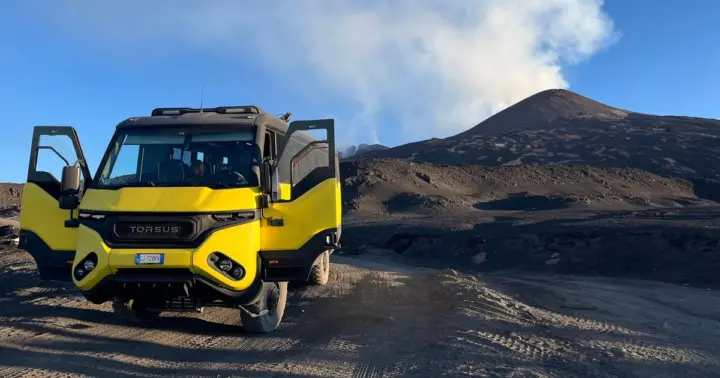
Mount Etna needs at least half a day and should not be squeezed between two city attractions. From Rifugio Sapienza, the cable car climbs from 1,923 to 2,500 metres. The official Funivia dell’Etna ticket for a return trip to 2,500 metres is listed at €54 in August 2026. Options continuing by 4×4 vehicle and volcano guide reach higher elevations and carry a different price.
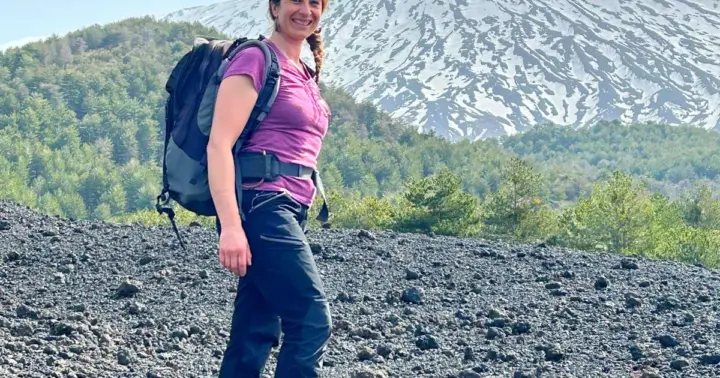
Walkers can instead check the Mount Etna Park trail network. The park marks certain trails as out of service and publishes access restrictions tied to volcanic conditions. Check the exact route on the day. For a first visit without a car, an organised trip removes several transport changes and makes the timing easier to manage.
Weather at altitude can differ sharply from conditions in central Catania. Carry an extra layer even when the coast is warm, and leave enough time to return before an evening booking. Mountain access rules take priority over a fixed itinerary; a city museum or the coast provides the practical fallback when the upper area closes.
Begin with an early free tour. Continue through Piazza del Duomo, La Pescheria and Via Crociferi. Keep the afternoon for the Roman Theatre, then follow Via Etnea to Piazza Stesicoro. This sequence limits walking distances and places timed attractions in the middle of the day.
Add Castello Ursino and the Benedictine Monastery. The castle works well after the morning market; the monastery merits its own booked slot in the afternoon. Finish at Villa Bellini or around Teatro Massimo Bellini, depending on how much time remains.
Give the third day to Mount Etna. If mountain access is unavailable, switch to Aci Castello and Aci Trezza or spend longer at Catania’s archaeological sites. Keep that alternative ready before departure.
Alibus links the airport with the central station and several city-centre stops. The official Alibus fare is €4, and the ticket remains valid on other urban services for 90 minutes. The walk from the central station to Piazza del Duomo takes about 20 minutes.
Inside the historic centre, walking is usually simpler than chaining short bus rides. Group Duomo, the market and Castello Ursino together; place Via Crociferi, the Roman Theatre and the Benedictine Monastery in another block. To compare guided visits, tickets and trips beyond the centre, browse activities and experiences in Catania.
One day covers the Duomo–Via Crociferi–Stesicoro axis. Two days give enough time for Castello Ursino, the Roman Theatre and the monastery without rushing. Add a third day for Mount Etna. Travellers interested in archaeology can use any spare half-day for the combined theatre and thermal-bath ticket.
Yes. The main central sights sit within a walkable area, although cobbles, polished stone and some slopes require steady footwear. Public transport is more useful for the airport, coast and Mount Etna.
Only with a very short city visit. For a useful look at both, allow a long half-day or full day for the volcano and keep at least one separate day for central Catania.
Yes. Booking a GuruWalk in Catania secures a place and lets the guru organise the group. No credit card is required, and each walker decides the contribution after the tour.
Choose a walking tour first, then fix the times for the Roman Theatre, Castello Ursino or the monastery, and keep Mount Etna on a separate day. Check the available free tours in Catania, book without a credit card and build the rest of the itinerary around that opening walk.
Travel marketing specialist with extensive experience in the travel sector. At companies such as Despegar and GuruWalk, she has led traveler-focused digital acquisition strategies. Now, from the GuruWalk blog, she combines her expertise with her passion for discovering and sharing unique destinations.
Local guides, pay-what-you-want and no credit card to book. That is how you understand a city.
Explore free tours on guruwalk.com