

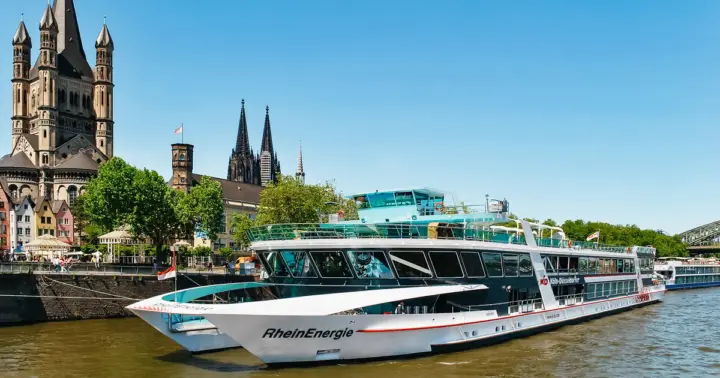
Cologne combines a Gothic cathedral, Roman traces, major museums, reconstructed squares, and two Rhine riverbanks that work well without a car. The clearest way to understand the city is to book a free walking tour in Cologne for your first morning, then return to the places that matter most to you. No credit card is needed to reserve.
Last verified: August 2026 — Prices, opening hours, and reservation requirements checked against official sources. GuruWalk’s Cologne guides reviewed the practical recommendations.
The best free walking tours in Cologne
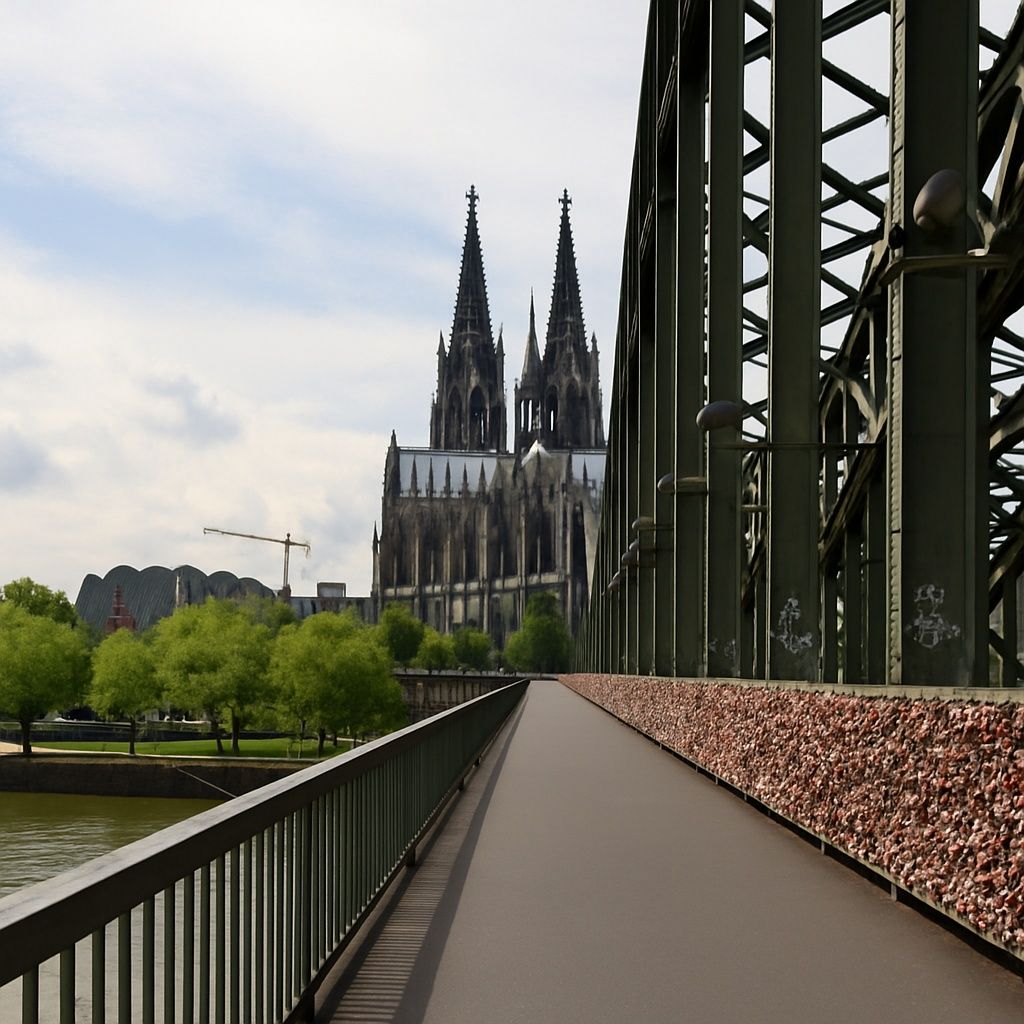
The Old Town concentrates the cathedral, city hall, Alter Markt, Great St Martin Church, and the Rhine promenade. The route looks straightforward, yet a few streets hold Roman Cologne, the medieval city, wartime destruction, and post-war reconstruction. An early walk supplies the context and helps you choose which interiors deserve time later.
Free walking tours in Cologne include morning departures and both general and themed routes. Booking requires no advance payment and no credit card. At the end, each walker values the guru’s work with a tip; the usual reference is €10–20 per person and up to €50 for small groups or exceptional gurus. Check the language, duration, and meeting point on the selected tour page.
Over our 2.5 hours tour, you'll get to know the inside information on what makes Cologne a special place in…

Do you have just a little time in Cologne but want to take it all in? Our 90-minute express tour…

Cologne is one of the oldest cities in Germany, but the more recent history is also evident in the city's…
Being on the Top 5 on Tripadvisor speaks for itself! Discover the secrets of the biggest city on the Rhine…

I offer guided tours in Cologne, for groups, individuals and business people. Tours focus not only on historical facts and…

Are you looking to have a night out in Cologne but don't know where to start? We've got you covered!…
Join me on a journey through the legends and stories of Cologne. Over more than 2000 years of history, Co…

1. Visit Cologne Cathedral and climb the tower
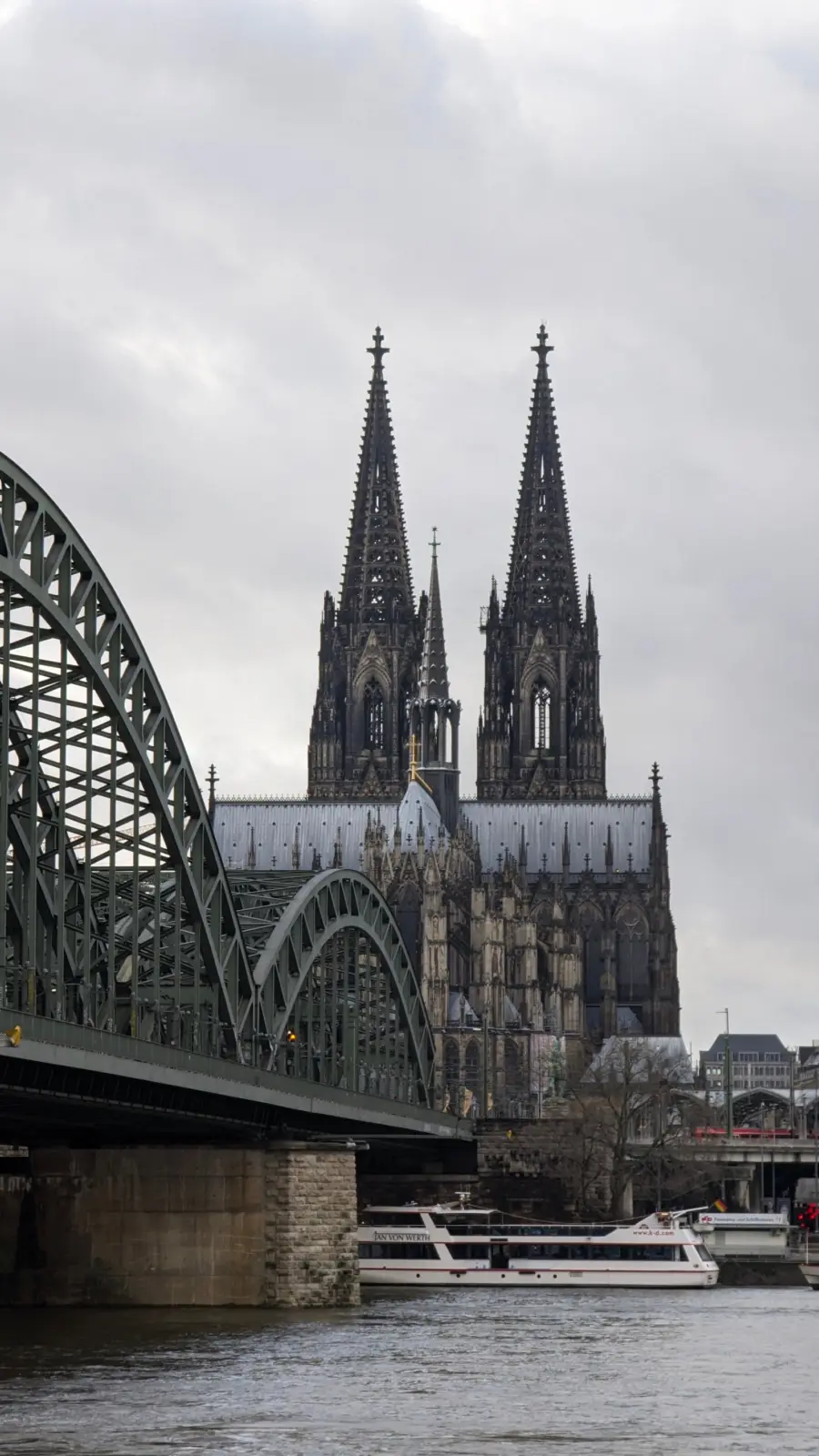
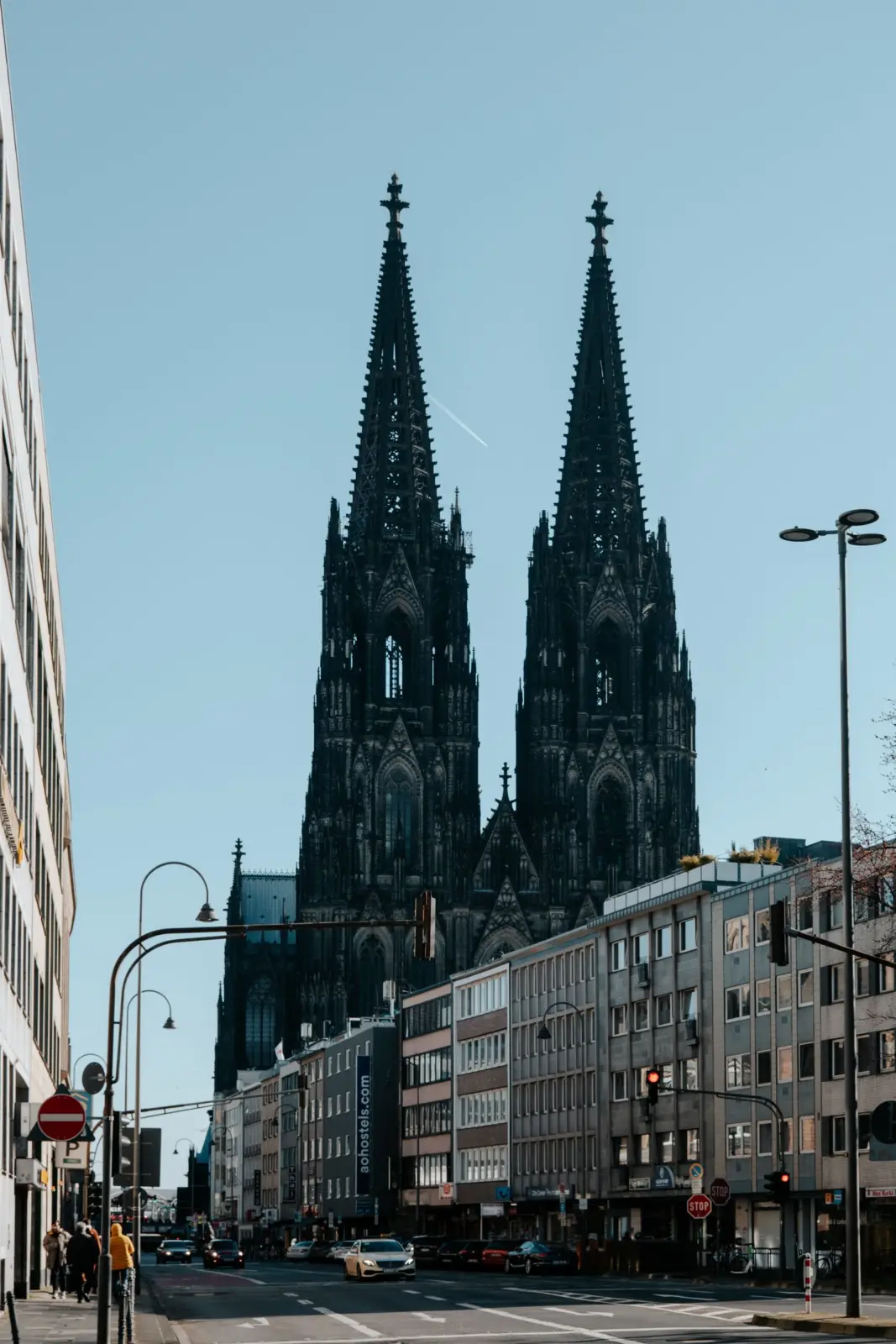
Construction of Cologne Cathedral began in 1248, was completed in 1880, and gained World Heritage status in 1996. Start outside on Roncalliplatz to understand its scale. Inside, the medieval choir, stained glass, and Shrine of the Three Kings provide the main focus.
There is an important change for current visitors: since 1 July 2026, a ticket has been required for tourist visits to the interior. General visiting hours run from 10 am to 5:45 pm Monday to Saturday and from 1:30 pm to 4:30 pm on Sundays and church holidays. Free entry for prayer remains available through the north transept. The official Cologne Cathedral website explains each entrance and lists the current service calendar.
The south tower platform sits about 100 metres above ground and requires 533 steps, with no lift. It generally opens from 9 am to 6 pm between March and October, then until 4 pm from November to February. Allow 30–45 minutes for the climb and leave any large bag at your accommodation.
2. Walk through Alter Markt, city hall, and Great St Martin
From the cathedral, descend towards Alter Markt and Rathausplatz. Cologne City Hall documents more than 800 years of building history, while Great St Martin’s crossing tower anchors the Old Town skyline beside the Rhine. There is no need for a rigid route here because short lanes and pedestrian spaces connect the main squares.
Much of the historic appearance reflects careful reconstruction. The official Cologne City Hall page documents more than 800 years of architectural history on Rathausplatz. Walking through this area before entering a museum makes the city’s layout easier to read.
Traditional brewhouses serve Kölsch in narrow glasses. You do not need to turn lunch into another attraction: choose somewhere with a visible menu and prices. Alcohol-free options are readily available. The useful part of this stop is the pause before continuing to the river.
3. Cross Hohenzollern Bridge for the Rhine skyline
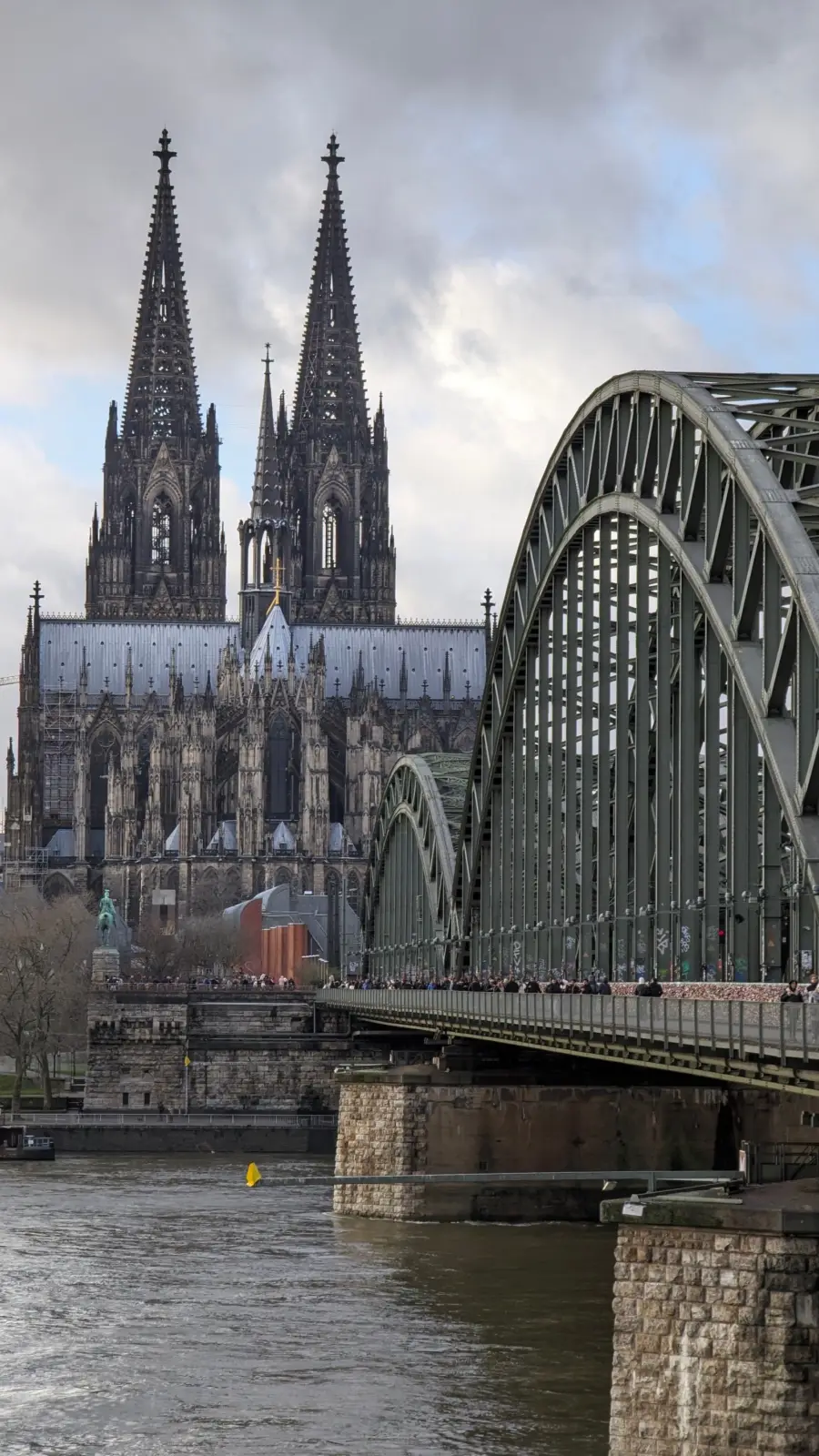
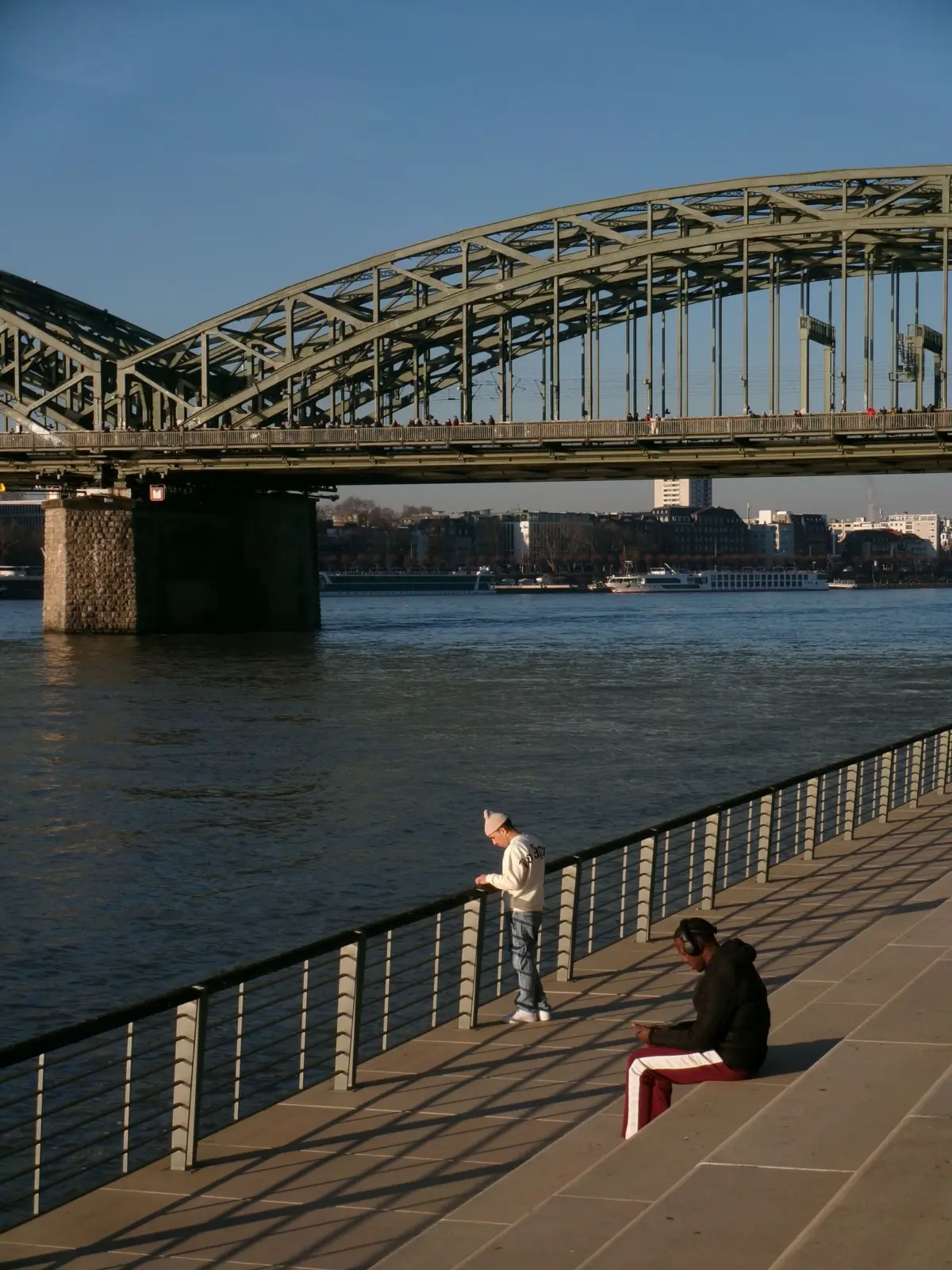
Hohenzollern Bridge connects the central station with Deutz through a pedestrian path beside the railway tracks. The right bank reveals the cathedral, Great St Martin, and the Old Town façades as one skyline. It is one of the core stops that requires neither a ticket nor a booking.
After crossing, descend to the Rheinboulevard. Its broad steps run for roughly 500 metres between Hohenzollern and Deutz bridges. Afternoon light falls towards the historic centre across the water, so this section works best after visiting interiors on the western bank.
If you have one day, walk across and return over the same bridge. With two days, continue through Deutz and go up to the KölnTriangle platform. This keeps a quick viewpoint from becoming a detour that compresses the rest of your schedule.
4. Choose between Museum Ludwig and NS-DOK
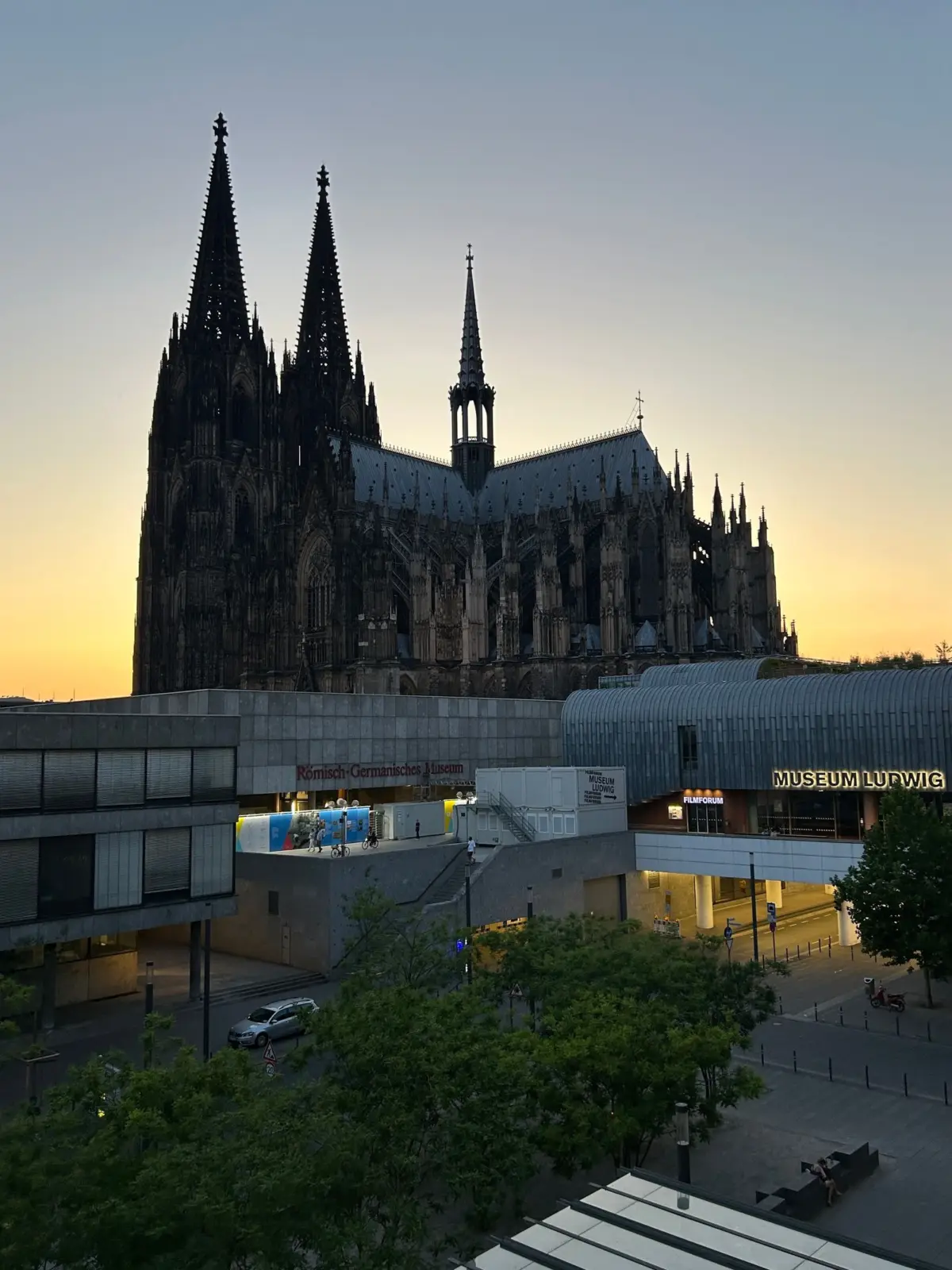
Museum Ludwig is the most convenient choice for modern and contemporary art. Next to the cathedral, its holdings cover Expressionism, Pop Art, photography, and a substantial Picasso collection. In August 2026, regular admission is €13.50. It opens from 10 am to 6 pm Tuesday to Thursday and until 8 pm Friday to Sunday, although the permanent collection closes at 6 pm. Mondays are closed except public holidays.
Current prices and late Thursdays appear in the official Museum Ludwig visitor information. Two hours cover a focused selection; allow longer when a temporary exhibition matches your interests.
NS-DOK occupies the former EL-DE House, which served as Cologne’s Gestapo headquarters from 1935 to 1945. It addresses National Socialism, persecution, and local history. The material is demanding and offers a very different experience from an art museum. The official NS-DOK visitor page maintains access details and current conditions.

5. Follow the Rhine to the Chocolate Museum and Rheinauhafen
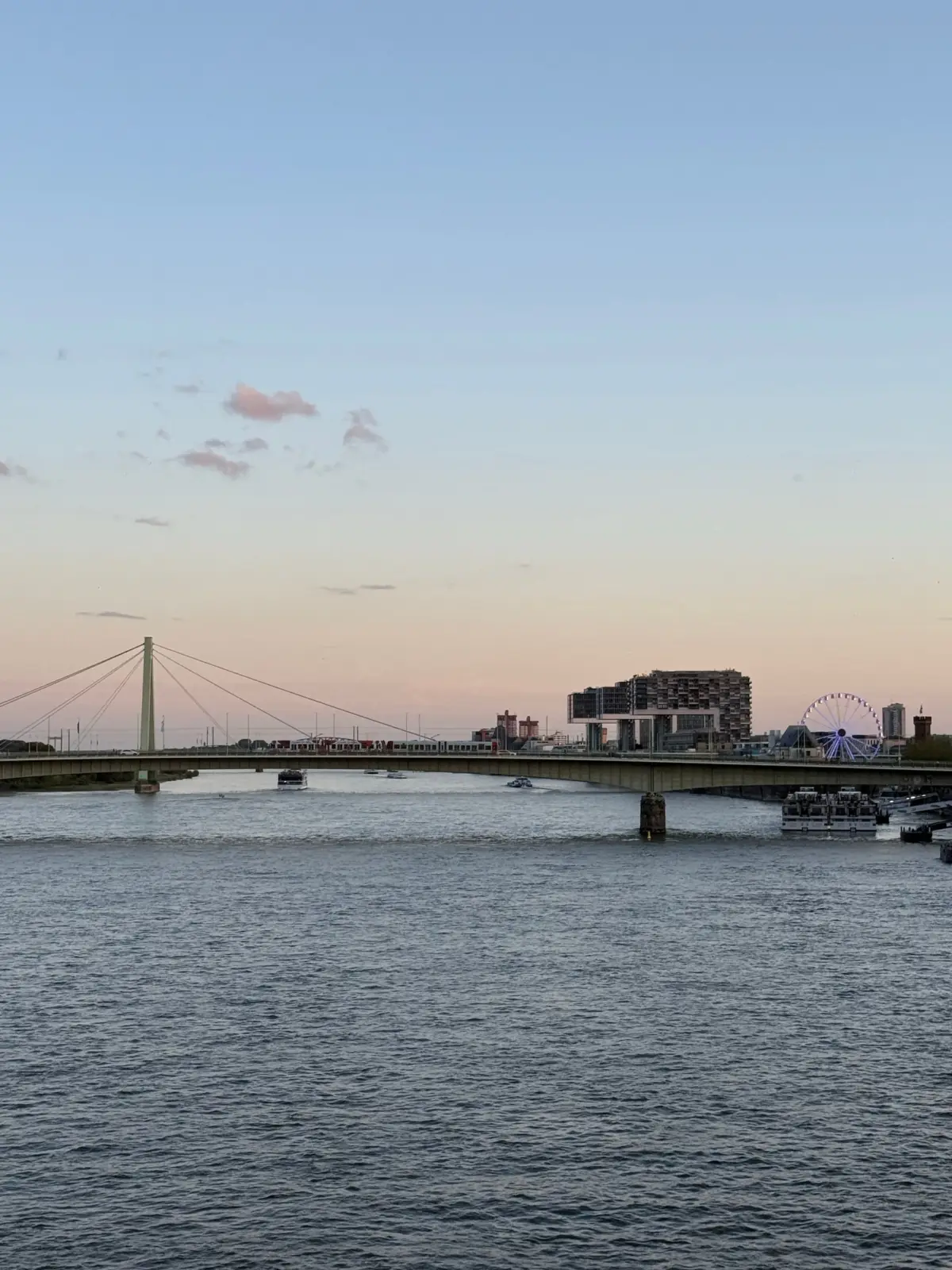
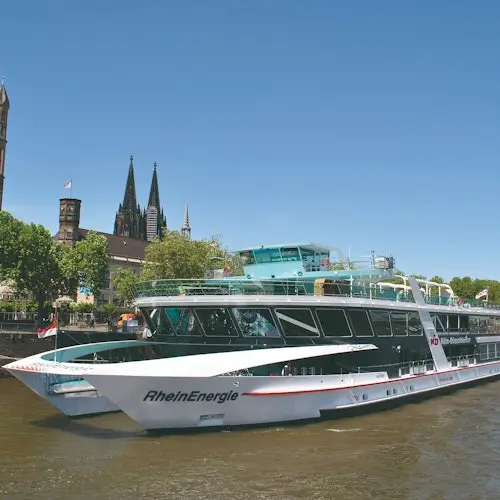
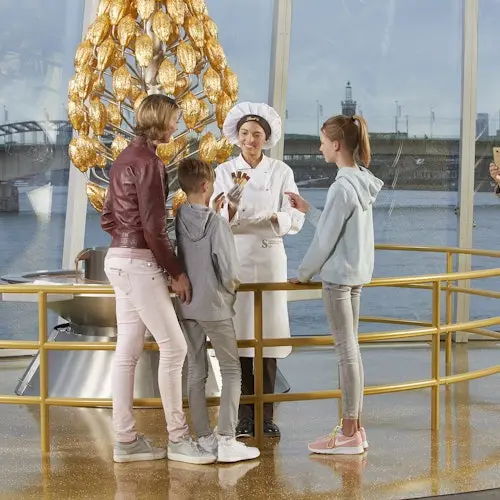
From the Old Town, the southbound river walk leads to a peninsula at Rheinauhafen. The Chocolate Museum stands there beside the water. Its displays cover cacao, industrial processing, and chocolate production through exhibition rooms and demonstrations.
The museum generally opens from 10 am to 6 pm, with last admission at 5 pm and production ending about 30 minutes before closing. It closes on selected Mondays in certain months. The official Chocolate Museum planning page shows the exact calendar and suggests visiting early or late in the day.
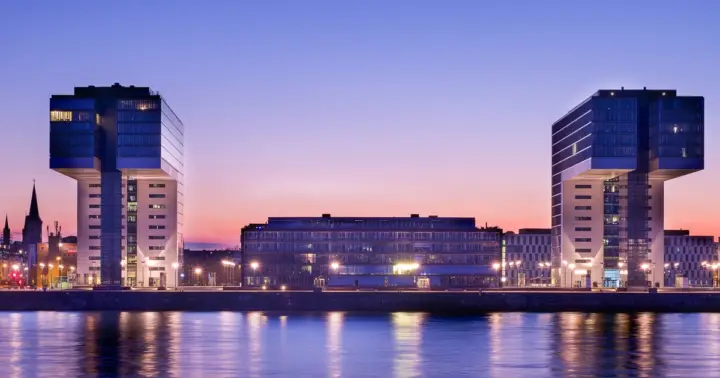
Even without a museum ticket, continue along Rheinauhafen to see the three Kranhäuser, contemporary buildings shaped like harbour cranes. You can then return on foot beside the river or connect with a tram. This section suits a wet afternoon because it alternates indoor and outdoor time.
6. Go up the KölnTriangle near the end of the day
The KölnTriangle observation deck stands about 103 metres above Deutz. A lift reaches the 28th floor and stairs complete the final section. Labels on the glass identify monuments and districts, making the platform useful for organising everything you have seen at street level.
From May to September, standard hours are 11 am to 8 pm Sunday to Thursday and until 10 pm on Fridays and Saturdays. From October to April, it generally opens from 11 am to 8 pm daily. Adult admission listed in August 2026 is €5. The outdoor platform can close during storms or high winds.
Arrive before the light fades for a clear skyline photograph. If cloud cover is low, Rheinboulevard still works and the platform can wait. You do not need both the cathedral tower and KölnTriangle on the same day. They provide different angles, but each takes time.
7. Learn where Eau de Cologne began at Farina House
Farina House preserves the history of the fragrance Johann Maria Farina created in 1709. Entry is available only through a guided visit, which covers raw ingredients, extraction methods, bottles, and documents spanning more than three centuries. The building stands a short walk from city hall.
Weekday tours last about 45 minutes and cost €12 for adults. Historical tours operate on weekends and some Thursday afternoons at a different price. Capacity is limited to 20 people, so reserve your language and time through the Farina Fragrance Museum.
This stop fits best on a second day or as a replacement for another museum. With only a few hours, the Farina House exterior and nearby city hall already fit the Old Town route.
8. Spend time in the Belgian Quarter and Ehrenfeld
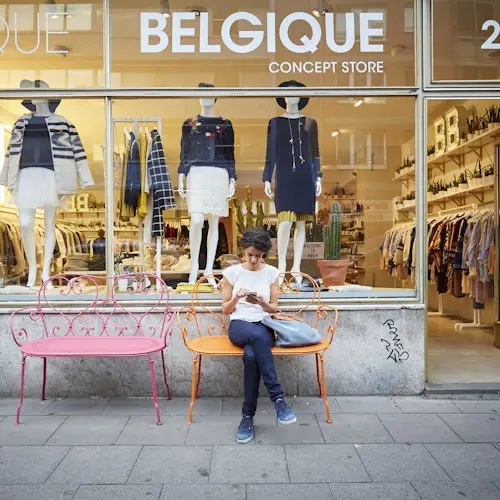
The Belgian Quarter replaces historic towers and squares with residential streets, independent shops, and cafés around Brüsseler Platz. Farther west, Ehrenfeld adds former industrial spaces, cultural venues, and street art. Neither replaces the centre on a first visit, but both show everyday Cologne.
When time is tight, choose the Belgian Quarter because it sits closer to the inner ring. Ehrenfeld requires a public transport trip and works as a separate afternoon. Avoid planning an exact mural route: street works change, so such a list quickly becomes outdated.
If you prefer an organised option or want tickets and timings handled in one booking, check activities and experiences in Cologne. The free walking tour remains the best introduction; these options are for a specific follow-up visit.
How to spend one, two, or three days in Cologne
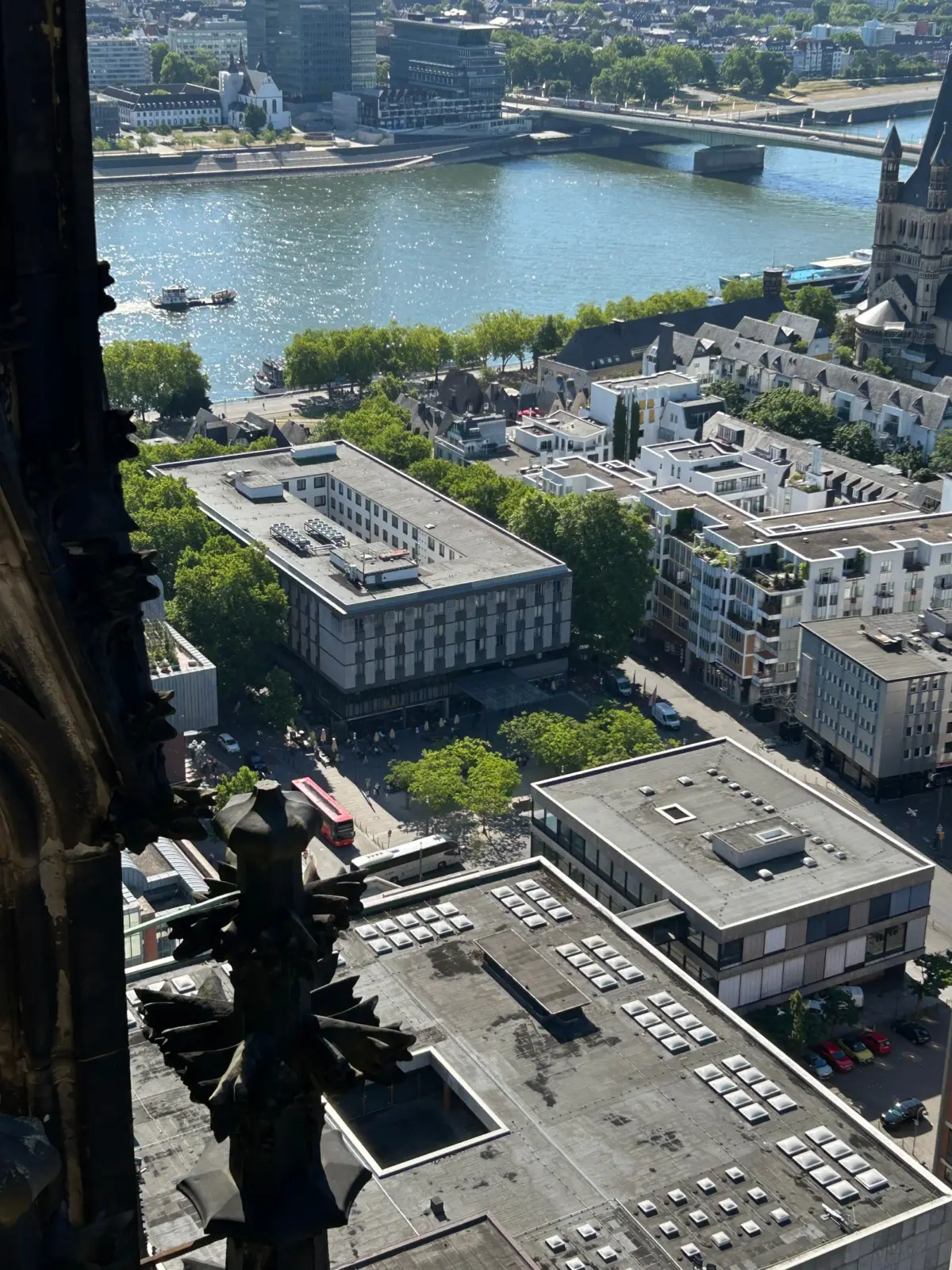
One day
- Morning: early free walking tour, cathedral, and Old Town.
- Midday: Alter Markt, Great St Martin, and the Rhine promenade.
- Afternoon: Museum Ludwig or the Chocolate Museum, Hohenzollern Bridge, and Rheinboulevard.
- Early evening: KölnTriangle if the sky is clear.
Two days
Keep day one focused on the cathedral, Old Town, and both riverbanks. Start day two at NS-DOK, continue to Farina House, and finish in the Belgian Quarter. Swap one of those interiors for the Chocolate Museum when travelling with children.
Three days
Use the third day for Ehrenfeld, another museum, or a trip beyond the centre. Do not plan around the Wallraf-Richartz Museum: it closed on 3 August 2026 for a renovation expected to last two years. Museum Ludwig remains the main art alternative.
Getting around Cologne
The cathedral, Old Town, Museum Ludwig, Hohenzollern Bridge, and Farina House connect easily on foot. Trams and S-Bahn trains help with Ehrenfeld, the Belgian Quarter, or accommodation farther away. Köln Hauptbahnhof stands beside the cathedral, so arriving by train places you at the natural start of the route.
Since 1 June 2026, Cologne has used fare level 1b in the regional network. An adult single ticket within the city costs €4 and permits transfers for 90 minutes, but not a return or round trip. The €2.90 short-distance ticket covers boarding plus four stops. The official VRS fare table helps you choose before buying.
Frequently asked questions about Cologne
How many days do you need in Cologne?
One day covers the cathedral, Old Town, Rhine, and one museum. Two days let you add NS-DOK, Farina House, or the Belgian Quarter without compressing opening times.
Is Cologne Cathedral free?
Since 1 July 2026, a ticket has been required for tourist visits to the interior. Free entry for prayer remains available through the north transept. The tower and treasury use separate tickets.
Can you explore Cologne without a car?
Yes. Central sights connect on foot, while trains and trams cover the districts. Arriving by rail is particularly convenient because the central station stands beside the cathedral.
Where is the best city view?
Rheinboulevard provides a free view from river level. KölnTriangle adds an elevated 360-degree panorama, while the cathedral’s south tower looks across the centre from the landmark itself.
Plan your first morning in Cologne
Book a free walking tour in Cologne with GuruWalk to place the cathedral, Old Town, and Rhine before buying attraction tickets. You can compare times and reviews with no credit card needed, then schedule indoor visits after the walk.

GuruWalk
Travel marketing specialist with extensive experience in the travel sector. At companies such as Despegar and GuruWalk, she has led traveler-focused digital acquisition strategies. Now, from the GuruWalk blog, she combines her expertise with her passion for discovering and sharing unique destinations.