



Oslo’s Opera House, Akershus Fortress, central waterfront, Bygdøy museums and Vigeland are organised into practical routes for one, two or three days.
 Belén Rivas
GuruWalk
·
Updated 3 Sep 2026
Belén Rivas
GuruWalk
·
Updated 3 Sep 2026Oslo combines a compact centre, major museums and a waterfront that is part of everyday city life. The Opera House, Akershus Fortress, City Hall and the Royal Palace can be linked on foot, while Bygdøy and Vigeland need a short public-transport ride. Start with a free tour in Oslo to understand how the capital grew between the fjord and the surrounding hills, then arrange the museums around their opening times.
Last verified: August 2026 — Prices, opening hours, and reservation requirements checked against official sources. GuruWalk’s Oslo guides reviewed the practical recommendations.
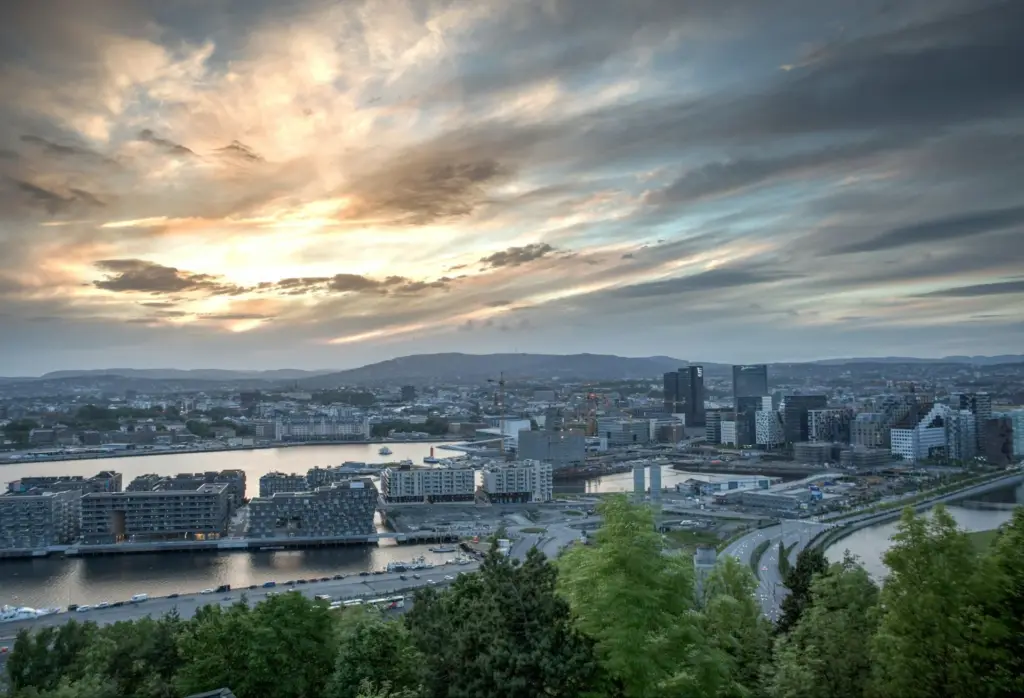
A first walking route usually links Jernbanetorget, Karl Johans gate, Parliament, City Hall and the edge of Akershus. That sequence explains why the city changed its name from Christiania to Oslo, where national institutions sit and how former port land became new neighbourhoods. It also gives you clear reference points for the rest of the trip.
Free tours have no fixed price. At the end, each person rewards the guru with a tip; the usual guideline is €10–20 per person, rising to €50 for small groups or exceptional gurus. No credit card is needed to reserve. A tour on the first morning can finish near the Opera House or the fortress, so the next part of the day does not repeat the same streets.
BOOKING IS FREE FOR YOU; But as a guideline, GuruWalk recommends a minimum tip of €15 per person. If you…

Welcome to Oslo! Join us for an unforgettable walk through one of The Nordic's most beautiful and exciting cities ….

WHAT TO EXPECT: Discover the heart of Oslo with our captivating free walking tour that …

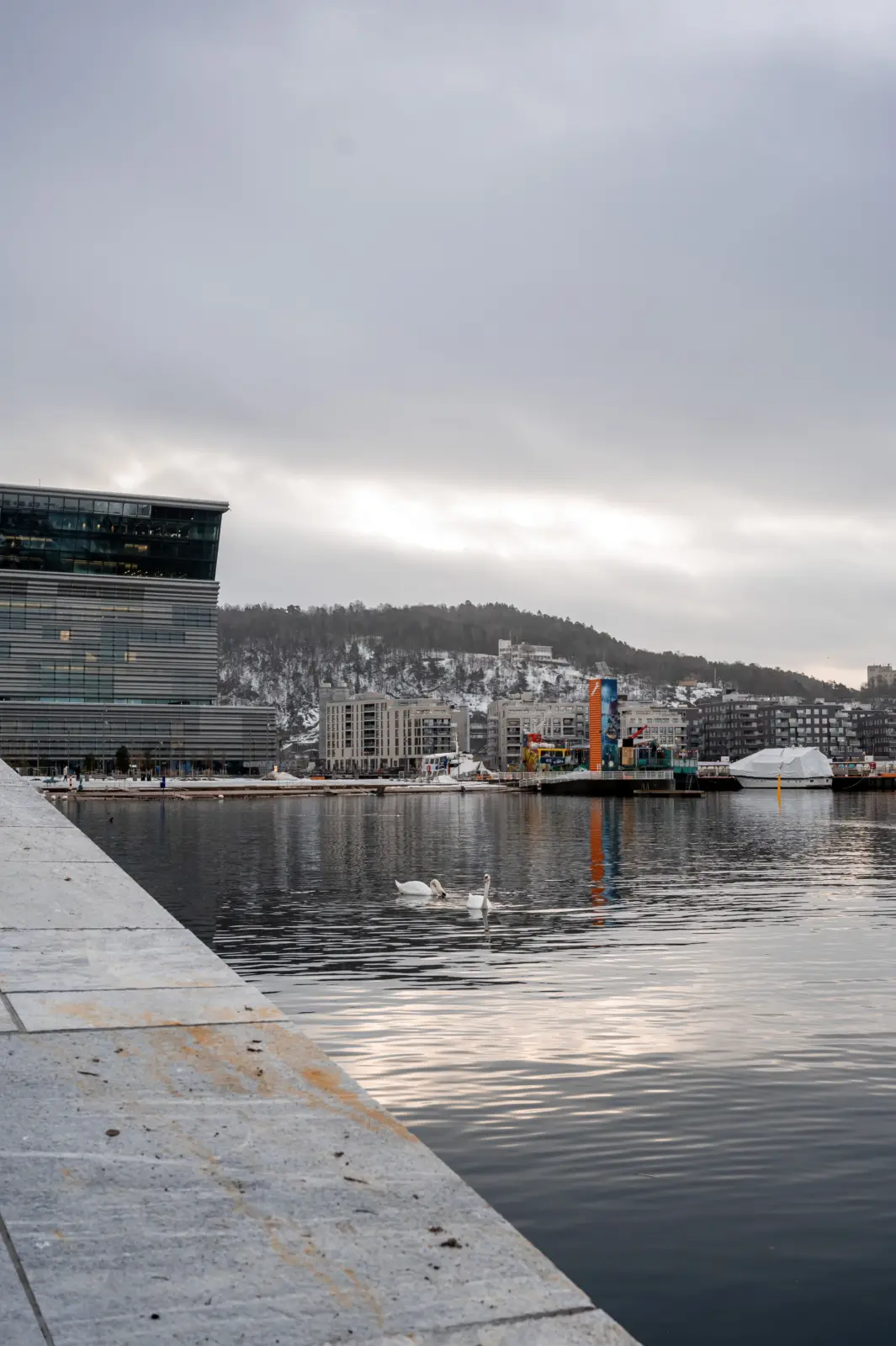
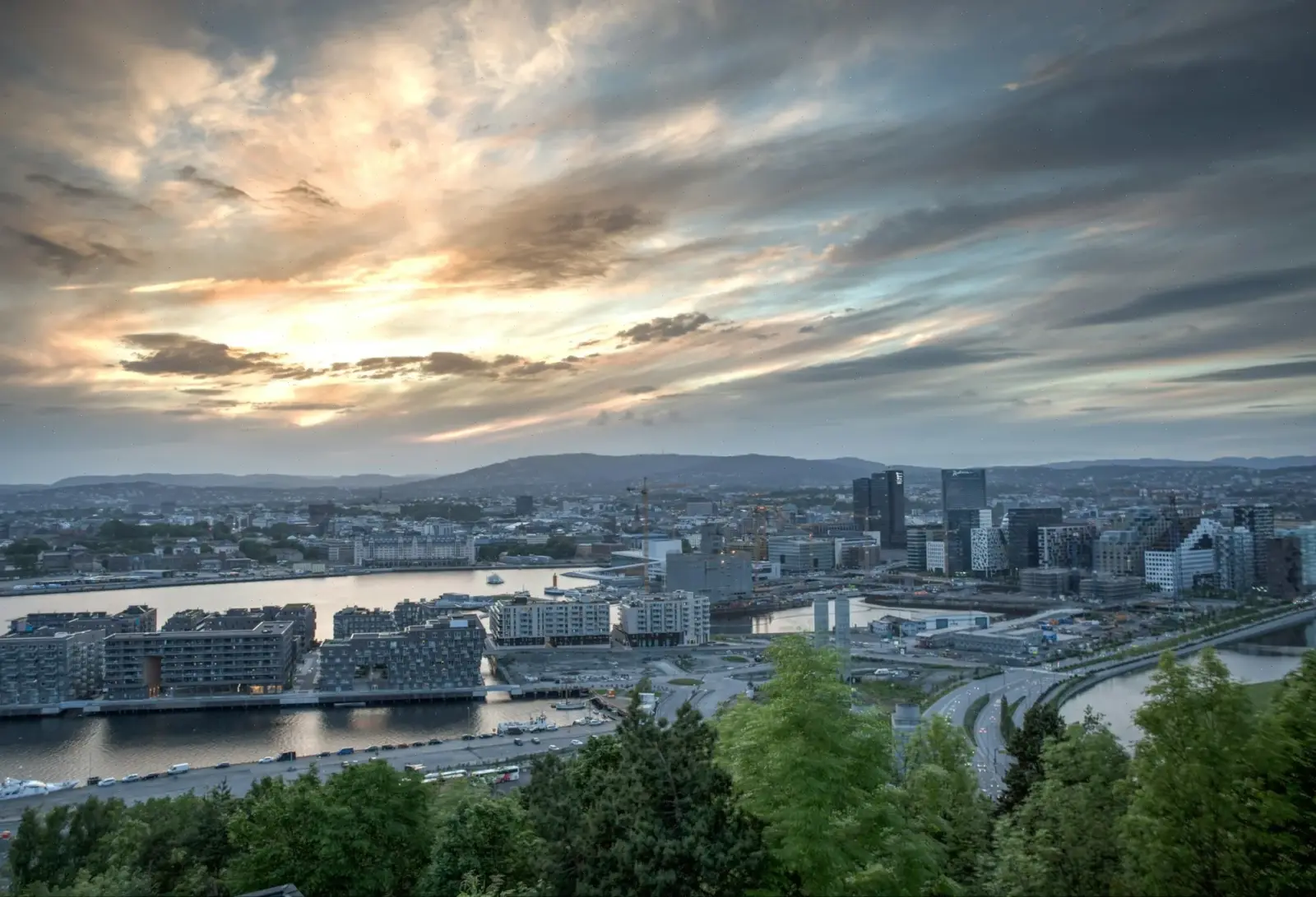
Bjørvika begins beside Oslo Central Station. The sloping roof of the Opera House meets the water and doubles as a city viewpoint. Guided tours are unavailable during the summer 2026 maintenance period, although the foyer and shop follow the times shown on the official Oslo Opera House website. Walking around the exterior costs nothing.
Continue past Deichman Bjørvika library and along the harbour to MUNCH. The museum opens from 10:00 to 18:00 Sunday to Tuesday and until 21:00 Wednesday to Saturday. In August, adult admission is 280 NOK before 18:00 and 200 NOK during the evening slot; visitors under 18 enter free. A version of The Scream is always displayed, according to the official MUNCH visitor information.
Allow two to three hours for the museum. If architecture and views matter more, follow the waterfront to Sørenga and turn back towards the centre. Sunset falls behind the fjord and the Barcode skyline, making this one of the easiest free walks to add to any itinerary.
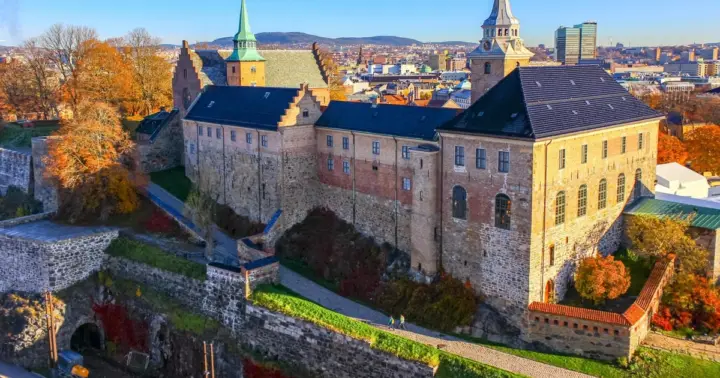
Akershus guards the harbour. Its outdoor fortress grounds are free, and the main gate opens from 06:00 to 21:00. Inside are walls, courtyards, fjord views and several museums with separate admission. Official Akershus visitor information lists seasonal access times.
In August, the castle opens Monday to Saturday from 10:00 to 16:00 and Sunday from 12:00 to 16:00. Adult admission costs 160 NOK. The complex still hosts official events, so interiors can close at short notice; a walk through the fortress grounds remains worthwhile when that happens.
Leave from the western side for City Hall, identified by its two brick towers, and continue to Aker Brygge. Restaurants line the quay, where boats leave for the islands. Farther on, Tjuvholmen adds outdoor sculpture, a small urban beach and open fjord views. This entire stretch fits into one afternoon on foot.
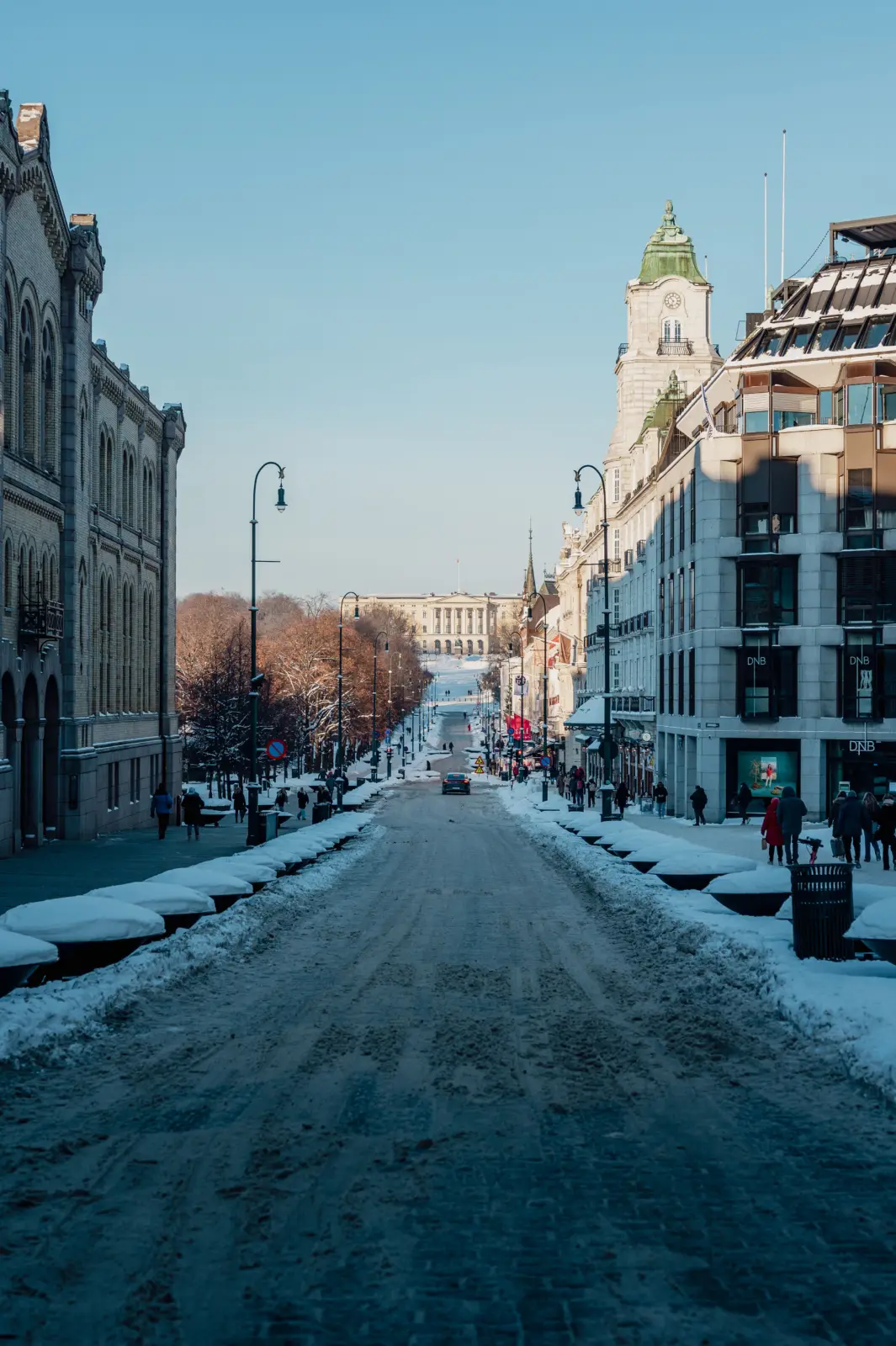
Karl Johans gate runs from the central station to the Royal Palace. The cathedral, Parliament, National Theatre and University line the route. It takes less than an hour to walk without long stops, though the squares and public buildings reward a slower pace.
Around the Royal Palace, the grounds form a public park. Its interior opens only on guided tours during the summer season. In 2026, tours ran from 20 June to 16 August, adult tickets cost 230 NOK and only a small allocation was available at the door. Outside those dates, visitors can see the exterior and changing of the guard but not the state rooms; the Royal Court publishes each new season.
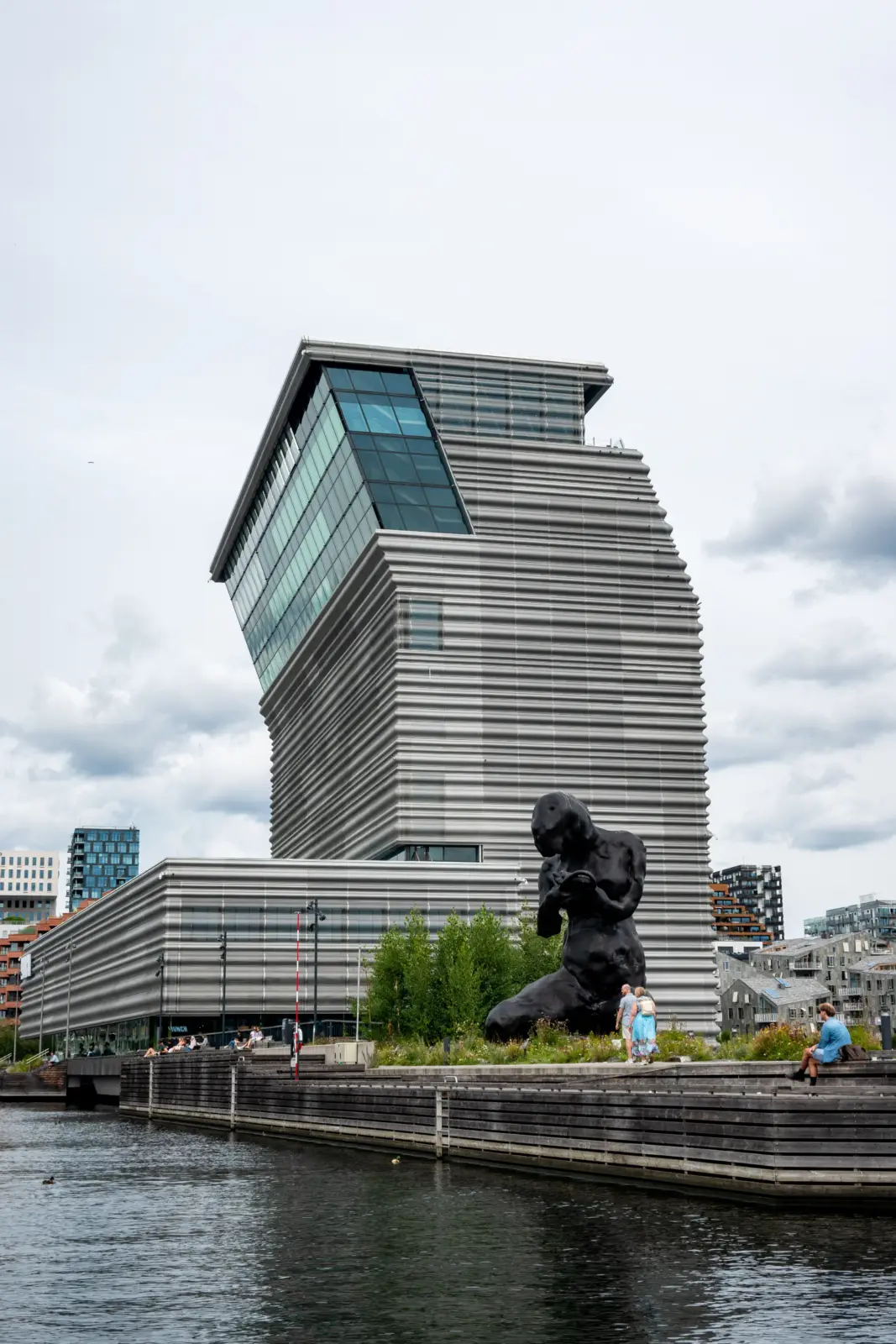
Beside City Hall, the National Museum covers art, architecture and design, ranging from historical works to modern collections. It fits the same day as Akershus and Aker Brygge. The building is large. Choose priority rooms before entering and allow at least two hours; current exhibitions, hours and admission appear on the National Museum visitor page.
Choose by focus. MUNCH concentrates on Edvard Munch and modern art, while the National Museum gives a much broader account of Norwegian art history. On a one-day visit, pick one and keep time for the city outside. Both fit naturally when the trip lasts two or three days.


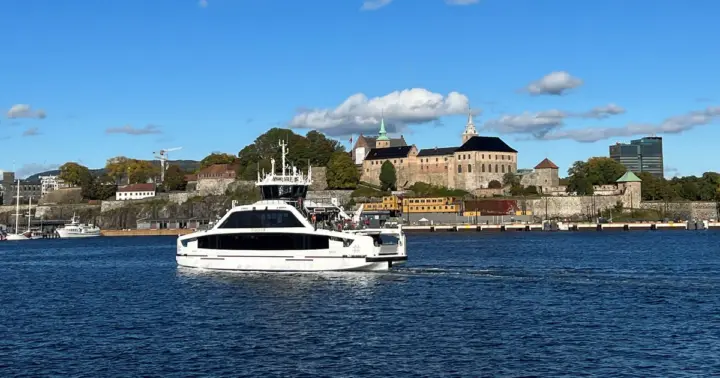

Bygdøy groups several museums devoted to seafaring and Norwegian cultural history. The Fram Museum lets visitors board the ship built for polar expeditions and follows the journeys of Fridtjof Nansen, Otto Sverdrup and Roald Amundsen. From May through September it opens daily from 09:30 to 18:00. Adult admission is 180 NOK and the Oslo Pass includes entry, according to the Fram Museum.
Do not plan around the former Viking Ship Museum in 2026. It remains closed while the new Museum of the Viking Age is being built, with opening planned for 2027. Instead, combine Fram with the Norwegian Maritime Museum or Norsk Folkemuseum. Two substantial museums fill a day; adding a third usually means rushing through the exhibitions.
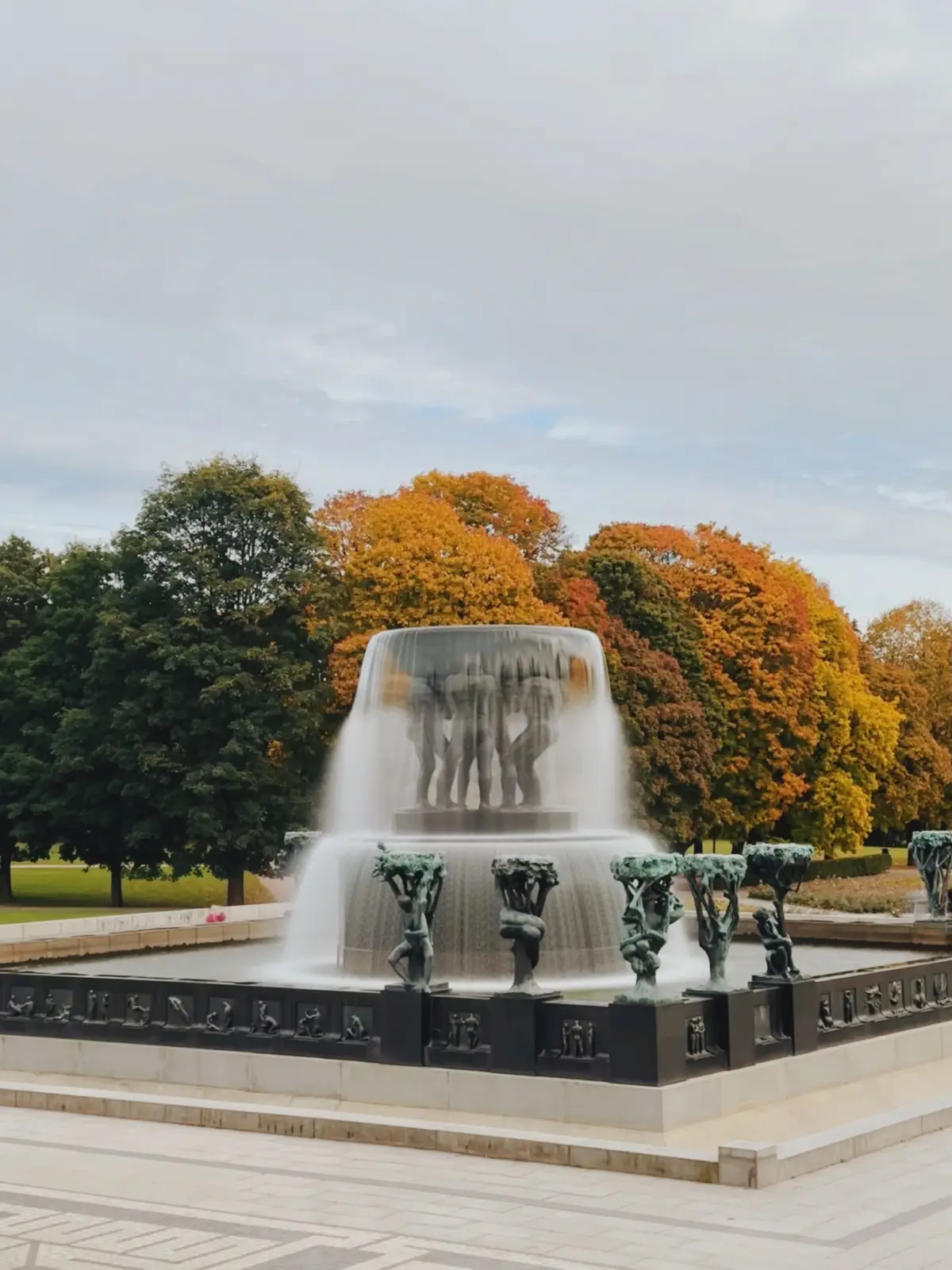
Vigeland Park occupies the central axis of Frognerparken and contains more than 200 works in granite, bronze and wrought iron. Entry is free and the park is open around the clock. Its main route crosses the bridge before reaching the fountain, Monolith and Wheel of Life. Early morning provides more room to examine the sculptures and walk through the gardens.
Across from the park, the museum holds original models and explains Gustav Vigeland’s working process. During the summer season it opens Tuesday to Sunday from 10:00 to 17:00, and adult admission costs 120 NOK. Its official visitor page clearly separates the park and museum schedules.
Grünerløkka offers a different kind of walk. Start around Vulkan and Mathallen, follow the Akerselva river past former industrial buildings, then turn into the streets around Olaf Ryes plass. It works well as an afternoon of cafés, small shops and green river paths without adding another museum ticket.
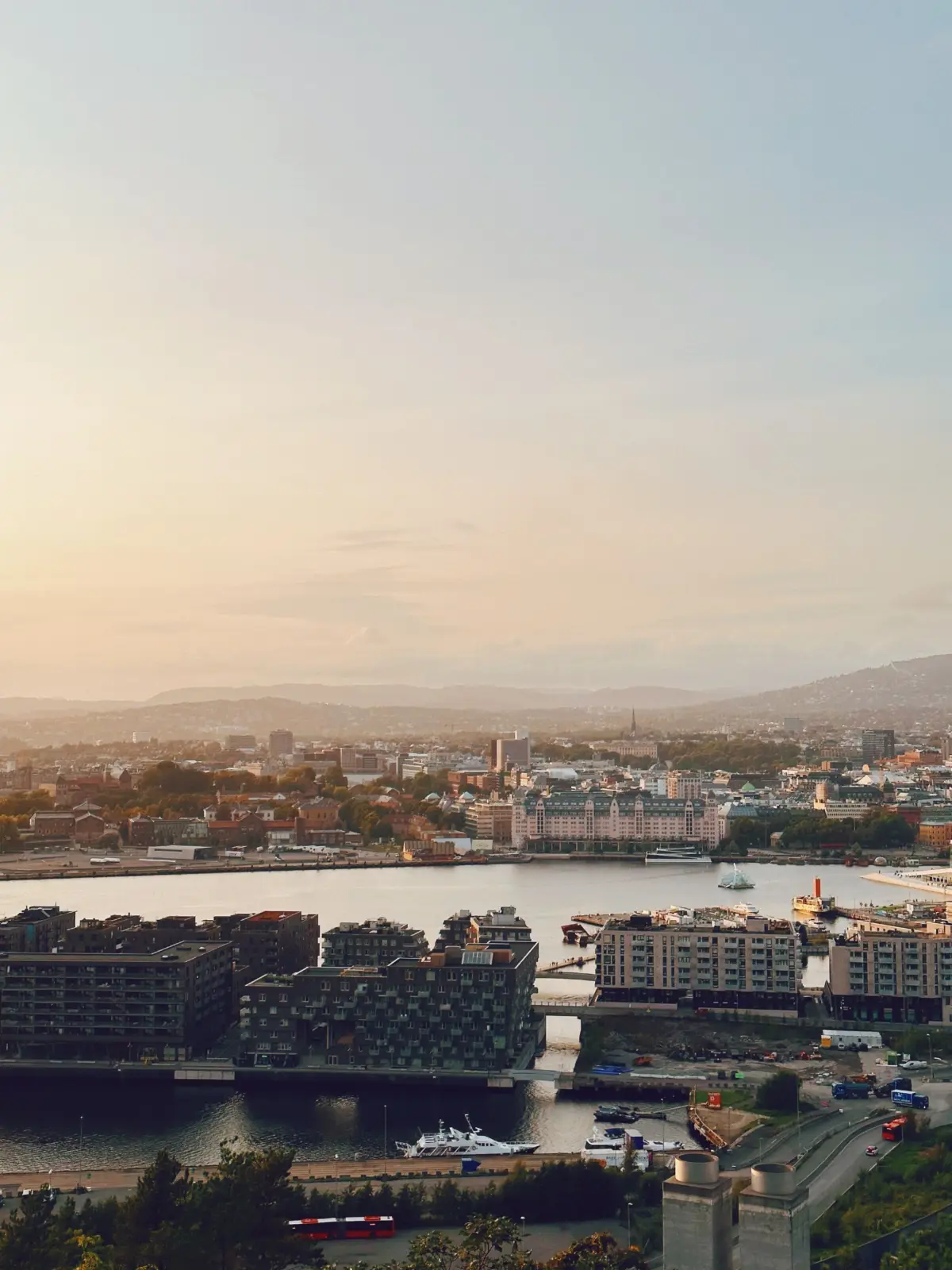
Oslo works best in geographical clusters. Bjørvika, the Opera House and MUNCH make up the eastern side of the central waterfront. Akershus, City Hall, the National Museum and Aker Brygge sit farther west. Karl Johans gate links both areas, ending at the Royal Palace.
Pair Vigeland with Frogner because both lie west of the centre. Grünerløkka and Akerselva belong in the same northern and eastern loop. Treat Bygdøy as a separate block: getting there, visiting two museums and returning takes a substantial part of the day. This arrangement avoids crossing the centre several times and leaves room to move indoors when rain arrives without rebuilding the entire itinerary.
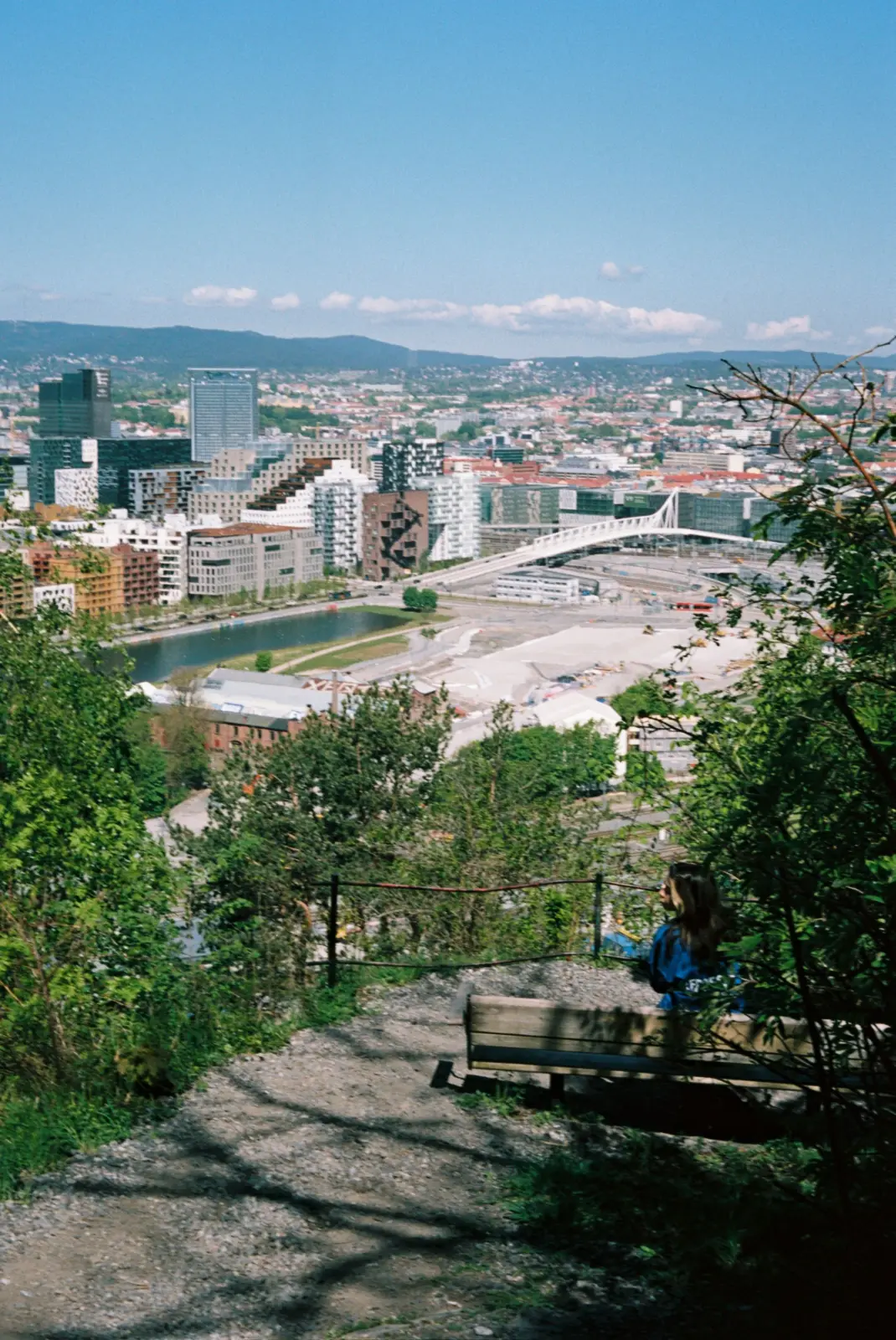
Keep the first day for the centre and Bjørvika. On day two, visit Vigeland in the morning, then take public transport to Bygdøy for Fram and one neighbouring museum. In summer, the boat gives a scenic arrival; the bus runs throughout the year.
Add Grünerløkka and Akerselva on the third morning. Use the afternoon for the museum left off the earlier days, or travel to the fjord islands in good weather. This pace avoids turning each day into a chain of ticketed interiors and transport connections.
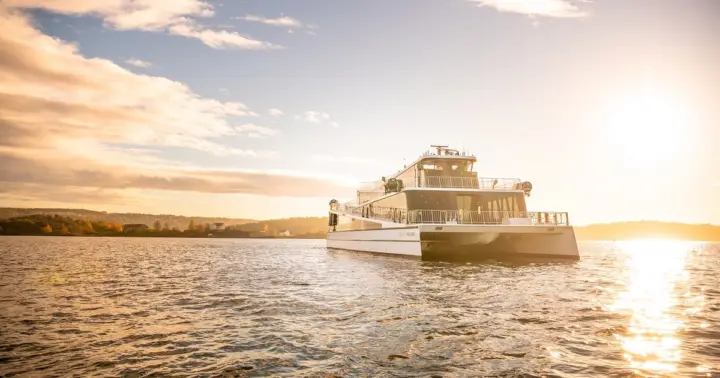
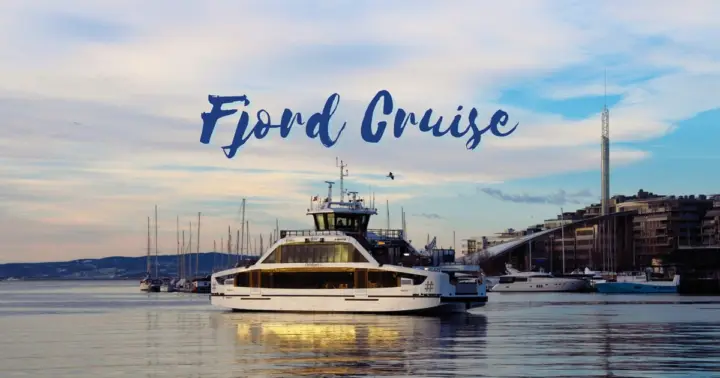
Once museum times are fixed, browse the activities and experiences in Oslo. A fjord outing or themed visit is easier to choose when the genuine gaps in the schedule are visible.
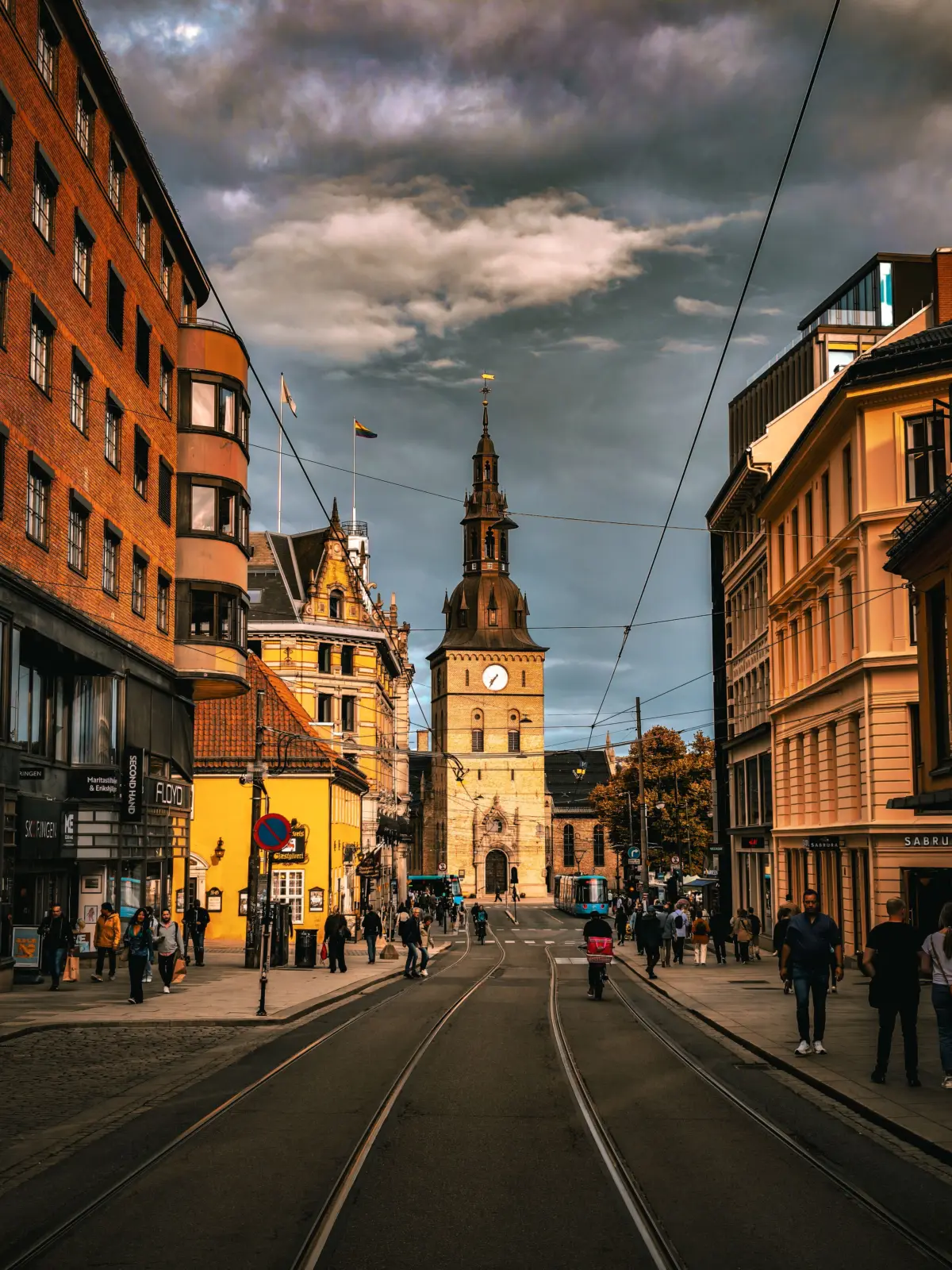
Most central sights are walkable. For Vigeland, Bygdøy and outlying neighbourhoods, Ruter combines metro, tram, bus and some ferries. The entire metro network lies within zone 1. Since 25 January 2026, an adult one-zone single ticket costs 46 NOK and lasts 60 minutes; a 24-hour ticket is 137 NOK. Buy or activate it before boarding and plan the journey through the official Ruter ticket page.
An adult Oslo Pass costs 580 NOK for 24 hours, 845 NOK for 48 hours and 995 NOK for 72 hours. Coverage extends to more than 30 museums and attractions plus transport across several zones in the region. Do the sums first. VisitOSLO’s official Oslo Pass price table lets you compare the pass with planned admission fees and journeys.
Two days cover the centre, Bjørvika, one major museum, Vigeland and part of Bygdøy. Three days allow time for Grünerløkka, another museum or a fjord outing without rushing.
Several major sights require no admission: the Opera House exterior, Akershus grounds, Vigeland Park, Royal Palace gardens, Aker Brygge, Bjørvika waterfront and Akerselva paths. Museum interiors and the castle have separate charges.
It can save money when several paid museums and public-transport journeys are packed into 24 or 48 hours. For a day built around free walks and one museum, paying separately is often cheaper.
Sentrum and Bjørvika minimise travel on a first visit. Aker Brygge is close to the harbour and central museums. Grünerløkka offers more neighbourhood life and good tram connections, though Bygdøy takes longer to reach.
A clear Oslo plan pairs one district with one museum each day. Reserve a free tour in Oslo to place the main landmarks on the map with no credit card needed, then add the visits that fit your own opening-time windows.
Travel marketing specialist with extensive experience in the travel sector. At companies such as Despegar and GuruWalk, she has led traveler-focused digital acquisition strategies. Now, from the GuruWalk blog, she combines her expertise with her passion for discovering and sharing unique destinations.
Local guides, pay-what-you-want and no credit card to book. That is how you understand a city.
Explore free tours on guruwalk.com