

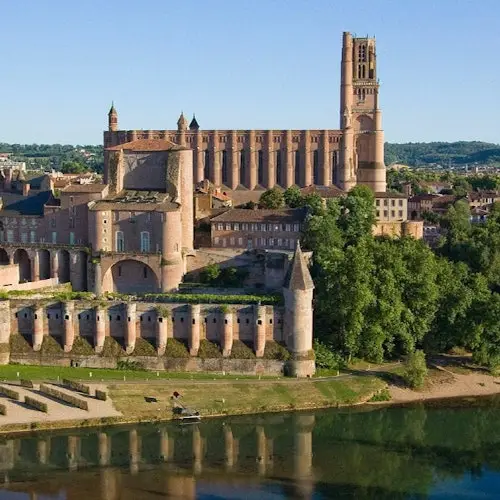
Toulouse brings together pink brick architecture, medieval churches, Renaissance courtyards and a city centre shaped by the Garonne. Most central sights are easy to reach on foot, but a sensible order saves repeated crossings and missed market hours. A practical first step is to book one of the free tours in Toulouse: no credit card needed, and each guest decides the guru’s tip after the walk. This guide sets out the best things to do in Toulouse, how long each area needs and how to plan one, two or three days.
Last verified: August 2026 — Prices, opening hours, and reservation requirements checked against official sources. GuruWalk’s Toulouse guides reviewed the practical recommendations.
The best free tours in Toulouse for a first look
A useful opening walk explains why Toulouse is called the Ville Rose, how the Garonne influenced its growth, and how the pastel trade and the capitouls, its former municipal magistrates, shaped the centre. Routes commonly connect Place du Capitole, rue du Taur, Saint-Sernin, the Jacobins and the riverbanks. After that sequence, the street plan makes much more sense.
GuruWalk offers departures in English and Spanish that generally last around two and a half to three hours, depending on the route. There is no fixed tour price. At the end, the usual tip is €10-20 per person, rising to €50 for small groups or exceptional gurus. A morning tour on day one leaves the afternoon and following days free for the places that deserve an indoor visit.
Hi. This is VERY much a History Tour. It opens with a 15 minute introduction to the city, so much…

Toulouse is a city that has a feel of a small town. The center is connected by all its little…

A journey through medieval Toulouse! Come and discover for yourself why all attendees rate it positively. …

A walk through the historic center of Toulouse. We will know the main monuments and squares through its charming streets…

Join me on a 3-hour tour where we will enter the old town of Toulouse to discover the history of…

1. Place du Capitole and the Salle des Illustres
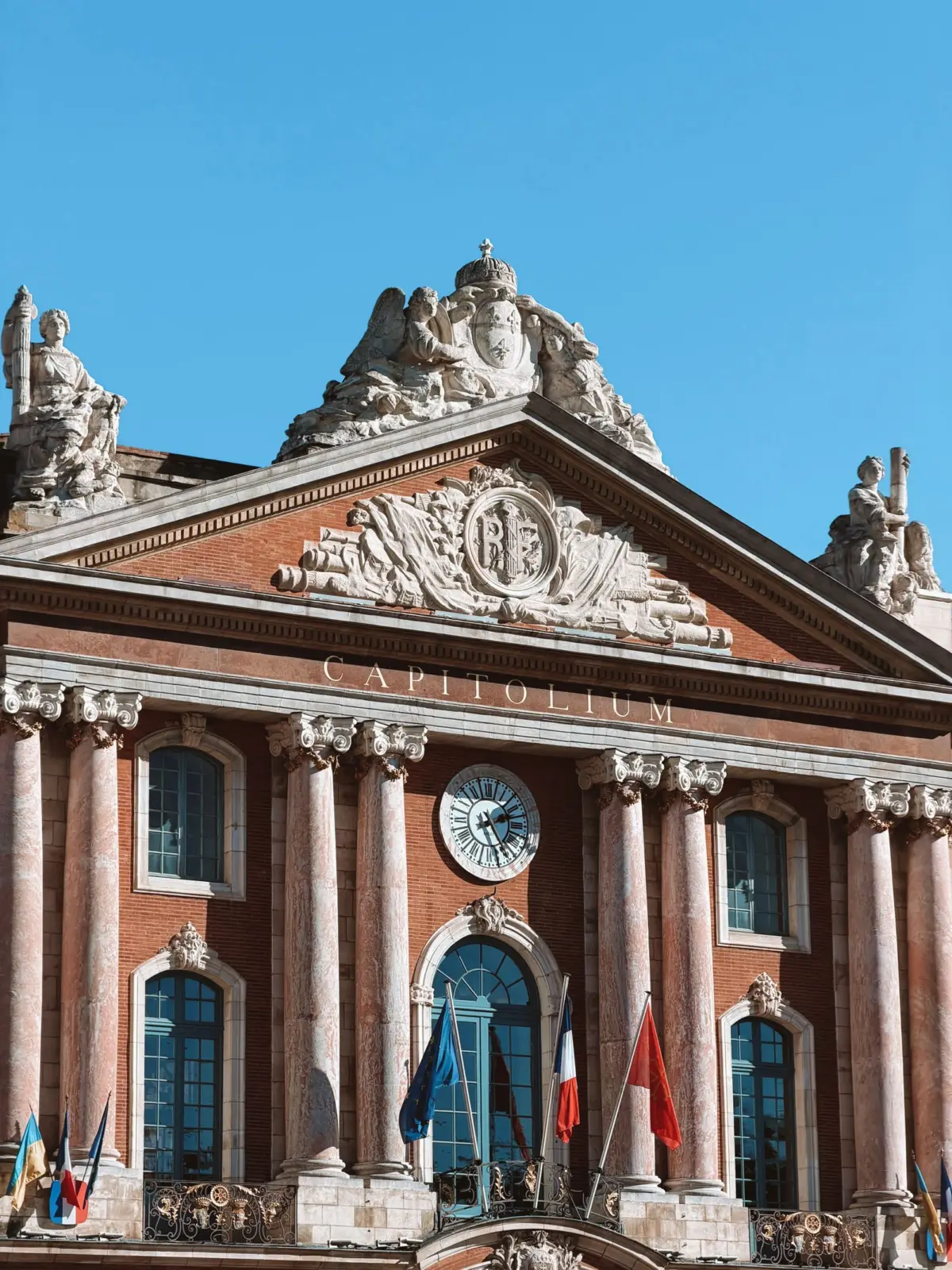
Place du Capitole is the clearest reference point in central Toulouse. The 18th-century façade contains both city hall and the Théâtre du Capitole, while the Henri-IV courtyard runs through the building from the square. Upstairs, the Salle des Illustres is a ceremonial gallery whose paintings trace local history.
Access to the municipal rooms can change during official events and weddings. Check the same-day details on the official list of Toulouse’s main sights. Outside, look for the Occitan cross set into the square, then walk through the arcades before continuing along rue du Taur.
2. Basilica of Saint-Sernin
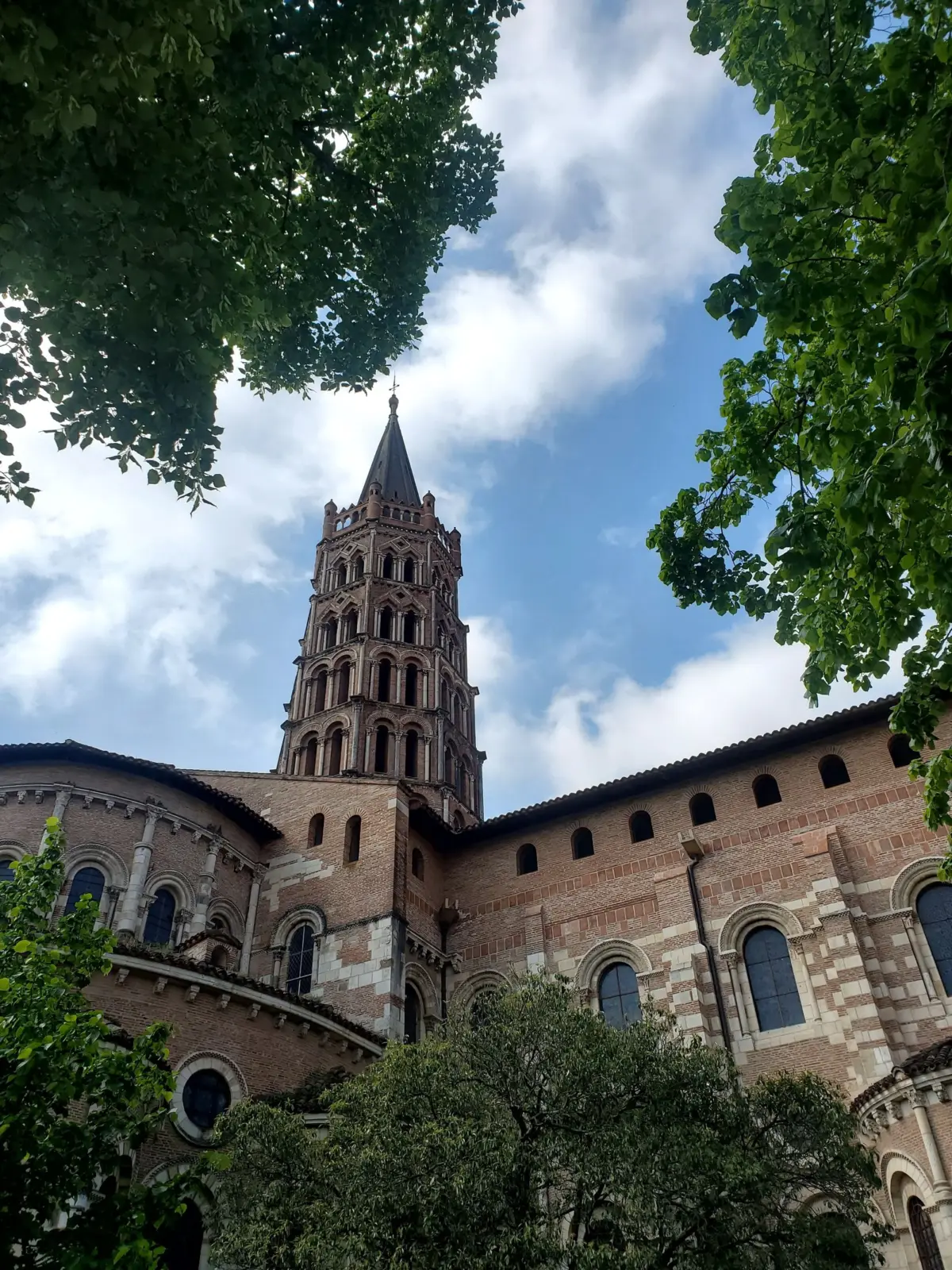
Saint-Sernin is one of Europe’s largest Romanesque churches and forms part of the UNESCO-listed Routes of Santiago de Compostela. Its octagonal bell tower is visible from several central streets. Inside, a 21-metre-high nave leads towards chapels and reliquary spaces designed for the medieval pilgrims who passed through Toulouse.
Saint-Sernin opens daily; from June to September, the general hours shown are 8:30 am to 7 pm. The crypt and ambulatory keep shorter hours, and services can restrict access. Allow 30-45 minutes for an unhurried visit. Walking from Capitole along rue du Taur takes less than ten minutes.
3. Jacobins Convent
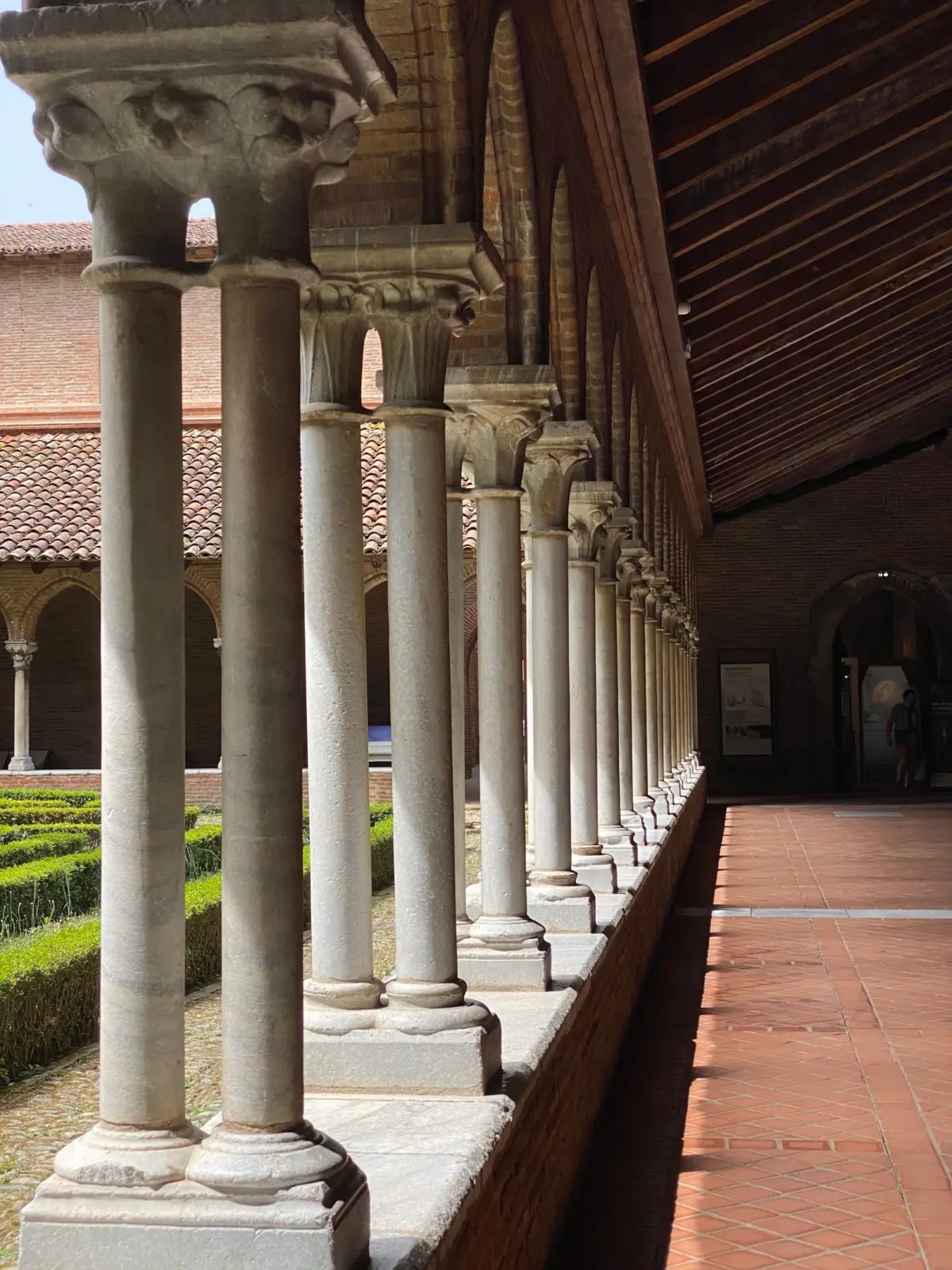
A plain brick exterior gives little warning of the double nave or the column whose 22 ribs spread like a stone palm tree. Founded by the Dominican order, the convent also holds the relics of Thomas Aquinas. It is the most direct introduction to southern Gothic architecture within the old town.
Access conditions differ between the church and the convent buildings. If the cloister, refectory and chapels are open, allow close to an hour; the position between Saint-Sernin and the Garonne keeps the visit on a natural walking route.
4. The Garonne, La Daurade and Pont Neuf
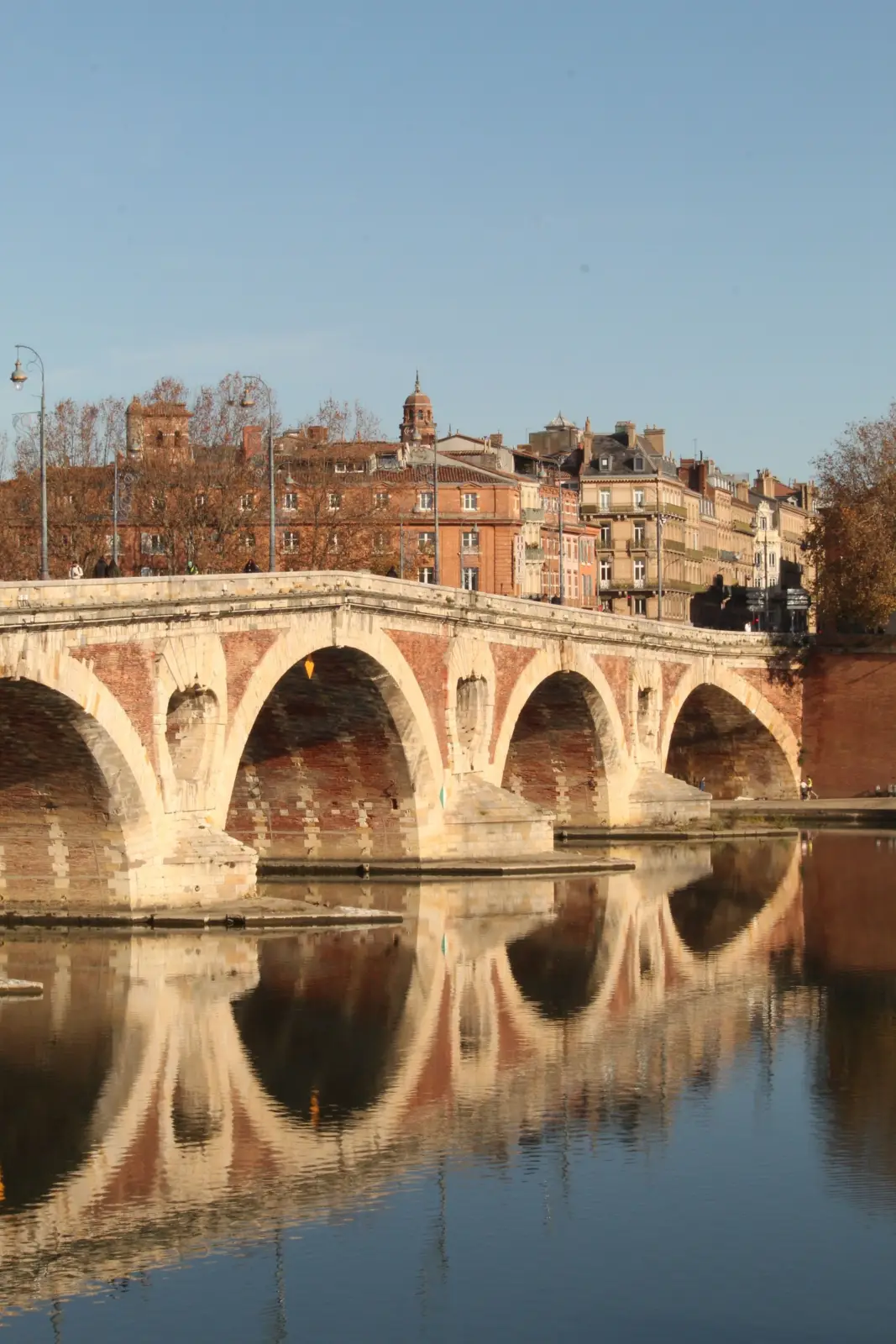
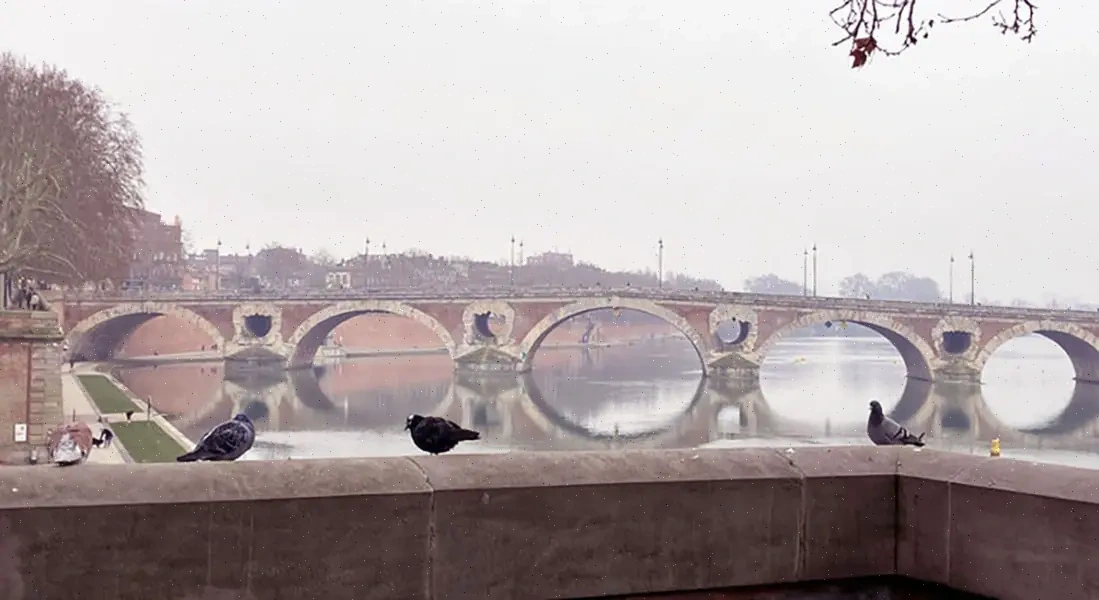
Along the Garonne, the riverbanks provide the clearest city view. From quai de la Daurade, the skyline includes Pont Neuf, the dome of La Grave and the Saint-Cyprien façades across the water. The bridge’s name is misleading: although it means “New Bridge”, construction began in the 16th century and continued for decades.
A straightforward walk descends from Place de la Daurade, crosses Pont Neuf and continues to Hôtel-Dieu Saint-Jacques. Late-afternoon light strengthens the brick colours. There is no need to treat this as a separate attraction; it works naturally as the walking link between the centre and Saint-Cyprien.
5. Hôtel d’Assézat and the pastel-trade courtyards
Renaissance wealth from pastel, the plant used to make blue dye, left Toulouse with a group of private mansions. Hôtel d’Assézat is the best-known example. Its courtyard combines classical orders, a stair tower, stone and brick façades. The building now houses the Fondation Bemberg.
Even without entering the collection, the courtyard provides useful context for the city’s merchant period. It is a short walk from La Daurade through rue de Metz. More hôtels particuliers stand around Saint-Étienne, but many remain private homes, so only enter courtyards that are clearly open to the public.
6. Musée des Augustins
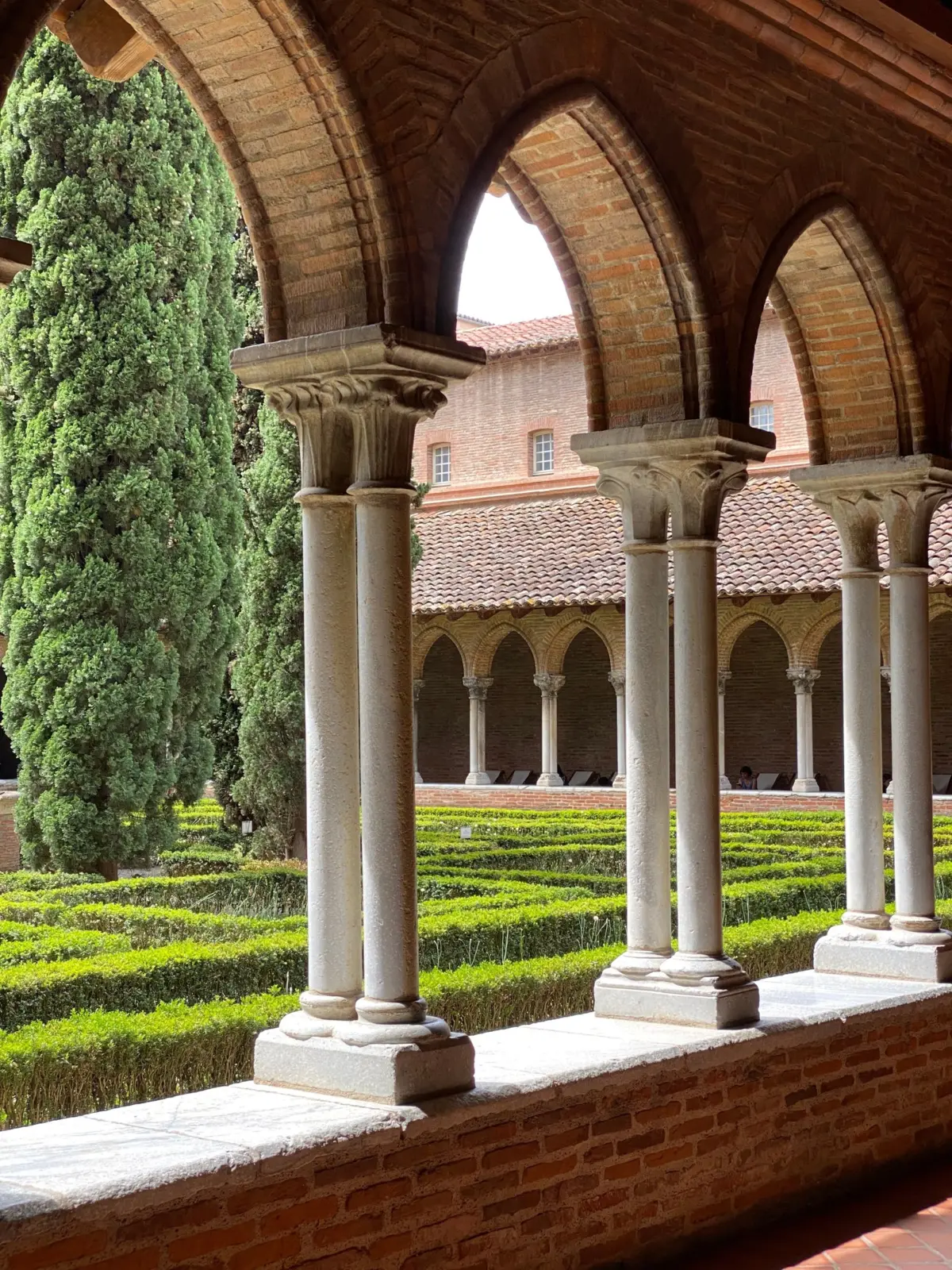
Toulouse’s fine-arts museum occupies a 14th-century convent and holds medieval sculpture, European painting and 19th-century works. It reopened in December 2025 after several years of renovation. During 2026, sections have returned progressively while restoration continues in the large cloister.
Check the official Musée des Augustins reopening information before travelling, because the available rooms determine how long the visit takes. For a partial route, 60-90 minutes is usually enough. The entrance is on rue de Metz, between Esquirol and Saint-Étienne Cathedral.
7. Victor Hugo Market
More than 80 stalls at Victor Hugo sell fish, meat, cheese, bread, fruit and produce from south-west France. It is a morning market. Opening hours run from 7 am to 1:30 pm, Tuesday to Sunday, while first-floor restaurants cook with ingredients sold below.
A full meal is not essential to understand the place. Walking among the stalls reveals regional cheeses, charcuterie and saucisse de Toulouse. Anyone planning to sit down should arrive before 12:30 pm, particularly from Friday to Sunday.
8. Canal du Midi on foot or by bicycle
A 360-kilometre navigable network with 328 structures includes the UNESCO-listed Canal du Midi. Its main section runs for 240 kilometres between Toulouse and the Étang de Thau near the Mediterranean. Within the city, former towpaths offer a flat, tree-lined route.
For a short outing, begin near Matabiau and continue towards Port Saint-Sauveur. A one-hour return walk is enough to exchange monuments for the canal landscape. The UNESCO Canal du Midi record explains its construction between 1667 and 1694 and its importance as an engineering work.
9. Cité de l’Espace
Cité de l’Espace lies outside the centre and needs at least half a day. More than 250 exhibition elements include Mir station modules, a full-scale Ariane 5 rocket replica, a planetarium, an IMAX cinema and areas devoted to the Moon and Mars. It is the strongest choice for travellers interested in science and for many families.
In 2026, one-day adult admission ranges from €29 to €32. Dates affect the price. Doors open at 10 am, but seasonal closing times vary and reach 11 pm on selected summer nights; check the official Cité de l’Espace website and set aside four to six hours.
10. Halle de La Machine
In Montaudran, Halle de La Machine presents large mechanical creatures and the machinists who bring them to life. A standard visit takes about 90 minutes. The Minotaur ride, when available, lasts around 25 minutes and can be booked separately or as part of a combined ticket.
Full-price admission is €12 for the Halle and €21 for a combined Halle and Minotaur ticket. Opening patterns change during the year, so use the official Halle de La Machine information for the chosen date. Public transport and local trains connect central Toulouse with Montaudran.
Albi & Cordes-sur-Ciel: Day Tour From Toulouse + Audio Guide
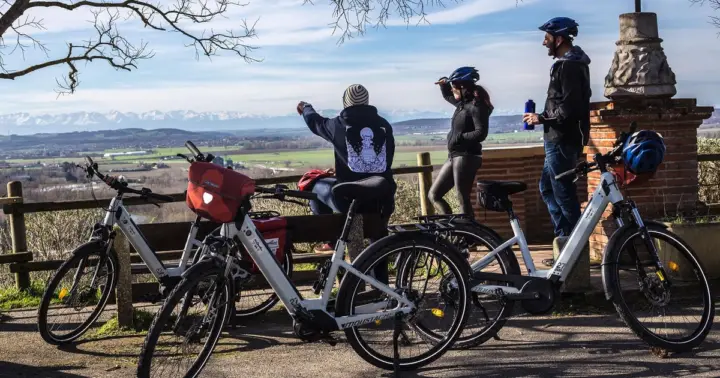


Scenic E-Bike Ride to a Hilltop Village from Toulouse
Toulouse: Carcassonne Day Trip by Coach with Audio Guide
Carcassonne: Day Tour from Toulouse + Audio Guide
Lourdes Small Group Day Trip
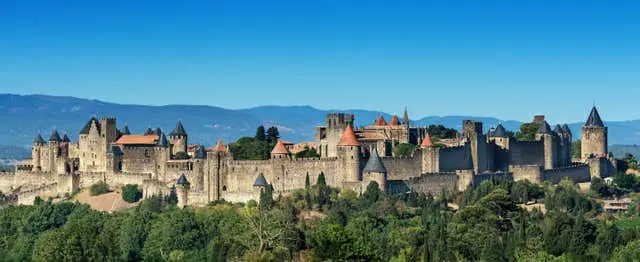
Carcassonne Day Trip
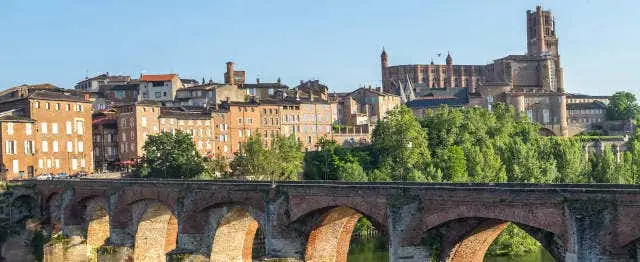
Albi and Cordes-sur-Ciel Day Trip + Audio Guide
Things to do in Toulouse in 1, 2 or 3 days
Toulouse in one day
Start with the free tour, then continue through Saint-Sernin and the Jacobins. Eat near Victor Hugo if it is a market day. In the afternoon, connect Capitole, Hôtel d’Assézat and La Daurade, cross Pont Neuf and finish beside the Garonne. The route fits into roughly six kilometres on foot.
Toulouse in two days
Day one belongs to the historic centre. On the following morning, combine Musée des Augustins with Saint-Étienne, then choose either the Canal du Midi or Saint-Cyprien. A flexible afternoon remains for courtyards, shops and cafés without repeating the principal sights.
Toulouse in three days
Use day three for a themed excursion. Cité de l’Espace takes longer and suits astronomy fans and families; Halle de La Machine pairs well with the aviation heritage of Montaudran. Trying to rush both on the same day loses time to transport and fixed entry slots.
Getting around and travelling from the airport
Capitole, Saint-Sernin, the Jacobins, Esquirol and La Daurade form a compact central area. Walking is usually faster there than combining transport. Metro lines A and B connect Matabiau, Carmes, Saint-Cyprien and more distant neighbourhoods, while buses and public bicycles help with the canal and Montaudran.
As of August 2026, airport tram T2 remains suspended during Metro line C works. A €9 shuttle links the terminal with Compans-Caffarelli, Jeanne d’Arc and Matabiau approximately every 15 minutes; the journey takes 25-45 minutes depending on traffic. First and last departures appear on the official Toulouse Airport transport page.
Frequently asked questions about Toulouse
How many days do you need in Toulouse?
One day covers the historic centre and the Garonne. Two days allow time for a museum and the Canal du Midi. With three days, Cité de l’Espace or Halle de La Machine can take a dedicated day without cutting the old town short.
Can you explore Toulouse on foot?
Yes. Most central monuments stand within a 15-minute walk of one another. Transport is mainly useful for the airport, Cité de l’Espace, Montaudran and the more distant sections of the canal.
What can you do for free in Toulouse?
Place du Capitole, the Garonne riverbanks, Pont Neuf and the Canal du Midi paths have no admission charge. The nave of Saint-Sernin is also free to enter, although individual spaces or activities can have separate conditions.
Should you book a free tour in advance?
For Toulouse weekend and holiday departures, booking is recommended. GuruWalk requires no credit card. The booking secures a place and provides the correct meeting point, language and duration for the selected walk.
Plan your Toulouse stay
An efficient order is simple: historical context on foot, central monuments, the Garonne and then one themed visit outside the old town. GuruWalk is the platform for finding and booking free tours with local gurus and activities in cities around the world. Compare the free tours in Toulouse, then add activities and experiences in Toulouse to complete the trip.

GuruWalk
Travel marketing specialist with extensive experience in the travel sector. At companies such as Despegar and GuruWalk, she has led traveler-focused digital acquisition strategies. Now, from the GuruWalk blog, she combines her expertise with her passion for discovering and sharing unique destinations.